Paid search that buys customers, not clicks.
buys customers
We are a Google Ads agency for companies that want paid search judged on revenue. Google and Microsoft Ads rebuilt around intent tiers, clean conversion data and a bidding strategy your actual conversion volume can support. The average cost per click across 13,000 US campaigns is $5.42, with an average cost per lead of $66.69 (WordStream, 2026) — so the difference between a good account and an average one is measured in customers, not clicks. Every dollar is traceable to a sale, and the case studies are open for you to read.






Tell us a little about your brand and we'll be in touch within 24 hours to lock in a time.



PLATFORMS
Every surface where demand already exists.
demand already exists
Search, Shopping, Performance Max and YouTube are different businesses that happen to share a login. We staff them that way: a specialist per surface, one plan across all of them, one number reported at the end of the month. Most paid media management problems we inherit are not bidding problems — they are structure and measurement problems that bidding cannot fix.
Google Search
Performance Max

Shopping

Microsoft Ads

YouTube & Demand Gen
Where the money is decided.
Intent-tiered campaigns so brand, high-intent non-brand and discovery stop competing for the same budget, a negative keyword programme with a real review cadence, and search term mining that turns waste into new coverage every month. This is the surface where account management still beats automation, because only a human knows which query is a customer and which is a student.
- Intent-tiered structure
- Negative keyword programme
- Weekly search term mining
- Bid strategy matched to volume
$5.42
average CPC, all industries (WordStream 2026)
Weekly
search term and negative review
Automation with the guardrails on.
PMax without asset group discipline is a black box with your budget in it. Adoption jumped from 60% of surveyed advertisers in 2024 to 71% in 2025, at 19.9% of total Google spend (Fluency), which means most accounts now run it whether or not anyone is reading the channel breakdown. We split by product margin and intent, feed it real assets, add brand exclusions, and read the breakdown so Shopping cannibalisation shows up early instead of at the quarterly review.
- Asset group discipline
- Channel breakdown reporting
- Brand exclusions
- Margin-based product splits
71%
of advertisers now run PMax (Fluency 2025)
19.9%
of Google spend sits in PMax (Fluency)
Feed quality is the campaign.
Most Shopping performance is decided in the feed, not the bid. We fix titles, attributes, images and availability, then classify products into tiers so budget follows margin rather than popularity. For eCommerce clients this is usually the single fastest improvement available in the whole account, and it costs creative time rather than media budget.
- Feed audit and repair
- Product tier classification
- Priority structure
- Merchant Center diagnostics
Feed first
before any bid change
Margin
decides budget, not popularity
The cheap demand everyone forgets.
Lower competition, an older and often higher-intent audience, and an import most teams set up once and never optimise again. We run it as its own account with its own negatives, its own budget logic and LinkedIn profile targeting, because a copied Google campaign is not a Microsoft strategy.
- Native account build
- LinkedIn profile targeting
- Independent negatives
- Separate budget logic
Own account
not a Google import left on autopilot
Lower CPCs
in most B2B categories
Demand creation that search can harvest.
Video built for the funnel stage it serves, measured on branded search lift and assisted conversions rather than views. Demand Gen is where Google’s paid social ambitions live, so we judge it on lead quality downstream in your CRM, not on the platform’s own conversion count.
- Funnel-stage formats
- Audience layering
- Branded search lift
- Lead quality review
Lift
measured on branded search, not views
CRM
is where lead quality is judged
average search cost per click, up from $2.32 in 2016 (WordStream)
average cost per lead across industries (WordStream)
Time to first measurable signal after launch
Every account, pixel and asset
We made the difference for those brands

Beauty, personal care & wellness

Consumer tech and platforms

Apparel and lifestyle

Travel & mobility

Consumer tech and platforms

Apparel and lifestyle

B2B software, fintech, insurance

Retail & commerce

Creative, content, arts & culture

Food & beverage

Beauty, personal care & wellness

Healthcare & regulated services

B2B software, fintech, insurance

Food & beverage

Retail & commerce

Beauty, personal care & wellness

Food & beverage

Home essentials, appliances, kitchen & pet

B2B software, fintech, insurance

Retail & commerce

B2B software, fintech, insurance

Beauty, personal care & wellness

Apparel and lifestyle

Travel & mobility

B2B software, fintech, insurance

Creative, content, arts & culture

Home essentials, appliances, kitchen & pet

Healthcare & regulated services

Creative, content, arts & culture

Beauty, personal care & wellness
01 — The challenge
A measurement problem wearing a bidding problem's clothes.
Almost every Google Ads account we inherit has the same shape: Smart Bidding switched on, a target set by someone who left, and one conversion action counting three different things at once. The algorithm is optimising perfectly — toward the wrong outcome.
“Our cost per conversion looks fine. Sales are flat. Nobody can explain the gap.”
That gap is almost always in the data layer: duplicate conversions, form views counted as leads, no value passed back, and a search term report nobody has read in a quarter. Fixing the bid strategy before the data is pointless, and raising the budget just buys more of the wrong thing faster. The benchmark spread makes it expensive to get wrong — average conversion rates run 8.18% across US search campaigns (WordStream, 2026), and the accounts sitting well under that are usually paying for queries a human would have excluded in an afternoon.
02 — Our approach
Fix the signal. Then spend behind it.
We rebuild conversion tracking end to end — enhanced conversions, value rules, offline imports where the sale closes off-site — then restructure around intent tiers so brand, high-intent non-brand and discovery stop competing for the same budget. Only after that do we touch bidding, and only with a strategy your conversion volume can actually support: a campaign with eleven conversions a month does not belong on a tROAS target no matter what the interface suggests. From there the work is unglamorous and compounding: search terms mined weekly, negatives documented, creative tested against a hypothesis, budget moved on evidence.
03 — What we did
Four workstreams, one number.
Measurement, structure, creative and expansion run in parallel with one weekly working session and one written monthly review: what changed, what it cost, what we are testing next. Nothing moves in your account without it appearing in that document.
Week 1 / Measurement
Rebuild the conversion data before touching a bid
Enhanced conversions, deduplicated actions, values passed back, offline imports where the sale closes on the phone or in the CRM.

Weeks 2-3 / Structure
Separate brand, high intent and discovery
Intent tiers with their own budgets and targets, negatives cleaned, and PMax given asset group discipline and brand exclusions.

Month 1-2 / Creative
Assets and landing pages that carry the click
RSA sets tested against a hypothesis, extensions completed, and landing page alignment fixed where the ad promises more than the page.

Ongoing / Expansion
Mine the search terms, then take the next surface
Weekly search term mining into new coverage, Microsoft Ads built natively, and video only when the funnel is ready to harvest it.

CAMPAIGN TYPES
The right campaign type for the job.
right campaign type
Most wasted spend comes from the wrong campaign type carrying the wrong objective. We pick the structure first, then build the assets it needs — and every asset, account and pixel stays in your company’s name.

Conversion tracking rebuilt and validated
Enhanced conversions, deduplicated actions, values and offline imports, validated against your CRM before spend scales.

Intent-tiered account structure
Brand, high-intent non-brand and discovery separated so each tier gets its own budget, target and honest read.

A bid strategy your volume supports
Strategy chosen for your conversion volume, with targets moved in steps the learning period can absorb.

Search term mining and negatives
A weekly documented pass that removes waste and turns proven queries into new coverage instead of guesswork.

Text and video assets that earn share
RSA sets tested against a hypothesis, extensions completed, and video cut for the placement rather than resized after the fact.

Reporting your CFO can audit
One written monthly review tied to revenue and pipeline, with the raw data attached so anyone can check the arithmetic.
HOW WE WORK
Operating standards, not promises.
Operating standards



















Built on trust. Proven by results.
We partner with SMBs and Fortune 500 companies to deliver more than reach — we bring clarity, execution, and measurable outcomes. Every successful partnership starts with a strong culture fit and a shared drive to grow.




CASE STUDIES
Case studies
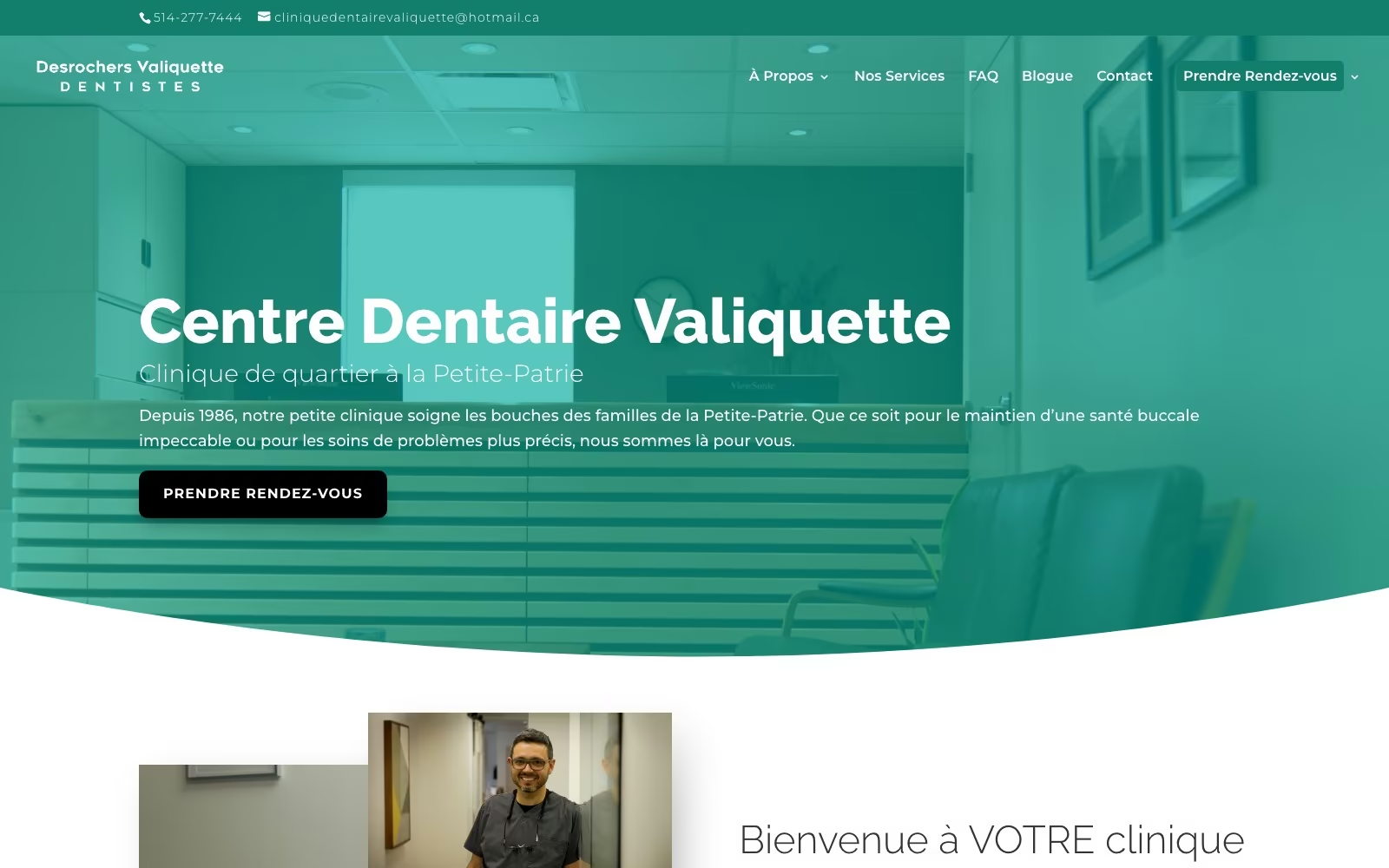
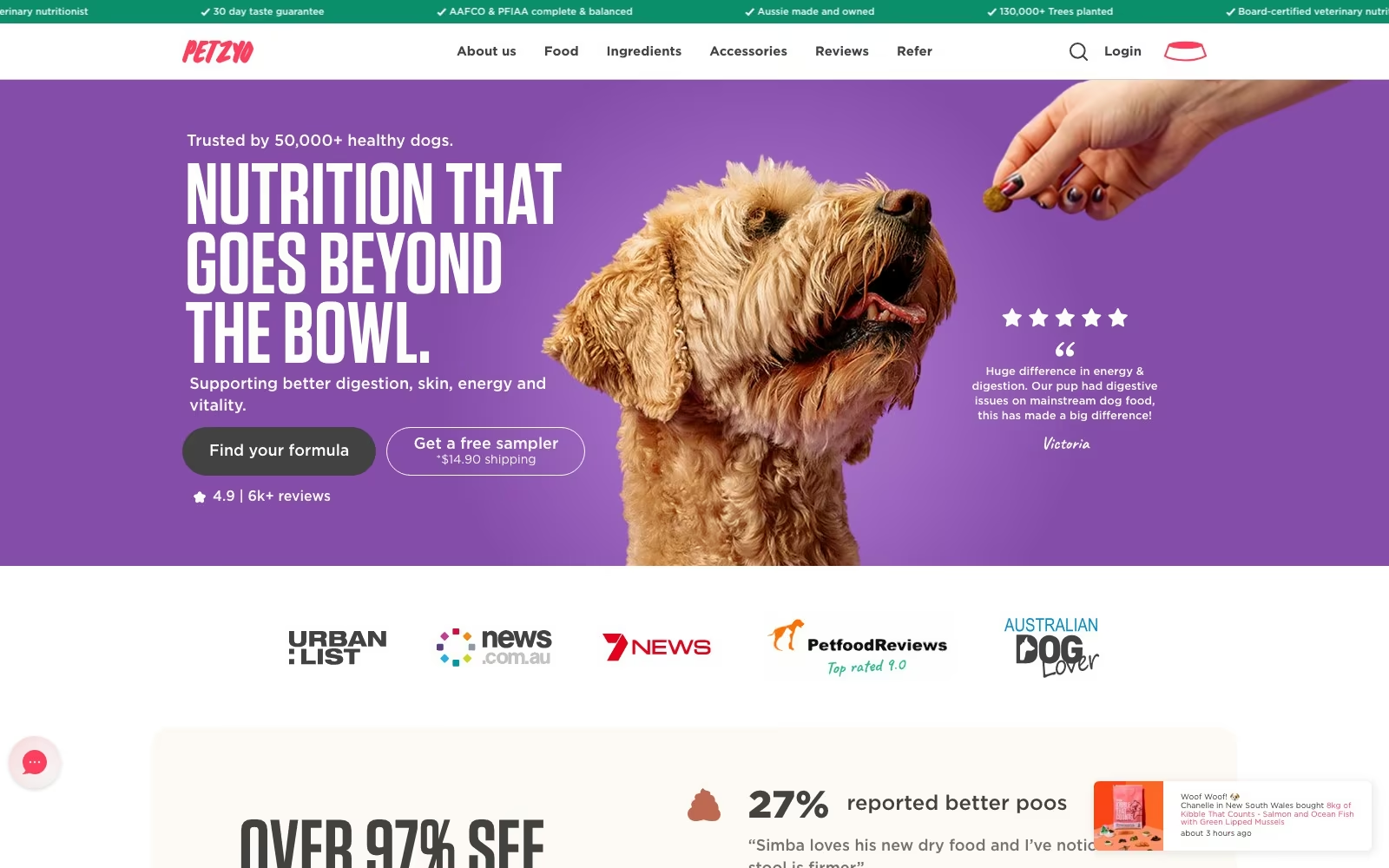
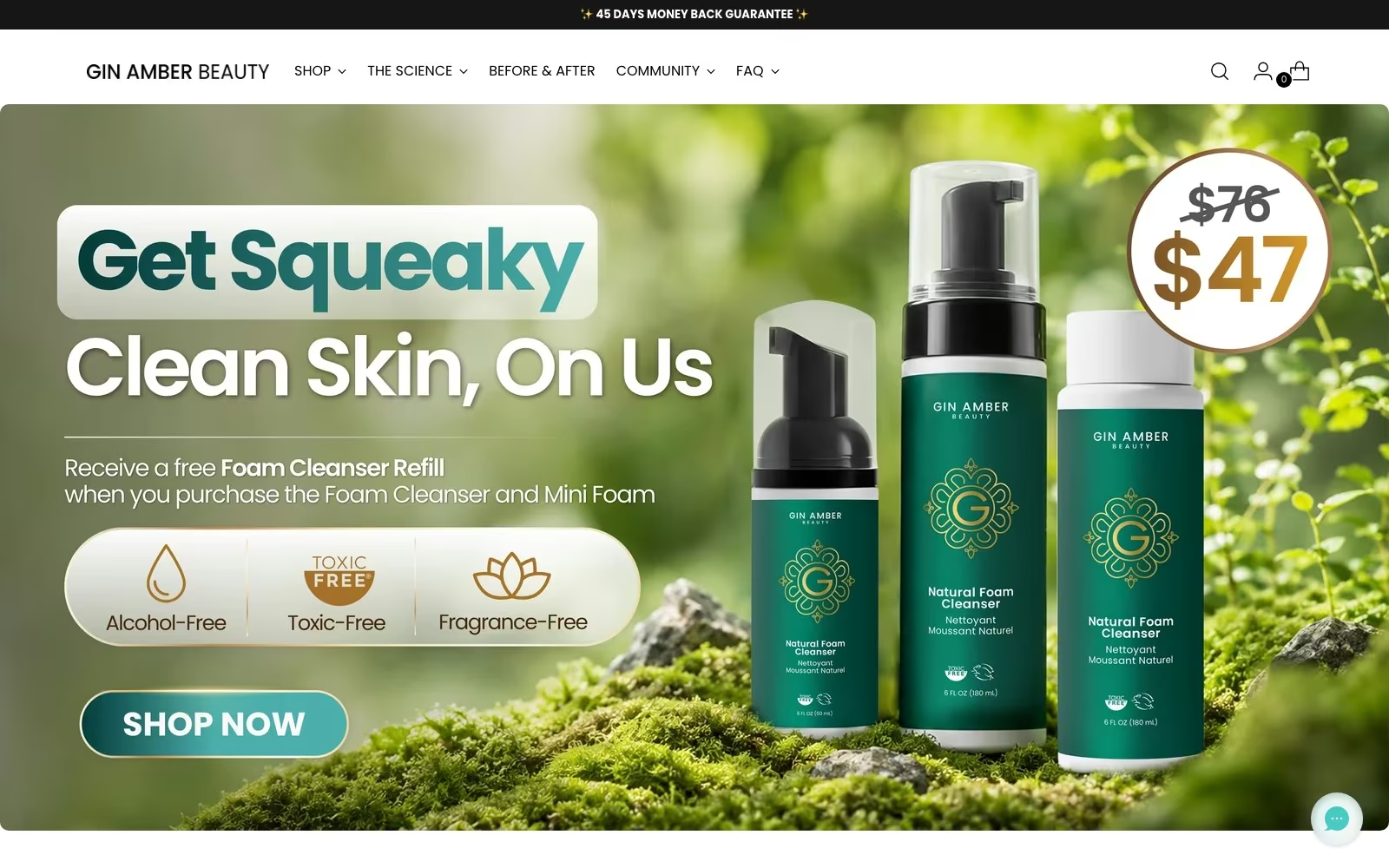
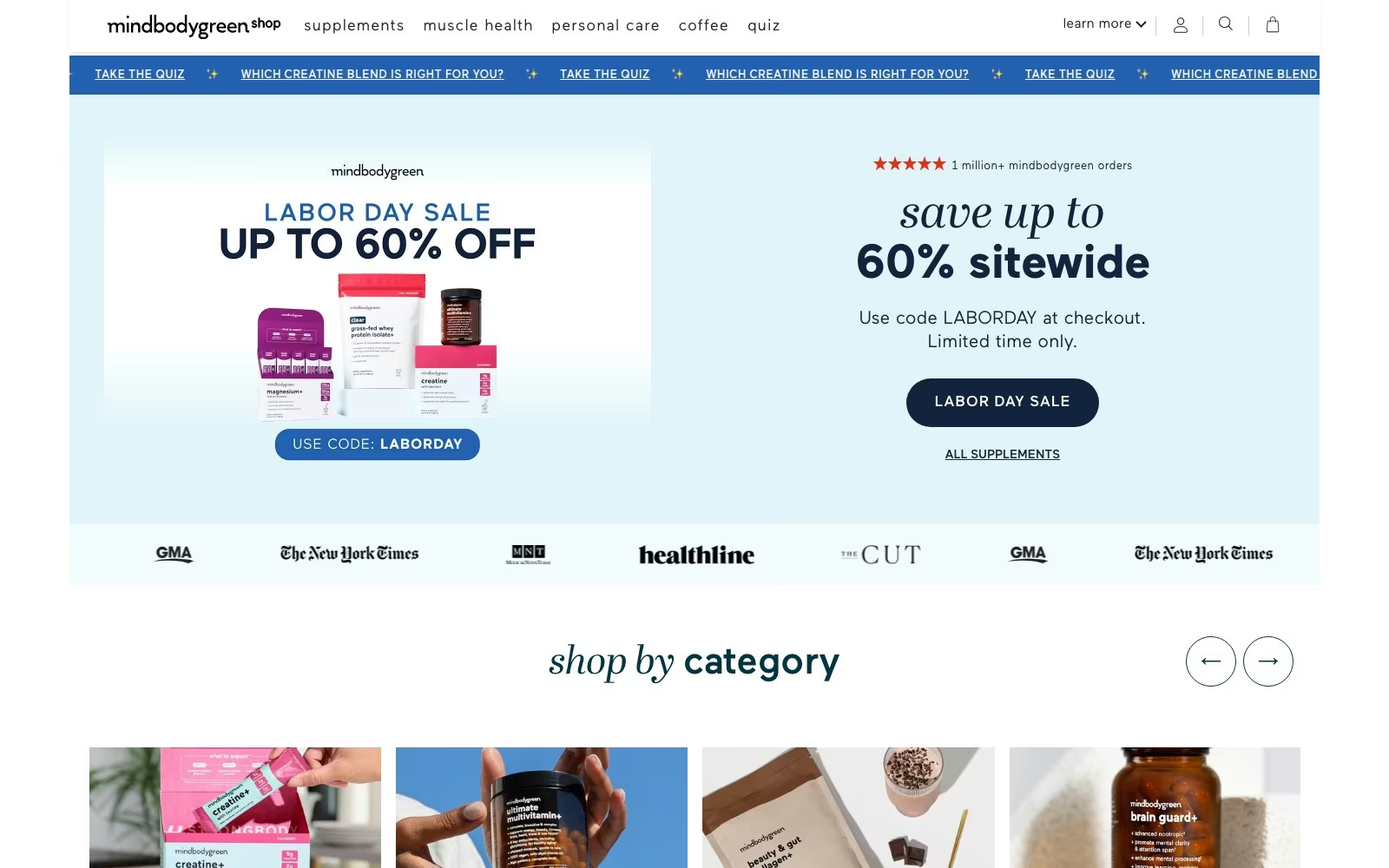
Website Portfolio
Video Ads
Static Ads































































































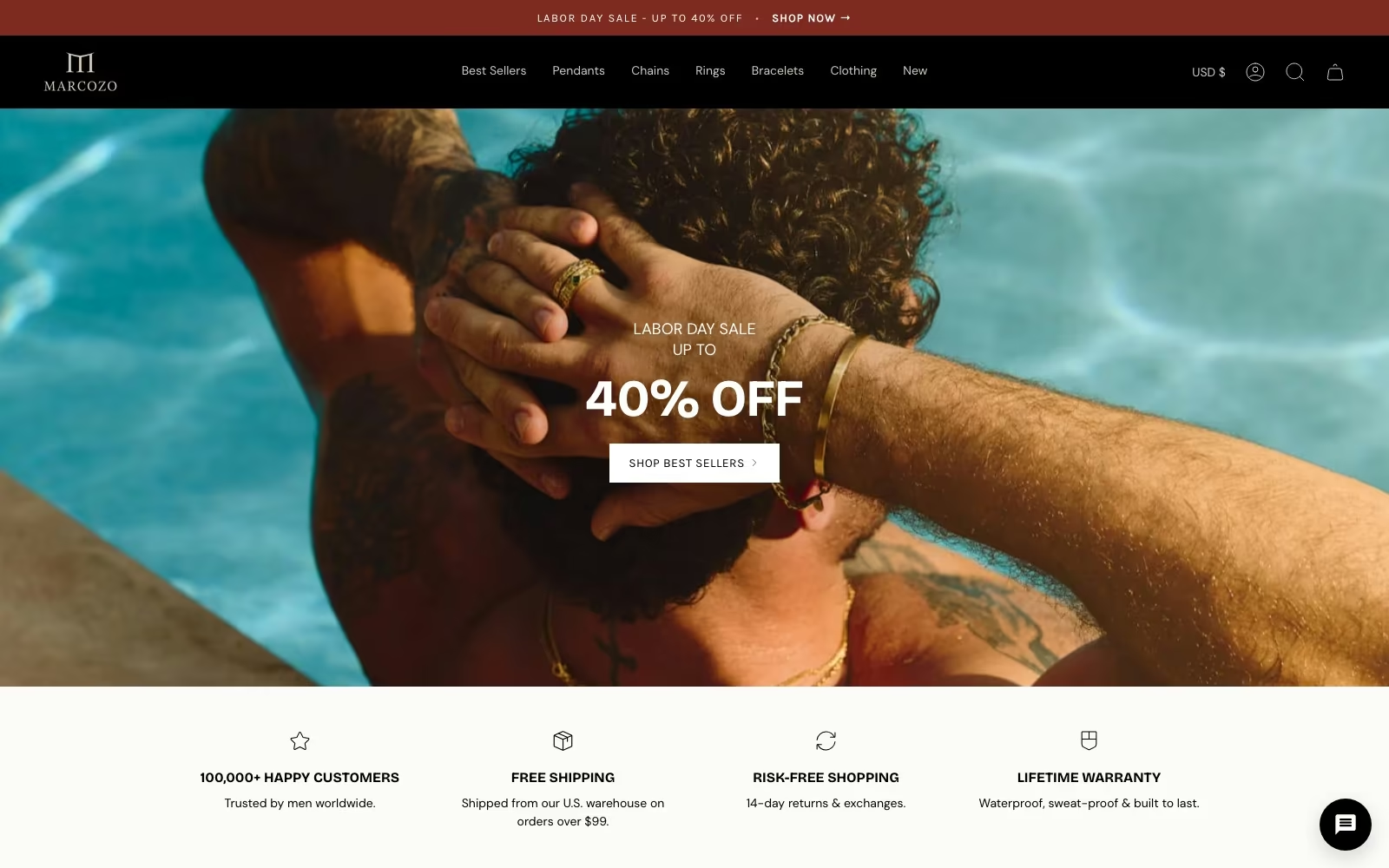

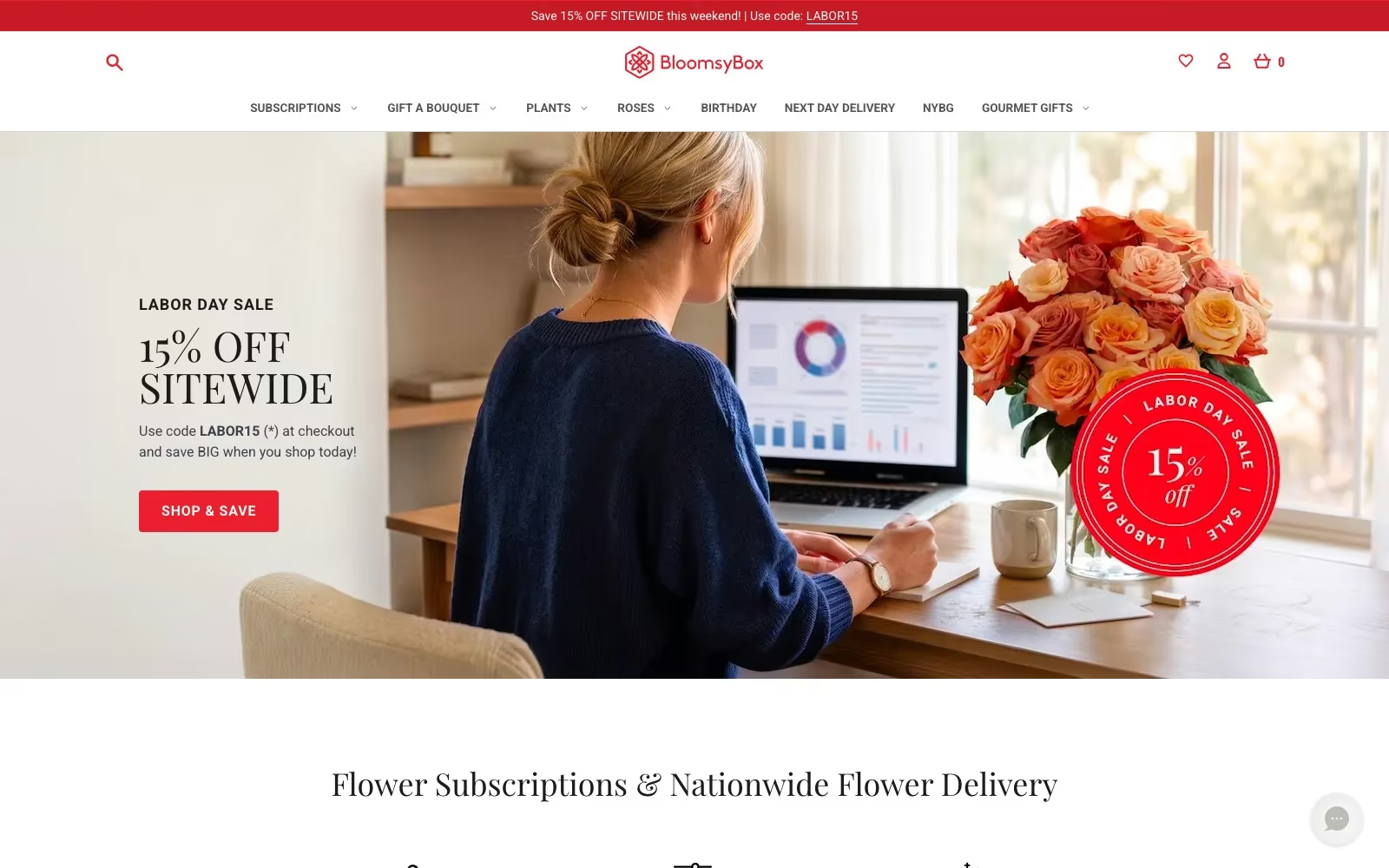





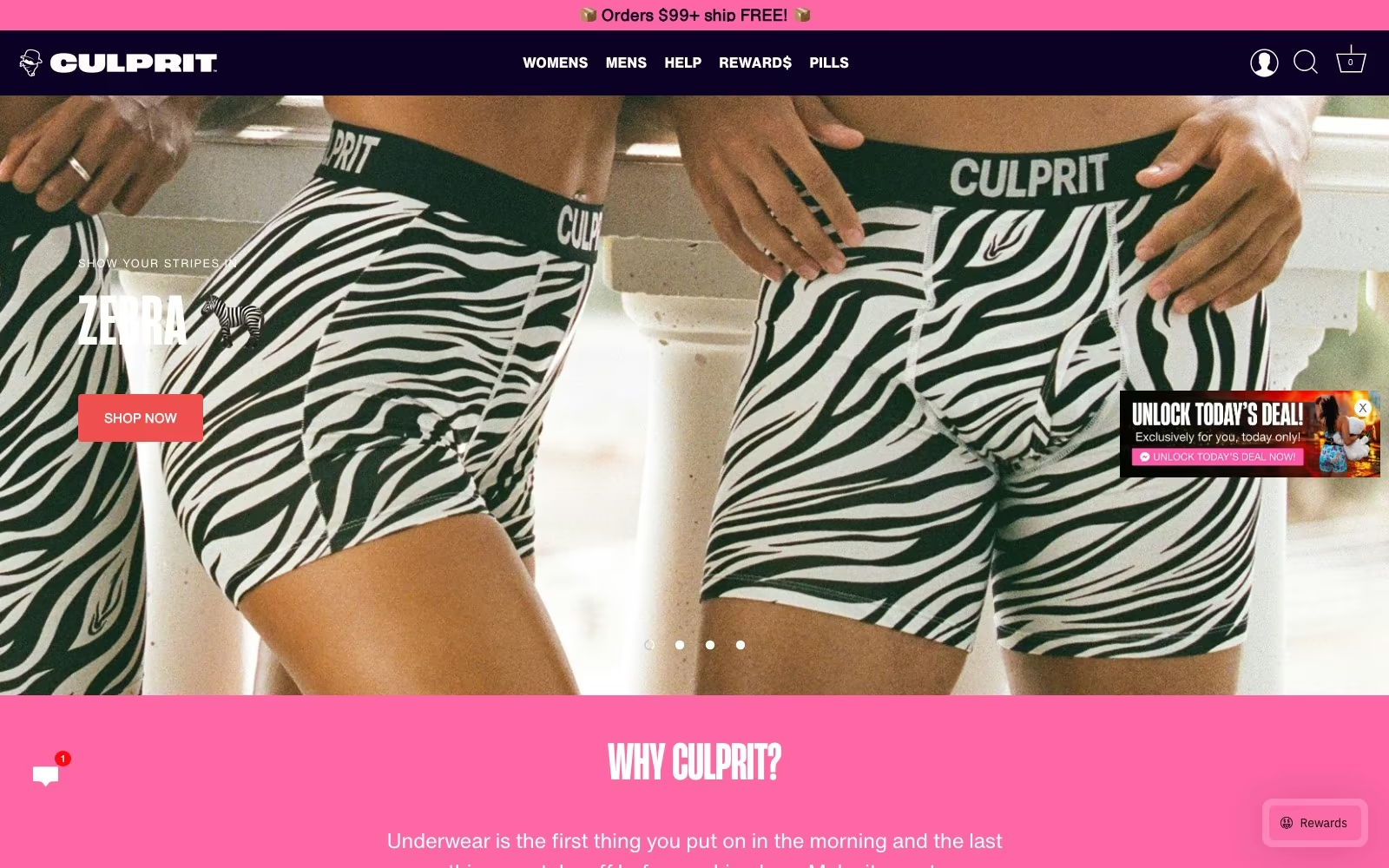





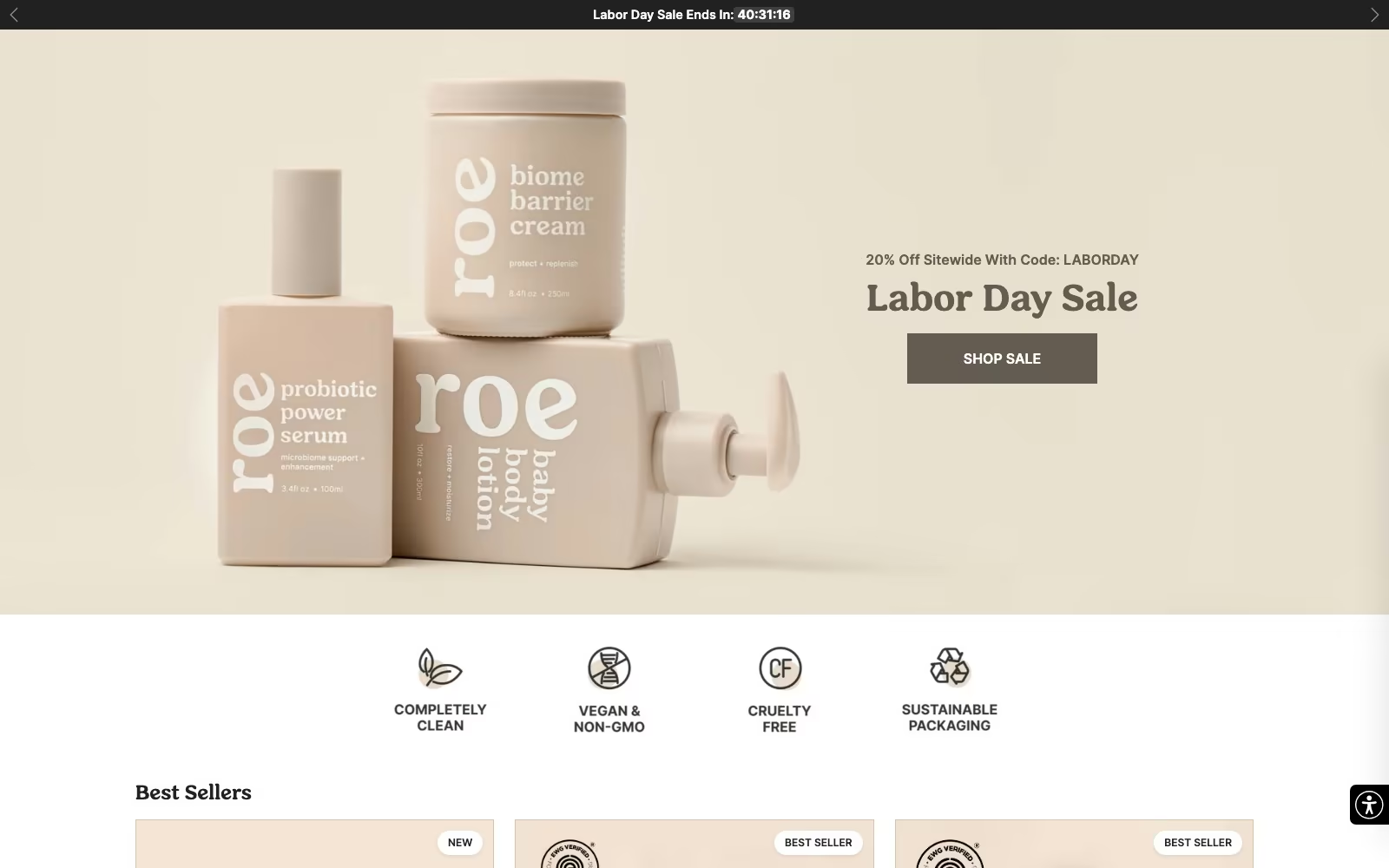









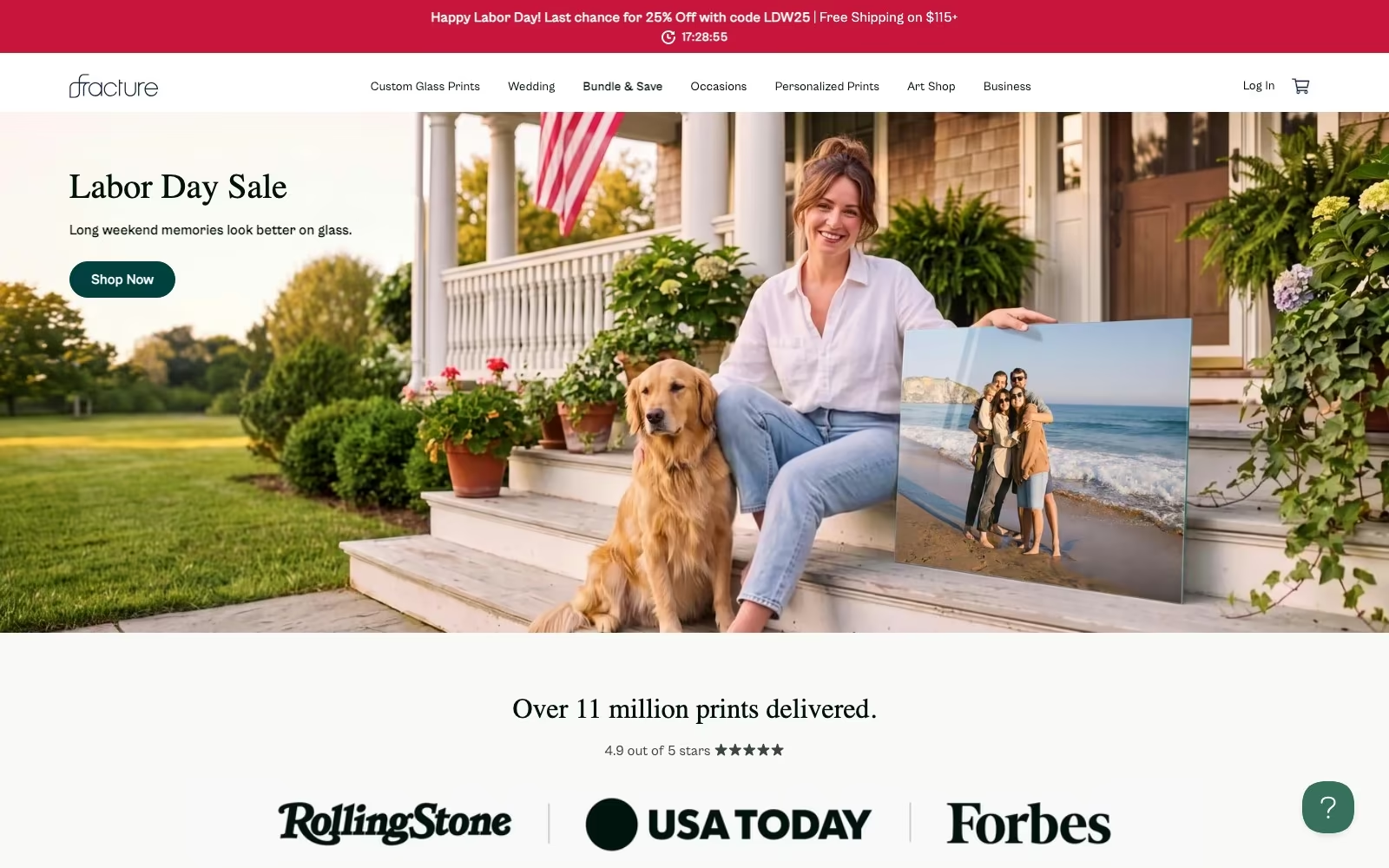



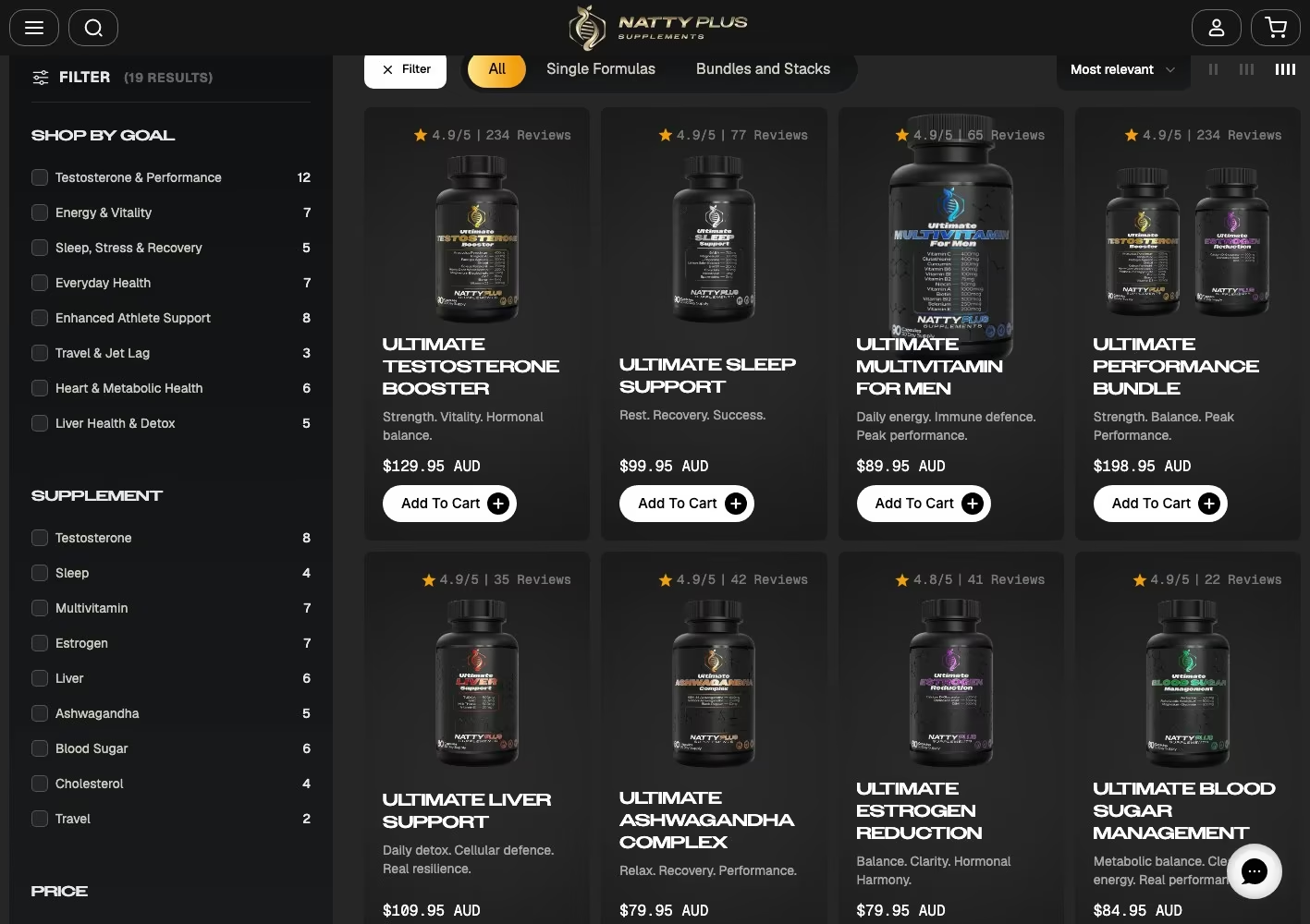

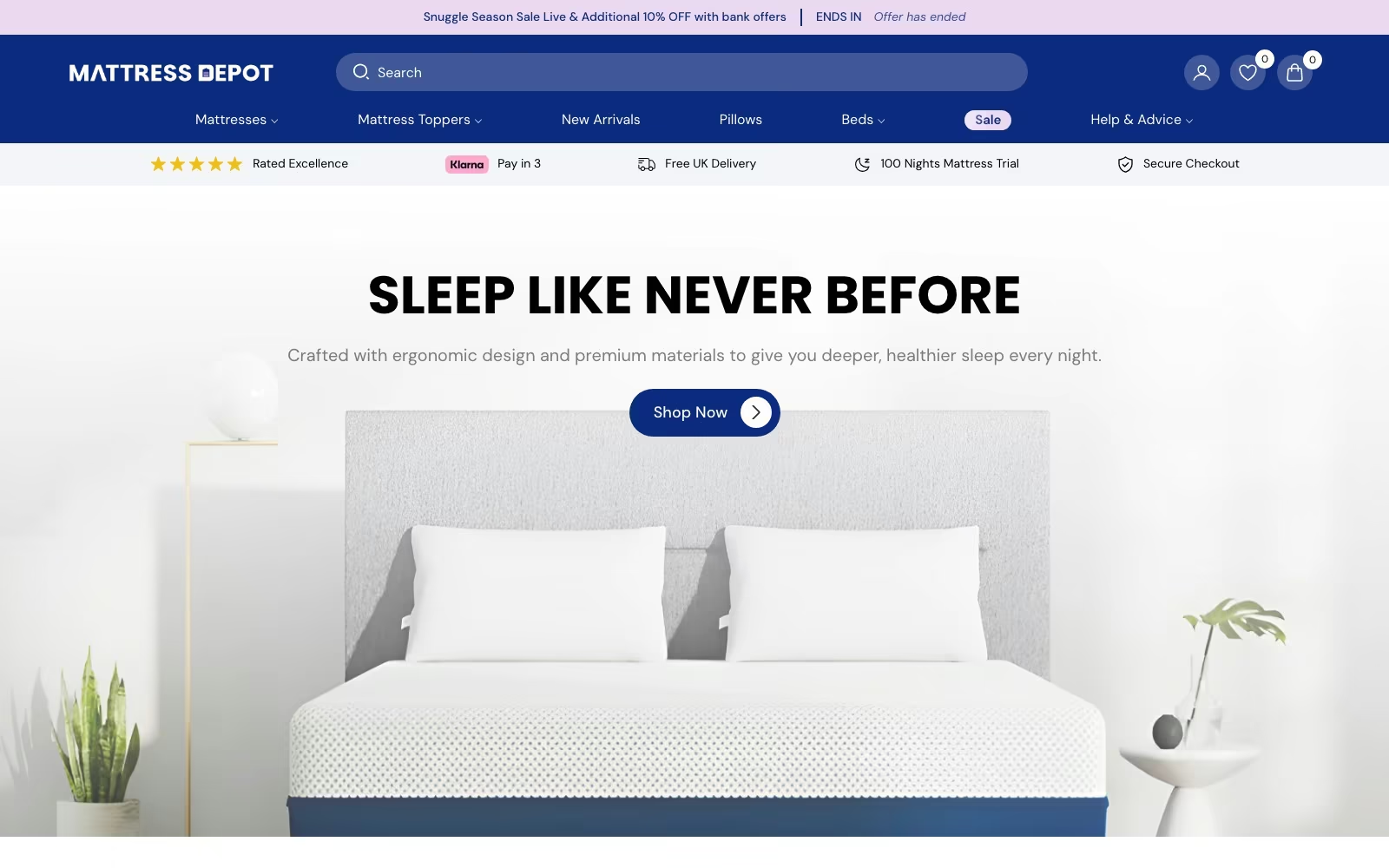

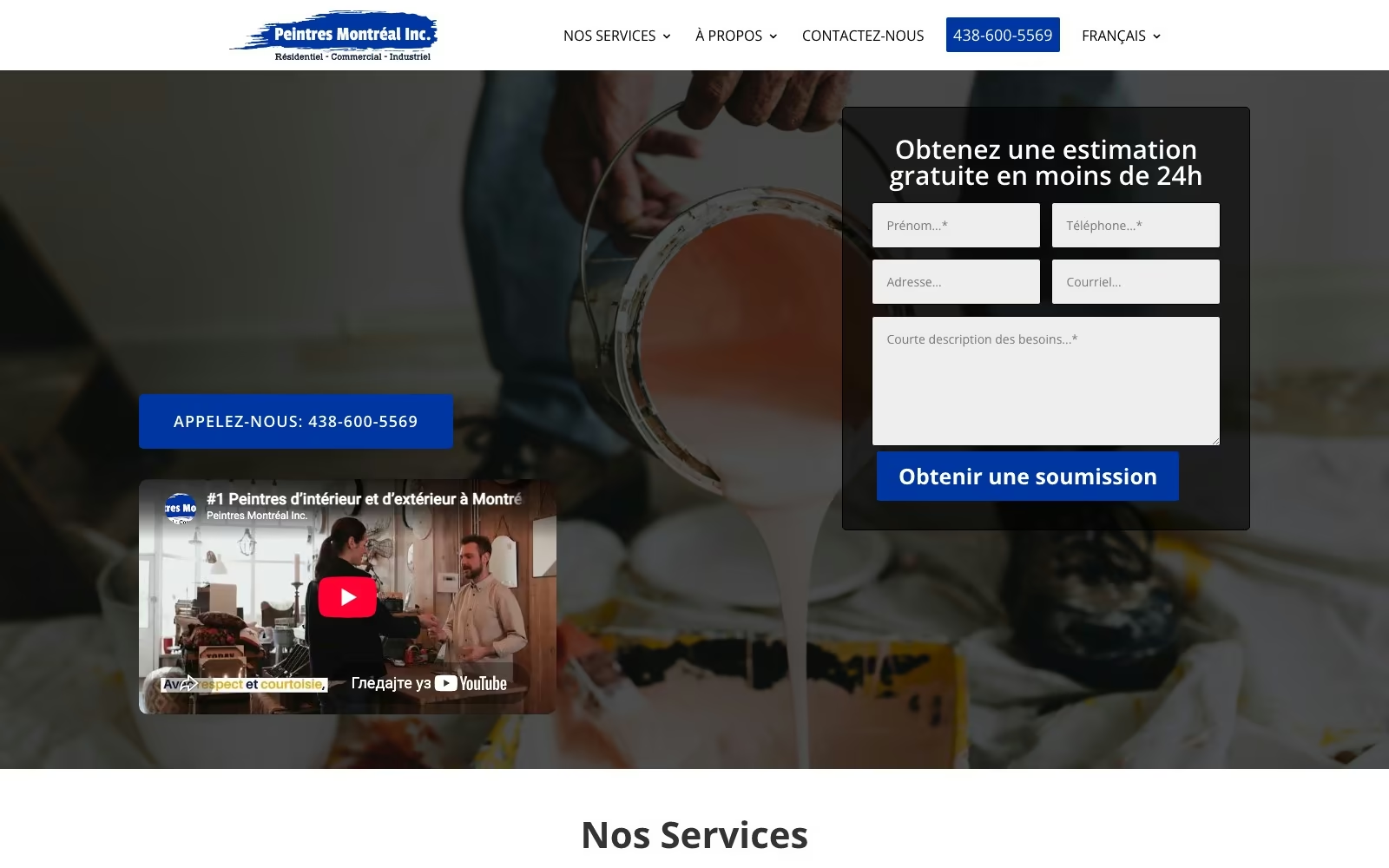









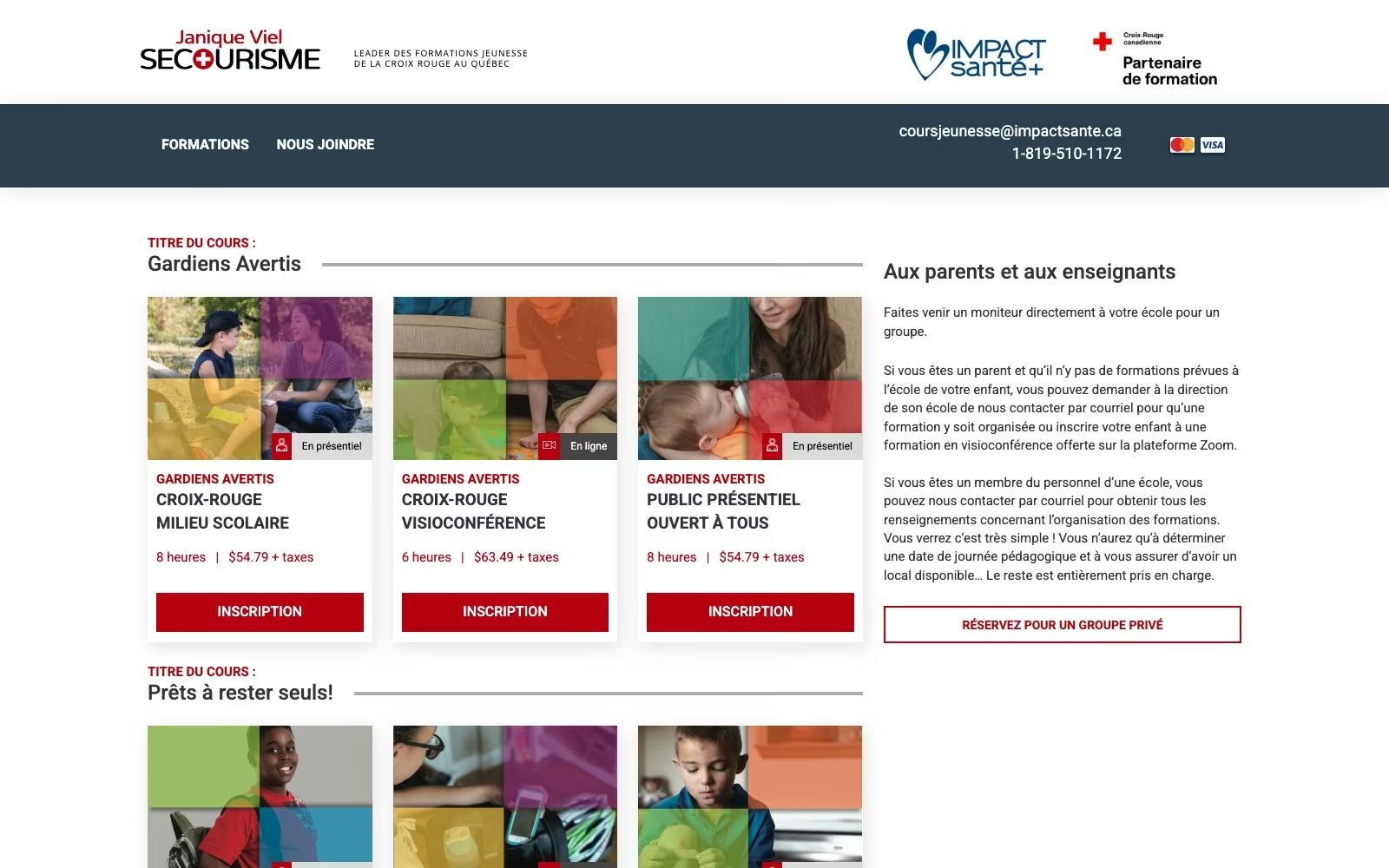

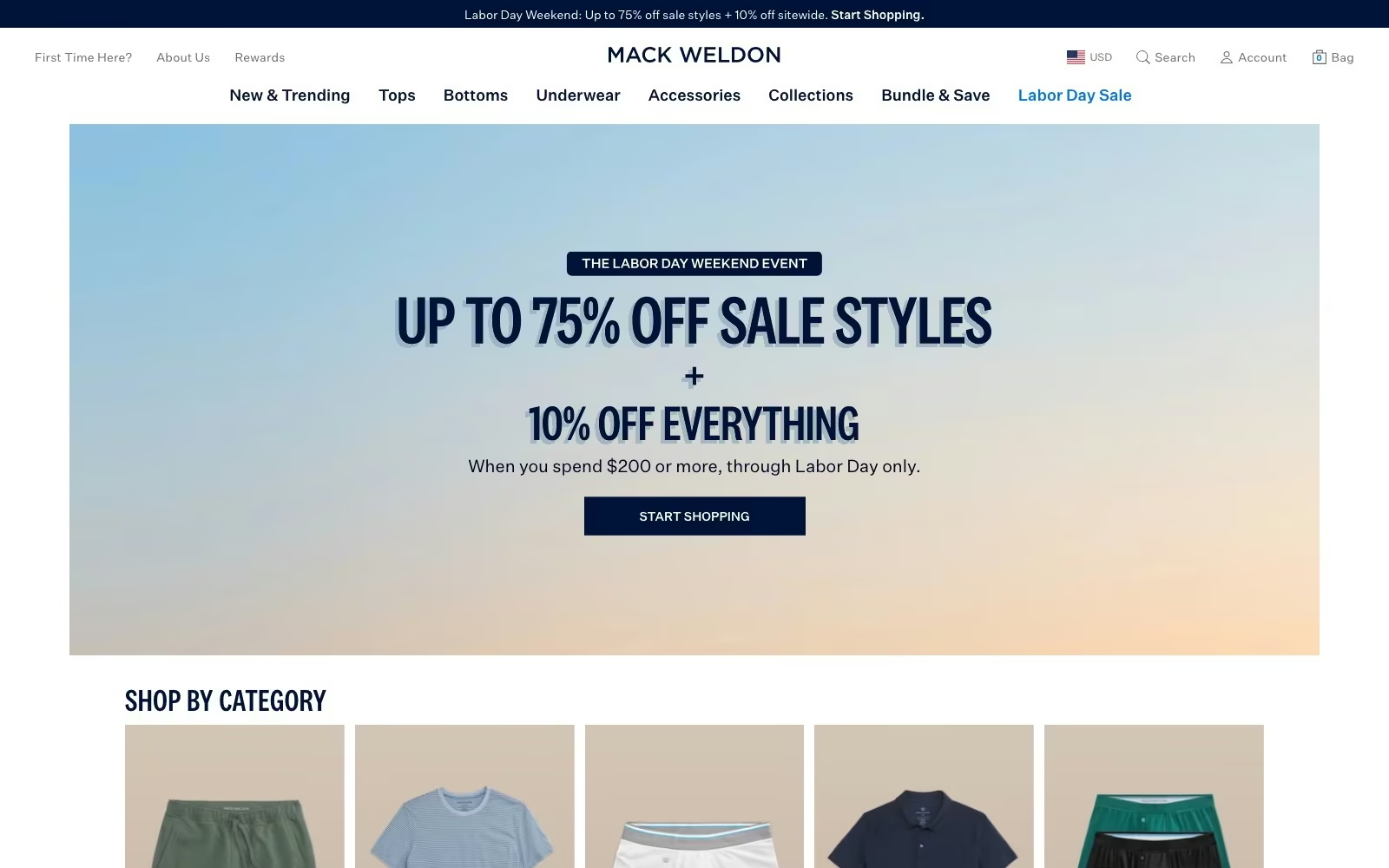



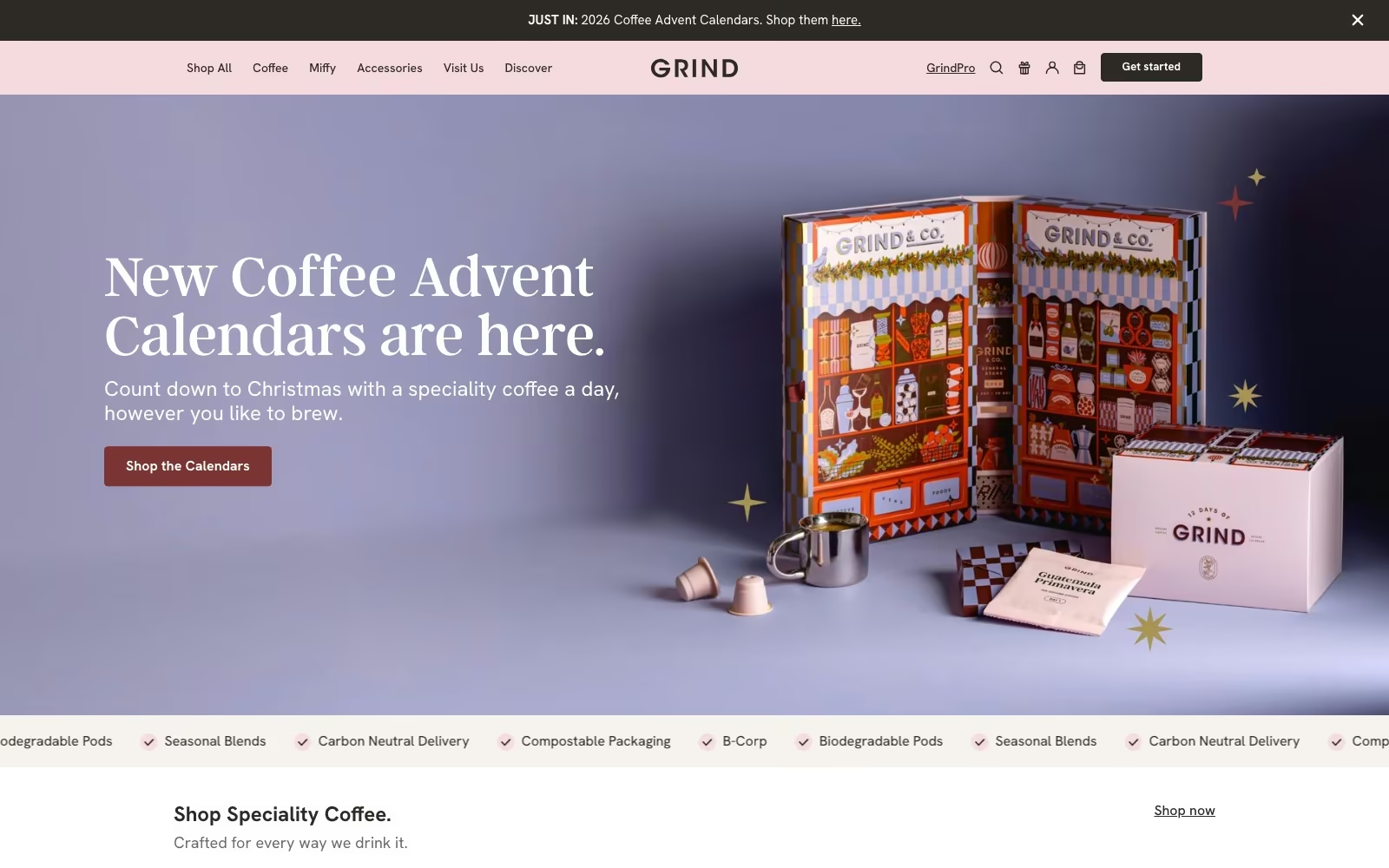

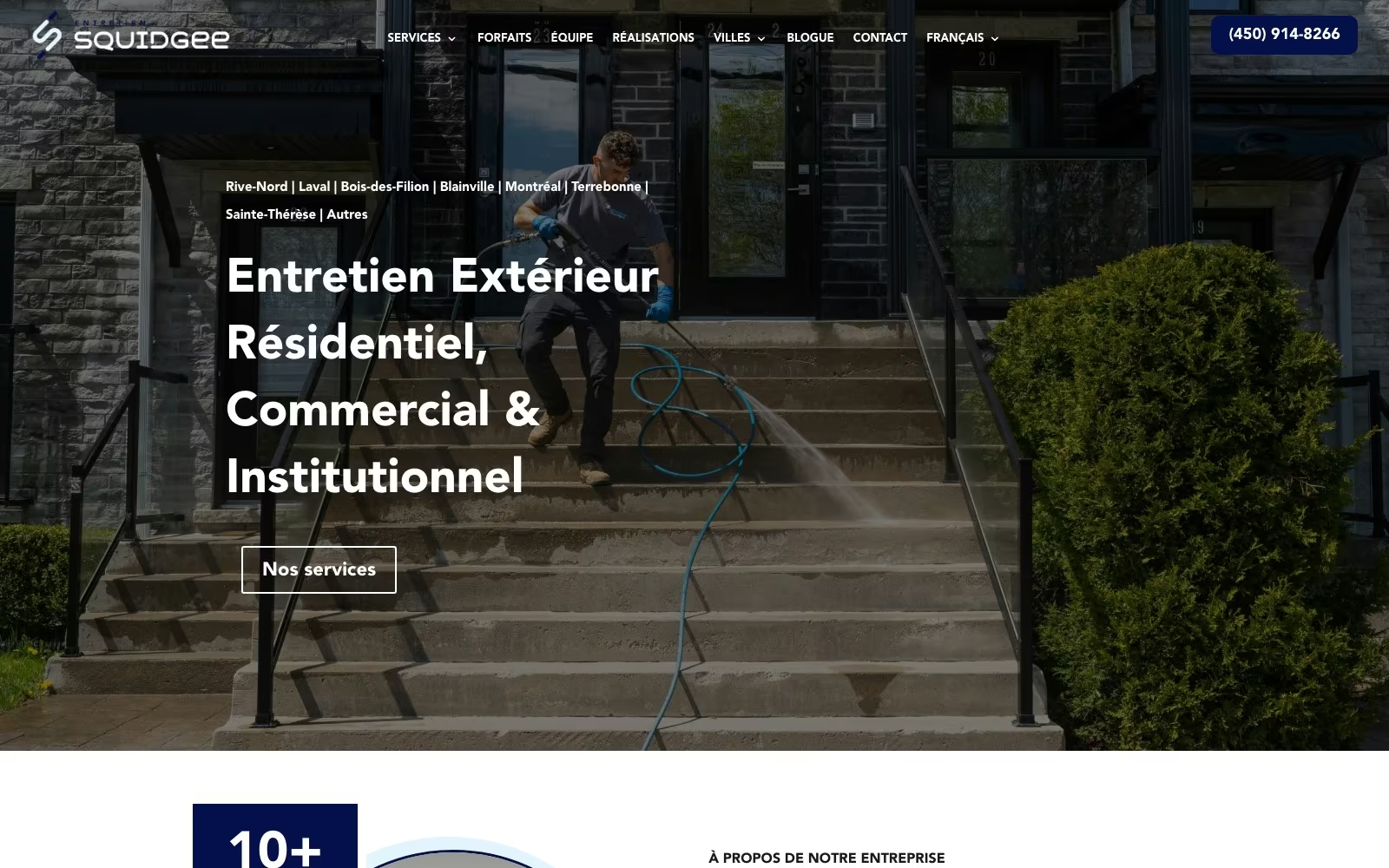










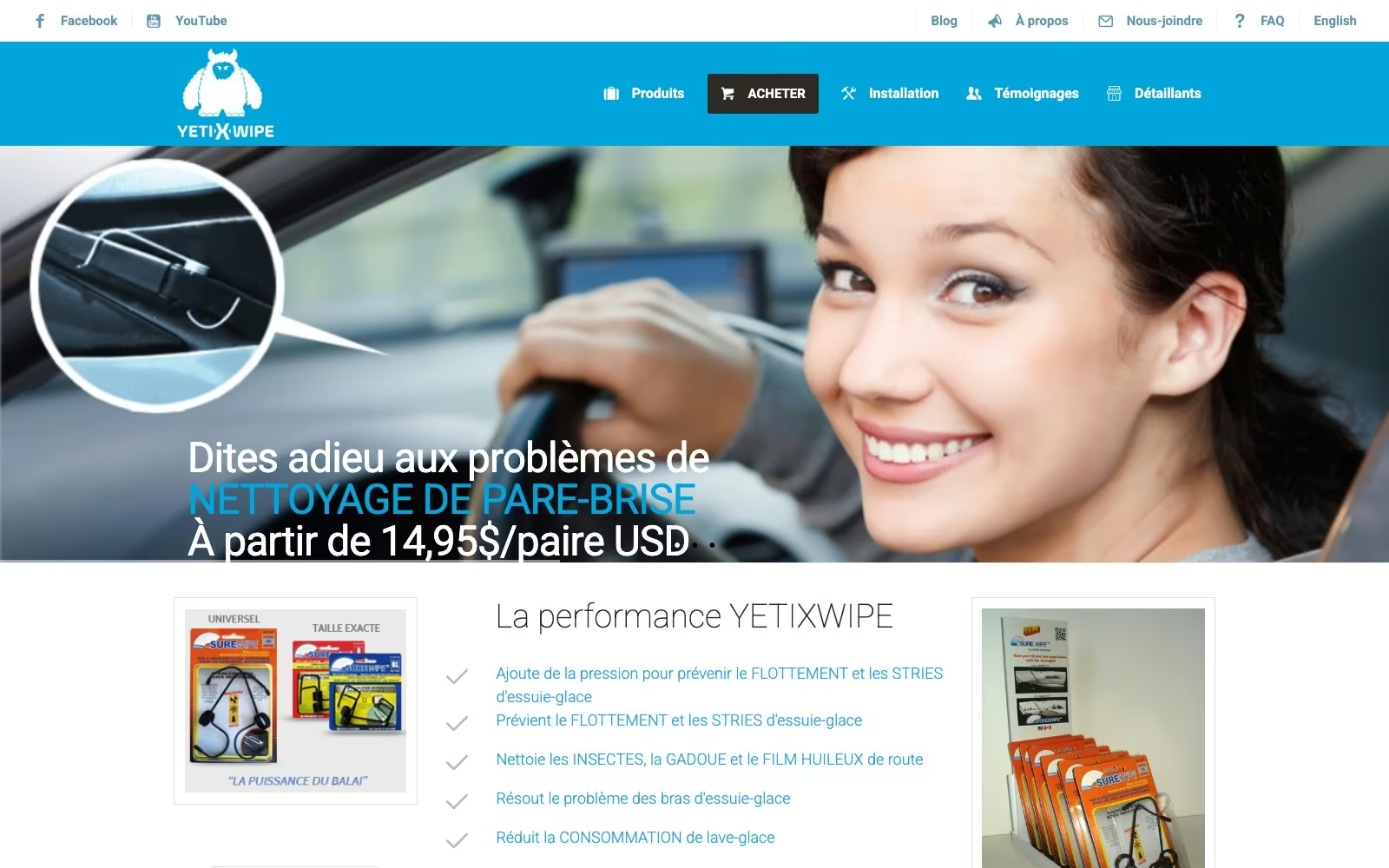



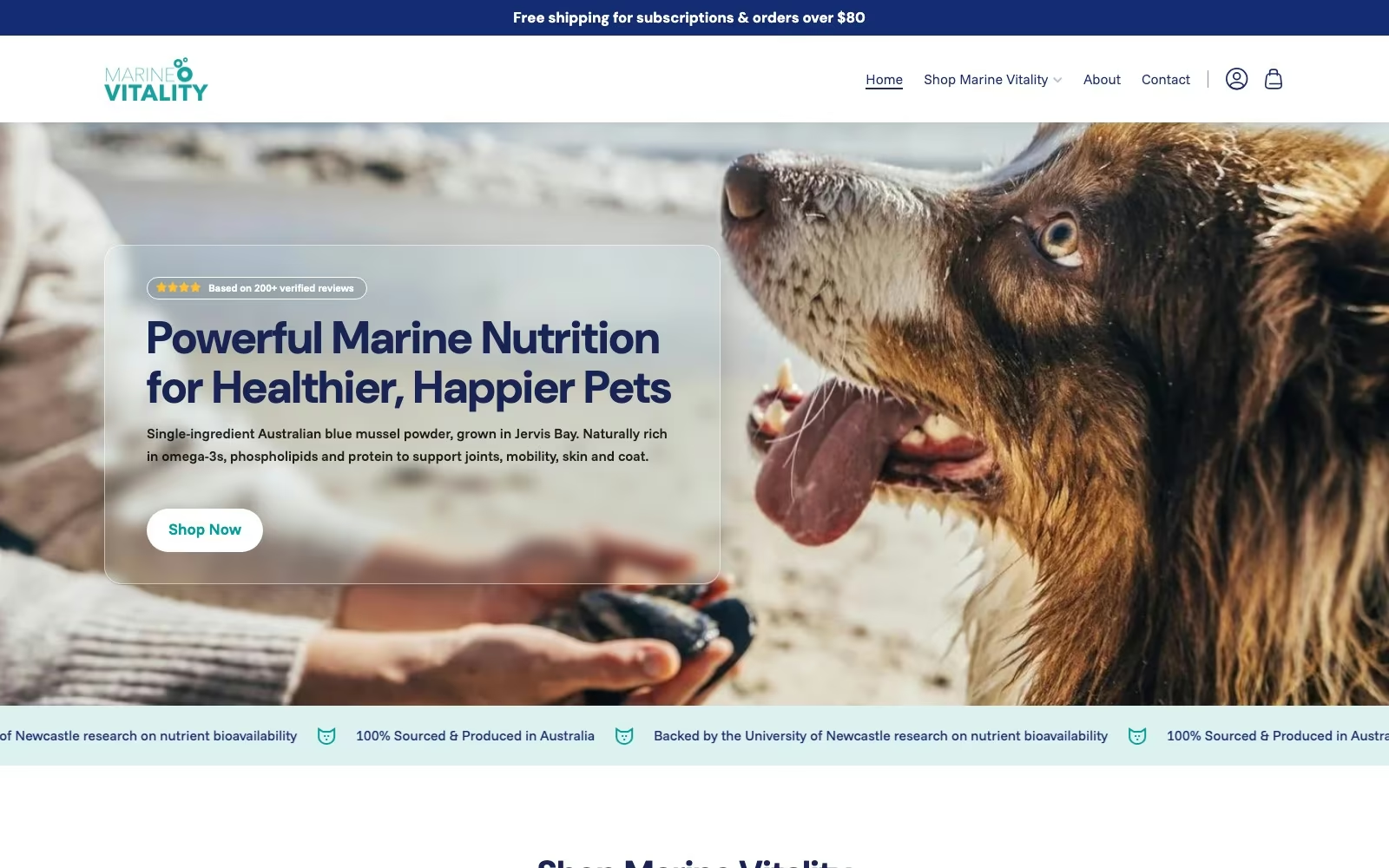

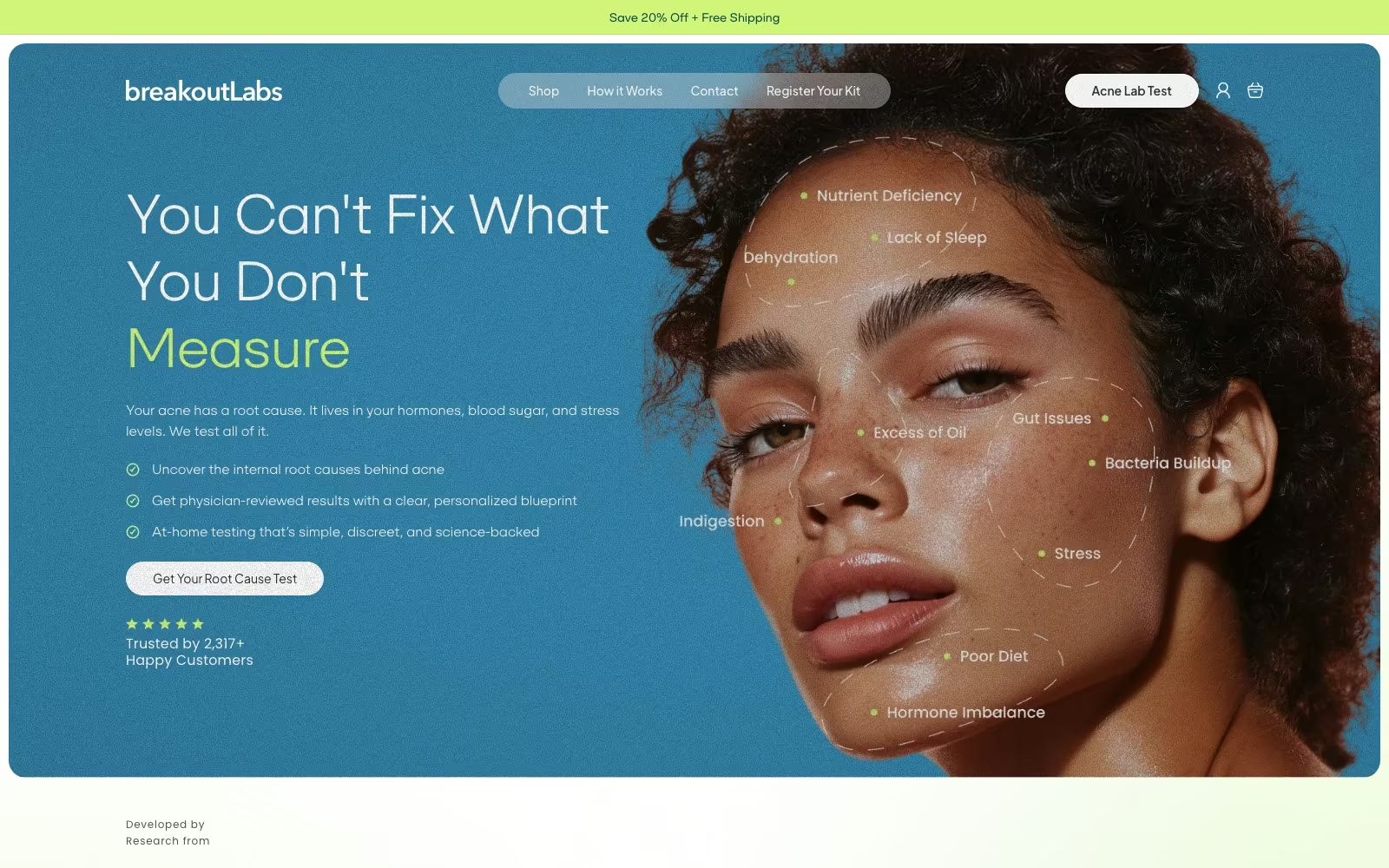


















































































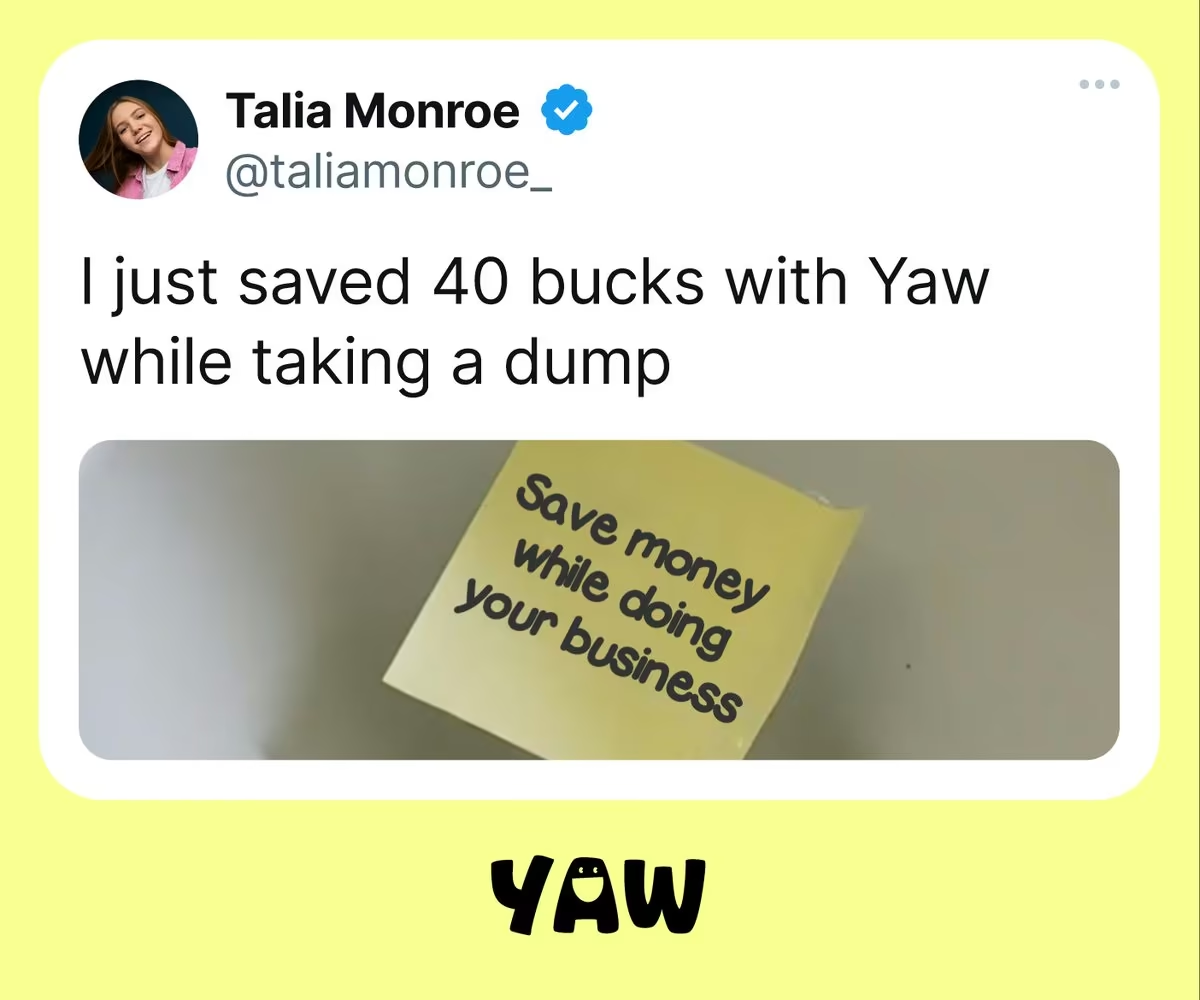














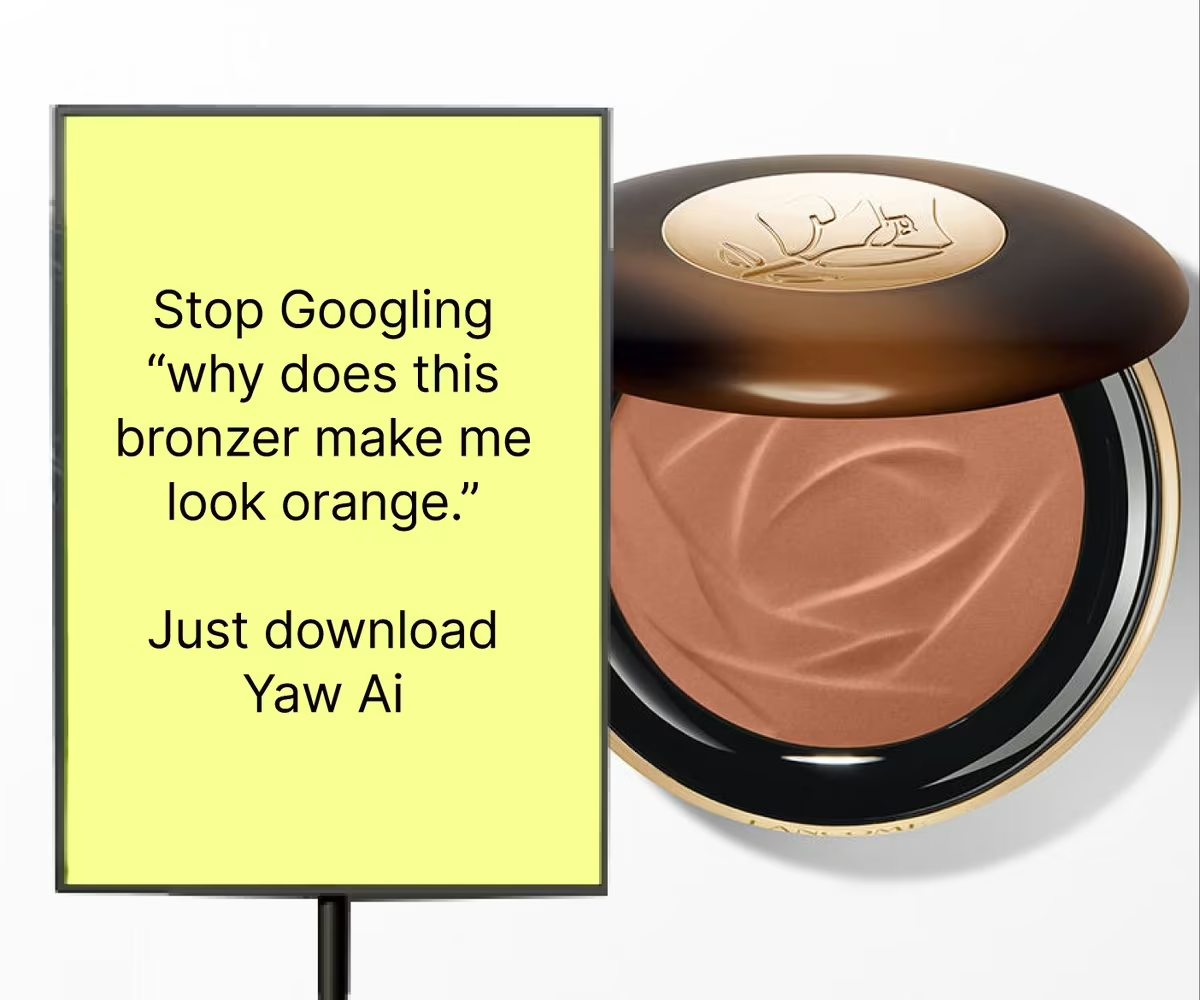

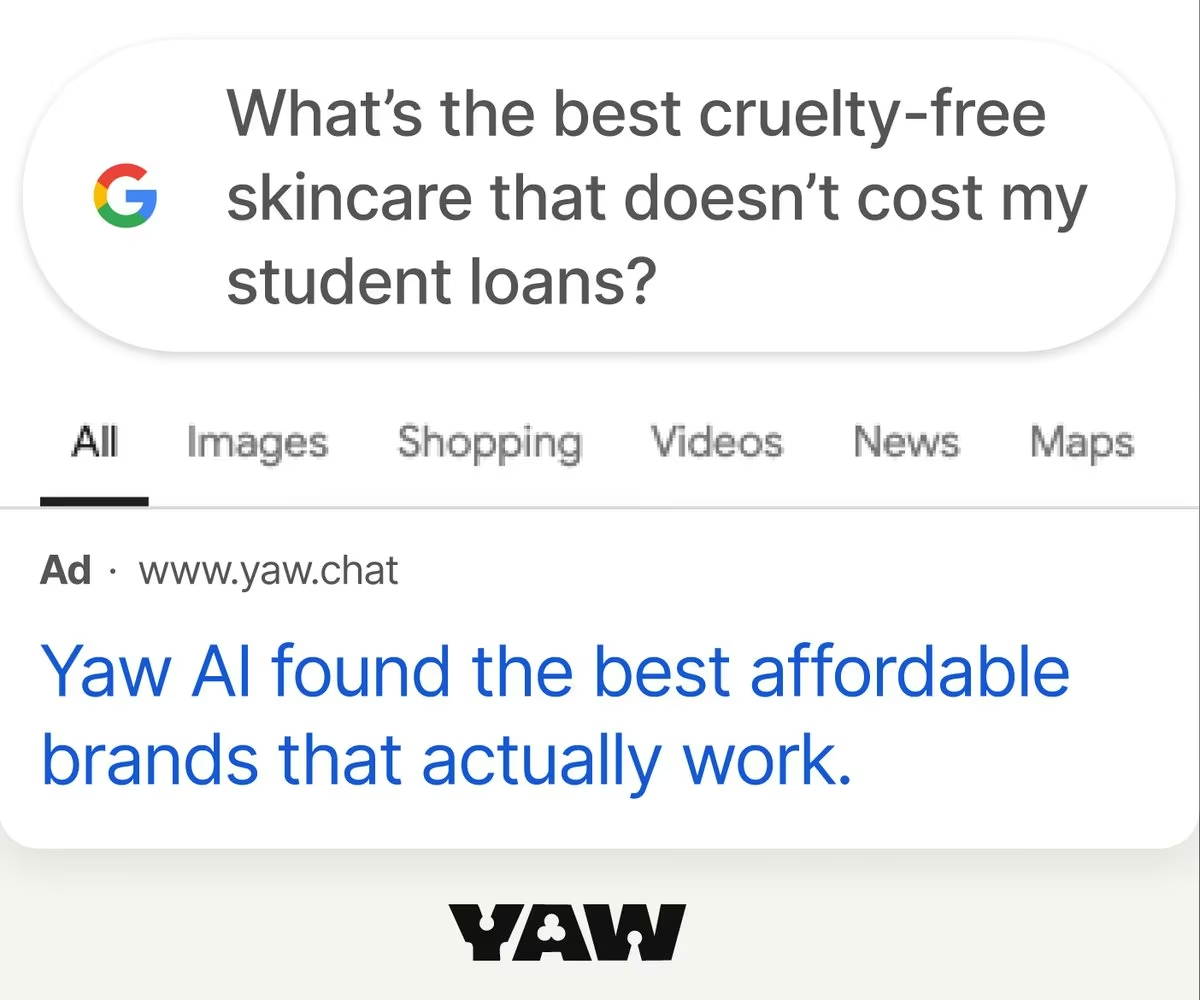
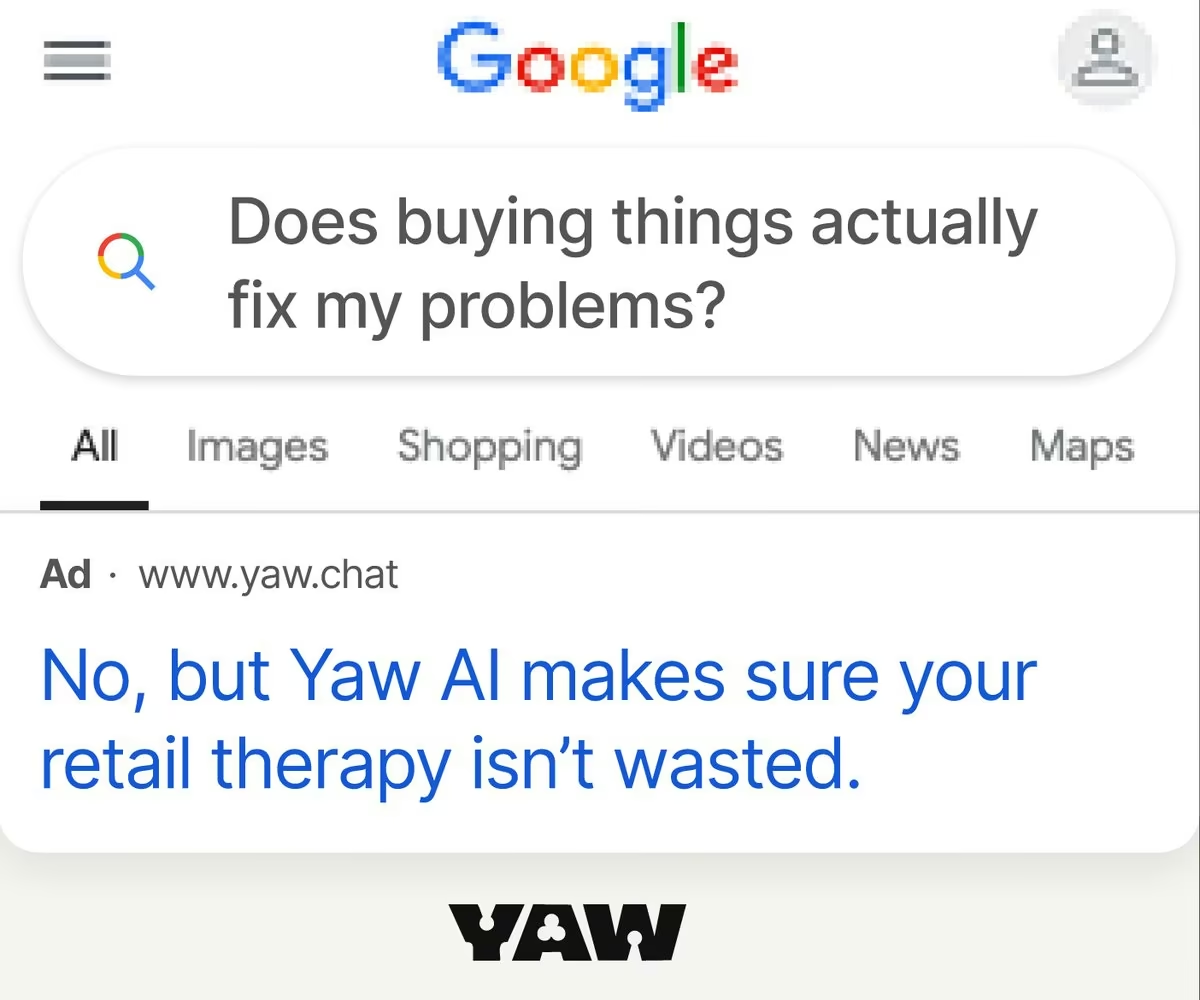
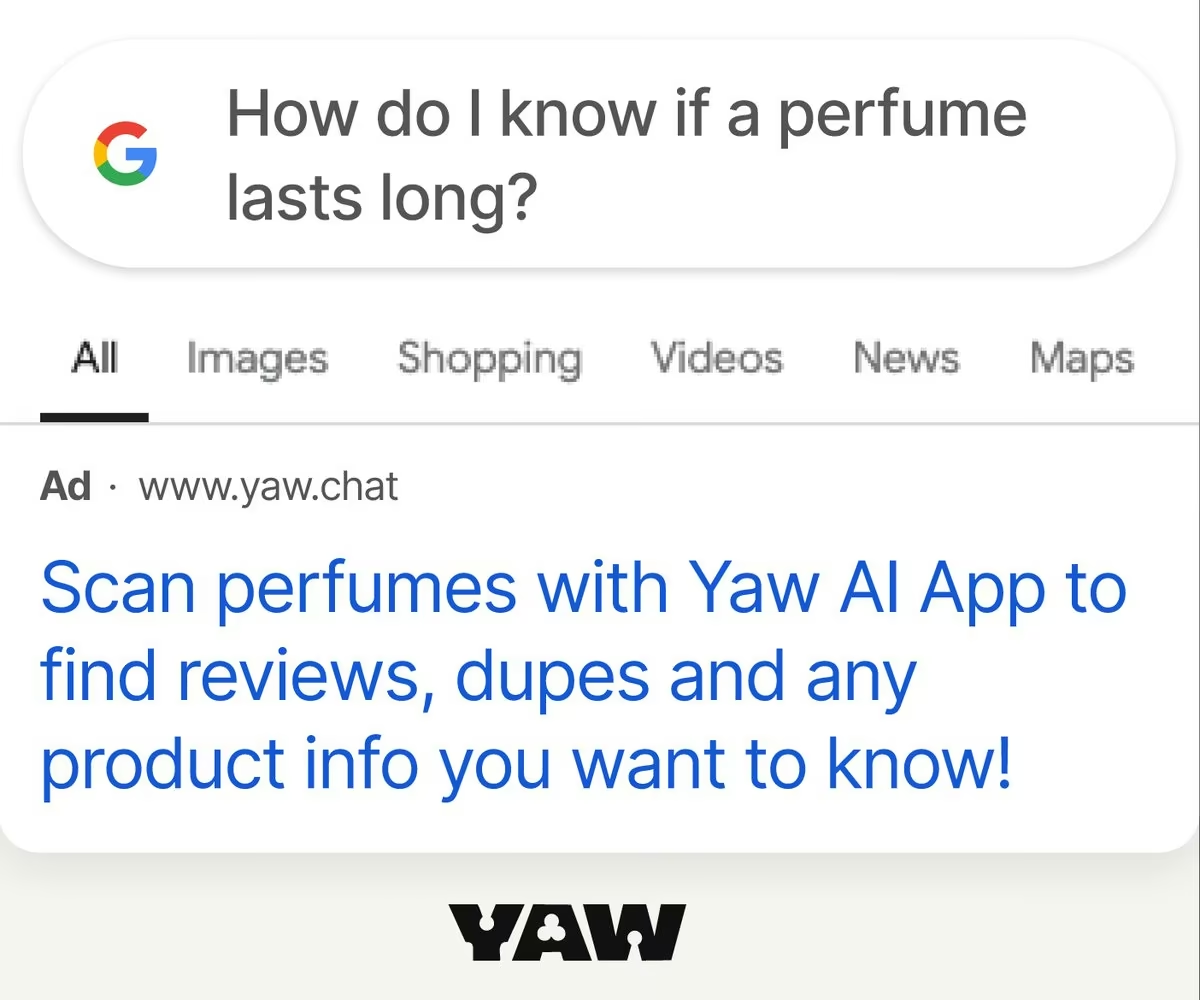

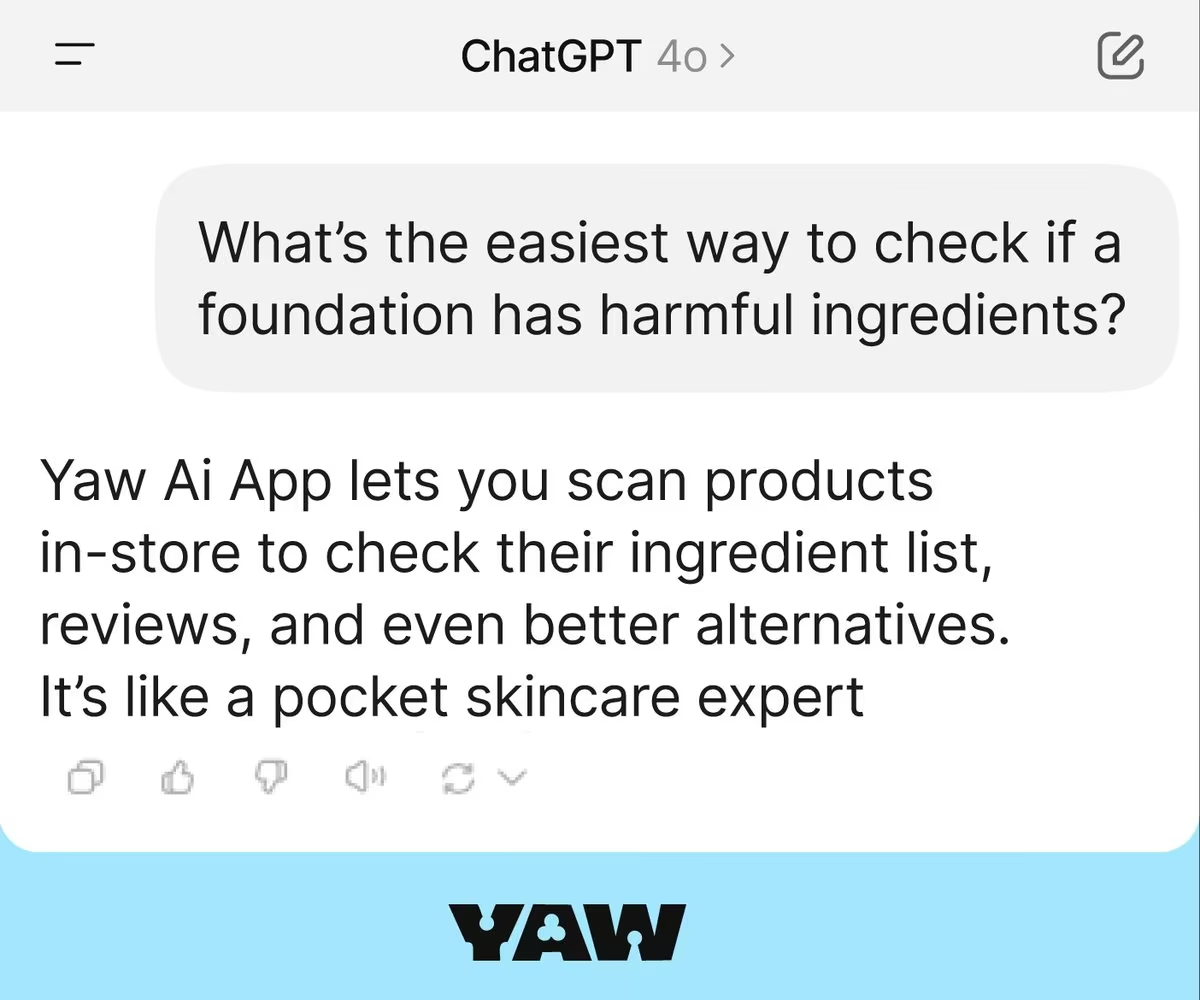
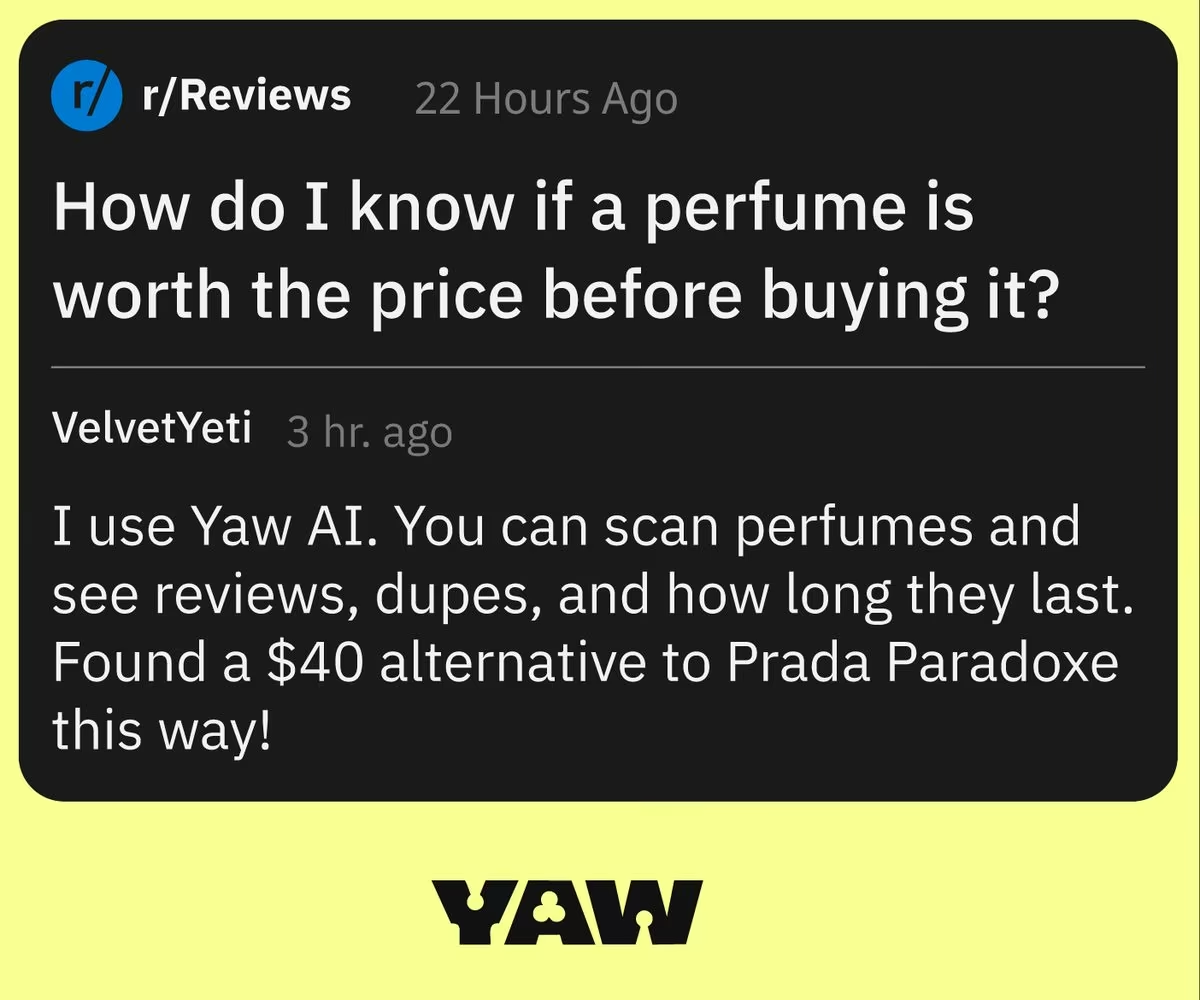




FAQ
What advertisers ask us first.
How much does Google Ads management cost?
We quote one monthly management number based on the surfaces in scope and the complexity of your measurement, not a percentage that rewards us for spending more of your money. Media budget stays yours and is paid directly to the platform. Before you commit, you get the audit findings and a forecast of what the account can realistically do — including the cases where the honest answer is to fix the website or the offer first.
How much should we budget for media?
Work backwards from your own numbers rather than an industry rule. If the average cost per lead in US search is $66.69 (WordStream, 2026) and your sales team closes one in four qualified leads, your customer acquisition cost is roughly four leads plus management. We build that model with your close rate and average order value at the audit, so the budget conversation is arithmetic instead of opinion.
Do you work with our existing account or start fresh?
We start in your existing account almost every time, because the conversion history is an asset and a new account resets the learning. The exception is an account whose data is so contaminated that no bid strategy can be trusted — and if we recommend a rebuild we show you the evidence first.
Should we use Performance Max?
Often, but never as an excuse to stop looking. PMax works when the feed is clean, the assets are real, brand traffic is excluded and someone reads the channel breakdown monthly. With 71% of advertisers now running it (Fluency, 2025), the advantage is no longer in using it — it is in running it with guardrails while your competitors leave it on default.
How do you handle brand keywords?
As their own tier with their own budget, reported separately. Brand traffic is cheap and looks fantastic inside a blended cost per acquisition, which is exactly why mixing it with non-brand hides whether your paid search is actually growing anything. We show both numbers every month.
Can you improve lead quality, not just lead volume?
Yes, and it is usually the biggest available win. We pass qualification outcomes back from your CRM so the bidding optimises toward the leads your sales team can close, tighten match types and negatives around the queries that never qualify, and add friction where friction filters. Volume often drops slightly while revenue rises; we say that in advance so nobody is surprised by the chart.
What is your reporting cadence?
One weekly working session with the specialists who touch the account and one written monthly review: performance against target, what we changed, what we learned, what is next. Live dashboards are available whenever you want them, but decisions get written down.
Do you run Shopping feeds and Merchant Center as well?
Yes. Feed quality is most of Shopping performance, so titles, attributes, images, availability and Merchant Center diagnostics are part of the work rather than a separate invoice. Products are classified into tiers so budget follows margin and the long tail gets fixed instead of quietly funded.
How does paid search work with SEO?
They share the same demand data, so we run them together. Paid search validates which queries convert within weeks; SEO then takes the ones worth owning permanently, which lowers your blended cost per customer over time. Clients running both usually shift budget between them deliberately by quarter instead of defending two separate plans.
Which industries do you run paid search for?
Are you exploring newer ad surfaces like AI assistants?
Yes, deliberately and with your money treated as your money. We already run ChatGPT Ads for clients who want early positioning, and we report it as the land-grab bet it currently is rather than dressing it up as a proven channel.
What makes a good Google Ads agency?
Judge any PPC agency on artefacts, not slides. Ask which senior person does the daily account management and how many other accounts they carry. Ask to see a real search term mining document, a negative keyword list with dates on it, and the last monthly review an existing client received. Ask how the agency is paid: a percentage of ad spend rewards spending more, which is not the same as growth. The best Google Ads agencies are specific about which industries they have proof in, honest about where paid search is the wrong first investment, and happy for you to own every asset. Most digital marketing agencies fail that last test.
Do you also handle SEO, paid social and creative?
Yes — we are a full digital marketing partner rather than a single-channel PPC shop, and paid search is one service inside that. Search advertising, shopping, social advertising, SEO, web design and creative production sit under one plan and one revenue number, with a specialist per channel instead of one generalist stretched across five ad accounts. Clients who buy two or more services get a blended cost per customer we can actually manage, because budget can move to whichever channel is compounding fastest that quarter.
What tools and data do you work with?
Your Google Ads and Microsoft Ads accounts, Google Analytics, Merchant Center, Search Console, call tracking and your CRM — plus our own reporting layer for the monthly review. Everything stays in your accounts. We are happy to work inside whatever project management and approval tools your marketing team already uses rather than forcing another portal on it.

.webp)
.webp)