Expensive clicks, deliberately spent.
deliberately spent
We are the LinkedIn ads agency for B2B teams who know the platform is costly and want it to pay anyway. That means tight targeting, creative built for a scrolling professional, offers matched to how far the buyer actually is from a decision, and measurement that reports pipeline instead of form fills — run alongside your paid search and analytics rather than in its own silo.



Tell us a little about your brand and we'll be in touch within 24 hours to lock in a time.



THE FOUR PARTS
Audience, offer, creative, then pipeline.
then pipeline
LinkedIn punishes vagueness more than any other channel, because every wasted impression is priced at a premium. Get the audience and the offer right and the cost per click stops mattering; get them wrong and no bidding strategy saves the programme.
Targeting & lists
Offers & funnel stage
Creative & formats
Measurement & pipeline
Reach fewer people, on purpose.
The platform's advantage is that more than a billion members across over 200 countries keep their own job titles, company sizes and industries up to date. Nowhere else can you address a defined buying committee that reliably — which is precisely why the inventory is priced the way it is.
So we build targeting from your actual customer list rather than from a wishlist: matched company lists, lookalikes of customers that closed, job function and seniority combinations that reflect who signs and who influences, and firmographic filters that keep out companies you could never serve. Expansion is switched off by default, because it quietly spends your budget on adjacent audiences.
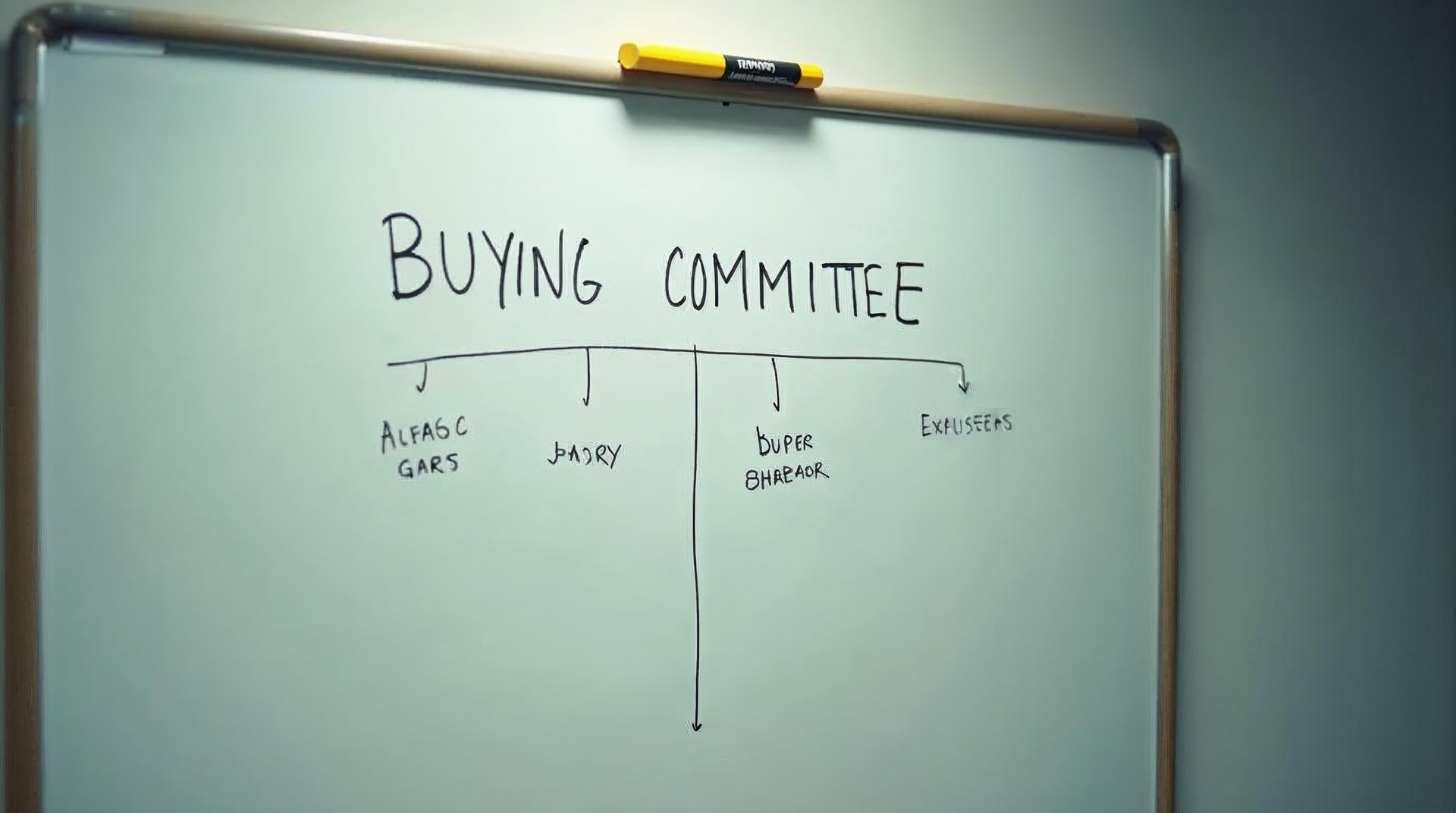
Committee reality shapes the plan. Dreamdata's benchmark work found an average of 88 touchpoints across four channels with ten stakeholders involved in a B2B journey, so a campaign built to reach one job title is already the wrong shape.
- Lists built from closed-won customers, not a wishlist
- Company lists matched and lookalikes built from real customers
- Whole buying committee addressed, not one job title
- Expansion off unless it earns its place in a test
1bn+
LinkedIn members across 200+ countries and territories
10
stakeholders in the average B2B buying journey
Ask for what the buyer is ready to give.
The most common LinkedIn mistake is asking a cold audience to book a demo. Most of the people you can reach are not in a buying cycle this quarter, and the ones who are have usually done their research long before they raise a hand: Dreamdata found 81% of the B2B customer journey now happens outside the sales pipeline, up from 70% the year before.
So we map offers to distance from a decision. Cold prospects get something genuinely useful — a benchmark, a teardown, a practical guide, an opinion worth arguing with. Warm segments who engaged get the case for change and the proof. Only the segments showing intent get the demo ask, and they convert at a multiple of the cold pool because they were not asked too early.
Lead forms and landing pages are chosen per offer, not by preference. Native forms win on volume, pages win on qualification, and with a 6.6% median landing page conversion rate across industries the page has to be good enough to justify the extra step.
- Offer matched to how close the buyer is to a decision
- Cold prospects given something useful before any demo ask
- Retargeting sequenced from engagement, not blasted at everyone
- Native forms and landing pages chosen per offer, then tested
81%
of the B2B journey happens outside the sales pipeline
70%
the same figure a year earlier
Made for the feed, not for a deck.
LinkedIn creative competes with colleagues, jokes and job news, so the stock-photo-and-tagline ad loses before it is read. What works is specific: a number your audience recognises, a problem stated in their own words, a face they might follow, a document ad they can flick through without leaving the feed.
We run several angles per segment rather than one hero ad, because the winning message is rarely the one anyone predicted. Single image, document and video formats are tested against each other, thought leader ads are used where a founder or specialist genuinely has something to say, and conversation formats are used sparingly because they wear out fast.
Refresh cadence is planned. Lists here are small by design, so frequency climbs quickly and creative fatigue arrives weeks before it would on a broader channel — which is why our ad creative team works to a standing production schedule rather than to requests.
- Several angles per segment, tested rather than debated
- Single image, document, video and thought leader formats compared
- Frequency watched weekly on small lists
- Standing creative refresh schedule, not ad-hoc requests
Weekly
frequency checks on deliberately small lists
20%
higher click-through rate when running five or more variants (LinkedIn)
Report companies, not contacts.
Judged on cost per click, LinkedIn always looks expensive. Dreamdata measured a LinkedIn CPC of EUR 5.98 against Meta's EUR 1.60 — and, on the same dataset, LinkedIn return on ad spend of 121%, up from 113% in the previous year's report, with cost per company influenced at EUR 70.11. In B2B you close companies, not contacts, so the account has to be judged at company level.
We build that measurement before scaling spend: conversions API implemented so the platform learns from real outcomes, CRM stages fed back so optimisation targets qualified pipeline rather than form fills, consistent campaign parameters, and reporting that shows influenced accounts alongside the last-click number your platform reports.
Then we are patient in a disciplined way. Long journeys mean early reads are misleading, so we agree in advance which leading indicators we act on monthly and which decisions wait for the pipeline to mature.
- Conversions API and CRM feedback implemented before scaling
- Optimisation pointed at qualified pipeline, not raw form fills
- Company-level and influenced-account reporting, not just clicks
- Leading indicators agreed up front so nobody judges too early
121%
LinkedIn return on ad spend in Dreamdata's 2026 benchmarks
EUR 70.11
cost per company influenced on LinkedIn
LinkedIn return on ad spend in 2025 (Dreamdata)
average Lead Gen Form conversion rate (LinkedIn)
Performance judged at company level, not by contact
Ad account, audiences and reporting
We made the difference for those brands
Home essentials, appliances, kitchen & pet
Food & beverage

B2B software, fintech, insurance

Retail & commerce

Retail & commerce

B2B software, fintech, insurance

Food & beverage

B2B software, fintech, insurance
Travel & mobility

Home essentials, appliances, kitchen & pet

Apparel and lifestyle

Beauty, personal care & wellness

Creative, content, arts & culture

Creative, content, arts & culture
Consumer tech and platforms

B2B software, fintech, insurance

Healthcare & regulated services

Food & beverage
Creative, content, arts & culture

Beauty, personal care & wellness
Travel & mobility

Retail & commerce

Retail & commerce

Food & beverage

Consumer tech and platforms

B2B software, fintech, insurance

B2B software, fintech, insurance

Healthcare & regulated services

B2B software, fintech, insurance

Beauty, personal care & wellness
01 — The challenge
The clicks cost a fortune. The pipeline never showed up.
The budget went in, the impressions were flattering, and the leads that arrived were students, competitors and people who wanted the guide. Somebody suggests switching the spend to a cheaper channel, and the argument restarts every quarter.
“We are paying premium prices for the wrong conversations.”
Almost always the account is asking cold audiences for a demo and being measured on cost per lead. Both are fixable. Dreamdata's data shows 81% of the B2B journey happening outside the sales pipeline and LinkedIn returning 121% on ad spend when measured at company level, which is a different picture from the one a cost-per-click report gives. Fix the offer sequence, feed the CRM back into the platform, and report influenced accounts — and the same spend stops looking like a luxury.
02 — Our approach
Build the audience from customers. Earn the demo. Measure companies.
We start from your closed-won accounts, matching company lists and building lookalikes from real customers, then address the whole buying committee rather than one job title, with expansion off unless a test earns it. Offers are mapped to distance from a decision: something genuinely useful for cold prospects, the case for change for people who engaged, and the demo ask reserved for audiences showing intent. Creative runs several angles per audience across image, document, video and thought leader formats, on a standing refresh schedule because small audiences fatigue fast. Before scaling spend we implement the conversions API and feed CRM stages back, so optimisation chases qualified pipeline rather than form fills, and reporting shows influenced companies next to platform numbers. Then we agree which indicators we act on monthly and which decisions wait.
03 — What we did
Four phases, from audit to pipeline you can defend.
Audit, build, creative and scale run in sequence, with a weekly working session and a written monthly review tied to pipeline rather than form fills.
Weeks 1-2 / Audit
Find where the premium is wasted
Campaign structure, targeting overlap, offer sequence and tracking reviewed, with lead quality checked against the CRM rather than the platform.
Weeks 2-4 / Build
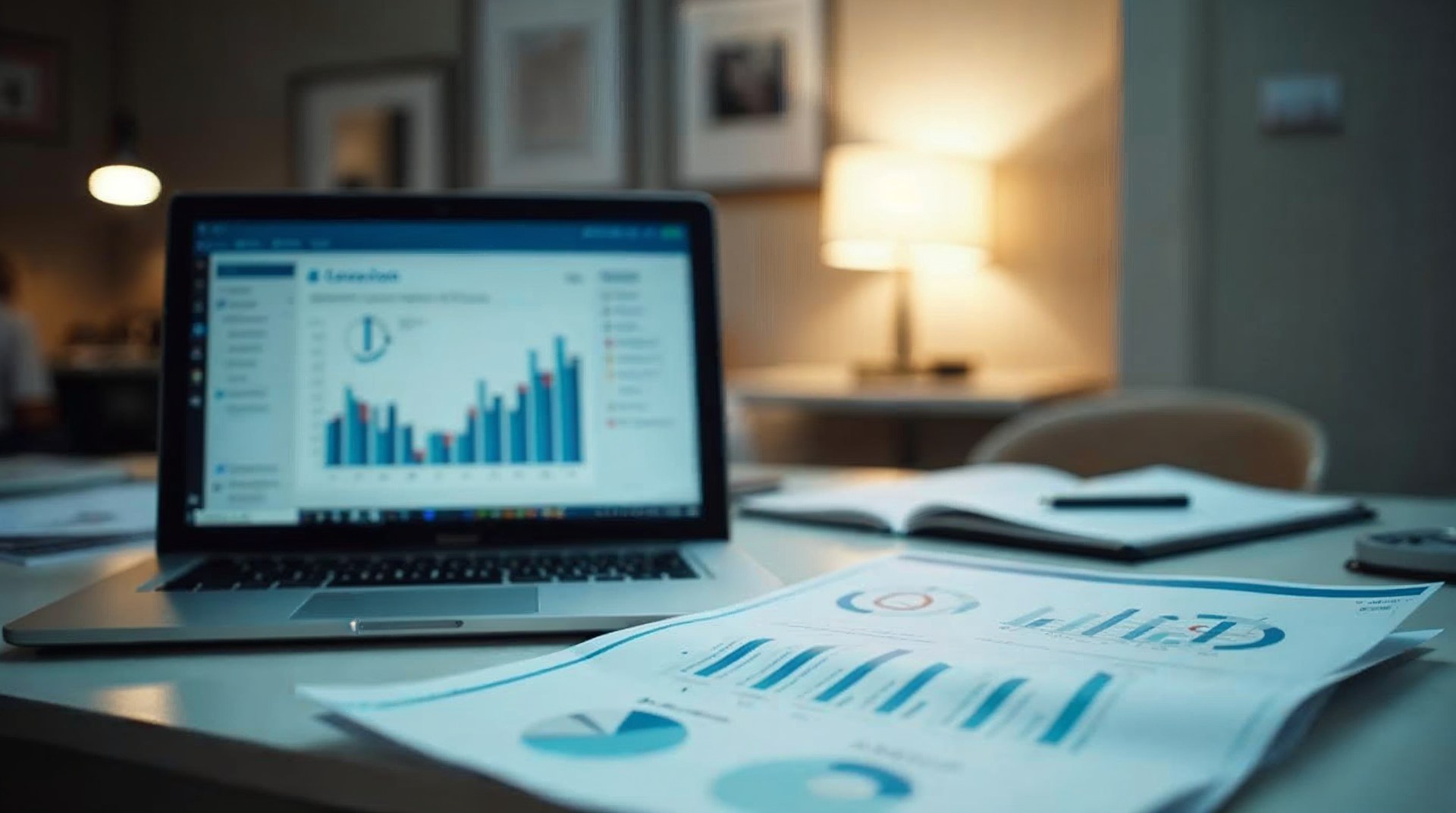
Rebuild targeting from real customers
Company lists matched, lookalikes built from closed-won customers, committee roles mapped and expansion switched off.
Weeks 3-8 / Creative
Test angles, not opinions
Several messages per segment across image, document, video and thought leader formats, with frequency watched weekly.

Ongoing / Scale
Feed the CRM back and scale what closes
Conversions API and pipeline stages fed back to the platform, budget moved toward the segments producing qualified opportunities.

WHAT YOU GET
Deliverables in your own ad account.
your own ad account
Everything below is built in accounts you own, documented as we go, and yours to keep when the engagement ends.

Campaign and lead quality audit
Structure, audiences, offers and tracking reviewed, with lead quality checked against your CRM rather than the platform.

Targeting and account lists
Matched company lists, lookalikes from closed-won customers and committee roles mapped to the people who influence a decision.

Offer and funnel design
An offer per stage, from something useful for cold audiences to the demo ask reserved for people showing intent.

Creative production and testing
Several angles per segment across image, document, video and thought leader formats, on a standing refresh schedule.

Conversions API and CRM feedback
Server-side conversions and pipeline stages fed back so optimisation targets qualified opportunities, not form fills.
Pipeline reporting
Influenced companies and pipeline reported next to platform numbers, with a monthly written review of what to change.
HOW WE WORK
Operating standards, not promises.
Operating standards


















Built on trust. Proven by results.
We partner with SMBs and Fortune 500 companies to deliver more than reach — we bring clarity, execution, and measurable outcomes. Every successful partnership starts with a strong culture fit and a shared drive to grow.



CASE STUDIES
Case studies
Website Portfolio
Video Ads
Static Ads















































FAQ
What B2B teams ask us first.
Why is LinkedIn so much more expensive than other channels?
Because you are buying precision, and the auction prices it. Dreamdata measured a LinkedIn CPC of EUR 5.98 against Meta's EUR 1.60, which looks damning until you compare what each click represents. Nowhere else can you reliably reach a director of operations at a 500-person manufacturer. The right comparison is cost per qualified opportunity, or cost per company influenced — measured that way, the same benchmark data puts LinkedIn return on ad spend at 121%. If your reporting stops at cost per click, the channel will always look like a mistake.
What is a realistic monthly budget for LinkedIn ads?
Enough to reach your audience repeatedly rather than once, which for most B2B companies starts in the low thousands per month. The constraint is audience size rather than ambition: a tightly defined list of 5,000 companies does not need a large budget, it needs consistency and fresh creative. Spreading a small budget across several broad audiences is the reliable way to waste it. If your addressable audience is genuinely small, we will often recommend starting with one campaign, one offer and a disciplined test, and only widening once the economics are proven.
Should we use lead gen forms or send people to a landing page?
Both, chosen per offer rather than by preference. Native forms remove friction and pre-fill from the profile, so they win on volume — which is right for a guide or benchmark aimed at a cold audience. Landing pages ask more and therefore qualify harder, which is right for demos and pricing conversations where you would rather have five serious enquiries than fifty curious ones. With a 6.6% median conversion rate across landing pages, a page only earns the extra step if it is genuinely good, so we test the two against pipeline rather than lead count.
How do we stop attracting unqualified leads?
Three changes usually do it. Tighten the targeting using company lists and firmographic filters and switch expansion settings off, because that setting is the most common source of stray leads. Make the offer self-selecting: a benchmark for practitioners attracts practitioners, while a free voucher attracts anyone. Then feed the CRM back into the platform, so its optimisation learns from qualified opportunities rather than from form fills. That last step is the one most advertisers skip, and it is the difference between a platform optimising toward your buyers and toward whoever clicks most.
Does account-based marketing actually work on LinkedIn?
It is the platform's natural shape, provided you accept that you are buying influence across a committee rather than leads from individuals. Dreamdata's benchmarks describe 88 touchpoints across four channels with ten stakeholders in the average journey, so targeting one decision-maker and waiting for a form fill misreads how these deals happen. We run matched company lists, address the roles that influence as well as the one that signs, and report influenced companies so sales and marketing are arguing about the same list of companies rather than different numbers.
How long before we can judge performance?
Leading indicators appear in weeks; the pipeline read takes a quarter. Within three to four weeks you can see whether the targeting is right, whether creative is holding attention and whether lead quality has improved in the CRM. Whether it produced revenue depends on your sales cycle, and pretending otherwise leads to campaigns being killed a month before they would have worked. We agree up front which indicators we act on monthly — frequency, engagement, qualified lead rate, opportunity creation — and which decisions wait for the deals to mature.
Which ad formats work best?
It varies by segment more than most people expect, which is why we test rather than recommend a format up front. Document ads consistently punch above their weight for practical, information-led offers because people can consume them without leaving the feed. Thought leader ads work when the person genuinely has standing and something to say, and fall flat when they are a logo with a face attached. Video earns attention for product explanation, single image remains the efficient workhorse, and conversation formats work briefly then wear out.
Can LinkedIn work for us if our sales cycle is long?
Long cycles are the case for the channel, not against it, but they change how you measure and what you ask for. If a deal takes nine months, an ad campaign judged on this month's demo bookings will always look like a failure. We shift the ask earlier — useful content, subscriptions, engagement — then retarget from that engagement, and we push CRM stages back into the platform so it optimises toward the opportunities that eventually mature. Reporting shows influenced accounts and pipeline created, which is the honest picture for a long cycle.
How do you choose between LinkedIn ads agencies?
Ask what they will report on. An agency that leads with cost per lead is optimising for something your sales team does not care about; one that talks about qualified opportunities, influenced companies and CRM feedback has run the channel before. Ask who does the work day to day, how often creative is refreshed, and whether you keep the ad account and audiences afterwards. Ask to see the first ninety days written down. Any agency comfortable putting that in writing before you sign is worth a second conversation.
Do you run our other channels too?
We can, and B2B advertisers usually benefit because the channels are measured against one definition of a qualified opportunity instead of three. Our paid search, paid social and analytics teams share the same tracking, so LinkedIn stops being judged in isolation against cheaper clicks elsewhere. It is equally workable to buy LinkedIn alone while another agency runs your search — we will share the measurement setup so the numbers still reconcile.

.webp)
.webp)