roe Wellness
Proof from other parents
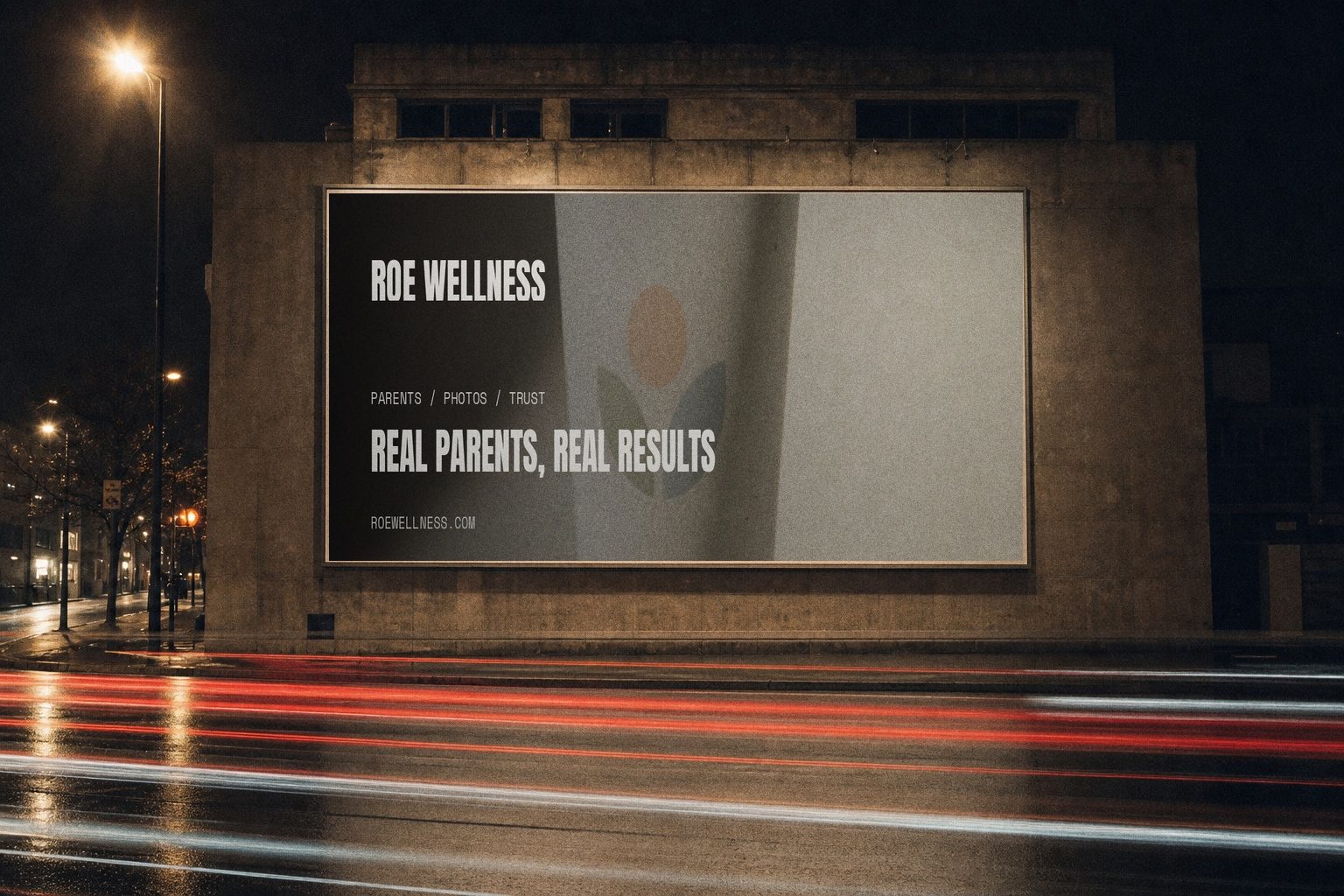
Roe Wellness was created by a pediatric nurse practitioner and mother of three who could not find clean products that did not irritate her own children's skin. The customer is a parent with an eczema-prone baby, comparing options at 2am.
01 — The challenge
The buyer is cautious, sleep-deprived and has been let down before.
Selling skincare for babies means selling to someone who has already tried gentle cleansers that did nothing and been told by a specialist to wait it out. Ingredient claims and soft photography do not move that person. Evidence from other parents does.
The range also splits across very different intents — for baby, for mom, for both, SPF, bundles and gifting — so the store had to route a first-time visitor quickly without burying the products that convert.
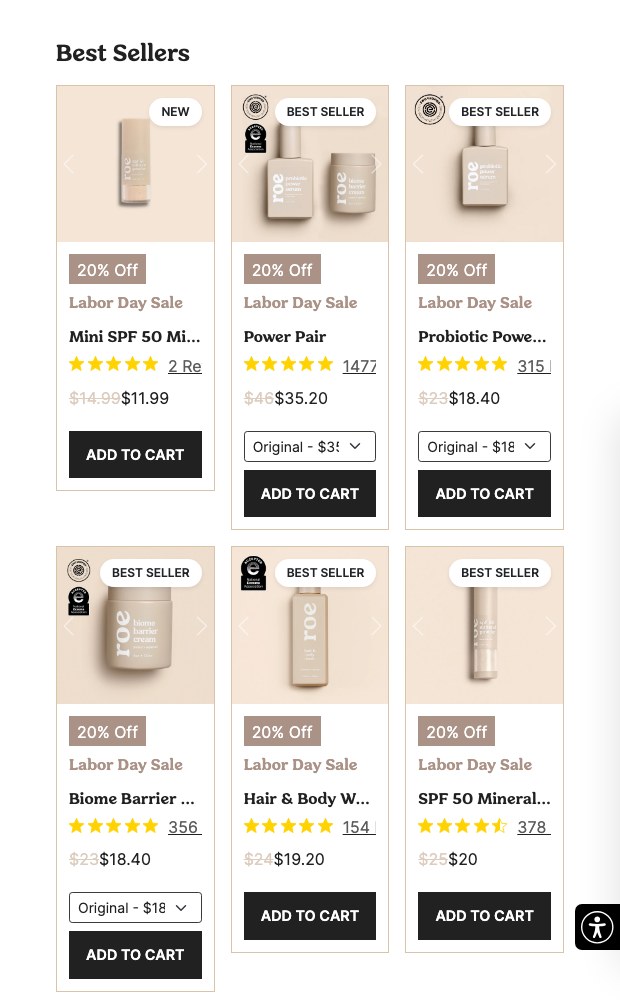
The most persuasive asset this brand owns is a folder of photos its customers sent in.
*
1400+
Reviews on the hero bundle, filterable by child's age and skin condition
*
1
Dedicated before/after page built from customer-submitted photos
*
7
Shopping lanes — baby, mom, both, SPF, bundles, best sellers, new arrivals

02 — Our approach
Put customer evidence at the centre, and make every product page answer a parent's questions.
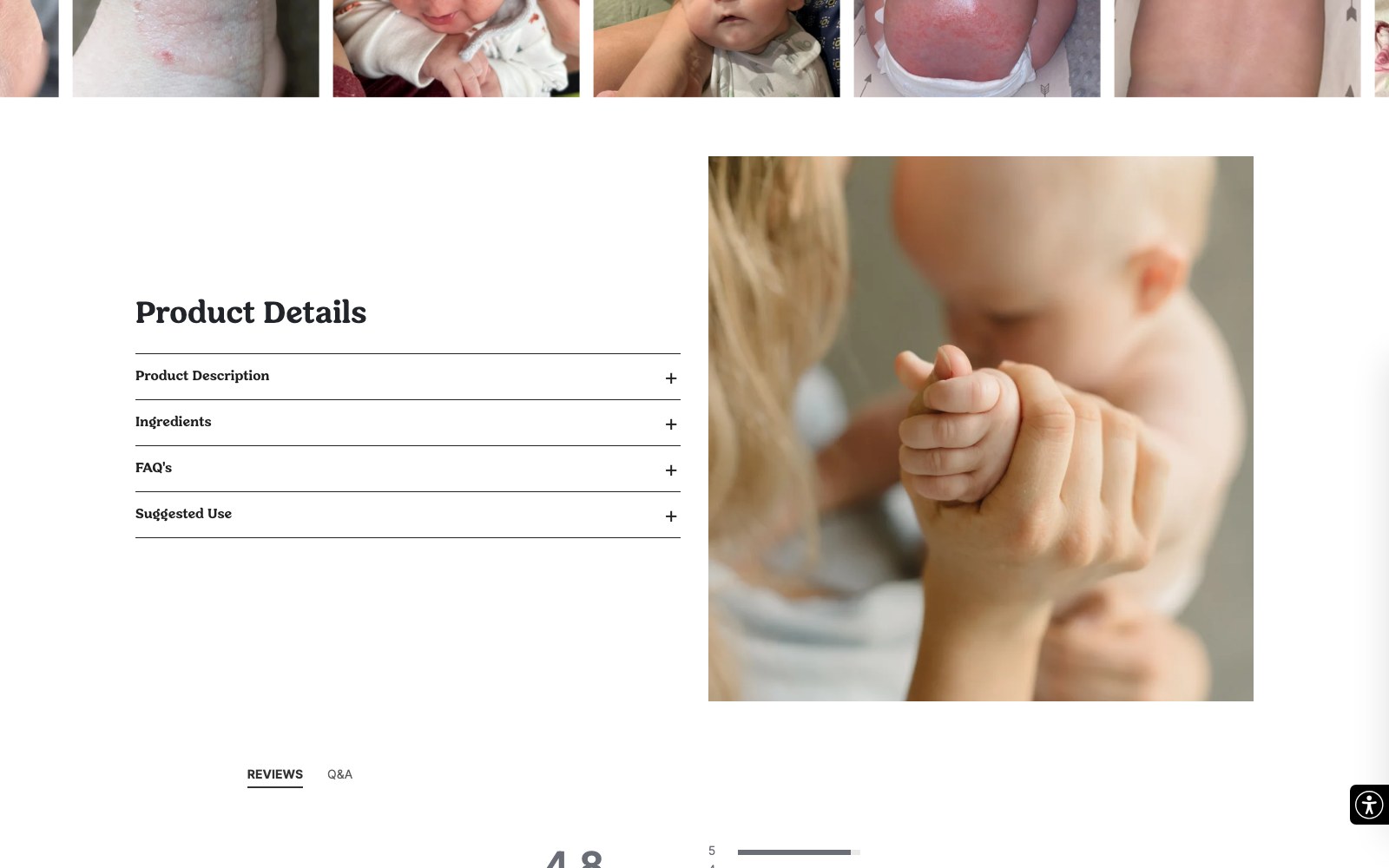
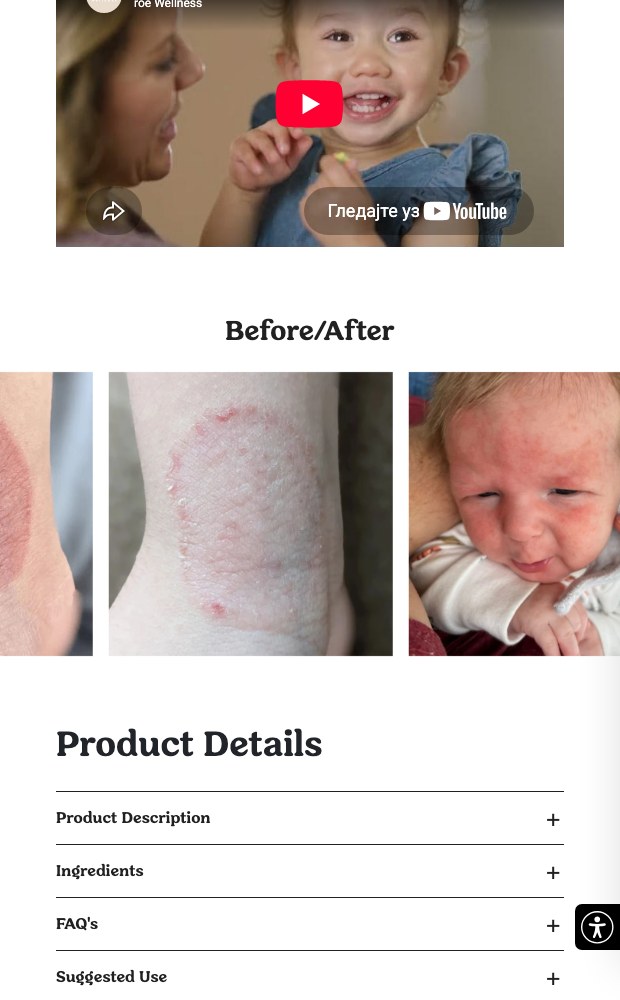
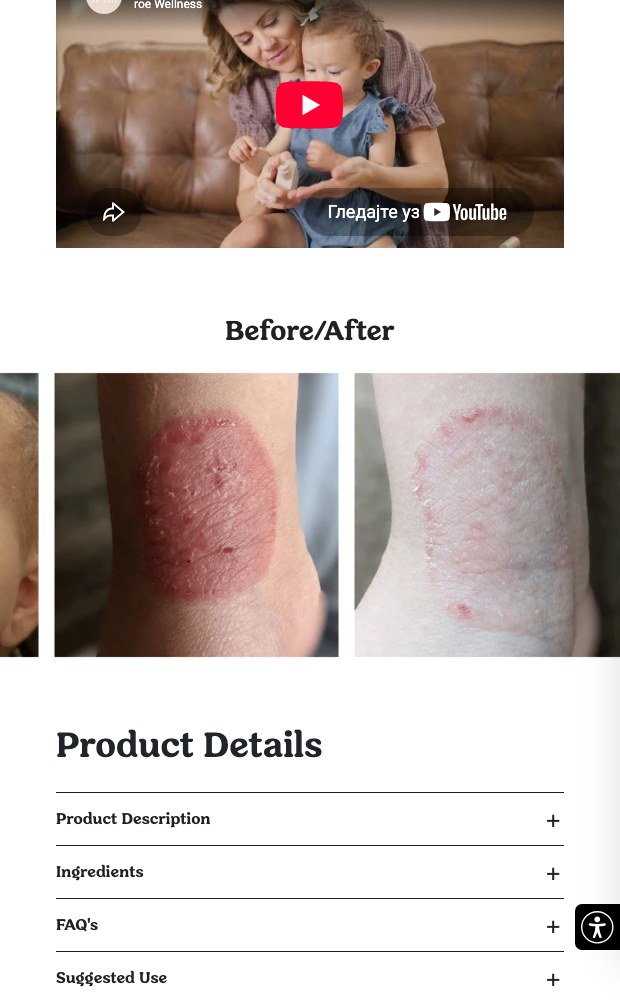
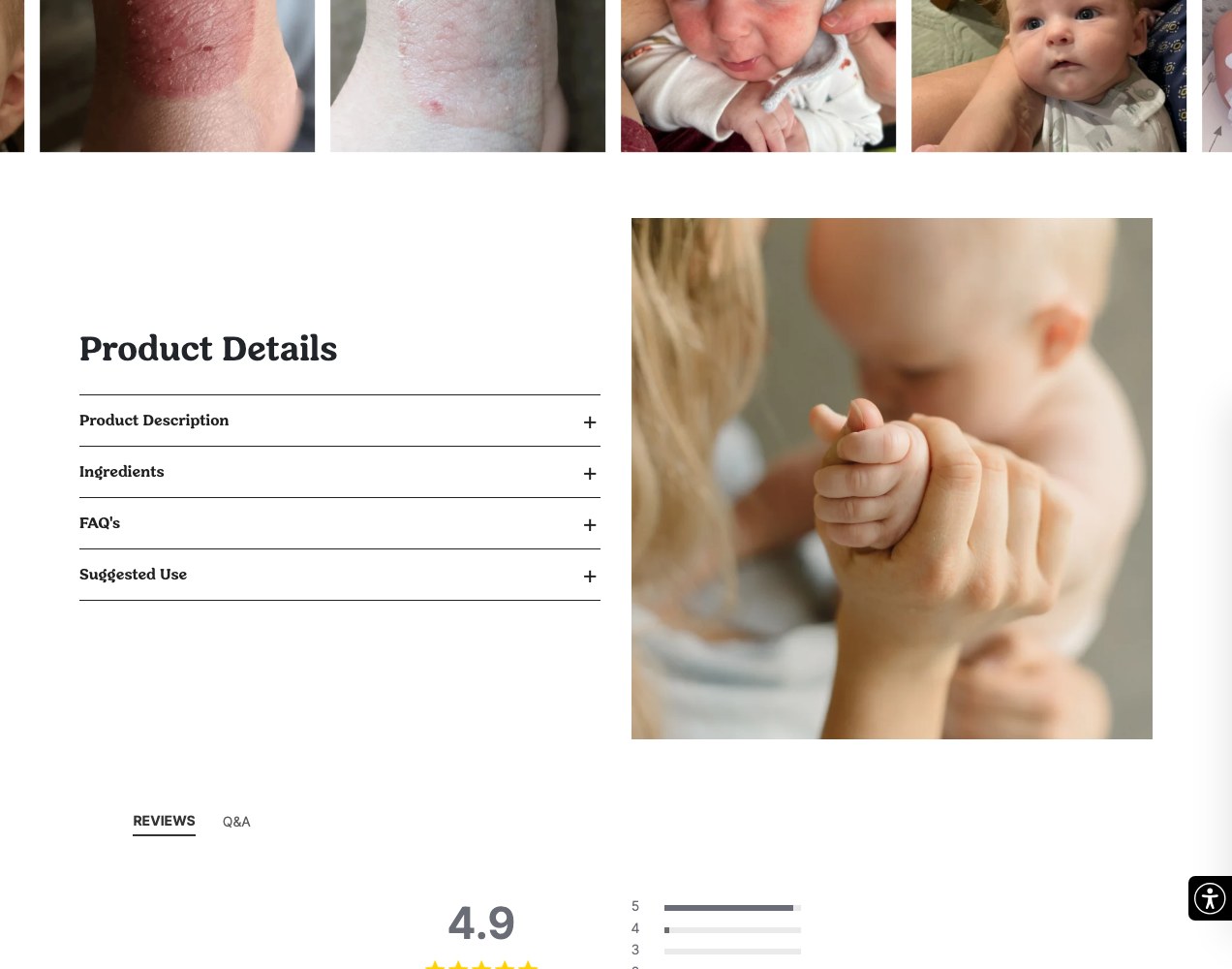
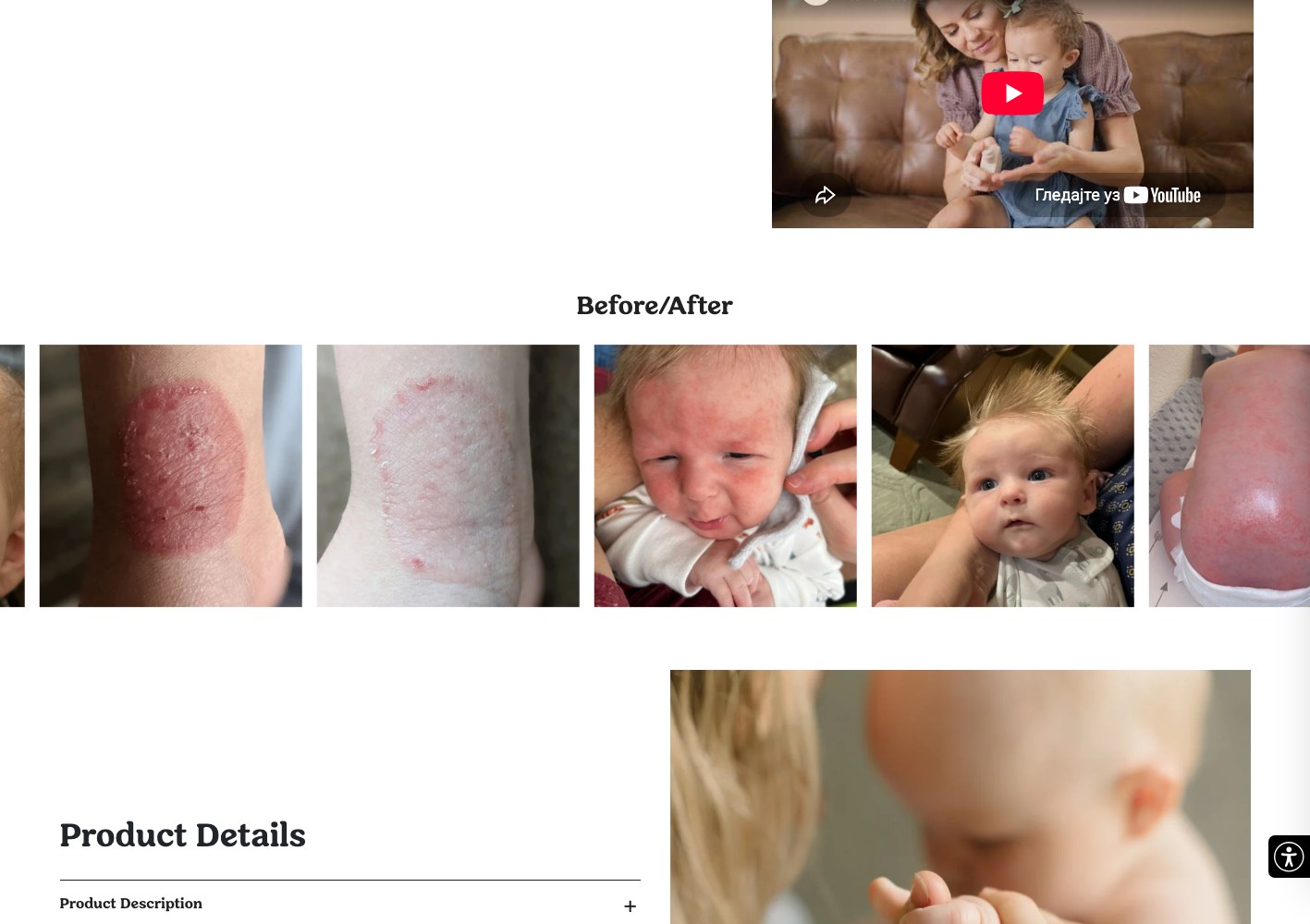
The site is organised around a dedicated Before & Afters page — a wall of real customer submissions with an upload path so the library keeps growing — and that same evidence is threaded back into the product pages as a before/after strip rather than left as a separate destination.
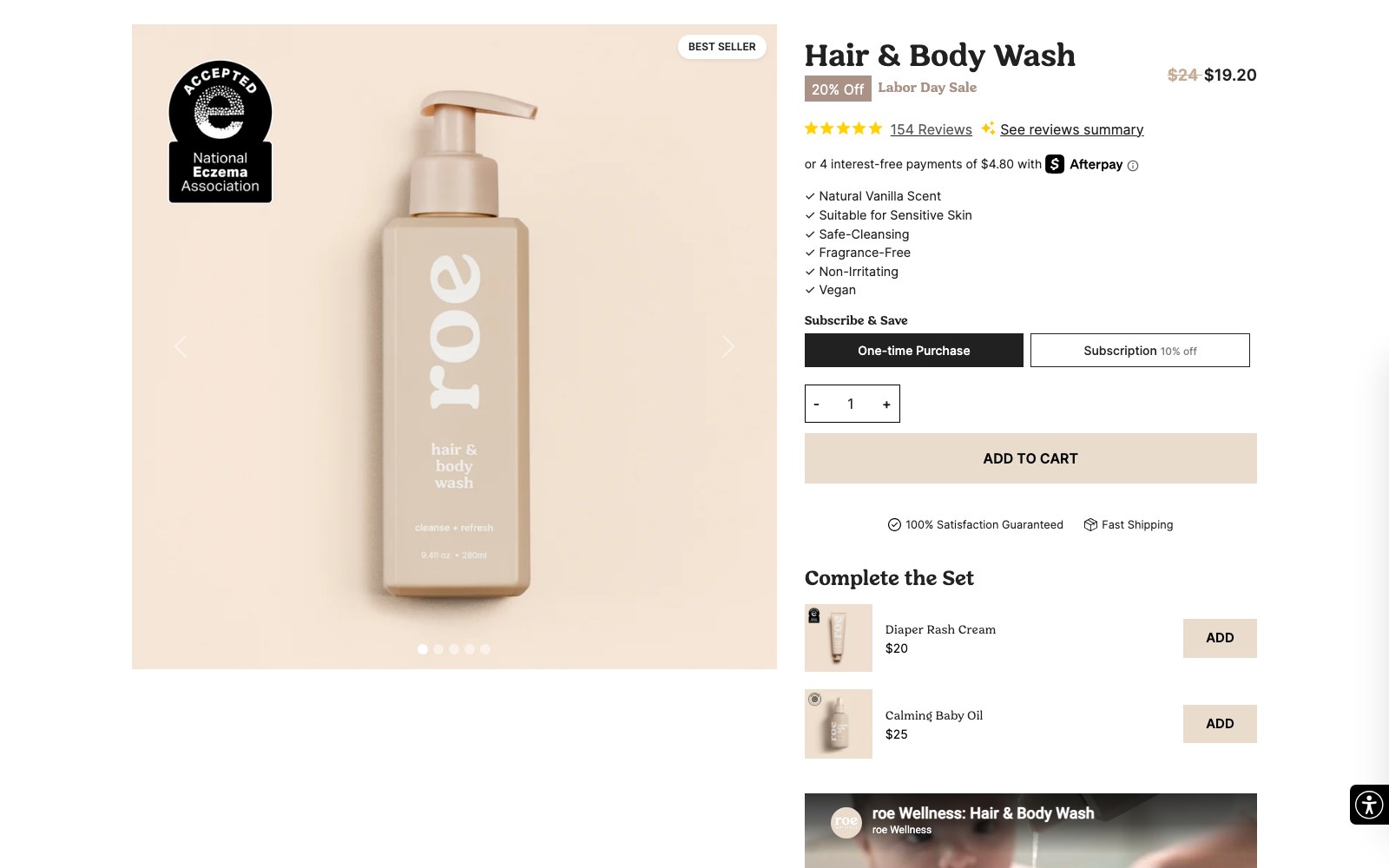
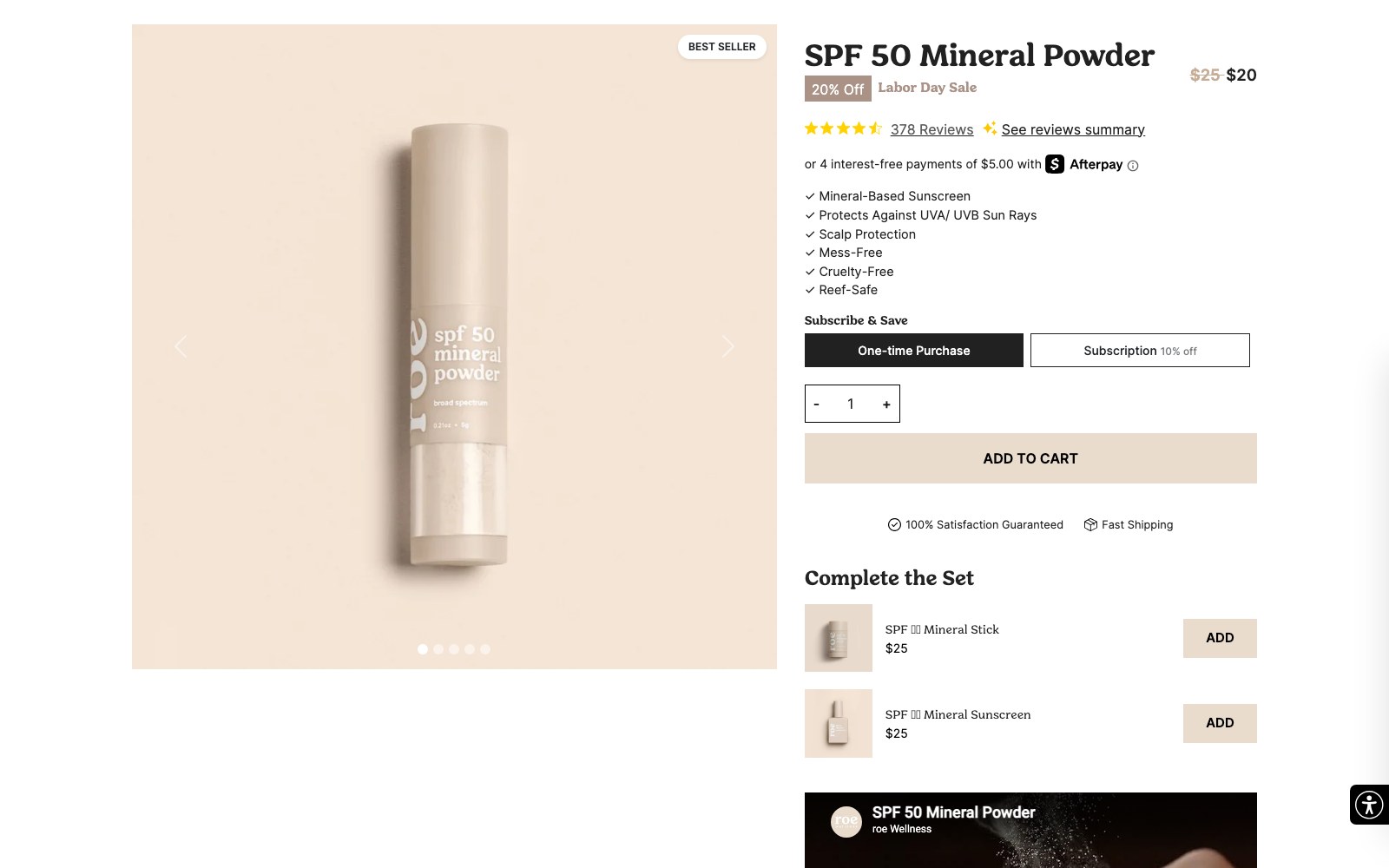
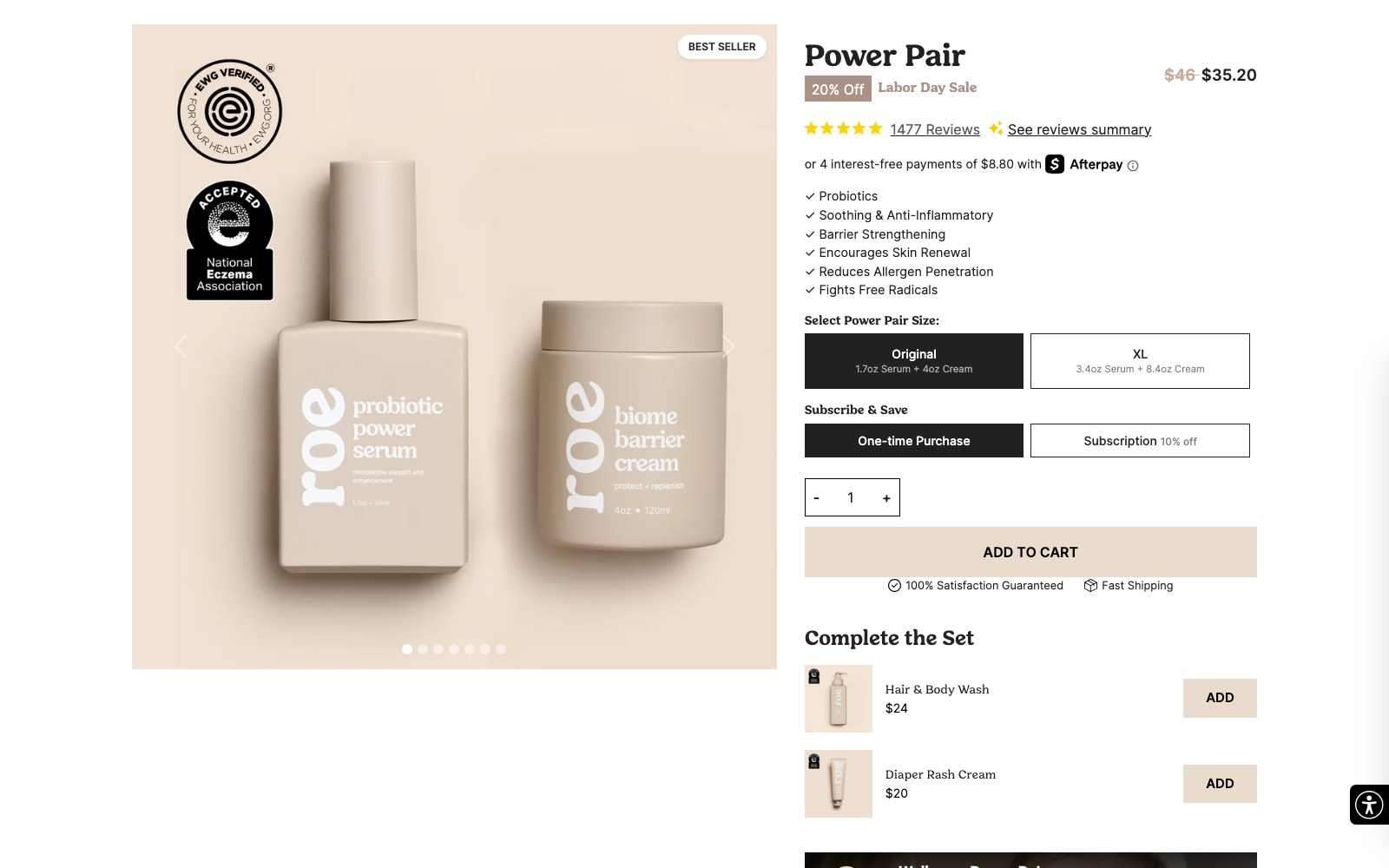
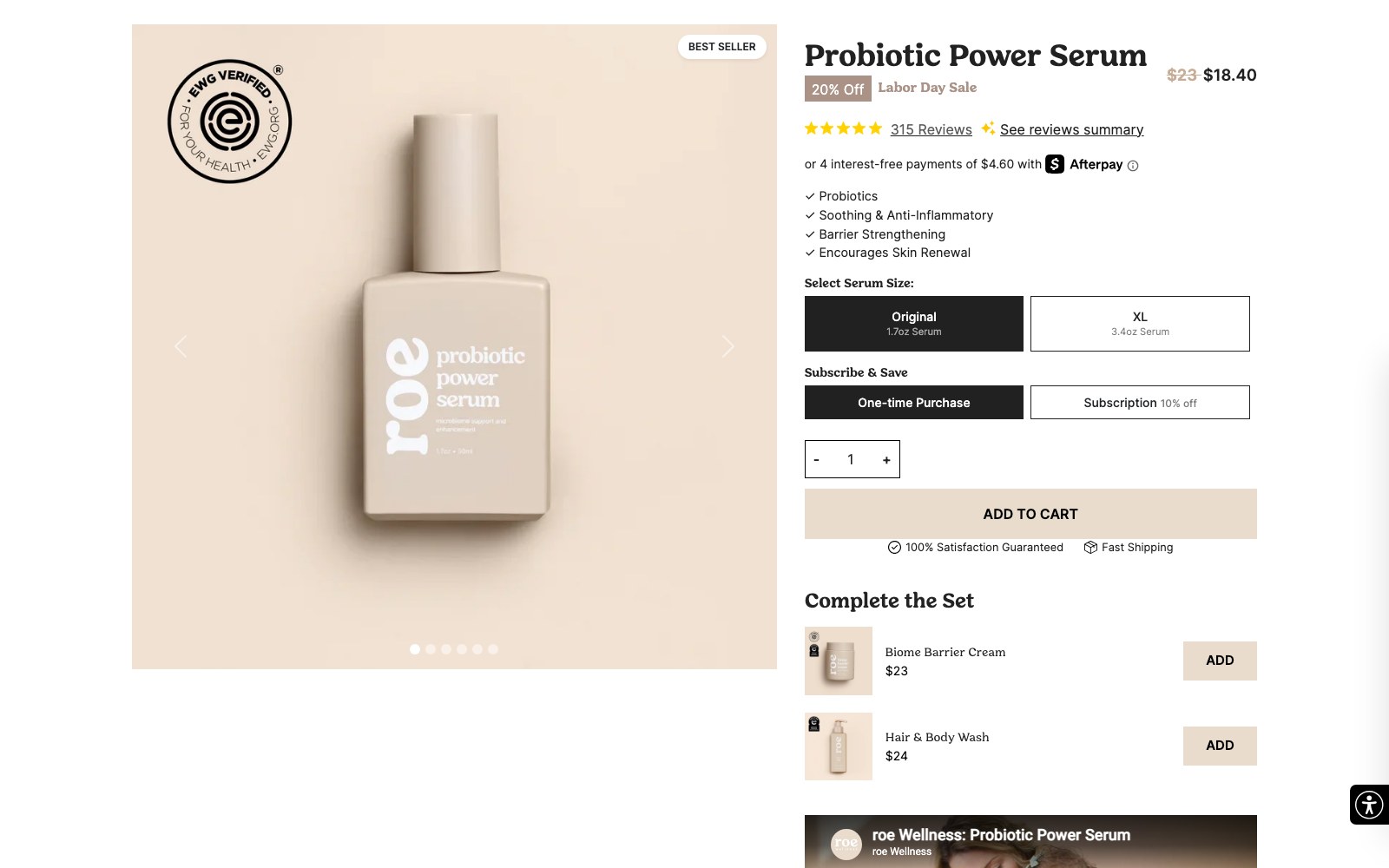
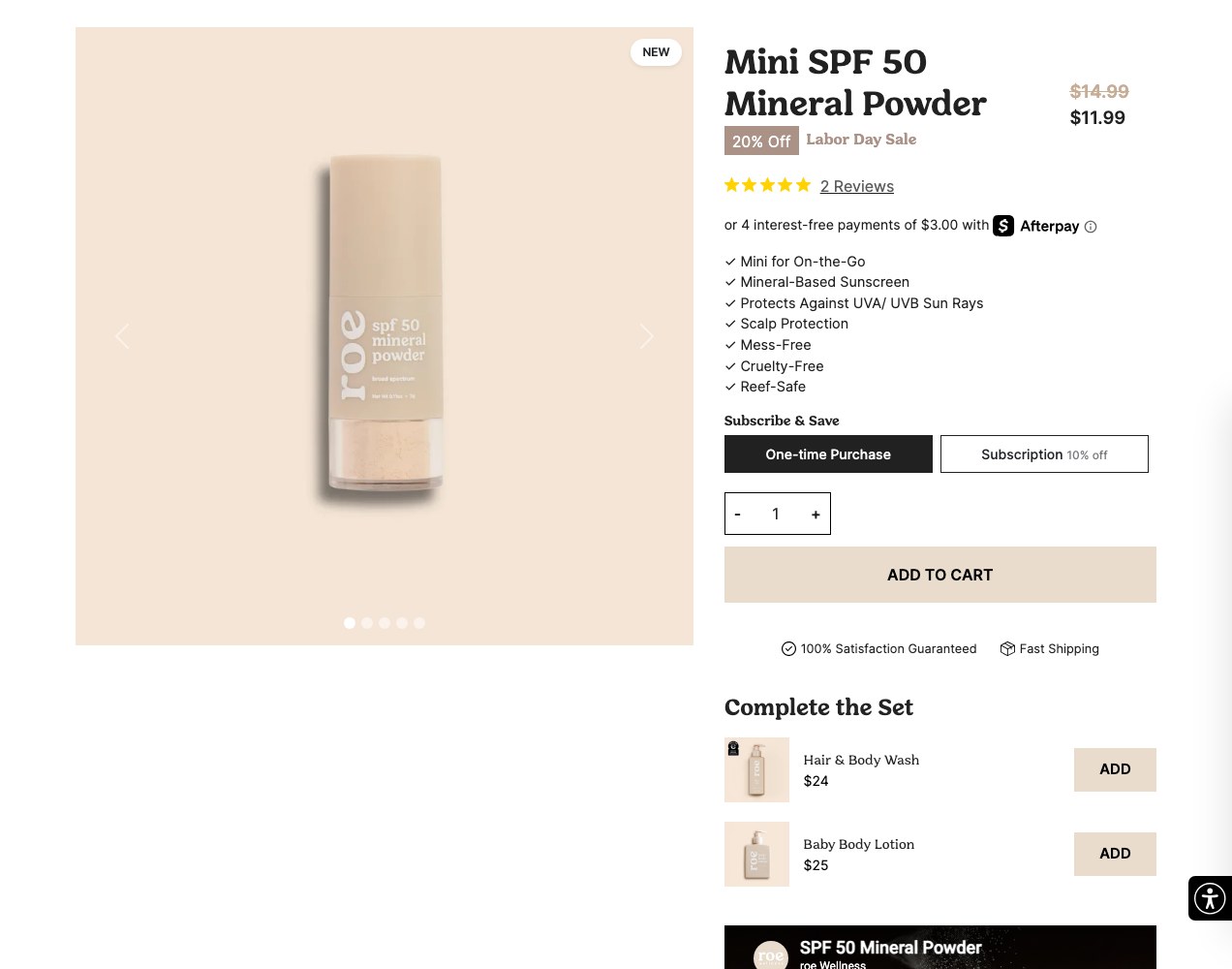
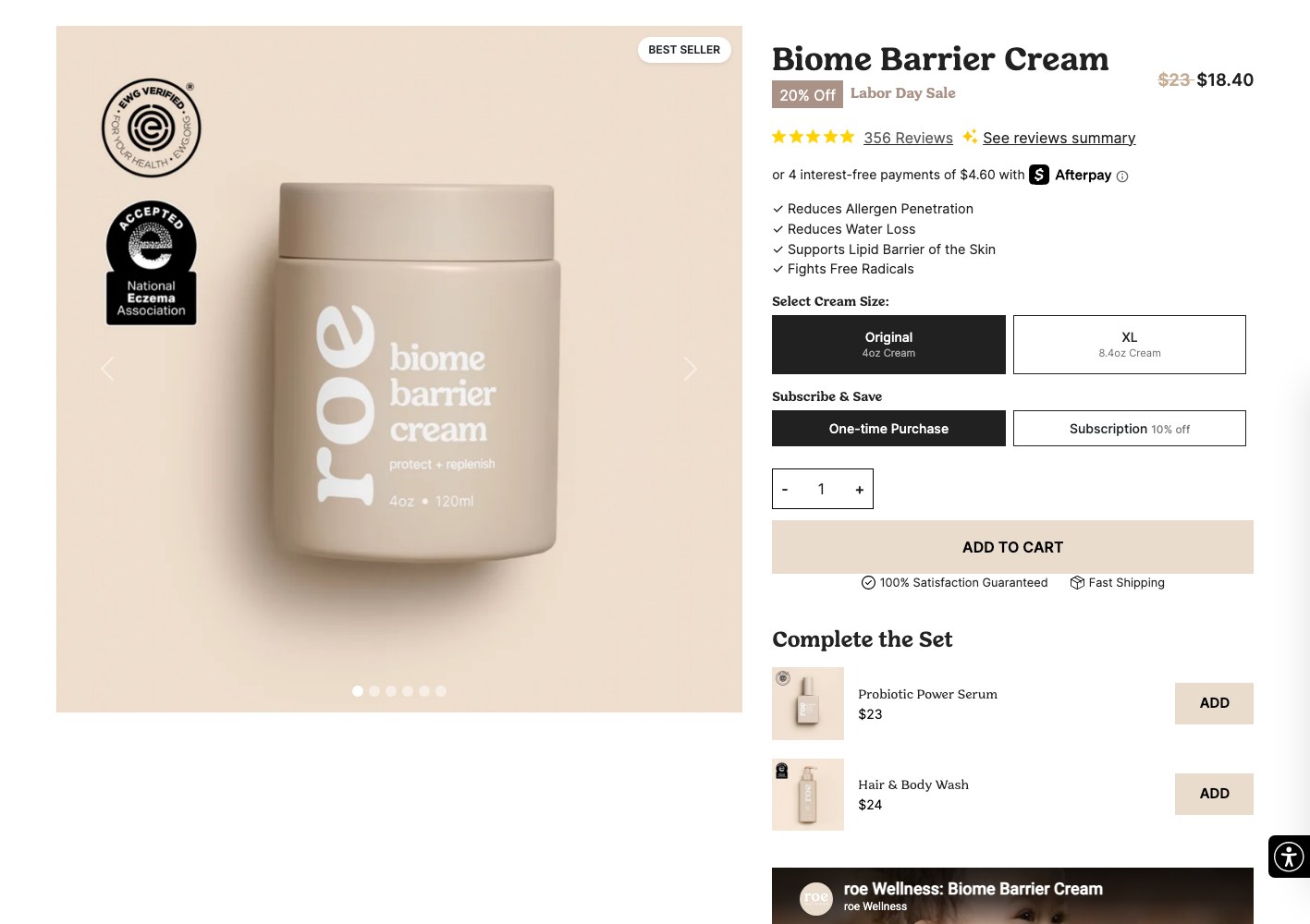
Product pages carry the full decision in one view: size choice, one-time purchase against subscribe-and-save, delivery estimate, satisfaction guarantee, certification badges, a bundle builder, a "complete the set" cross-sell and a brand video. Below that, reviews are structured rather than dumped — a rating breakdown, topic filters, and filters for the child's age and skin condition, so a parent can read only the reviews from families like theirs. The brand replies to reviews in public, and those replies stay visible.
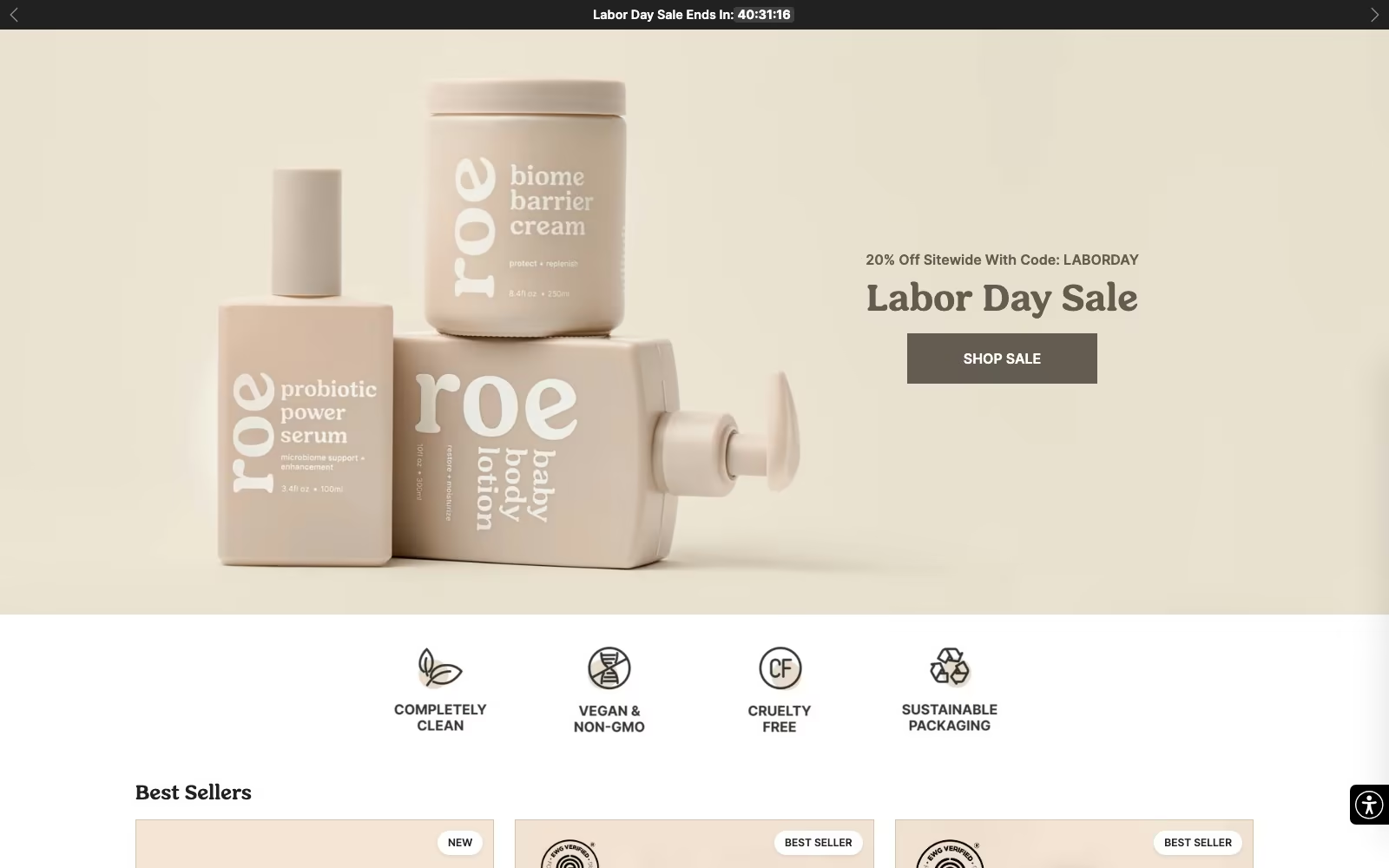
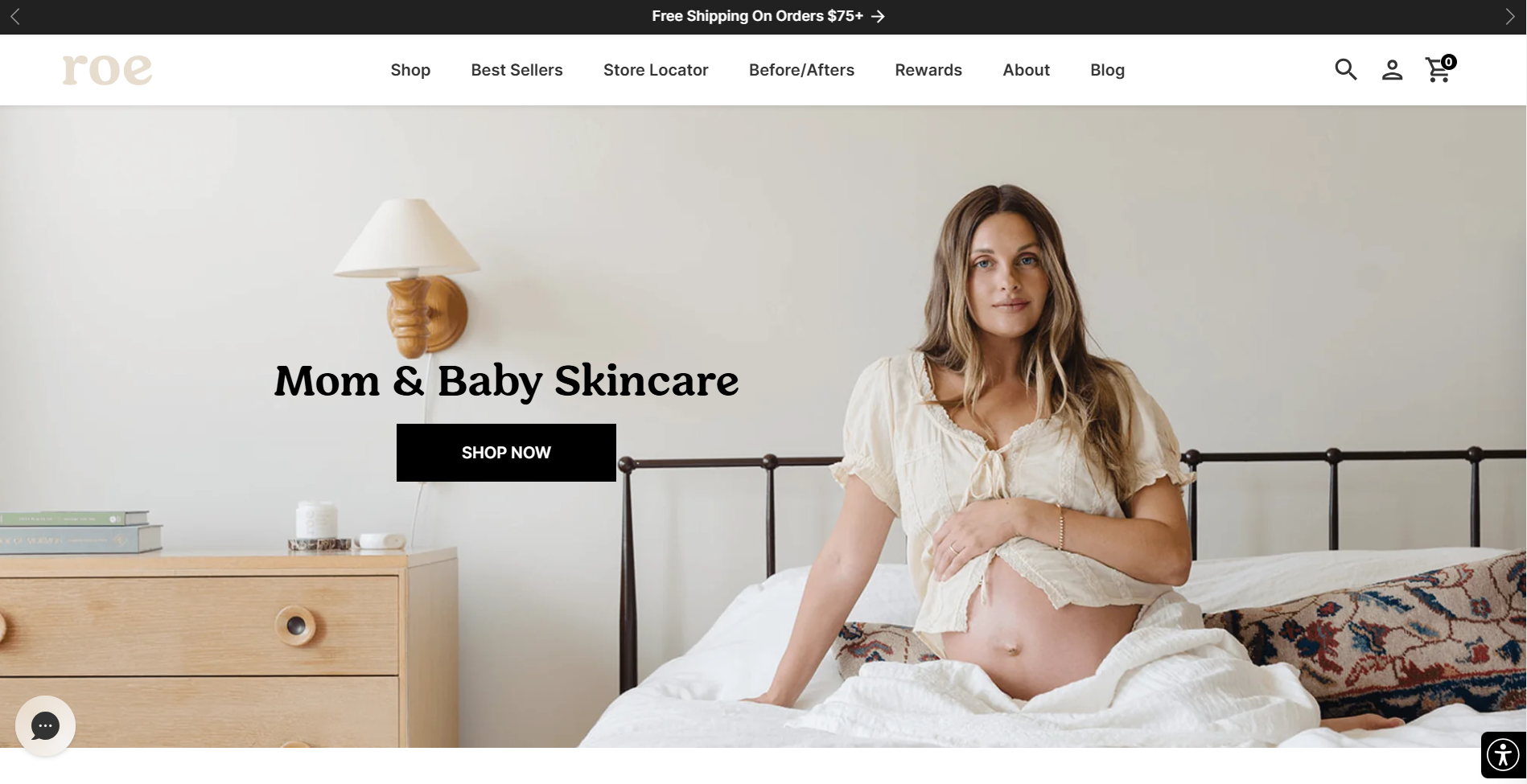
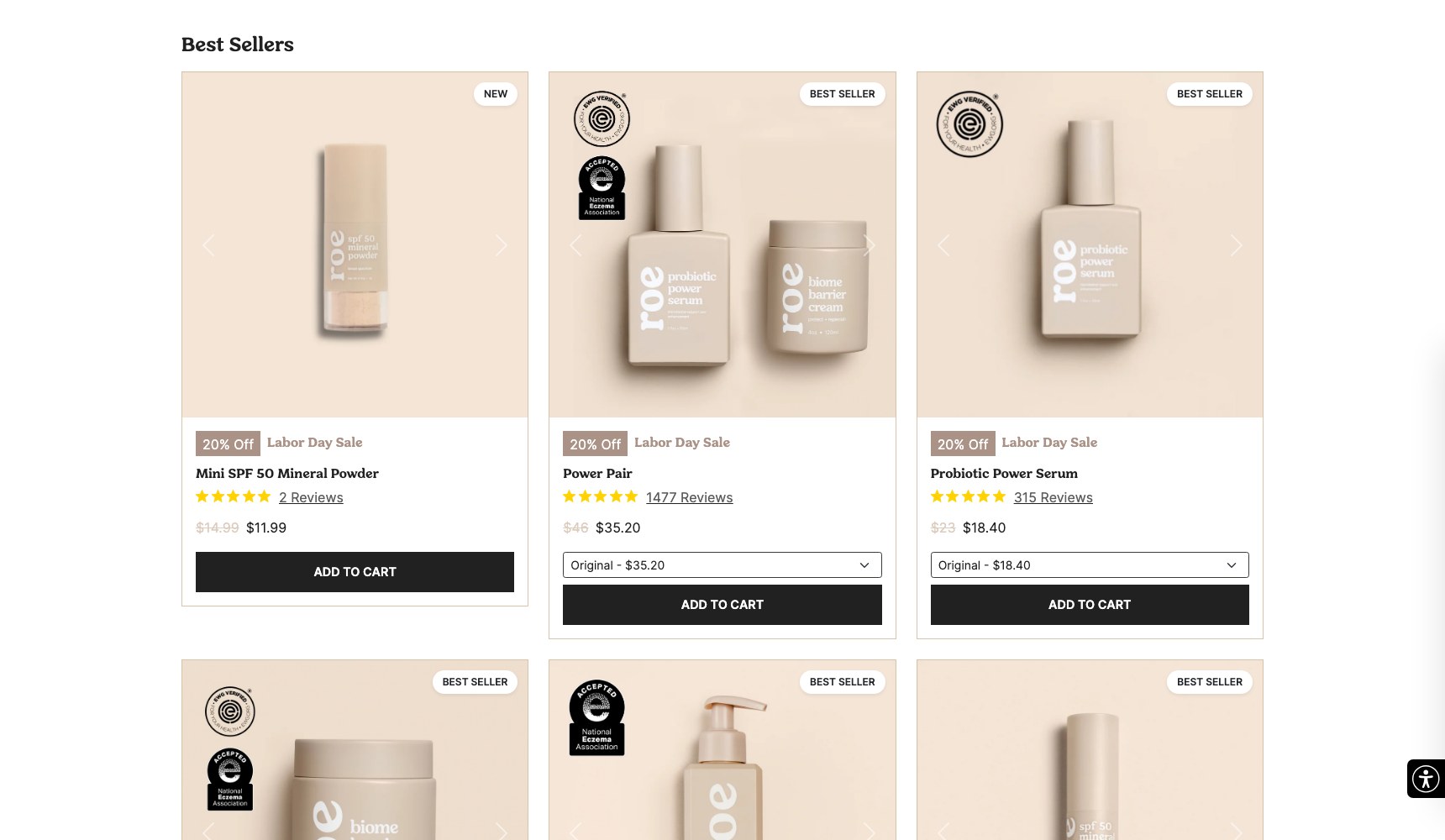
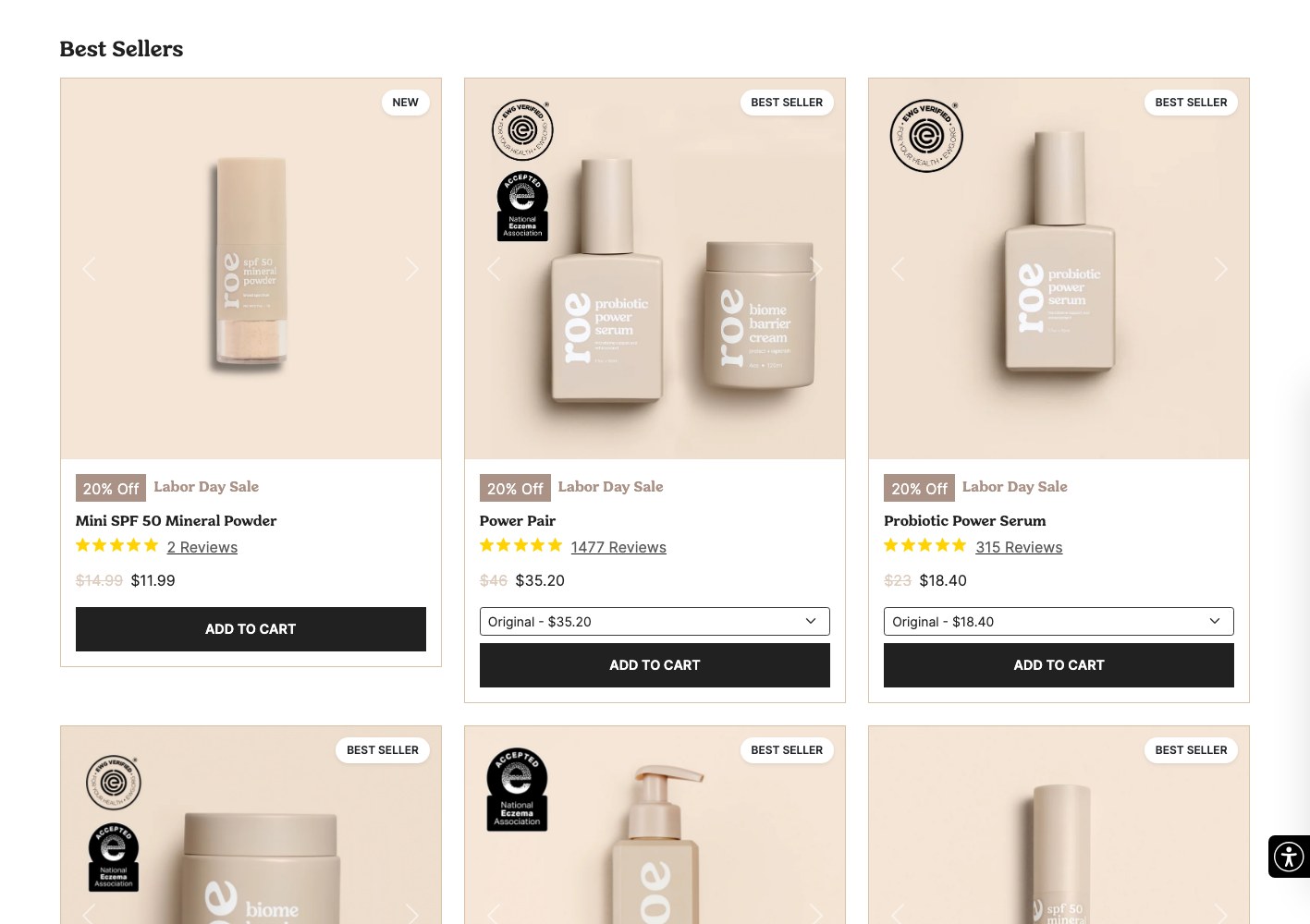
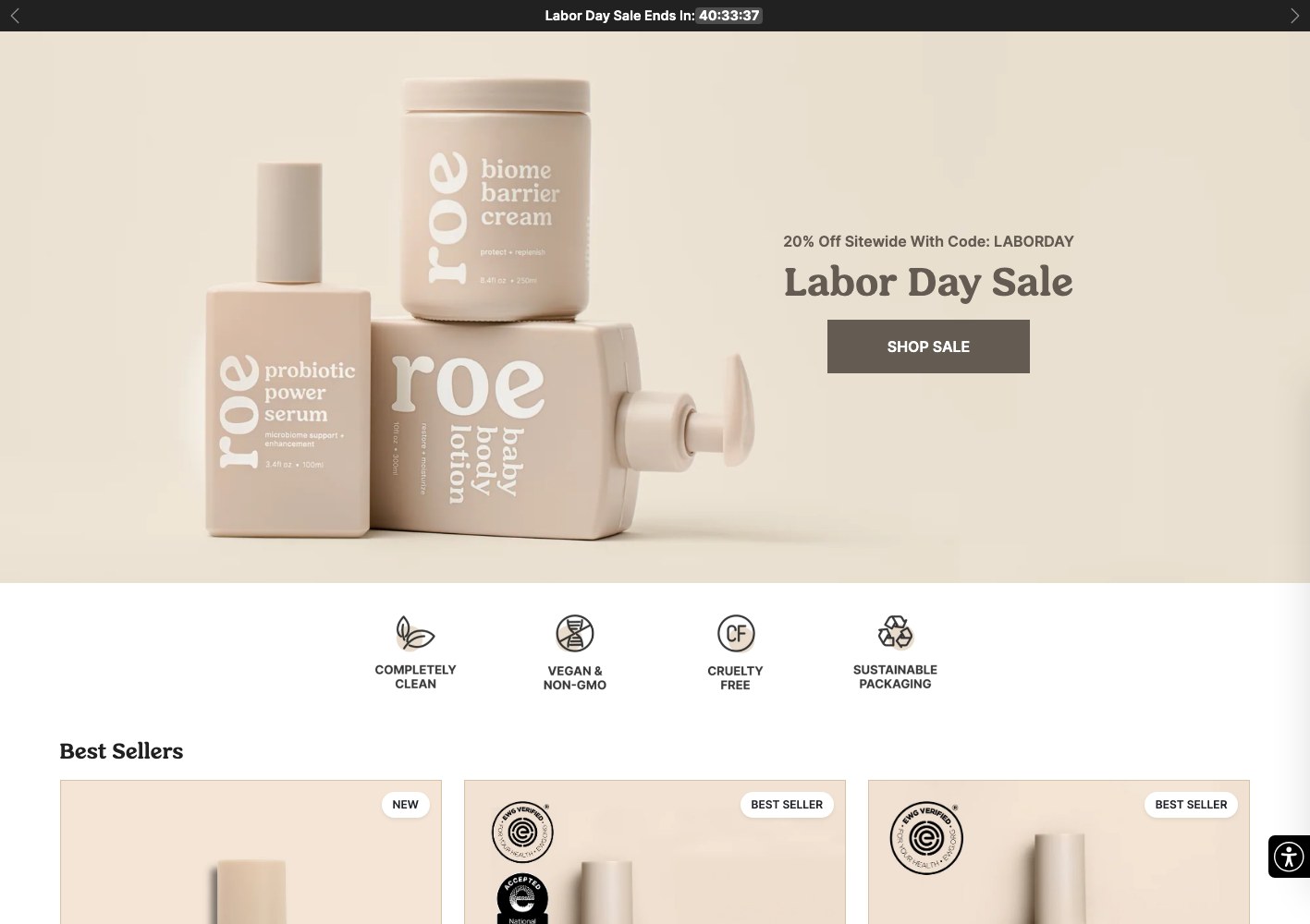
Merchandising splits the catalogue into intent-based collections (for baby, for mom, for both, SPF, bundles, best sellers, new arrivals) with trios and bundles surfaced inside each one, and a store locator for the retail side of the business.
More on this work: Shopify Development · Web Design.
.jpg)
Evidence, not claims
A wall of customer photos
lives at the centre.
The site anchors on a dedicated Before & Afters page built from real parent submissions, with an upload path so it keeps growing. That same evidence threads back into product pages as a strip rather than sitting in a separate corner, so the proof travels with the product.
.jpg)


03 — The results
Other parents now do the persuading on every page.
A dedicated before/after page holds customer-submitted photos and feeds strips back into product detail pages. Reviews are structured with topic filters, child age filters and skin condition filters so a parent reads only what matches their situation, and the brand replies publicly.
Merchandising splits the catalogue into intent-based collections for baby, for mom, for both, SPF, bundles, best sellers and new arrivals. Product pages carry size choice, one-time purchase against subscribe-and-save, delivery estimate, guarantee, certifications, a bundle builder and cross-sell in one view.
CASE STUDIES
Case studies
Website Portfolio
Video Ads
Static Ads
























































.webp)
.webp)