Animation built to be watched, not admired.
watched, not admired
Beautiful motion design that nobody finishes is expensive decoration. We make animation for a job: explain the product in forty seconds, hold a paid social audience past the first two, make a dull screen recording legible, carry a brand across hundreds of cutdowns without redrawing it each time. Built for the placements your paid social and ad creative teams actually run.





Tell us a little about your brand and we'll be in touch within 24 hours to lock in a time.


THE FOUR WORKSTREAMS
Four workstreams, one production line.
one production line
Most animation projects fail in the script or the sign-off, never in the software. So the studio work runs in a fixed order: agree what the piece has to achieve, lock the story on paper while changes are cheap, build a system rather than a one-off, and keep the source files organised so version nine costs a fraction of version one.
Brief & script
Design & storyboard
Animation & sound
Testing & iteration
Decide the job before anyone animates.
We start with the job: who watches this, where, in what mood, and what they should understand or do afterwards. A product explainer on a pricing page and a six-second hook for a feed are different crafts, and the most expensive mistake in this field is making one and using it as the other.
Then the script, because pacing is decided in words. We write to length, read it aloud against a stopwatch, cut every sentence the visuals can carry alone, and put the point in the first five seconds instead of building to it. Animation is the most common form of marketing video after live action — Wyzowl's 2026 survey found live action is the most-created video type at 51%, followed by animated at 23% and screen recorded at 19% — and animated pieces usually earn their place where there is nothing filmable: software, process, data, abstract propositions.
Script and storyboard are signed off before a single frame is built. That one rule removes most of the cost and nearly all of the friction.
- Audience, placement and desired action agreed in writing
- Script written to a length and read against a stopwatch
- Point delivered in the first five seconds, not the last
- Script and boards signed off before production starts
23%
of marketing videos are animated (Wyzowl, 2026)
5 sec
to land the point, by design
Solve it on paper, cheaply.
Storyboards and style frames are where the piece is really made. We board every beat, design the key frames at full quality, and agree type, colour, grid, iconography and transition language before anything moves. Changing a still frame takes an hour; changing the same idea after it is animated, rendered and scored takes days.
Design also decides whether the thing can be reused. We build a small system — a type scale, a colour set, a library of reusable components and transitions, and rules for how they combine — so the second video looks like the first without repeating the first video's cost. That system is what separates a studio relationship from a series of one-off invoices.
You approve style frames and a boarded animatic with timing before production, so what you sign off is what arrives.
- Every beat boarded, key frames designed at full quality
- Type, colour, grid and transition language locked first
- Reusable component library, so the next video costs less
- Boarded animatic with real timing approved before production
Animatic
approved with real timing before production
Craft, then legibility, then polish.
Production is where the discipline shows: deliberate easing rather than default curves, weight and anticipation so movement reads as intentional, type that holds still long enough to be read, and contrast that survives a phone at arm's length in daylight. Sound is treated as half the piece, not an afterthought — but every frame is built to work muted, because most feed viewing is silent and captions are a requirement, not an accessibility tick-box.
We build once and deliver everywhere: vertical, square and landscape framed as separate compositions rather than one file cropped, cutdowns at the lengths each placement rewards, captioned and clean versions, and end-frame variants for different offers. That matters because paid social eats volume: Motion's 2026 benchmarks show advertisers launching an average of 2.8 creatives a week under $10,000 monthly spend, rising to 6.6 at $50,000-$200,000 and 18.8 above $1m.
Source files, project structure and fonts are handed over documented, so nothing is hostage to one animator's hard drive.
- Deliberate easing, weight and hold times, not default curves
- Designed to work muted, with captions built in
- Vertical, square and landscape framed separately, not cropped
- Cutdowns and end-frame variants delivered together
- Documented source files handed over
6.6
creatives launched weekly at $50K-$200K monthly spend
18.8
creatives launched weekly above $1m monthly spend
Let the data pick the next version.
An animated ad is a hypothesis. We ship variants that differ on one thing — the hook, the order of the argument, the pace of the first three seconds, the end frame — and read hook rate, hold rate and cost per result rather than views. Then we iterate on what held attention instead of restarting with a new idea every month.
The same logic applies off-platform. A product video on a landing page has to earn its load time and its space above the fold, and the median landing page in Unbounce's benchmark study converts at 6.6% — so we test the page with the video and without it rather than assuming it helps. Appetite is not the constraint: Wyzowl found 91% of businesses use video and 93% of video marketers consider it important to their strategy. Discipline is.
Every month you get a written read: what performed, why we think so, and what we are making next.
- Variants that differ on one variable, not five
- Hook rate, hold rate and cost per result, never view counts
- Landing page video tested against no video, not assumed
- Monthly written read that names the next production
91%
of businesses use video as a marketing tool (Wyzowl)
6.6%
median landing page conversion rate, Unbounce benchmark
of video marketers say video lifts brand awareness (Wyzowl)
motion graphics services market in 2025 (GII)
Every frame designed to read with the sound off
Finished files, source projects and the system
We made the difference for those brands
Food & beverage
Healthcare & regulated services
Beauty, personal care & wellness
B2B software, fintech, insurance
B2B software, fintech, insurance
B2B software, fintech, insurance
B2B software, fintech, insurance
Consumer tech and platforms
Beauty, personal care & wellness
Consumer tech and platforms
Consumer tech and platforms
Retail & commerce
B2B software, fintech, insurance
Apparel and lifestyle
Healthcare & regulated services
Creative, content, arts & culture
B2B software, fintech, insurance

Home essentials, appliances, kitchen & pet
Creative, content, arts & culture

Retail & commerce
Consumer tech and platforms

Consumer tech and platforms
Consumer tech and platforms
Consumer tech and platforms

Retail & commerce
Home essentials, appliances, kitchen & pet
B2B software, fintech, insurance
B2B software, fintech, insurance
Retail & commerce
Consumer tech and platforms
Home essentials, appliances, kitchen & pet
01 — The challenge
Gorgeous, expensive, and nobody watched it.
The film took ten weeks and three rounds of comments nobody wrote down. It opens with a logo animation, explains the company before the problem, runs ninety seconds, and exists in one landscape file with burned-in music. It looks superb in the boardroom. In the feed it loses most viewers before the second sentence, and there is no vertical cut to run instead.
“We spent the whole video budget on one film we cannot cut down.”
That is a brief-and-format problem, not a craft problem. Paid channels reward volume and variation — Motion's 2026 dataset shows creative output rising from 2.8 new creatives a week at micro spend to 18.8 above $1m a month — so one perfect asset is structurally the wrong purchase. Build a system and the second, tenth and fortieth cut cost a fraction of the first.
02 — Our approach
Lock the story on paper, then build a system.
We agree the job first: audience, placement, mood, and what someone should understand or do afterwards. Then we write the script to a length, read it against a stopwatch, cut every line the visuals can carry, and put the point in the first five seconds. Storyboards and full-quality style frames come next, with type, colour, grid, iconography and transition language locked while changes still cost an hour rather than a week, and a boarded animatic with real timing signed off before production. In production we build a reusable component library instead of a single file, so the second video inherits the first one's craft at a fraction of the cost. Every frame is designed to work muted with captions, and we frame vertical, square and landscape as separate compositions rather than cropping one master. Delivery includes cutdowns, end-frame variants, captioned and clean versions, and documented source files you own. Then we test: variants differing on one variable, judged on hook rate, hold rate and cost per result, with a written monthly read that names the next production.
03 — What we did
Four phases, then a library that keeps working.
Brief, design, production and iteration run in sequence, with one working session per phase and a written monthly read once creative is live.
Week 1 / Brief
Audit what you already have
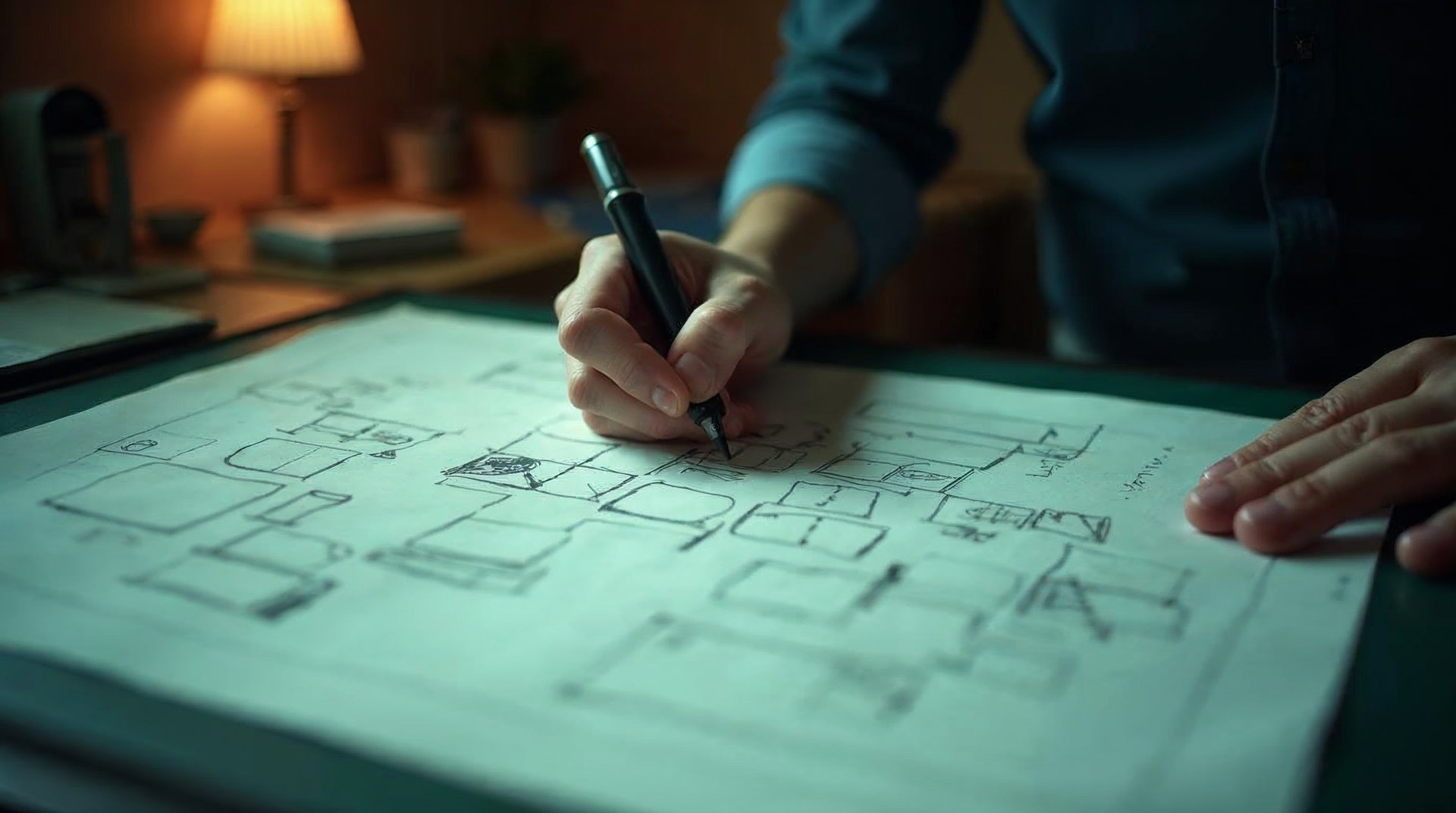
Existing video and animation reviewed against performance data, so we know what held attention before proposing anything new.
Weeks 1-3 / Script and boards
Solve the story on paper
Script written to length, every beat boarded, style frames designed at full quality, and an animatic approved with real timing.
Weeks 3-6 / Production
Animate it as a system
Reusable components, deliberate easing, captions built in, and every ratio framed as its own composition rather than a crop.
Ongoing / Iteration
Cut, test, then cut again
Variants shipped on one variable at a time, judged on hook and hold rate, with the winners extended and a written monthly read.
WHAT YOU GET
Deliverables you keep.
you keep
Every script, board, component library and source file below is documented and handed over, whether we keep working together or not.

Script and storyboard
The story solved on paper, timed against a stopwatch and signed off before a single frame is animated.

Motion style system
Type, colour, grid, iconography and transition language defined so every future piece looks related without redrawing it.

Finished animation
The master piece animated, scored and mixed, built to read muted with captions and legible type throughout.

Cutdowns and ratios
Vertical, square and landscape framed separately, with the shorter lengths and end-frame variants each placement rewards.

Source files and handover
Organised project files, fonts and documentation, so your team or another studio can extend the work without us.

Testing plan and read
A variant plan judged on hook rate, hold rate and cost per result, with a written monthly read of what to make next.
HOW WE WORK
Operating standards, not promises.
Operating standards


















Built on trust. Proven by results.
We partner with SMBs and Fortune 500 companies to deliver more than reach — we bring clarity, execution, and measurable outcomes. Every successful partnership starts with a strong culture fit and a shared drive to grow.

CASE STUDIES
Case studies
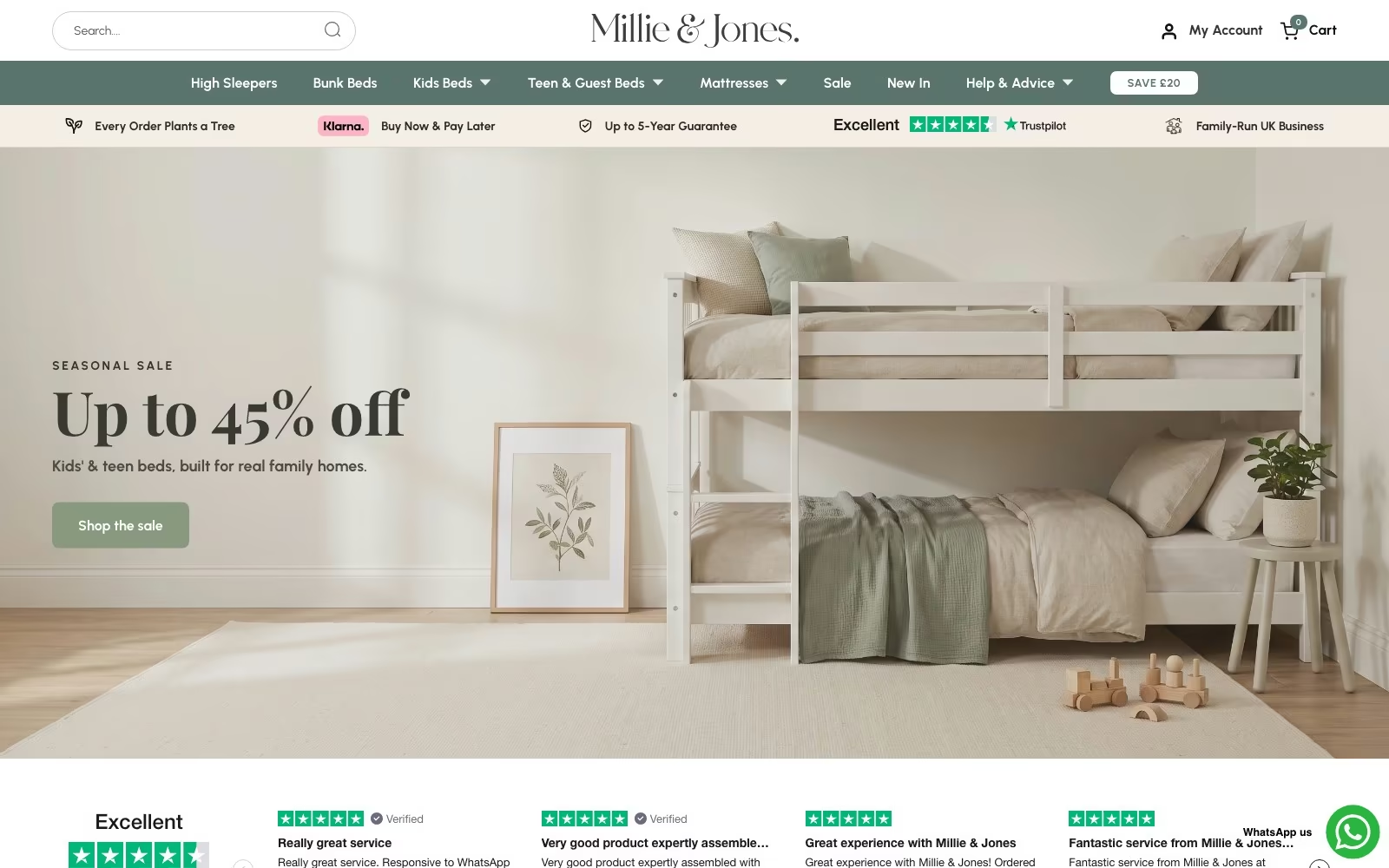
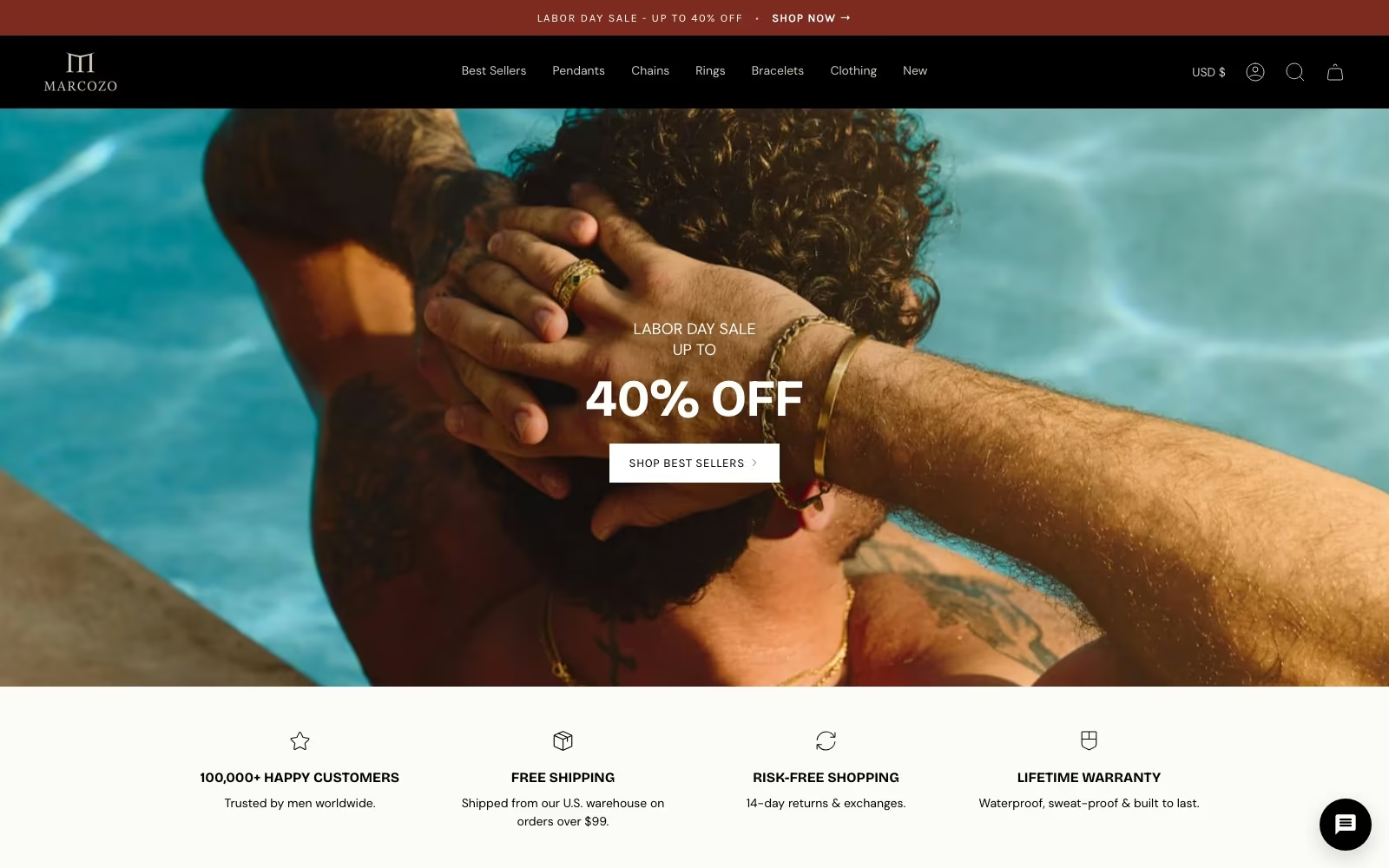
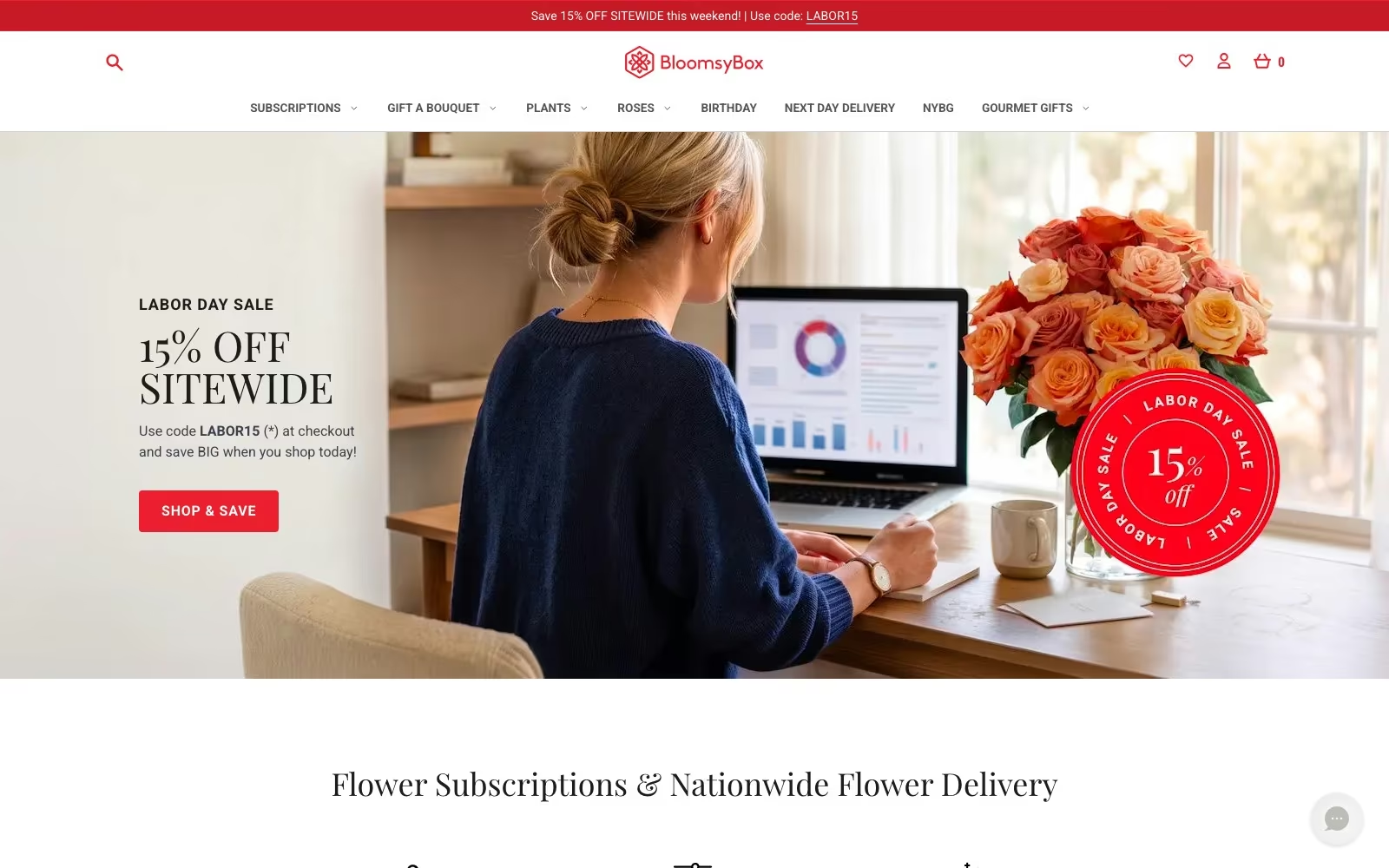
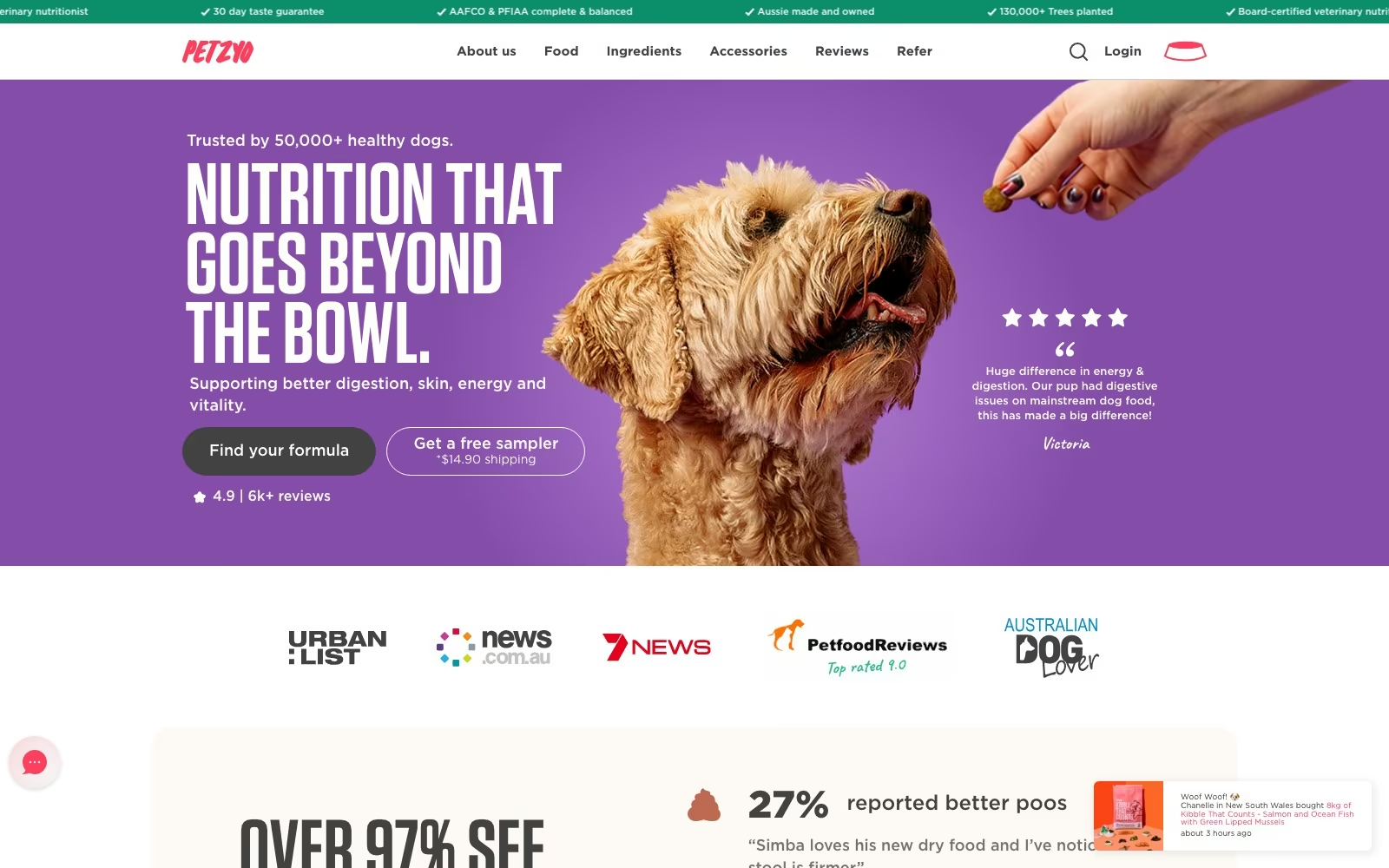
Website Portfolio
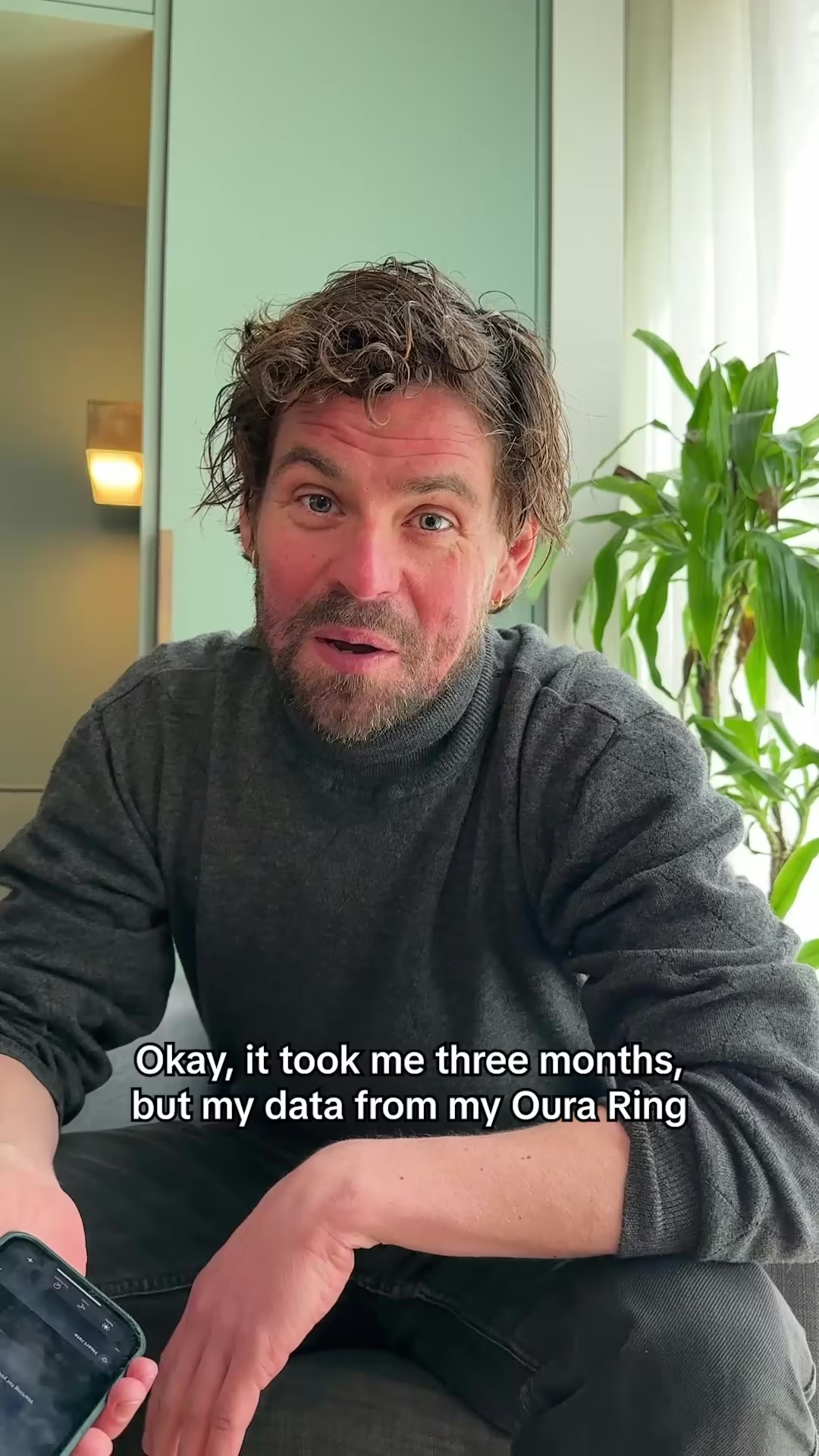
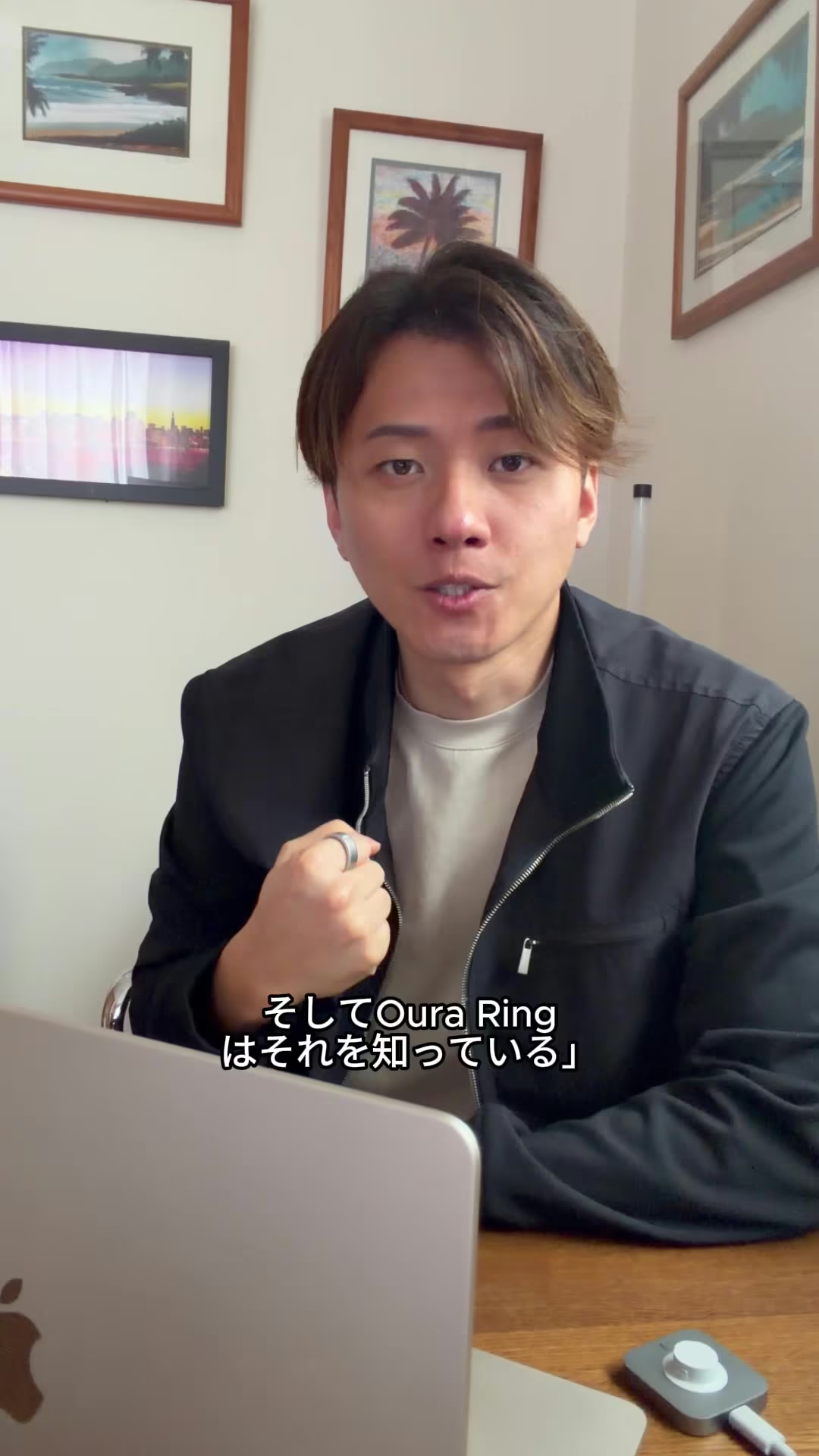
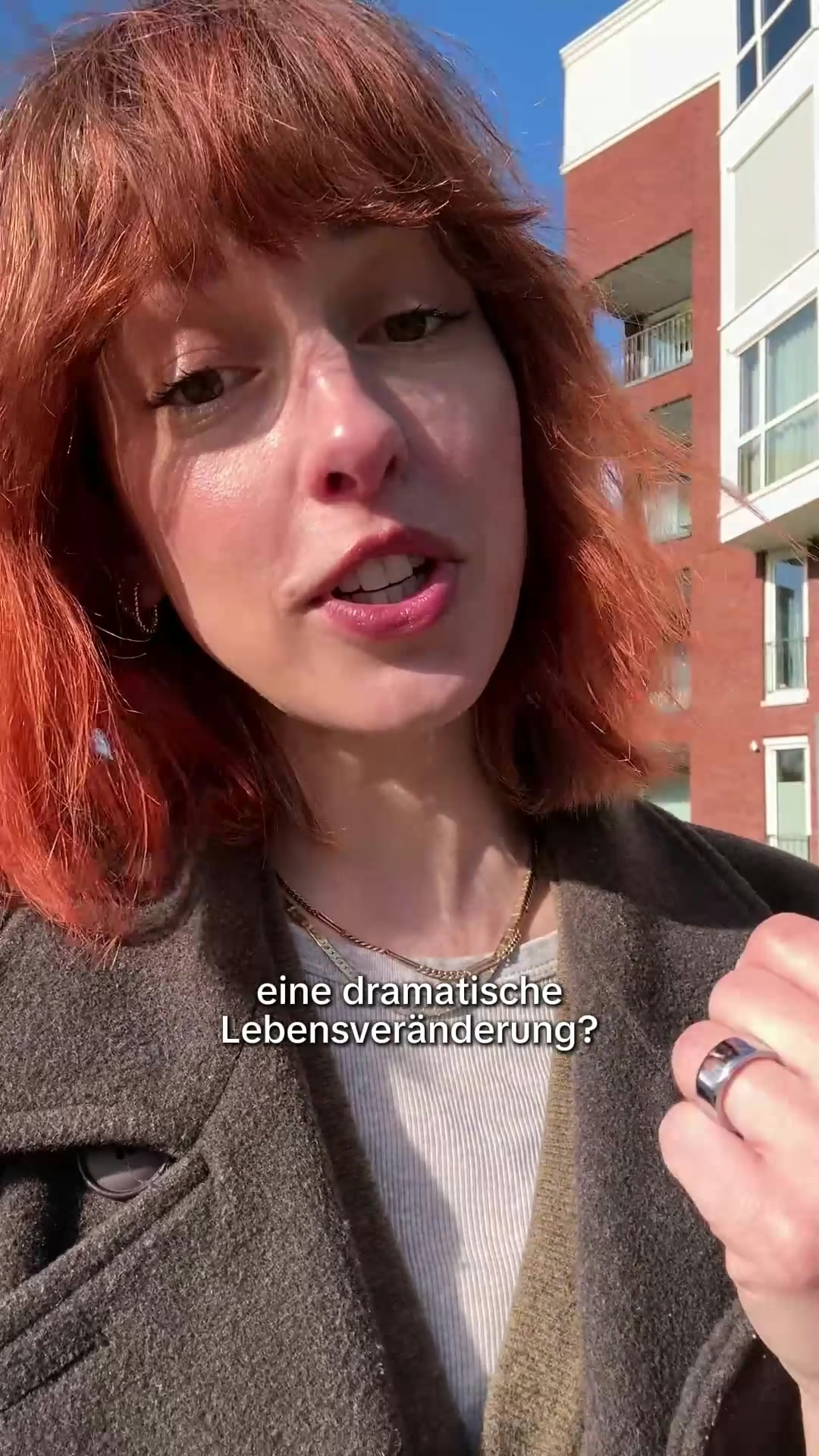
Video Ads
Static Ads












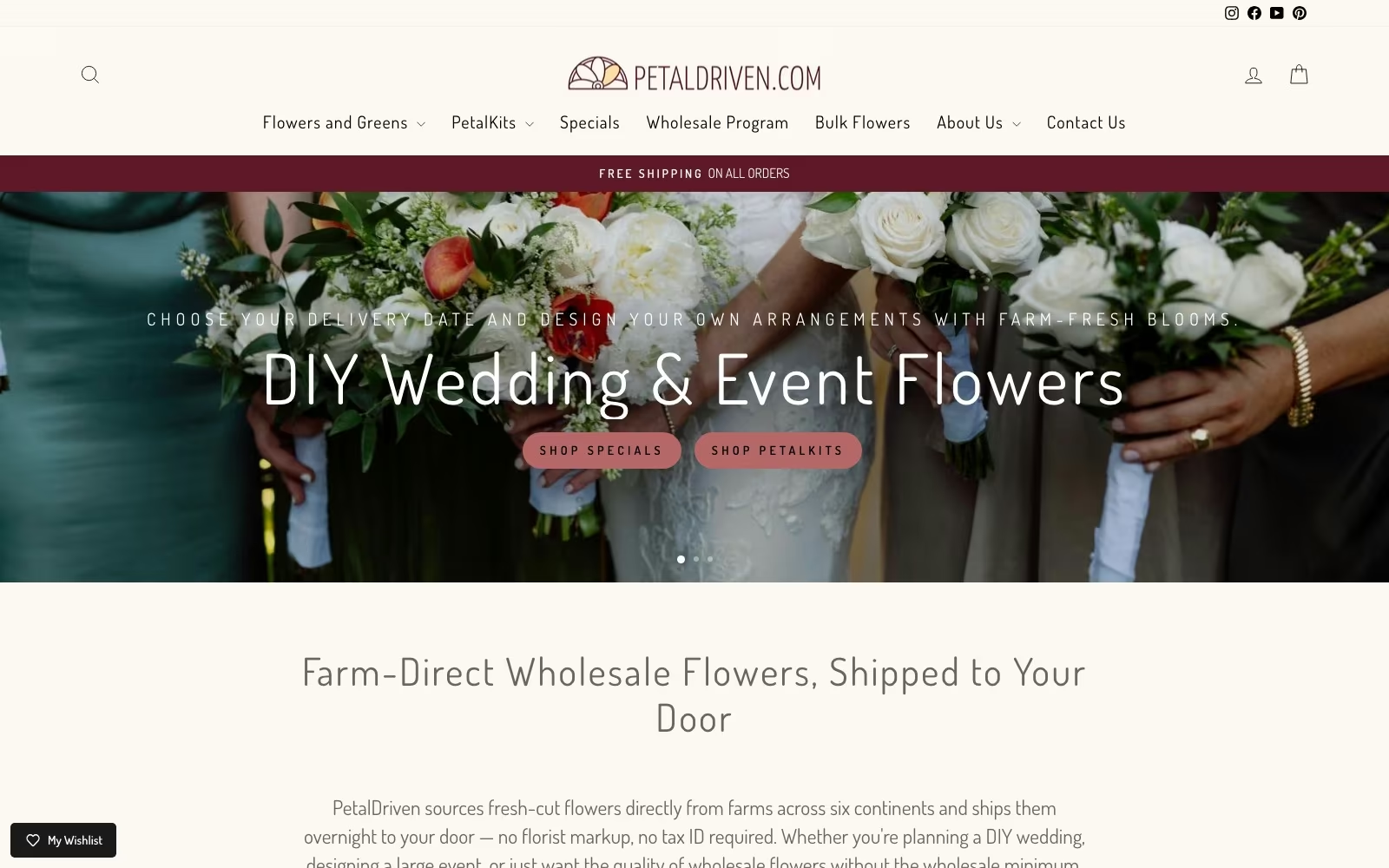

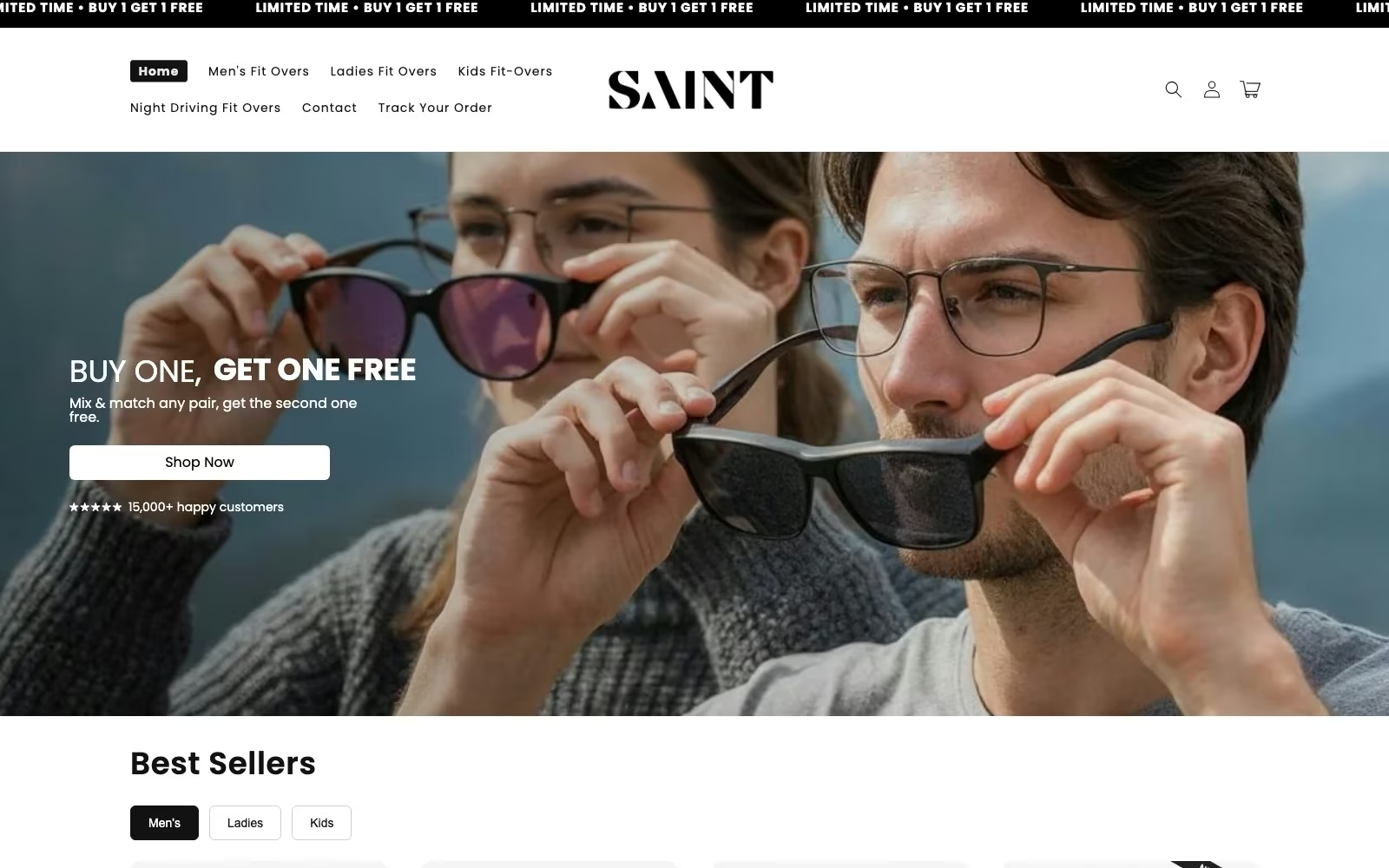
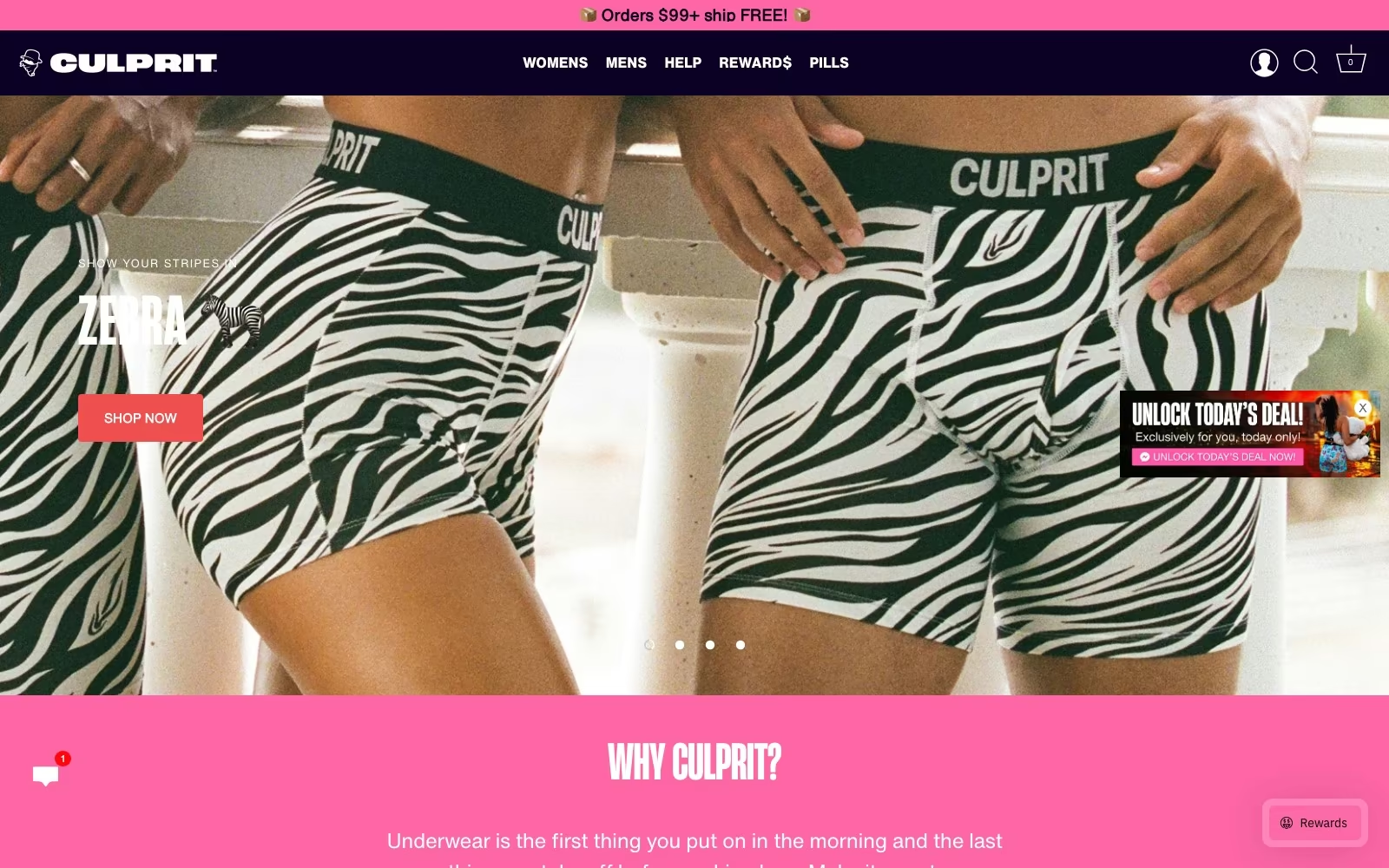

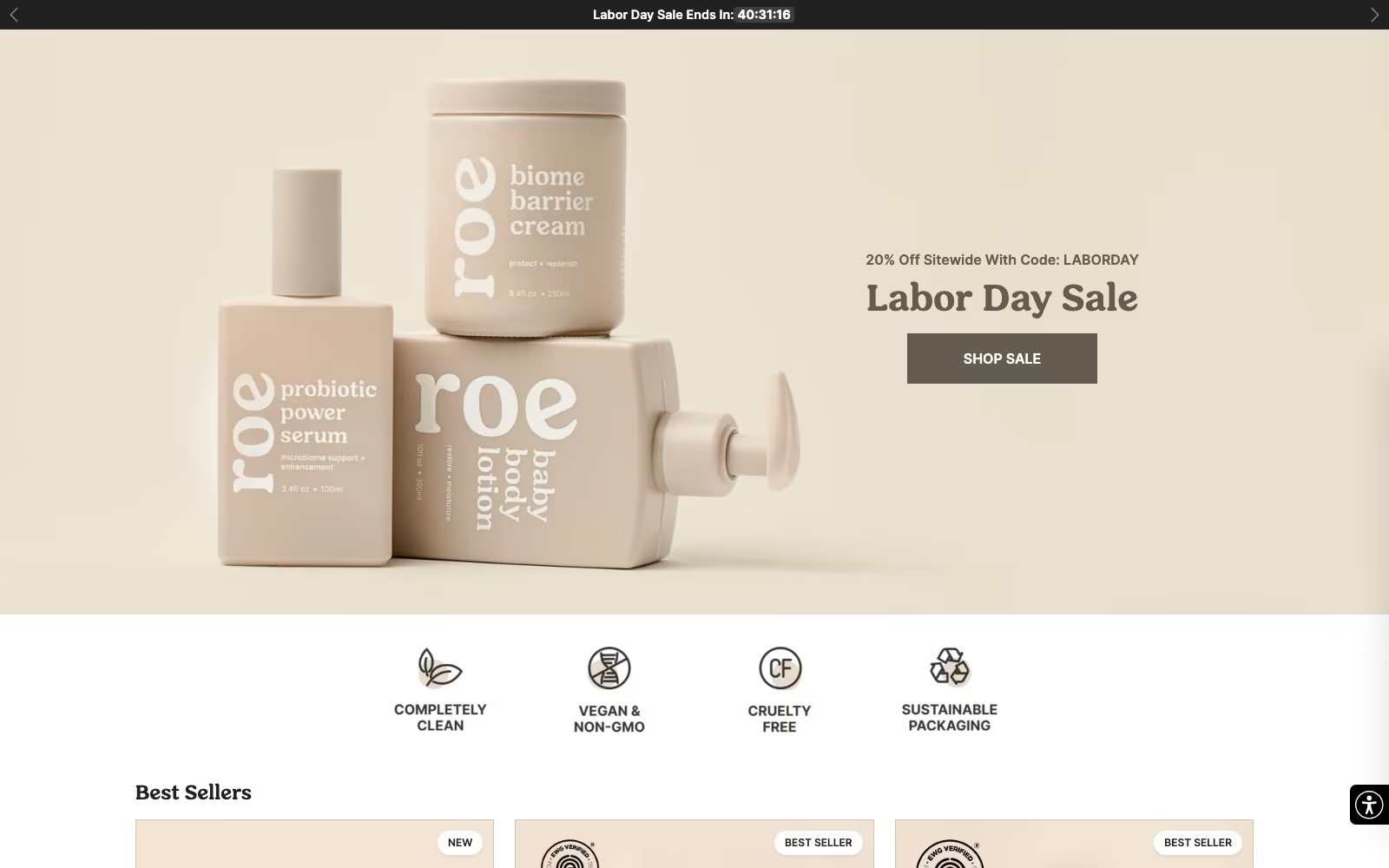
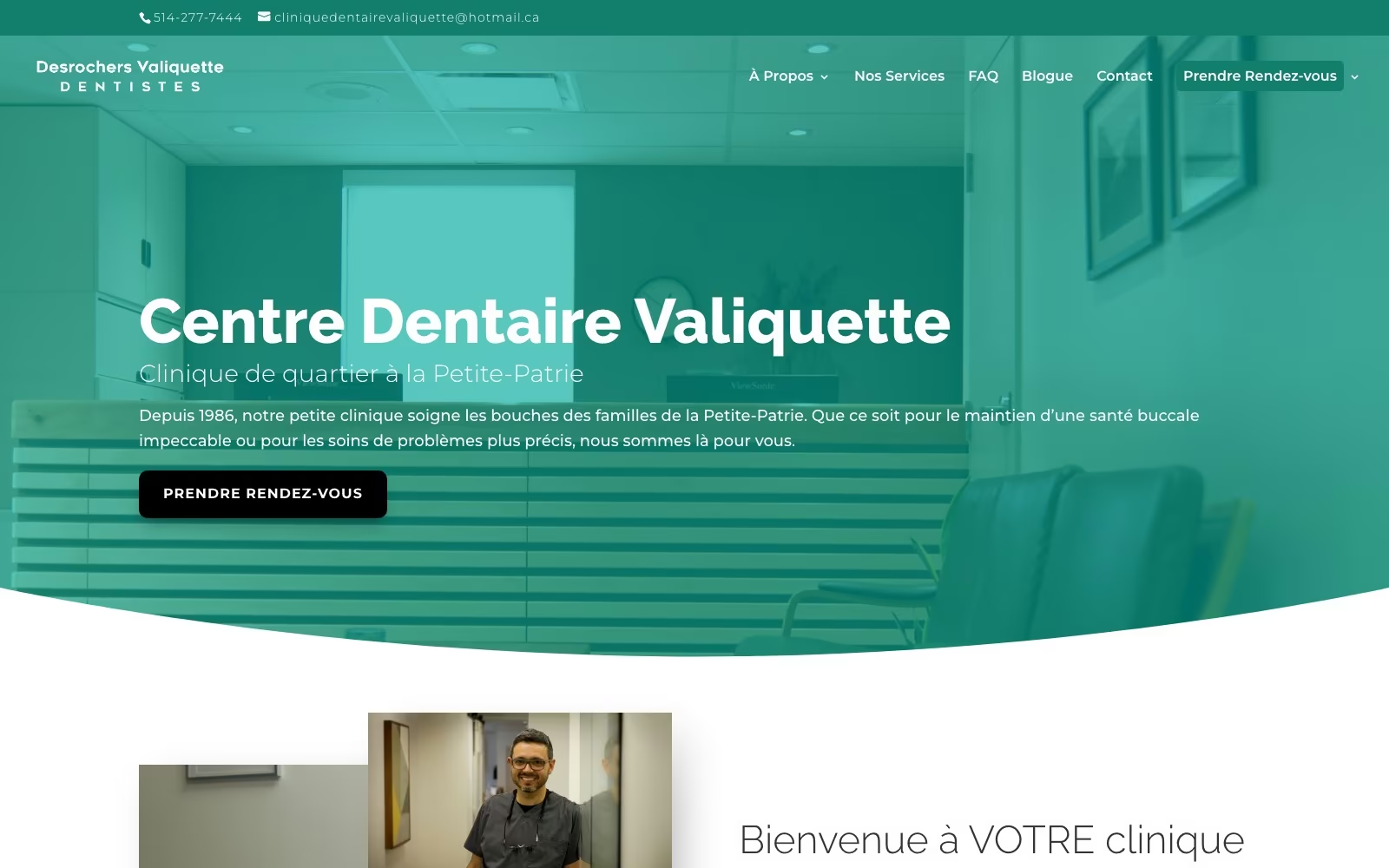










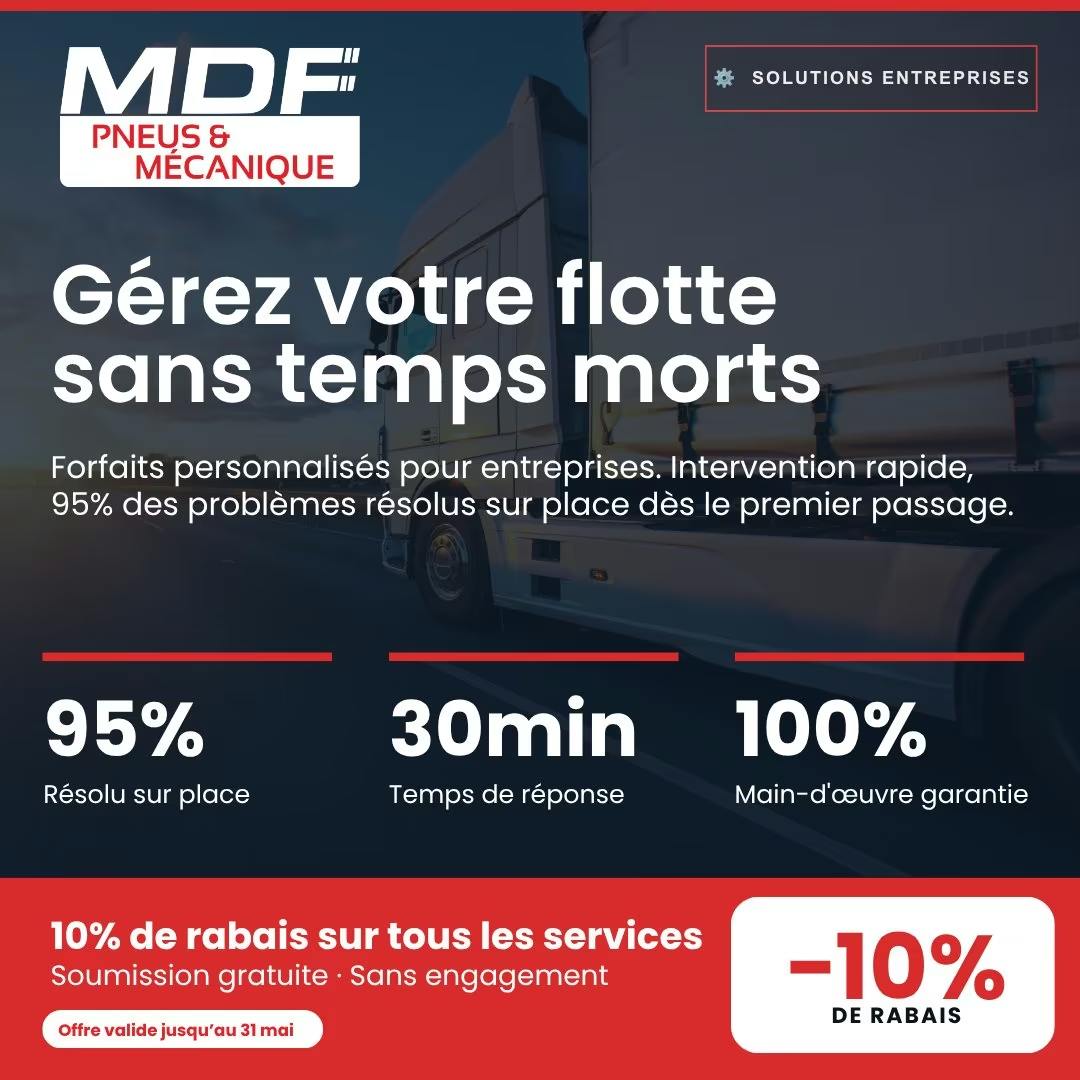
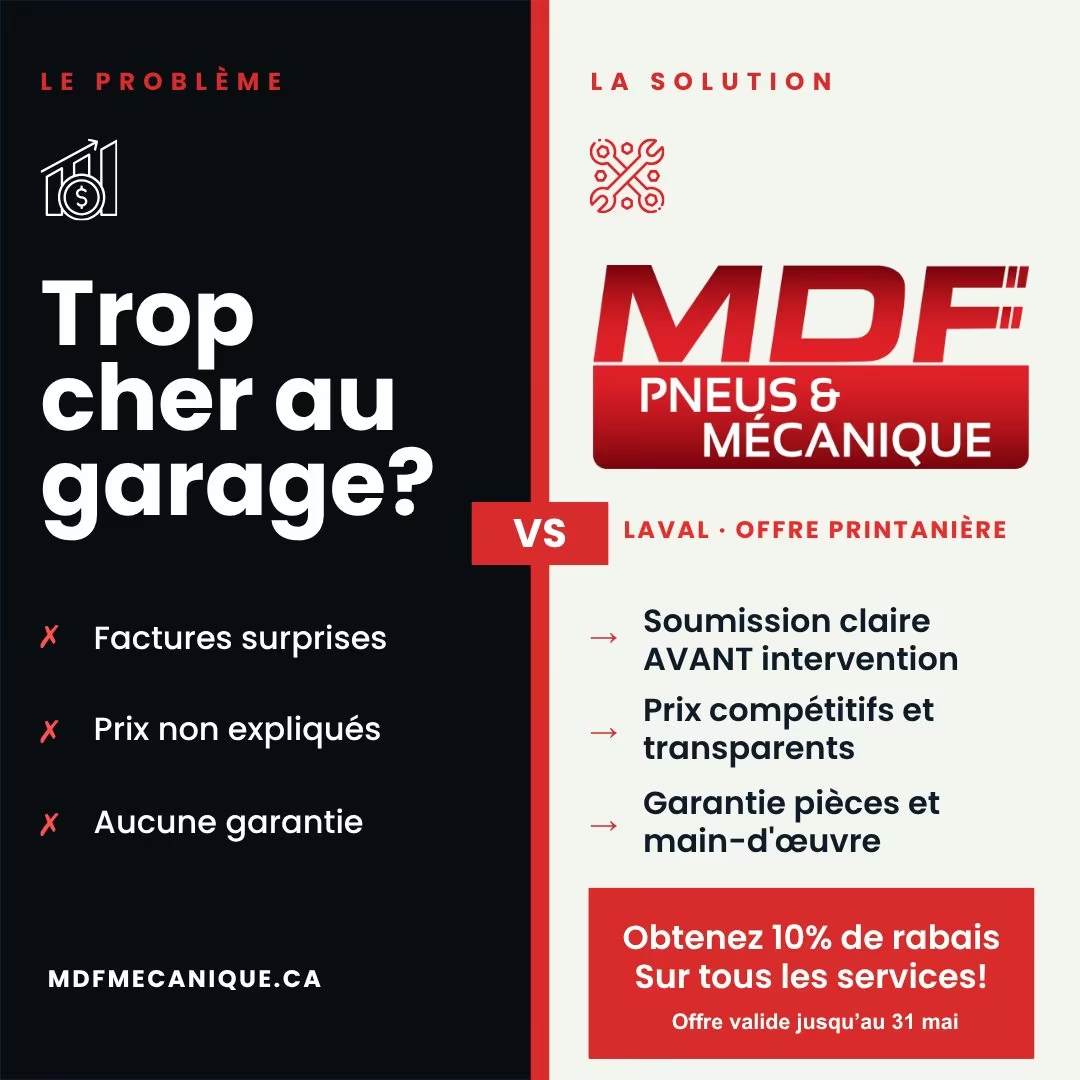
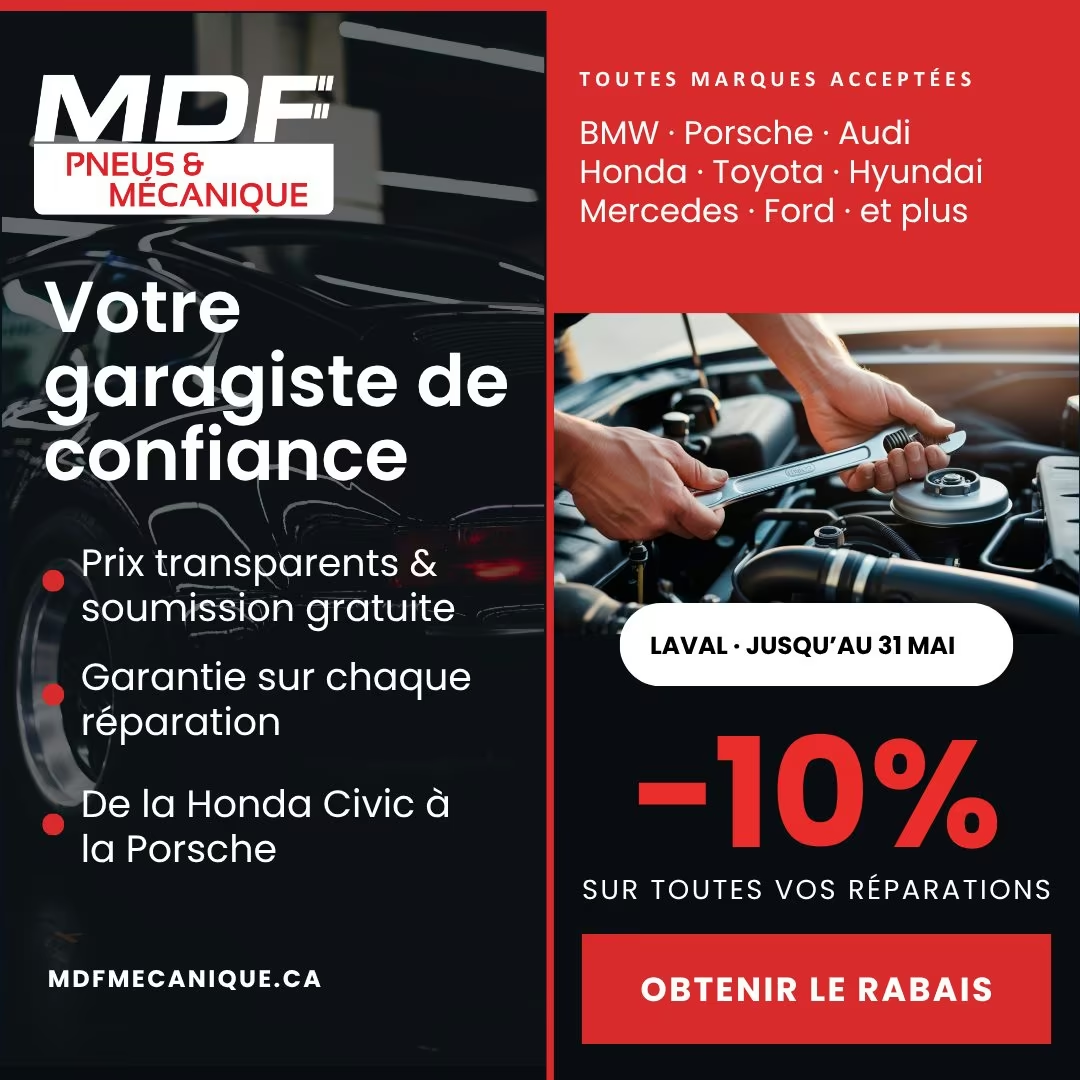





FAQ
What teams ask us first.
What does a motion graphics agency actually deliver?
Four things, in order of how much they matter: a script that decides the story, a design system that makes every future piece cheaper, the finished animation with sound and captions, and the cutdowns and ratios each placement needs. The animation is the visible part, but the script and the system carry most of the value — one because pacing is decided in words, the other because it turns a one-off purchase into a library. You should also expect the source projects, organised and documented, so the work is not trapped in one studio's file structure.
How much does an animated video cost?
It scales with duration, illustration complexity, how much bespoke design the piece needs, and whether it is the first from a new system or the tenth from an existing one. A short social cut inside an established style system sits at the low end. A ninety-second explainer with custom illustration, an original score and a full set of ratios sits considerably higher, because most of that cost is human hours in design and animation rather than render time. We quote a fixed price per piece after the brief, with the revision rounds written into it, so there is no meter running while you think.
Animation or live action?
Whichever the subject demands. Live action wins when the product is physical, when people or place carry the story, or when authenticity is the point — and it remains the most common form: Wyzowl found live action is the most-created video type at 51%, with animation at 23%. Animation wins when there is nothing filmable: software interfaces, processes, data, abstract propositions, or anything needing perfect consistency across dozens of variants and languages. It also ages better, since you can update a frame without reshooting a crew. Plenty of the strongest work mixes both, with animated type and graphics over filmed footage.
How many versions do we need for paid social?
More than most brands plan for, which is exactly why we build a system rather than a film. Motion's 2026 benchmarks show average weekly creative output rising from 2.8 new creatives under $10,000 a month to 4.1 at $10,000-$50,000, 6.6 at $50,000-$200,000 and 18.8 above $1m. You do not need forty separate concepts to hit those numbers — you need a handful of strong ideas with disciplined variation: different hooks, different opening seconds, different end frames, each ratio framed properly. That is a production planning decision, and it is far cheaper than commissioning new films at the same cadence.
Will the animation work with the sound off?
It has to, and we design for it from the boards onward. Most feed viewing starts muted, so the piece is built so the story reads from image and type alone, with captions burned in or supplied as a separate track depending on the placement. Sound then adds to a piece that already works rather than propping one up. Practically that means holding type long enough to read at a glance, using contrast that survives a bright phone screen, and never putting a critical point in voiceover only. Clean versions without captions are delivered too, for placements that add their own.
Can you work within our existing brand guidelines?
Yes, and where guidelines cover print and web but say nothing about movement — which is most of the time — we extend them. That means defining how your brand moves: easing character, transition vocabulary, how the logo resolves, how type enters and leaves, how much motion is appropriate. Those rules get documented and handed to you, so any studio can produce work that belongs to the same family. If you have a brand team, they approve the motion rules once and then stop having to review every animation for consistency.
How do you measure whether the animation worked?
On what happens after it plays, not on view counts. For paid placements we read hook rate, hold rate and cost per result, and we ship variants that differ on one thing so the read is clean. For a product page or an onboarding flow we test the page with the video against the page without it, because a heavy hero video can cost more in load time than it earns in clarity — worth checking against the median landing page conversion rate of 6.6% in Unbounce's benchmark study. Every month we write up what performed and what we recommend producing next.
How long does production take?
For a first piece with a new style system, three to six weeks end to end, and the variable is nearly always approval rather than animation. Sign-off on the script and boards is the gate: agree those quickly and the rest runs on schedule, because we do not begin animating until the story is locked. Once a system exists, additional pieces and cutdowns take days rather than weeks, which is the compounding benefit of building components instead of one-off files. Where a launch date is fixed, we work backward from it and tell you the last honest date for changes.
Do you handle voiceover, music and licensing?
Yes — casting and directing voice talent, sourcing or commissioning music, sound design and the final mix, with licences documented and appropriate to where the piece will run. That last part matters more than people expect: stock music licensed for organic social and then used in a paid campaign is a common and avoidable exposure. We record the licence terms alongside the delivery so you can see what each asset is cleared for. Multi-language versions are straightforward when the system is built for them, which is one more reason we separate type from artwork.
Can you run the campaigns this creative is for?
We can, and the loop closes faster when the team making the creative sees the performance data directly. Our paid social, ad creative and creative strategy teams work from the same brief and the same numbers, so the next production is chosen on evidence rather than taste. It is equally fine to buy the animation alone while your in-house team or another agency runs the media — we deliver in the formats they ask for and share what we learn about what held attention.

.webp)
.webp)