The ad is the targeting now.
the targeting
We are the creative strategy agency for brands whose media is already tuned and whose ads are the bottleneck. We research the audience, decide what to say, brief and produce the work with our ad creative team, then read the results at concept level so the next round is better than the last. Built to feed paid social and paid search at the volume the algorithms now consume.






Tell us a little about your brand and we'll be in touch within 24 hours to lock in a time.


THE FOUR STAGES
Strategy, then volume, then reading it properly.
reading it properly
Research, concept, production and analysis. Skip the first and you get pretty work that says nothing; skip the last and you produce a lot of ads without learning anything. The discipline is in the loop, not in any single asset.
Research & message strategy
Concepting & briefing
Production & creator sourcing
Creative analytics & iteration
Find the thing worth saying.
Creative is the largest lever left in paid media, which is why the research deserves real time. Meta's own creative work cites Nielsen finding creativity drives 56% of a campaign's sales ROI, and Google finding 70% of a campaign's success is determined by the creative. Targeting is largely automated now; the ad is where the decisions live.
So we start where the language is: reviews and support tickets, sales call recordings, search queries, community threads, and the objections your team hears every week. From that we build a message map — the two or three claims that actually move a purchase, the objection blocking each one, the proof that answers it, and the moment the customer decides. We audit your competitors' active ads for what everyone is already saying, because the fastest route to being ignored is repeating the category's consensus.
The output is a written strategy, not a mood board: audience segments, the angles per segment, the hooks per angle, and what we expect each one to prove.
- Reviews, tickets, sales calls and search queries read first
- Message map of claims, objections and proof per segment
- Competitor ad audit to avoid the category consensus
- Written strategy with a stated hypothesis per angle
56%
of a campaign's sales ROI is driven by creativity
70%
of campaign success is determined by the creative
Angles and hooks, briefed to be produced.
Most creative fails at the brief. A concept that says “make it feel premium” produces one interpretation and no learning. We brief in testable units: the angle, the hook in the first two seconds, the proof beat, the offer framing, the format, and what a win would tell us. That way a losing ad still returns information.
Volume matters because the odds are known. Motion's 2026 benchmark of $1.29B in Meta spend across 6,015 advertisers found only about 4-8% of creatives become winners, with roughly half discarded as losers. Nobody briefs their way past those odds with four assets a quarter; you get there by producing enough honest variations of a good idea and killing the rest quickly. We plan concept families — one angle, several hooks, several formats — so tests isolate a variable instead of confounding five.
Briefs are written for whoever produces them: your in-house team, a creator, an editor, or ours.
- Angle, hook, proof and offer specified per asset
- Concept families so a test isolates one variable
- A stated hypothesis and success signal for every brief
- Briefs written to be produced by whoever holds the camera
4-8%
of creatives become winners, so volume is the plan
~50%
of ads are discarded as losers even at scale
Enough output to actually test.
A strategy nobody can produce is a document. We run production to the cadence the account needs: studio and lifestyle shoots for the hero assets, creator and UGC sourcing for volume and credibility, motion design and editing for iteration, static and carousel work where it still outperforms, and localisation where the audience is not one market.
The efficiency comes from modular capture. We shoot and script so hooks, proof beats, endings and captions can be recombined, which turns one production day into dozens of legitimate variants instead of one polished film. Creator briefs are specific about the hook and the proof rather than leaving it to the personality, and every asset is delivered in the placement-correct ratios and lengths so nothing is wasted in the upload. Our creator programme team handles sourcing and rights where the plan needs faces.
Brand consistency is maintained by a written system, not by a bottleneck in one person's approval queue.
- Modular capture so hooks and endings recombine
- Creator sourcing, briefing and usage rights handled
- Placement-correct ratios, lengths and captions delivered
- Brand system written down so consistency is not a bottleneck
Modular
capture turns one shoot day into dozens of variants
44%
of paid media creative is now creator-made (CreatorIQ)
Read concepts, not just ads.
Ad-level reporting tells you which file won. Concept-level reporting tells you why, which is the only thing that compounds. We tag every asset by angle, hook type, format, talent and proof mechanism, then report performance by tag: which angle earns attention, which hook holds it, which proof converts, and which combination is fatiguing. That analysis feeds the next brief automatically.
It also changes budget behaviour. Motion's dataset shows roughly 55% of Meta spend flowing to winning creatives, with the share rising from about 23% at the smallest advertisers to 64% at enterprise scale — the discipline of concentrating spend on proven work is itself a competence. We set refresh triggers on frequency and hook-rate decay so replacement is planned rather than panicked, and keep a living library of what has worked and what has been disproved.
Measurement plumbing sits with our analytics team, so creative decisions rest on validated numbers.
- Every asset tagged by angle, hook, format, talent and proof
- Reporting at concept level, not just ad level
- Refresh triggers on frequency and hook-rate decay
- A living library of proven and disproved ideas
55%
of Meta spend goes to winning creatives across the benchmark
23-64%
share of spend on winners, smallest to enterprise advertisers
median hook rate on Meta creative (Benly.ai)
spent on creative strategy and design (Markets NXT)
Every brief carries a hypothesis and a success signal
The assets, project files and usage rights
We made the difference for those brands

Healthcare & regulated services

Creative, content, arts & culture

Apparel and lifestyle

B2B software, fintech, insurance

Consumer tech and platforms

Creative, content, arts & culture
B2B software, fintech, insurance

Home essentials, appliances, kitchen & pet

B2B software, fintech, insurance

Home essentials, appliances, kitchen & pet

Creative, content, arts & culture

Food & beverage

Creative, content, arts & culture
Home essentials, appliances, kitchen & pet

Healthcare & regulated services

Retail & commerce
Creative, content, arts & culture

Travel & mobility

Retail & commerce

Healthcare & regulated services

Consumer tech and platforms

Travel & mobility

Healthcare & regulated services

B2B software, fintech, insurance

Beauty, personal care & wellness

Apparel and lifestyle

Beauty, personal care & wellness

Apparel and lifestyle
Home essentials, appliances, kitchen & pet

Consumer tech and platforms
01 — The challenge
The media is fine. The ads have stopped working.
Costs drift up every few weeks, the same three assets carry everything, and each new batch looks like the last one with a different colour. Somebody suggests a new audience, then a new platform, and neither fixes it, because the problem is what the ads are saying.
“We are producing more ads than ever and learning less.”
The odds explain the frustration. Motion's 2026 benchmark across $1.29B of Meta spend found only about 4-8% of creatives become winners, while Meta cites Nielsen putting 56% of sales ROI on creativity. So creative is simultaneously the biggest lever and a numbers game — which means the answer is a system that generates, tests and reads a lot of good ideas, not a search for one perfect ad.
02 — Our approach
Research the message, brief it testably, read it by concept.
We start in the customer's language — reviews, support tickets, sales calls, search queries and objections — and build a message map of the claims that move a purchase, the objection blocking each, and the proof that answers it. A competitor ad audit tells us what the category already says so we can avoid it. Then we brief in testable units: angle, hook, proof beat, offer framing, format, and what a win would prove, planned as concept families so each test isolates one variable. Production runs modular, so a single shoot yields dozens of legitimate variants rather than one film. Finally we tag every asset by angle, hook, format, talent and proof, report at concept level, and set refresh triggers on fatigue so the next brief is written from evidence instead of taste.
03 — What we did
Four stages, one compounding creative system.
Research, concepting, production and analysis run as a loop, with a weekly creative review and a monthly written read of what the tests proved.
Weeks 1-2 / Research
Mine the customer's own words
Reviews, tickets, sales calls and search queries read in bulk, competitor ads audited, and a message map built of claims, objections and proof per segment.

Weeks 2-3 / Concepting
Brief angles, hooks and proof
Concept families written as testable units with a hypothesis each, so every test isolates one variable and losing ads still return information.
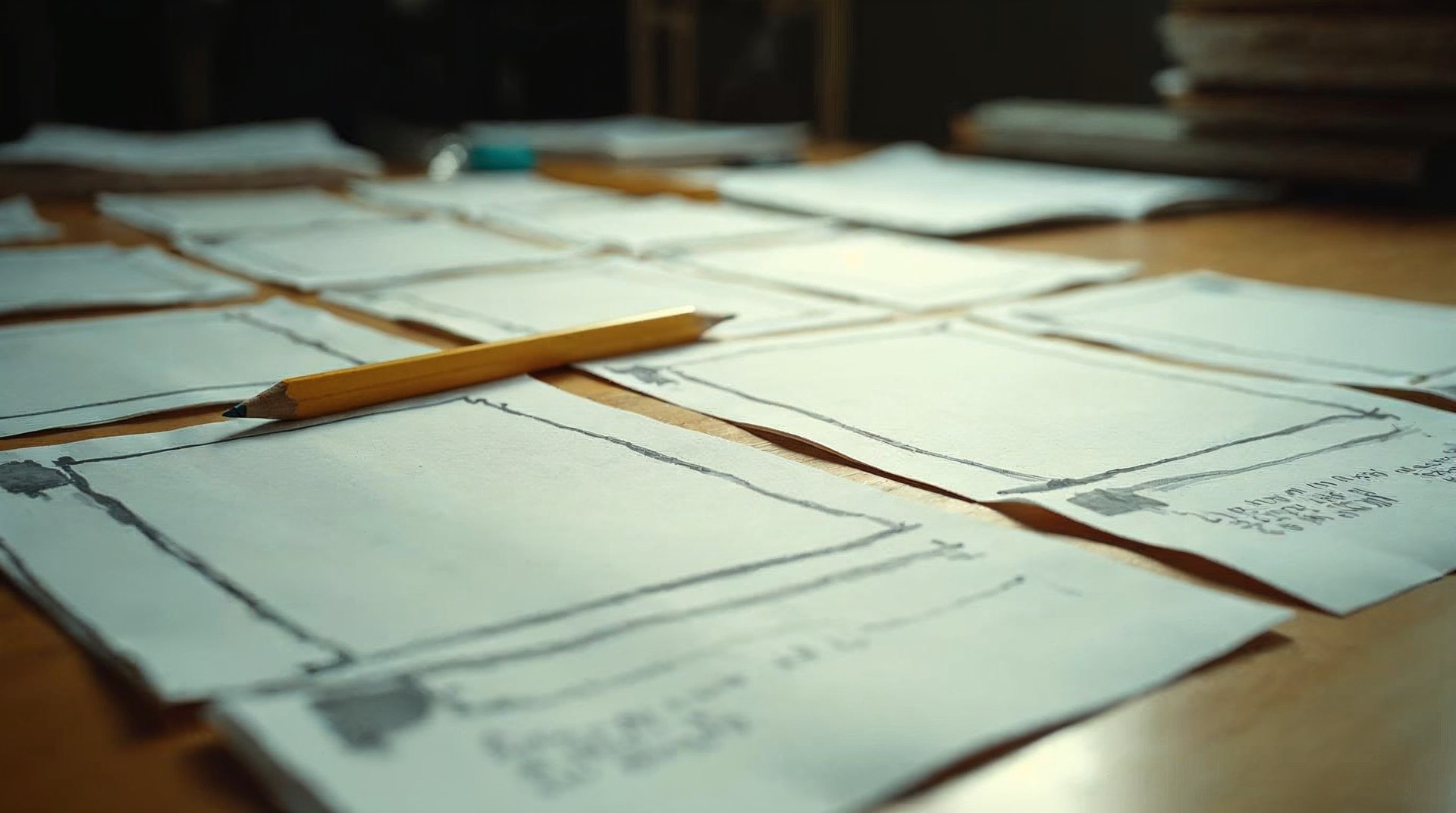
Weeks 3-6 / Production
Capture modular, deliver placement-correct
Studio, lifestyle and creator production shot so hooks and endings recombine, delivered in the ratios, lengths and captions each placement needs.
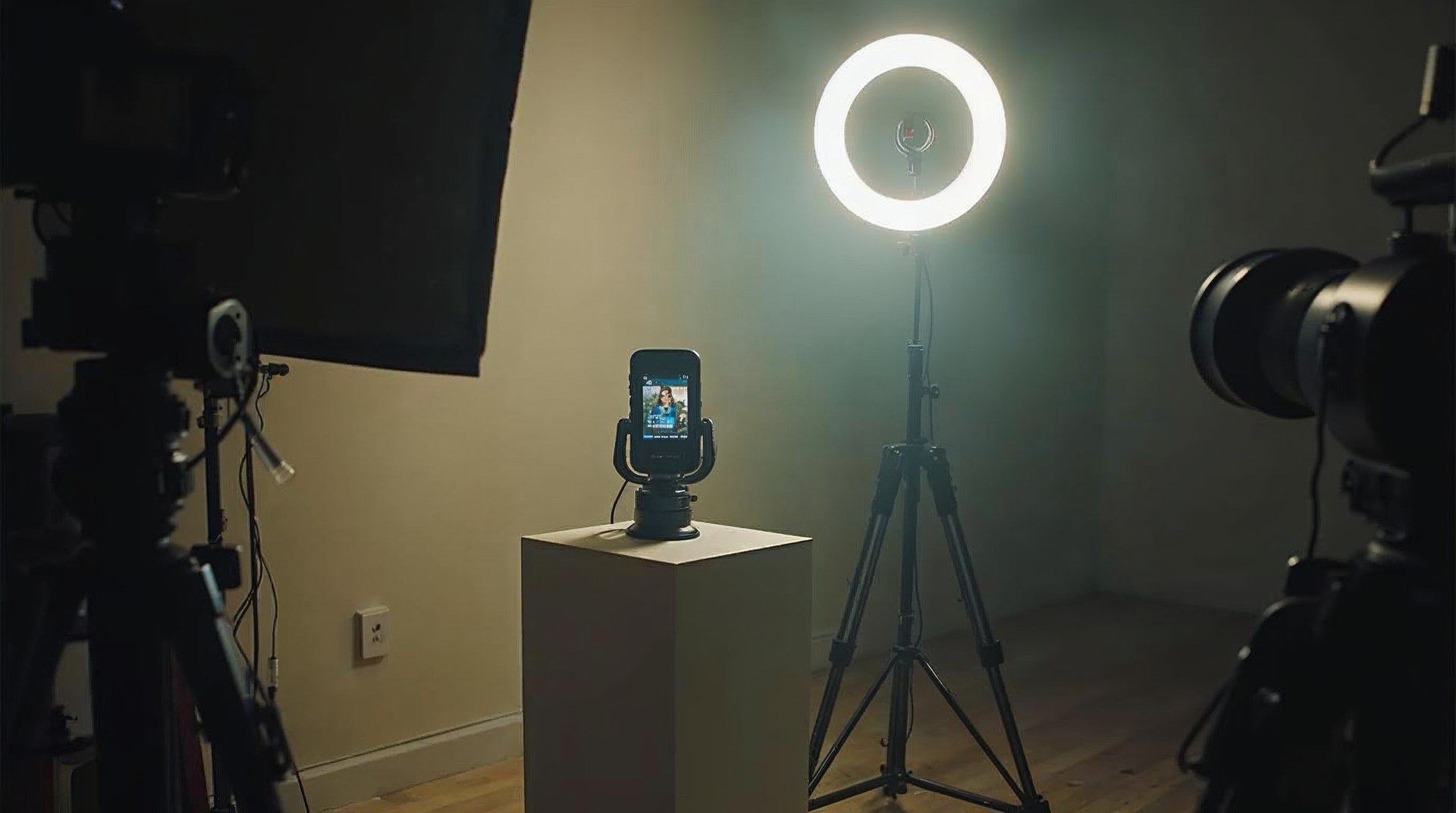
Ongoing / Analysis
Read concepts and brief the next round
Assets tagged by angle, hook and format, reported at concept level, with refresh triggers on fatigue and a living library of what is proven.
WHAT YOU GET
Deliverables your media team can run on Monday.
run on Monday
Everything is delivered in your own drives and ad accounts, with usage rights documented and the strategy written down.

Audience and message research
Reviews, tickets, sales calls and search demand read in volume, distilled into the claims and objections that actually move a purchase.

Message map and angle library
A written map of claims, proof and moments per segment, with the angle library that every future brief is drawn from.

Testable creative briefs
Angle, hook, proof beat, offer framing and format specified per asset, with a stated hypothesis so a loss still teaches something.

Production and creator sourcing
Studio, lifestyle, motion and creator output captured modularly, with sourcing, briefing and usage rights handled for you.

Creative testing plan
A sequenced plan of concept families and variables, sized to your spend so tests reach a readable result instead of guesswork.

Concept-level reporting
Tagged reporting by angle, hook, format and talent with fatigue triggers, plus a monthly written read of what the tests proved.
HOW WE WORK
Operating standards, not promises.
Operating standards


















Built on trust. Proven by results.
We partner with SMBs and Fortune 500 companies to deliver more than reach — we bring clarity, execution, and measurable outcomes. Every successful partnership starts with a strong culture fit and a shared drive to grow.



CASE STUDIES
Case studies
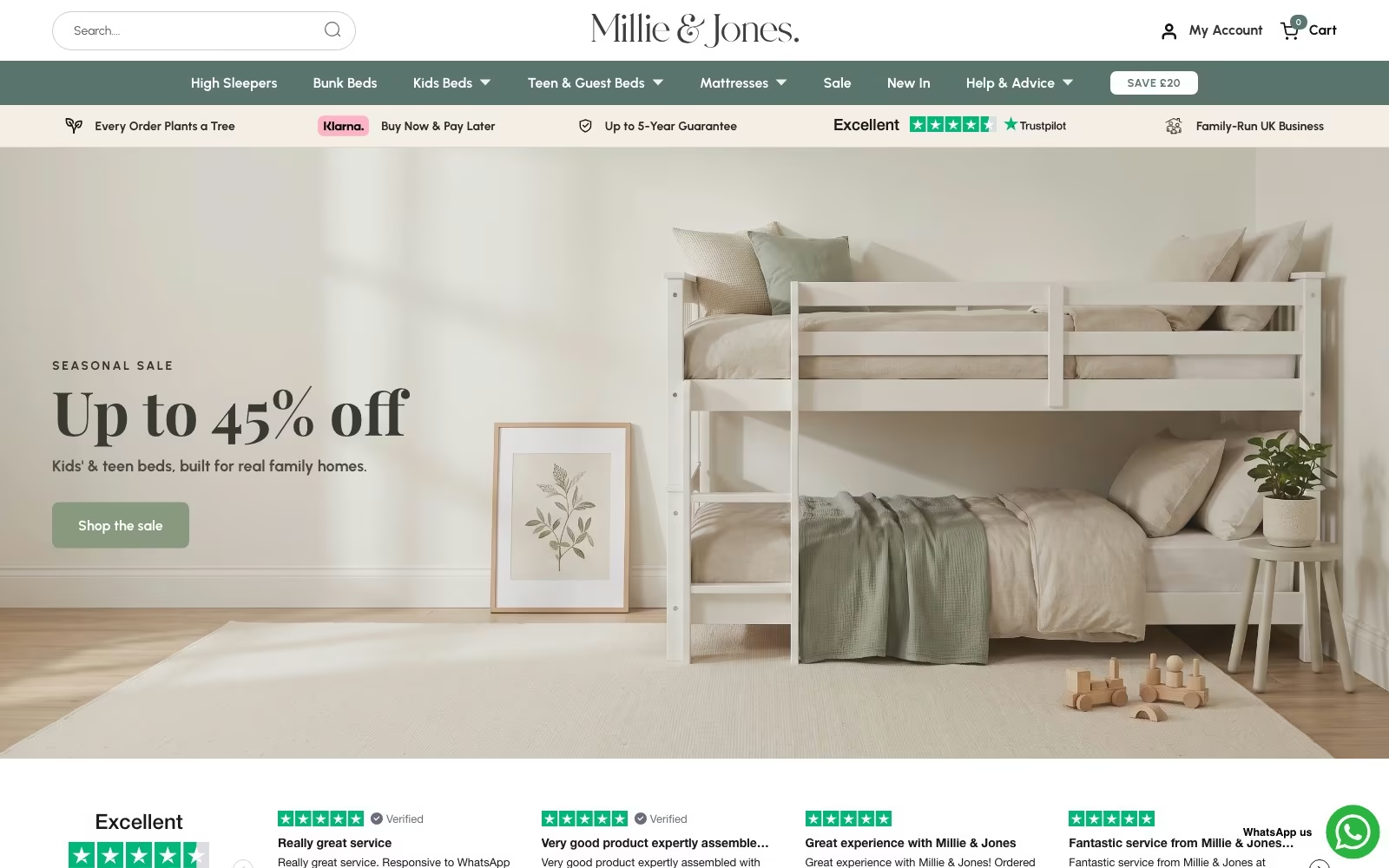
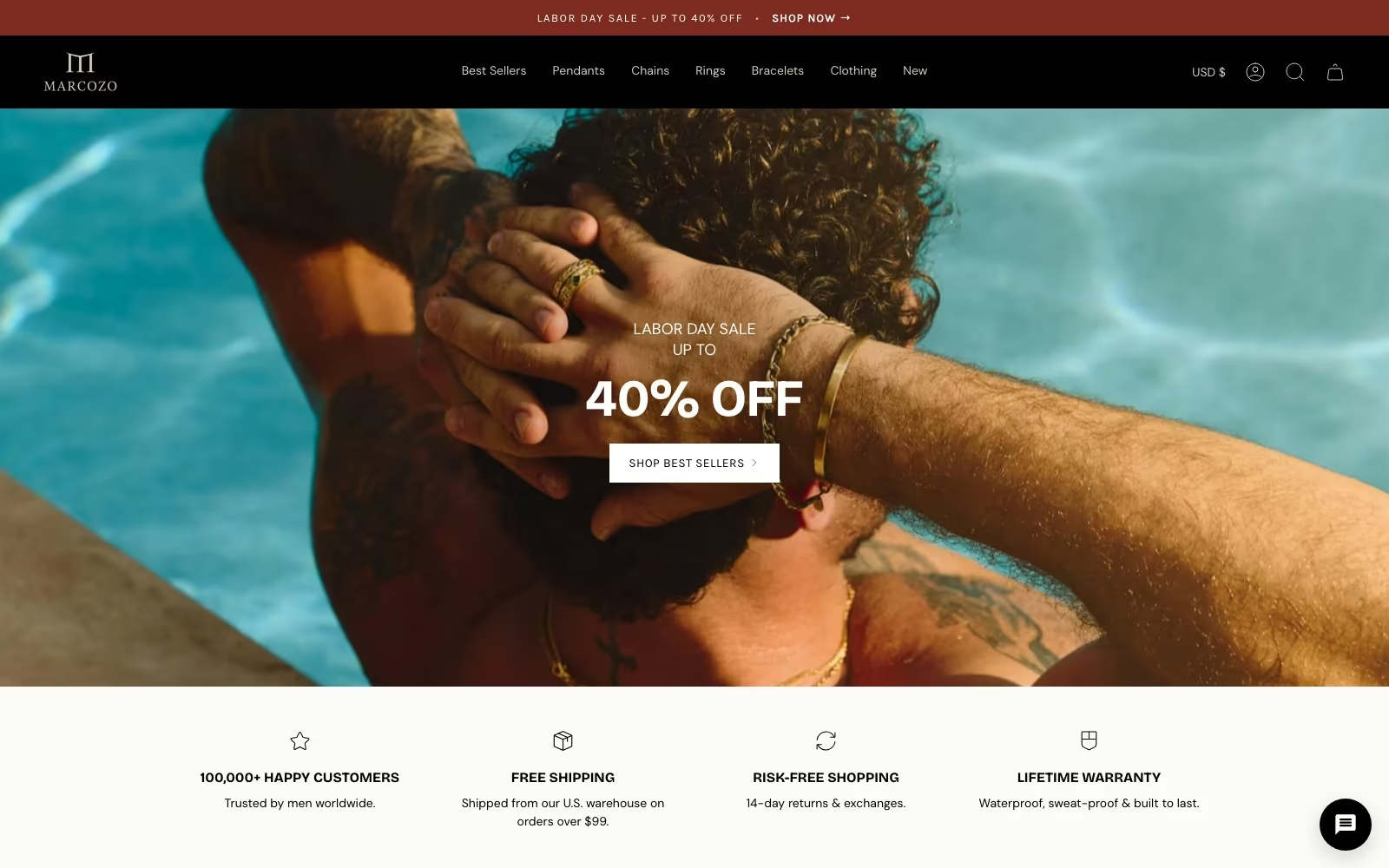
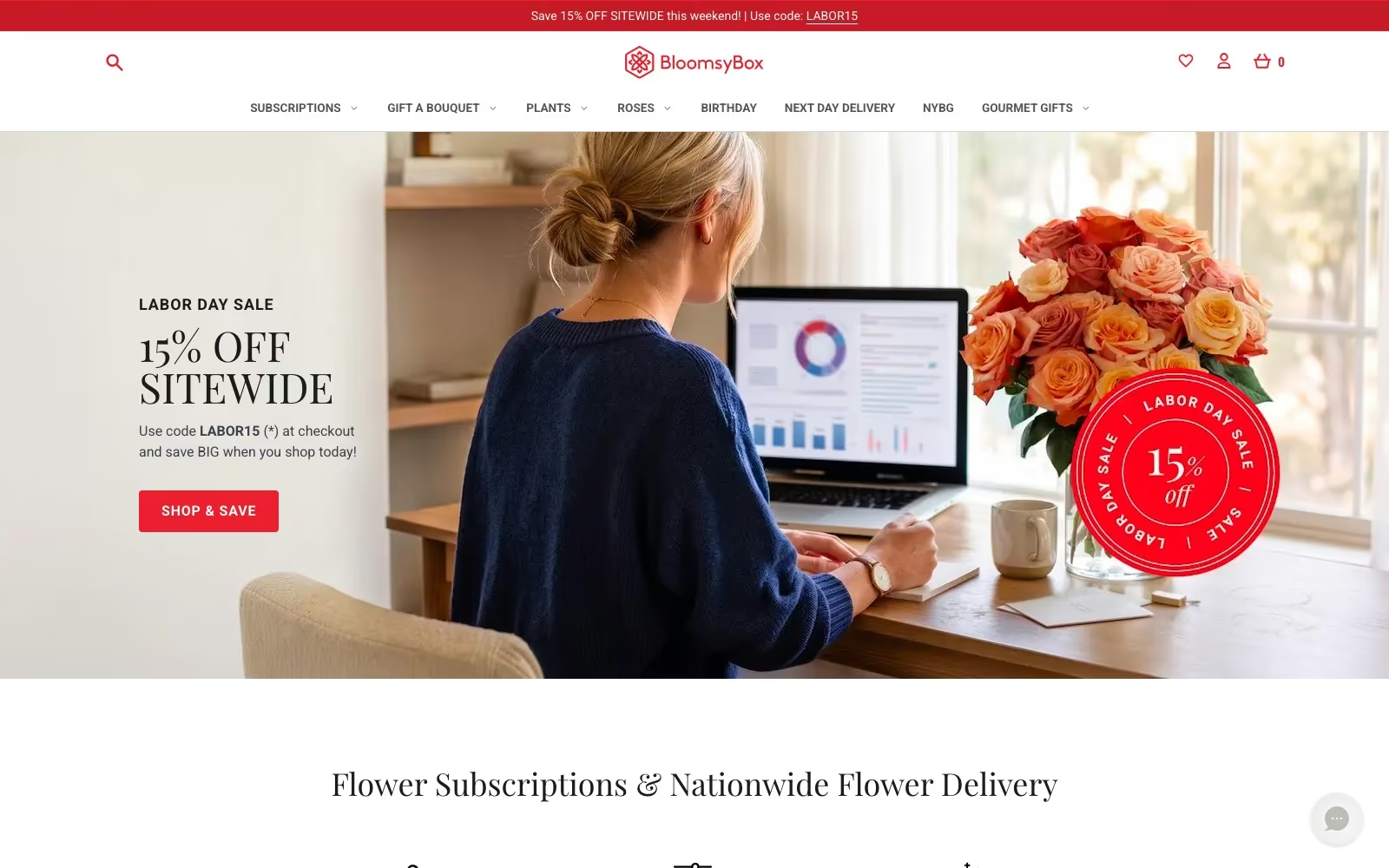
Website Portfolio
Video Ads
Static Ads
























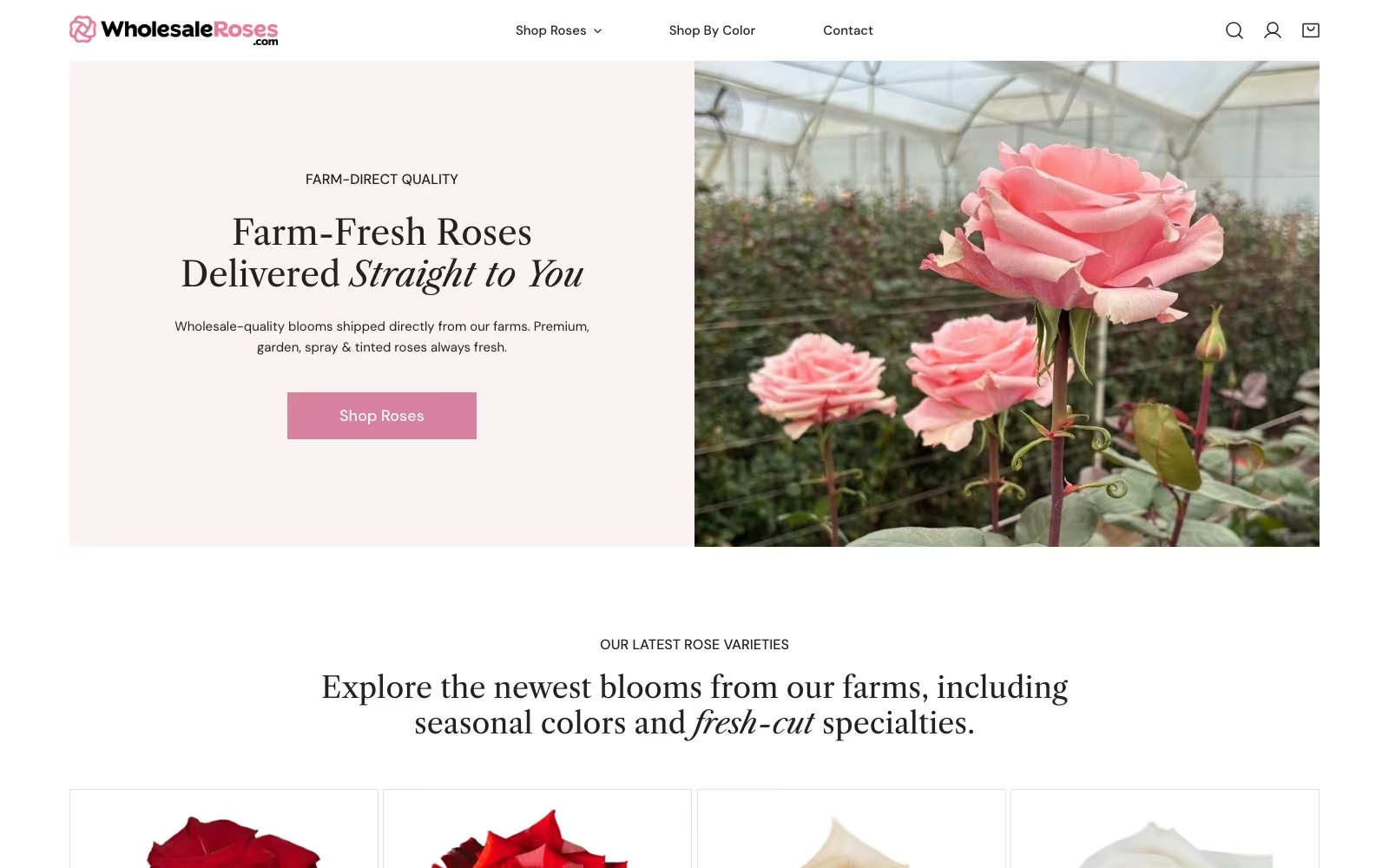

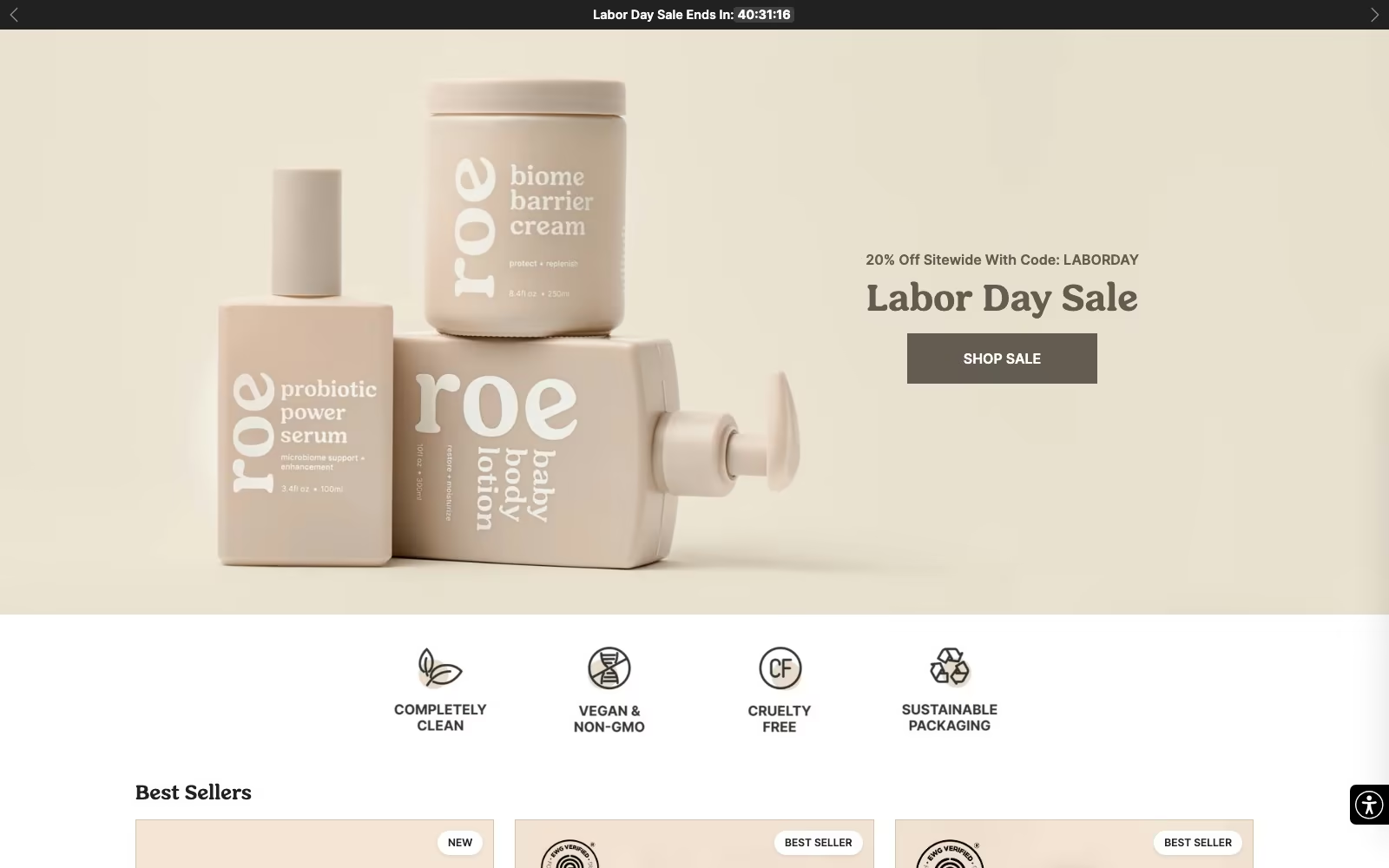

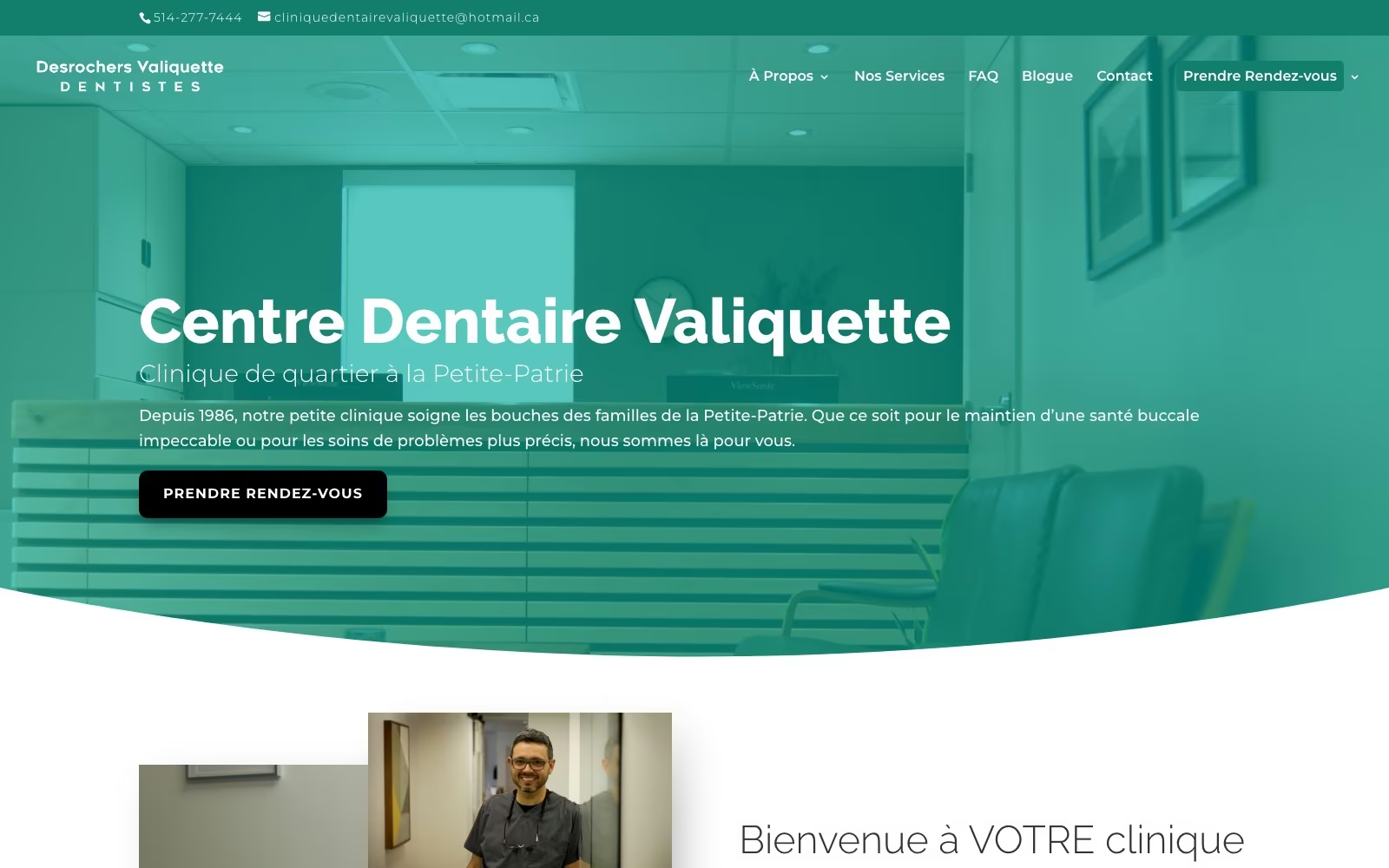

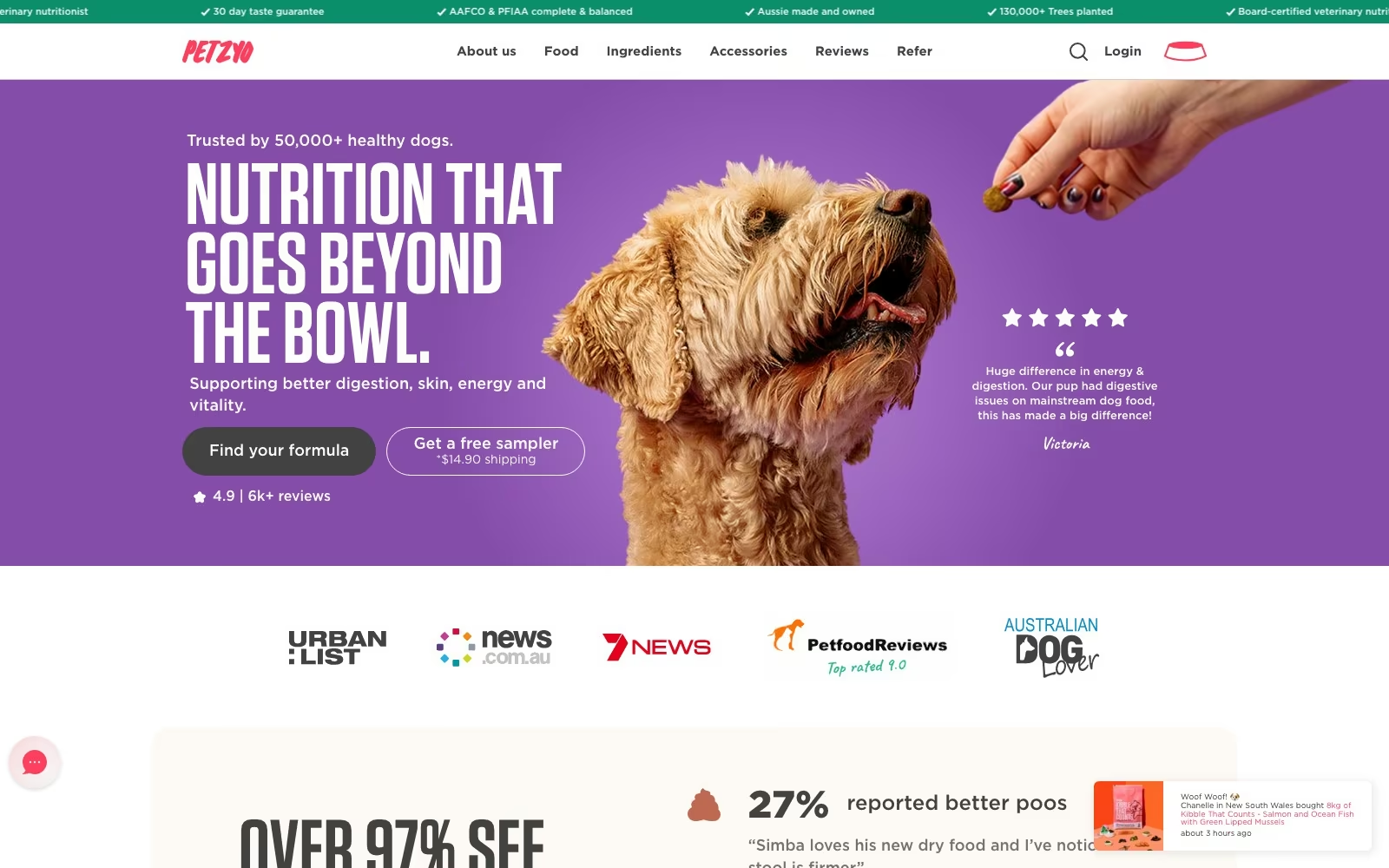


















FAQ
What teams ask us first.
What does a creative strategy agency actually do?
It decides what your ads should say, and builds the system that keeps improving the answer. In practice that is four things: research into the customer's own language and the category's existing claims, a message map of angles and proof, briefs specific enough to be produced and tested, and concept-level analysis that turns results into the next brief. Production can sit with us or with your team. What separates it from a production shop is that every asset exists to answer a question, so the account gets smarter rather than just busier.
How is this different from just making more ads?
Volume without structure produces noise. The volume matters — Motion's 2026 benchmark found only about 4-8% of creatives become winners, so you need enough shots — but the shots have to differ in ways you can read. We plan concept families where one variable changes at a time, tag everything by angle and hook, and report at that level. After a quarter you know which claim and which hook style work for your audience, which is an asset that keeps paying. Without tagging you simply own a folder of files and a hunch.
How much creative volume do we actually need?
Enough that the account is never dependent on one asset, and enough that a test finishes before the market moves. In practice that scales with spend: smaller accounts need a handful of genuinely different concepts a month with several variants each, while accounts spending heavily need a weekly cadence because fatigue arrives faster at high frequency. We size the plan to your budget and to what your production capacity can sustain, because an ambitious cadence that collapses in month two costs more than a modest one that runs all year.
Do you use creators and UGC, or produce everything in studio?
Both, chosen by what the message needs. Creator and UGC work earns credibility and volume, and it is usually the cheapest route to variant count. Studio and lifestyle production is better where the product needs to look considered, where claims need controlled demonstration, or where brand assets have to hold across channels. Most accounts we run use a mix, with hero assets produced properly and the iteration handled by creators and editing. Sourcing, briefing and usage rights are handled through our creator programme so nothing runs on unclear licensing.
How do you know when a creative is fatiguing?
By watching attention metrics rather than waiting for the cost line to move. Hook rate and hold rate decay before cost per acquisition does, and frequency tells you why. We set thresholds per account, so replacement is triggered on a signal instead of a feeling, and keep a queue of briefed concepts ready so a refresh does not mean a scramble. That said, fatigue is sometimes a message problem wearing out rather than a file problem — if every variant of an angle decays at the same point, the answer is a new angle, not a new edit.
Can you work with our in-house creative team?
Very happily, and it is often the highest-leverage arrangement. The usual split is that we own research, message strategy, briefing and analysis while your team produces, which lets them spend their time making rather than guessing. We work inside your brand system and review process, write briefs in whatever format your producers prefer, and hand over the tagging convention so the reporting keeps working if we step back. Where your team is at capacity, we add production alongside rather than replacing it.
How does creative strategy relate to our brand guidelines?
It works inside them, and occasionally stretches them with evidence. Performance creative needs latitude that a brand book written for brochures may not anticipate — hooks that lead with a problem, formats that look unpolished on purpose, claims stated plainly. We define that latitude explicitly with you up front, so nothing arrives as a surprise in an approval queue. Where we think a guideline is costing performance, we test it in a contained way and bring the result rather than the opinion. Brand work itself sits with our branding team.
What do you need from us to start?
Access and honesty. Ad account access, the existing asset library, and read access to reviews, support tickets and ideally a few recorded sales calls — that last one is the most under-used research source in marketing. Then an hour with whoever knows why customers actually buy, and a clear picture of your production capacity and approval process. Everything else we can build. We deliberately keep onboarding light, because the first round of learning is worth more than a perfect briefing document.
How do you charge for creative strategy?
A fixed-scope first engagement covering research, the message map and the first briefed concept families, priced up front so you approve a number rather than a retainer of unknown shape. Ongoing work is a monthly fee scoped to the concept and asset cadence you want, with production quoted separately and transparently so you can see what is strategy and what is camera time. We do not price creative as a percentage of media spend, because the amount of creative an account needs is set by fatigue and testing, not by budget size.
Do you run the media as well?
We can, and the loop is faster when the same team briefs the creative and reads the results — our paid social and paid search teams work from this same message map. It is equally normal to buy creative strategy alone while another agency buys your media; we hand over the tagging convention and the testing plan so their reporting benefits from it, and we report honestly on what the creative did regardless of who ran the spend.

.webp)
.webp)