Design that has to work for a living.
work for a living
We are a graphic design agency built around the awkward part: the design still has to sell something on Monday. Our designers work from your brand, your offer and your performance data, and deliver a system your team can use at volume — identity, ad creative, landing pages, print, packaging and social. It runs alongside logo design, web design and ad creative.






Tell us a little about your brand and we'll be in touch within 24 hours to lock in a time.


THE FOUR LAYERS
Four layers of graphic design that pays back.
pays back
Good design work is sequenced, not sprinkled. Discovery, then the system, then the assets, then the operating model that lets your marketing team produce without waiting on a designer for every request.
Discovery & positioning
Design system
Asset production
Creative operations
Understand the business before the visuals.
Every design decision is a commercial decision in disguise. So we start with the market: who buys, what they compare you against, what your sales team says wins the deal, and how your category looks so we can decide deliberately whether to fit in or stand apart. We audit your existing visual assets, your competitors' advertising and your best-performing campaigns.
This is the part of graphic design most often skipped and most often responsible for a redesign that looks beautiful and changes nothing. The commercial upside is well documented: McKinsey's Business Value of Design research found that top-quartile design performers grew revenue 32 percentage points faster and total returns to shareholders 56 percentage points faster than their industry peers over five years. Design as a business function, not a decoration budget.
The output is a written creative brief and a design direction with reasoning attached, so approvals are a discussion about the argument rather than a matter of taste.
- Audience, category and competitor visual audit
- Interviews with the people who sell your product
- Review of your best and worst performing existing creative
- Written creative brief and design direction with reasoning
32pp
faster revenue growth for top-quartile design performers
56pp
faster shareholder returns in the same McKinsey study
One system, not a folder of one-offs.
A brand that only works when a designer is in the room is a bottleneck. We build the system: typography with a real hierarchy, a colour palette with accessible contrast, a grid, an illustration or photography direction, icon style, motion principles, and the layout patterns your team uses most — ads, social posts, landing pages, decks, one-pagers, packaging, signage.
Everything is documented in usable guidelines: not a 90-page PDF nobody opens, but a short standard plus editable templates in the tools your team already works in. That combination is what lets a marketing team keep pace with modern advertising, where the volume expectation has risen sharply — Motion's 2026 creative benchmarks show advertisers shipping between roughly 3 and 19 new ads a week depending on spend level.
We design for the constraints too: small formats, dark mode, print production, embroidery, vehicle wraps, whatever your business actually needs.
- Typography, colour, grid, iconography and imagery direction
- Accessible contrast checked, not assumed
- Layout patterns for the formats you use weekly
- Short written standard plus editable templates
3-19
new ads per week shipped by advertisers, by spend level
28%
cut in support costs at Freshworks after a design system (Figma)
The work that goes out the door.
With the system agreed, production is fast and consistent. Our designers produce ad creative in every required size, landing page layouts built with conversion in mind, email templates, social content, sales collateral, trade-show graphics, packaging, print advertising and signage — delivered in organised, correctly prepared files.
Because we work inside a performance agency, the creative is designed against a known job. A landing page is designed to convert traffic rather than to win an award; the benchmark we hold ourselves against is real — Unbounce's analysis of tens of thousands of pages puts the median landing page conversion rate at 6.6%, with wide variation by industry and by how much friction the layout imposes.
Print is handled properly: bleed, trim, spot colours, paper stock, pre-press proofs and a conversation with your printer before the job runs, rather than a PDF thrown over the wall.
- Ad, social, email and landing page creative in every size
- Print, packaging and environmental graphics, pre-press ready
- Source files organised and named so anyone can find them
- Creative designed against a defined commercial job
6.6%
median landing page conversion rate across 41,000 pages
$59.3B
global graphic design market value in 2026 (Mordor Intelligence)
Volume without losing the thread.
The last layer is how design gets requested, made and approved. We set up a simple intake with a briefing form worth filling in, a shared queue with visible priorities, one round of consolidated feedback rather than five scattered ones, and a named designer who knows your account instead of whoever is free.
Assets live in an organised library with clear naming and versioning, so your team stops emailing files and stops rebuilding artwork that already exists. Templates cover the repeatable work, and we reserve senior design time for the pieces that genuinely need it — a new campaign concept, a packaging refresh, a category-defining launch.
Reviewing what shipped closes the loop. Each month we look at which creative performed, which formats stalled and what to test next, so the design system keeps improving instead of ossifying into a rulebook.
- Briefing form, shared queue and visible priorities
- Consolidated feedback rounds, not scattered comments
- Organised asset library with naming and versioning
- Monthly review of what shipped and what performed
1
named designer who knows your brand and business
57%
of creative teams lose a quarter of their time to admin (Monotype)
of design spend is logo and brand identity (Mordor)
of businesses use graphic designers (Clutch)
Working files delivered with the finals, not just exports
Source files, fonts and licence records
We made the difference for those brands

Home essentials, appliances, kitchen & pet
Beauty, personal care & wellness

Creative, content, arts & culture

Travel & mobility

Food & beverage
Food & beverage

B2B software, fintech, insurance

B2B software, fintech, insurance

Healthcare & regulated services

Travel & mobility

Healthcare & regulated services

Consumer tech and platforms

Healthcare & regulated services

Consumer tech and platforms

Creative, content, arts & culture

Home essentials, appliances, kitchen & pet

Beauty, personal care & wellness

B2B software, fintech, insurance

Apparel and lifestyle
B2B software, fintech, insurance

Consumer tech and platforms

Food & beverage

Beauty, personal care & wellness

Creative, content, arts & culture

B2B software, fintech, insurance

Consumer tech and platforms

Consumer tech and platforms

Home essentials, appliances, kitchen & pet
Consumer tech and platforms

Creative, content, arts & culture
01 — The challenge
Everything is on brand. Nothing looks related.
Three freelancers, two in-house designers and a template library nobody trusts. The logo is fine. The ads, the deck, the packaging and the website look like four different companies, and every new request starts from a blank artboard because nobody can find the last version of anything.
“We are not short of designers. We are short of a system.”
It is an expensive way to buy design in a market this large — IBISWorld puts US graphic design services at $15.6bn in 2026 and the global market at $57.0bn, most of it bought project by project. The waste is not the design fee, it is the rework: the same layouts rebuilt, the same arguments re-run, and a brand that never compounds because no two campaigns reinforce each other.
02 — Our approach
Brief it properly, build the system, then produce.
We start with discovery: audience, category, competitor visual audit, interviews with the people who sell, and a hard look at which of your existing creative earns its keep. That becomes a written brief and a design direction with the reasoning attached, so approval is a conversation about the argument rather than personal taste. Next we build the system — typography, colour with accessible contrast, grid, imagery and icon direction, and layout patterns for the formats you use every week — documented as a short standard plus editable templates in the tools your team already uses. Then we produce: ad creative in every size, landing pages designed to convert, decks, packaging and pre-press ready print, delivered as organised source files. Finally we set up creative operations: a briefing form, a shared queue, consolidated feedback, an organised asset library, and a monthly review of what shipped and what performed. You own every file, font licence and template.
03 — What we did
Four phases, one brand that compounds.
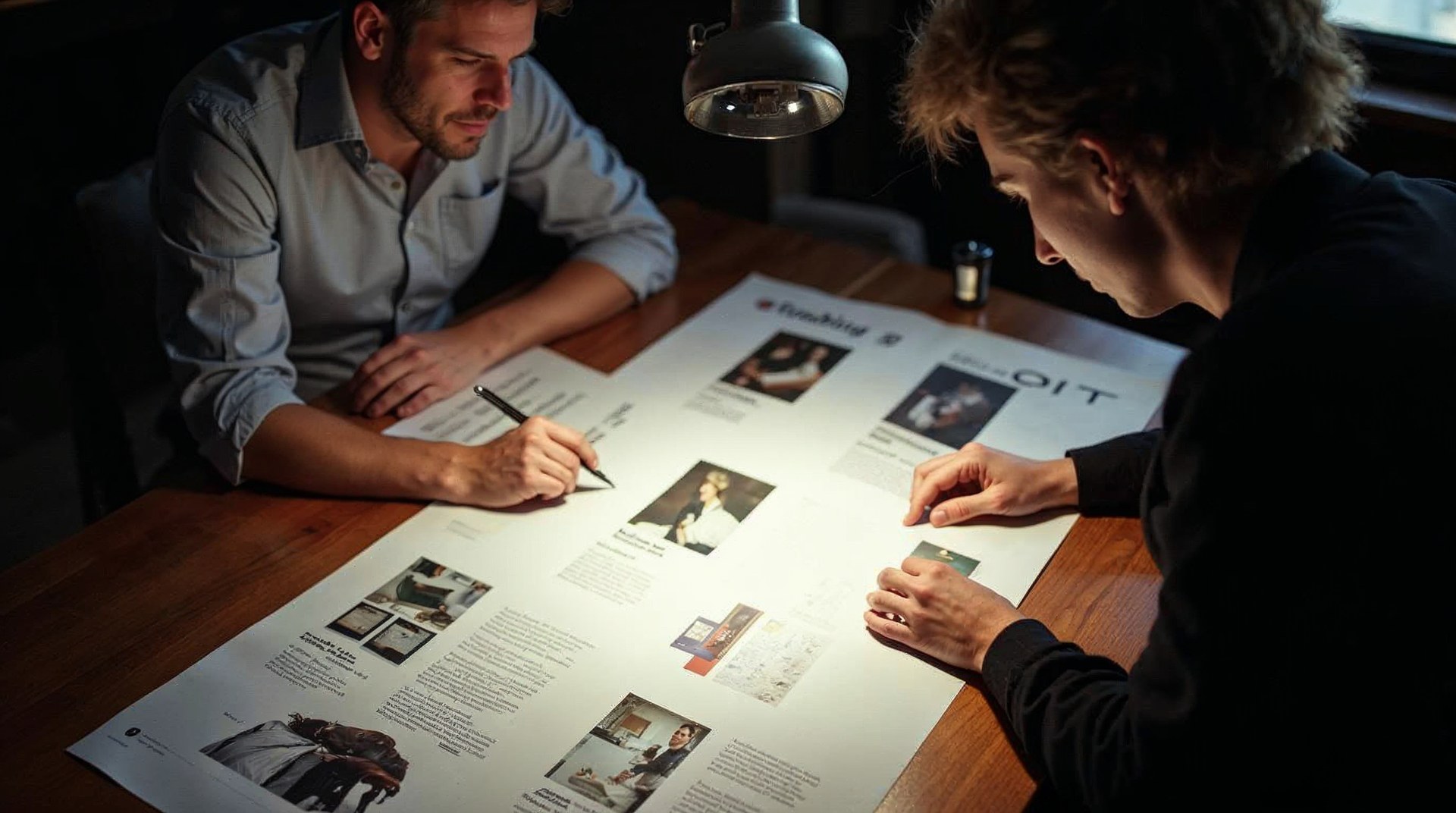
Discovery, system, production and operations run in sequence, with a weekly working session and a written monthly review of what shipped.
Weeks 1-2 / Discovery
Audit the category and your own creative
Competitor visual audit, interviews with your sales team, and a review of which existing assets perform — written up as a brief and a direction.
Weeks 2-5 / Design system
Build the system and the templates
Typography, colour, grid, imagery and layout patterns documented as a short standard plus editable templates your team can use unaided.
Weeks 4-8 / Production
Produce the assets that go out the door
Ad creative in every size, landing pages, decks, packaging and pre-press ready print, delivered as organised, correctly named source files.

Ongoing / Operations
Make volume repeatable
Briefing form, shared queue, one consolidated feedback round, an organised asset library, and a monthly review of what performed.
WHAT YOU GET
Deliverables you own outright.
own outright
Every file, font licence and template we produce is yours, organised so your team can find and reuse it without asking us.

Brand identity and direction
Visual direction built on a written brief, with the reasoning documented so approvals are about the argument rather than taste.

Design system and guidelines
Typography, colour, grid, imagery and icon direction in a short usable standard rather than a PDF nobody opens.

Campaign and social creative
Ad, social and email creative produced in every required size and designed against a defined commercial job.

Landing pages and web layouts
Page designs built for conversion, handed over in components your developers or our build team can implement directly.

Print, packaging and signage
Pre-press ready artwork with bleed, spot colours and proofs, agreed with your printer before the job runs.

Templates and asset library
Editable templates plus an organised, versioned library so your team produces routine work without a designer.
HOW WE WORK
Operating standards, not promises.
Operating standards


















Built on trust. Proven by results.
We partner with SMBs and Fortune 500 companies to deliver more than reach — we bring clarity, execution, and measurable outcomes. Every successful partnership starts with a strong culture fit and a shared drive to grow.




CASE STUDIES
Case studies
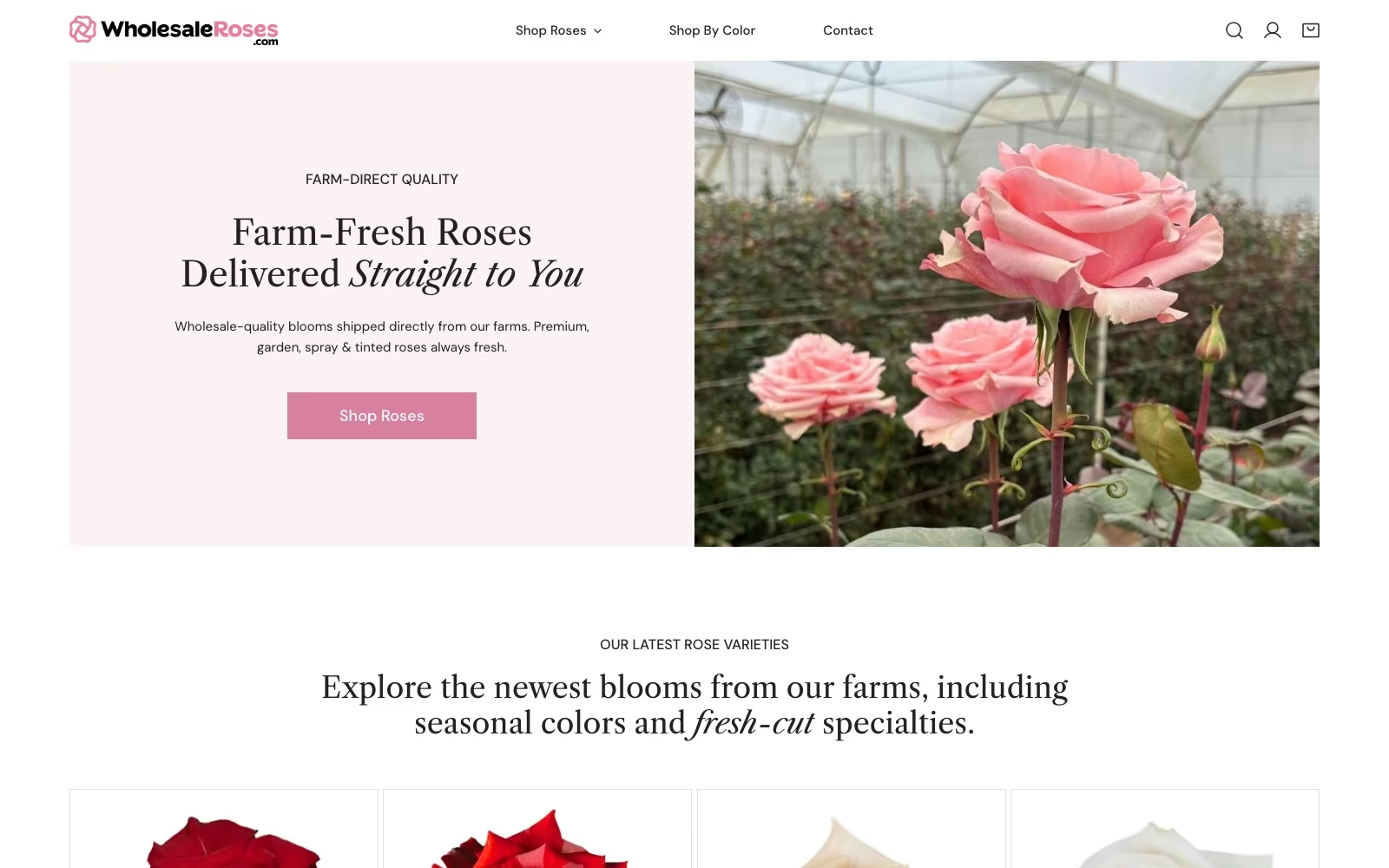
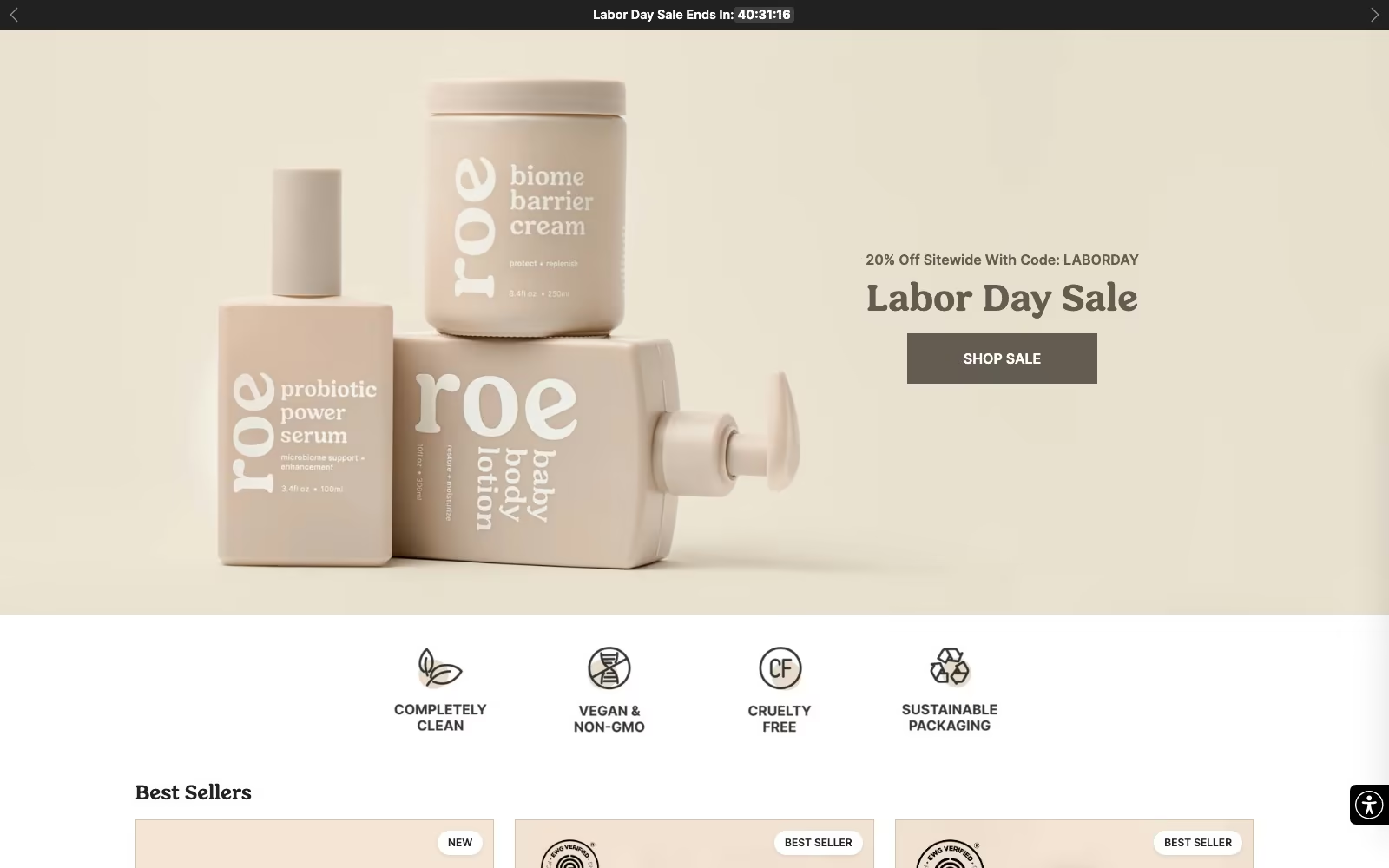
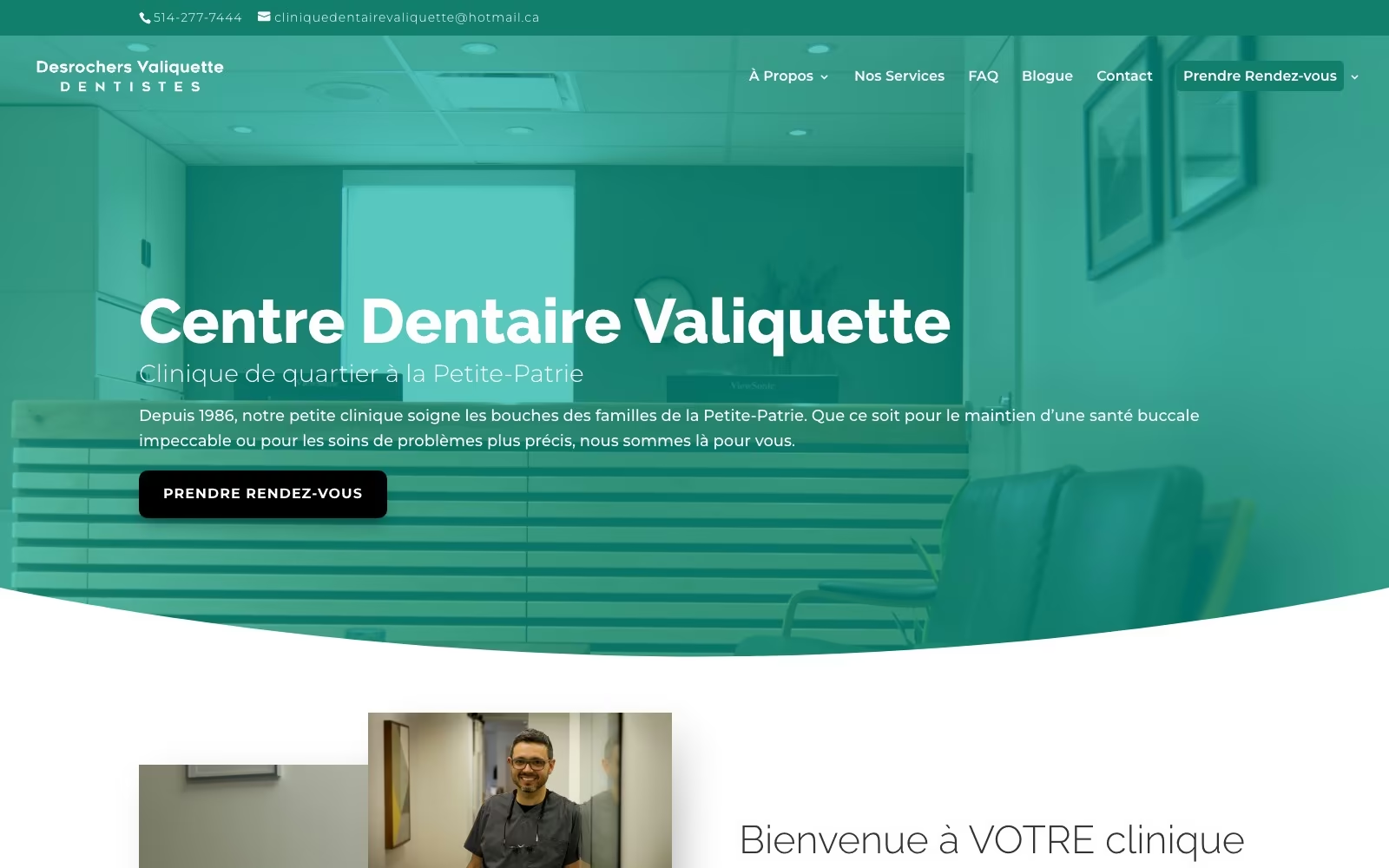
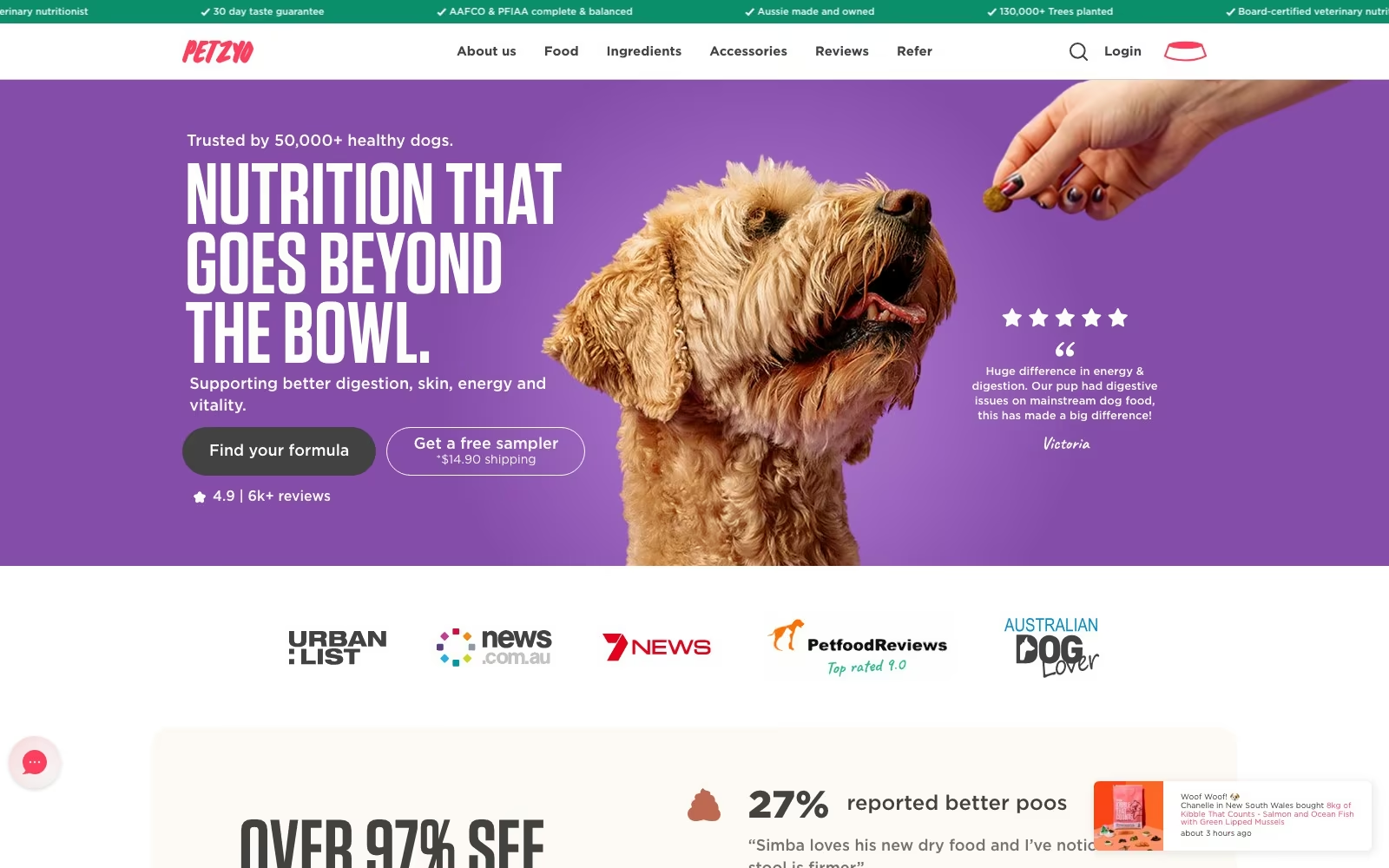
Website Portfolio
Video Ads
Static Ads














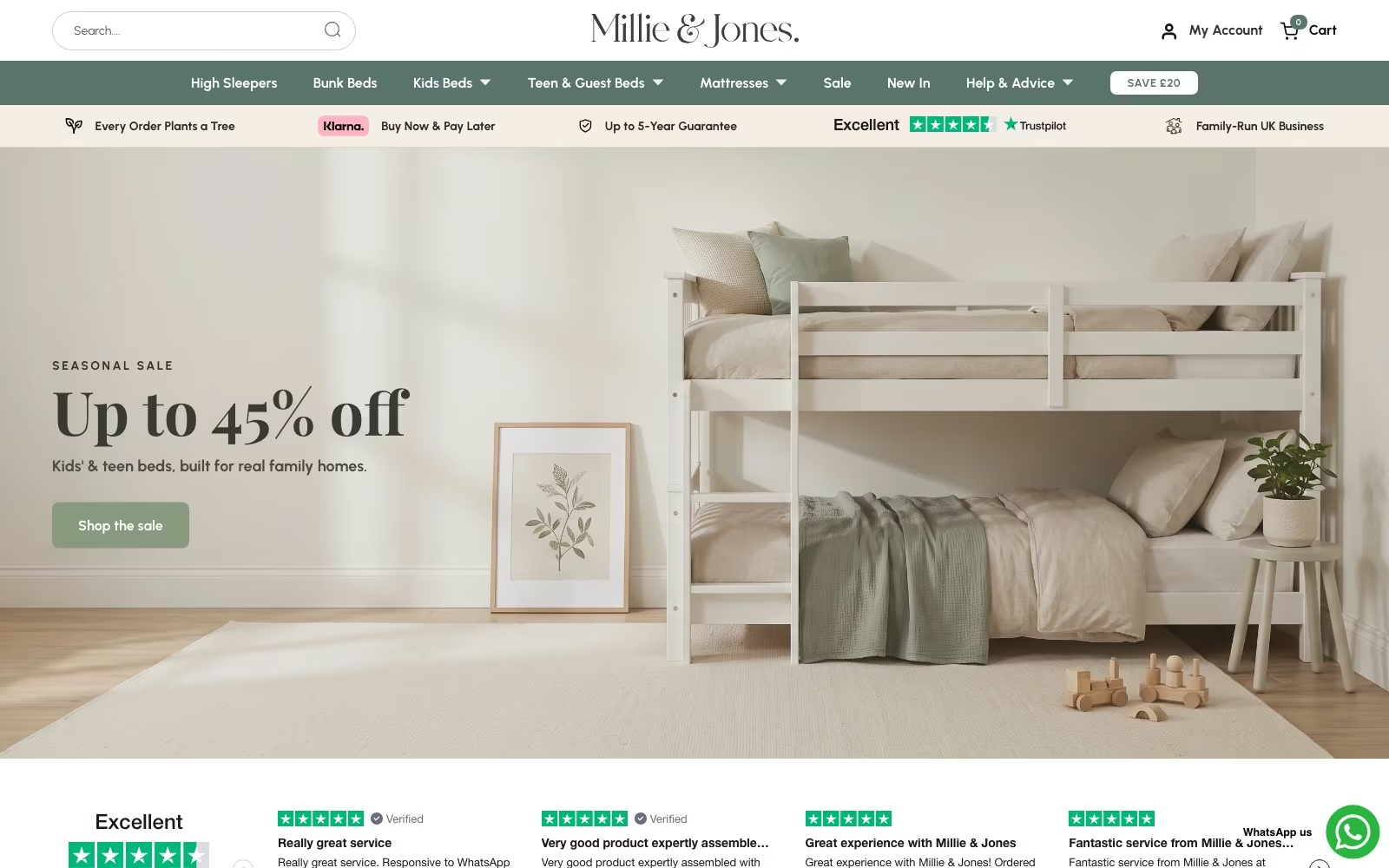

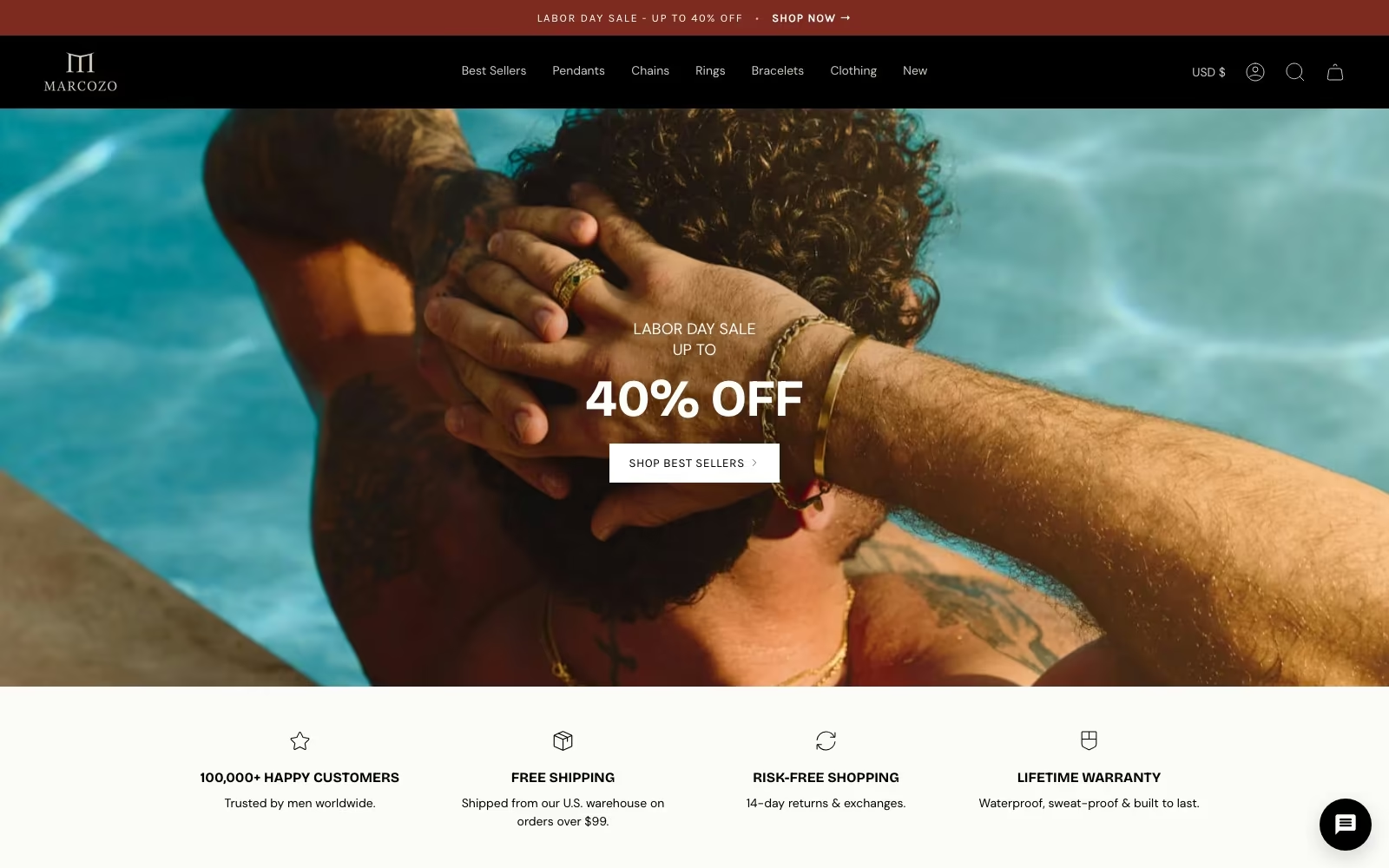

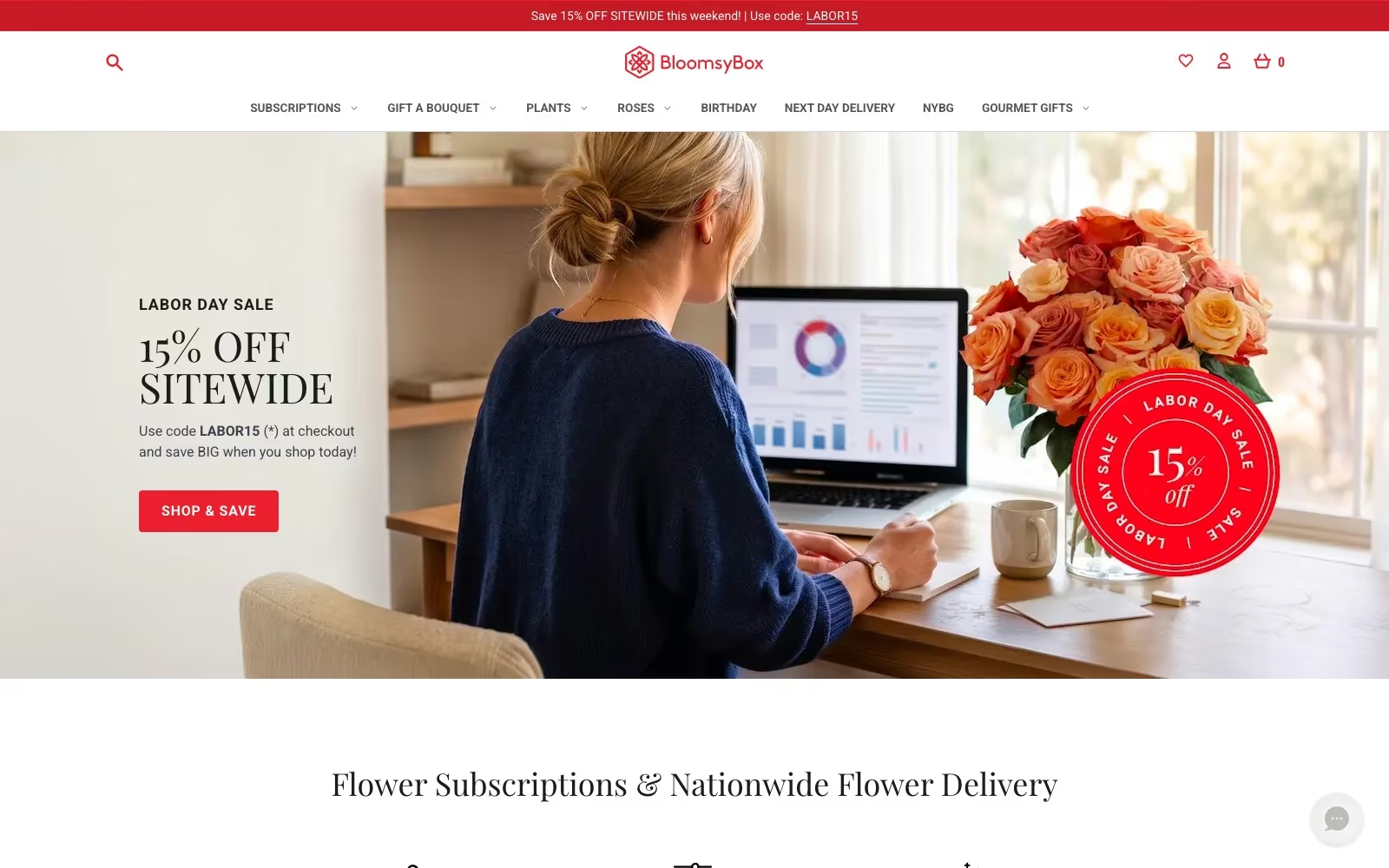

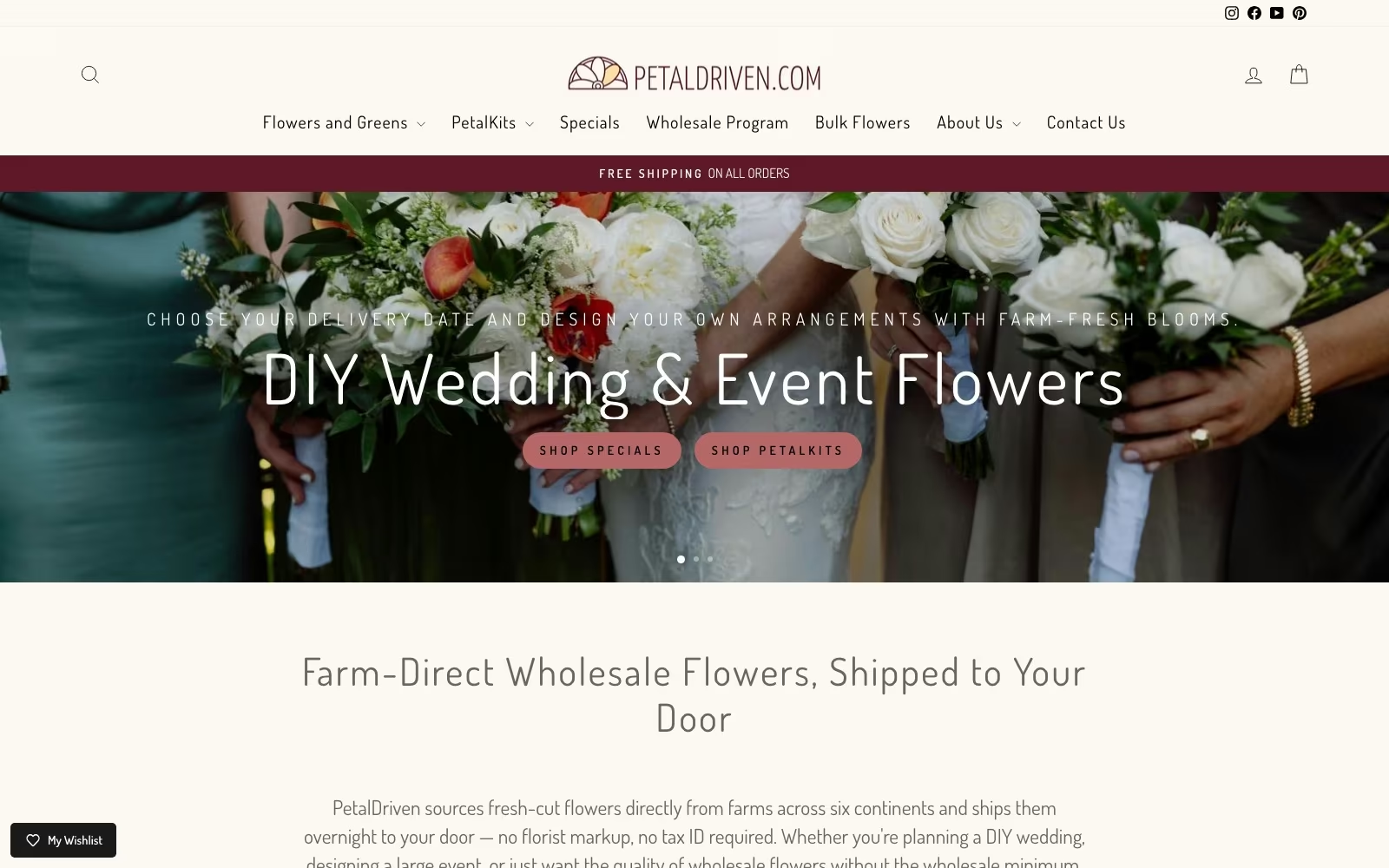

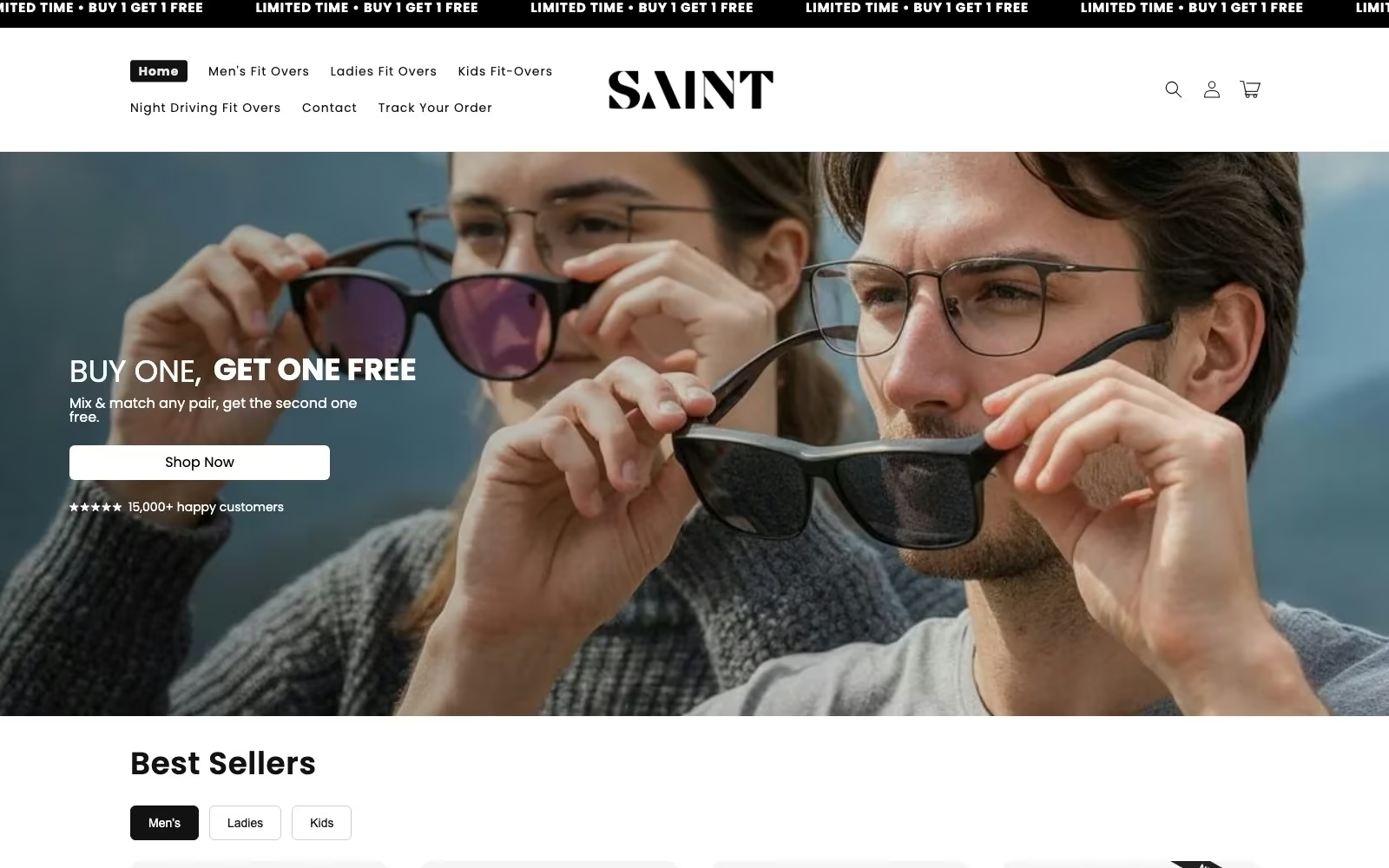

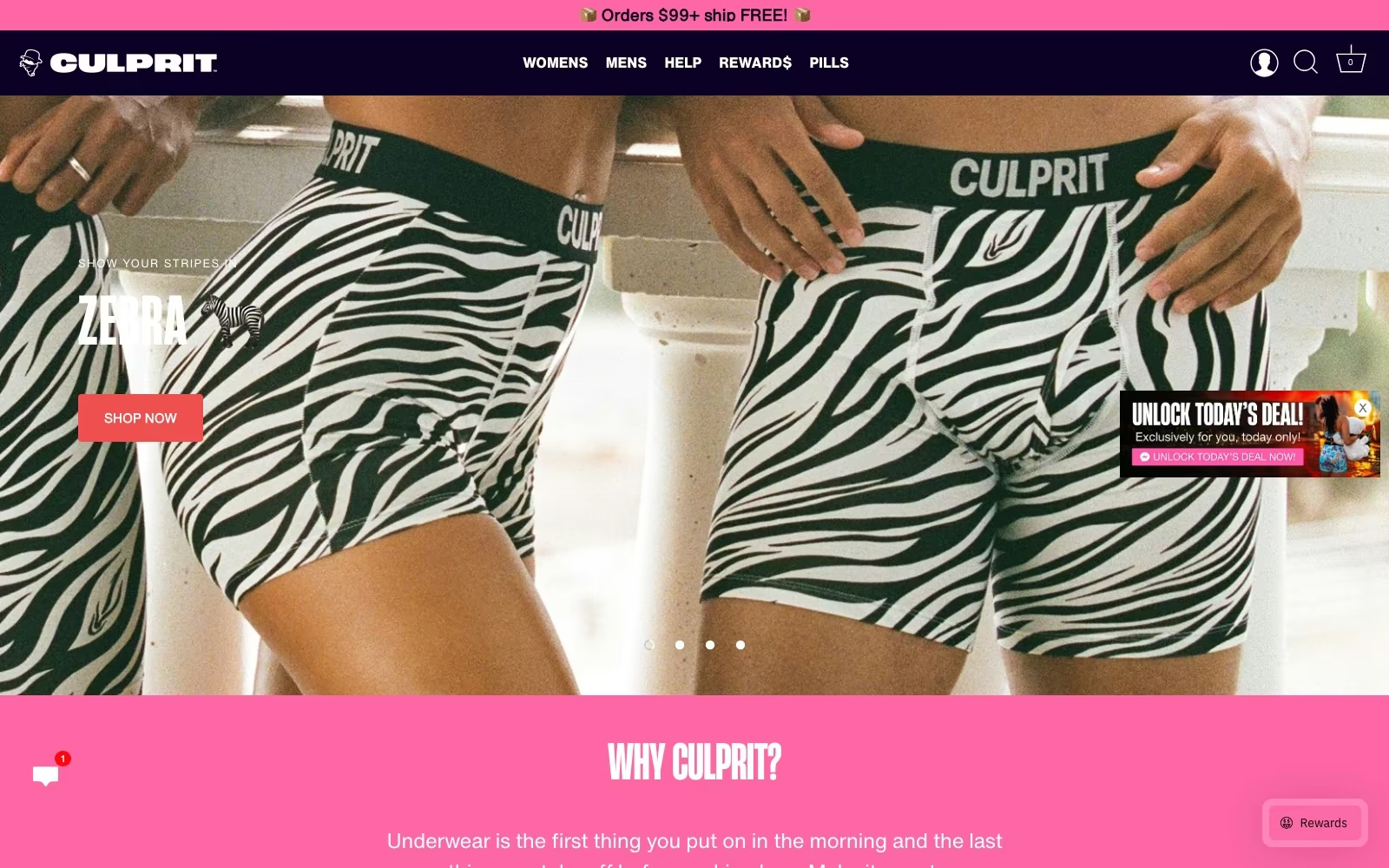

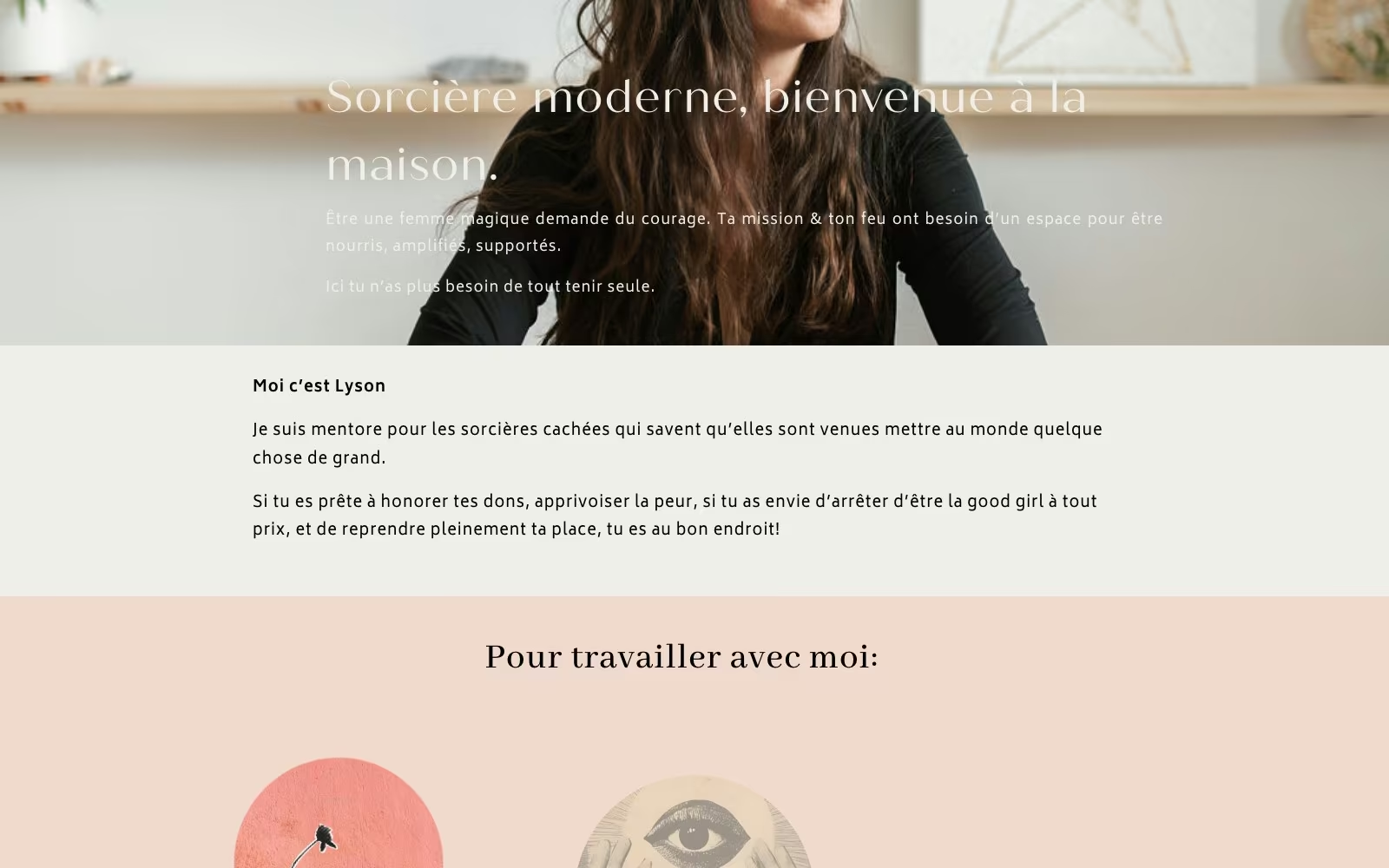





















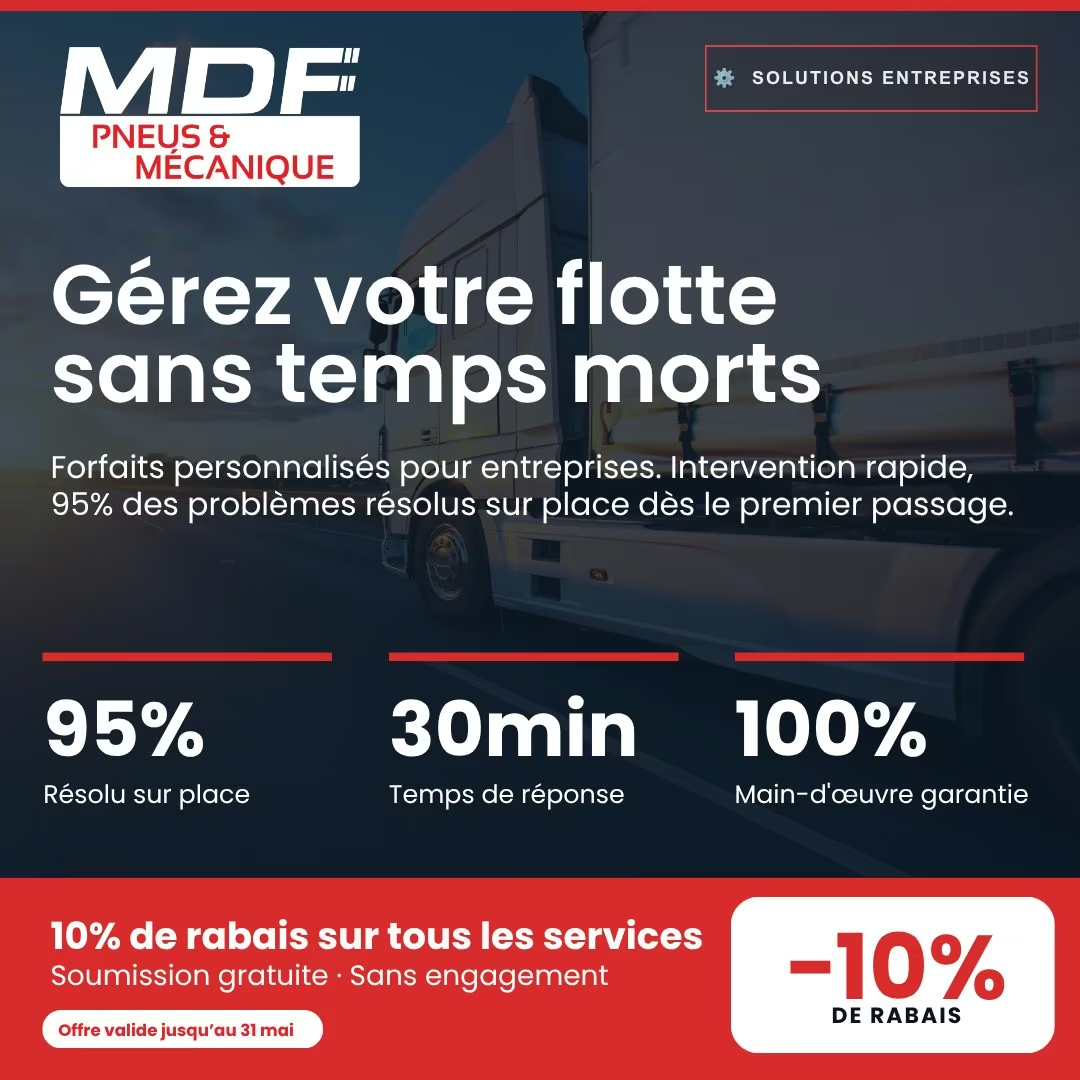
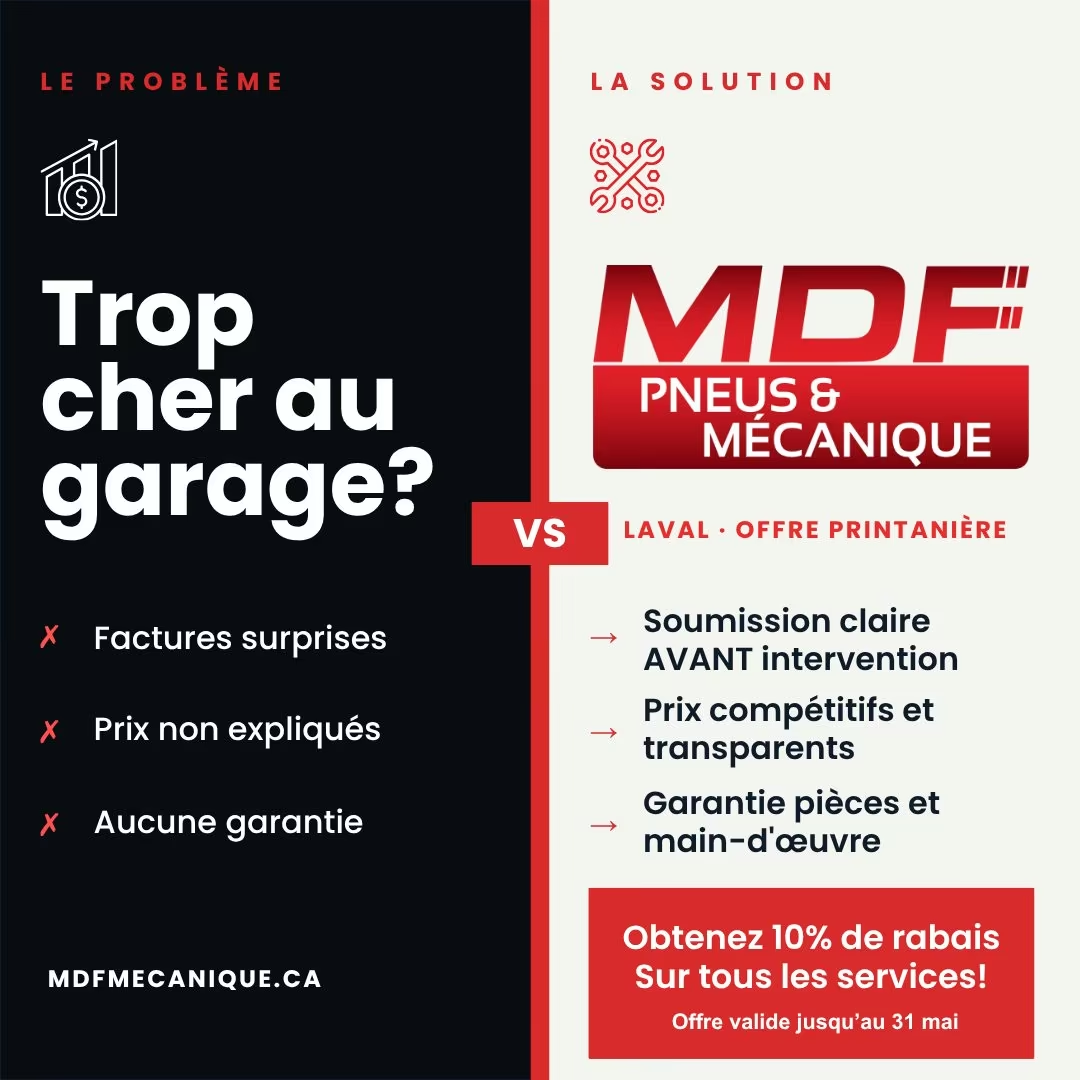





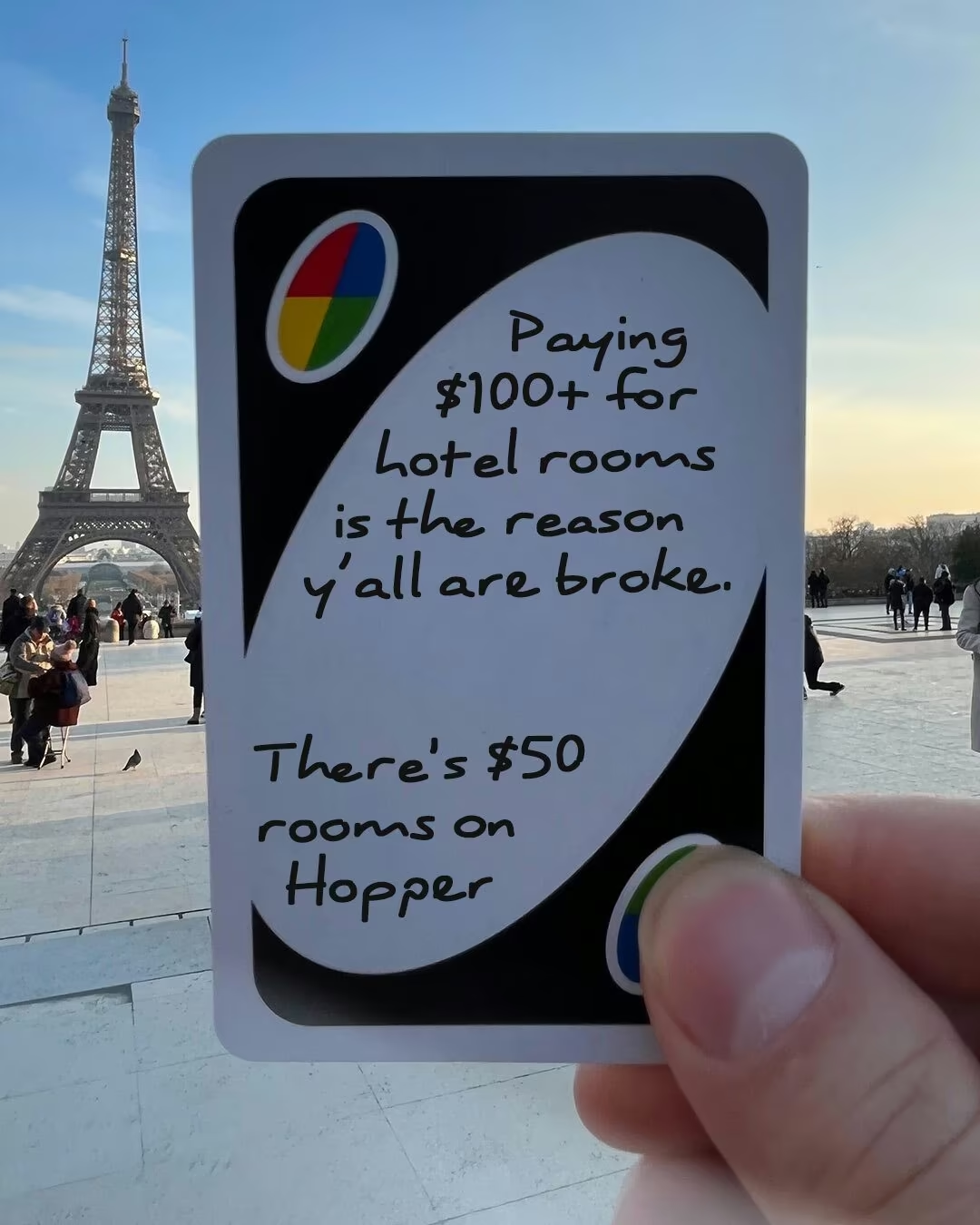

FAQ
What clients ask us first.
What does a graphic design agency do that a freelancer cannot?
Freelance designers are excellent at defined pieces of work, and we use them ourselves. What an agency adds is range and continuity: a strategist who writes the brief, a designer who owns the system, production capacity when a campaign needs forty assets in a week, print and pre-press knowledge, and a process that keeps everything coherent across channels for years. If your requirement is one poster, hire a freelancer. If it is a brand that has to hold together across advertising, packaging and web while three people brief it, you want a team and a system.
How much does professional graphic design cost?
It depends on scope, and we quote fixed prices rather than hourly guesses. A focused piece of work — a campaign creative set, a deck system, a packaging refresh — is priced as a project. A full identity and design system with templates is a larger project with clear stages you approve as we go. Ongoing production is a monthly retainer sized to the volume you actually ship, and we will tell you when a template plus training is a cheaper answer than paying us to make the same asset every month. You will always see the number before the work starts.
Can you prove design affects revenue?
The strongest public evidence is McKinsey's Business Value of Design study, which tracked 300 companies over five years and found top-quartile design performers growing revenue 32 percentage points faster and shareholder returns 56 percentage points faster than their peers. Closer to the day job, conversion data makes the same point: Unbounce's benchmark analysis puts the median landing page conversion rate at 6.6% with large variation driven by clarity and friction. We would rather show the effect in your own numbers, which is why creative work here is measured against campaign performance rather than applause.
Will you keep our existing brand or start over?
We keep whatever still has equity, which is usually more than clients expect. If your logo is recognised, your colour is known in your market, or your packaging has shelf history, throwing it away destroys value you have already paid for. The common outcome is an evolution: the mark stays or is tidied, and everything around it — type, palette extension, layout, imagery, hierarchy — is rebuilt so the brand finally holds together. We recommend a full rebuild only when the current identity is actively working against you, and we make that case with evidence rather than opinion.
How do you handle high-volume ad creative?
With a system and a concept pipeline rather than heroic effort. Modern paid social rewards volume: Motion's 2026 benchmarks show advertisers shipping roughly 3 to 19 new ads a week depending on spend level, and a brand that can only produce two is structurally disadvantaged. We build modular layouts, define the variables worth testing — hook, format, proof, offer — and produce in batches so each round teaches you something. Our ad creative and creative strategy teams work from the same design system so nothing drifts off-brand at volume.
Do you design for print and packaging as well as digital?
Yes, and we treat print as a craft rather than an export setting. That means correct bleed and trim, spot and process colour decisions made deliberately, stock and finish recommendations, dielines checked against the converter's template, and a proof reviewed before a run. We talk to your printer or packaging supplier early, because the cheapest way to avoid an expensive reprint is a ten-minute conversation about their press. Signage, vehicle wraps, exhibition graphics and merchandise are all handled the same way.
Who owns the files, fonts and templates?
You do. At handover you receive organised, correctly named source files, exported assets in the formats you need, the editable templates, and the font licences registered to your company rather than to us. If a licence has to sit with the foundry in your name, we set that up during the project so there is no awkward gap later. Nothing we make is held hostage to the relationship continuing, and clients who take the system in-house and run it themselves are a good outcome for us.
How do reviews and revisions work?
Design gets better with fewer, clearer rounds. We present a direction with the reasoning written down, ask for one consolidated set of feedback from all stakeholders rather than comments trickling in, and then revise. Two rounds is typical for a defined asset, three for a system. To make that work we ask for one internal decision-maker who can settle disagreements — the most common cause of slow design is not the designer but five people with equal veto and different taste.
Can you work with our in-house design team?
Frequently, and it is often the most efficient arrangement. A common split is that we own the system, the campaign concepts and the specialist work — packaging, pre-press, motion — while your in-house team handles day-to-day production inside the templates. We document to a standard designed for handover, run working sessions rather than one-way presentations, and are happy to be the capacity that appears for a launch and steps back afterwards.
What kinds of businesses do you help?
Mid-market companies and ambitious founder-led brands, mostly in home services, healthcare, professional services, industrial supply and consumer eCommerce. What they have in common is a real commercial job for design rather than an appetite for creativity as decoration: a product launch, a category they want to look credible in, a website that has to convert, or a marketing team producing more digital assets than it can keep coherent. If your requirement is one poster or a purely experimental art project, a specialist studio or an independent designer will serve you better and we will say so on the first call.
Can you handle web and product design as well as marketing assets?
Yes. Interface and website design is a large part of what our studio does, and it is handed over in components rather than flat images so front-end development can implement it without reinterpreting anything. Where you need the build as well, our web design and custom development teams take it through to launch; where you have your own developers, we work to their stack and their component conventions. Either way the same design system governs the site, the advertising and the sales collateral, which is what keeps the customer experience consistent across every touchpoint.
How should we choose between graphic design agencies?
Ask four questions of every studio on your list. Who does the work — the designers in the pitch, or a junior you never meet? What is included in the price, in writing, including revisions, source files and font licences? Can they show projects in your category, and explain the reasoning rather than the aesthetics? And do they hand over a documented system your own people can extend, or a set of files that traps you in a retainer? Design agencies vary far more in process than in taste, and process is what determines whether the brand still looks coherent in two years.
What does the design process look like week by week?
Week one and two are discovery: a visual audit of your category, interviews with the people who sell, and a written brief. Weeks two to five build the system — typography, colour, grid, imagery, layout patterns — presented in stages so you approve direction before detail. Production starts around week four and continues: campaign creative, website layouts, decks, packaging, print. Then it becomes a rhythm — a briefing form, a shared queue, one consolidated feedback round per project, and a monthly review of what shipped and what performed. You always know what is in progress and what is next.
Which services sit alongside graphic design here?
Most clients buy design as part of a wider growth programme, so the creative studio works next to the rest of the agency: branding and logo design for identity, web design and conversion optimisation for the website, content marketing and SEO for organic demand, and ad creative for paid channels. You can buy any one of them on its own; the advantage of buying two or three is that the same written brief drives all of them.
Do you also run the campaigns the design goes into?
We can, and it makes the creative sharper because the team designing the asset sees what happened when it ran. Our paid social, paid search and web design teams sit beside the designers, and performance data feeds the next creative round. Buying design alone is equally fine: we hand over a documented system and organised files that whichever agency runs your media can work from without renegotiating the brand every quarter.

.webp)
.webp)