Reach people while they are still deciding.
still deciding
We are the Pinterest ads agency for brands that want demand earlier than the last click. Shoppers arrive planning a room, a wedding, a wardrobe or a renovation, so we build artwork for that moment, run it on a clean measurement setup, and read it beside your paid social and paid search results rather than in its own dashboard.





Tell us a little about your brand and we'll be in touch within 24 hours to lock in a time.



HOW WE RUN IT
Four disciplines, run in order.
in order
Audience and intent, artwork built for a visual feed, account architecture, then measurement honest enough to fund the next quarter. Most disappointing accounts we inherit fail at the artwork stage while blaming the targeting.
Audience & intent
Creative for a visual feed
Campaign architecture
Measurement & reporting
Catch the plan, not the impulse.
The scale is real and growing. Pinterest reported 578 million monthly active users in Q2 2025, up 11% year over year, on revenue of $998 million, and DataReportal's figures show ads reaching 340 million users in January 2025 after the reachable audience grew by 32.5 million (+10.6%) in a year. But scale is not the reason to be here; the mindset is. People arrive to plan something.
So we map your categories to the moments that precede a purchase — seasonal planning, life events, room and outfit projects, gifting windows — and build the targeting strategy from those, layering keyword and interest signals against your own customer and site data. Because these shoppers arrive early is early, we brief campaigns to run weeks before the demand shows up in search, and we say plainly which of your products fit the visual planning habit and which do not.
Where the network's automation helps, we use it: Reuters credited Performance+ automation with lifting advertiser spend through 2025. Automation still needs a defined intent thesis to point at.
- Category mapped to the planning moments that precede purchase
- Keyword and interest signals layered on your own customer data
- Seasonal calendar set weeks ahead of demand
- An honest read on which products suit these shoppers
578M
monthly active users reported in Q2 2025
340M
users reachable with ads in January 2025
Ads that look like something worth saving.
This is a visual search surface, so the artwork does the targeting work. A repurposed square ad from another channel loses instantly to a vertical image made for the grid: the product in a real setting, a clear subject, text that survives a thumbnail, and a colour palette that pulls the eye at scroll speed.
We produce in sets rather than one-offs — several formats per concept, vertical stills, collages, idea and video pins, plus catalogue-driven variants — so the system has real choices to optimise between and we learn which idea, not which crop, is winning. Every set has a written thesis about why someone would save it, and we retire concepts on evidence rather than on boredom.
The creative team and the media team sit together, so a result seen on Monday becomes a new variant that week instead of a request in a queue.
- Vertical artwork built for this feed, never resized leftovers
- Multiple formats per concept: still, collage, idea and video pins
- Catalogue-driven variants for wide ranges
- Concepts retired on data, with a written reason
9.1%
ROAS lift reported by advertisers in the Performance+ creative alpha
7.5%
more clicks from the new dynamic creative model (Pinterest)
Few campaigns, clear jobs, room to learn.
Fragmented accounts are the most common problem we inherit: dozens of tiny ad groups splitting the same spend, none of them holding enough conversion data to leave the learning stage. We consolidate to a small structure with one job per campaign — prospecting the planning shoppers, retargeting savers and site visitors, and a catalogue engine for the long tail — then let spend follow evidence.
Bidding and automation are chosen per objective rather than by default, and tested against a manual baseline before they own the spend. Digiday reported that advertisers in the Performance+ creative alpha saw a 9.1% increase in ROAS and an 8.4% decrease in CPA against the same ads without it — useful, and still worth proving on your own account before it becomes policy.
Changes are logged with a date and a reason, so a shift in performance can be explained instead of guessed at.
- Consolidated structure, one job per campaign
- Prospecting, retargeting and catalogue separated deliberately
- Automation tested against a baseline before it owns spend
- Every change logged with a date and a reason
8.4%
CPA reduction reported in that same alpha test
15%
better ROAS from direct measurement integration (PYMNTS)
Credit this channel for what it really does.
An upper-funnel surface measured on last click will always look weak, and that mismeasurement is how good accounts get switched off. We install the conversion tags and server-side events properly, feed back real revenue from your own systems, and report platform-reported, blended and view-through numbers side by side with the assumptions stated.
Where the decision is big enough, we settle it with a test rather than a model: a geographic holdout, a paced-spend period, or a clean on/off window. That is the only way to know whether the incremental sales are real. Growth in the network's own revenue — $855 million in Q1 2025, up 16% year over year — tells you other advertisers are finding something; your own test tells you whether you are.
You own the ad account, the tags and the reporting. Reviews end in recommendations, not a screenshot of the dashboard.
- Conversion tracking and server-side events verified, not assumed
- Platform, blended and view-through views reported together
- Holdout or on/off tests where the spend decision is material
- You own the ad account, the tags and the reporting
+16%
year-on-year network revenue growth in Q1 2025
82%
of Pinterest campaigns delivered positive incremental ROI (Circana)
monthly active users on Pinterest (Pinterest Q1 2026)
typical Pinterest cost per click (WebFX)
Conversion tracking proven before we ask for more spend
Ad account, tags, catalogue and artwork
We made the difference for those brands

Healthcare & regulated services

Food & beverage
Consumer tech and platforms

Healthcare & regulated services

Consumer tech and platforms

Food & beverage
Creative, content, arts & culture

B2B software, fintech, insurance

B2B software, fintech, insurance

B2B software, fintech, insurance

Travel & mobility
Healthcare & regulated services

Consumer tech and platforms

Creative, content, arts & culture

Home essentials, appliances, kitchen & pet

Food & beverage

B2B software, fintech, insurance

Food & beverage

Food & beverage

B2B software, fintech, insurance
Consumer tech and platforms

Consumer tech and platforms

Apparel and lifestyle

B2B software, fintech, insurance

Home essentials, appliances, kitchen & pet

Food & beverage

Home essentials, appliances, kitchen & pet

B2B software, fintech, insurance
Retail & commerce

Beauty, personal care & wellness

Retail & commerce
01 — The challenge
It looked promising, then it looked expensive.
The account was opened with recycled square artwork, a dozen thin ad groups, and a conversion tag nobody verified. Early results looked encouraging, the last-click report disagreed, and the spend went back to channels that take credit more aggressively.
“We tried it for a quarter. Honestly, we never gave it a fair test.”
The reach is not the issue: 578 million people use it every month, up 11% year over year (Q2 2025). What fails is the setup around them — borrowed artwork in the wrong shape, spend split too thin to learn, and measurement that only rewards the final click. Rebuild those three and this becomes a dependable demand channel, ahead of search rather than competing with it.
02 — Our approach
Build for the planning moment, then prove it.
We start with intent: which of your products people plan for, and the moments that come weeks before a purchase. That becomes the intent thesis and the seasonal calendar. Next the artwork, made for this feed rather than resized from another — vertical, one clear subject, readable at thumbnail size, produced in sets so the system has real choices and we learn which idea wins. The account is consolidated to a few campaigns with one job each, so spend concentrates and learning happens; automation is tested against a baseline before it owns spend. In parallel we verify the conversion tracking, feed real revenue back from your systems, and report network, blended and view-through numbers side by side. Where a budget decision is material we run a test instead of arguing about attribution. You own the account, the tags and the artwork throughout.
03 — What we did
From borrowed artwork to a channel that funds itself.
Four phases with a weekly working session and a monthly written review that ends in recommendations.
Weeks 1-2 / Audit
Fix measurement before spending more
Tags and events verified, revenue fed back from your own systems, historic results re-read on blended numbers rather than last click.

Weeks 2-4 / Creative
Produce for this feed, in sets
Vertical stills, collages, idea and video pins built per concept, each with a written reason someone would save it.
Weeks 3-5 / Build
Consolidate to a few clear campaigns
Prospecting, retargeting and catalogue separated, spend concentrated enough to learn, automation tested against a baseline.

Ongoing / Proof
Test incrementality, then scale
Holdout or on/off windows on the decisions that matter, with reporting your finance team can read next to other channels.

WHAT YOU GET
Deliverables you keep, in your own account.
your own account
Everything below is built in accounts you own, documented as we go, and portable if you ever leave.

Account and tracking audit
Structure, bidding, audiences, tags and server-side events reviewed, with the fixes ranked by what they are worth.

Audience and intent strategy
Your categories mapped to planning moments, with keyword, interest and first-party signals layered into a seasonal calendar.

Creative production in sets
Vertical stills, collages, idea pins and video built per concept for this feed, with a written thesis behind each set.

Campaign build and management
A consolidated structure with one job per campaign, bidding chosen per objective, and every change logged with a reason.

Catalogue and shopping setup
Product feed hygiene, grouping and catalogue-driven ads so a wide range is covered without hand-building every ad.

Reporting and incrementality tests
Platform, blended and view-through views together, plus holdout tests when a spend decision needs settling properly.
HOW WE WORK
Operating standards, not promises.
Operating standards



















Built on trust. Proven by results.
We partner with SMBs and Fortune 500 companies to deliver more than reach — we bring clarity, execution, and measurable outcomes. Every successful partnership starts with a strong culture fit and a shared drive to grow.



CASE STUDIES
Case studies
Website Portfolio
Video Ads
Static Ads

















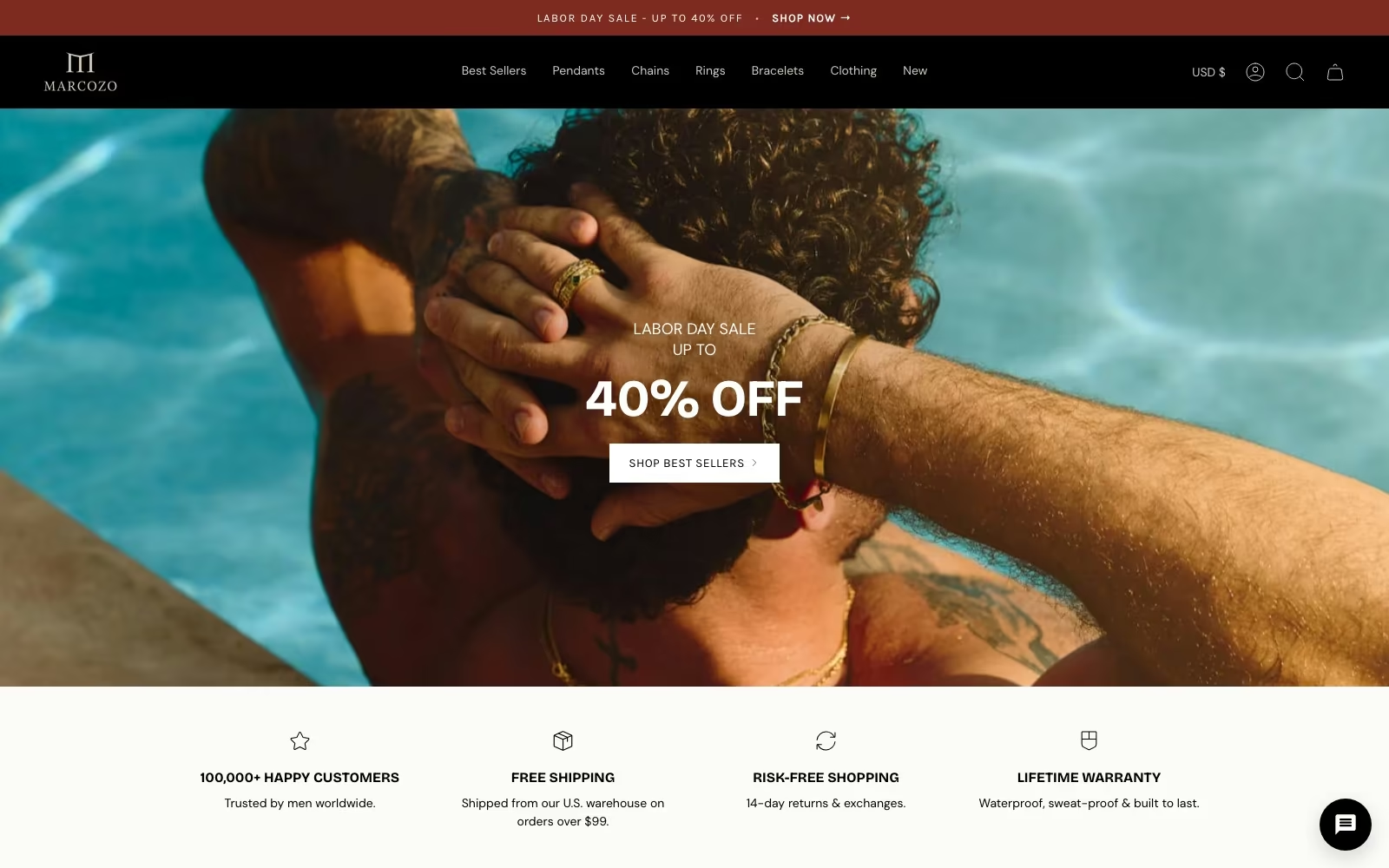

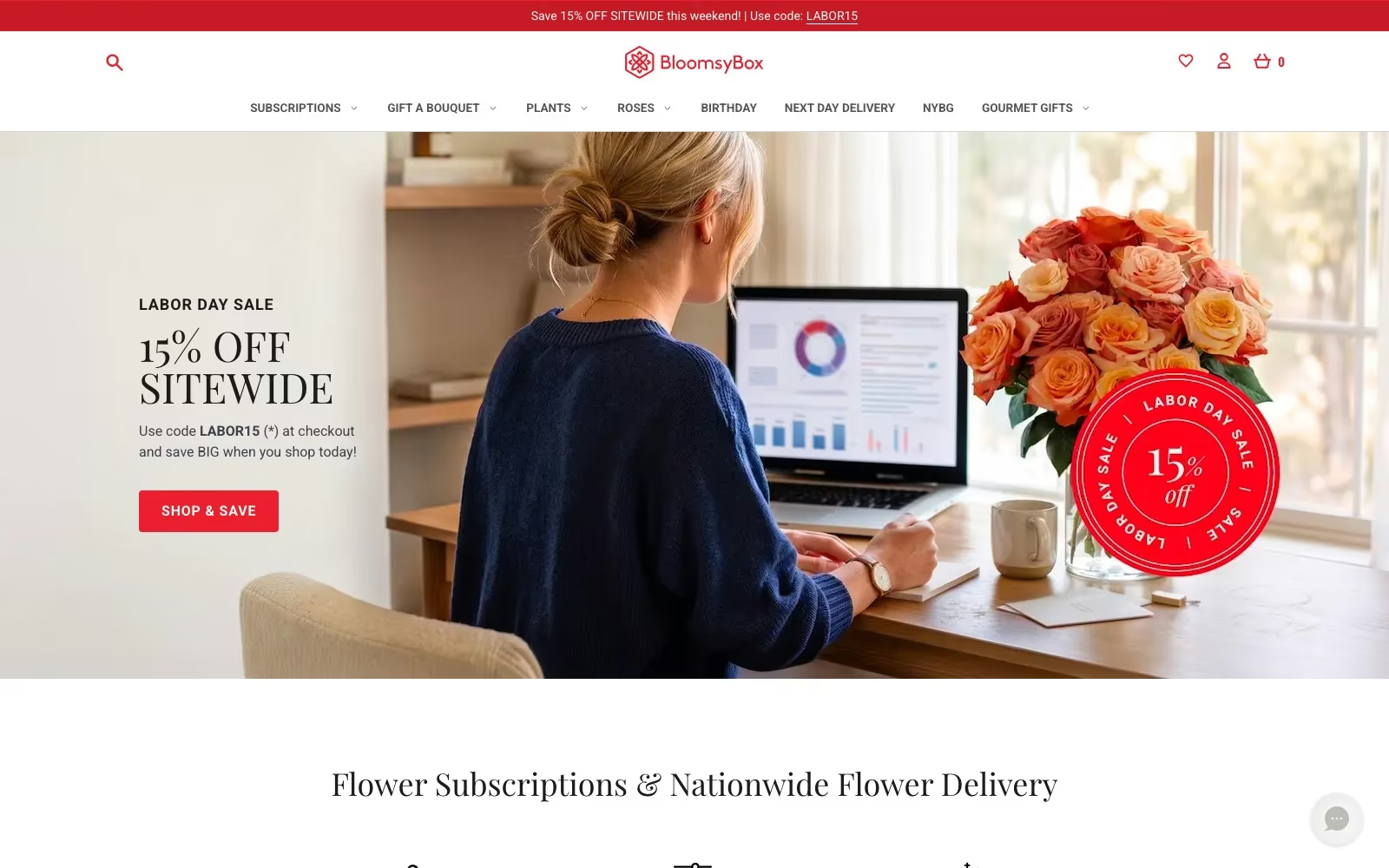

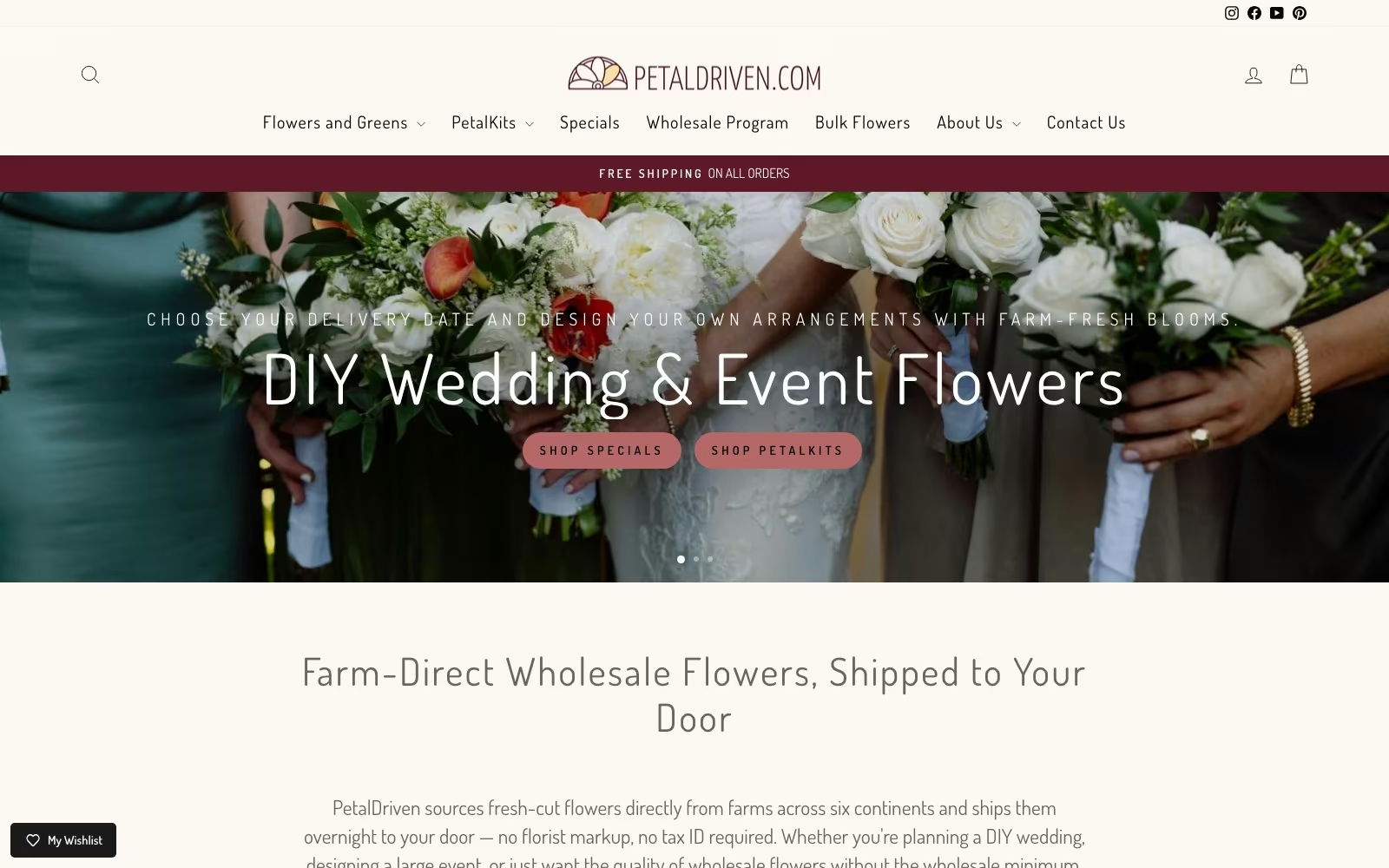



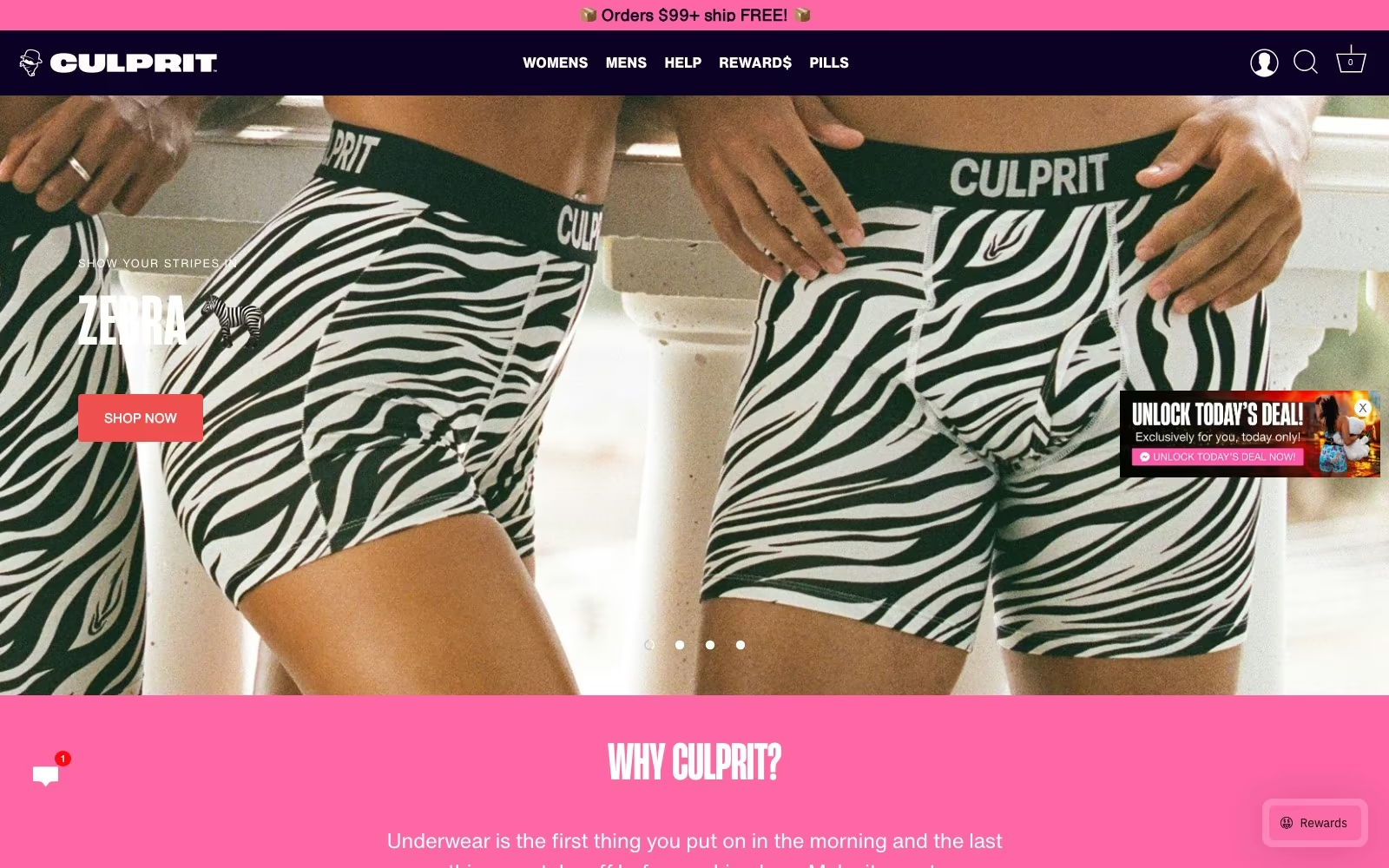



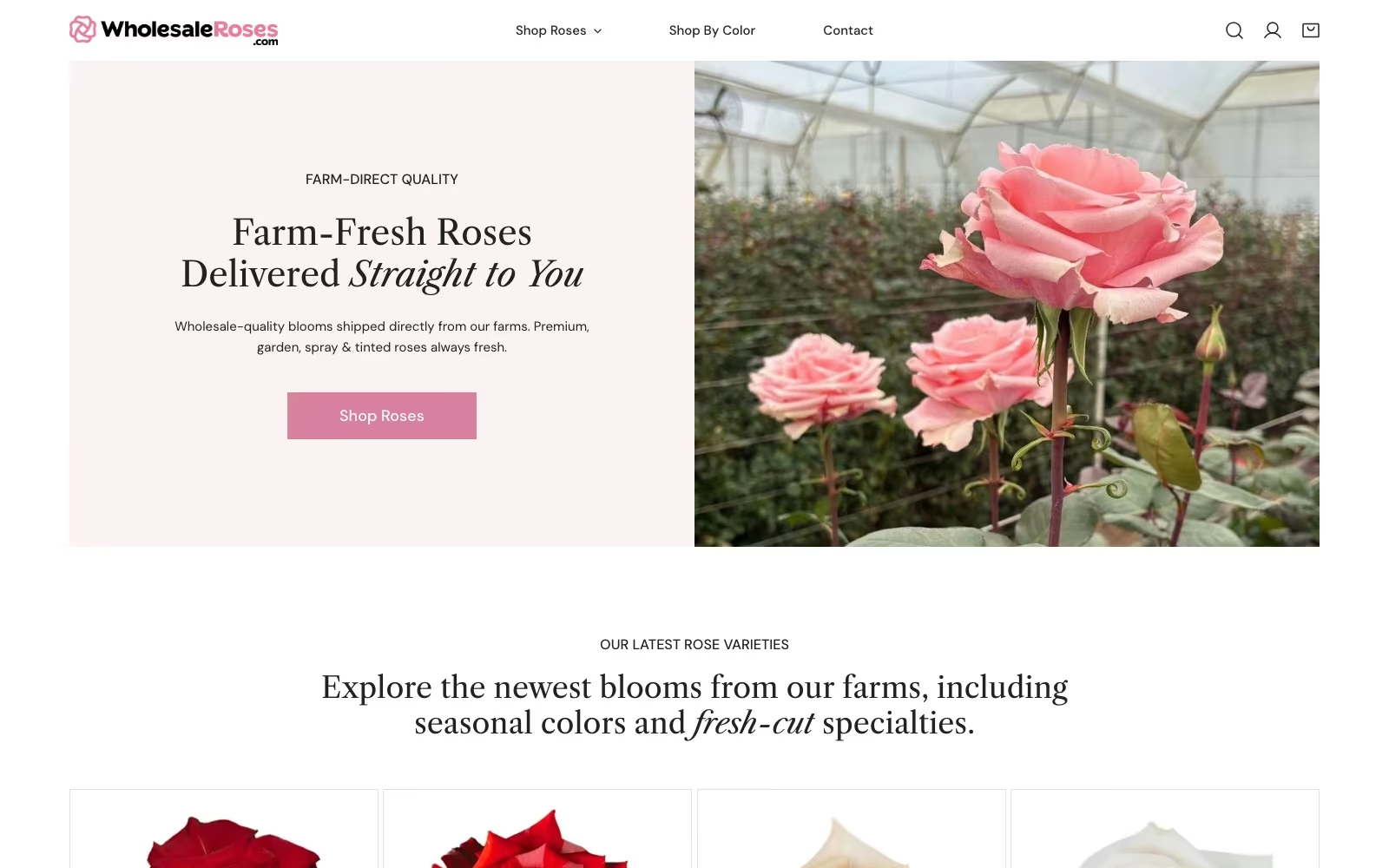

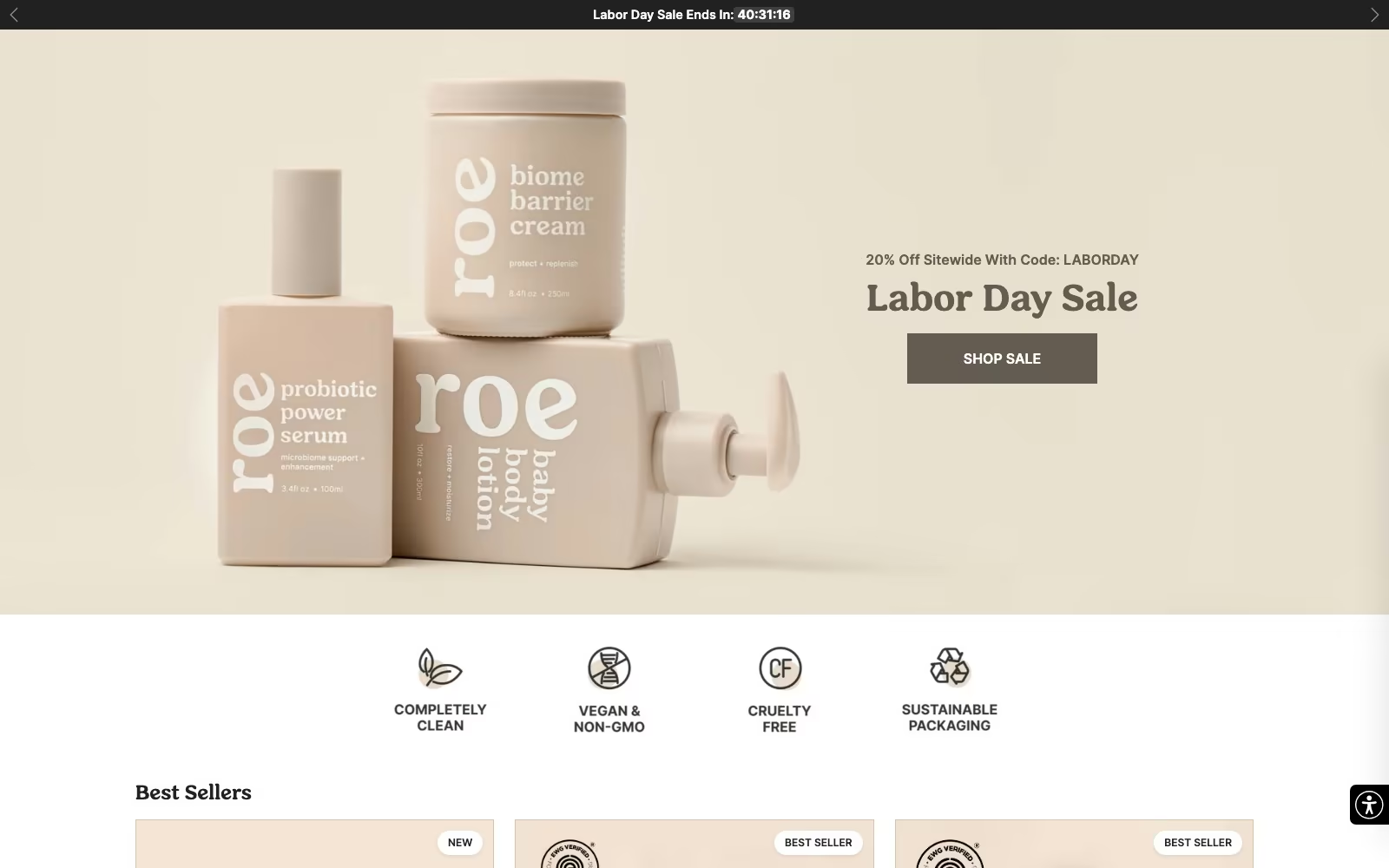

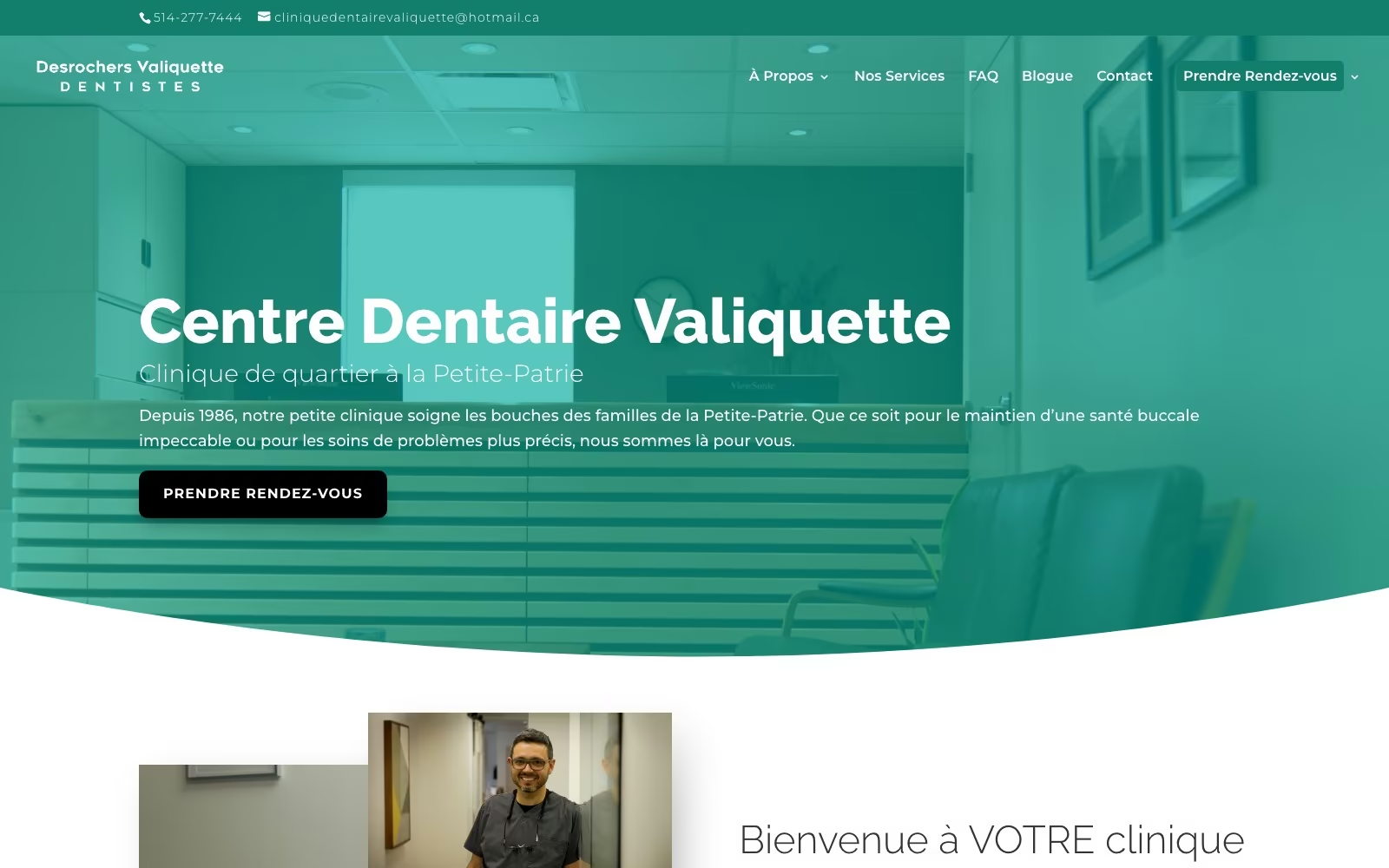

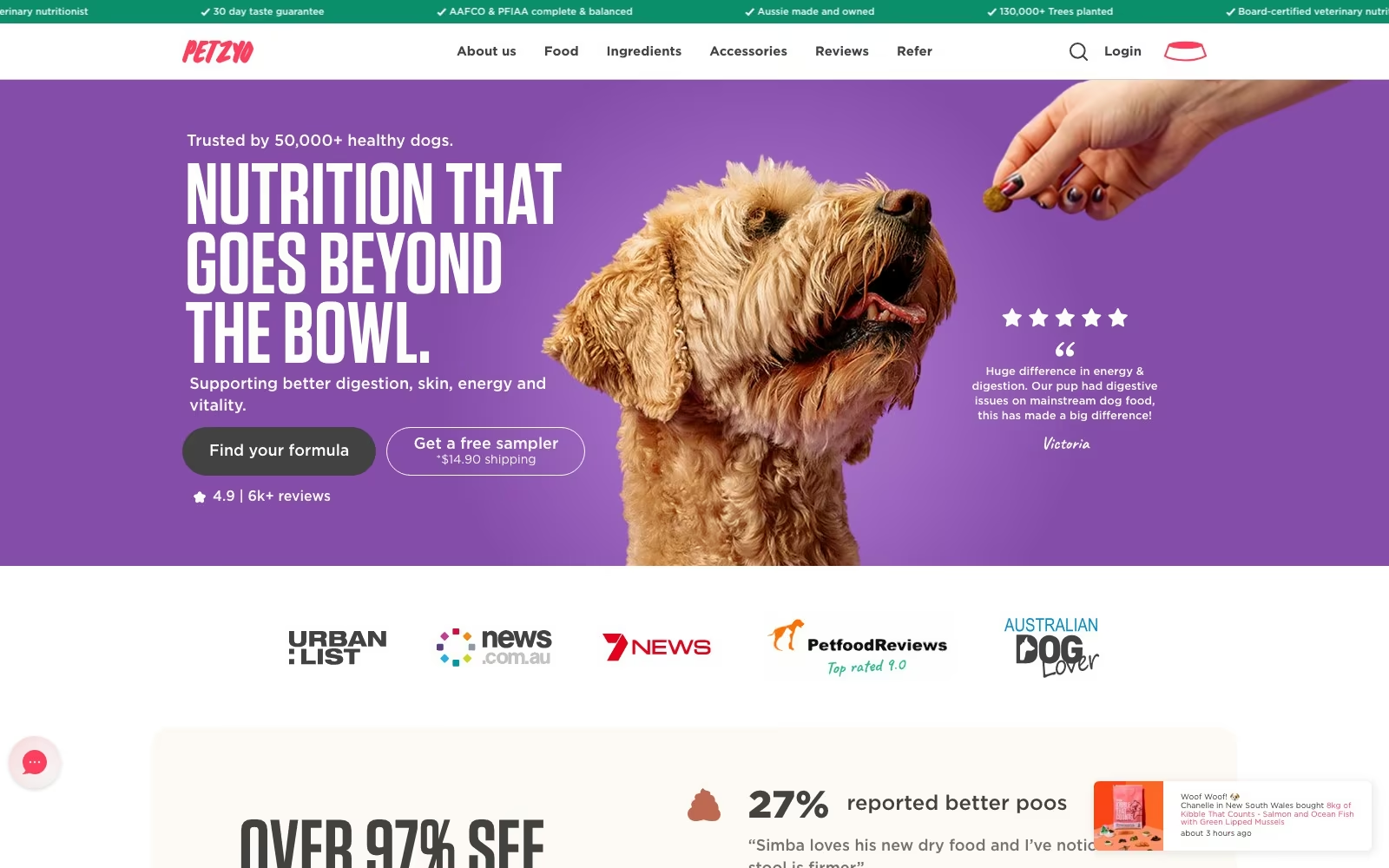






















FAQ
What brands ask us first.
Is this channel right for our products?
It fits best where people plan visually before they buy: home and interiors, weddings and events, food, beauty, fashion, garden, renovation, travel and gifting. It fits worst where demand is instant and unplanned, or where the product is impossible to show. The reach exists either way — ads reached 340 million users in January 2025 — but reach is not fit. We look at your categories, margins and asset inventory first, and if the honest answer is that your money belongs in another channel this quarter, that is what we will tell you.
How is this different from other paid social channels?
Intent and timing. Elsewhere you interrupt someone mid-scroll; here they are already assembling a project, often weeks or months before they buy, and they save what they like for later. That changes three things: the artwork has to be worth saving rather than merely stopping the thumb, the measurement window has to be longer than a week, and the channel behaves more like demand creation than harvesting. Run it beside paid search and the search terms it creates show up later in the funnel — which is exactly why we report both together.
What should we budget, and what do you charge?
The floor is set by learning, not by ambition: one campaign needs enough conversions each week to optimise, so for most brands that means a few thousand a month before production. We charge a monthly management fee scoped to the work — strategy, build, production and reporting — rather than a percentage of your media, because a percentage rewards us for spending your money. Creative production is quoted per set so you can approve a number. If the money cannot support a fair test, we will tell you before you sign anything.
How long before we can judge results?
Plan on eight to twelve weeks for a fair read, and expect the first two to look quiet. These shoppers are early, so conversions arrive after a longer consideration window than performance channels train you to expect, and judging week two on last-click data is how promising accounts get killed. What you should see quickly is early signal — which concepts get saved and clicked — and clean measurement. We report both from week one, with the caveats attached, so nobody has to pretend early numbers mean more than they do.
Does the network's automation replace an agency?
It changes the work rather than removing it. Automation decides bids, placements and sometimes asset combinations well, and Digiday reported a 9.1% ROAS increase and 8.4% CPA decrease for advertisers in the Performance+ creative alpha. What it cannot do is decide which products deserve spend, write a concept worth saving, keep a product feed honest, or design a test that proves incrementality. Our job moved upstream to exactly those things — and to checking that automation is optimising toward the outcome you actually sell.
Can you work with our existing creative team?
Yes, and often the best arrangement is that they own the brand and we own the adaptation. We write the briefs, specify the formats this feed needs, and produce the variants that testing calls for, all inside their guidelines. Where you would rather we handled production end to end, our ad creative and product photography teams shoot to the same shot list, so the media plan and the assets arrive together instead of waiting on each other.
How do you measure a channel that works before the last click?
With three views and one test. The platform view shows in-flight signal; your own revenue data shows what actually closed; blended efficiency shows what the business earned per pound spent across everything. When a spend decision is big enough to matter, we settle it with a geographic holdout or a controlled on/off window, which is the only method that answers what would have happened anyway. Every report states the method and its uncertainty, because a range you can reproduce is worth more than a confident single figure.
We ran this before and it did not work. What would change?
Usually three things, and they are the same three every time: creative that was resized from another channel instead of built for this one, spend split across too many small ad groups to ever leave the learning stage, and a conversion setup nobody verified before judging the results. We start by proving the tracking, consolidating the structure and producing purpose-made asset sets, then hold the plan for a full consideration window. If it still does not pay after a fair test, we will say so and help you move the money.
Who owns the account, the creative and the data?
You do, in every case. We work inside your own ad account and business manager, your catalogue and tags stay in your name, and the artwork files, briefs and testing history are handed over as we go rather than at the end. The reporting is built on your data sources, so it keeps working whoever runs the media next. We would rather earn the next quarter on results than hold anything hostage — and it keeps us honest about what is really working.
Do you run this alongside our other channels?
That is how we prefer it. This channel creates demand that other channels harvest, so reading it in isolation flatters or punishes it unfairly. We plan it with your paid social, paid search and organic search work, report everything against the same definitions, and watch branded search and direct traffic move when the flight starts. It is equally fine to hire us for this channel alone while other agencies run the rest — we will share the measurement design with them.

.webp)
.webp)