Real people, real footage, judged on results.
judged on results
We are a UGC agency that treats creator content as media rather than as content marketing. We cast the people, write the briefs, clear the usage rights, and ship a steady monthly volume of native video built to be tested — then we read the results per concept and brief the next wave from what we learned. It plugs straight into Meta ads, TikTok ads and the wider ad creative programme.






Tell us a little about your brand and we'll be in touch within 24 hours to lock in a time.



THE FOUR LAYERS
Casting, briefing, production, then testing.
Casting, briefing
Most disappointing creator content fails before anyone picks up a phone: the wrong person, a brief that asked for enthusiasm instead of an argument, no usage rights, and no plan for how the footage would be judged. We treat all four as one production line with a measurable output.
Casting & sourcing
Briefing & scripting
Production & rights
Testing & iteration
Cast for credibility, not follower count.
For paid usage, audience size is close to irrelevant. What matters is whether the person is plausibly your customer, can hold a camera steady, can speak to one objection without sounding scripted, and delivers on time. We source against a written profile — the customer segment, the objection, the setting the footage needs — and we keep a bench so a missed delivery never empties a testing week.
Where a creator's own audience matters we say so, and then the calculation changes: their handle, their comments and the paid partnership label are the asset. Meta's own data reported by EMARKETER shows partnership ads delivering on average 19% lower cost per acquisition and 13% higher click-through than standard formats, which is worth the extra negotiation on the right products.
Outsourcing this is now normal rather than novel: Wyzowl's survey found 42% of businesses relying on external video creators in some capacity. The difference between a cheap library of clips and a performing one is almost entirely in the casting brief.
- Cast against a written customer and objection profile
- Reliability and camera competence vetted, not follower count
- Partnership and handle usage negotiated where it pays
- A bench of creators so a missed delivery costs no time
- Diverse casting across ages, settings and use cases
19%
lower cost per acquisition reported for partnership ads
42%
of businesses already rely on external video creators
One objection, one hook, one shot list.
A brief that says “be authentic and mention the benefits” produces footage nobody can test. Ours names the customer objection the video exists to defeat, the hook line to open with, the specific beats in order, the setting and the props, what must be said verbatim for compliance, and what must never be claimed.
The opening seconds get most of the attention, because that is where the money is lost. CreativeX's review of 1.6 million Meta and TikTok ads worth around $2 billion in spend found 45% of creator ads never naming the brand in the first three seconds and not being watched past them. So we script several distinct hooks per concept and treat the opening as its own testable variable rather than as an intro.
Nothing is invented. Claims are drawn from your own materials, reviews and support tickets, and anything a creator cannot honestly say from their own use is cut. That is both a compliance position and the reason the footage reads as real.
- One objection per concept, named in the brief
- Several distinct hooks scripted and tested separately
- Beats, setting and props specified, not left to chance
- Compliance wording and banned claims stated up front
- Every claim traceable to your own materials or reviews
45%
of creator ads never name the brand in the first three seconds
Native footage, cleared for paid use.
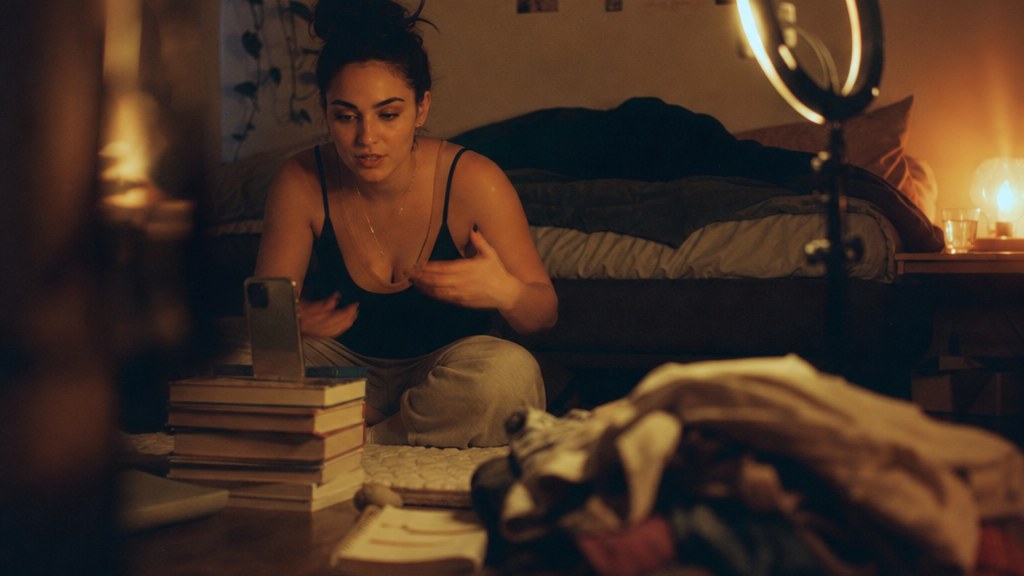
Production is deliberately unglamorous: shot on a phone, in a real home, kitchen, car or gym, with lighting that looks like daylight rather than a studio. We review the first delivery against the brief before the rest is shot, so a misread does not cost a whole wave, and we always collect more coverage than the first cut needs — extra hooks, alternative endings, broll of the product in use — because that is what makes the next round of variants cheap.
Rights are where most programmes come unstuck. Every engagement includes written paid usage terms with a defined duration and territory, whitelisting or partnership permissions where we intend to run under the creator's handle, and named-talent consent for the platforms involved. We keep the paperwork with the asset, so nobody discovers a year later that a winning ad cannot legally keep running.
Editing then produces platform-native cuts: correct ratios, burned-in captions, sound designed for phone speakers, and hook variants ready to test.
- Phone-shot footage in real settings, not a studio look
- First delivery reviewed against the brief before the full wave
- Extra hooks, endings and product coverage captured every time
- Written paid usage rights with duration and territory
- Platform-native cuts with captions and phone-first sound
Written
paid usage rights with defined duration for every asset
Content that is measured, or it is just content.
Creator footage earns its budget in the ad account, so we judge it there: hook rate, hold rate, click rate, conversion rate and cost per acquisition per concept, read weekly. Those numbers say what to change next — a weak opening is a scripting fix, a strong opening with a drop at three seconds is pacing, watch time without clicks is a promise problem.
The organic side compounds the same assets. Emplifi's Q3 2025 benchmarks reported user-generated content delivering 10x higher conversion rates than non-UGC posts, along with more site visits and higher average order values, which is why we plan for reuse: product pages, email, retention flows and organic social from the same shoot.
Then we brief from evidence. Winning hooks get more variants, losing angles get retired, and the next casting brief is written from what the data showed rather than from taste. That loop is the whole point of running this as a programme instead of a one-off shoot.
- Hook, hold, click, conversion and cost read per concept
- Diagnosis mapped to a specific fix, not a general refresh
- Winners extended with variants before they fatigue
- Assets reused across product pages, email and organic
- Next brief written from results, not from taste
10x
higher conversion rates reported for UGC posts versus non-UGC
better conversion than brand-made content (Emplifi)
of Gen Z call UGC crucial to buying (Bazaarvoice)
Written paid usage terms on every asset before it runs
The footage, rights and creator relationships
We made the difference for those brands

Consumer tech and platforms

Creative, content, arts & culture

B2B software, fintech, insurance

Retail & commerce

B2B software, fintech, insurance

Healthcare & regulated services

B2B software, fintech, insurance

Apparel and lifestyle

Consumer tech and platforms
Retail & commerce

Apparel and lifestyle

Home essentials, appliances, kitchen & pet

Food & beverage

Food & beverage

Apparel and lifestyle

B2B software, fintech, insurance

Retail & commerce
Home essentials, appliances, kitchen & pet

Healthcare & regulated services

Consumer tech and platforms

Creative, content, arts & culture

Food & beverage

B2B software, fintech, insurance

Home essentials, appliances, kitchen & pet

Healthcare & regulated services

Creative, content, arts & culture

B2B software, fintech, insurance

Beauty, personal care & wellness

Travel & mobility

Apparel and lifestyle

B2B software, fintech, insurance
01 — The challenge
A folder of clips, and nothing you can scale.
You paid five creators, the videos arrived, two of them are usable and none of them beat the ad you already had. Nobody can say why. There are no rights on file for the one that did work, and the next wave is being cast on vibes because there is nothing to learn from.
“We have forty clips and no idea which idea actually worked.”
The gap is process, not talent. CreativeX found 45% of creator ads failing to name the brand in the first three seconds and losing the viewer there — a briefing failure, repeated at scale. When each concept carries one objection, several scripted hooks and a metric that decides it, the same budget produces something you can read: which angle sold, which person was believed, which opening held. Then the next wave starts ahead of where the last one finished.
02 — Our approach
Cast to a profile, brief to an objection, judge in the ad account.
We start from your customers rather than from creators: the segments, the objections that stall a purchase, and the language people already use in your reviews and support tickets. That produces a casting profile and a concept list, each concept aimed at one objection with several distinct hooks scripted separately. Creators are vetted for credibility and reliability, briefed in writing with beats, setting and compliance wording, and their first delivery is reviewed before the wave completes. Every asset arrives with written paid usage rights, extra hooks and product coverage, and cuts sized for each placement with captions burned in. Then we test properly in the ad account, read hook, hold, click and conversion per concept, and write the next brief from what the numbers showed. You keep the footage, the rights and the creator relationships.
03 — What we did
Four phases, one repeatable pipeline.
Research and briefing, casting, production and iteration run monthly, with a weekly working session and a written review of what each concept earned.
Week 1 / Briefing
Turn objections into concepts
Reviews, support tickets and ad data mined for the objections that stall a purchase, then one concept and several hooks written per objection.

Weeks 1-2 / Casting
Find people who are believed
Creators sourced against a written customer profile, vetted for reliability and camera competence, with rights and partnership terms agreed before a shoot.

Weeks 2-4 / Production
Shoot native, capture extra
Phone-shot footage in real settings, first delivery reviewed against the brief, extra hooks and product coverage collected for cheap variants.
Ongoing / Iteration
Brief the next wave from evidence
Hook, hold, click and conversion read per concept, winners extended with variants, losing angles retired, next casting brief written from results.
WHAT YOU GET
Deliverables you own outright.
own outright
Every asset arrives with its rights, its brief and its results attached, and stays yours if we ever stop working together.

Concept and hook briefs
One objection per concept with several distinct hooks scripted, beats specified and compliance wording agreed in advance.

Creator casting and management
Sourcing against a written customer profile, vetting, negotiation, scheduling and a bench so a wave never runs late.

Video production and editing
Phone-shot native footage in real settings, cut for each placement with captions burned in and sound built for phone speakers.

Usage rights and whitelisting
Written paid usage terms with duration and territory, plus partnership permissions where ads run under a creator's handle.

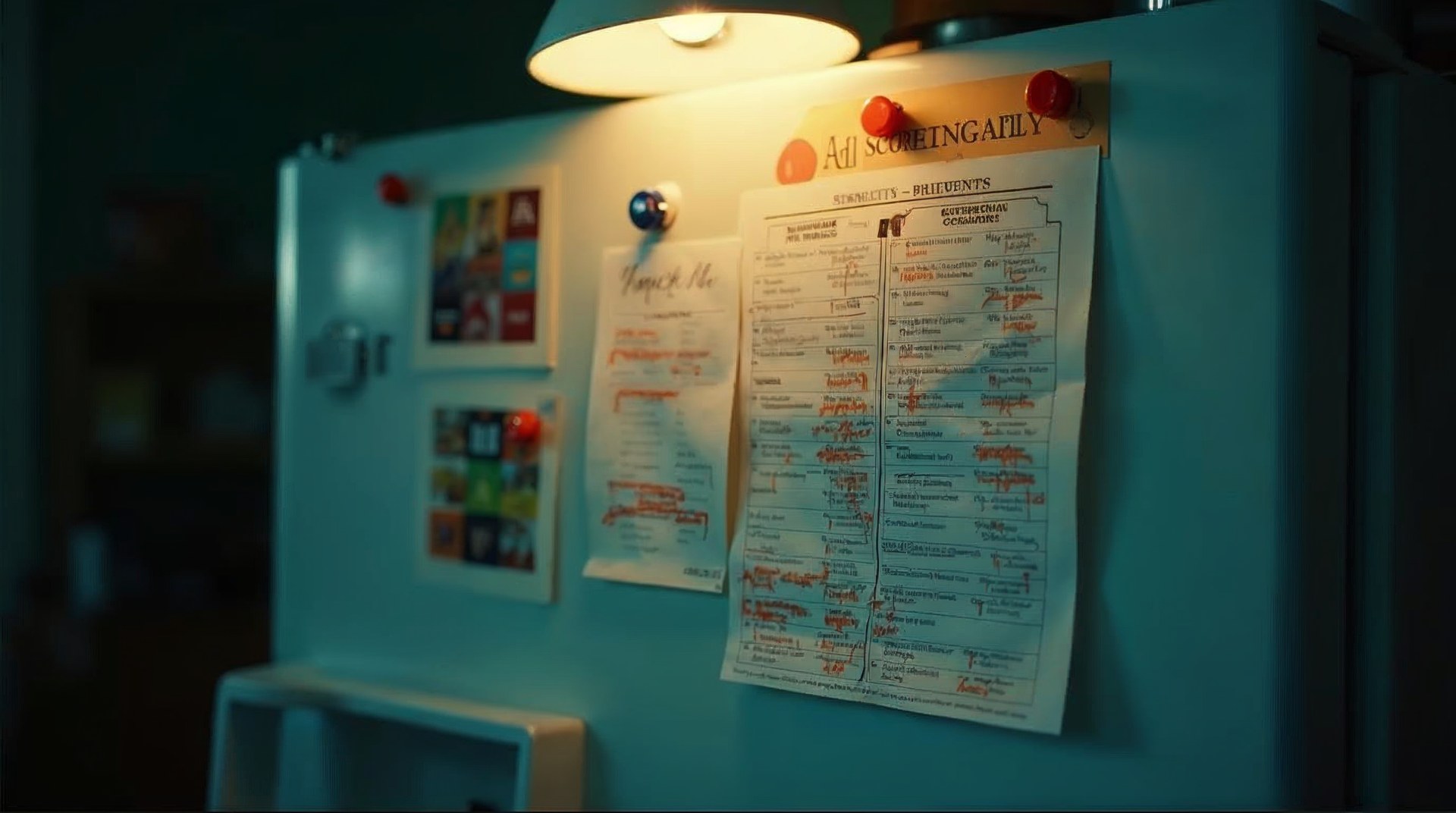
Testing plan and creative scorecard
A documented queue of hook and angle tests, with hook, hold, click and conversion reported per concept.

Monthly review and next brief
A written read of what each concept earned, what we learned, and the next wave briefed from the evidence.
HOW WE WORK
Operating standards, not promises.
Operating standards


















Built on trust. Proven by results.
We partner with SMBs and Fortune 500 companies to deliver more than reach — we bring clarity, execution, and measurable outcomes. Every successful partnership starts with a strong culture fit and a shared drive to grow.




CASE STUDIES
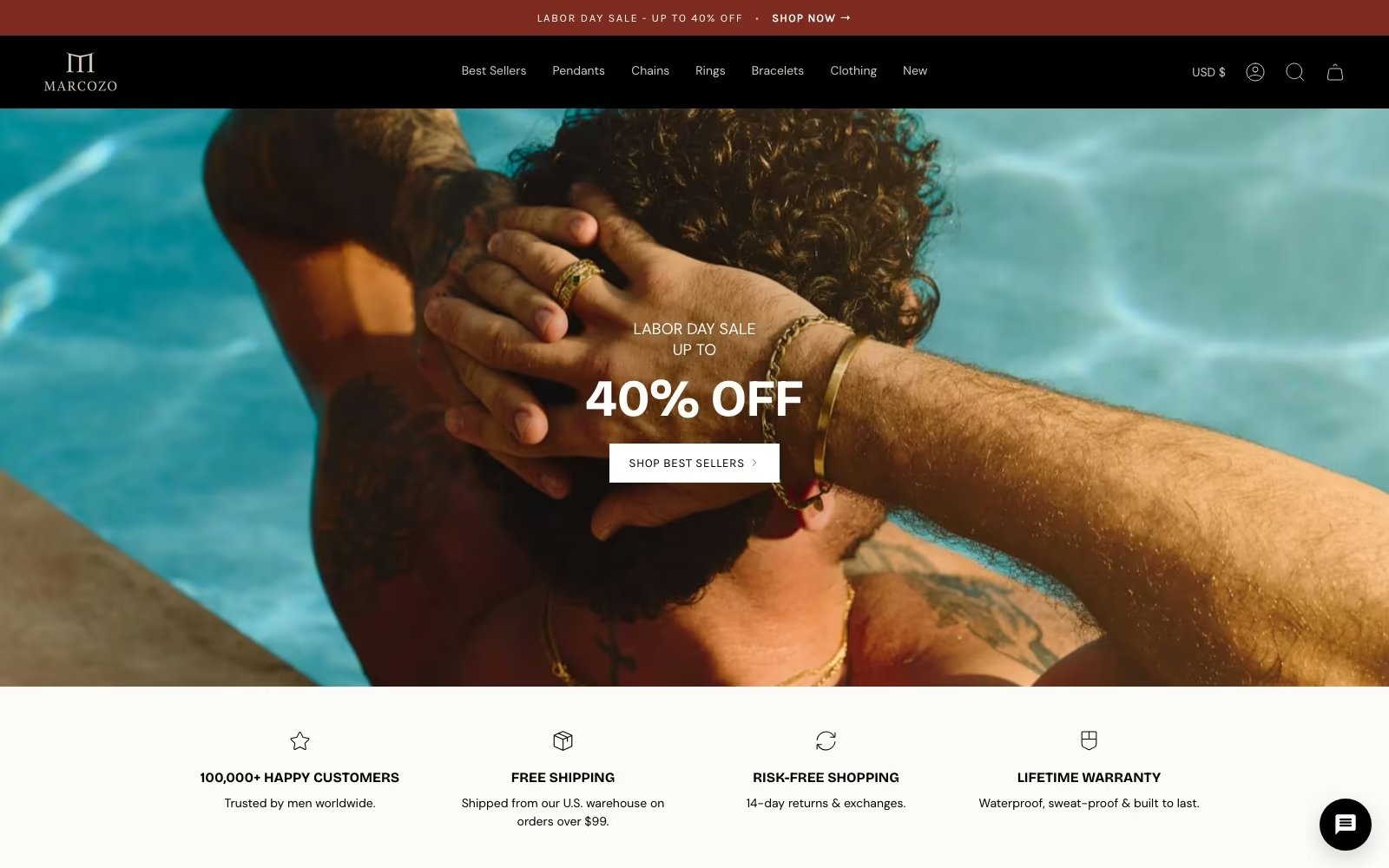
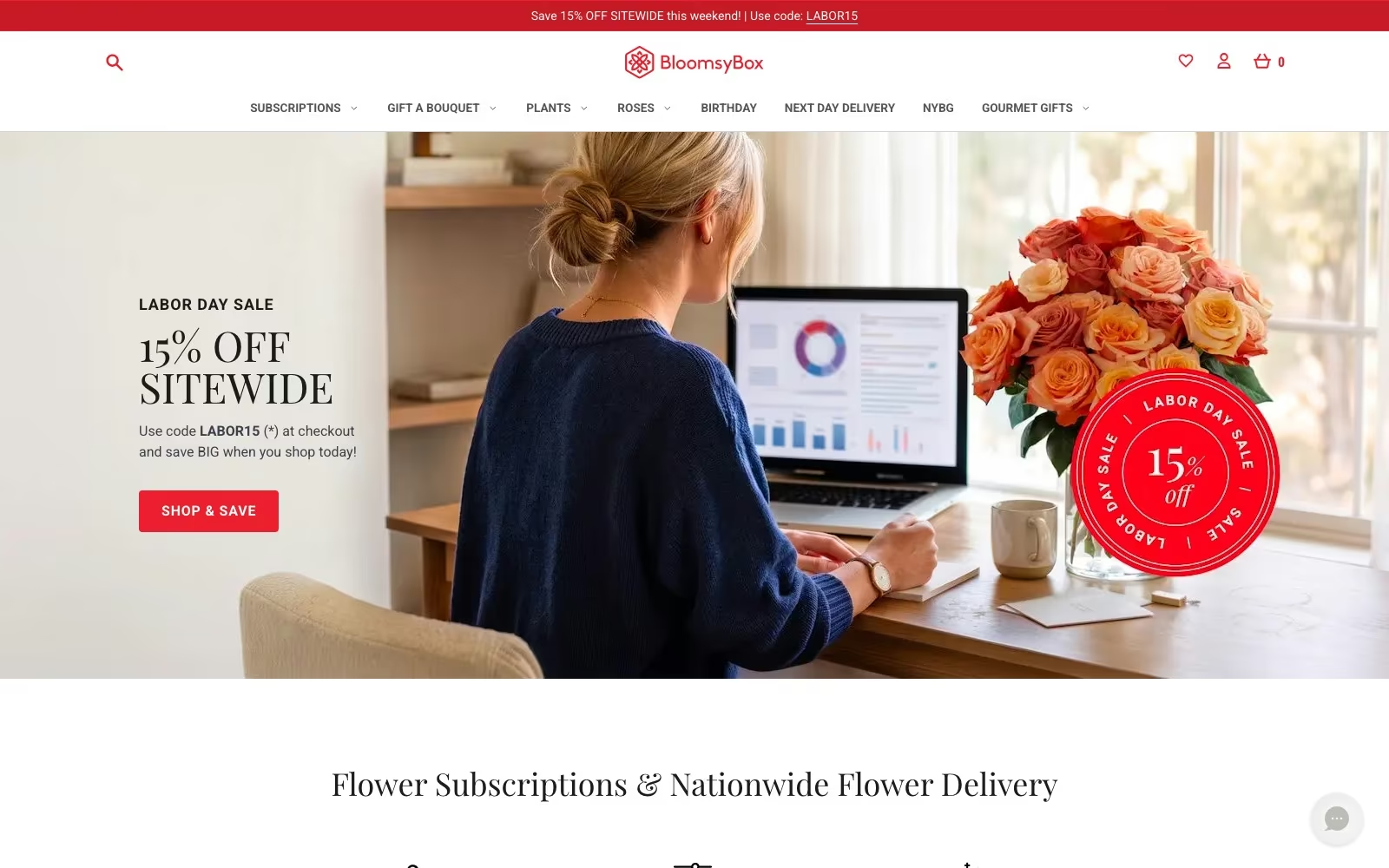
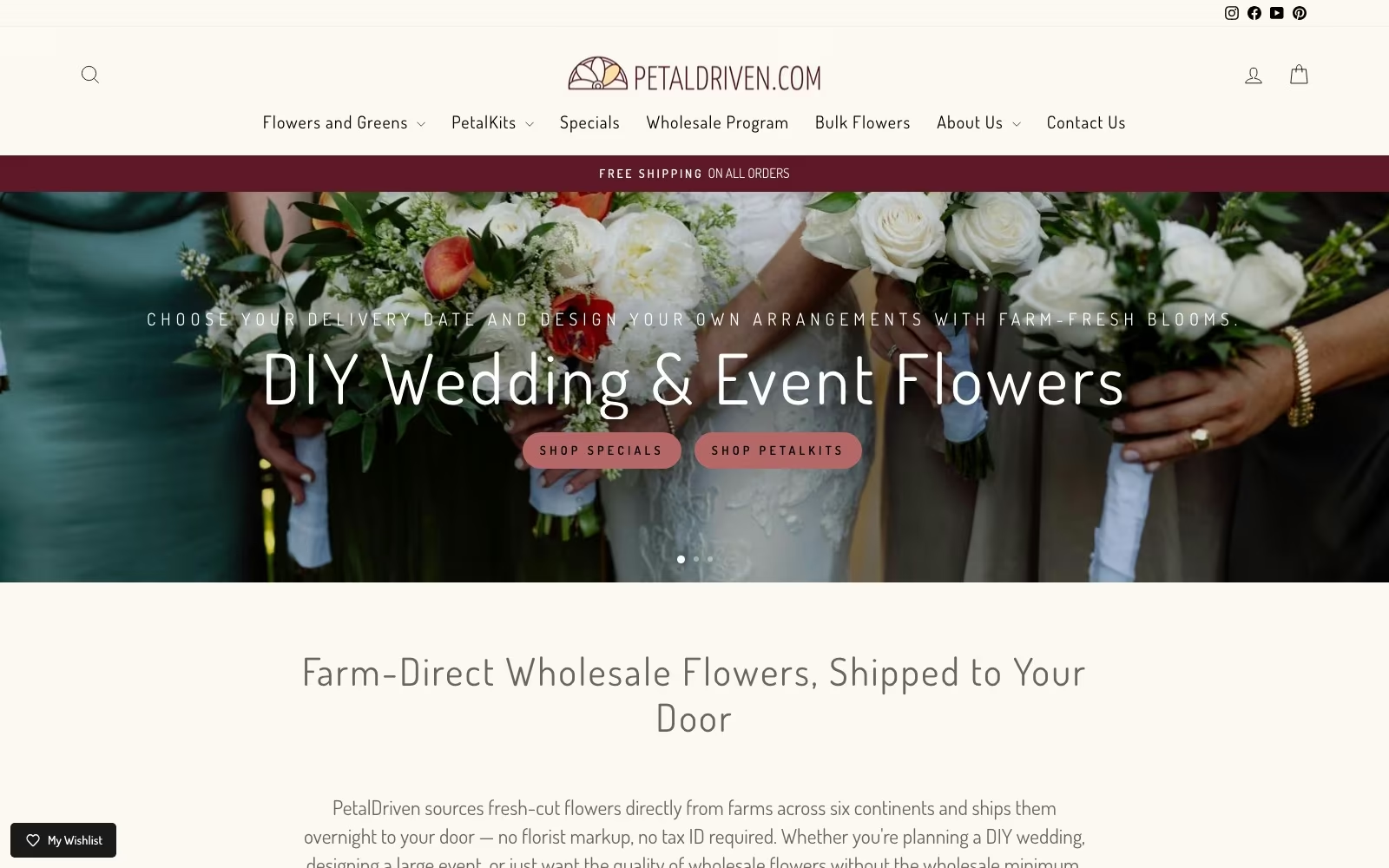
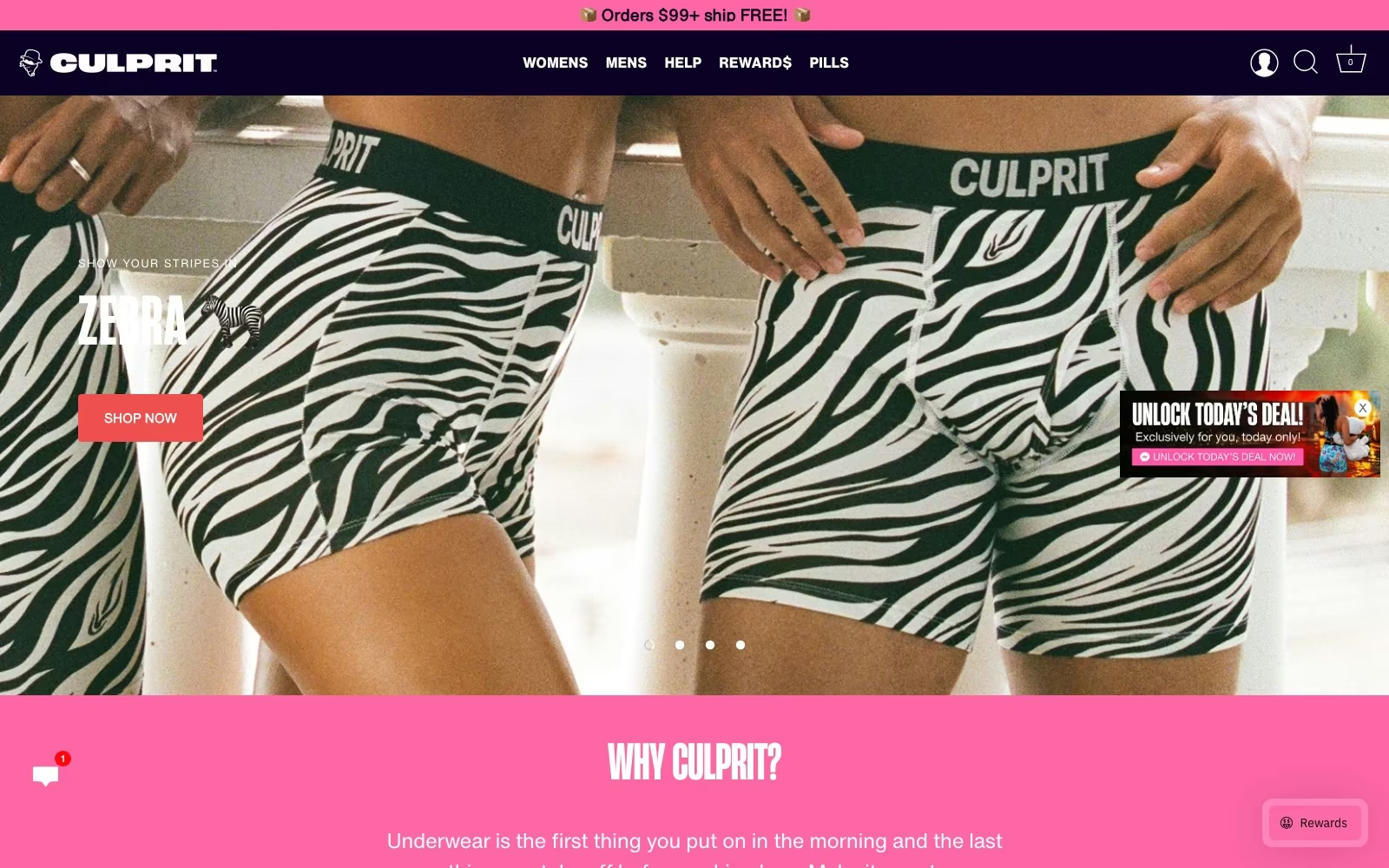
Case studies
Website Portfolio
Video Ads
Static Ads






























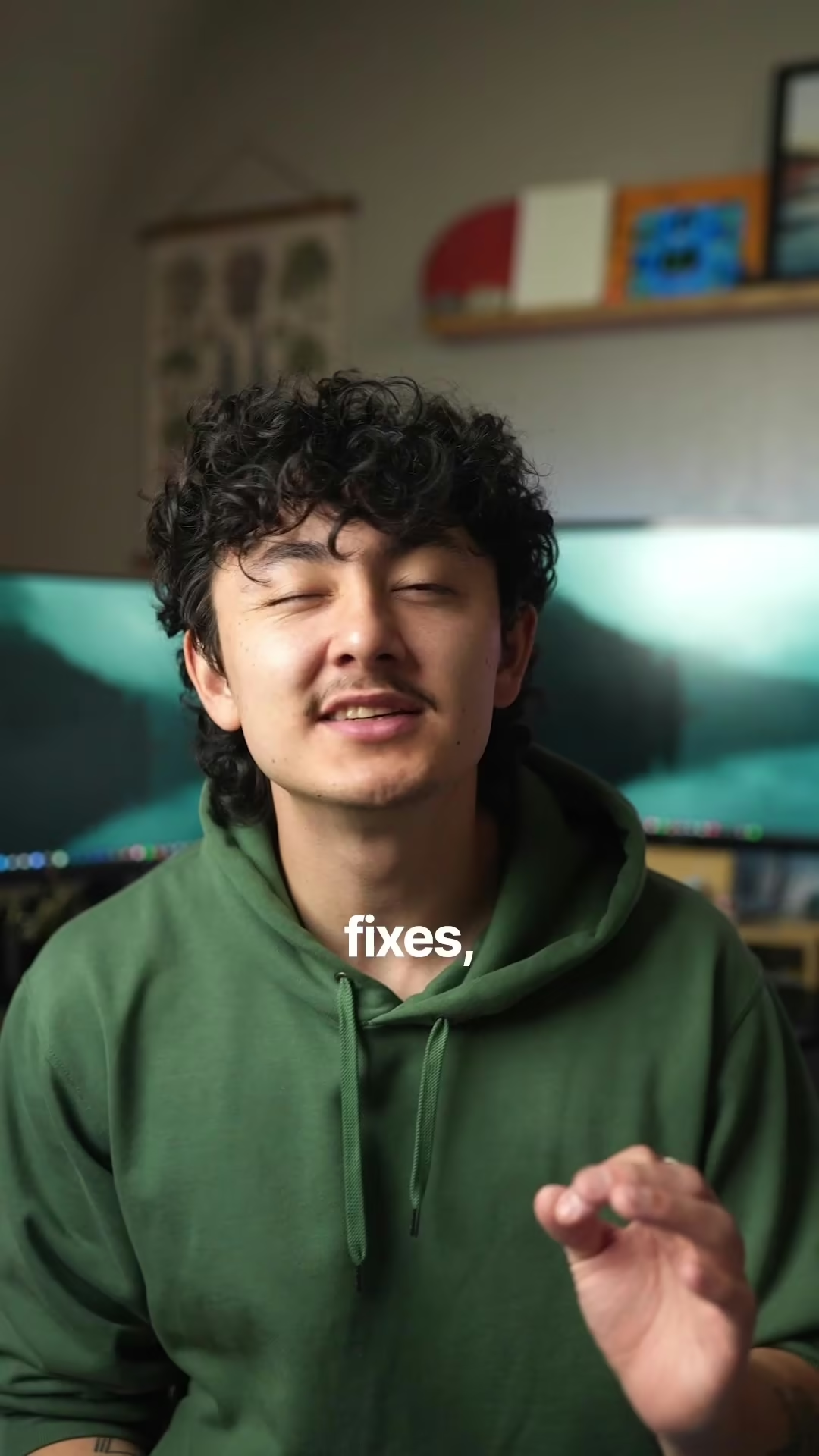
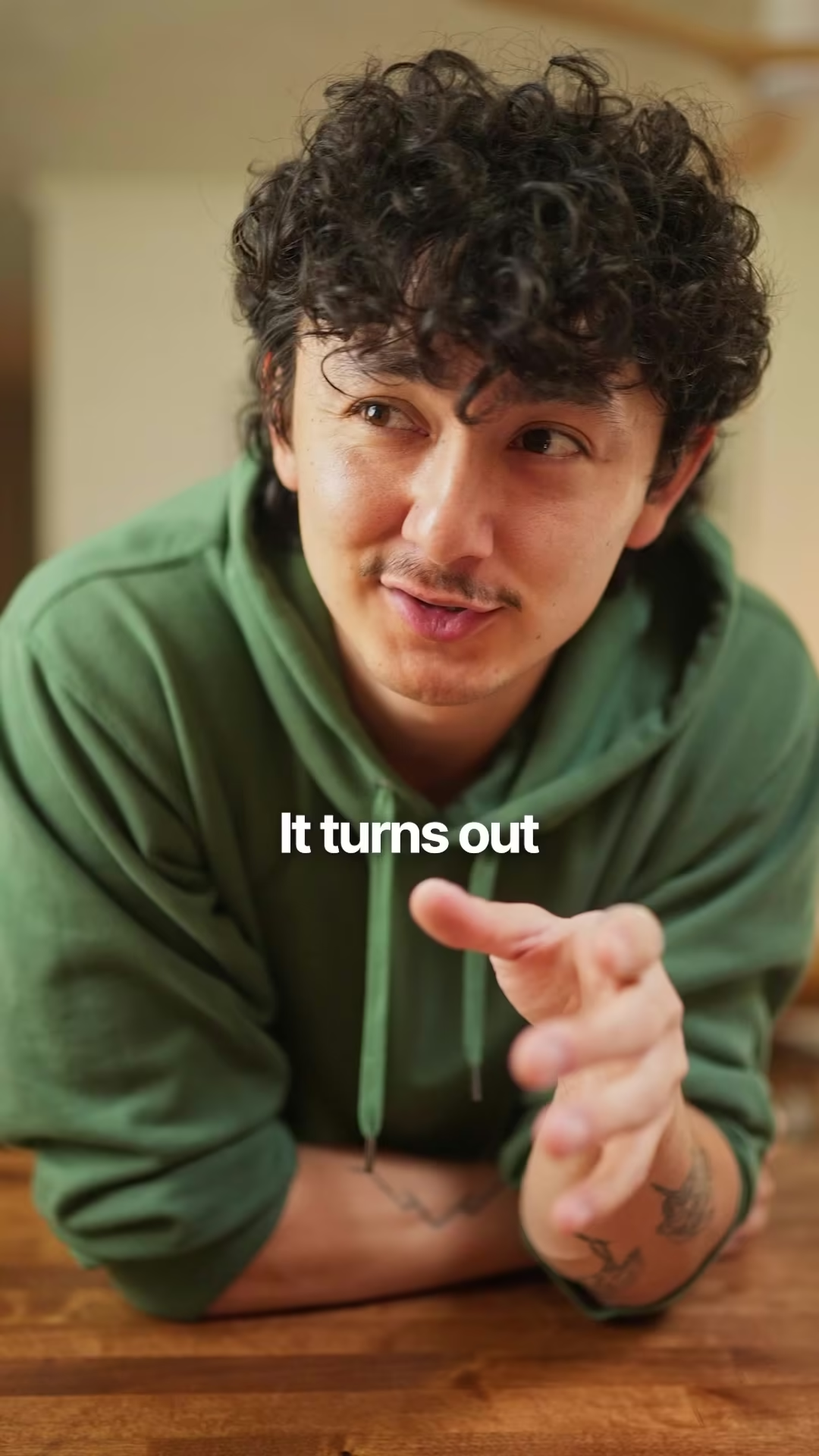
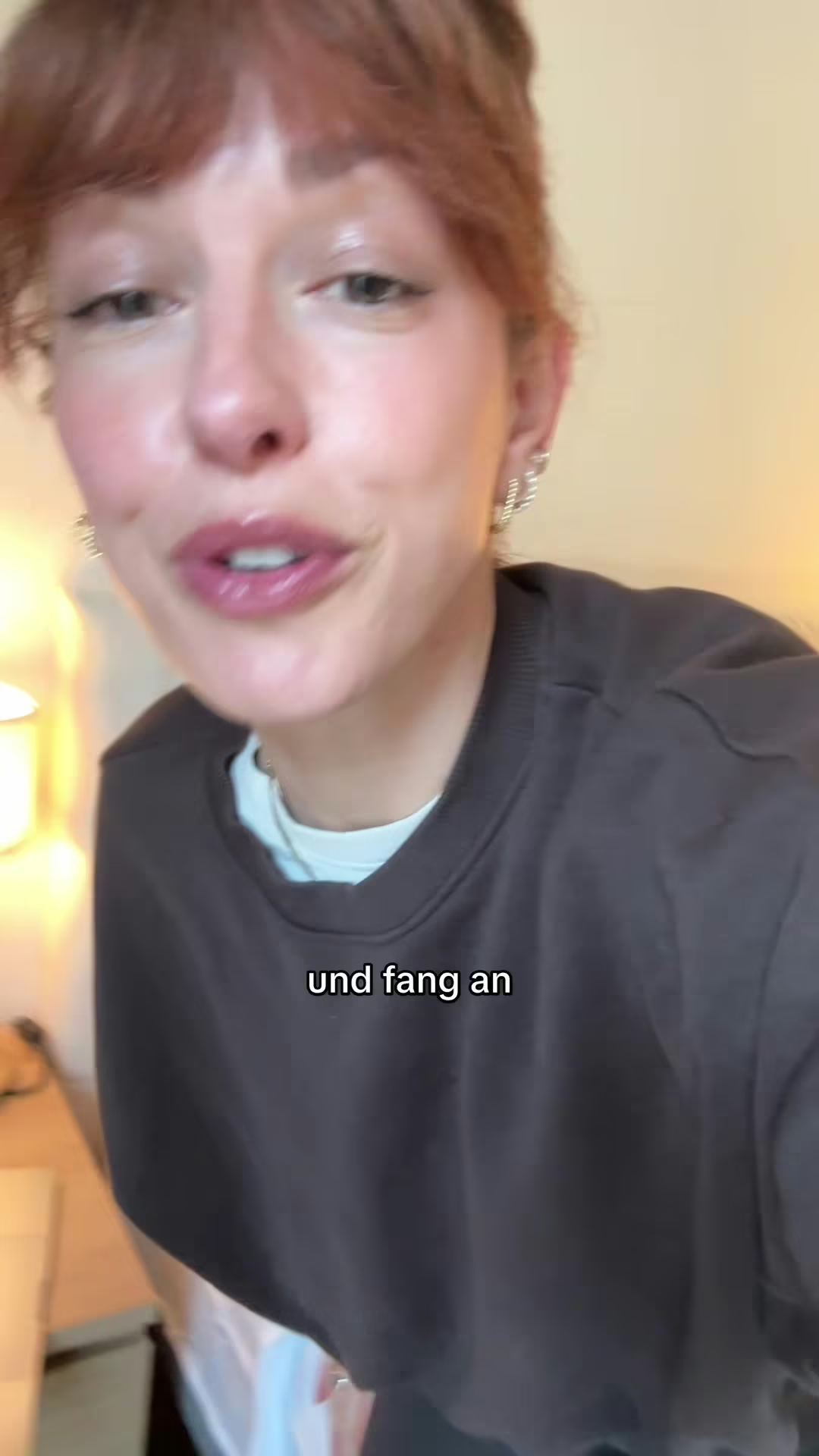
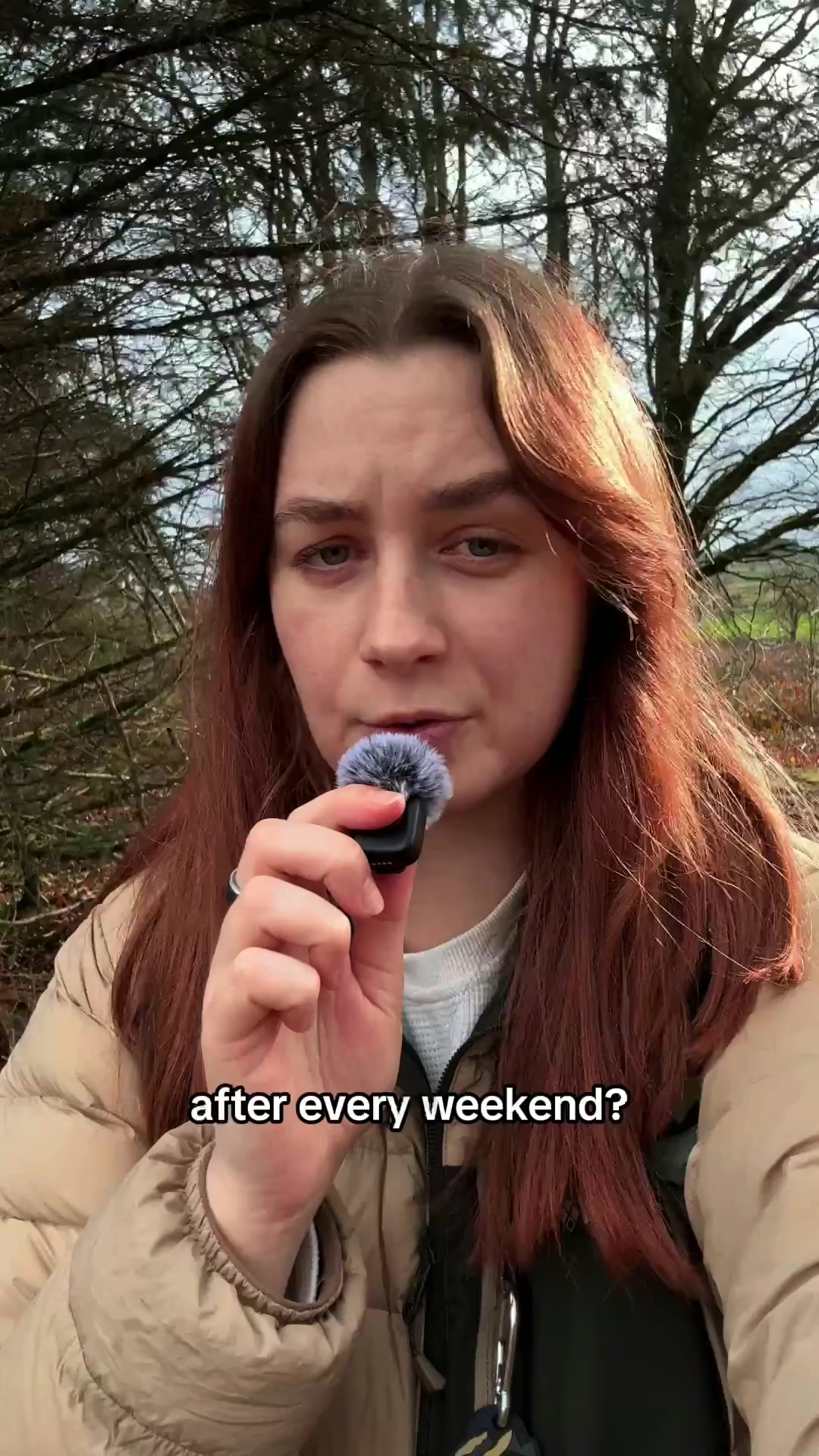













FAQ
What teams ask us first.
What does a UGC agency do that a creator marketplace does not?
A marketplace sells you deliverables; the difference here is the thinking either side of the shoot. Before it: choosing which objection each video exists to defeat, writing the hooks, casting someone your customer will believe, and getting the rights right. After it: testing the footage properly, reading hook, hold, click and conversion per concept, and briefing the next wave from what the numbers showed rather than from taste. Marketplaces are genuinely useful for volume once that system exists. Without it you tend to buy the same mediocre video repeatedly and learn nothing.
Does creator content actually outperform polished production?
Often, and not always — the honest answer is that they do different jobs and the mix wins. Native footage tends to earn attention more cheaply in feed placements and carries credibility that a studio spot cannot buy. Emplifi's benchmarks reported user-generated content delivering 10x higher conversion rates than non-UGC posts, and Meta's own data reported by EMARKETER puts partnership ads at 19% lower cost per acquisition and 13% higher click-through. Polished work still earns its place for launches, brand campaigns and anything where craft is the message. We plan both and let the account decide the ratio.
How many videos do we need each month?
Enough to keep testing without repeating yourself, which is a function of spend rather than ambition. A modest account can run on a handful of new concepts a month plus hook variants on whatever is winning; a heavy spender burns through creative faster and needs weekly delivery with a reserve of tested material ready. The distinction that matters is concept versus edit: twenty cuts of one idea fatigue together, while five genuinely different angles give you somewhere to go when one dies. We agree the monthly number in writing at the start and adjust it against results, not against enthusiasm.
Who owns the footage, and for how long?
You do, and the terms are written down before anything is shot. Every engagement includes paid usage rights with a defined duration and territory, named-talent consent for the platforms involved, and partnership or whitelisting permissions where we intend to run ads under a creator's handle. The paperwork is stored with the asset, so a winning ad never has to be paused because nobody can find the agreement. Where a creator wants a shorter term or a narrower territory, we price it and tell you plainly, because discovering a limit after an ad scales is the expensive way to learn it.
Can you use our existing customers instead of hired creators?
Yes, and it is often the strongest material you can get, because a real customer can describe the problem in the words your buyers already use. It takes more coordination: recruiting from your reviews or support list, coaching people who are not on camera weekly, keeping the ask small enough that they say yes, and getting consent in writing for paid use. We run that programme where the base supports it and pair it with hired creators for volume and speed. The mix also protects you: customer footage carries the credibility, creator footage keeps the testing pipeline full.
How do you keep the content compliant in regulated categories?
By deciding the language before the shoot rather than editing hope out afterwards. The brief carries the claims that are permitted, the wording that must appear verbatim, the disclosure requirements, and an explicit list of what may never be said or implied. Claims trace back to your own approved materials, so nothing arrives that your legal or medical reviewer has not already seen in principle. Where a category needs it, we build a review step into the schedule so approvals do not become the bottleneck, and we keep the approved script with the asset for the record.
How do you judge whether a video worked?
In the ad account, on five numbers per concept: hook rate, hold rate, click rate, conversion rate and cost per acquisition. Read together they diagnose rather than just score — a weak hook is a scripting problem, a good hook with an early drop is pacing, watch time without clicks means the ad entertained without offering a reason to act, and clicks without orders points at the landing page. We also track how long a concept stays efficient, because a video that wins for six weeks is worth several that win for four days, and that lifespan is what makes a pipeline affordable.
Can we reuse the footage outside advertising?
Yes, and you should — it is usually the cheapest performance gain available. The same assets earn on product pages, in email and retention flows, in onboarding, on landing pages and in organic social, and Emplifi's benchmarks found UGC posts driving more website visits and higher average order values as well as 10x higher conversion rates. We plan for it at the briefing stage by capturing extra coverage and shooting for more than one ratio, and we clear rights for the placements you actually intend to use rather than for paid social alone. That decision costs almost nothing up front and a fortune to retrofit.
What does it cost, and how is it priced?
We price a monthly programme rather than per clip, because the value sits in the loop rather than in the file. A month covers concept development, casting and creator fees, production, editing to the placements you need, rights, and the testing read that briefs the next wave. Creator fees vary with the ask, the category and the usage term, so we quote them separately and transparently rather than burying them in a blended rate. A first wave is scoped as a fixed piece of work so you can judge the output before committing to a monthly cadence.
Do you also buy the media?
We can, and it shortens the loop considerably when the team briefing the creative is reading the results daily. Our paid social, TikTok and Meta buyers work from the same scorecard as the producers, so a winning hook gets variants within days. It is equally fine to buy the creative pipeline alone: we deliver cuts, briefs and the testing plan to your in-house buyers or your other agency, and we will happily read their results with them so the next wave still learns something.

.webp)
.webp)