Be the answer AI engines give.
the answer
Generative engine optimization and answer engine optimization for ChatGPT, Perplexity, Google AI Overviews and Copilot. We track how often your brand is cited, against whom, and then change the sources that decide it. The scale is already material: ChatGPT passed 800 million weekly active users (TechCrunch, October 2025) and Perplexity handled 780 million queries in a single month (TechCrunch, June 2025). You own the prompt set, the data and the content, and the case studies are open for you to read.






Tell us a little about your brand and we'll be in touch within 24 hours to lock in a time.



ENGINES
The four surfaces already answering for you.
already answering
Your buyers are asking an assistant before they ask a search box. Each generative engine picks its sources differently, so each one needs its own read: which pages it trusts, which competitors it names first, and how it describes you when nobody from your company is in the room. Traditional SEO earns a position in a list; GEO earns a sentence inside the answer.

ChatGPT

Perplexity

Google AI Overviews

Microsoft Copilot
The default research assistant.
We track how your brand appears across your buyers’ real prompts — discovery, comparison and procurement — then work the sources behind those answers. With 800 million weekly users (TechCrunch, 2025), this is where most of the shortlists your sales team never sees are now being formed. Browsing-enabled answers change faster than the base model, so we measure both.
- Prompt set tracking
- Share of voice
- Sentiment and accuracy
- Cited source breakdown
800M
weekly ChatGPT users (TechCrunch 2025)
Monthly
tracking across your prompt set
Citations are visible — and winnable.
Perplexity shows its sources, which makes the gap measurable rather than theoretical. At 780 million queries in May 2025 (TechCrunch) and growing, it is the best laboratory we have for answer engine optimization: we target the specific pages being cited in your category, then verify the citation actually changed.
- Citation gap analysis
- Source targeting
- Freshness signals
- Verification after the fact
780M
monthly queries, May 2025 (TechCrunch)
Visible
sources make the gap measurable
Where organic and generative search collide.
AI Overviews pull from pages that answer cleanly and carry entity clarity. Coverage swung from 6.5% of queries in January 2025 to just under 25% in July, then back below 16% in November (Search Engine Land) — so we restructure the pages that already rank to qualify, rather than betting the plan on one layout staying put.
- Answer-shaped sections
- Schema and entities
- SERP overlap analysis
- Content structure fixes
25%
peak query coverage, July 2025 (SEL)
16%
coverage by November 2025 (SEL)
The enterprise research path.
Copilot leans on a different source mix again, including the documentation and comparison content your procurement-stage buyer reads. We cover those sources deliberately and chase factual errors about your brand back to the page that caused them, because arguing with a large language model changes nothing while changing its inputs changes everything.
- Source coverage
- Comparison content
- Accuracy fixes
- Documentation clarity
Procurement
stage sources, not just discovery
Corrected
errors chased to their source
of digital leaders report AEO impact (Conductor)
of digital budget now goes to AEO (Conductor)
engines tracked every month
The prompt set, data and content
We made the difference for those brands

Creative, content, arts & culture

Creative, content, arts & culture

Healthcare & regulated services

Consumer tech and platforms
Retail & commerce

Consumer tech and platforms

B2B software, fintech, insurance

B2B software, fintech, insurance

Retail & commerce

Beauty, personal care & wellness

Food & beverage

Creative, content, arts & culture

Healthcare & regulated services

Healthcare & regulated services

Consumer tech and platforms

Healthcare & regulated services

Beauty, personal care & wellness

B2B software, fintech, insurance

B2B software, fintech, insurance

Retail & commerce

Beauty, personal care & wellness

Home essentials, appliances, kitchen & pet

Apparel and lifestyle

B2B software, fintech, insurance

B2B software, fintech, insurance

Healthcare & regulated services

Consumer tech and platforms

B2B software, fintech, insurance

Consumer tech and platforms

Consumer tech and platforms

Retail & commerce
01 — The challenge
You are being described to buyers you never meet.
A growing share of research now finishes inside an assistant. The buyer asks, the model answers, and a shortlist is formed from sources you did not choose. If your brand is absent — or described from a three-year-old listicle — you lose the deal before a click exists. The same pressure is visible in classic search, where 58.5% of US Google searches now end without a click (Semrush).
“We asked ChatGPT for the best agencies in our category. It named three competitors and got our pricing wrong.”
That answer is not random. It comes from specific pages, directories and comparison articles the model trusts, and those are addressable. Generative engines summarise what the web agrees on about you, so the work is partly your own content structure and partly the third-party sources doing the describing. Both are measurable, both move, and the brands starting now are compounding a visibility advantage while their competitors are still arguing about whether AI search matters.
02 — Our approach
Change the sources, change the answer.
We build a prompt set that mirrors how your buyers actually ask, measure your share of voice, position and sentiment across engines, then work the two levers that move it. First, your own pages: restructured into answer-shaped sections with clean entities, consistent naming and schema, so a model can quote you without guessing. Second, the third-party sources those engines already cite: listicles, directories, comparison articles and review platforms, corrected, updated or earned. Every month you get the citation gap report showing which domains decided your answer and which ones we changed — the whole point being that AI visibility becomes a number you manage rather than a rumour you react to.
03 — What we did
Measure, restructure, place, re-measure.
Monthly tracking across engines with the citation gap report attached, so you can see which sources are deciding your answer and which ones we changed. Nothing here is a black box: the prompt set, the raw answers and the cited domains are all yours.
Weeks 1-2 / Baseline
Build the prompt set your buyers actually use
Taken from sales calls, support tickets and search data, then run across every engine to record position, sentiment and cited sources.

Month 1 / Your pages
Restructure the pages a model can quote
Answer-shaped sections, entity clarity, consistent naming and schema across the pages that define what your company does.

Month 2 onward / Third parties
Work the sources the engines already trust
Listicles, directories and comparison articles corrected, refreshed or earned, prioritised by how often each domain is actually cited.

Ongoing / Measurement
Re-measure and report the movement
Share of voice, position and sentiment per engine with the cited-domain breakdown, so improvement is evidenced rather than asserted.

DELIVERABLES
What changes when we start.
What changes
Answer engine visibility is won in structure, entities and third-party sources — not in keyword density. Every artefact below is yours to keep.

How your buyers actually ask
A prompt set built from your sales calls and search data rather than invented in a workshop, versioned so trends stay comparable.

Make the model certain who you are
Schema, consistent naming and factual coverage across the pages that define your company, products and pricing.

Content a model can quote cleanly
Answer-shaped sections, clear headings and self-contained paragraphs, applied first to the pages that already rank.

Fix what the engines already trust
Listicles, directories, review platforms and comparison pages corrected, updated or earned in priority order.

Monitoring for factual errors
Wrong pricing, stale positioning or a competitor’s claim attached to your name, traced to the source that caused it.

Visibility you can put in a board deck
Monthly share of voice, position and sentiment per engine, with the cited domains and the raw answers attached.
HOW WE WORK
Operating standards, not promises.
Operating standards



















Built on trust. Proven by results.
We partner with SMBs and Fortune 500 companies to deliver more than reach — we bring clarity, execution, and measurable outcomes. Every successful partnership starts with a strong culture fit and a shared drive to grow.





CASE STUDIES
Case studies
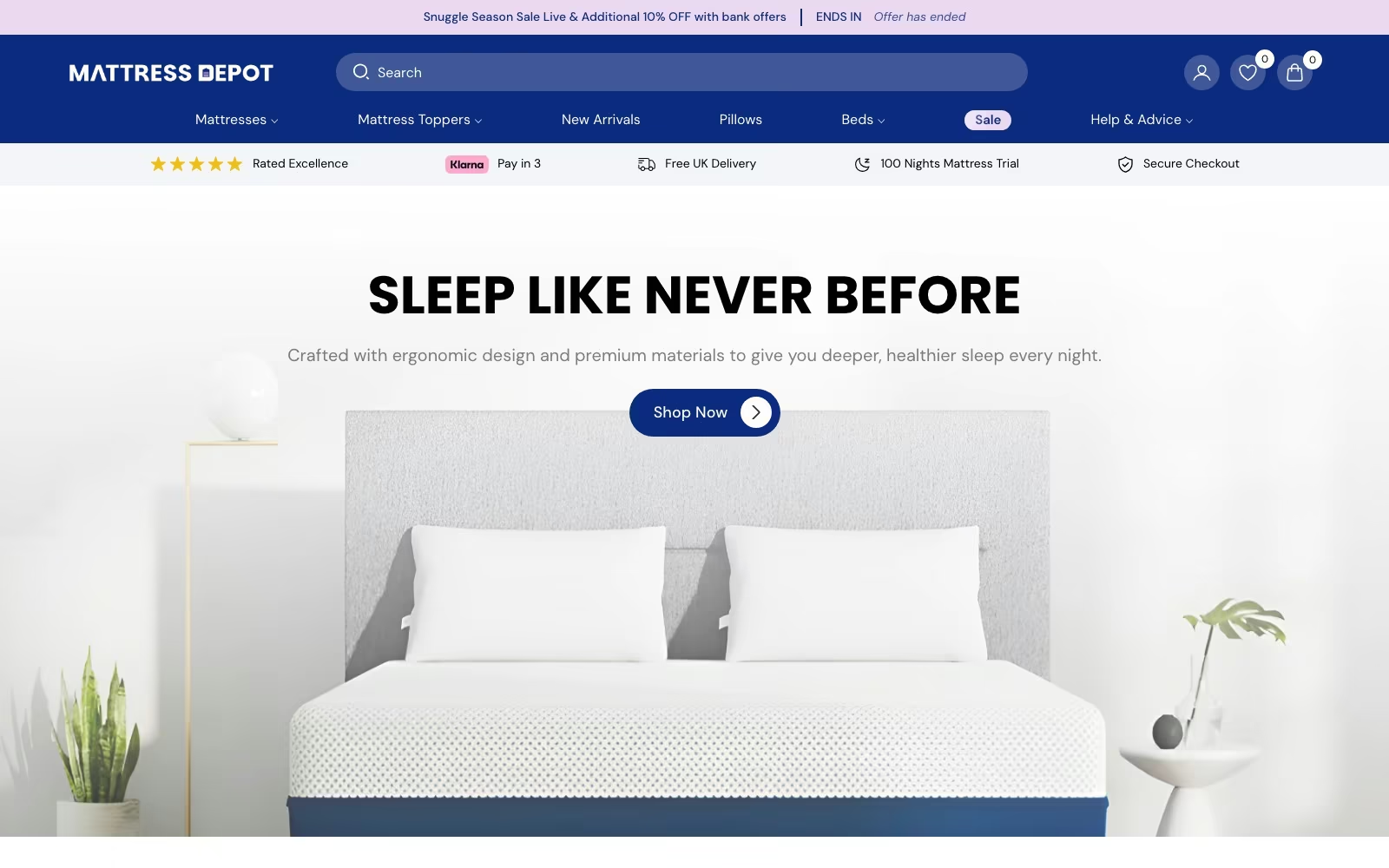
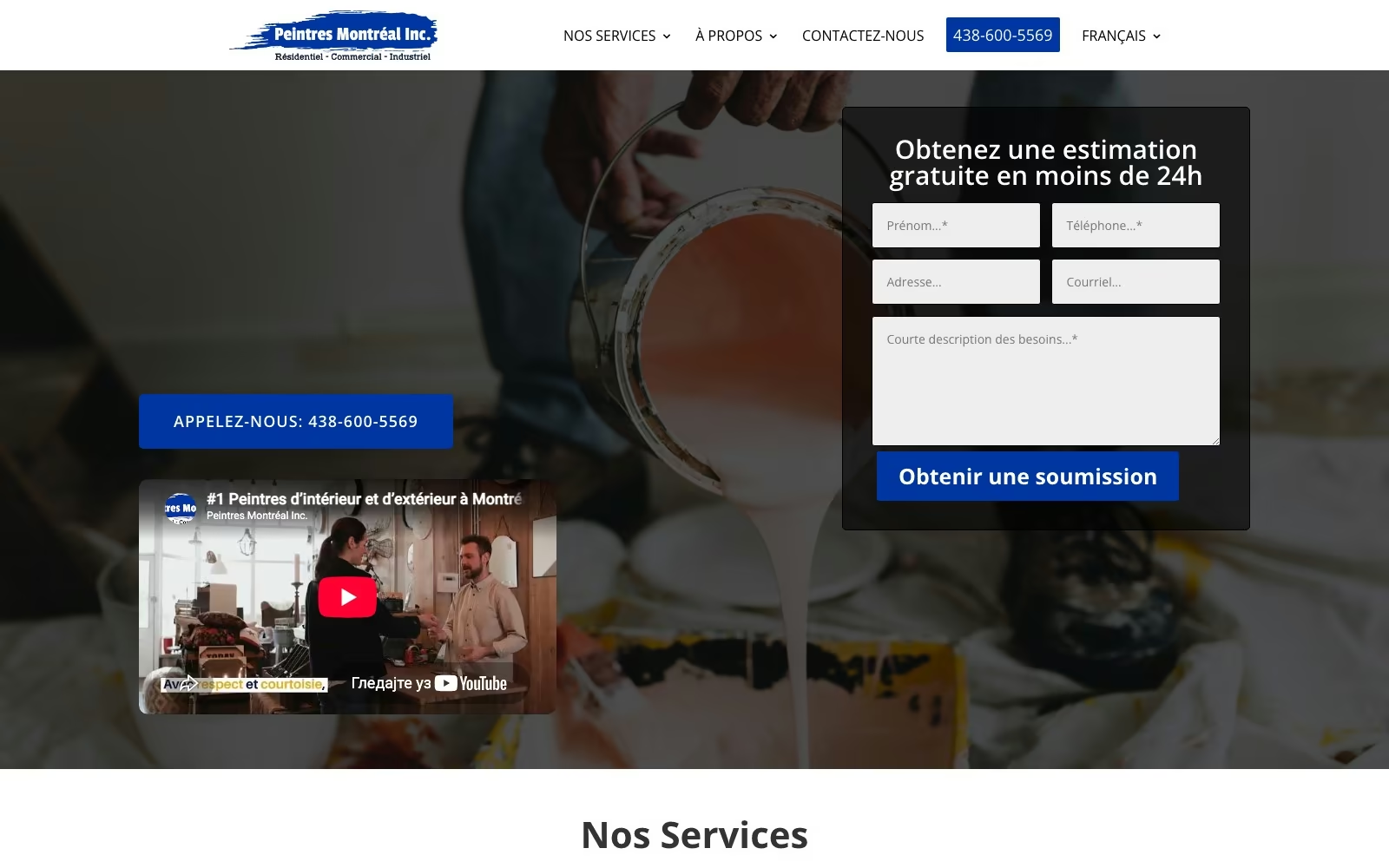
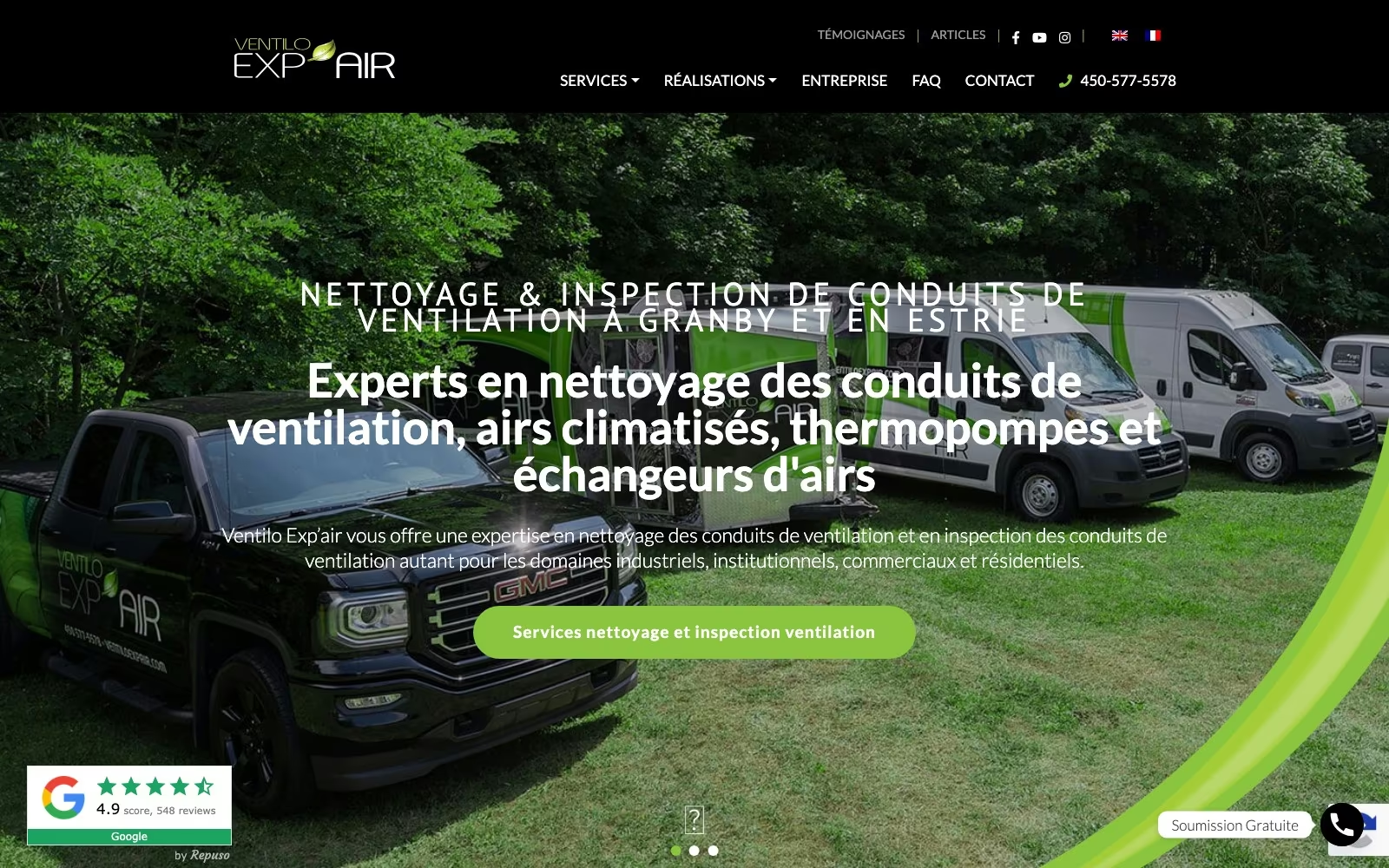
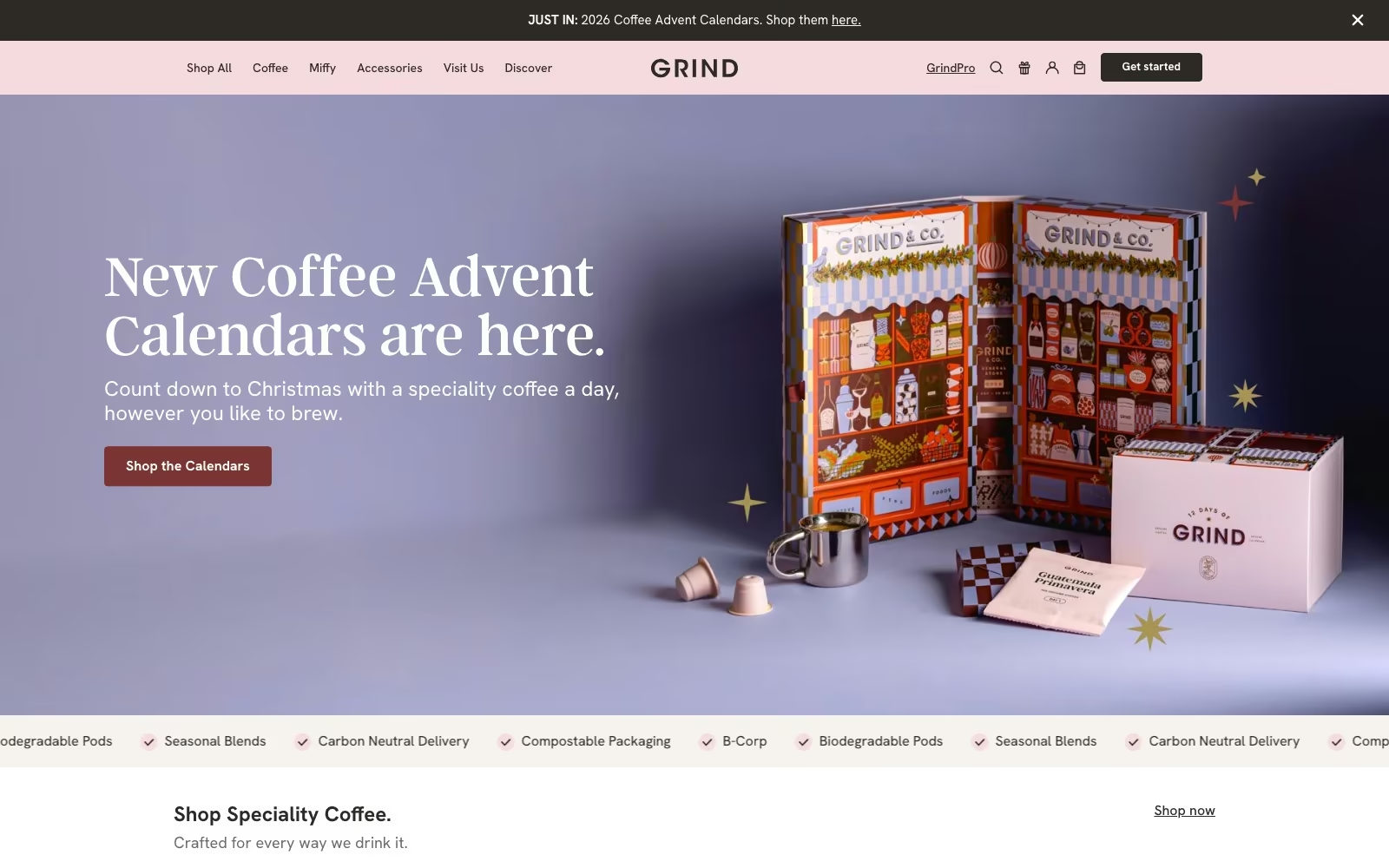
Website Portfolio
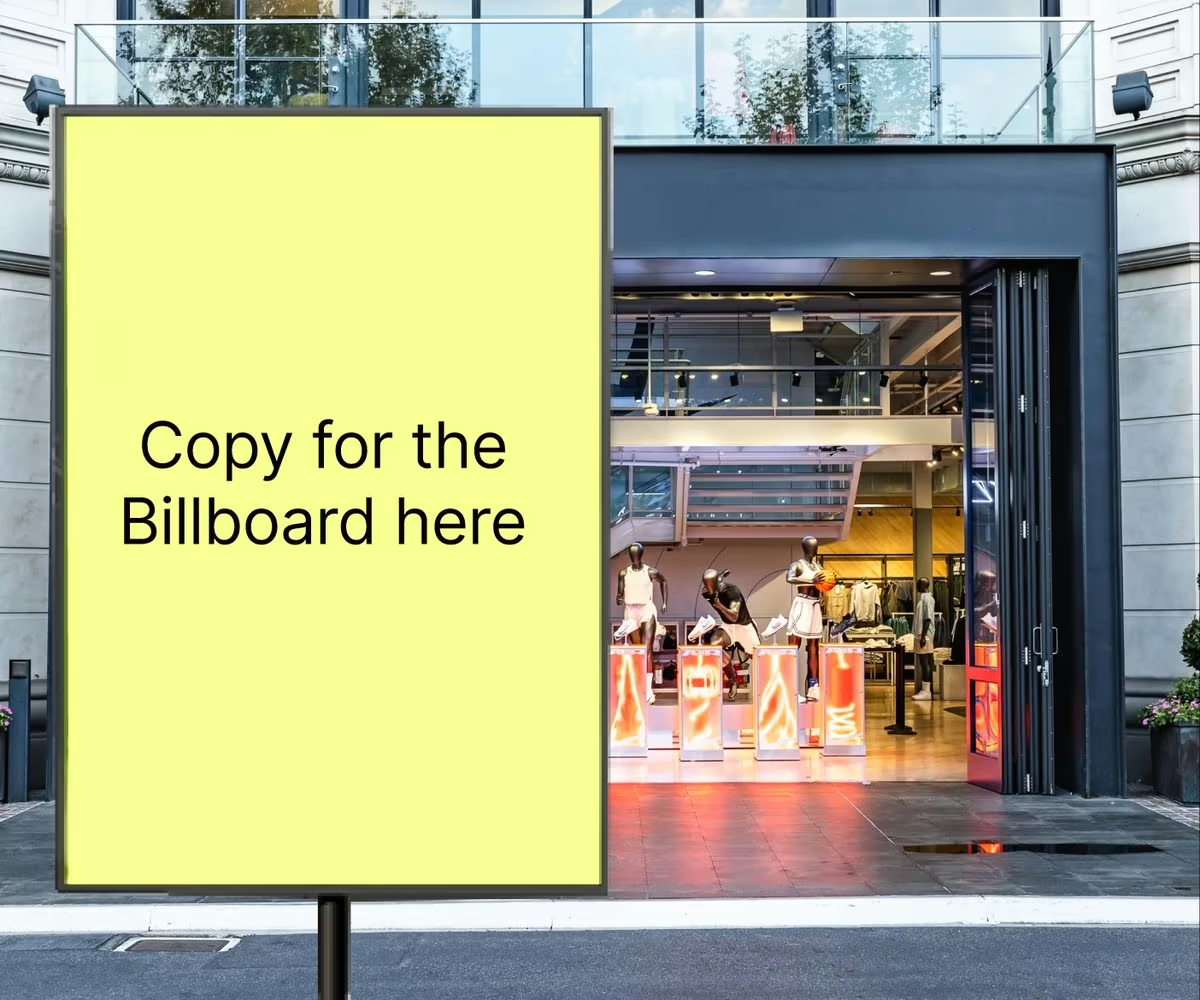
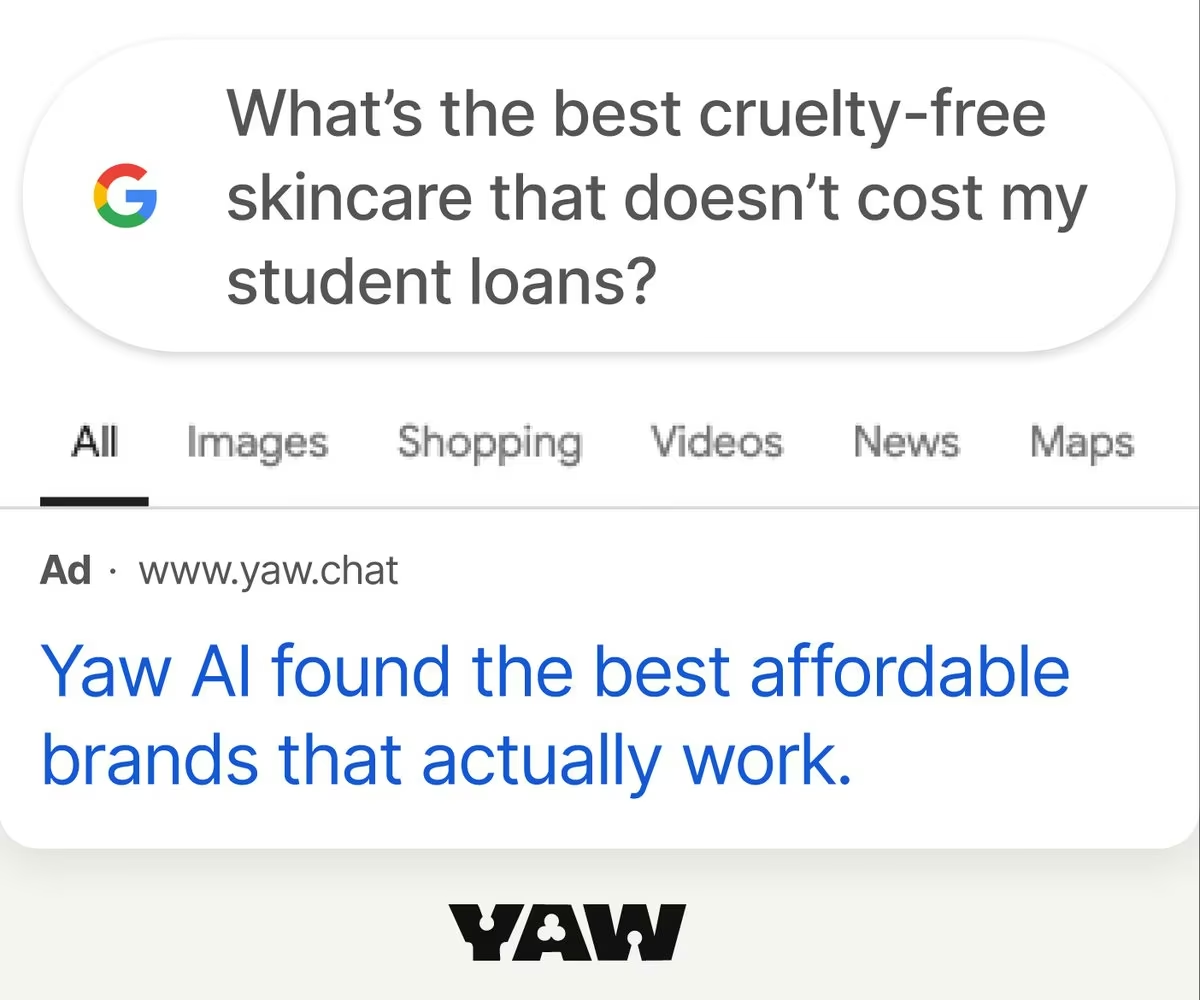
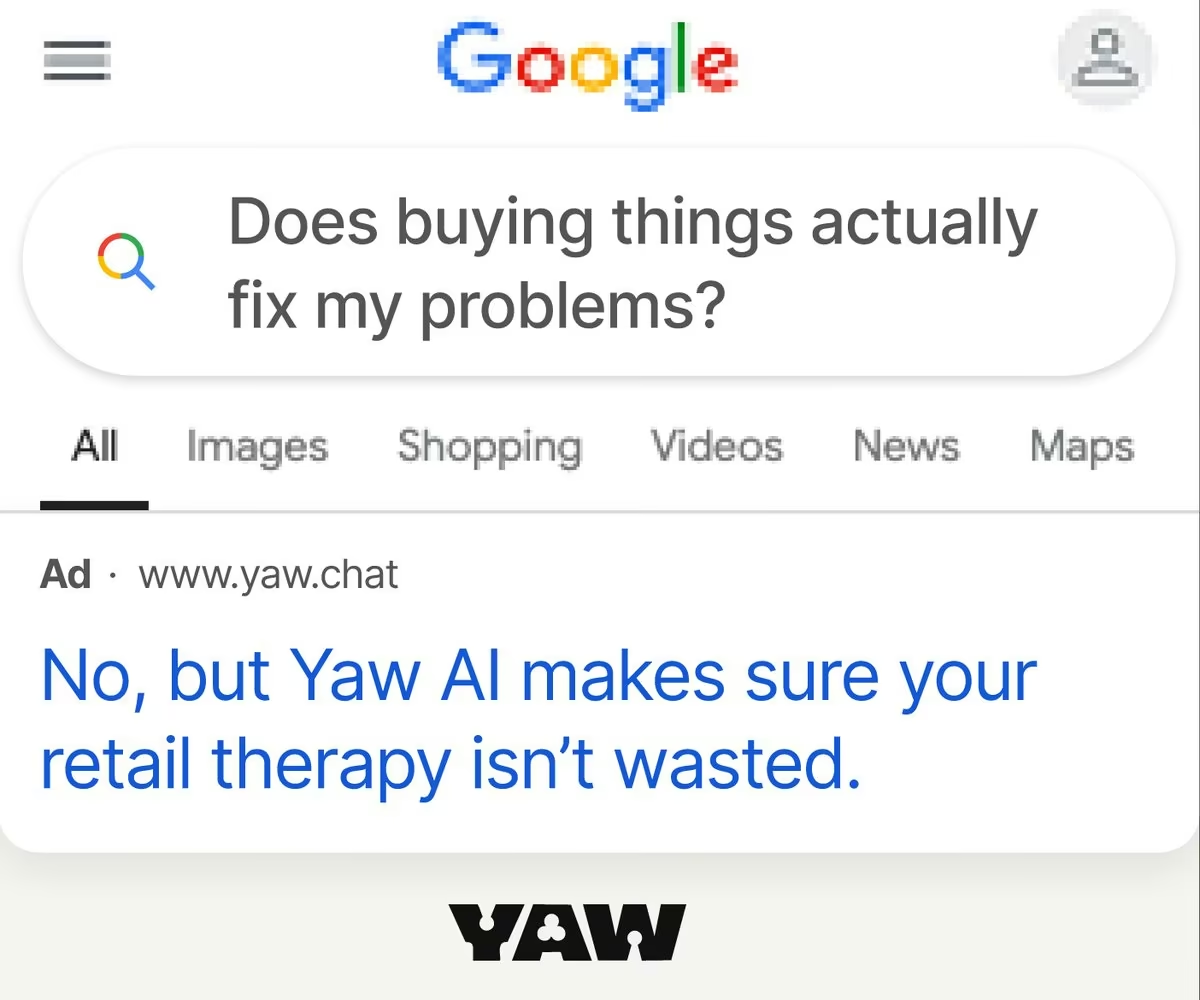
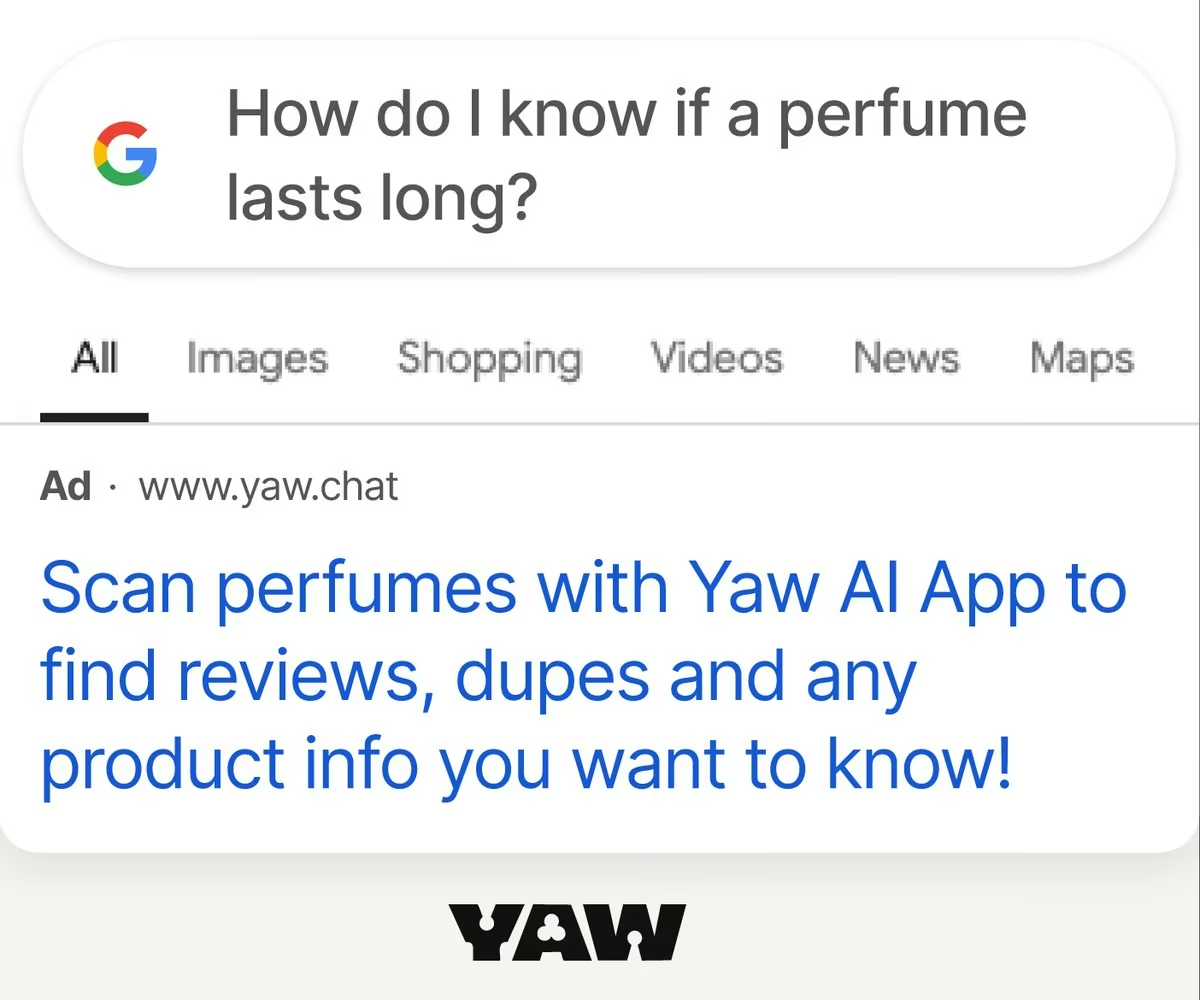
Video Ads
Static Ads







































































































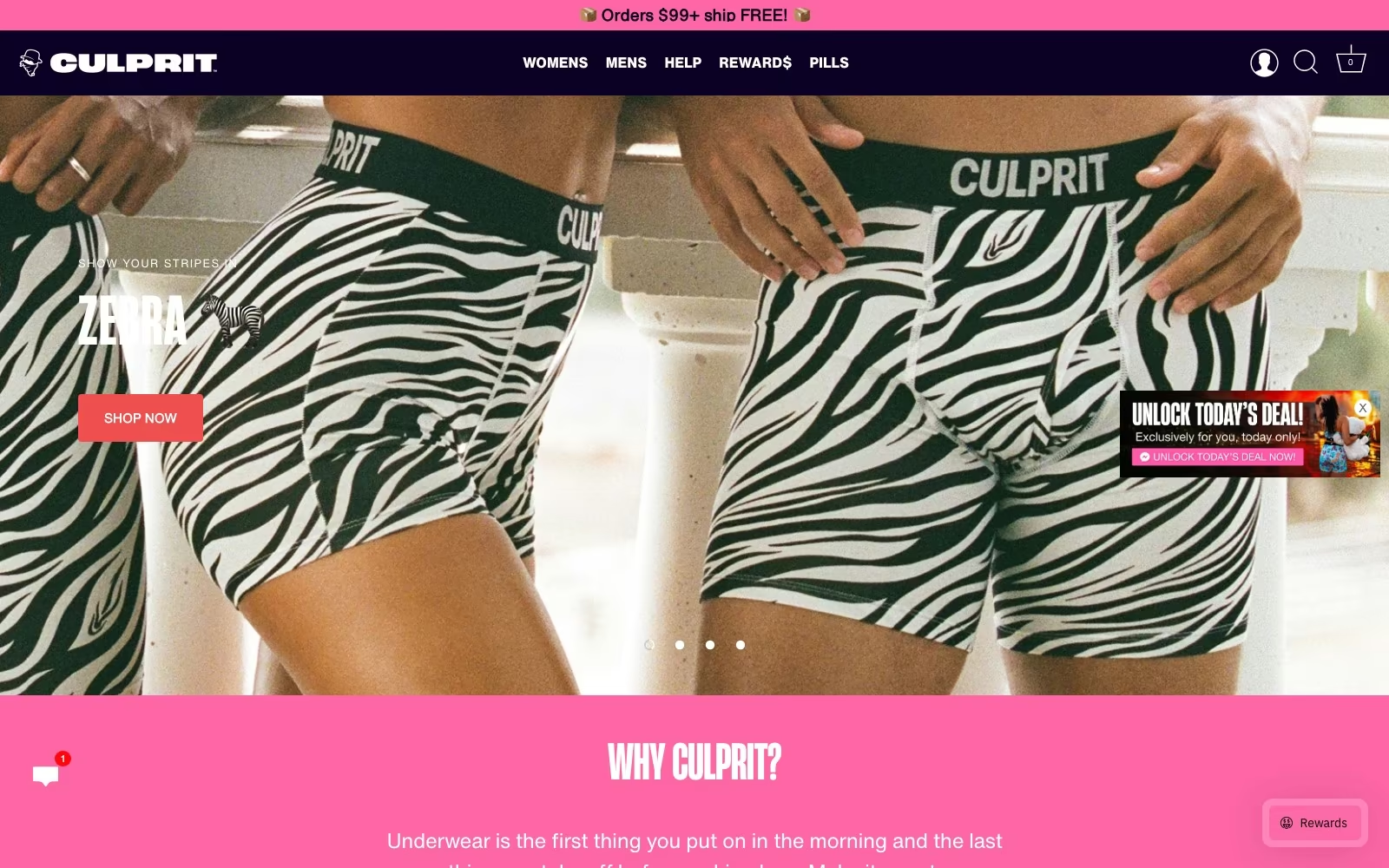









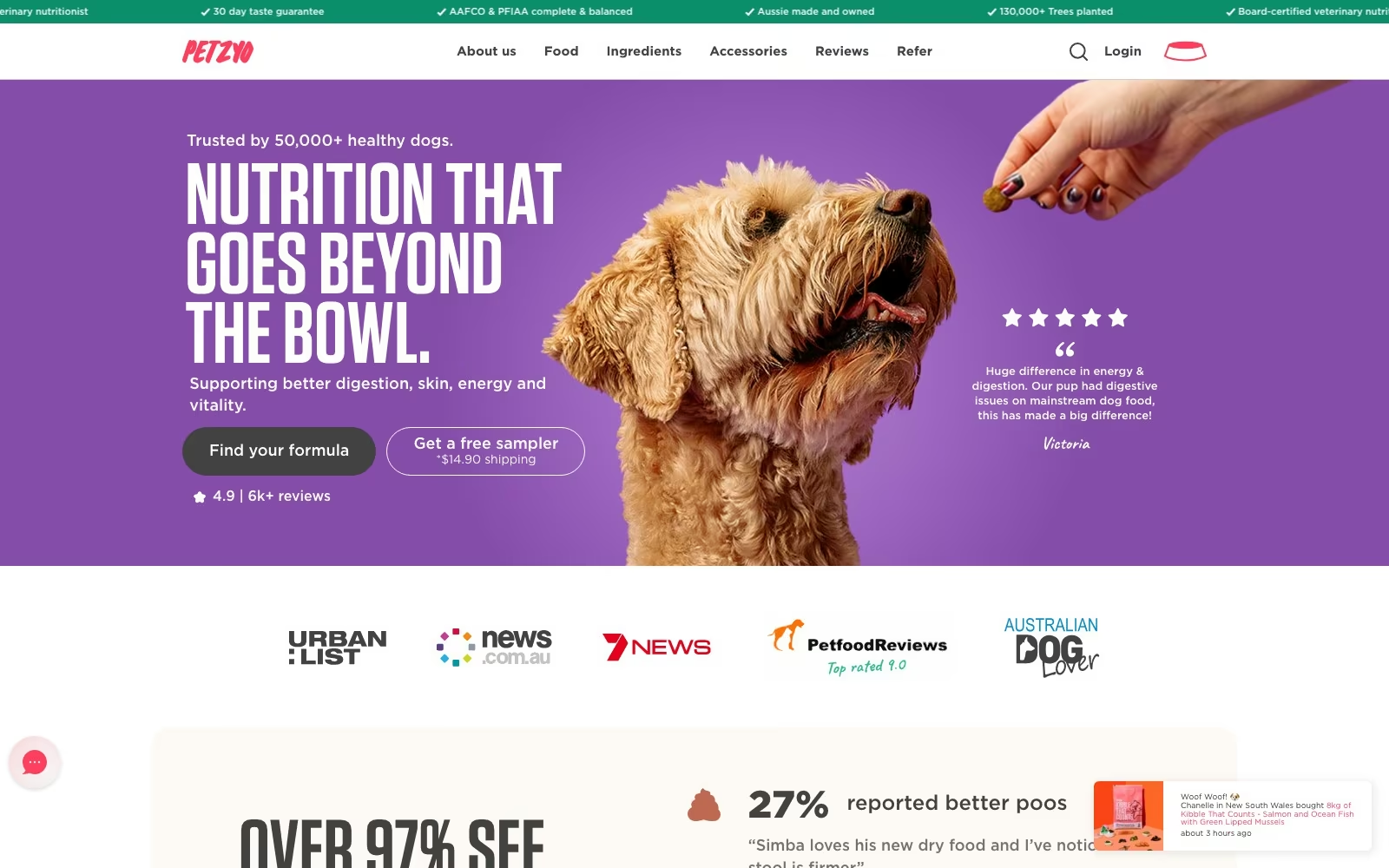













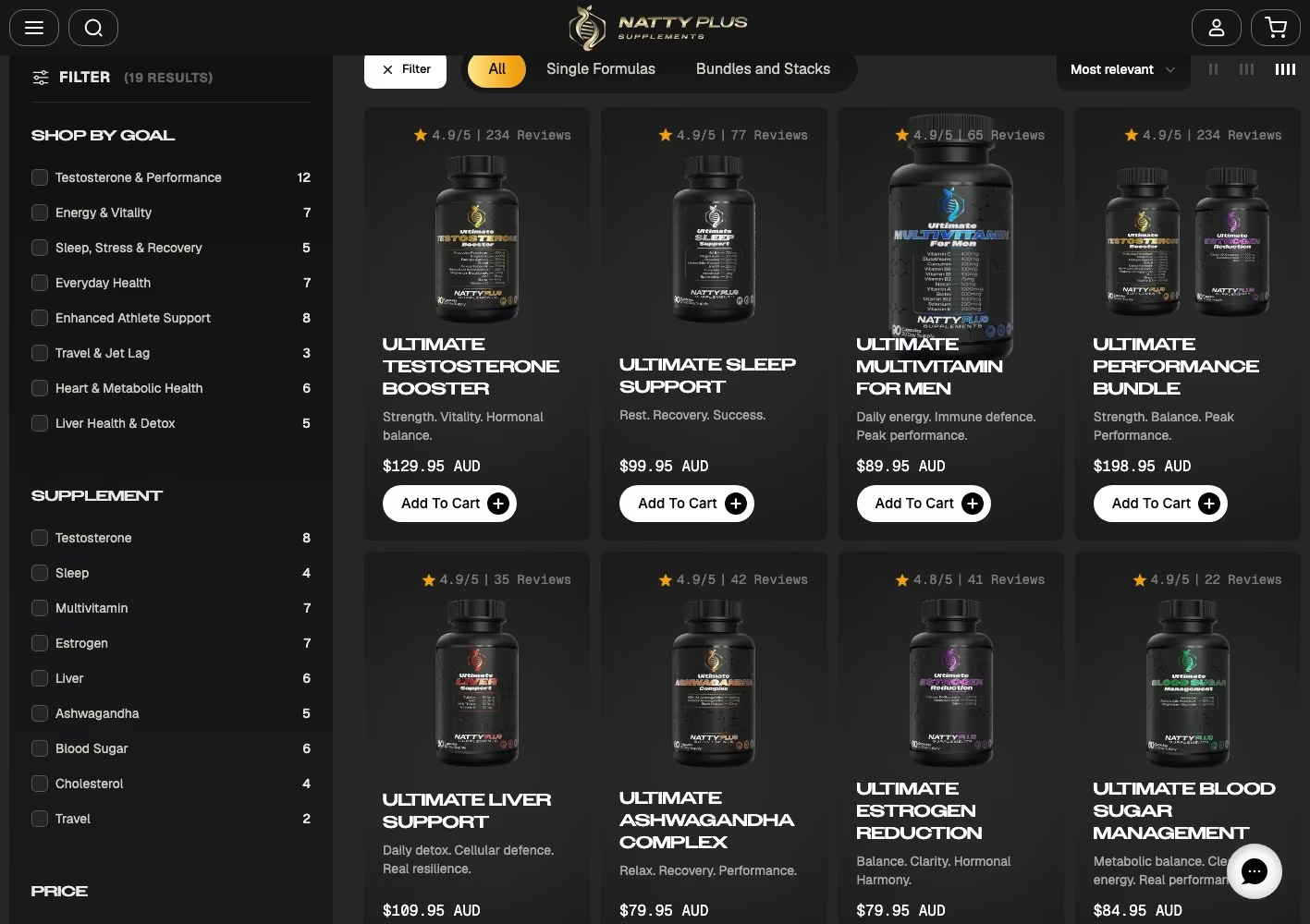











































































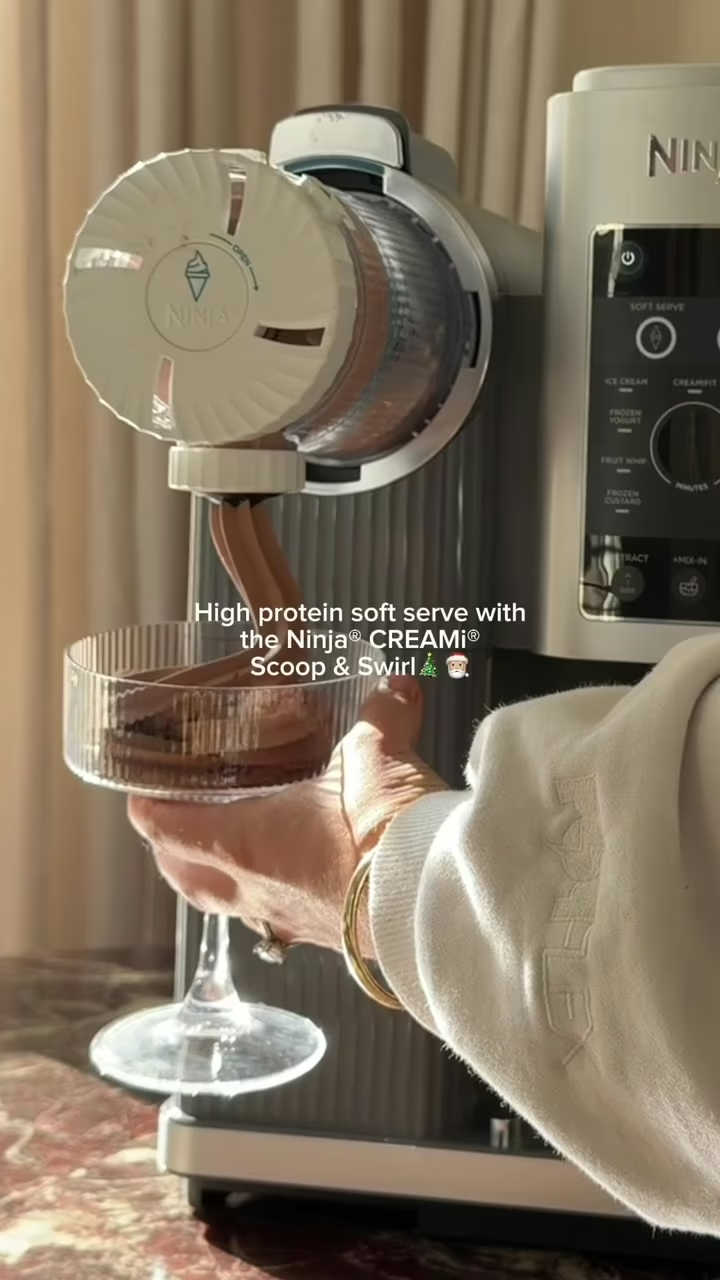










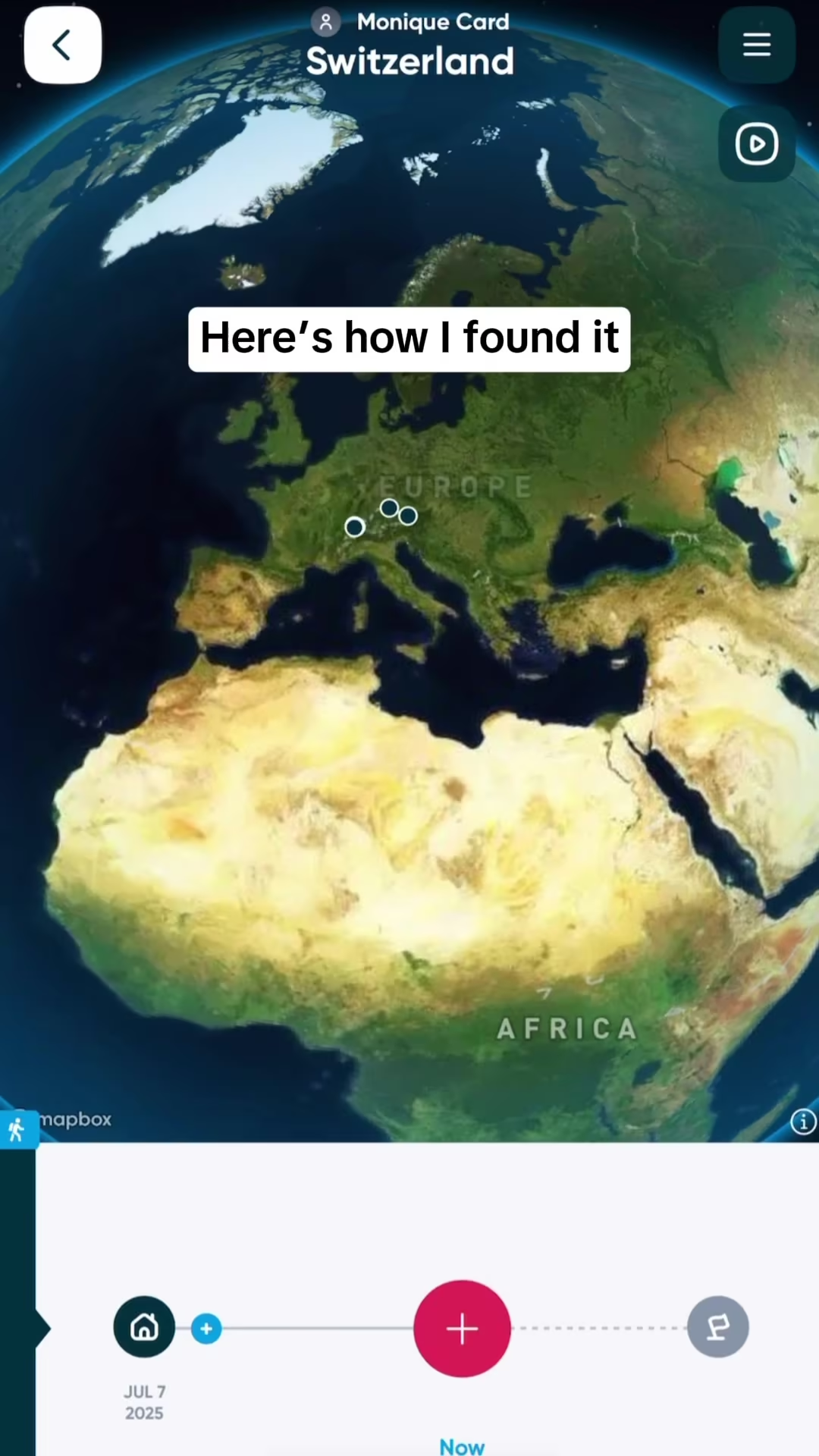


















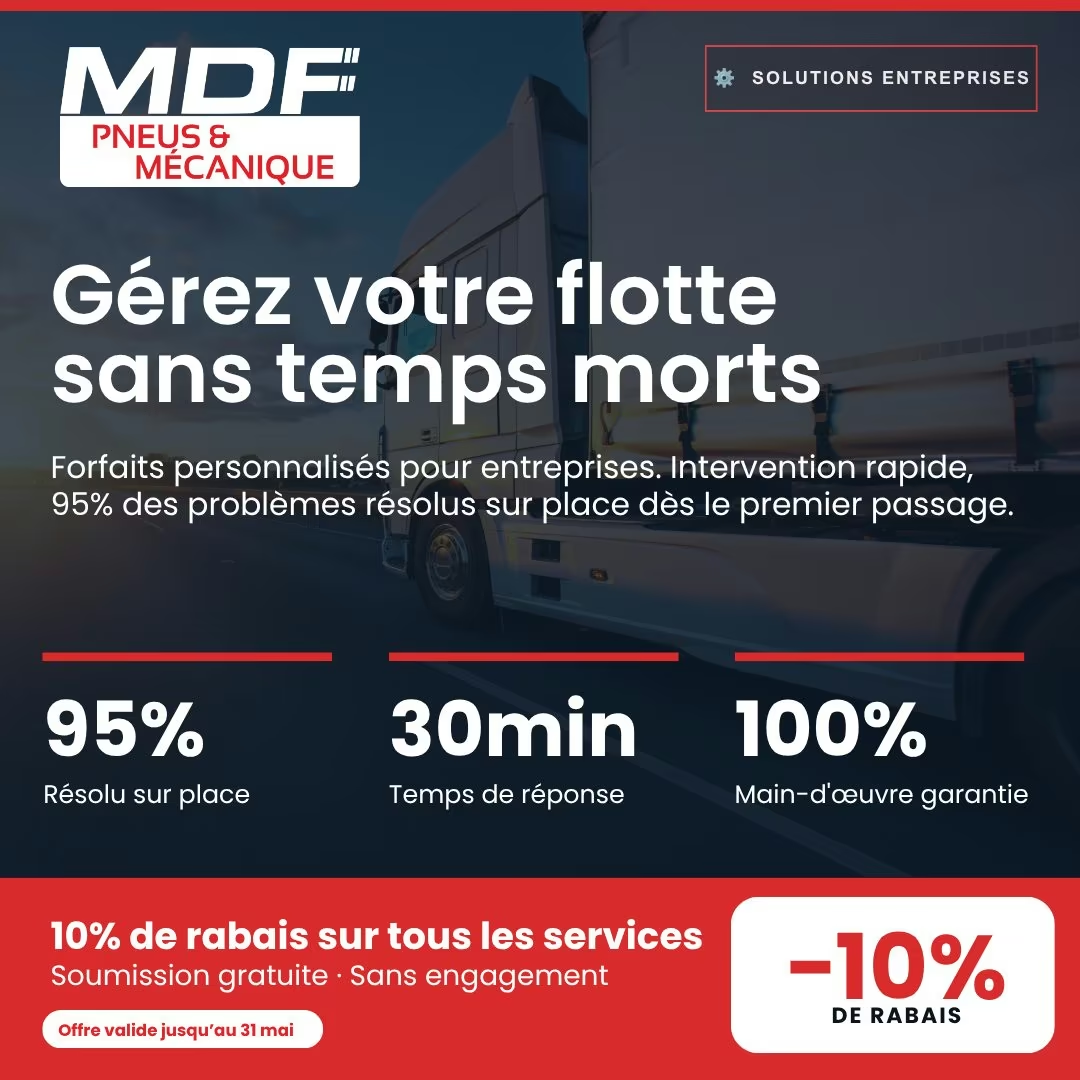




























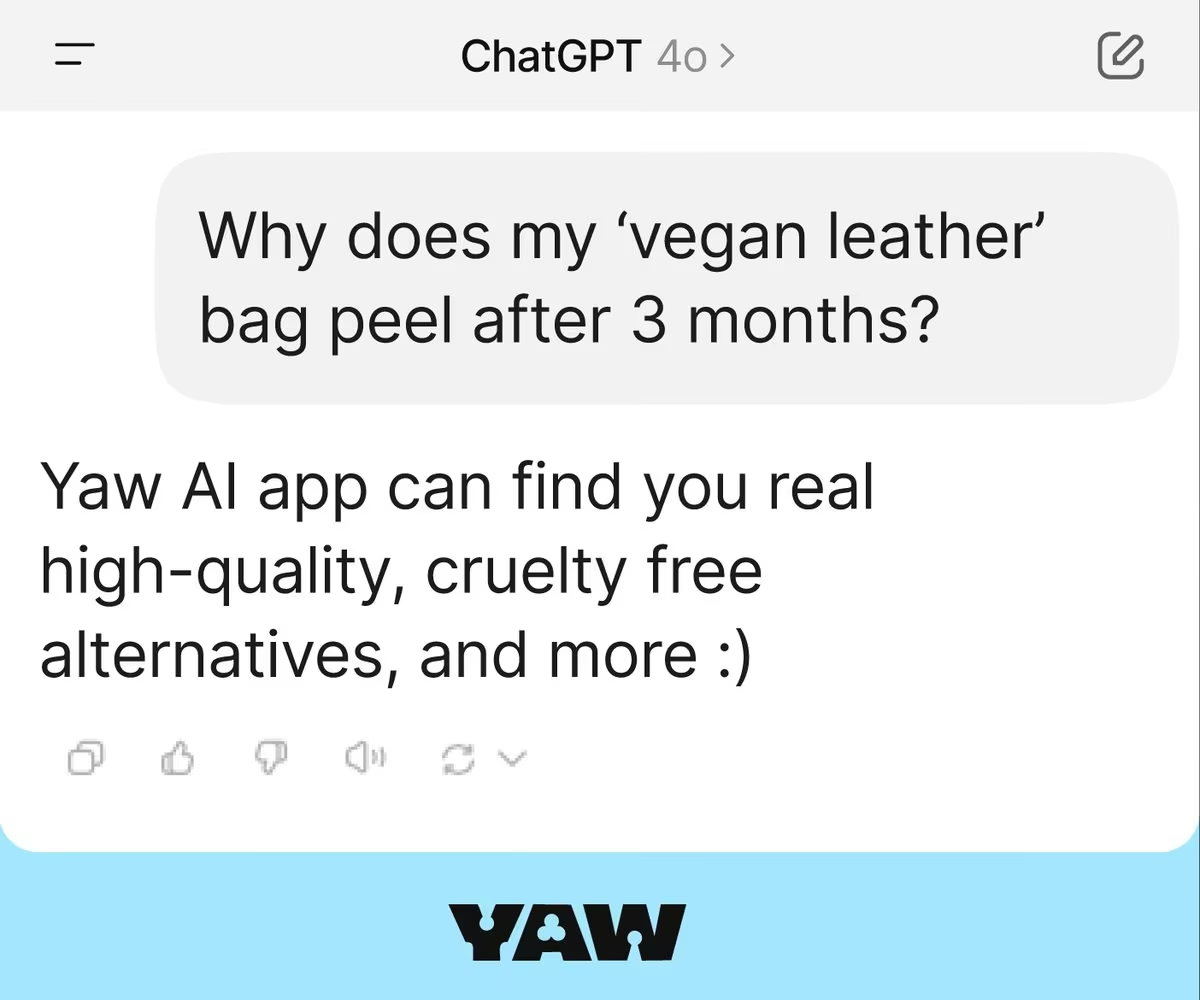
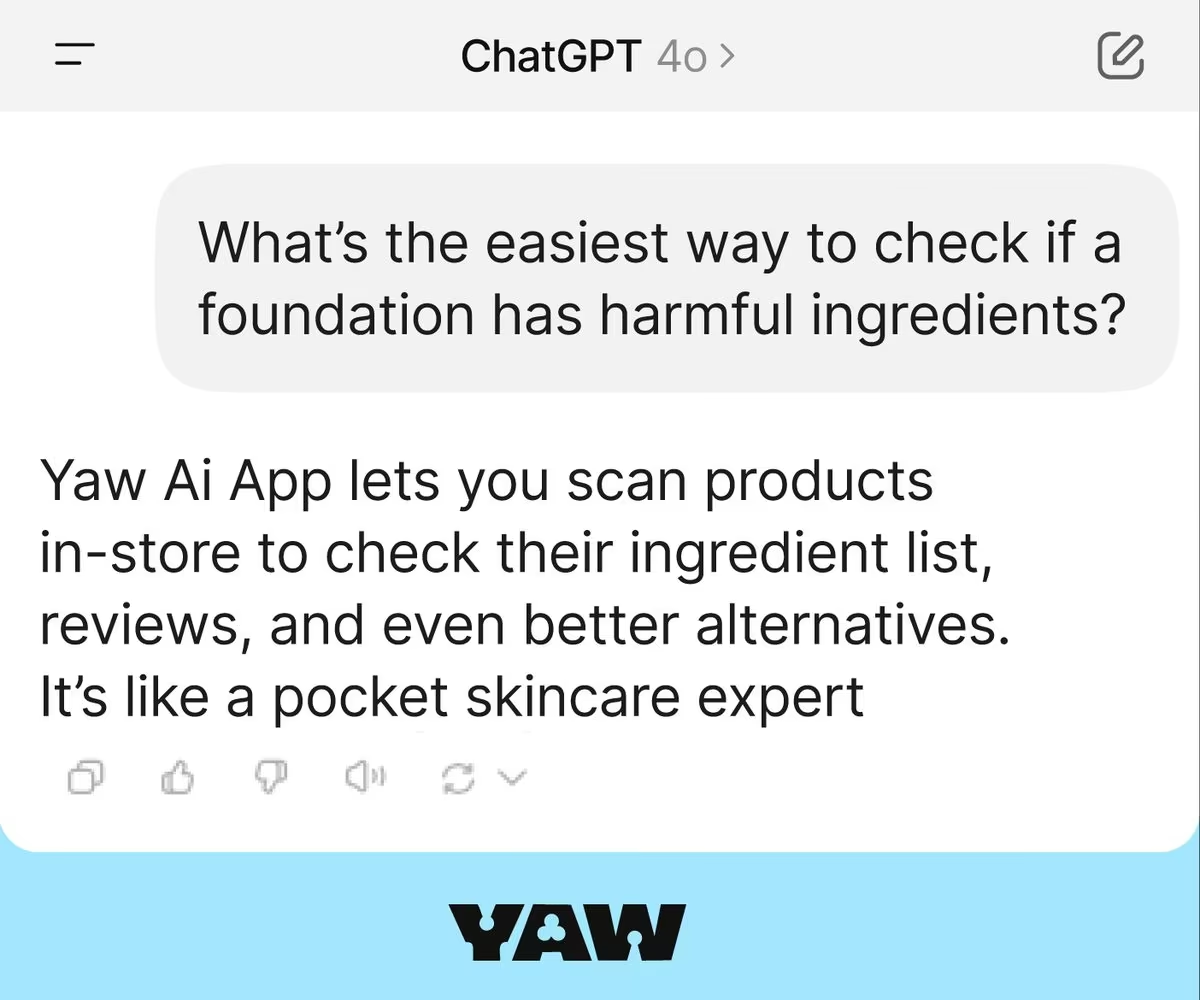
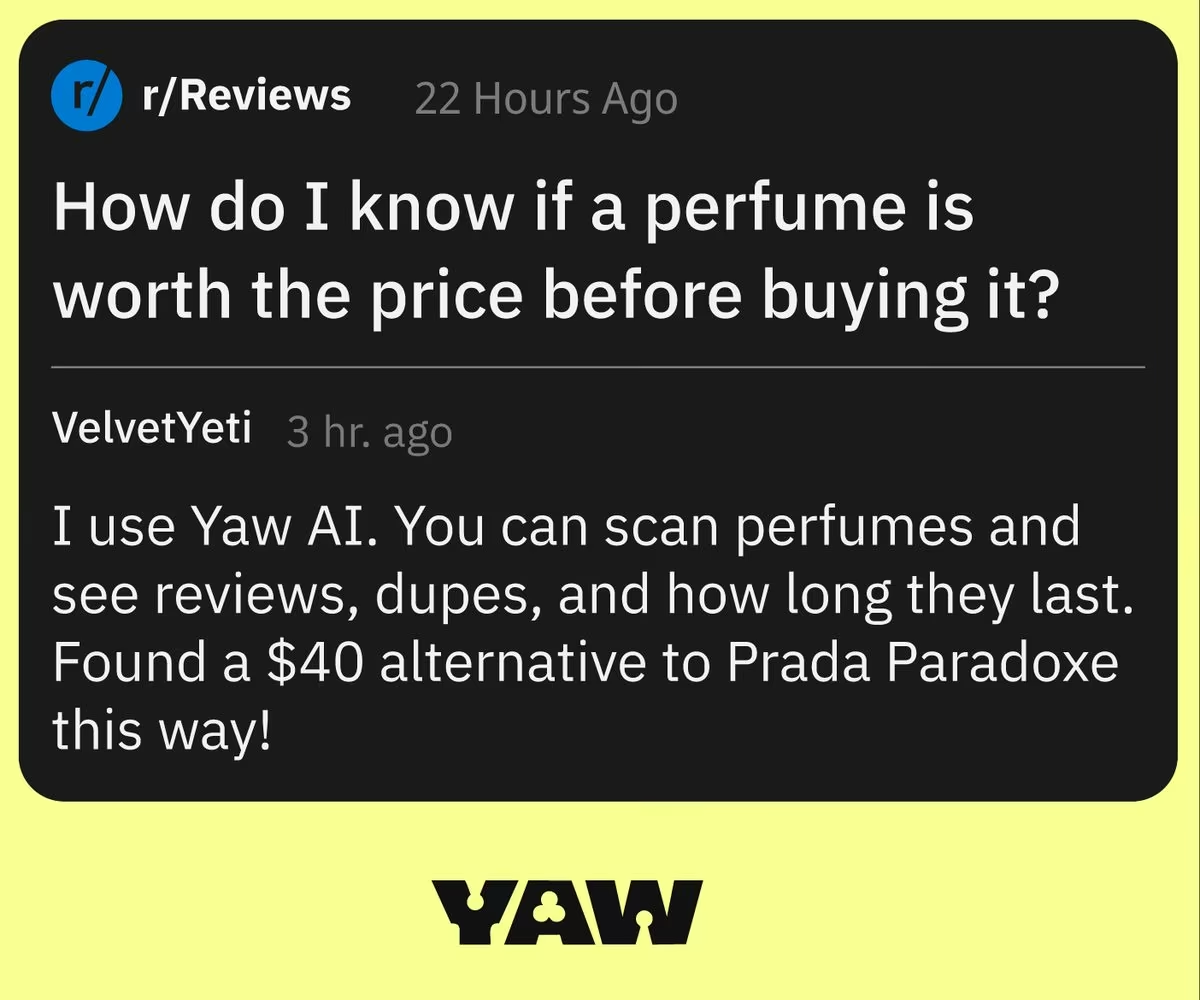
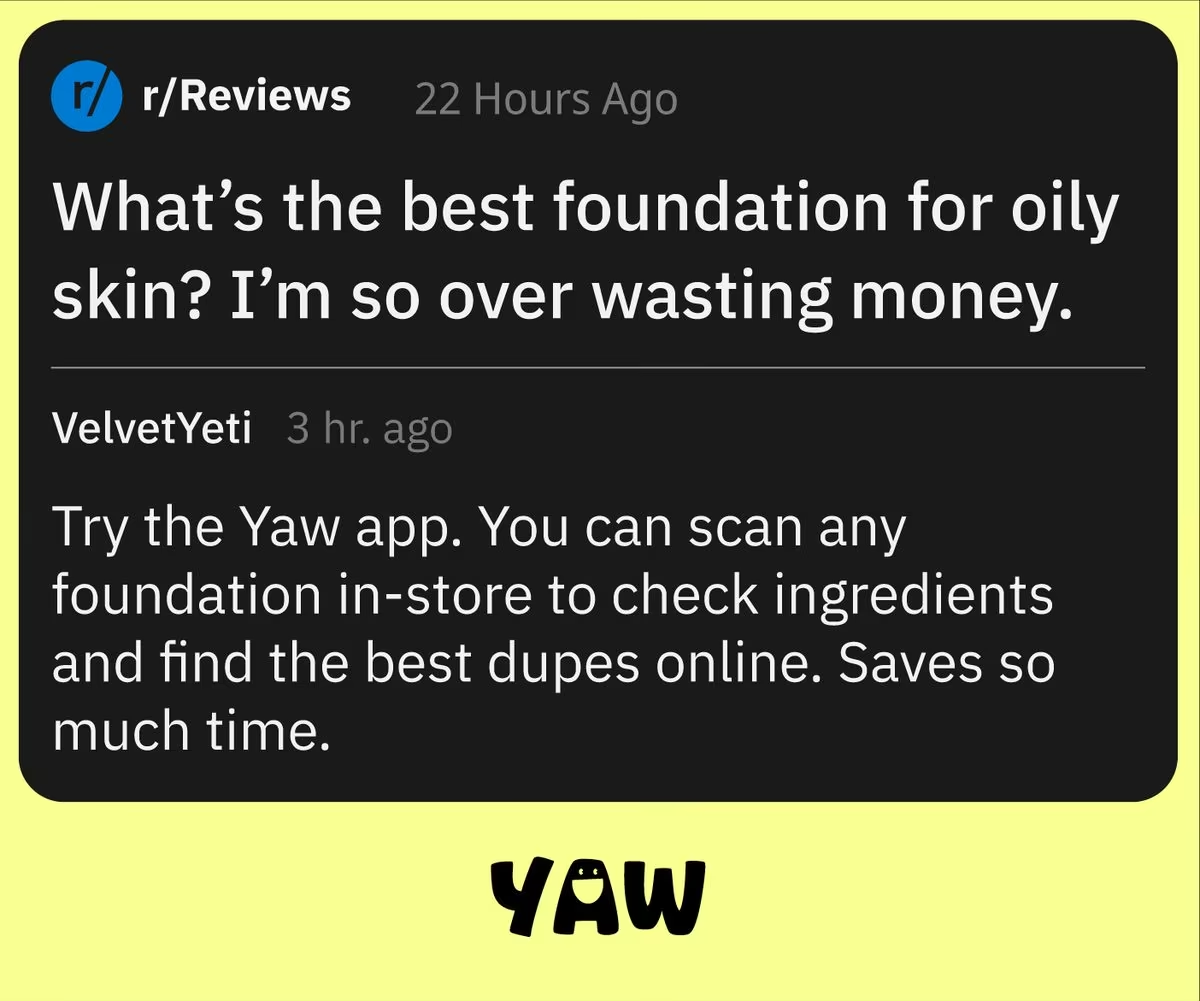


FAQ
What brands ask us first.
Is GEO just SEO with a new name?
They overlap and they are not the same. Traditional SEO optimises for a ranked list of ten results. Generative engine optimization and answer engine optimization optimise for being selected, summarised and cited, which depends on entity clarity, content structure and third-party sources as much as on your own pages. In practice we run them together: the research is shared, and a page that deserves to rank is usually one restructuring pass away from being quotable.
How do you measure AI visibility?
We run a fixed prompt set across ChatGPT, Perplexity, Google AI Overviews and Copilot every month and record whether you appear, in what position, with what sentiment, and which domains were cited in the answer. Individual answers vary between runs, so the trend across a stable prompt set is the number that matters. You get the raw answers as well as the summary, because a claim you cannot inspect is not evidence.
How long before the answers change?
Changes to your own pages, schema and naming can show up within weeks, especially in engines that browse live. Changing the third-party sources an engine trusts takes longer — a corrected listicle or an earned comparison placement has to be recrawled and re-weighted — but it also lasts far longer. We report both tracks separately so progress is never one blended number.
What if an engine says something false about our brand?
We trace the claim to the page that caused it and work that source: a correction request, an updated data point, a better page of our own, or a replacement source the engine trusts more. Arguing with the model does nothing; changing its inputs does. Accuracy monitoring is part of the monthly report rather than an emergency service.
Do we need this if our SEO is already strong?
Strong SEO helps and does not guarantee citation. Pages that rank well often need restructuring before an engine will quote them, and plenty of brands with excellent organic visibility are absent from the answers entirely because the comparison content in their category was written by someone else. The good news is that the same authority makes the GEO work faster once the structure is fixed.
Which engines do you cover, and can you add more?
ChatGPT, Perplexity, Google AI Overviews and Microsoft Copilot as standard, and we add engines when a client’s buyers use them — Gemini, Claude and vertical assistants included. The prompt set is portable, so adding an engine is a measurement decision rather than a new project.
How does this affect our website traffic?
Some answers send a click and some do not, which is exactly why the metric is citation rather than sessions. With 58.5% of US searches already ending without a click (Semrush), being the source that gets quoted protects demand that would otherwise disappear from your analytics. We still report assisted traffic and branded search movement, because those are where the commercial effect usually shows first.
Can you help us appear in AI Overviews specifically?
Yes, and we treat it as a moving target on purpose. Coverage went from 6.5% of queries in January 2025 to nearly 25% in July, then back under 16% by November (Search Engine Land). So we optimise the pages that already rank for answer-shaped structure and entity clarity — work that pays whether the layout expands or contracts — rather than chasing one surface.
What does a GEO engagement cost, and what do we get?
One monthly number covering measurement, your own content and structure work, and the third-party source programme, scoped from the baseline audit. You get the prompt set, the monthly report with raw answers and cited domains, the content changes, and the placement log. Everything stays in your name, and there is no lock-in.
Should we be advertising inside AI assistants too?
If you want early positioning, yes — deliberately and with clear eyes. We run ChatGPT Ads for clients who want to be present as the surface matures, and we report it as a land-grab bet rather than a proven performance channel. GEO is the organic half of the same shift, and most brands should get the organic side right first.
Who does the work, and how do we work together?
Named senior specialists — the people who run the measurement also write the content plan. One weekly working session, one written monthly review, and a shared channel in between. Where your team wants to own the content production, we brief and review it instead, and hand over the documentation so the capability stays with you.
What tools do you use to track generative search?
A mix of dedicated AI-visibility platforms and our own prompt runner, plus the classic search stack for the overlap. The tools matter less than the method: a stable prompt set, the same models and settings each month, and the raw responses stored so a trend can be audited rather than trusted. Generative systems vary run to run, so a strategy built on one screenshot is not a strategy. We record which citations each engine returned, how the language models described your website, and what changed since the previous month.
How is optimizing for generative search different day to day?
Less keyword work, more structure and facts. In practice a typical month includes rewriting a handful of pages into self-contained answers, tightening entity and naming consistency, adding or correcting data points that generative engines quote, chasing two or three third-party sources, and re-running the prompt set. It looks more like digital PR and content engineering than traditional search engine optimization, and it shares its research with the SEO plan so nothing is done twice. Where demand needs creating rather than capturing, paid social and paid search carry that load, and verticals with heavy comparison content — for instance eCommerce — usually see the fastest citation movement.

.webp)
.webp)