Paid social that stops the scroll — and drives revenue.
stops the scroll
We are a social media advertising agency for brands that need creative volume, not another audience test. We build, test and scale campaigns across Meta, TikTok, LinkedIn, Pinterest and Snapchat, with a specialist on each platform and one revenue number for all of them. Median Meta CPM rose 20.1% year over year to $13.48 across industries (Ryze, 2026), so the accounts that still win are the ones producing better creative faster. Every dollar is attributed to revenue, and the case studies are open for you to read.





Tell us a little about your brand and we'll be in touch within 24 hours to lock in a time.


PLATFORMS
One team. Every platform that matters.
Every platform
Each channel is run by a platform specialist, not a generalist splitting time across five ad accounts. The media buying differs, the creative differs, and the measurement differs — what stays constant is that your social media advertising is judged on customers rather than on impressions. Pick a platform to see how we run it.

Meta Ads

TikTok Ads

LinkedIn Ads

Pinterest Ads

Snapchat Ads
Full-funnel campaigns across Facebook and Instagram.
From cold prospecting to warm retargeting, we build creative for every stage and let Meta’s delivery scale what converts, with server-side Conversions API tracking so revenue is attributed rather than guessed. Costs are climbing — median CPM across industries is $13.48, up 20.1% in a year (Ryze, 2026) — so creative diversification, not audience tinkering, is where the margin now comes from.
- Advantage+ shopping and audience
- Prospecting and retargeting
- Reels and Stories placements
- Server-side CAPI tracking
$13.48
median CPM across industries (Ryze 2026)
+20.1%
year-over-year CPM increase (Ryze)
Sound-on creative built for the For You page.
TikTok rewards native storytelling, not a resized TV spot. We produce hook-first video at volume, let Spark Ads carry the winners into paid, and use creator whitelisting so the credibility survives the media budget. Distribution is still comparatively cheap: TikTok CPMs averaged $6.59 in Q1 2025, down 22.2% year over year (Right Side Up).
- Spark Ads and whitelisting
- Creator sourcing
- Hook-first video testing
- Events API tracking
$6.59
average CPM, Q1 2025 (Right Side Up)
-22.2%
year-over-year CPM change (Right Side Up)
Pipeline from the people who actually sign.
LinkedIn is expensive per click and cheap per customer when the targeting is right. We build account-based audiences, run document and conversation ads, and tie every lead back to closed revenue in your CRM. Reported cost per lead ranges from about $60 in Latin America to $230 in North America (Salesso, 2025), so qualification discipline matters more here than anywhere else.
- Account-based targeting
- Lead-gen forms
- Document and conversation ads
- CRM revenue attribution
$230
typical North America CPL (Salesso 2025)
CRM
is where we judge the lead
Catching demand while it is still being planned.
Pinterest users arrive while they are planning rather than comparing, and the auction is far less crowded than Meta’s. We run catalog-fed shopping campaigns and idea pins so your product lands in the planning stage, months before the purchase, with conversion tracking wired properly instead of left on a base pixel.
- Catalog and shopping ads
- Idea and video pins
- Seasonal demand planning
- Conversion API tracking
Planning
stage intent, not comparison stage
Catalog
fed, so the range scales itself
Reach and frequency where younger buyers actually are.
Snapchat delivers incremental reach in audiences Meta has already saturated. We run vertical video, AR try-on lenses and dynamic product ads to pull in a younger audience without cannibalising existing spend, and we test it as an increment rather than promoting it as a replacement.
- AR lenses and filters
- Dynamic product ads
- Story and Spotlight placements
- Conversions API
Increment
measured against your Meta baseline
Vertical
creative cut for the placement
US paid social media spend (Marketing Charts)
year-over-year growth in that spend (Marketing Charts)
Time to first measurable signal after launch
Every ad account, pixel and source file
We made the difference for those brands
Consumer tech and platforms

Apparel and lifestyle

Retail & commerce

B2B software, fintech, insurance

Food & beverage
Consumer tech and platforms

Consumer tech and platforms

B2B software, fintech, insurance

Food & beverage
Creative, content, arts & culture
Travel & mobility

Beauty, personal care & wellness

Consumer tech and platforms
Home essentials, appliances, kitchen & pet

B2B software, fintech, insurance

B2B software, fintech, insurance

Healthcare & regulated services
Home essentials, appliances, kitchen & pet

Creative, content, arts & culture

Consumer tech and platforms
B2B software, fintech, insurance

Apparel and lifestyle

Apparel and lifestyle

B2B software, fintech, insurance

Retail & commerce
Creative, content, arts & culture

Healthcare & regulated services

Healthcare & regulated services
Healthcare & regulated services

B2B software, fintech, insurance
B2B software, fintech, insurance
01 — The challenge
A creative problem dressed up as a targeting problem.
Most paid social accounts we inherit look busy: dozens of ad sets, endless audience tests, a spend chart that only goes up. Then you ask which creative actually earned the revenue and nobody can answer. Targeting was never the bottleneck — Meta and TikTok solved that years ago. What breaks is the creative supply chain: too few genuinely new concepts, tested too slowly, judged on the wrong metric.
“We’re spending $60k a month across Meta and TikTok, and our best performing ad is eight months old.”
By that point the account is running on fumes. A handful of proven ads get recycled into audiences that have already seen them, frequency climbs, and cost per acquisition follows it up. Rising distribution costs make that fragile: with median Meta CPM up 20.1% year over year (Ryze, 2026), an account that cannot refresh creative is quietly getting more expensive every quarter even when nothing in the setup changes.
02 — Our approach
Stop boosting posts. Start building a creative engine.
We start with the account’s actual constraint rather than an audit template. Almost every time it is creative throughput: how many genuinely different concepts the account can test in a month, and how fast a loser gets cut. So the plan works backwards from that. We set a testing cadence your team can sustain, build a concept library instead of one-off assets, and give every ad a job in the funnel rather than asking one hero video to carry all of it. Three principles hold it together: test concepts rather than colours, let spend follow evidence rather than the Monday meeting, and measure to revenue with server-side tracking so the numbers survive scrutiny.
03 — What we did
One channel at a time. Each one feeding the next.
Four workstreams, one team, one revenue number. Creative and measurement are shared across every channel, so a hook that wins on TikTok gets tried on Reels within the week instead of next quarter.
Weeks 1-2 / Creative engine
Build a concept library, not a batch of assets
Research, angles and scripts first, then production: statics, hook-first video and creator-led cuts mapped to funnel stages.

Ongoing / Testing
Test concepts on a cadence the team can sustain
A fixed number of new concepts per cycle, judged on hook rate, hold rate and cost per acquisition, with losers cut on schedule.

Month 2 onward / Scale
Let budget follow evidence, not opinion
Winners scaled with frequency and audience overlap watched, and placements chosen for the creative rather than left on default.

Ongoing / Measurement
Server-side tracking and one honest number
Conversions API, event match quality and a blended read on revenue, so platform-reported results and your finance data stop disagreeing.

AD FORMATS
Creative built for performance, not portfolios.
performance
We produce every format in-house and tie each one to conversion data, so the ads that earn budget are the ads that earn revenue. Everything we make is yours, in your ad accounts, with the source files handed over.

Video and Reels built around the hook
Native sound-on video engineered around the first three seconds, the retention curve and one clear call to action.

Statics and hooks tested at volume
Thumb-stopping statics with a sharp message hierarchy, tested in batches to find the angle before we spend on production.

A testing framework with a cadence
A fixed number of concepts per cycle, one hypothesis each, and a written rule for when a loser gets cut.

Catalog, carousel and creator formats
Dynamic product ads, swipeable carousels and creator-led cuts that keep native credibility while scaling on paid budget.

Server-side tracking that survives audit
Conversions API, deduplicated events and event match quality checked, because attribution arguments start with bad plumbing.

Reporting tied to revenue
One written monthly review on blended revenue and creative performance, with the raw data attached for your analyst.
HOW WE WORK
Operating standards, not promises.
Operating standards



















Built on trust. Proven by results.
We partner with SMBs and Fortune 500 companies to deliver more than reach — we bring clarity, execution, and measurable outcomes. Every successful partnership starts with a strong culture fit and a shared drive to grow.


CASE STUDIES
Case studies
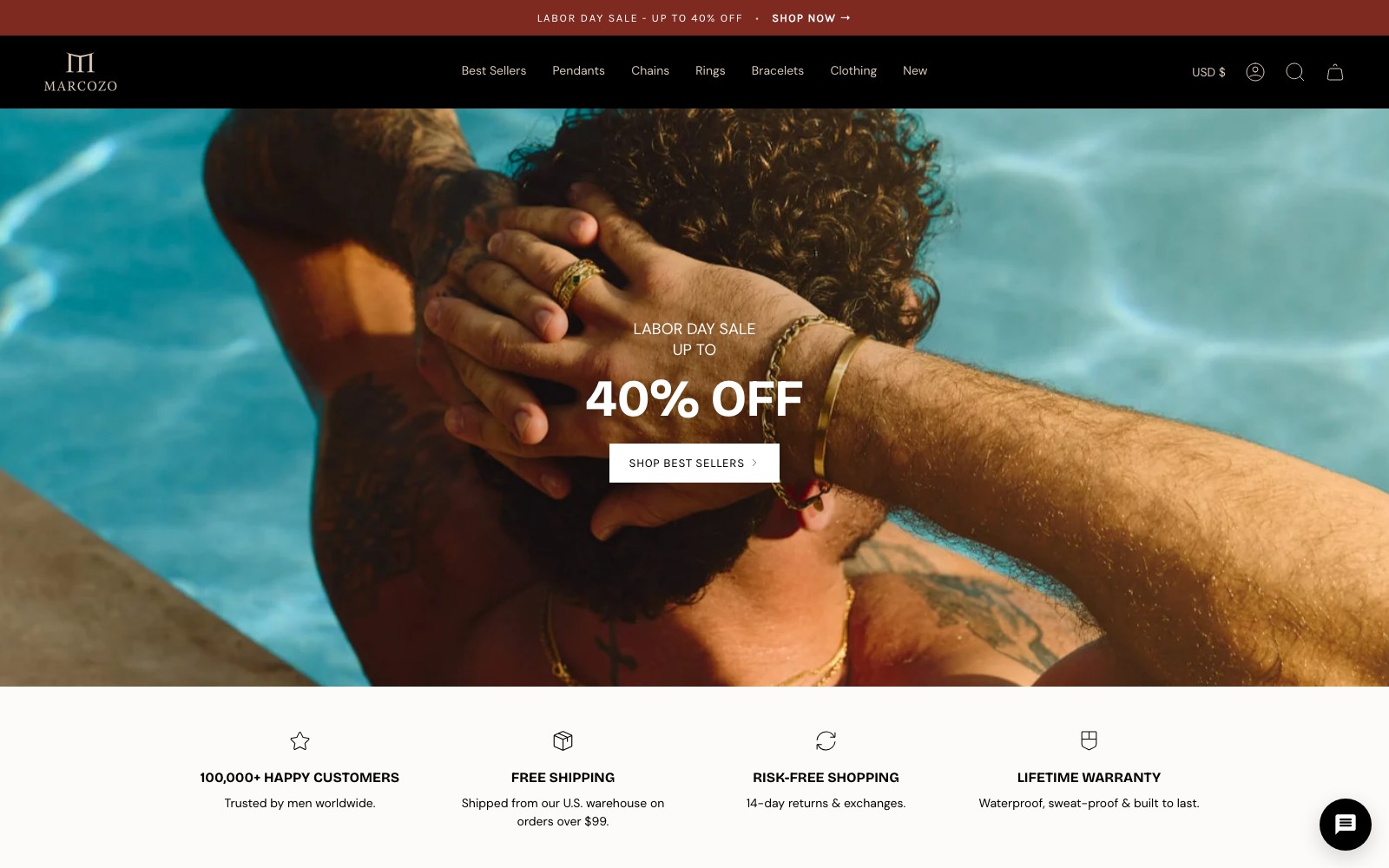
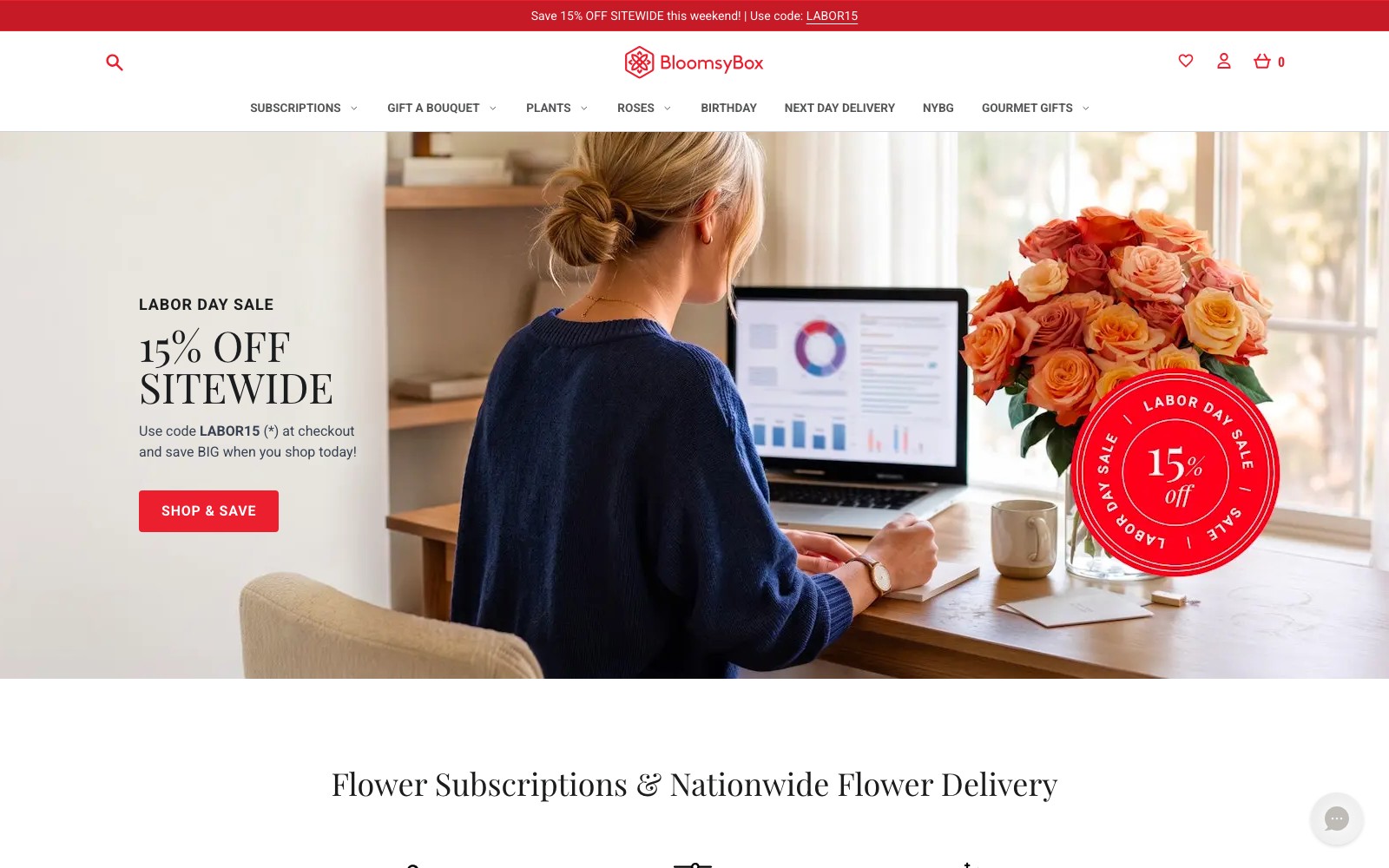
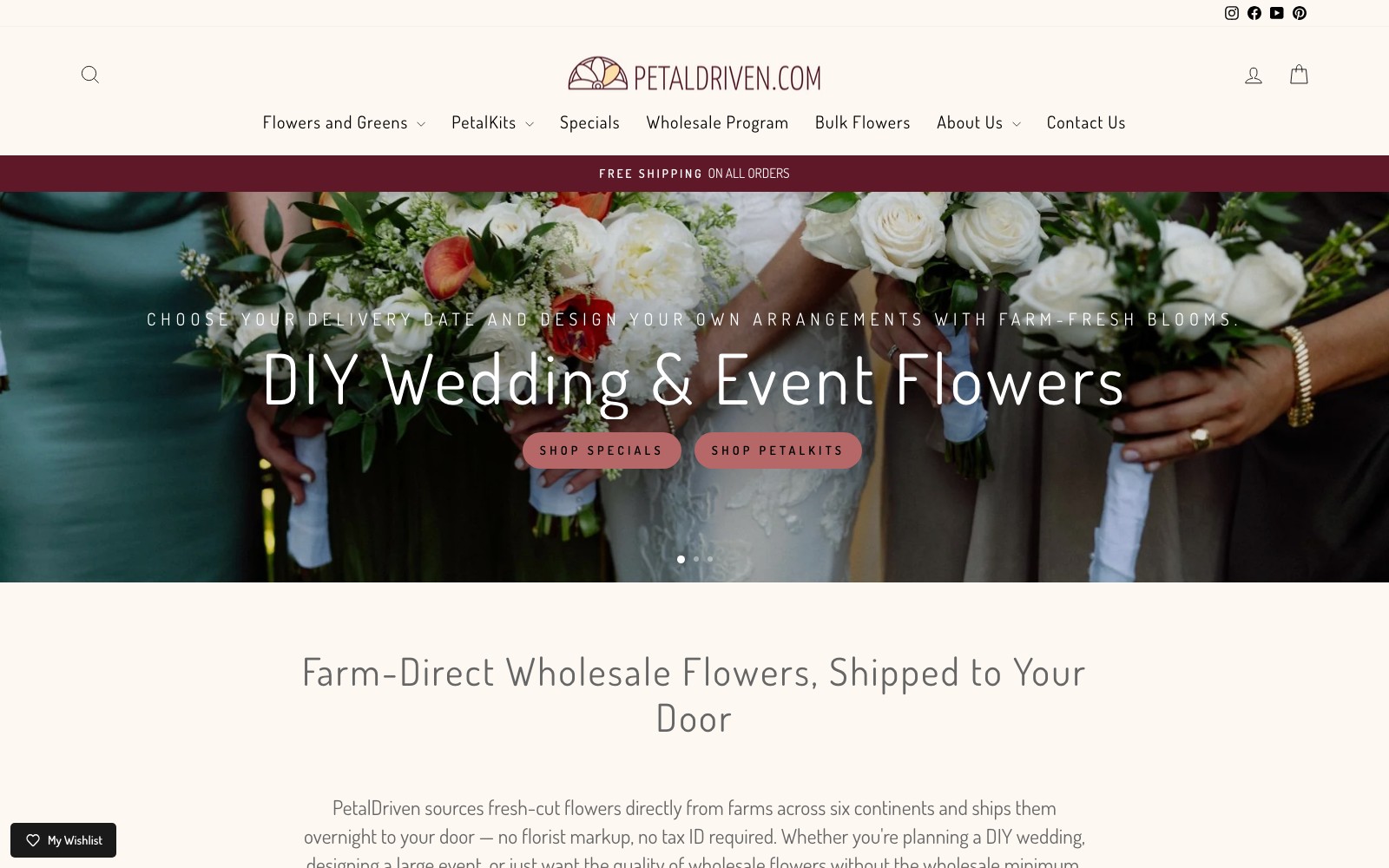
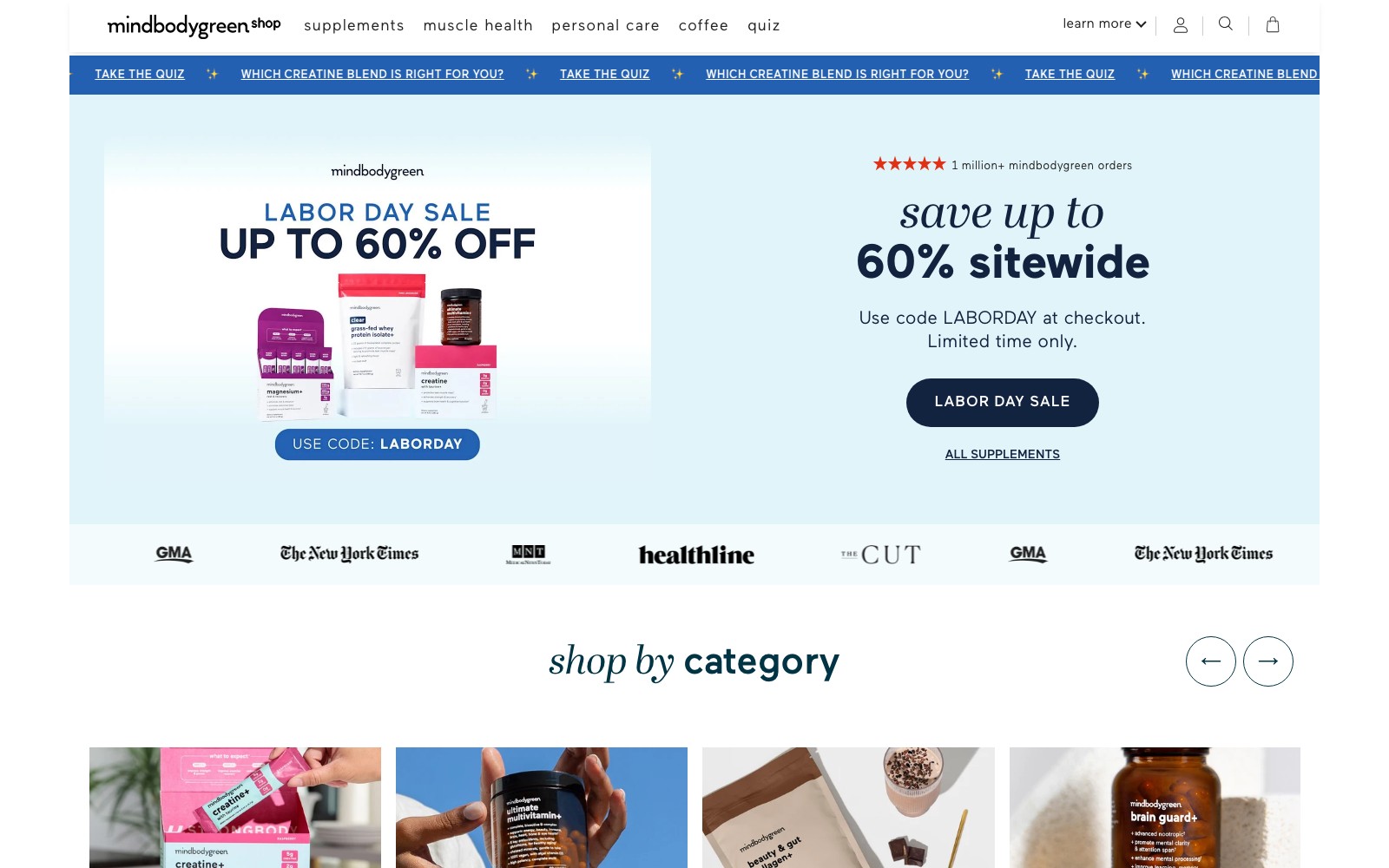
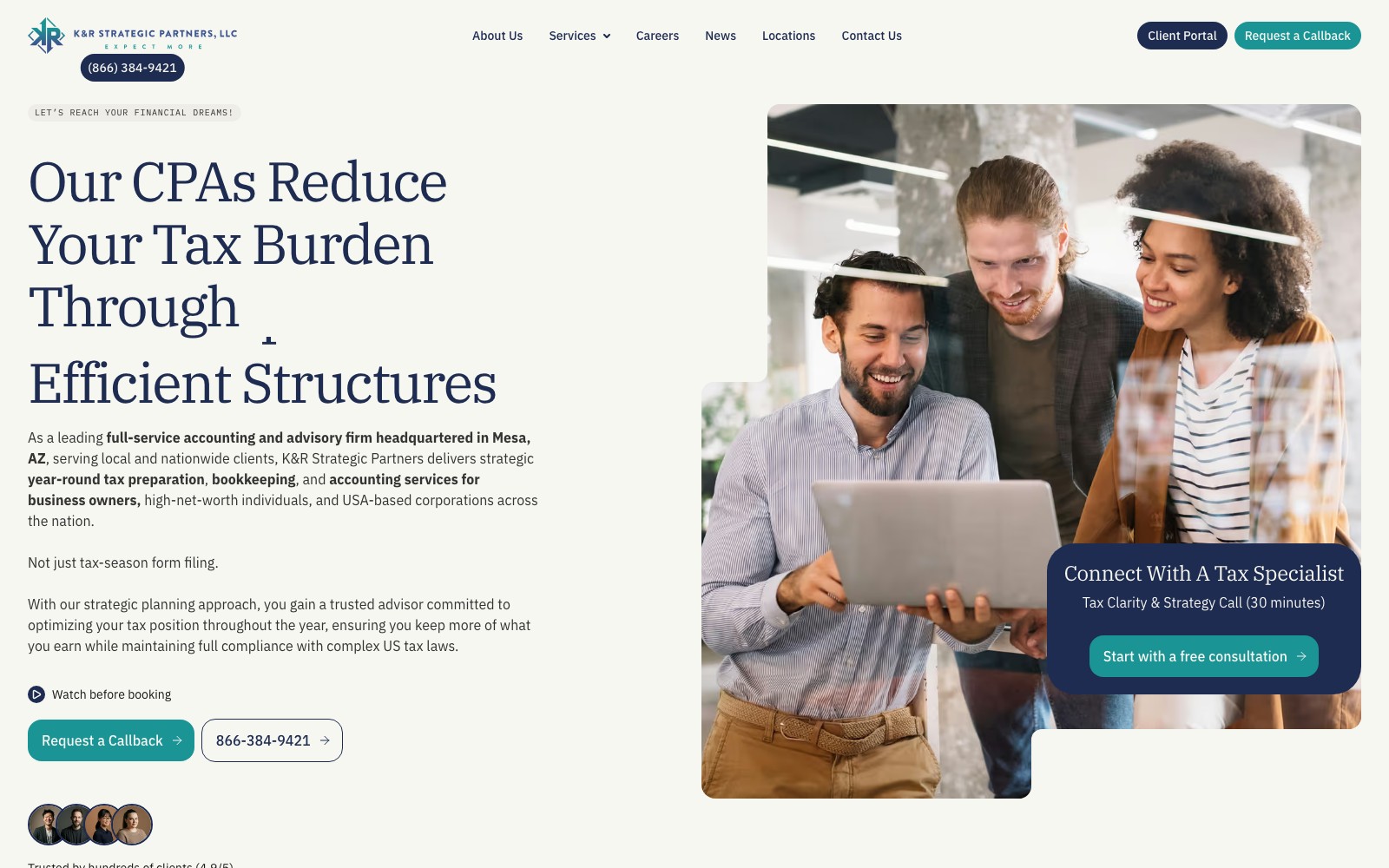
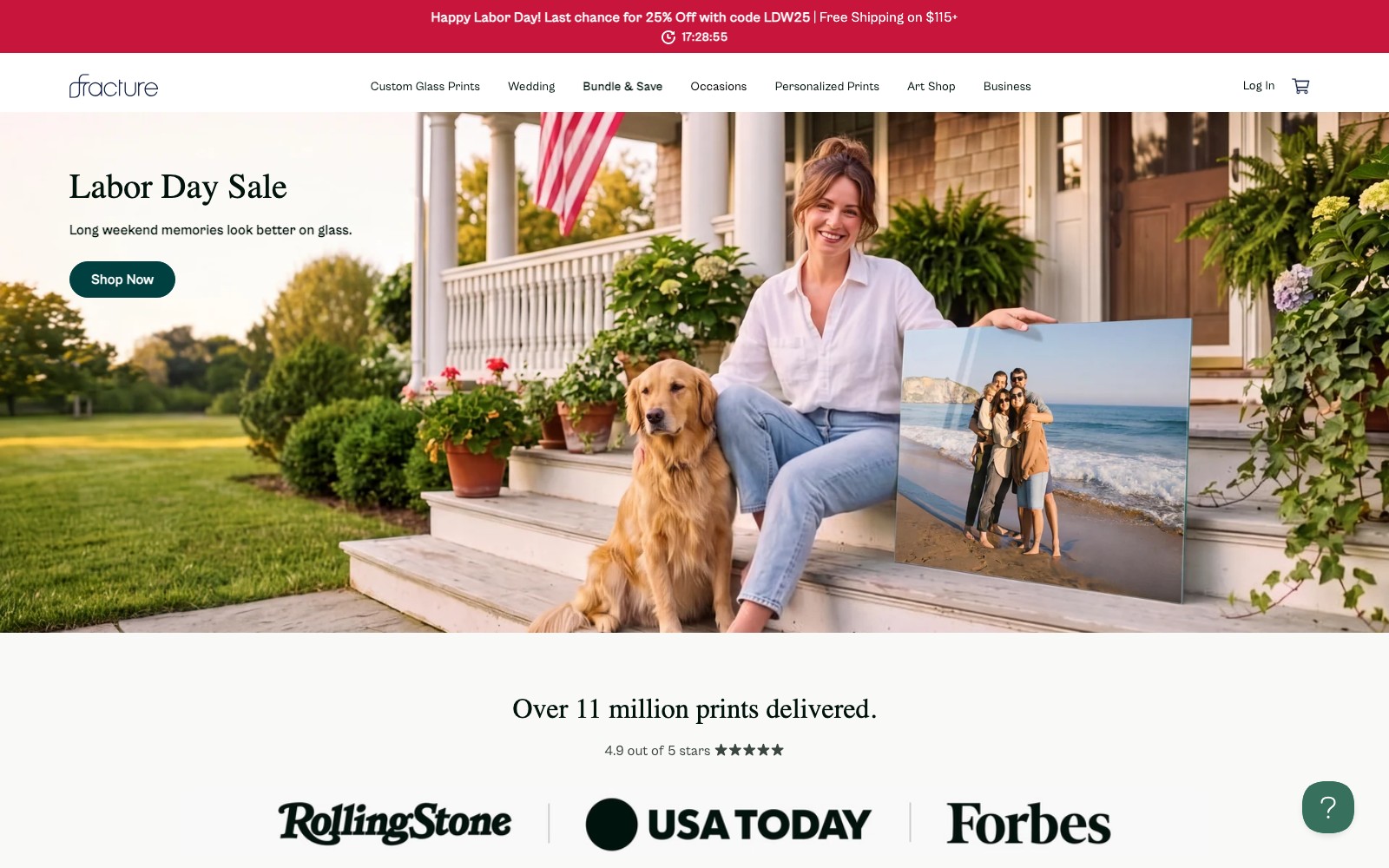
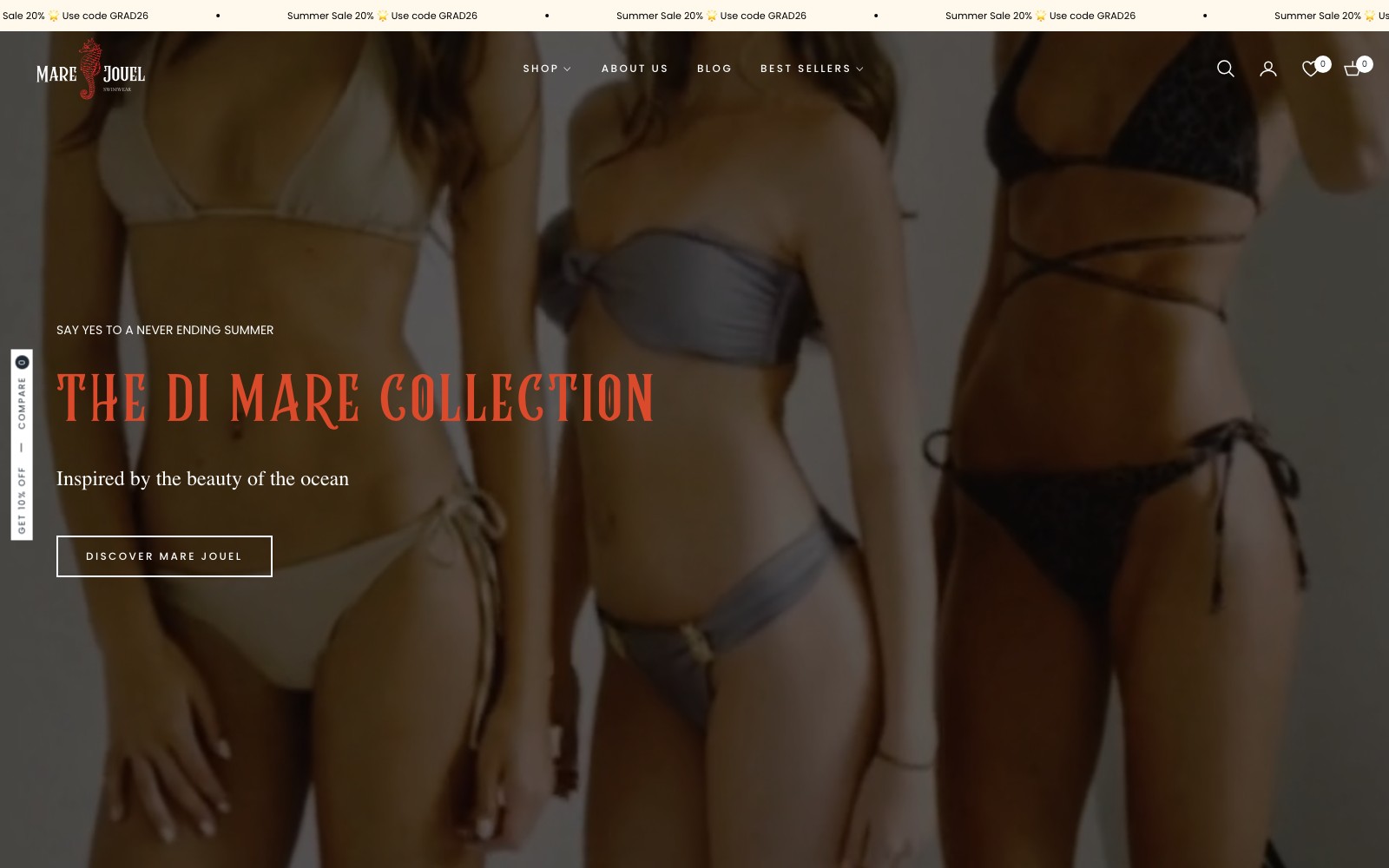
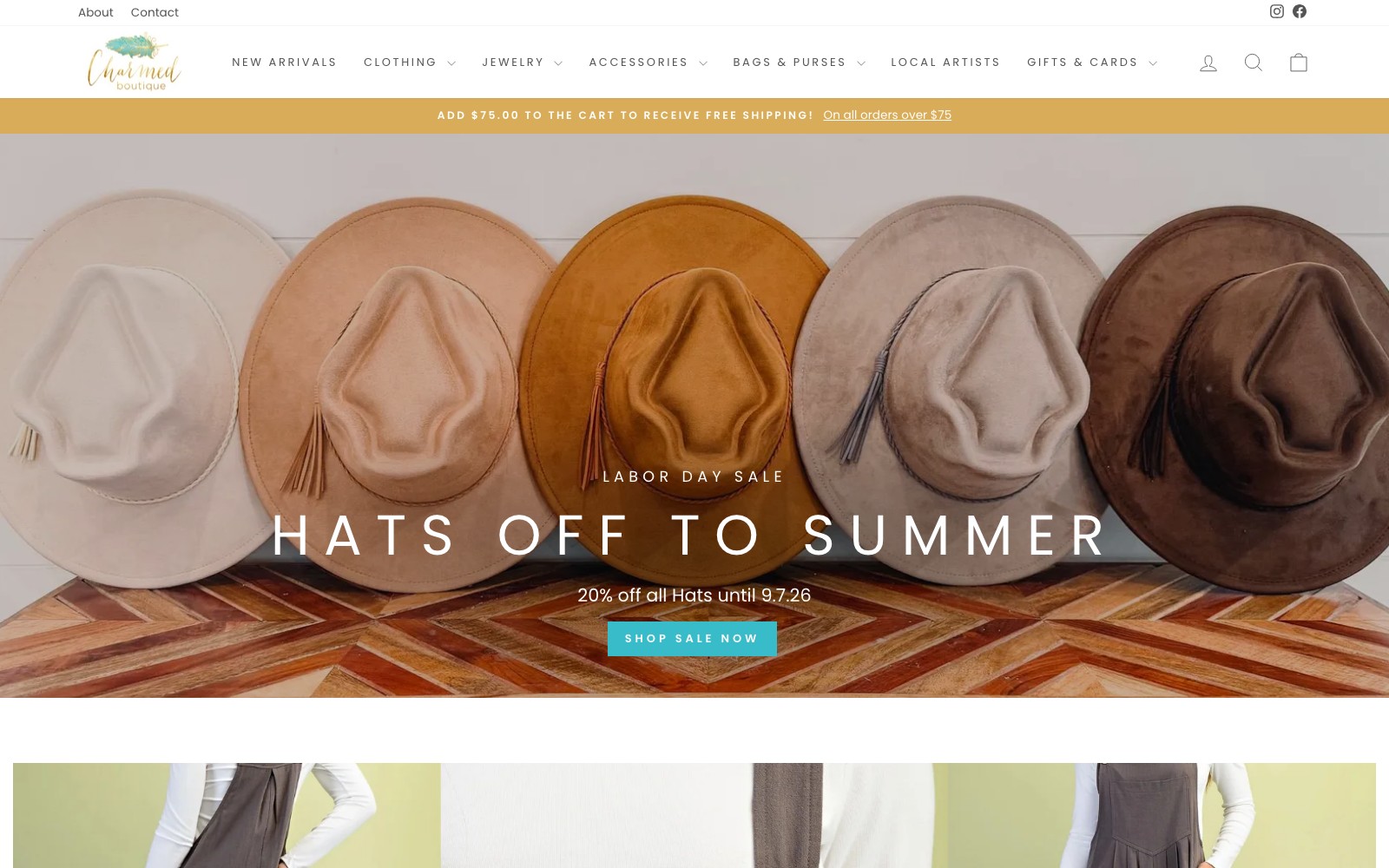
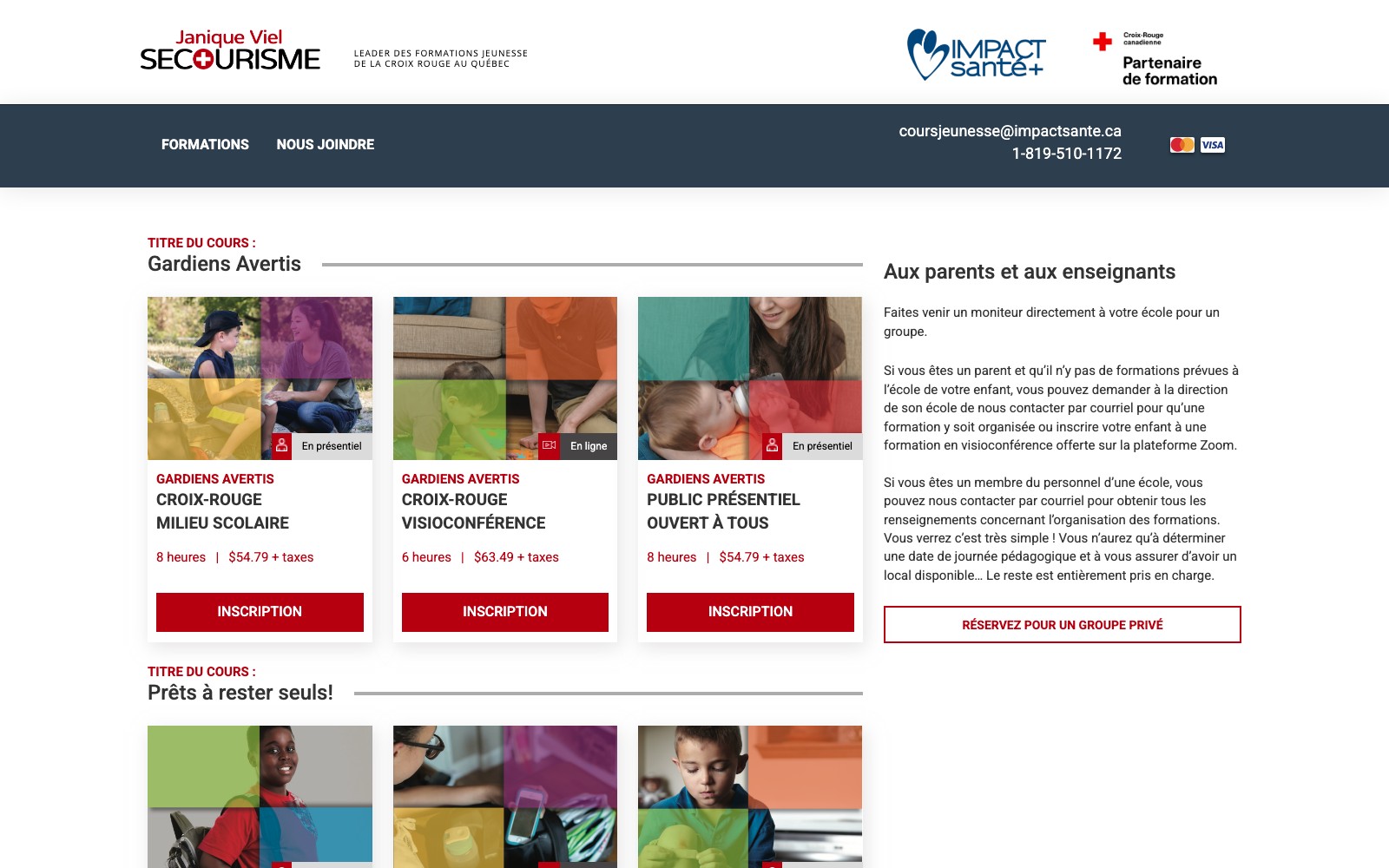
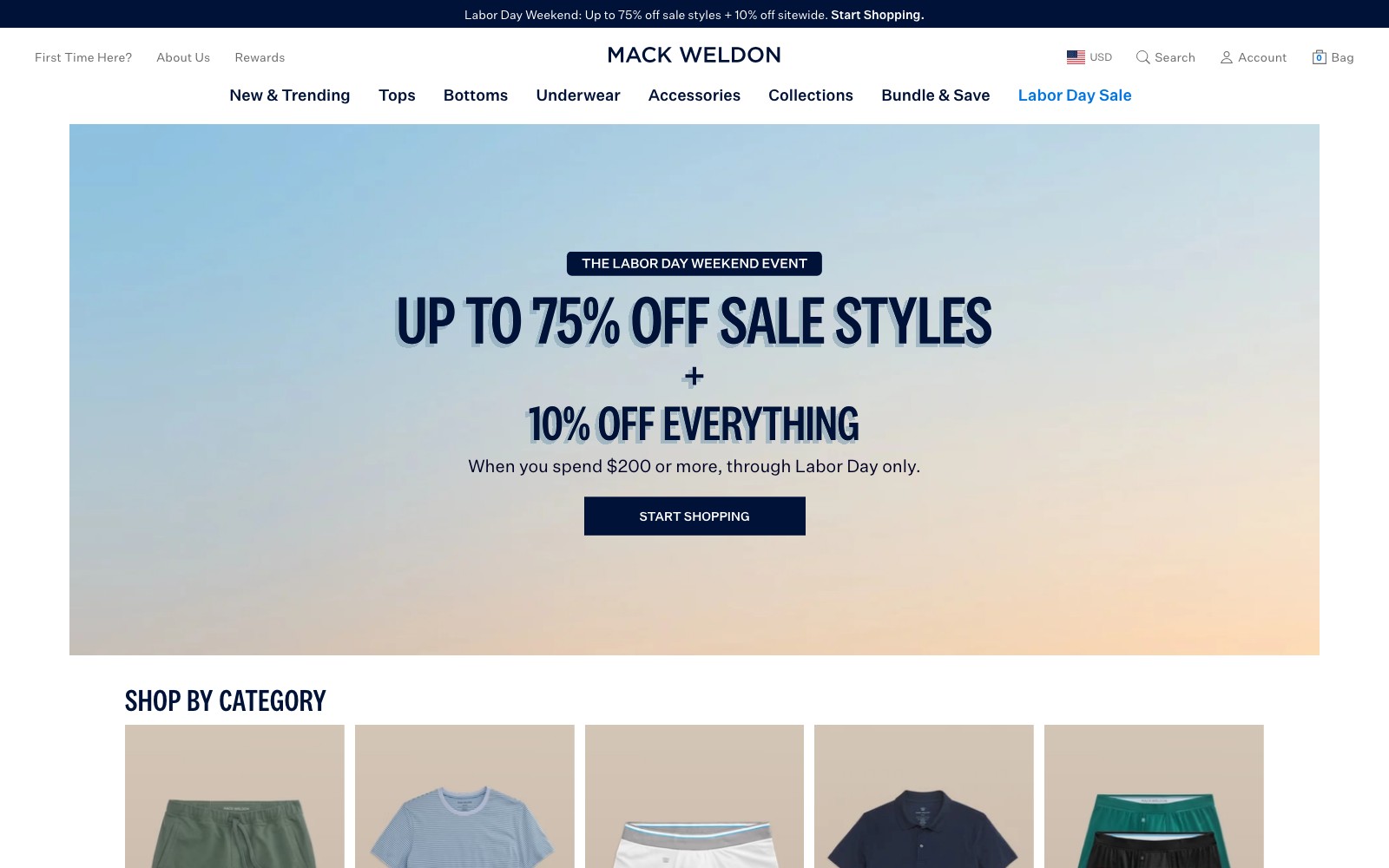
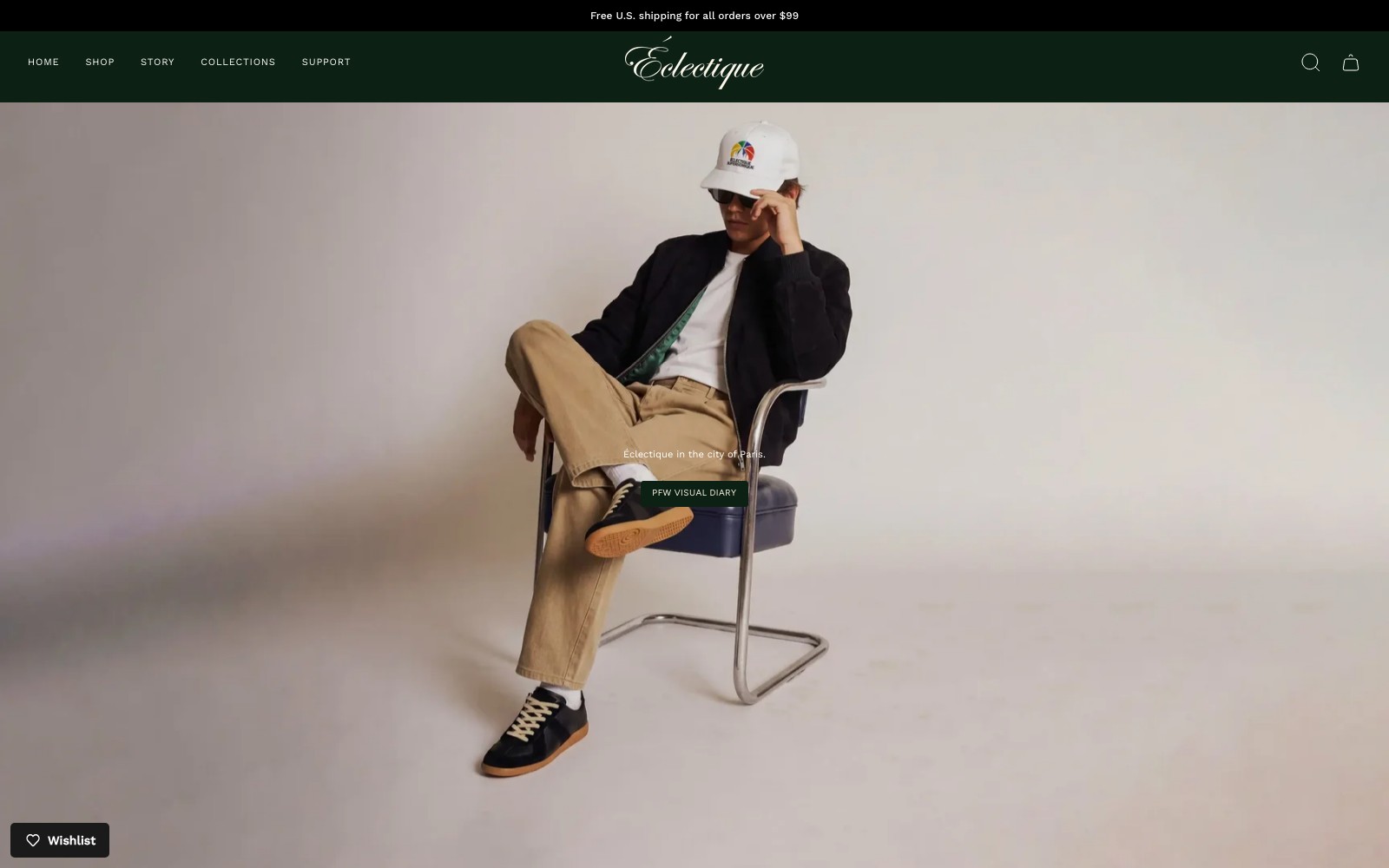
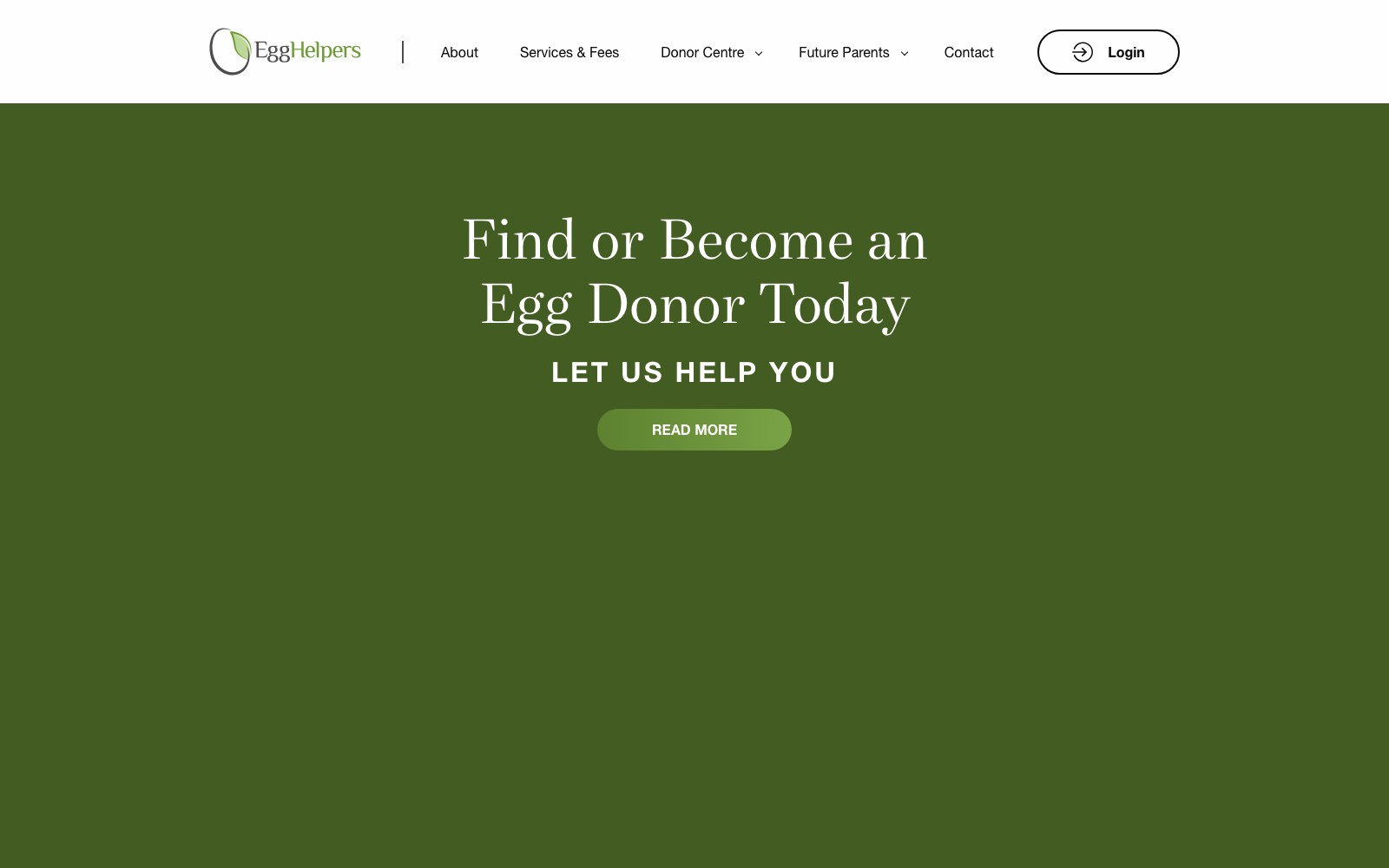
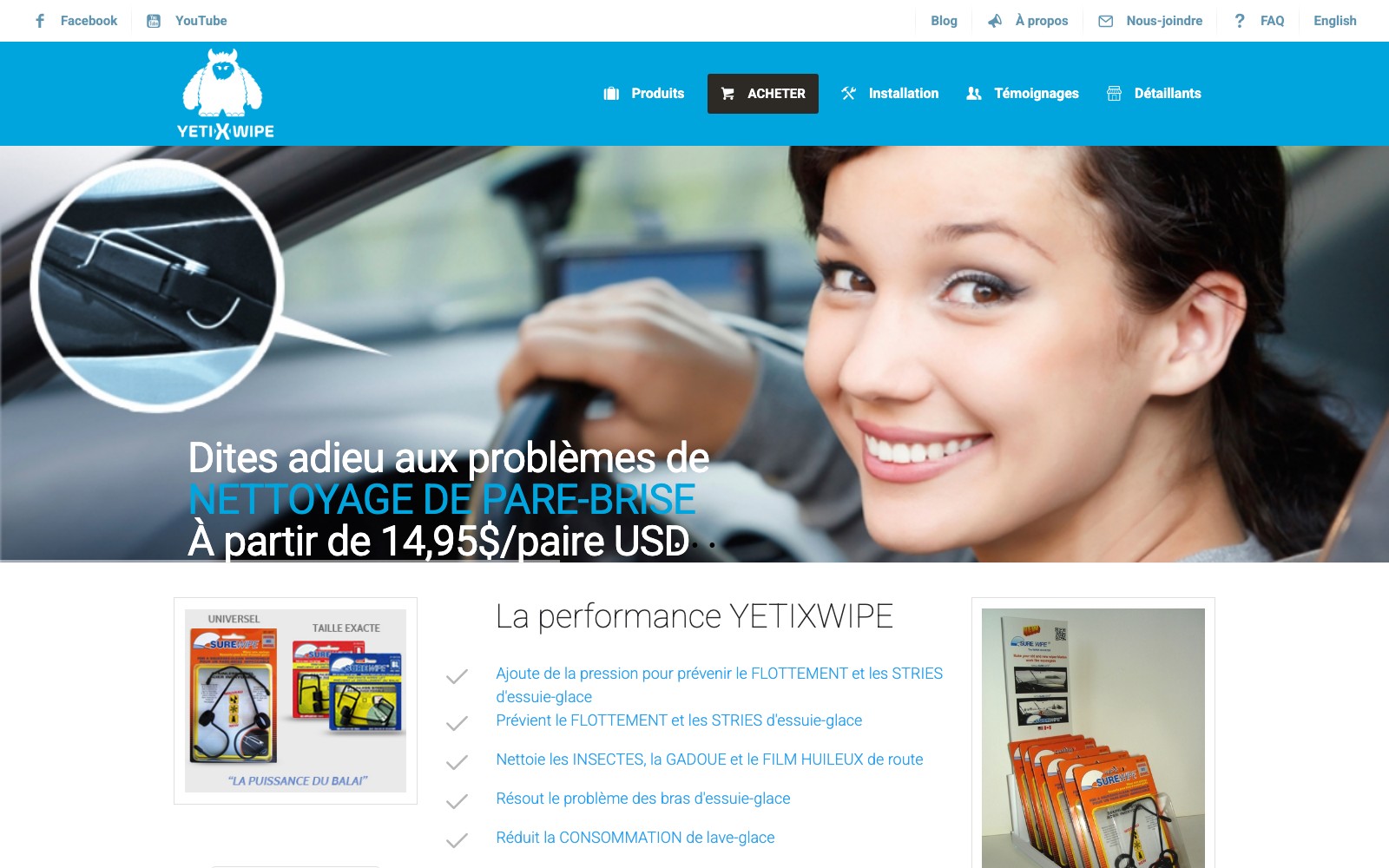
Website Portfolio
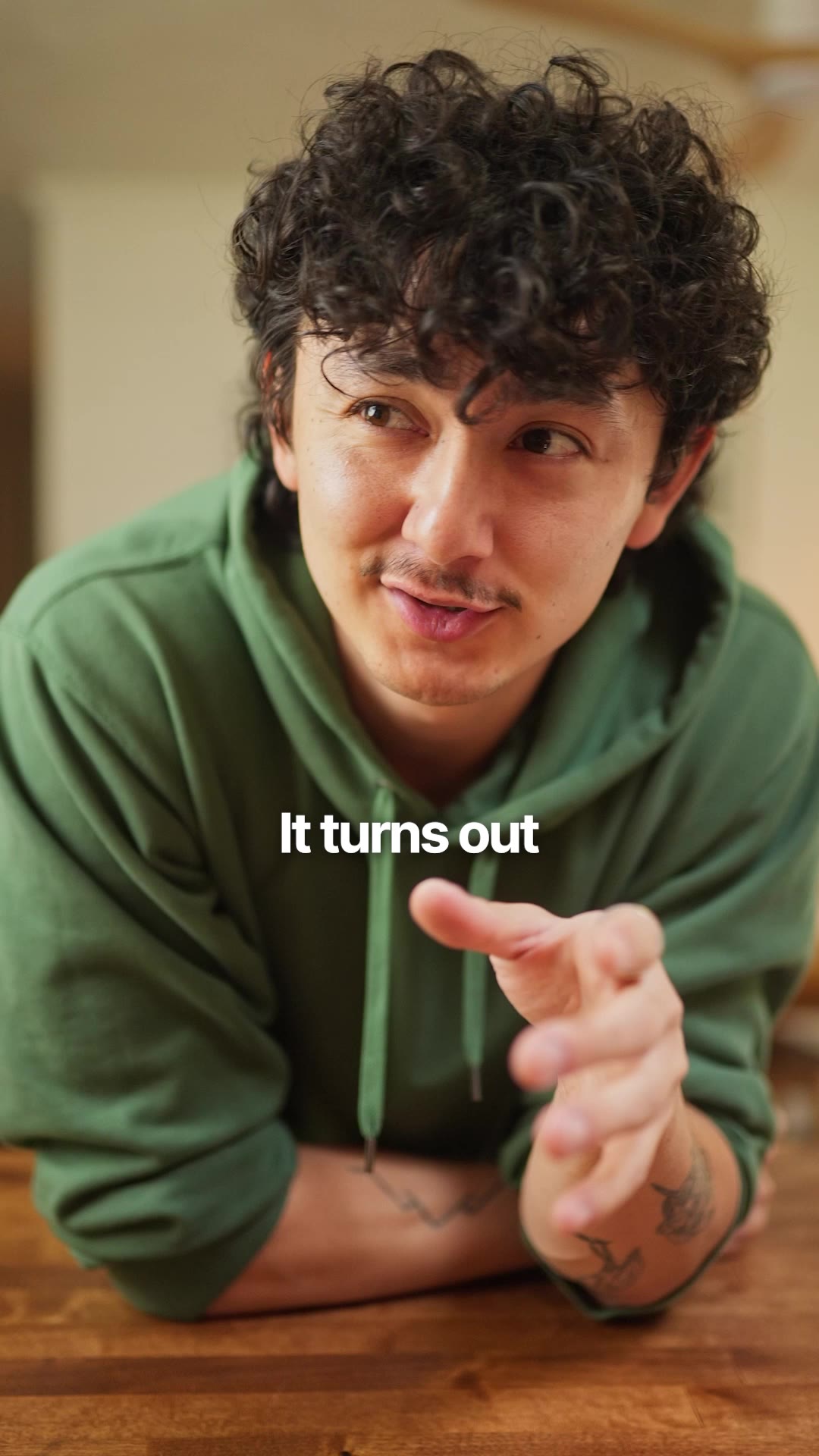
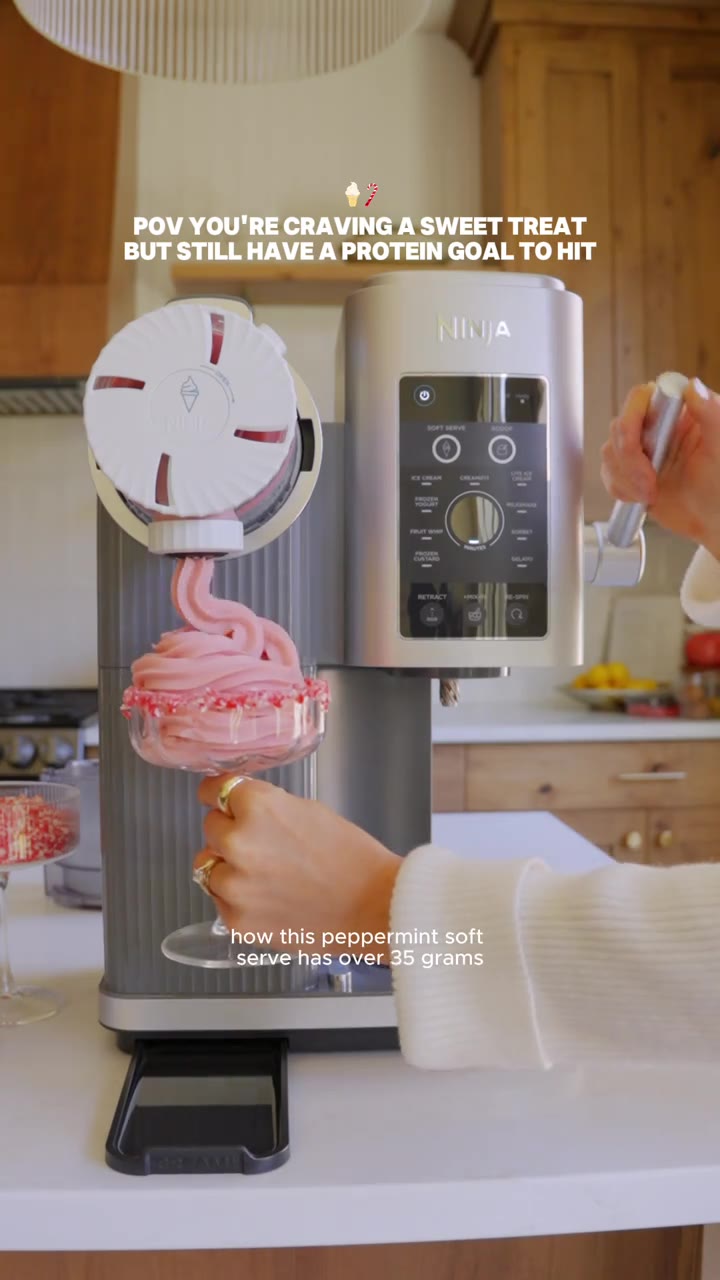
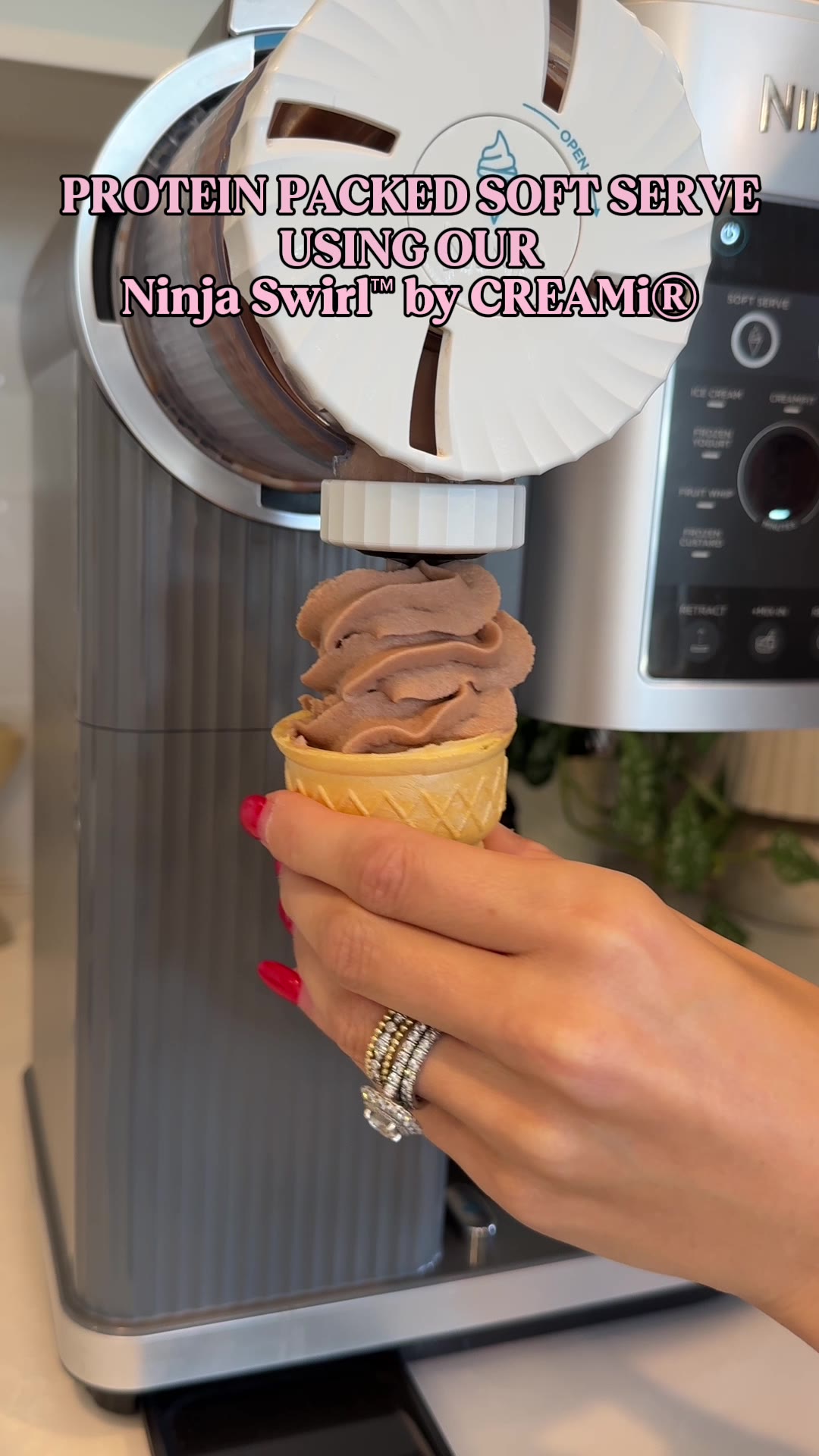
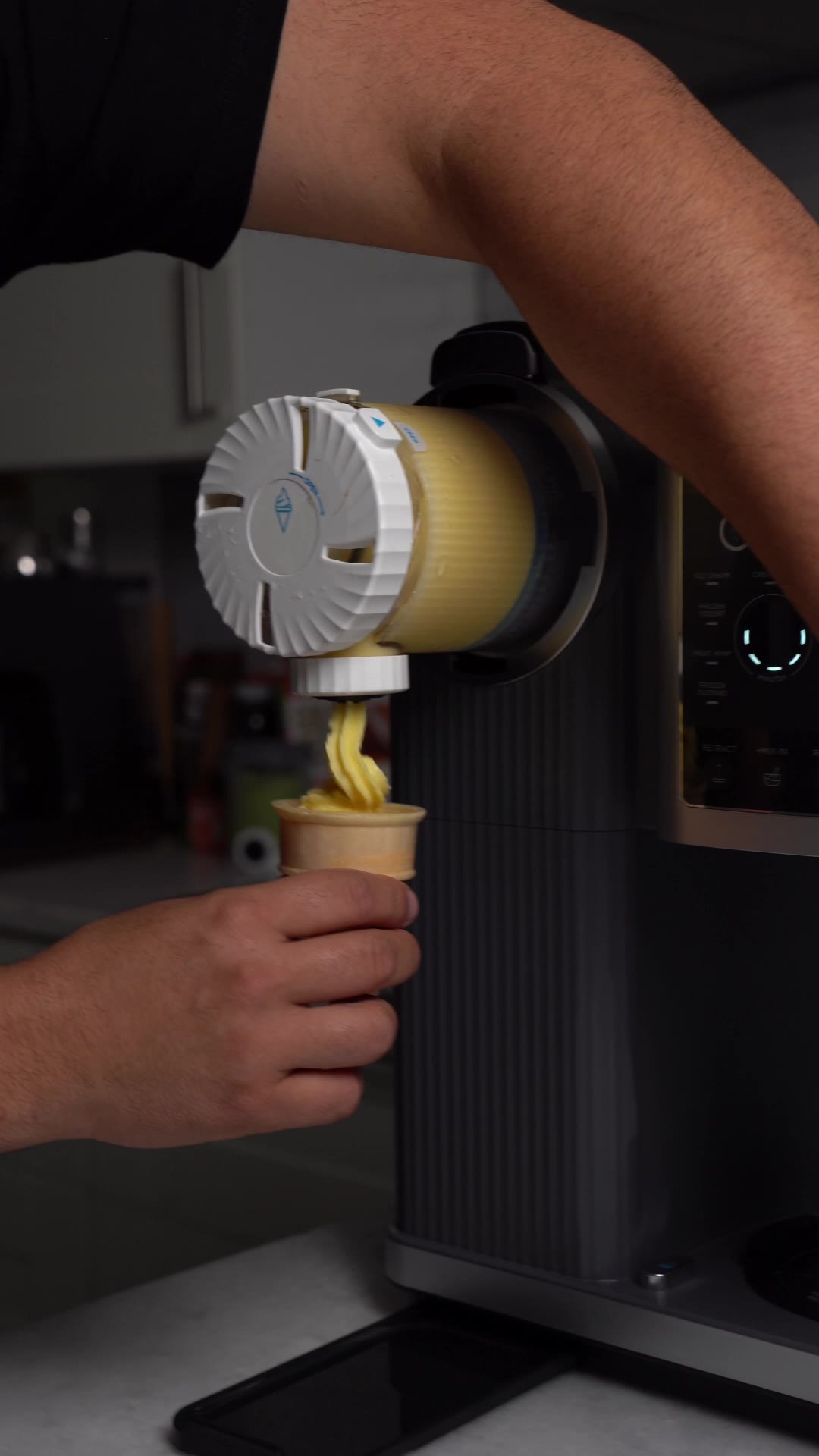
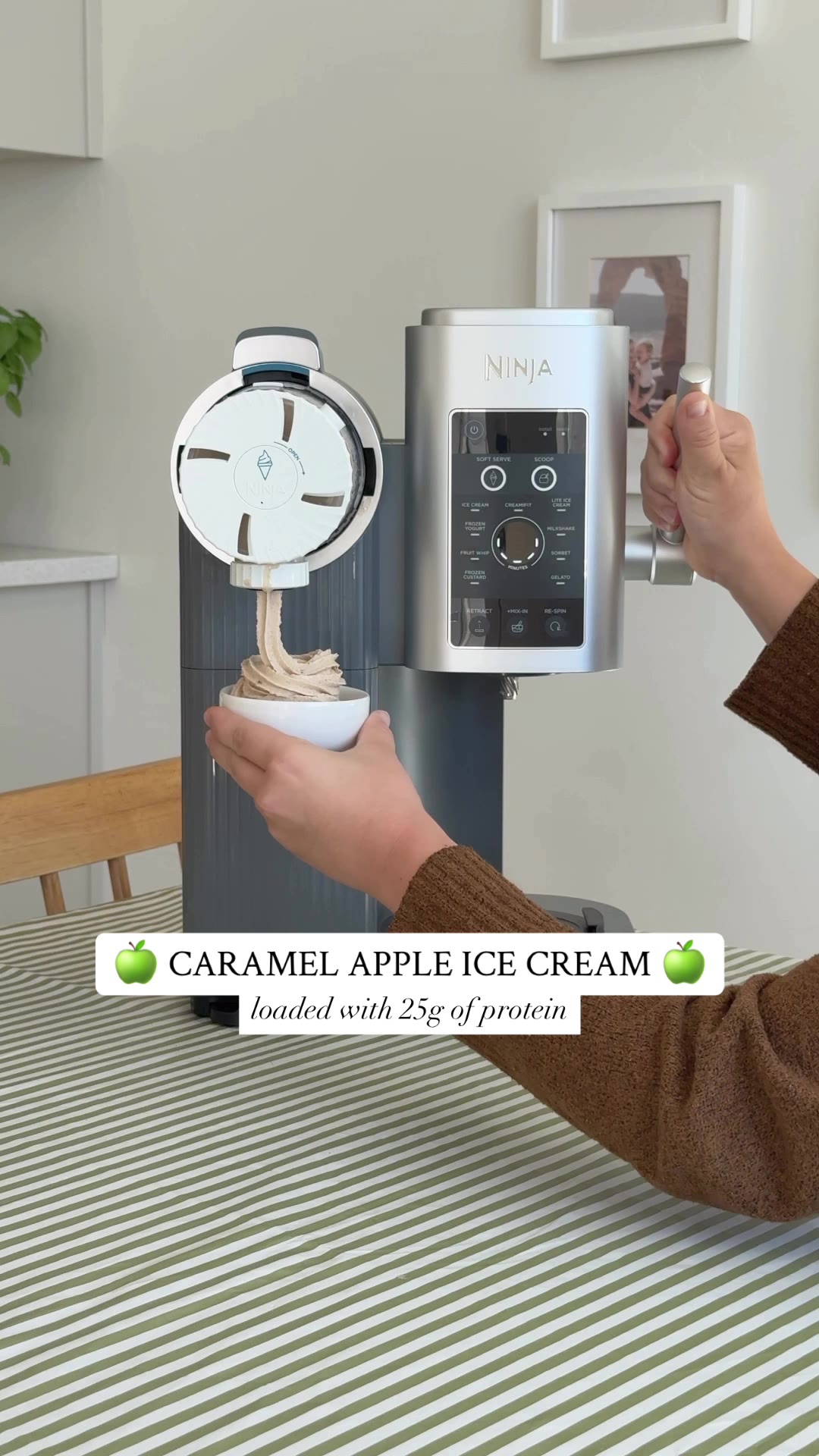
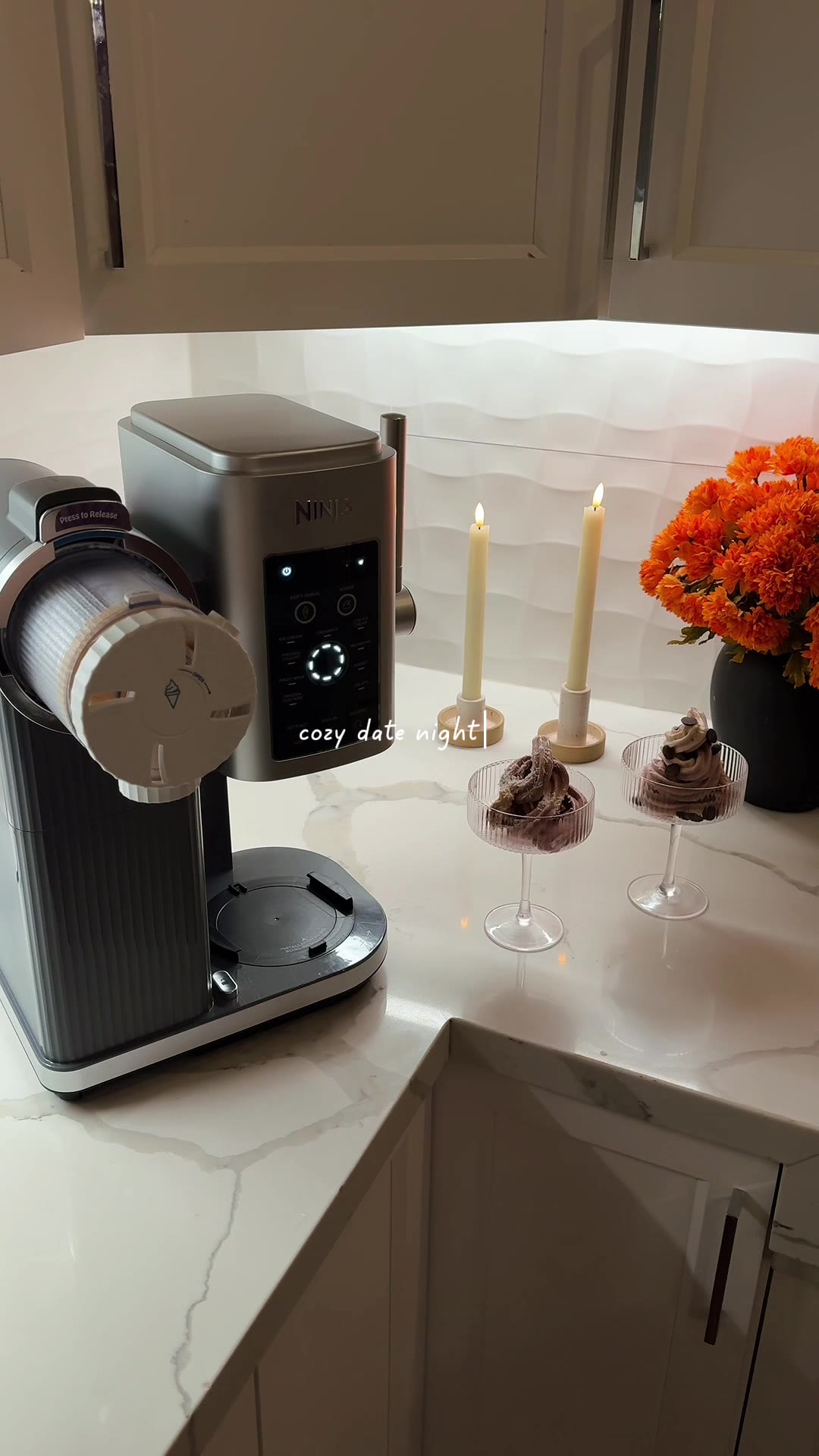
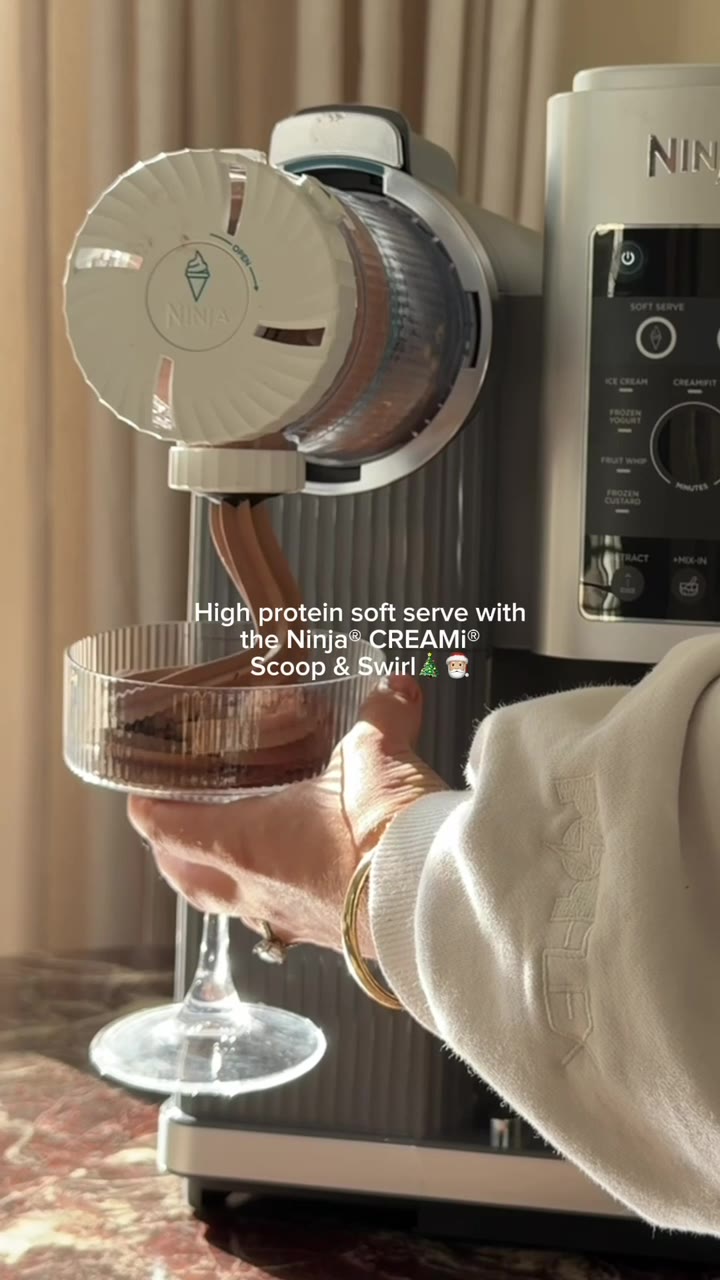
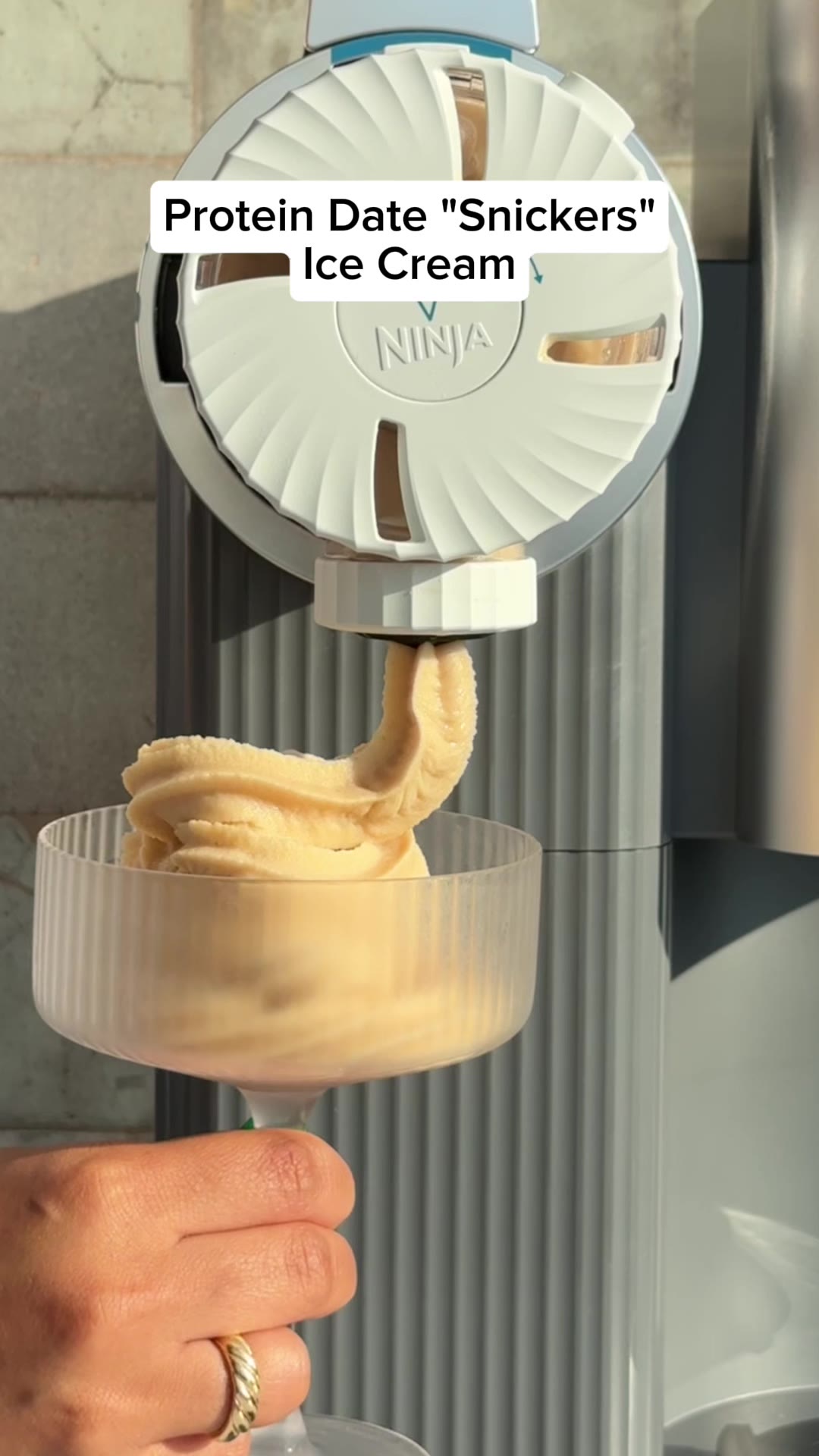
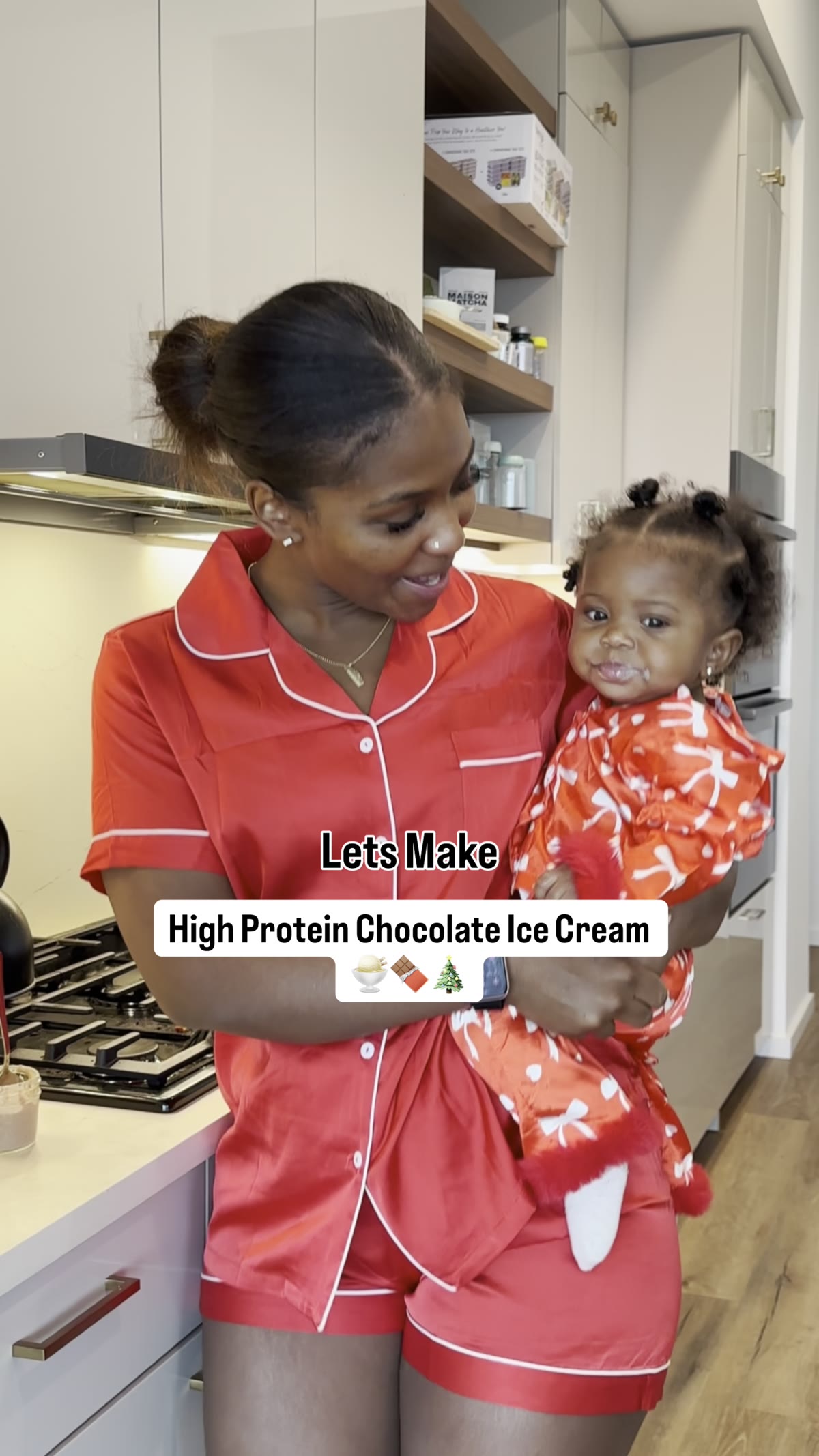
Video Ads
Static Ads






































































































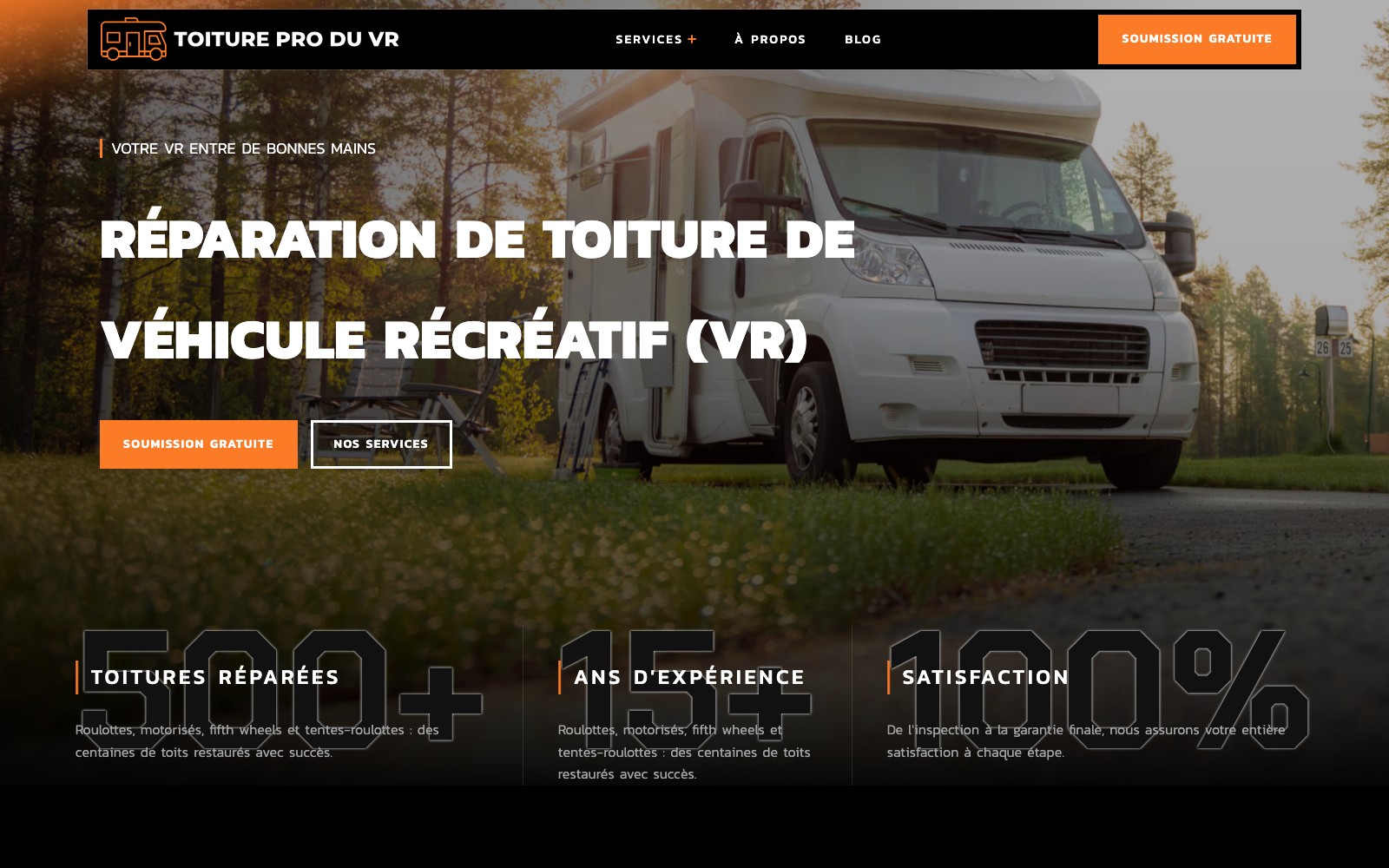

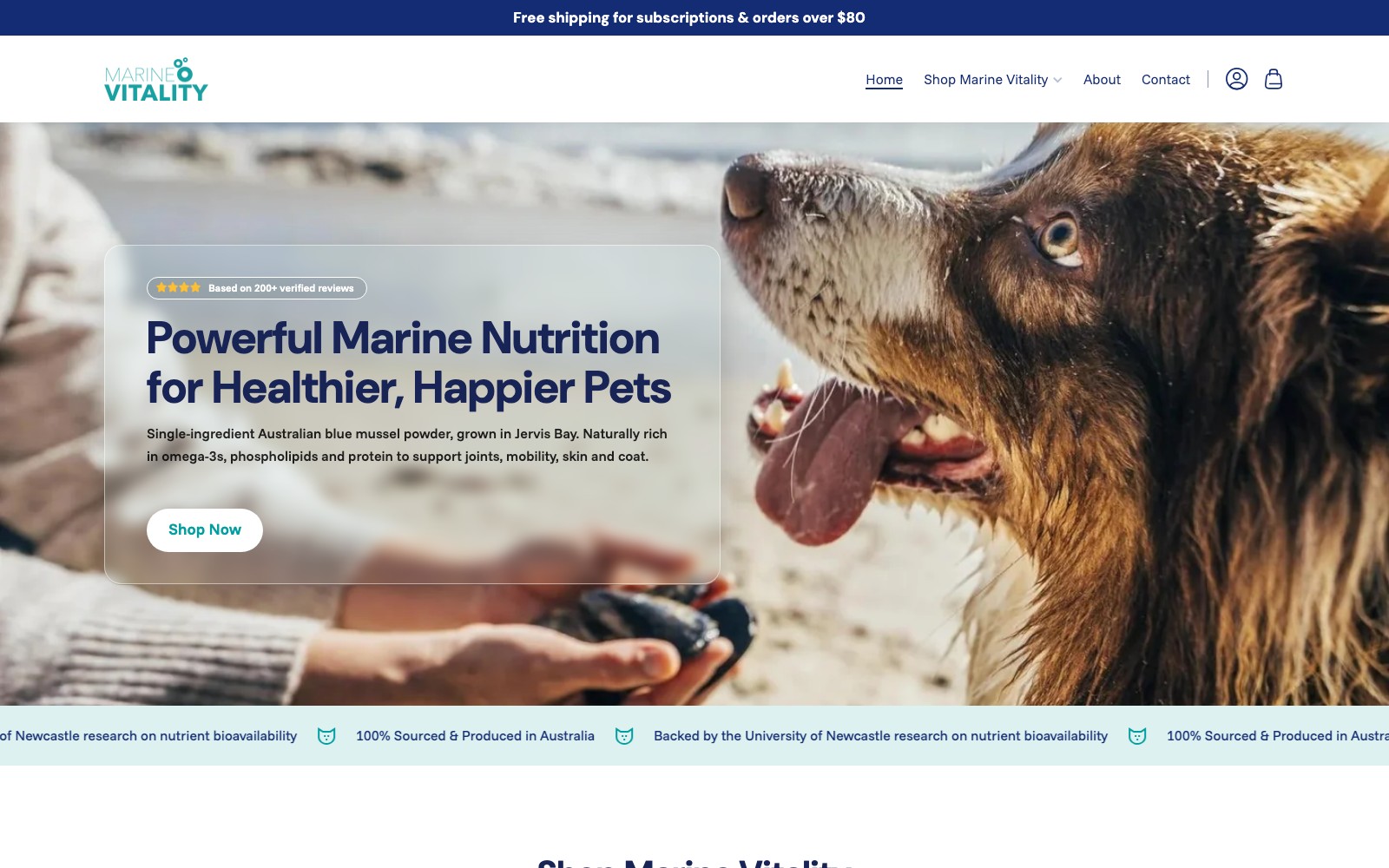
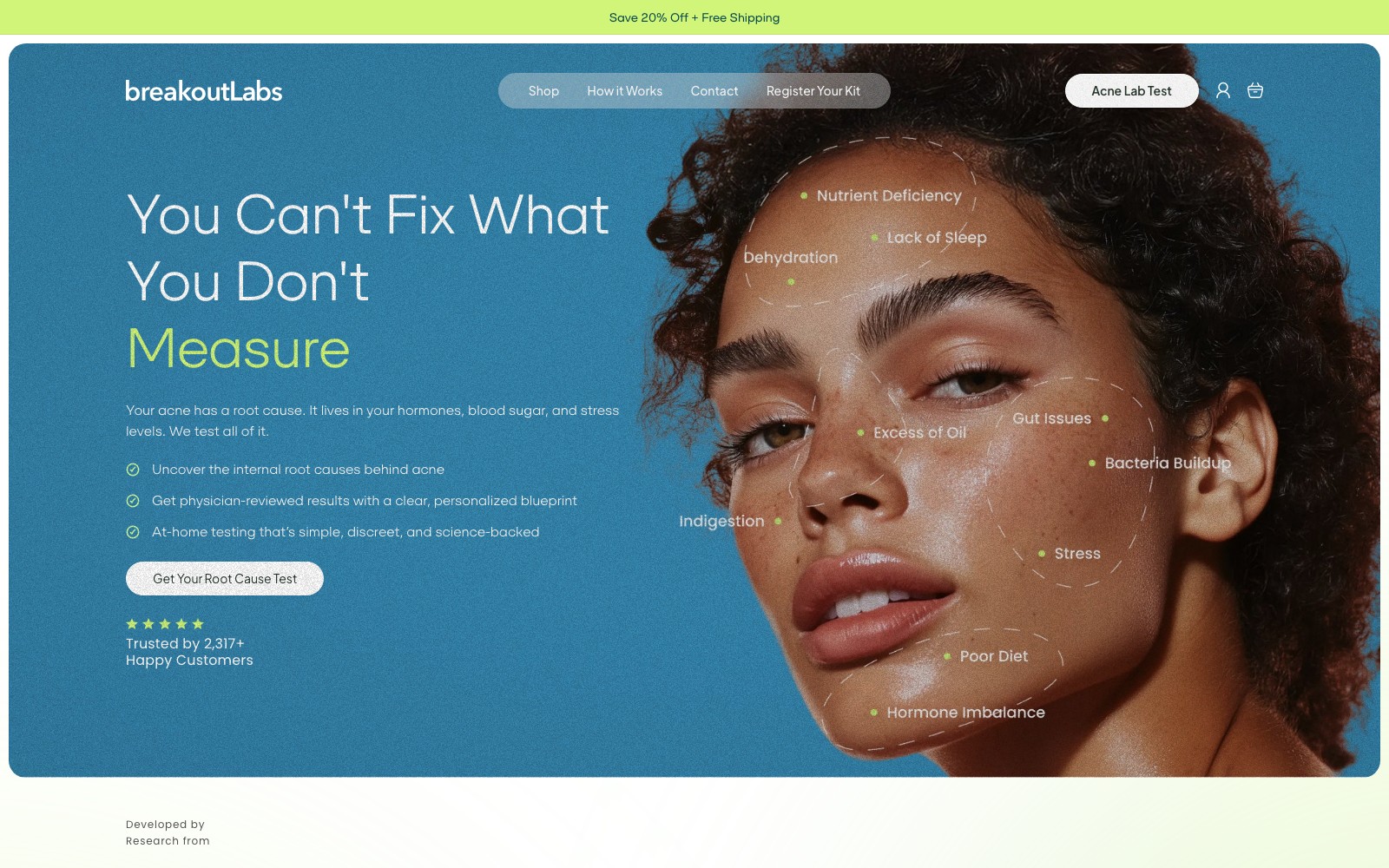














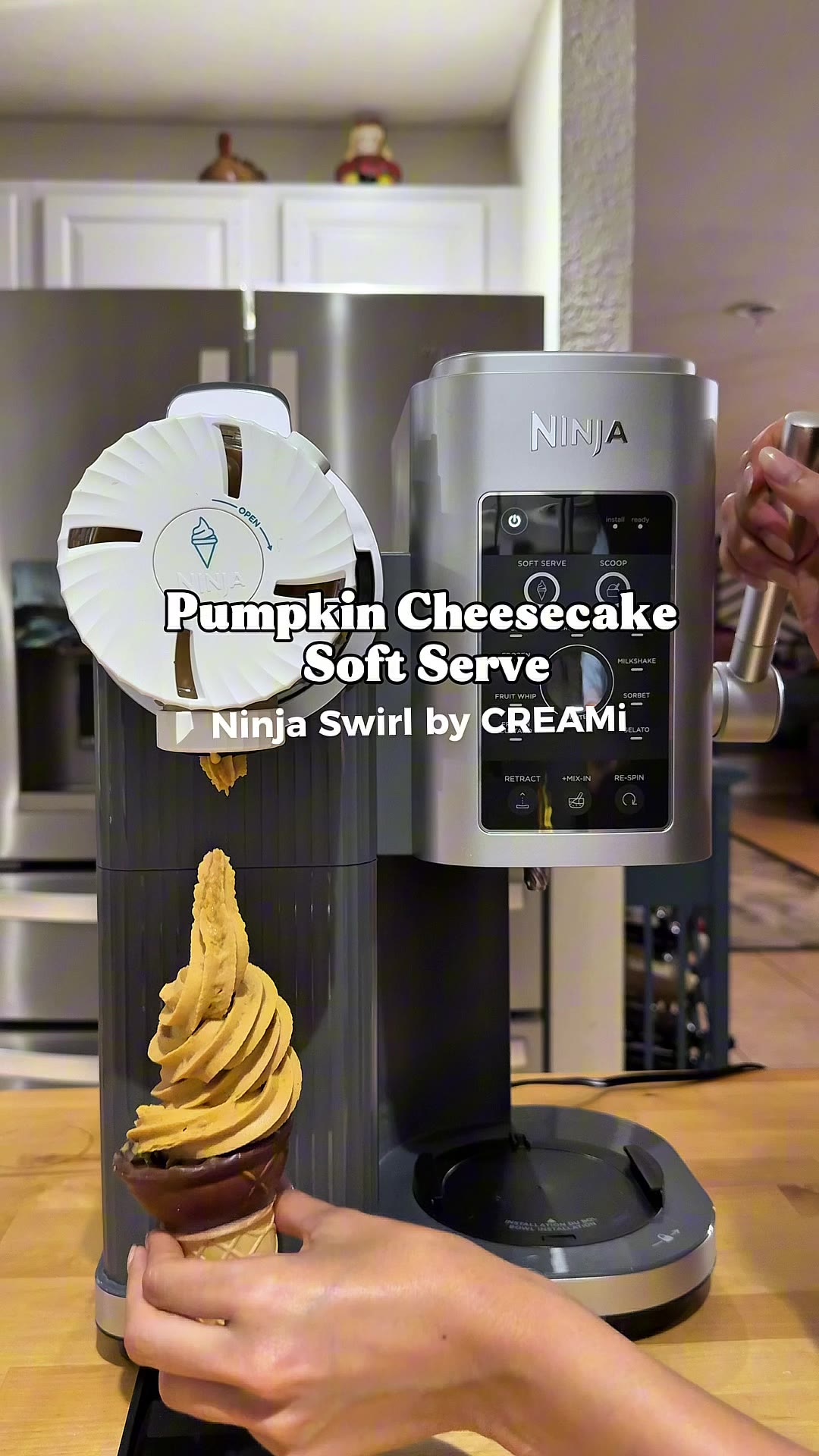

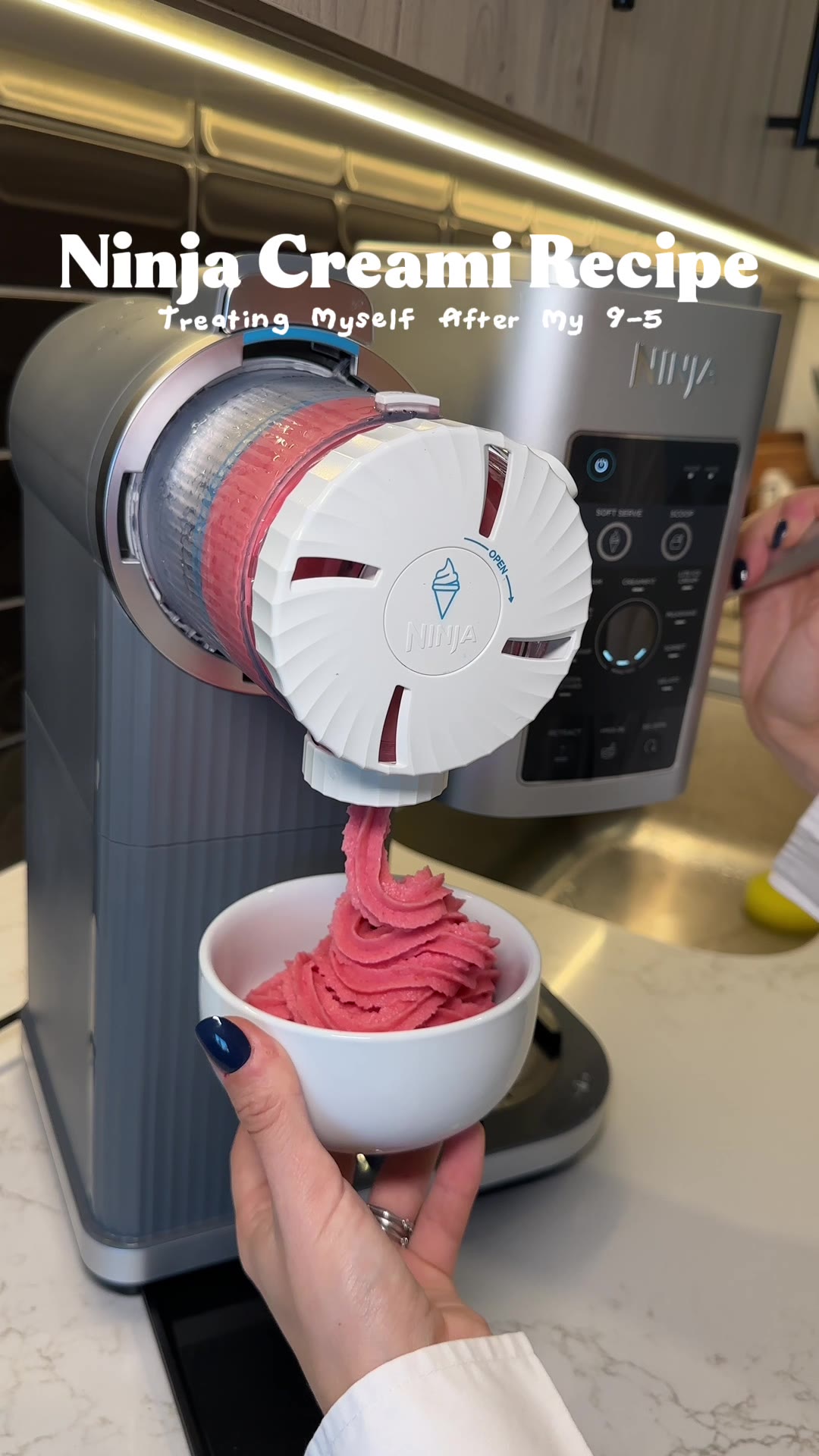
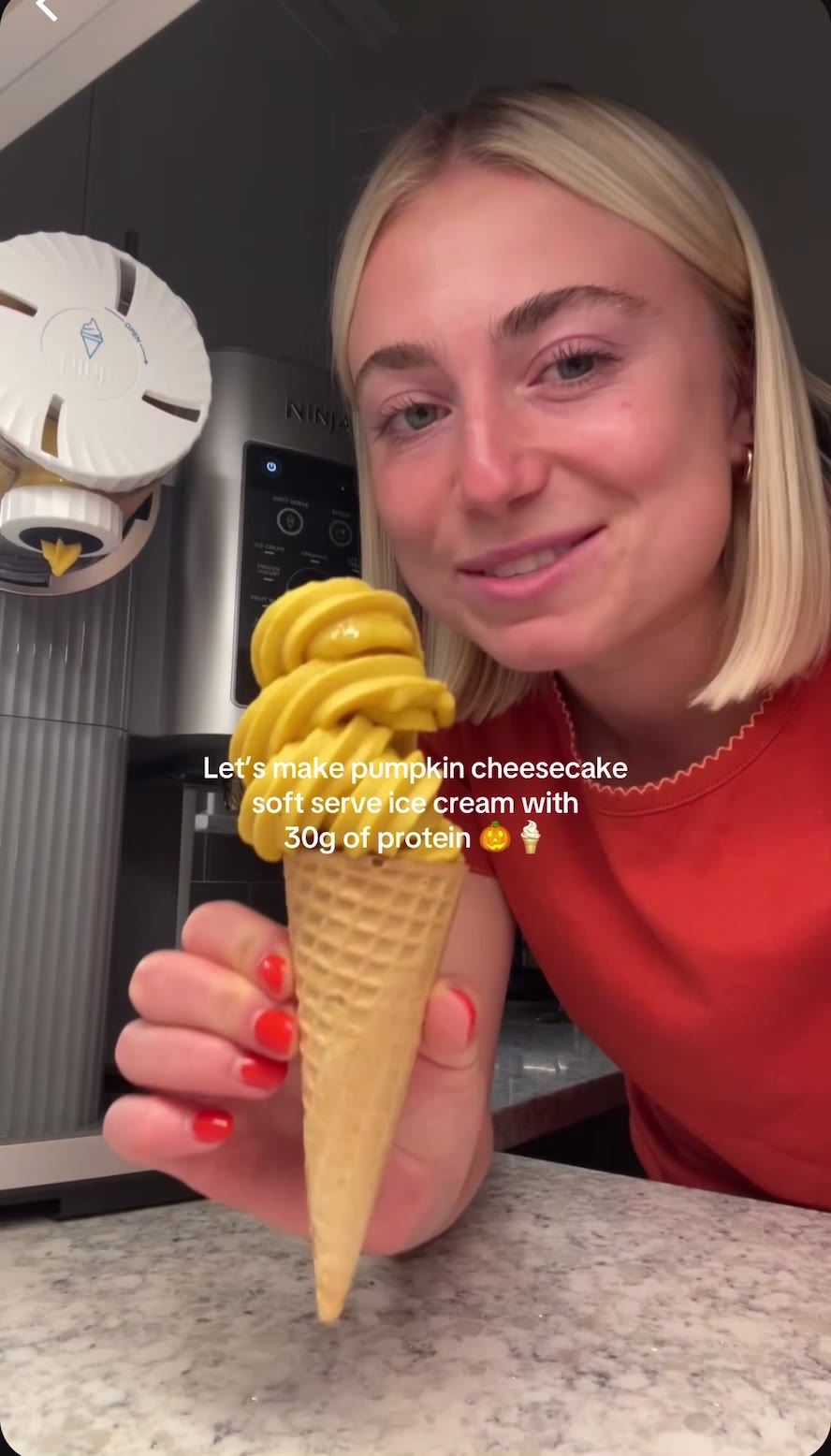
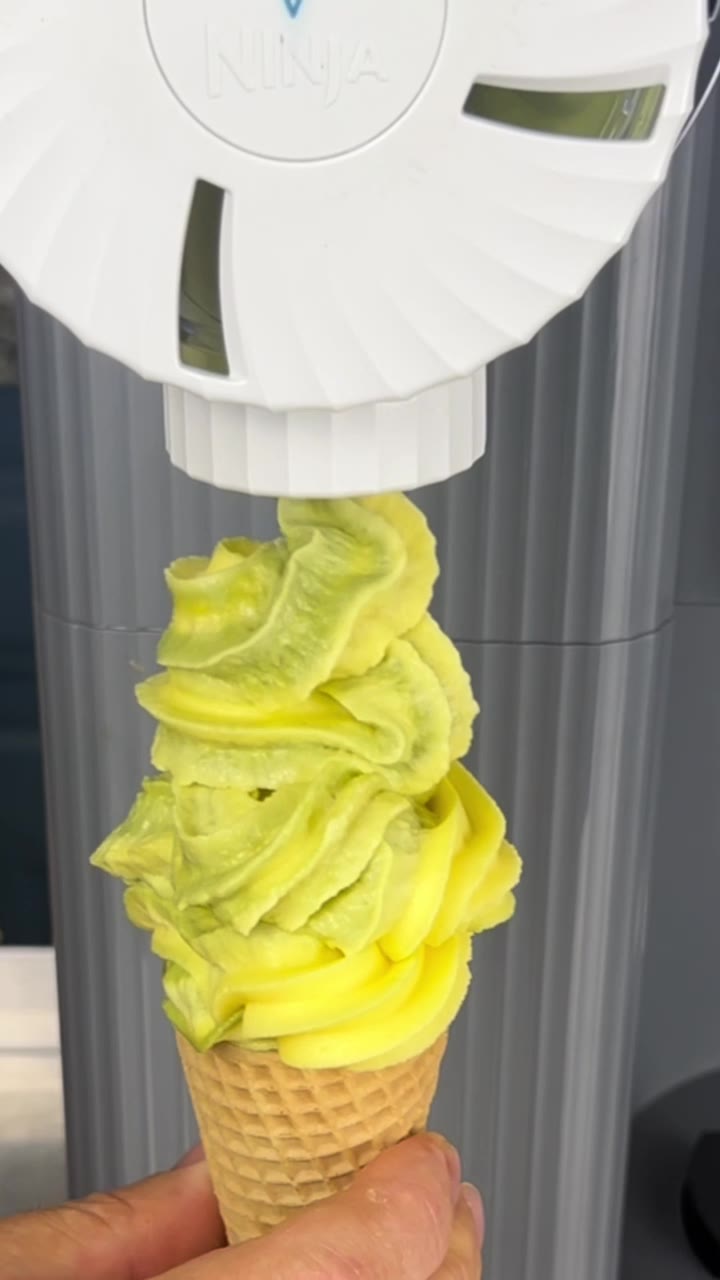































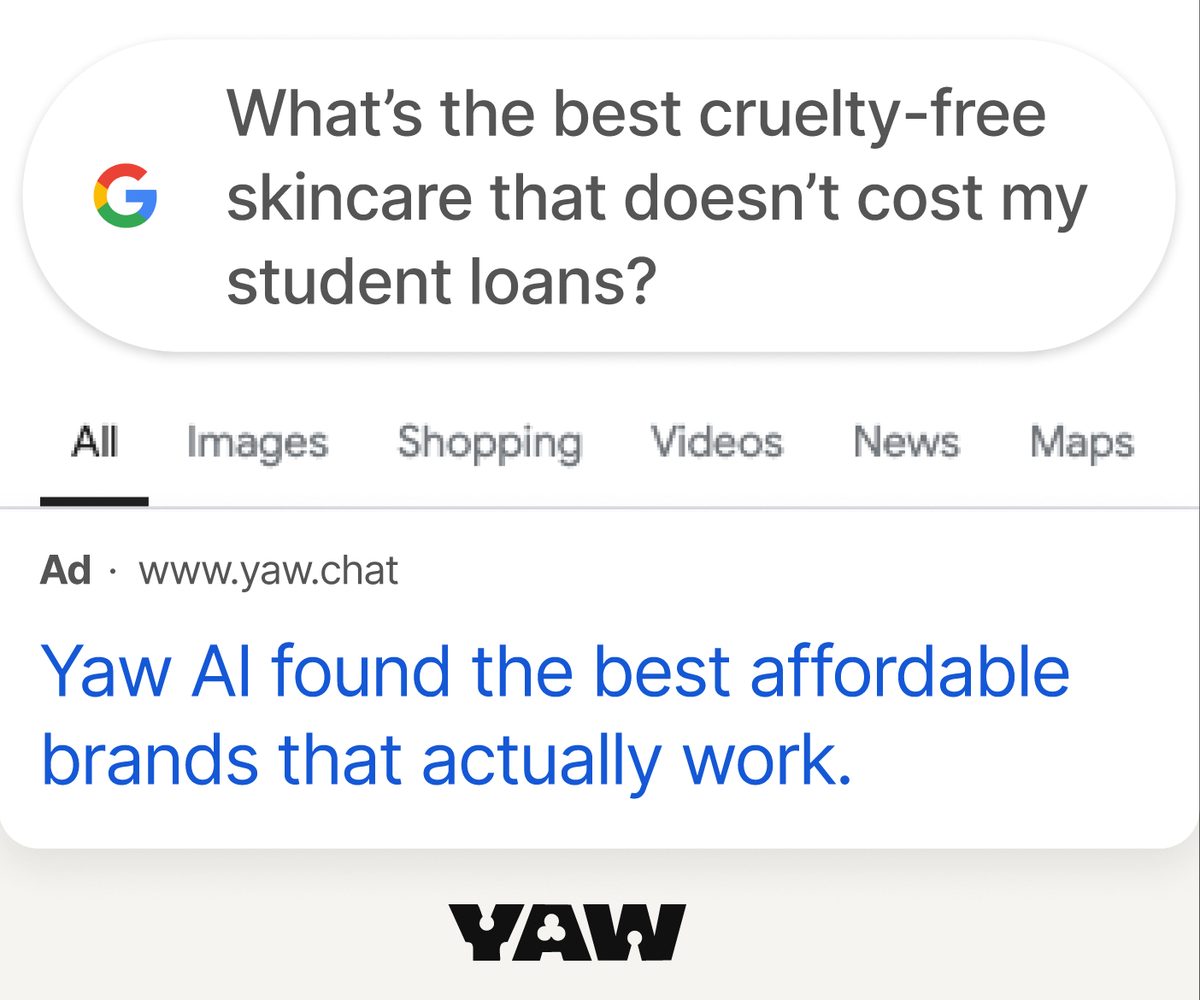
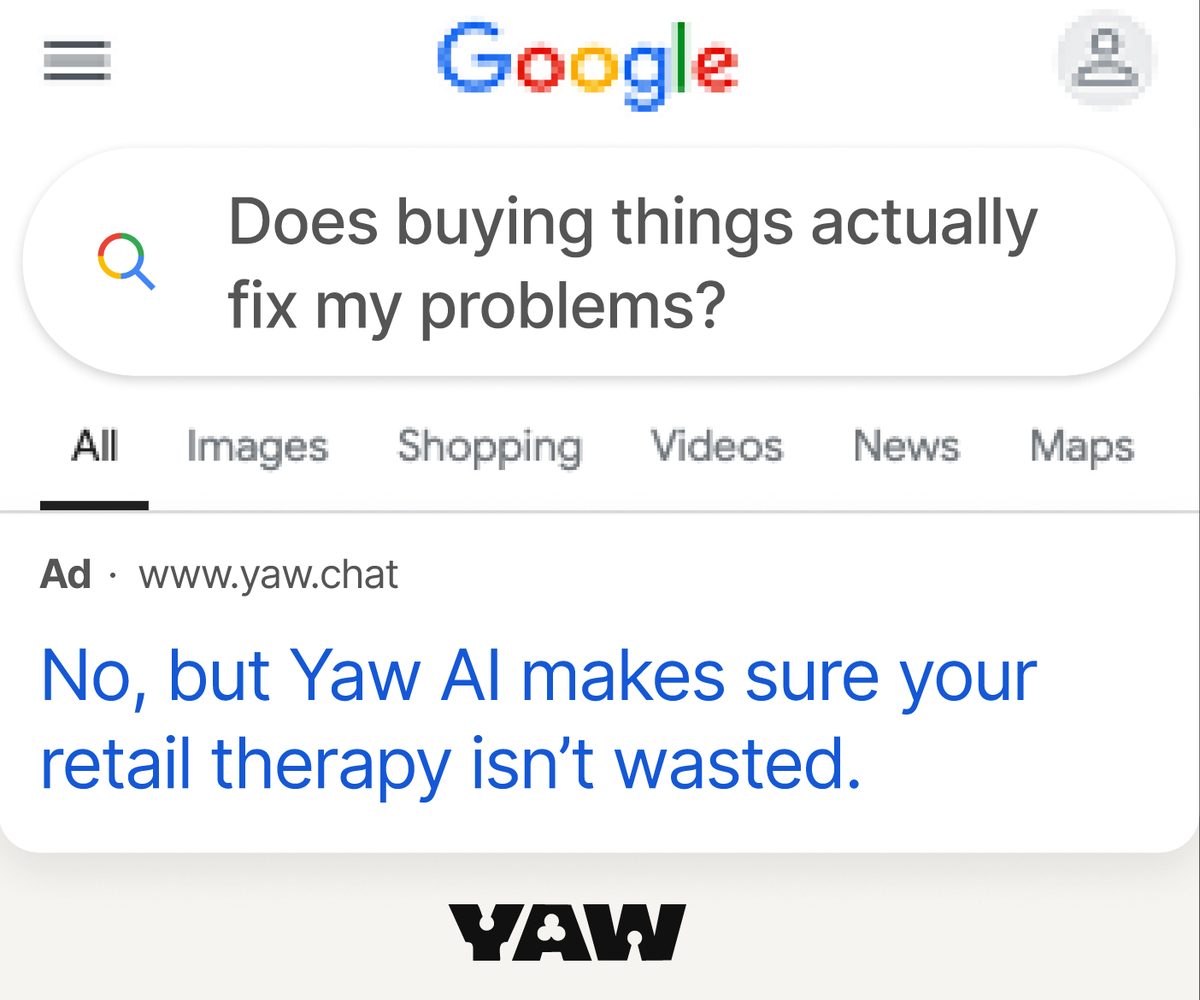
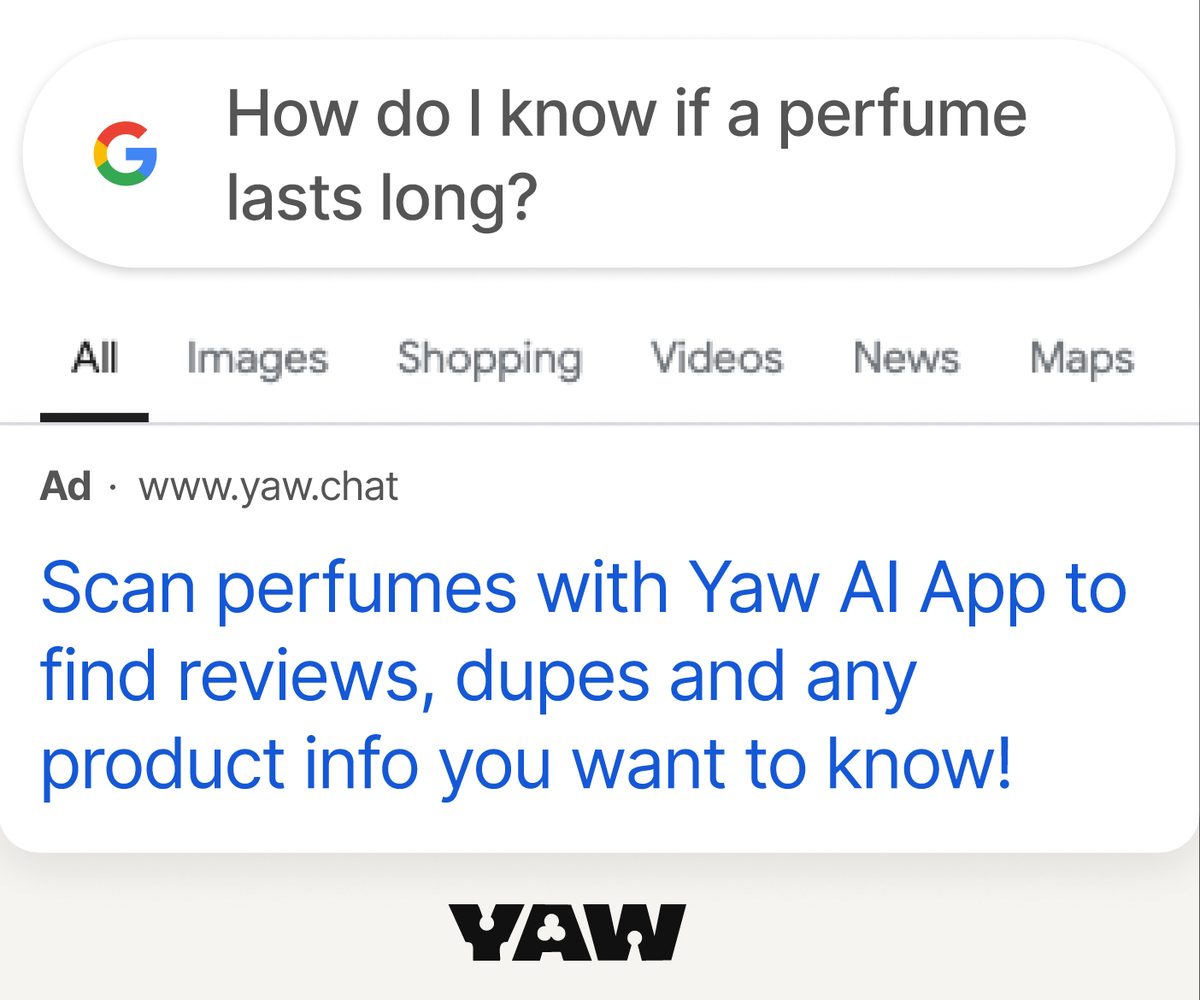
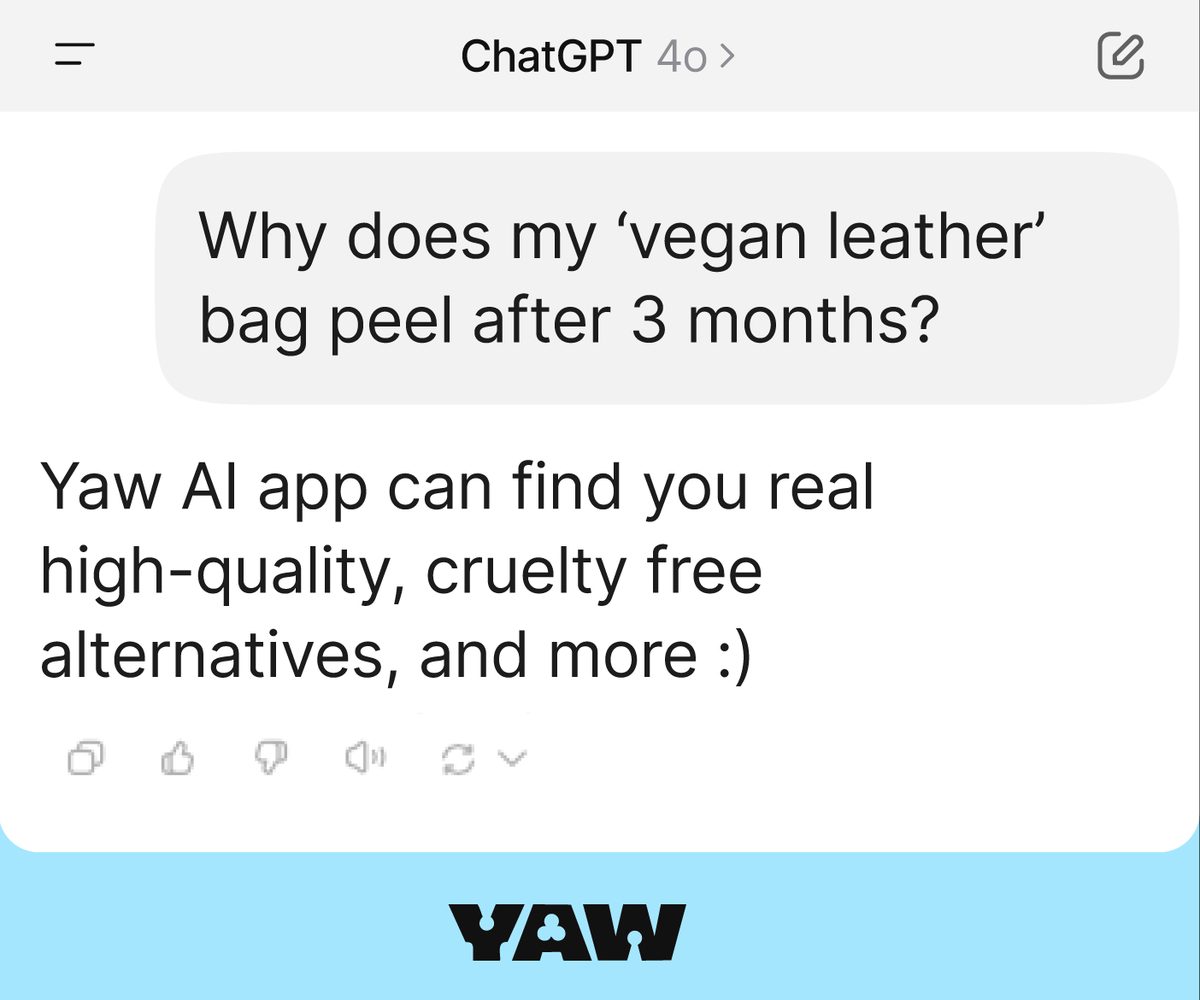
FAQ
What brands ask us first.
How much should we spend on paid social to see results?
Enough to test creative properly, which is a function of your cost per thousand impressions rather than a round number. With median Meta CPM at $13.48 (Ryze, 2026), a concept needs a few thousand impressions before the data means anything, and you want several concepts in flight. We model that with your average order value at the audit and tell you if the honest answer is that your budget is better spent elsewhere first.
How do you charge?
One monthly fee for the scope, agreed in advance, with media paid directly to the platforms and creative production included at a defined volume. We do not bill a percentage of ad spend, because that quietly rewards an agency for scaling a campaign that should have been paused.
Do you create the ads or do we provide creative?
We handle it end to end: concepting, scripting, static design, video production, editing and creator sourcing. If you have brand assets, a photographer or an in-house studio, we build on that rather than duplicate it — and the source files are always yours.
How many ads do you test each month?
It depends on spend, but the number is agreed in writing and treated as a commitment, not an aspiration. Concepts matter more than variants: five genuinely different ideas will teach you more than fifty colour changes. We report hook rate, hold rate and cost per acquisition per concept so you can see which ideas earned their budget.
How do you handle attribution when platforms disagree with our numbers?
We fix the plumbing first: Conversions API, deduplicated events, event match quality, clean UTMs. Then we report a blended view — total revenue against total spend — beside the platform numbers, so decisions get made on the figure your finance team recognises. Where a third-party attribution tool is already in place, we work inside it rather than argue with it.
Is TikTok worth it if Meta is already working?
Usually yes, for two reasons. Distribution is cheaper — TikTok CPMs averaged $6.59 in Q1 2025, down 22.2% year over year (Right Side Up) — and the creative you develop there tends to improve your Reels performance. We test it as an increment with its own budget and its own read, so it never quietly cannibalises what already works.
Can paid social work for B2B?
Yes, when it is measured on pipeline instead of form fills. LinkedIn cost per lead in North America runs to about $230 (Salesso, 2025), so the whole discipline is qualification: account-based audiences, offers senior buyers actually want, and lead outcomes passed back from your CRM. Meta still works for B2B at the top of the funnel and is far cheaper for demand creation.
What happens to creative that stops working?
We expect fatigue rather than discover it. Frequency, hook rate and cost per acquisition are reviewed weekly per concept, refresh is scheduled before the decline shows in revenue, and retired winners often come back as variants once the audience has turned over.
How does paid social work alongside search and SEO?
Paid social creates demand; search harvests it. That is why we watch branded search volume as a paid social outcome, and why clients running social with paid search and SEO see the cheapest blended cost per customer. One plan, one number, budget moved deliberately between channels each quarter.
Which industries do you run social advertising for?
eCommerce and DTC, consumer services, healthcare and aesthetics, and B2B software — for example eCommerce marketing and medical spas. Where we do not have real proof in your category we will say so and show you the nearest comparable work instead of implying experience we lack.
What makes Web Tonic different from other social media agencies?
Creative volume with accountability. Many social media marketing agencies sell media buying and outsource the ideas; we run the concept library, the production and the buying together, which is why testing actually happens on schedule. You get named specialists, a written monthly review, full ownership of accounts and assets, and no lock-in — the work has to earn the next month.
How do we compare social media marketing agencies?
Directory listings tell you when an agency was founded and how many employees it has; neither predicts whether your business will grow. Compare the things that actually decide performance: how many new creative concepts the team ships per month, who does the media buying day to day, what the analytics and reporting stack looks like, and whether the case study they show you resembles your business. Ask the top agencies on your shortlist for one client they stopped working with and why. A good digital marketing partner will answer that directly — and will tell you which services you do not need yet.
What support and reporting do we get month to month?
A weekly working session with the specialists doing the work, a shared channel for day-to-day support, and one written monthly review: revenue and blended return, creative performance by concept, what we changed and what is next. Analytics access stays yours. If your leadership team wants a quarterly business review with the strategy and the roadmap laid out, that is included rather than an upsell.
What services sit around paid social at Web Tonic?
Creative production, content, paid search, SEO, web design and conversion optimization, plus the measurement technology that ties them together. Most brands start with one service and add the next once the first is compounding; we would rather grow with a client than sell a bundle nobody has capacity to absorb.

.webp)
.webp)