Web design that sells, not just impresses.
sells
We are a web design agency for companies that need the website to do a job. Strategy, UI/UX design, copy, build and the tracking that proves it worked — one team, one timeline. Ask us for the traffic and lead trend on the sites in our case studies, not just the screenshots.






Tell us a little about your brand and we'll be in touch within 24 hours to lock in a time.


WORKSTREAMS
Four workstreams inside every web design project.
Four workstreams
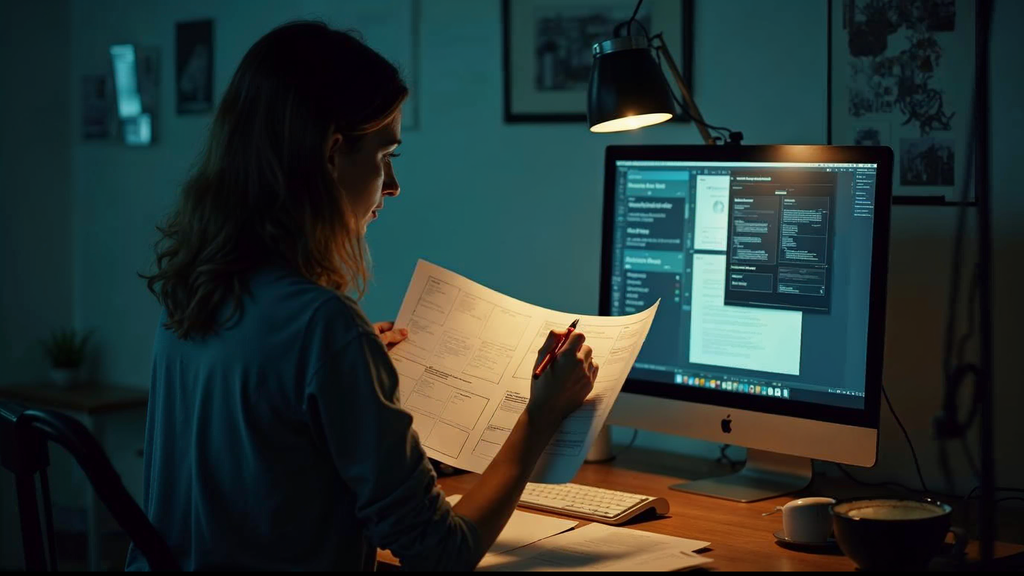
Strategy and information architecture, UI/UX design, development on the right platform, and the conversion tracking that tells you whether the new website actually earns. Our web design services run all four with one team, so nothing gets handed between a design agency, a developer and a marketing agency who each blame the other two.
Strategy & IA
UI/UX design
Development
Tracking & growth
What the website has to accomplish, decided before any design.
Discovery interviews, an analytics audit of the current site, a competitor review of the agencies and companies you lose to, and a sitemap that maps each page to a search intent and a business outcome. Skipping this stage is the single biggest reason web design projects stall during design — stakeholders discover in week six that they never agreed on what the site was for.
- Stakeholder interviews and a written project brief
- Analytics, Search Console and keyword audit
- Sitemap and page-level intent mapping
- Redirect map when we are replacing an existing website
2–3 wks
Discovery and strategy
60%+
of redesigns lose organic traffic when migration is unplanned
Design that a developer can build and a buyer can use.
Wireframes first, then a visual design system: type scale, colour, spacing, components and states. We design the templates that carry volume — service page, location page, product page, blog article — not just a beautiful homepage. Mobile layouts are designed, not inherited, because most of your traffic will never see the desktop version.
- Wireframes and a reviewed content structure
- A design system: components, states, tokens
- High-fidelity mockups for every template, mobile included
- Accessible contrast and focus states from the start
3–4 wks
Core templates designed
Every
Template designed mobile-first, not resized after
Built on the platform your team can actually run.
We build in Webflow, WordPress or Shopify, and we choose based on who maintains the site after launch — not on what our developers prefer. Webflow when marketing needs to ship pages without a developer; WordPress when you need complex editorial or existing plugins; Shopify for ecommerce. Every build ships with a real CMS structure, so a new page is a CMS entry rather than a new project.
- CMS collections designed for programmatic pages
- Core Web Vitals budget agreed before build
- Schema markup, metadata and clean heading structure
- Staging environment and a QA pass across devices
19/31/7
Client sites live on Webflow / WordPress / Shopify
100ms
LCP improvement ≈ 1.11% conversion lift (Deloitte, eBay)
The part that ends when most web design agencies invoice.
Analytics, conversion tracking, call tracking and a dashboard tied to leads and revenue, then a 30-to-90-day post-launch window where we watch rankings, fix what the data exposes and keep shipping pages. A website without a retainer degrades; that is not an upsell line, it is what the redesign data shows.
- GA4, Search Console and conversion events verified live
- Redirect and indexation monitoring after launch
- One dashboard: sessions, leads, cost per lead, revenue
- Ongoing SEO and content, if you want it
30–90 days
Active post-launch monitoring window
1 team
Design, build and marketing under one roof
average web design project cost (Clutch)
median cost of a five-page site (Lindo)
client websites designed, built and shipped
Logins, files and accounts, all in your name
We made the difference for those brands

B2B software, fintech, insurance

B2B software, fintech, insurance

Consumer tech and platforms

Consumer tech and platforms

Apparel and lifestyle

Food & beverage

Travel & mobility

Food & beverage

B2B software, fintech, insurance

Creative, content, arts & culture

Consumer tech and platforms

B2B software, fintech, insurance

Beauty, personal care & wellness

Beauty, personal care & wellness

Beauty, personal care & wellness

Food & beverage

Creative, content, arts & culture

Food & beverage

Beauty, personal care & wellness

Healthcare & regulated services

Beauty, personal care & wellness

B2B software, fintech, insurance

Creative, content, arts & culture

Beauty, personal care & wellness

Retail & commerce

Creative, content, arts & culture

Food & beverage
Creative, content, arts & culture

Beauty, personal care & wellness

Home essentials, appliances, kitchen & pet

Home essentials, appliances, kitchen & pet
01 — The challenge
The redesign that quietly cost you a third of your traffic.
Website redesign pricing in 2026 runs from about $3,000 for a visual refresh to $15,000–$50,000 for a genuine redesign, with US mid-market relaunches most commonly landing between $30,000 and $80,000 and enterprise projects going well past $150,000. Those numbers are worth knowing. They are also not the expensive part.
The expensive part is that more than 60% of redesigns cause an organic traffic drop when the migration is not planned — no redirect map, URLs changed for tidiness, content cut because it looked thin, headings flattened into a nicer visual rhythm. The new website is better looking and earns less.
“The site looks incredible. Our leads are down 40% since launch and nobody can tell me why.”
We can usually tell you why in an afternoon, and it is almost never the design. It is 300 URLs with no redirect map, a contact form that quietly stopped firing its conversion event, a hero that buries the offer below the fold, and four seconds of load time on the phones most of your buyers use. Every one of those is fixable, and none of them requires starting the design again. If the diagnosis points at demand rather than the site, we will say so and point you at paid search instead.
02 — Our approach
Design for the buyer. Build for the team. Measure from day one.
Our web design process runs in five phases: discovery and strategy, UI/UX design, development, QA and launch, then post-launch optimisation. Content is written in parallel with design, not bolted on at the end, because waiting on copy is the single biggest reason web design projects overrun. Brand work — identity and logo design — happens before the design phase when it is in scope, never during it.
You see working pages on a staging link, not a slide deck. Tracking is specified in discovery and built during development, so the day the site goes live you can already see which pages produce enquiries. For stores, the same process is tuned to catalogue, checkout and merchandising — that work sits under ecommerce.
03 — What we did
Discovery, design, build, launch, then watch it.
A focused brochure site takes 6 to 10 weeks; a full redesign with new brand and messaging, 10 to 16; a Shopify refresh, 8 to 12; a custom ecommerce build, 14 to 20. The delays live in content and approvals, not development, so we give you the honest number at proposal with your review dates marked in the plan.
Adjacent work if you need it: logo design, SEO, AI search visibility and paid search for traffic on day one. Outcomes are in our case studies.
Discovery & information architecture
We map the decision before we draw a page
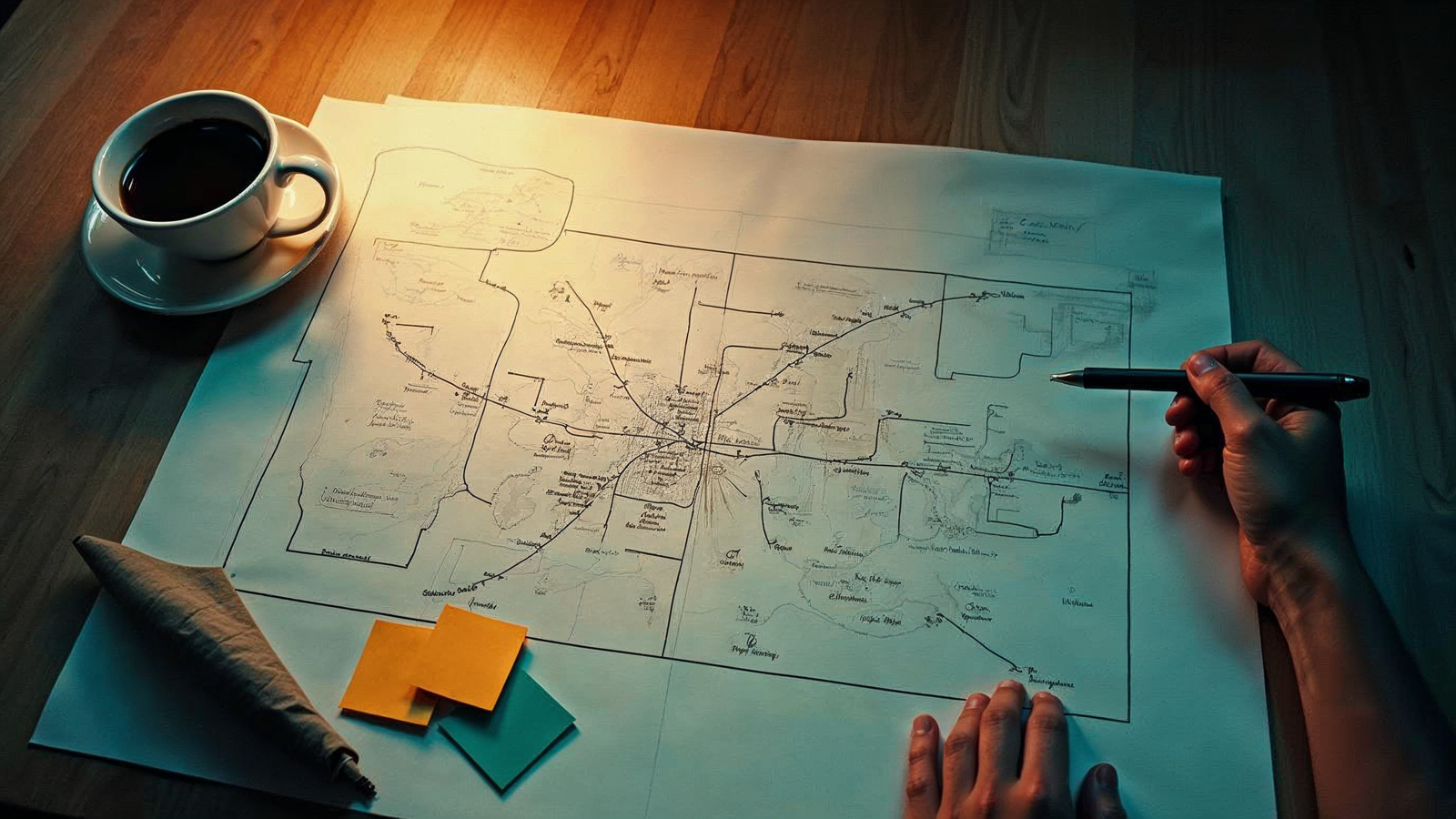
Before any design work starts we sit with sales, read the enquiries you already get, and map every page to the question a buyer is asking at that moment. The output is a signed-off sitemap, page-by-page intent and the metrics the new site is accountable for.
UI/UX design
A design system, not twelve one-off pages
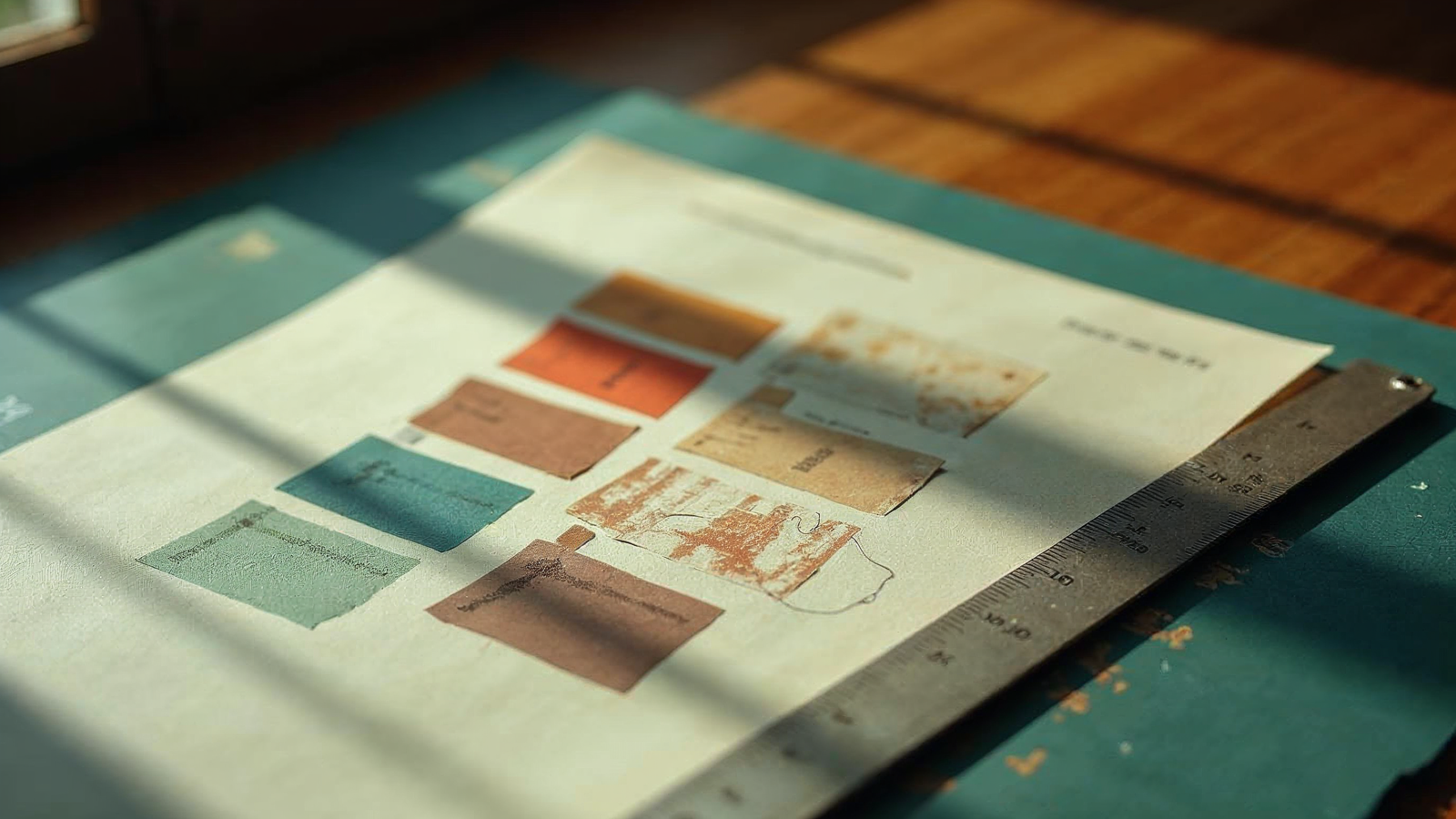
Components, type scale, colour tokens and states live in Figma, so the landing page your marketer builds in month six still looks like the brand. Every template is designed mobile-first and reviewed against the real content, never lorem ipsum.
Development
Built on the platform your team can actually run
Webflow when marketing needs to publish without a developer, WordPress for heavy editorial workflows, Shopify for stores. Collections are structured so new services, locations and case studies are entries your team adds, not tickets they raise.

Launch & measurement
The launch is the start of the measurement
A complete URL-to-URL redirect map, preserved titles on pages that already rank, schema carried over, Core Web Vitals checked on real phones, and every form and event verified as it fires. Then thirty to ninety days of active monitoring with a written review.

DELIVERABLES
What you own when the project closes.
you own
A website design project should leave your team more capable, not more dependent. These are the artefacts we hand over on every web design and development engagement.

An approved project brief
Goals, audiences, page-by-page intent, success metrics and the launch date — signed off before design starts.

A design system, not just pages
Components, type scale, colour tokens and states in Figma, so the next page your team builds still looks like the brand.

A CMS your marketers can drive
Collections structured for real publishing: services, locations, case studies, articles. New pages are entries, not projects.

Technical SEO shipped, not scheduled
Redirect map, metadata, schema markup, clean headings, sitemap and indexation verified in Search Console after launch.

A performance budget you can hold us to
Core Web Vitals targets agreed before build and measured on real mobile devices at launch, not on a developer laptop.

Access, documentation and a walkthrough
Every login in your name, a recorded training session for your team, and documentation for the parts that need it.
HOW WE WORK
Operating standards, not promises.
Operating standards



















Built on trust. Proven by results.
We partner with SMBs and Fortune 500 companies to deliver more than reach — we bring clarity, execution, and measurable outcomes. Every successful partnership starts with a strong culture fit and a shared drive to grow.






CASE STUDIES
Case studies
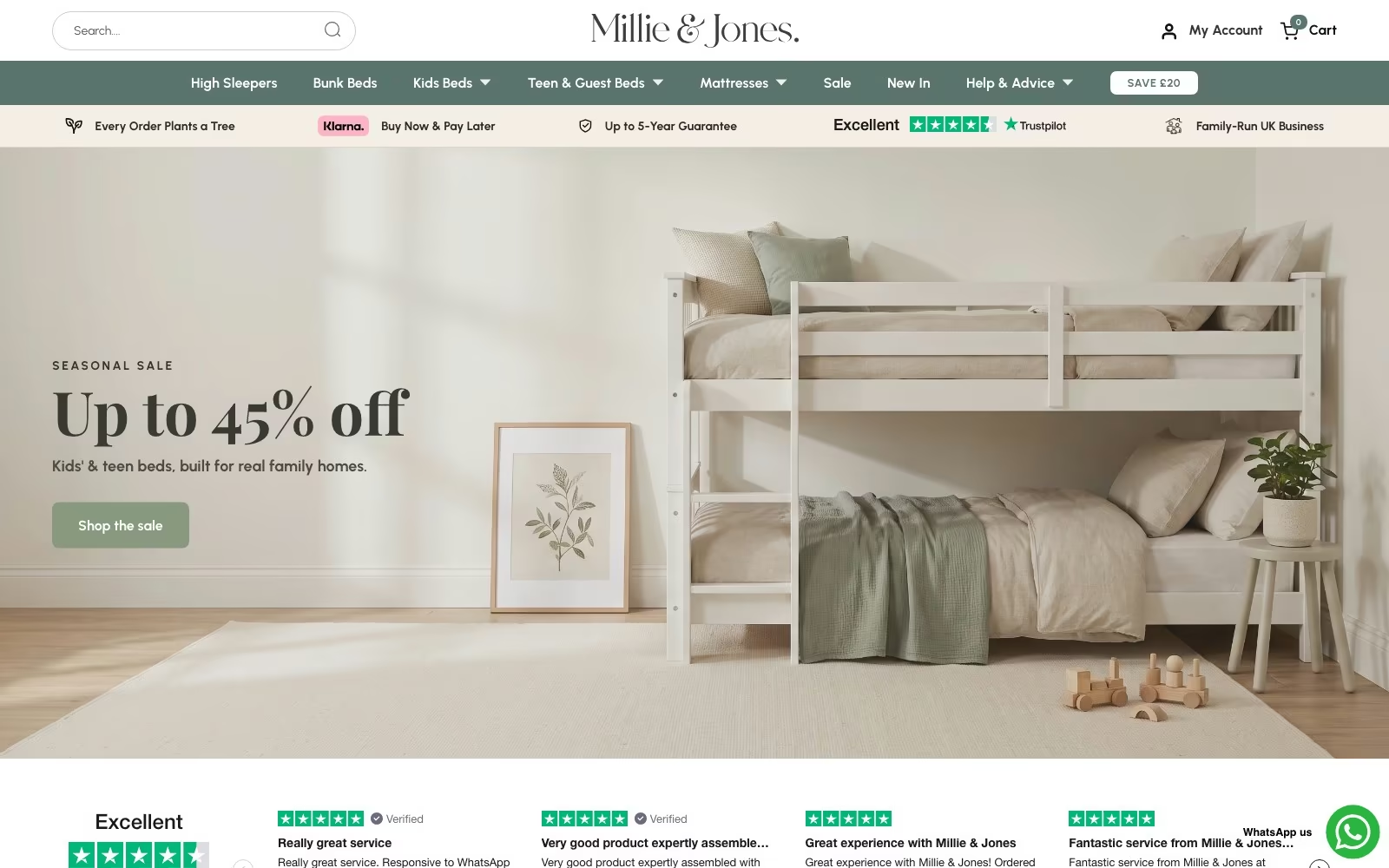
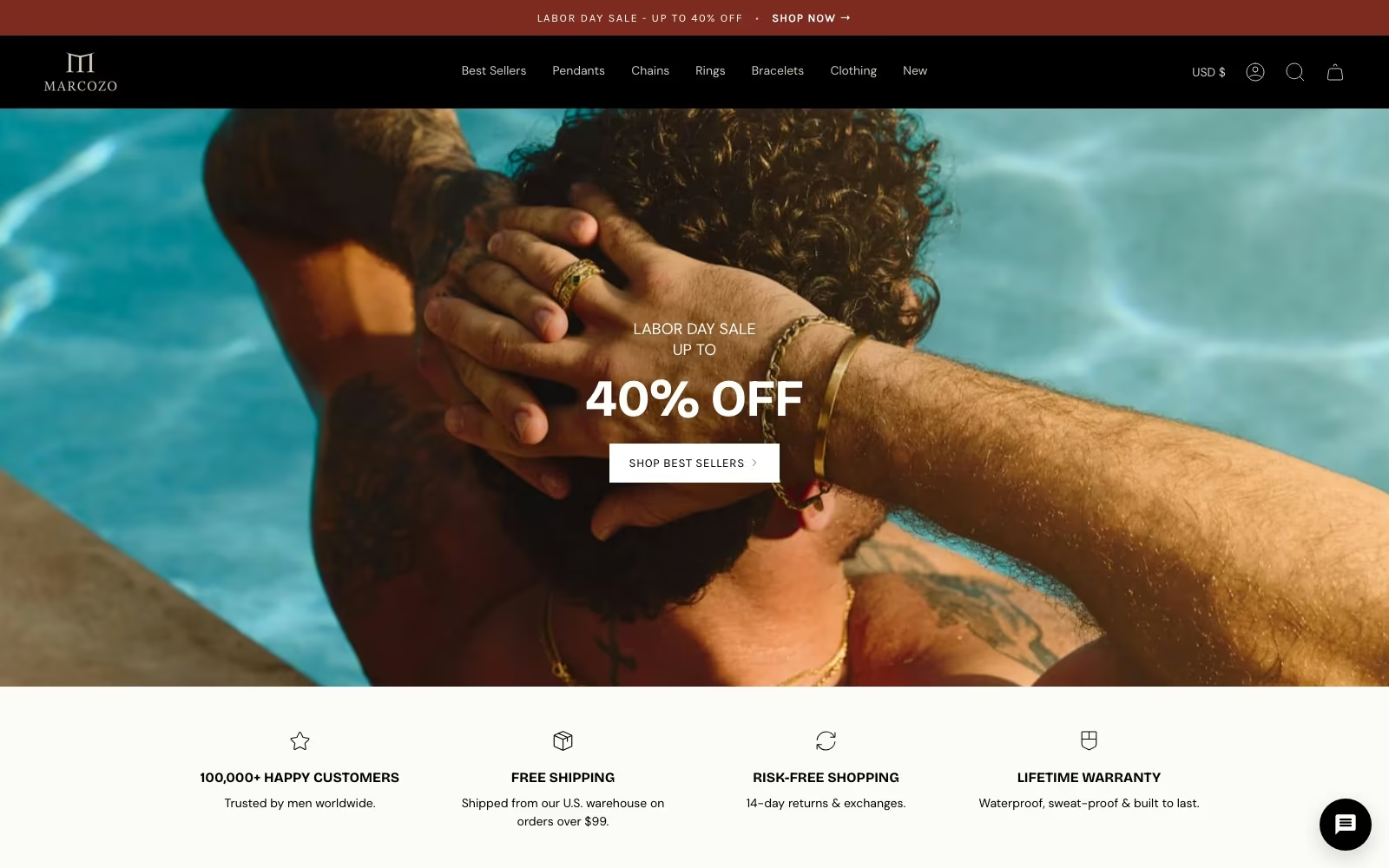
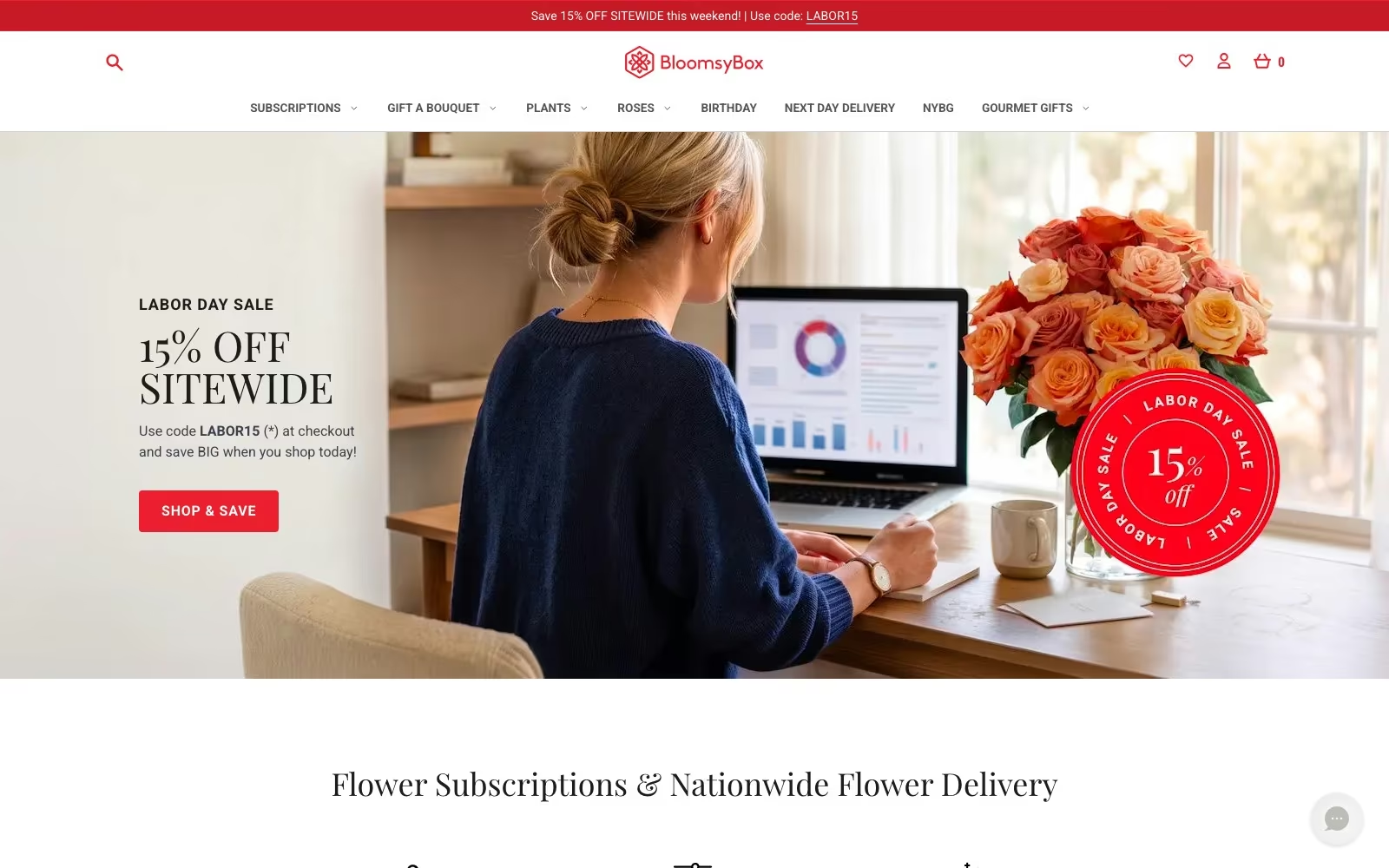
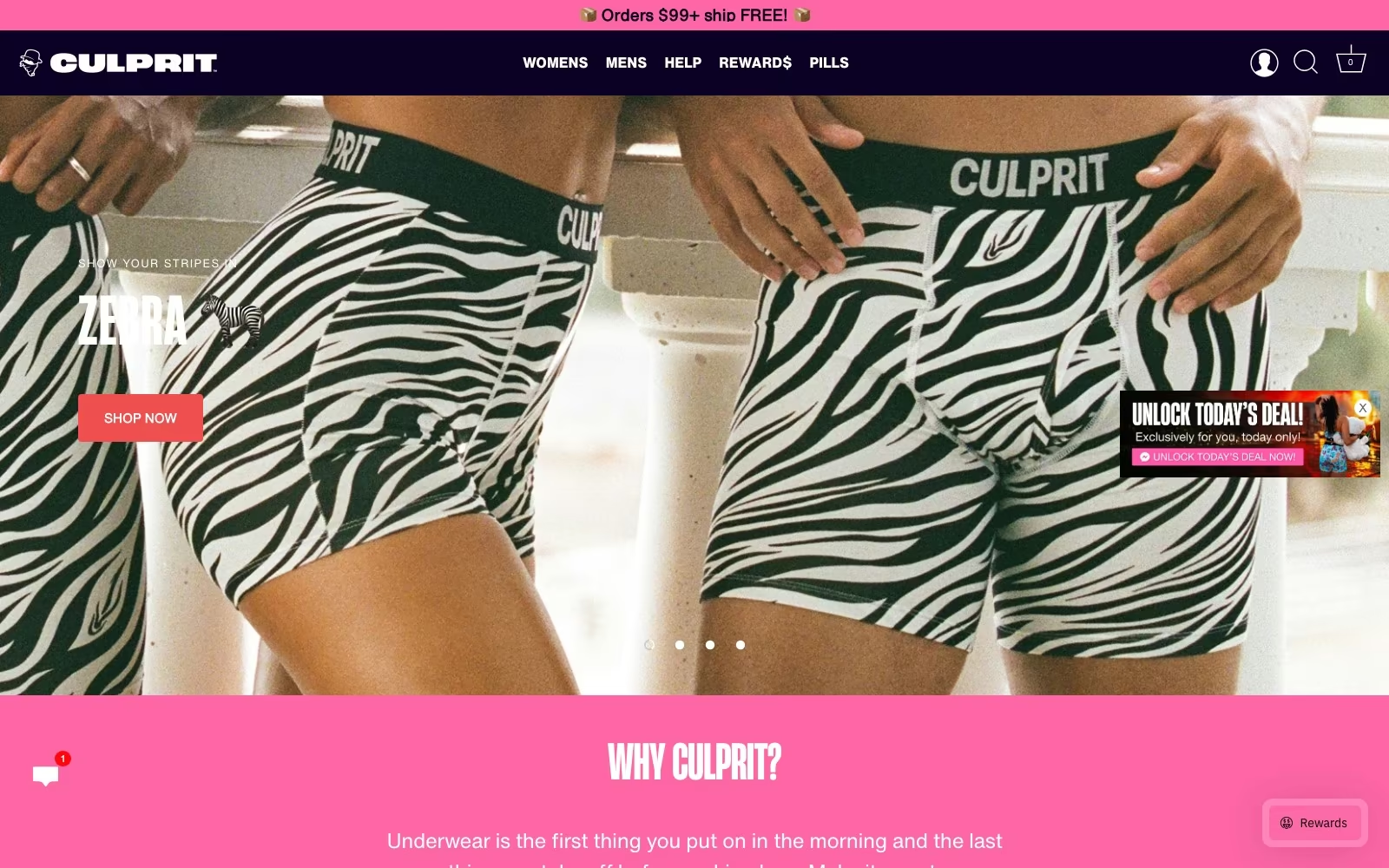
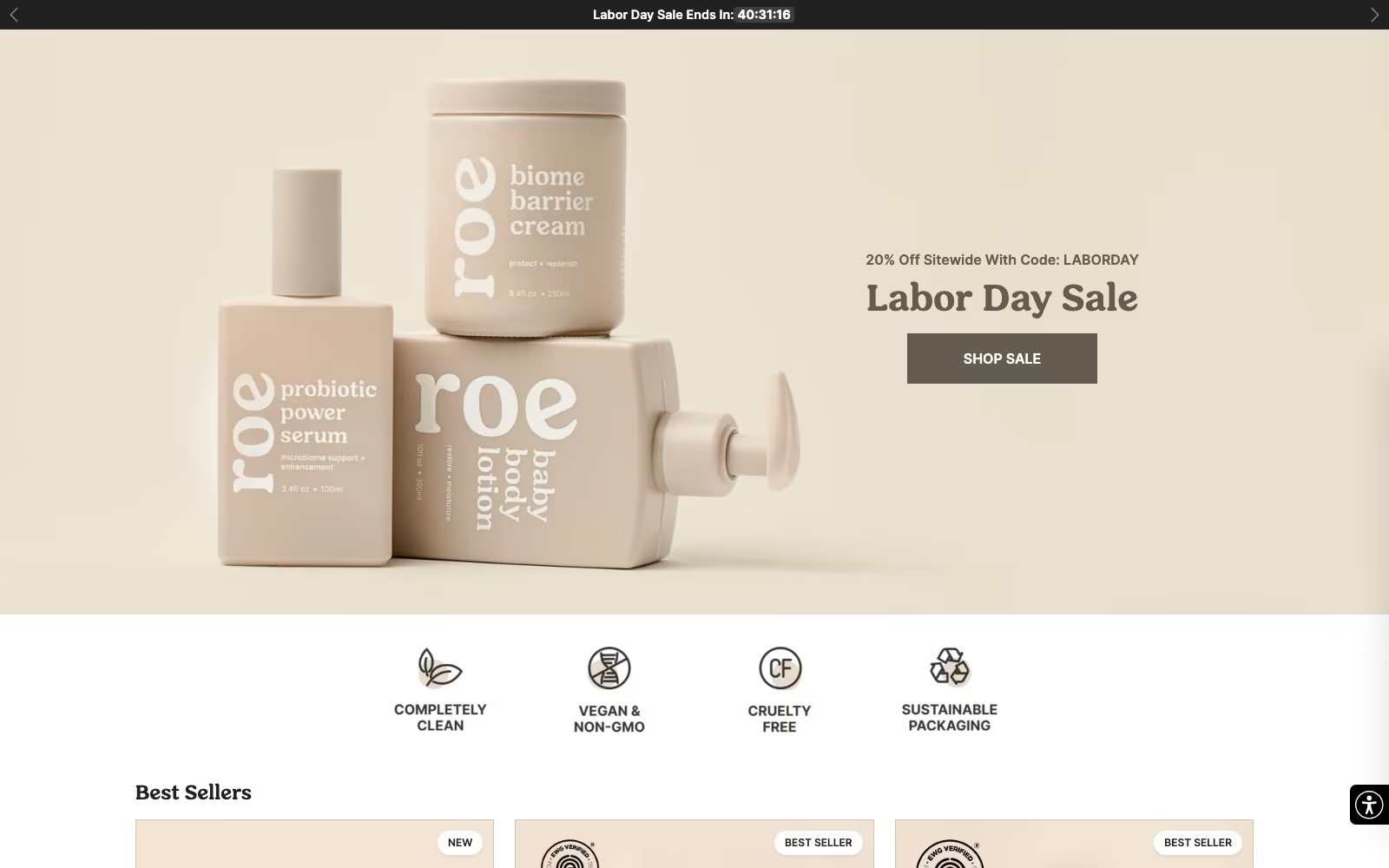
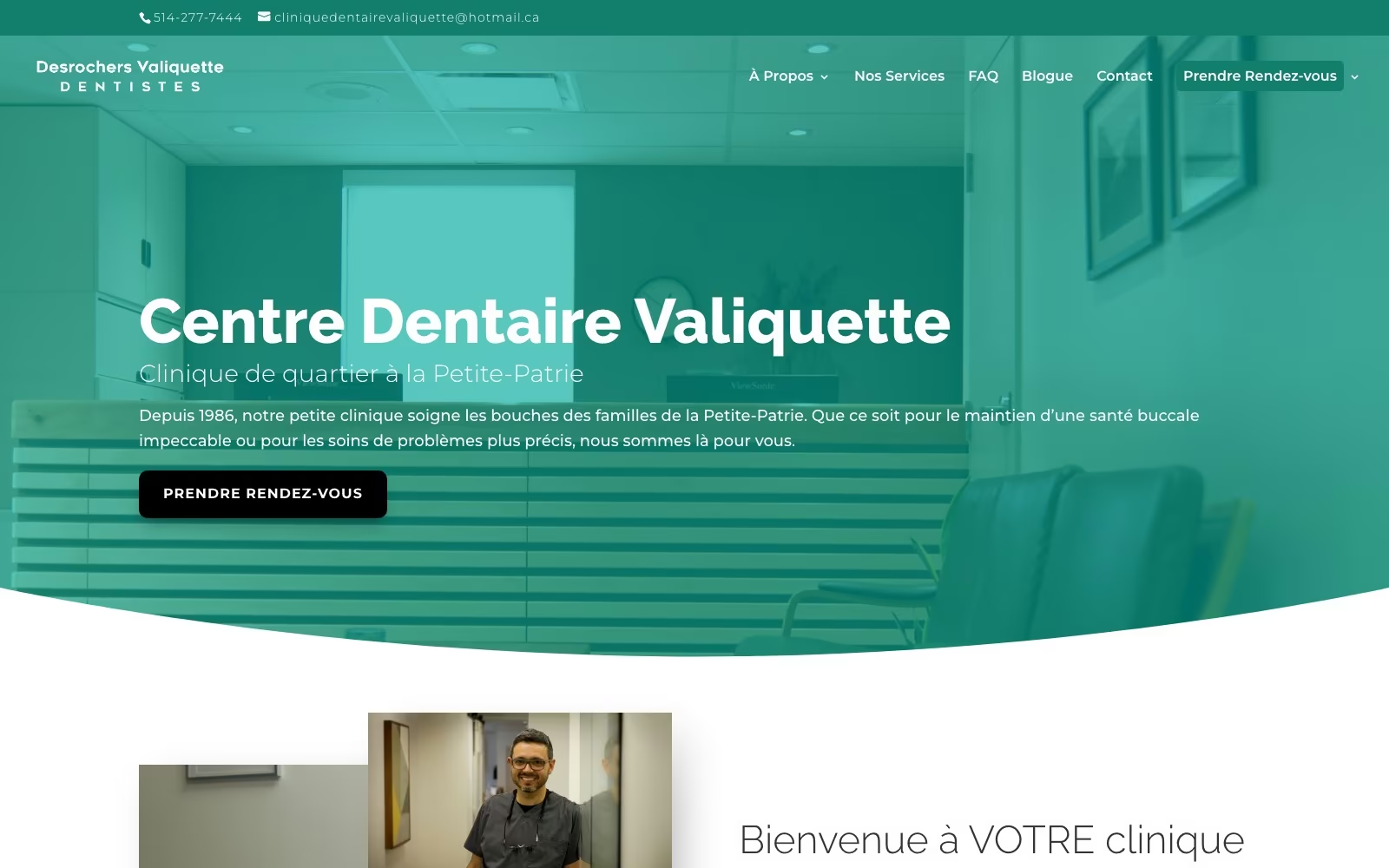
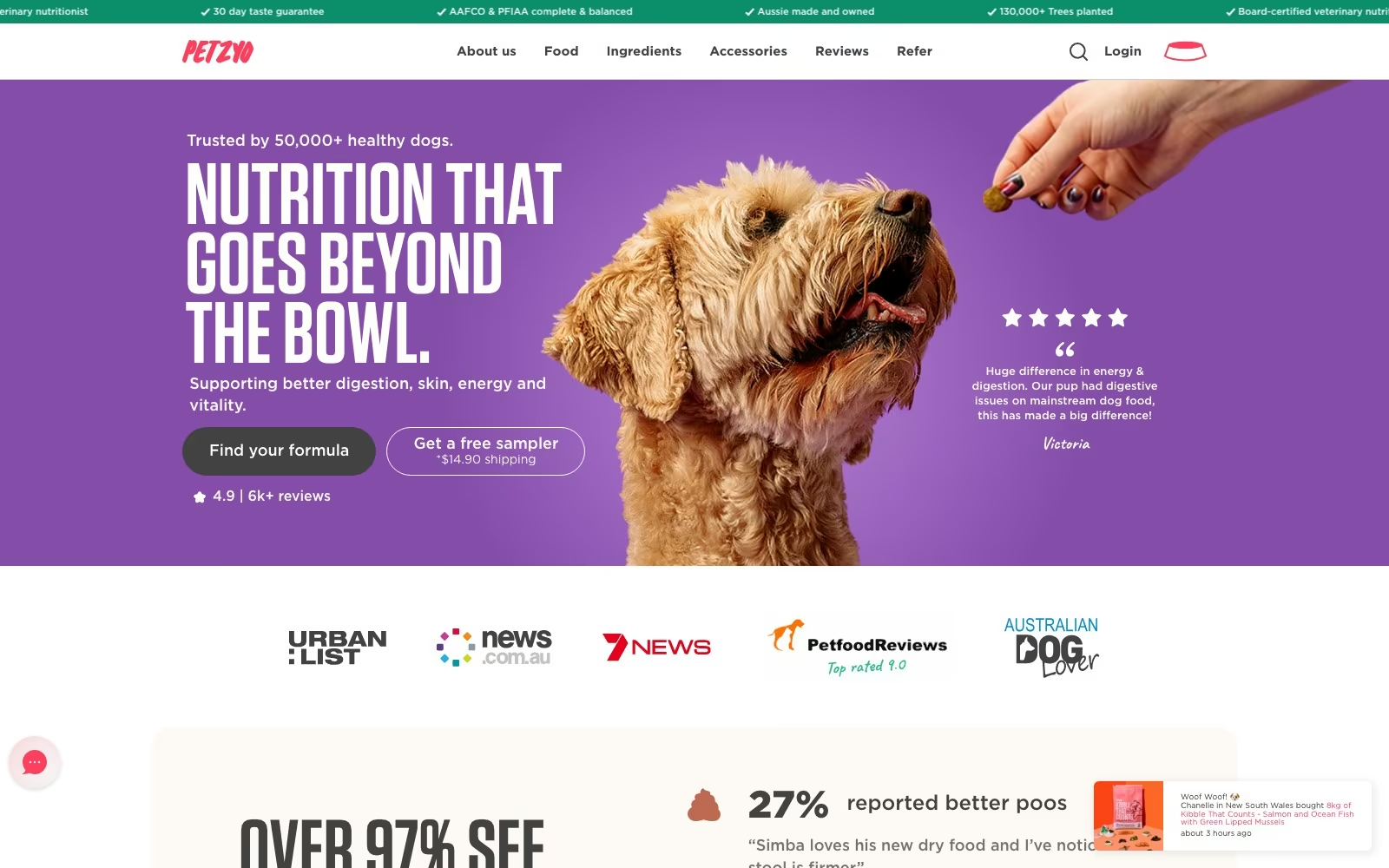
Website Portfolio
Video Ads
Static Ads





























































FAQ
Frequently asked questions.
What services does a web design agency typically offer?
At minimum: discovery and information architecture, UI/UX design, front-end build on a CMS, and QA. A full-service agency adds copy, brand and identity work, technical SEO, analytics setup and ongoing digital marketing. The distinction that matters is whether one team carries the project end to end or whether design, development and marketing sit with three vendors who each report on their own slice.
How much does a website project cost in 2026?
Published US ranges: a visual refresh is roughly $3,000–$10,000, a genuine redesign $15,000–$50,000, mid-market B2B relaunches most often $30,000–$80,000, and enterprise programmes $150,000 and up. Freelancers typically quote $3,000–$10,000 and agencies $5,000–$75,000 for the same brief. We quote a fixed price against your written scope so the number does not move once design starts.
How long does a website redesign take?
Six to ten weeks for a focused brochure site, ten to sixteen for a redesign with new positioning and copy, eight to twelve for a Shopify refresh, fourteen to twenty for a custom ecommerce build, and four to nine months for enterprise. The variable is almost never design speed — it is how fast content and approvals come back, which is why we write the content and set review dates at kickoff.
How do I choose the right agency for my business?
Ask for a site they built in your sector and the traffic and lead trend since launch. Ask who writes the content. Ask whose name the logins are in. Ask what happens in month four if organic traffic drops. Portfolios are curated and awards measure craft, not outcome; a studio can be genuinely award-winning and still hand you a site nobody is accountable for.
Webflow, WordPress or Shopify — which should we build on?
Webflow when your marketing team needs to publish pages without a developer and the site is mostly content and lead generation. WordPress when you need heavy editorial workflows, membership, or existing plugin functionality. Shopify for ecommerce, full stop. Our own portfolio splits 19 Webflow, 31 WordPress and 7 Shopify, because the right answer depends on who maintains the site, not on our preference.
Will a redesign hurt our search rankings?
Handled properly, no — the sites we relaunch generally hold their rankings and then grow, because the same project fixes the speed, structure and internal linking that were holding them back. The risk is real when a migration is unplanned: industry studies put the share of redesigns that lose organic traffic above 60%, and the cause is almost always missing redirects rather than new design. Our protections are unglamorous and non-negotiable — a complete URL-to-URL redirect map, preserved titles and headings on pages that already rank, schema carried over, XML sitemap resubmitted, and Search Console monitored daily for the first month. If you want the same discipline applied to the content side, that is our SEO work.
Does website speed really affect revenue?
Yes, and it is one of the few areas with clean published evidence. Deloitte's study for eBay found every 100ms of LCP improvement correlated with a 1.11% lift in session-based conversion. Vodafone improved LCP 31% and saw 8% more sales. Rakuten 24's Core Web Vitals work produced a 33% increase in revenue per visitor in A/B tests. We agree a performance budget before build for that reason.
Do you write the copy, or do we?
We write it, and it is inside the scope. The most common way a web design project slips from ten weeks to seven months is an agency delivering templates full of placeholder text and waiting for the client to write a website while running a company. If you have a strong in-house writer we will happily edit and structure instead — but somebody has to own it on the plan.
Can you work with our existing site instead of rebuilding?
Often, yes, and it is frequently the better spend. If the platform is sound and the problem is messaging, page structure, speed or conversion, a targeted programme of new templates, rewritten pages and technical fixes will beat a full rebuild at a fraction of the cost. We will tell you which situation you are in after the audit, including when the answer is that you do not need us yet.
Who owns the design files, the code and the accounts?
You do, from day one. Figma files, repository, CMS, domain, hosting and analytics are created in your name and stay there. We do not hold a client's domain, run their site on our agency plan, or treat access as leverage at renewal.
Do you handle accessibility?
We build to WCAG 2.2 AA as a default: contrast, focus states, keyboard navigation, labelled forms, alt text and semantic headings. ADA Title III already applies to private businesses in the US and web-accessibility litigation keeps rising, so this is risk reduction as much as good design. For a formal audit or VPAT we will bring in a specialist rather than pretend to be one.
Which industries do you design websites for?
Our client base is concentrated in home services and trades, healthcare and clinics, professional services, retail and ecommerce brands, real estate and construction, and a smaller group of B2B technology companies. Across those industries the mechanics barely change — what changes is the buying cycle and the proof a visitor needs before they trust you, which is why we research your sector rather than reusing another client's structure.
Do you work with clients outside your own city?
Yes — most of our work is remote and USA-wide, with clients in New York, Miami, Los Angeles, Toronto and Montréal alongside single-location service companies, plus offices in Dubai and Paris. A kickoff call, a written brief, design reviews over video and a shared staging link cover everything a website project needs. Our clients and their reviews are the only relevant expertise signal, not whether we share a postcode.
What happens after launch?
Thirty to ninety days of active monitoring: indexation, redirects, Core Web Vitals on real devices, form and event firing, and the first written performance review. After that you can take the site in-house, keep us on a content and SEO retainer, or step back to maintenance only. Sites left entirely alone after launch degrade, which is the single least surprising finding in this industry.

.webp)
.webp)