Gin Amber Beauty
Sold by concern, proved by photos
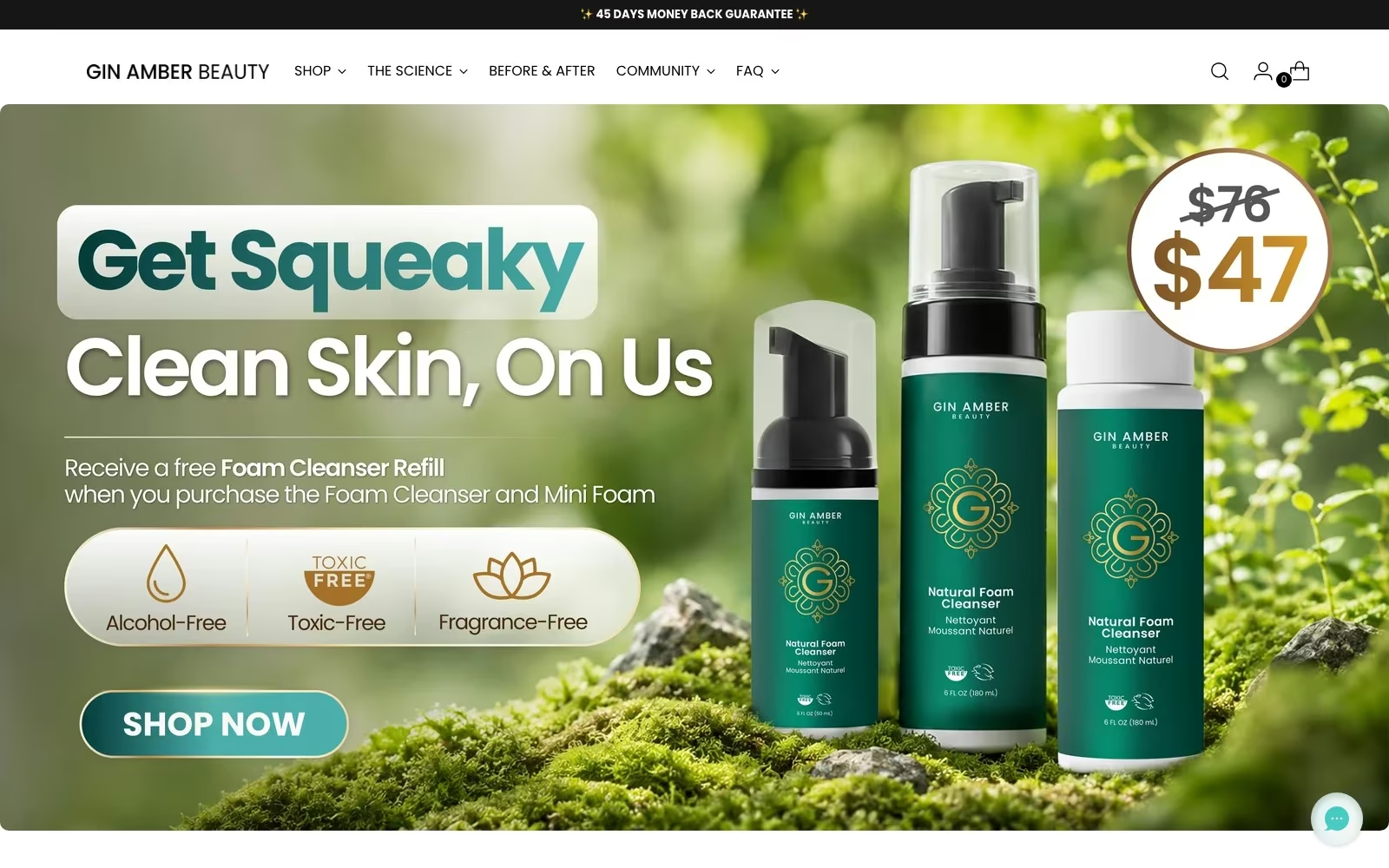
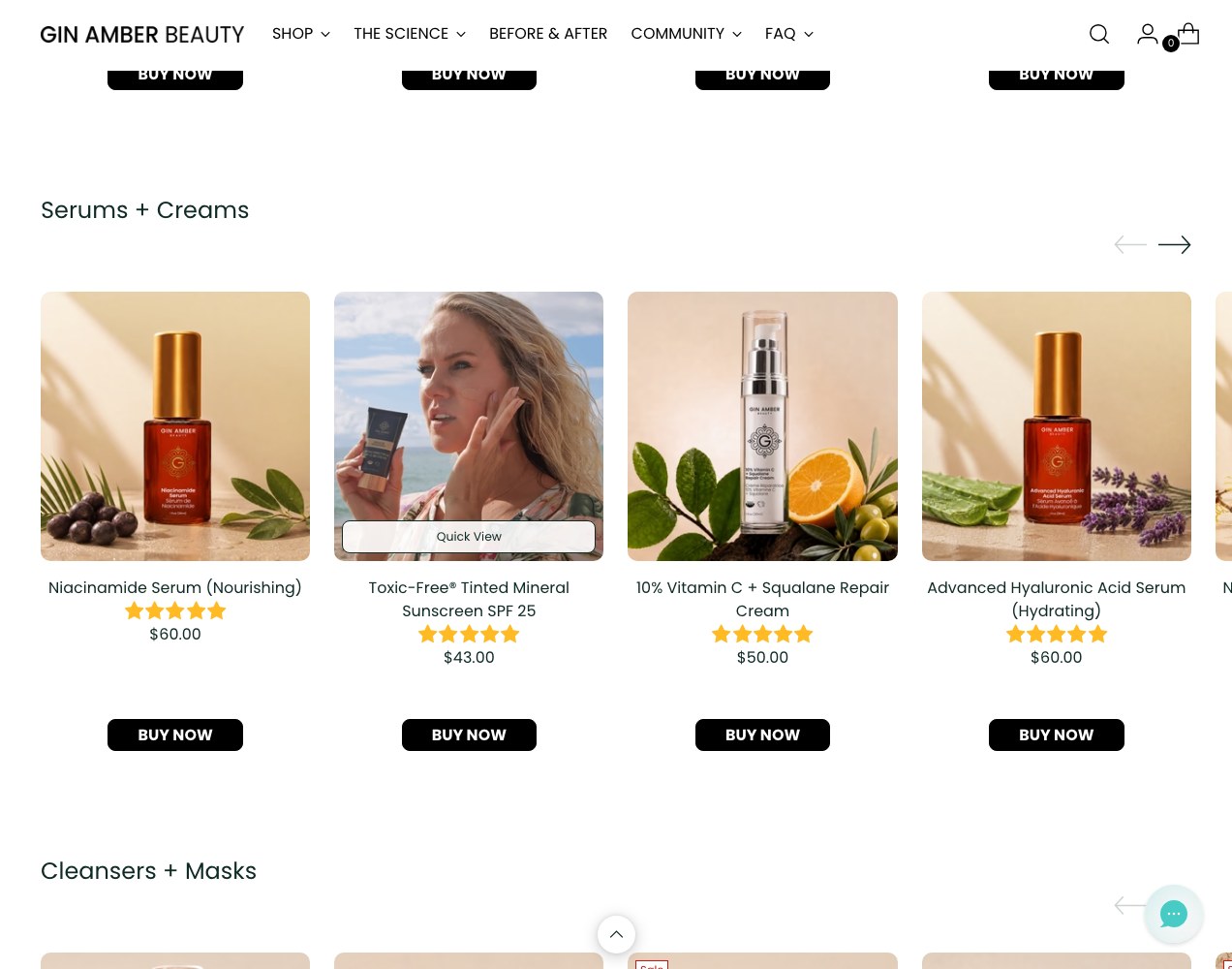
Gin Amber Beauty sells medical-grade dermarollers, serums, creams and cleansers formulated without fragrance, parabens, mineral oil, phthalates or sulfates, built around the founder's own skincare journey and a large base of repeat customers.
.jpg)
01 — The challenge
A catalogue of needle lengths and actives, sold to people who only know their symptom.
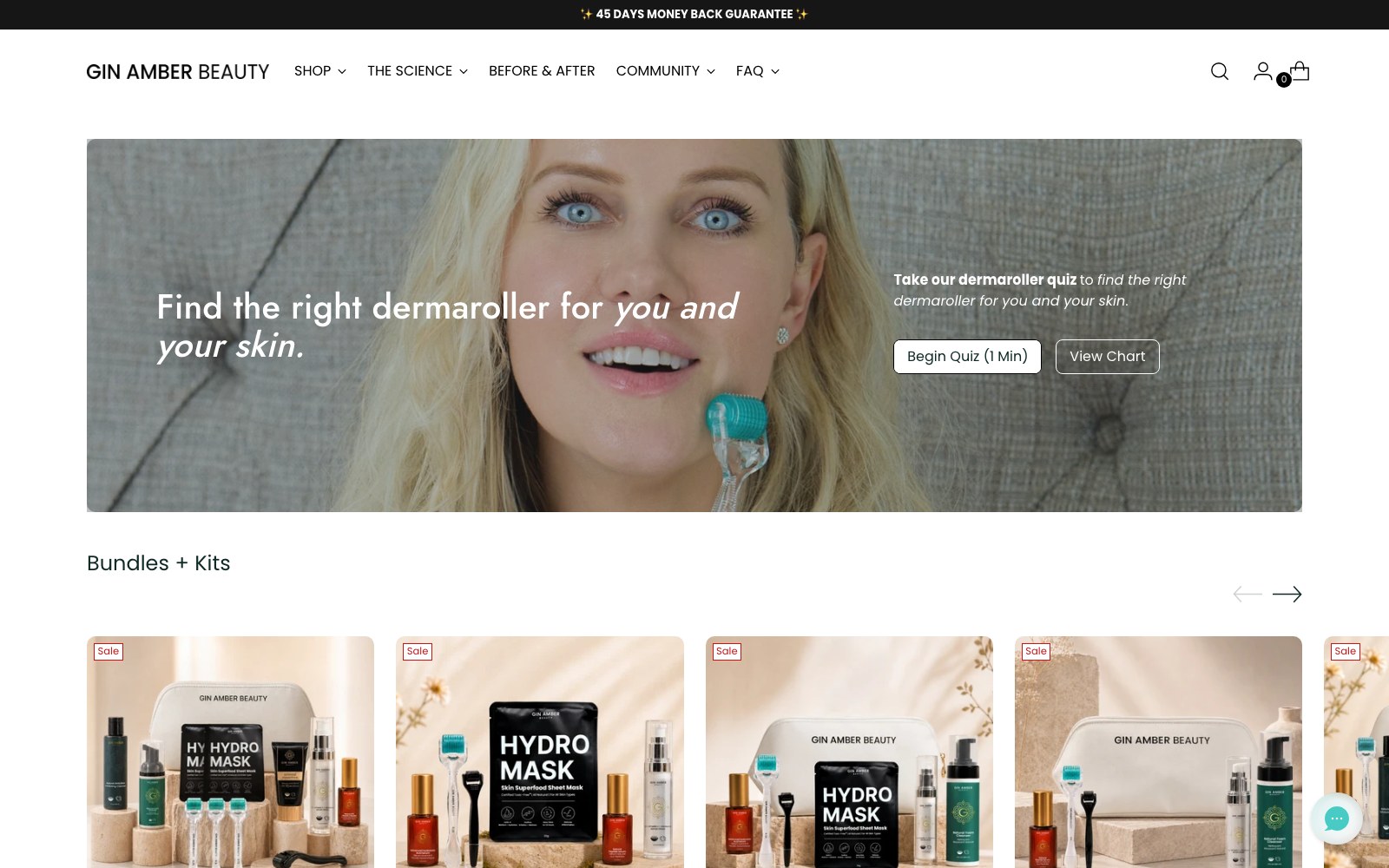
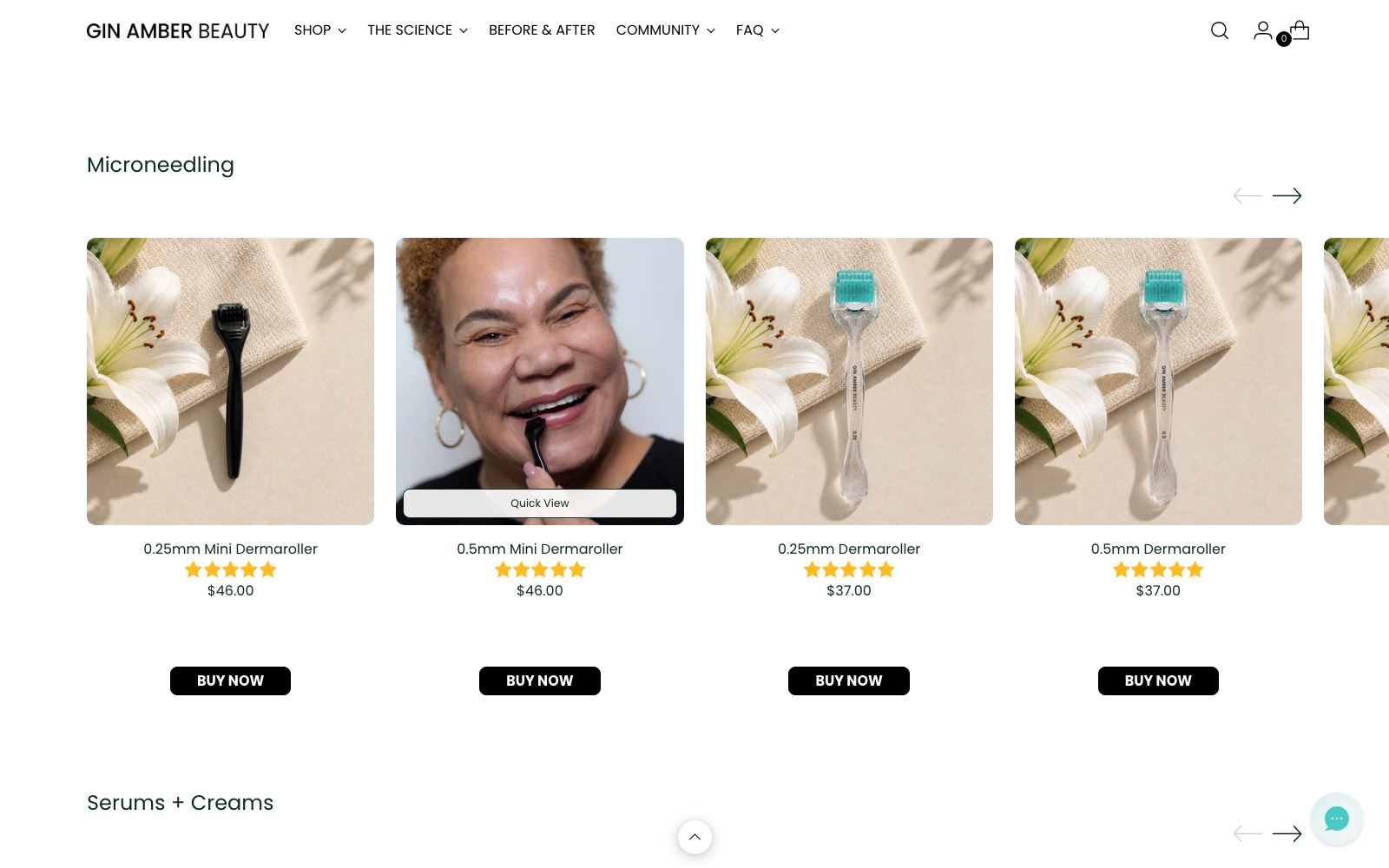
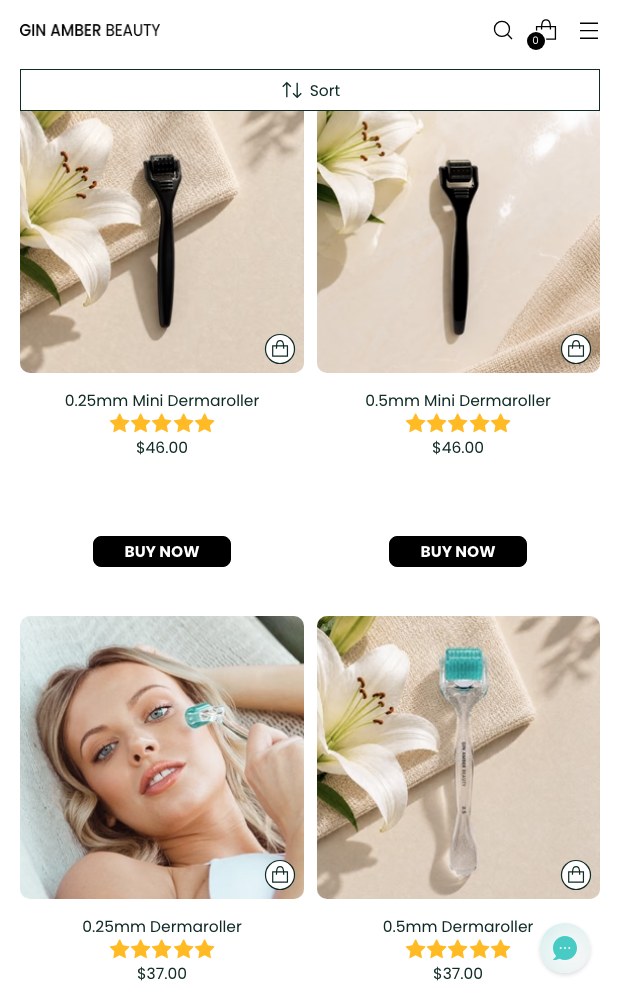
The product range is technical: 0.25mm, 0.5mm, 0.75mm and 1.0mm rollers, replaceable heads, derma stamps, body versions, plus serums and creams that pair with each. A customer arriving from social does not know which one is theirs. She knows she has hyperpigmentation, or acne scars, or thinning hair.
At-home microneedling also has to overcome real hesitation — is this safe, does it hurt, does it actually work. Ingredient copy alone will not carry that.
The catalogue was organised the way the warehouse thinks. It had to be organised the way the customer feels.
*
7
Skin concerns given their own merchandised entry point
*
4.9
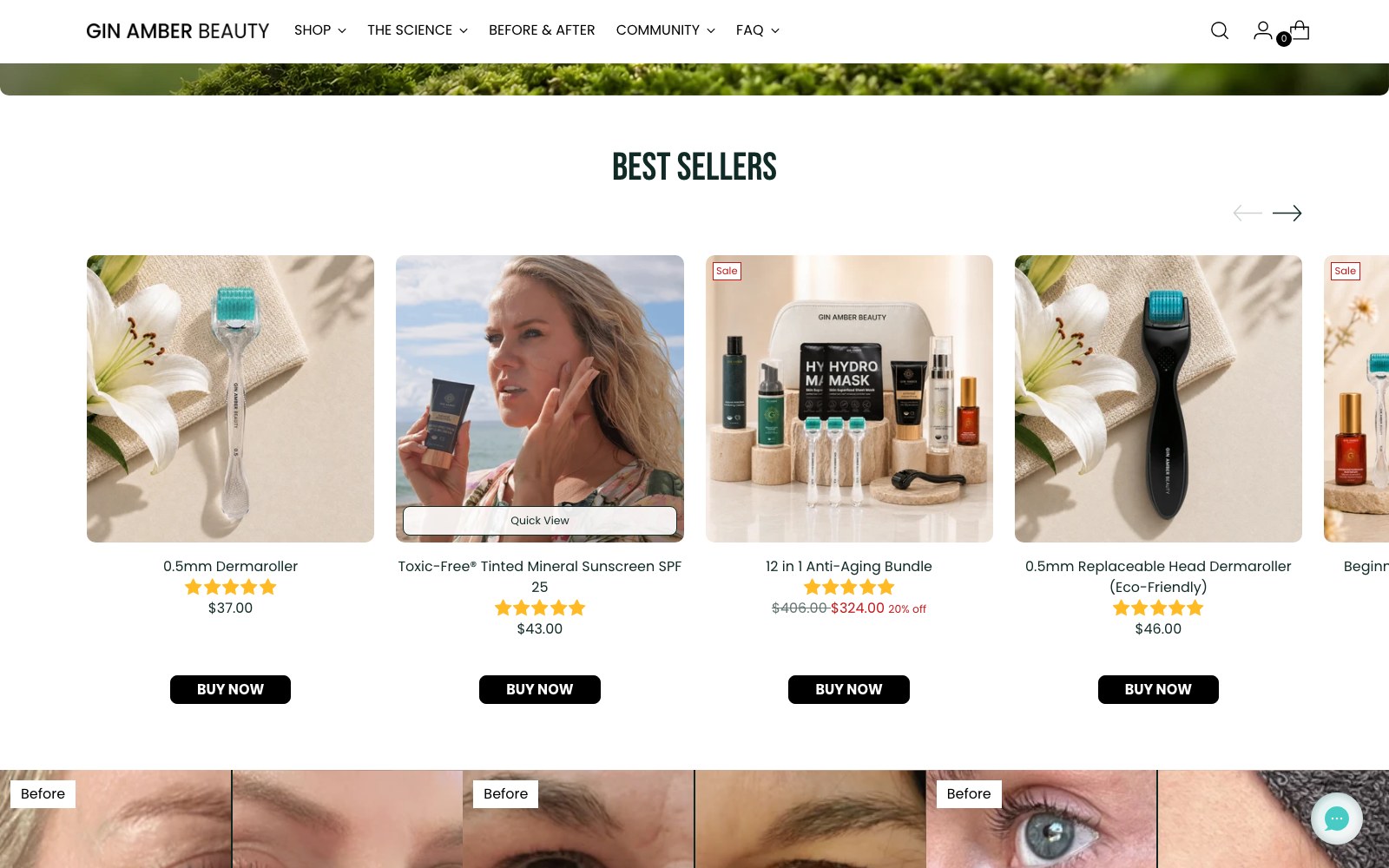
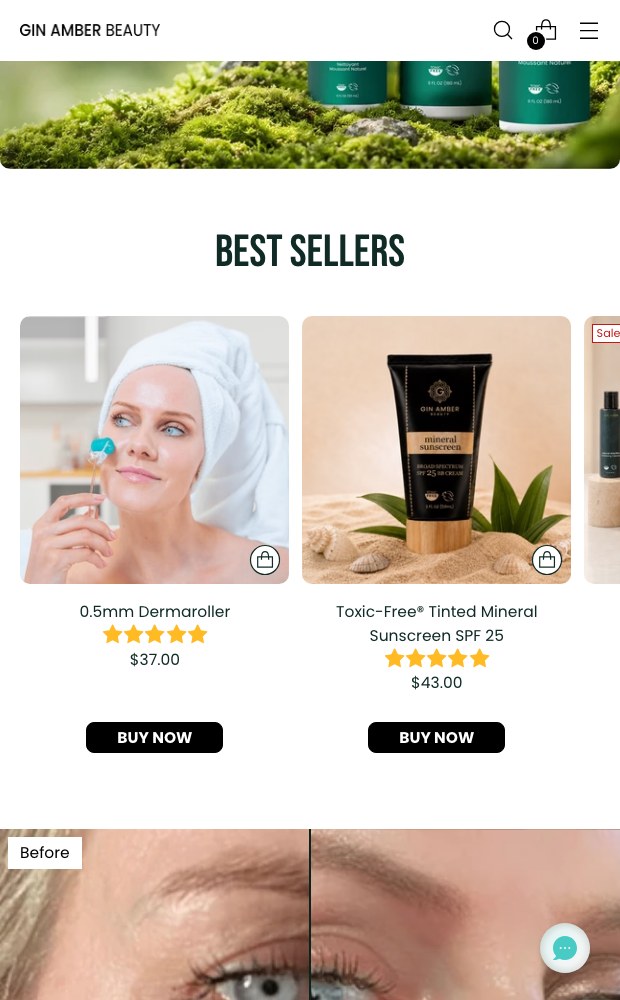
Average product review rating surfaced on the PDPs
*
98%
Of reviewers recommending the product, shown on-page

02 — Our approach
Merchandise by concern, then let customer photographs close the sale.
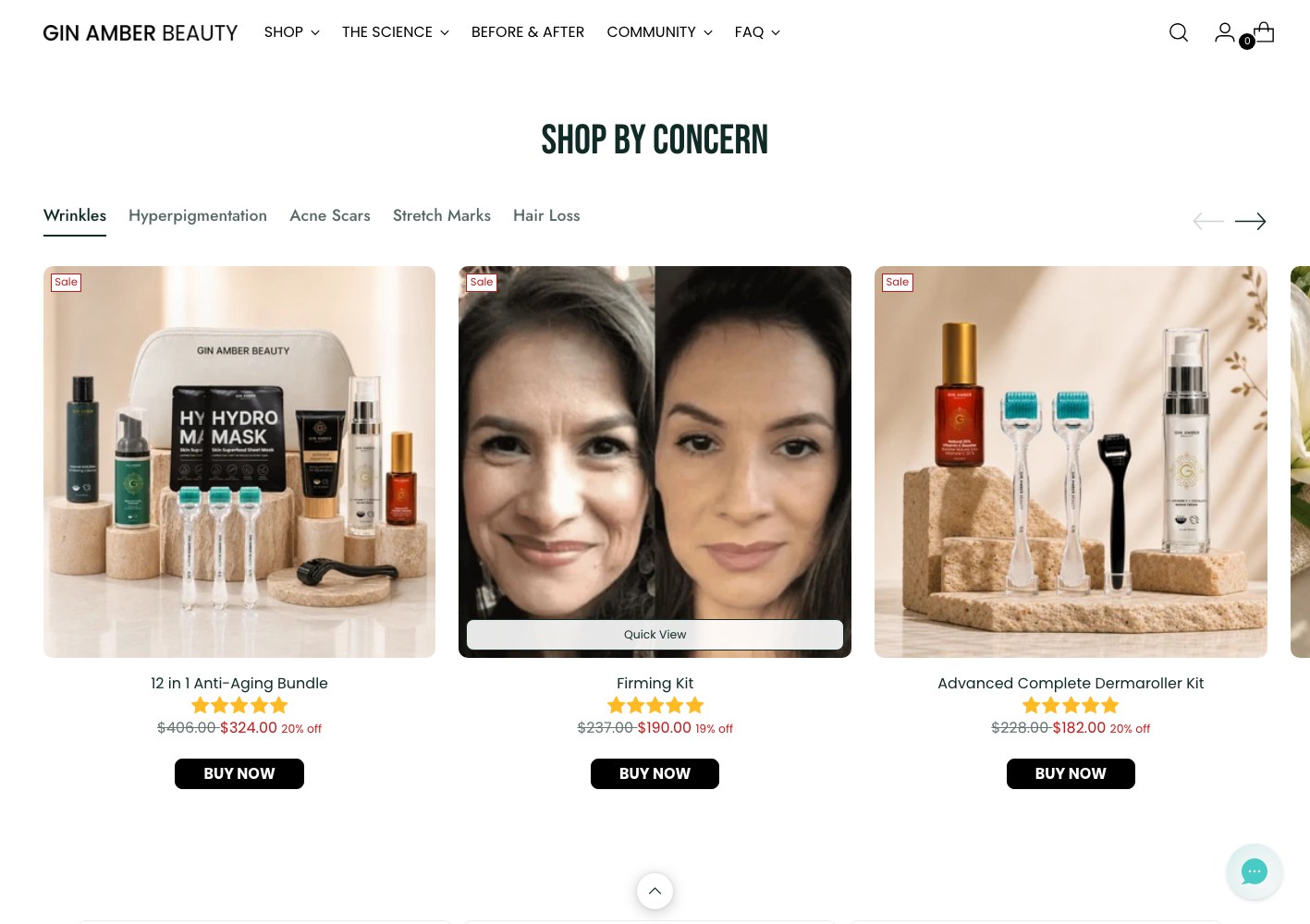
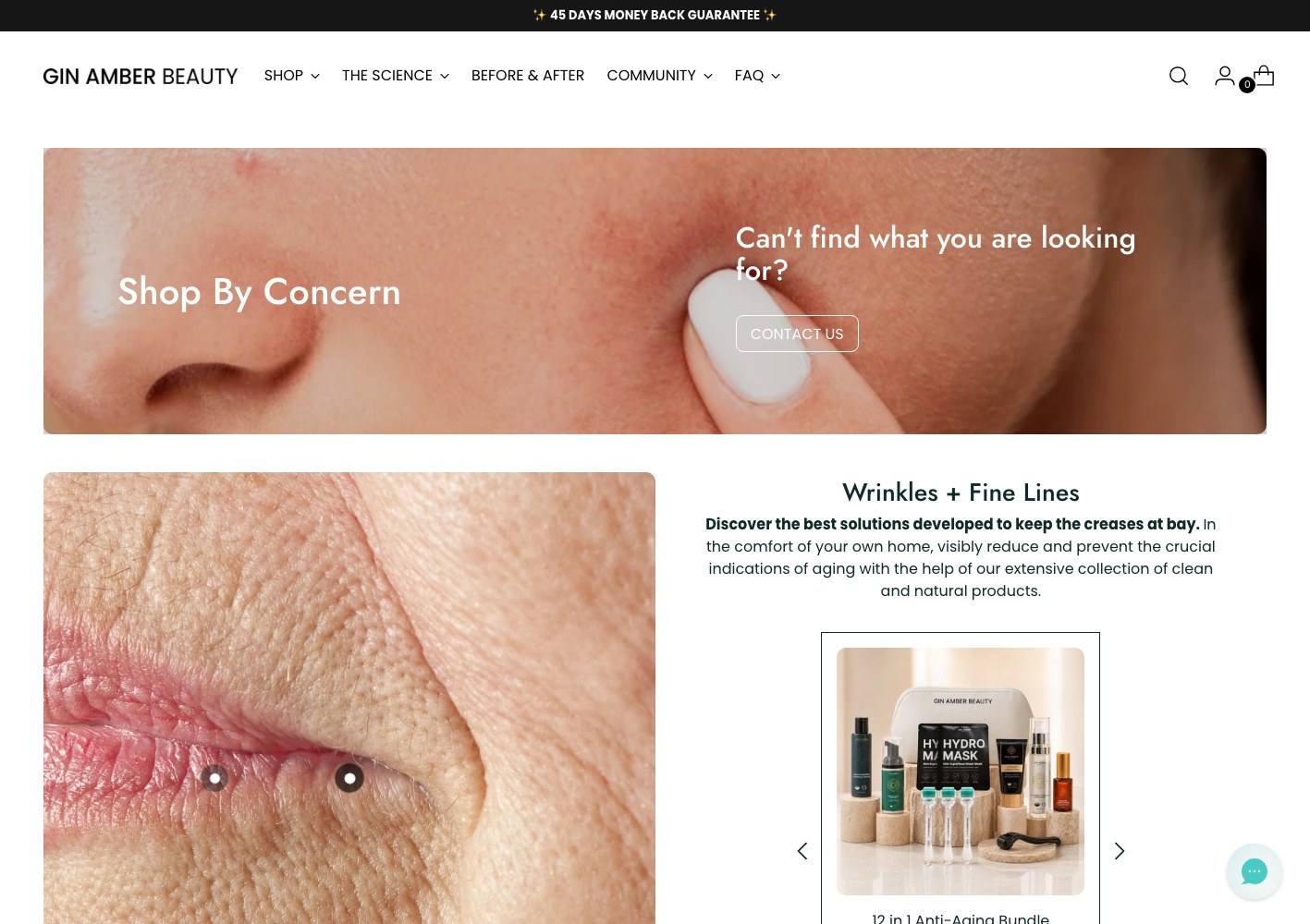
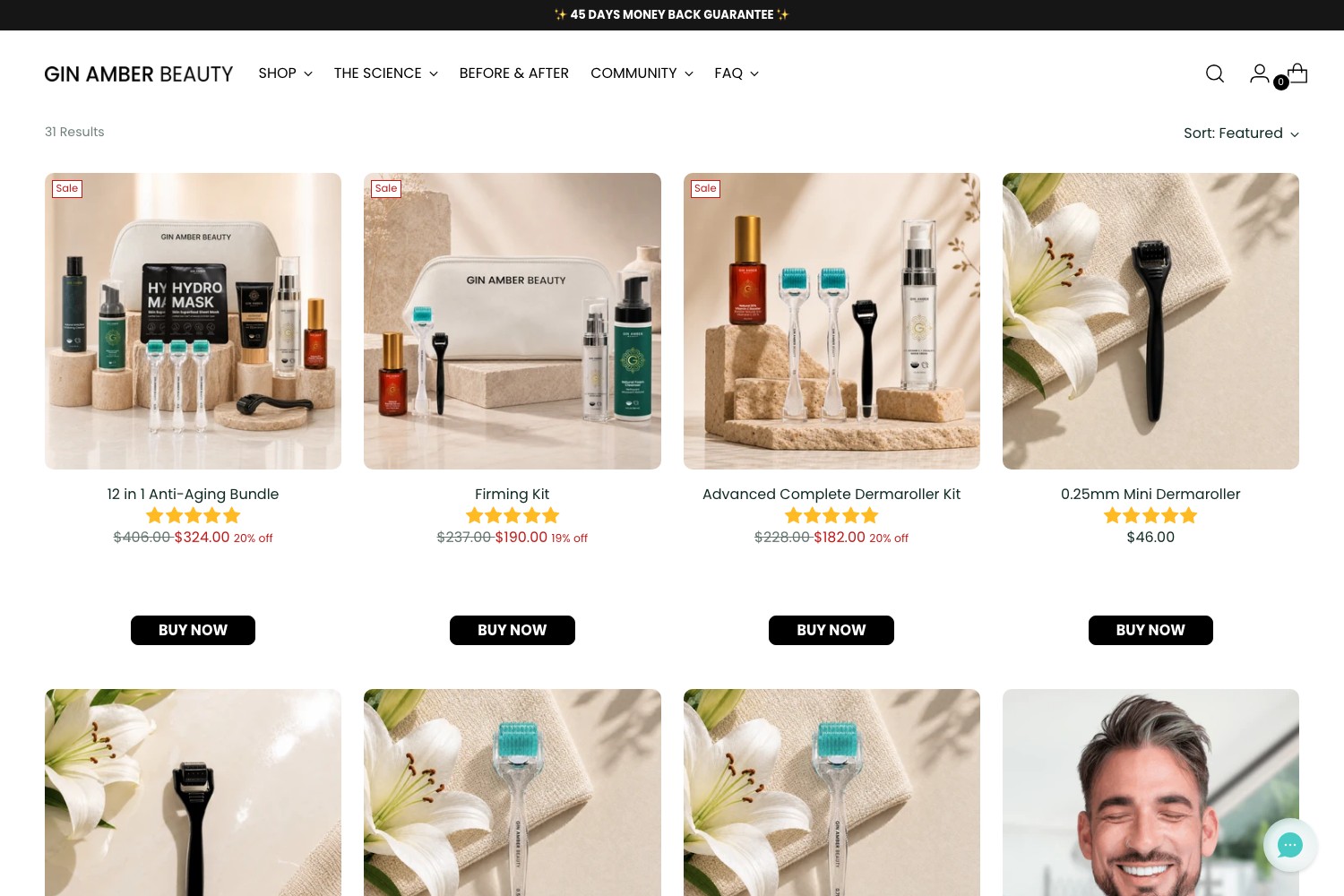
The store is entered by problem, not by SKU. Shop By Concern breaks the catalogue into wrinkles and fine lines, rosacea and hyperpigmentation, acne and cysts, acne scars and texture, stretch marks, undereye and sagging, hair loss and damage — each with a short explanation and the kit that addresses it, so a first-time visitor lands on a curated two-product answer instead of a 40-product grid.
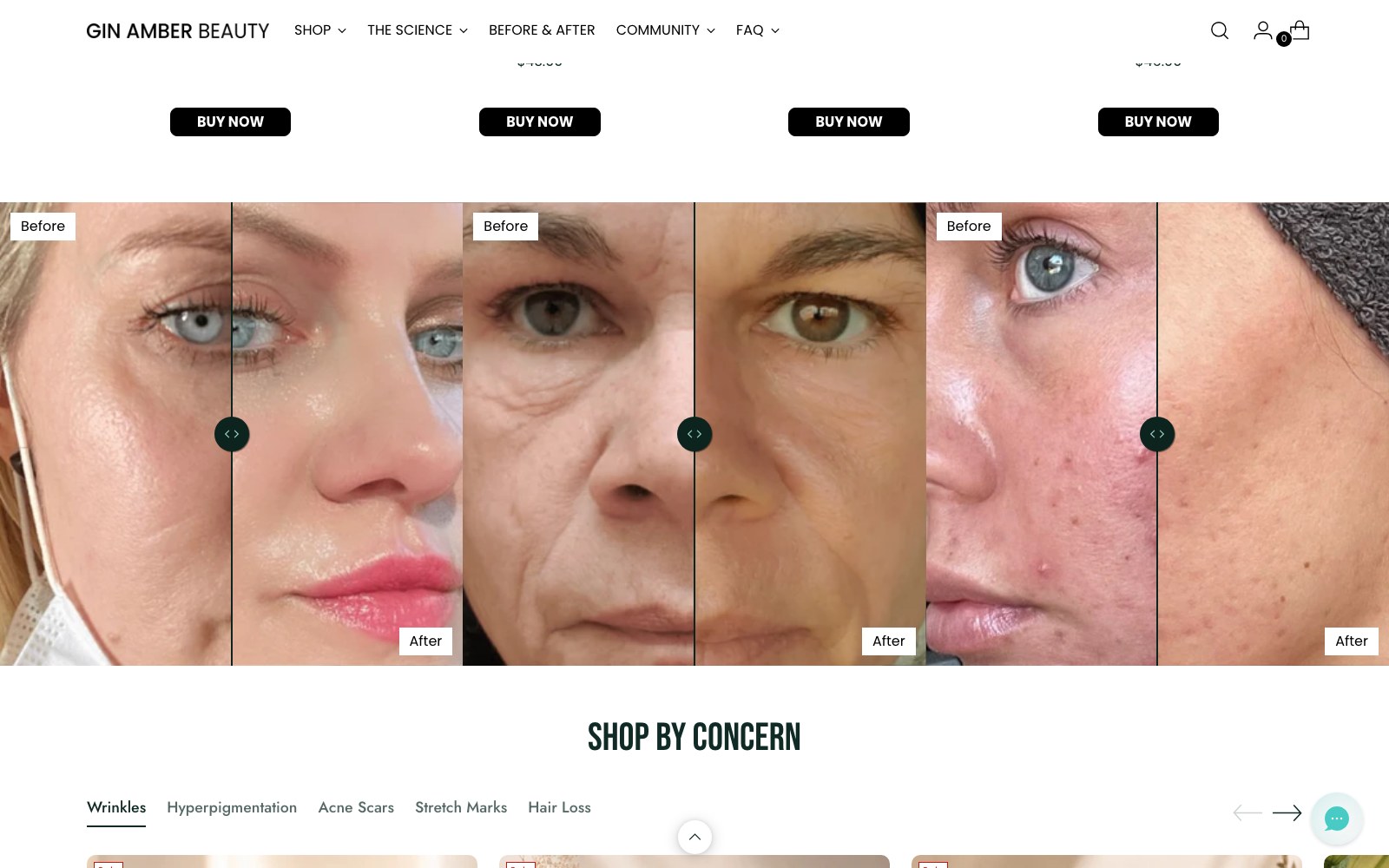
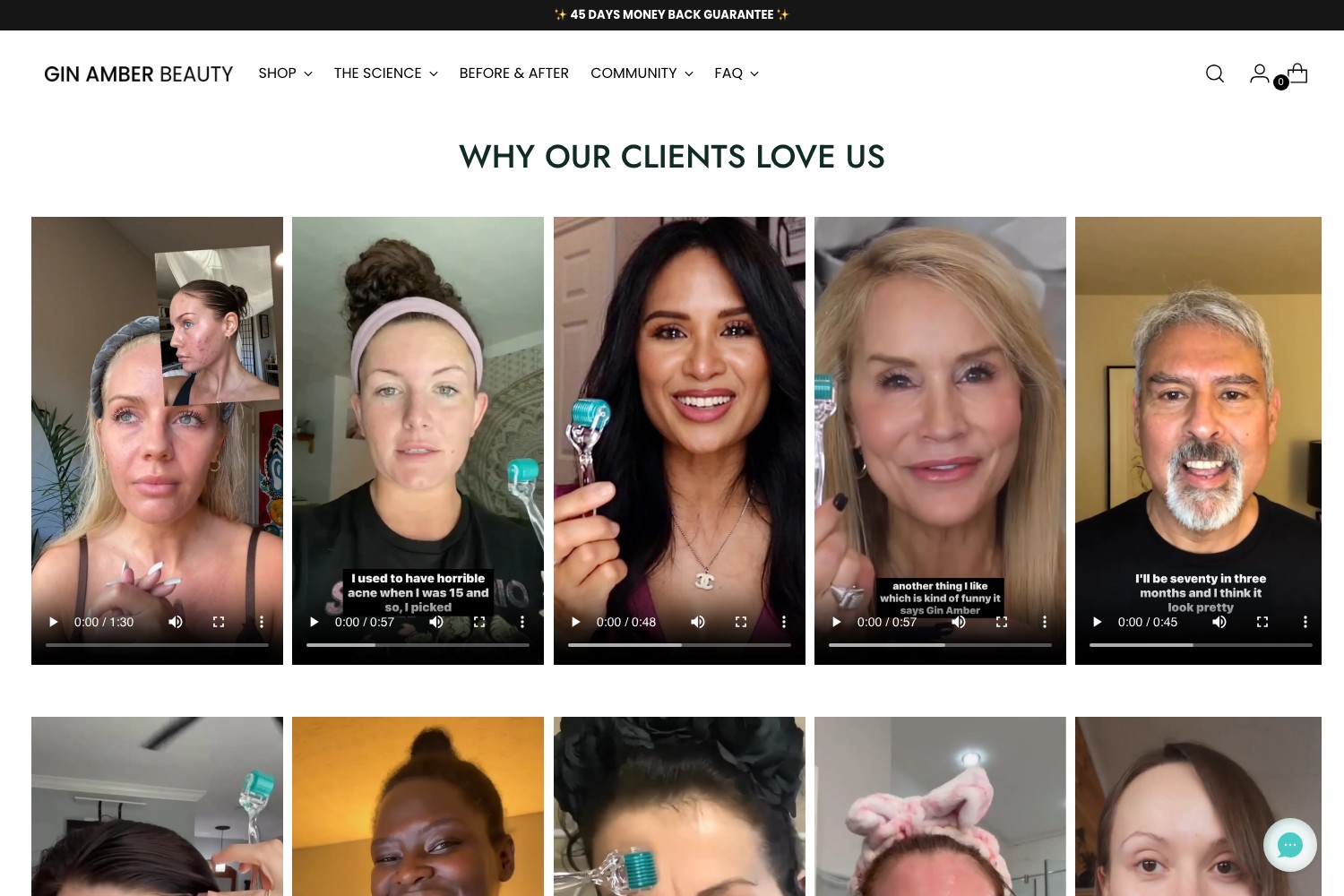
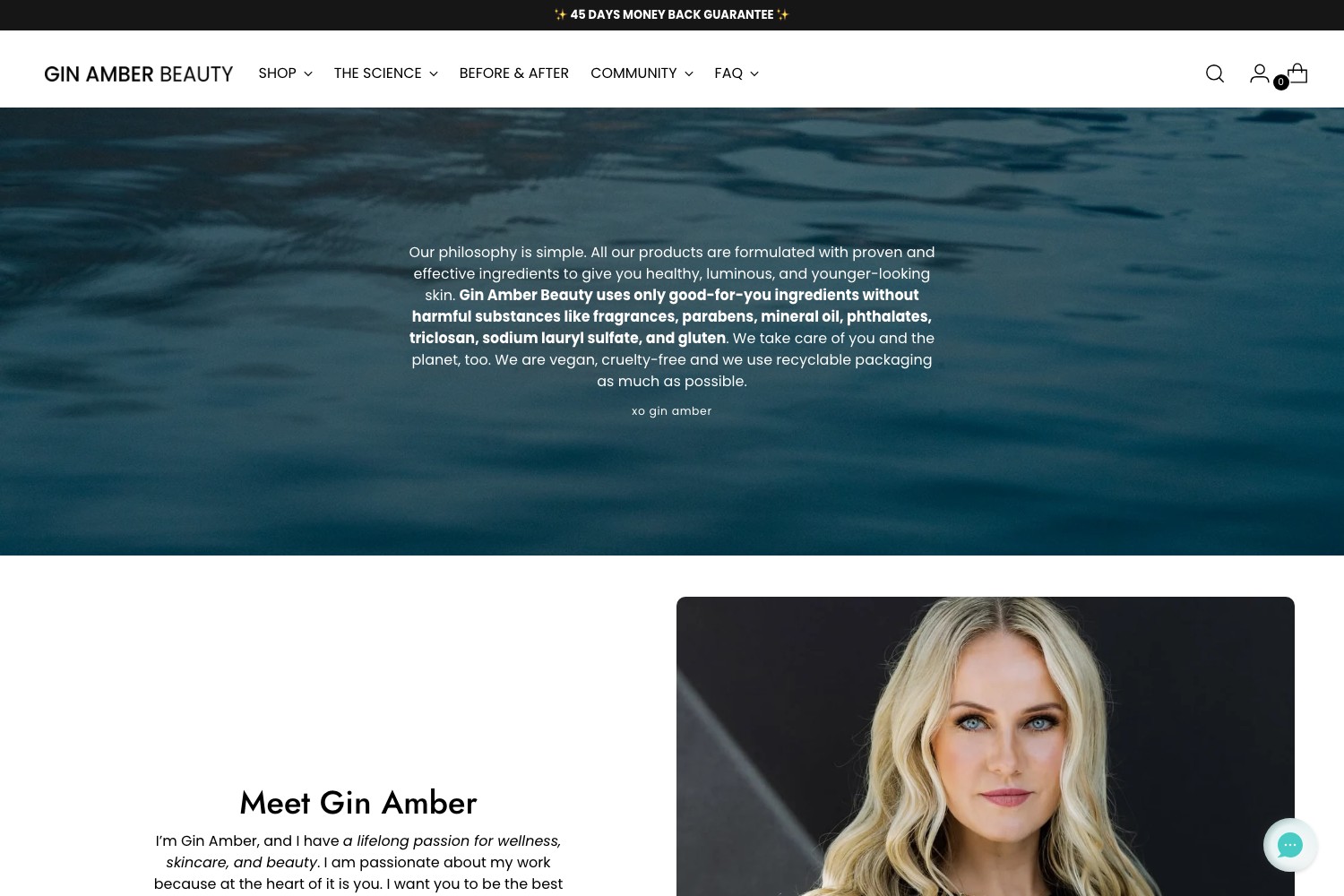
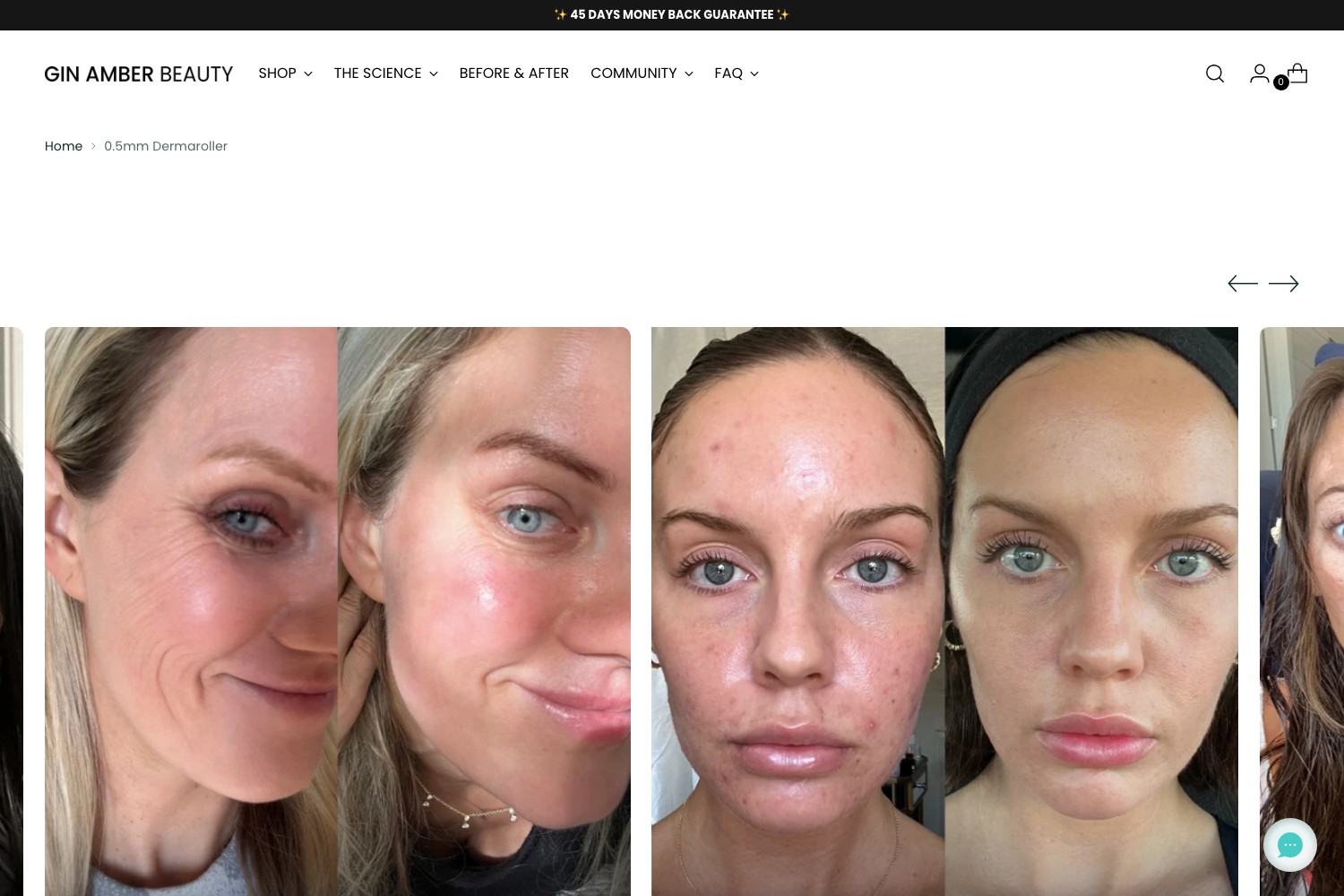
Proof does the rest. A dedicated Before & After gallery groups real customer photography by the same concerns, product pages carry customer media alongside the review distribution, and the founder story page explains why the tools are specified the way they are.
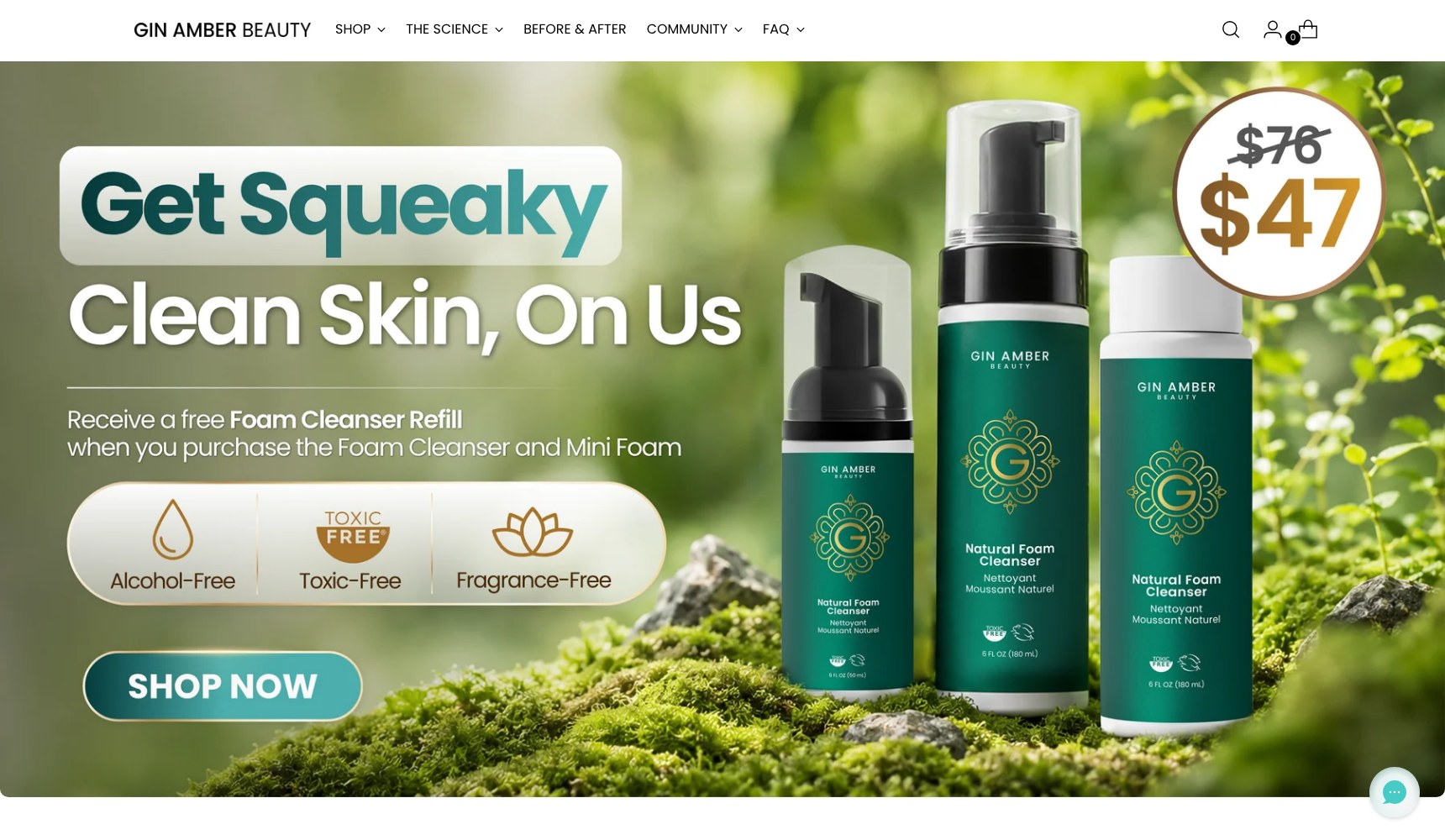
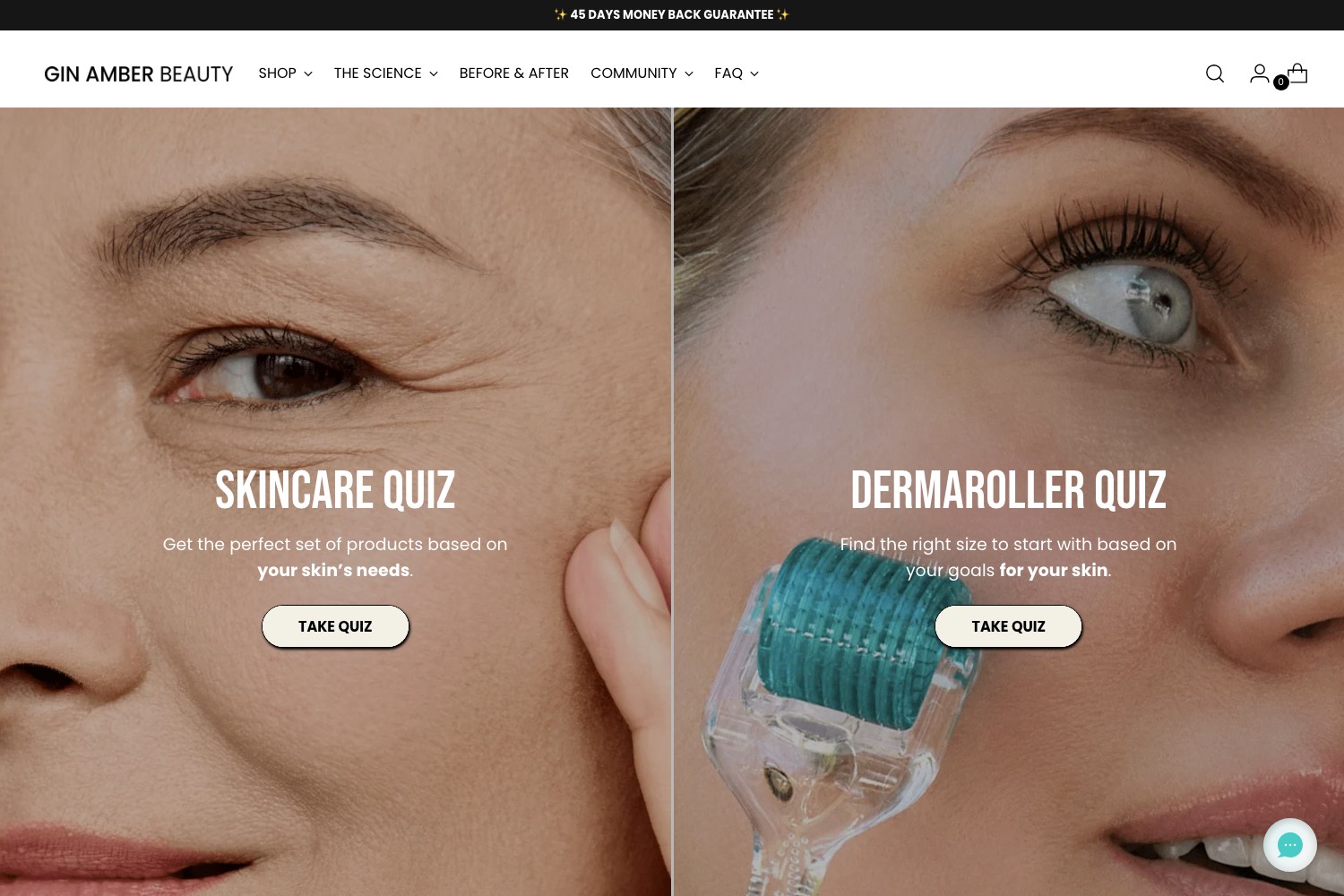
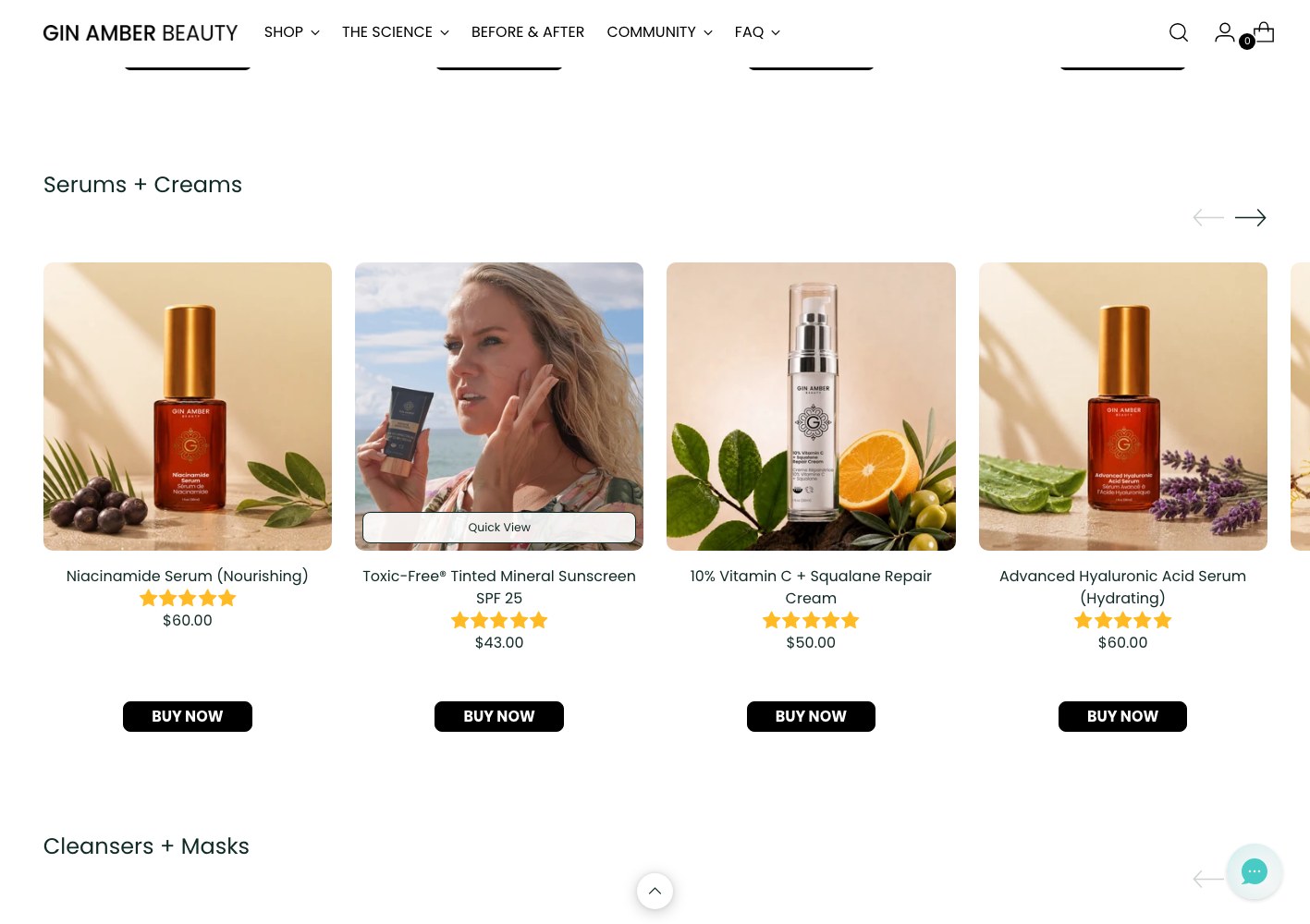
The commercial layer sits under all of it: subscribe-and-save on the consumables, bundles and kits as the primary path, guided quizzes for people who cannot self-diagnose, a rewards programme, and a 45-day money-back guarantee banner that removes the last objection to a first order.
More on this work: Shopify Development · Web Design · Web Development.
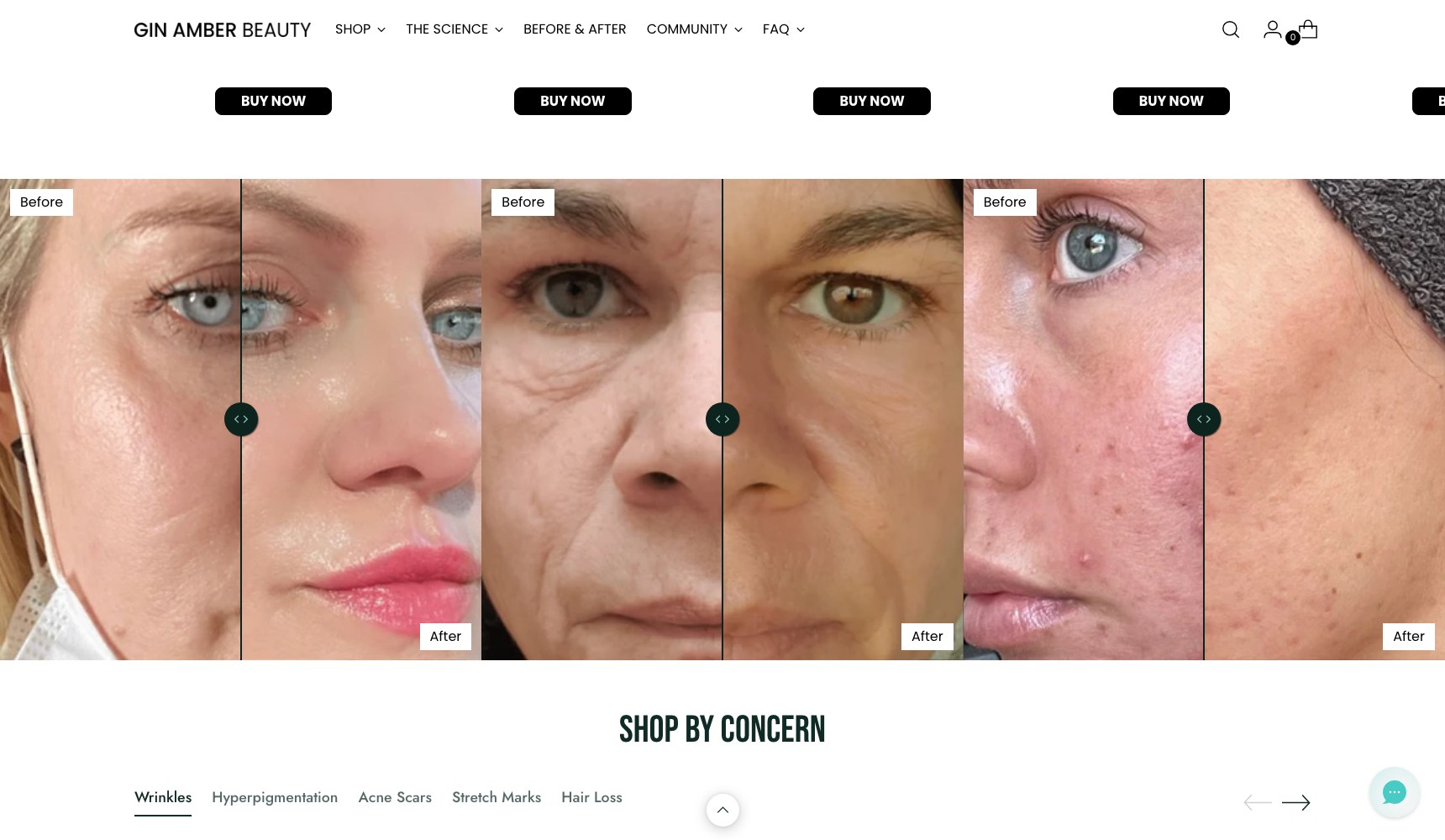
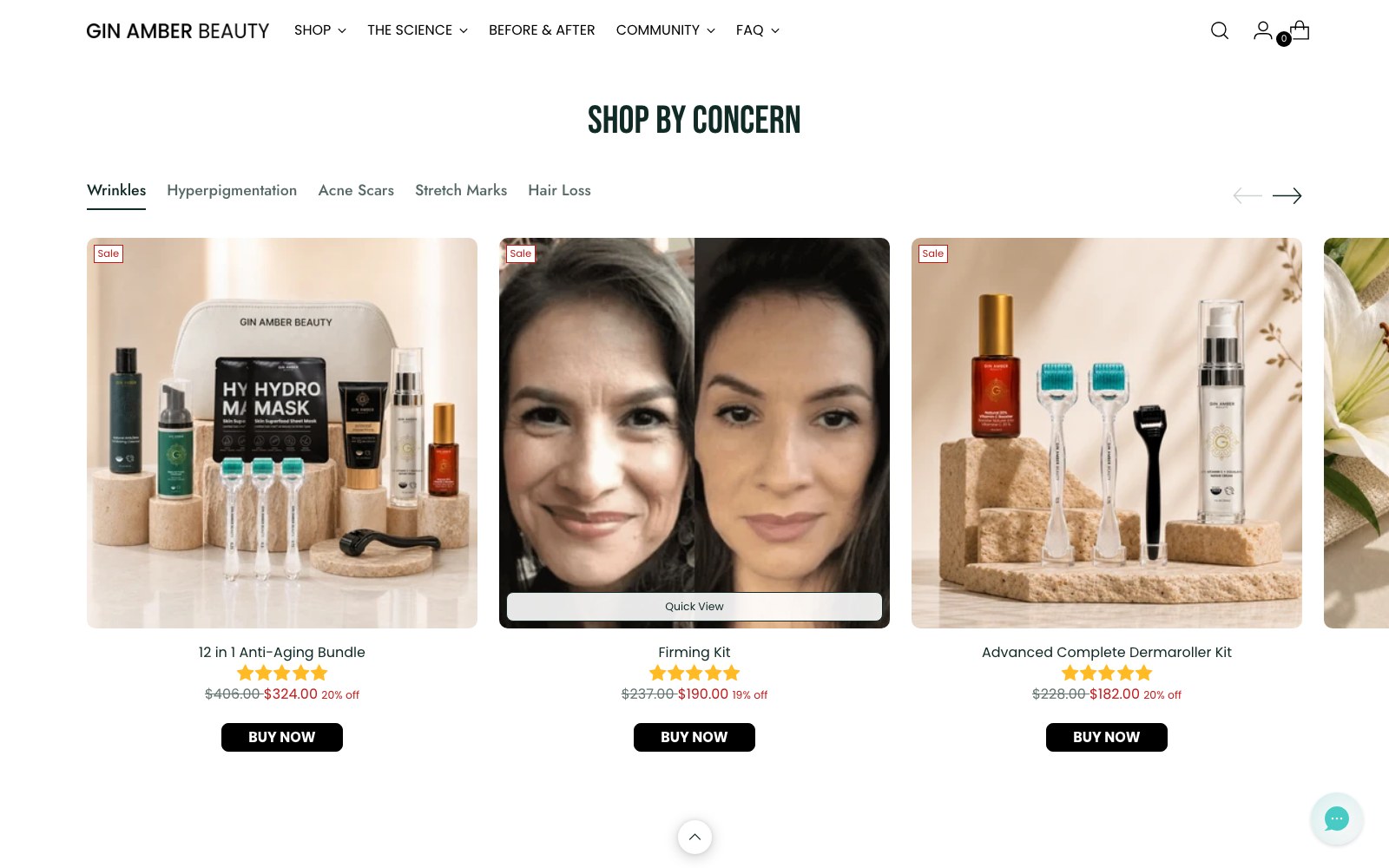
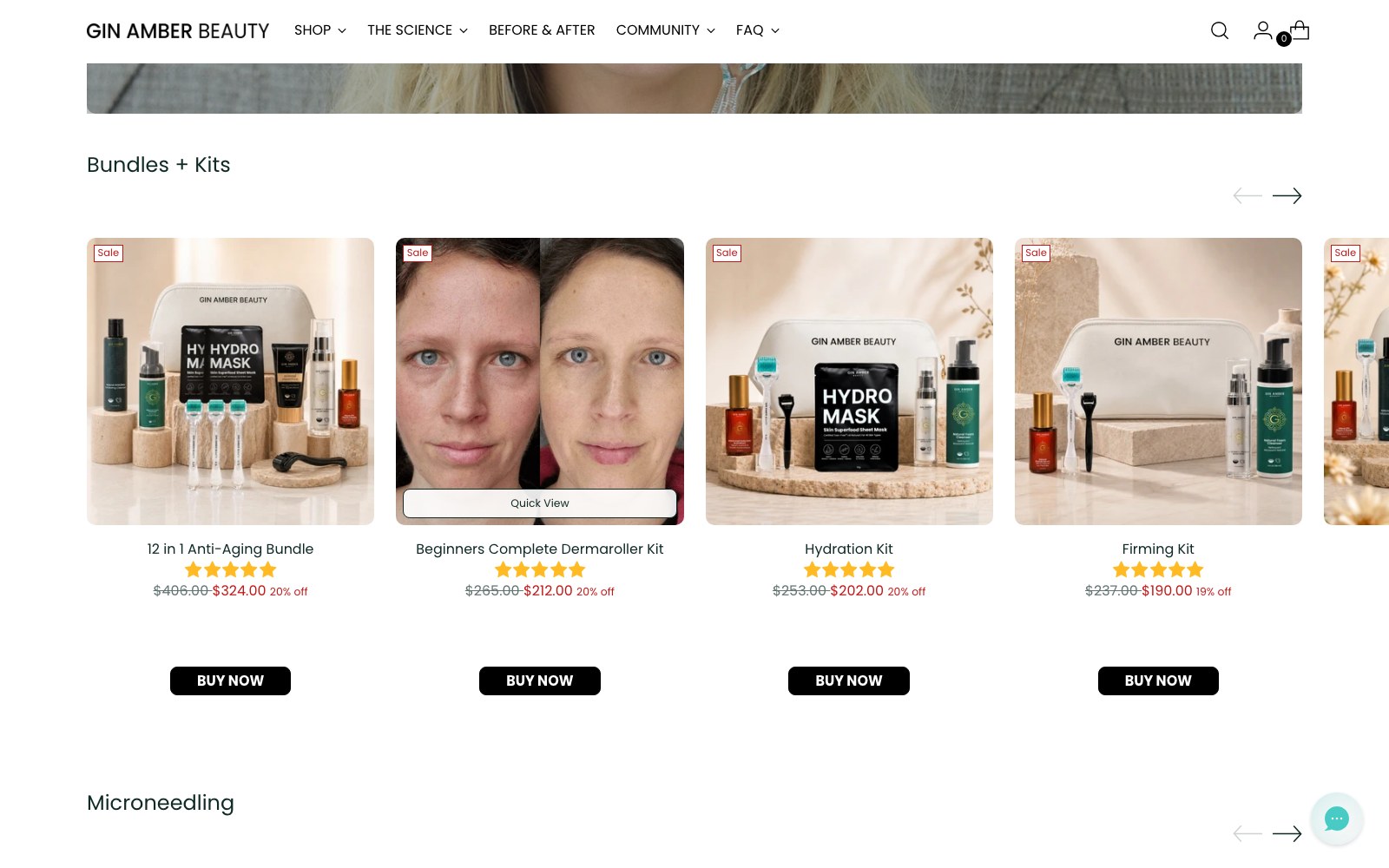
Shop by problem
Wrinkles, scars, hyperpigmentation—each
gets its own entry point.
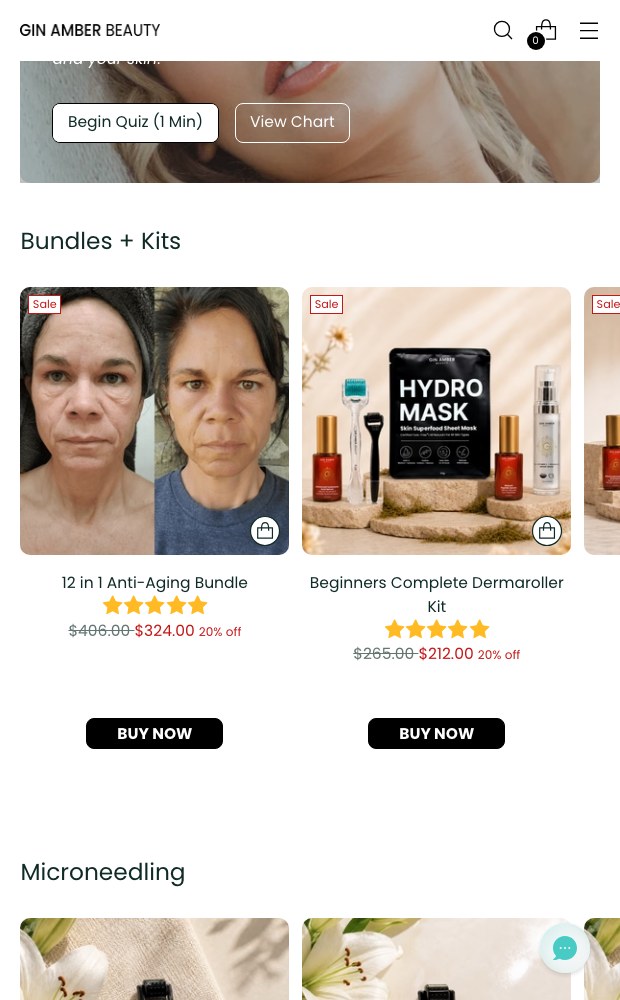
The catalogue was split by concern instead of SKU. Shop By Concern routes visitors into curated problem pages—rosacea, acne scars, stretch marks, hair loss—each explaining what it is and showing the two-product kit that addresses it, so a first-time buyer skips the 40-product grid and lands on an answer.
.jpg)
.jpg)



03 — The results
A store you can shop by the thing on your face you hate.
Every concern page now holds a short explanation, a matched kit, subscribe-and-save on the consumables, and bundles as the primary path. A guided quiz handles self-diagnosis when someone cannot name their own symptom.
The Before & After gallery groups real customer photography by the same concerns that structure the shop, product pages carry customer media beside the review distribution, and the founder story explains why the tools are specified the way they are.
CASE STUDIES
Case studies
Website Portfolio
Video Ads
Static Ads







































































.webp)
.webp)