The cheap audience everyone forgets.
everyone forgets
Snapchat is the platform most media plans skip and some brands quietly win on. We build the tracking, the vertical creative and the account structure it actually rewards, then judge it against your other buying — Meta, TikTok and paid search — on incremental profit rather than platform-reported wins.






Tell us a little about your brand and we'll be in touch within 24 hours to lock in a time.


THE FOUR LAYERS
Signal, creative, structure, proof.
structure, proof
In that order, because each one limits the next. Broken event data caps what any bidding model can do; weak vertical creative caps what good data can buy; a fragmented account caps learning; and without honest measurement none of it survives the next budget review.
Tracking & signal
Creative for the platform
Account structure & buying
Measurement & incrementality
Fix the events before raising the budget.
Every engagement starts the same way: we audit the pixel and the Conversions API, deduplicate events, confirm values are passed correctly, check that purchases and qualified leads are distinguished from soft actions, and validate the whole chain against your own sales data. If in-app or mobile-app conversions matter, the measurement kit is verified too.
Signal quality is not a technicality here. Automated bidding cannot optimise toward an outcome it cannot see, so a missing value or a double-fired event does not just distort the report — it teaches the delivery system to buy the wrong people. We would rather spend the first fortnight on plumbing than scale a campaign that is learning from noise.
Everything is built in your accounts, and the audit findings are written down so your team can maintain them whether or not we are still involved.
- Pixel and Conversions API audited, deduplicated and validated
- Purchase values and qualified leads separated from soft actions
- App measurement verified where installs or in-app events matter
- Everything reconciled against your own sales data
8.8%
average conversion lift Snap reported for Smart Audience ad sets
77%
higher click-through rate on native lead ads (Snapchat)
Made for the phone, not resized for it.
Recycled square video is the single most common reason a Snapchat test fails. The audience is young, the viewing is full-screen, sound-on and fast, and the first second decides everything. So we produce native vertical work: creator-style footage, quick demonstrations, real people, captions burned in, and a hook that says something specific before the thumb moves.
Then we test properly — one variable at a time, enough spend per concept to conclude anything, and a refresh cadence set by fatigue in the data rather than by boredom in the meeting. Snap's own formats reward this: the company reported that Sponsored Snaps delivered up to a 22% increase in incremental conversions when added to a broader campaign mix, and that Smart Audience produced an average 8.8% conversion increase for ad sets that adopted it.
Our creator content and motion teams produce the volume, and winning concepts are reused across Meta and TikTok so a good idea earns across the whole plan.
- Native vertical, sound-on creative built for full screen
- Hooks tested in the first second, captions burned in
- One variable per test, with enough spend to conclude
- Refresh cadence driven by measured fatigue
- Winning concepts reused across other platforms
22%
incremental conversion lift Snap reported for Sponsored Snaps
Vertical
every asset produced for full-screen, sound-on viewing
Few campaigns, enough data each.
Snapchat is a smaller pool than Meta, so slicing it into a dozen tightly targeted ad sets starves every one of them. We consolidate: broad audiences where the conversion signal can do the work, a small number of well-funded ad sets, exclusions that prevent overlap, and retargeting sized to the actual audience rather than out of habit. Bidding is chosen for the objective and left alone long enough to learn.
The upside of a less crowded auction is price. Gupta Media's tracker put Snapchat's CPM at $12.84 with a $0.51 cost per link click in October 2025, and in research Snap ran with Triple Whale, Snapchat improved return on ad spend by 7.5% while most platforms declined and had the lowest cost per acquisition across platforms for that advertiser cohort. Cheap attention is only useful with the right creative and clean data, which is why this is the third layer, not the first.
Scale decisions are made weekly on a written rule set, so budgets move on evidence instead of on the mood of the account.
- Consolidated structure so every ad set gets enough data
- Broad targeting where the conversion signal can lead
- Exclusions and retargeting sized to the real audience
- Bidding matched to objective and given time to learn
- Weekly scale decisions against a written rule set
$12.84
tracked Snapchat CPM in October 2025
$0.51
tracked cost per link click in the same month
Judge it on profit you can defend.
Platform-reported returns are useful for in-flight decisions and misleading as a verdict, because every platform claims the same sale. We report Snapchat three ways: platform numbers for optimisation, your own sales or CRM data for what closed, and blended efficiency for the whole business. Where the spend justifies it we run a holdout or a paused-market test, which is the only method that answers whether the channel added anything.
Context matters too. Snap's most recent quarter showed 493 million daily active users and $1.6 billion in revenue, with 971 million monthly users and ARPU of $3.25 — a large, still-growing global audience, though North American daily users declined year over year. That is exactly the kind of detail that decides whether Snapchat is a prospecting channel or a niche one for your market, and we say which we think it is before you commit budget.
Each month you get a written review of what we changed, what it produced and what we recommend, including a plain recommendation to stop if the numbers do not hold up.
- Platform, sales-data and blended views reported side by side
- Holdout or paused-market tests where the budget justifies them
- Contribution margin considered, not just platform return
- Monthly written review ending in a clear recommendation
493M
Snapchat daily active users in Q2 2026, up 5%
7.5%
ROAS improvement in Snap’s Triple Whale research cohort
US Gen Z users on Snapchat in 2026 (eMarketer)
Snapchat average revenue per user (Snap Q4 2025)
Event data reconciled against your own sales records
The ad account, the creative and the data
We made the difference for those brands

Consumer tech and platforms

Healthcare & regulated services
Consumer tech and platforms

Apparel and lifestyle

Consumer tech and platforms

Healthcare & regulated services

B2B software, fintech, insurance

Food & beverage

Consumer tech and platforms

B2B software, fintech, insurance

Creative, content, arts & culture

B2B software, fintech, insurance

Healthcare & regulated services

Consumer tech and platforms

Retail & commerce

Beauty, personal care & wellness

Beauty, personal care & wellness

Creative, content, arts & culture

B2B software, fintech, insurance

Retail & commerce

Beauty, personal care & wellness

Consumer tech and platforms

Consumer tech and platforms

Beauty, personal care & wellness

Creative, content, arts & culture

B2B software, fintech, insurance

Beauty, personal care & wellness

Consumer tech and platforms

Beauty, personal care & wellness

Healthcare & regulated services
01 — The challenge
One test, resized creative, wrong conclusion.
Most brands have already tried Snapchat: a month of budget, square video borrowed from another platform, six narrow ad sets sharing a small audience, and a verdict that the platform does not work. The test measured the setup, not the opportunity.
“We tried it. It did not work.”
The conditions for a fair test are known: clean event data, native vertical creative built for full-screen sound-on viewing, a consolidated structure with enough spend per ad set to learn, and a measurement plan agreed before launch. Under those conditions the economics can be genuinely attractive — in Snap's research with Triple Whale, Snapchat improved return on ad spend by 7.5% while most platforms declined, with the lowest cost per acquisition across platforms for that cohort. Our job is to run the version of the test that produces a trustworthy answer either way.
02 — Our approach
Fix the data, make it native, then buy simply.
We audit the pixel and Conversions API first: events deduplicated, values passed correctly, purchases and qualified leads separated from soft actions, and everything reconciled against your own sales data. Then creative, because it is the biggest lever on this platform — native vertical work made for full-screen sound-on viewing, hooks tested in the first second, captions burned in, one variable per test and enough spend per concept to conclude something. Structure stays deliberately simple: broad audiences, a small number of well-funded ad sets, exclusions that prevent overlap, and bidding matched to the objective and left alone long enough to learn. Measurement is agreed before launch and reported three ways — platform, your sales data, and blended — with a holdout test where the budget justifies one. You keep the account, the creative and the data.
03 — What we did
How a fair test gets run.
Signal, creative, structure and scaling run in that order, with a weekly working session and a written monthly review that ends in a recommendation.
Weeks 1-2 / Signal
Audit the events before spending
Pixel and Conversions API audited and deduplicated, values verified, app measurement checked where relevant, and every number reconciled against your own sales data.
Weeks 2-3 / Creative
Produce for full screen, sound on
Native vertical concepts built from creator-style footage and quick demonstrations, hooks written for the first second, captions burned in, and one variable isolated per test.

Weeks 3-4 / Structure
Consolidate so learning can happen
Broad audiences, a small number of well-funded ad sets, overlap removed by exclusions, retargeting sized to the real pool, and bidding matched to the objective.

Ongoing / Scale
Move budget on evidence, weekly
Weekly decisions against a written rule set, creative refreshed on measured fatigue, holdout tests where the spend justifies them, and a monthly written review.

WHAT YOU GET
Deliverables you keep.
you keep
Everything is built in your own ad account and documented as we go, so nothing depends on us staying.

Tracking and signal audit
Pixel and Conversions API audited, deduplicated and validated against your own sales data, with the findings written down.

Vertical creative production
Native full-screen concepts: creator-style footage, demonstrations, burned-in captions and hooks written for the first second.

Account build and structure
A consolidated account with broad audiences, funded ad sets, clean exclusions and bidding matched to the objective.

Creative testing programme
One variable per test with enough spend to conclude, and a refresh cadence set by measured fatigue rather than boredom.

Measurement and holdouts
Platform, sales-data and blended reporting side by side, plus holdout or paused-market tests where the budget justifies them.

Reporting and monthly review
A written monthly review of what changed, what it produced and what we recommend next — including when to stop.
HOW WE WORK
Operating standards, not promises.
Operating standards


















Built on trust. Proven by results.
We partner with SMBs and Fortune 500 companies to deliver more than reach — we bring clarity, execution, and measurable outcomes. Every successful partnership starts with a strong culture fit and a shared drive to grow.



CASE STUDIES
Case studies
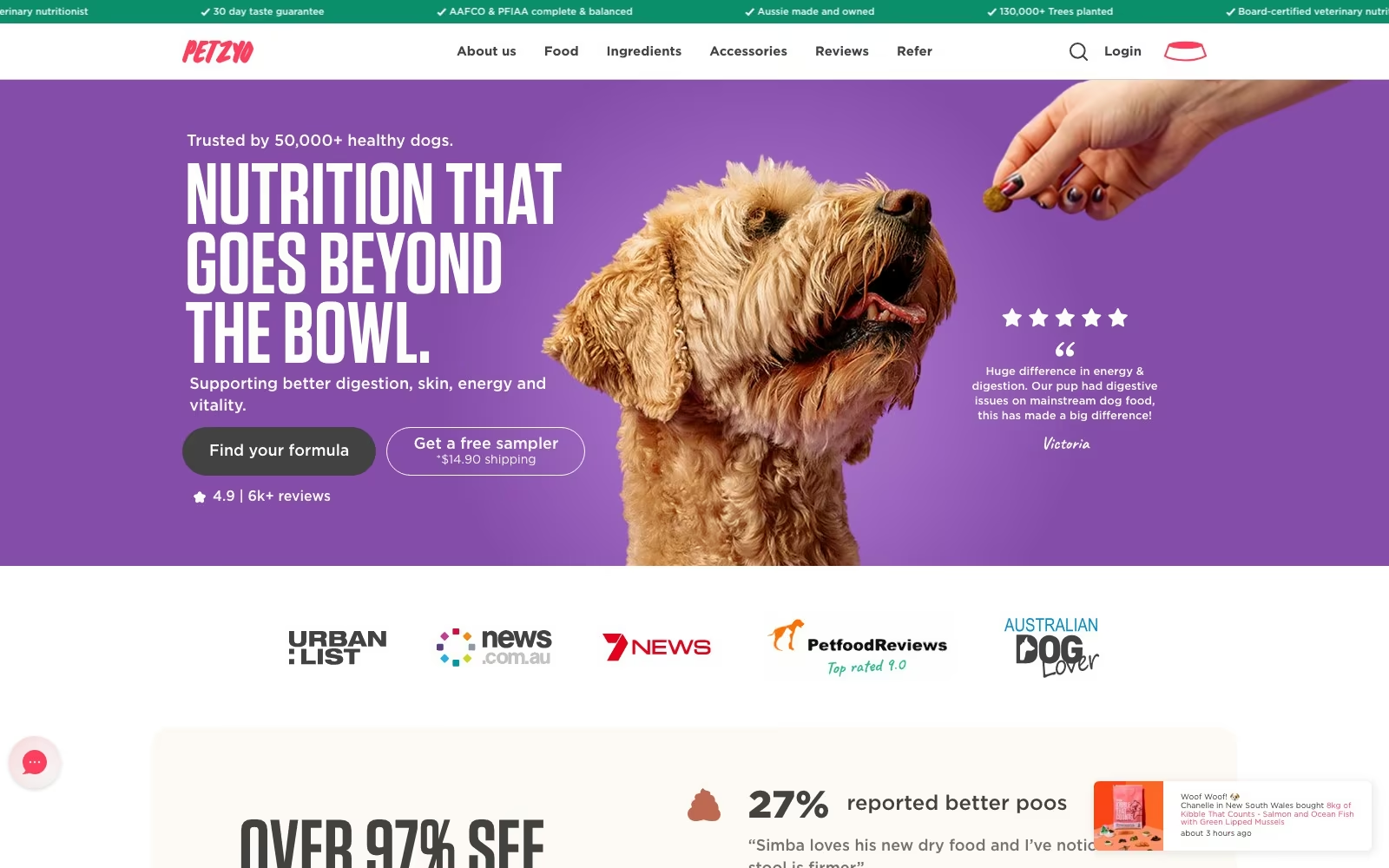
Website Portfolio
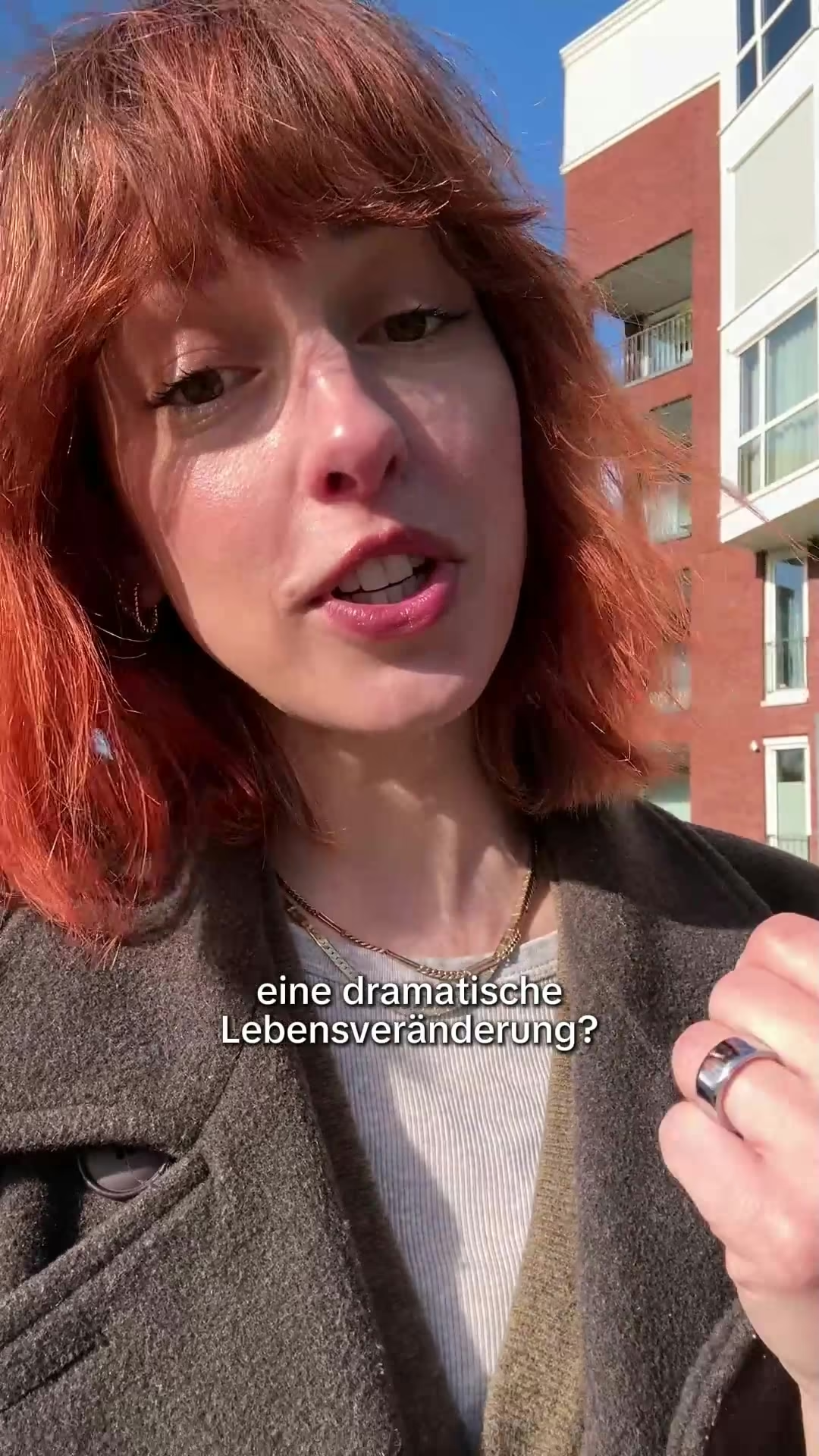
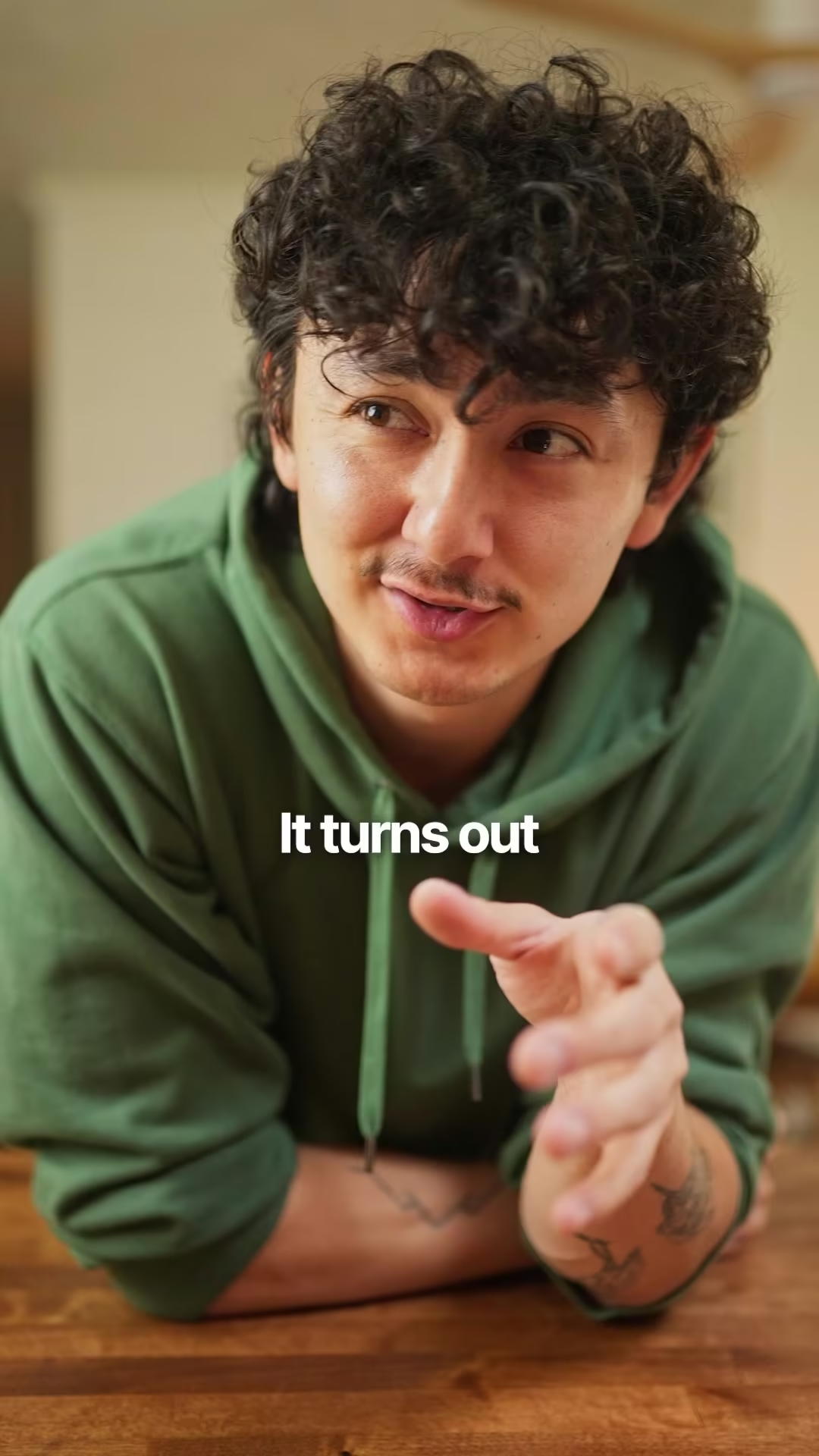
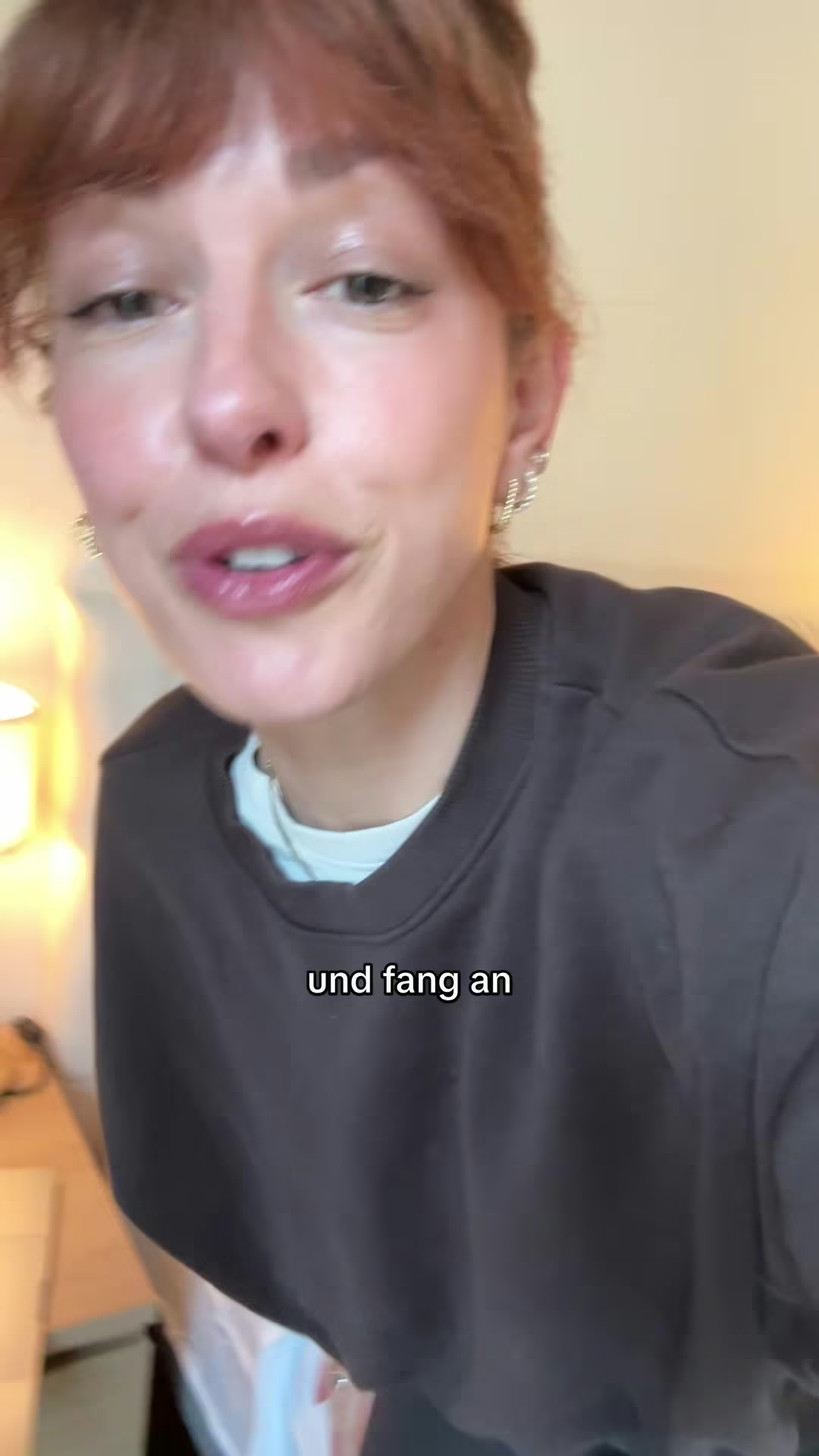
Video Ads
Static Ads


































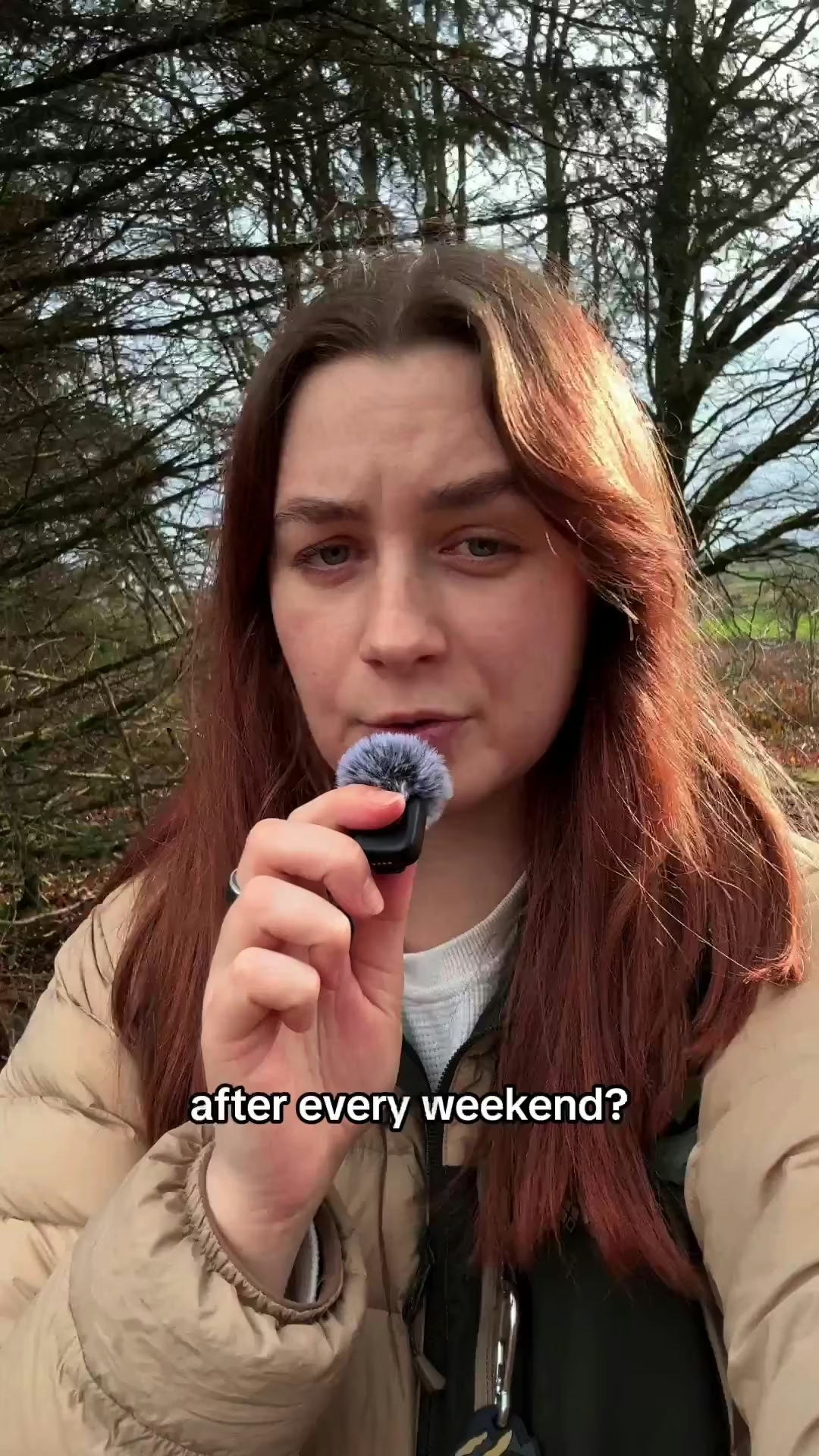









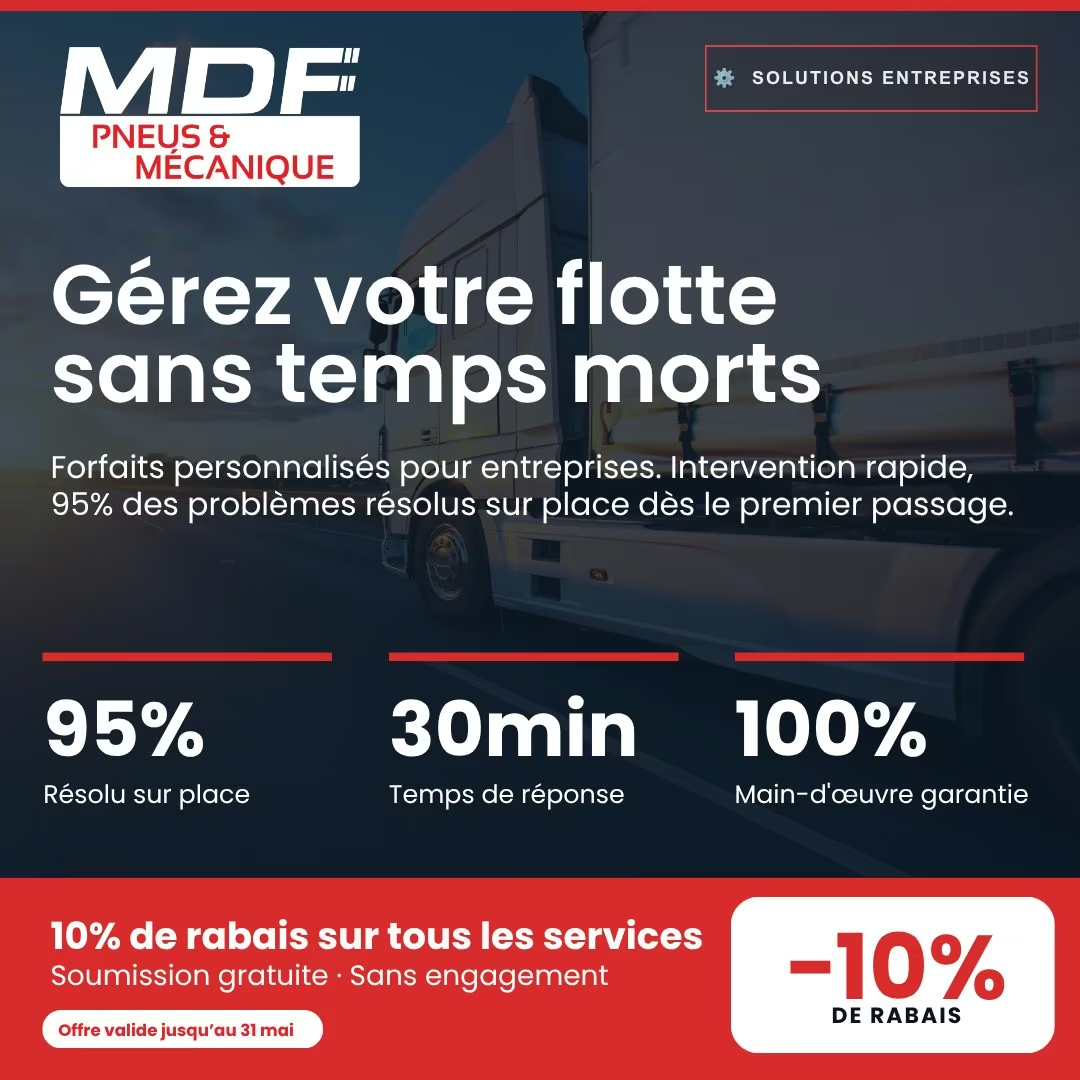
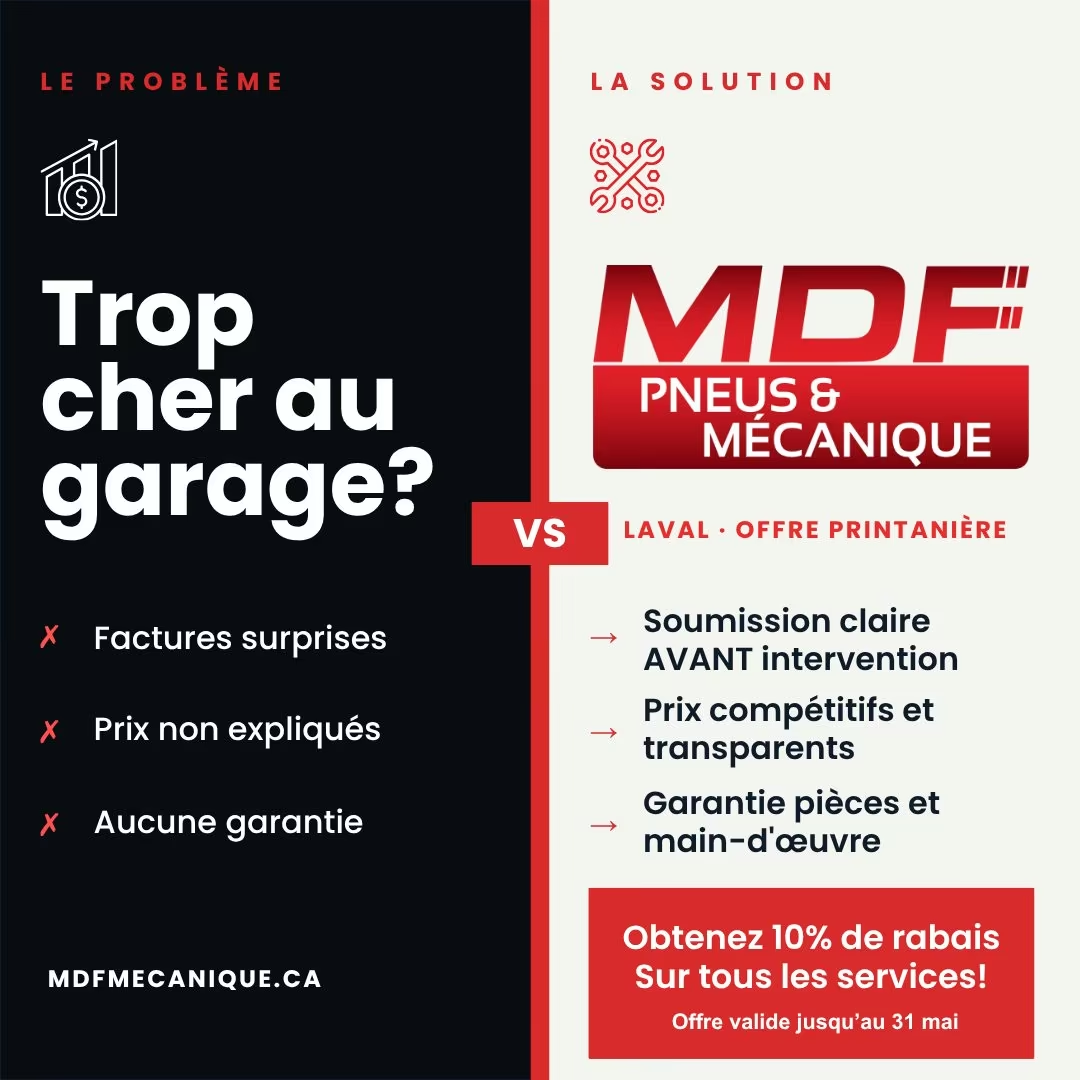





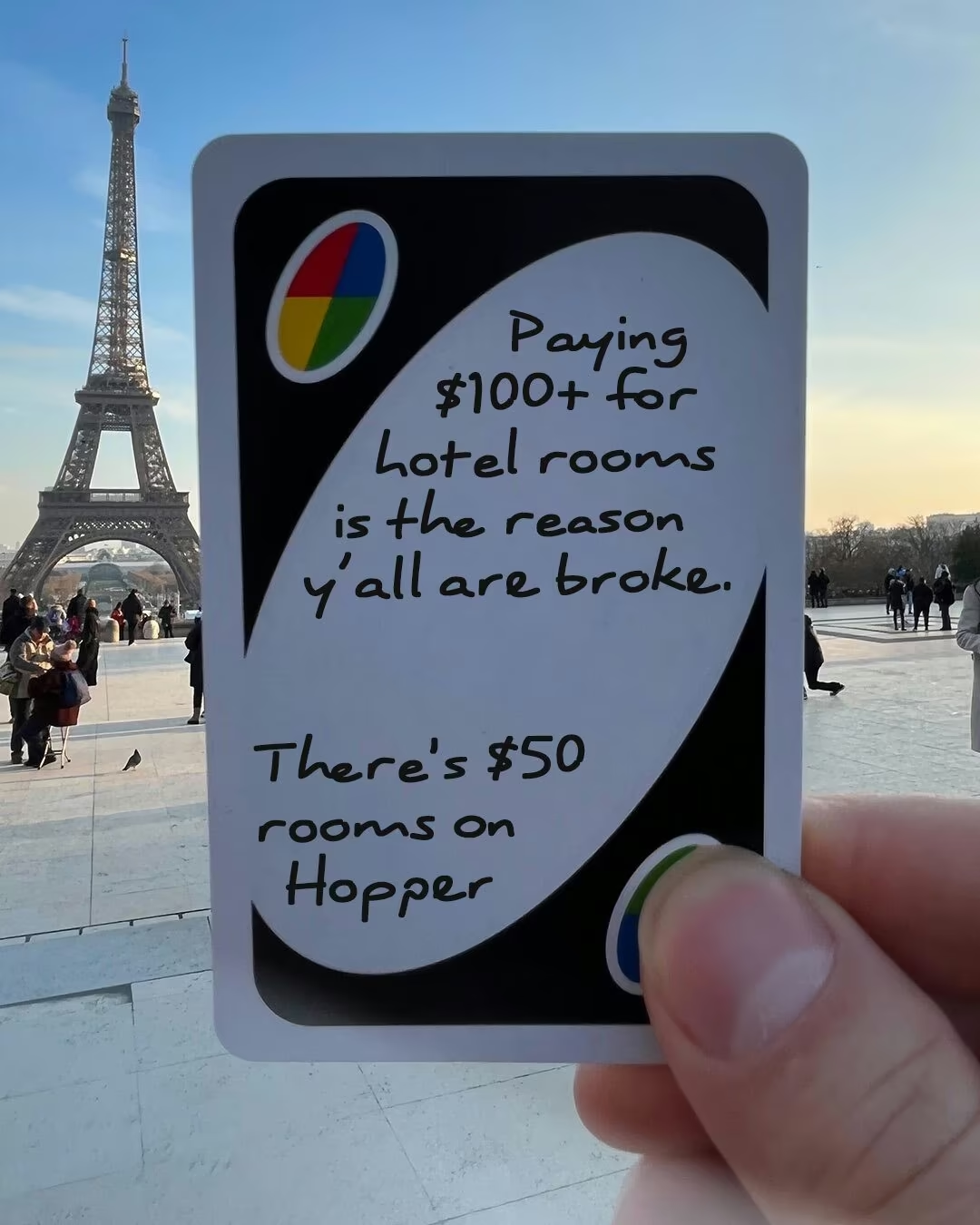

FAQ
What advertisers ask us first.
Is Snapchat still worth advertising on?
For the right audiences, yes. Snap reported 493 million daily active users and 971 million monthly users in its most recent quarter, with revenue up 19% to $1.6 billion, so the audience is large and the ad business is growing again. Two caveats we give every client: North American daily users declined year over year, so if your market is exclusively US or Canadian the reach question is real; and it works best as a prospecting and awareness channel with strong vertical creative rather than as a retargeting workhorse.
Who is the audience on Snapchat?
It skews younger than Meta and is heavily mobile and messaging-led: people open the app to talk to friends, not to browse a feed, which changes what advertising works. That makes it strong for consumer brands, apps, food and drink, fashion and beauty, entertainment, events, education and recruitment aimed at younger candidates. It is weaker for narrow B2B targeting, where LinkedIn or search will usually be a better use of the same money. We say which we think applies to you before any budget is committed.
What does advertising on Snapchat cost?
Less than most people expect, because the auction is less crowded. Gupta Media's tracker recorded a $12.84 CPM and a $0.51 cost per link click for Snapchat in October 2025, and costs vary widely by objective: awareness buying is cheap, purchase-optimised buying costs considerably more. For a first test we usually recommend a budget that can produce at least 50 conversions inside a month, because anything smaller cannot separate a bad channel from a slow-learning campaign. We scope that figure with you rather than quoting a generic minimum.
Can we reuse our Meta or TikTok creative?
As a starting point, sometimes; as the whole plan, no. TikTok-style vertical footage often travels well because the viewing conditions are similar, but square or landscape Meta assets almost always underperform here. What matters is the first second, sound-on delivery, burned-in captions and a hook written for someone who is one tap from a conversation with a friend. We usually adapt your existing best performers, then produce a small batch of native concepts so the test compares platform-appropriate work rather than leftovers.
How much budget do we need for a fair test?
Enough for the delivery system to learn and for you to reach a conclusion with confidence — in practice a month or two at a level that produces roughly 50 conversions a month, spread across a small number of ad sets rather than a dozen. Too little budget across too many audiences is the single commonest reason a Snapchat test reads as a failure. We agree the test size, the success criteria and the decision date before launch, so the outcome is a decision rather than an argument.
How do you measure whether Snapchat actually worked?
Three views plus a test. Platform-reported results guide in-flight optimisation; your own sales or CRM data show what closed; blended efficiency shows what the business earned overall. Because every platform claims the same sale, we treat those as lenses rather than truths. Where the budget justifies it we run a holdout or a paused-market test, which is the only clean way to answer the incrementality question. All of that is agreed before launch so the verdict does not depend on whichever report is most flattering.
Which ad formats work best?
Single-image and single-video ads in the content surfaces do the bulk of the work, with collection ads for catalogue businesses and Sponsored Snaps when reach matters — Snap reported those delivering up to a 22% increase in incremental conversions when added to a broader campaign mix. Augmented-reality lenses can be excellent for the right brand and are a poor use of a small budget. We choose formats to match the objective and the production budget available, and we say plainly when a format is a brand exercise rather than a performance one.
Do you use Snapchat's automated targeting and bidding?
Yes, where the signal supports it. Broad targeting with a clean conversion signal generally beats manual slicing on a smaller platform, and Snap reports that Smart Audience delivered an average 8.8% conversion increase for ad sets that adopted it. The condition is the same as everywhere: automation is only as good as the events feeding it, which is why the tracking audit comes first. We keep structure simple so the model has enough data, and we give bidding changes time to settle instead of reacting to a single bad day.
How does Snapchat fit alongside Meta and TikTok?
As a complement, not a replacement. Meta usually carries the volume, TikTok the cultural momentum, and Snapchat adds incremental reach in a younger audience at a lower CPM — which can improve blended efficiency even when its platform-reported return is not the highest in the account. We plan the three together, share creative across them so a good concept earns its cost several times, and report blended efficiency so budget moves between platforms on evidence rather than on which dashboard shouts loudest.
How do you charge?
A flat monthly fee scoped to the work, with creative production quoted separately so you can see exactly what you are buying. We do not take a percentage of media spend on Snapchat: it rewards recommending more spend rather than better spend, and on a test channel that is the wrong incentive entirely. The first engagement is usually a fixed-scope audit, creative batch and structured test with an agreed decision date, after which we either scale it or tell you honestly that your money belongs elsewhere.

.webp)
.webp)