One day of filming. A year of usable footage.
A year of usable footage
We are a video production agency that plans the edit before the camera rolls. Strategy, scripting, direction, camera unit, editing and handover in every ratio you actually run — designed so a single production day yields hero films, cutdowns, vertical variants and months of social material rather than one film and a folder nobody opens. It sits naturally beside ad creative, creator content and motion graphics.






Tell us a little about your brand and we'll be in touch within 24 hours to lock in a time.


THE FOUR STAGES
Plan, film, cut, then keep earning.
Plan, film, cut
The difference between video that earns and video that decorates is decided in pre-production. What is this for, who is it aimed at, where will it run, what does it need to defeat, and how many cuts must come out of the day. Answer those and the day becomes logistics; skip them and you pay twice.
Strategy & pre-production
Direction & production
Post-production
Delivery & performance
Design the deliverables before the day.
Video is now the default rather than an experiment: Wyzowl's survey reports 91% of businesses using video as a marketing tool and 93% treating it as integral to their strategy. The reported return has softened, though — 82% say video has given them a good return, down from an all-time high of 93% — which fits what we see: more video being made, less of it planned around a job.
So pre-production starts from the output list and works backwards. Every asset the day must produce, named: the hero film and its length, the cutdowns, the vertical variants, the silent captioned versions, the stills. Then the script, the shot list drawn to serve every one of those cuts, casting, location, permits, the schedule and a call sheet nobody has to guess at.
Openings get disproportionate attention because that is where budget leaks. CreativeX's review of 1.6 million ads worth around $2 billion in spend found 45% of creator ads never naming the brand in the first three seconds and not being watched past them. We script alternative openings on the day, while the lights are already up.
- Deliverable list agreed before the script is written
- Shot list drawn to serve every cut, ratio and caption version
- Alternative openings scripted and shot the same day
- Casting, locations, permits and call sheet handled
- Usage rights and music licensing settled up front
91%
of businesses now use video as a marketing tool
82%
report a good return from video, down from a 93% high
A calm set is a cheap set.
On the day the job is coverage and pace. A director who knows which cut each take feeds, a camera unit sized to the schedule rather than to the invoice, sound recorded properly because bad audio is the fastest way to make good footage unusable, and lighting that survives being cropped to vertical. We frame for every ratio we owe you rather than cropping a wide master afterwards and hoping.
We also capture the unscripted margin: the product being handled, hands working, the room, the process, the moments between takes. That material is worth more over twelve months than the hero film, because it is what makes the next twenty edits possible without another production day. Behind-the-scenes and stills come off the same setup for the same reason.
Everything is reviewed against the deliverable list before the set is struck, so nothing is discovered missing in the edit — the one mistake in production that cannot be fixed later without paying again.
- Director working from the cut list, not just the script
- Framing shot for every ratio you owe, never cropped after
- Sound recorded properly, on radio and boom where needed
- Unscripted coverage, stills and behind-the-scenes captured
- Deliverable list checked off before the set is struck
45%
of creator ads lose the viewer inside three seconds
11,604
US movie and video production businesses (IBISWorld)
Where one day becomes thirty assets.
Post is where the plan pays. The hero film is cut first and then deliberately dismantled: shorter versions, vertical and square reframes done properly rather than by centre-crop, silent cuts with burned-in captions, alternative openings on the same body, and platform-specific endings. Colour grade, sound mix, music licensed for the territories and durations you actually need, and graphics or subtitles handled in-house.
Length is a decision, not a default. Metricool's 2026 study of YouTube found Shorts views up 127% year over year while viewers spent three times less time watching each Short — more discovery, less attention per view. So we cut for the placement rather than trimming one master to fit everywhere.
Revisions are scoped and written into the schedule, because open-ended feedback is what makes edits expensive. You get a defined count of rounds, consolidated notes, and a finish date that survives them.
- Hero film plus cutdowns, verticals and silent captioned cuts
- Reframes done shot by shot, never a blind centre-crop
- Colour, sound mix, subtitles and graphics in-house
- Music licensed for the territories and durations you run
- Revision rounds defined up front, with dates that hold
127%
year-over-year rise in Shorts views, at a third of the watch time
$7.1B
US video post-production market size in 2026 (IBISWorld)
Handover, then read what it earned.
Delivery means organised, not zipped: masters, per-placement cuts, captions and subtitle files, stills, project files and a written note of what is licensed where and until when. Filed so somebody who was not on the set can find the right cut in a year, which is the difference between an asset library and an archive.
Then we read performance, because that is the only way the next round is better than this one. Hook and hold rates on the paid cuts, watch time and retention curves organically, and conversion where the video sits on a landing page. That closes the loop on the softening return Wyzowl reports, where 82% of marketers claim a good return but far fewer directly track revenue from video.
Outsourcing this is standard practice now — 42% of businesses rely on external video creators in some capacity — so we also train whoever will be cutting social variants in-house between productions.
- Organised handover: masters, cuts, captions, stills, projects
- Written licence record: what runs where, and until when
- Performance read on hook, hold, retention and conversion
- Next production briefed from what the footage earned
- Your team trained to cut social variants between projects
42%
of businesses rely on external video creators in some capacity
median cost of a 60-90 second explainer (Clutch)
median cost of a corporate brand video (Clutch)
The deliverable list is agreed before the script is written
The footage, project files and licence record
We made the difference for those brands

Food & beverage

B2B software, fintech, insurance

Creative, content, arts & culture

Retail & commerce

Consumer tech and platforms

Home essentials, appliances, kitchen & pet

Retail & commerce

Food & beverage
Creative, content, arts & culture

Creative, content, arts & culture

Consumer tech and platforms

B2B software, fintech, insurance

Home essentials, appliances, kitchen & pet

Apparel and lifestyle

Home essentials, appliances, kitchen & pet

B2B software, fintech, insurance
Food & beverage

B2B software, fintech, insurance

B2B software, fintech, insurance

Food & beverage

Home essentials, appliances, kitchen & pet

Creative, content, arts & culture

Food & beverage
Creative, content, arts & culture

B2B software, fintech, insurance

Creative, content, arts & culture

Consumer tech and platforms

Consumer tech and platforms

B2B software, fintech, insurance

Travel & mobility
Healthcare & regulated services
01 — The challenge
A beautiful film, and nothing to run next month.
The filming went well. The hero film looks expensive. Then the media team asks for a vertical cut, three shorter versions and something with captions, and the honest answer is that the footage was never framed for it. Six weeks later the campaign is out of creative and the only option is another production day.
“We spent the whole budget on one film we ran for three weeks.”
That is a planning failure rather than a craft one, and it shows up in the aggregate numbers: Wyzowl reports 91% of businesses using video while the share reporting a good return has slipped from 93% to 82%. More video, less of it designed around a job. When the deliverable list is written before the script and the shot list serves every cut, the same day produces a hero film, the cutdowns, the verticals, the captioned versions and stills — and the media team has something to test in month three.
02 — Our approach
Write the deliverable list first, then film for all of it.
We start with the job the video has to do and the placements it will run in, and turn that into a named list of assets the production must yield. The script and the shot list are drawn to serve every item on it, including alternative openings and framing for each ratio, so nothing is cropped or invented afterwards. On the day a director works from the cut list, sound is recorded properly, and we capture the unscripted margin — hands, process, the room, stills — because that is what makes the next twenty edits possible without paying for another day. Post cuts the hero film and then dismantles it into shorter, vertical, silent and captioned versions, with revision rounds and dates agreed in advance. Delivery is organised and licensed in writing. Then we read hook, hold, retention and conversion, and brief the next production from that.
03 — What we did
Four stages, one library that keeps earning.
Planning, filming, editing and handover run to a fixed schedule, with a named producer and a written read of what the footage earned.
Weeks 1-2 / Pre-production
Design the outputs, then the script
Deliverable list agreed, script and shot list built to serve every cut and ratio, casting, locations, permits, music and call sheet handled.
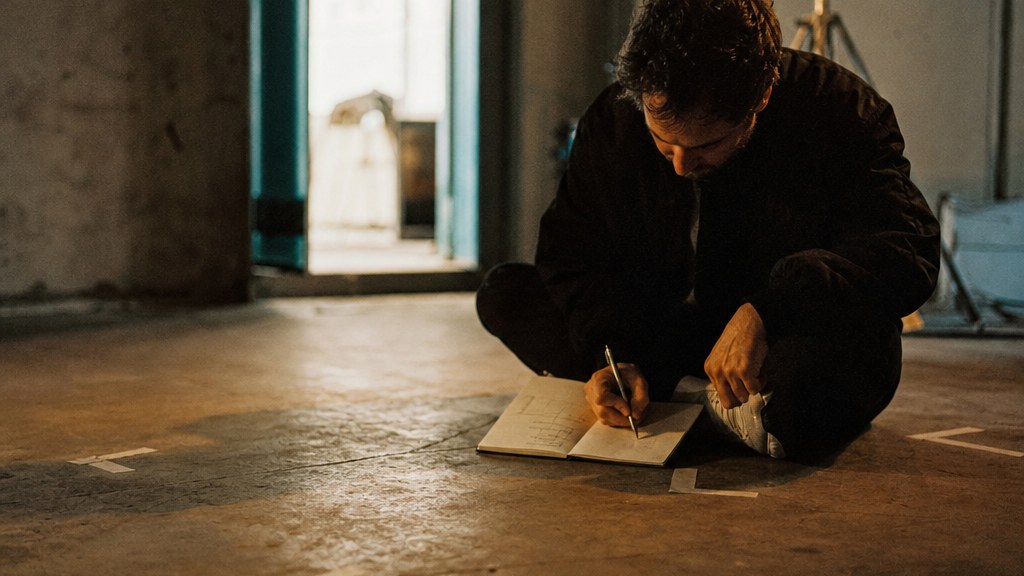
Production day / Shoot
Cover every cut you owe
Direction against the cut list, framing shot for each ratio, sound recorded properly, plus unscripted coverage and stills from the same setup.
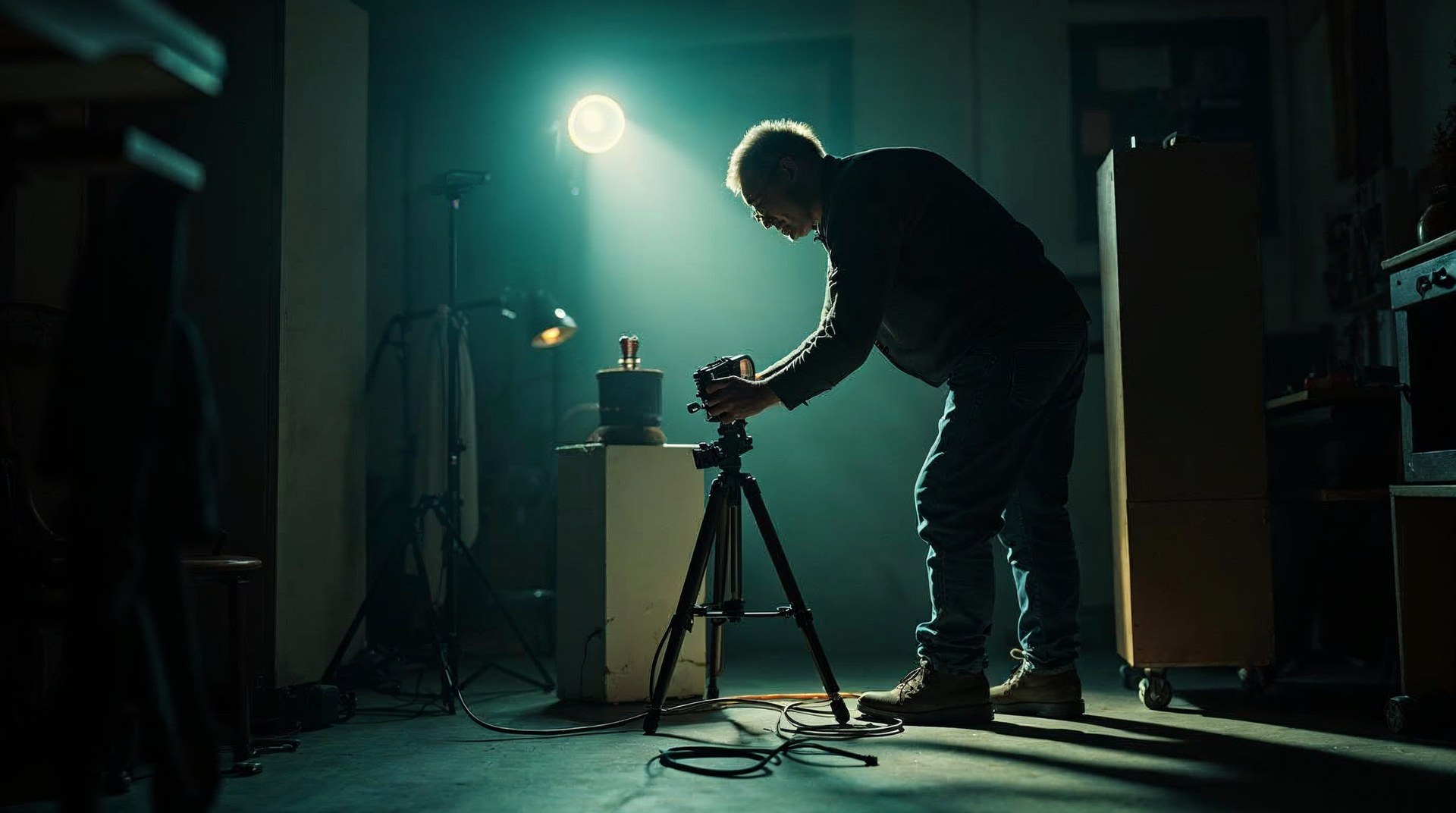
Weeks 3-5 / Post
Turn one film into a library
Hero cut, then cutdowns, verticals, silent captioned versions and alternative openings, with colour, mix and subtitles in-house.
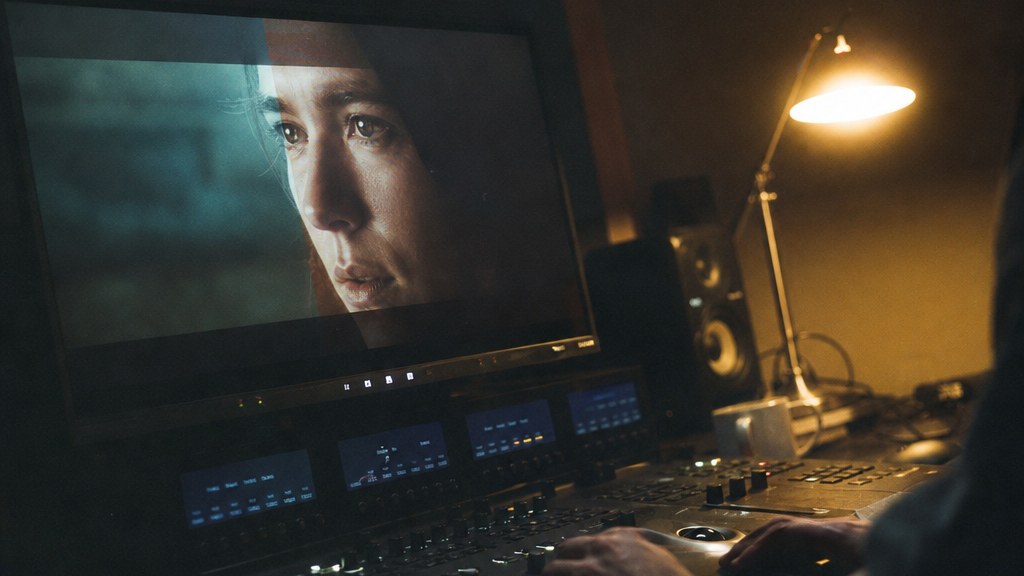
Delivery / Performance
Hand over, then read the results
Organised masters, captions, stills and project files with a written licence record, then hook, hold and conversion read on the cuts that ran.

WHAT YOU GET
Deliverables, organised and licensed.
organised and licensed
Everything below is delivered in the ratios you actually run, with the paperwork attached, and is yours to keep.

Strategy and planning
Deliverable list, script, shot list, casting, locations, permits and a call sheet drawn around the cuts you need.

Direction, crew and filming
Director, camera, lighting and sound sized to the schedule, with framing captured for every ratio you owe.

Editing and finishing
Hero cut plus cutdowns, colour grade, sound mix, subtitles and licensed music, with revision rounds agreed up front.

Brand and platform styling
Consistent grade, typography, captions and end cards so every cut looks like it came from the same place.

Cutdowns and vertical variants
Shorter versions, vertical and square reframes done shot by shot, silent captioned cuts and alternative openings.

Delivery, licensing and handover
Organised masters, captions, stills and project files, plus a written record of what is licensed where and until when.
HOW WE WORK
Operating standards, not promises.
Operating standards

















Built on trust. Proven by results.
We partner with SMBs and Fortune 500 companies to deliver more than reach — we bring clarity, execution, and measurable outcomes. Every successful partnership starts with a strong culture fit and a shared drive to grow.






CASE STUDIES
Case studies
Website Portfolio
Video Ads
Static Ads













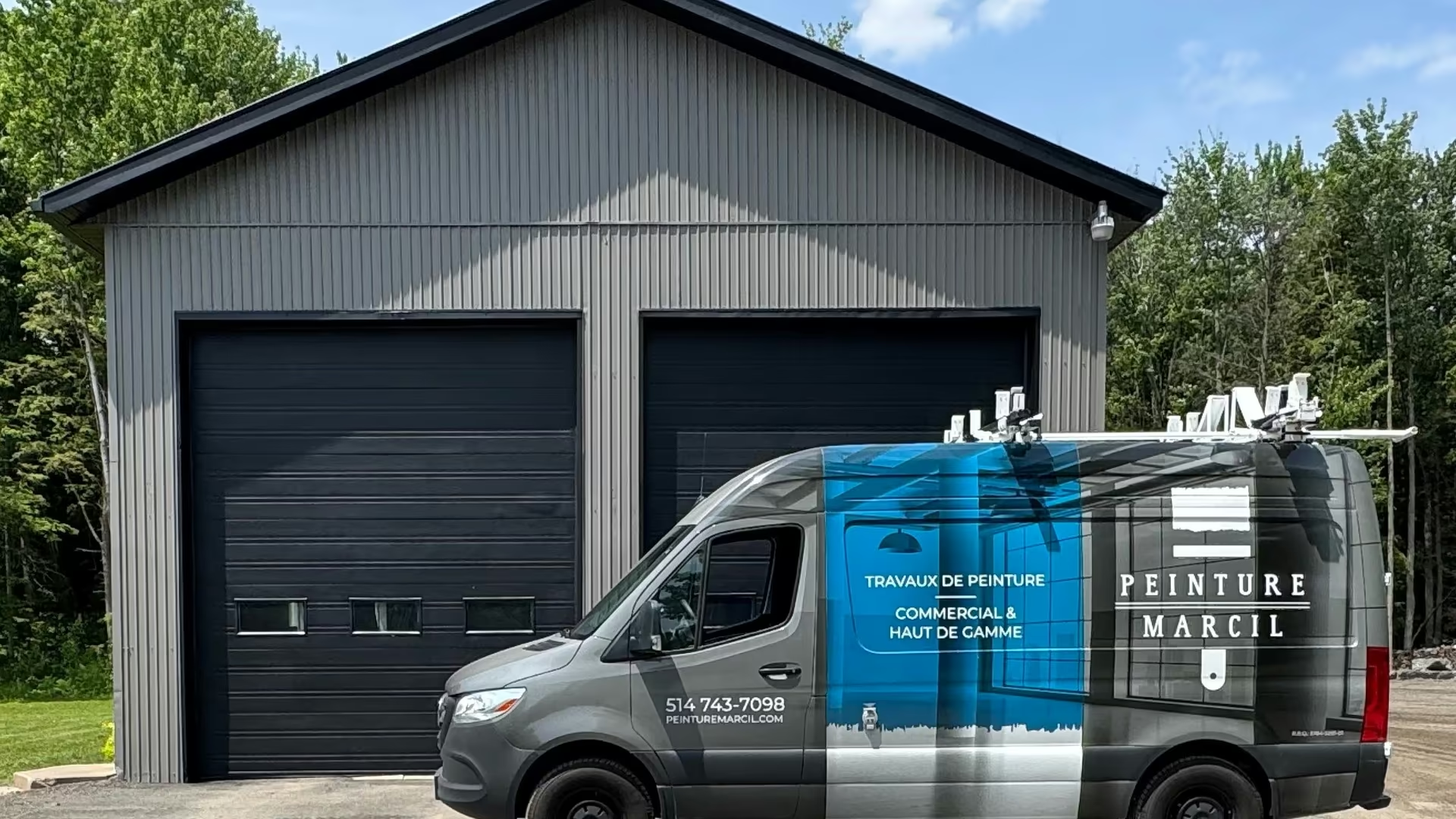





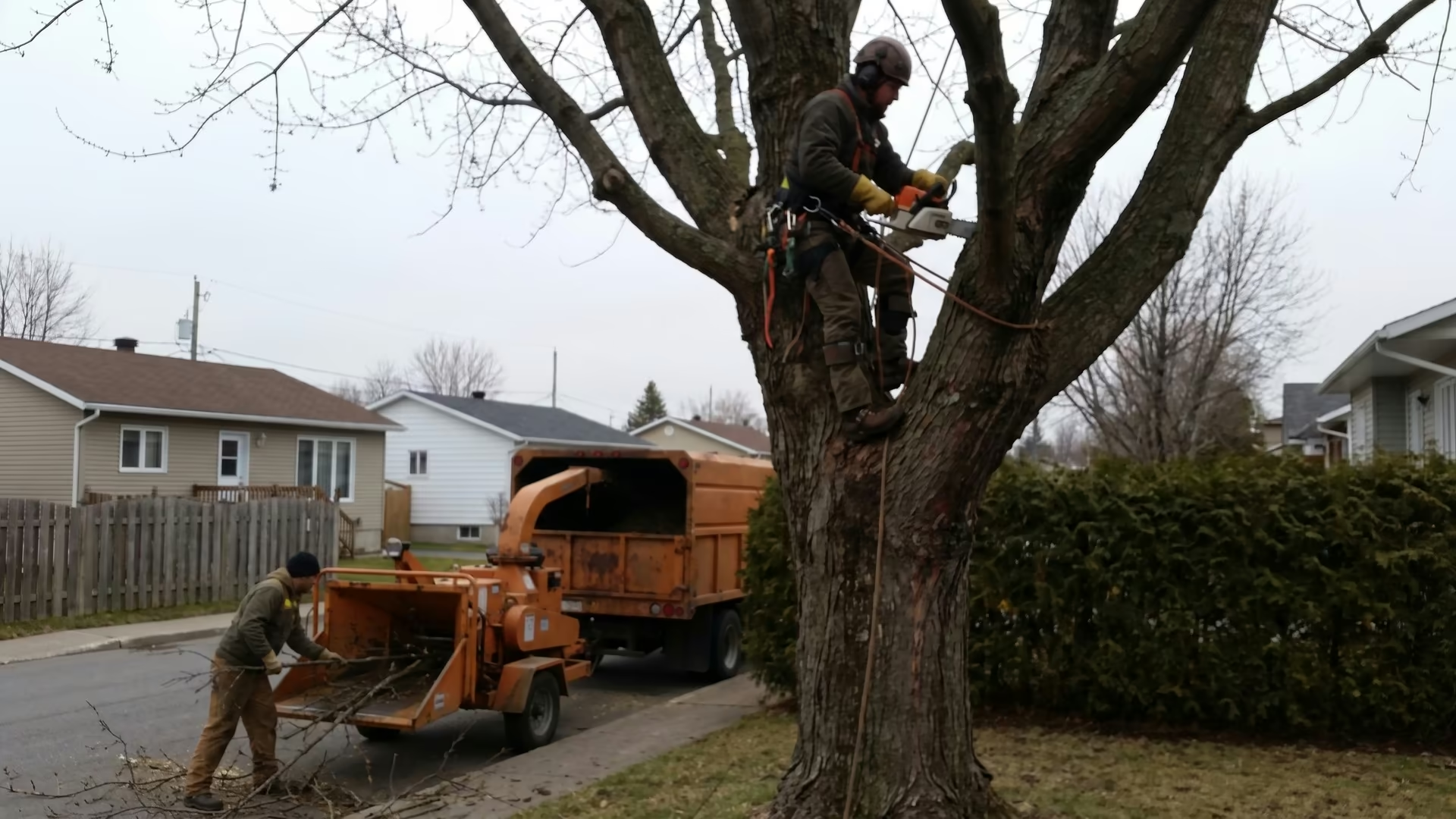



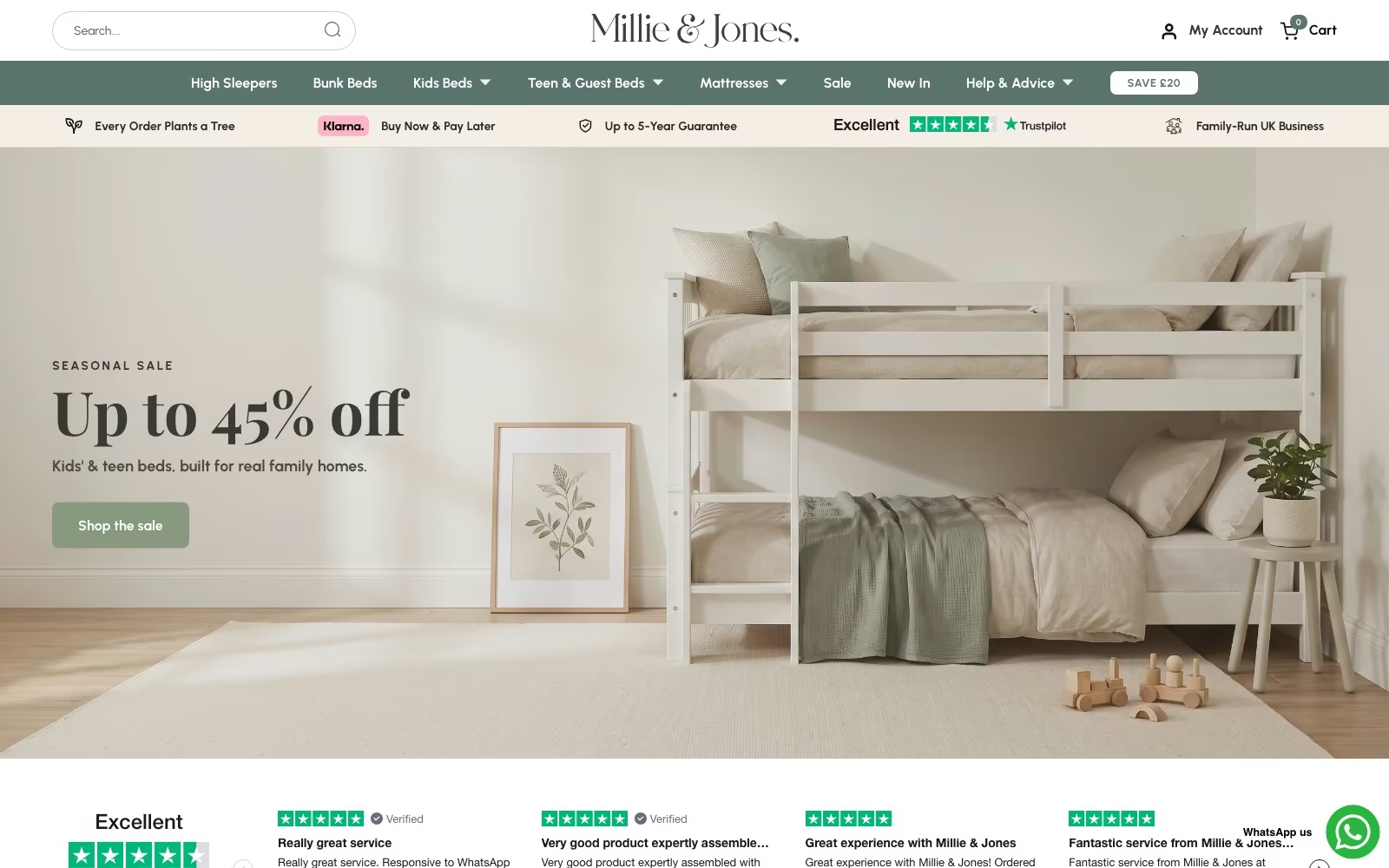

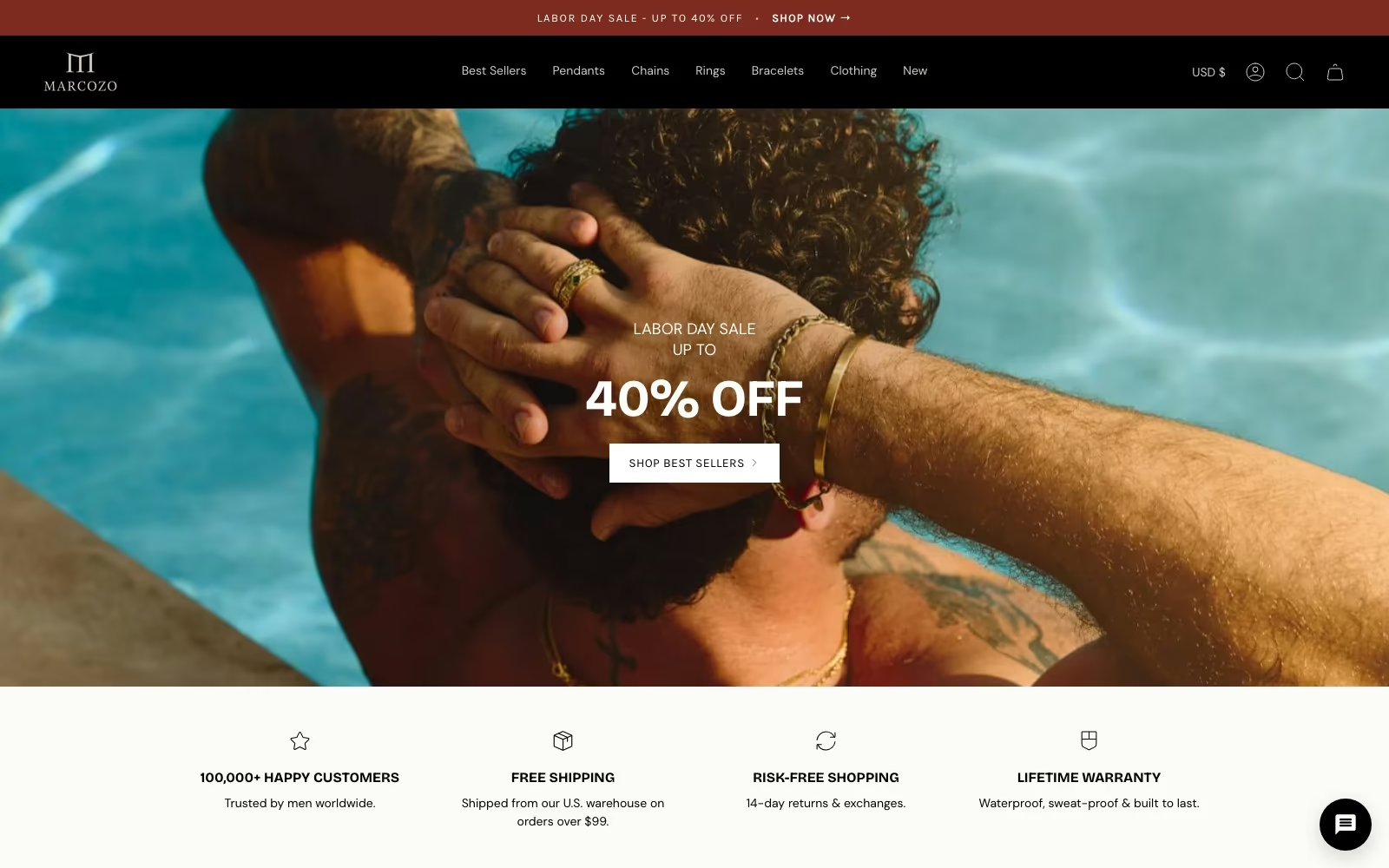


































FAQ
What teams ask us first.
What does a video production agency handle end to end?
Strategy and scripting, casting and locations, the filming itself with a team and equipment, editing including grade, mix and subtitles, licensing, and organised handover in every ratio you run. The part that decides value is the least visible: agreeing the list of assets the production must yield before anyone writes a script, so the shot list serves the cutdowns and vertical variants rather than only the hero film. We also read how the footage performed afterwards, because that is what makes the next production cheaper and better rather than a repeat of the same guesses.
How much does video production cost?
It scales with the day rather than the minute: unit size, cast, locations, how many setups you need and how many finished assets come out of the edit. A single-location day with a small unit and a defined set of cutdowns is a very different figure from a multi-day schedule with talent and a studio build, and the honest driver of cost is usually the count of setups rather than the camera. We quote a fixed scope with the deliverable list attached, price options for extra cutdowns separately, and tell you plainly where a smaller production would get you the same result.
Why does one day of filming need to produce so many versions?
Because placements consume video at different rates and in different shapes, and because attention has fragmented. Metricool's 2026 study found Shorts views up 127% year over year while viewers spent three times less time watching each one — more discovery, shorter engagement. A campaign that runs a single sixty-second film everywhere is paying full price for partial performance and will be out of creative within weeks. Designing for cutdowns, verticals, silent captioned versions and alternative openings costs a little more in planning and editing, and roughly multiplies what the same production day is worth.
Can you film paid ads and brand work in the same production?
Yes, and it is usually the most efficient way to buy both, provided the plan is honest about the tension. Brand film wants craft, patience and a considered opening; performance cuts want a hook in the first second and a claim early. We resolve that by scheduling both intentions into the day: the hero setups get their time, and while the crew is lit we capture the performance openings, the demonstrations and the vertical framings that ads need. What we avoid is pretending a cinematic film can be cropped into ad creative afterwards, which is where most of these projects disappoint.
Do you provide scripts, or do we?
Either, and we are happy to start from yours. When we write, the script starts from the job rather than from a format: who is watching, what stops them buying, what the video has to prove, and what it can leave out. We share an outline before a full draft so disagreements happen cheaply, and we write the alternative openings at the same time so they can be shot on the day. If you have a script already, we will read it against the deliverable list and flag anything that will not survive a vertical crop or a fifteen-second version, which is usually a quick fix on paper and expensive later.
How do you handle music, talent and usage rights?
In writing, before we film. Music is licensed for the territories, placements and durations you actually intend to run, and we tell you the cost difference between a library track and something bespoke rather than assuming. Talent agreements cover paid usage, term and territory, including whether cuts may run as ads under someone's own handle. Everything is recorded in a licence note delivered with the files, so nobody has to pause a performing ad in eighteen months while a contract is hunted down. Where a term is short, we flag the expiry date to you in advance.
How many revisions are included?
A defined count, agreed in the scope, with consolidated notes per round — typically two rounds on the hero cut and one on the derivatives. That is not a way of limiting collaboration; it is what keeps finish dates real, because open-ended feedback loops are the single most common reason video arrives late. We make it hold by getting agreement earlier: an outline before the script, a shot list before the day, and a rough cut before the polish, so the expensive rounds are about detail rather than direction. Extra rounds are available and quoted, never invoiced as a surprise.
Can you work with our in-house team or existing footage?
Yes to both, and it is often the cheapest way to get moving. We regularly audit an existing library, find the coverage that was never cut, and produce a wave of new assets from footage you have already paid for — the results are frequently better than starting from scratch. We also train in-house teams to cut social variants between productions, hand over project files and templates, and direct your editors with briefs when you would rather keep it internal. Outsourcing part of the pipeline is normal: 42% of businesses rely on external video creators in some capacity.
How do you measure whether the video worked?
By agreeing the measure before we film, then reading it. On paid cuts we look at hook rate, hold rate, click rate and cost per acquisition per cut, which also tells us which opening earned its place. Organically we read retention curves rather than view counts, because where people leave is the useful signal. On landing pages we look at engagement and conversion with the video present versus absent. Then the next production is briefed from that evidence, which is the gap in most video programmes: plenty of footage, no feedback loop.
Do you also run the media the video appears in?
We can, and it shortens the loop when the people cutting the footage see the results daily. Our paid social, TikTok and Meta teams read the same cut list and scorecard, so a winning opening gets variants in days rather than at the next round. It is equally fine to hire us for production alone: we deliver organised, licensed files and a testing suggestion, and we will read the results with your buyers or your other agency so the next production still learns something.

.webp)
.webp)