A show your buyers finish, and then quote.
and then quote
We are the podcast production agency for brands that want a show with a job, not a hobby with a microphone. We handle strategy, booking, recording, audio and video post production, and the distribution work that turns each episode into creative, search and social assets your team can actually use.






Tell us a little about your brand and we'll be in touch within 24 hours to lock in a time.


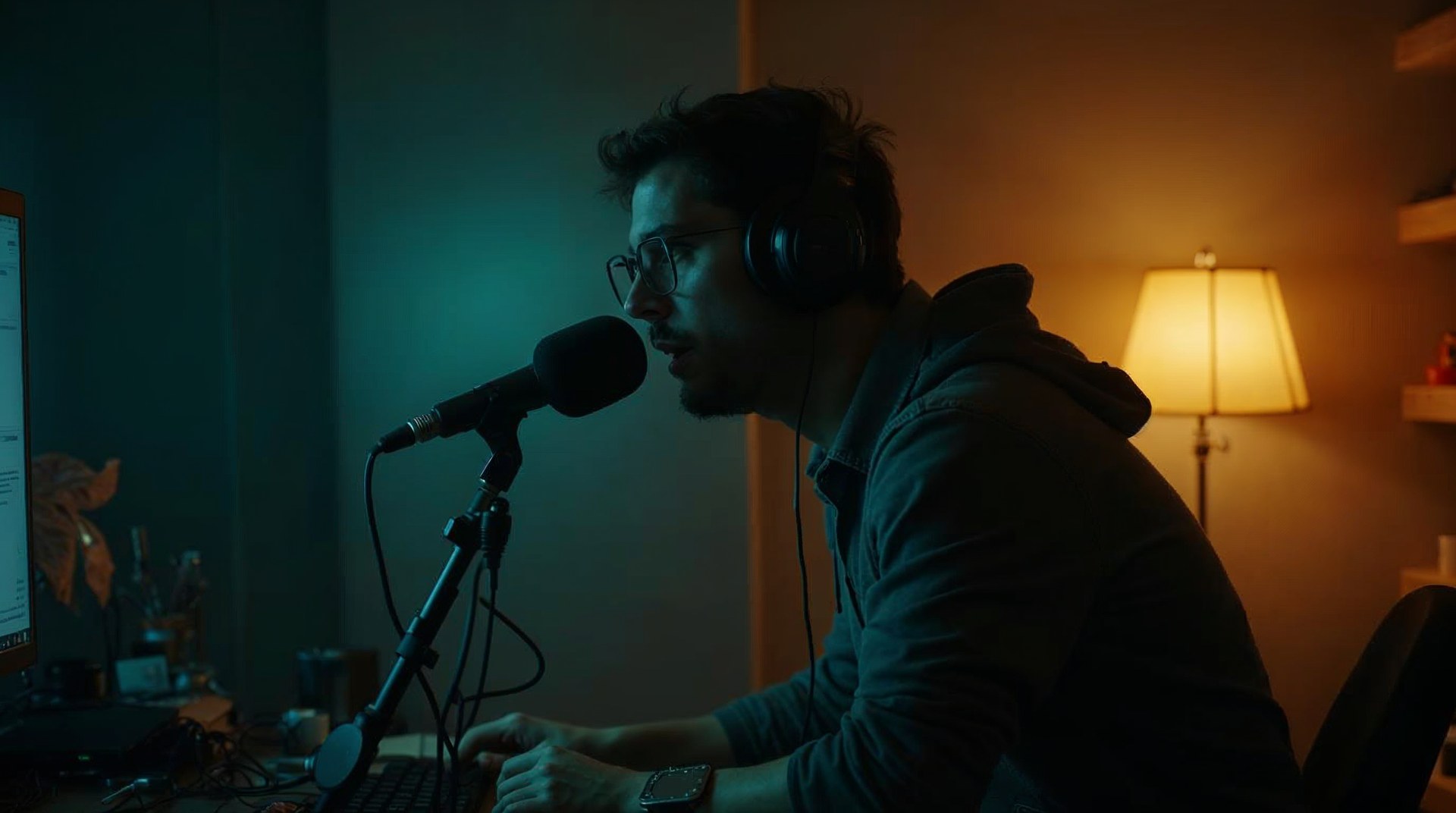
HOW A SHOW GETS MADE
Four workstreams behind every episode.
every episode
Format and strategy, production, post production, then distribution and growth. Shows that fade rarely fail at recording quality; they fail because nobody decided who the show is for or who owns the week after publishing.
Format & strategy
Production
Post production
Distribution & growth
Decide the show's job before buying gear.
The audience is at record size. Edison Research found that 55% of Americans 13+ had consumed a podcast in the last month and 40% in the last week, both all-time highs, with total time spent up 355% since 2015, and Radio World reports an estimated 115 million weekly listeners from the same study. Attention exists; a reason to spend it does not come free.
So we start with the commercial job: which audience, which decision we want to influence, what the show gives that a blog post cannot, and what success looks like at episode twelve. Then the format follows — interview, narrative, panel or solo, episode length, season shape, cadence you can sustain through a busy quarter, and a guest thesis rather than a list of whoever will say yes.
We also write the boring half down: who approves, who hosts, how far ahead we record, and what happens when the host travels. That document is why a season reaches episode twelve.
- Commercial job of the show written down first
- Format, length and cadence chosen to be sustainable
- Guest thesis instead of an availability list
- Approvals, recording buffer and host cover agreed
40%
of Americans 13+ listened to a podcast in the last week
355%
growth in total time spent with podcasts since 2015
Record video and audio in one sitting.
Video is no longer optional. The Infinite Dial found YouTube is the service used most often for podcasts by 33% of US weekly listeners, and 48% of Americans 12+ have both listened to and watched a podcast. Recording audio first and bolting video on later costs more than doing both from the start, so we shoot multi-camera and record broadcast-standard audio in the same session.
Production is where we protect the host's time. Guests are researched, briefed and pre-interviewed; question lines are written to open a real answer rather than a rehearsed one; sessions are batched so several episodes come out of one block in the diary. Whether we bring a studio to you, use ours, or run a remote setup with local recording, the host arrives to a working room and leaves with usable material.
Every session is monitored live and backed up twice. A re-record is the one cost nobody's calendar can absorb.
- Multi-camera video and broadcast-standard audio in one session
- Guest research, briefing and pre-interviews handled for you
- Episodes batched so the host commits blocks, not weeks
- Live monitoring with redundant local recording
33%
of US weekly podcast listeners use YouTube most often
Edited for the listener, not the transcript.
Editing is the craft that decides whether people finish an episode. We cut for pace and argument — removing the warm-up, tightening the digression, moving the best moment earlier — then master audio to platform loudness standards, so the show sounds the same in a car, in headphones and on a smart speaker.
The same session becomes a set of assets: the full episode in audio and video, chaptering and show notes, a transcript for search and accessibility, and short vertical clips chosen because they make a point on their own rather than because they fell at a convenient timestamp. Titles and descriptions are written for how people search, not as internal shorthand.
Brand consistency is part of post: music, intros, lower thirds, thumbnails and a template your team can reuse if you ever take editing in-house.
- Cut for pace and argument, not just for silence
- Audio mastered to platform loudness standards
- Chapters, show notes and a full transcript per episode
- Vertical clips chosen for the point they make
48%
of Americans 12+ have both listened to and watched a podcast
The work that happens after publishing.
Most shows are under-distributed rather than under-produced. We publish to every audio platform and to video, feed the clips into your social calendar, turn episodes into written content that earns search traffic, brief the guest with assets they will genuinely share, and give sales a clip library organised by objection. That last one is often where a B2B show pays for itself.
Commercially the category keeps growing: the IAB and PwC full-year 2025 report put US podcast ad revenue at $2.862 billion, up 17.6% year over year from $105.7 million in 2015. That matters whether you plan to sell sponsorship, buy it on other shows, or simply use the medium to build demand you later capture elsewhere.
Reporting stays honest about a medium with imperfect measurement: downloads and views, but also completion, follower growth, branded search, pipeline influence and what guests unlock.
- Published to every audio platform and to video
- Clips, written content and guest assets from each episode
- A clip library organised by sales objection
- Reporting on completion and influence, not downloads alone
$2.86B
US podcast ad revenue in 2025, up 17.6% year over year
167M
monthly podcast listeners in the US (Edison Research)
of Fortune 500s produce a branded podcast (MarketIntelo)
average US production cost per episode (StateGlobe)
Episodes recorded in blocks so the host commits days, not weeks
Feed, channel, project files and templates
We made the difference for those brands

Travel & mobility

B2B software, fintech, insurance

Travel & mobility

Food & beverage

Apparel and lifestyle

B2B software, fintech, insurance
Travel & mobility

B2B software, fintech, insurance

B2B software, fintech, insurance

Food & beverage

Creative, content, arts & culture

Home essentials, appliances, kitchen & pet

Healthcare & regulated services

Apparel and lifestyle

Beauty, personal care & wellness

B2B software, fintech, insurance

Beauty, personal care & wellness

Apparel and lifestyle

Consumer tech and platforms

Beauty, personal care & wellness

Travel & mobility

Retail & commerce

Beauty, personal care & wellness

Home essentials, appliances, kitchen & pet

Home essentials, appliances, kitchen & pet

B2B software, fintech, insurance

B2B software, fintech, insurance

Home essentials, appliances, kitchen & pet

Beauty, personal care & wellness

Beauty, personal care & wellness

B2B software, fintech, insurance
01 — The challenge
Eleven episodes, then silence.
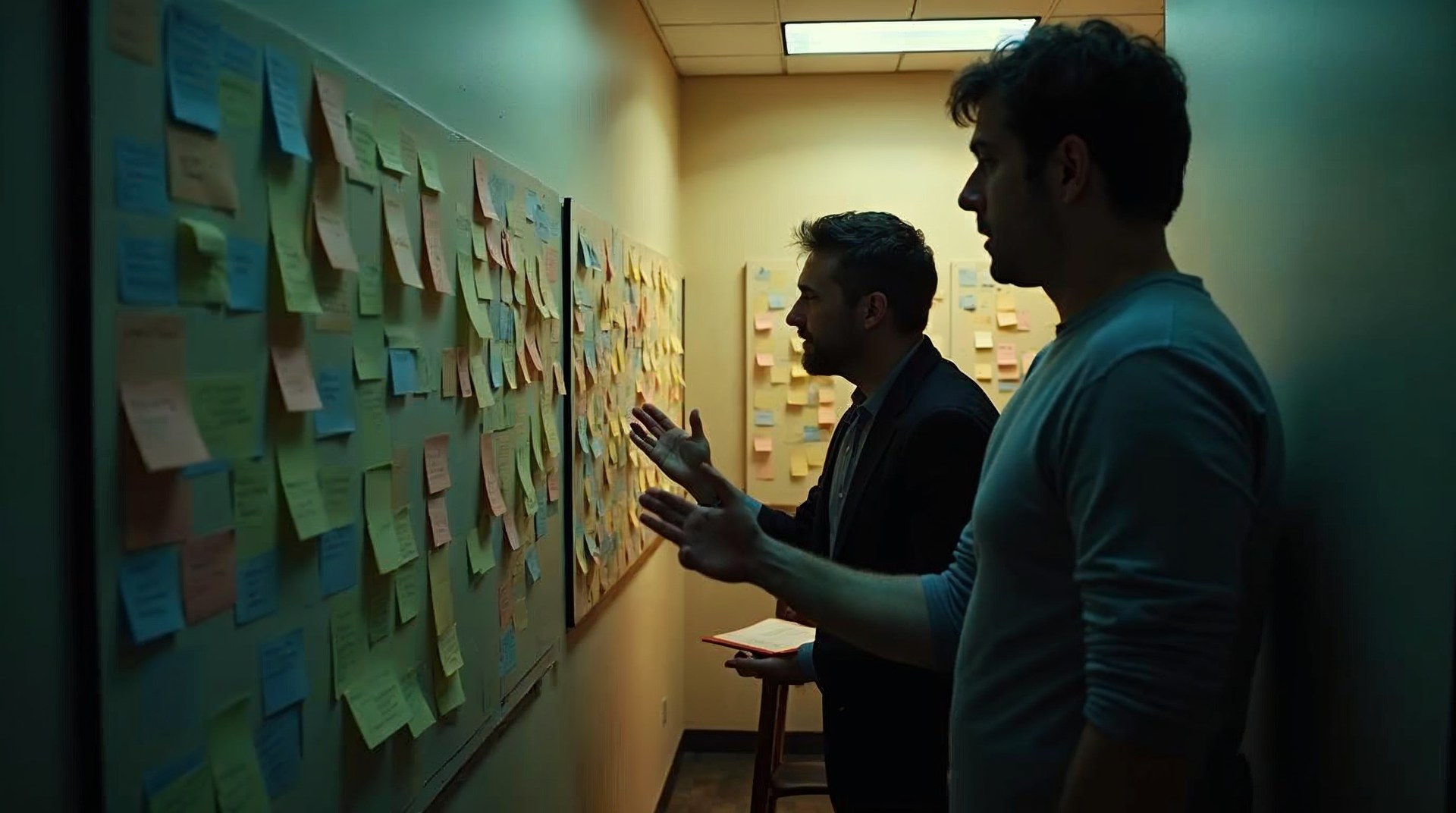
The first three episodes were good. Then a launch landed, the host's diary filled, editing slipped a fortnight, nobody owned the clips, and the feed went quiet without anyone deciding to stop. Six months of goodwill sits in an archive nobody links to.
“The show was never the problem. Owning the week after publishing was.”
The audience is not the constraint: 40% of Americans 13+ listened in the last week, an all-time high (Edison Research, 2025). What breaks shows is operational — no recording buffer, no owner for post production, no plan for the clips, and no definition of what the show is supposed to achieve. Those are all fixable, and fixing them is most of what a production partner is for.
02 — Our approach
Decide the job, batch the work, own the follow-through.
We define what the show has to achieve, for whom, and what success looks like by episode twelve — then choose the format, length and cadence you can actually sustain. Guests are researched, briefed and pre-interviewed against a thesis rather than availability. Recording is batched into blocks and captured multi-camera with broadcast-standard audio in one sitting, monitored live and backed up twice. Post production cuts for pace and argument, masters to platform loudness standards, and produces the full episode plus chapters, show notes, transcript, thumbnails and vertical clips. Distribution is treated as part of production: every platform, a social calendar, written content built for search, guest assets, and a clip library sales can use by objection. Reporting covers completion, follower growth, branded search and pipeline influence, not downloads alone. You own the feed, the files and the templates throughout.
03 — What we did
From blank page to a season that ships.
Four phases, a fixed monthly scope per episode volume, and a written review each month of what the show moved.
Weeks 1-2 / Design
Write the show's job and its format
Audience, commercial goal, format, length, cadence and guest thesis agreed, with approvals and recording buffer set in writing.
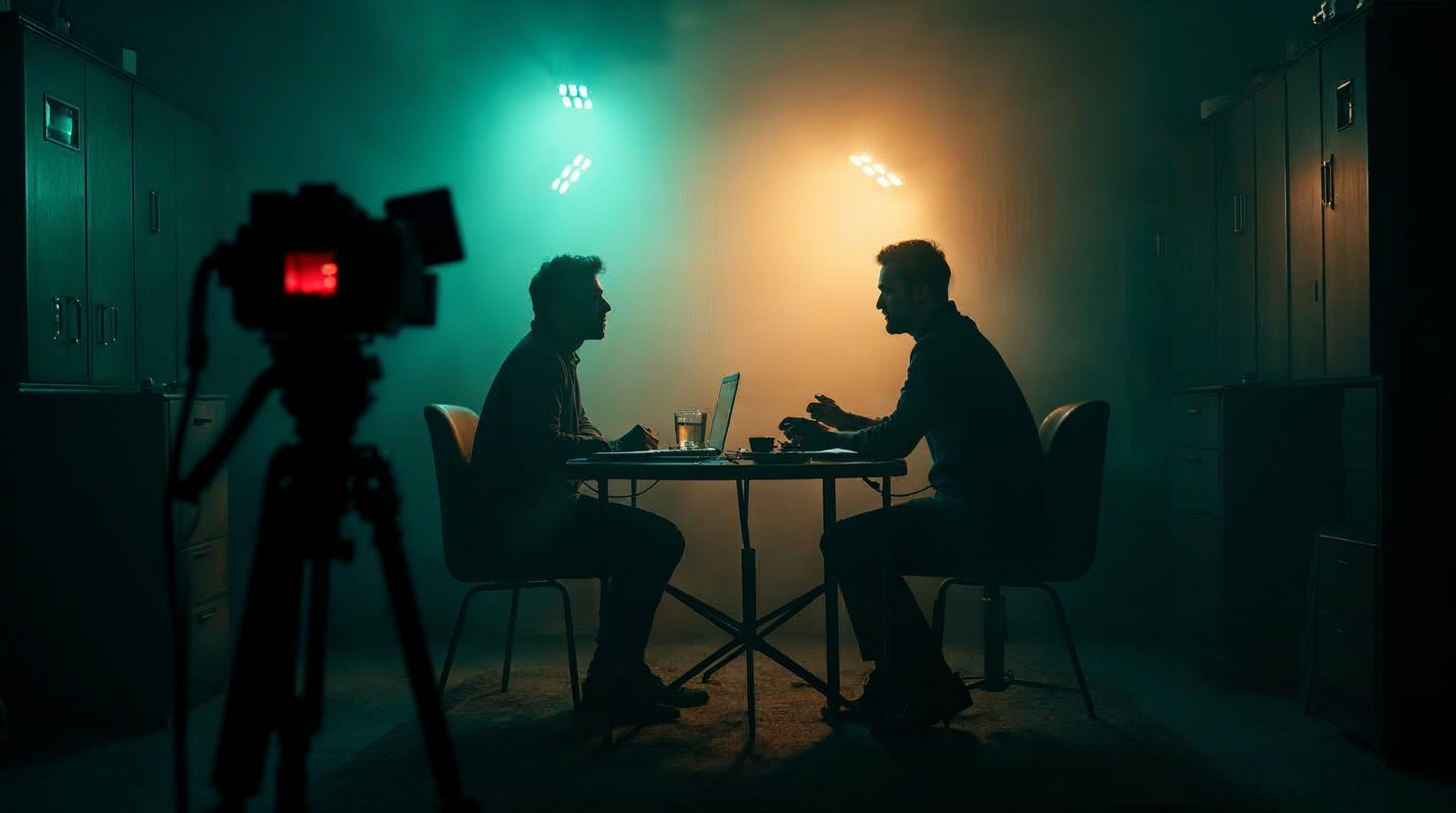
Weeks 3-4 / Record
Batch the sessions, protect the host
Guests researched and pre-interviewed, several episodes captured in one block, multi-camera video and mastered-grade audio together.
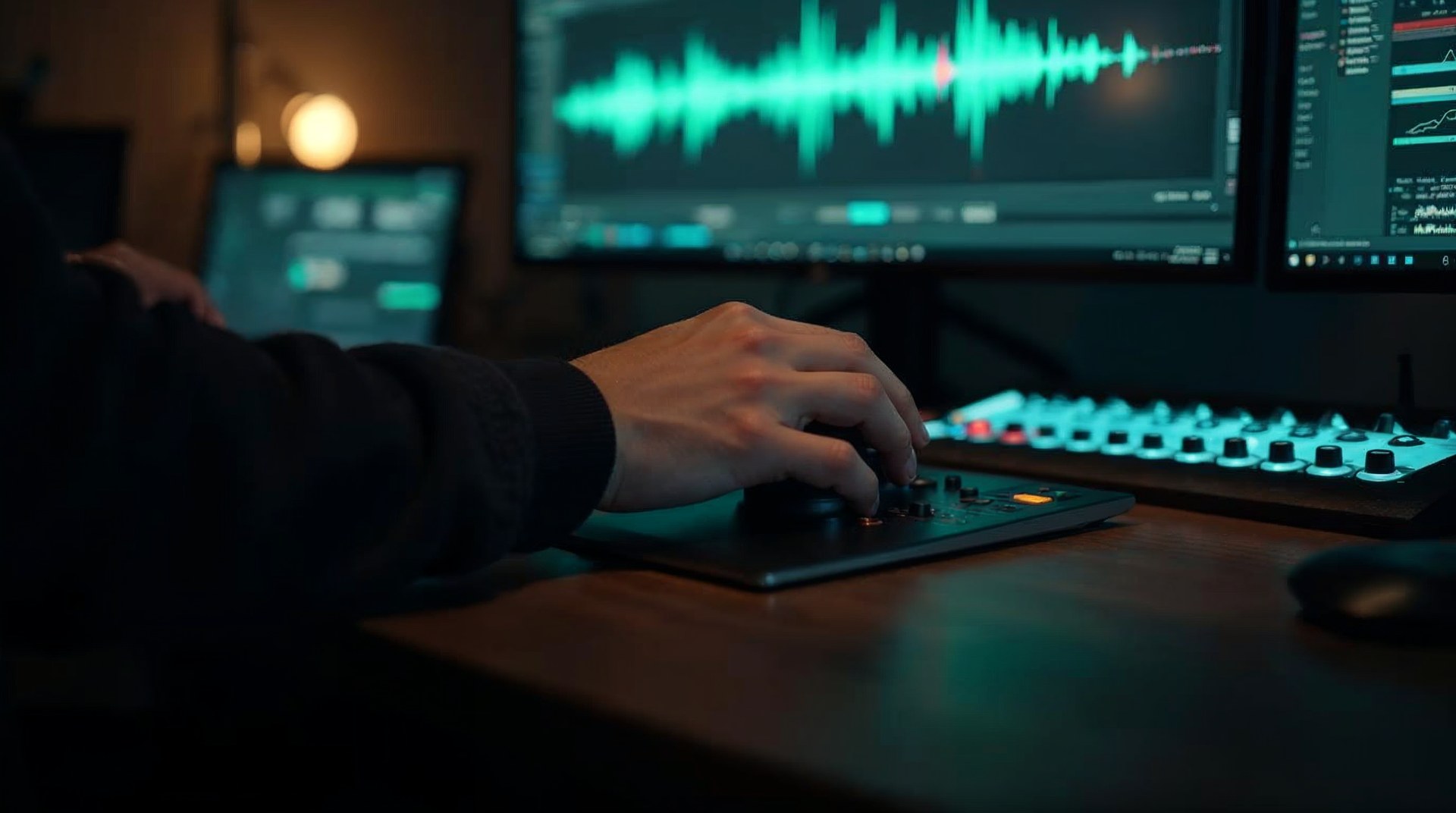
Weeks 4-6 / Post
Cut for pace, then multiply the assets
Episode edited and mastered, chapters and show notes written, transcript produced, thumbnails and vertical clips built from the same session.
Ongoing / Growth
Own the week after publishing
Distribution across audio and video, clips into the social calendar, written content for search, and a clip library organised for sales.
WHAT YOU GET
Deliverables per episode, not a vague retainer.
per episode
Everything below is delivered in your own accounts and feed, with the project files and templates handed over.

Show strategy and format design
The commercial job of the show, its audience, format, length, cadence and season shape, written down and agreed before production starts.

Guest booking and briefing
Research, outreach, scheduling and pre-interviews against a guest thesis, plus question lines written to open real answers.

Recording, audio and video
Multi-camera capture with broadcast-standard audio in one session, monitored live and recorded locally twice for safety.

Editing and mastering
Episodes cut for pace and argument, mastered to platform loudness standards, with music, intros and lower thirds kept consistent.

Clips, notes and transcripts
Vertical clips, chapters, show notes, thumbnails and a full transcript per episode, written for how people search.

Distribution and reporting
Publishing across audio and video platforms, guest and sales asset packs, and a monthly review of completion, growth and influence.
HOW WE WORK
Operating standards, not promises.
Operating standards


















Built on trust. Proven by results.
We partner with SMBs and Fortune 500 companies to deliver more than reach — we bring clarity, execution, and measurable outcomes. Every successful partnership starts with a strong culture fit and a shared drive to grow.






CASE STUDIES
Case studies
Website Portfolio
Video Ads
Static Ads

















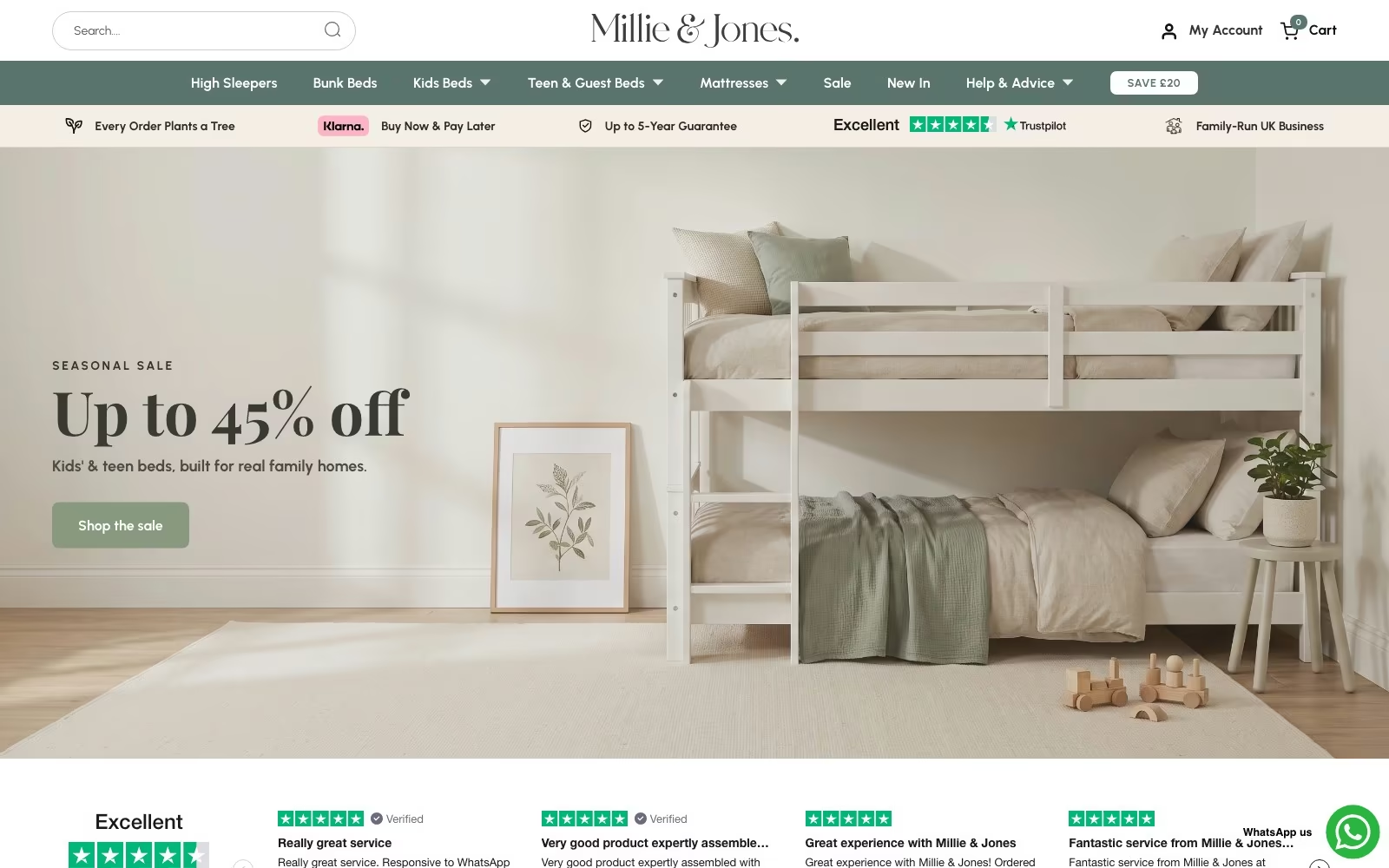

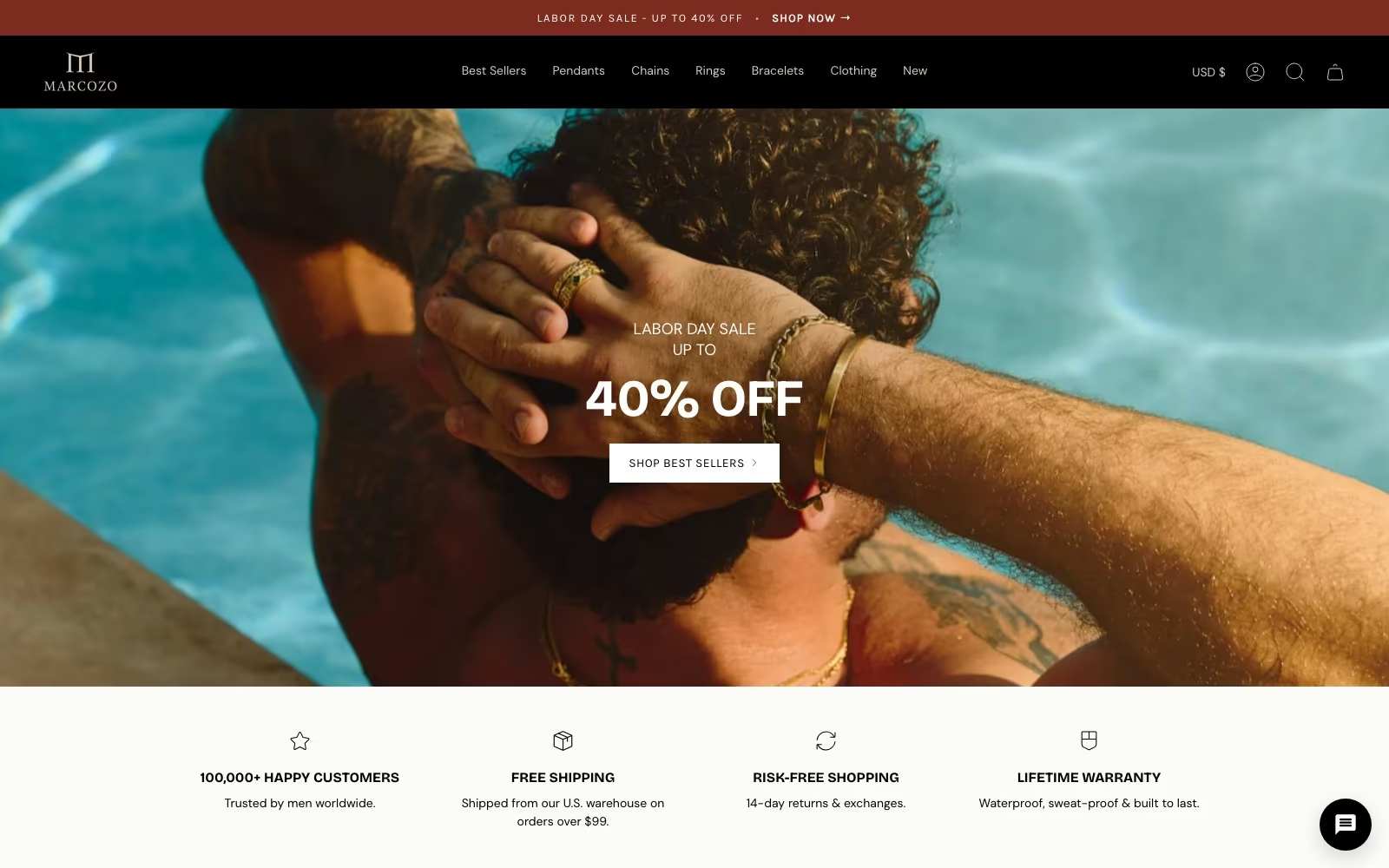

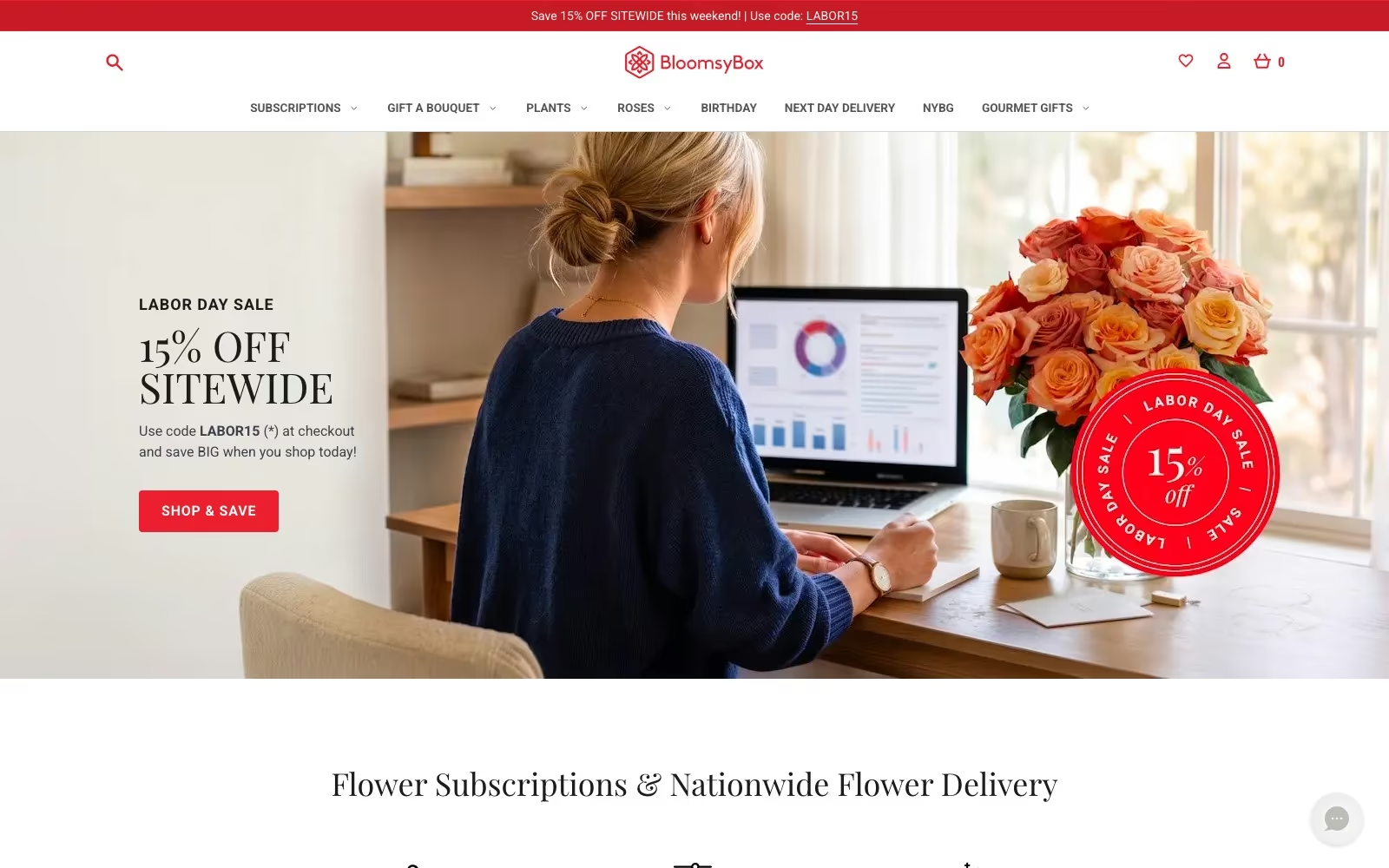

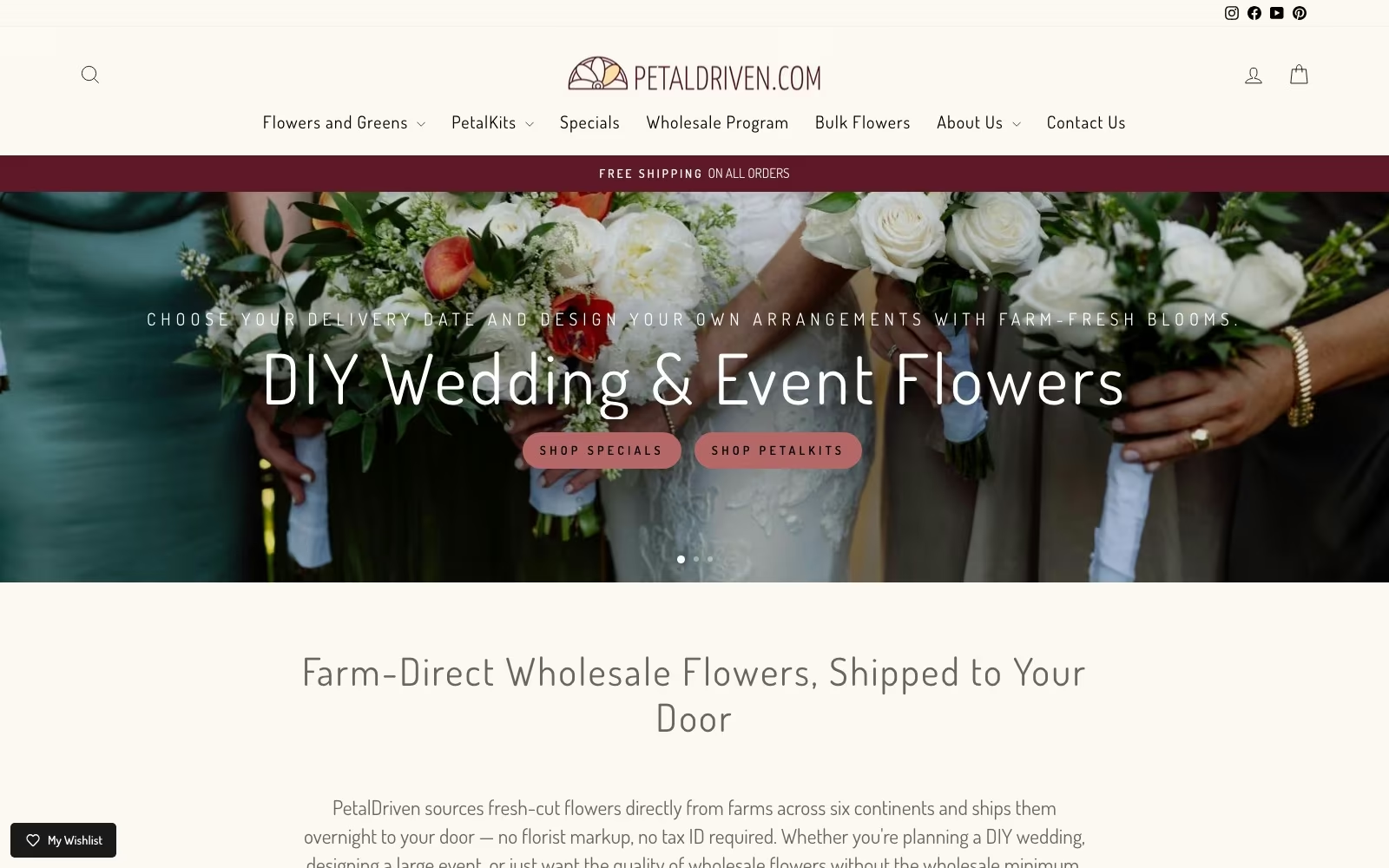




























FAQ
What teams ask us first.
What does a podcast production agency actually do?
Everything except being interesting on the microphone, which stays your job. In practice that means designing the format around a commercial goal, booking and briefing guests, running the recording sessions, editing and mastering the episodes, producing the clips, notes, transcripts and thumbnails, publishing across audio and video platforms, and reporting on what the show moved. The most valuable part is usually the least glamorous: owning the schedule so episodes keep shipping when your team gets busy.
How much host time does a season really take?
Less than most teams fear, if the sessions are batched. A typical arrangement is a half-day block that produces two or three episodes, once or twice a month, plus a short review of the cut. We handle research, outreach, scheduling, briefing and the pre-interview, so the host arrives with question lines already shaped around a real conversation. We also bank episodes ahead of the publishing date, which is the single change that stops a busy quarter from breaking a feed.
Do we need video, or is audio enough?
Video earns its place now. Edison Research found that 33% of US weekly podcast listeners use YouTube most often for podcasts and 48% of Americans 12+ have both listened to and watched a podcast, so an audio-only show is choosing to be absent from where a lot of discovery happens. The practical answer is to capture both in one session: multi-camera video costs far less alongside the audio than as a later addition, and it is the source of the vertical clips that do most of the growth work.
What does it cost, and how do you price it?
We price per episode against an agreed scope, then set a monthly fee from your episode volume, so you approve a number rather than an open retainer. The scope drivers are honest and few: whether we record video, how much guest booking you want us to own, how many clips and how much written content each episode should produce, and whether we run distribution as well as production. A short eight-episode pilot season is usually the sensible first commitment, because it is long enough to learn and small enough to change.
How do you measure whether a show is working?
Downloads and views are the starting point, not the answer. We track completion rate, follower and subscriber growth, which episodes get finished and where people drop, clip performance, branded search movement, and — for B2B — the meetings and pipeline that guests and clips open. The medium's measurement is genuinely imperfect, so we state the method and its limits. What the market is doing is clearer: US podcast ad revenue reached $2.862 billion in 2025, up 17.6%, which tells you advertisers keep finding value here.
Can you take over a show we already have?
Yes, and it is a common brief. We start by listening to the back catalogue properly: what the format is doing well, where episodes lose people, whether the titles and notes are working for search, and what the publishing history says about capacity. Then we fix the operational gaps first — a recording buffer, a clear owner for post production, a clip pipeline — before touching the creative. A relaunch is sometimes right, but restarting a show that simply needed a schedule is an expensive way to solve a calendar problem.
Who owns the feed, the files and the transcripts?
You do. The show lives in your own hosting account and on your own channel, the artwork, music licences, project files, transcripts and templates are handed over as we go, and the guest relationships are yours. If you later take production in-house or move to another partner, everything needed to keep publishing goes with you. We would rather earn the next season on the work than rely on holding the keys to your archive.
How do you find and book good guests?
From a thesis, not a wish list. We define who the audience needs to hear from — the buyer's peers, the specialists who settle a real argument, the customers whose story does the selling — then research and approach them with a specific reason they should say yes. Pre-interviews tell us whether the conversation has substance before the diary is committed, and each guest leaves with clips, quotes and copy they will genuinely share. A well-chosen guest is the cheapest distribution a show has.
How does the show help the rest of our marketing?
It is a content engine if you treat it as one. A single recording becomes an episode, several vertical clips, a written piece built for search, quotes for social, ad creative tests, and a sales clip library organised by objection. Because we plan distribution during production rather than after it, those assets are briefed into the session instead of being hunted for in the edit — which is what makes the economics work.
What if we cannot keep up a weekly cadence?
Then do not choose one. A fortnightly or monthly show published reliably beats a weekly show that stalls at episode eleven, and seasons are a legitimate format: eight to twelve episodes, a gap, then a considered second season. We size cadence to the host time you can genuinely protect, bank episodes ahead, and agree cover for travel and launches in advance. Consistency is the growth lever people underrate, and it is far easier to increase cadence later than to recover a feed that went quiet.

.webp)
.webp)