FOX Factory
Six audiences, one storefront
FOX Factory has been building suspension for half a century. Its direct-to-rider store has to serve a downhill racer, a Tacoma owner and a UTV desert runner from the same product database — and none of them shop the same way.

01 — The challenge
Technical depth that most ecommerce templates flatten into a spec sheet.
Suspension is a considered purchase. A rider does not add a fork to a cart because of a thumbnail — they want to know the travel, the damper, the series tier and whether it fits their bike or their truck. The catalogue carries all of that, but a standard Shopify collection grid reduces it to a price and a photo.
On top of that, six ride categories share one storefront. Bike, motorcycle, truck, automotive, motorsports and UTV/ATV buyers all arrive on the same domain and each expect the site to be about them.
The hardest part was never the products. It was giving six audiences six routes through the same catalogue without building six sites.
*
6
Ride categories served from one storefront
*
50
Years of FOX suspension history the brand story had to carry
*
1
Shopify build behind the whole direct-to-rider experience


02 — Our approach
Give every ride category its own editorial route, then let fitment do the filtering.
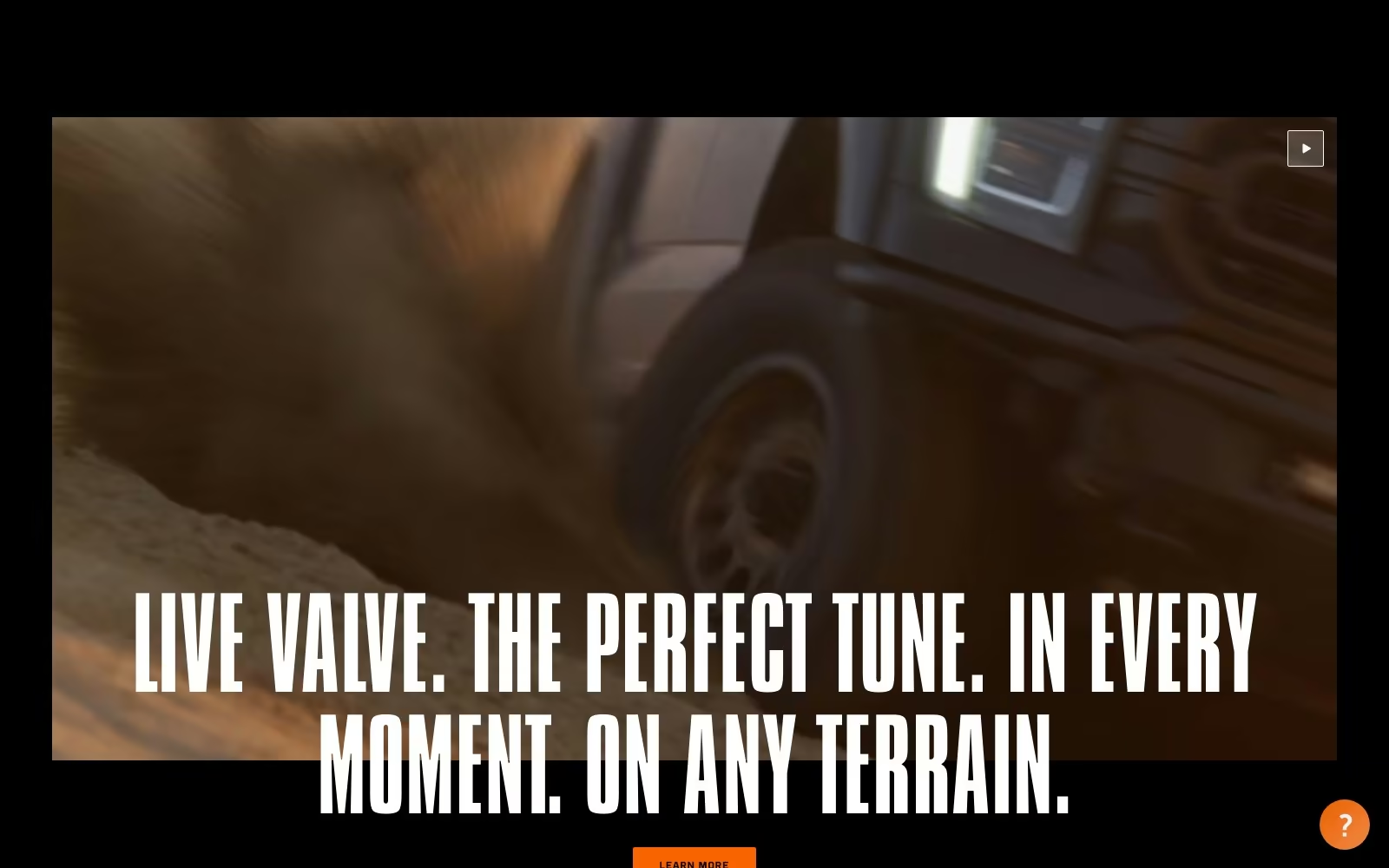
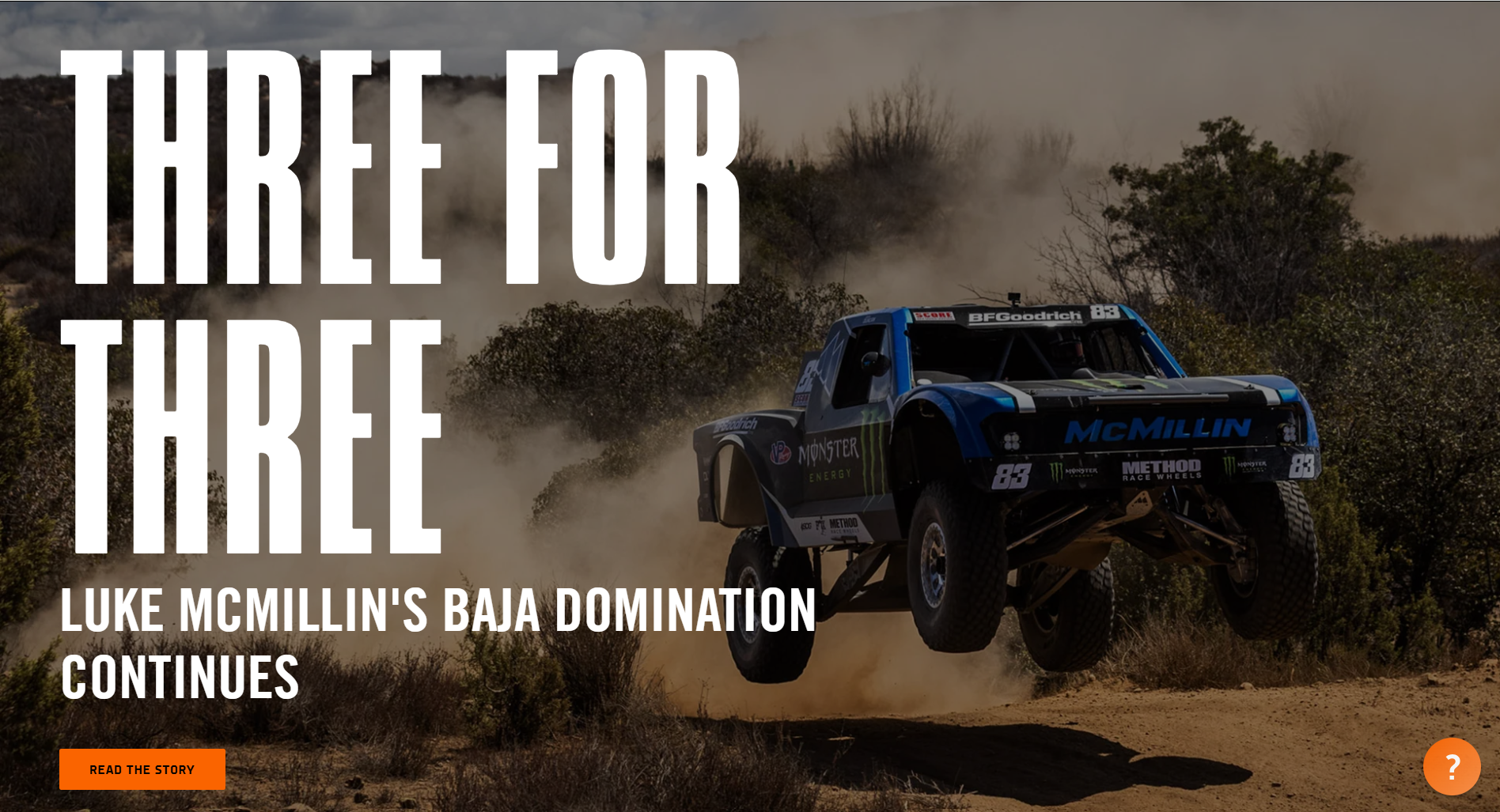
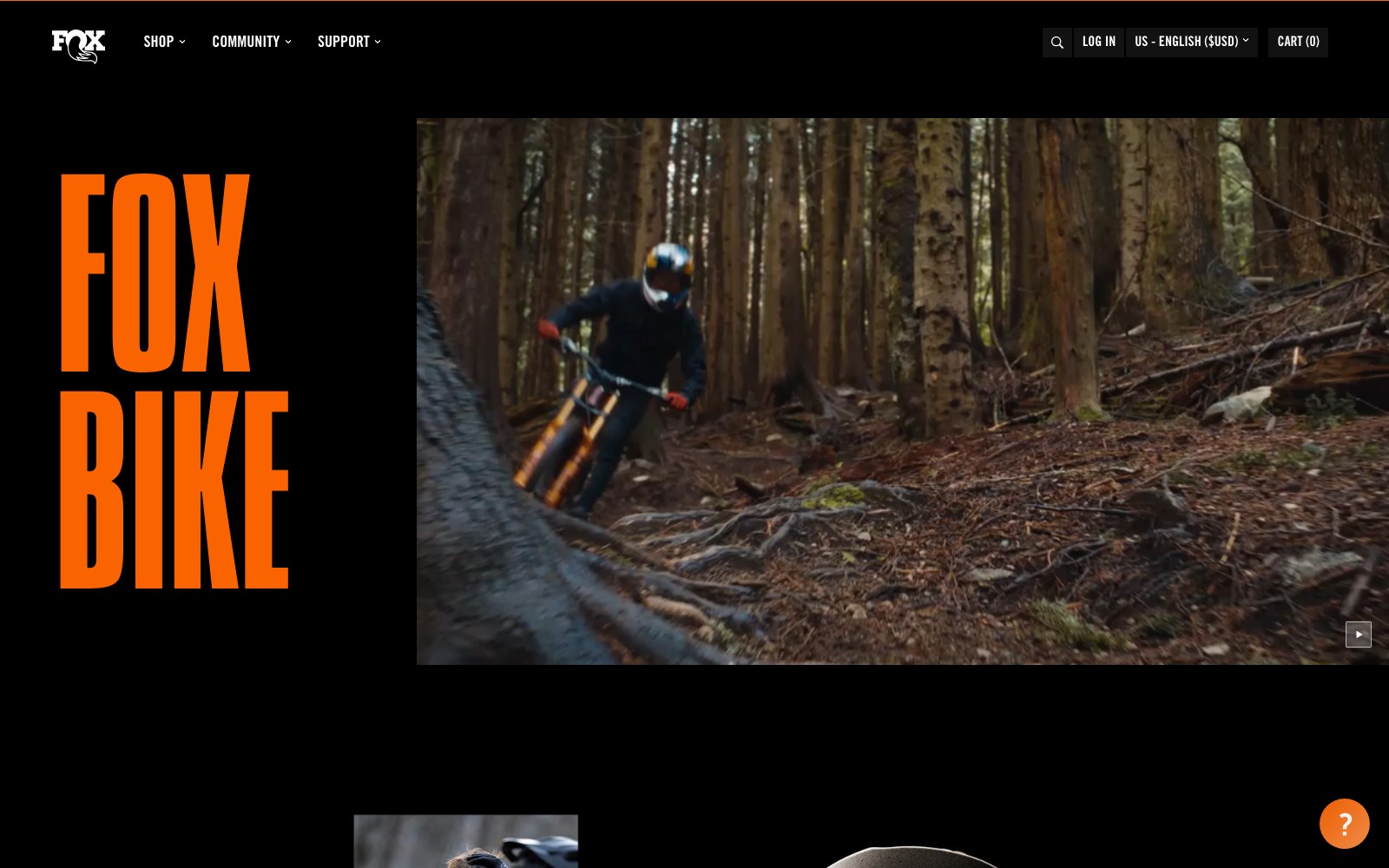
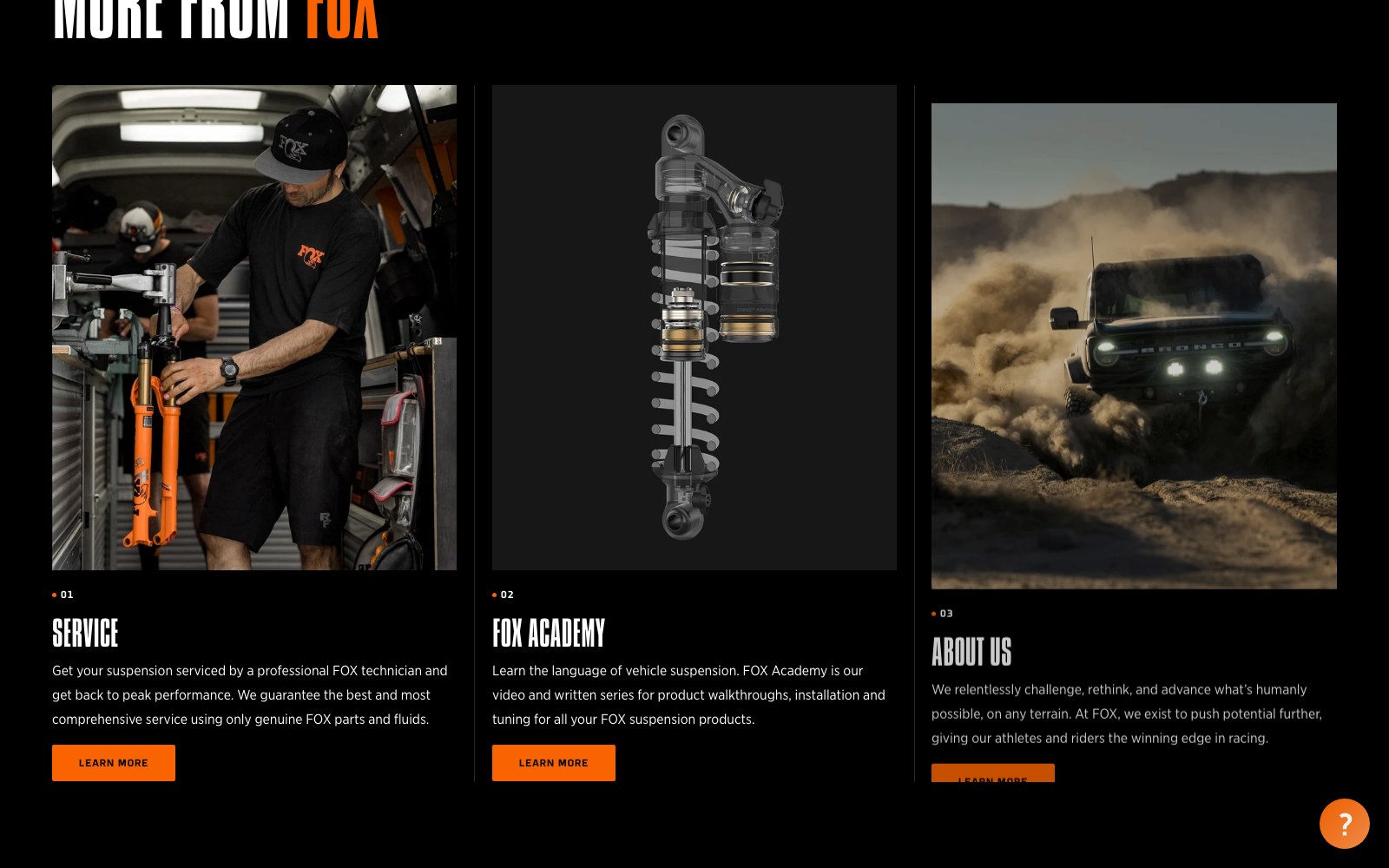
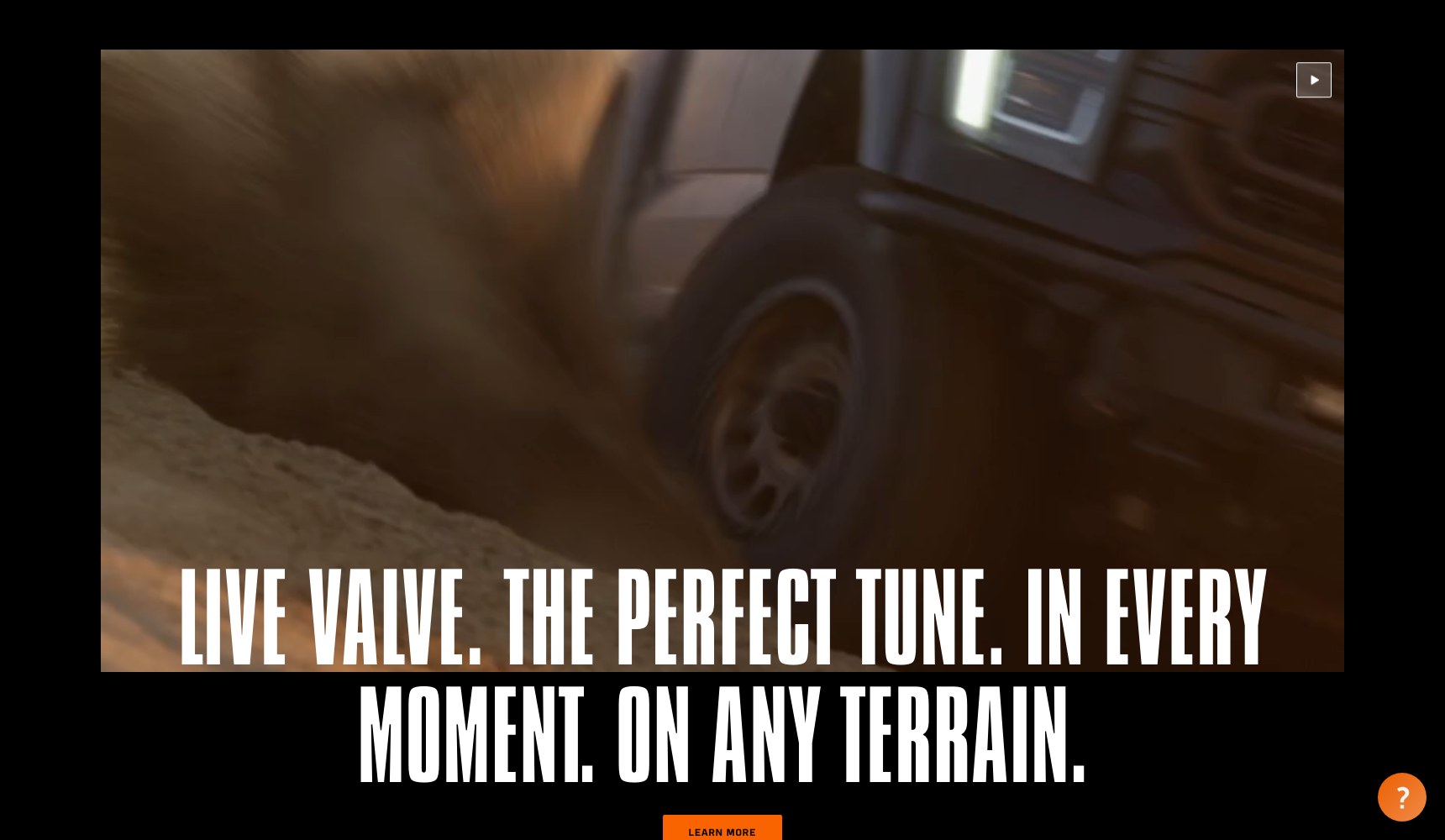
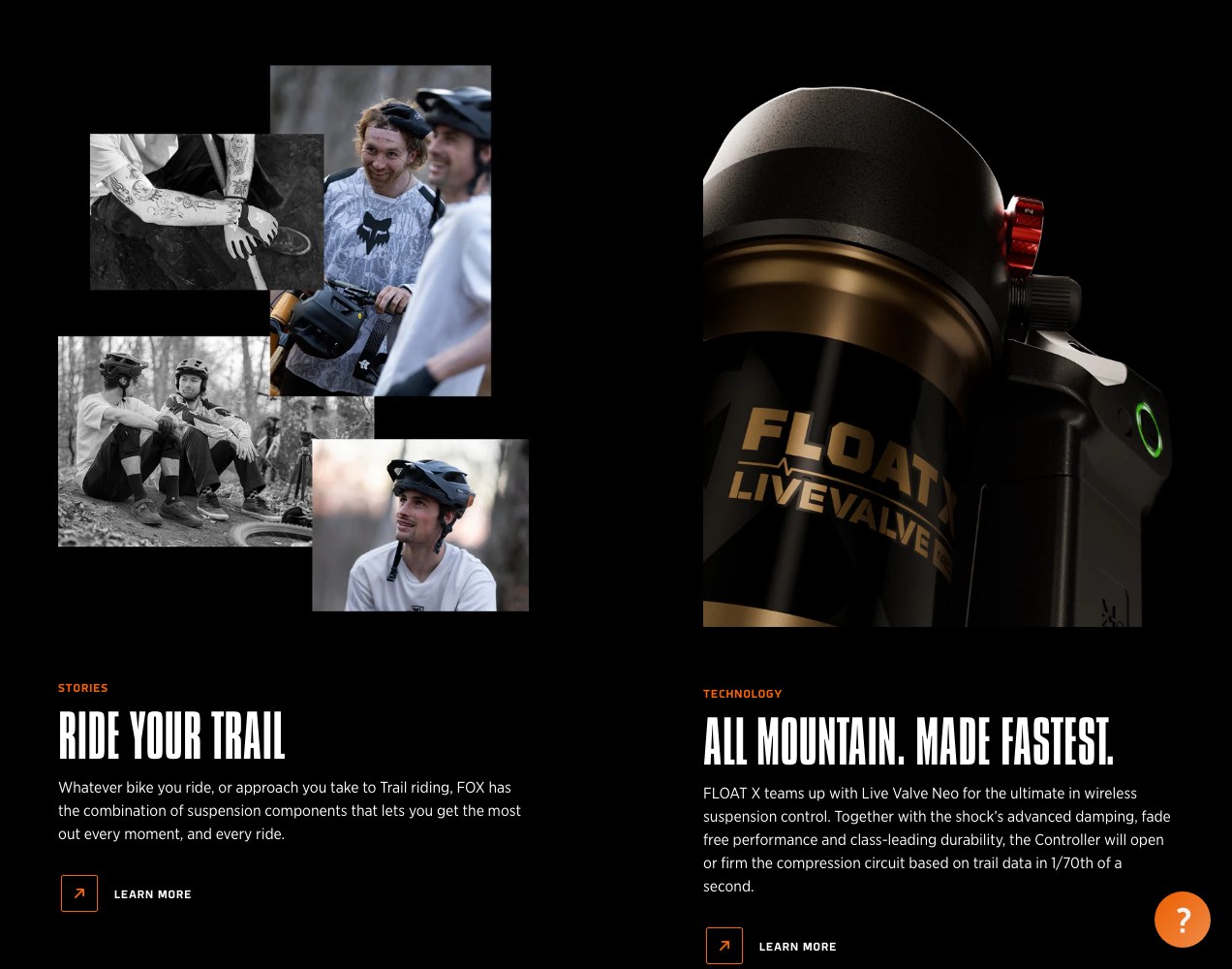
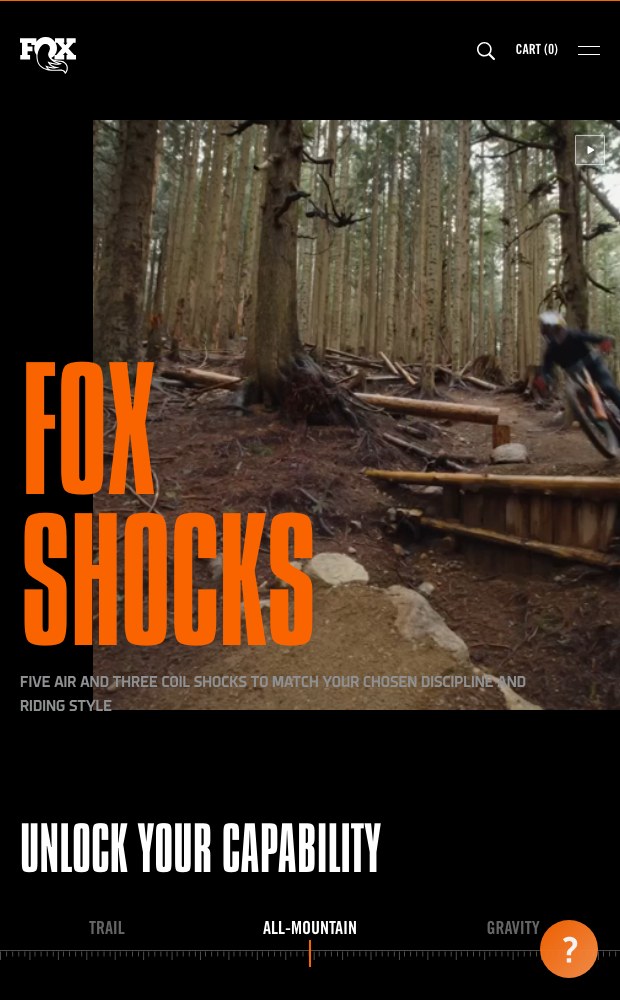
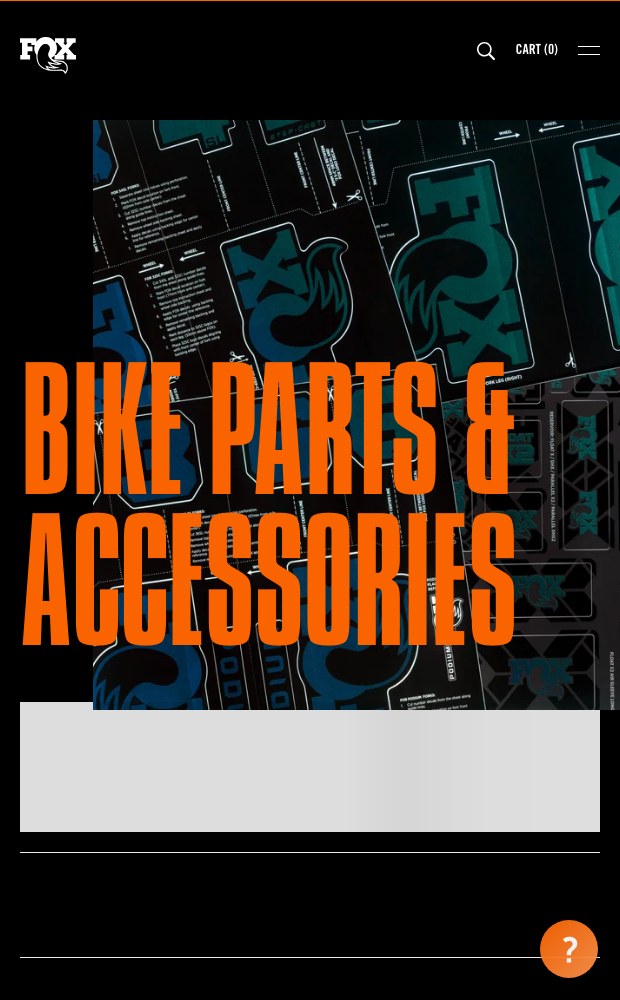
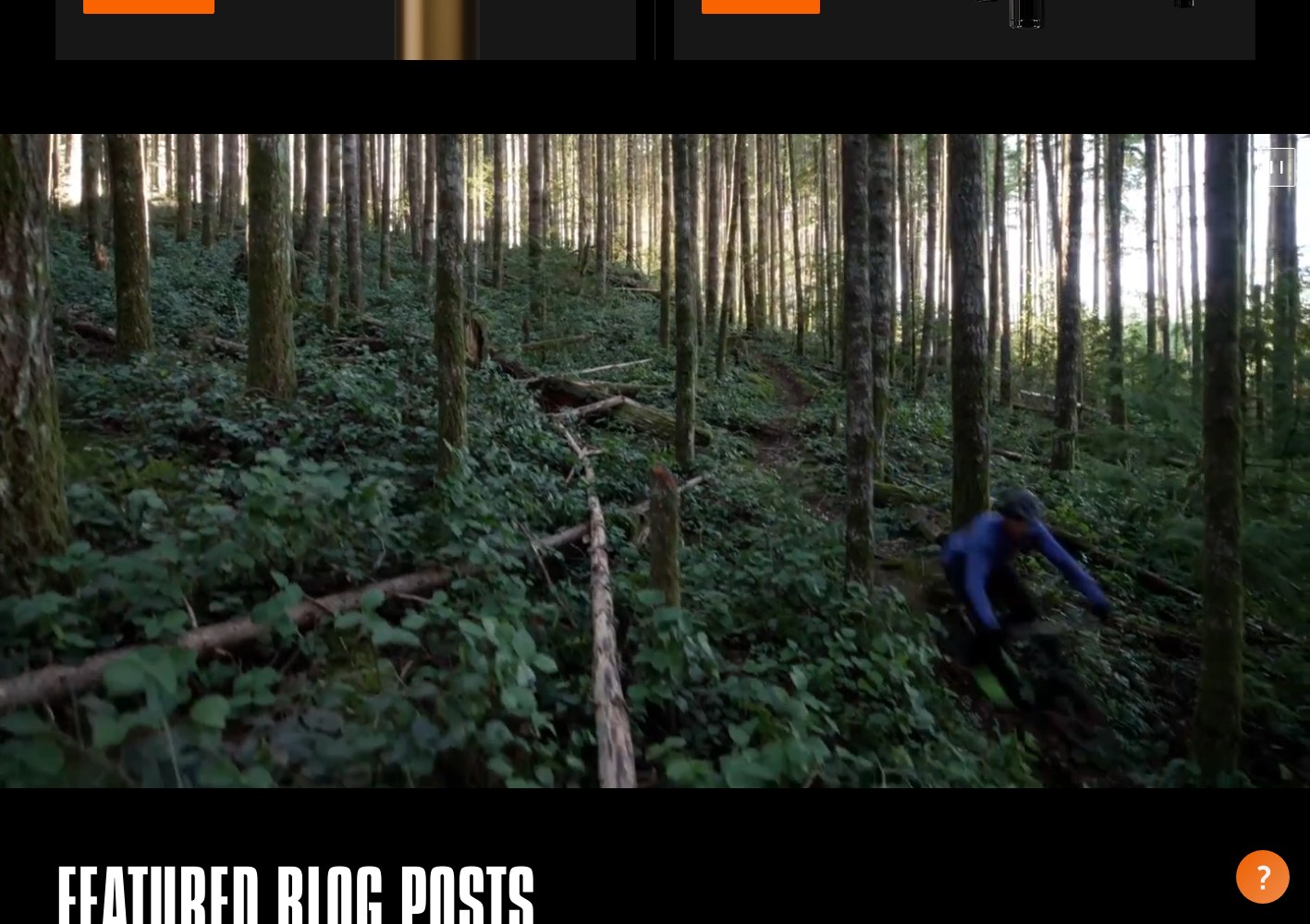
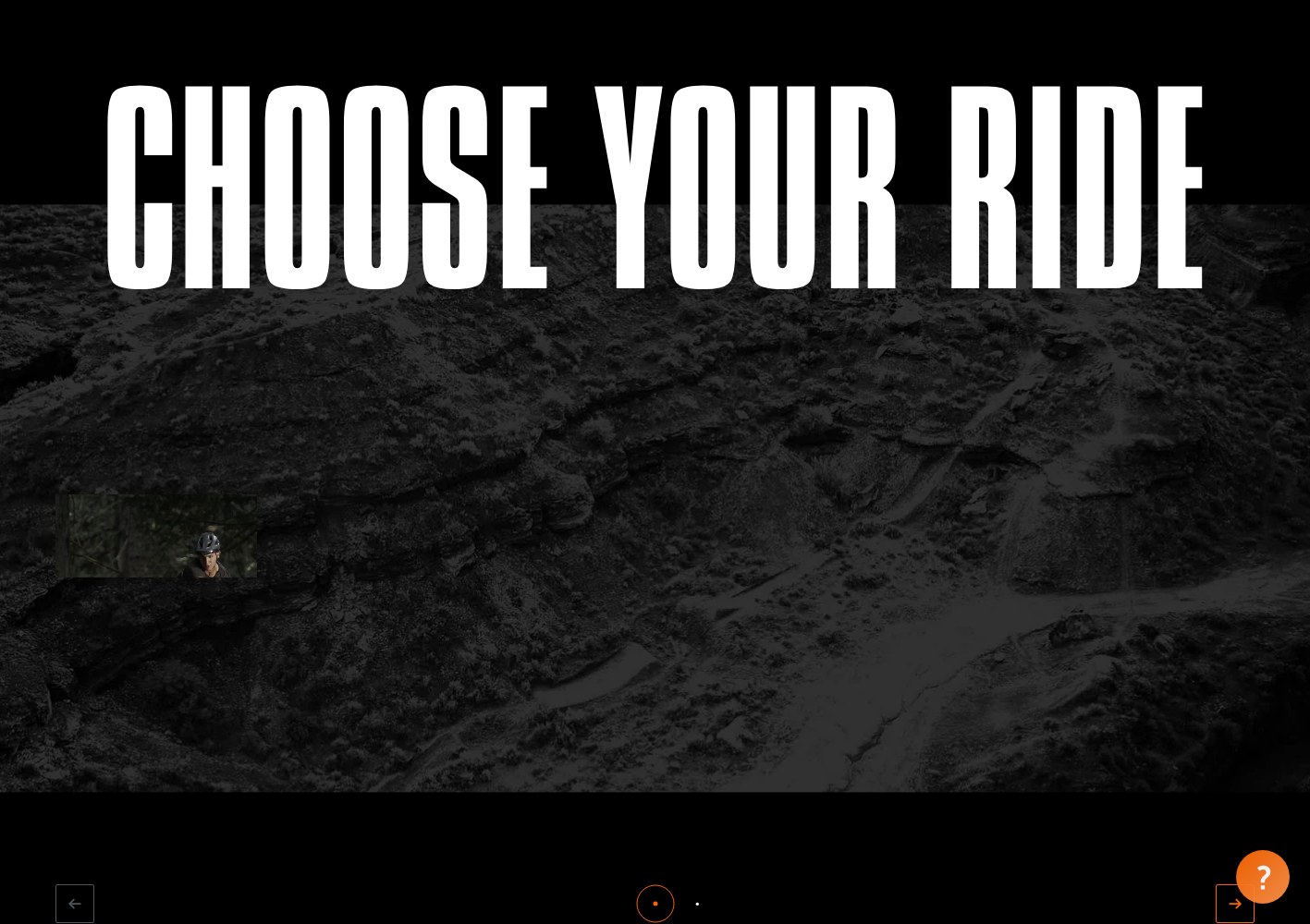
We rebuilt the storefront around category landing pages — Bike, Truck, UTV, Off-Road, Motorsports — each opening on rider footage rather than a product grid, then stepping down into components: forks, shocks, seatposts, accessories. The homepage's "Choose your ride" module is the fork in the road that sends each visitor down the right one.
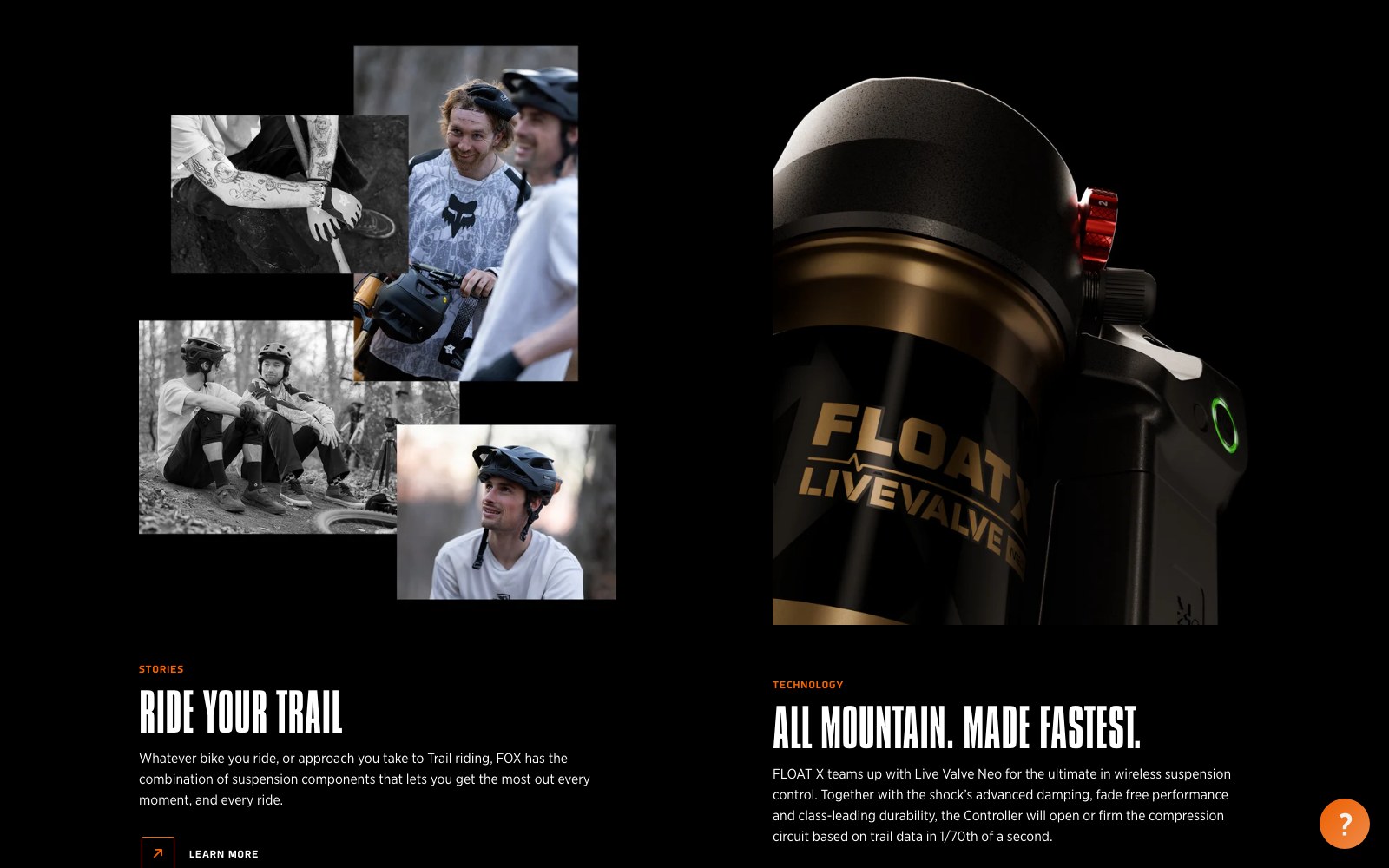
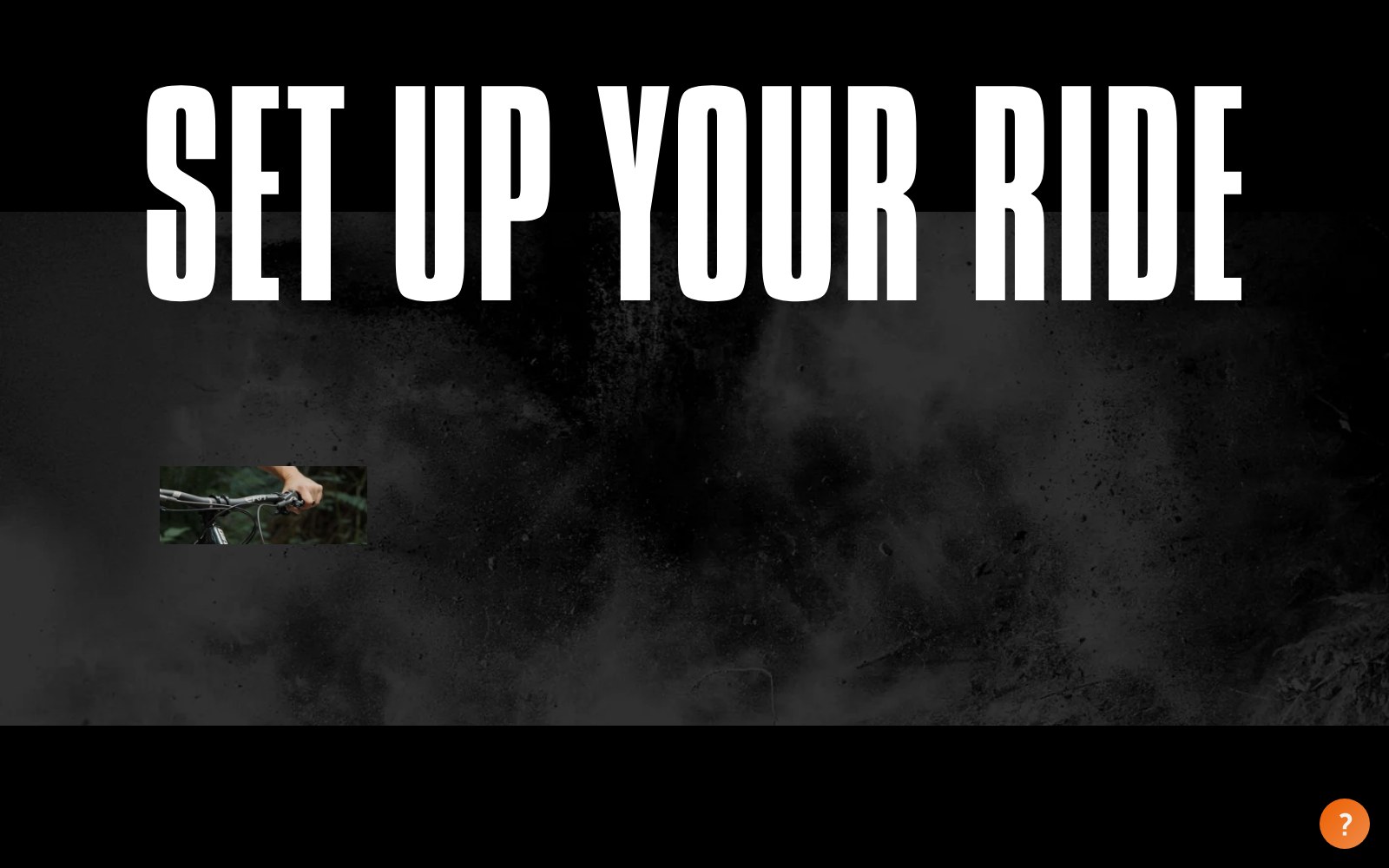
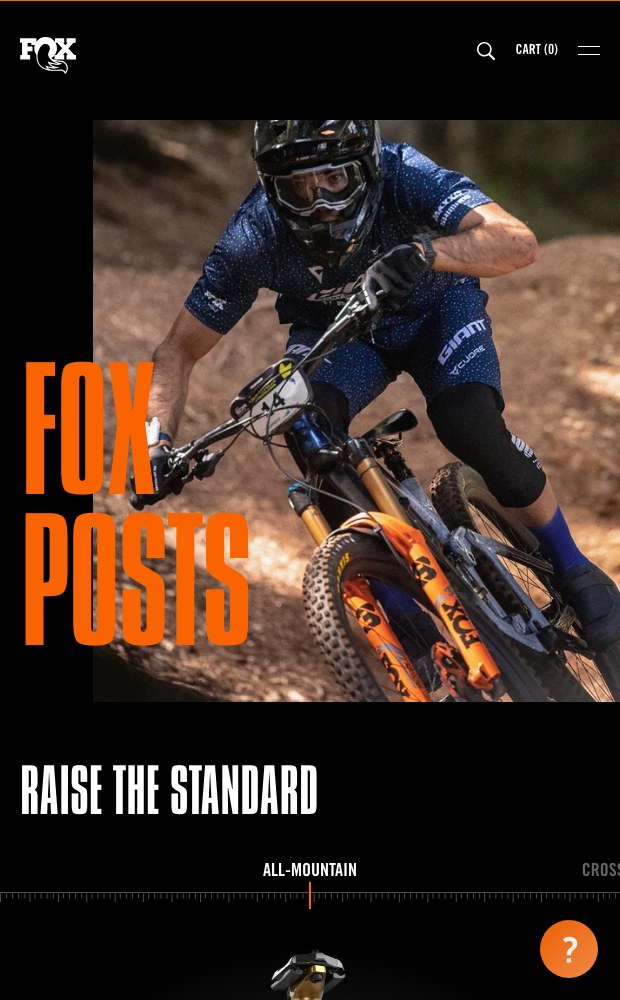
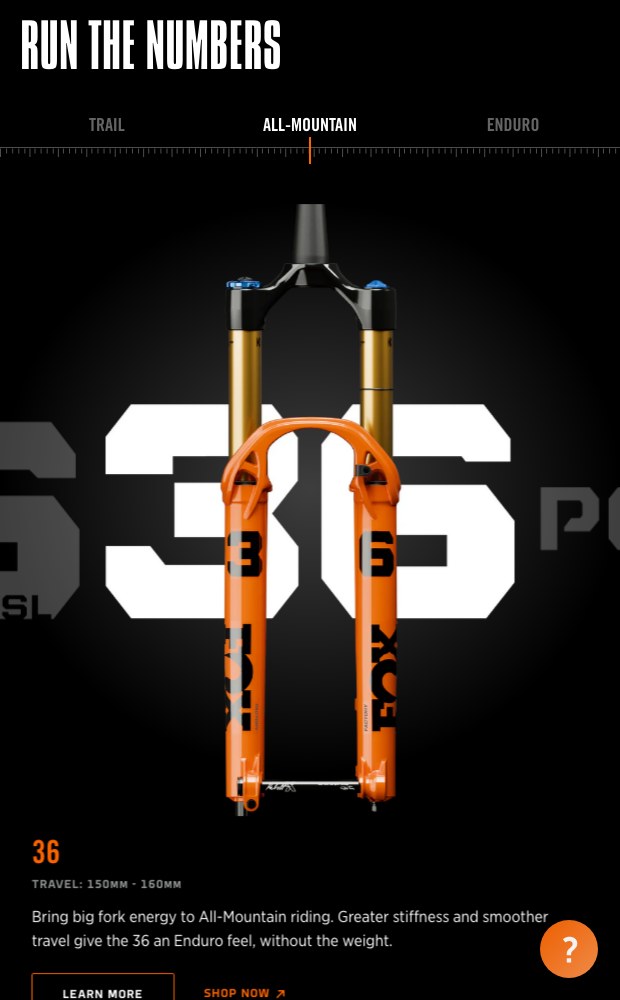
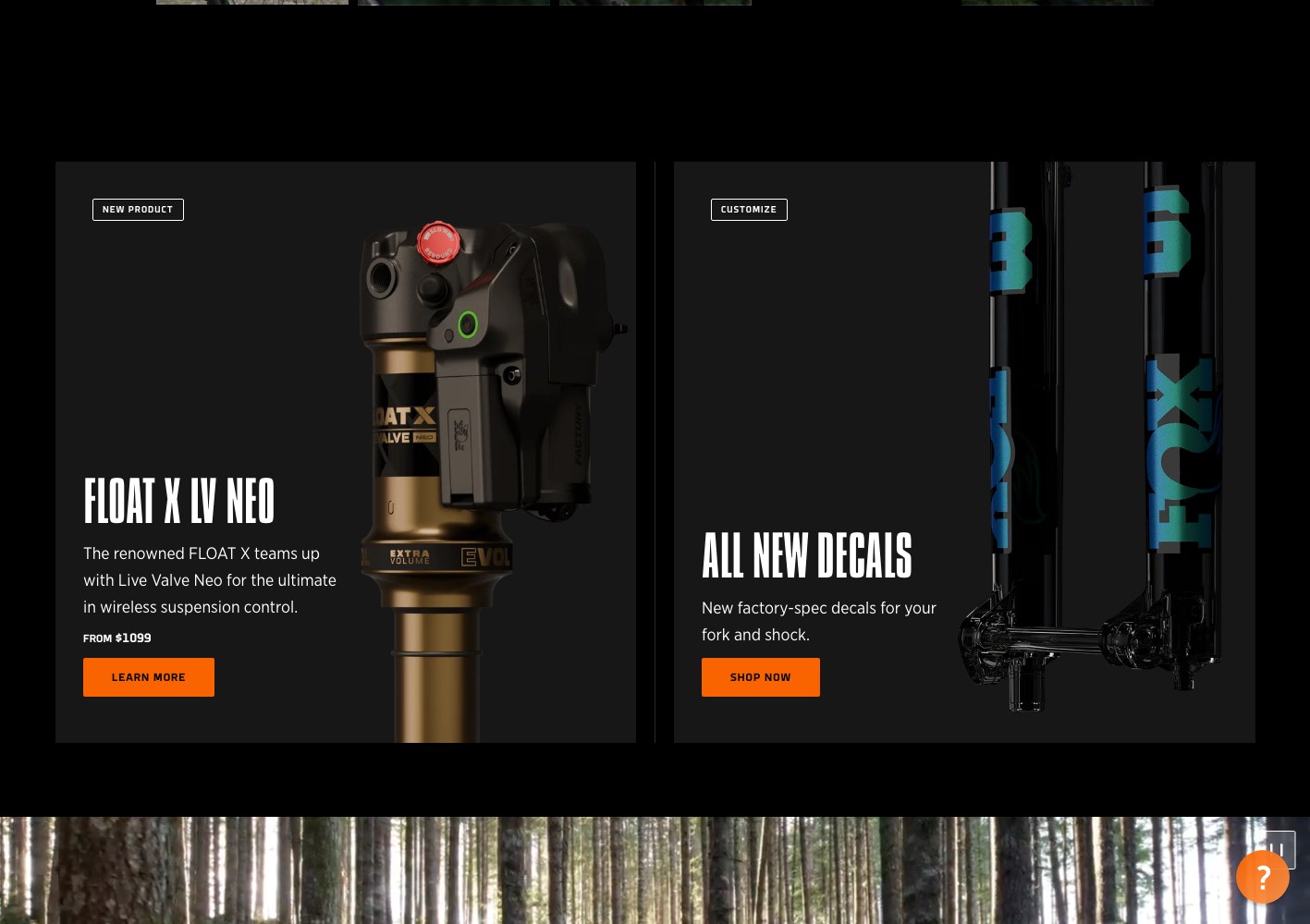
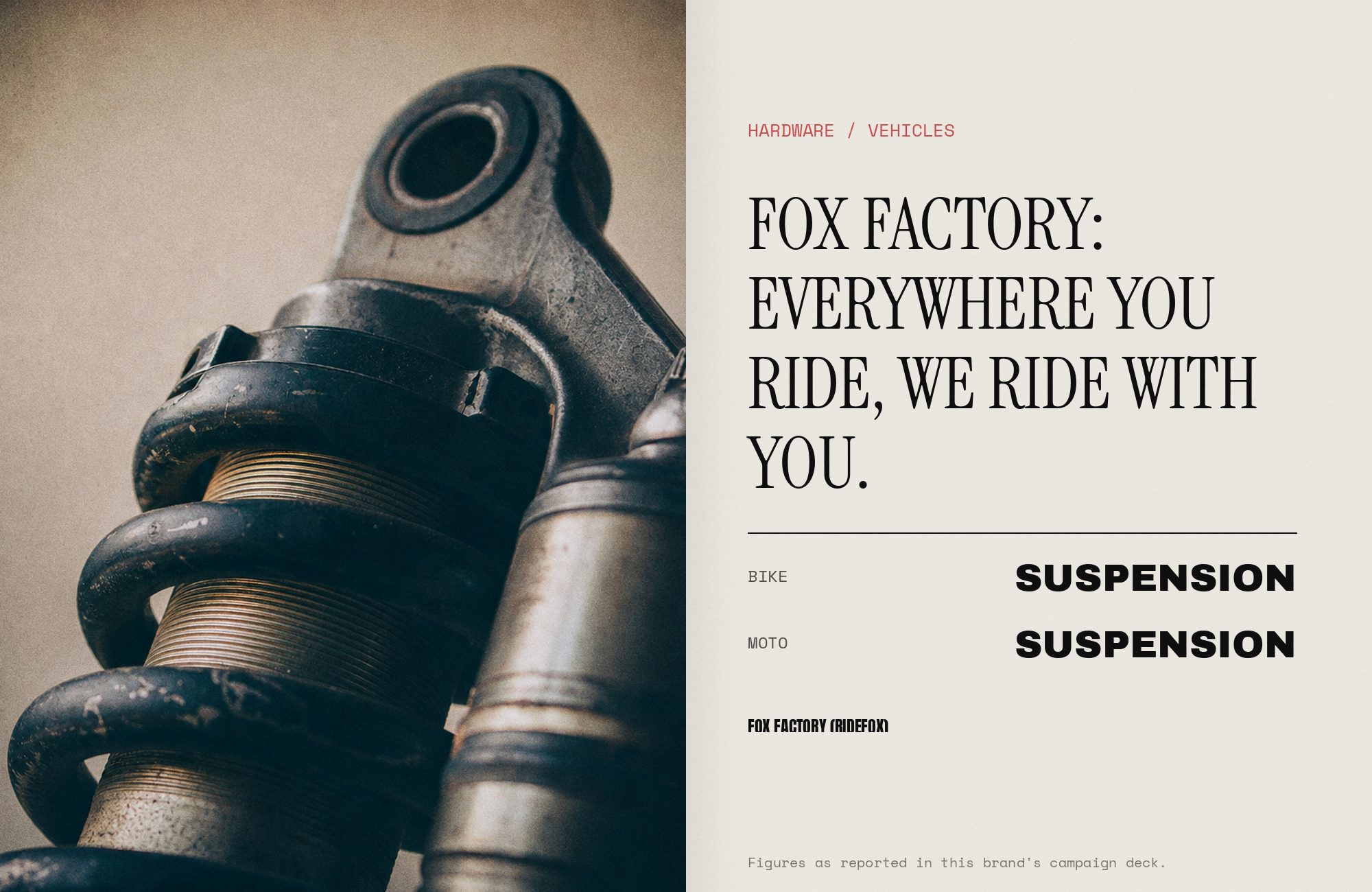
Flagship products get real story pages instead of PDPs. The FOX 38 and the Transfer seatpost pages run through the engineering — stiffness, damper tuning, air-spring behaviour, low stack head — and land on a "Select your series" comparison of Factory, Performance Elite and Rhythm so the tier choice is made before the cart, not in it.
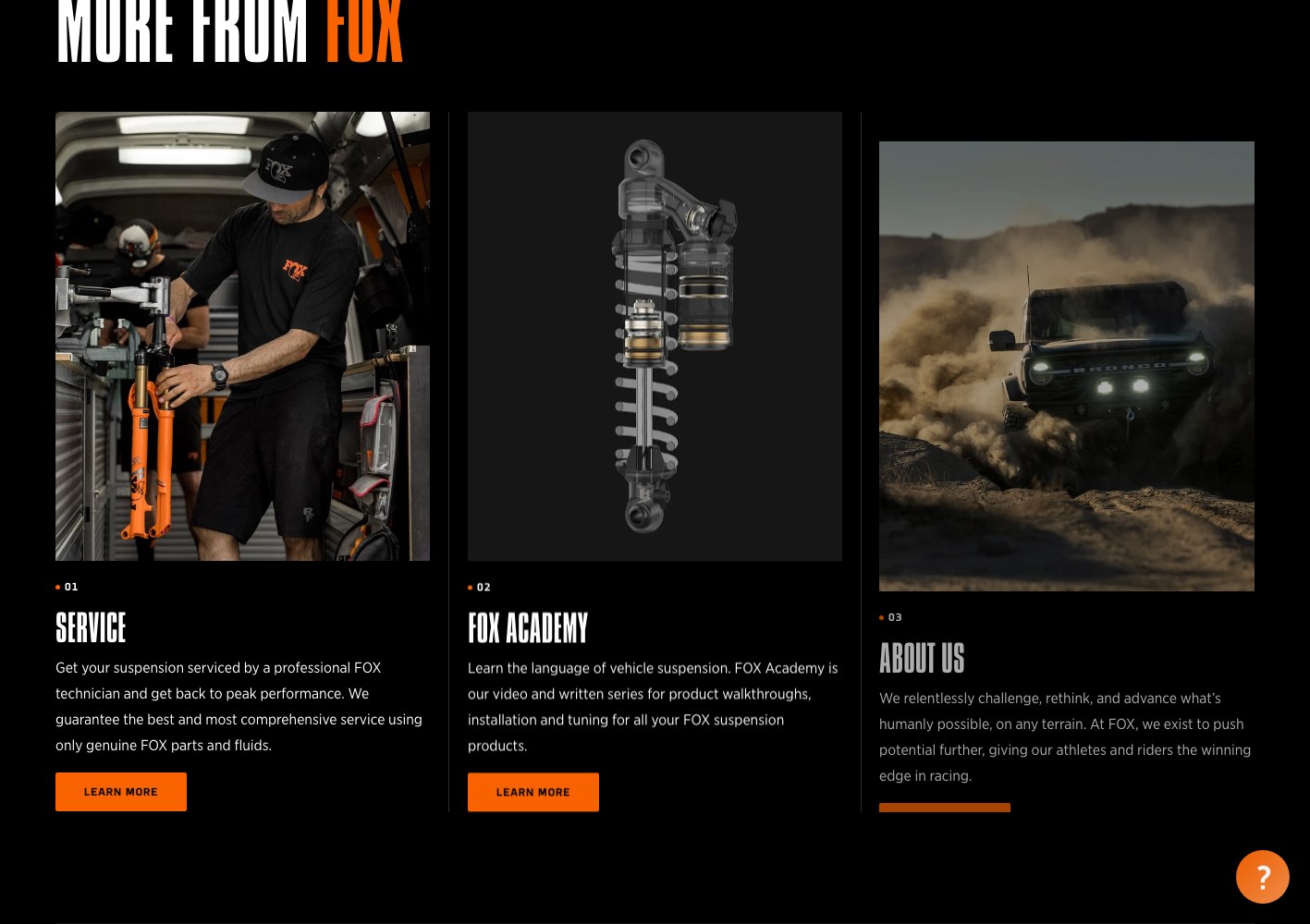
On the vehicle side, the Shock Finder narrows the catalogue by year, make and model, so a truck or UTV owner never has to read a fitment table. Everything sits on Shopify with the FOX design language — black, orange, condensed type, full-bleed action photography — applied consistently across templates.
More on this work: Web Design.
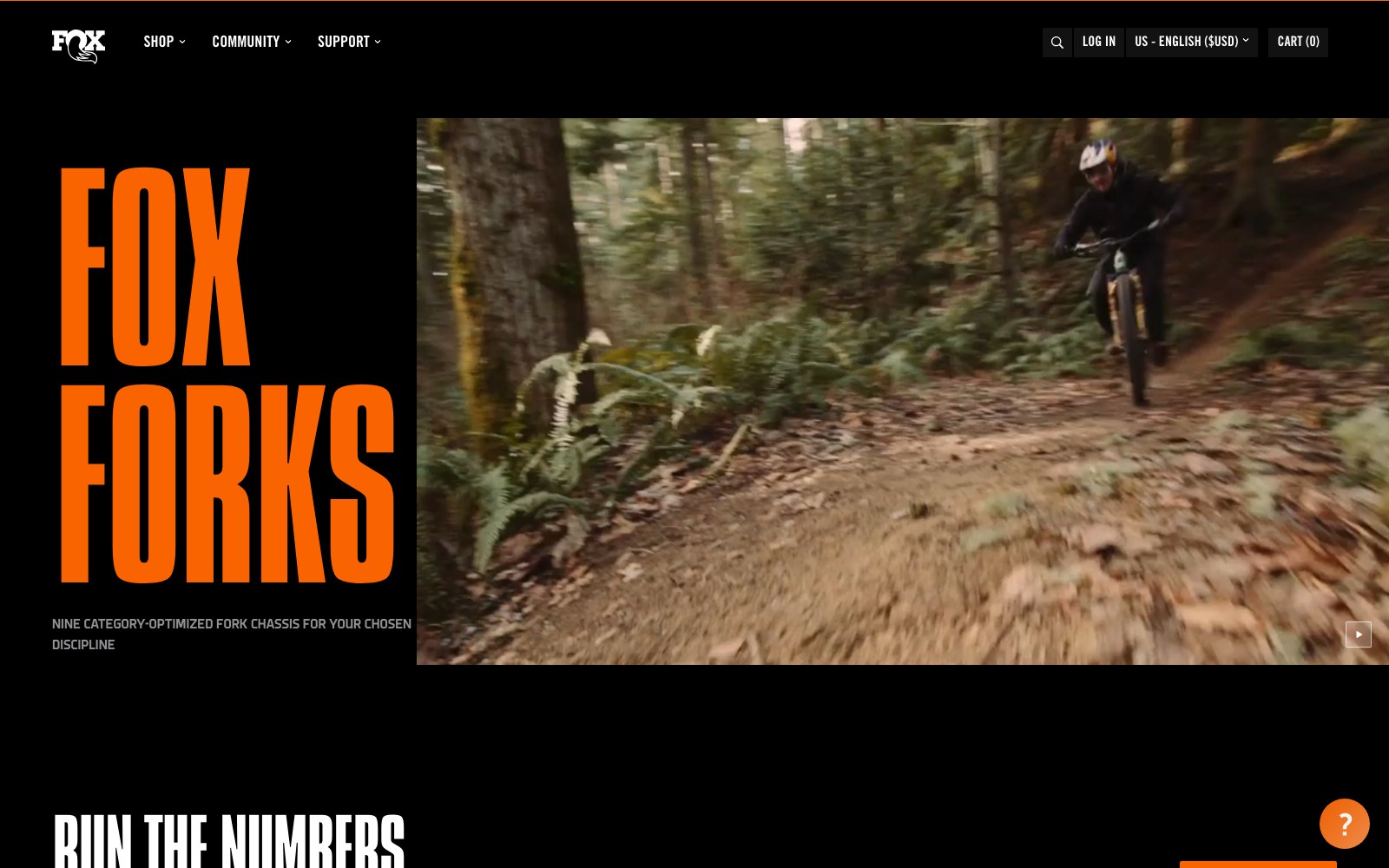
Category landings before product grids
Six ride worlds, each opening on
rider footage first.
Bike, Truck, UTV, Off-Road and Motorsports each get their own landing page — action photography up top, then component categories below: forks, shocks, seatposts, accessories. The homepage offers a "Choose your ride" module that sends every visitor down the path built for them, so a downhill racer never has to scroll past truck suspension.



03 — The results
A Shopify catalogue that filters like a parts counter.
Six ride categories now share one storefront without collapsing into a single all-purpose grid. Flagship products like the FOX 38 and Transfer seatpost got story pages that walk through damper tuning, air-spring behaviour and stiffness before the tier comparison, so the buyer chooses Factory, Performance Elite or Rhythm before checkout.
The Shock Finder narrows truck and UTV inventory by year, make and model so fitment happens before the product page. Black, orange, condensed type and full-bleed photography carry the FOX design language across every Shopify template.
CASE STUDIES
Case studies
Website Portfolio
Video Ads
Static Ads































































.webp)
.webp)