Billboards that answer to your numbers.
answer to your numbers
Out of home is the last big medium people still buy on instinct. We buy it the way we buy everything else: named locations chosen on where your customers actually move, rates negotiated against real market data, creative built for six seconds at distance, and measurement that ties the panels to search demand, store visits and pipeline. Planned alongside your paid search and paid social, not instead of them.






Tell us a little about your brand and we'll be in touch within 24 hours to lock in a time.


THE FOUR WORKSTREAMS
Four workstreams, from route to result.
from route to result
Media owners sell inventory. Our job is the opposite: to decide what not to buy. So we plan from where your customers move, buy against comparable rates rather than the rate card, treat the creative as the biggest variable, and instrument the campaign before the first poster goes up.
Planning & audience
Buying & negotiation
Creative & production
Measurement & proof
Start with movement, not availability.
Planning starts with your customers, not with a list of vacant sites. We map where your buyers live, work and commute, overlay your existing sales and search demand by postcode, and identify the corridors, transit lines and neighbourhoods where presence would compound with the rest of your marketing. Only then do we ask what is available in those places.
Scale matters for that judgement. The medium is bigger and healthier than most marketing plans assume: the World Out of Home Organization put global out of home expenditure at $54.2bn in 2025, some 5.1% of all advertising spend, with $56.4bn forecast for 2026. In the United States the OAAA recorded a record $9.46bn in 2025, up 3.6% year over year and a nineteenth consecutive quarter of growth, with transit the fastest-growing format at 9.2%.
The output is a plan naming every site or screen network, why it is there, what it costs, what it is expected to deliver, and what we would cut first if the budget moved.
- Customer movement mapped before inventory is considered
- Existing sales and search demand overlaid by postcode
- Format mix chosen on the job, not on what is vacant
- Every site justified in writing, with a cut order
$9.46bn
record US out of home revenue in 2025 (OAAA)
5.1%
of global advertising spend goes to out of home
Nobody pays the rate card.
Out of home pricing is negotiable, opaque and seasonal, which is exactly why an experienced buyer earns their fee here. We hold comparable rates by market and format, buy into softness rather than into peak demand, package multiple sites and flights to move the unit price, and push production, posting and illumination costs into the negotiation instead of accepting them as extras afterwards.
Programmatic buying has changed part of the market and is worth using selectively rather than reflexively. The WOO report puts programmatically traded digital out of home at $2.1bn globally in 2025, about 8.4% of all digital out of home revenue — real money, still a minority of the market, and often priced above a well-negotiated direct deal for premium sites. We use it for flexibility, dayparting and short bursts, and buy direct where the site itself is the point.
You see the actual rates, the actual production quotes and our fee separately. No opaque bundle, no undisclosed rebates.
- Comparable market rates held for every format we buy
- Flights timed into softer demand where the calendar allows
- Production, posting and illumination inside the negotiation
- Rates, production and our fee shown separately
$2.1bn
programmatic digital out of home spend globally in 2025
8.4%
of digital out of home revenue traded programmatically
Six words, read at forty miles an hour.
Out of home is the least forgiving creative brief in advertising. A roadside audience gives you a few seconds at distance, in weather, while driving. So the discipline is subtraction: one idea, one brand, few words, legible contrast, and a next step someone can act on later — a searchable phrase rather than a URL nobody types.
Digital screens change the craft rather than removing it. Digital is now the engine of the medium: the OAAA reported digital OOH at 36.3% of total US OOH revenue in 2025, growing 10.5% year over year, and the WOO expects digital to reach 49% of global OOH spend and $28bn in 2026, overtaking static for the first time. That means multiple frames, dayparted messages, weather and live data triggers, and versions built per screen ratio rather than one artwork stretched.
We handle artwork specification, proofing and production management, so colours hold at scale and nothing arrives at the printer at the wrong resolution the week of posting.
- One idea per panel, legible at distance and at speed
- Versions per screen ratio, dayparted where it earns attention
- Searchable call to action instead of an untypeable URL
- Artwork specification, proofing and production managed
36.3%
of US OOH revenue is now digital (OAAA, 2025)
49%
digital share of global OOH forecast for 2026
Prove it with the channels that count clicks.
OOH cannot be measured by clicks, so we measure it by what it moves. Before launch we baseline branded search volume, direct traffic, store visits and lead volume in the exposed areas, and pick matched control markets that will not see the campaign. During the flight we watch the exposed-versus-control gap weekly, add held-back regions where budget allows a clean geographic test, and use panel-level exposure data where the media owner provides it.
The other half of the proof is what happens after the poster works. Awareness lands on a landing page or a store, and the median landing page in Unbounce's benchmark study converts at 6.6% — so a campaign that lifts demand into a weak page buys attention and then throws it away. We fix the destination as part of the plan. On the media mix question, the OAAA and Benchmarketing analysis of media plan optimisation found that shifting a few points of budget toward OOH improved total-plan return and brand metrics.
Everything lands in one report next to your digital channels, with the limits of each method stated plainly.
- Pre-flight baseline on branded search, traffic and leads
- Matched control markets, or held-back regions where budget allows
- Store visit and footfall data where the owner supplies it
- One report, OOH beside the digital channels
6.6%
median landing page conversion rate, Unbounce benchmark
Weekly
exposed versus control reading during the flight
global out-of-home ad spend in 2025 (WOO)
of US OOH revenue is now digital (OAAA)
Every site justified in writing before we buy it
Media rates, production and our fee shown separately
We made the difference for those brands

Apparel and lifestyle

Retail & commerce

B2B software, fintech, insurance

B2B software, fintech, insurance

Consumer tech and platforms

Healthcare & regulated services

Healthcare & regulated services

Creative, content, arts & culture

Consumer tech and platforms

Consumer tech and platforms

Food & beverage
Creative, content, arts & culture

Creative, content, arts & culture

Food & beverage

Food & beverage

B2B software, fintech, insurance

Food & beverage

B2B software, fintech, insurance

Food & beverage

Travel & mobility

Consumer tech and platforms

Creative, content, arts & culture

Beauty, personal care & wellness

Consumer tech and platforms

Home essentials, appliances, kitchen & pet

B2B software, fintech, insurance

Consumer tech and platforms

Retail & commerce

Healthcare & regulated services

Consumer tech and platforms

Creative, content, arts & culture
01 — The challenge
A big cheque, and no way to defend it.
The sites were picked from an availability list. The rate was whatever the media owner quoted. The artwork is a print ad with the logo enlarged. And when the finance director asks what the campaign did, the honest answer is a photograph of the billboard and a feeling that awareness went up. It probably did. Nobody can show it.
“It looked fantastic on the ring road. I have no idea whether it worked.”
That is a planning and measurement gap, not a problem with the medium. OOH is growing — the OAAA recorded an all-time first-quarter high of $2.12bn in Q1 2026, extending the growth streak to twenty consecutive quarters — and the buyers getting value from it are the ones treating site selection, rate negotiation and geographic testing as real work.
02 — Our approach
Plan on movement, buy on data, prove on geography.
We plan from where your customers actually move: home, work and commuting patterns overlaid with your own sales and search demand by postcode, so the format mix follows the job rather than the vacancy list. Then we buy against comparable rates we hold by market and format, package sites and flights to move the unit price, time flights into softer demand where the calendar allows, and pull production, posting and illumination into the negotiation. Rates, production costs and our fee are shown separately, and we take no undisclosed rebates. Creative is built for the medium — one idea, legible at distance, versioned per screen ratio and dayparted where that earns attention — with artwork specification and production managed on your behalf. Before anything posts we baseline branded search, direct traffic, store visits and leads, choose matched control markets, and where budget allows hold back a region for a clean geographic test. During the flight we read exposed against control weekly and fix the destination page, because demand landing on a weak page is money spent twice. You get one report with OOH next to your digital channels.
03 — What we did
Four phases, one defensible campaign.
Planning, buying, production and measurement run in sequence, with a weekly working session during the flight and a written review after it.
Weeks 1-2 / Planning
Map movement, then shortlist sites
Customer movement, sales and search demand mapped by area, formats chosen for the job, and every shortlisted site justified in writing.
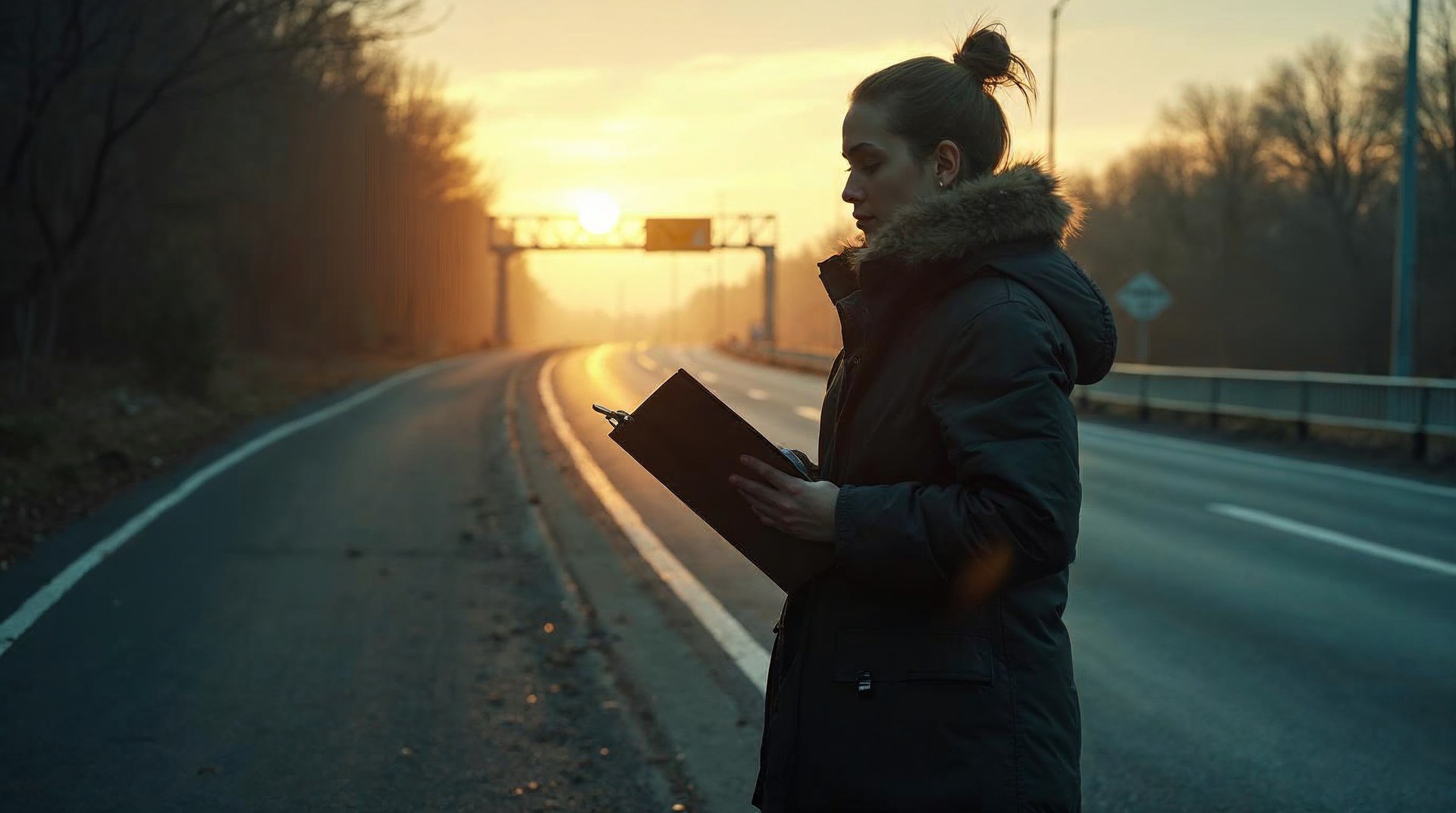
Weeks 2-4 / Buying
Negotiate against comparable rates
Sites and flights packaged, rates negotiated against market comparables, production and posting folded into the deal, costs shown openly.
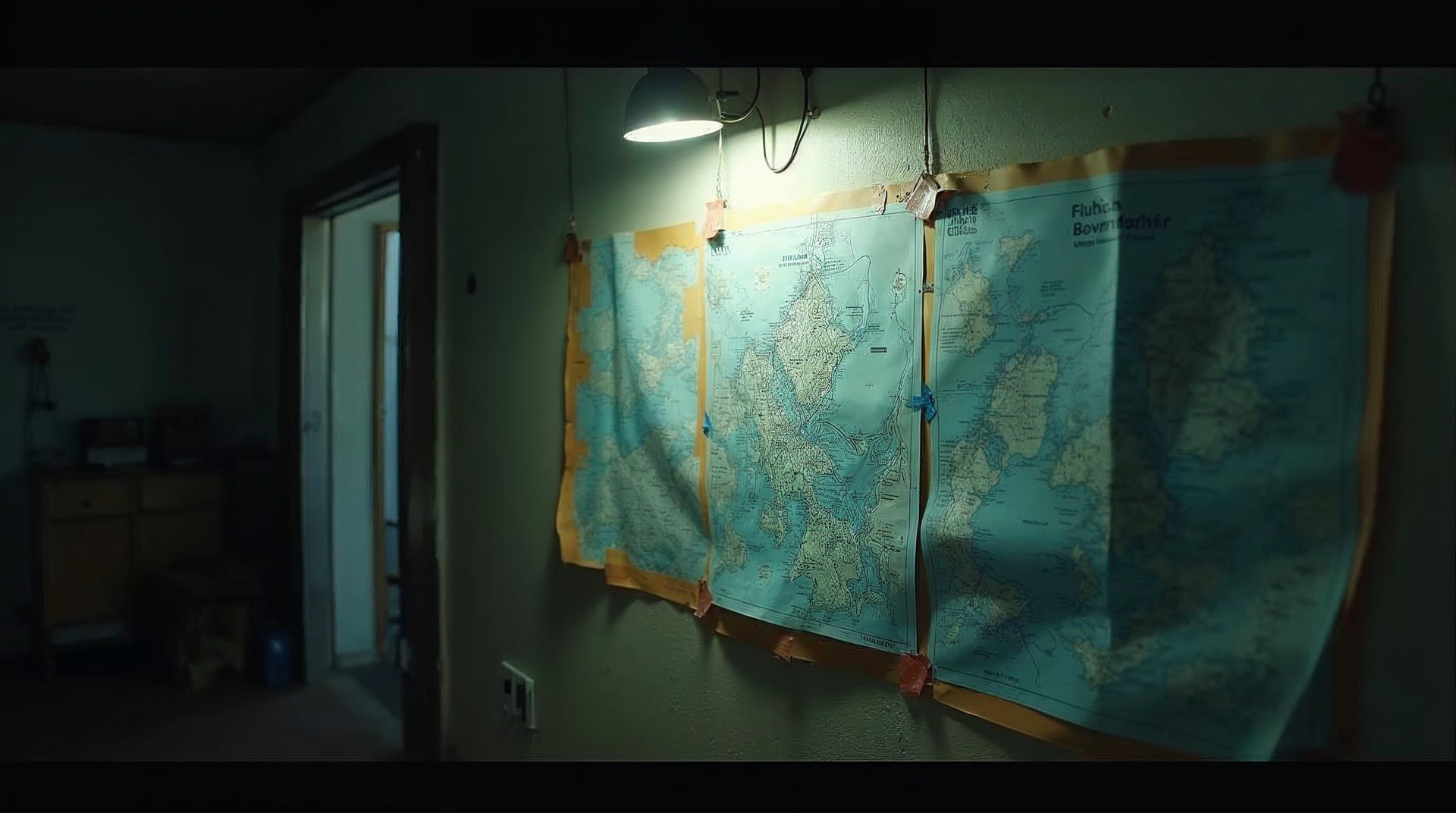
Weeks 3-6 / Creative
Build it to be read at speed
One idea per panel, versions per ratio and daypart, artwork specified and proofed, production managed through to posting.
Flight and after / Proof
Read exposed against control
Baselines set before launch, exposed and control markets compared weekly, footfall data added where available, one written review after.
WHAT YOU GET
Deliverables you keep.
you keep
Every plan, rate card comparison, artwork file and measurement framework below is documented and yours, whether we keep working together or not.

Site and format plan
Every panel, screen network and transit line named, justified against customer movement, and priced with a cut order.

Negotiated media buy
Rates negotiated against market comparables, with production, posting and illumination inside the deal and every cost shown.

OOH creative
Concepts built for a few seconds at distance, versioned per screen ratio and daypart, with a call to action people can act on.

Production management
Artwork specification, proofing, print and posting managed to each media owner's specification and deadline.

Measurement framework
Baselines, matched control markets and a geographic test design agreed before the first panel goes live.

Reporting and review
One report showing OOH beside your digital channels, plus a written post-campaign review with recommendations.
HOW WE WORK
Operating standards, not promises.
Operating standards


















Built on trust. Proven by results.
We partner with SMBs and Fortune 500 companies to deliver more than reach — we bring clarity, execution, and measurable outcomes. Every successful partnership starts with a strong culture fit and a shared drive to grow.






CASE STUDIES
Case studies
Website Portfolio
Video Ads
Static Ads




























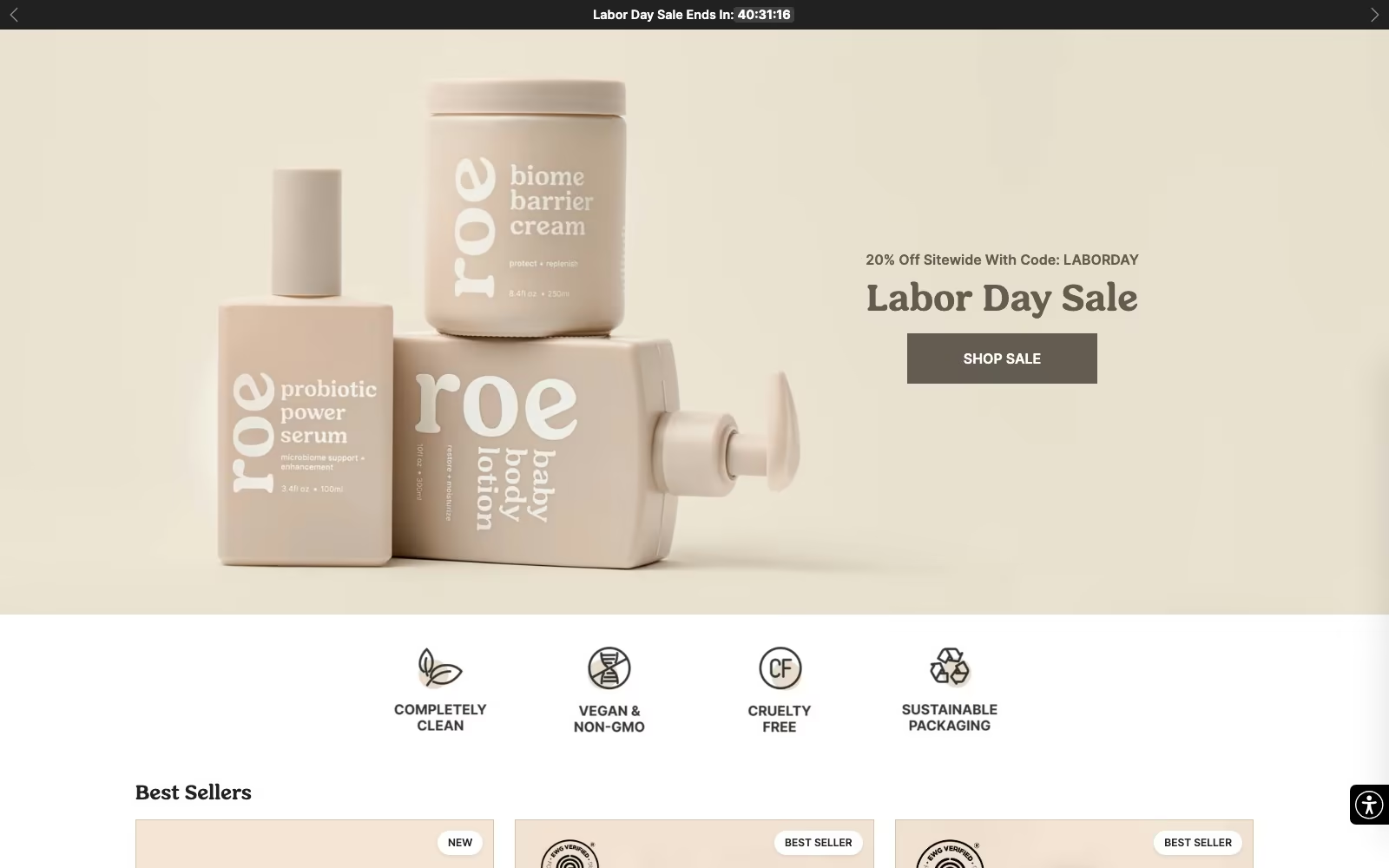

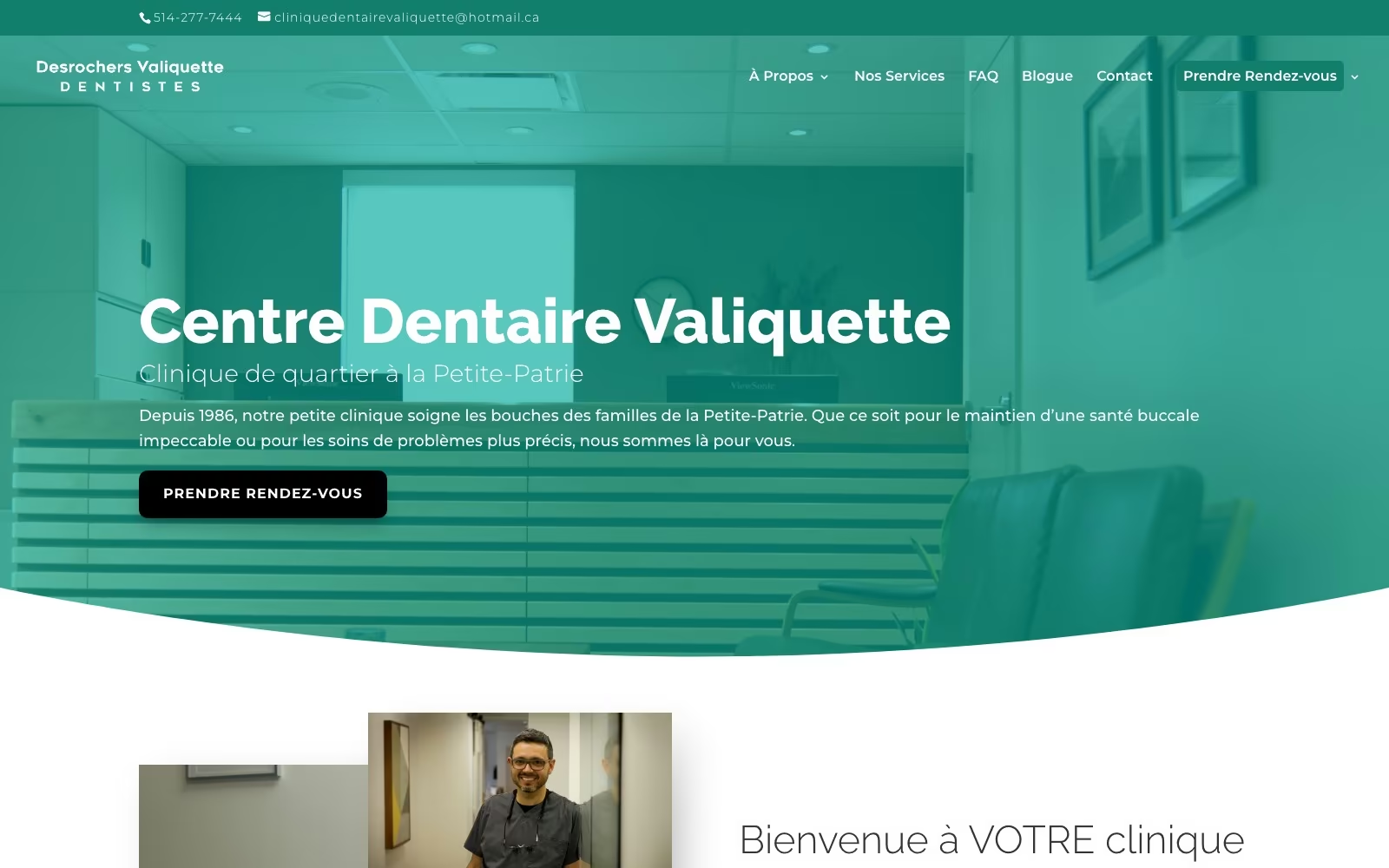

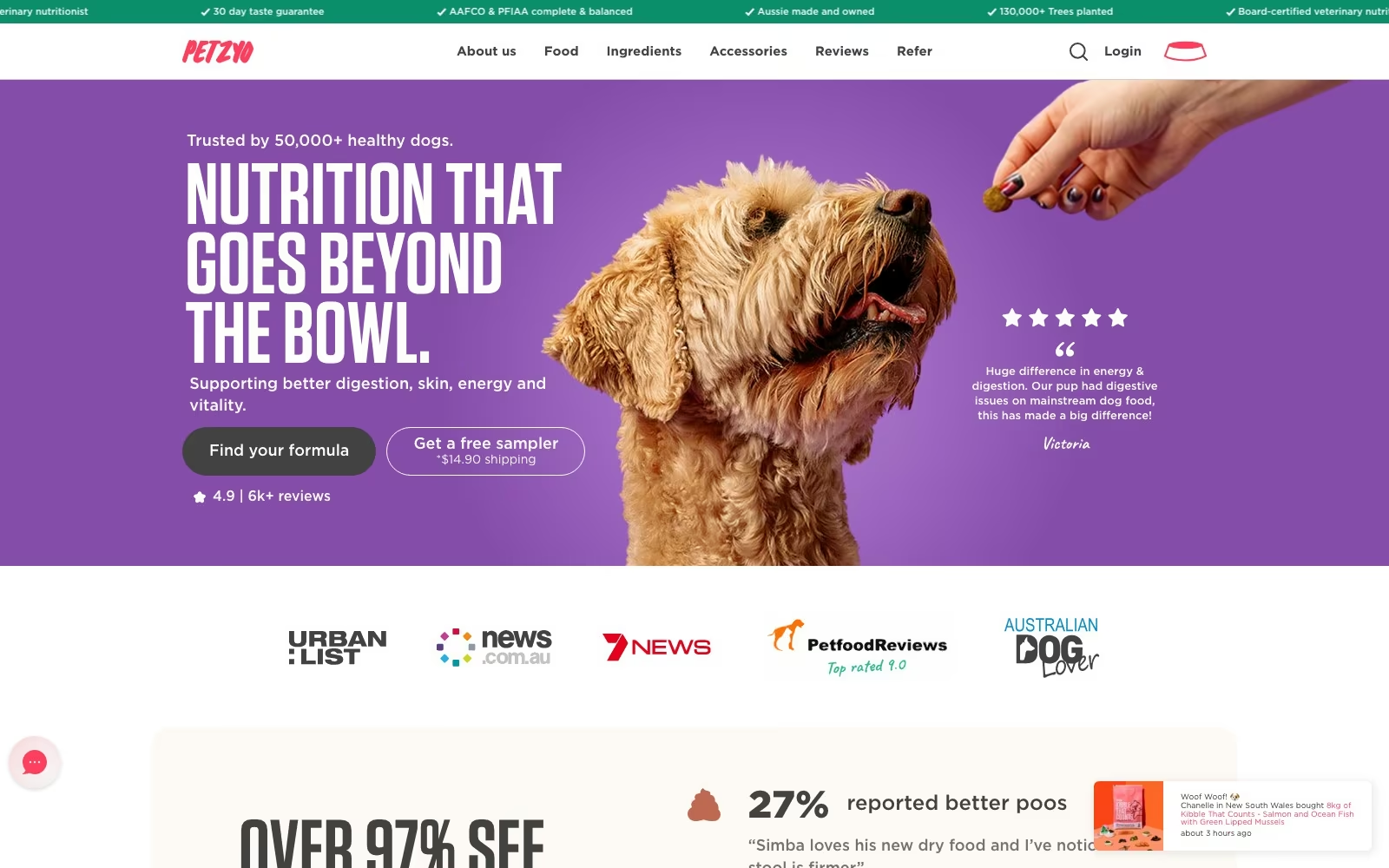



















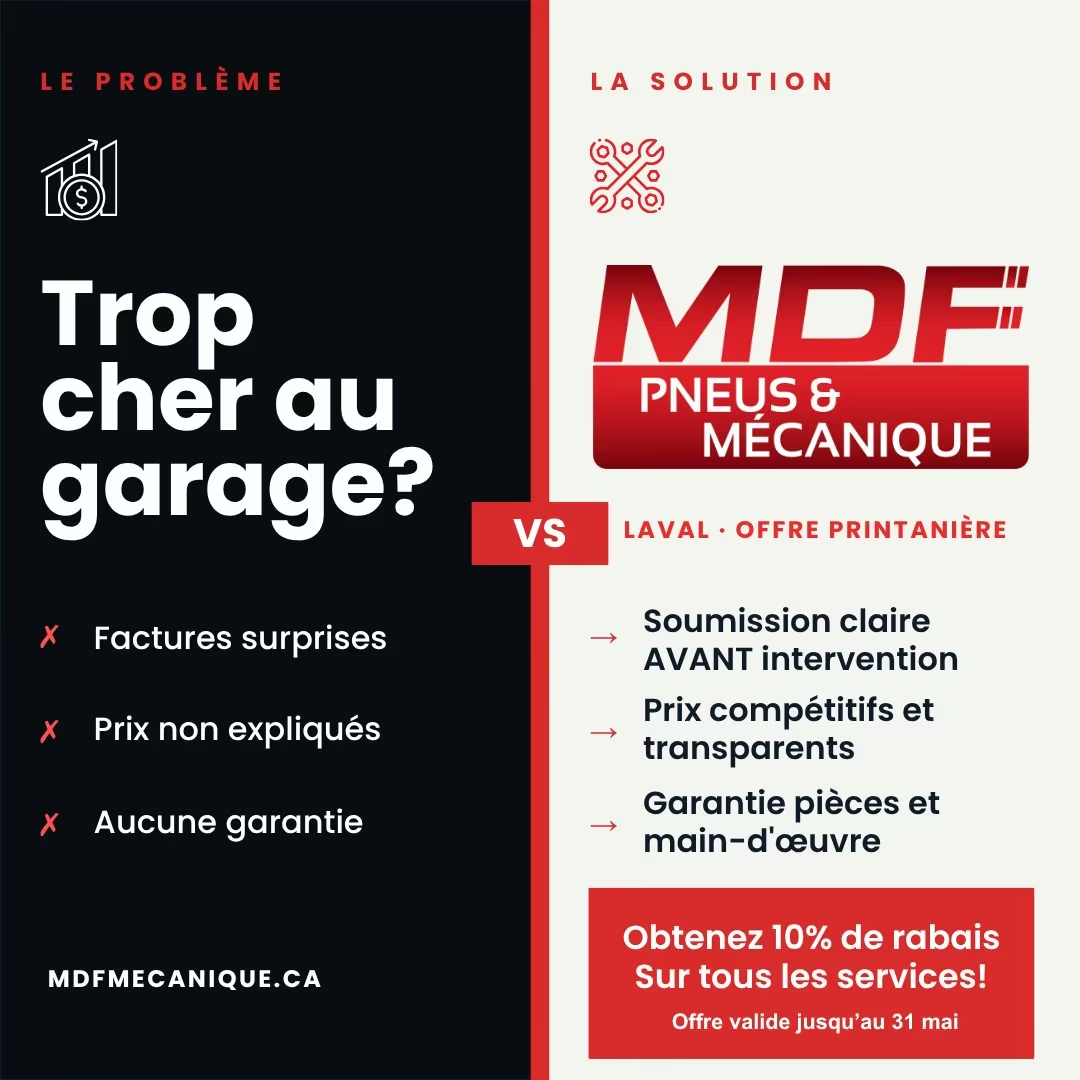






FAQ
What advertisers ask us first.
Can OOH advertising actually be measured?
Yes, though not with a click report — and the methods are more robust than the medium's reputation suggests. The strongest is a geographic test: run the campaign in chosen markets, hold back matched markets, and compare branded search volume, direct traffic, store visits and lead volume between them. Panel-level exposure and footfall data from media owners adds granularity. On the media mix question the OAAA and Benchmarketing media plan optimisation analysis found that moving a few percentage points of budget toward out of home improved overall plan effectiveness. We agree the measurement design before the first panel posts, because retrofitting proof onto a live campaign is where most disappointment comes from.
What does a campaign cost, and where does the money go?
Three places: media, production and management. Media is the largest and the most negotiable, and it varies enormously by market, format, illumination and season — the same size panel can differ several-fold between a prime arterial route and a secondary road two miles away. Production covers artwork, print and posting for classic formats, and is minimal on digital screens. Management is our fee, quoted separately. We show all three, so you can see exactly what you are buying and challenge any line of it. We do not take undisclosed rebates from media owners.
Static billboards or digital screens?
Usually both, weighted by the job. Static holds a location continuously for the whole flight, which suits landmark presence and route-based coverage, and it is often cheaper per day. Digital buys flexibility: dayparting, weather or live data triggers, quick creative changes and short bursts. The market has tilted fast — the OAAA put digital at 36.3% of US OOH revenue in 2025, growing 10.5% year over year, and the WOO forecasts digital reaching 49% of global spend, $28bn, in 2026. But share of one frame in a rotation is not the same as owning a wall, so we compare cost per useful exposure rather than assuming digital wins.
How long should a flight run?
Long enough for repeated exposure, which for most brands means four weeks minimum in classic formats and often longer for a launch. OOH works through frequency: the same commuter passing the same panel through a fortnight is the mechanism, so a one-week burst across many sites usually buys reach without the repetition that makes it stick. Where budget is limited we would rather hold fewer markets for longer than sprinkle panels across a country for a week. Digital screens allow shorter, sharper bursts around an event or a promotion, and those we will run for days rather than weeks.
Which formats work for a local service business?
Trade-area coverage rather than landmark sites. For a business serving a twenty-minute radius, the value sits in the roads your customers use every day, transit shelters near residential density, and place-based screens in the retail and medical destinations they already visit. A single motorway billboard reaching a whole region is usually worse value than six well-placed local panels, because most of that motorway audience will never be your customer. We size the plan against your actual service map and existing customer postcodes, and we read the result against calls, bookings and store visits per area.
Should we buy programmatically or direct?
Both have a place, and the honest answer is that programmatic is smaller than the conversation suggests: the WOO measured programmatic digital OOH at $2.1bn globally in 2025, about 8.4% of digital OOH revenue. It is excellent for flexibility — dayparting, quick bursts, tight geographic targeting, trigger-based activation — and for testing a market before committing. It is often more expensive per useful exposure on premium sites, where a negotiated direct deal wins and where owning a specific wall is the whole idea. We split the budget accordingly rather than picking a side.
How does this work with our digital advertising?
It should raise the ceiling on it. OOH creates demand that your search, social and retail channels then harvest, which is why we baseline branded search and direct traffic before a flight and watch them during it. Practically, that means aligning the message with what people will find when they look you up, raising branded search budget in exposed markets so competitors cannot intercept the demand you paid to create, and making sure the destination page is ready — the median landing page in Unbounce's benchmark data converts at 6.6%, and a campaign that lifts demand into a weak page pays twice for the same customer.
Do you handle the creative, or do we need another agency?
We handle it, and we would rather do it than adapt someone else's print ad, because this medium punishes borrowed creative. The brief is unusually strict: one idea, brand visible instantly, few enough words to read at speed and at distance, contrast that survives dusk and rain, and a next step people can act on from memory. We also handle the unglamorous half — artwork specification per media owner, proofing, print management and posting deadlines. If you have a brand team or a creative agency you like, we work to their guidelines and specify the files for them.
Is OOH only for big brands?
No, and the advertiser mix says so. The OAAA's 2025 figures show legal services as the largest product category, up 21% year over year, with consumer banking up 34% and wireless providers up 47% — categories full of regional and local advertisers, not just national brands. What changes with a smaller budget is the shape of the plan: fewer markets, longer flights, formats chosen for trade-area coverage, and a tighter measurement design so the spend has to prove itself before it repeats. If your budget cannot hold one market for a meaningful period, we will tell you to spend it elsewhere first.
Can you run this as part of a wider media plan?
That is how we prefer to run it. OOH is planned with your paid search, paid social and local search work so the flight lands on markets where the rest of your marketing can catch the demand, and it is reported in the same place with the same definitions. It is equally fine to buy the OOH work alone while other agencies run your digital channels — we will share the measurement design with them, since a geographic test only works if everyone stops changing the controls.

.webp)
.webp)