ERCO · Residential energy systems · Google Ads — Search · 2026
How ERCO halved its ad spend and grew calls 72%
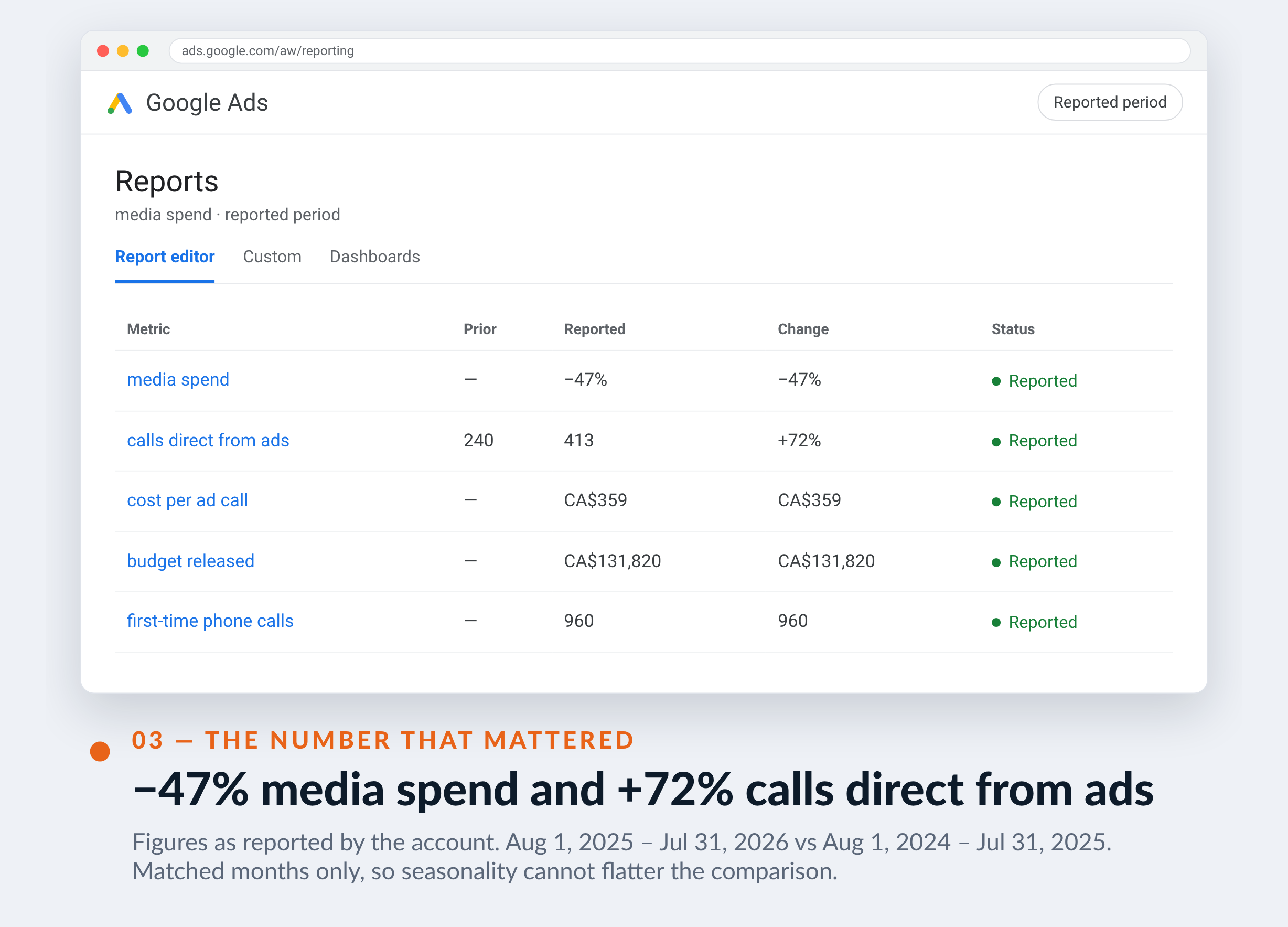
The bravest thing a home-services company can do with a large paid account is spend less on it. ERCO cut CA$131,820 of annual media and finished the year with 72% more calls coming out of the ads.


−CA$131,820
annual media spend
with 72% more calls from ads
The results, up top — every number is in the strip below
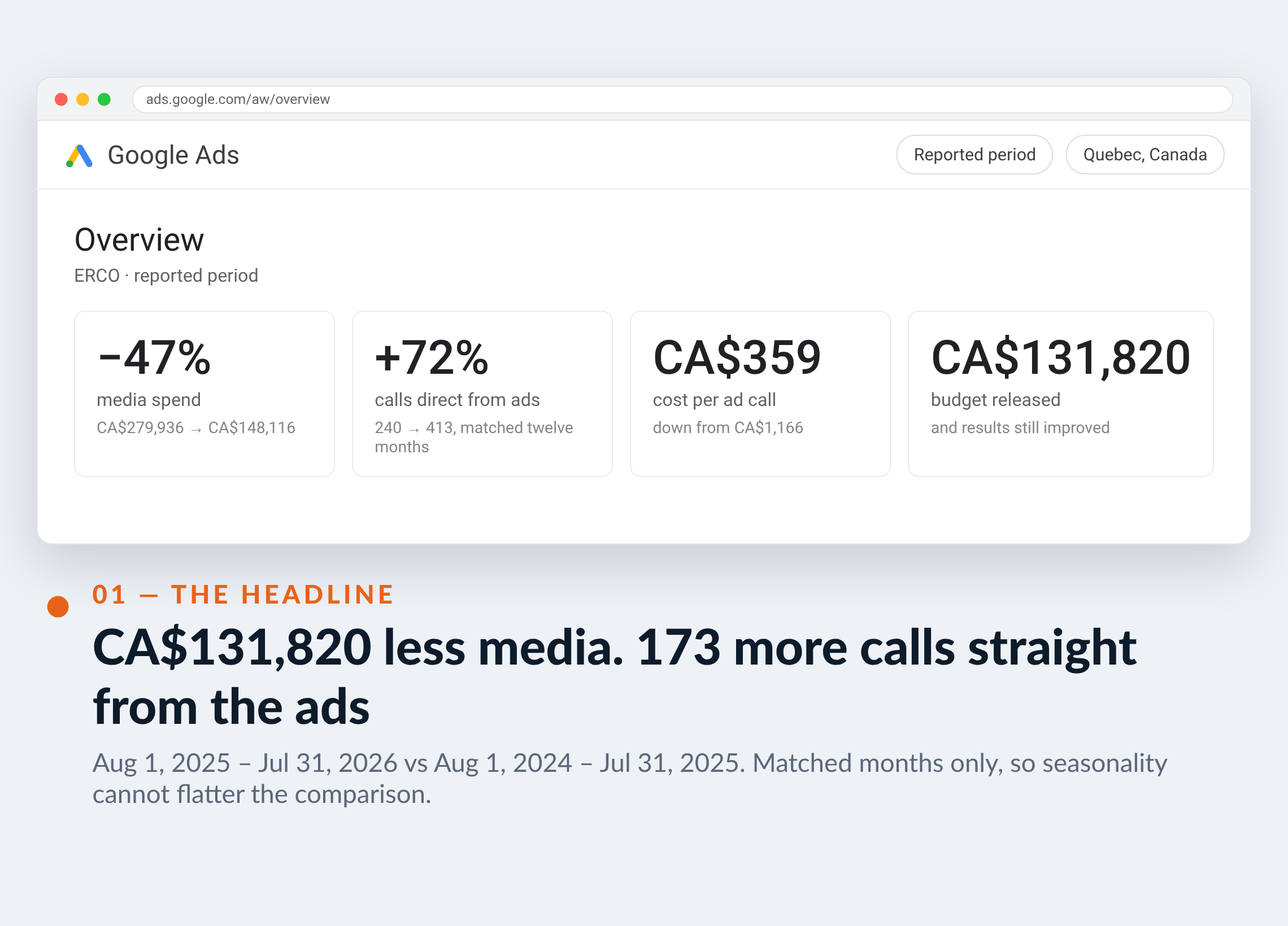
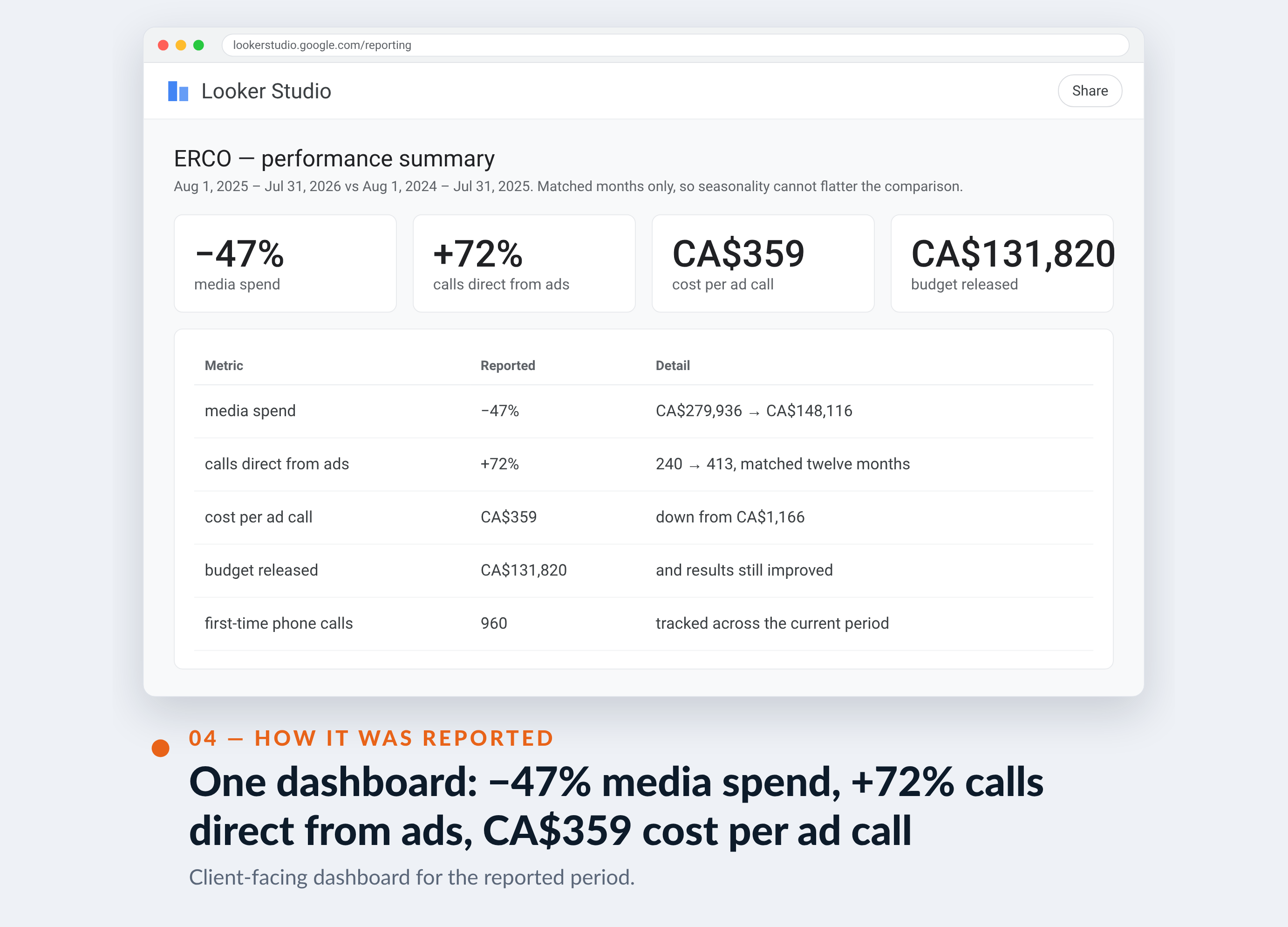
−47%
media spend
CA$279,936 → CA$148,116
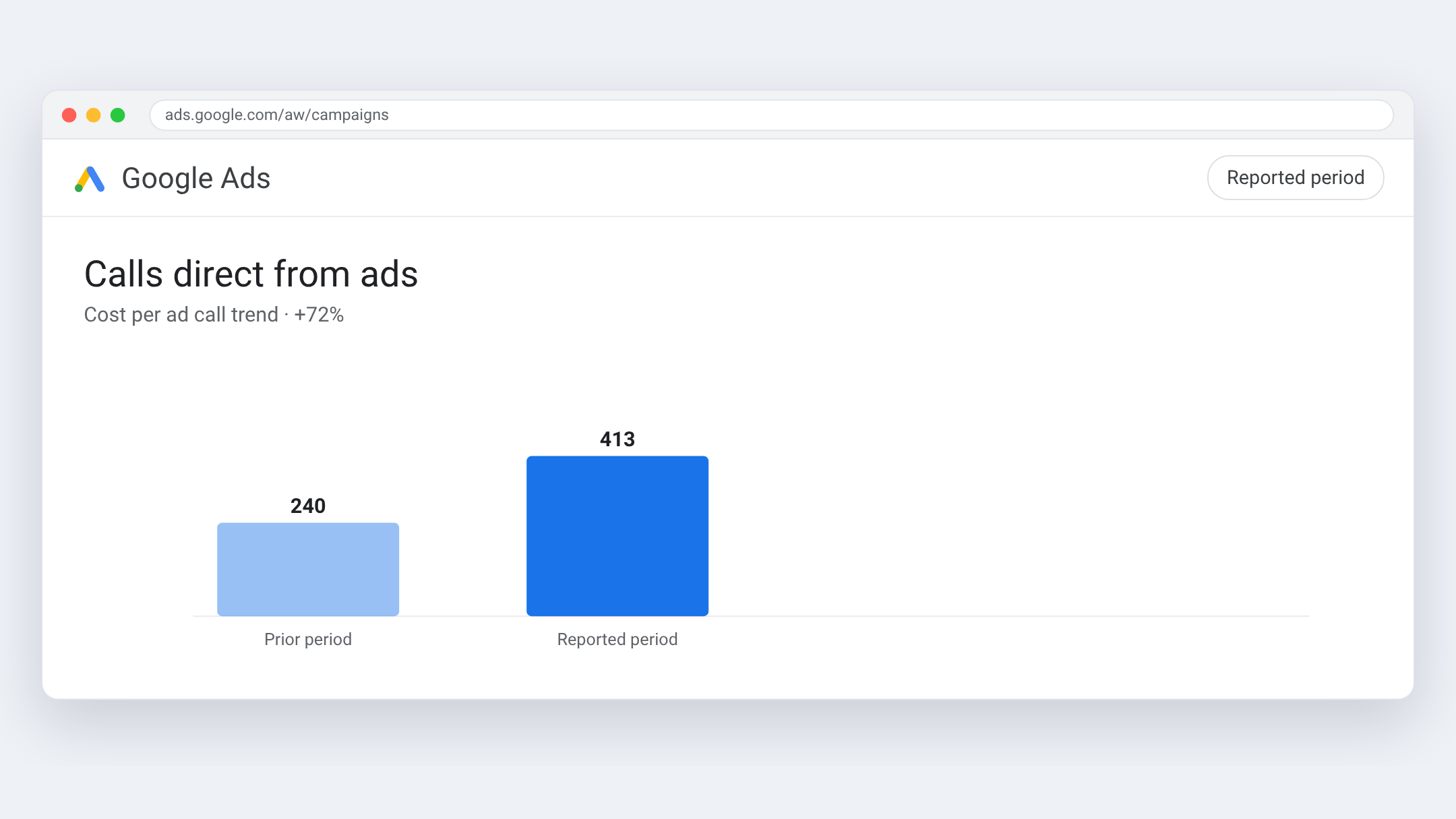
+72%
calls direct from ads
240 → 413, matched twelve months
CA$359
cost per ad call
down from CA$1,166
CA$131,820
budget released
and results still improved
960
first-time phone calls
tracked across the current period


01 — The challenge
A big budget was hiding a cheap mistake.
ERCO installs turnkey residential energy systems across Quebec — standby generators, heat pumps, solar panels, wall batteries and electrical panels, with financing. Every one of those is a five-figure project that starts with a quote request, and the categories compete for the same budget while behaving nothing alike: a generator sells on storm anxiety, a heat pump on running costs.
The Google Ads account was substantial: CA$279,936 in the prior twelve months. Large accounts hide waste the way large houses hide clutter. Spend was spread across campaigns whose results could not be told apart, thank-you page conversions were being counted alongside genuine call leads, and the volume of money moving through the account made everything look like it was working. The question was not how to grow the budget — it was how much of it was buying anything at all.
“Cutting the ad budget nearly in half was the last thing I expected to be advised to do, and the first month was uncomfortable. Then the phone kept ringing more than before, and I understood we had been paying for reach we were never going to convert.”
Efficiency work is unpopular because it looks like retreat. The measure is not how much you spend, it is what the last dollar bought — and here the last hundred thousand dollars was buying very little.
02 — Our approach
Find the spend that produces nothing, and stop it.
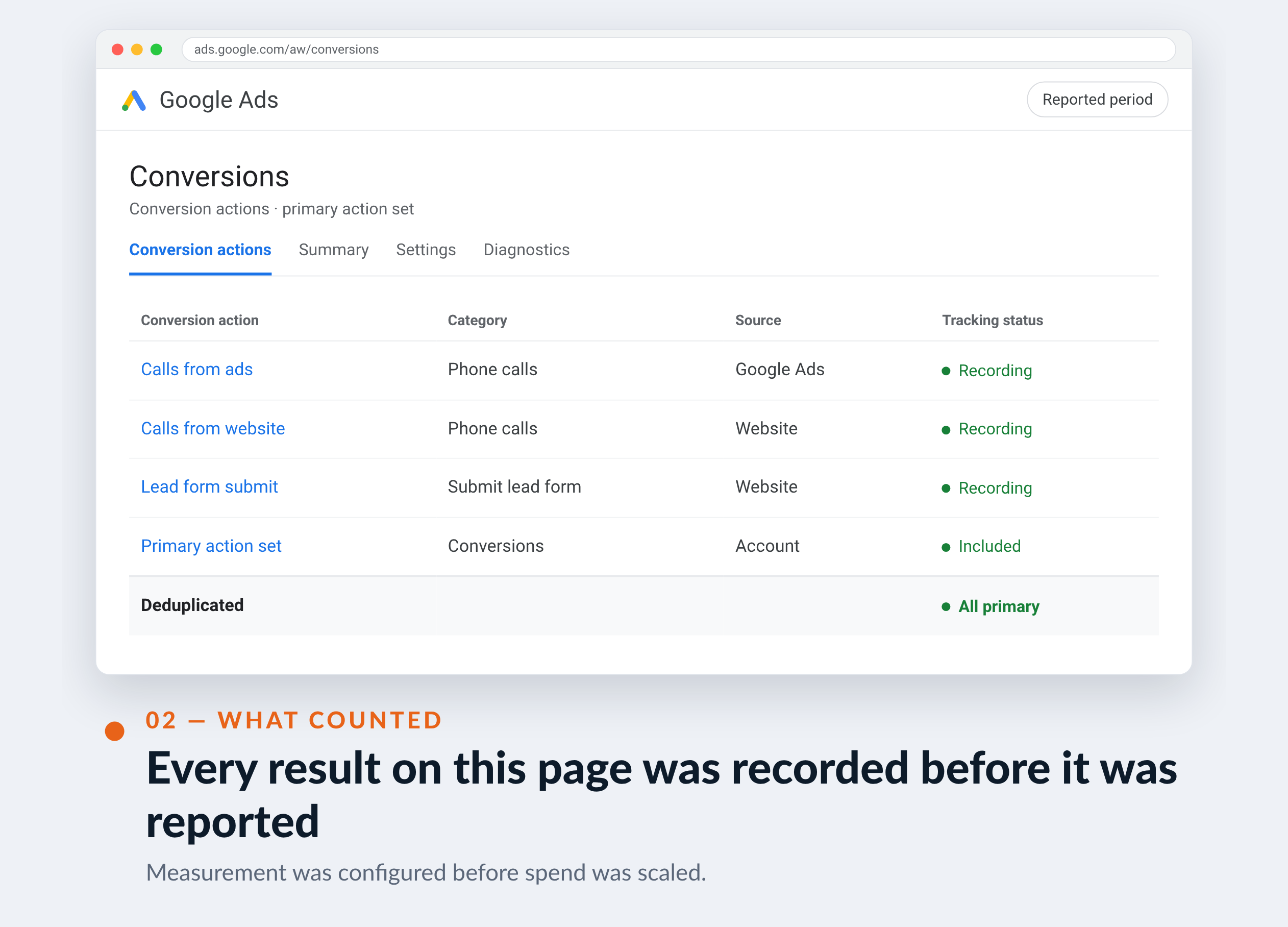
The work began by separating the conversion actions instead of trusting the account total. Thank-you page loads, site calls and calls placed straight from the ad are three very different events with three very different values to an installer. Once separated, the campaigns that looked productive on a blended total stopped looking productive at all.
Then came the cuts. Campaigns and match types that could not show calls at a defensible cost were reduced or stopped outright rather than optimised — the most underrated move in paid search, and the hardest to sell. The freed budget was not redistributed everywhere; it was concentrated on the product lines and regions where quote requests were already cheap.
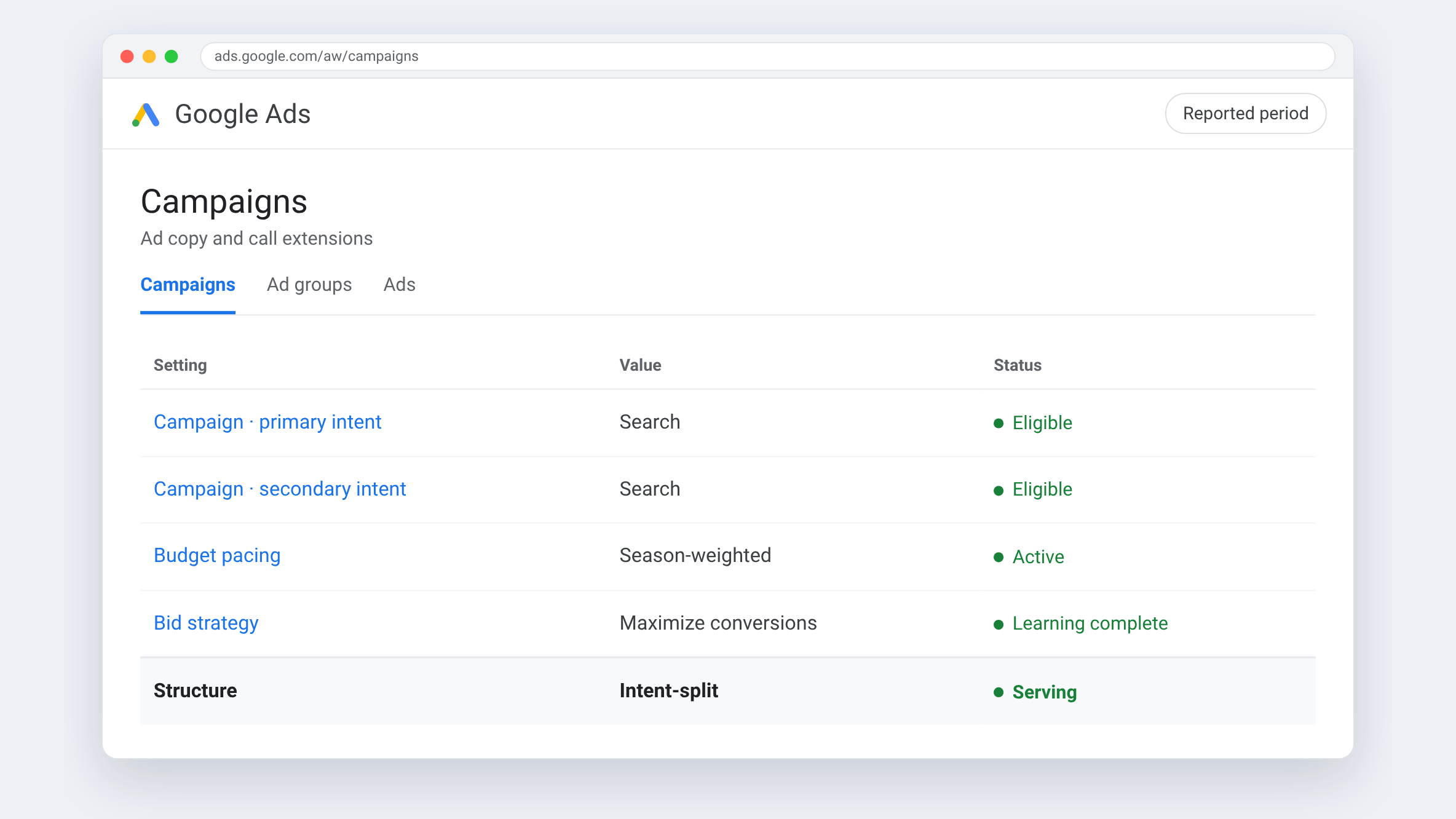
Ad copy and extensions were rebuilt around the call and around the specific product searched for, because a homeowner comparing generator installers is not the same person as one pricing a heat pump, and a shared landing message loses both.
Finally the new spend level was held for a full month before touching targets again, so the account could re-learn against clean signal rather than chasing a moving budget.
03 — What we did
Separate the actions, cut the dead spend, concentrate the rest.
The savings were not the point. Proving what the savings were not buying was.
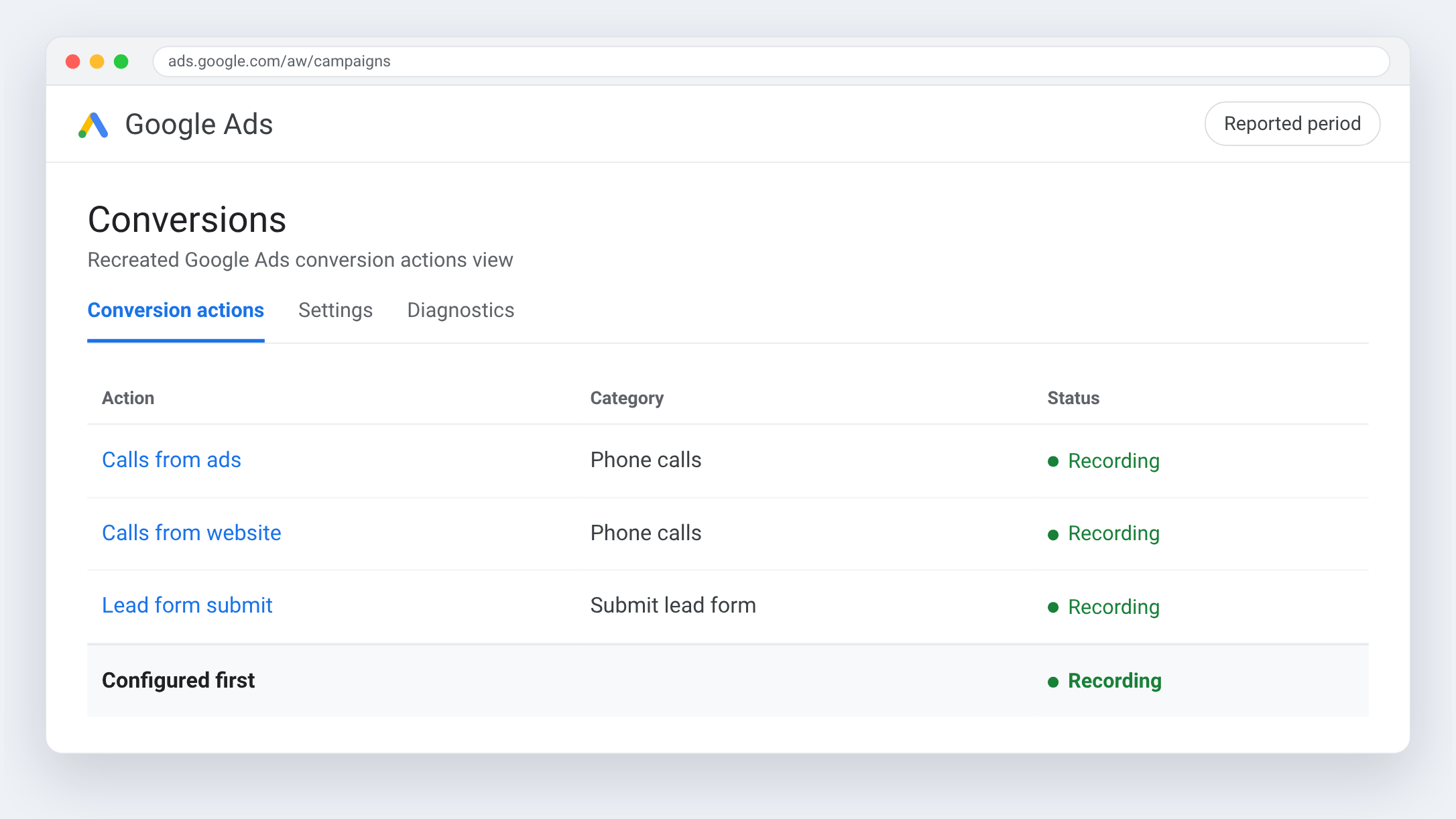
Conversion hygiene
Split thank-you pages, site calls and ad calls apart
Three different events with three different values had been pooled into one number. Separating them is what revealed which campaigns were producing leads and which were producing conversions.
Budget surgery
Stopped the spend that could not show a call at a workable cost
Campaigns and match types with no defensible cost per call were cut rather than tuned. CA$131,820 of annual media came out of the account and the call volume went up.
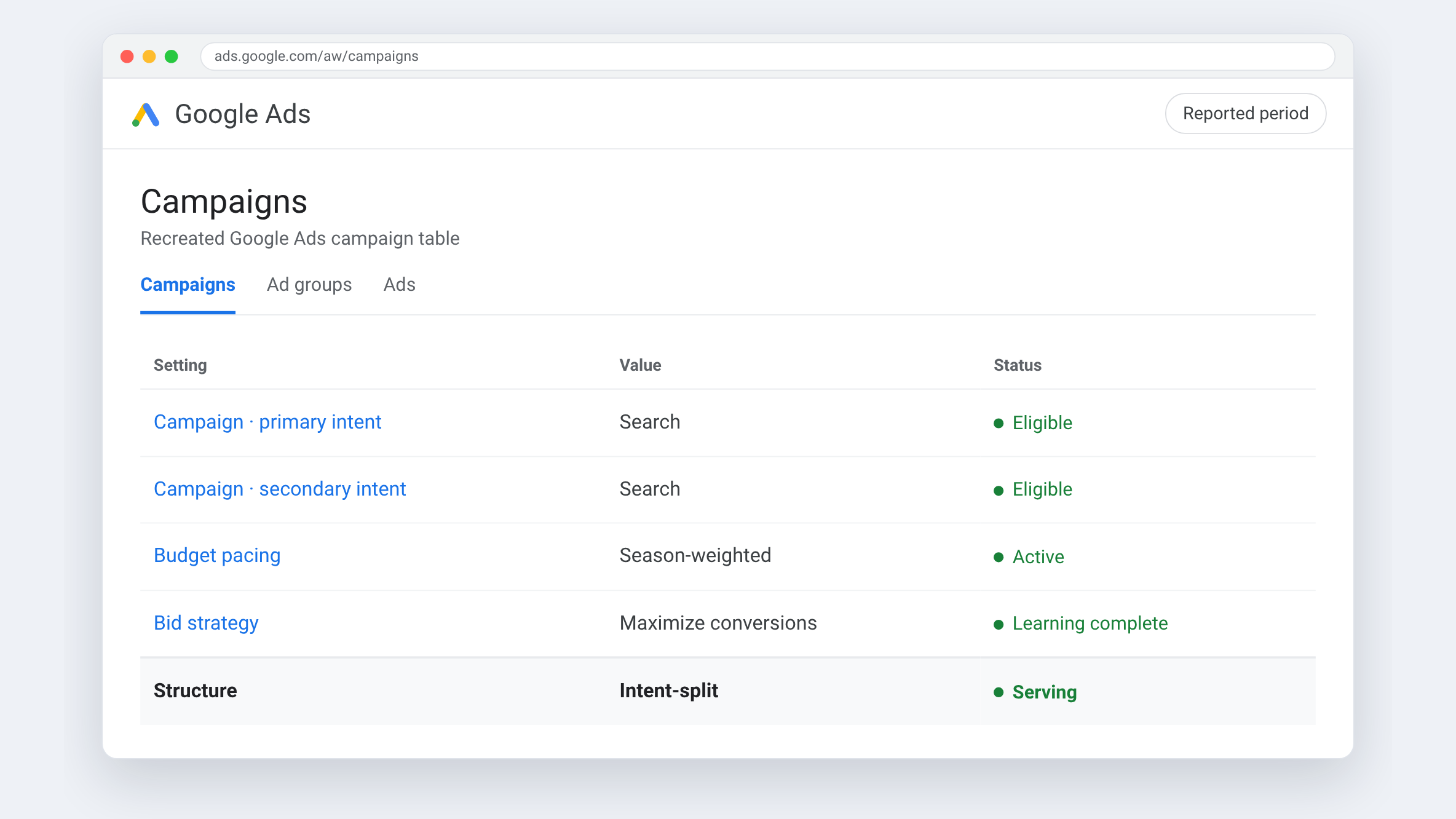
Concentration
Reinvested only where quote requests were already cheap
Freed budget was pushed into the product lines and regions with a proven cost per call instead of being spread evenly, which is how efficiency gains normally get given back.
Product-specific, call-first creative
Named the system, promoted the phone
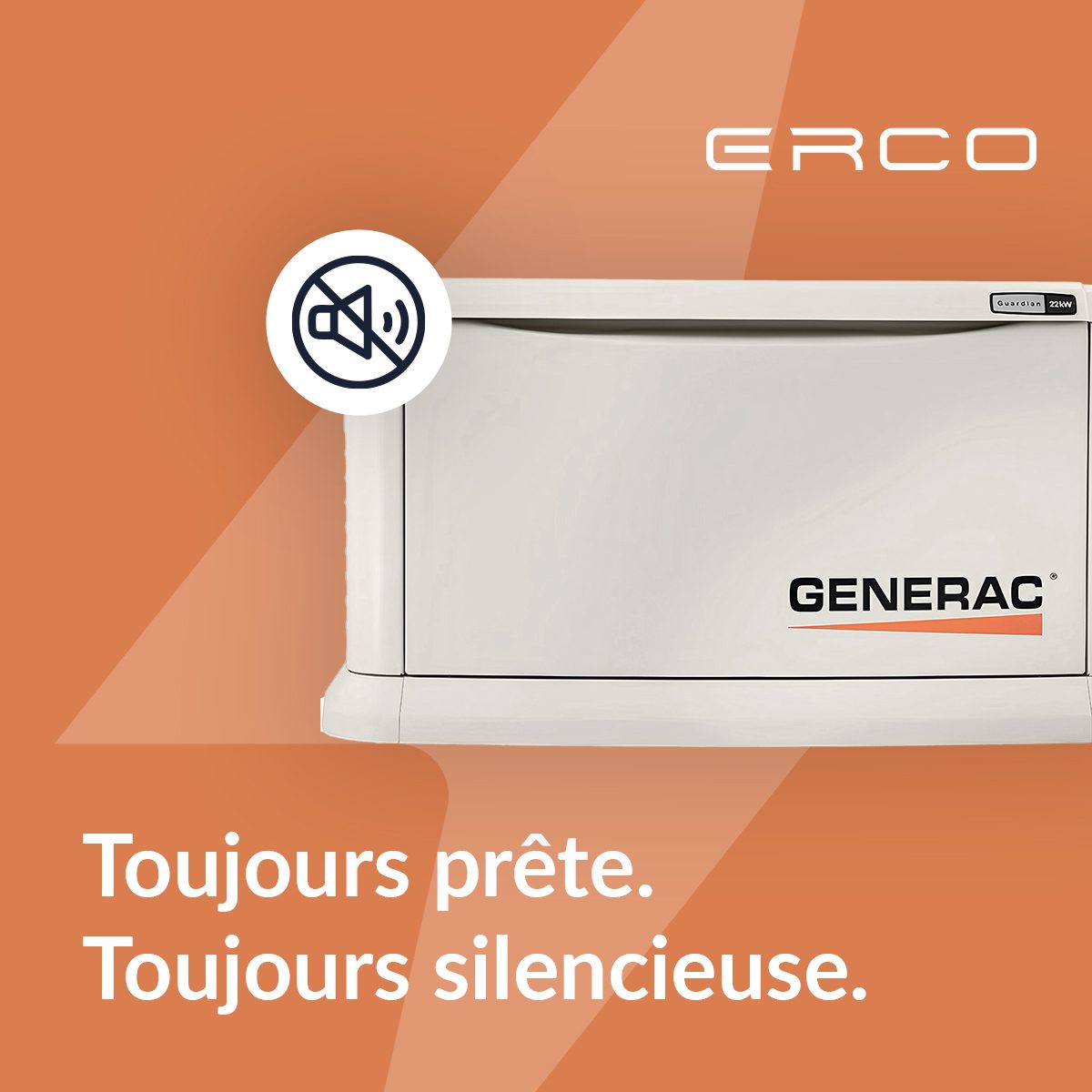
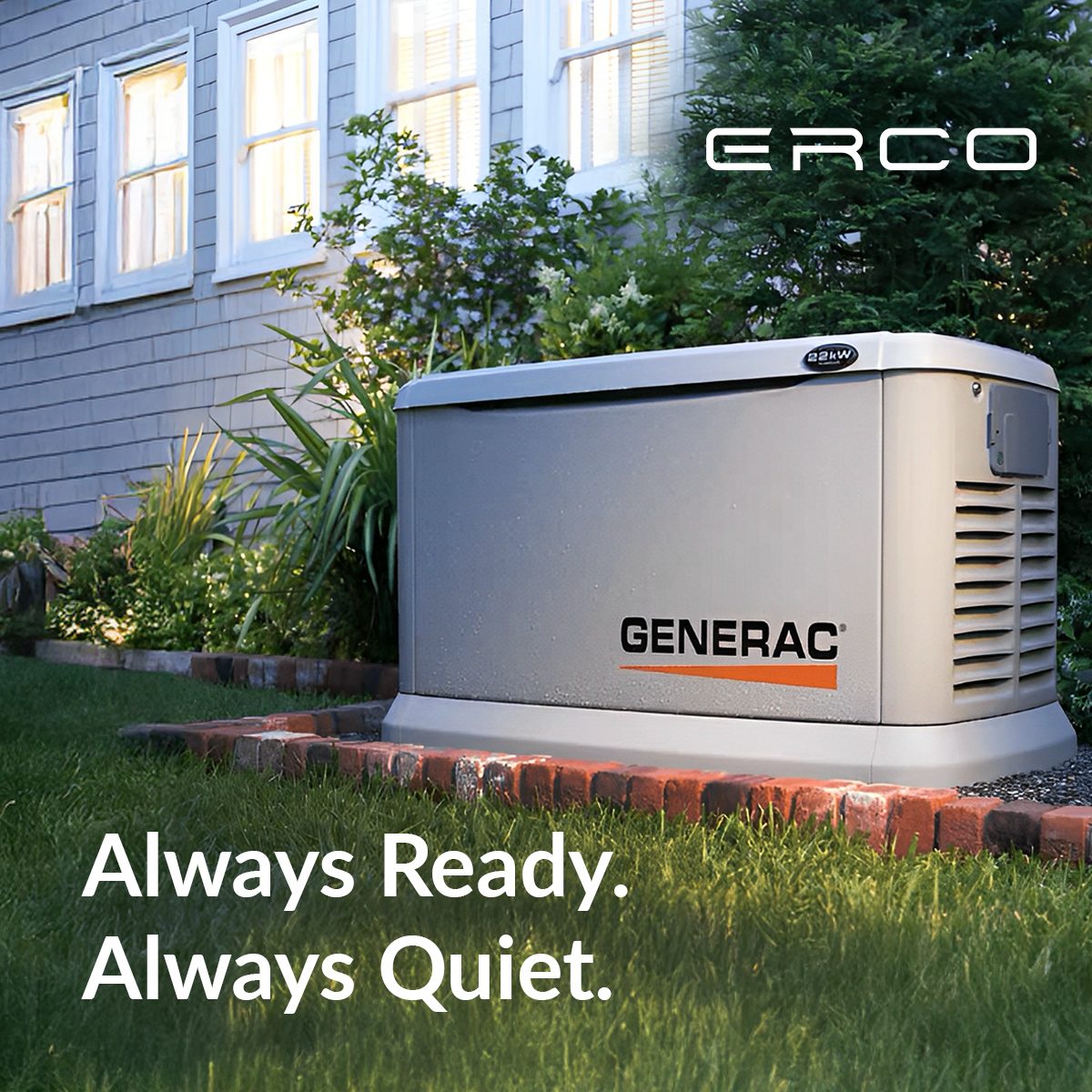
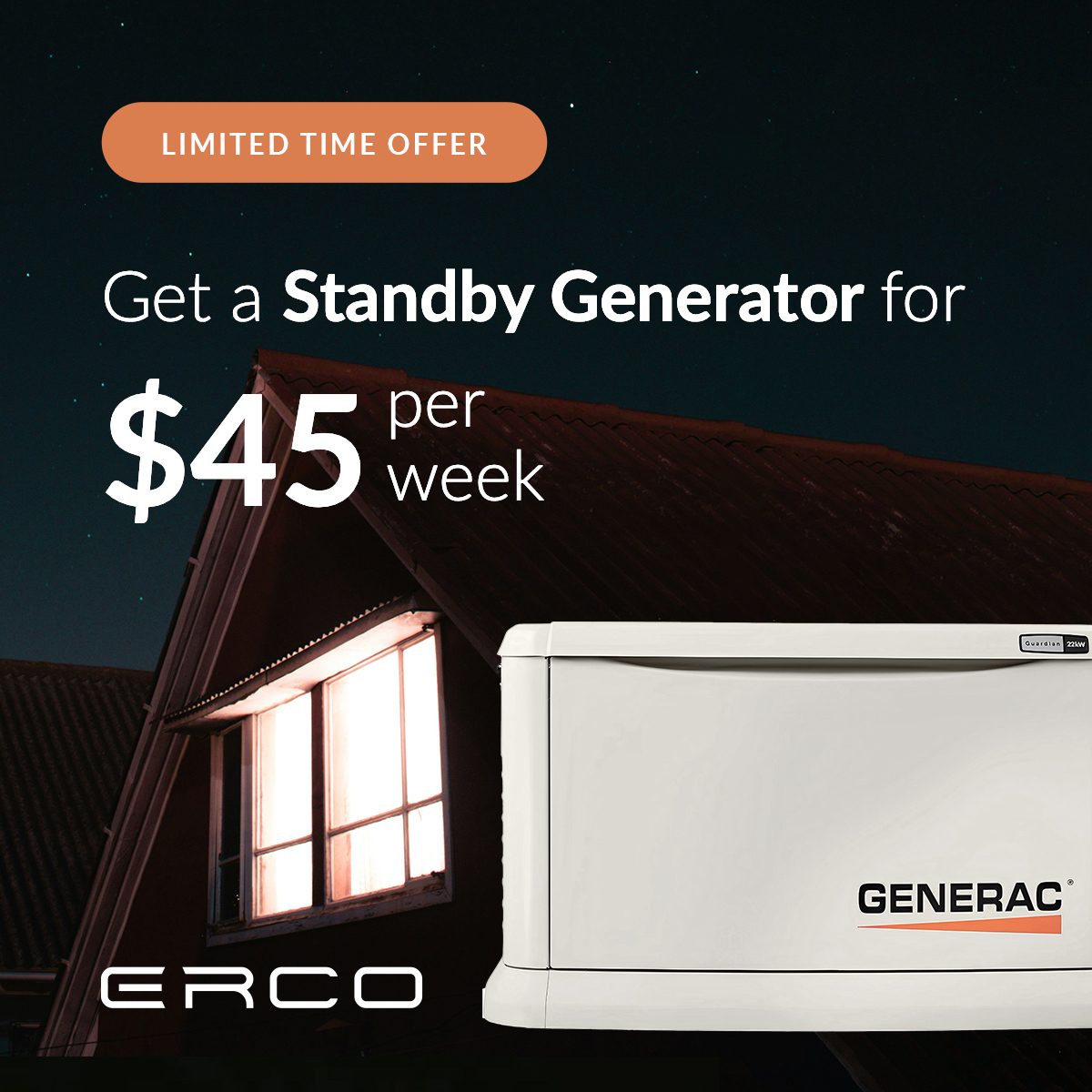
A generator buyer and a heat-pump buyer respond to different arguments. Copy was split by product line, with the fastest available action being a call rather than a form.

04 — The results
CA$131,820 less media. 173 more calls straight from the ads.
The stack we ran it on

Google Ads
Paid search
Google Ads Editor
Paid search

GA4
Analytics

Google Tag Manager
Tracking

CallRail
Call tracking

Google Search Console
Search

AgencyAnalytics
Reporting

Looker Studio
Dashboards
CASE STUDIES
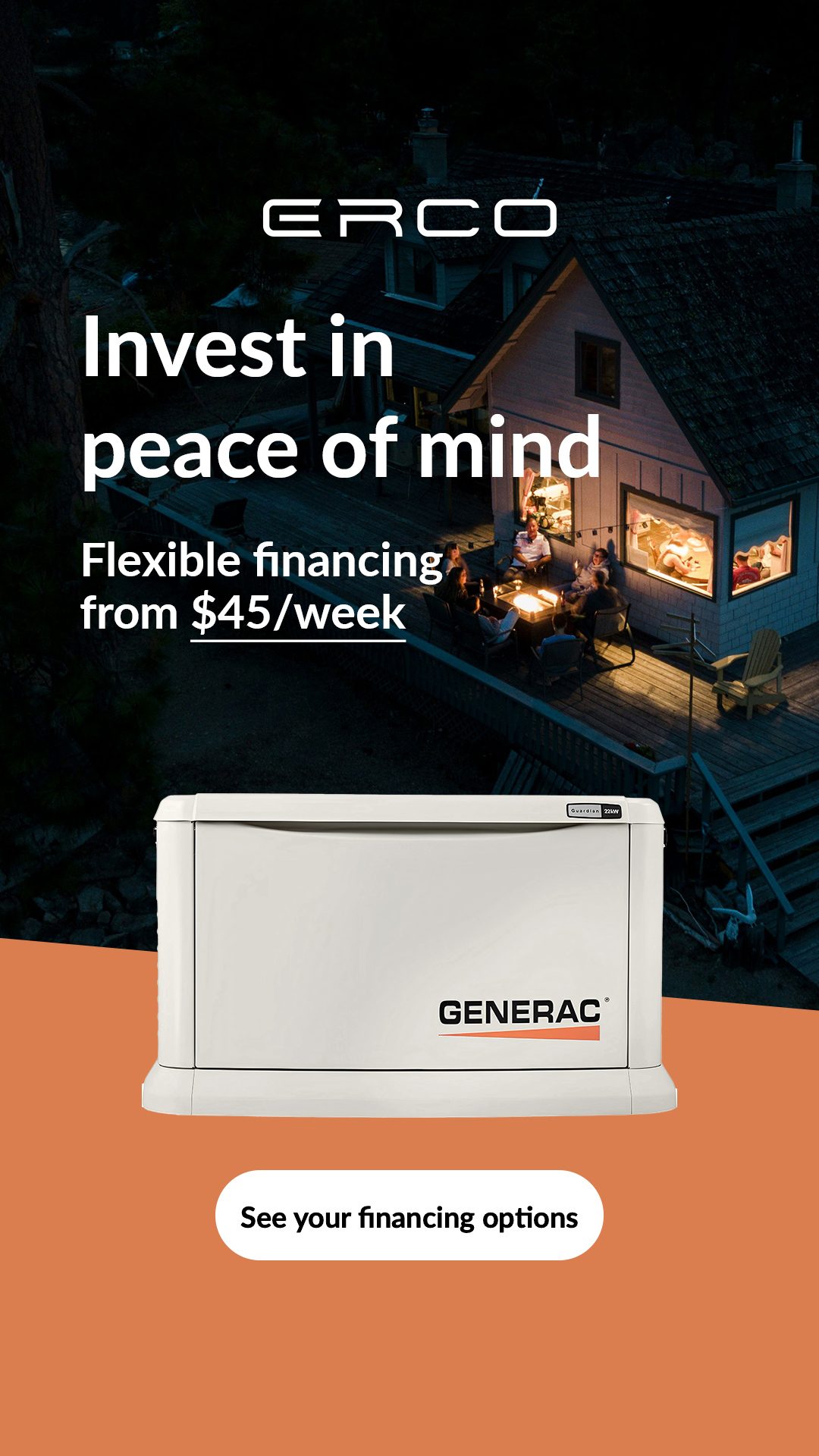
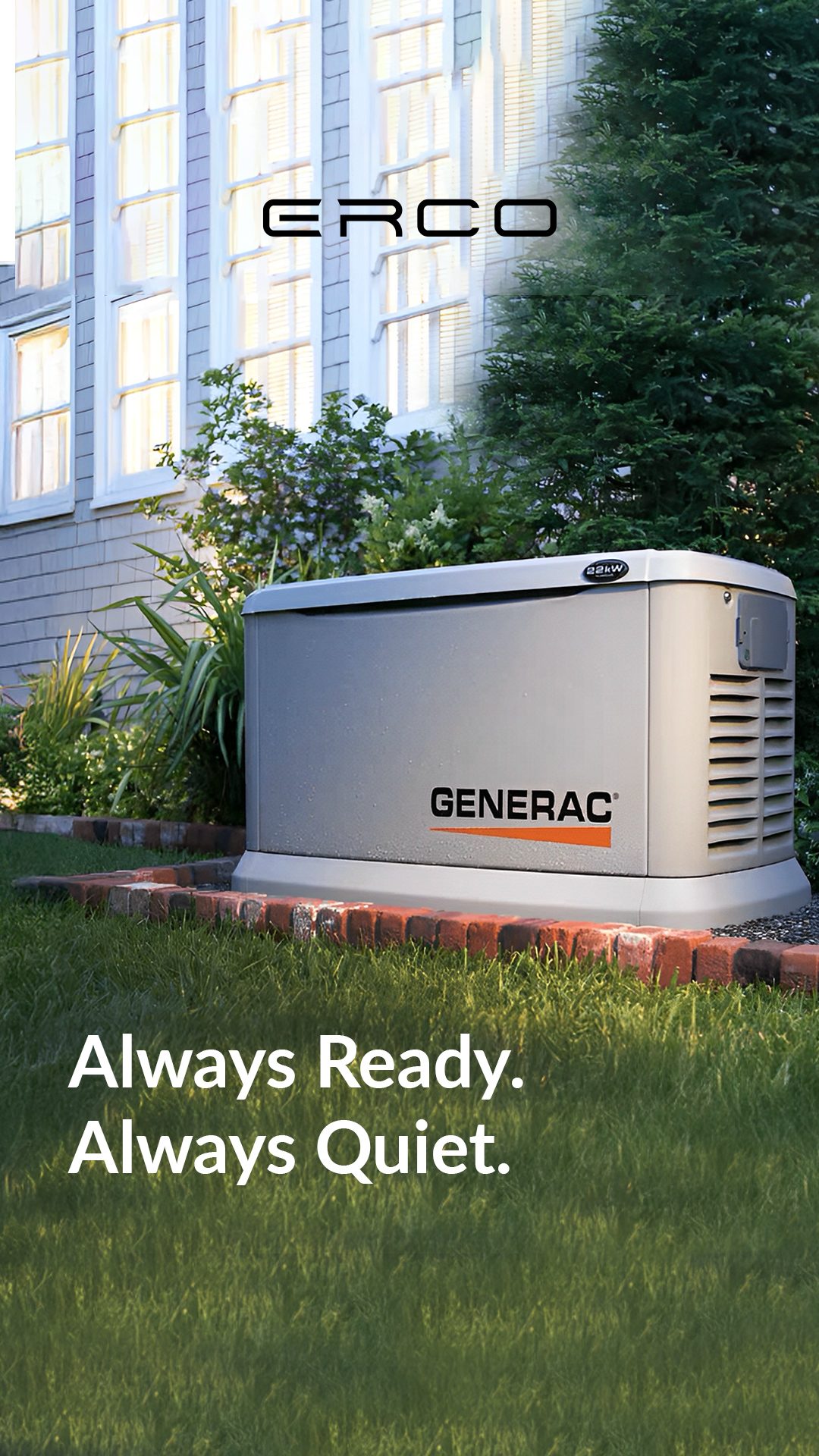
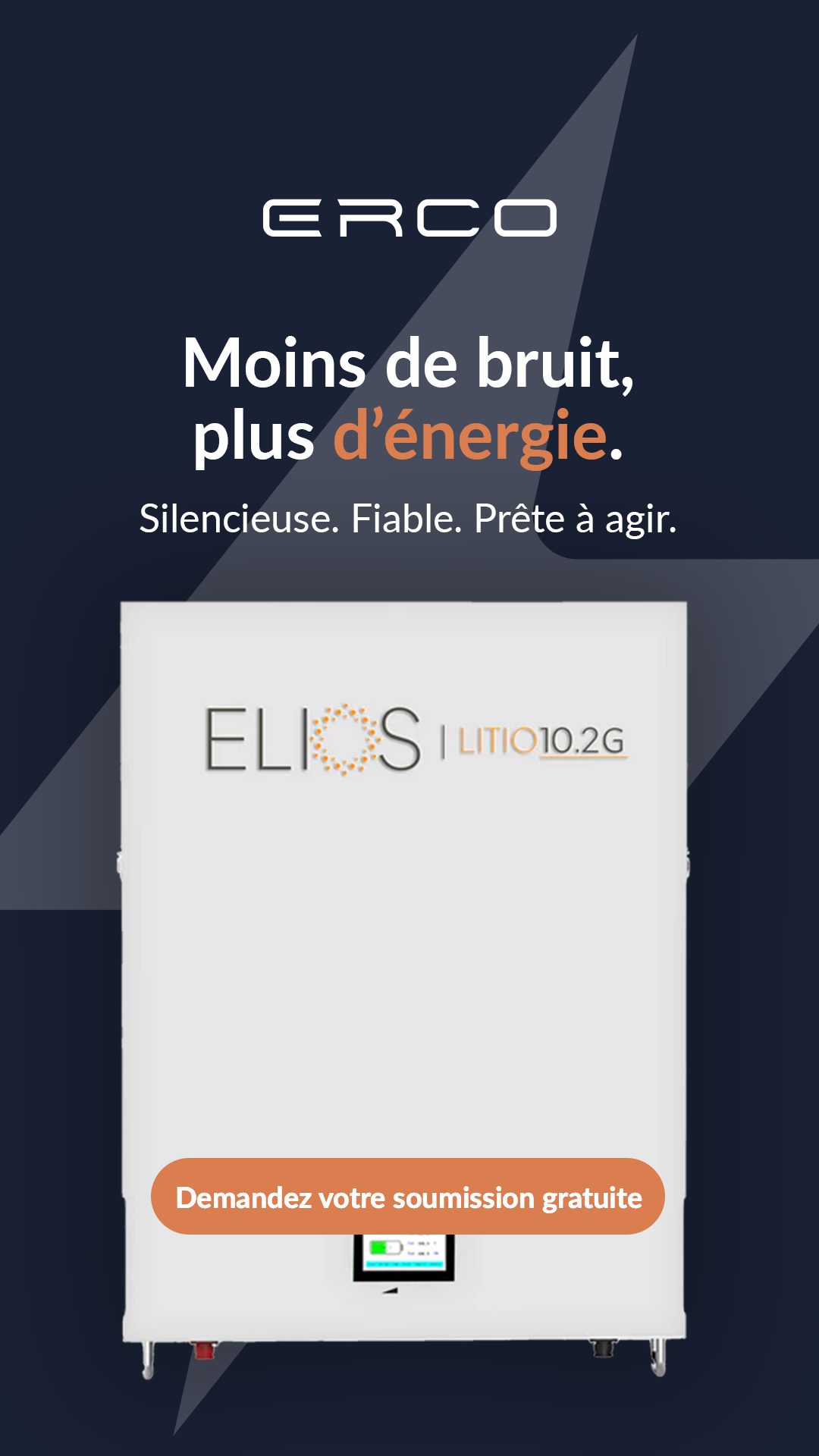
Video Ads
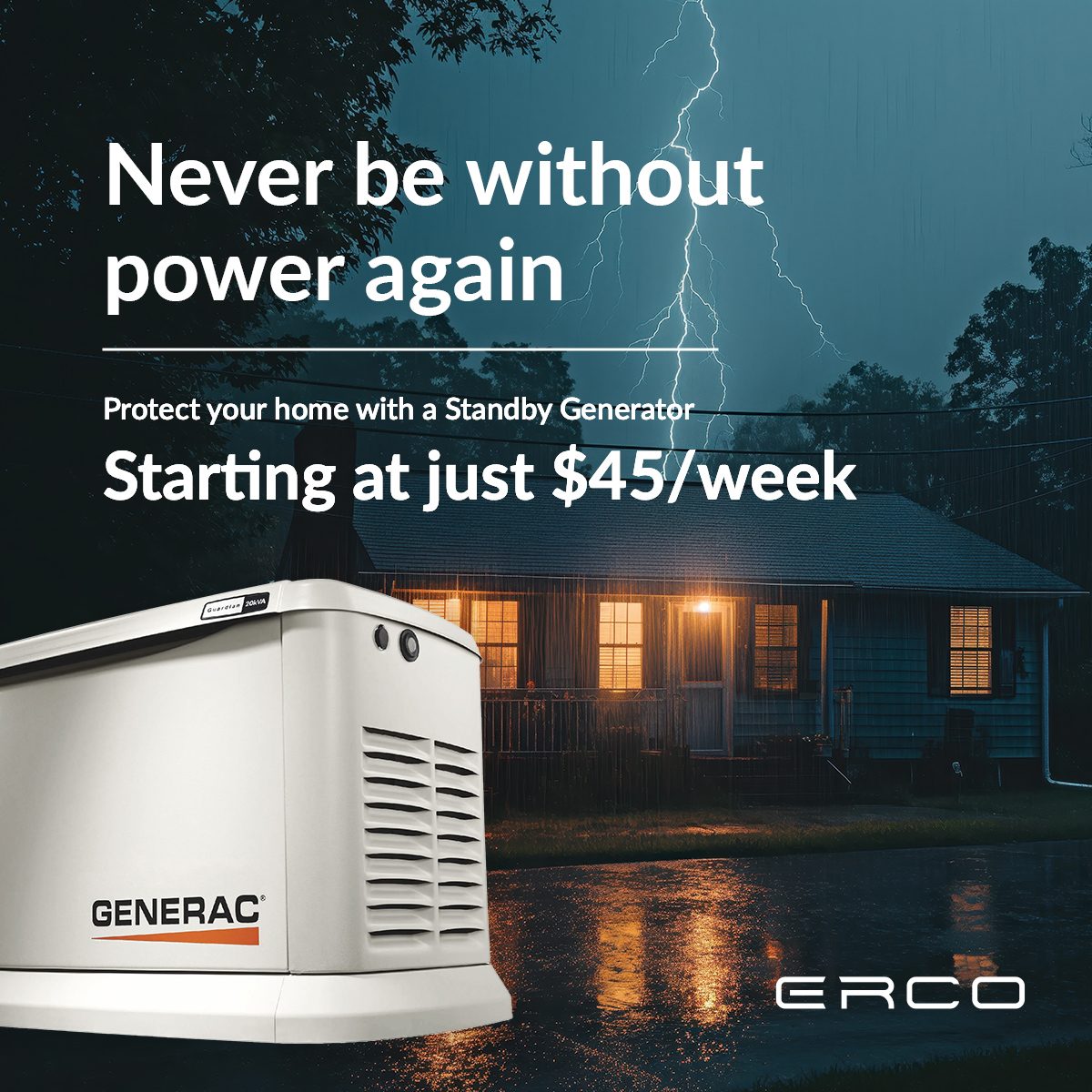
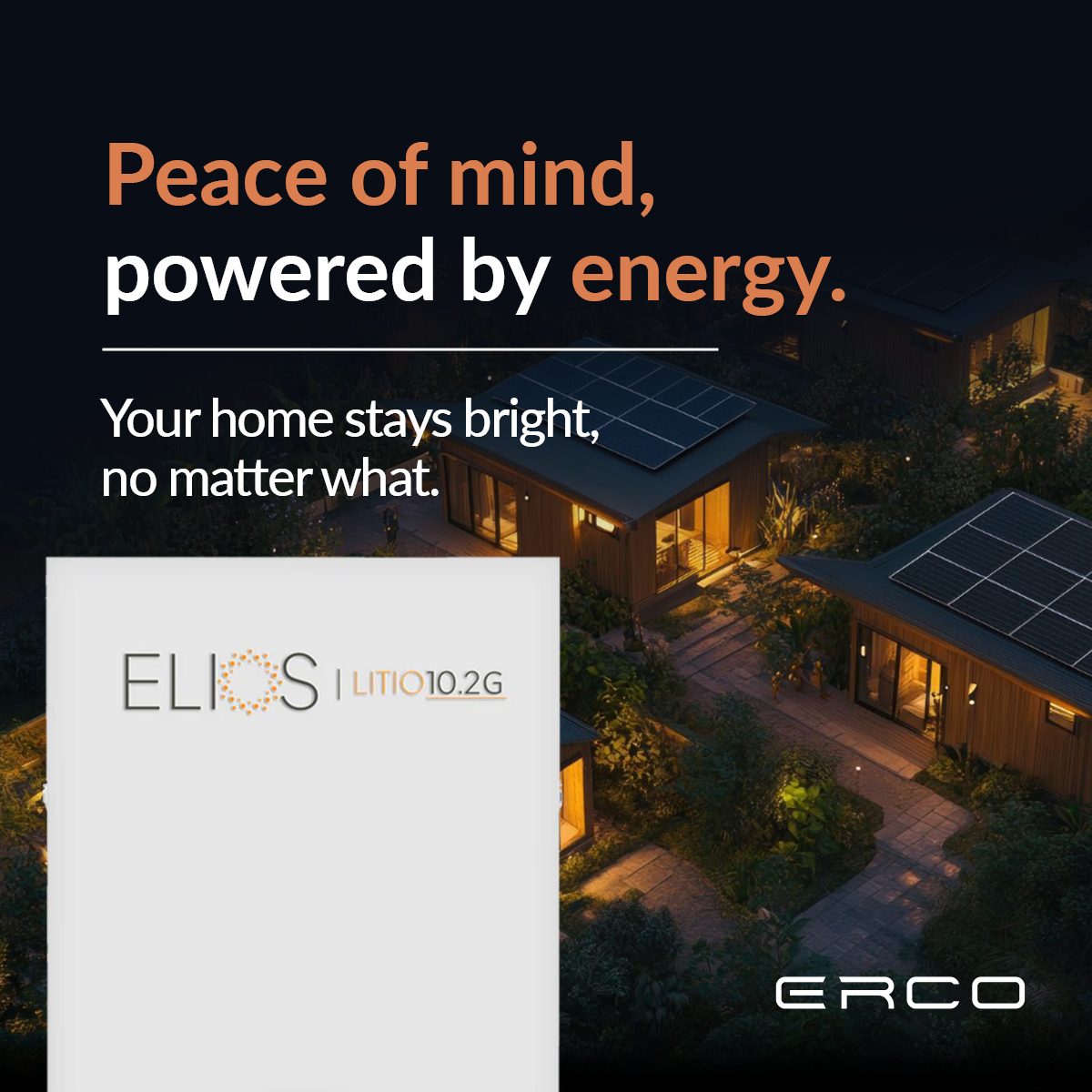
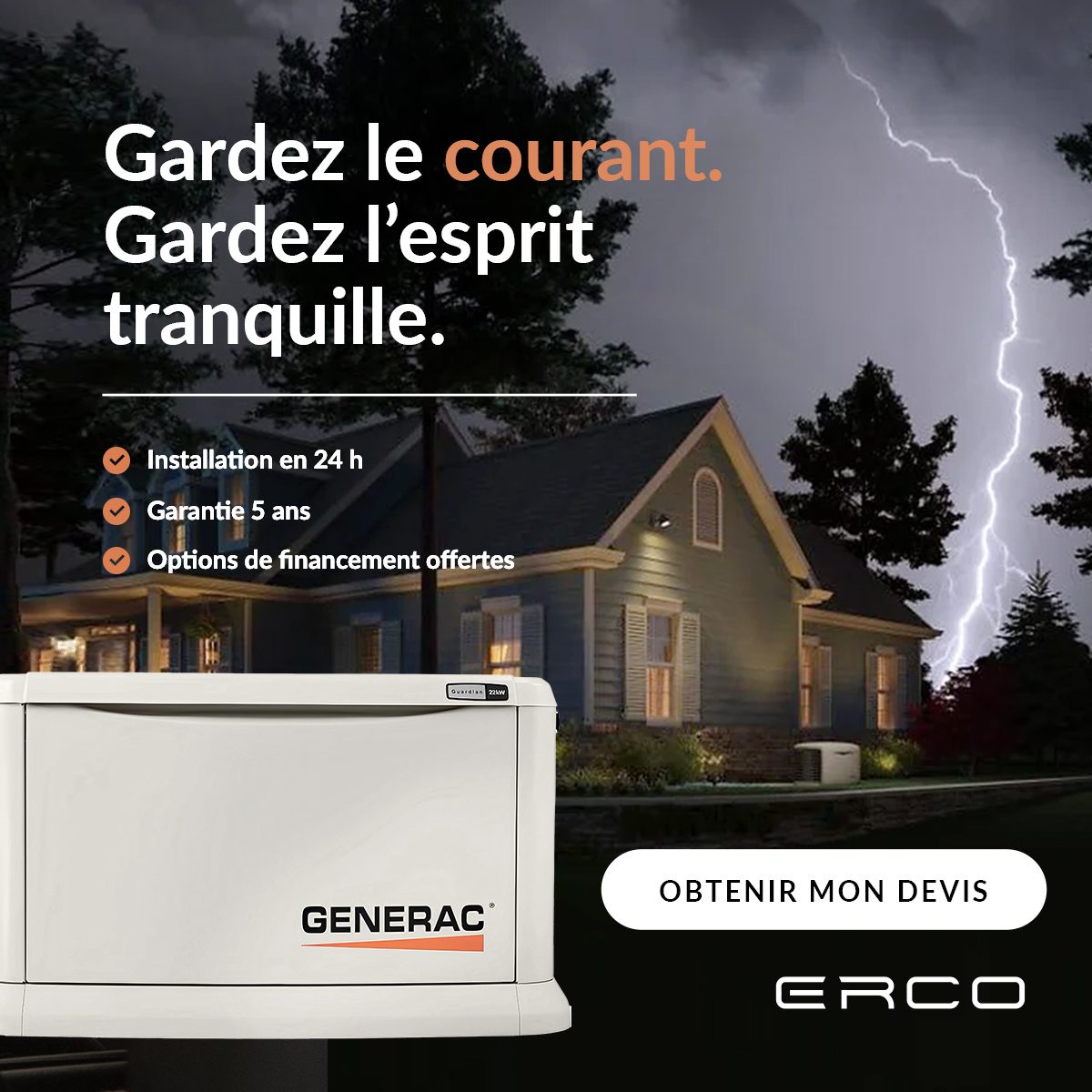
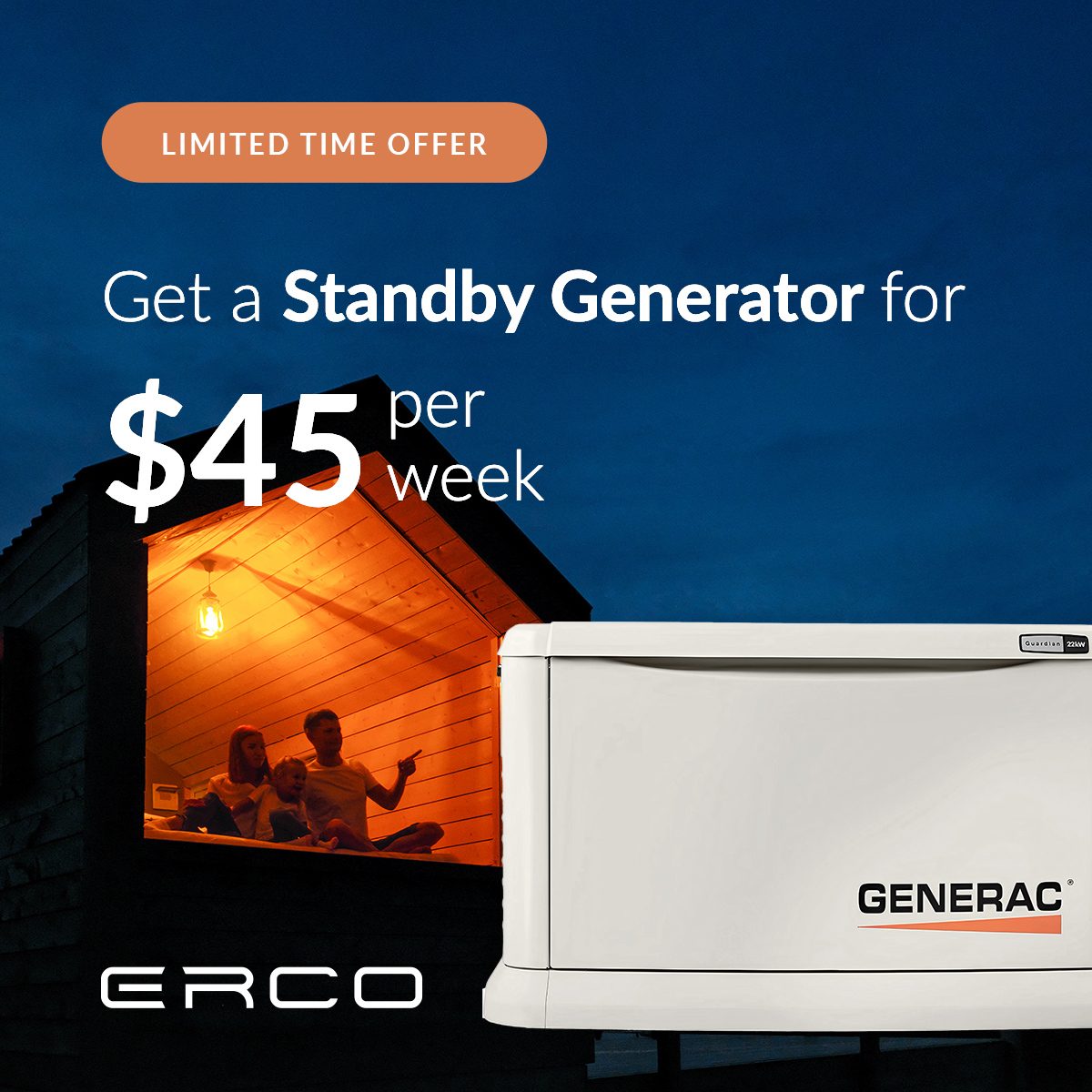
Static Ads















































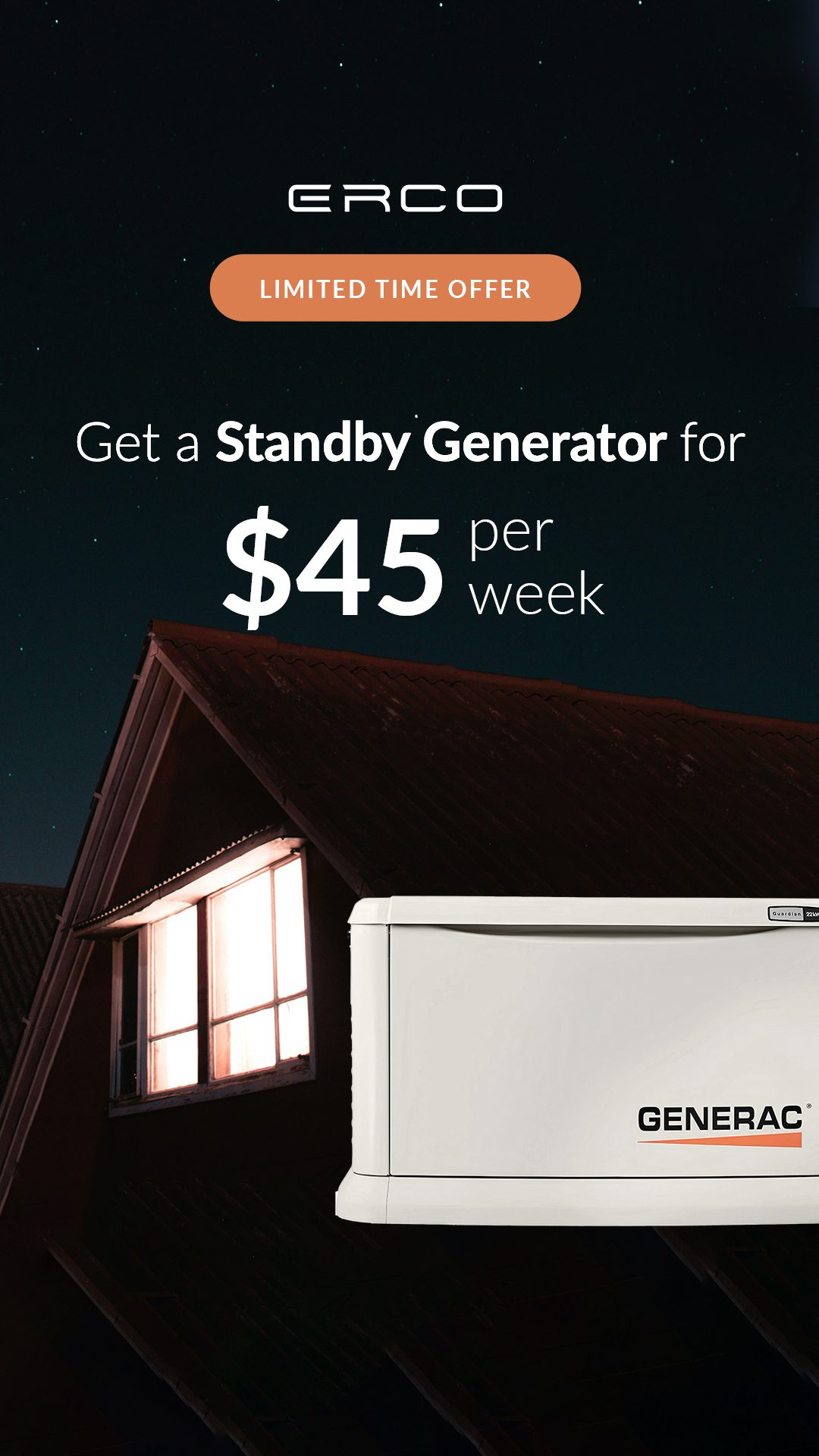






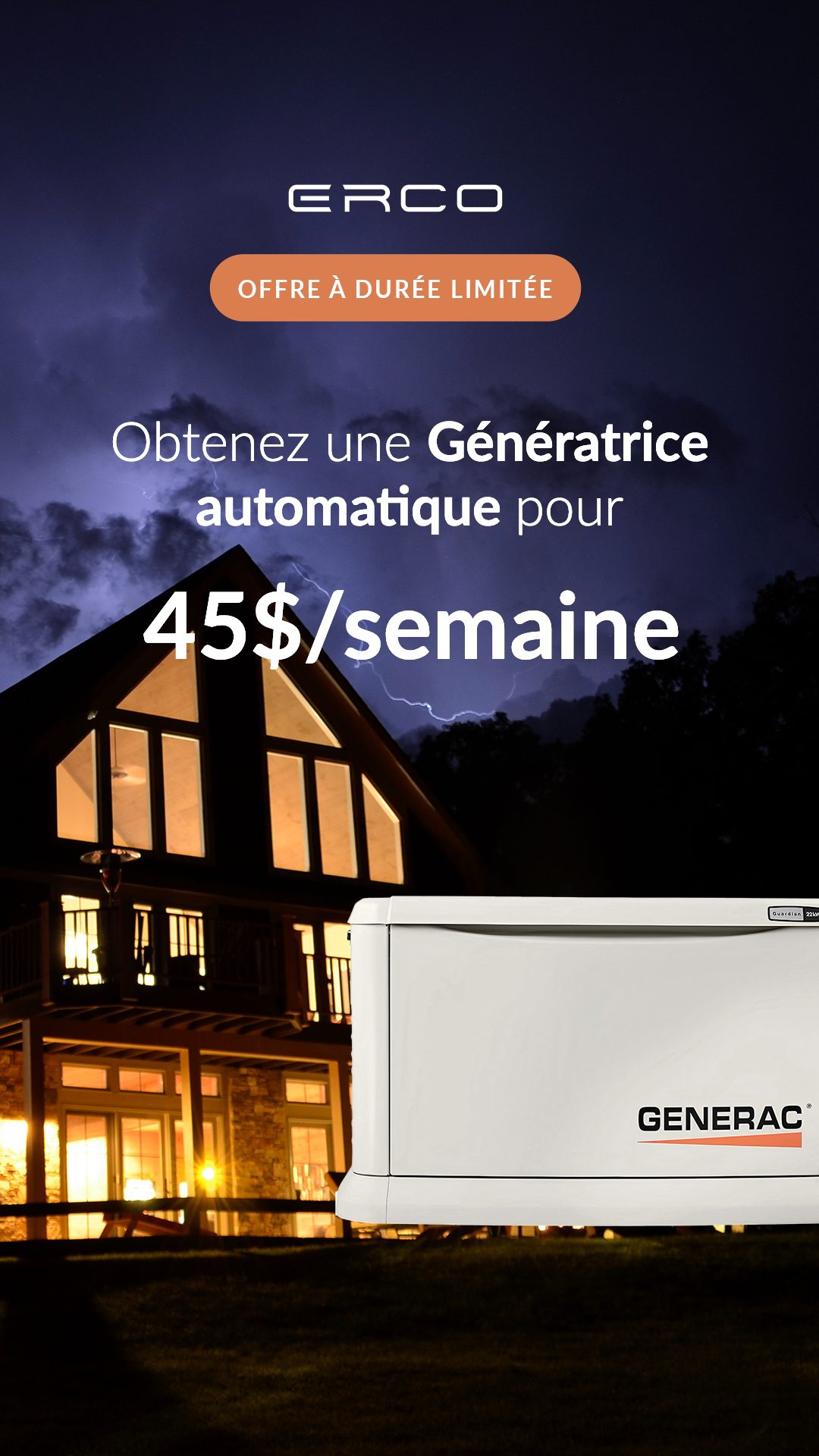





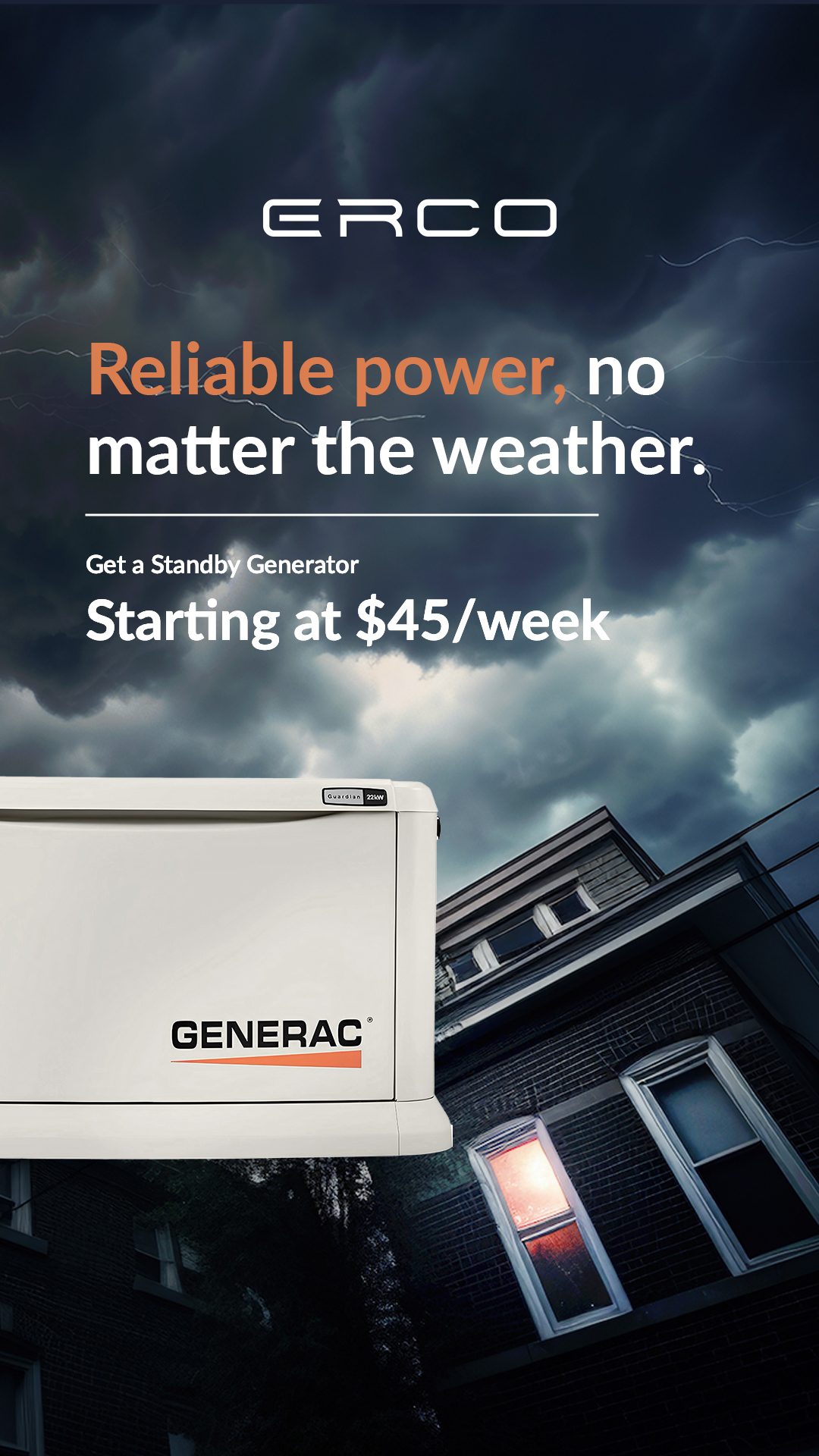




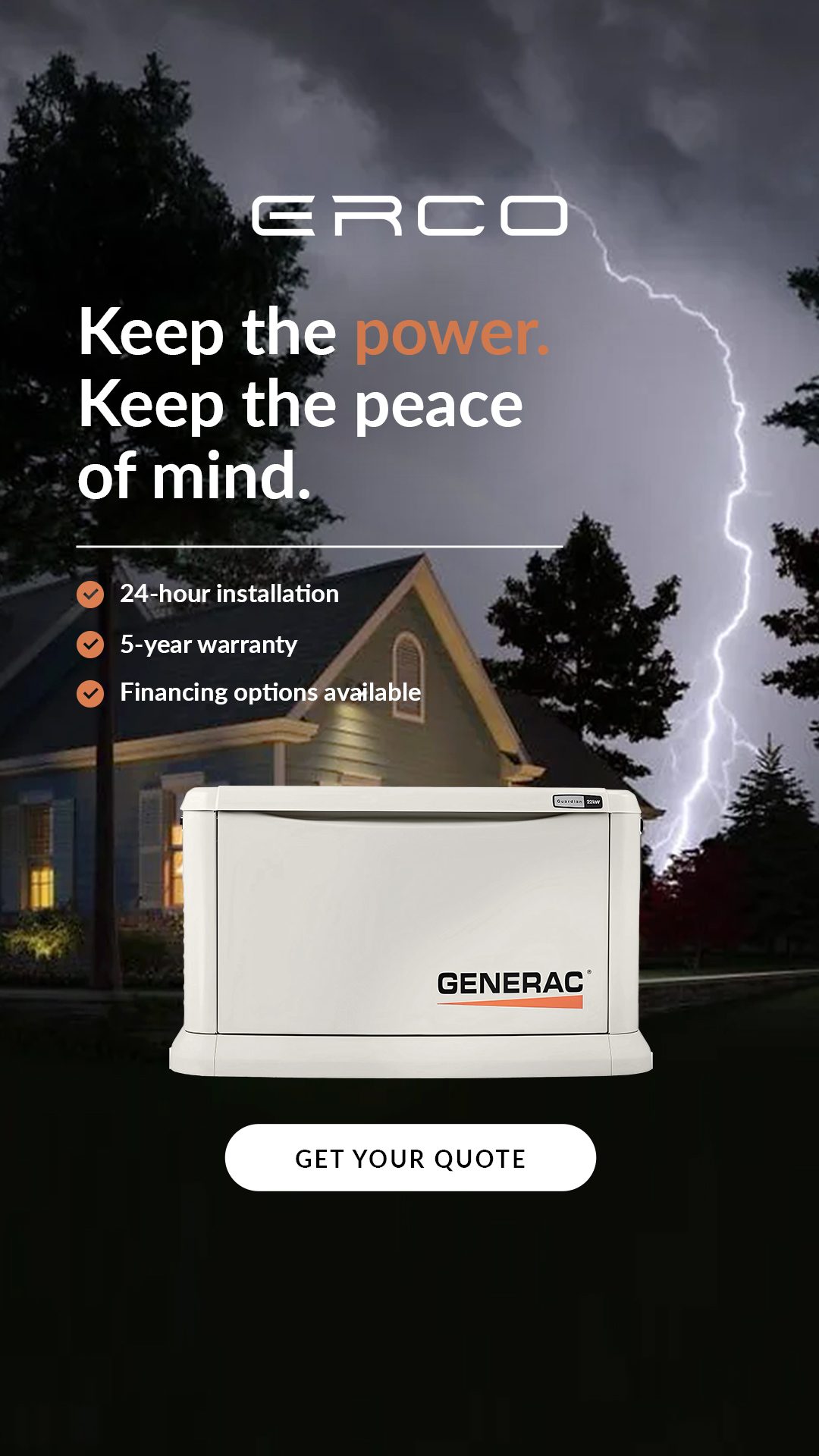
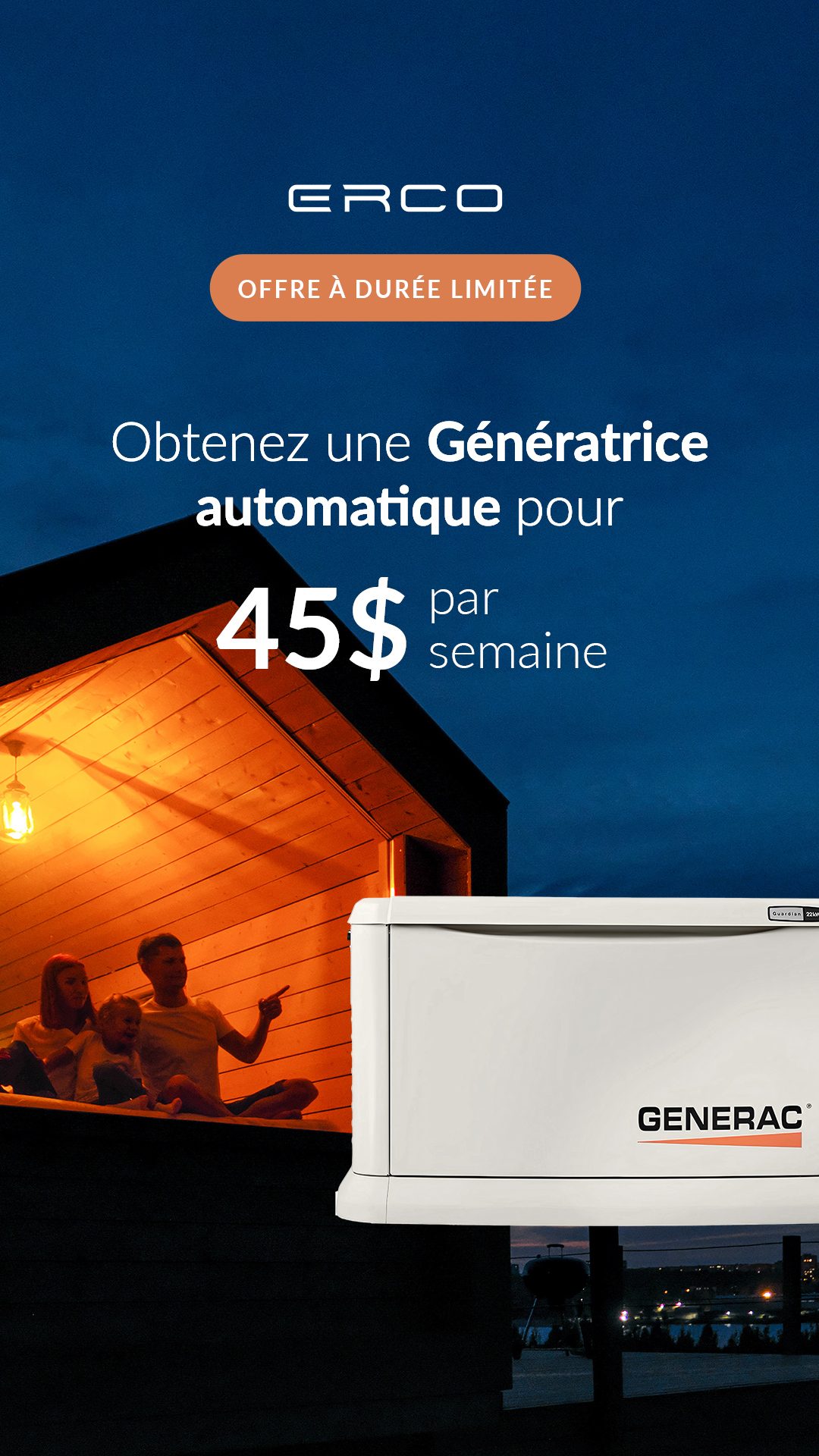
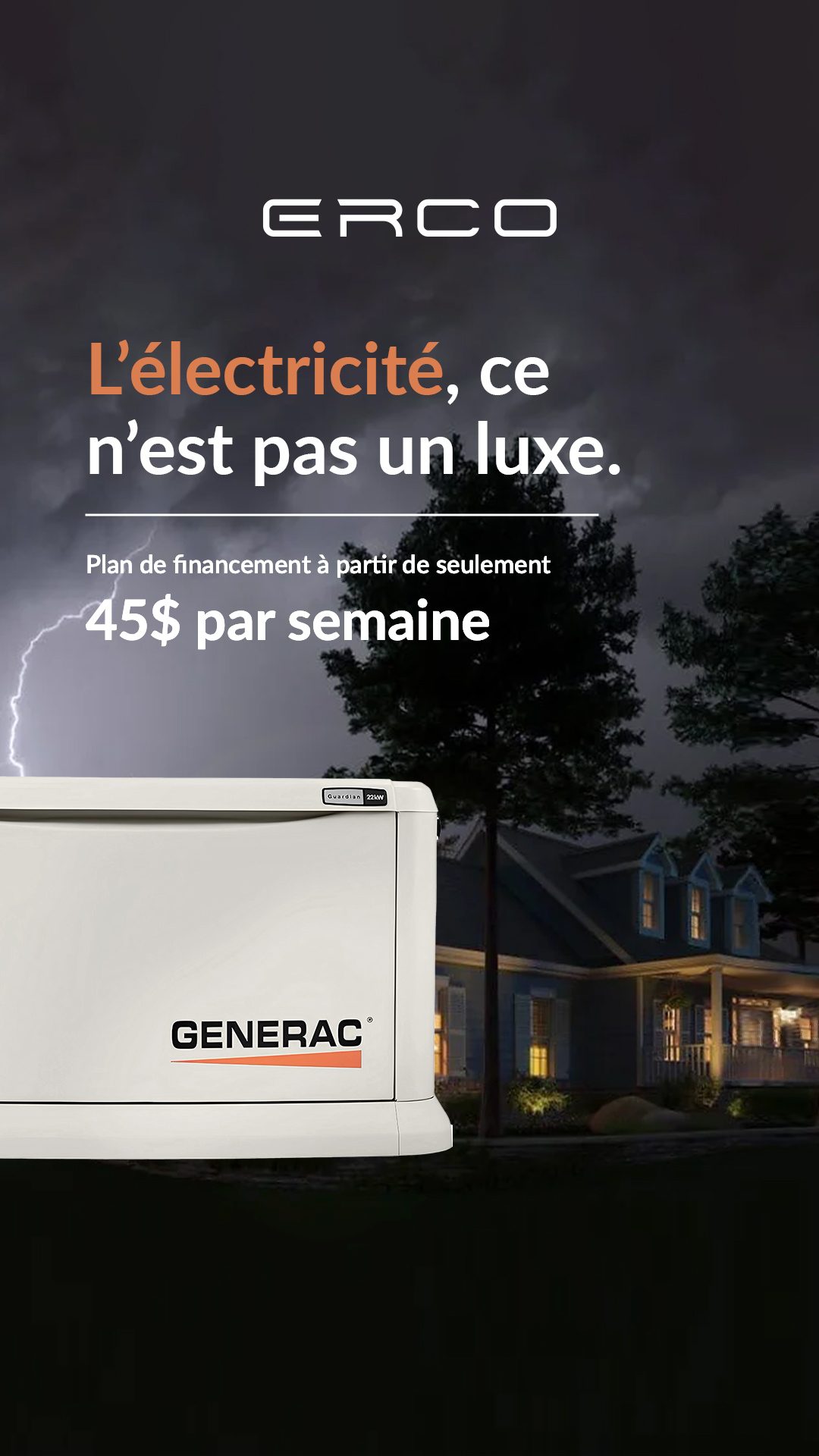













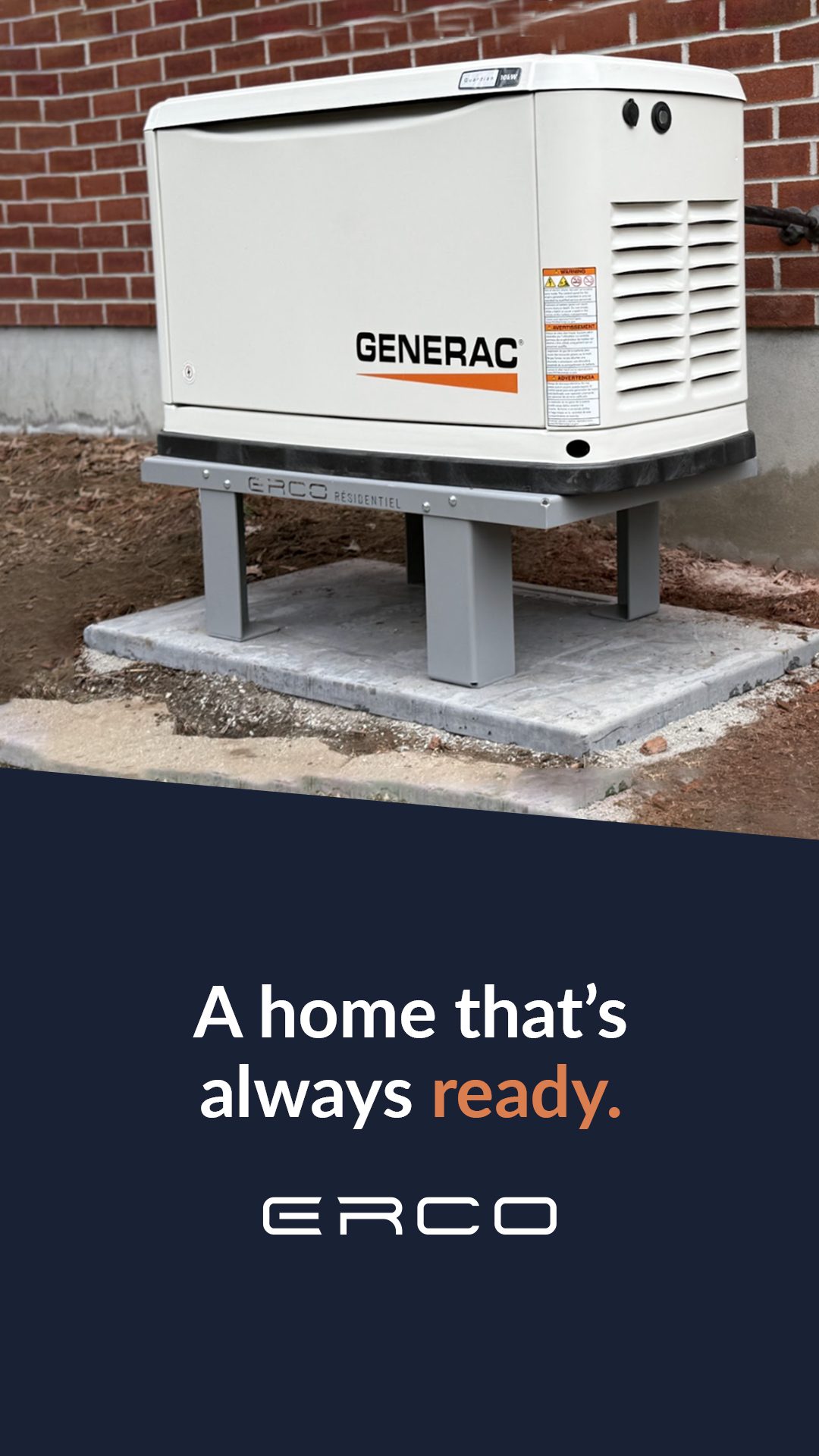
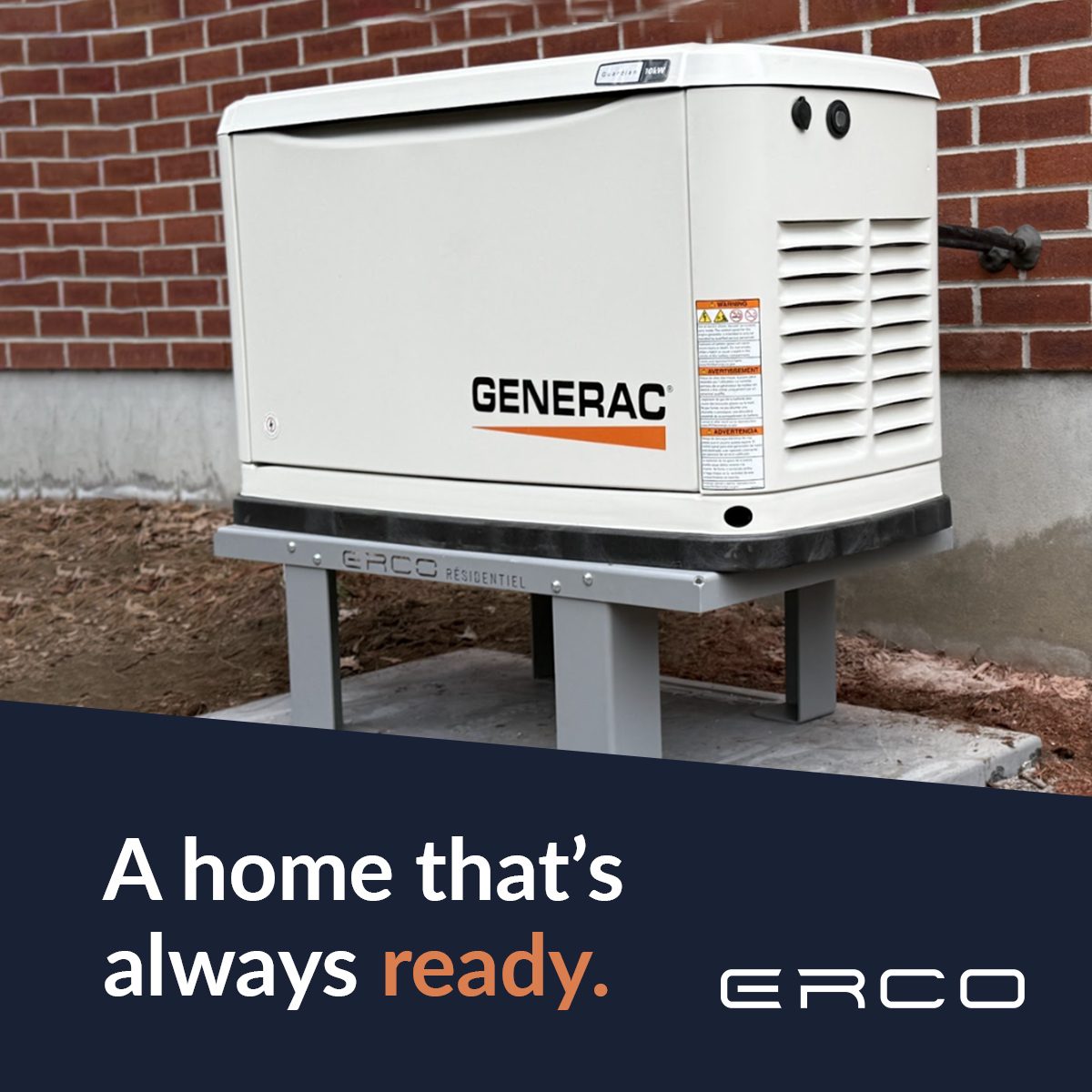








































































Farrukh Ahmed CPA — Local SEO launch
position 50 → 17 · +166% desktop map impressions




Food Allergy Institute — Paid media and booked consultations
243 → 1,012 consultations/mo · cost per landing page view −30%




























































National Consumer Panel — UGC-driven acquisition & paid media
CPI −30% · CPA −20%


National Debt Relief — UGC, performance creative & influencer strategy
CVR +25% · CAC −30%






New Balance — Casting, post-production & influencer marketing
7 athletes · 750k audience














































"Their transparency, attention to detail, and collaborative approach made them feel like an extension of our own team."


.webp)
.webp)