

Arsenal Électrique · Electrical contractor · Paid search · 2026
How Arsenal Électrique went from 36 leads a year to 444 — at a fraction of the cost
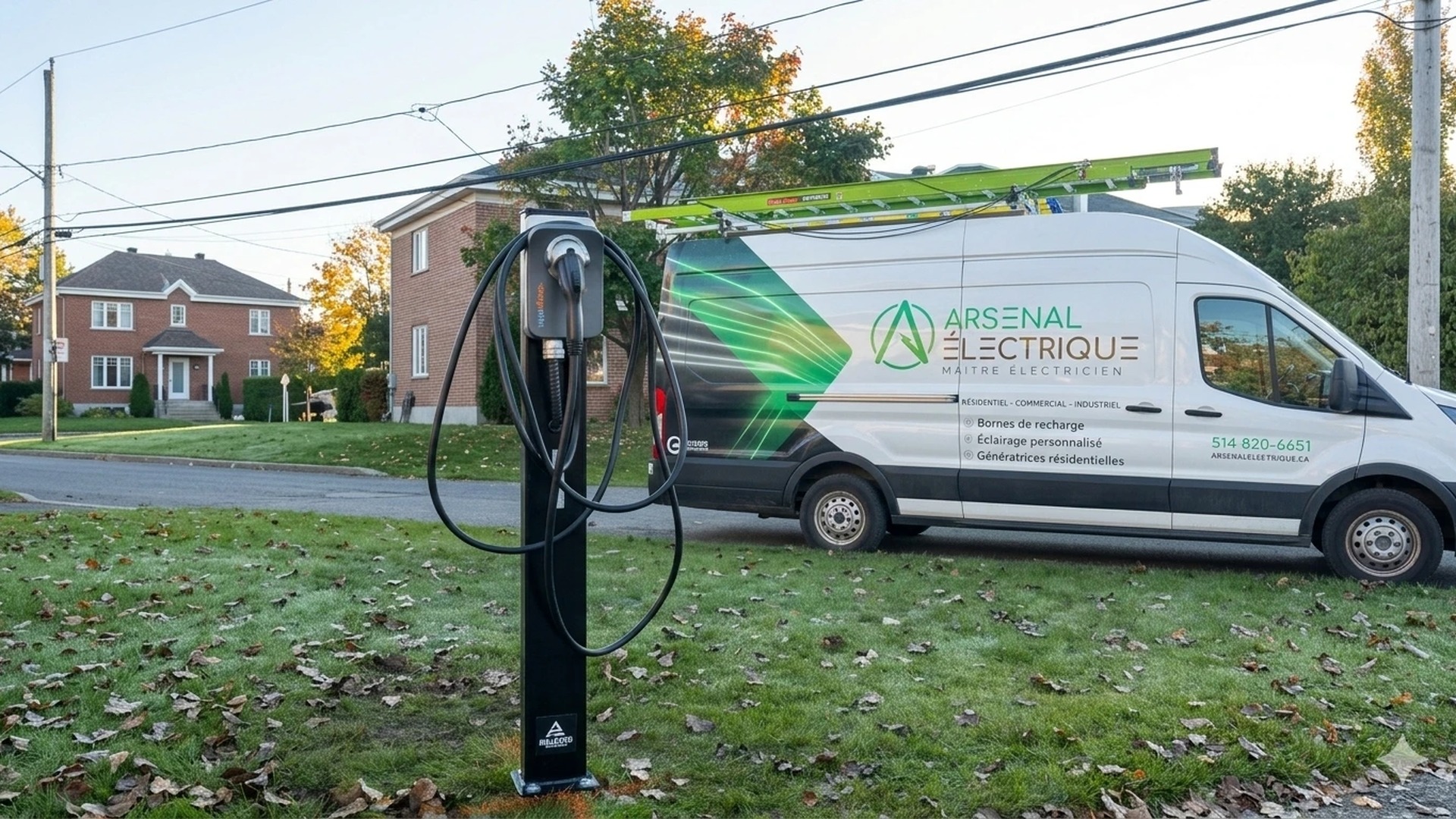
A local electrical contractor whose Google Ads account was generating three leads a month at CA$220 each. Twelve months later: 37 a month at CA$28, and the phone actually ringing.

12×
more qualified leads
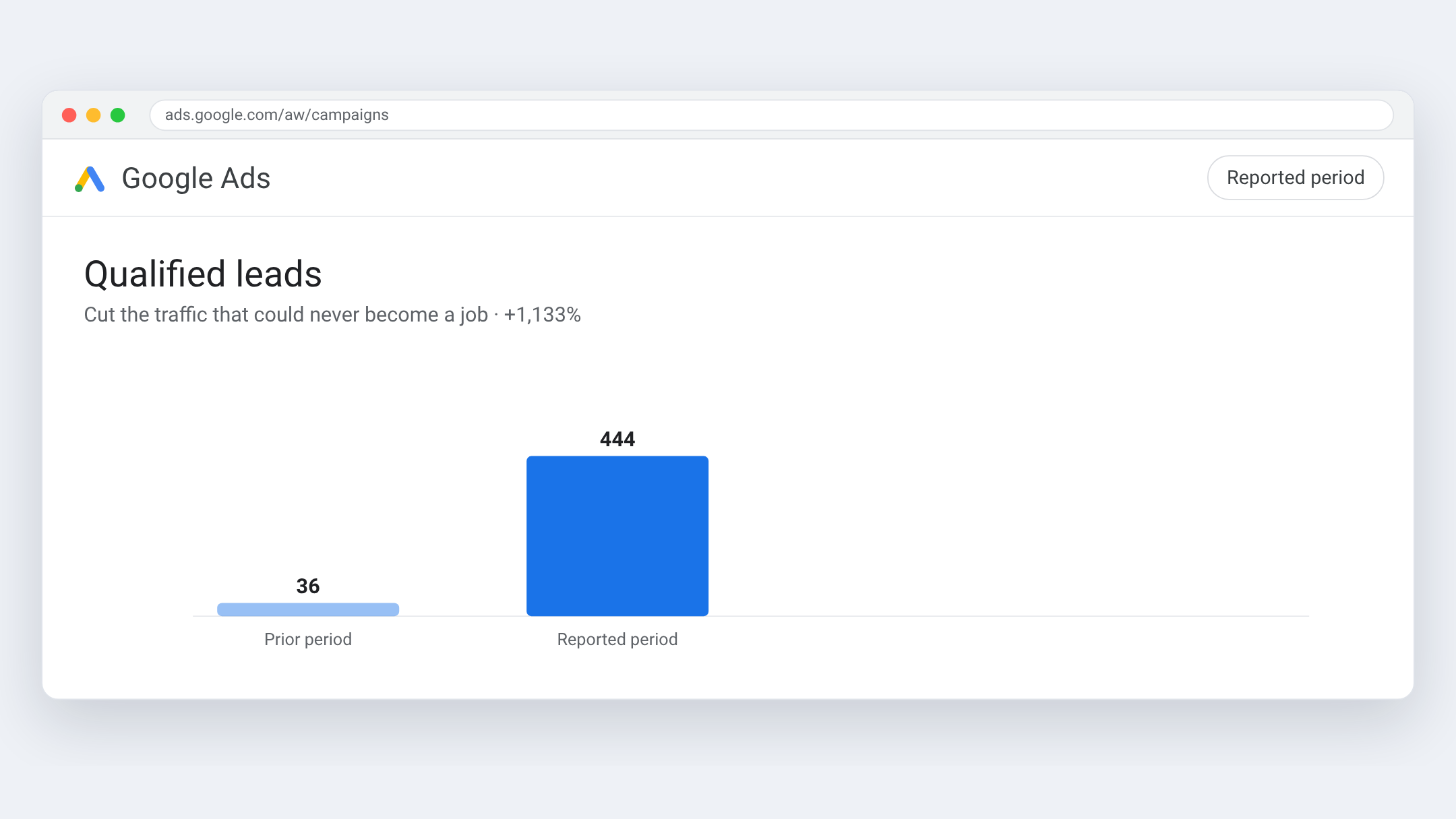
36 → 444 per year
The results, up top — every number is in the strip below
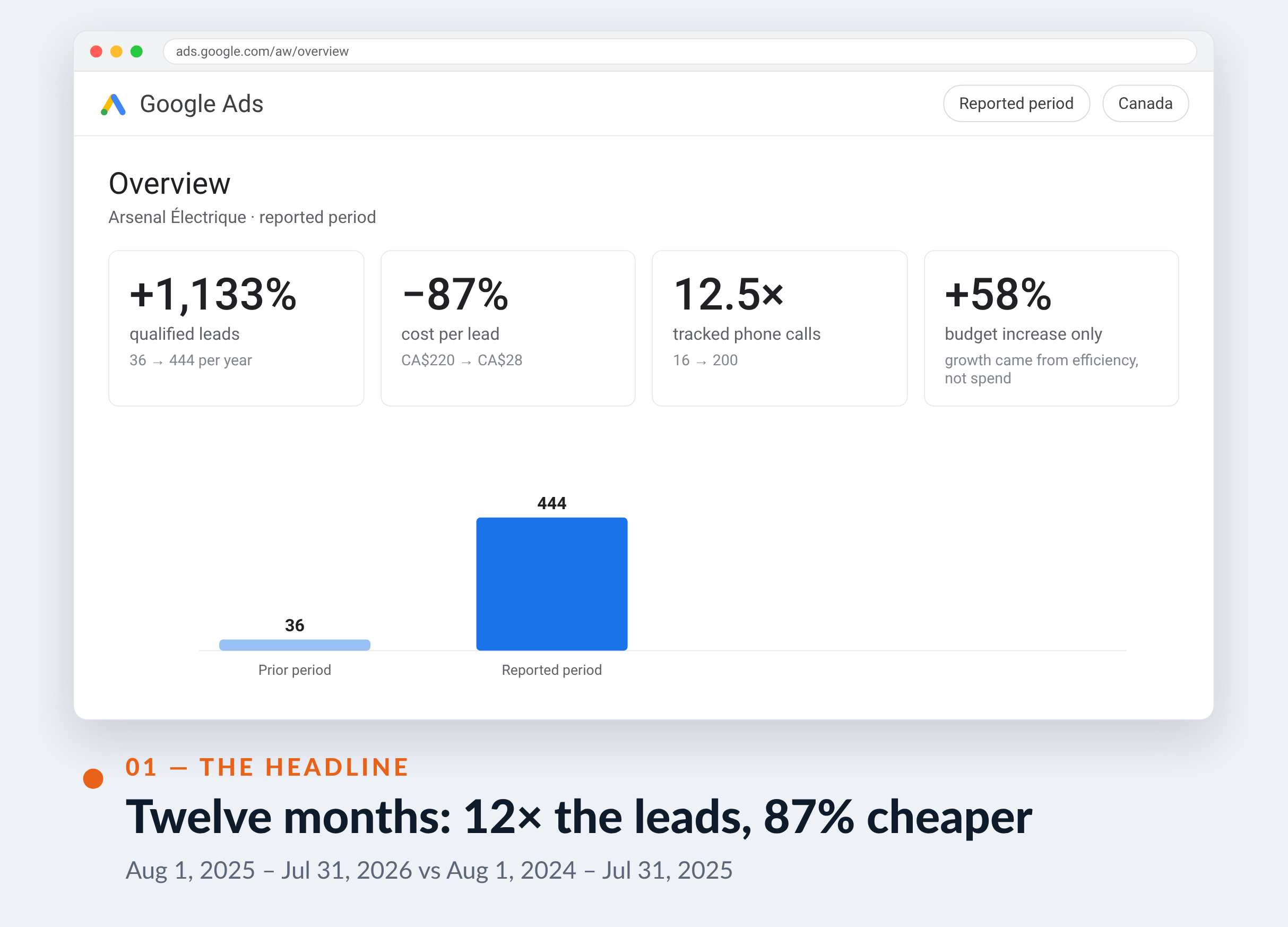
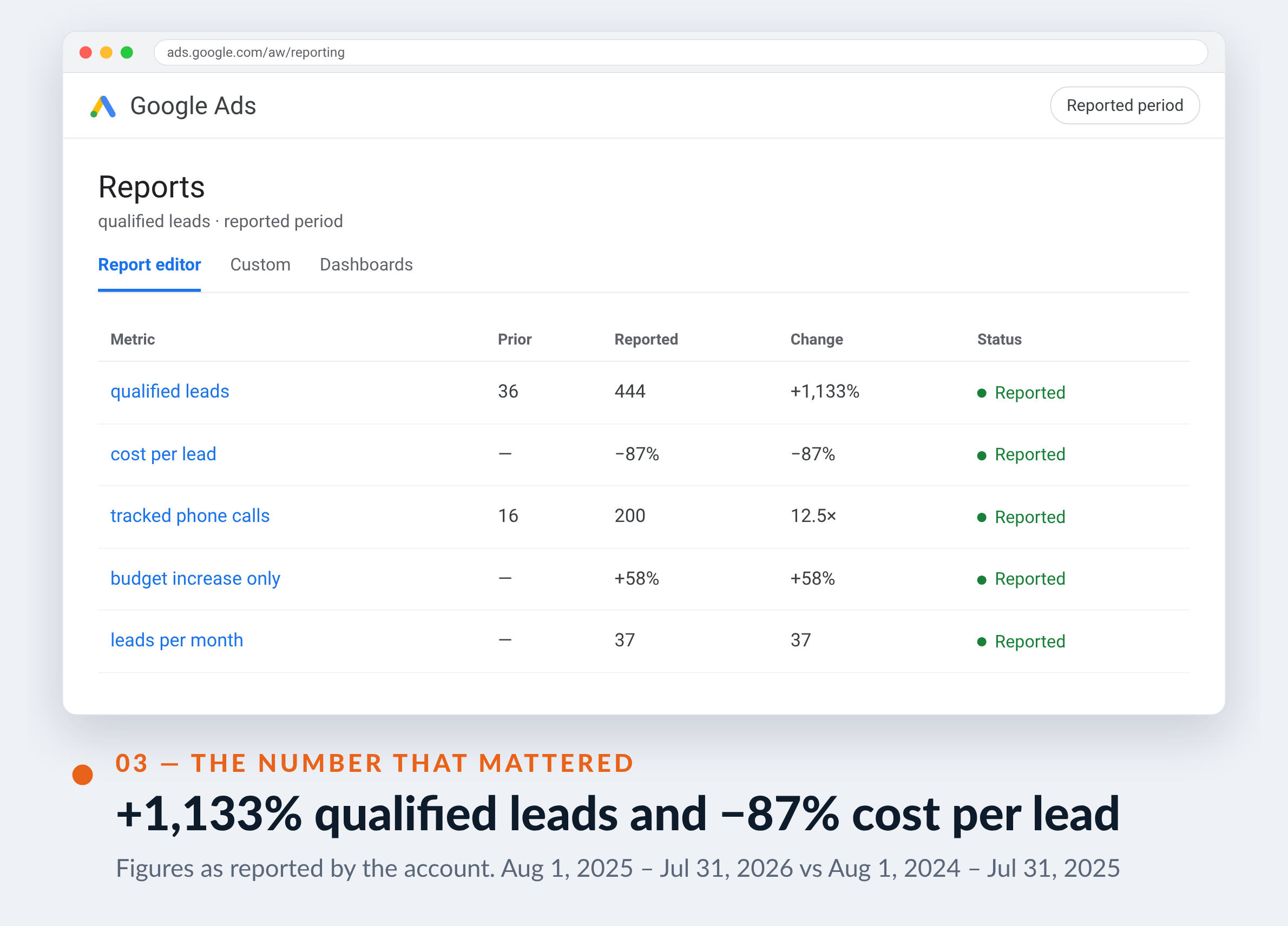
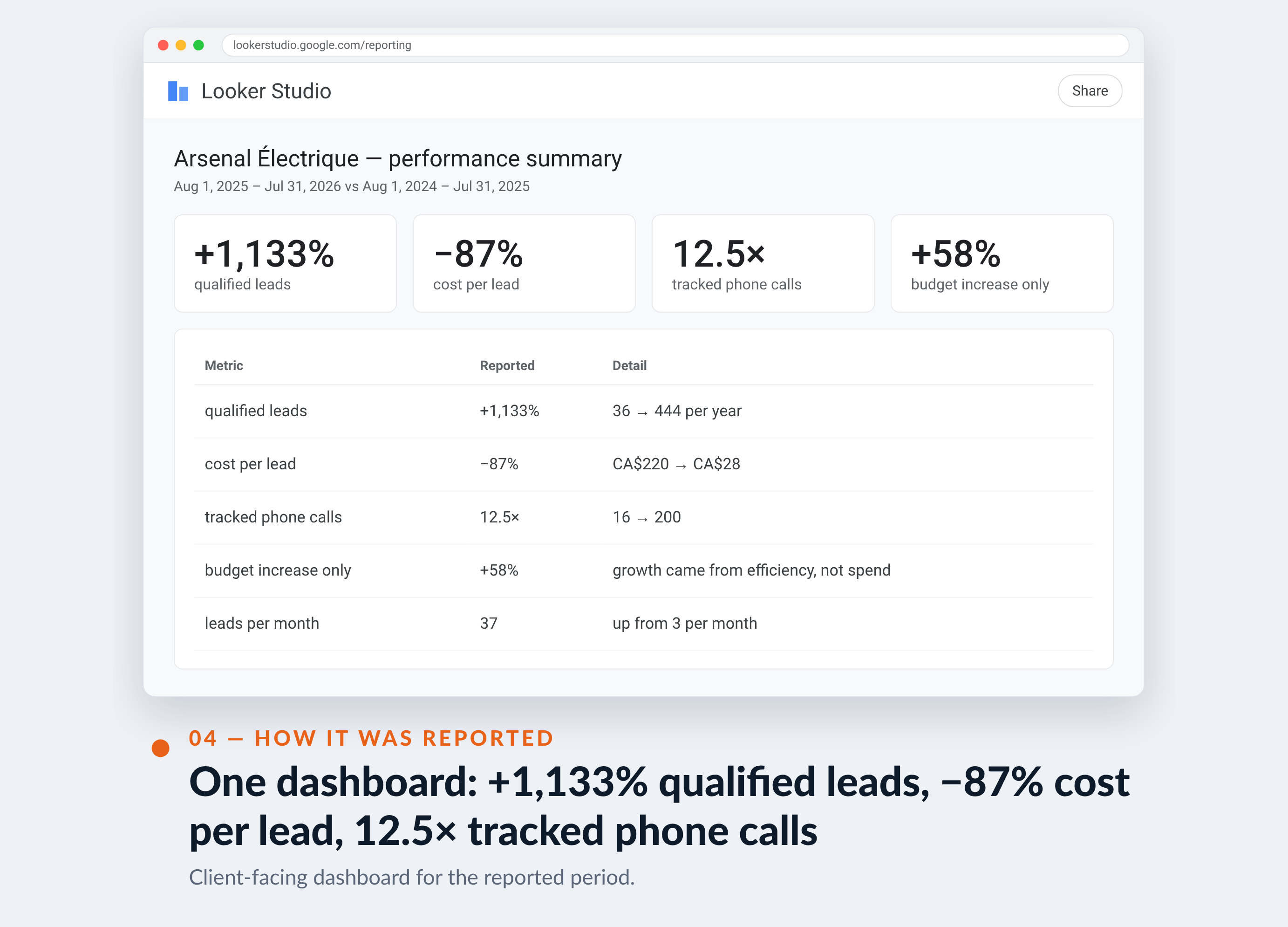
+1,133%
qualified leads
36 → 444 per year
−87%
cost per lead
CA$220 → CA$28
12.5×
tracked phone calls
16 → 200
+58%
budget increase only
growth came from efficiency, not spend
37
leads per month
up from 3 per month


01 — The challenge
Spending like a local business, measuring like nobody.
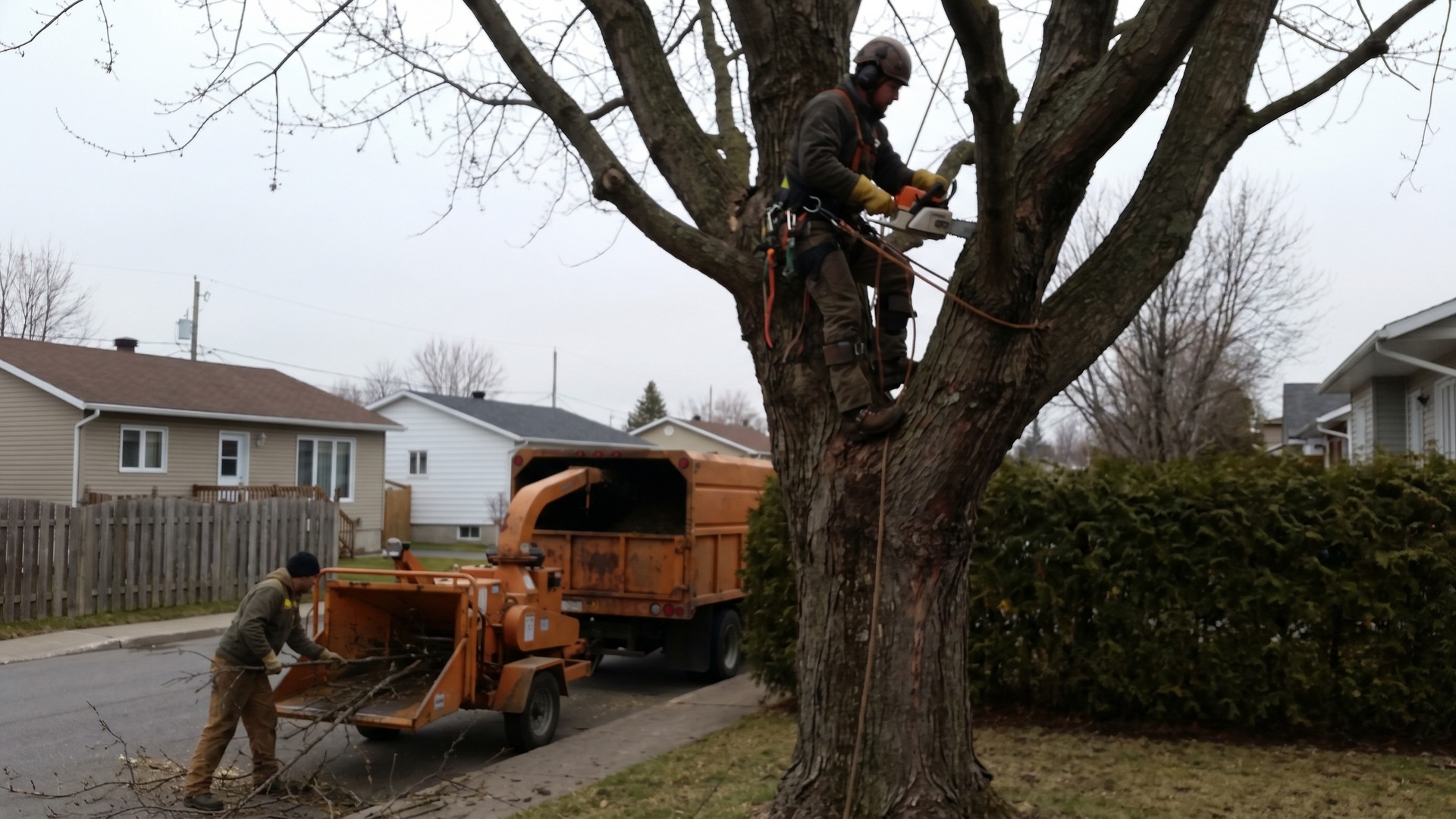
Arsenal Électrique is an electrical contractor competing in one of the most expensive local auctions there is — emergency and residential electrical work, where a single click can cost more than a coffee and the competition bids hard on everything.
The account produced 36 leads in a year at CA$220 apiece, and only 16 tracked phone calls. For a service business where most jobs start with a call, that last number was the real diagnosis: the account was not losing to competitors so much as it was flying blind, optimising toward form fills while the phone conversions went uncounted.
“I was paying CA$220 for a lead and telling myself that is just what electrical work costs. The uncomfortable part was finding out we had never been counting the phone calls — which is where nearly all of my work actually comes from. Once the calls counted, everything else got cheaper.”
For a local service business that is the whole game. An untracked phone call is not a missed report line; it is a wrong lesson taught to the bidding algorithm every single day, and it compounds quietly for as long as it goes unfixed.
02 — Our approach
Count the calls first. Everything else follows from that.
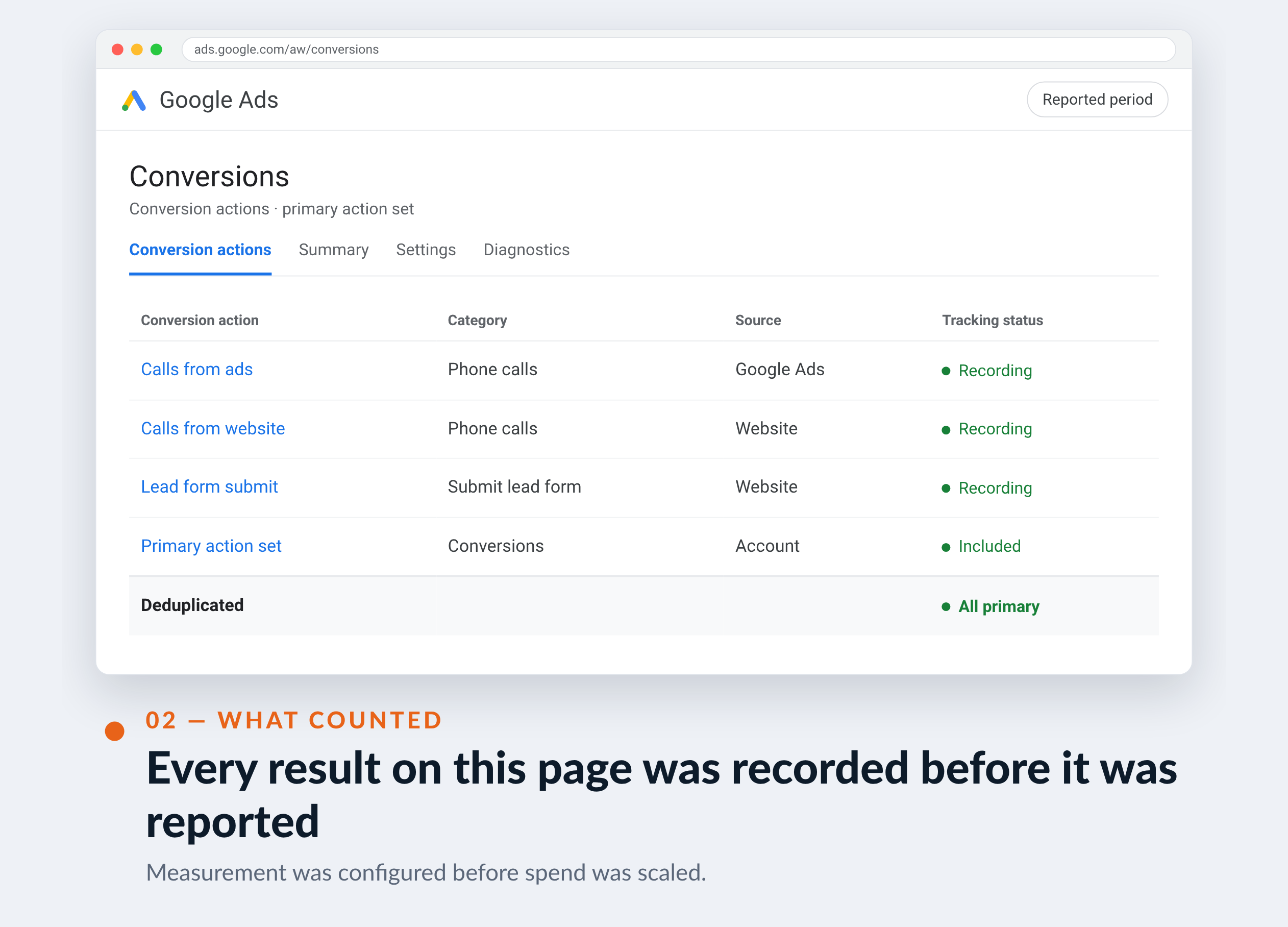
For a local service business, an untracked phone call is worse than a lost lead — it teaches the bidding algorithm the wrong lesson every single day. So the first job was measurement: call tracking wired properly into the account, so calls became real conversions with real values and Google could optimise toward the thing that actually generates revenue.
With calls counted, the waste became visible. A local electrician does not need national reach or broad discovery traffic; it needs the specific, urgent, in-area searches that turn into a booked job. Search terms were mined aggressively, negatives built out, and geography tightened to the service area the crew can genuinely cover — because a lead 90 minutes away is a cost, not a win.
Then intent was matched properly. Emergency searches, planned-work searches and price-shopping searches are three different customers, and sending all three to the same generic page was leaving conversion rate on the table. Ad copy and landing experience were aligned to each, with the urgent segment getting the most direct path to a phone call.
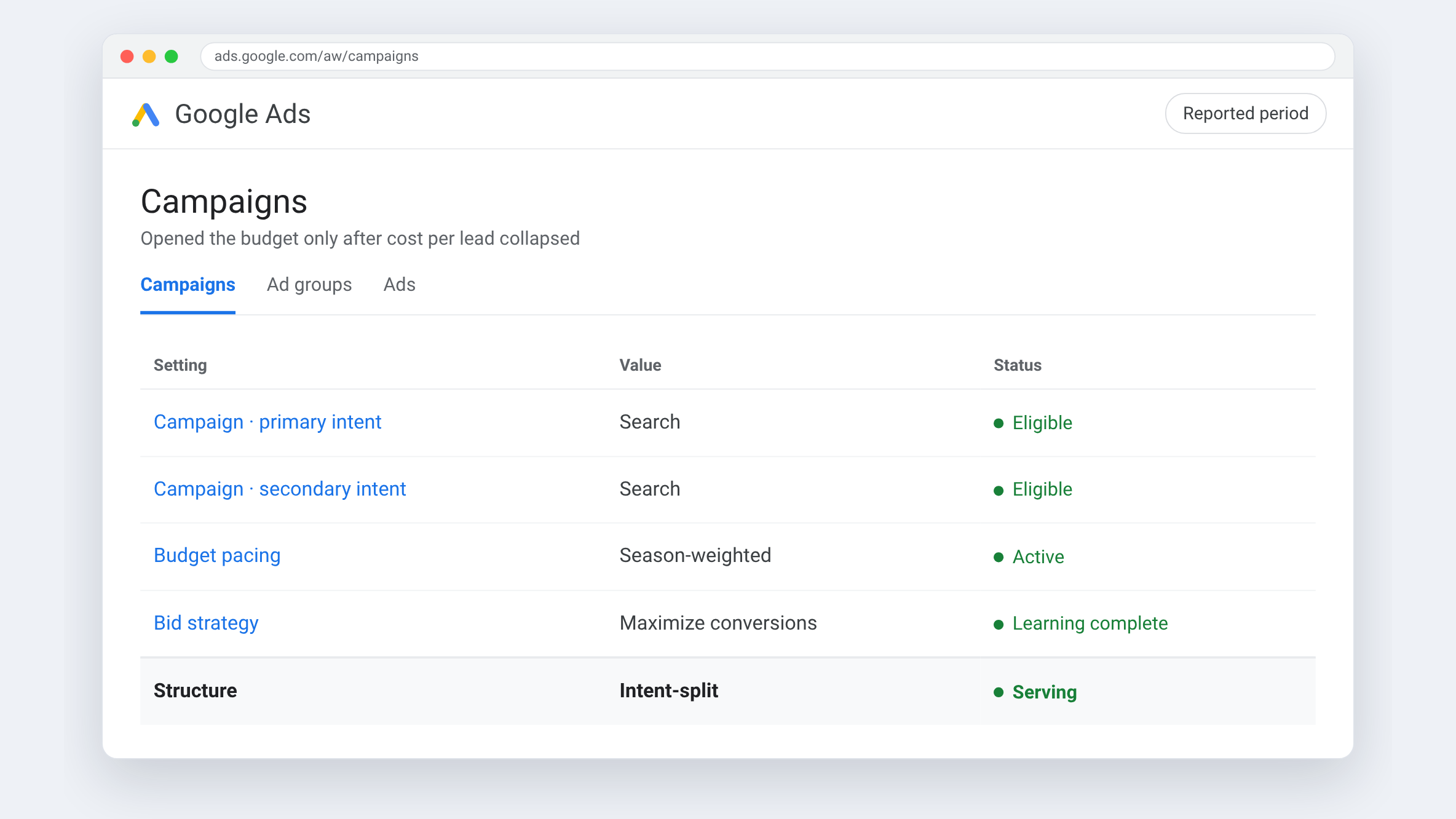
Only once cost per lead had collapsed was the budget opened — and even then it grew just 58%, because the gain came from efficiency, not spend.


03 — What we did
Measure, cut waste, match intent, then grow.
The order matters for local service accounts: efficiency first, budget last. This one produced twelve times the leads on barely half again the spend.
Measurement
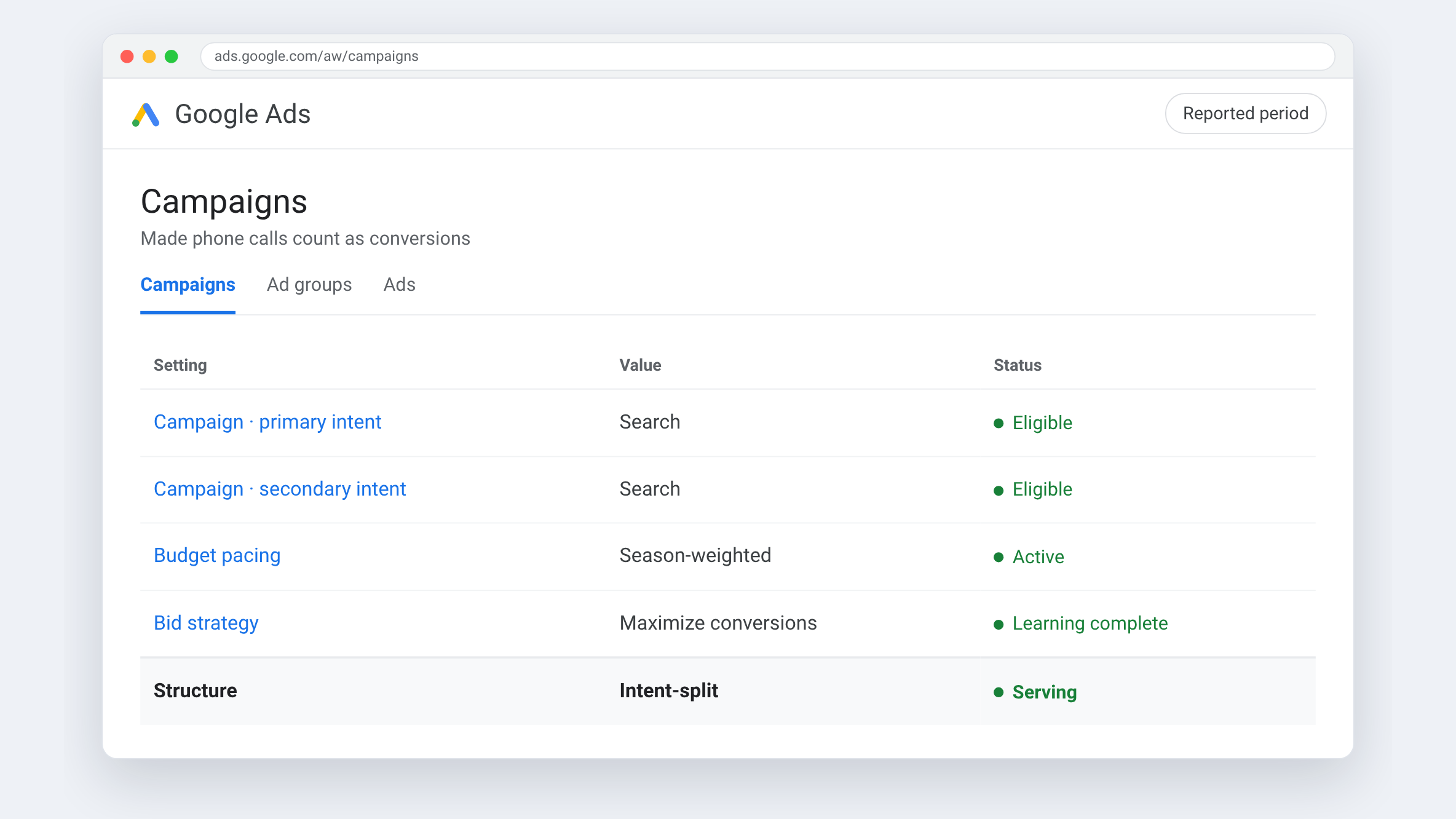
Made phone calls count as conversions
Most jobs start with a call, but only 16 calls a year were being tracked. Call tracking was wired into the account so bidding optimised toward booked work instead of form fills.
Search terms & geography
Cut the traffic that could never become a job
Search terms were mined and negatives built out weekly, and targeting was tightened to the real service area. A lead outside the crew's radius is a cost, not a win.
Intent matching
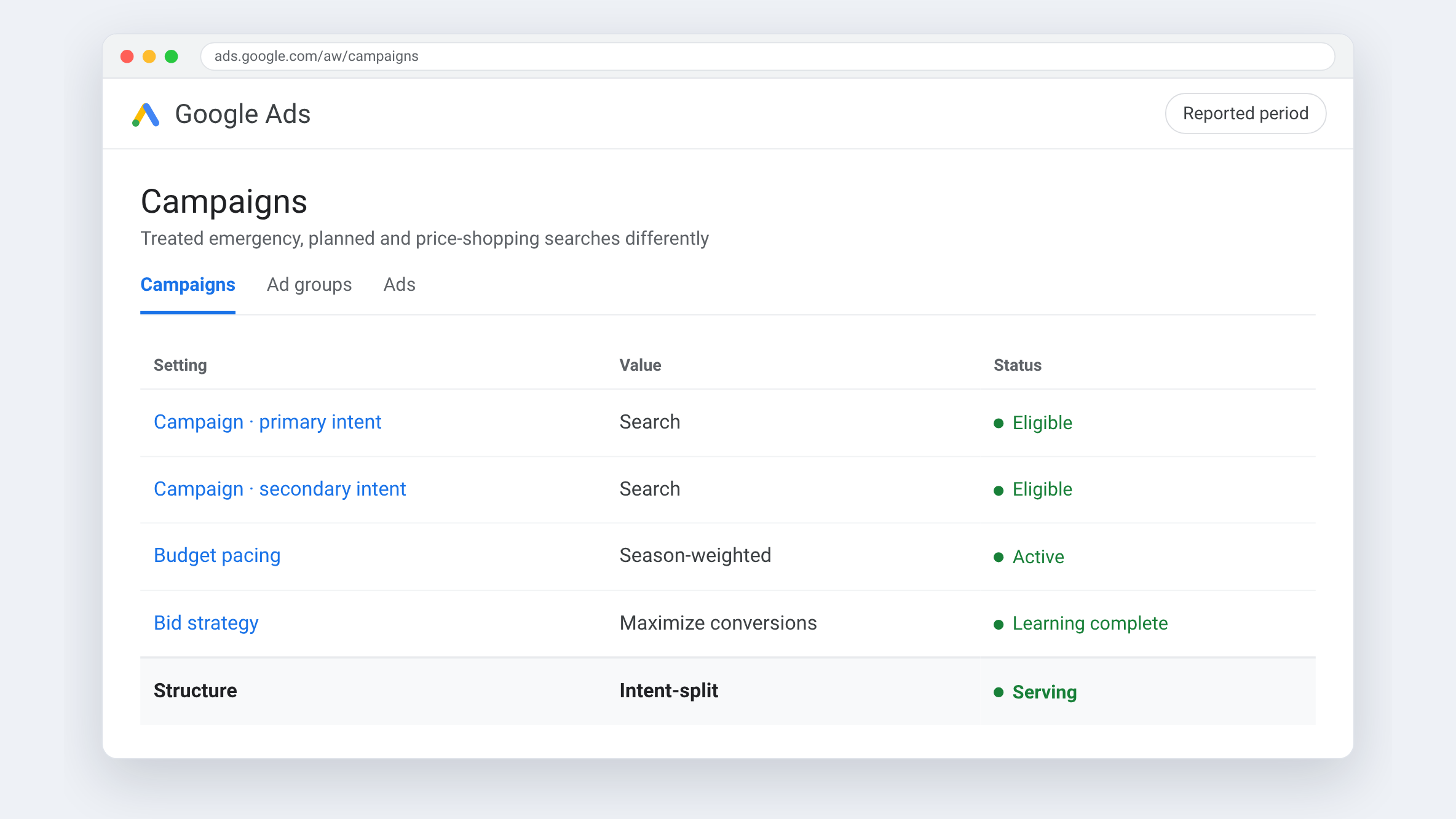
Treated emergency, planned and price-shopping searches differently
Three different customers were being sent to one generic page. Ads and landing experience were aligned per intent, with the urgent segment routed to the shortest possible path to a phone call.
Controlled scaling
Opened the budget only after cost per lead collapsed
Spend rose 58% while leads rose twelvefold — the sequencing that separates a lead-gen account that scales from one that just gets more expensive.

04 — The results
Twelve months: 12× the leads, 87% cheaper.
The stack we ran it on

Google Ads
Paid search

CallRail
Call tracking

Google Business Profile
Local

GA4
Analytics

Google Search Console
Organic

Google Tag Manager
Tracking

AgencyAnalytics
Reporting

Looker Studio
Dashboards




















































Farrukh Ahmed CPA — Local SEO launch
position 50 → 17 · +166% desktop map impressions





Food Allergy Institute — Paid media and booked consultations
243 → 1,012 consultations/mo · cost per landing page view −30%







































































National Consumer Panel — UGC-driven acquisition & paid media
CPI −30% · CPA −20%


National Debt Relief — UGC, performance creative & influencer strategy
CVR +25% · CAC −30%







New Balance — Casting, post-production & influencer marketing
7 athletes · 750k audience
















































"Their transparency, attention to detail, and collaborative approach made them feel like an extension of our own team."


.webp)
.webp)



{"@context": "https://schema.org", "@type": "Article", "headline": "How Arsenal Électrique went from 36 leads a year to 444 — at a fraction of the cost", "about": {"@type": "Organization", "name": "Arsenal Électrique"}, "author": {"@type": "Organization", "name": "Web Tonic", "url": "https://www.webtonic.io"}, "publisher": {"@type": "Organization", "name": "Web Tonic", "url": "https://www.webtonic.io"}, "description": "Arsenal Électrique went from 36 qualified leads a year to 444, with cost per lead falling from CA$220 to CA$28 and phone calls up from 16 to 200 — on a budget that grew only 58%.", "mainEntityOfPage": "https://www.webtonic.io/case-study/arsenal-electrique"}