Creative made to sell the product, not to win a pitch.
sell the product
An online brand needs more good creative than any in-house studio can make: ads that stop a scroll, product imagery that answers a question, and store design that carries the same idea from the first frame to the checkout. We run creative for ecommerce as a production line with a testing plan attached — concepts, shoots, edits, iterations — read against orders with our analytics team.






Tell us a little about your brand and we'll be in touch within 24 hours to lock in a time.


FOUR WORKSTREAMS
Four workstreams behind creative that keeps working.
keeps working
Ecommerce creative is four jobs running together: find the ideas worth making, produce enough of them, keep the store and the ads telling one story, and let performance decide what gets made next.
Concept & angle development
Production at volume
Store & brand design
Testing & iteration
Ideas mined from customers, not from a mood board.
The best performing ad for an online brand is usually a sentence a customer already wrote. We read reviews, support tickets and returns reasons, watch how people actually use the product, and turn the recurring objections and delights into distinct angles — then storyboard each one so it can be shot cheaply and judged fairly.
Attention is the first hurdle. Across 88,329 sales-objective Meta video ads, the cross-industry hook rate averaged 25.44% in the first half of 2026, so three quarters of the audience leaves before the product appears.
- Reviews, tickets and returns mined for real language
- One angle per concept, written before anything is shot
- Hooks built for the first two seconds
- A testing plan attached to every batch
25.44%
average hook rate across 88,329 Meta video ads
88,329
sales-objective ads in the benchmark dataset
Enough creative to actually learn something.
Testing needs volume, and volume needs a system. We run monthly batches that mix studio product shots, lifestyle photography, creator-led video and motion design, cut for every placement rather than cropped as an afterthought, and versioned so a winning idea can be re-shot four ways instead of retired.
Format matters as much as polish: in an analysis of 12,000+ ads, creator-style content outperformed polished brand content by 31% on hook rate and 33% on click-through — which is a production decision, not a taste one.
- Monthly batches across static, video and motion
- Creator-led and studio work in the same plan
- Cut natively for each placement and aspect ratio
- Winning ideas versioned, not retired
31%
higher hook rate for creator-style over polished ads
33%
higher click-through in the same 12,000-ad analysis
One idea from the first frame to the checkout.
An online store loses people when the design contradicts the ad: a playful hook landing on a stiff template, a product photographed one way in the ad and another way on the page, delivery and returns hidden three clicks in. We carry the campaign idea into the landing page, the collection design and the product imagery so the shopping experience finishes the argument the ad started.
Design is also where money leaks: cart abandonment averages 70.22% across 50 studies, much of it caused by things a page can simply say more clearly.
- Landing pages designed to match the campaign idea
- Product imagery consistent between ads and the store
- Delivery, returns and sizing designed into the page
- Design system your studio can extend
70.22%
average documented cart abandonment (Baymard, 50 studies)
Performance chooses what gets made next.
Every batch ships with a hypothesis and a read: hook rate for attention, hold for interest, click and cost per order for intent. Ideas that win get iterated in a fortnight; ideas that lose get diagnosed, because a strong hook with weak sales is a different fix from an ad nobody watches.
The two are genuinely separate problems. In the same dataset the category with the best hook rate, 28.79%, ranked twelfth of fourteen on return, at 1.62 against a 2.17 average — attention is not the sale.
- A hypothesis written before the batch is shot
- Hook, hold, click and cost per order read together
- Winners iterated within two weeks
- Losers diagnosed, not silently dropped
2.17
cross-industry ad return in H1 2026, down from 2.41
Footage, files and design system stay in your name
A written read on what performed and why
Working session with the people doing it
Long-term lock-ins
We made the difference for those brands

B2B software, fintech, insurance

Creative, content, arts & culture

Consumer tech and platforms

Beauty, personal care & wellness

B2B software, fintech, insurance

Creative, content, arts & culture

Travel & mobility

Apparel and lifestyle

Apparel and lifestyle

Retail & commerce
B2B software, fintech, insurance

Consumer tech and platforms
Food & beverage

Creative, content, arts & culture

Creative, content, arts & culture

Retail & commerce

B2B software, fintech, insurance

Beauty, personal care & wellness

Healthcare & regulated services

Consumer tech and platforms

Food & beverage

Beauty, personal care & wellness

Creative, content, arts & culture

Beauty, personal care & wellness

Consumer tech and platforms
Beauty, personal care & wellness

Food & beverage

Creative, content, arts & culture

Consumer tech and platforms

B2B software, fintech, insurance
01 — The challenge
Beautiful work. Flat sales.
The brand book is gorgeous, the campaign film took a quarter to make, and the media buyer is quietly running last year's discount graphic because it is the only thing that sells. Nobody is wrong; the production model simply does not fit how these ads are bought.
“We spent three months on one film and it lasted a fortnight.”
Paid platforms consume ideas faster than a campaign cycle produces them. With a 25.44% average hook rate across 88,329 ads and returns falling from 2.41 to 2.17 over six months, the brands holding performance are the ones shipping many small ideas and letting the data pick, not the ones perfecting one.
02 — Our approach
Angles from customers, volume from a system, direction from the data.
We start where the good ideas already are: reviews, support tickets, returns reasons and the way people describe the product to each other. Those become distinct angles, each written down as a hypothesis before anything is shot, so a batch can be judged rather than admired. Production then runs as a monthly rhythm mixing studio product photography, lifestyle imagery, creator-led video and motion design, cut natively for each placement and versioned so a winning idea can be rebuilt four ways. In parallel the same idea is carried into the store: landing page design, collection imagery and product pages that finish the argument the ad started, with delivery, sizing and returns designed in rather than buried. Every batch is read on hook, hold, click and cost per order, and the next month's plan is written from that read. Files, footage and the design system stay yours.
03 — What we did
Six weeks to a working creative line, then a monthly rhythm.
Research, angles, production and iteration — in sequence, with a monthly batch and a written read on what performed.
Weeks 1-2 / Research
What your customers already say
Reviews, tickets, returns reasons and the current ad library read together, so the angles come from evidence rather than a workshop.
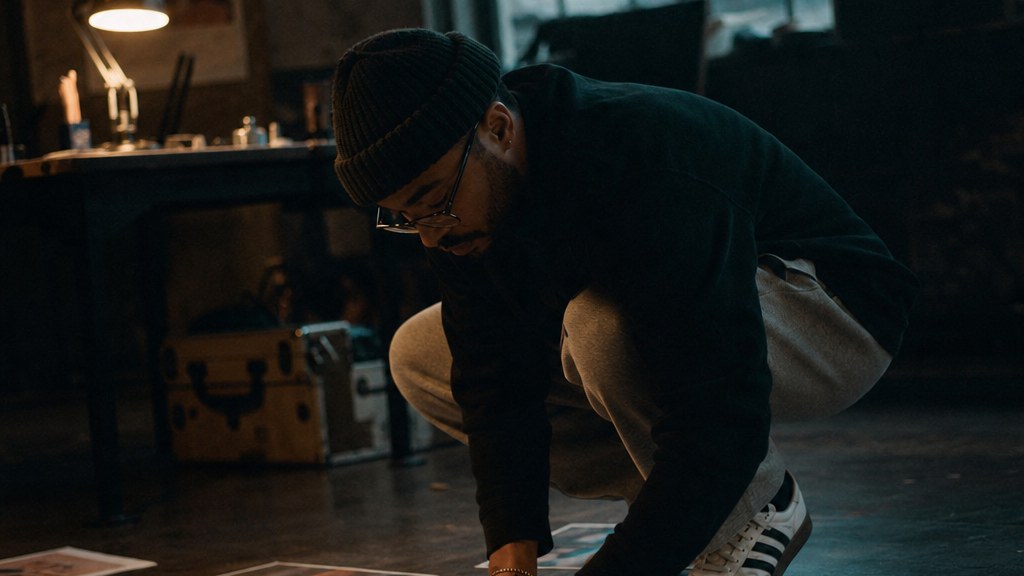
Week 3 / Angles
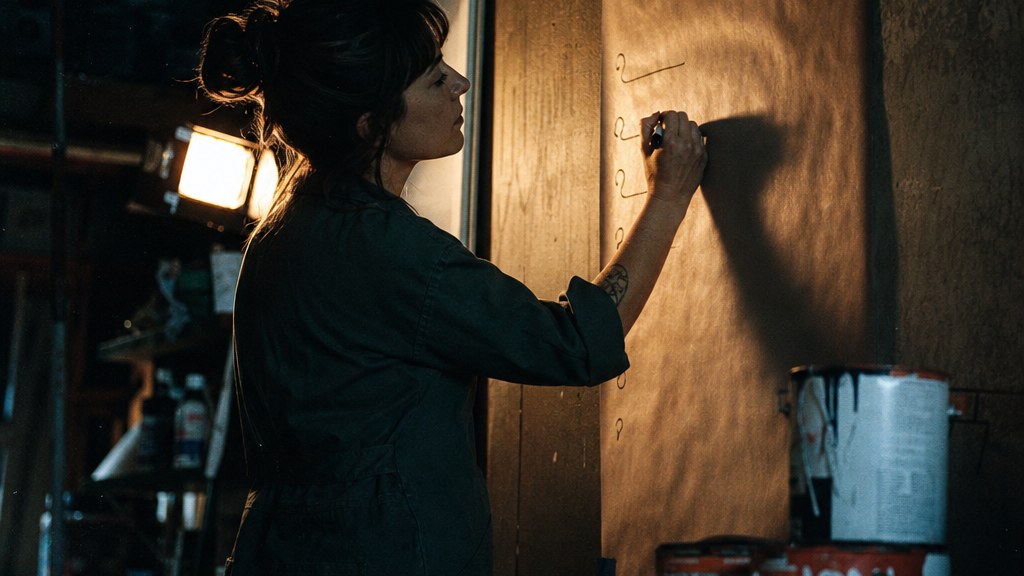
Hypotheses before cameras
Each concept written as one angle with its hook, its audience and the number that would prove it worked.
Weeks 4-6 / Production
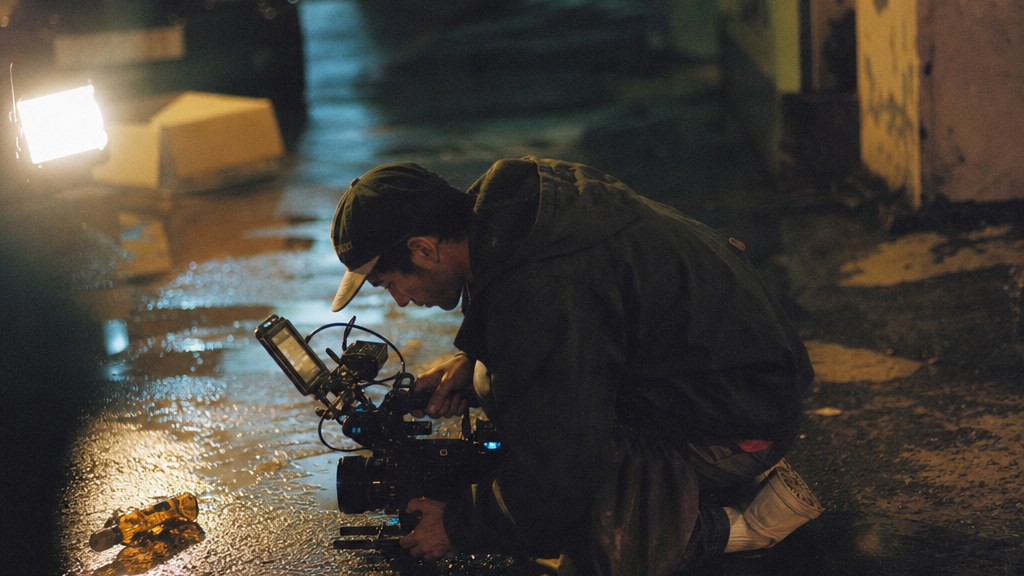
The first batch, cut for every placement
Studio, lifestyle and creator-led material shot in one block and edited natively for each platform and ratio.
Monthly / Iteration
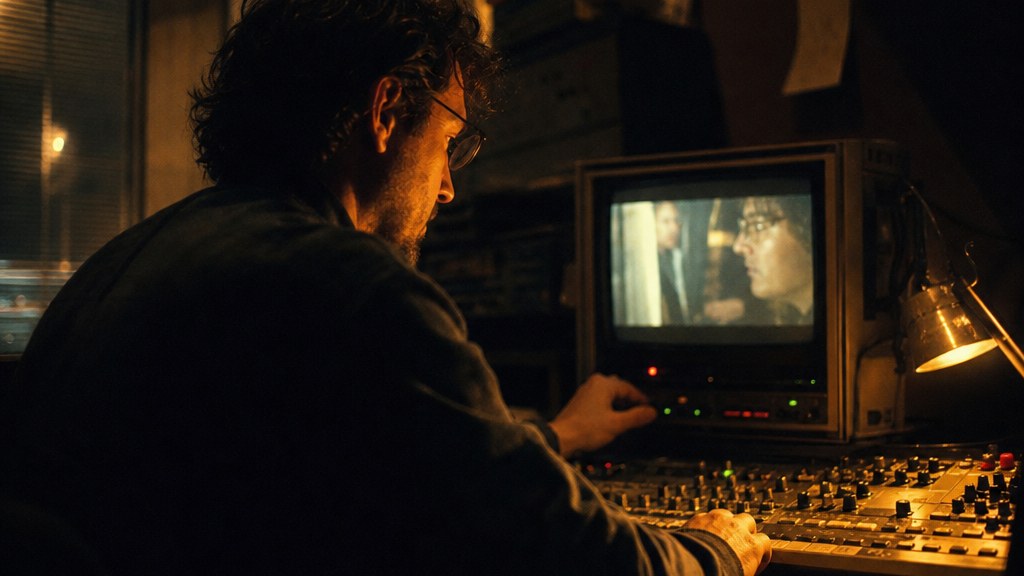
The data writes the next brief
Hook, hold, click and cost per order reviewed together, winners versioned, losers diagnosed and the next batch briefed.
WHAT YOU GET
Deliverables your team can pick up and run.
pick up and run
Everything below is delivered in working files and accounts that stay yours if you ever leave.

Creative strategy and angle map
The customer language behind each angle, the hook it uses and the number that will decide whether it worked.

Static and video ad batches
A monthly volume of ads across formats, cut natively for every placement and ratio you run.

Product and lifestyle imagery
Photography that answers the questions a shopper asks, usable on the store and in the ads without reshooting.

Creator-led content
Briefed, sourced and edited creator video, licensed properly for paid use rather than borrowed from a feed.

Landing page and store design
Campaign ideas carried into the pages people land on, designed with delivery, sizing and returns in view.

Creative testing playbook
The read, the naming, the batch cadence and the templates your team needs to keep the line running without us.
HOW WE WORK
Operating standards, not promises.
Operating standards

Multi-brand retail
Hundreds of products, seasonal campaigns, and one visual system holding it together.
ExplorePremium and considered purchase
Craft, detail and proof, shot so the price makes sense before the click.
Explore

















Built on trust. Proven by results.
We partner with SMBs and Fortune 500 companies to deliver more than reach — we bring clarity, execution, and measurable outcomes. Every successful partnership starts with a strong culture fit and a shared drive to grow.


CASE STUDIES
Case studies
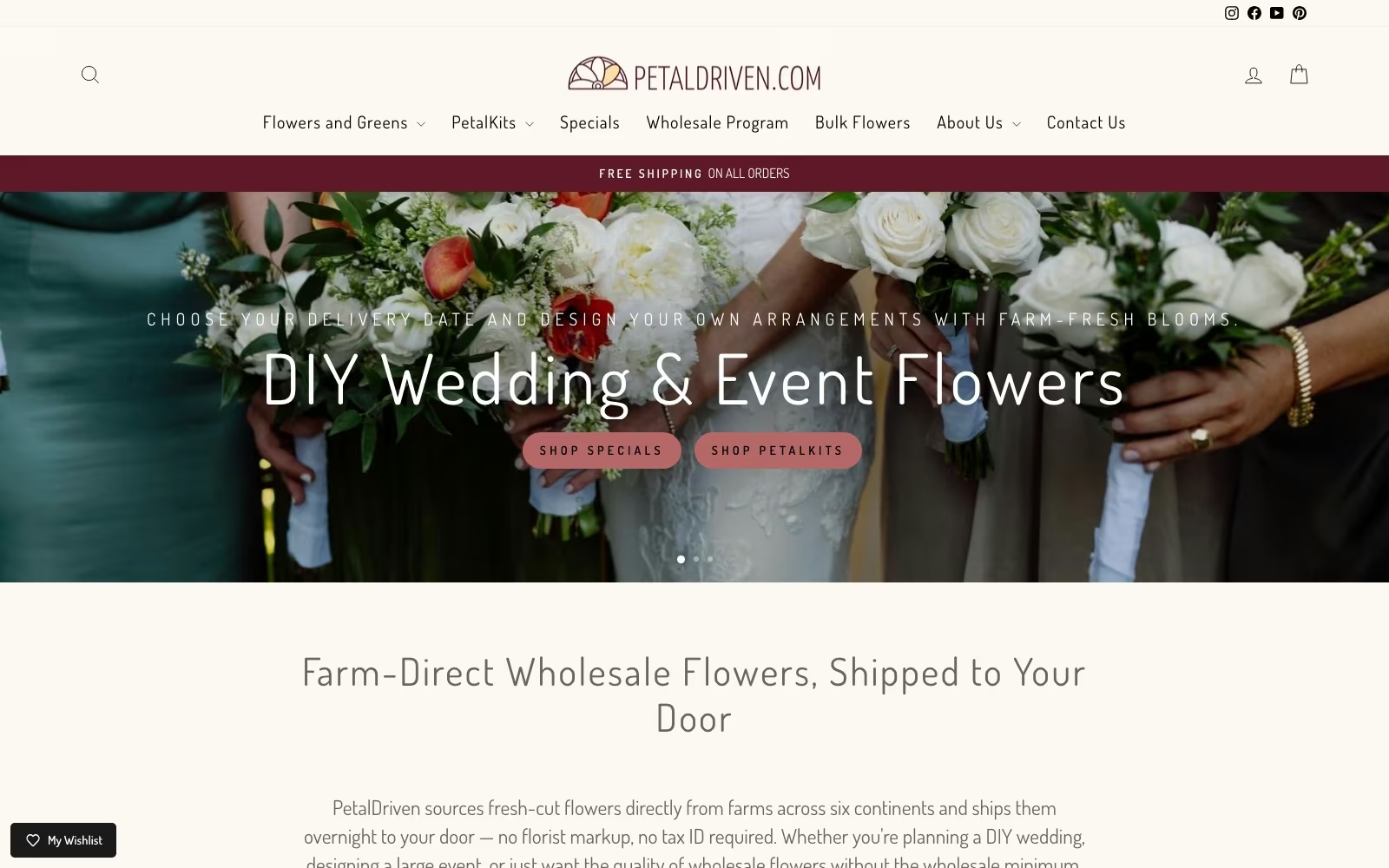
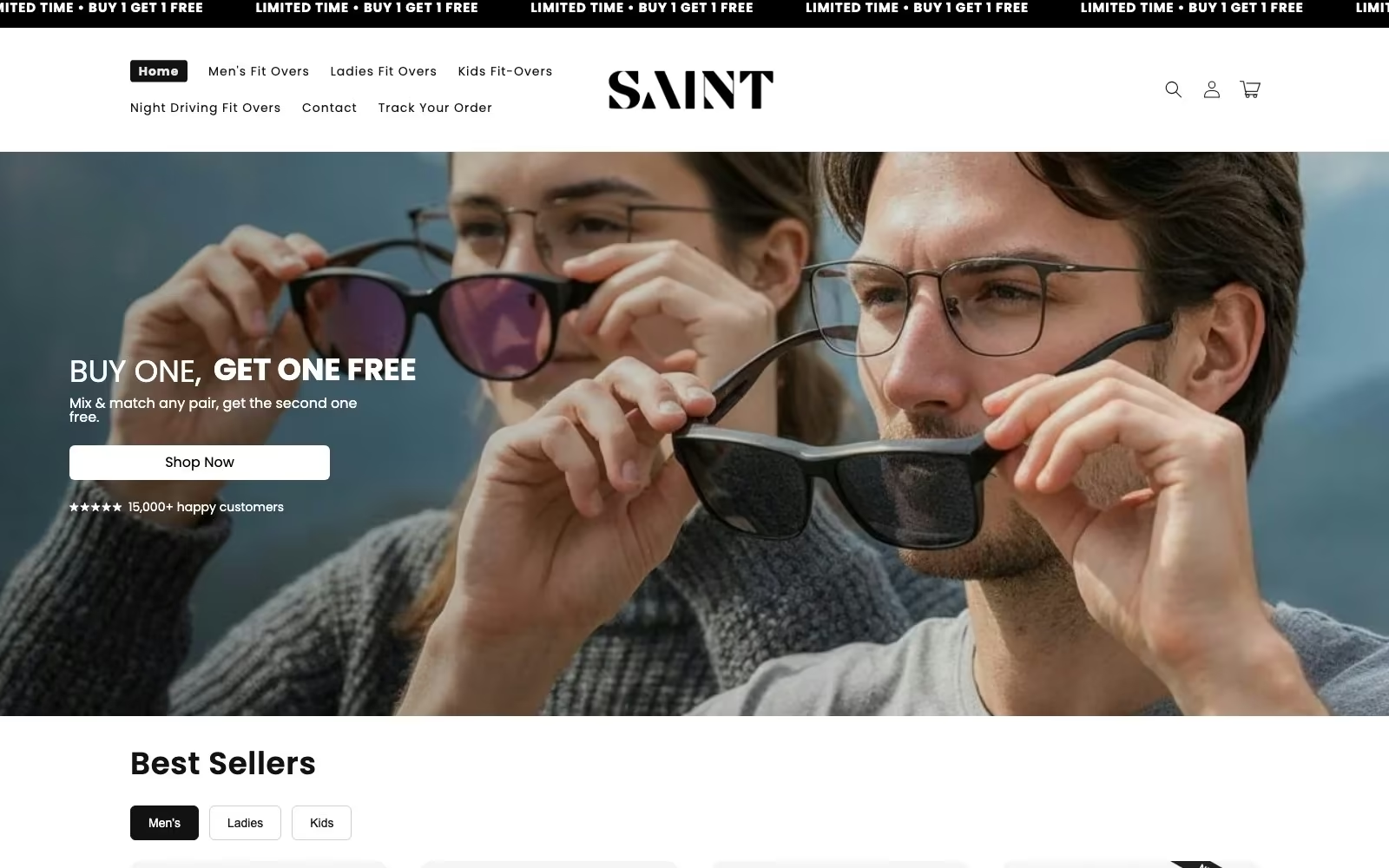
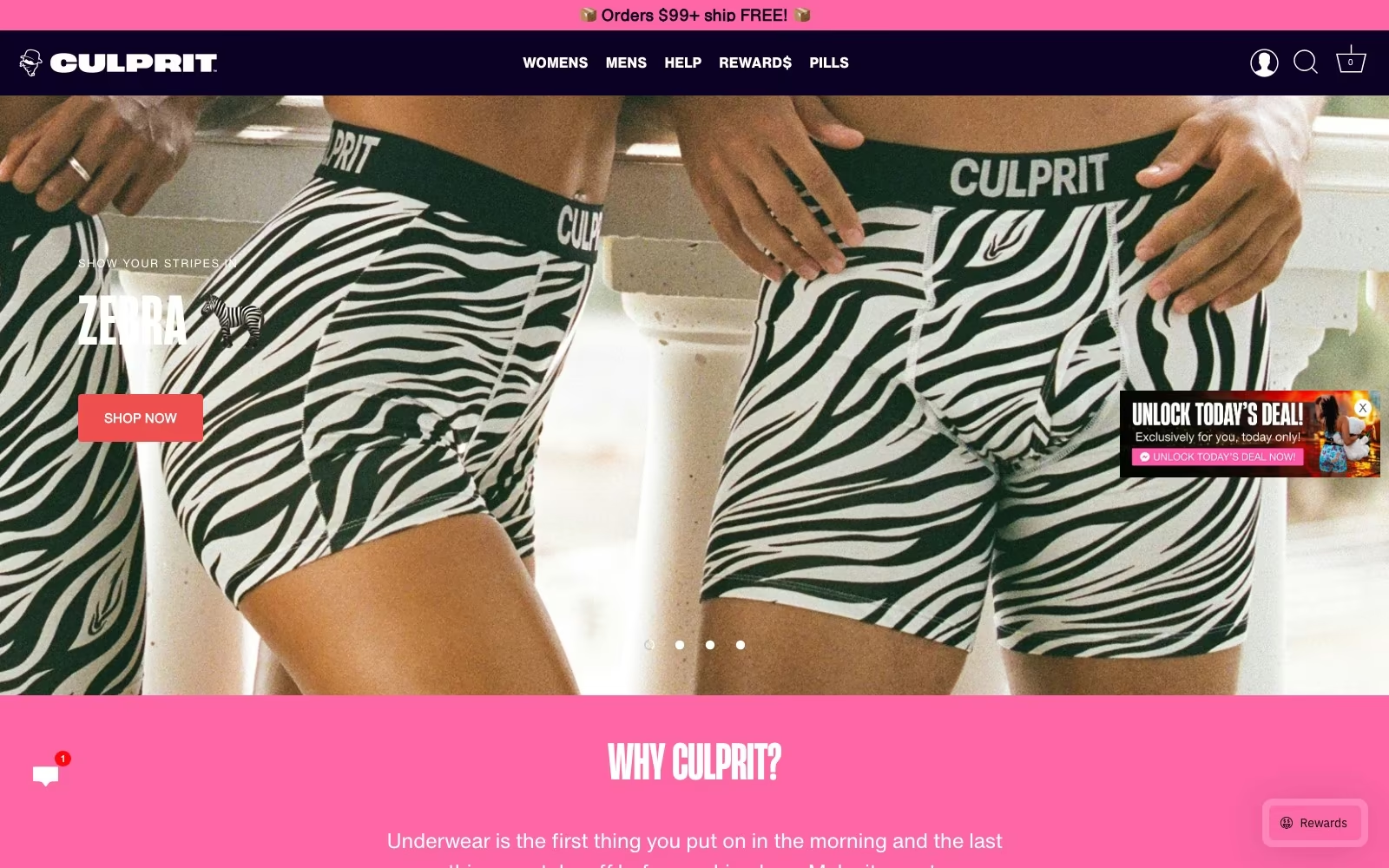
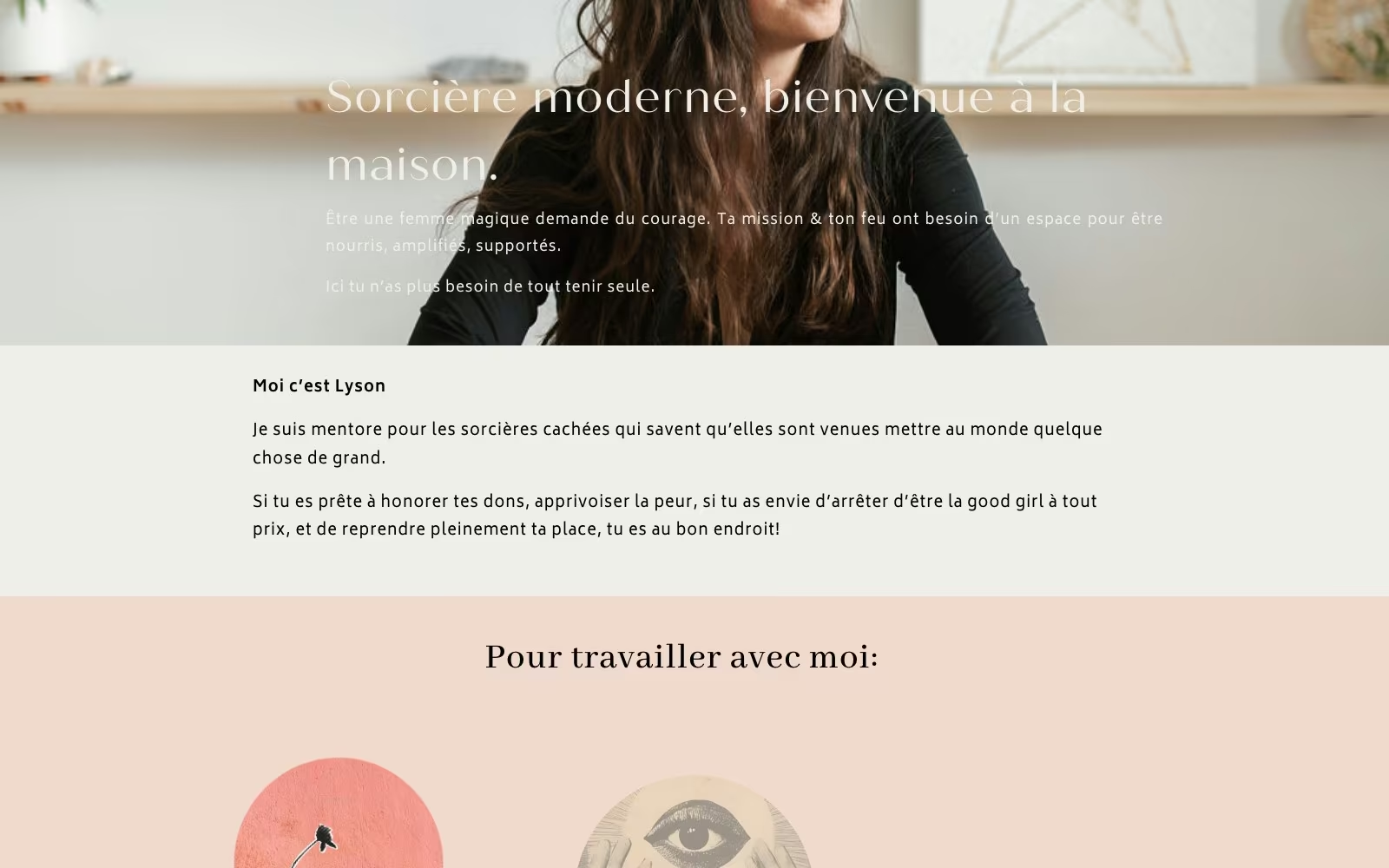
Website Portfolio
Video Ads
Static Ads









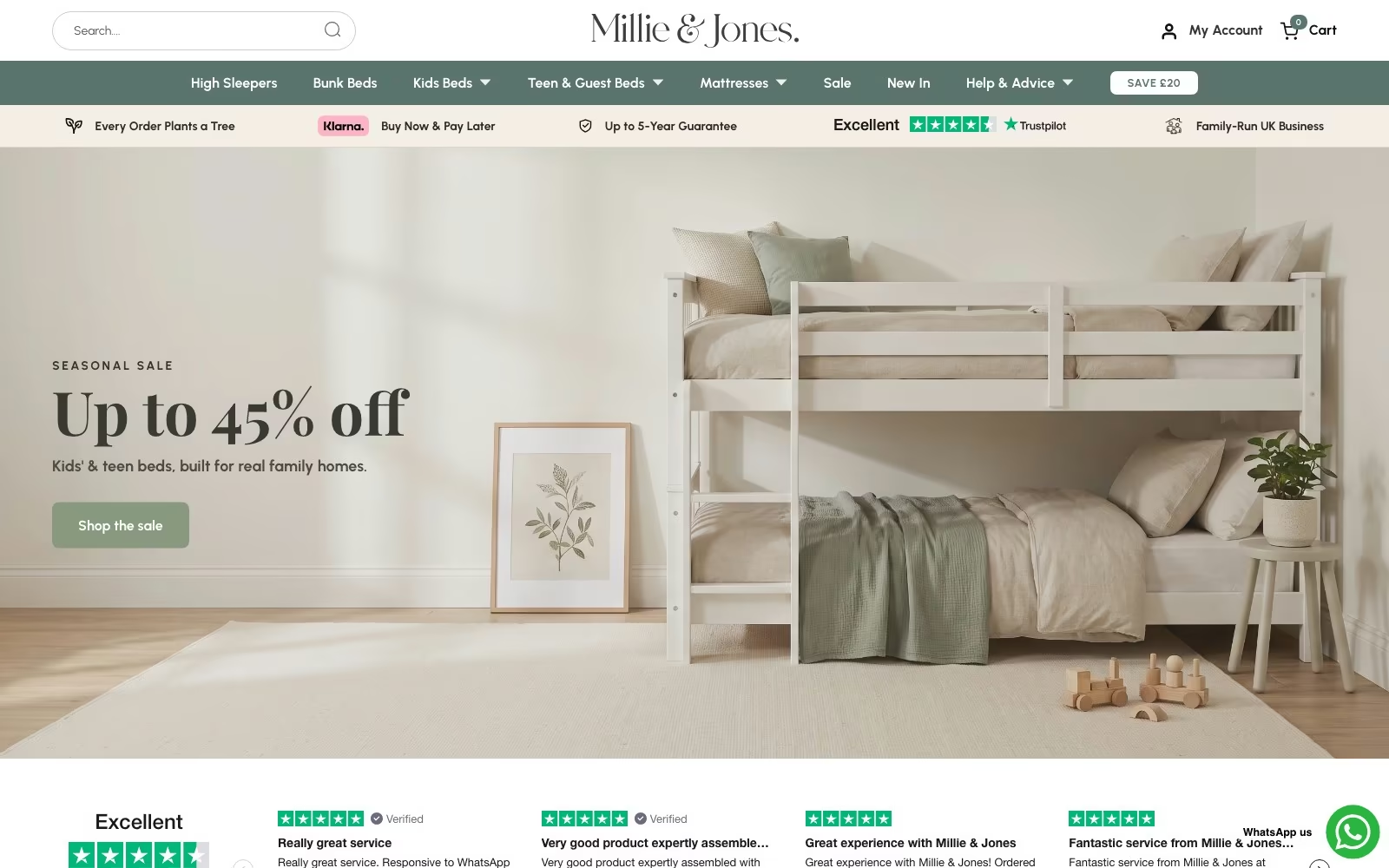

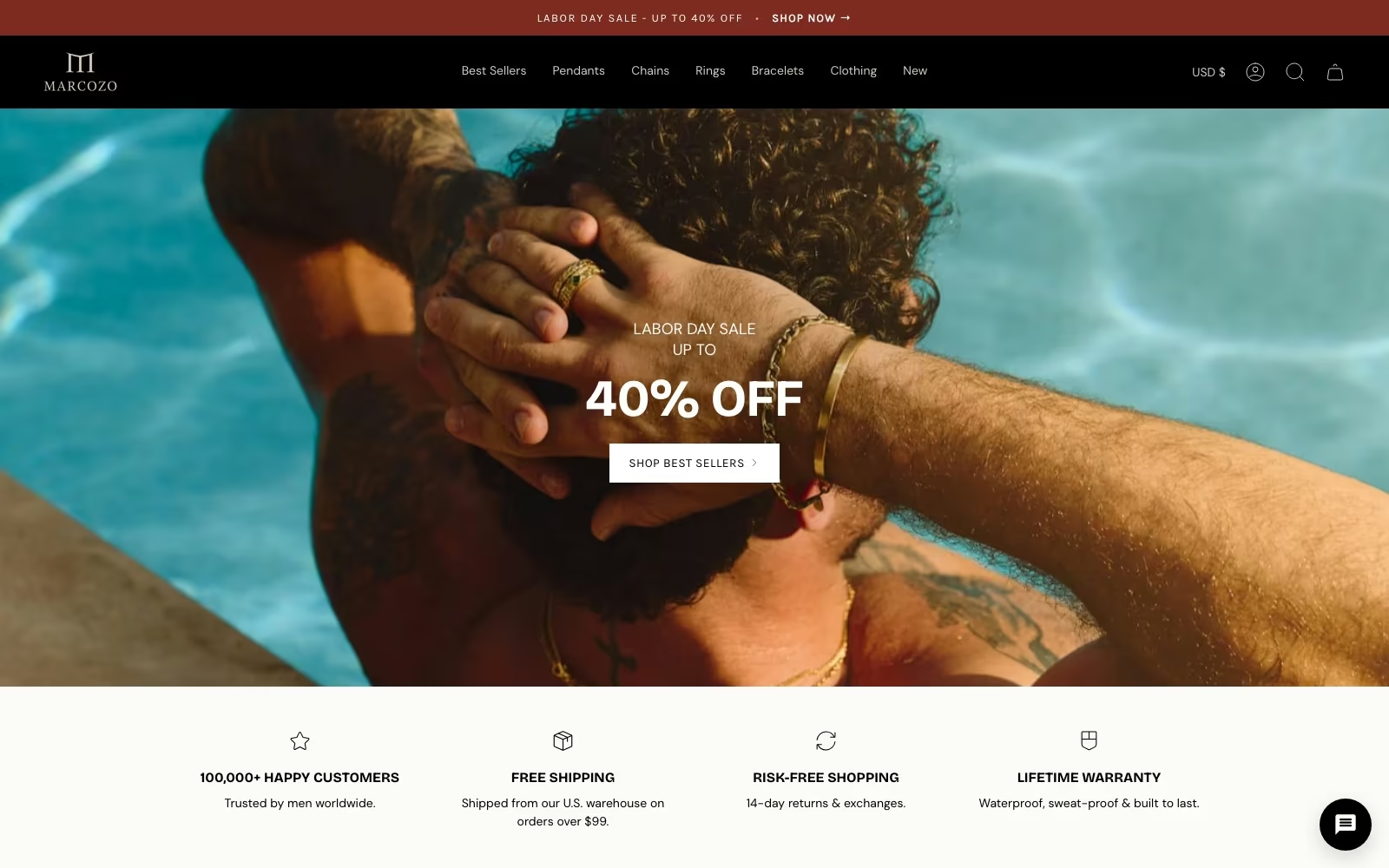

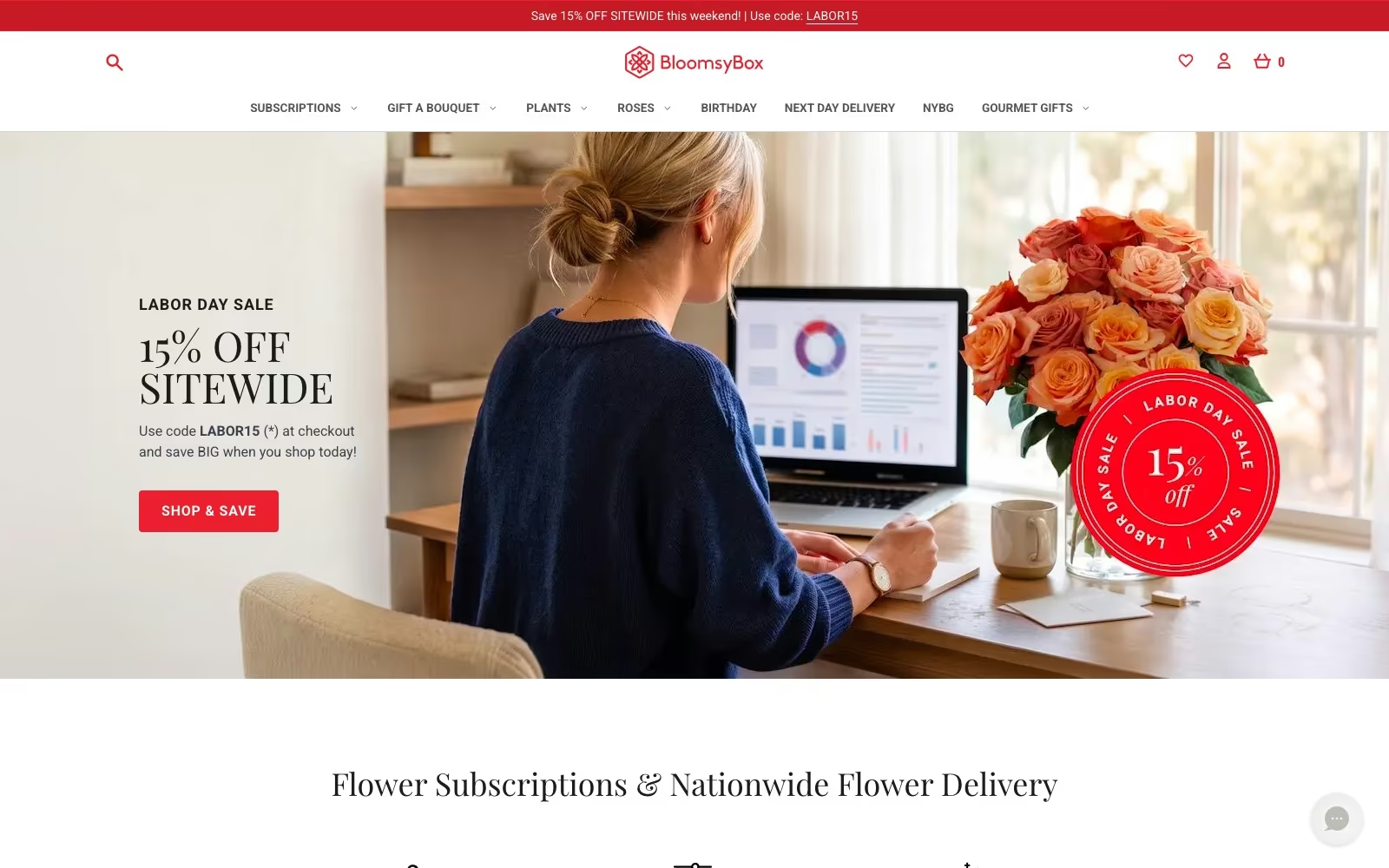




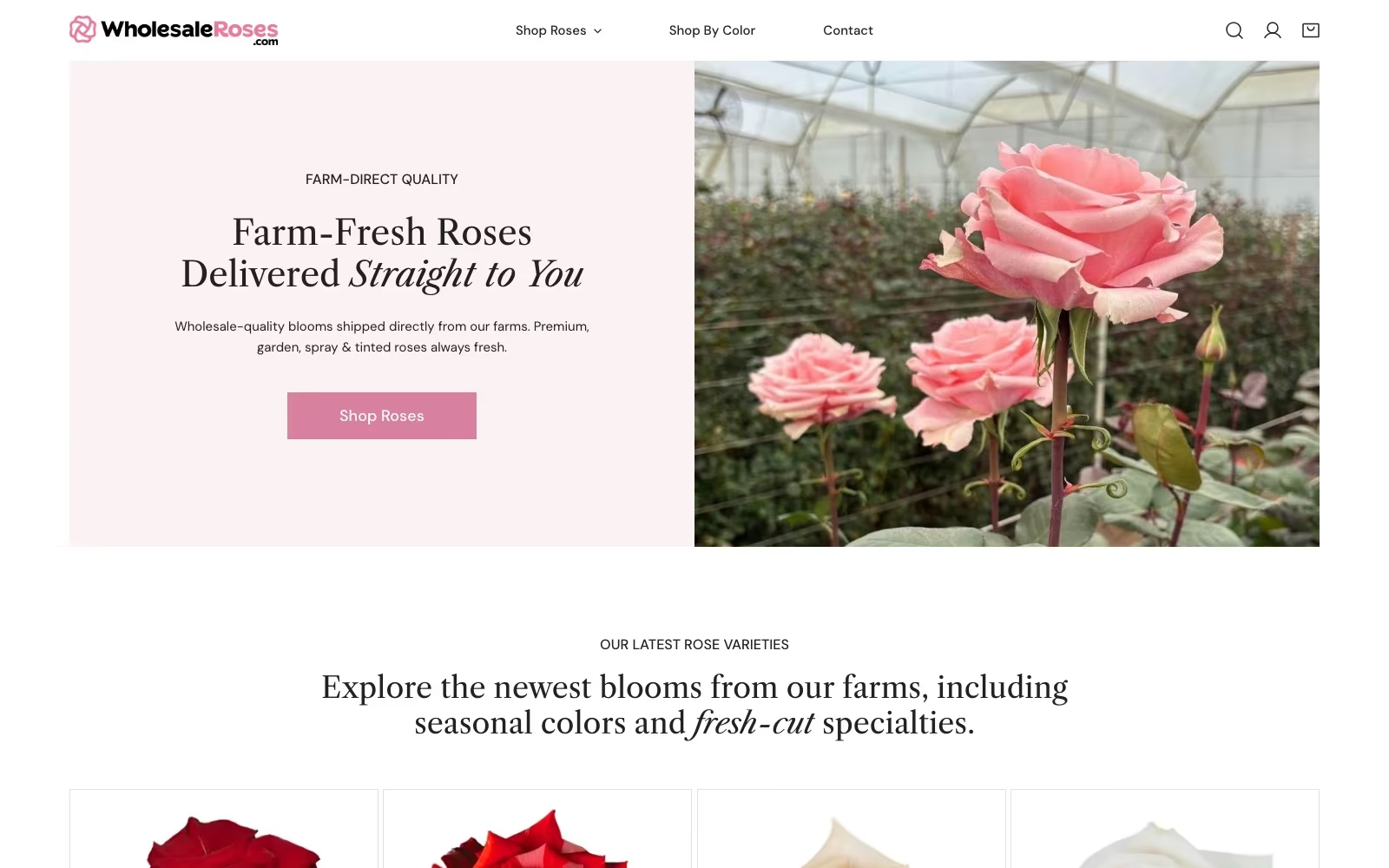

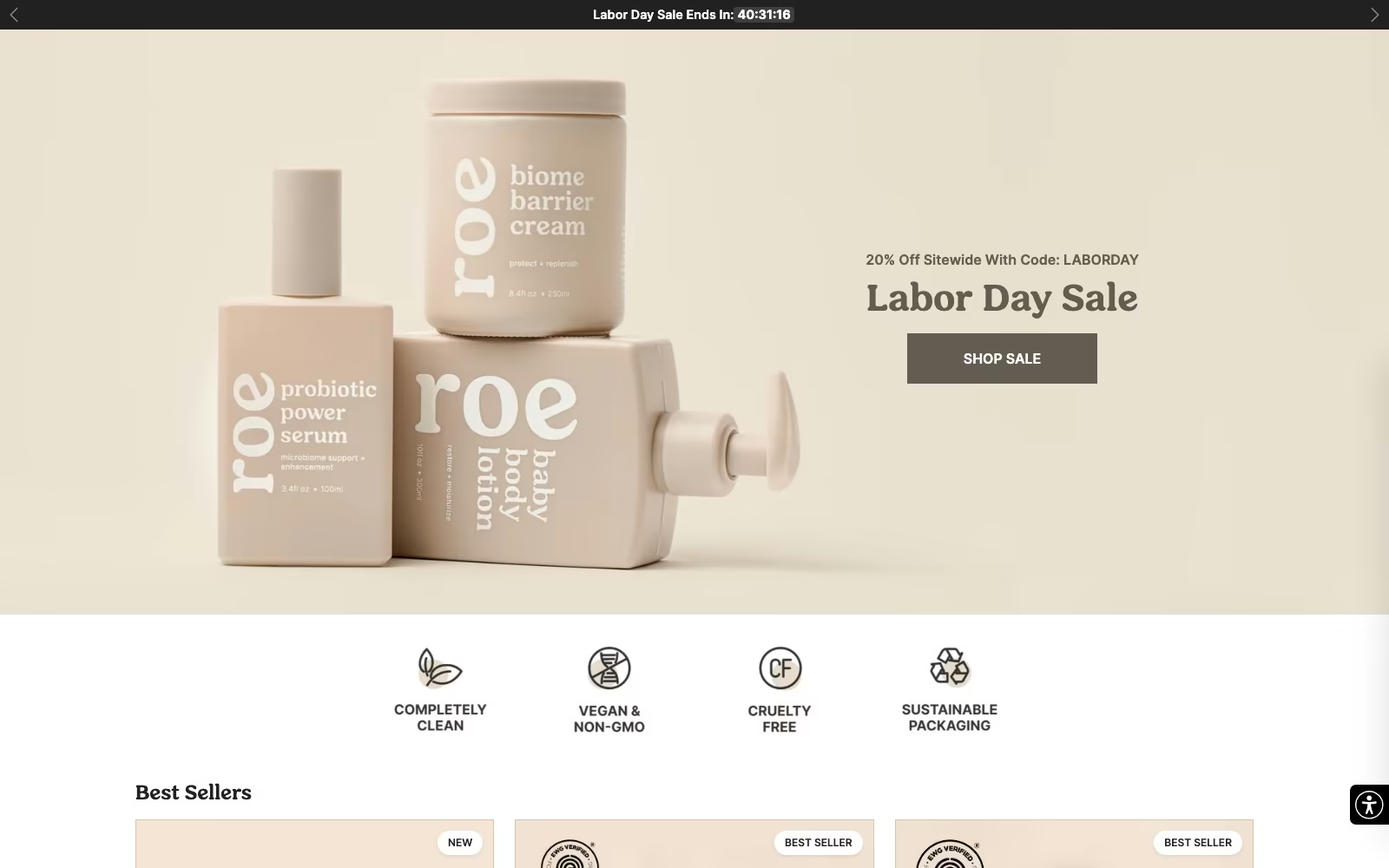

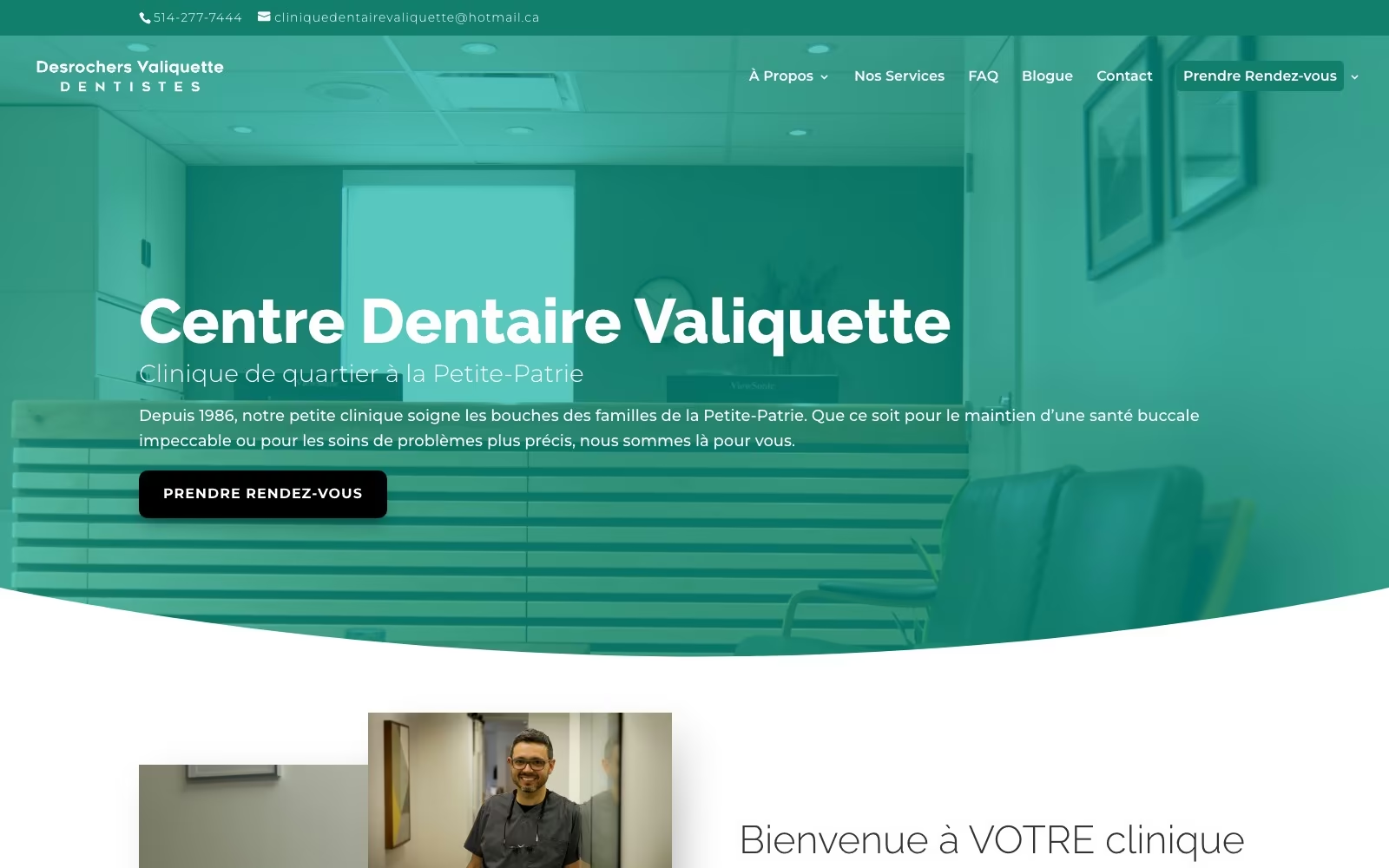



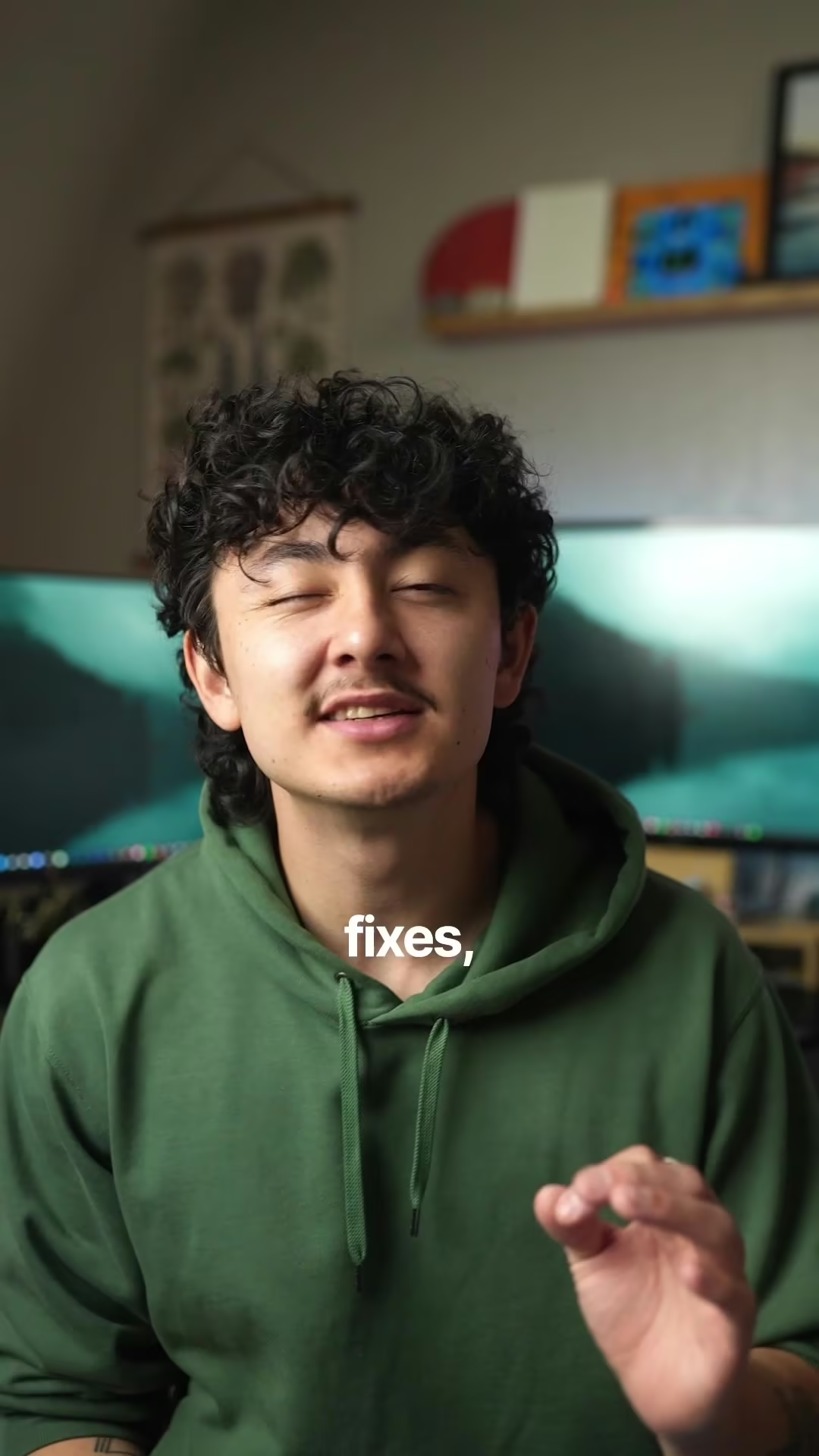
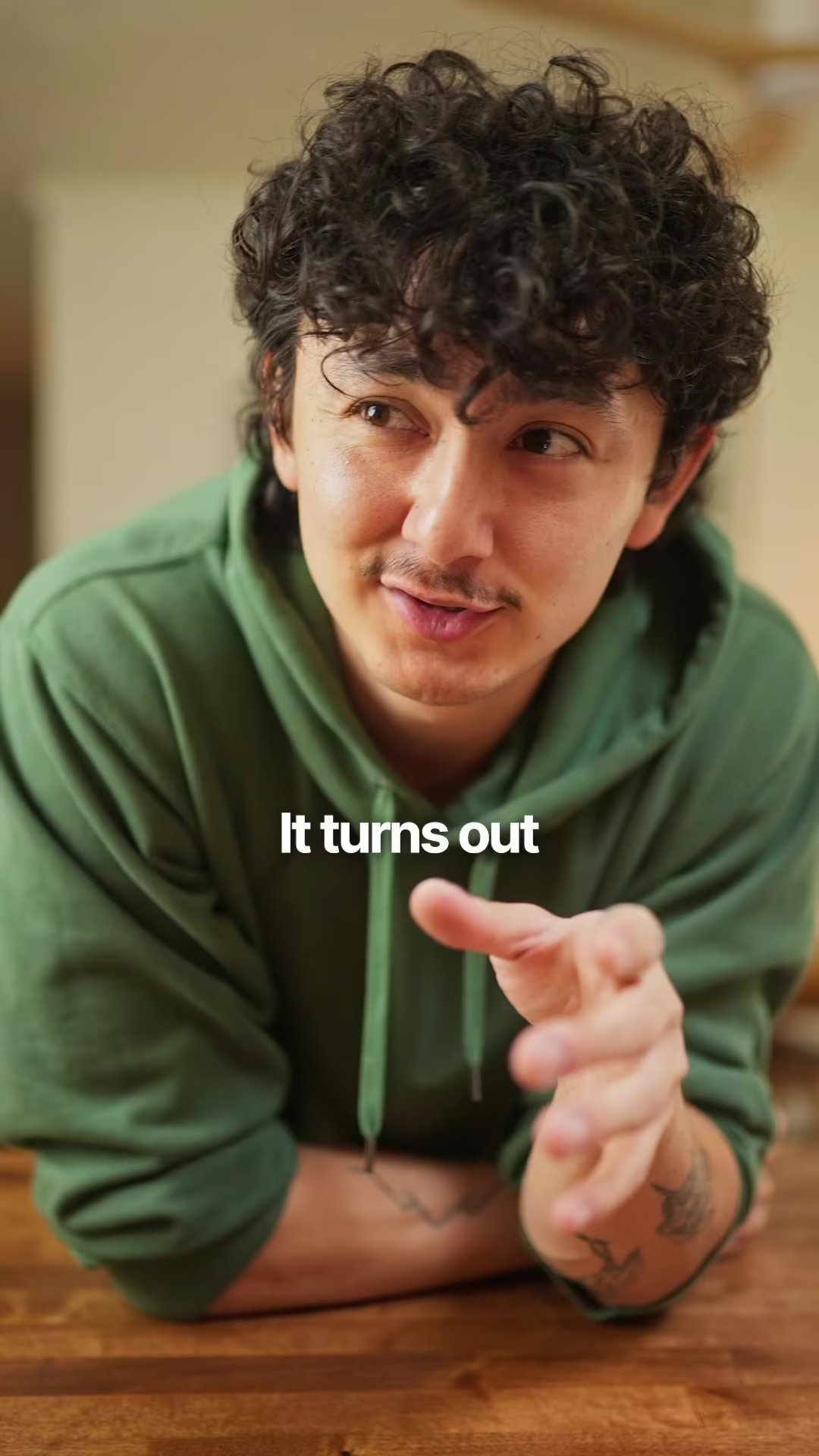
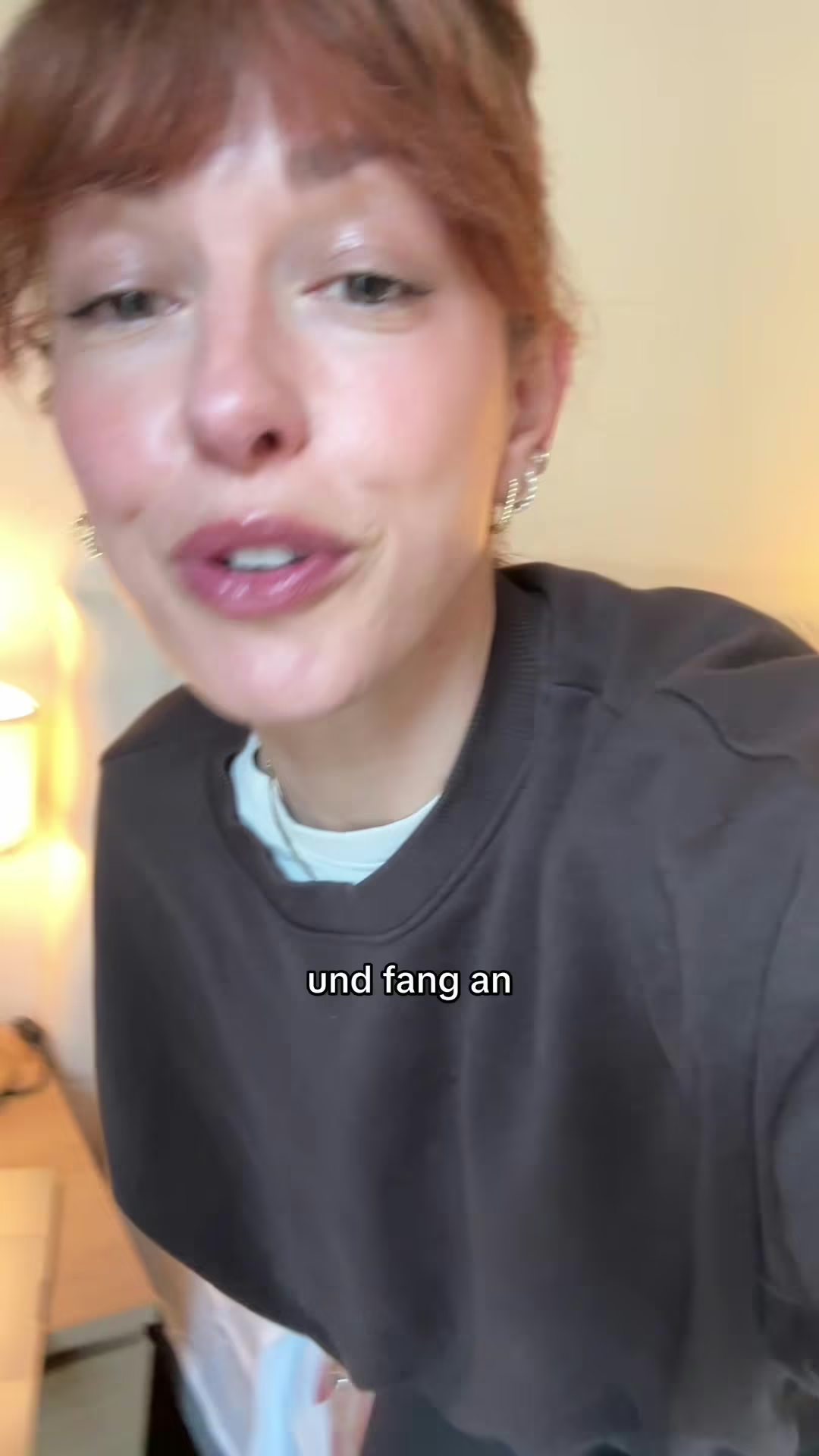
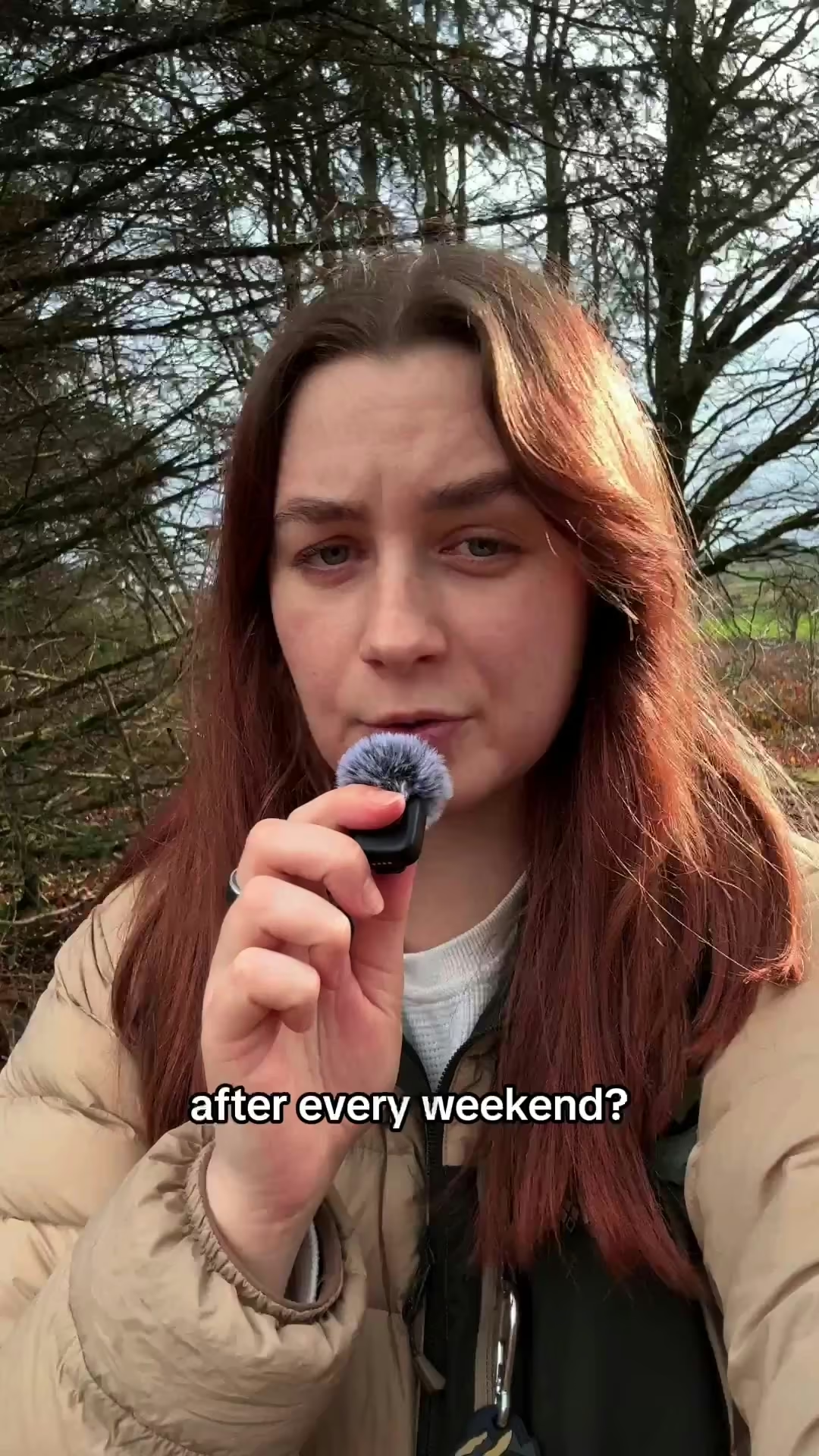











FAQ
What ecommerce brands ask us first.
How much creative does an online brand actually need?
Enough to keep a real test running, which for most stores means a monthly batch of several distinct angles rather than one hero film a quarter. Spend level sets the number: the more the account spends, the faster an audience sees the same idea and the sooner it fatigues. With average returns across 88,329 ads falling from 2.41 to 2.17 in six months, the brands holding performance are the ones with something new ready before the current winner tires.
Is creator-style content better than polished brand work?
For cold audiences it usually starts stronger. Across 12,000+ ads, creator-style content beat polished brand content by 31% on hook rate and 33% on click-through. That is not an argument for abandoning craft — considered purchases, premium pricing and retargeting all reward high production values, and the store itself has to look like a brand worth trusting. We plan both in the same batch and let the read decide the mix rather than picking a side.
What does ecommerce creative cost?
A monthly fee scoped to the volume and the formats, quoted before anything starts and separate from media spend. Cost tracks how much is shot live versus built from existing assets, whether creators are involved, and how many placements need native cuts. Where a brand already has a strong library, the cheapest useful engagement is a strategy and testing plan plus editing, and we will say so. Footage, files and the design system stay yours either way.
How do you decide whether an ad worked?
By reading attention and outcome separately. Hook rate tells you the opening earned a look, hold tells you the middle kept it, and click and cost per order tell you the offer landed. Confusing them wastes months: the category with the best hook rate at 28.79% finished twelfth of fourteen on return at 1.62. A strong hook with weak sales means fix the middle and the offer; a weak hook means the first two seconds, and nothing else.
Do you work with our existing brand guidelines?
Yes, and we would rather extend them than fight them. Guidelines usually describe a brand at rest — packaging, print, the website — and say little about a nine-second vertical video with captions burned in. We add a performance layer that keeps the identity recognisable while allowing the formats these placements demand, and we agree the boundaries in writing first so nothing gets rejected after the shoot. Where a guideline is quietly costing sales, we show the evidence rather than argue taste.
Who owns the footage and the files?
You do. Raw footage, project files, retouched imagery, design source files and the templates are delivered to your drive as we go, not held hostage at the end of a relationship. Creator content is licensed for paid use with the terms written down, including territory and duration, so you are never running an ad you no longer have the right to run. If we stopped working together tomorrow, another studio could pick the library up and keep producing.
Can you produce for our store as well as our ads?
That is usually where the biggest gain is. The ad wins the click and the page has to finish the job, so we design landing pages, collection imagery and product photography as one system with the campaign. Consistency is practical rather than aesthetic: the shopper should recognise the product instantly, see the detail they were promised, and find delivery and returns before they have to hunt. With cart abandonment averaging 70.22%, clarity on a page is worth as much as another ad.
How does this work with our media buying crew?
Closely, whether they sit with us or with you. The batch is planned against what the account needs next — fatiguing angles, an audience with nothing fresh, a product being pushed — and shipped with naming that makes the results readable. We join the weekly media review, take the read into the next brief, and where the buying sits with our paid social team the loop simply closes faster. No creative gets made without knowing which campaign it is for.
How long does a first batch take?
About six weeks from kickoff to ads in the account. The first two weeks are research and the angle map, week three is approvals and scheduling, and weeks four to six cover the shoot and the edits, including native cuts for each placement. After that the rhythm is monthly, which is faster because the research is standing and the templates exist. Urgent gaps can be filled sooner from existing assets, and we will tell you when that is the smarter option.
What makes a good hook for an online store?
Something true, specific and visible in two seconds. The reliable openings are the product doing the thing it is for, a problem shown rather than described, a number or claim that is genuinely surprising, or a customer saying the objection out loud. What fails is a logo, a slow establishing shot, or a sentence that could belong to any brand in the category. We write hooks against the angle, shoot several per concept, and let the hook rate settle the disagreement rather than the room.
How do you keep a design system consistent across dozens of products?
With components rather than one-off layouts. Type scale, colour, badge and price treatments, imagery rules and template grids get defined once, then every product page, collection banner and ad is assembled from them. That is what keeps a store looking deliberate when three people are publishing and a seasonal range lands every month. We hand the system over in your design tool with the components documented, so you can add products without asking us or drifting.
Do you handle photography and video, or just direction?
Both, and the split is a budget decision rather than a fixed rule. We direct and produce studio product photography, lifestyle shoots, creator video and motion design, and we are equally happy to art-direct a shoot your team runs and take over at the edit. What we insist on is that the shoot list comes from the angle map, because the cheapest way to waste a production day is to arrive with a location and no hypothesis.
How do you avoid creative fatigue?
By watching frequency and the shape of the decline rather than waiting for cost per order to spike. A fatiguing ad usually loses hold before it loses clicks, which gives a fortnight of warning if anyone is looking. We keep a queue of tested angles ready, refresh the top performers with new openings and edits instead of retiring them, and rotate formats so the same audience is not seeing the same shape of ad every day. Fatigue is a planning problem more than a creative one.
Can we start small and scale up?
Yes, and for most brands that is the sensible order. A first batch of a few angles with a clear read tells you whether the approach fits your product and your audience, and it costs a fraction of a full production commitment. If the numbers justify it we widen the volume; if they do not we will say what we would change before spending more of your money. We would rather run a small honest test than sell a big plan neither of us can defend in three months.

.webp)
.webp)