Dental PPC judged on booked chairs, not clicks.
booked chairs
Most dental accounts we inherit buy clicks nobody answers. The campaigns chase generic dentist keywords, the calls ring out at lunchtime, and the report counts form fills that never became patients. We rebuild the account around the treatments your practice actually wants on the schedule, connect the phone and the practice management system so bidding learns from booked appointments, and report cost per new patient. It runs from the same plan as your dental marketing work, so nothing is counted twice.






Tell us a little about your brand and we'll be in touch within 24 hours to lock in a time.



FOUR WORKSTREAMS
Four workstreams decide whether dental PPC pays.
Four workstreams
Dental paid search rewards unglamorous discipline: honest measurement, campaigns split by treatment intent, a landing page that loads on a phone, and a front desk that answers. Clever bidding comes fourth.
Campaign structure
Local reach & emergency demand
Landing pages & the call
Measurement & bidding
Treatment intent decides the auction.
An inherited dental account usually runs one catch-all campaign, a keyword list that mixes emergency toothache with teeth whitening, and negatives last touched years ago. That is expensive here: dental search ads average $8.00 a click at a 5.66% click-through rate, so every irrelevant impression is money, not untidiness.
We split the account by what the chair is worth and how urgent the search is: emergency dentistry, implants, orthodontics and clear aligners, hygiene and new patient exams, each with its own budget, its own copy and its own definition of a conversion.
- Emergency, implants, cosmetic and hygiene separated by intent
- Brand spend held at a defensible level
- Negative keyword lists rebuilt from real search terms
- Budget aimed at the treatments you want more of
$8.00
average cost per click on dental search ads (2026 benchmark)
5.66%
average click-through rate for dentists and dental services
Radius, hours and urgency, not a state-wide guess.
Patients pick a dentist close to home or close to work, and an emergency search at 8pm converts nothing if the ad points at a closed clinic. We set targeting to the drive time people will actually accept, schedule spend around the hours your team answers the phone, and keep emergency campaigns live when the demand is real rather than when the budget calendar says so.
Reviews carry that local decision — 97% of consumers read reviews for local businesses — so we keep the profile, the ads and the landing page telling the same story about your practice.
- Radius set to real drive time, not a whole metro
- Ad scheduling matched to when calls get answered
- Emergency campaigns with their own copy and bids
- Location assets and profile kept consistent with the ads
97%
of consumers read reviews for local businesses
You cannot bid your way past a slow booking page.
Most dental clicks land on a homepage that asks the patient to hunt for a phone number. The gap is measurable: dental websites convert about 4.2% of visitors while offer-specific landing pages convert 12.5% and call-only ads reach 18.2%. That is a page problem and a phone problem, not a traffic problem.
We build fast single-purpose pages per treatment, with a form short enough to finish one-handed, a tracked number that rings the right handset, and online booking that works. Our landing page team builds them outside the practice website when the website cannot be changed quickly.
- One page per treatment, tested on a phone first
- Short forms, tracked calls, working online booking
- Finance and insurance questions answered on the page
- Continuous testing on the pages carrying the most spend
12.5%
conversion rate on offer-specific dental landing pages against 4.2% site-wide
18.2%
conversion rate reported for dental call-only ads
Bid on booked patients, not on form fills.
A form fill is not a patient. When call tracking and the practice management system feed booked and attended appointments back into Google, smart bidding stops buying the cheapest enquiry and starts buying the ones that sit in a chair. It matters at these prices: the benchmark cost per lead is $72.97 for dentists against $66.02 across healthcare search.
We wire call tracking, offline conversion import and analytics together, agree a target cost per new patient with you, and report against it every month in plain language.
- Phone tracking counted as a real conversion
- Booked appointments imported back into the ad platform
- Bidding optimised on patients, not enquiries
- One monthly read anyone at the clinic can follow
$72.97
benchmark cost per lead for dentists on Google Ads
10.67%
average conversion rate on dental search campaigns
Ad accounts, analytics and call tracking stay in your name
Cost per new patient is the metric we are judged on
Weekly working session with the people doing the work
Long-term lock-ins
We made the difference for those brands

Retail & commerce

Retail & commerce

Healthcare & regulated services

Home essentials, appliances, kitchen & pet

Beauty, personal care & wellness

Consumer tech and platforms

Consumer tech and platforms

Beauty, personal care & wellness

Beauty, personal care & wellness

Apparel and lifestyle

Travel & mobility

Food & beverage

Food & beverage

Home essentials, appliances, kitchen & pet

Creative, content, arts & culture

Creative, content, arts & culture

Beauty, personal care & wellness

Retail & commerce

Apparel and lifestyle

B2B software, fintech, insurance

Retail & commerce

B2B software, fintech, insurance

Healthcare & regulated services

Home essentials, appliances, kitchen & pet

Healthcare & regulated services

B2B software, fintech, insurance

Creative, content, arts & culture

Food & beverage

Consumer tech and platforms

Food & beverage
01 — The challenge
The spend is steady. Nobody can name the patients it booked.
The pattern repeats from clinic to clinic. The budget goes out every month, the agency report shows clicks and a cost per lead, and the front desk quietly believes most of those enquiries were people already searching for the practice by name. Nobody can trace a booked implant case back to a campaign, so the argument about whether PPC works never actually ends.
“We know what a click costs. We have no idea what a new patient costs us.”
The fix is measurement before media. With a $72.97 average cost per lead and a 10.67% conversion rate as the market baseline, the true cost of a booked patient is arithmetic rather than mystery — and once bookings flow back into the platform, bidding starts chasing the searches that fill chairs.
02 — Our approach
Measure first, restructure second, then spend against the schedule.
The first fortnight is unglamorous: conversion tracking rebuilt, call tracking installed and tested on a real handset, the practice management system connected so booked and attended appointments flow back into Google, and a baseline agreed with you so nobody argues later about what changed. Then we restructure. Emergency, implants, orthodontics, cosmetic and hygiene get separate campaigns with separate budgets, brand spend is capped, negative lists are rebuilt from real search terms, and money follows the treatments your schedule has room for this quarter. Landing pages come next, built fast and single-purpose, because the practice website is usually the reason good clicks go nowhere. From there it is weekly management with a monthly read: search terms mined, bids and budgets moved as the diary fills, ad copy refreshed against what the practice actually offers, and phone recordings reviewed with your front desk so a missed call stops being invisible. We hold category exclusivity by area, so we never run two competing practices in the same town.
03 — What we did
A first ninety days that ends the guessing.
Tracking, restructure, pages, then weekly management — in sequence, with a working session every week and a written note of what changed.
Weeks 1-2 / Measurement
Calls, bookings and conversions wired together
Call tracking installed and tested, duplicate conversions removed, booked appointments imported from the practice management system, and a baseline agreed before anything is switched off.

Weeks 2-6 / Restructure
Campaigns split by treatment and urgency
Emergency, implants, orthodontics, cosmetic and hygiene separated, brand spend capped, negatives rebuilt from real search terms, and radius targeting cut back to a drive time patients accept.

Weeks 4-8 / Booking path
Fast pages and a phone that gets answered
Single-purpose pages per treatment, short forms, tracked numbers, online booking checked on a phone, and call recordings reviewed with the front desk team.

Ongoing / Management
Cost per new patient, reported monthly
Weekly search term mining and budget shifts as the diary fills, and one monthly page showing calls, booked appointments and cost per new patient by campaign.

WHAT YOU GET
Deliverables your practice manager can audit.
can audit
Everything below lands in accounts you own and stays yours if you ever leave.

Account and tracking audit
What the current account is really buying, where the waste sits, and which conversions are counting the same caller twice.

Rebuilt campaign structure
Emergency, implants, cosmetic and hygiene split by intent, with budgets pointed at the treatments you want more of.

Treatment landing pages
Fast single-purpose pages per treatment, short forms, tracked numbers and booking that works one-handed.

Local and emergency coverage
Radius targeting, ad scheduling and emergency campaigns matched to when your team actually answers.

Ad copy and offers
Copy and offer testing built on what your clinic really provides, including finance and insurance questions.

Monthly reporting
Cost per call and per new patient by campaign, next to what changed and what happens next month.
HOW WE WORK
Operating standards, not promises.
Operating standards


General & family practices
Hygiene, exams and emergency demand kept in balance so the diary fills evenly.
ExploreImplant & cosmetic clinics
High-value treatment campaigns measured on consultations attended, not enquiries counted.
ExploreOrthodontics & aligners
Longer decision cycles handled with sequenced campaigns and honest attribution windows.
Explore

















Built on trust. Proven by results.
We partner with SMBs and Fortune 500 companies to deliver more than reach — we bring clarity, execution, and measurable outcomes. Every successful partnership starts with a strong culture fit and a shared drive to grow.





CASE STUDIES
Case studies
Website Portfolio
Video Ads
Static Ads



































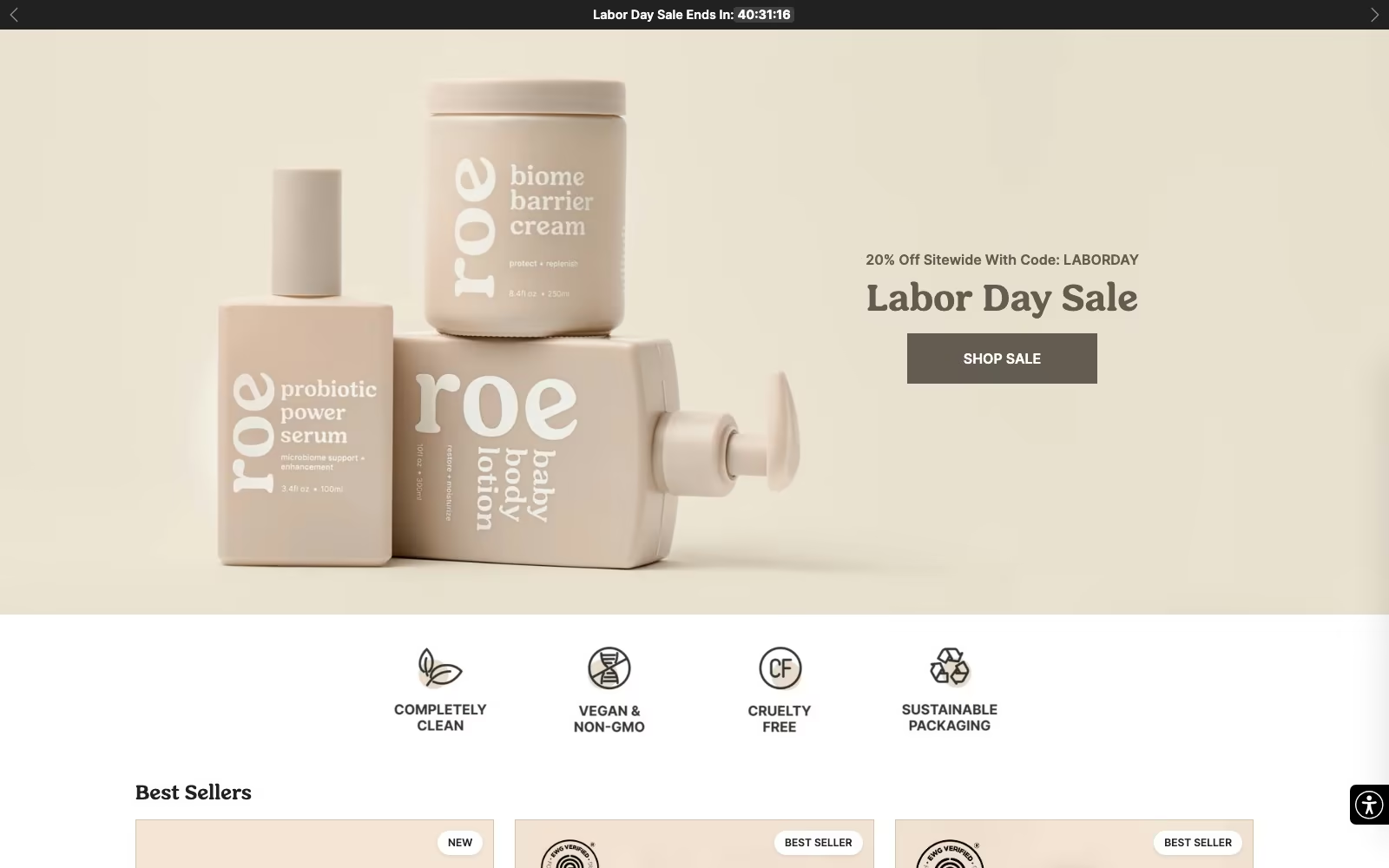

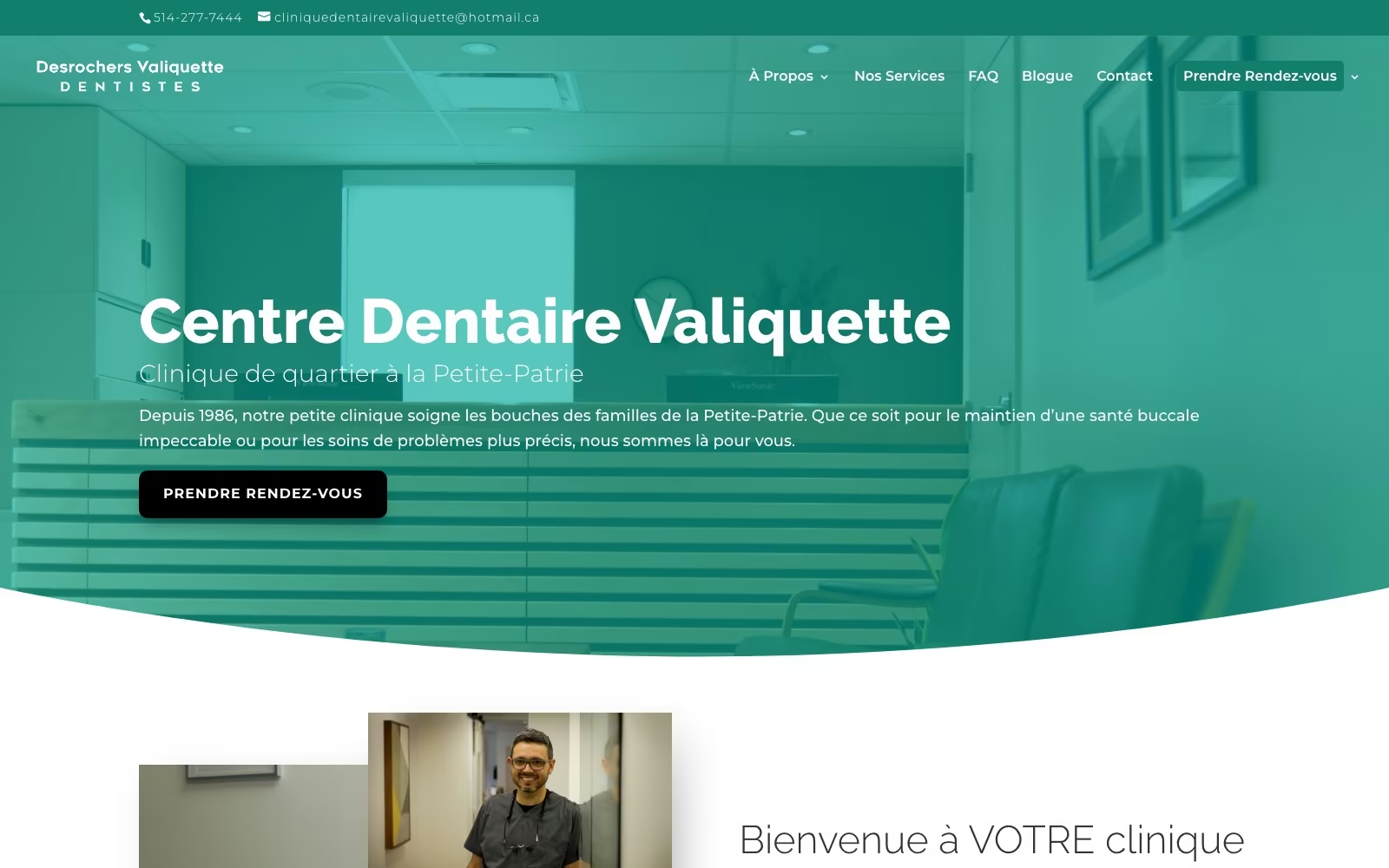

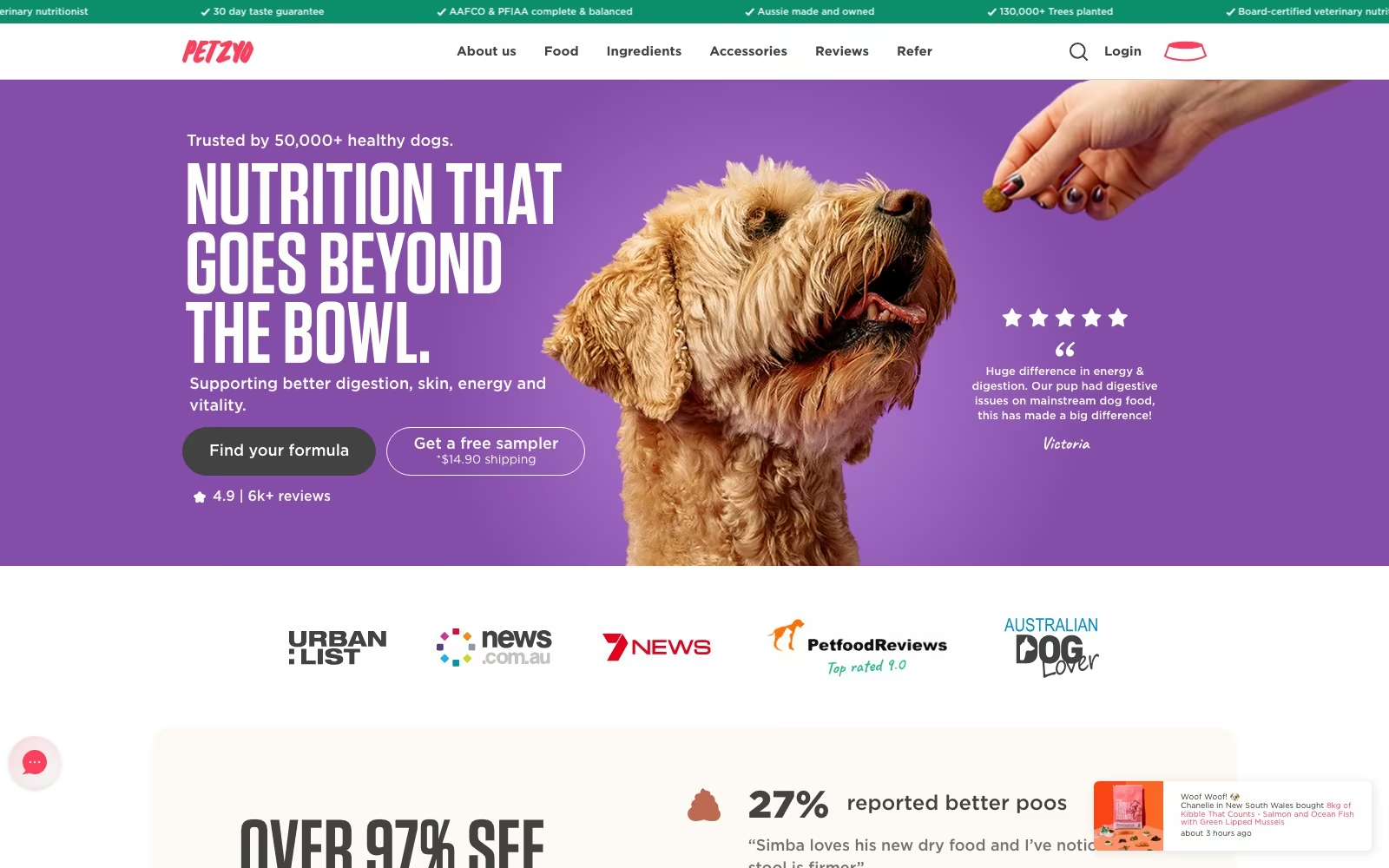



















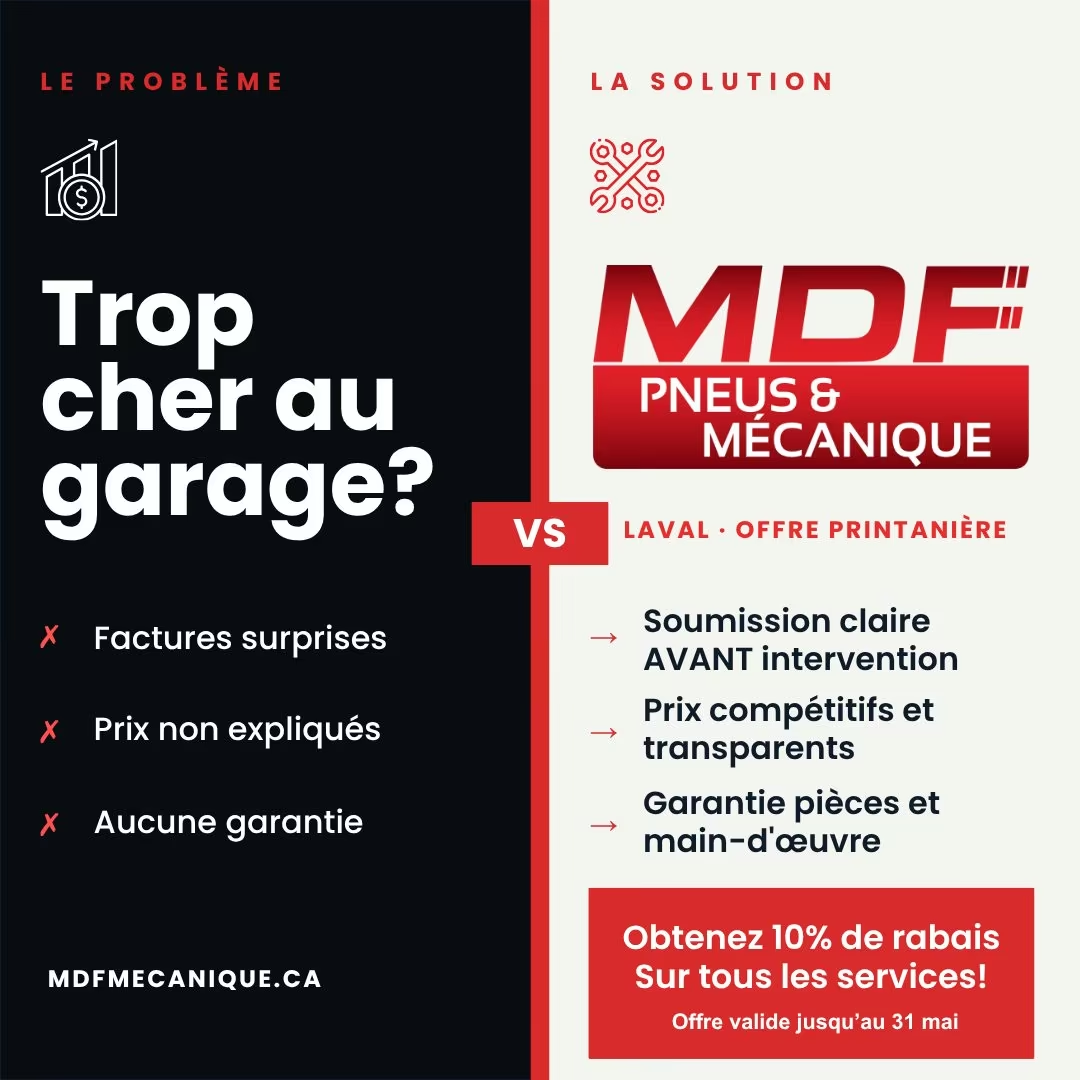







FAQ
What dentists ask us first.
How quickly does a rebuilt dental PPC account start performing?
Waste comes out in the first fortnight, because negatives, capped brand spend and paused catch-all campaigns take effect immediately. Structural gains follow over four to eight weeks as bidding relearns on cleaner conversion data. The honest read is a full quarter: calls move before booked high-value cases do, and we agree that up front so nobody judges a rebuild on nine days of data.
What does dental PPC cost, and how should we judge it?
Management is a fixed monthly fee scoped to the account rather than a percentage of spend, so our incentive points at efficiency instead of volume. Media is yours and paid directly to Google. Judge us on cost per new patient against what a patient is worth to the clinic: with a $72.97 benchmark cost per lead and your own case acceptance rate, the break-even is straightforward arithmetic we will do with you before you sign anything.
Should we bid on our own practice name?
Some, rarely as much as an inherited account does. Brand terms look excellent in a report because they convert cheaply, and much of that volume would have arrived anyway. We keep enough brand coverage to defend against competitors bidding on your name, measure the incremental part honestly, and move the rest to treatment campaigns that need help. It usually frees a meaningful share of budget in month one.
Do we really need phone tracking?
In dentistry it is the whole game, because most high-value enquiries arrive by phone rather than by form. Without it, the platform optimises toward whoever fills in a web form, which skews budget away from implants and emergencies. Call-only formats convert strongly in this market — 18.2% is the reported benchmark — and we set the tracking up, test it on your handsets and keep your existing numbers visible everywhere patients look.
How do you handle emergency dental searches?
Separately, and with different copy, bids and hours. Emergency searches convert fast and forgive very little: the ad has to say you can see someone today, the page has to give a phone number above the fold, and someone has to answer. We keep these campaigns live when demand actually appears, including evenings and weekends where your team covers them, and we pause them honestly when nobody is there to pick up.
Can you help us get more implant and cosmetic cases specifically?
Yes, and it is usually where the return lives. High-value treatment searches are fewer, more expensive and slower to close, so they need their own campaigns, their own pages answering cost and finance questions, and a conversion definition based on consultations attended rather than enquiries received. We also sequence follow-up so a patient researching for six weeks still sees your practice at the point of decision.
Our website is locked to a dental website provider. Is that a problem?
It is a constraint we work with often, and usually the highest-value thing we change. Where the platform allows custom pages we optimise those; where it does not, we build fast standalone pages for the campaigns carrying real spend and pass enquiries straight into your systems. Given offer-specific pages convert around 12.5% against 4.2% site-wide, this is often the cheapest performance gain available.
Will you work with our front desk team?
Yes, and the accounts that perform best are the ones where we do. We share call recordings from paid campaigns, agree what counts as a booked appointment so everyone measures the same thing, and flag missed-call patterns by hour rather than blaming anyone. Small changes at reception, like covering the lunch hour, routinely move cost per new patient more than a bid adjustment ever will.
How much budget does a dental practice need to make this work?
Enough to gather data in a reasonable time rather than a fixed magic number. With clicks averaging $8.00 in this category, a single-site clinic usually needs a few thousand dollars a month to learn anything reliable within a quarter. We would rather tell you a budget is too thin for the market than take it and report averages, and we will say which treatments to fund first if the number is tight.
Do you work with multi-location dental groups?
Yes, and the structure changes. Each location gets its own budget, radius and phone tracking so one busy site cannot hide an underperforming one, while shared assets and negatives stay central so the group is not rebuilding the same work five times. Reporting rolls up for the group and drills down per practice, which is usually what a regional manager actually needs.
What about Performance Max for a dental practice?
It can work with guardrails: clean conversion data, brand exclusions so it does not quietly harvest your own name, sensible asset groups per treatment, and regular reporting on where placements ran. We use it where the data supports it and always keep a controlled search structure alongside, so you have a channel where the levers are visible and a fallback if the automated campaign drifts.
Can you run our other marketing too?
Yes, and the numbers get more honest when one team holds them. Our local SEO, paid social and analytics specialists work from the same plan as the paid search team, so a new patient is attributed once instead of claimed by three vendors. Hiring us for search alone is equally fine — everything is documented and left in accounts you own.

.webp)
.webp)