SEO that compounds instead of resetting every update.
compounds
We are an SEO agency for businesses that want organic search to become their cheapest source of customers. Technical foundations, content built around real intent, and internal linking that pushes authority to the pages that earn money. Organic search still drives 51% of all website traffic in BrightEdge’s 2025 study, so the channel is not going anywhere — the way you win it changed. You get reporting on revenue contribution, not rank screenshots, and you can read the case studies behind every claim on this page.


Tell us a little about your brand and we'll be in touch within 24 hours to lock in a time.



WORKSTREAMS
Four things decide organic growth.
Four things
Technical health, content that matches intent, authority, and the experience once someone lands on your website. Neglect one and the other three stop compounding. Most SEO services sold to businesses cover one of the four properly and invoice for all of them, which is why so much search engine optimization work stalls at month six. Every workstream below is run by a named senior specialist, and every artefact they produce belongs to your company.
Agency selection guides: Affordable SEO agencies.

Technical SEO

Content & intent

Authority & links

Conversion
Remove the ceiling before adding content.
Crawl and index control, Core Web Vitals, structured data, log-file reading on larger sites, and a prioritised fix list with named owners so the work actually ships. On most websites we inherit, a quarter of the indexable pages should never have been indexed — parameter duplicates, thin tag archives, staging leftovers. Cleaning that up costs nothing in content budget and frequently moves the pages you already care about.
- Crawl and index control
- Core Web Vitals on real devices
- Schema coverage and validation
- Internal link graph audit
1 week
to your prioritised fix list
Owners
named on every issue
Pages built for a decision, not a word count.
An intent map of every existing page, consolidation of the ones competing with each other, and briefs your writers can execute without a second meeting. We decide keep, rewrite, merge or retire page by page before anything new is commissioned. Search behaviour is getting shorter: 58.5% of US Google searches now end without a click (Semrush), so a page has to earn the click by answering the question better than the summary above it.
- Intent mapping of every URL
- Consolidation and rewrites
- Executable briefs
- Topical coverage plan
Every page
mapped before we publish
One intent
per URL, no cannibalisation
Links that a human would actually click.
Digital PR and placement work on websites with real traffic and real editorial standards, with anchor distribution kept inside a safe profile and indexation verified after the fact. You see every placement, its live URL and its traffic before we buy or pitch it. We run the same vetting framework on our own properties, and we will tell you when a link is not worth its price rather than spend the budget to look busy.
- Placement vetting
- Anchor distribution control
- Indexation checks
- Digital PR angles
Every link
shown to you before it goes live
Documented
anchor profile per domain
Rankings are the start of the job.
Landing experience, page-level CRO and internal linking that turns organic visits into pipeline instead of sessions. Visibility that does not convert is a vanity metric with a hosting bill. We review the top landing pages every month with your sales or booking data beside them, and change the page rather than argue with the traffic. Small businesses feel this first: one fixed service page usually beats three new blog posts.
- Landing alignment
- Internal linking to commercial pages
- On-page CRO tests
- Lead quality review
Monthly
landing page review with sales data
Revenue
is the reported number
client satisfaction above $500/month spend (Backlinko)
of SEO clients would recommend their provider (Backlinko)
Technical audit delivered, prioritised and owned
The content, links and documentation
We made the difference for those brands

Beauty, personal care & wellness
Home essentials, appliances, kitchen & pet
B2B software, fintech, insurance

Retail & commerce
B2B software, fintech, insurance

Creative, content, arts & culture
Home essentials, appliances, kitchen & pet
Beauty, personal care & wellness
Consumer tech and platforms
Creative, content, arts & culture

Healthcare & regulated services
Consumer tech and platforms

Food & beverage
B2B software, fintech, insurance
Consumer tech and platforms
Consumer tech and platforms

B2B software, fintech, insurance

Beauty, personal care & wellness

Consumer tech and platforms
Apparel and lifestyle

Healthcare & regulated services

Beauty, personal care & wellness
Consumer tech and platforms
Travel & mobility
Consumer tech and platforms

Retail & commerce
Travel & mobility
Home essentials, appliances, kitchen & pet
Travel & mobility

Beauty, personal care & wellness
01 — The challenge
Publishing more is not a strategy.
The accounts that plateau usually have plenty of content. What they lack is a map: which page owns which intent, which pages should never have been published, and where authority is being spent on posts that will never sell anything. Add an AI summary at the top of the results and thin content stops earning its keep entirely.
“We publish four posts a month. Traffic is up. Revenue from organic hasn’t moved in a year.”
That is a structural problem, not a volume problem. Two pages competing for the same query, commercial pages three clicks deep, and no internal linking pushing authority anywhere useful. The fix starts with subtraction: consolidate the duplicates, retire what cannot rank, and give every surviving page one job. Google AI Overviews went from 6.5% of queries in January 2025 to just under 25% in July, then back below 16% by November, so the surface keeps moving — which is exactly why we build on structure and demand rather than on one layout.
02 — Our approach
Map the intent. Then earn the position.
We start with a technical audit and a full intent map of what already exists, then consolidate, rewrite or retire before writing anything new. Only then do we build topical coverage around the queries that convert, with internal linking engineered to push authority to commercial pages. Local search gets its own track where it matters: profile, service areas, reviews and location pages, because a local business competes in the map before it competes in the ten blue links. Reporting is one page: contribution to revenue, coverage gained, and what we are doing next. No screenshot of a keyword you would never buy.
03 — What we did
Audit, fix, build, compound.
Technical fixes land first because they unblock everything else. Content and authority follow, reviewed monthly against contribution rather than position. Nothing in the plan is a surprise: you approve the intent map and the placement list before we spend a day on either.
Weeks 1-2 / Audit
Technical audit, intent map, and a fix list with owners
Crawl, index coverage, speed, schema and the internal link graph, then every existing URL classified keep / rewrite / merge / retire.

Month 1-2 / Foundations
Fix what caps the site, consolidate what competes
Redirects, canonical and index rules, template fixes, and the consolidation of pages that were splitting the same intent.

Month 2 onward / Build
Publish against demand, link toward money
Briefs and drafts for the queries that convert, schema built in, and internal links pushing authority to your commercial pages.

Ongoing / Compound
Authority, then a monthly read on contribution
Placements on sites with real traffic, indexation verified, and one written review of organic revenue with the raw data attached.

DELIVERABLES
Work you own, not a monthly report.
you own
Every cycle produces artefacts your team can act on without us in the room. If you ever leave, you leave with the audit, the intent map, the briefs, the pages and the placement log, in accounts that stay in your company’s name.

Technical audit with owners and priority
Every issue rated by impact and effort, assigned to a name, and tracked until it is closed rather than listed once and forgotten.

Every page mapped to one job
Keep, rewrite, merge or retire, decided page by page with the search demand and the revenue data side by side.

Briefs and drafts your team can ship
Written to answer the query fully, with schema, internal links and the commercial next step already built into the outline.

A placement log you can audit
Every link with its live URL, its traffic, its anchor and the date it was indexed, so authority work is never a black box.

Structured data and AI-answer readiness
Schema coverage, entity clarity and answer-shaped sections so summaries and assistants can quote your pages correctly.

Contribution reporting, not vanity
Organic revenue, assisted pipeline and coverage gained, with the raw data attached so your analyst can check our arithmetic.
HOW WE WORK
Operating standards, not promises.
Operating standards



















Built on trust. Proven by results.
We partner with SMBs and Fortune 500 companies to deliver more than reach — we bring clarity, execution, and measurable outcomes. Every successful partnership starts with a strong culture fit and a shared drive to grow.


CASE STUDIES
Case studies
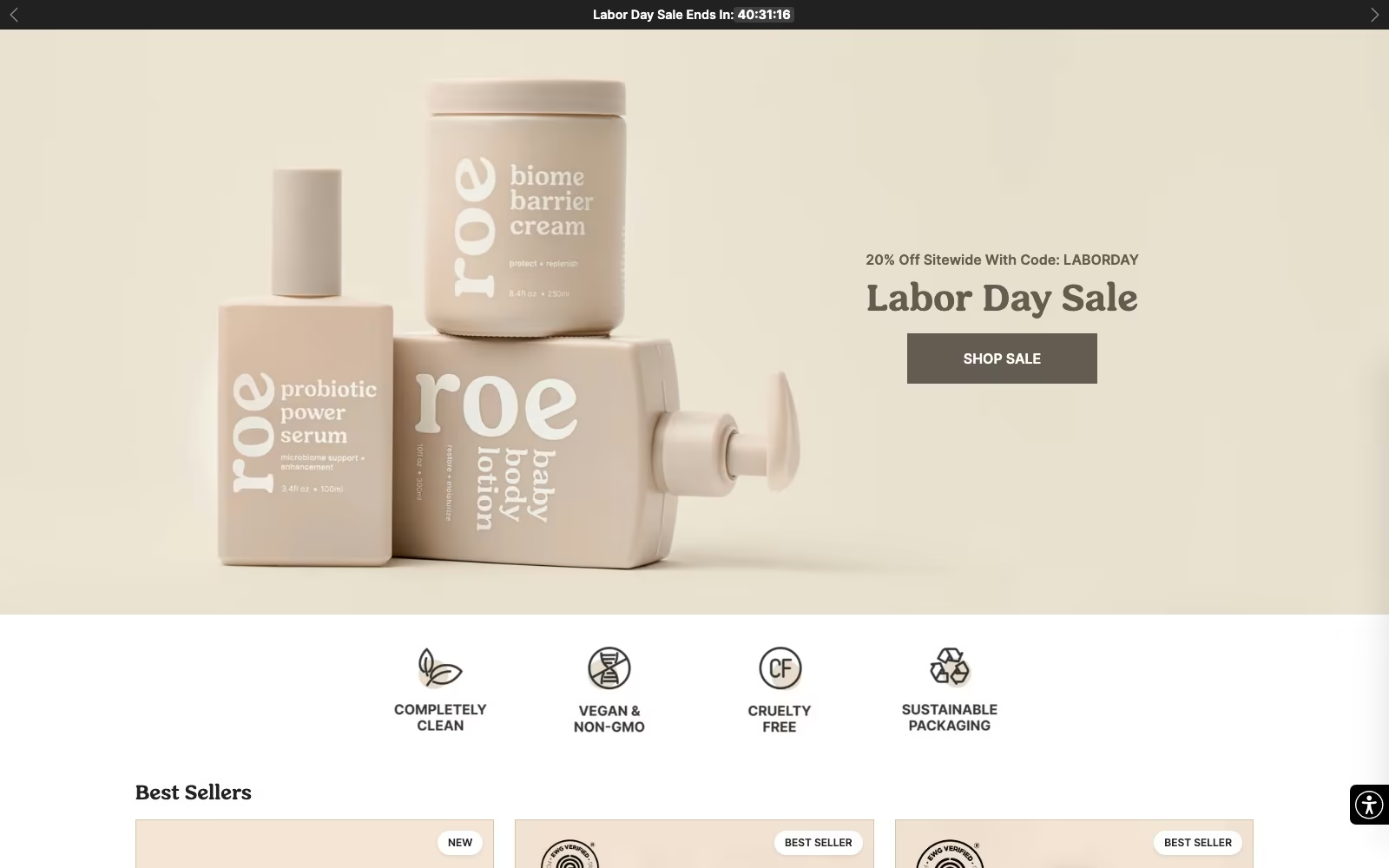
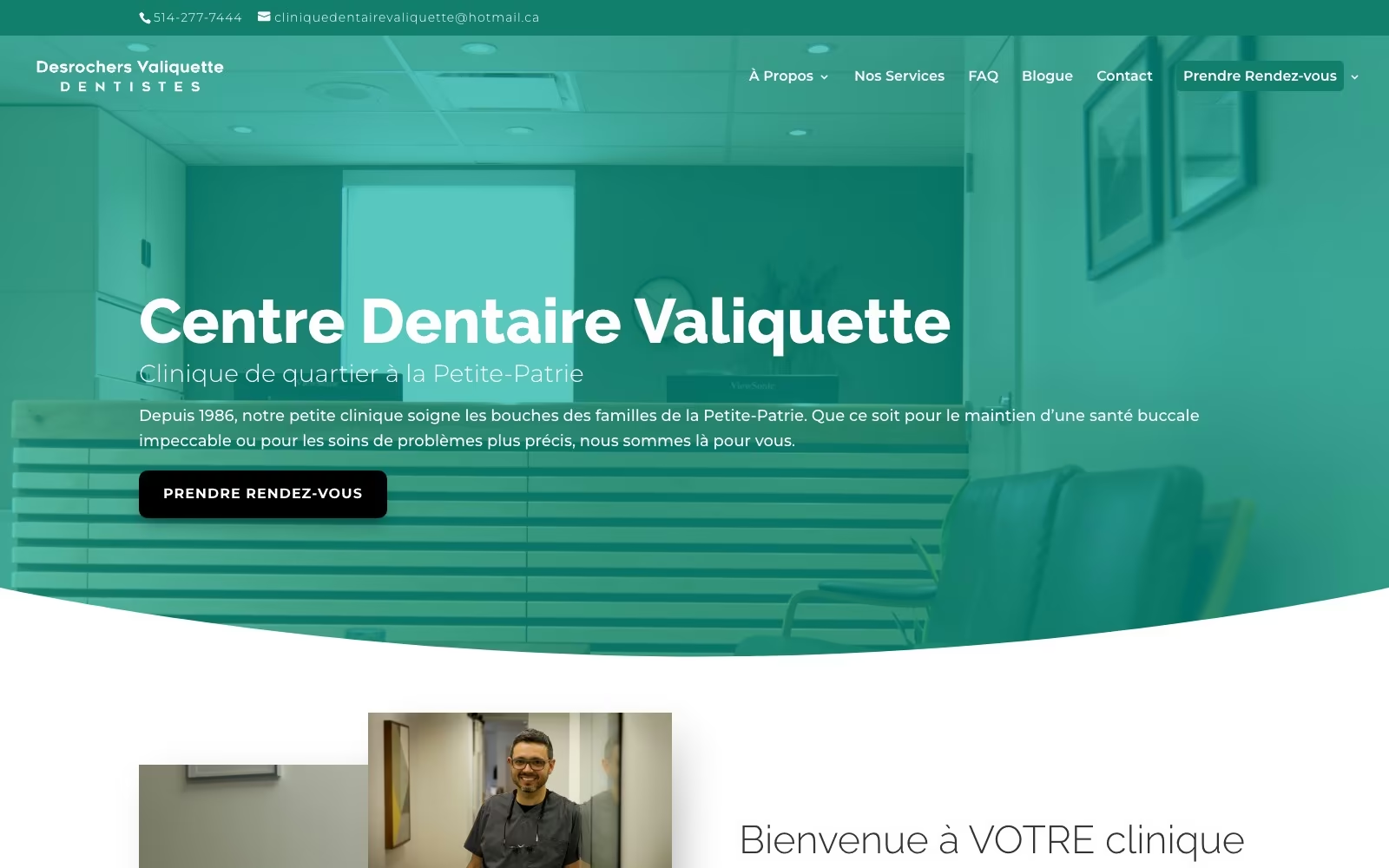
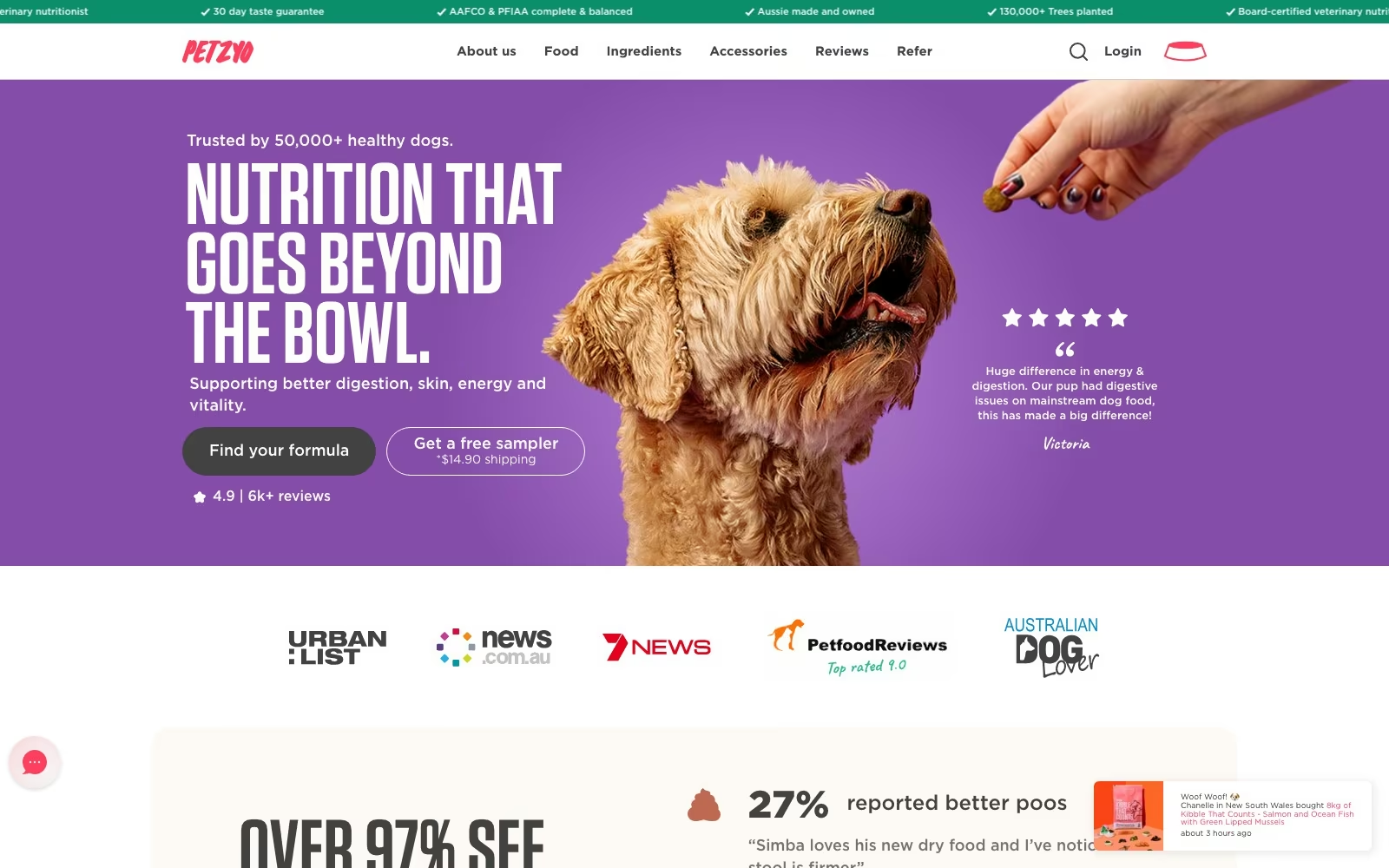
Website Portfolio
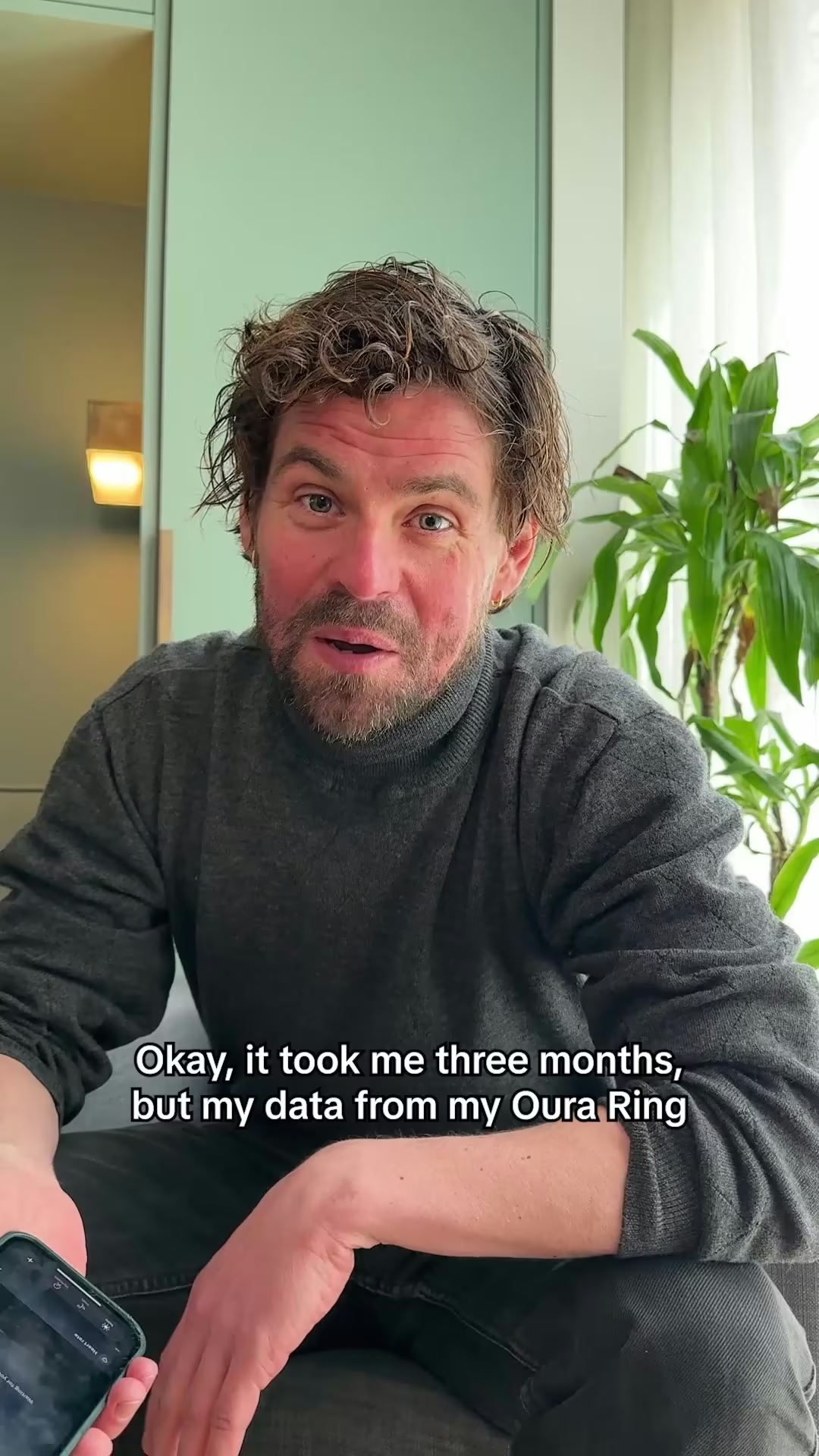
Video Ads
Static Ads













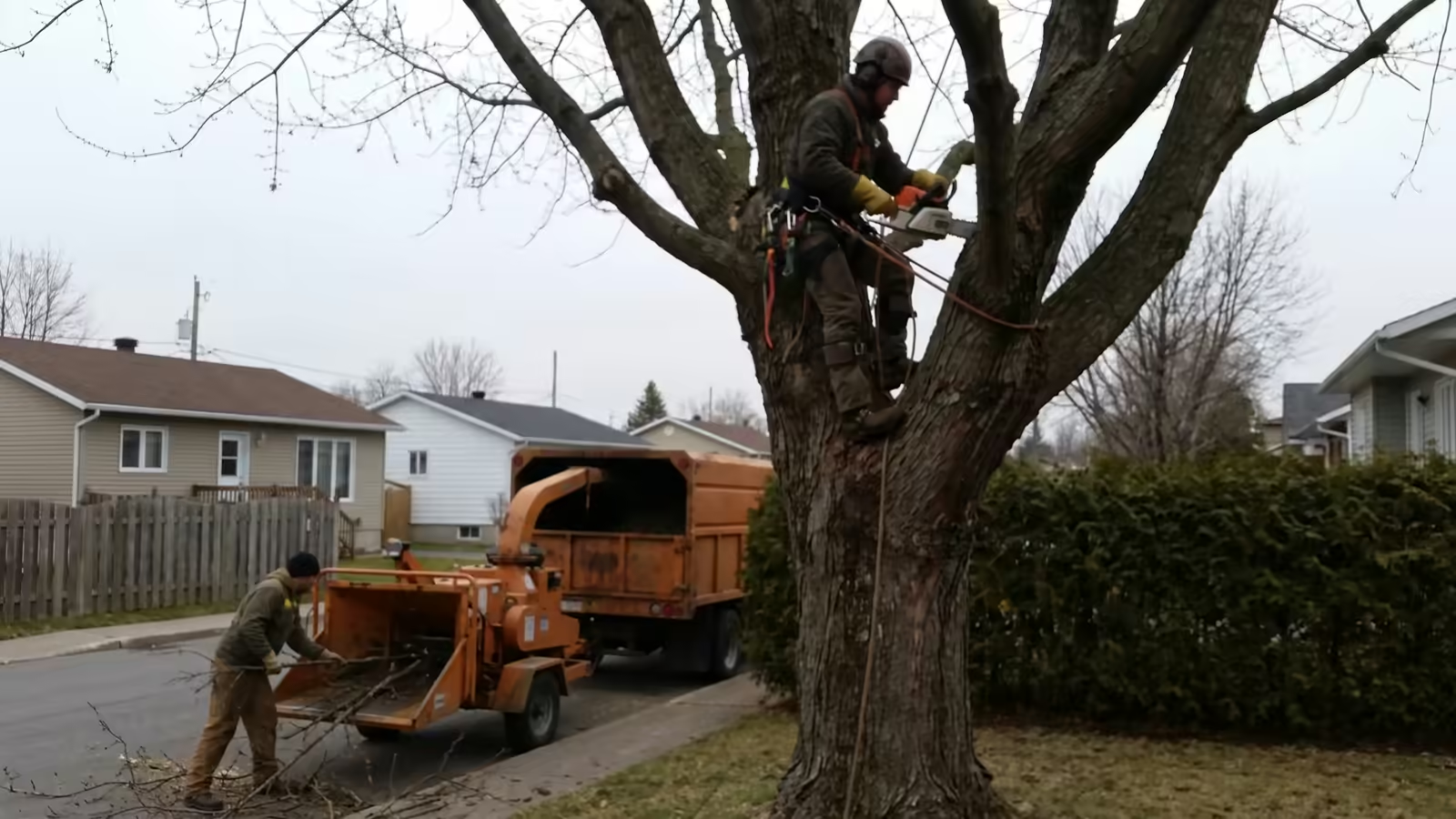






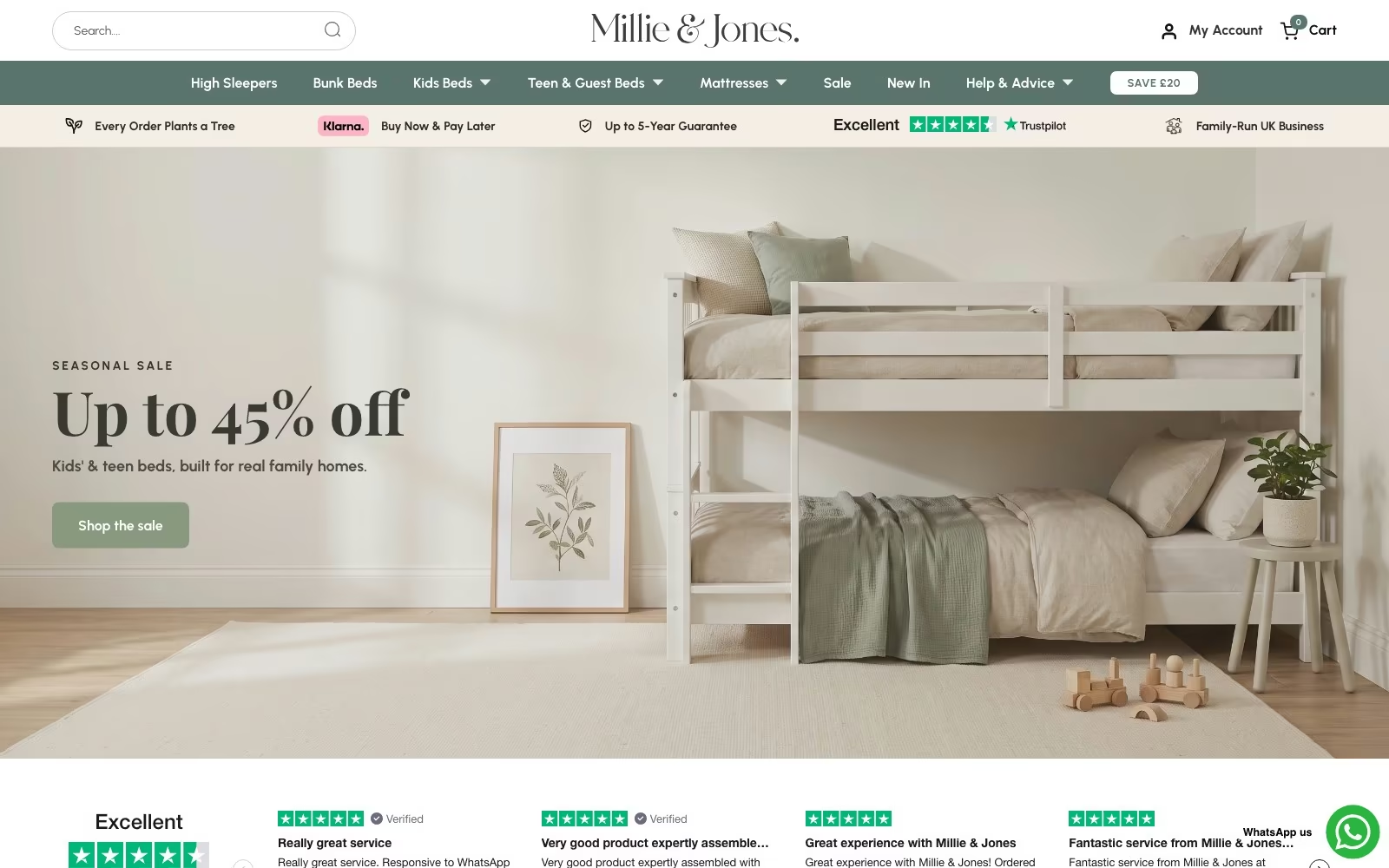









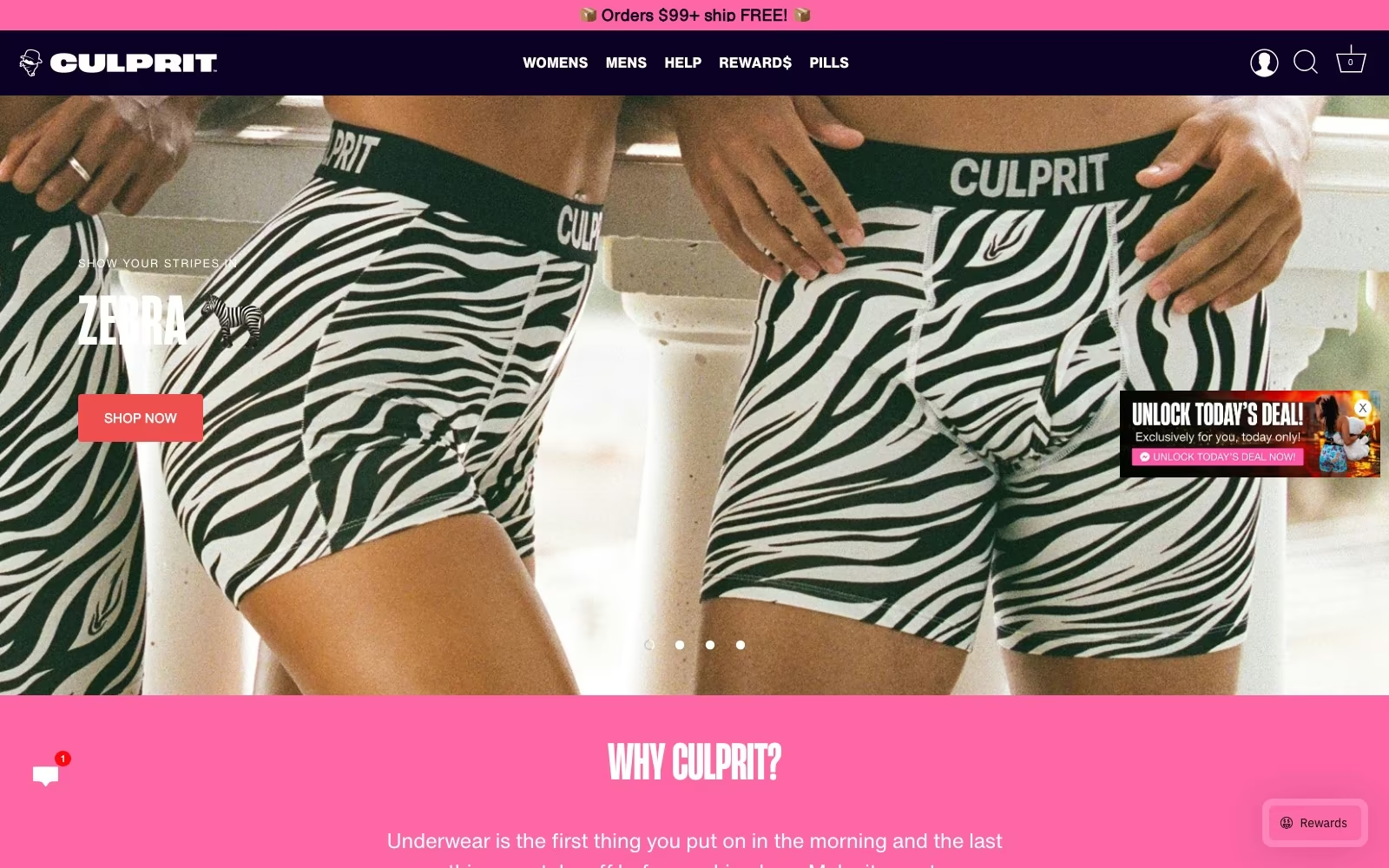





















EN

EN

EN


FR
FR

FR

FR

FR

FR

FR

FR


EN
FAQ
What businesses ask us first.
How long does SEO take to work?
Technical fixes can move rankings within weeks because they remove a cap that already exists. New content and authority compound over quarters. We report early signal — coverage, impressions, crawl health, internal link depth — from month one so progress is visible long before revenue moves, and we agree at the audit what month three and month six should look like.
How much should SEO services cost?
It depends on how many of the four workstreams you want us to own and how competitive your market is. A local business with one location needs a fraction of what a national eCommerce catalogue needs. We scope from the audit, quote one monthly number with the workstreams listed, and never bill for a deliverable you cannot open. If the honest answer is that your budget is better spent on paid search first, we say that on the call.
Do you write the content, or brief our team?
Either. We can produce the drafts, or write briefs your writers execute. Every page is mapped to one intent, reviewed before publication, and built with schema and internal links included rather than bolted on later.
How do you build links?
Placements on websites with real traffic and editorial standards, plus digital PR angles your business can genuinely claim. Anchor distribution is kept inside a safe profile, indexation is verified after publication, and you see every placement with its URL and traffic. Nothing is bought from a network we would not show you.
Will you work alongside our in-house team?
Often the best setup. We take the workstreams you do not have specialists for, run them to a documented standard, and hand over the documentation so your team keeps the capability. Your marketing manager gets leverage rather than another vendor to chase.
What happens after an algorithm update?
We read the change against your page-level data before touching anything. Most panic rewrites do more damage than the update did. If a genuine pattern shows up — thin pages, intent mismatch, weak authority on a money page — we fix that pattern and tell you what we changed and why.
Do you do local SEO as well as national organic?
Yes, and they are different jobs. Local search is won in the Google Business Profile, the review flow and genuinely useful location pages; national organic is won in topical coverage and authority. Businesses with physical service areas usually get faster payback from the local track, so we sequence it first and say so.
How do you report results?
One monthly written review: organic revenue and assisted pipeline, coverage gained, technical debt closed, placements live, and the next month’s priorities. The raw data is attached every time. Dashboards are available whenever you want them, but the decision-making document is written by the specialist who did the work.
What if we have thousands of pages?
Then the intent map is the whole game. We segment by template, sample at scale, and fix patterns rather than URLs one at a time — index rules, faceted navigation, internal linking and category architecture. Large websites usually gain more from removing and consolidating than from publishing, and we will show you the data behind that before you spend on new content.
Can you help if we were penalised or lost traffic suddenly?
Yes. We diagnose first: manual action, technical regression, a migration that dropped redirects, an intent shift, or an update. You get a written read of what actually happened with the evidence, then a recovery sequence in priority order. Recovery work is uncomfortable but rarely mysterious once the data is on the table.
How does SEO fit with paid search and paid social?
They share the same demand data, so we run them as one plan. Paid search buys the intent you cannot rank for yet and validates which queries convert; organic then takes the ones worth owning permanently. Paid social creates the demand that later shows up as branded search. Clients on all three see the cheapest blended cost per customer.
Which industries do you work in?
We run organic programmes for home services, healthcare, professional services, eCommerce and B2B software, with dedicated playbooks per vertical — for example roofing SEO and eCommerce marketing. If we have no real proof in your niche we will tell you and show you the closest thing we do have.
How do we choose between SEO agencies?
Most SEO agencies present the same slide deck, so judge them on artefacts instead. Ask any agency for a real technical audit they wrote, the intent map behind a client’s content plan, and a placement log with live URLs. Ask which senior person does the work rather than which account manager attends the call. Ask how the agency reports: an SEO company reporting ranking screenshots is choosing the easiest number, not the honest one. Ask what happens to the content, the links and the documentation if you leave — with us they stay yours. Finally, ask for clients in a comparable market; the best SEO companies are specific about where their proof is and where it is not.
What do your SEO services actually include?
Four workstreams under one monthly number: technical SEO, content and intent, authority and digital PR, and conversion. In practice that means a technical audit of the website, keyword and search demand research, an on-page optimization pass across your key pages, structured data, content briefs or drafts, link building on vetted sites, local SEO where you have service areas, and monthly reporting on organic revenue. Web design and development work sits beside it — if the site template is the constraint we bring in our web design team rather than pretend content can fix a broken template.
Do you work with small businesses or only large brands?
Both. A small business with one location and a services page set can win local search faster than a national brand can move a category, and the work is genuinely cheaper because the surface is smaller. Larger brands buy the same four workstreams at more depth, with more governance and more internal stakeholders. What does not change is the standard: a named senior specialist, an audit you can act on, and reporting your finance team can verify.
How do you research keywords and choose targets?
We pull search volume and cost per click for the full topic, then sort by commercial intent rather than volume. A 200-a-month query that books jobs beats a 20,000-a-month query that brings students and competitors. Paid search data is the fastest validator we have: if a keyword converts when we buy the clicks, it is worth ranking for; if it never converts, no amount of optimization will make it a customer. Every target keyword is mapped to exactly one page in the plan, and you approve that map before anything is written.
What makes Web Tonic different from other SEO companies?
Three things clients tell us back. First, the same senior operators who audit your website do the monthly work, so nothing is lost between strategy and delivery. Second, everything is yours — accounts, content, links, documentation — because a marketing partner that holds your assets hostage is not a partner. Third, we run search, paid media and creative under one plan, so organic growth is measured against the same revenue number as every other channel. That combination is why most of our growth still comes from referrals.
How does search engine optimization actually create growth?
Search engine optimization works on three levers: how many relevant queries your site is visible for, where you rank on each, and how many of those visits become customers. Improve visibility on commercial queries and rankings follow demand you can measure in the same month; improve the landing experience and the same rankings produce more jobs. That is why our SEO strategy sequences technical optimization, then content, then authority, then conversion — each stage makes the next one cheaper. Online growth from organic search compounds because you keep the asset: the page, the links and the rankings do not switch off when a budget pauses.
Do you optimise Google Business Profile and reviews too?
Yes, for any business with a physical location or service area. The profile is the highest-leverage local SEO asset there is: categories, service list, real job photography, Q&A, posts and a steady flow of reviews with a written reply to each one. Reviews move rankings in the map and they close quotes, which is a rare combination in marketing. We run it monthly alongside the website work rather than treating it as housekeeping.
Can you help our marketing team present SEO internally?
That is part of the job. Your marketing lead gets a one-page monthly read they can forward to a CFO: organic revenue, pipeline assisted, visibility gained on the target keyword set, technical debt closed, placements live. When a board asks why organic search deserves more budget, the answer should already be written down with the data attached — and we will help you defend it on the call if that helps.