Your crews walk into the best footage in home services.
the best footage
Restoration creative does not need a studio. It needs what your technicians already see: the ceiling coming down, the extraction running, the room dry four days later. 62% of restoration marketers say video is their best-performing format. We turn real jobs into ads that book work. We already run marketing for restoration companies.






Tell us a little about your brand and we'll be in touch within 24 hours to lock in a time.


FOUR LEVERS
Four levers make restoration creative work.
make restoration creative work
Footage captured from real losses, an angle that speaks to the fear underneath the search, enough volume to find the winners, and honest measurement against booked jobs. Production value comes fifth, and it matters far less than the other four.
Capture from live jobs
Angles that match the fear
Volume and testing
Measured against booked work
The best asset is already on your trucks.
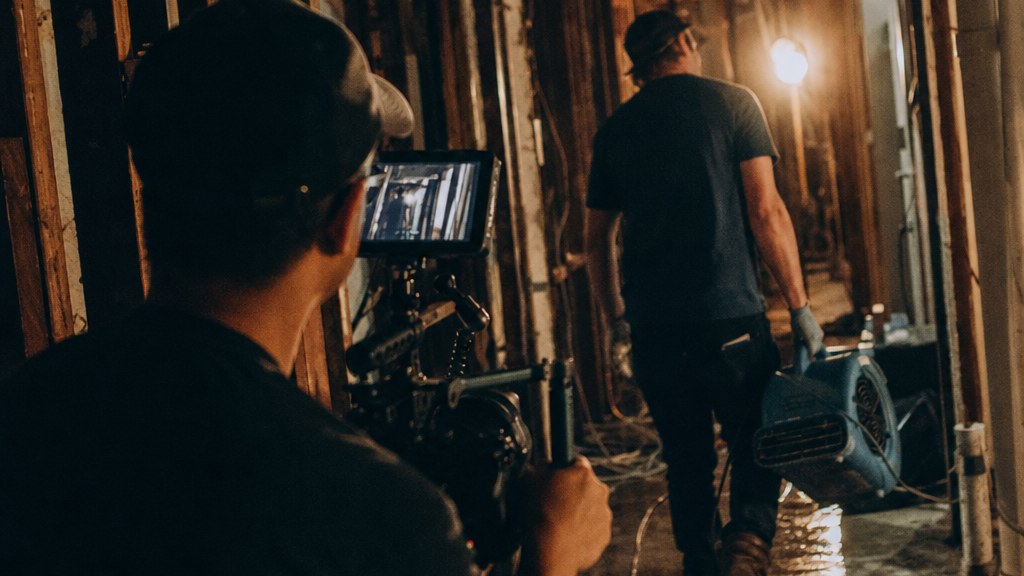
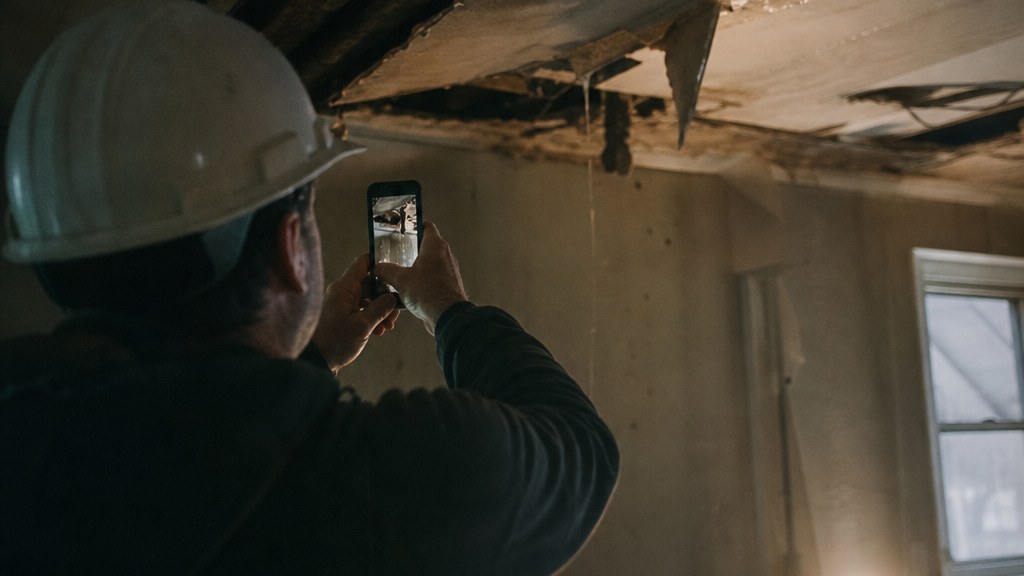
Restoration is the most visual trade in home services and almost none of it gets filmed. A collapsed wet ceiling, water pouring down a stairwell, twelve air movers running in a gutted living room, the same room dry and rebuilt: that is footage nobody can fake and no competitor can copy.
We set up a capture routine your crews can actually keep - a short shot list on the phone they already carry, taken at arrival, mid-mitigation and at handover. No production days, no crew waiting for a loss to happen, and the library grows every week you trade.
- A three-shot routine built into arrival and handover
- Consent and privacy handled before anything is filmed
- Footage catalogued by loss type and city, not left on phones
- Before-and-after pairs captured deliberately, not by luck
62%
of restoration marketers say video performs best
Speak to who pays and how fast.
Restoration buying is driven by two anxieties: how quickly someone arrives, and who is paying for it. Direct insurance billing messaging converted 28% higher across 200 audited contractor sites, and the same is true in the ad.
So we build a small set of distinct angles rather than one hero film - response time, insurance handled, the drying process explained, the rebuild, the mold question, the commercial large-loss story - and test them against each other honestly. Different losses and different buyers respond to different angles, and guessing which is expensive.
- Response time and insurance handled as their own angles
- Residential and commercial written separately
- Mold, fire and sewage treated as different buyers
- Claims kept to what your team can actually deliver
28%
conversion lift from direct insurance billing messaging
Winners are found, not designed.
Nobody writes a winning ad reliably on the first attempt, and agencies who claim otherwise are selling a story. Across home services batch testing, roughly 7-12% of ads produce measurable winners, with restoration among the strongest verticals at a 10-13% winner rate.
That number sets the plan. We ship enough variations each month for the maths to work, change one thing at a time so a result means something, and retire tired creative before performance decays rather than after. A steady cadence beats an occasional big production every time.
- A monthly batch sized so winners are statistically findable
- One variable changed per test - hook, angle or offer
- Hooks cut for sound-off mobile viewing
- Fatigued creative retired on a schedule, not on a hunch
10-13%
winner rate for restoration in batch ad testing
7-12%
winner rate across home services generally
A view is not a job.
Creative gets judged on the wrong numbers more than any other part of marketing. Views, likes and watch time tell you an ad was watched, not that a truck rolled. With blended cost per restoration lead around $300 to $400, that difference is expensive.
We tie each concept to calls and booked losses, so the monthly review is about which angle produced work and which one produced applause. That is also what makes the library compound: every retired test tells the next batch something specific.
- Every concept tracked to calls and booked losses
- Hook rate and hold rate read as diagnostics, not scores
- Results carried forward into the next batch in writing
- Conversion tracking verified before spend scales
$300-400
reported blended cost per restoration lead
winner rate for restoration in batch ad testing
of restoration marketers say video is their best format
A batch sized so winners are statistically findable
Footage, master files and the test log stay with you
We made the difference for those brands

Food & beverage

B2B software, fintech, insurance

Beauty, personal care & wellness

Consumer tech and platforms

Consumer tech and platforms

Consumer tech and platforms
Retail & commerce

Beauty, personal care & wellness

Retail & commerce

Beauty, personal care & wellness

Creative, content, arts & culture

B2B software, fintech, insurance

B2B software, fintech, insurance

Home essentials, appliances, kitchen & pet

Beauty, personal care & wellness

Creative, content, arts & culture

Apparel and lifestyle

B2B software, fintech, insurance

Retail & commerce

Retail & commerce

Healthcare & regulated services

Beauty, personal care & wellness

Food & beverage

Travel & mobility

Creative, content, arts & culture

Consumer tech and platforms

Food & beverage

Home essentials, appliances, kitchen & pet

Creative, content, arts & culture

Consumer tech and platforms

B2B software, fintech, insurance
01 — The challenge
Every restoration ad looks like every other one.
Scroll the ads in any metro and you will see the same stock footage of a smiling technician, the same blue gradient, the same claim about 24/7 emergency service. When nothing distinguishes the ads, the auction decides everything - and emergency terms already cost $80.41 a click and around $500 a lead.
Creative is the last lever that changes those economics rather than paying them. It is also the one most restoration companies leave untouched, which is exactly why it is available.
“We had four years of incredible job footage sitting on the crew's phones.”
That is the usual discovery. The material is already being produced daily and thrown away, while the marketing budget buys stock video of a house nobody restored. 62% of restoration marketers already say video is their strongest format - the gap is capture, not belief.
02 — Our approach
Capture what already happens, then test it properly.
We start with a capture routine, because without raw material everything else is stock. A short shot list your technicians can follow on the phone in their pocket - arrival, mitigation, handover - plus the consent and privacy handling agreed with you before a single frame is shot.
Then the angles. Response time, insurance handled directly, what the drying process actually involves, the rebuild, the mold question, the commercial large loss. Each is written as its own concept with its own hook, because these are genuinely different buyers rather than one audience in different moods.
Then volume, sized against the odds rather than the ambition. We ship a monthly batch big enough that winners are findable, change one variable at a time, and cut hooks for sound-off viewing on a phone. Static ads carry the insurance and coverage message; video carries the proof.
Everything is judged on booked losses, and every retired test is written up so the next batch starts smarter. Over a year that library becomes the asset - it is yours, it works across paid social and search, and it does not leave when an agency does.
03 — What we did
From stock footage to a proof library.
The same sequence whether you run two trucks or a multi-branch operation.
01
What you already have
Existing footage, reviews and job photography inventoried against the ads your competitors are running, with the angles nobody in your market is using named in writing.

02
Capture built into the job
A three-shot routine your technicians can keep on their own phones, with consent and privacy handled first, so the library grows every week without a production day.
03
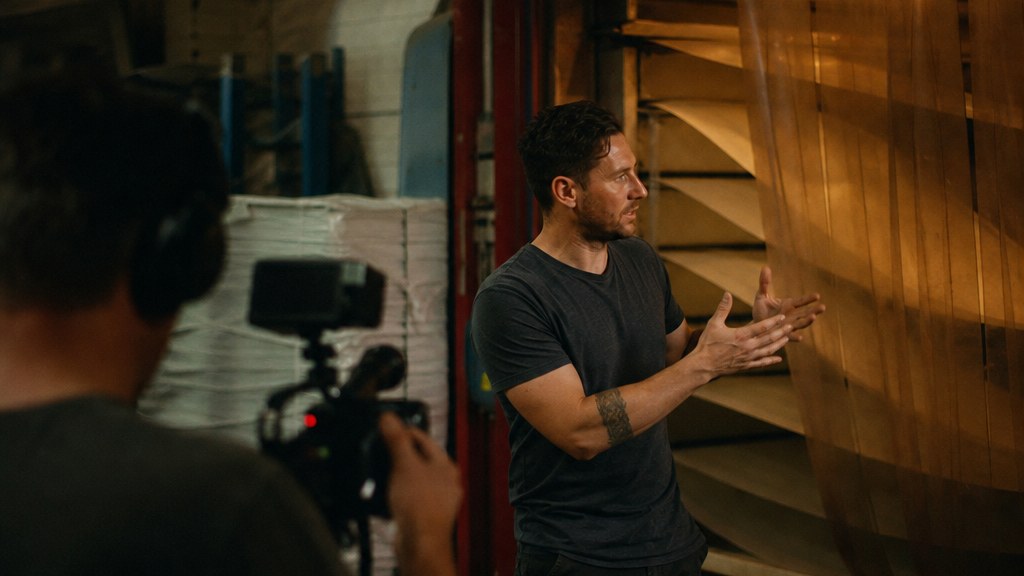
Angles written and cut
Response time, insurance, drying, rebuild and the mold question each written as a distinct concept, cut for sound-off mobile viewing and shipped as a testable batch.
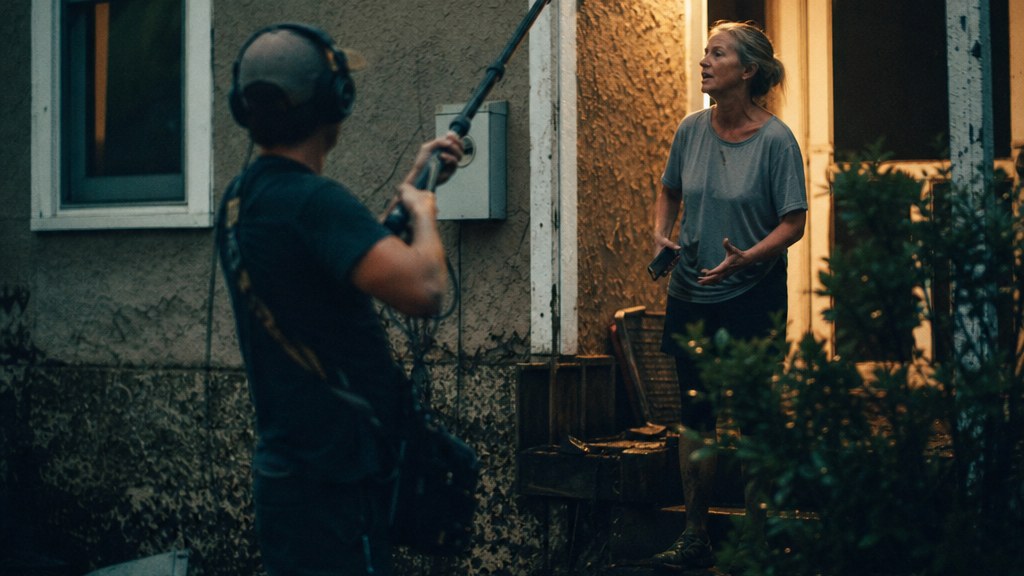
04
Tested and compounded
Winners scaled, tired creative retired on schedule, and every result written up so the next month's batch starts from evidence instead of opinion.

WHAT YOU GET
Deliverables you keep, whatever happens next.
you keep
The footage, the edits, the master files and the test log are yours from the first month.

Creative and competitor audit
Your existing footage and reviews inventoried against the ads running in your market, with the unused angles named in writing rather than hinted at.

Angle and concept plan
Response time, insurance, drying, rebuild and mold written as separate concepts with their own hooks, so each batch tests ideas rather than colour choices.

Field capture system
A short shot list your technicians can follow on their own phones, with consent handling and a catalogue by loss type so footage stops disappearing into camera rolls.

Monthly creative batch
Video and static ads cut for sound-off mobile viewing, sized so winners are statistically findable rather than hoped for, delivered on a predictable cadence.

Test log and learnings
Every test recorded with what changed and what happened, so the reasoning behind your creative is written down and stays with you rather than in an account manager's head.

Monthly read on booked work
A written monthly report tying each concept to calls and booked losses, with next month's batch named, delivered by the person making the work.
HOW WE WORK
Operating standards, not promises.
Operating standards

Static and offer ads
Response time, coverage and direct insurance billing carried in a single frame.
ExploreCommercial large loss
Longer proof pieces written for facility managers rather than homeowners.
Explore

















Built on trust. Proven by results.
We partner with SMBs and Fortune 500 companies to deliver more than reach — we bring clarity, execution, and measurable outcomes. Every successful partnership starts with a strong culture fit and a shared drive to grow.






CASE STUDIES
Case studies
Website Portfolio
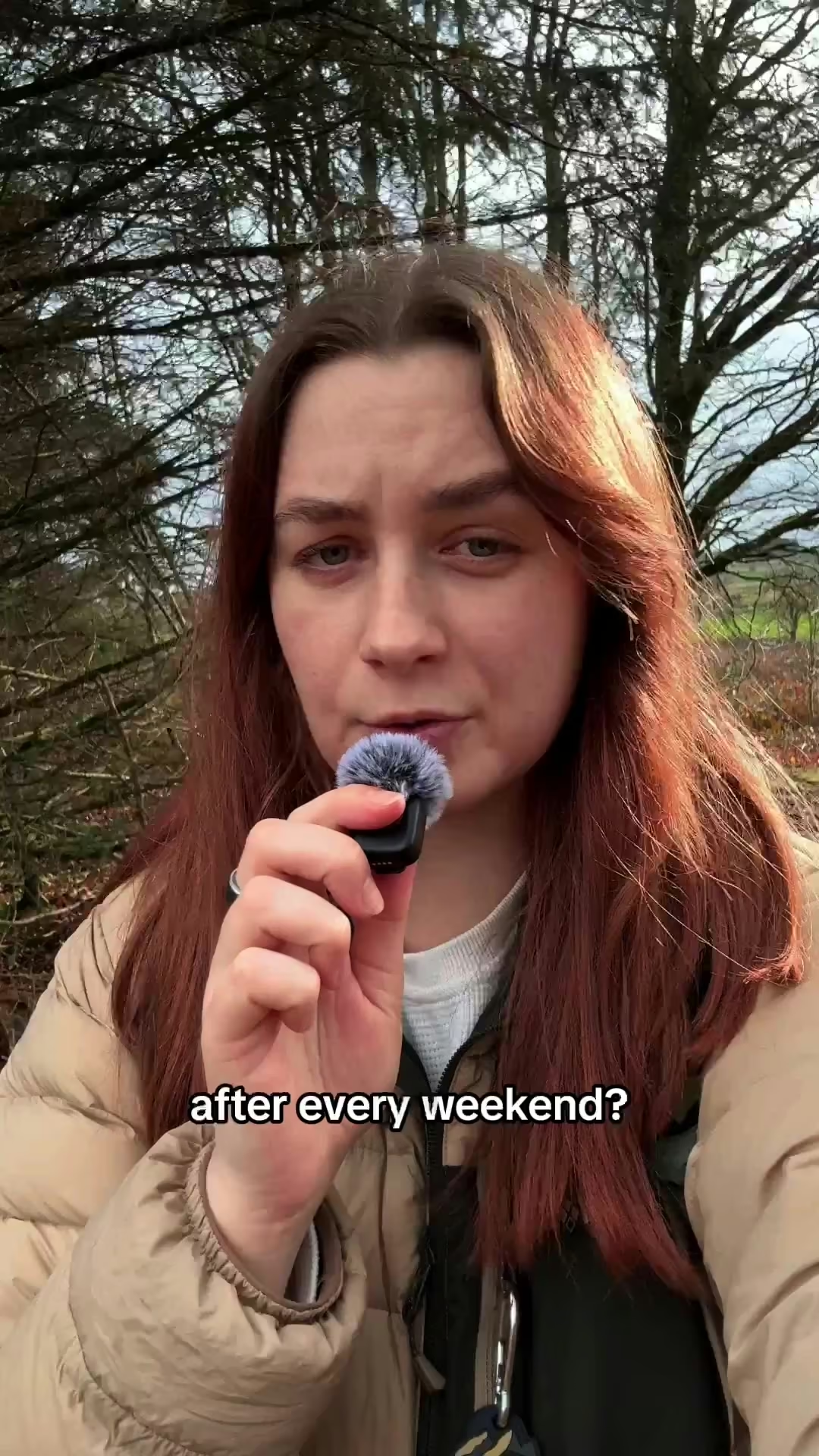
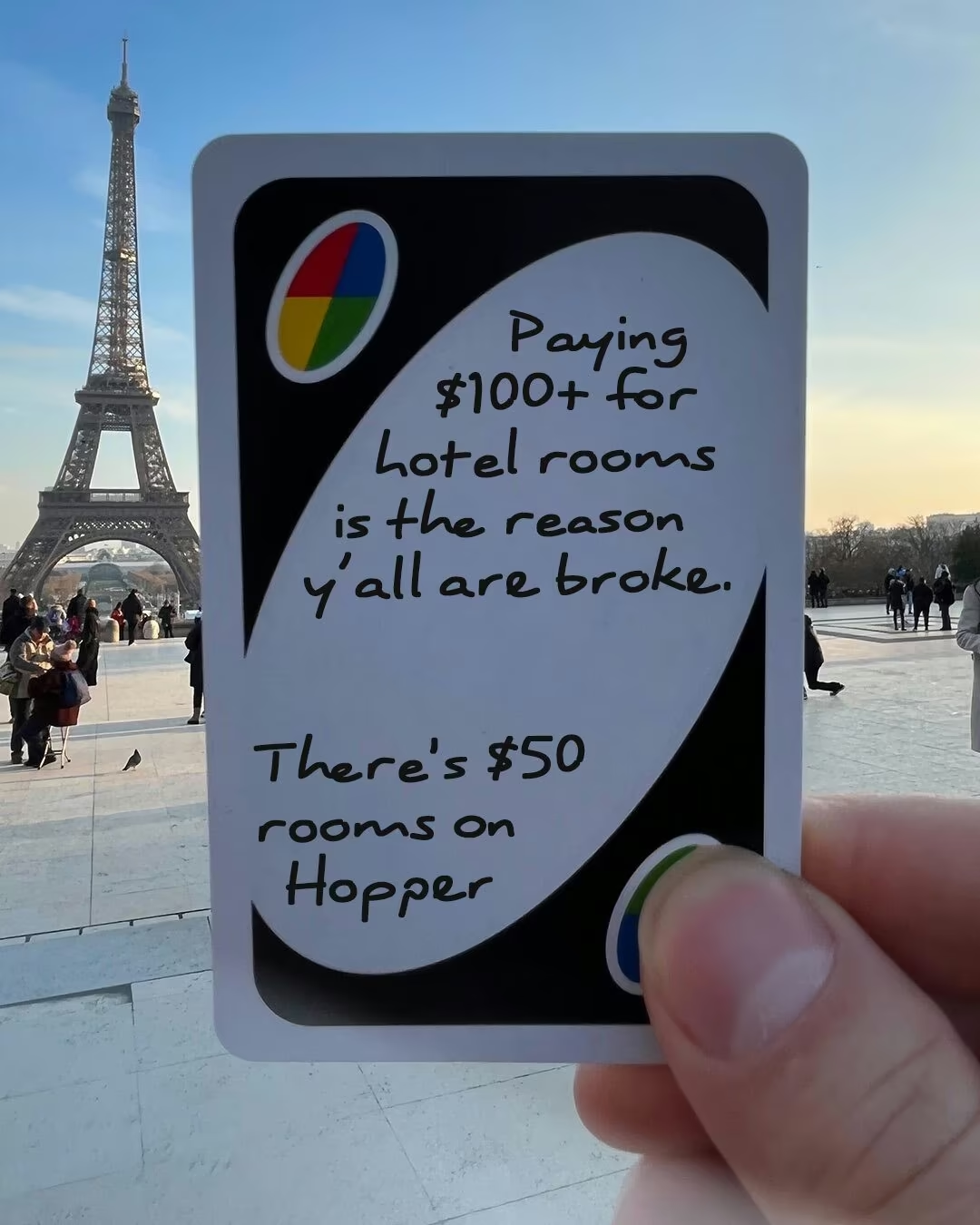
Video Ads
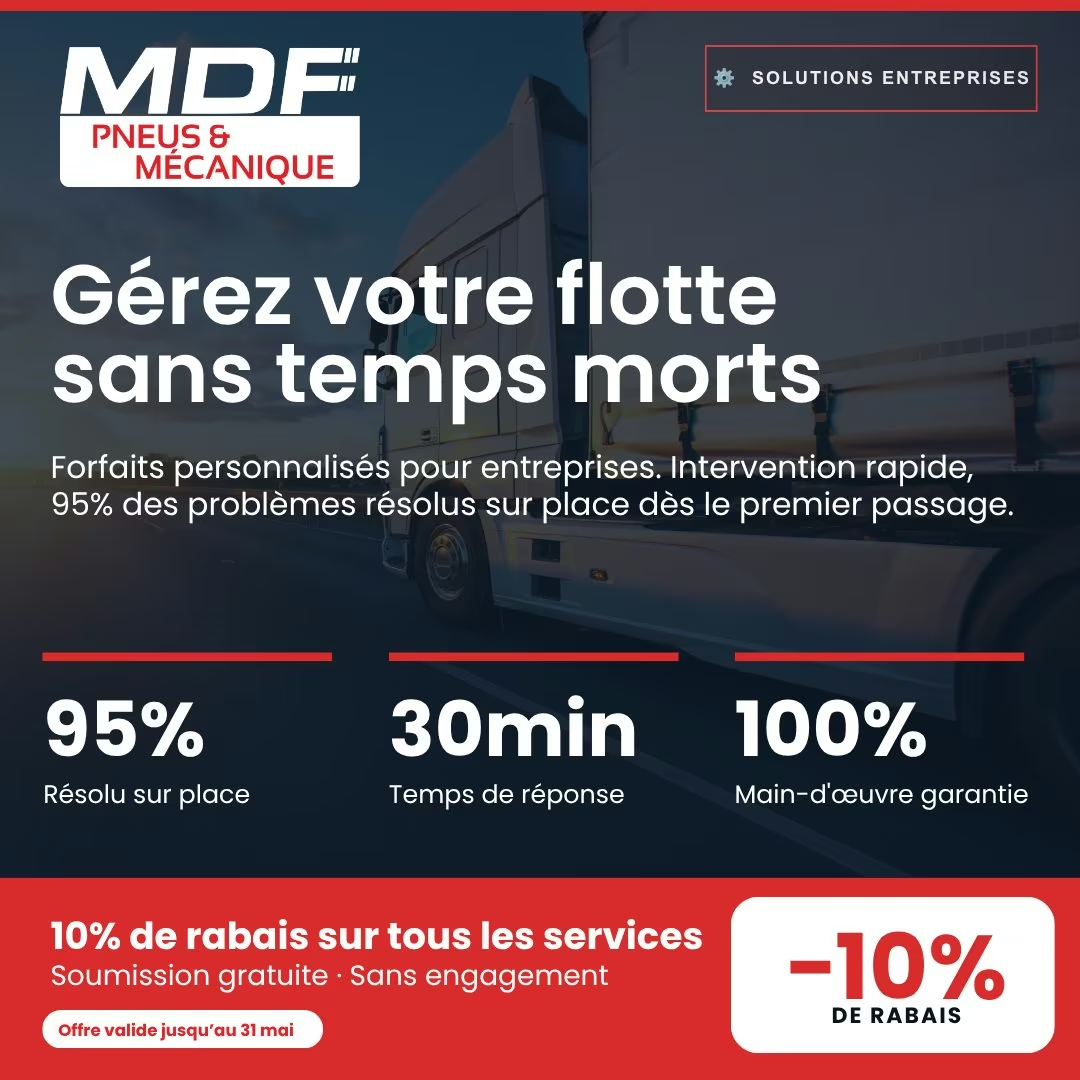
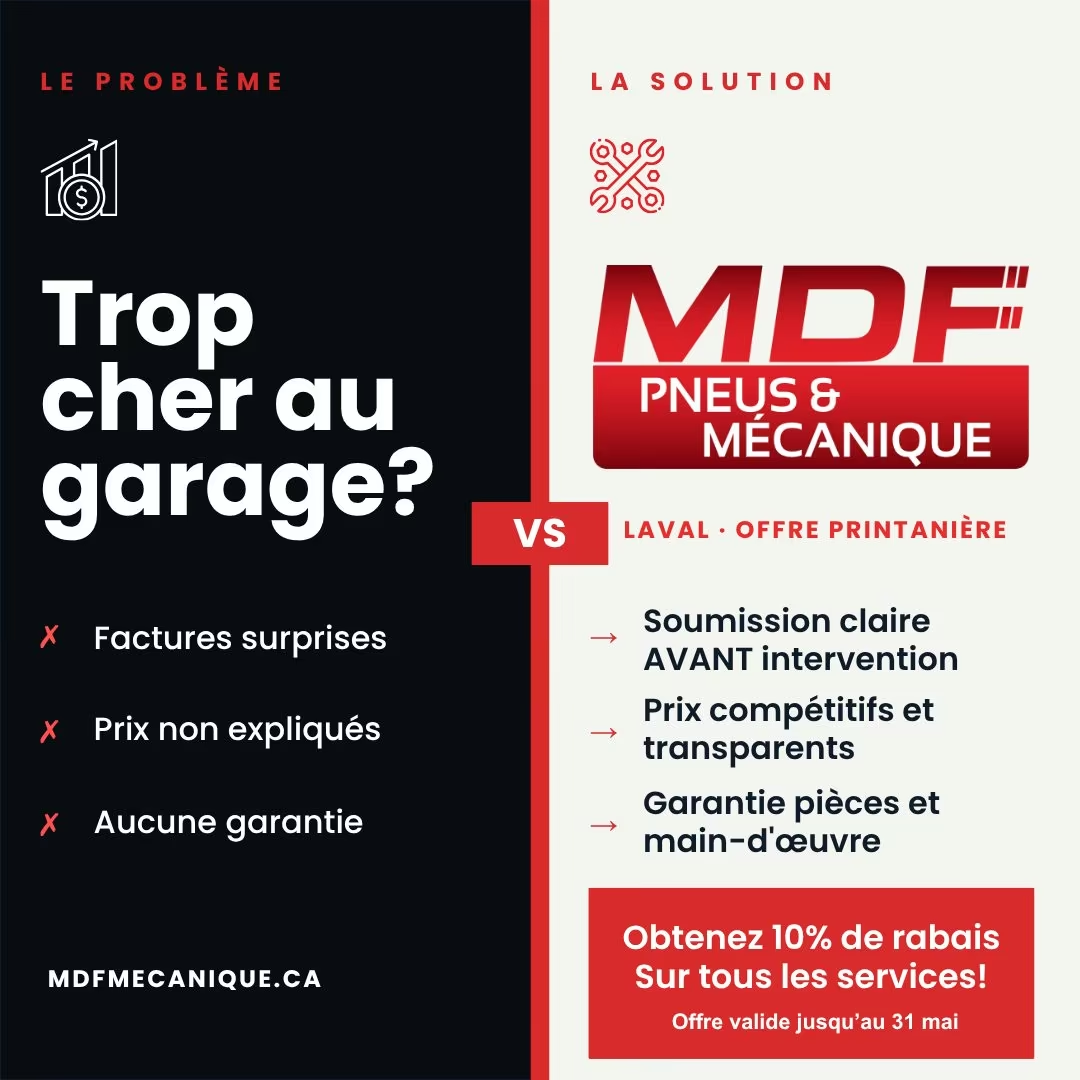
Static Ads









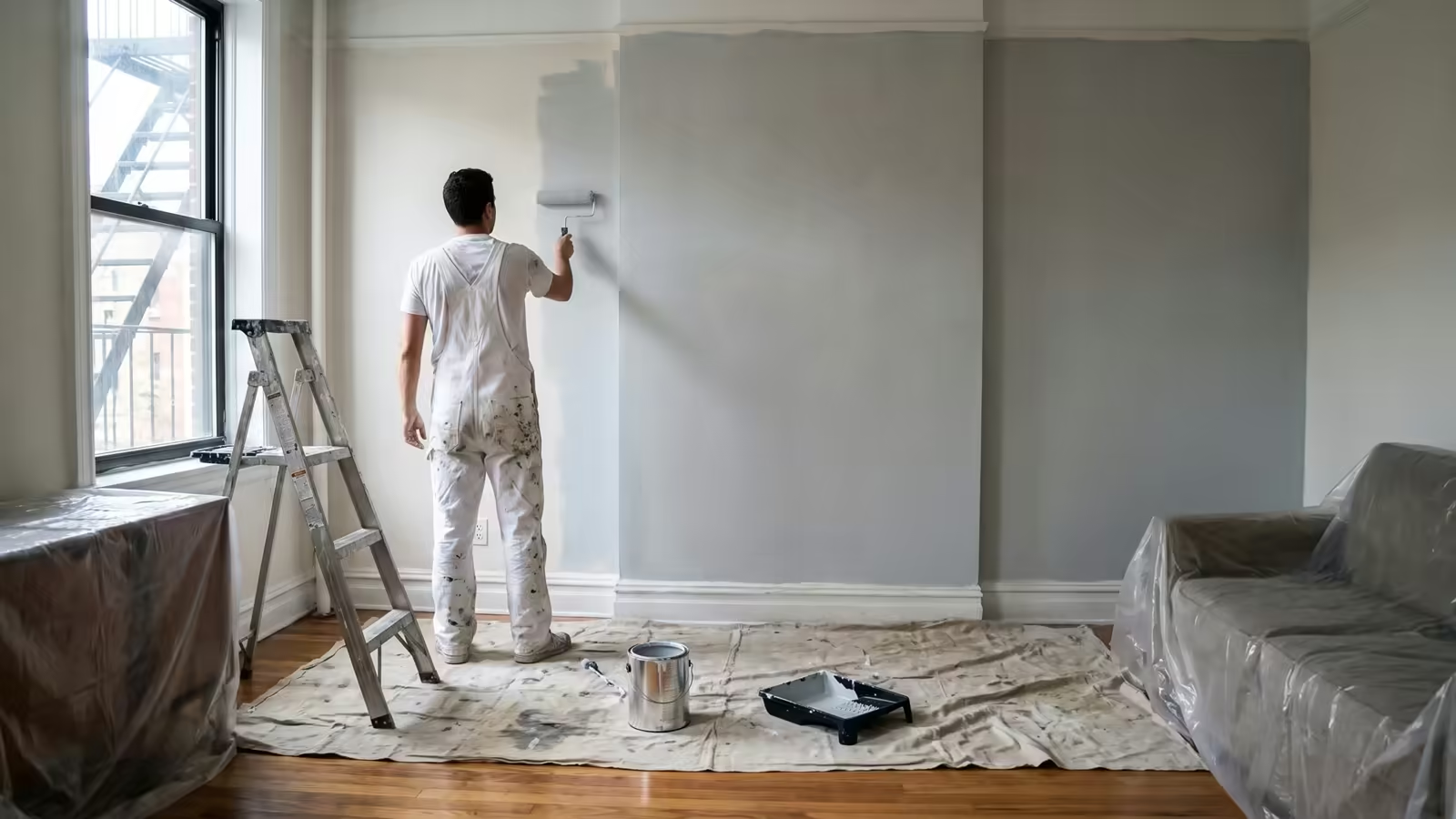


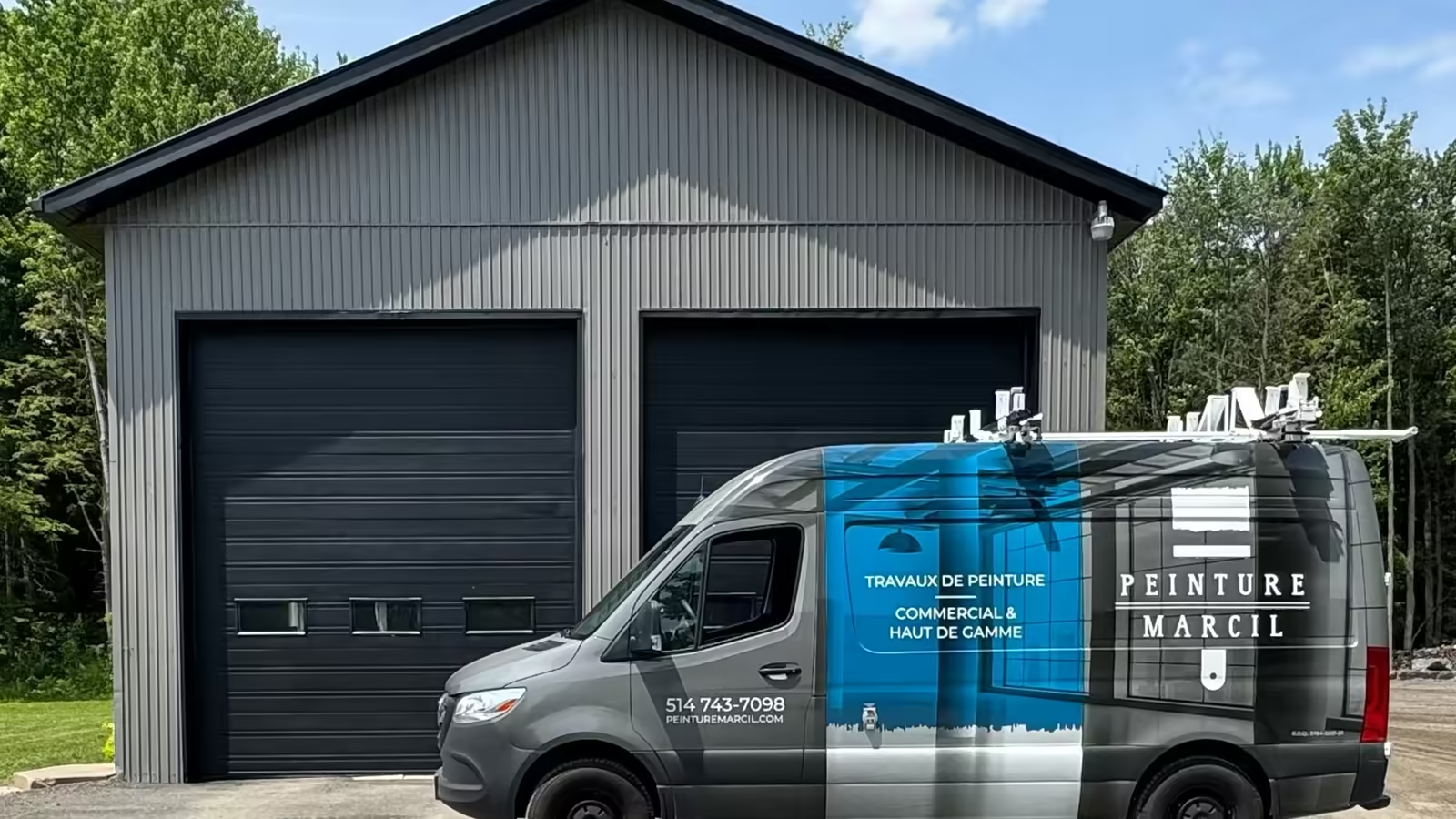
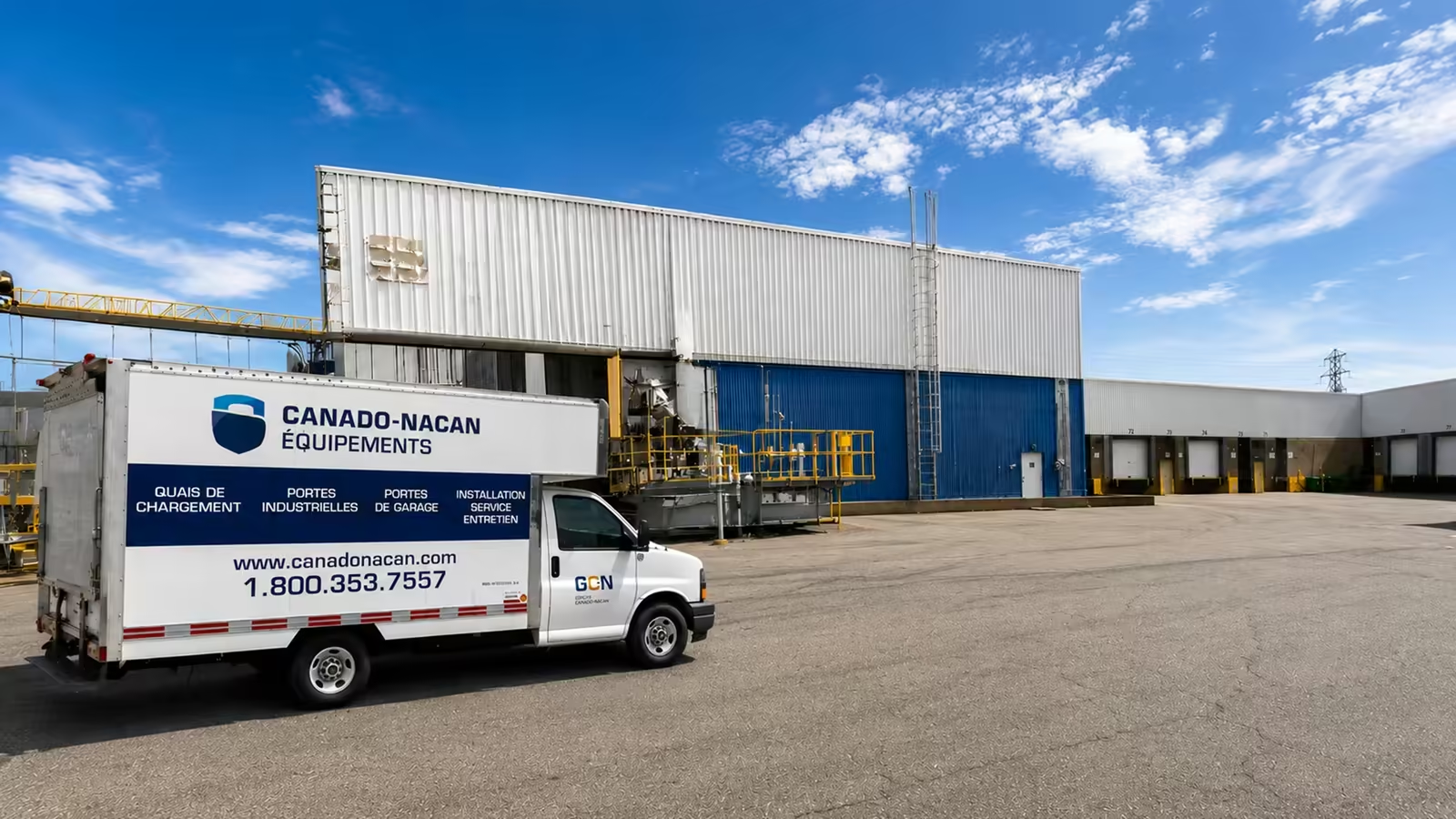

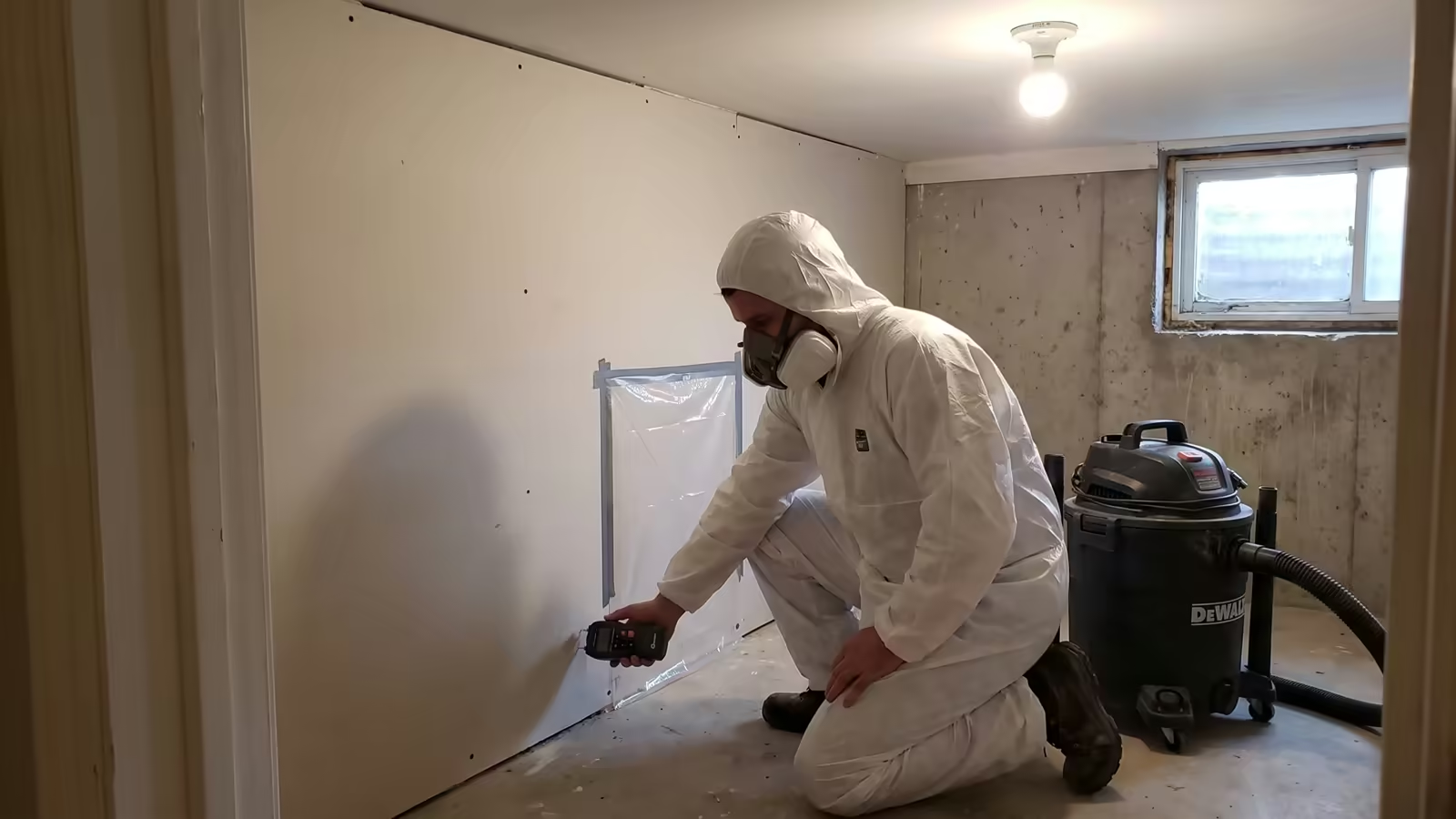

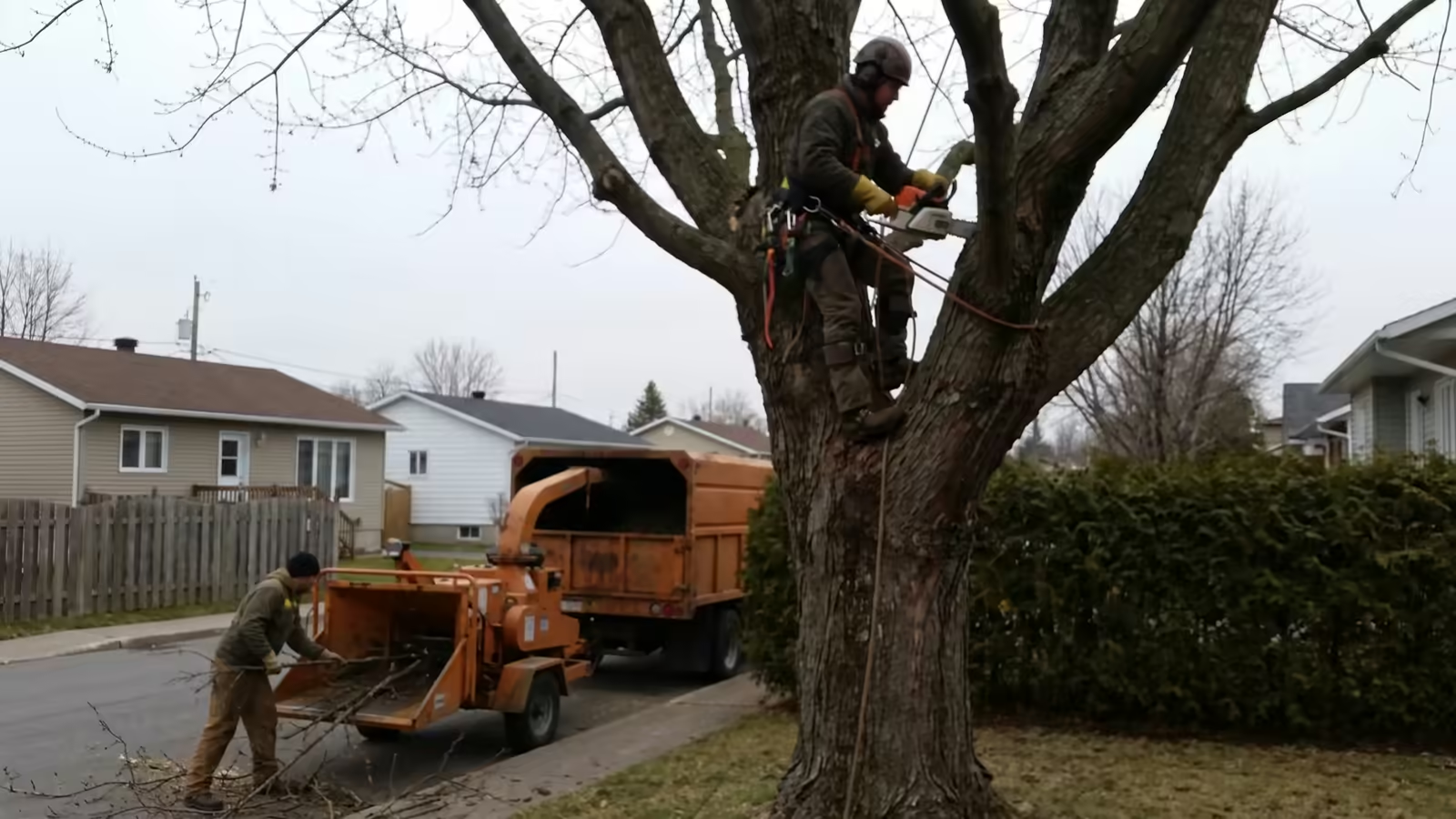



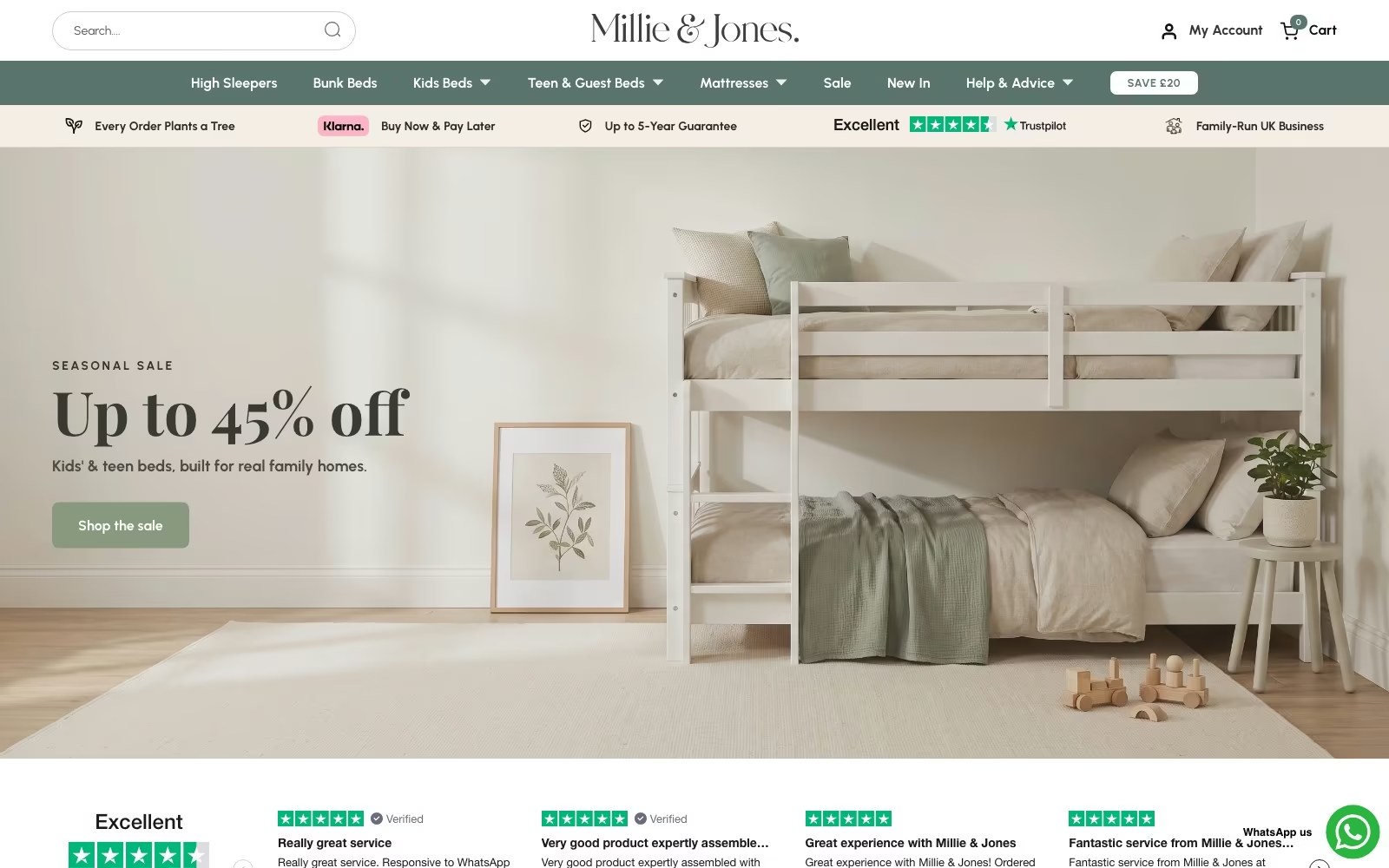

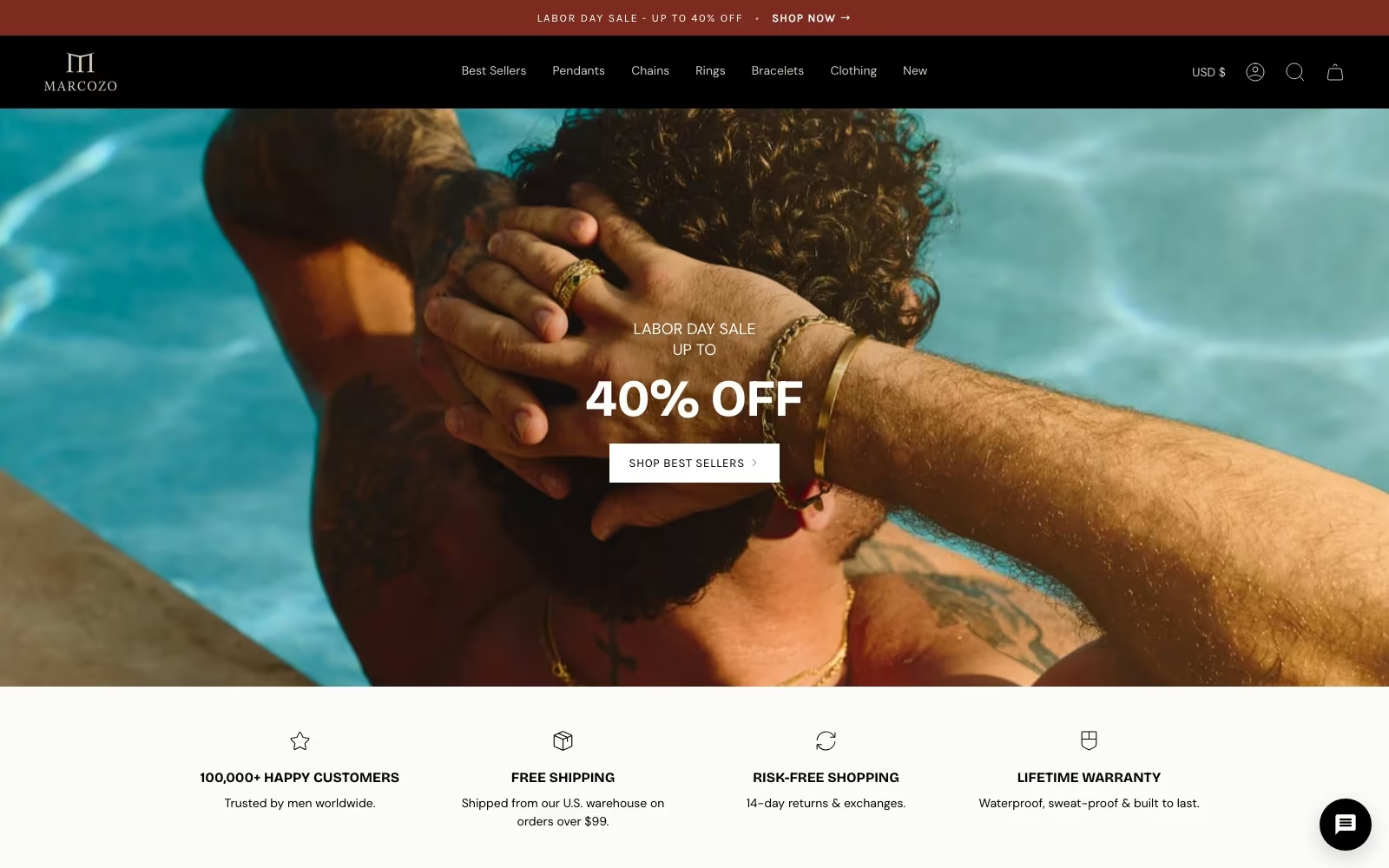

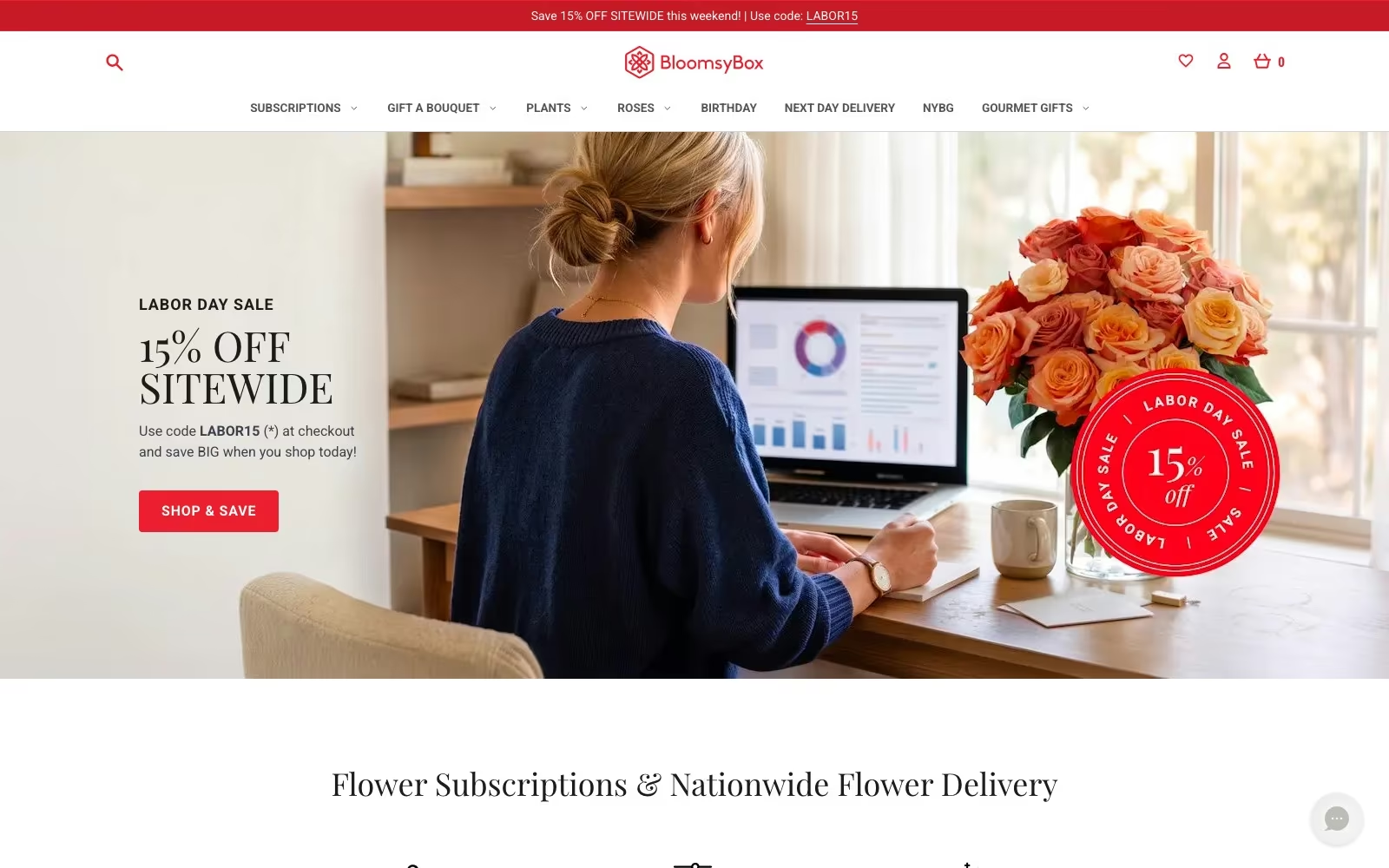





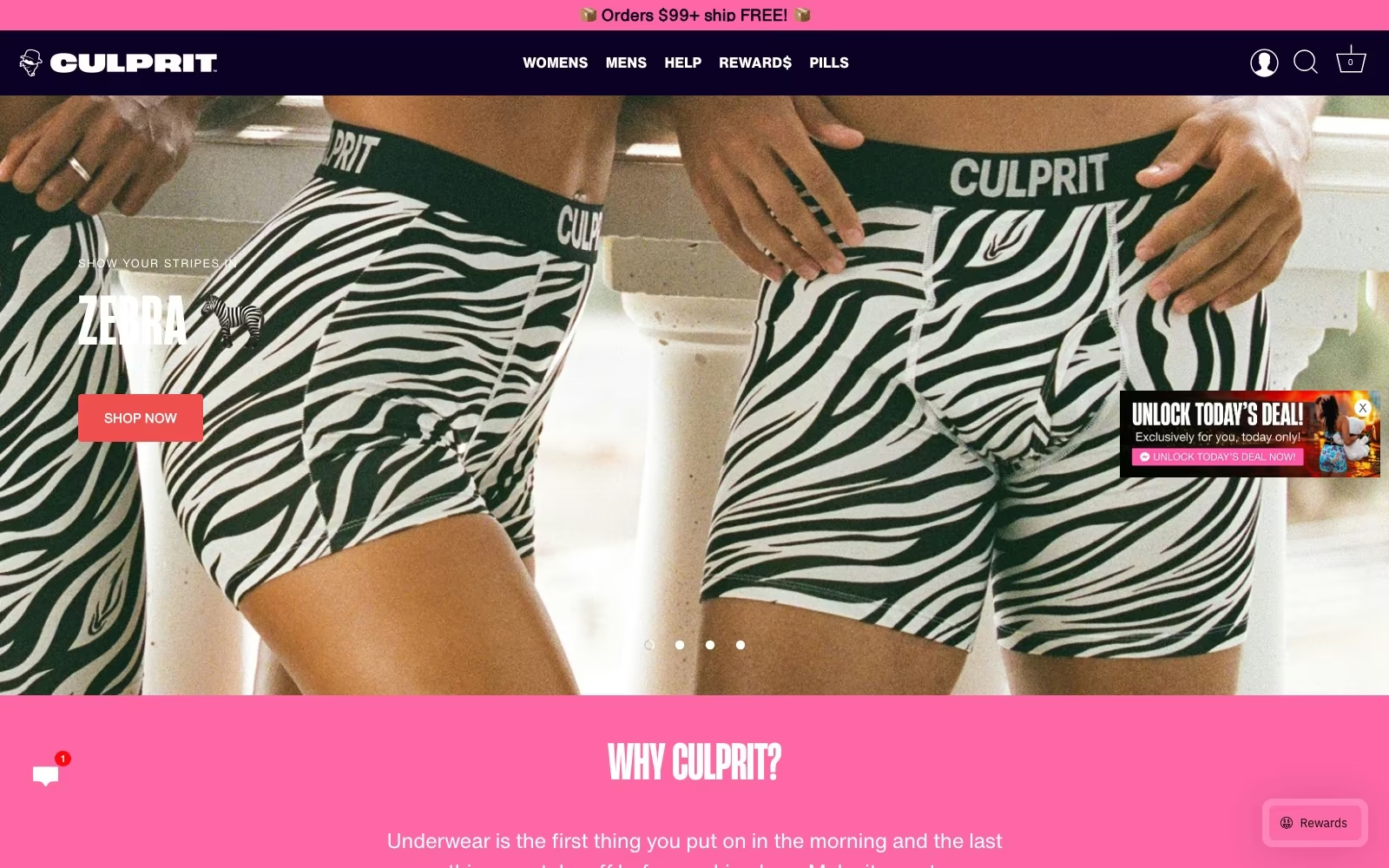





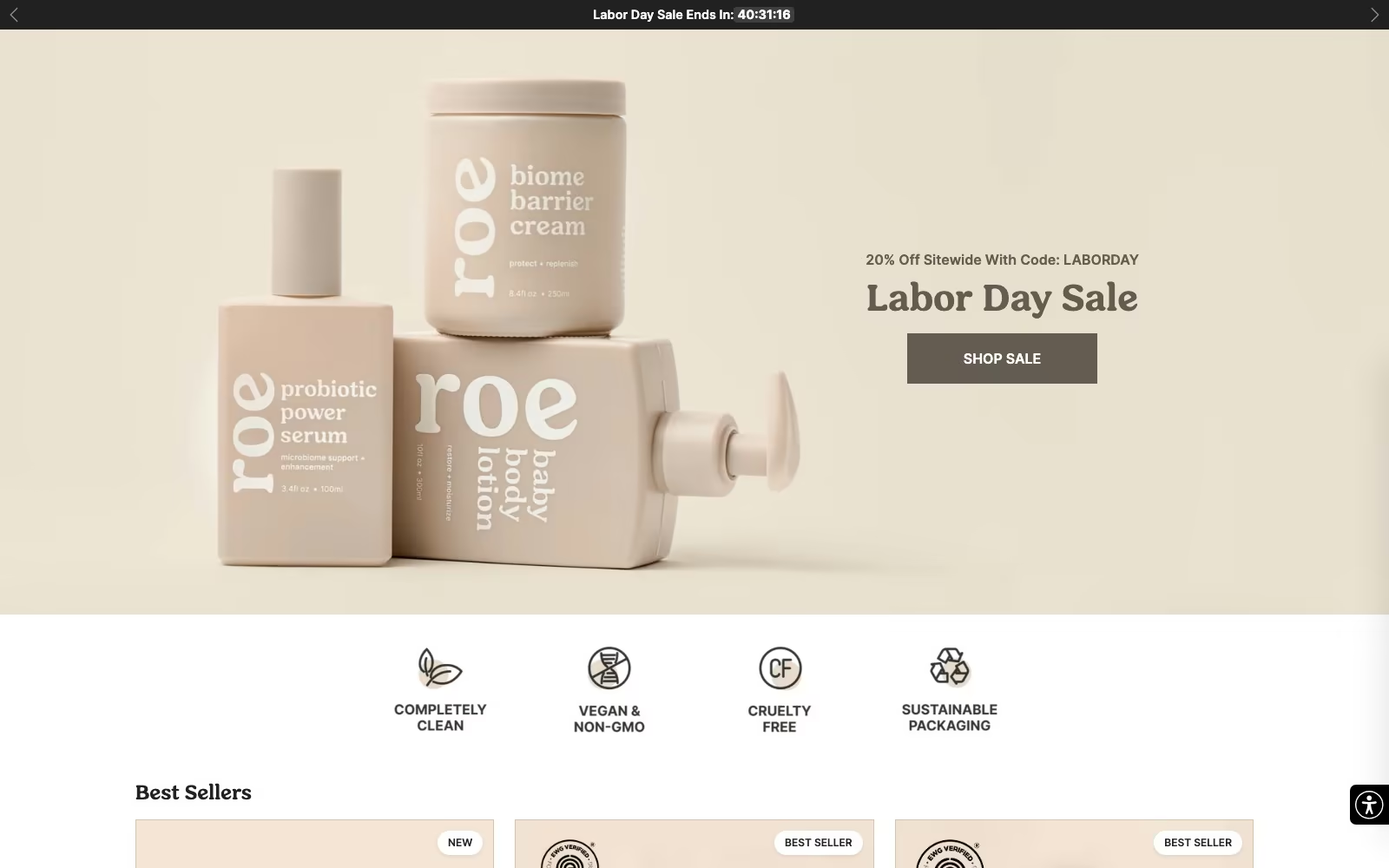














EN

EN

EN


FR
FR
FR

FR

FR

FR

FR

FR

EN
FAQ
Questions restoration owners ask us
Do we need a production crew and a studio?
No, and a studio would make the work weaker. The footage that performs in restoration is the reality your technicians already stand in - the wet ceiling, the extraction, the dry room four days later. We give your crews a three-shot routine on their own phones, and the library grows every week you trade without anyone booking a shoot day.
How many ads do we actually need each month?
Enough for the odds to work in your favour. Batch testing across home services produces measurable winners from roughly 7-12% of ads, with restoration at the strong end at 10-13%. We size the monthly batch from that maths and your spend, so you are running a process rather than hoping a single expensive film lands.
What angles work best for restoration?
The ones that answer the two questions underneath the panic: how fast do you arrive, and who pays. Direct insurance billing messaging converted 28% higher across 200 audited contractor sites. After those, the drying process explained, the rebuild, and the mold question all earn their place - and which wins in your market is a question for testing rather than opinion.
Is it appropriate to film someone's flooded home?
Only with consent, handled properly - and that is our job to set up, not your technician's. We agree a consent process with you before any capture starts, keep identifying detail out of frame by default, and use structure and equipment shots rather than people whenever the story works without them. A homeowner who is glad to be filmed usually makes the strongest ad anyway.
Should we use video or static ads?
Both, doing different jobs. Video carries proof - the ceiling, the equipment, the transformation - and it is where 62% of restoration marketers report their best performance. Static carries the offer: response time, coverage area, direct insurance billing, readable in a single glance. Running only one leaves the other half of the funnel unserved.
How do you measure whether creative is working?
Against calls and booked losses, per concept. Hook rate and hold rate tell us why an ad worked and are useful for the next batch, but they are diagnostics rather than the score. With blended cost per restoration lead around $300 to $400, judging creative on views is an expensive habit.
How quickly will we see results?
The first batch usually gives a readable signal within three to four weeks, depending on spend. The compounding takes longer: by month three there is a proven angle to scale and a written log of what failed, which is what makes every later batch cheaper to produce and more likely to land.
What if our crews forget to film?
Then the routine was too complicated, and that is on us to fix. We keep it to three moments and a single prompt, tie it to steps the crew already does, and review capture rates monthly with you. Where a branch is not capturing, we say so early and simplify rather than quietly running out of material.
Can you work with the footage we already have?
Almost always, and it is the fastest start available. Most restoration companies have years of job photography and clips scattered across phones and drives. We inventory it, catalogue it by loss type and city, and usually get a first testable batch out of the archive while the capture routine is being set up.
How does this fit with our ads and website?
Creative is the input, not a separate project. The winning angles become the ads in restoration PPC and paid social, and the same proof footage belongs on the emergency pages built in restoration web design. Reusing a proven angle across all three is the cheapest performance gain in the account.
Will you say things about our response time we cannot deliver?
Never. Every claim in an ad is checked with your operations lead first, because an over-promised arrival time produces a bad review and a refund rather than a customer. Where the honest answer is less dramatic we make the ad better rather than making the claim bigger, and we will tell you plainly when a competitor's promise is not credible.
What does restoration creative cost?
Scope drives it: how many concepts a month, video and static mix, and whether we are building the capture system from scratch. We quote after the audit so the number reflects your material and your spend rather than an average.
Most of the budget is people - strategy, writing, editing and the monthly review - not equipment or licences. Because the capture happens on your crews' phones, restoration creative is usually cheaper per asset than any other trade we work in.
How do we choose between creative agencies?
Ask three questions. How many concepts will they ship a month, and what winner rate do they expect? Do they measure creative against booked jobs or against views? And who writes and edits - the person in the meeting, or someone you never speak to?
An agency that talks in testing volume and business outcomes, and asks to see your job footage in the first conversation, is doing the job properly. Ask for a test log from a live client rather than a showreel of their prettiest work.
Do you work with more than one restoration company per area?
No. Running two clients' creative into the same local auction raises both their costs and dilutes both their stories, so exclusivity in your service area is part of the agreement and we confirm it before quoting.
Who actually makes the work?
A named senior strategist and editor who learn your crews, your response promise and the carriers you bill, supported by our creative strategy and analytics teams. You have their direct line, and the person presenting the batch is the person who cut it.

.webp)
.webp)