ChatGPT ads for auto parts sellers, built on fitment truth.
on fitment truth
People no longer type a part number. They describe the car, the noise it makes and the job they are attempting, then ask the assistant what to buy. ChatGPT ads let an auto parts retailer answer that on a cost-per-click basis — but only if the product data behind the ad knows which vehicles the part actually fits. We wire the pixel, clean the feed and run the campaigns beside your paid search and ecommerce programme.






Tell us a little about your brand and we'll be in touch within 24 hours to lock in a time.



FOUR WORKSTREAMS
Four workstreams decide whether this channel sells parts.
Four workstreams
In this trade the advertising is rarely the weak link. The product data is, and a conversational surface exposes bad fitment data faster than any search campaign.
Measurement
Product & fitment data
Ads, prompts & content
Margin read
The pixel goes in before the first click is bought.
The ChatGPT web pixel is the basis of conversion optimisation here, and Automatic Advanced Matching is on by default for new pixels, so the data you send decides the bidding you get. For a parts retailer that means purchases and revenue, not add-to-cart vanity, and it means feeding returns back into the picture.
Returns are the defining number here: the auto parts return rate runs 19.4%, and inaccurate fitment information causes 86% of returns in automotive ecommerce. A channel judged on gross revenue will look profitable months before the returns land.
- ChatGPT web pixel installed and validated
- Purchase value and margin as the optimisation target
- Campaign identifiers in every landing URL
- Returns reconciled back against campaign data
19.4%
auto parts return rate (ServeRetail, 2026)
86%
of automotive returns caused by wrong fitment
The feed is the campaign.
Advertisers on this platform supply product data and campaign context as hints; the assistant decides where an ad is relevant. So a catalogue with missing year-make-model coverage, ambiguous titles or stale stock does not just underperform, it teaches the platform the wrong thing about your range.
We audit the catalogue against your fitment source, fix the attributes that decide relevance — vehicle coverage, position, OE references, specifications — and keep availability honest. It is unglamorous work and it is the difference between a category with $44.6 billion of US online aftermarket sales including marketplaces treating you as a source or as noise.
- Fitment coverage audited against the source data
- Titles and attributes written for machines and humans
- OE references and specifications completed
- Stock and price accuracy checked continuously
$44.6B
US online aftermarket parts sales incl. marketplaces (Auto Care)
$23B
excluding third-party marketplaces
Written for somebody halfway under a car.
The winning copy for auto parts is not brand poetry. It is the exact vehicle, the exact part, whether it fits, what it costs delivered and how fast it arrives. Ads that hedge — 'parts for most vehicles' — get ignored, because the user has already told the assistant precisely which car they own.
The audience is now unavoidable: eMarketer reports over a billion weekly ChatGPT users with 20% showing commercial intent. We write one concept per real customer question, use product carousels where the range genuinely suits them, and keep claims about compatibility strictly to what the data supports.
- One concept per real repair question
- Vehicle, position and price stated up front
- Delivery speed and returns policy visible
- No compatibility claim the feed cannot back
1bn+
weekly ChatGPT users (eMarketer, 2026)
20%
of users showing commercial intent
Judged after returns, not before them.
Every month we read this channel the way the finance team does: revenue after returns, contribution margin by product family, and cost per new customer rather than blended cost per order. A campaign selling high-return categories at a flattering headline figure gets cut.
The commercial model on the platform is straightforward enough to compare: Digiday reports cost-per-click now accounts for most of the ad spend, with the business live in 31 markets. So we hold it to the same margin bar as shopping and search rather than giving a new platform special treatment.
- Revenue read net of returns, by product family
- Contribution margin, not gross sales
- New versus repeat customer split
- One monthly review across every channel
CPC
now most of the platform's ad spend (Digiday)
31
markets where the ads business now runs
Ad accounts, pixel and product feed stay in your name
Revenue read after returns, never before them
Weekly working session with the people running the account
Long-term lock-ins
We made the difference for those brands

Creative, content, arts & culture

Home essentials, appliances, kitchen & pet

B2B software, fintech, insurance

Consumer tech and platforms

Healthcare & regulated services

Home essentials, appliances, kitchen & pet

Apparel and lifestyle

B2B software, fintech, insurance

Creative, content, arts & culture

Home essentials, appliances, kitchen & pet

B2B software, fintech, insurance

Creative, content, arts & culture

B2B software, fintech, insurance

Food & beverage

Retail & commerce

Consumer tech and platforms

Beauty, personal care & wellness

Food & beverage

Creative, content, arts & culture

Apparel and lifestyle

Consumer tech and platforms

Beauty, personal care & wellness

Food & beverage

B2B software, fintech, insurance

Healthcare & regulated services

B2B software, fintech, insurance

Consumer tech and platforms

Home essentials, appliances, kitchen & pet

Beauty, personal care & wellness

Retail & commerce
01 — The challenge
The customer asked a machine which part fits.
An ecommerce manager watches organic traffic soften while the phone still rings with fitment questions. Buyers arrive knowing the part number already, or they never arrive at all, because the comparison happened inside a conversation the analytics never saw.
“They already know what they want before they reach us.”
That is a distribution change, not a demand change. The market is enormous — around $23 billion of US online aftermarket sales excluding marketplaces, and $44.6 billion including them — and the sellers whose product data answers the assistant's question accurately are the ones being put in front of the buyer. Paid placements are simply the fastest way to be there while the catalogue work catches up.
02 — Our approach
Clean the data, wire the measurement, launch narrow, keep the margin.
We start with the catalogue, because on this surface the product data is the campaign: fitment coverage audited against your source, titles and attributes rewritten so a machine can tell a 2014 from a 2015 model year, OE references completed, and stock and pricing kept honest. Measurement goes in next — pixel installed and validated, purchase value as the target, identifiers in every URL, and returns reconciled back so the reporting shows what the category actually earned. Then we launch narrow: the product families with the best margin and the cleanest fitment first, one ad concept per real repair question, carousels only where the range suits them, and nothing claimed about compatibility that the feed cannot support. From there it is a weekly loop on what sold and what came back, and a monthly review comparing this channel with shopping and search on contribution margin rather than on headline revenue.
03 — What we did
Three weeks to a clean launch, then a weekly loop.
Catalogue, measurement, campaign build and the margin read — in sequence, with a weekly working session and a written note of what changed.
Weeks 1-2 / Catalogue
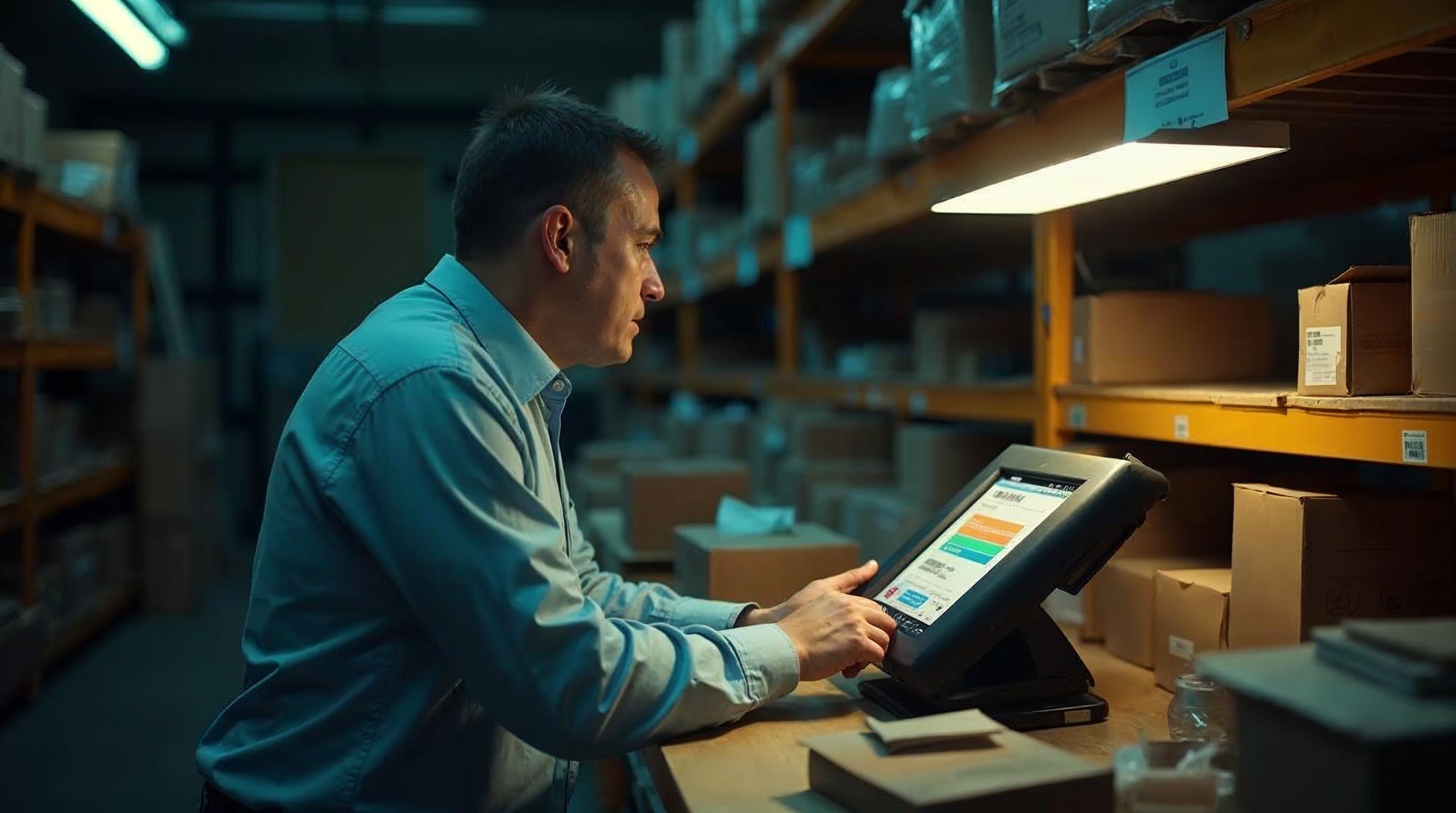
Fitment coverage audited and fixed
Vehicle coverage checked against your source data, titles and attributes rewritten, OE references completed, and availability made trustworthy.
Week 2 / Measurement
Pixel, purchase value and returns
Pixel installed and validated, purchase value set as the optimisation target, identifiers in every URL, and returns reconciled back against campaigns.

Week 3 / Launch
Best-margin families first
Campaigns opened on the product families with the cleanest fitment and the best contribution, one concept per real repair question, budgets capped per family.

Ongoing / Weekly loop
Sold, returned, repeat
Weekly reads on what sold and what came back, monthly margin comparison against shopping and search, and a plain recommendation when a family is not worth advertising.

WHAT YOU GET
Deliverables your operations team can audit.
can audit
Everything below lands in your own accounts and stays yours if you ever leave.

Fitment and feed audit
Vehicle coverage checked against your source data, with the gaps and ambiguities listed by product family.

Measurement build
Pixel installed and validated, purchase value tracked, identifiers in every URL and returns reconciled back.

Campaign build and management
Campaigns opened by product family with capped budgets, weekly optimisation and a documented change log.

Landing and category pages
Pages that confirm fitment first, then price, delivery and the returns policy, in that order.

Margin reporting
Revenue after returns and contribution by family, compared with shopping and search on one page.

Claim guardrails
An approved language list so no advertisement claims compatibility the product data cannot support.
HOW WE WORK
Operating standards, not promises.
Operating standards

Online parts retailers
Wide catalogues where fitment coverage decides which ranges can be advertised at all.
ExploreAftermarket brands
Manufacturers selling direct, where product data quality travels to every reseller too.
ExploreTrade and fleet supply
Repeat professional buyers, measured on repeat orders rather than a first purchase.
Explore

















Built on trust. Proven by results.
We partner with SMBs and Fortune 500 companies to deliver more than reach — we bring clarity, execution, and measurable outcomes. Every successful partnership starts with a strong culture fit and a shared drive to grow.






CASE STUDIES
Case studies
Website Portfolio
Video Ads
Static Ads



























































FAQ
What parts sellers ask us first.
Are ChatGPT ads available to an auto parts retailer today?
Yes, on a cost-per-click basis through OpenAI's ads manager, with conversion bidding and the web pixel as the measurement layer, and product carousels available for catalogue ranges. Digiday reports the ads business now runs in 31 markets with cost-per-click accounting for most of the spend. What does not exist yet is lookalike or interest targeting, so relevance is earned through product data, campaign context and conversion signals. We keep the platform overview current as new controls ship.
Our fitment data is a mess. Should we fix that before advertising?
Fix the ranges you intend to advertise, then launch on those — waiting for a perfect catalogue means never starting. The cost of skipping it is measurable: 19.4% of auto parts orders come back, and 86% of automotive returns trace to inaccurate fitment information, so ads pointed at ambiguous products buy revenue you refund later plus the shipping both ways. We audit coverage by product family, rank the families by margin and data quality, and open campaigns in that order.
How is this different from Google Shopping for parts?
Shopping matches a query to a product; this matches a conversation to a recommendation. The user has usually told the assistant the year, make, model, engine and symptom before any product is mentioned, which is far more context than a search term carries, and it means the quality of your product attributes decides whether you are considered. The practical differences are that you cannot buy audiences here, creative matters less than data, and the same catalogue work lifts both channels. We run them together and compare them on contribution rather than on clicks.
What should we spend to test the channel properly?
Enough to read margin on two or three product families over eight to twelve weeks, which for most retailers is a modest share of an existing shopping budget rather than new money. The right size depends on average order value and return rate far more than on the platform: a business selling brake kits at healthy margin can read results quickly, while a low-margin commodity range needs volume before anything is conclusive. We agree the margin threshold that would make it a keeper before launch, and stop early when the answer is obvious.
How do you keep advertising from promising a part that does not fit?
By refusing to write a compatibility claim the product data cannot support. Ads name the vehicle range the feed can prove, landing pages confirm fitment before price, and anything ambiguous is excluded from the campaign rather than hedged with 'fits most models'. We also keep an approved language list so nobody improvises a claim in a rush, and we watch return reasons by campaign so a data problem surfaces in weeks rather than at the quarterly review.
Which questions actually bring buyers to the assistant?
Diagnosis and shopping questions, mostly in the same conversation. People describe a noise, a warning light or a failed inspection, ask what part is likely at fault, then ask what it should cost and which brand is worth buying for their vehicle. Trade buyers ask narrower things: cross-references from an OE number, availability, and whether an aftermarket equivalent is acceptable. The best campaigns come from the questions your own counter staff answer every day — they already know the prompts, they have simply never treated them as advertising ideas.
Does this help our organic visibility in AI answers too?
Indirectly, and the overlap is the reason we do the catalogue work first. Being cited in an assistant's answer depends on clear, machine-readable product information, honest specifications and content that answers the question a person actually asked — the same assets that make paid placements perform. Paid and organic are still separate systems and we never pretend that buying ads purchases citations. If AI visibility is the priority, our GEO and AEO team handles it as its own programme.
What do you measure, and how does it reach our finance team?
Revenue net of returns, contribution margin by product family, new versus repeat customers, and cost per order compared with shopping and search. Everything is reconciled against your own order data rather than the platform's self-reported figures, because the two rarely agree and the difference matters when returns run high in this category. The monthly review is one page in plain language, with a change log underneath and a clear recommendation when a range should stop being advertised.
Can you run our other channels at the same time?
Yes, and the numbers get more honest when we do. Most retailers we meet have shopping with one supplier, marketplaces with another and an agency for content, each reporting its own best month. Our paid search, ecommerce and analytics specialists work from one plan so an order is attributed once. It is equally fine to hire us for this channel alone — we document the setup and leave the accounts open, because a campaign only one supplier can operate is not an asset.
What does it cost to have you run it?
A fixed monthly fee, quoted separately from media spend and scoped to the product families you want advertised. After the audit you get a plan tied to a margin target and a written view of which ranges we would not advertise yet, rather than a bundle sold on day one. Where the useful scope is a feed clean-up and a measurement build instead of a retainer, we scope it that way and say so on the first call. You own the ad account, the pixel and the product feed throughout.

.webp)
.webp)