Creative work that makes an accounting firm look like itself.
look like itself
Most accounting brands are interchangeable: a blue logo, a skyline, a stock portrait of somebody who has never filed a return. Meanwhile the thing that actually wins the engagement — how your partners explain a problem — never leaves the meeting room. Our creative team gives a practice a brand, photography, video and social content that sound like the people who do the work, and we build it so it feeds your search and paid channels instead of sitting in a folder.






Tell us a little about your brand and we'll be in touch within 24 hours to lock in a time.



FOUR WORKSTREAMS
Four workstreams turn a generic company into a recognisable one.
Four workstreams
A positioning that says who the practice is for, an identity that carries it, photography and video of the real people, and a content rhythm the business can sustain through tax season. Creativity here is a business tool, not decoration.
Positioning & message
Identity & design
Photography & video
Content rhythm
Say who you are for, and the rest gets easier.
The hardest creative problem in this profession is not visual. It is that a company doing genuinely specialised work describes itself in the same words as every other practice in the state. We start with interviews: which engagements you want more of, which clients you understand better than anyone, what your team says when nobody is being careful.
Out of that comes a positioning line, the three or four things the practice claims, and a message map for each client type. It is the foundation for everything after it, and it is why creative projects that skips this stage produces a pretty deck and no new clients.
- Partner interviews, not a questionnaire
- A positioning line the whole firm can repeat
- Message map by client type and service line
- Proof points collected and verified
92%
average client retention at CPA firms (CUFinder, 2026)
An identity built for trust, not for an awards entry.
Design earns or loses credibility before a word is read. Stanford's study of 2,684 people found the “design look” of a site appeared in 46.1% of credibility comments — ahead of the information itself. For a practice whose entire product is trust, that is the whole argument.
So the identity stage is disciplined: a mark that survives being small on a phone, typography a client can read comfortably, a palette that is not the same navy as every competitor, and templates for proposals, reports and decks so the business still looks consistent when a manager makes a slide at eleven at night.
- Logo, palette and type system with real usage rules
- Proposal, report and deck templates people will actually use
- Social and profile assets sized correctly
- Everything delivered in editable source files
46.1%
of credibility comments were about how a site looked (Stanford)
Your people, explaining the thing they explain every week.
The most valuable creative asset an accounting business can own is a partner answering a real client question on camera, in ninety seconds, without a script. It is the closest thing to a first meeting that can be scaled, and it is the raw material for social, email, landing pages and ads at the same time.
We plan the shoot around questions your people already field for free, photograph the actual office and the actual people, and cut everything into formats that fit where it will run. Paid social rewards this kind of material: the accounting benchmark for Meta advertising is a 0.64% click-through rate at a 2.4x return, and generic stock creative sits at the bottom of that range.
- One shoot day producing a quarter of content
- Real office, real team, no stock portraits
- Question-led video, cut for every placement
- Stills and clips delivered with usage rights
0.64%
average Meta ads click-through rate in accounting
2.4x
average Meta ads return in the sector
A cadence the business can keep in February.
Most accounting content programmes die in January, because they were designed for a quiet month. We plan the opposite way: film in the off-season, bank the material, and schedule so busy season runs on a library rather than on somebody's goodwill.
The channel mix follows where attention actually is for this profession. CUFinder's traffic mix puts organic search at 48%, direct at 28% and social at 5% — so social and video work best as trust and reach, feeding the search and email paths that convert. Email deserves the effort too, at a 22.8% open rate benchmark.
- Quarterly plan filmed and banked in advance
- Formats matched to where they will actually run
- Email and social planned together, not separately
- Performance reviewed monthly, plan adjusted
5%
of CPA firm traffic comes from social — treat it as reach
22.8%
average email open rate in accounting
Source files, footage and full usage rights stay with the firm
Your own office and team, never stock portraits
Weekly working session while the project runs
Long-term lock-ins
We made the difference for those brands

B2B software, fintech, insurance

B2B software, fintech, insurance

Beauty, personal care & wellness

B2B software, fintech, insurance

Consumer tech and platforms

Creative, content, arts & culture

Consumer tech and platforms

Home essentials, appliances, kitchen & pet

Home essentials, appliances, kitchen & pet
Consumer tech and platforms

Healthcare & regulated services

Beauty, personal care & wellness

Healthcare & regulated services

B2B software, fintech, insurance

Beauty, personal care & wellness

Apparel and lifestyle

B2B software, fintech, insurance

Apparel and lifestyle

Beauty, personal care & wellness

Retail & commerce

Beauty, personal care & wellness

B2B software, fintech, insurance

B2B software, fintech, insurance

Home essentials, appliances, kitchen & pet

Food & beverage

Apparel and lifestyle

Retail & commerce

Creative, content, arts & culture
Creative, content, arts & culture

Food & beverage
Creative, content, arts & culture
01 — The challenge
The work is distinctive. The marketing is not.
A company spends fifteen years becoming the specialist that genuinely understands restaurant groups, or R&D credits, or expat filings — and then describes itself on every surface as a full-service accounting and advisory firm. The website, the proposal template and the social feed could belong to any of two hundred competitors.
“We know we are different. We have never managed to show it.”
That gap is a creative problem with a commercial cost, and it is fixable quickly because the material already exists inside the business. Stanford's credibility research put design look ahead of every other trust signal, and in a profession where 28% of website visits arrive direct — a referral checking you out before they call — looking and sounding like yourself is not vanity. It is the difference between a meeting and a maybe.
02 — Our approach
Interview the partners, build the identity, film the people, keep the rhythm.
We begin with the partners rather than a moodboard: what the practice is genuinely better at, which clients it wants more of, the questions it answers for free every week, and the language people use when the slide deck is closed. That produces a positioning line and a message map, which is what stops the design stage becoming a matter of taste. Identity follows — a mark that works small, typography built for readability, a palette that is not the same navy as everyone else, and the unglamorous templates people use daily for proposals, reports and decks. Then we film. One planned shoot day in the off-season produces a quarter's worth of material: partner answers to real client questions, photography of the actual office, cutdowns for social, stills for the website and ads. Everything is delivered in editable source files, with usage rights, into folders your team owns. After that it is rhythm rather than heroics — a quarterly plan, content banked before busy season, and a monthly review of what earned attention and what fed enquiries.
03 — What we did
From partner interviews to a quarter of banked content.
Positioning, identity, a planned shoot and a content rhythm — with a working session every week and a written note of what changed.
Weeks 1-2 / Positioning
Interviews, positioning and a message map
Partner interviews rather than a questionnaire, the claims you can actually prove, and a message map for each client type.
Weeks 3-4 / Identity & shoot
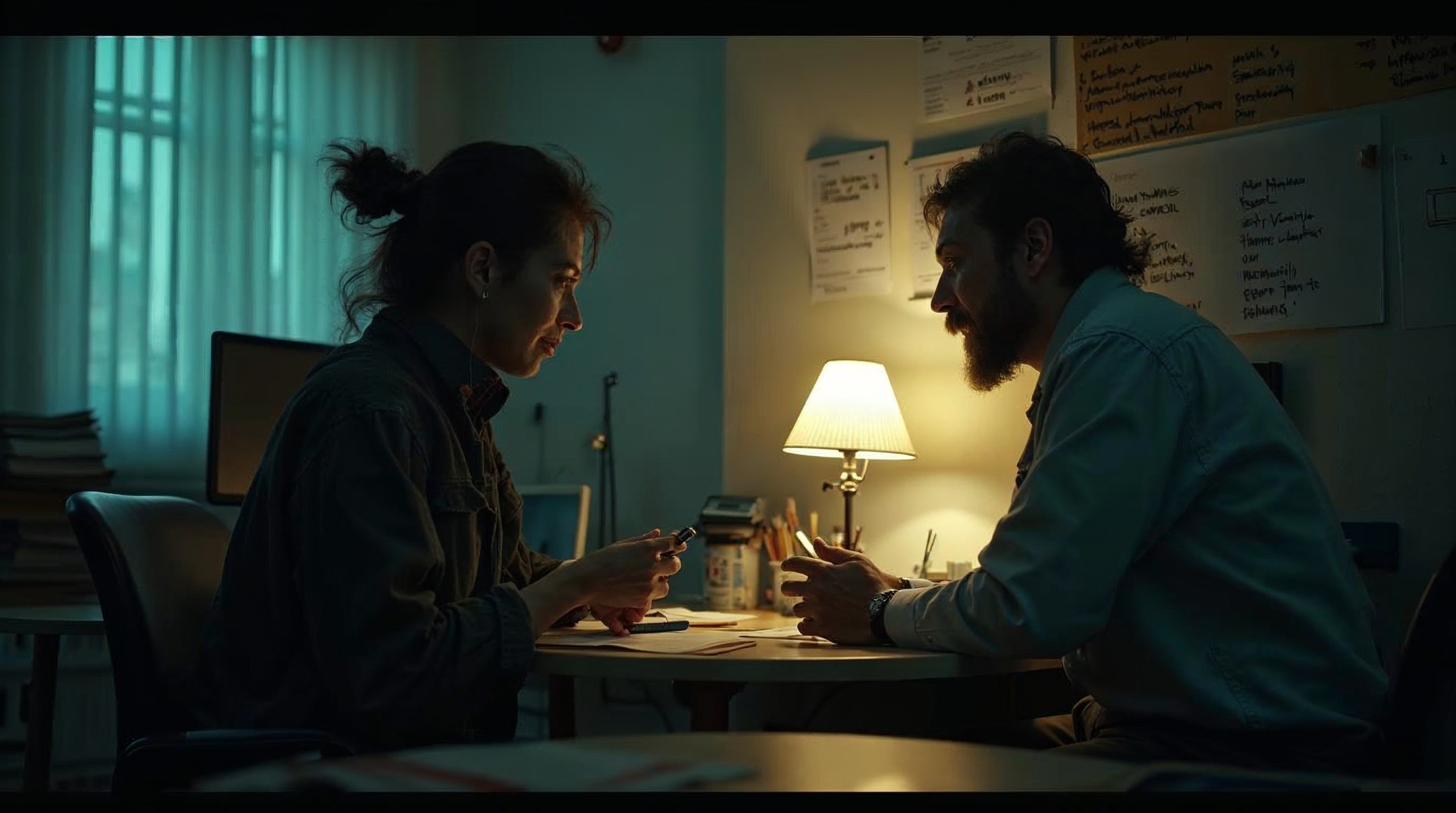
Identity built, then a day of filming
Mark, palette, type and templates finished first, then one planned shoot day capturing the real office and partners answering real client questions.
Weeks 5-6 / Production
Cut for every place it will run
Video edited into long and short formats, stills retouched, captions and thumbnails made, everything delivered in editable source files with usage rights.

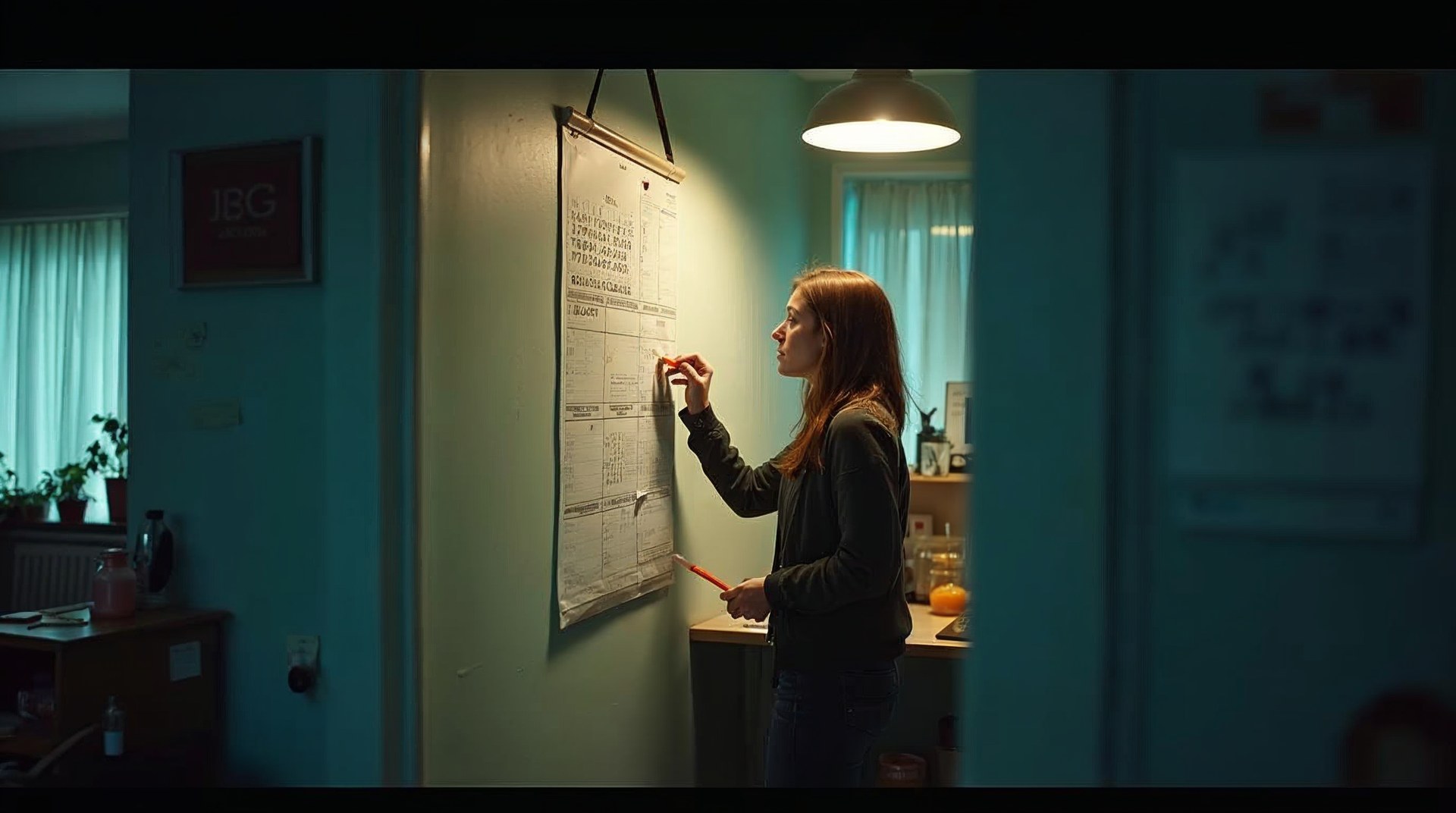
Ongoing / Rhythm
A cadence the firm can keep through busy season
A quarterly plan, content banked before January, and a monthly review of what earned attention and what actually fed enquiries.
WHAT YOU GET
Deliverables your managing partner can audit.
can audit
Everything below lands in your own accounts and stays yours if you ever leave.

Positioning and message map
A line the whole firm can repeat, the claims you can prove, and messaging per client type.

Brand identity system
Mark, palette, typography and usage rules, delivered in editable source files you own outright.

Working templates
Proposal, report, deck and social templates your team will actually use at eleven at night.

Photography
Your real office and real team, shot and retouched, with full usage rights and no stock portraits.

Video production
Partner answers to real client questions, cut into long and short formats for every placement.

Content plan and review
A quarterly plan, material banked before busy season, and a monthly review of what earned attention.
HOW WE WORK
Operating standards, not promises.
Operating standards


Tax practices
Seasonal campaigns and checklist content filmed in autumn so January runs on a library.
ExploreBookkeeping & outsourced finance
Productised offers presented as products, with clear pricing design a small business owner can compare.
ExploreAdvisory & CFO services
Longer cycles, so the creative leads with the partners, named specialisms and verifiable proof.
Explore

















Built on trust. Proven by results.
We partner with SMBs and Fortune 500 companies to deliver more than reach — we bring clarity, execution, and measurable outcomes. Every successful partnership starts with a strong culture fit and a shared drive to grow.





CASE STUDIES
Case studies
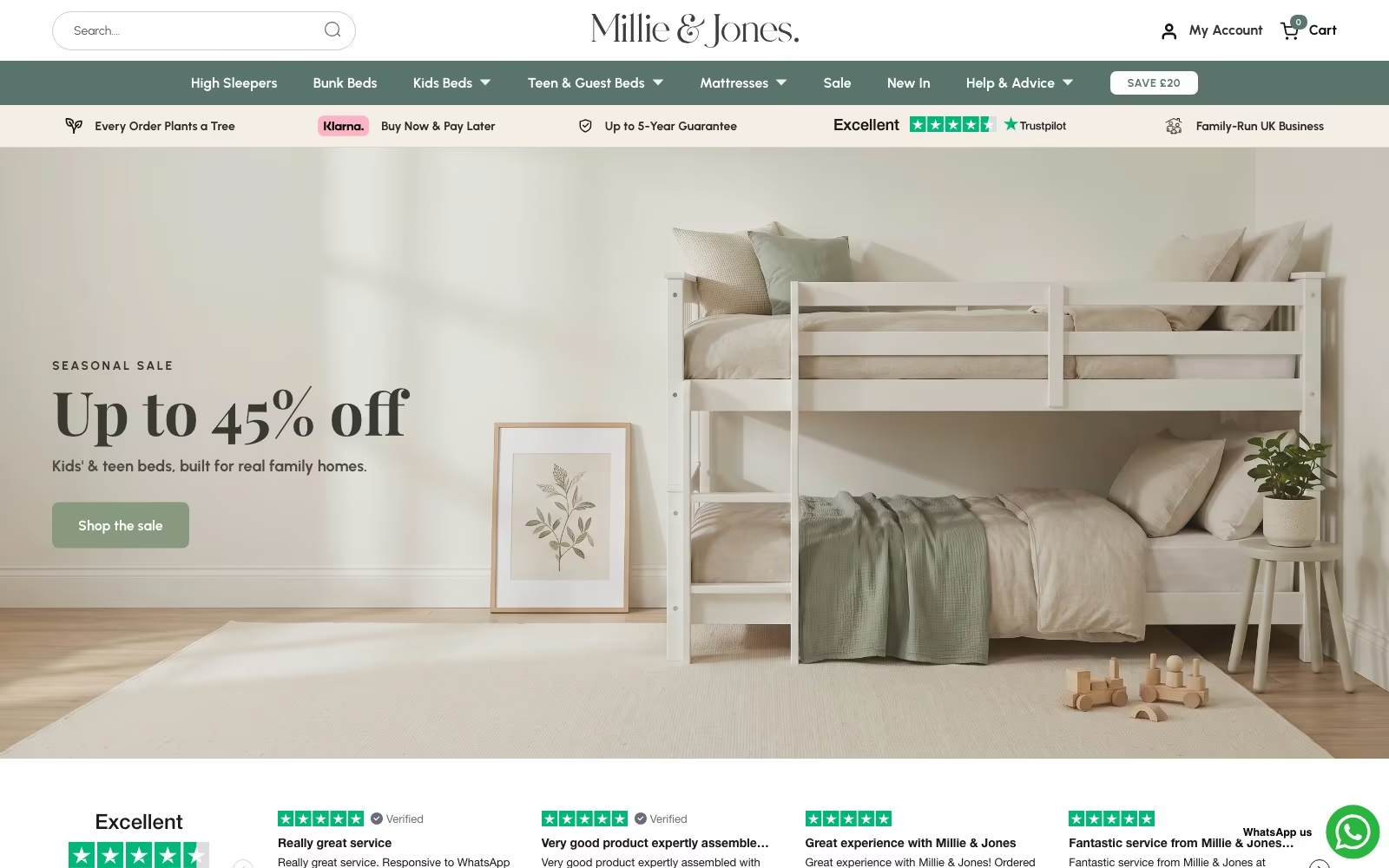
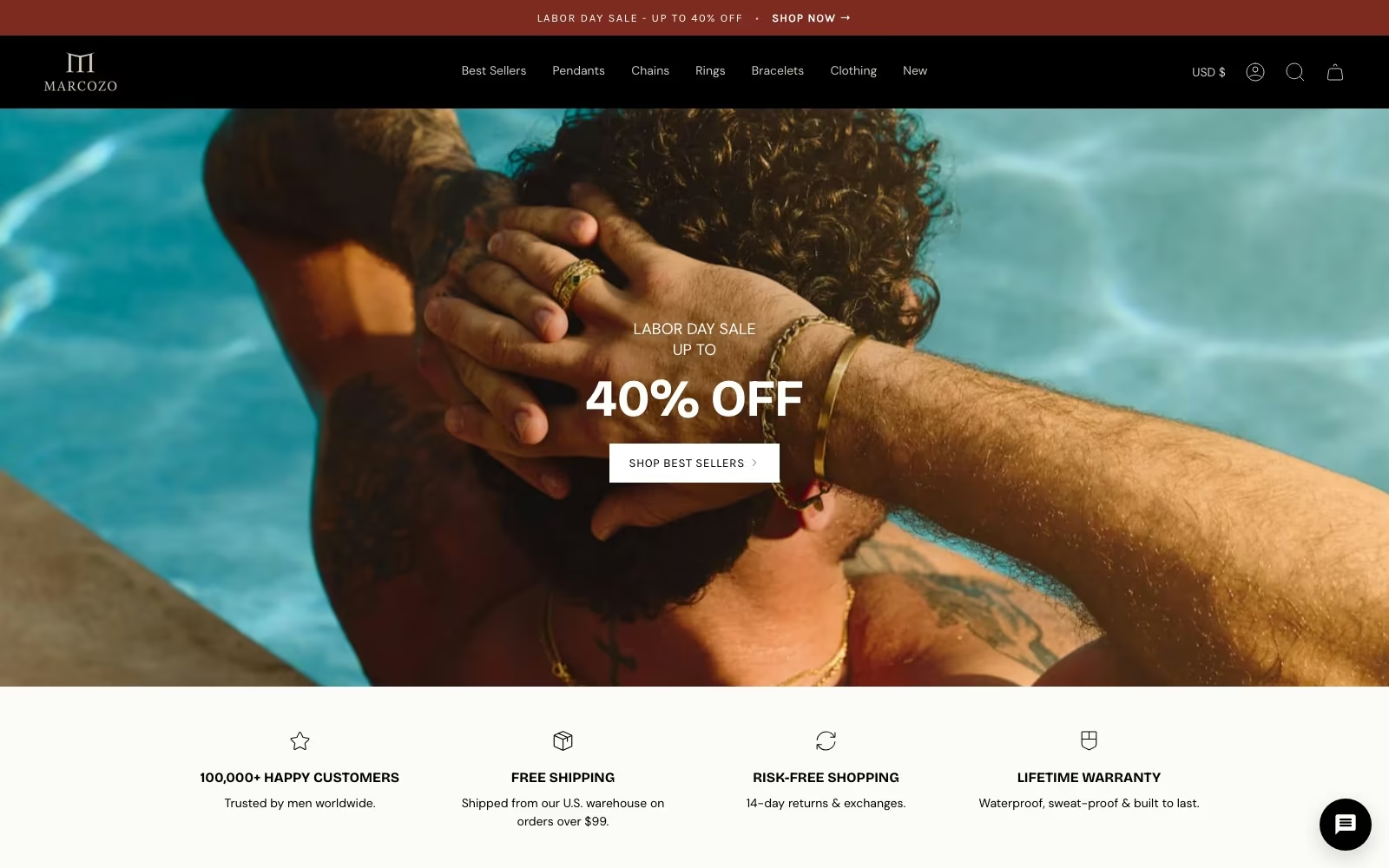
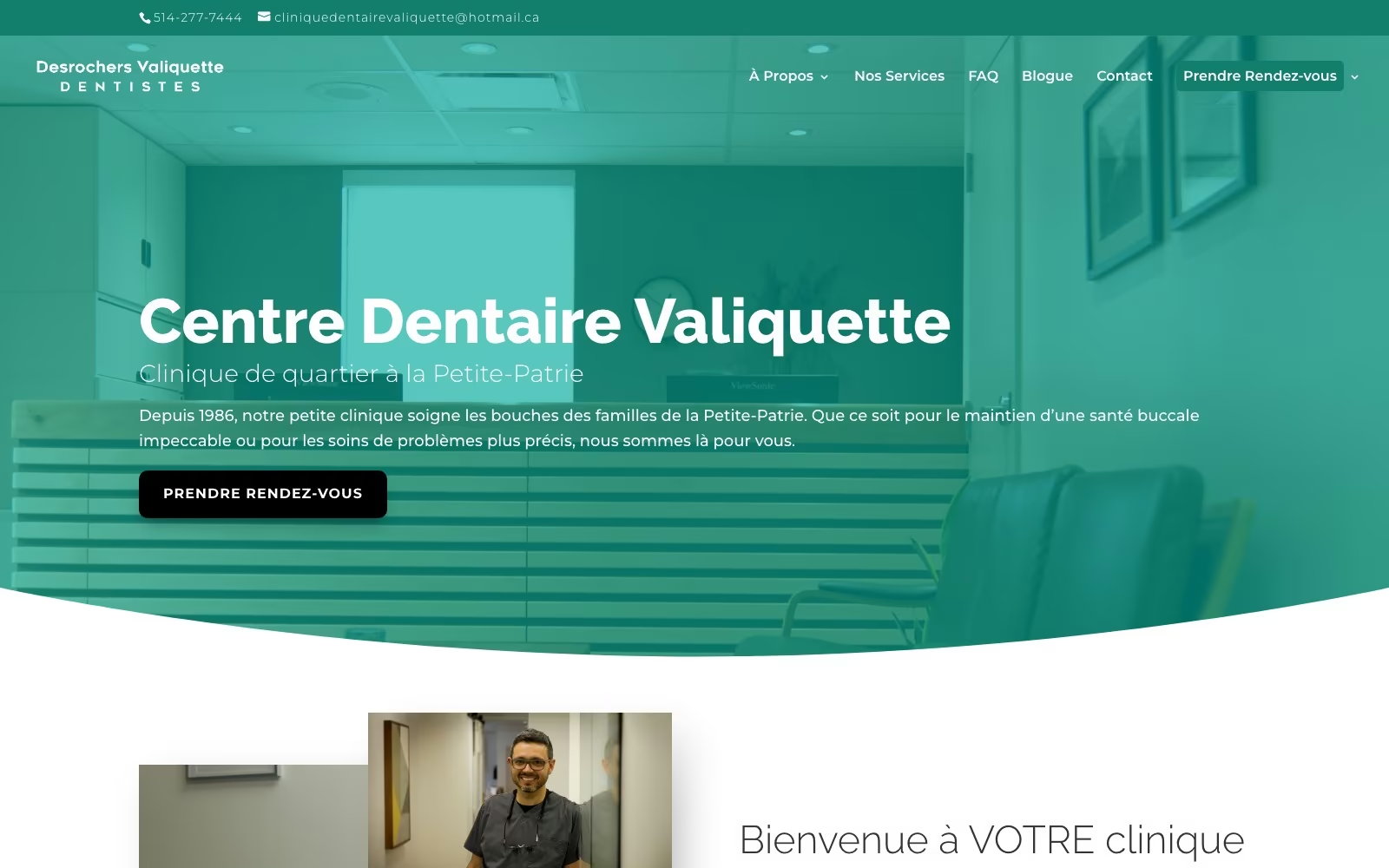
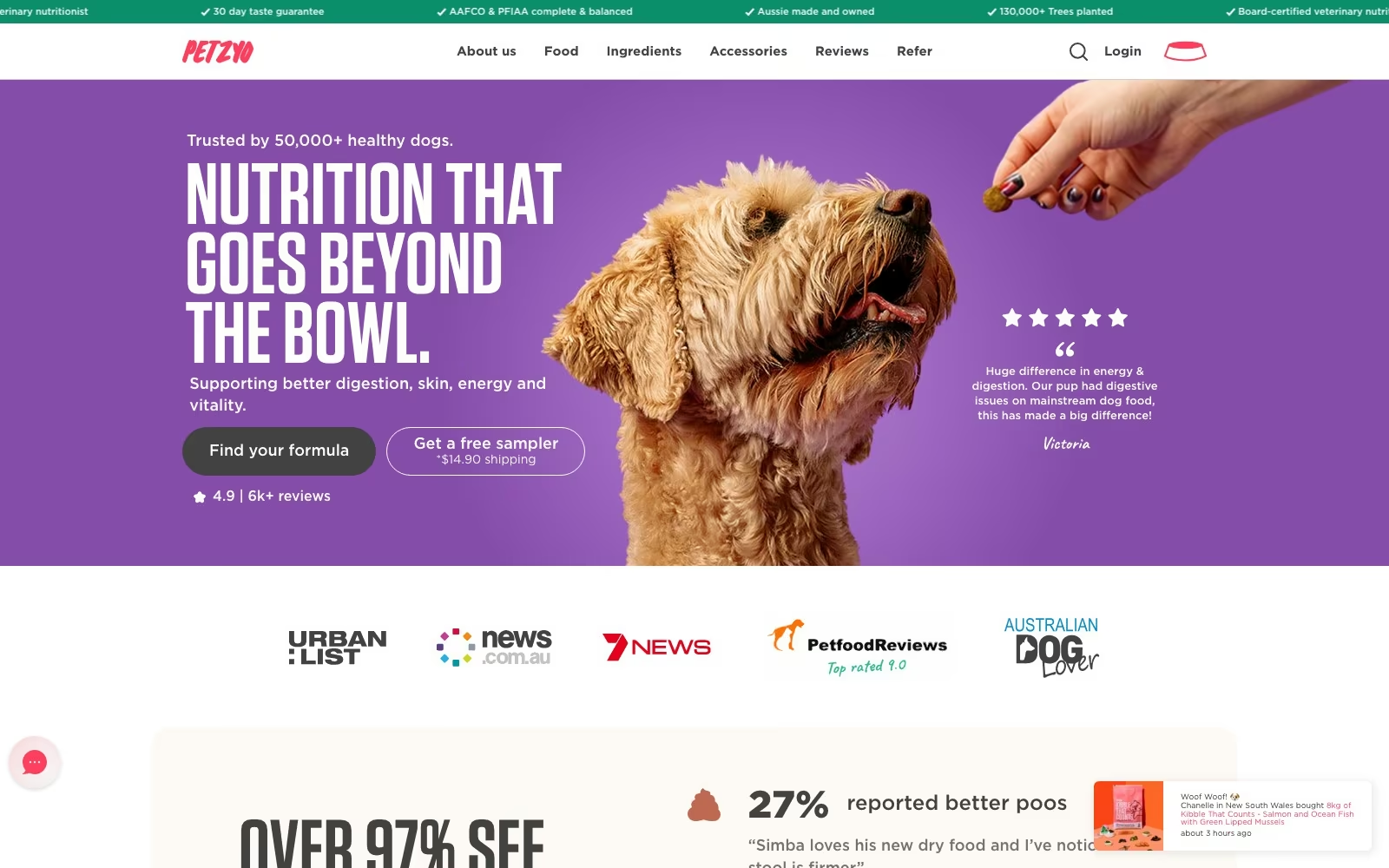
Website Portfolio
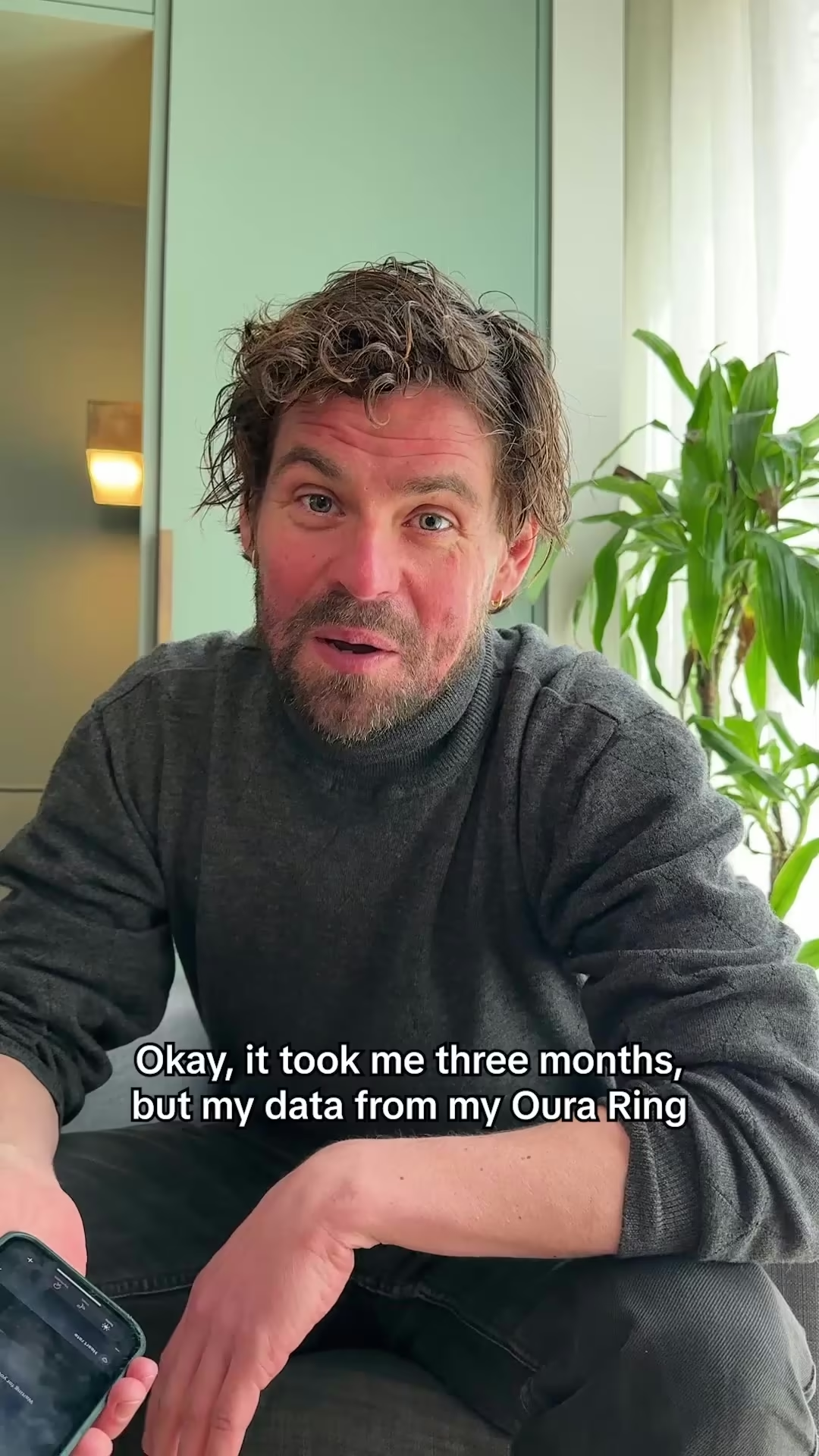
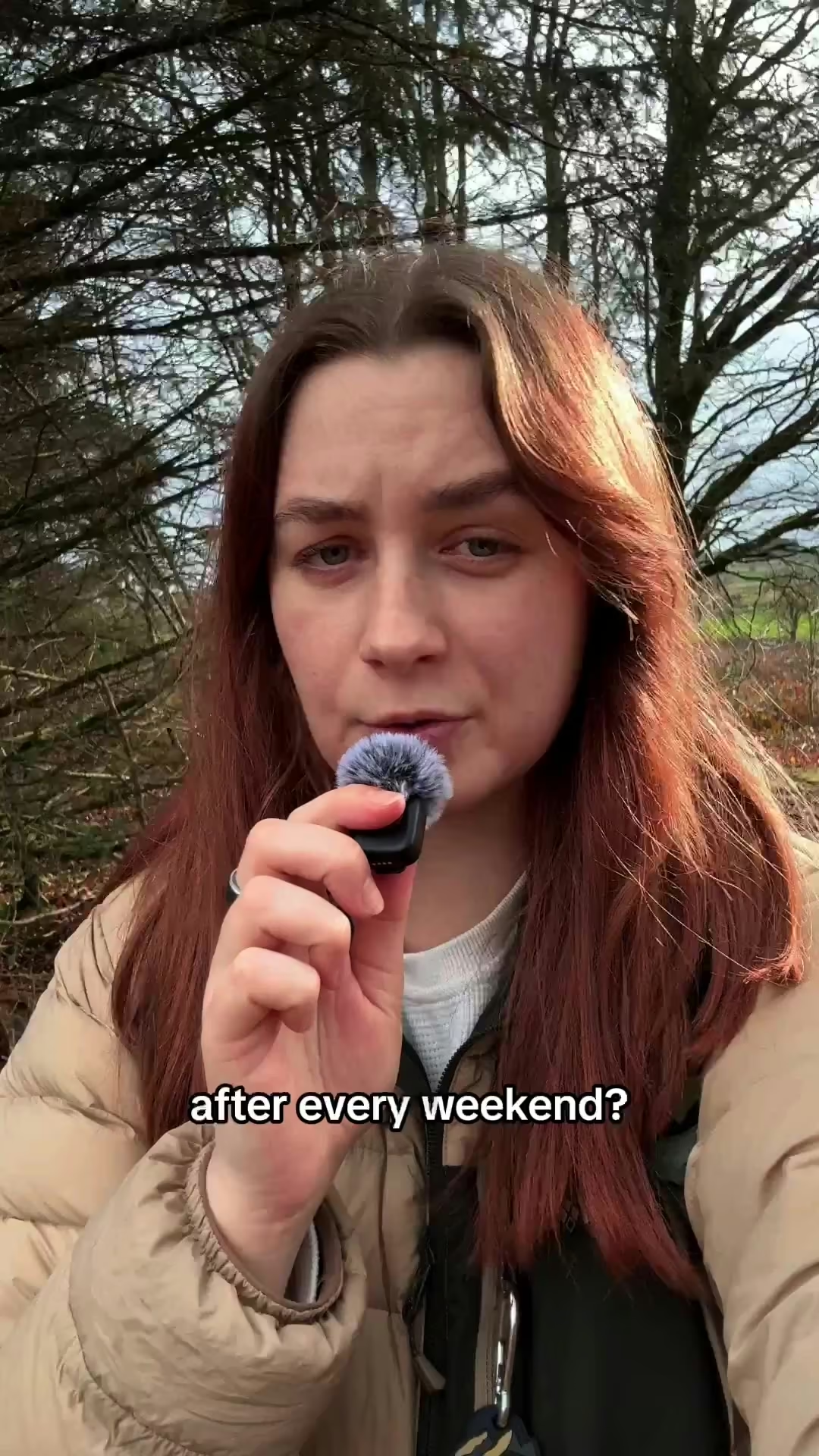
Video Ads
Static Ads





















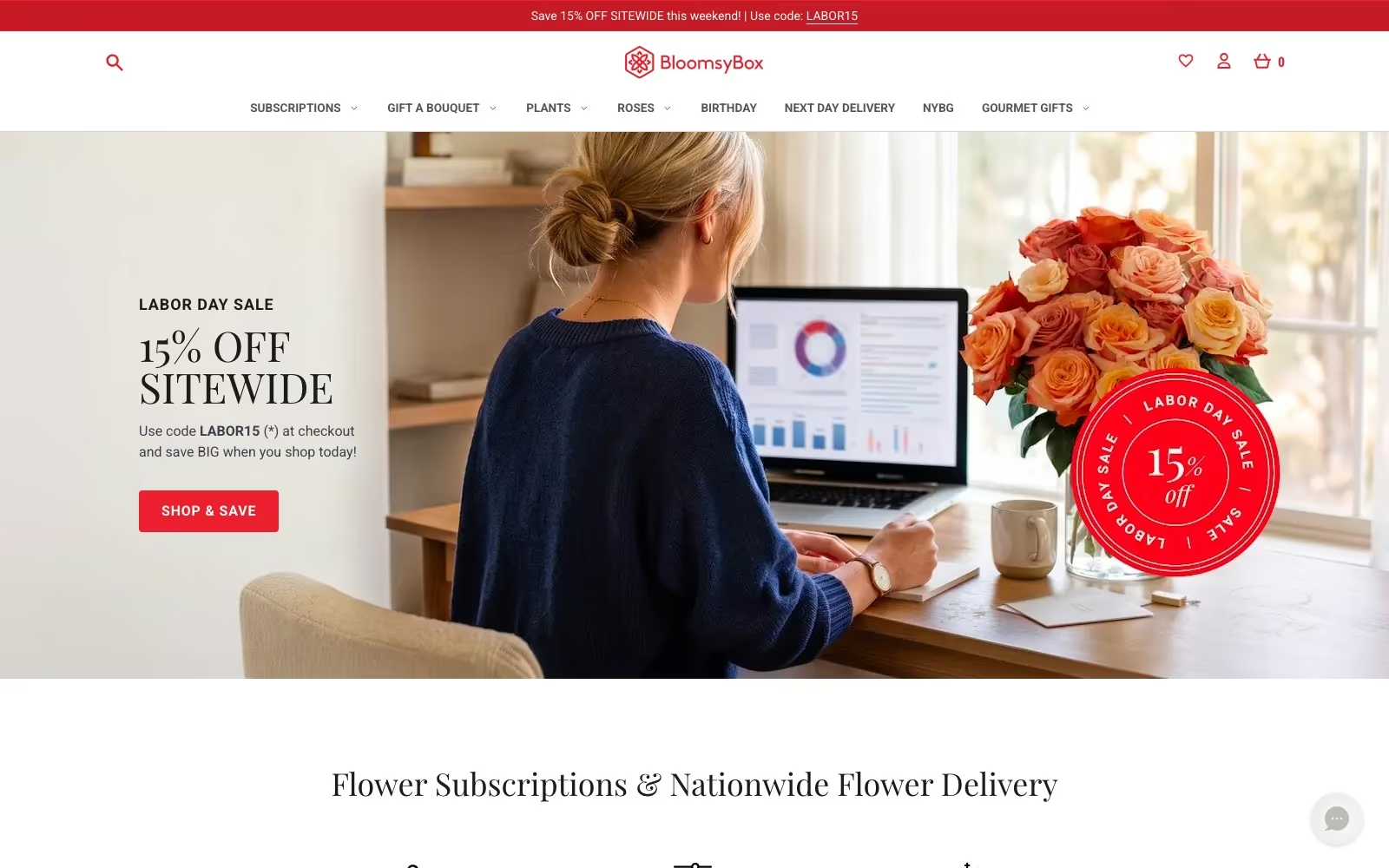

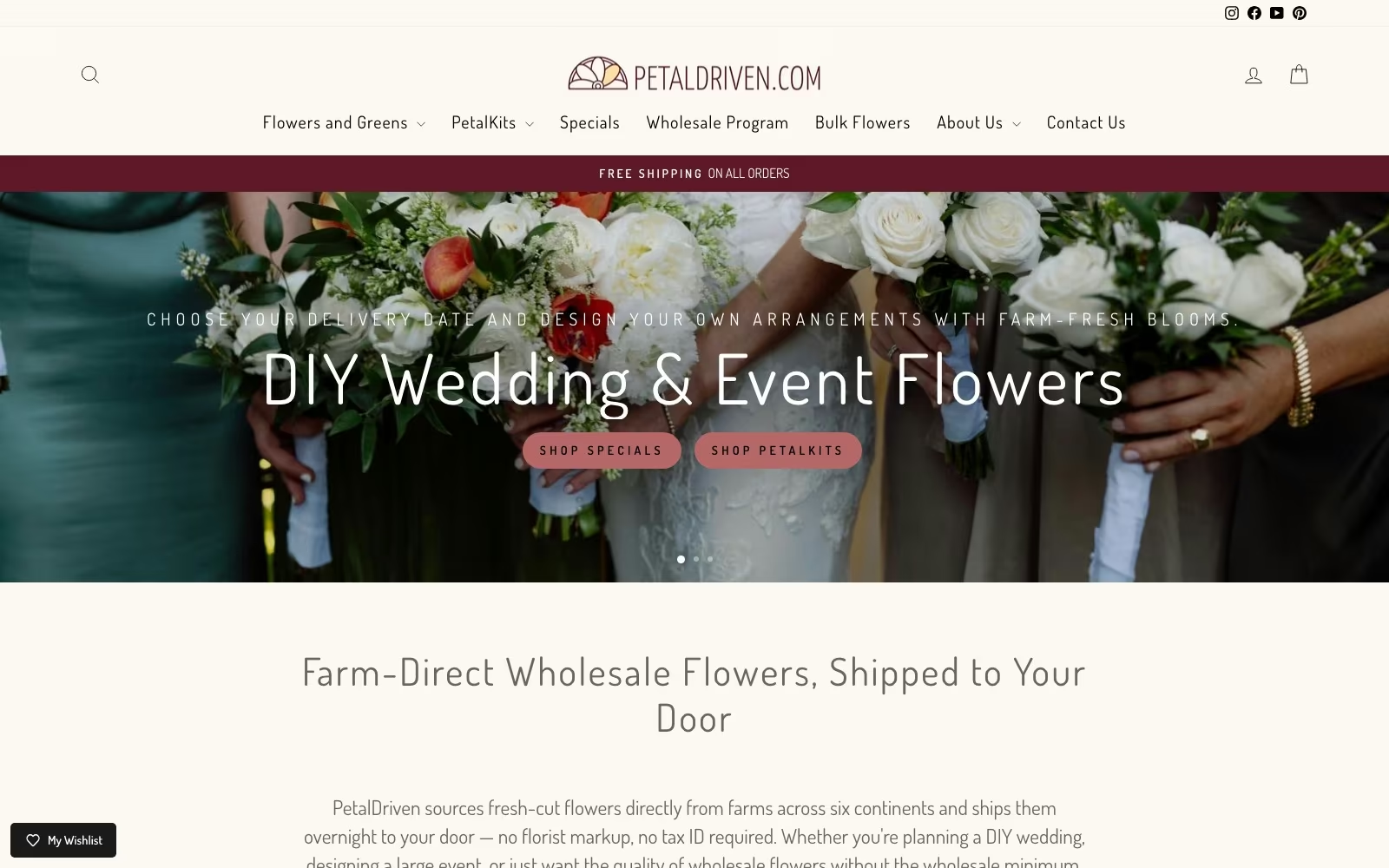

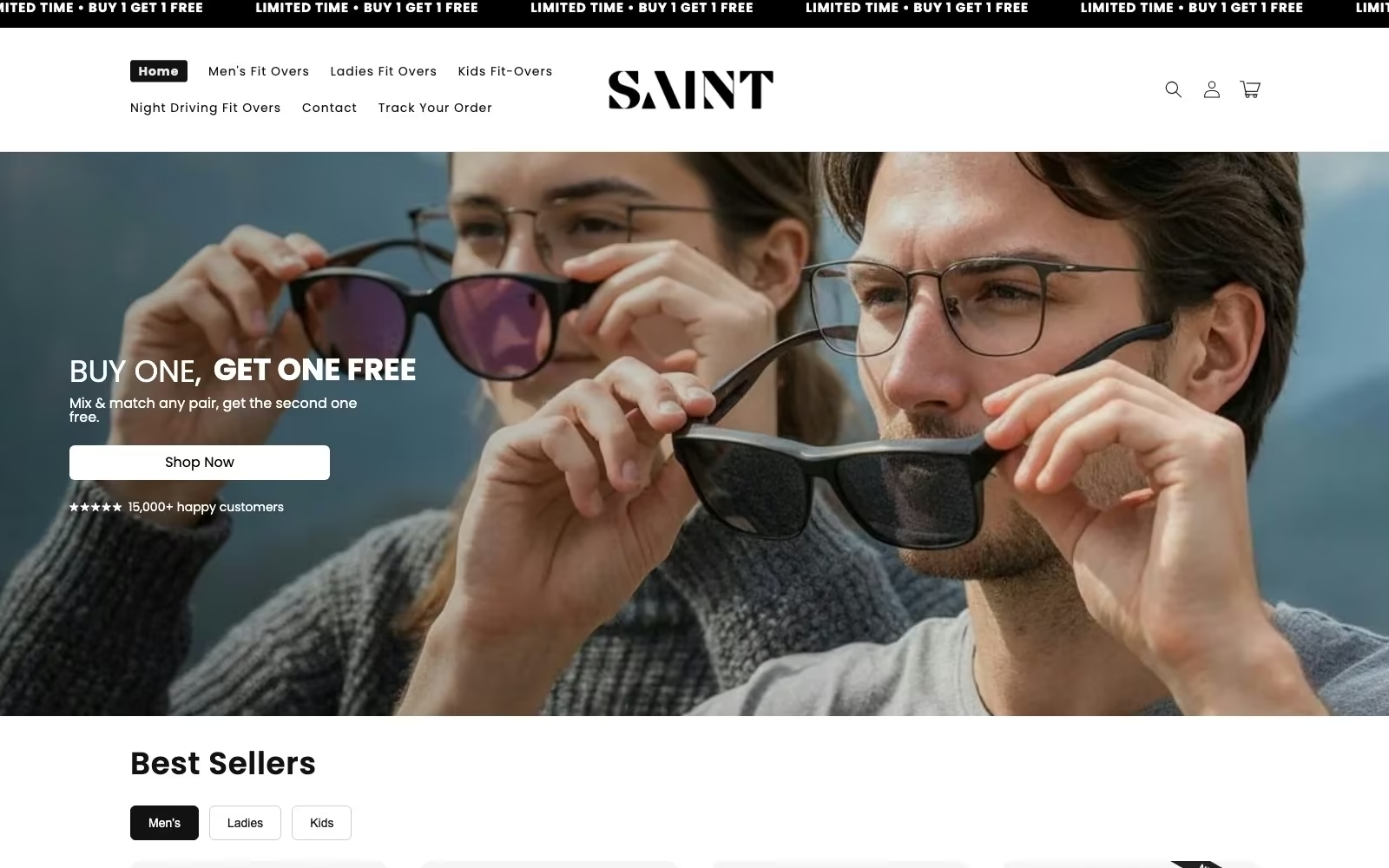

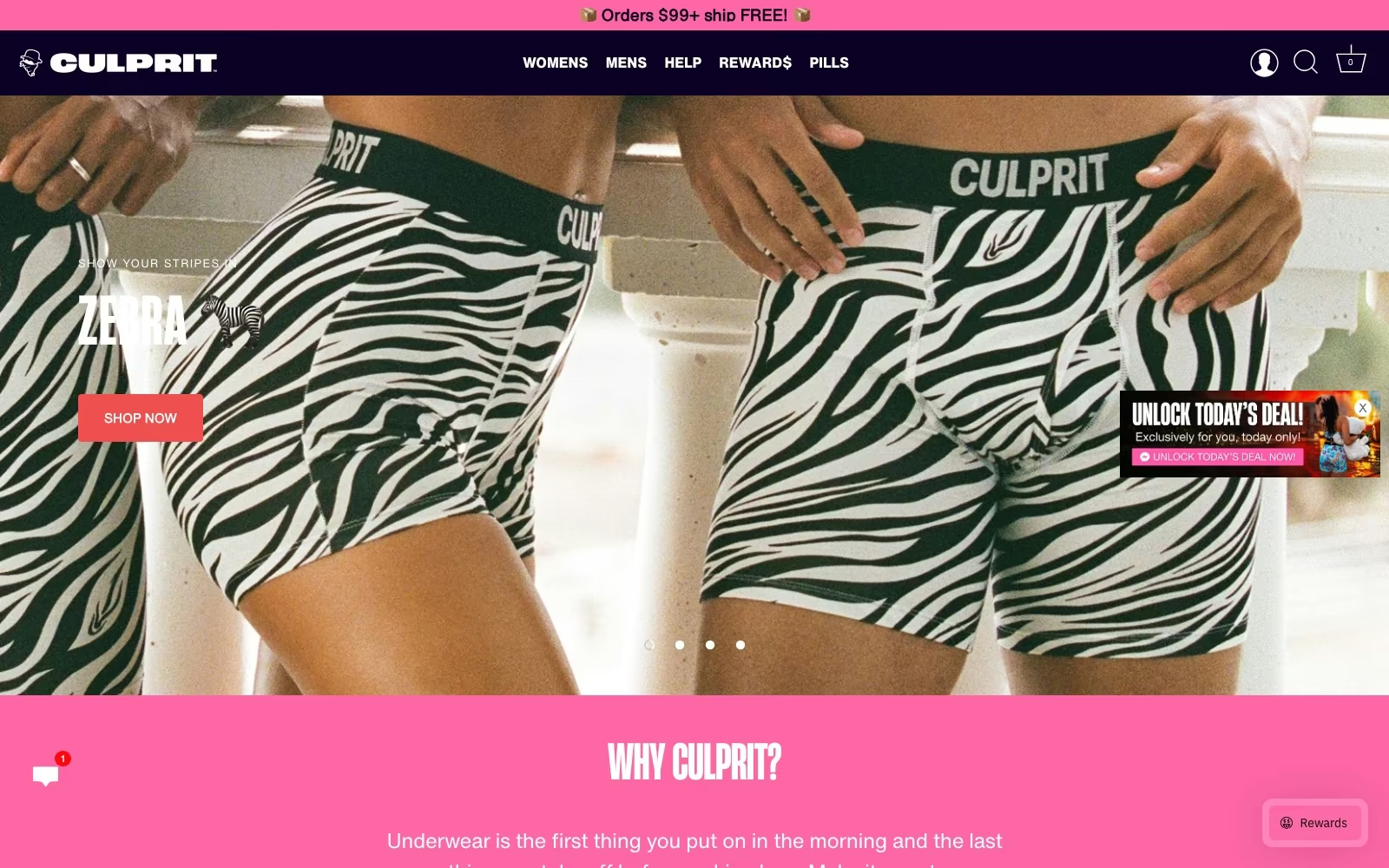

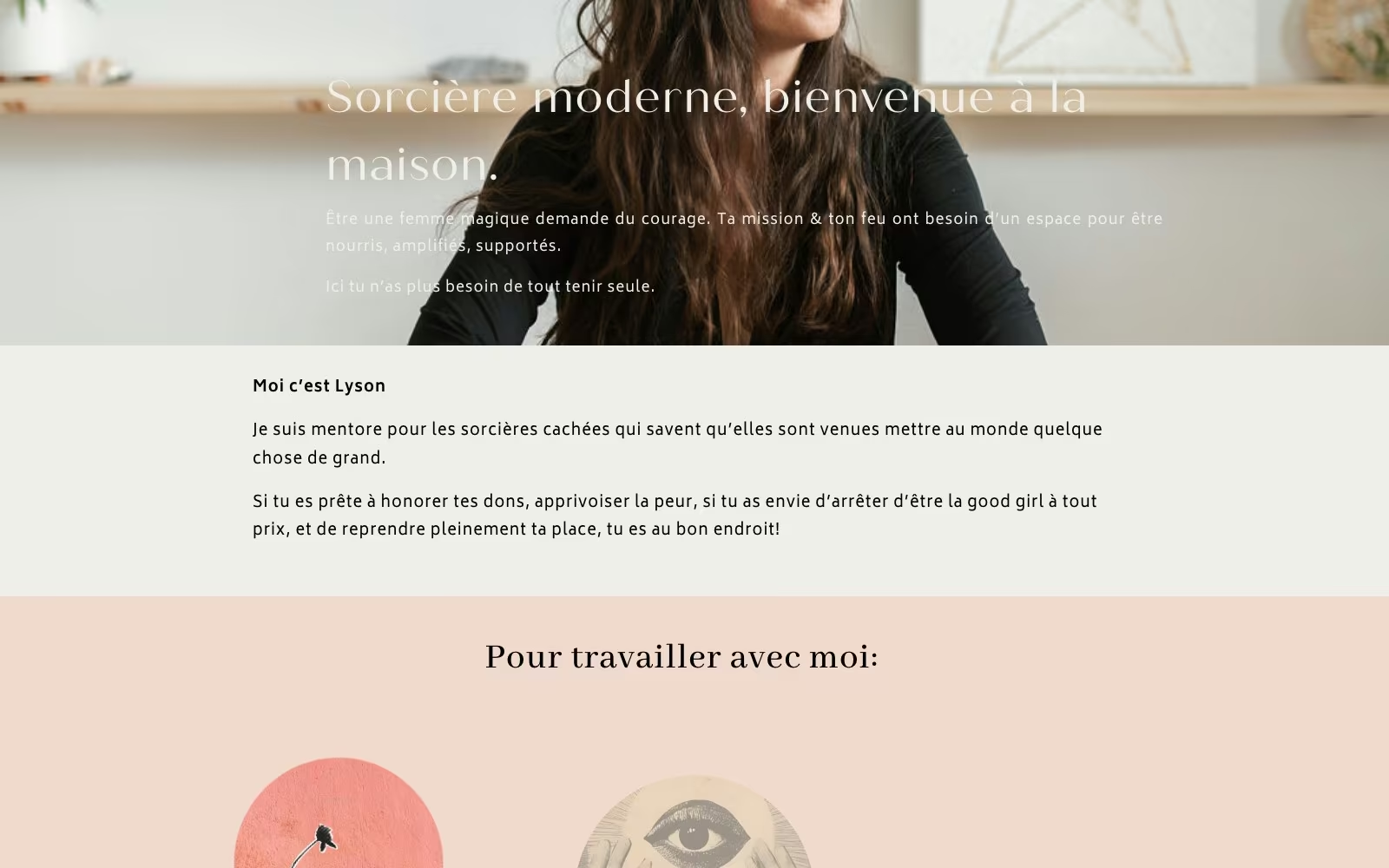
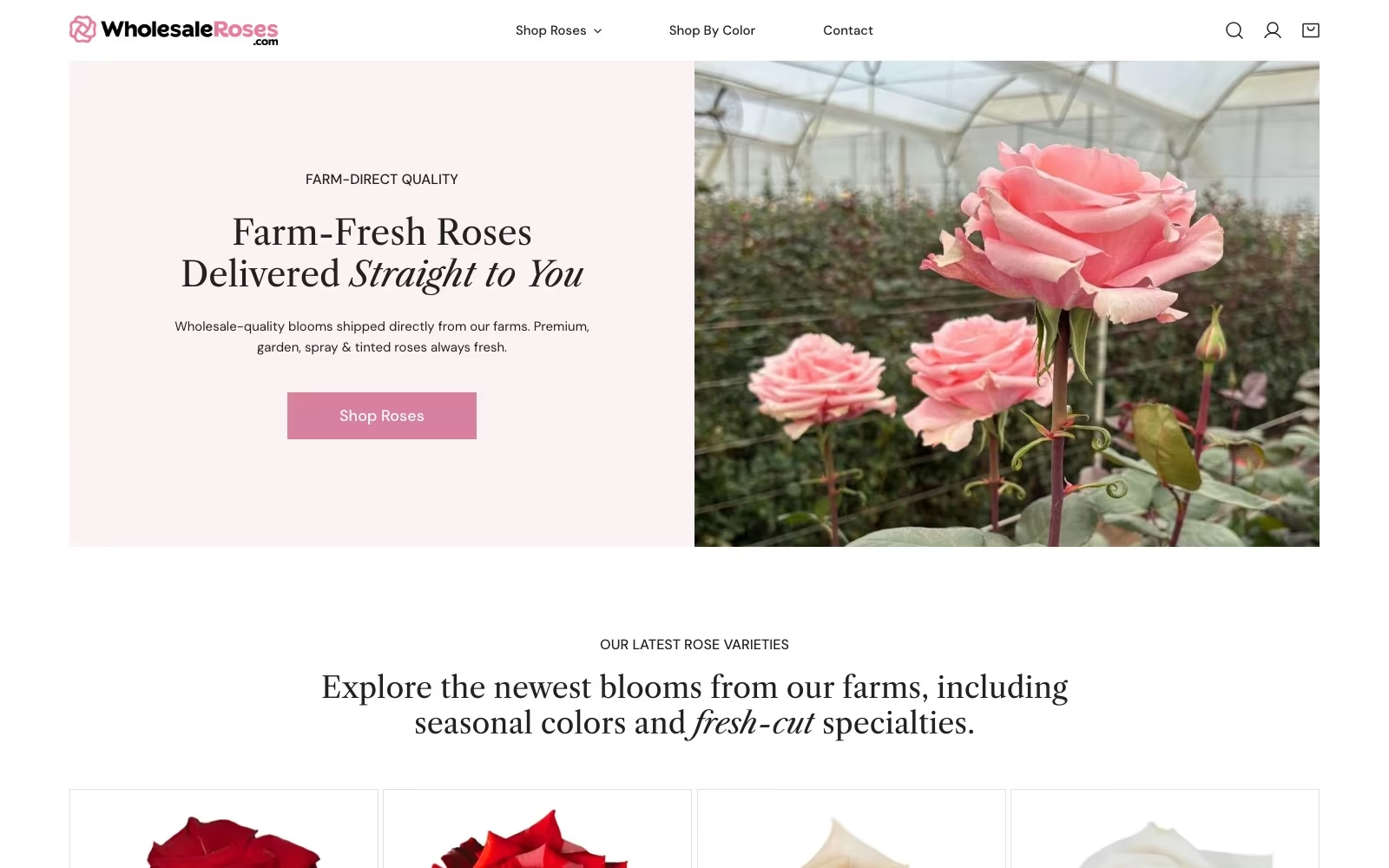

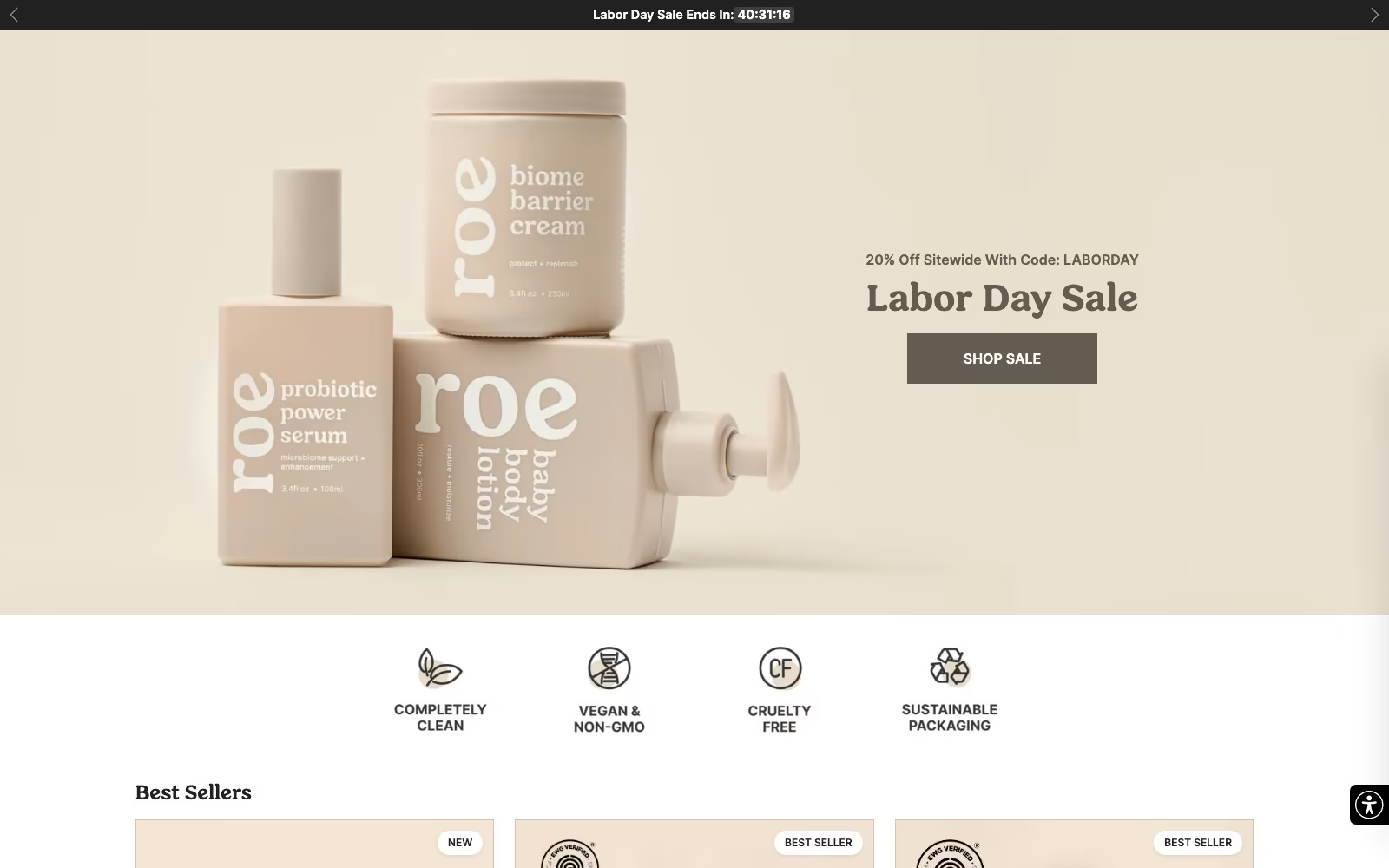

























FAQ
What firms ask us first.
Do we need a full rebrand, or something smaller?
Most firms need a sharper message and better assets rather than a new name and logo. A rebrand is warranted when the name no longer fits the practice — after a merger, a change of ownership, or a move from compliance into advisory — or when the identity genuinely cannot be reproduced legibly. Otherwise the money goes further on positioning, photography, video and templates. We will tell you which one you are in after the interviews, and we are happy for the answer to be the cheaper one.
Our partners hate being filmed. Is video really necessary?
It is the highest-value asset available to a professional services company, and the reluctance is almost always about the format rather than the camera. We do not ask anyone to perform or read a script. We ask a partner a question they answer every week, film the answer in ninety seconds in their own office, and cut the useful part. Most people find the second take comfortable and the fourth enjoyable. If somebody truly will not, we build the programme around the ones who do, and use photography and written content for the rest.
What does creative work for an accounting business cost?
It is scoped as a project after the interviews, and the drivers are straightforward: whether a rebrand is included, how many shoot days, how many video cutdowns, and how many templates you need. We deliberately quote in stages so a practice can start with positioning and a shoot, see the material working, then decide about identity later. Where the budget is tight, one planned shoot day plus templates is usually the highest-return place to begin.
How do you judge whether creative work paid off?
By what it feeds, not by applause. The measurable outcomes are enquiries and booked consultations attributed to the pages, ads and posts the material appears in, and the cost of those against the alternatives you are already buying — for reference, a $84.40 LinkedIn cost per lead in accounting. There are softer effects that matter too, like proposals closing faster and recruitment getting easier, and we ask about those in the monthly review rather than pretending they are the numbers.
Will the content sound like our firm or like an agency?
Like your firm, because it comes out of your partners' mouths. Our writers work from interview transcripts and keep the phrasing your people actually use, including the plain explanations they give clients rather than the formal version that appears in a letter. Nothing publishes without somebody inside the business signing it off, and where a topic needs a licensed opinion we flag it for review before it goes anywhere near a channel.
What do we actually get to keep?
Everything: editable source files for the identity, the full-resolution photography, the raw and edited footage, the templates, and unlimited usage rights. It all lands in a folder structure you own, organised so somebody who joins next year can find the right logo file without asking. We keep copies for our own archive, but nothing you paid us to make is held hostage to a retainer.
Can you make the material work for advertising as well?
That is how we plan the shoot in the first place. Every placement has different requirements — vertical for social, quiet-friendly captions, a first three seconds that earns attention — and building for those on the day costs nothing extra, while retrofitting later costs a second shoot. The benchmark for the sector is modest, at a 0.64% Meta click-through rate and a 2.84% rate on search ads, and specific human creative is the main lever a company has to beat it. Our paid social team runs the material once it exists.
Is social media worth an accounting business owner's time?
As reach and reassurance, yes; as a direct lead source, expect little. CUFinder's traffic mix puts social at 5% for CPA firms against 48% from organic search, so the sensible role for social is to keep you visible to referrers, recruits and existing clients while search and email do the converting. That also sets the right budget: a sustainable cadence built from material you filmed anyway, rather than a separate content team.
How long does it take?
Six to eight weeks from the first interview to a banked quarter of material for most practices. Positioning takes two weeks including partner reviews, identity two to three weeks if it is included, the shoot is a single planned day, and editing and delivery take a fortnight. The only thing that reliably slows it down is internal sign-off, so we book the review sessions in the calendar at the start rather than chasing partners between engagements.
We tried content before and it stopped after two months. Why would this be different?
Because we do not rely on anyone in your business finding time in February. The programme is designed around banking material in the off-season: one shoot day produces a quarter of posts, videos and stills, which are scheduled before busy season starts. Your only recurring commitment is a short monthly review. That is the structural difference between a content plan that survives and one that dies in January, and it is why we insist on filming in the quiet months.
Can you help with recruitment as well as client work?
Yes, and it is often the fastest payback in this profession, because the shortage of good staff costs a growing practice more than a shortage of leads. The same shoot produces material about how the company works, what progression looks like and who people would be working with — which is what candidates actually want to see and what almost no competitor publishes. We plan for it in the brief rather than treating it as an afterthought.
Can you run the channels once the creative exists?
Yes, and the material performs better when the same team places it. Our SEO, paid search, web design and analytics specialists work from one plan with the creative team, so a video is cut for the pages and campaigns it will actually run in. Hiring us for the creative alone is completely fine — you leave with the files and the rights.

.webp)
.webp)