Be the company she calls at 2am.
calls at 2am
Water damage restoration SEO is won in the map pack and on a wet phone screen, not in a blog archive. We get restoration companies ranking for the emergency searches property owners type while the water is still rising, then report it in booked jobs. We already run marketing for restoration companies, and 84% of restoration customers search online before they contact anyone.






Tell us a little about your brand and we'll be in touch within 24 hours to lock in a time.


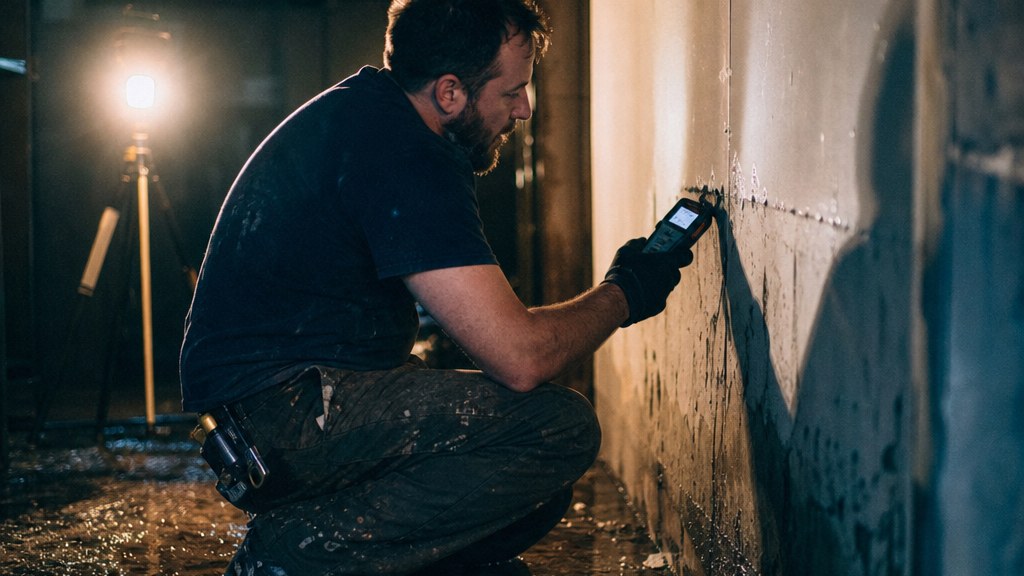
FOUR LEVERS
Four levers decide who gets the emergency call.
gets the emergency call
Your Google Business Profile, a site structure that matches how a panicked property owner searches, content that answers the insurance questions honestly, and a website fast enough to load on one bar of signal in a flooded basement. Local search and organic search are one job here, so we run them together.
Google Business Profile
Site structure and content
Emergency-intent keywords
Technical and authority
The map pack is the whole game.
For emergency water damage searches the local map results sit above everything else, and most callers never scroll past them. Restoration businesses ranking in Google's top three local results capture nearly 68% of the clicks, which makes the profile the highest-leverage asset you own.
We set the primary category correctly, draw the service area your crews genuinely cover, load real photography from real jobs, and build review collection into the job close-out. A profile that goes quiet for a quarter slides down the pack whatever the website does.
- Primary category set to Water Damage Restoration Service
- True coverage drawn from dispatch data, not a hopeful radius
- Photography of your own mitigation work, dated
- Reviews requested at job close-out, not at invoice
68%
of clicks go to the top three local results
One page per service, one page per city.
Most restoration company websites carry a single services page trying to cover water extraction, mold remediation, fire and smoke damage, sewage cleanup and reconstruction at once. Search engines cannot rank that page for any of it and a property owner cannot navigate it.
We map the site to what your crews actually do and where they drive: a written page for each restoration service, a page for each city in the service area, and depth on the questions that decide the job - who pays, how the insurance claim works, how long drying takes, what happens to the contents.
- A written page per restoration service, never templated
- City pages for the areas your trucks genuinely reach
- Mold remediation and fire damage given their own depth
- Insurance and claims content answered plainly
4-9 mo
typical time to results from restoration SEO
Rank for the 2am search, not the reading list.
A page ranking for signs of mold in a basement brings readers. A page ranking for emergency water damage restoration plus your city brings trucks out. We build the keyword map around emergency and commercial intent first, then add the research layer once the money terms are held.
The economics make the priority obvious. Emergency and 24-hour restoration terms cost $80.41 a click and about $500 a lead on paid search, so every one of those searches you hold organically is a lead you stop renting.
- Emergency terms mapped before informational ones
- Residential and commercial losses kept on separate tracks
- Mold, fire, sewage and storm demand captured too
- Rankings reported against booked jobs, not volume
$80.41
paid cost per click on emergency restoration terms
$500
paid cost per lead on those same emergency terms
Fast pages, clean schema, honest links.
Speed is not a nicety in this trade. The search happens on a phone at the damage site, and across 500 audited contractor sites the median page loaded in 5.4 seconds and only 18% came in under three. A site that loads slowly loses the job before the copy is ever read.
Underneath that: clean URLs, headings, schema markup, internal linking, and an index cleared of the thin city pages a previous agency left behind. Authority comes from citations that match your name, address and phone exactly, plus earned coverage in local and trade media - never a bought link network.
- Core Web Vitals treated as a defect list, not a nice-to-have
- Schema markup for service, area served and reviews
- Citations aligned to one exact name, address and phone number
- Conversion tracking recording calls, not page views
5.4s
median load time across 500 contractor sites
18%
of those sites loaded in under three seconds
of restoration customers search online before contacting anyone
of restoration leads arrive from mobile during the emergency
A written page for every area your trucks genuinely reach
Profile, pages, tracking and reporting in your own accounts
We made the difference for those brands

Consumer tech and platforms

Food & beverage

Apparel and lifestyle

Consumer tech and platforms

Creative, content, arts & culture

Creative, content, arts & culture

Creative, content, arts & culture

Food & beverage

Healthcare & regulated services

B2B software, fintech, insurance

Beauty, personal care & wellness

Consumer tech and platforms

Beauty, personal care & wellness

Apparel and lifestyle

Healthcare & regulated services

B2B software, fintech, insurance

Healthcare & regulated services

Creative, content, arts & culture

Retail & commerce

B2B software, fintech, insurance

Home essentials, appliances, kitchen & pet

Food & beverage

Beauty, personal care & wellness

B2B software, fintech, insurance

Consumer tech and platforms

Healthcare & regulated services

B2B software, fintech, insurance

Apparel and lifestyle

Beauty, personal care & wellness

Apparel and lifestyle
01 — The challenge
Paid emergency leads got expensive. Organic did not.
Restoration is one of the costliest categories in local search. Emergency and 24-hour terms run $80.41 a click and roughly $500 a lead, and Local Services Ads costs have climbed 40% since 2023 across $127,000 of tracked restoration spend.
So the companies with steady months are the ones holding the map pack and the city pages they own outright. Organic search is slower to start and it does not switch off when the budget pauses, which is the opposite shape to the media buy most restoration owners are living on.
“We were paying five hundred dollars a lead and still missing calls at night.”
The other half of the problem is the website. 72% of restoration leads arrive from mobile devices during the emergency itself - one search, one page, one tap. A slow site with a buried phone number loses that job to whoever loaded first.
02 — Our approach
Own the map first, then the service and city pages.
We start with the Google Business Profile and the cities, because that is where the fastest return sits. Category, coverage, photography, reviews, and a real page on your site for each area your crews genuinely serve - written properly rather than spun forty times over.
Then the money terms. Water extraction, mold remediation, fire and smoke, sewage cleanup, storm damage and reconstruction, each with its own page, its own proof and its own next step. We interview your project managers to get it right, because nobody outside your business knows your drying standards or which carriers you bill directly.
Underneath goes the reassurance layer: how the insurance claim works, what the deductible covers, how long a structure takes to dry, what happens to contents. This is the content property owners read at midnight, it earns links, and it is the part most agencies skip.
Everything is measured against booked jobs. Rankings and traffic are leading indicators we watch; the number we report is how many losses the organic channel produced this month and what they were worth.
03 — What we did
From invisible to the default local answer.
The same sequence whether you run two trucks or a multi-branch franchise.
01
Where the visibility leaks
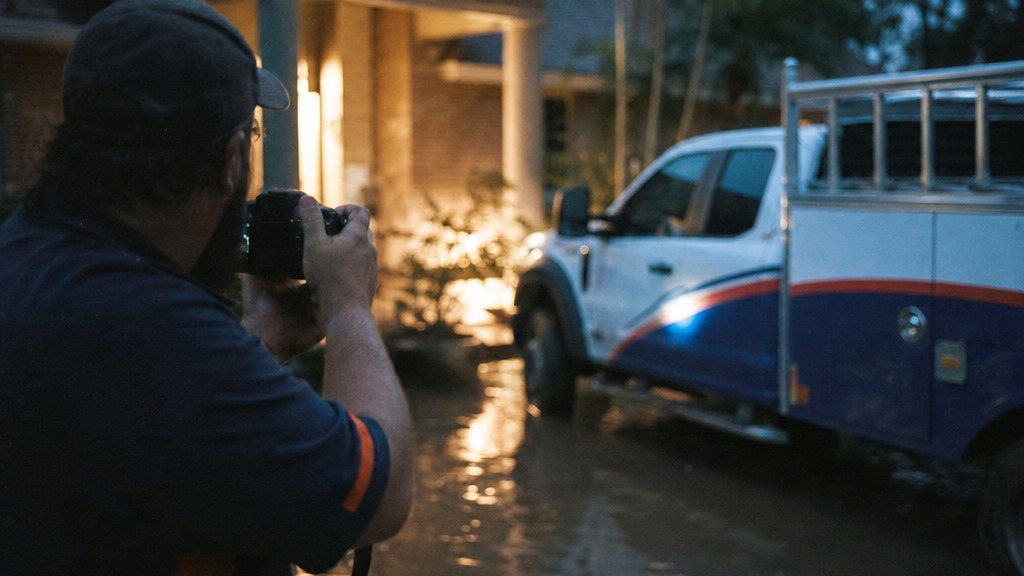
Profile, rankings, site structure, speed and citations reviewed against the restoration companies already beating you locally, with every gap named in writing before any work starts.

02
Profile and local footprint
Category, service area, photography and posts corrected, citations aligned to one exact name and address, and review collection built into the job close-out.
03
The pages that earn jobs
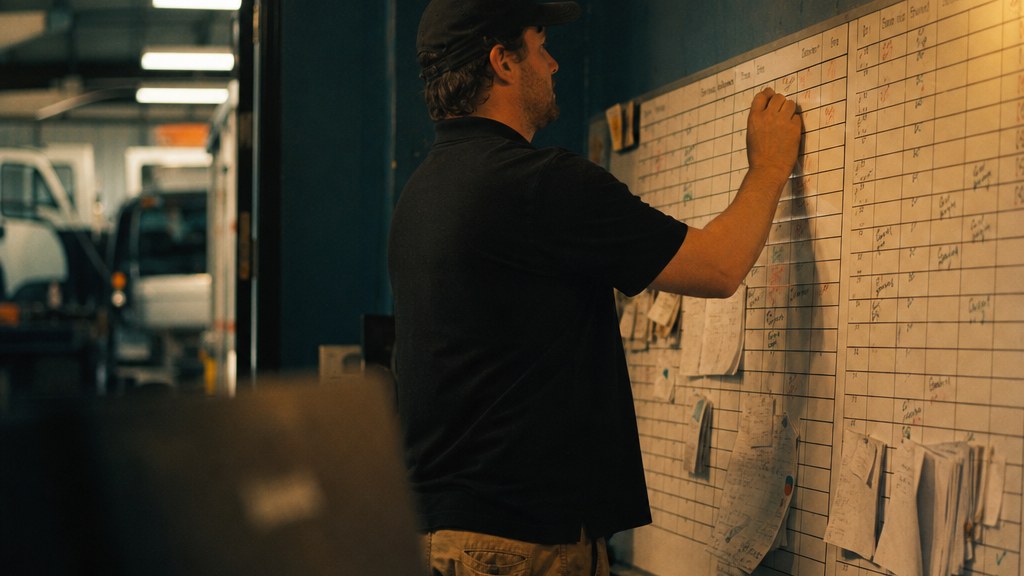
A page per restoration service and per city, plus the insurance, drying and mold content owners read before they call, written from interviews with your own project managers.

04
Compounded and reported
Monthly reads on booked losses by page and city, steady expansion into the next markets and service lines, and content refreshed as carrier requirements change.
WHAT YOU GET
Deliverables you keep, whatever happens next.
you keep
The pages, the profile, the tracking and the reporting live in your own accounts from the first week.

Visibility and site audit
Your rankings, profile, structure, speed and citations measured against the restoration companies beating you locally, with every gap named in writing rather than implied.

Keyword and page map
Every emergency and commercial term you should own mapped to one page, residential and commercial kept apart, and the questions each page must answer written before anyone drafts a word.

Google Business Profile programme
Category, coverage, photography and posts corrected, then kept fed, with a review flow built into your job close-out instead of your invoice run.

Written service and city pages
Pages for each loss type you handle and each city your trucks reach, written from interviews with your project managers so the drying and claims detail is genuinely yours.

Technical and authority work
Speed, schema markup, internal linking and index hygiene handled, plus citation cleanup and earned local coverage - never a bought link network.

Monthly read on booked work
A written monthly report on losses booked by page and by city, with next month's priorities named, delivered by the person doing the work.
HOW WE WORK
Operating standards, not promises.
Operating standards


Residential losses
Burst pipes, basement flooding and storm damage, written for an owner searching from the property.
ExploreCommercial and large loss
Pages built for facility managers and property groups who need response times and references.
ExploreMold remediation
The remediation and air-quality content owners read for weeks before they choose anyone.
Explore

















Built on trust. Proven by results.
We partner with SMBs and Fortune 500 companies to deliver more than reach — we bring clarity, execution, and measurable outcomes. Every successful partnership starts with a strong culture fit and a shared drive to grow.






CASE STUDIES
Case studies
Website Portfolio
Video Ads
Static Ads
















































EN

EN

EN


FR
FR
FR

FR

FR

FR

FR

FR


EN
FAQ
Questions restoration owners ask us
How long does water damage restoration SEO take to produce jobs?
Map pack improvements often show inside the first two months because Google Business Profile work moves quickly. The organic pages are slower: restoration companies investing in SEO typically see results within four to nine months, after which there is no per-lead media cost. We tell you which months are investment months at the start, so nothing about the curve is a surprise.
Is SEO worth it when we already run Google Ads and LSAs?
It is the thing that makes them affordable. Local Services Ads costs have climbed 40% since 2023, so every emergency search you hold organically is a lead you stop renting at that rate. Most of our restoration clients run both, and the search terms from paid search tell us which organic pages to build next.
Why does the map pack matter more than page one?
Because of how the search happens. Someone standing in three inches of water opens a phone, taps a map result and calls. The top three local results take nearly 68% of the clicks, and position four in the organic list rarely gets read at all. That is why profile work leads our first quarter rather than following it.
Do we need a page for every city we serve?
For the cities your trucks genuinely reach, yes. An owner wants their own area named and a loss you handled nearby, and search engines need something specific to rank. We write them properly rather than generating eighty near-identical pages, which does more harm than good and is exactly the mess we are usually hired to clean up.
Should mold remediation and fire damage have their own pages?
Yes. They are separate searches, separate buying timelines and often separate certifications. Mold in particular gets researched for weeks rather than called in within minutes, so it needs depth on air quality, containment and clearance testing that would never fit on a general water damage page.
How fast does our website actually need to be?
Faster than the competitor loading beside you on the same phone. The median contractor site takes 5.4 seconds and only 18% load in under three, which is a genuine opportunity rather than bad news - the bar is low and clearing it is engineering work we do routinely. Where the current site cannot be made fast in place, we scope restoration web design separately and say so plainly.
Our previous agency left hundreds of thin city pages. Now what?
We audit them, keep the ones earning anything, rewrite the ones worth saving and remove the rest with proper redirects. Cleaning an index up is normal work for us and it usually lifts the pages you keep, because the site stops competing with itself for the same city.
How do you measure it?
Booked losses and inbound calls, attributed to the page and city that produced them, using analytics configured in your own accounts. Call tracking matters more here than in most trades, because the conversion is a phone call from a wet basement and never a form fill.
Do reviews really affect where we rank?
Yes, and they affect whether the call comes even more. A steady flow of recent reviews naming the city and the loss type is one of the strongest local signals available, which is why we build review collection into the job close-out rather than leaving it to whoever remembers on a Friday.
Should we write about insurance claims?
Yes - it is the most valuable content on a restoration site. Owners want to know who pays, what the deductible covers and whether you bill the carrier directly. Across 200 audited contractor sites, direct insurance billing messaging converted 28% higher. We write it plainly and keep it accurate, and anything we cannot verify does not go on the page.
What does a water damage restoration SEO strategy actually include?
Four strands, run together. Local search work on the Google Business Profile and city pages, so nearby owners find you during an emergency. Content across every loss type you handle. Technical work on the website itself — speed, structure, schema markup and internal links. And digital reputation: reviews, citations and earned local coverage.
Most restoration companies arrive with one of those partly done and the other three untouched. The audit tells us which, and the first quarter is built around whichever gap is costing the most visibility today.
Which restoration keywords are worth targeting?
The ones carrying emergency or commercial intent in the cities your crews serve. Emergency water damage restoration plus a city, flood cleanup, burst pipe repair, sewage cleanup, commercial water damage: these come from people who need a truck today. High-volume research keywords bring readers who are months away, or never.
We build the keyword map around intent first and add the research layer once the commercial terms are held. Long tail keywords matter here more than in most trades, because the specific loss and the specific neighbourhood is exactly what gets typed at midnight.
How do we choose between restoration SEO agencies?
Ask each one three questions. Which keywords would they target for your cities, and why those rather than the high-volume research terms? Who writes the content, and have they interviewed a restoration project manager before? And what do they report — traffic, or booked losses?
An agency that answers with real examples from other restoration companies, names the person doing the work, and reports on business outcomes is telling you something useful. Ask to see a real monthly report from a live client before you sign anything.
What does it cost, and what is the commitment?
Scope drives the price: how many cities, how many loss types, how much technical repair the existing site needs, and whether we are writing content from scratch. We quote after the audit, so the number reflects your site rather than an average.
Work is monthly with no long lock-in, because a channel that compounds should keep earning its place. Most of the budget is people — strategy, writing, technical work and local search management — not software licences, and we do not mark tools up or bill them separately.
What tools and reporting do we get access to?
Everything runs in your accounts. Google Search Console, Google Analytics, your Business Profile, the call tracking and the rank tracking sit in your name, and you keep access whatever happens between us.
On top of that you get a monthly written read: which keywords moved, which pages produced calls, what changed on the website, and what is queued next. No dashboard-only reporting, because a dashboard tells you what happened and not what it meant.
Do you work with more than one restoration company per area?
No. Two clients competing for the same local searches is a conflict we will not take, so exclusivity in your service area is part of the agreement. It is one of the first things we confirm before quoting, and it is why we would rather say no early than explain later.
Can this run alongside ChatGPT ads and other channels?
Yes, and it works better that way. The pages we build lower what your paid traffic costs to convert, and several restoration clients pair this with restoration ChatGPT ads to catch the owners now asking an assistant who to call. The organic library is what those answers cite.
Who actually does the work?
A named senior strategist and writer who learn your service area, your drying standards and the carriers you bill, supported by our technical and local SEO teams. You have their direct line, and the person writing your monthly read is the person doing the work.

.webp)
.webp)