Your next patient is asking an assistant first.
asking an assistant
Before anyone books a consultation they ask what a procedure involves, what it costs and how to choose a surgeon — increasingly inside ChatGPT. We run ChatGPT Ads for plastic surgery practices, and the eligibility work that has to come first. ChatGPT reports a billion weekly users, 20% of them with commercial intent.



Tell us a little about your brand and we'll be in touch within 24 hours to lock in a time.


FOUR WORKSTREAMS
Four workstreams behind ChatGPT ads for a surgical practice.
a surgical practice
Eligibility and approval first, then the prompts your patients actually type, then paid placements built around consultations, then measurement that follows a patient through to a booked procedure.
Eligibility and approval
Prompts and answer visibility
Campaigns and creative
Measurement and patient economics
Health advertising here is approved, not assumed.
OpenAI restricts advertising connected to the prevention, diagnosis or treatment of health conditions, and clears US advertisers case by case. Health insurance, dental, vision, supplements, medical testing, hospitals and urgent care are named as allowable categories for approved advertisers, while legal advice remains prohibited. Aesthetic practices sit inside that review, so the first job is getting a clean answer rather than a rejected account.
We prepare the practice for that review properly: claims language, credentials, consent and before-and-after policy, landing pages that match what the ad says. It is unglamorous work and it is the reason approvals go smoothly, and where a category is genuinely closed we say so on day one and put the budget somewhere it earns.
- Category eligibility checked before any budget is committed
- Claims, credentials and consent language reviewed
- Landing pages aligned with the advertised message
- A written answer on what is and is not currently allowed
Case by case
how OpenAI clears US health advertisers today
7,378
distinct advertisers counted on ChatGPT in a single week
Be the practice the assistant names.
Paid placements sit next to an answer, and the answer itself is drawn from what the assistant can read about you. Patients ask how long recovery takes, what a rhinoplasty costs in their city, how to tell a board-certified surgeon from a clinic with a good camera. If your site does not answer those questions in plain language, you are invisible in the response the ad is attached to.
We map the prompts that actually precede a consultation, then build the procedure content, pricing explanations and credential pages that make your practice quotable, alongside our AI search visibility team. That work keeps paying whether or not a given campaign is running.
- The prompt set that precedes a consultation, mapped
- Procedure, recovery and pricing content written to be quotable
- Surgeon credentials and affiliations made machine-readable
- Visibility tracked across assistants, not just one
20%
of ChatGPT's weekly users show commercial intent
1bn
weekly active users OpenAI reports for ChatGPT
Built around the consultation, not the click.
A plastic surgery practice does not sell online, it sells a consultation. So the campaign is built backwards from the consultation calendar: which procedures you want more of, which you are already booked out on, what a realistic consult volume looks like next month. Consultation CPA typically runs $150-$400 with 35-45% converting to a procedure, which is the arithmetic everything else has to serve.
Creative is discreet, factual and specific: what the procedure involves, who performs it, what recovery is honestly like. That tone converts better with this buyer and it survives review, and we run it beside your paid search so the two channels are not bidding against each other.
- Procedure priorities matched to consultation capacity
- Copy written to be factual, discreet and compliant
- Budgets paced to the consult calendar, not to a flat month
- Coordinated with existing search and social campaigns
$150-$400
typical consultation cost per acquisition in plastic surgery
35-45%
of consultations that convert to a booked procedure
Reported in procedures, not impressions.
The number that matters is what an acquired patient cost against what the procedure is worth. Plastic surgery benchmarks put cost per lead at $100-$320 and cost per acquired patient at $400-$1,400 against $5K-$30K of procedure revenue, a healthy 4x-8x return. We report against those, and against your own historic numbers where you have them.
Because assistant reporting is still coarse, we build measurement that does not depend on it: call tracking, consult attribution, a single view across every channel from our analytics team, and a written monthly read that tells you what a ChatGPT-sourced patient actually cost.
- Call and consult tracking installed before launch
- Cost per consultation and per booked procedure reported
- Assistant-sourced enquiries separated from search and social
- A written monthly read, not a dashboard link
$400-$1,400
benchmark cost to acquire a plastic surgery patient
4x-8x
healthy return on ad spend in the specialty
weekly active ChatGPT users OpenAI reports in 2026
benchmark cost to acquire a plastic surgery patient
Written read on consults and booked procedures
Ad accounts, content and tracking in your name
We made the difference for those brands

Retail & commerce

Consumer tech and platforms

B2B software, fintech, insurance

Beauty, personal care & wellness
Healthcare & regulated services

Creative, content, arts & culture

Apparel and lifestyle
B2B software, fintech, insurance
B2B software, fintech, insurance

Beauty, personal care & wellness

B2B software, fintech, insurance

Travel & mobility

Beauty, personal care & wellness

Consumer tech and platforms
Beauty, personal care & wellness
Healthcare & regulated services

B2B software, fintech, insurance
Food & beverage

B2B software, fintech, insurance

Home essentials, appliances, kitchen & pet

Healthcare & regulated services
Home essentials, appliances, kitchen & pet
B2B software, fintech, insurance

Beauty, personal care & wellness
Healthcare & regulated services

Creative, content, arts & culture

B2B software, fintech, insurance
Home essentials, appliances, kitchen & pet

Healthcare & regulated services

Consumer tech and platforms
01 — The challenge
Acquisition keeps getting dearer, and the search moved.
Aesthetic practices are competing for the same metro keywords with rising prices behind them: medical cost per lead runs $90-$130 in mid-size markets and $160-$280 or higher in New York, Los Angeles, Miami and Chicago. At the same time, a growing share of the research that used to start on Google now starts inside an assistant, where most practices have no presence at all.
“Patients arrive quoting an answer they read somewhere we have never advertised.”
The advertiser side is filling quickly: active ChatGPT advertisers rose from 2,585 to 3,770 in a single week after OpenAI lowered the minimum spend.
02 — Our approach
Eligibility, then visibility, then spend.
We begin with the boring, decisive part: whether your practice and your procedures can be advertised here today, and what has to be true on your website for that review to go well. You get a written answer before any budget is committed, including the categories that are currently closed.
Next we make the practice worth naming. We map the questions patients actually ask before booking a consultation, then build the procedure, recovery, pricing and credential content that lets an assistant describe you accurately. This is the part that keeps working when a campaign pauses, and it lifts conventional search at the same time.
Then we buy, carefully. Small, measured, paced to your consultation capacity rather than to a spend target, with call and consult tracking live before the first impression. Every month you get a written read on what a ChatGPT-sourced consultation cost and how it compared with your other channels, so the budget follows evidence rather than novelty.
03 — What we did
Clear the review, earn the answer, then spend.
Eligibility settled first, content built so the assistant can describe you properly, then paid placements paced to your consultation calendar.
Weeks 1-2 / Eligibility
What can be advertised today
Category review, claims and consent language, and a written answer on what is currently allowed for your procedures.
Weeks 2-4 / Visibility
The prompts before a consultation
The real question set mapped, and the procedure and credential content written so assistants can quote you accurately.
Month 2 / Launch
Placements paced to the calendar
Discreet, factual creative and budgets sized to the consults your surgeons can genuinely see this month.
Ongoing / Prove
Cost per booked procedure
Consults and procedures attributed by source, reviewed monthly against your other channels in writing.
WHAT YOU GET
Deliverables you keep, whatever happens next.
you keep
The ad accounts, the content, the tracking and the reporting are in your practice's name from the first week.

Eligibility and compliance review
A written answer on what your practice can advertise here today, with the claims and consent language it needs.

Patient prompt map
The questions patients actually ask before a consultation, grouped by procedure and by stage of decision.
Procedure and credential content
Recovery, pricing and surgeon credential pages written so an assistant can describe your practice accurately.
Campaign build and creative
Placements, budgets and factual, discreet copy paced to the consultations your surgeons can actually see.
Consult tracking setup
Call and form attribution installed and verified before the first impression is bought.
Monthly reporting pack
Cost per consultation and per booked procedure by channel, with a written note on what moved and what is next.
HOW WE WORK
Operating standards, not promises.
Operating standards
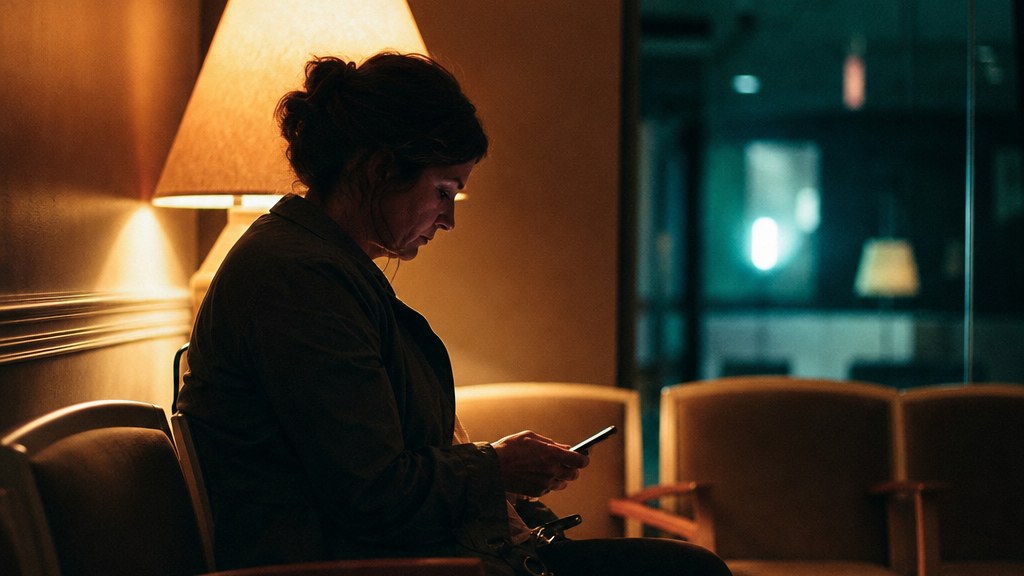

Surgical procedures
Long consideration, high ticket, and a patient who researches for months before calling.
ExploreInjectables and non-surgical
Shorter decisions and repeat visits, where lifetime value matters more than first-visit cost.
ExploreReconstructive work
Referral-led and sensitive, where accurate information matters far more than persuasion.
Explore







Built on trust. Proven by results.
We partner with SMBs and Fortune 500 companies to deliver more than reach — we bring clarity, execution, and measurable outcomes. Every successful partnership starts with a strong culture fit and a shared drive to grow.

CASE STUDIES
Case studies
Website Portfolio
Video Ads
Static Ads

















EN
EN

EN


FR
FR
FR
FR

FR
FR

FR
FR

EN
FAQ
Questions plastic surgery practices ask us
Can plastic surgery practices actually advertise on ChatGPT?
It is decided by review rather than by a blanket rule. OpenAI restricts ads tied to the prevention, diagnosis or treatment of health conditions and approves US advertisers case by case; health insurance, dental, vision, supplements, medical testing and hospitals are named among the categories now open to approved advertisers. We establish exactly where your procedures sit before any budget is committed, and if a category is closed today we tell you plainly and put the money where it earns instead.
How is this different from Google Ads for our practice?
The intent arrives earlier and more conversational. Someone asking an assistant to compare two procedures is further from a booking than someone typing a surgeon's name plus a city, so the job is to be present and accurate in the answer rather than to win a click auction. The economics are also different: medical search leads cost $90-$130 in mid-size markets and $160-$280 or more in major metros, while assistant placements remain comparatively uncrowded.
What budget should we start with?
Less than most practices expect. This works best as a measured share of an existing budget rather than a replacement for it, so a few hundred a month alongside your search programme is a sensible start. The bigger investment is the content that makes your practice quotable, and that is a one-off build with a long tail rather than a monthly spend. We scale only once cost per consultation is proven against your other channels.
How do we know a patient came from ChatGPT?
We build the measurement ourselves rather than relying on platform reporting, which is still coarse. Dedicated tracked numbers, landing paths that identify the source, and a consult form that captures how the patient found you all feed one view in our analytics layer. It is not perfect attribution and we do not pretend otherwise, but it is honest enough to make budget decisions on.
Is it safe for our reputation to advertise here?
Handled the way we handle it, yes, and it is more conservative than most social advertising in this specialty. The copy stays factual and discreet, we avoid outcome promises entirely, before-and-after imagery follows consent and platform rules, and every claim is checked against what your surgeons will actually stand behind. Nothing goes live without your clinical approval.
What does a consultation from this channel cost?
We set expectations from published specialty benchmarks and then replace them with your own numbers as soon as we have volume. Plastic surgery cost per lead benchmarks at $100-$320 with cost per acquired patient at $400-$1,400 against $5K-$30K of procedure revenue, and consultation CPA typically runs $150-$400 with 35-45% converting to a procedure. Those are the goalposts we report against from month one.
Do we need to change our website first?
Usually we improve rather than replace it. The pages that decide whether an assistant can describe you accurately — procedure explanations, recovery, pricing expectations, surgeon credentials — are the same pages that convert a cautious patient, so the work pays twice. If the site is genuinely holding you back our web design team will show you the arithmetic before recommending a rebuild.
Which procedures should we promote?
The ones where you have capacity and margin, not the ones with the biggest search volume. Practices are often booked out on the procedure they advertise hardest and quiet on the one that pays best. We start from your consultation calendar and your case mix, then build the campaign around the gaps, and we revisit that split every month as the calendar changes.
How quickly does this produce consultations?
Placements can produce enquiries within weeks, while the visibility work that gets you named in answers builds over a quarter or two. We report the two separately so you always know which part is paying. In the first month we would rather show you a small number of well-attributed consultations than a large number of unqualified clicks.
Are other advertisers already here?
Yes, and the field is filling quickly. Adthena counted 7,378 distinct advertisers in a single week, with a 0.50% click-through rate in the dataset published in August 2026, and active advertisers rose 46% week over week after the minimum spend came down. Aesthetic medicine is under-represented in that field today, which is precisely why the placements are still cheap to test.
Will you work alongside our existing marketing team?
Gladly, and it is often the fastest arrangement. Your team knows the practice, the surgeons and the patient tone; we bring the channel expertise, the eligibility work and the measurement. We share the prompt map, the creative and the reporting in full so nothing depends on us being in the room, and we will happily train your team to run parts of it themselves.
Who will be working on our account?
A named senior paid media strategist with a content specialist alongside, and the same people stay on the account rather than handing it to a rotating queue. You will know their names, you can email them directly, and the person who wrote your plan is the person who reviews the numbers with you each month.

.webp)
.webp)