A worried homeowner gives your website ten seconds.
ten seconds
They found something under the sink and they are standing in the kitchen with a phone. We build websites for pest control companies that load fast, read easily on a small screen and make booking obvious. Pest control leads the trades at 12-15% website conversion, so the design work is where the cheapest growth in the business usually sits.






Tell us a little about your brand and we'll be in touch within 24 hours to lock in a time.


FOUR WORKSTREAMS
Four workstreams behind a pest control website that books jobs.
books jobs
A design built for a phone in a hurry, service and area pages that answer a local search, speed and technical foundations underneath, and conversion paths measured to the booked job rather than the form fill.
Mobile-first design
Speed and technical build
Service and service-area pages
Conversion and tracking
The visitor is holding a phone, not sitting at a desk.
Most of your customers reach the site one-handed, often in poor light, often annoyed. 81% of pest control customers search on a mobile device, so a website designed on a wide screen and squeezed down afterwards loses jobs quietly and every day.
We design the small screen first: the phone number reachable with a thumb, service names in plain words rather than industry terms, a booking form a person can finish standing up. Mobile-friendly sites generate 70% more leads in this trade, which is a design decision rather than a marketing budget.
- Layout designed at phone width before anything else
- Tap-to-call and booking visible without scrolling
- Forms short enough to finish one-handed
- Plain service names a customer would actually search
81%
of pest control customers search on a mobile device
70%
more leads generated by mobile-friendly sites in the trade
Every extra second costs you leads.
Speed is not a vanity score on a pest control website, it is the difference between a call and a back button. Each additional second of mobile load time drops conversions roughly 7%, so a five-second site loses about 35% of its leads against a one-second site on identical traffic.
We build light: compressed imagery, minimal scripts, hosting that holds up when a heat wave triples your traffic in a week. 53% of mobile visitors abandon a site that takes more than three seconds, and our website speed team treats that as the design brief, not an optimisation phase afterwards.
- Core Web Vitals targeted during the build, not patched later
- Images and scripts kept to what the page needs
- Hosting and caching sized for seasonal traffic spikes
- Accessibility and structure checked before launch
7%
of conversions lost per extra second of mobile load time
53%
of mobile visitors leave a site slower than three seconds
One page per pest, one page per place.
Termites, bed bugs, rodents, ants and wasps are separate searches with separate urgency, and each town you cover is a separate local question. A single services page cannot answer any of them properly, which is why so many pest control websites look tidy and rank nowhere.
We structure the site around the work you sell in the areas you drive to, write each page rather than generating it, and hand the structure to our pest control SEO team so the design and the visibility plan agree. Organic leads benchmark at $15 in this trade against $35 from Google Ads, so the structure pays for itself.
- A written page for each service you sell
- Service-area pages for the towns you genuinely cover
- Commercial accounts separated from residential intent
- Internal linking that makes the whole set findable
$15
benchmark cost per organic pest control lead
$35
benchmark cost per lead from Google Ads in the same trade
Design judged on booked jobs, not on taste.
The point of the website is the call. We design the routes to it deliberately: an obvious price expectation, real photographs of your technicians, reviews near the decision, and a booking option for people who will not phone. Landing page conversion in pest control averages 6-12%, and the gap between those two numbers is usually design, not traffic.
Then we measure it. Call tracking, form tracking and a report that follows a visitor through to a booked job or a signed plan, run with our CRO team so the site keeps improving after launch instead of ageing quietly.
- Call and form tracking live before launch day
- Reviews and real technician photography near the decision
- Online booking for customers who will not phone
- Post-launch testing on the pages that carry the money
6-12%
average pest control landing page conversion rate
12-15%
site conversion the best pest control websites reach
website conversion the strongest pest control sites reach
of pest control customers arrive from a mobile device
Written read on visitors, calls and booked jobs
Website, domain, content and data in your name
We made the difference for those brands

B2B software, fintech, insurance

B2B software, fintech, insurance

Creative, content, arts & culture

Home essentials, appliances, kitchen & pet

Travel & mobility

Retail & commerce

Retail & commerce

Beauty, personal care & wellness

B2B software, fintech, insurance

Consumer tech and platforms

Food & beverage

Beauty, personal care & wellness

Healthcare & regulated services

B2B software, fintech, insurance

Beauty, personal care & wellness

B2B software, fintech, insurance

Beauty, personal care & wellness

B2B software, fintech, insurance

Consumer tech and platforms

Creative, content, arts & culture

B2B software, fintech, insurance

Food & beverage

Consumer tech and platforms

B2B software, fintech, insurance

B2B software, fintech, insurance

Consumer tech and platforms

Food & beverage

B2B software, fintech, insurance

Healthcare & regulated services

Food & beverage
01 — The challenge
Your website looks fine and still loses the job.
Most pest control websites were built to look respectable, not to convert a worried customer at nine in the evening. They load slowly on a phone, hide the number under a hero image, and describe services in words nobody searches. Meanwhile the market is crowded: 16,565 pest control firms operate in the US and 81.4% of them run just one or two locations, all competing for the same local visitors.
“We pay for the clicks, we just cannot see where they go.”
The cost is measurable rather than theoretical: a five-second site loses about 35% of its leads against a one-second site on the same traffic.
02 — Our approach
Design for the phone, build for speed, prove it with calls.
We start with what your customers actually do. Which pests bring them, which towns they call from, what they ask before they let anyone into the house, and where the current website loses them. That research decides the structure, so the design serves the business rather than a template.
Then we build small-screen first and fast by default. Clear service language, an obvious way to call or book, honest pricing expectations, real photography of your technicians and vans instead of stock imagery that belongs to nobody. Each service you sell and each area you cover gets its own written page, so the site can rank as well as convert.
Underneath it we set up tracking before launch, not after, so the first report shows calls and booked jobs rather than sessions. After go-live we keep testing the pages that carry the money. The website, the domain, the content and the analytics stay in your name throughout.
03 — What we did
Research, structure, build, then improve.
A short discovery, a structure mapped to the services and areas you sell, a fast build, and continuous improvement measured in booked jobs.
Weeks 1-2 / Baseline
What the current site costs you
Speed, conversion and structure measured against what a booked job and a recurring plan are worth to you.

Weeks 2-4 / Structure
Services, areas and real photography
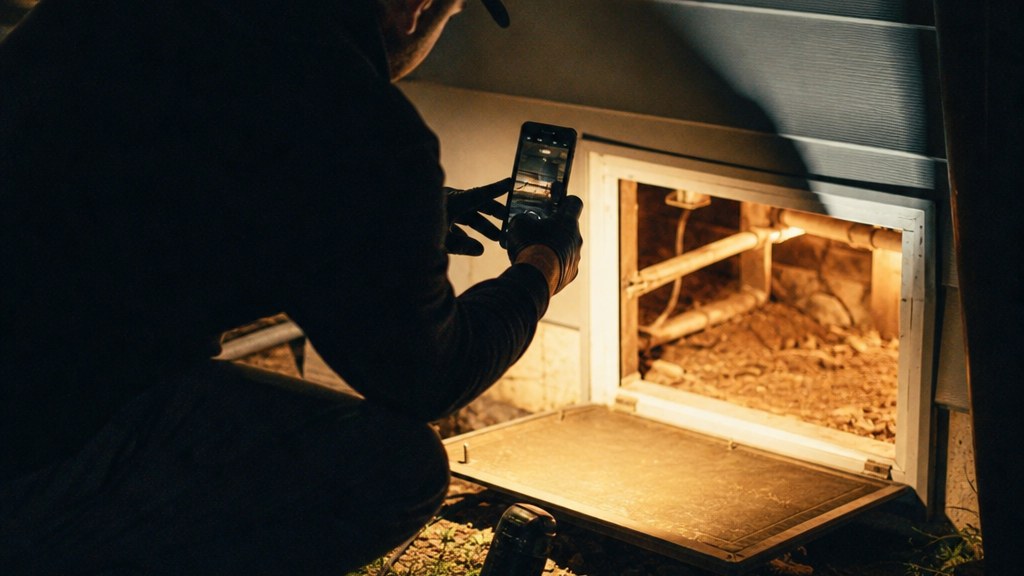
The page map agreed, your technicians and vans photographed, reviews and proof gathered for the pages that need them.
Months 2-3 / Build
A fast, phone-first website
Written page by page, built light, with call and form tracking verified before anyone announces the launch.
Ongoing / Improve
Testing what carries the money
The booking path, the service pages and the seasonal offers tested and reported against calls and booked work.

WHAT YOU GET
Deliverables you keep, whatever happens next.
you keep
The website, the domain, the content, the photography and the analytics are all in your name from the first week.

Website and conversion audit
Every speed, structure and conversion problem on the current site, ranked by what it costs you in booked jobs.

Site structure and page map
The services and service areas worth a page each, with search demand attached and the internal linking planned.

Mobile-first design system
Layouts drawn at phone width first, with your own photography and a booking path a customer can finish standing up.

Fast website build
A light, accessible website built for Core Web Vitals and for the traffic spikes a warm season brings.

Call and form tracking
Every call and enquiry attributed to a source and a page, live and verified before the site goes public.

Monthly reporting pack
Visitors, calls, booked jobs and plan signups, with a written note on what moved and what we are testing next.
HOW WE WORK
Operating standards, not promises.
Operating standards


Residential plans
Recurring quarterly work, where the website has to explain a plan rather than sell one visit.
ExploreUrgent infestations
Bed bugs, rodents and wasps, where the visitor decides in seconds and the fastest site usually wins.
ExploreCommercial accounts
Restaurants, warehouses and property managers, reading for compliance, discretion and response times.
Explore

















Built on trust. Proven by results.
We partner with SMBs and Fortune 500 companies to deliver more than reach — we bring clarity, execution, and measurable outcomes. Every successful partnership starts with a strong culture fit and a shared drive to grow.






CASE STUDIES
Case studies
Website Portfolio
Video Ads
Static Ads



















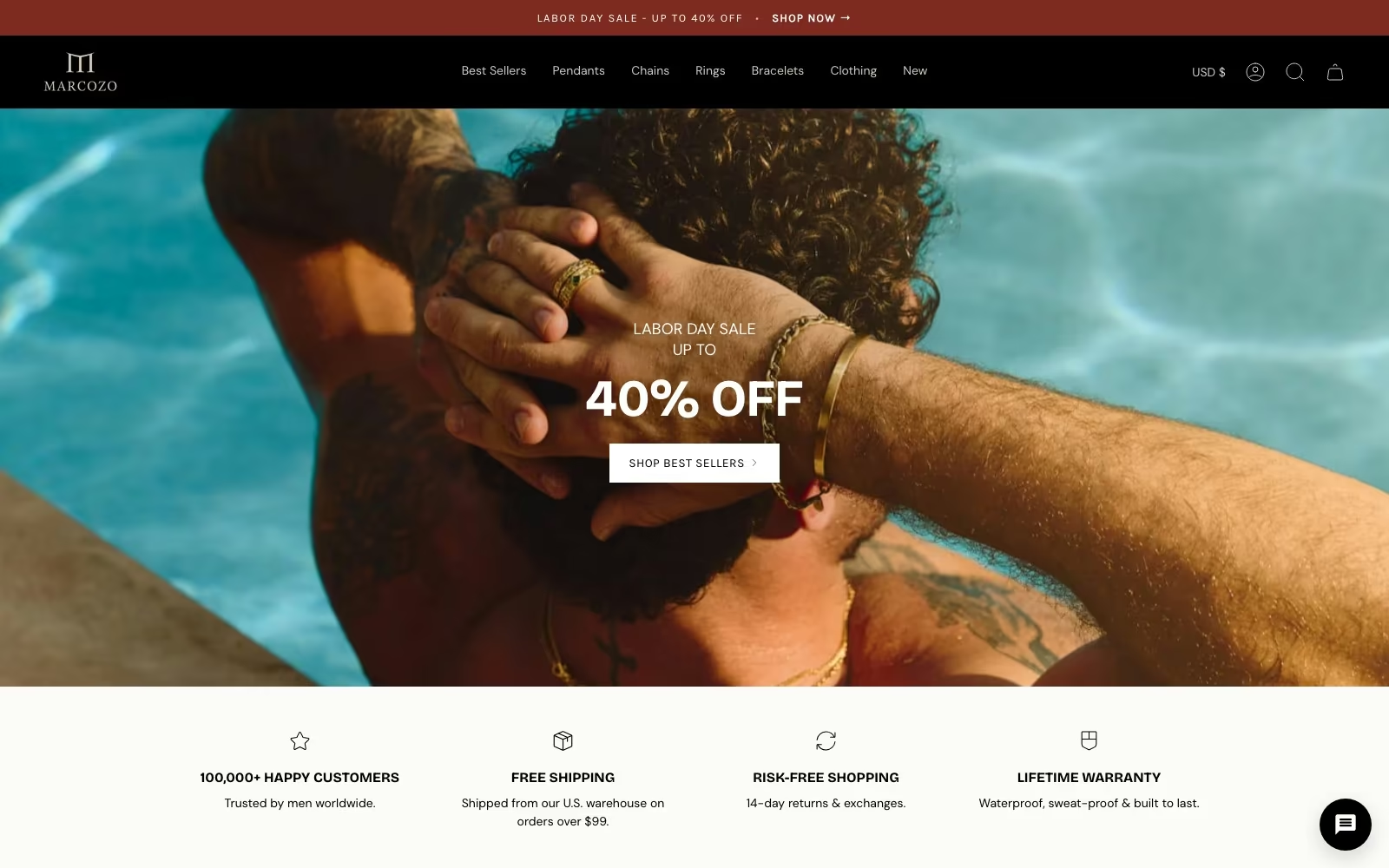

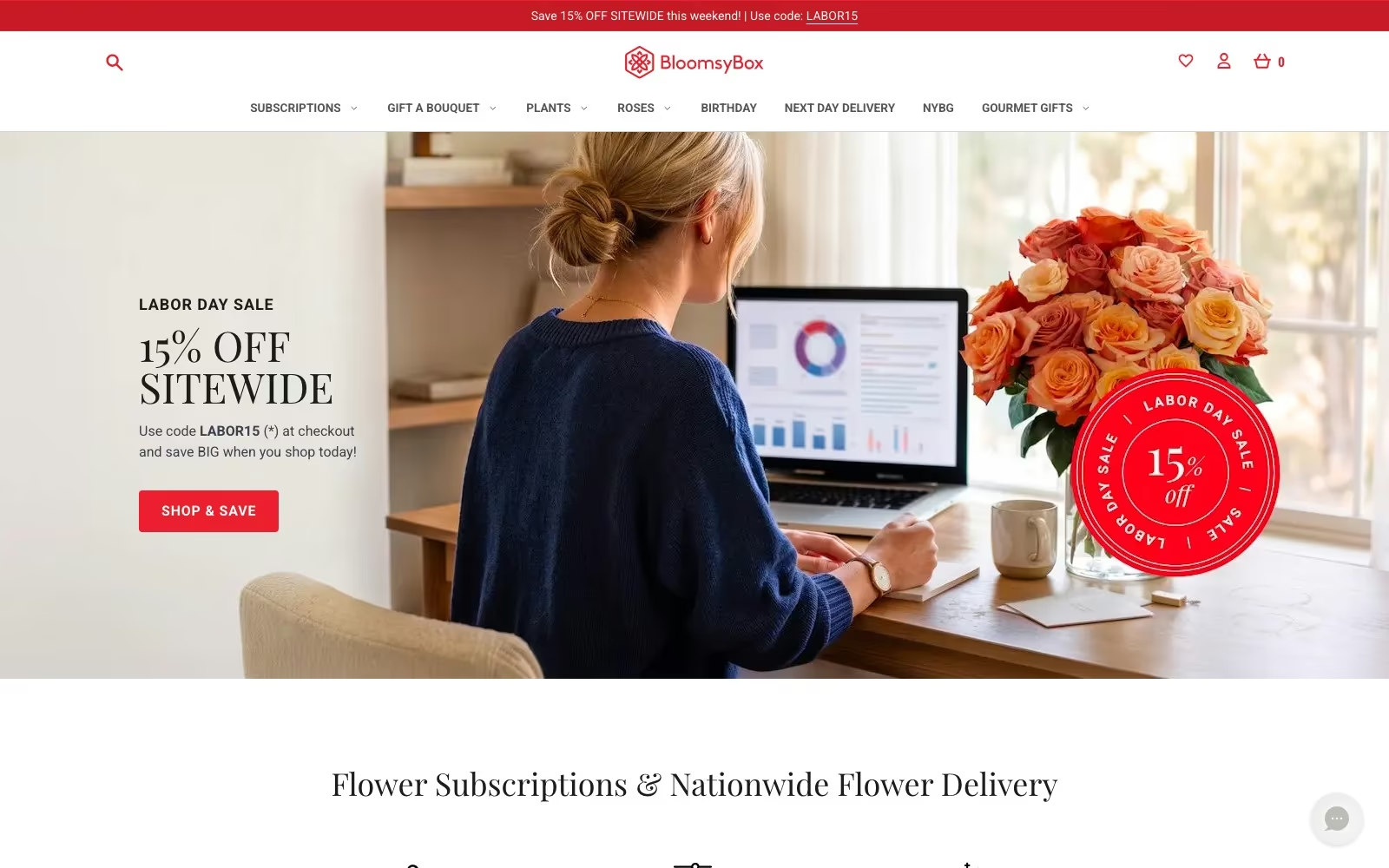

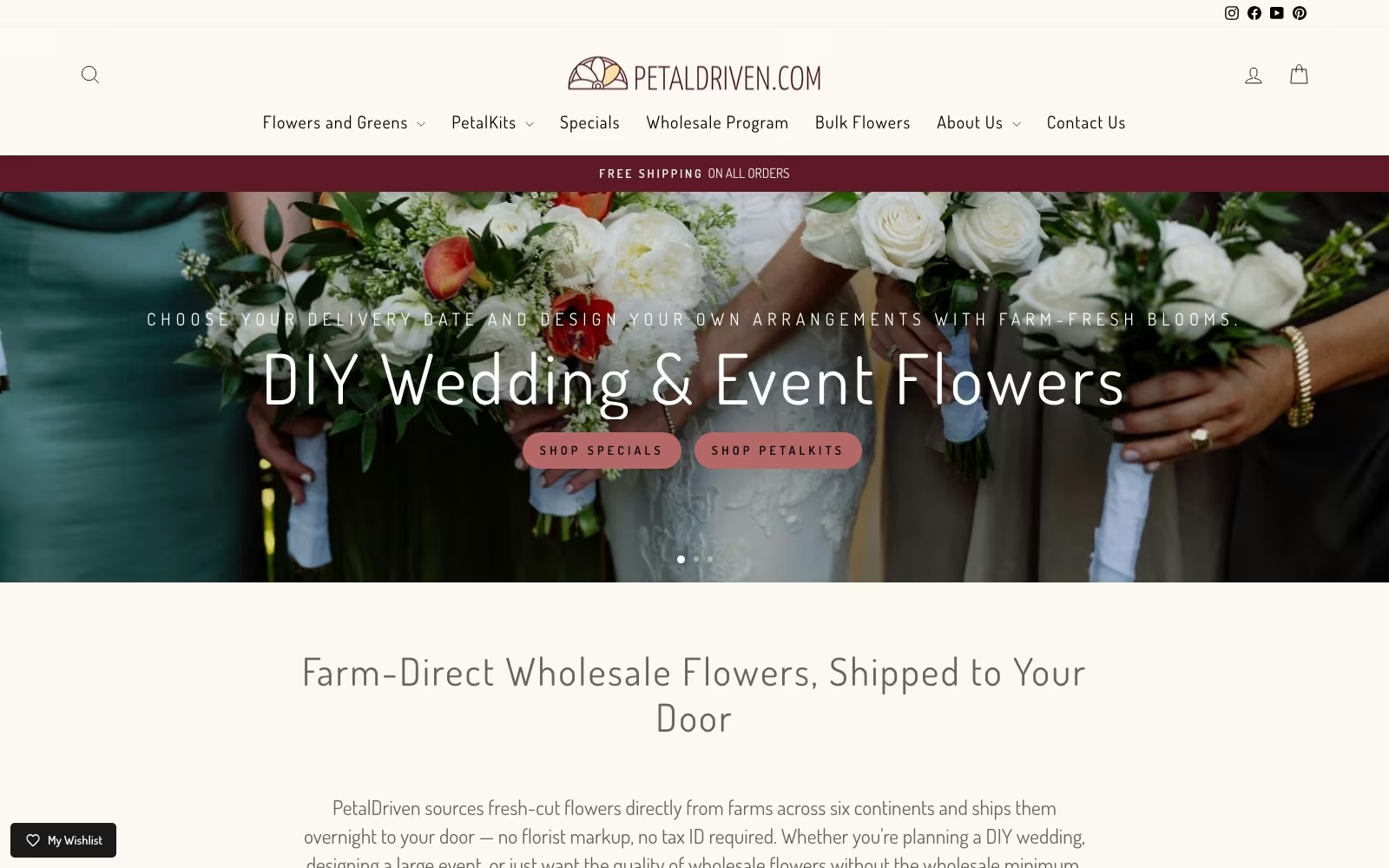



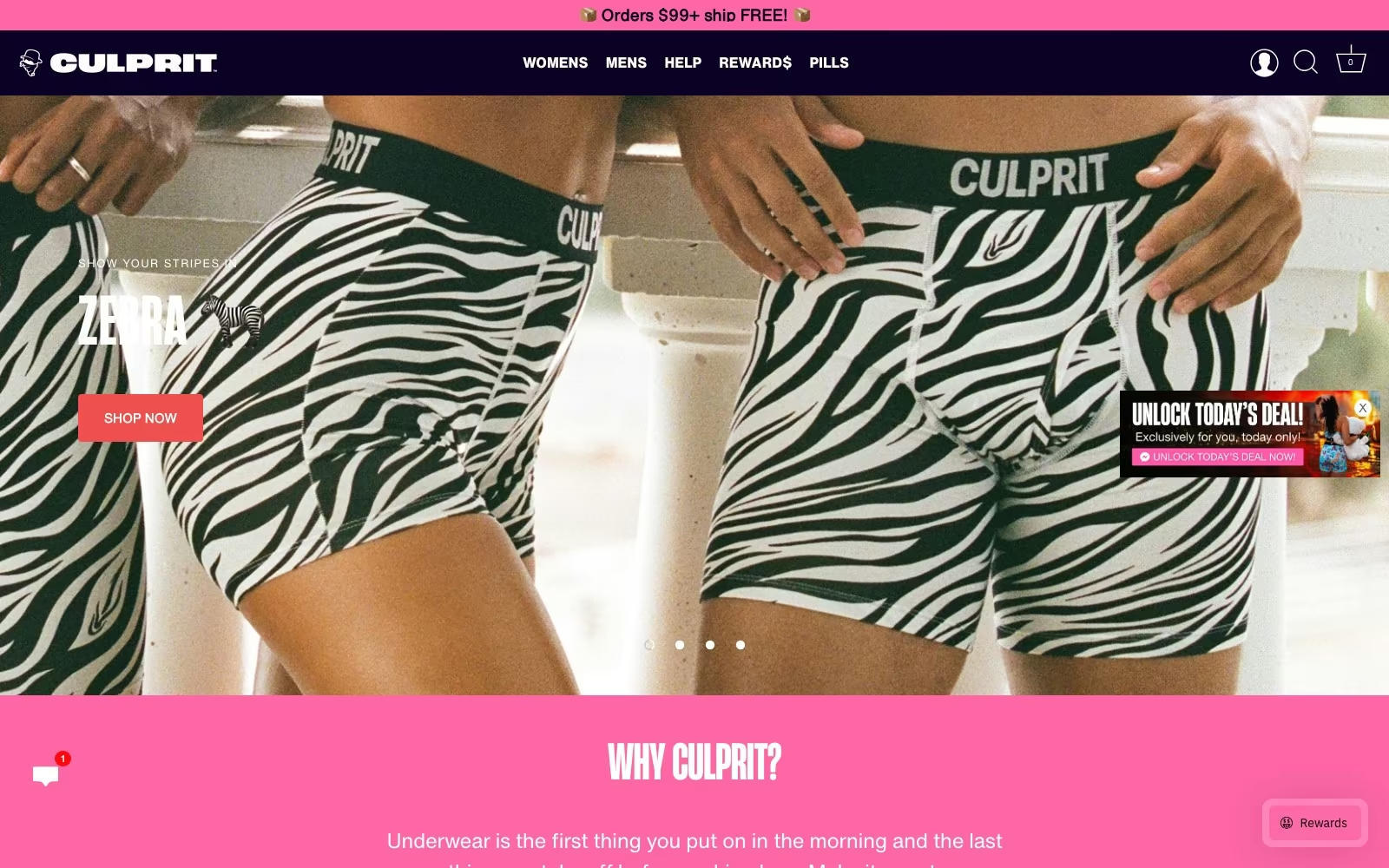





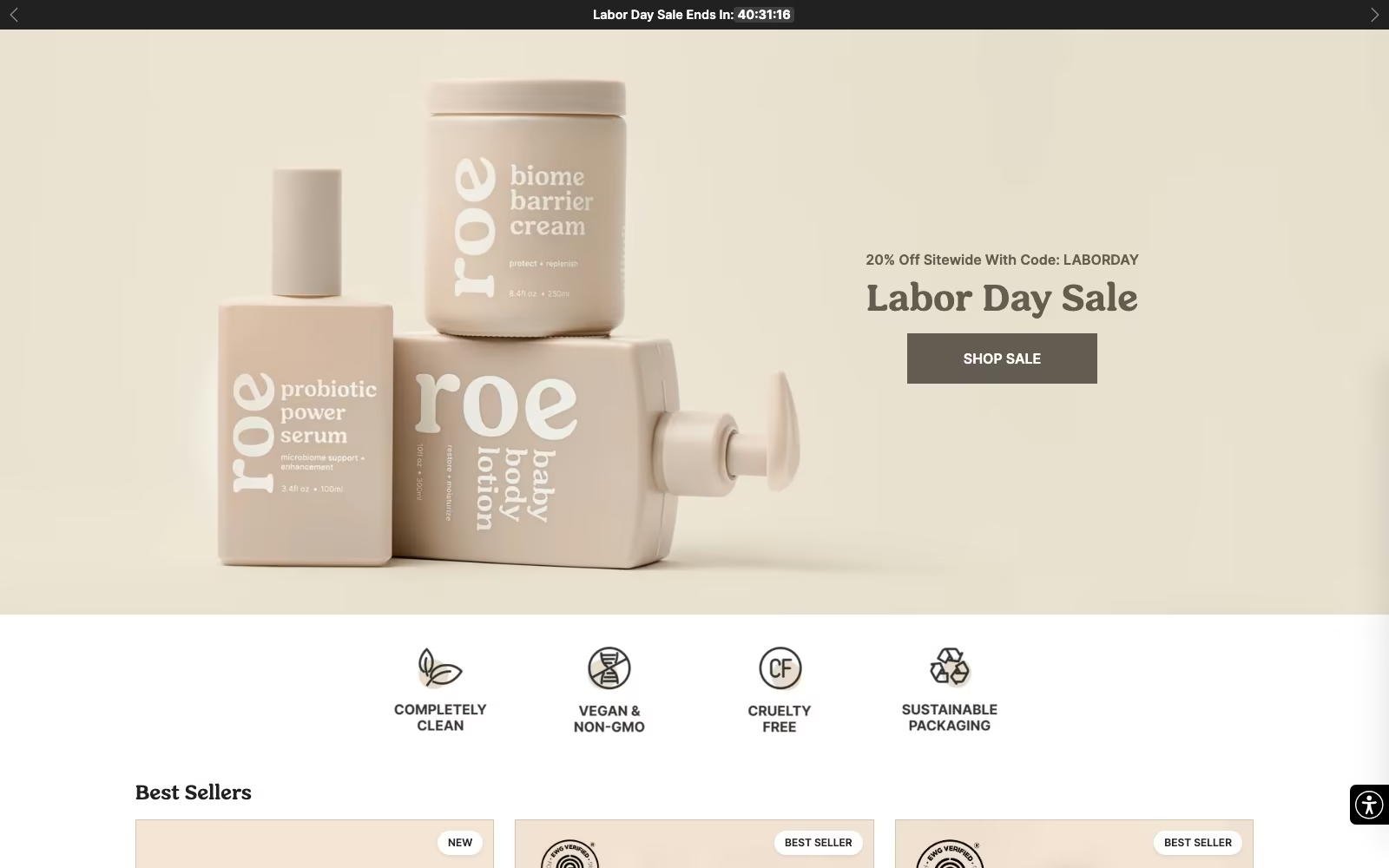

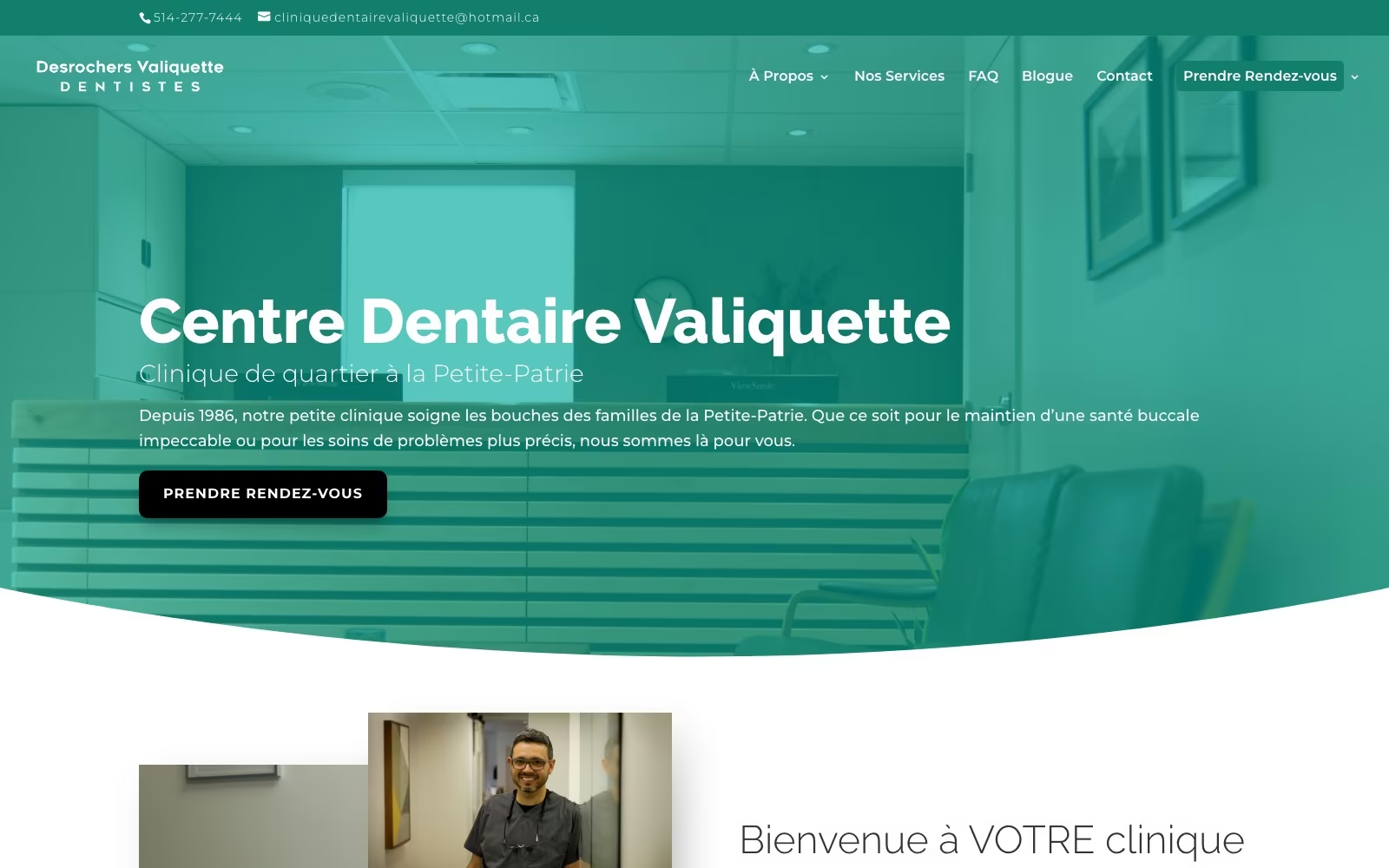

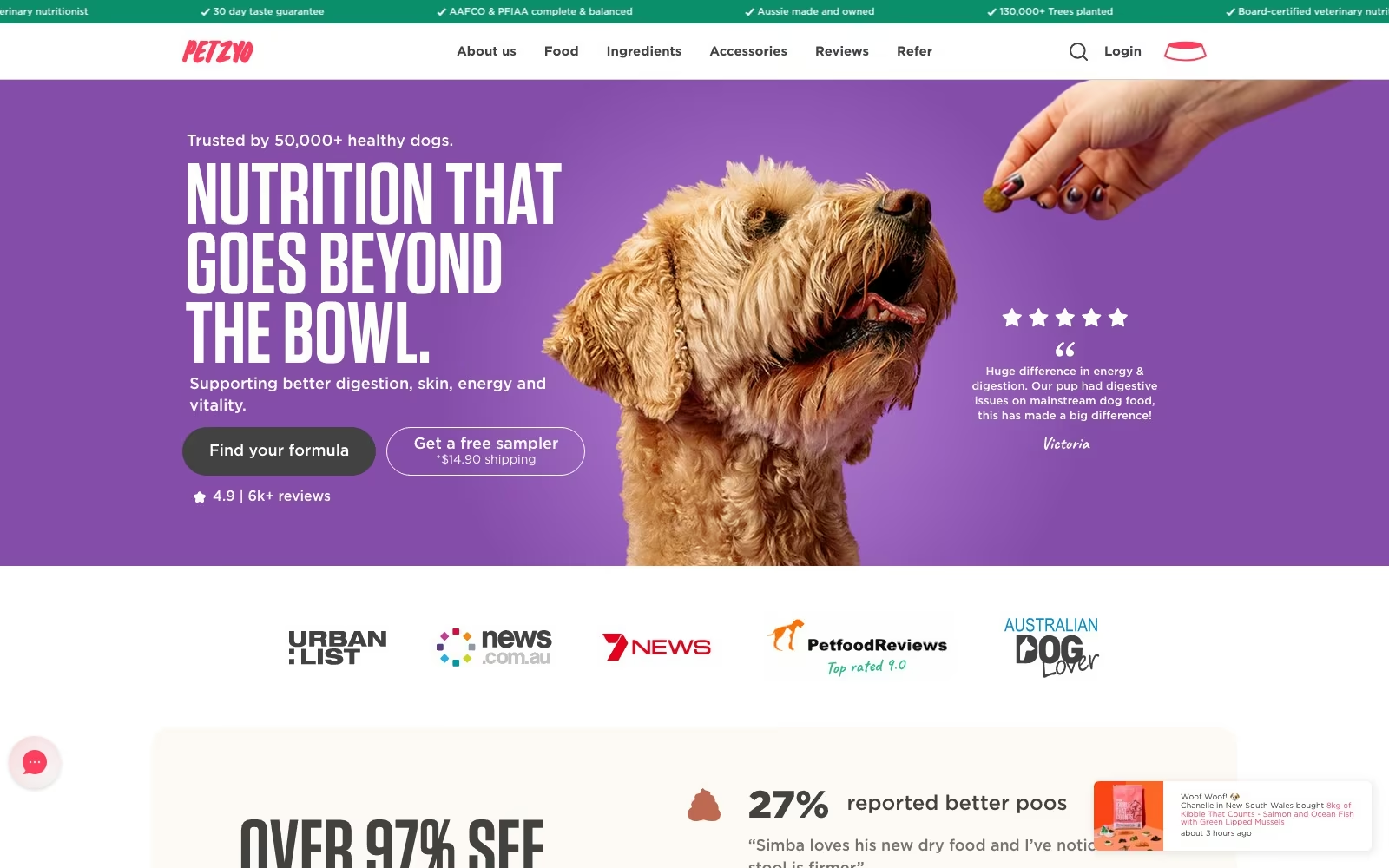

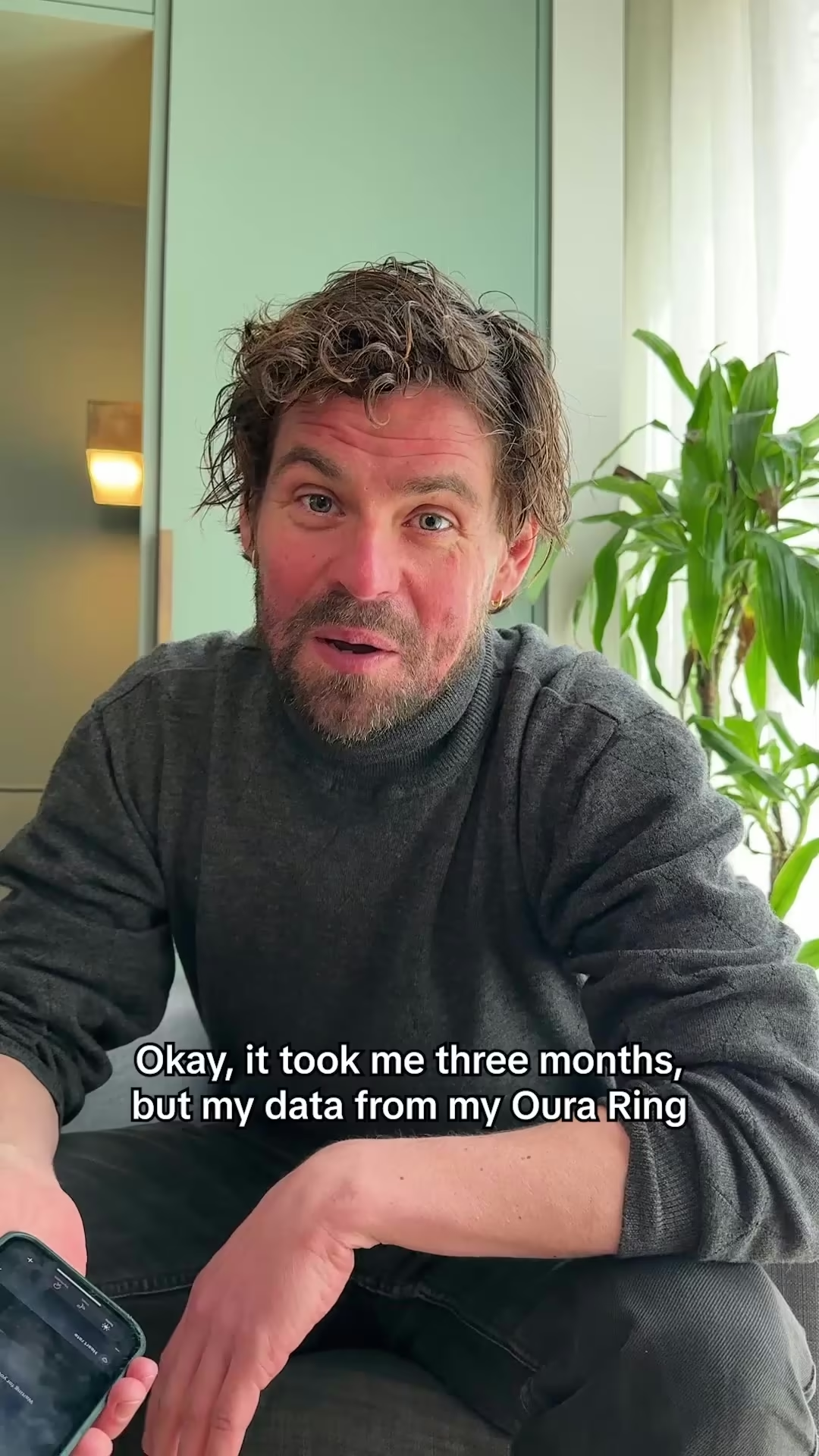












EN

EN

EN


FR
FR
FR

FR

FR

FR

FR

FR


EN
FAQ
Questions pest control companies ask us
How long does a pest control website take to build?
Six to ten weeks is normal for a single-location company, and the timeline is usually decided by how fast we can get your photography, service details and pricing expectations rather than by design time. Multi-location companies with many service areas take longer because each page is written rather than generated. You get a dated plan at the start, and we tell you immediately if anything on it moves.
What does a pest control website cost?
A single-location build usually lands in the mid four figures, and a larger site with many services and service areas sits above that because the writing volume is genuinely higher. The number is fixed in writing before we start, with the page count it covers spelled out, so nothing appears later as an extra. Hosting and ongoing care are quoted separately so you can see exactly what you are paying for.
Will a redesign hurt our current rankings?
Handled properly it protects them, and usually improves them. We map every existing URL, keep the content that already earns traffic, redirect what moves and test the whole map before launch rather than after. Rankings typically wobble for a couple of weeks while the new pages are recrawled, then settle above where they were because the site is faster and better structured. We monitor it daily through that window and report what we see.
Do we need a page for every town we serve?
For the towns you genuinely cover and want more work in, yes. A local search is answered by a page about that place, and one page listing twenty town names answers it for none of them. What matters is that each page is written properly: the pests that actually bother that area, the response time you can honestly promise, real local reference points. We build them at the pace they can be written well, and our pest control SEO team prioritises the order.
How much difference does site speed really make?
More than any other single design decision in this trade. Conversions fall roughly 7% per extra second of mobile load time, and 53% of mobile visitors abandon a site slower than three seconds. Because a pest enquiry is urgent and the visitor has three other tabs open, that abandonment is immediate and invisible in most reporting. We build light from the start and keep the site that way with our website speed team.
Should the site push booking or phone calls?
Both, prominently, because the two customers are different. The burst-pipe equivalent in pest work — wasps in a nursery, bed bugs before a house move — will always phone, so the number has to be reachable with a thumb from any page. The planning customer comparing quarterly plans on a Sunday evening often will not phone at all and books online instead. Offering only one of those routes quietly discards half your demand.
Can you write the content or do we have to?
We write it, with your input rather than your homework. A short interview with whoever knows the treatments, a look at your quotes and the questions your office answers daily, and we draft each page from that. You review and correct anything technical — we would rather be told a treatment description is wrong than publish it politely. Nothing goes live before you approve it.
Do you use our own photography?
Yes, wherever we can, because it is the single fastest trust signal on a pest control website. Your technicians, your vans, your uniforms and your actual trucks outperform stock imagery of models in clean overalls every time. We give you a shot list and simple instructions so it can be done on a phone in an afternoon, and we handle the editing, cropping and compression from there.
What platform do you build on?
Usually Webflow or WordPress, chosen for how your team will actually maintain the site rather than for our convenience. Webflow suits companies who want to edit text and add service areas without a developer; WordPress suits those with existing plugins, integrations or a booking system to keep. We recommend one, explain why in plain terms, and you decide.
How do you measure whether the new site worked?
Calls, form enquiries, online bookings and the jobs that come from them, compared against the baseline we recorded before the rebuild. Sessions and bounce rate appear as context, never as the headline, because neither pays a technician. You get a written monthly report that says what moved, what did not and what we are testing next, and every figure can be traced to a source you can open yourself.
Can the website handle a seasonal traffic spike?
That is part of the build brief in this trade. A warm spell, a termite swarm or a local news story about rodents can triple traffic in a week, and that is exactly the week you cannot afford a slow site. We size hosting and caching for the peak rather than the average, keep the pages light enough that a spike is cheap to serve, and load-test before the season rather than during it.
What happens after launch?
The site keeps being worked on. We test the booking path, the service pages and the seasonal offers, fix what the data says is leaking, and keep the platform patched and backed up through our website maintenance service. You keep full access throughout, and if you ever move on you take the site, the content and the analytics with you.
Who will be working on our website?
A named senior designer, a developer and a writer, and the same designer stays with the account after launch rather than handing it to a support queue. You will know their names, you can email them directly, and the person who drew your page map is the person who reviews the results with you every month.

.webp)
.webp)