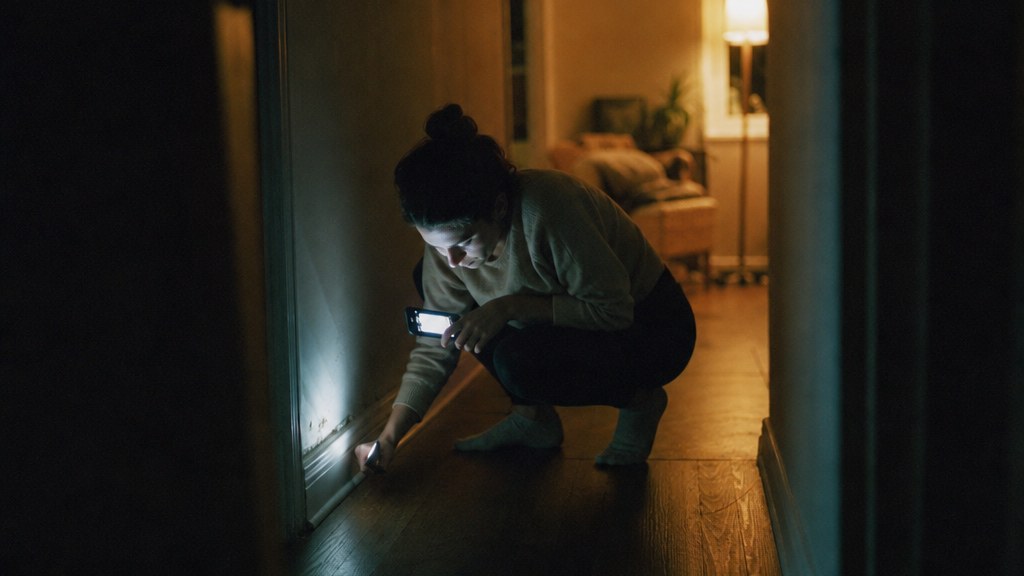
They photograph the bug and ask the assistant.
ask the assistant
What is this insect, is it dangerous, do I need a professional — those questions now get typed into ChatGPT before anyone opens a search engine. We run ChatGPT Ads for pest control companies so your business appears at that moment, and we judge the spend against what a booked job already costs you. Average clicks on the platform run $2-$5 with daily budgets from $25.






Tell us a little about your brand and we'll be in touch within 24 hours to lock in a time.


FOUR WORKSTREAMS
Four workstreams behind ChatGPT Ads for pest control.
ChatGPT Ads for pest control
A benchmark this new channel has to beat, campaigns built around the way people describe a pest problem, landing pages and intake that convert the click, and unpaid visibility so the assistant names you anyway.
Benchmarks before budget
Campaigns built on real problems
Landing pages and intake
Being named without paying
A number to beat, not a budget to spend.
No new advertising platform deserves money on novelty. Before anything launches we measure what a lead, a booked job and a plan customer cost you today across search, Local Services Ads, social and organic, so this channel has a target rather than an allowance.
The comparison is unusually favourable at the moment. Pest control clicks average about $5.99 on Google with leads near $98, while ChatGPT Ads clicks average $2-$5 across industries. Early-channel pricing rarely lasts, which is the honest argument for testing now rather than a promise about what it will cost next year.
- Current cost per lead and per booked job measured by channel
- Plan value and close rates agreed before any spend
- A test budget sized to produce readable data in one month
- A written stop rule, so a failed test ends cleanly
$2-$5
average cost per click on ChatGPT Ads across industries
$98
average pest control lead cost on paid search today
People describe a pest, not a keyword.
Someone typing into an assistant writes three sentences, not two words: small black droppings behind the cooker, bites in a line on an arm, a rustling above the ceiling at night. That is richer context than a search query, and it changes what a good campaign looks like — built around situations and pests rather than keyword lists.
We fund each situation against its own economics. A general treatment lead costs $35-$80 while a bed bug emergency lead costs $90-$180 and closes at 60-78% on tickets of $800-$1,500, so identification-stage demand and emergency demand are never worth the same click.
- Campaigns organised by pest and by situation, not by keyword
- Service areas set to where your vans actually go
- Copy written for someone mid-conversation, not mid-search
- Commercial demand kept apart from residential
60-78%
close rate on bed bug emergency demand
$35-$80
what a general treatment lead costs by comparison
The click is the cheap part, again.
An assistant referral arrives better informed and less patient. They have already been told what the pest probably is and what treatment usually involves, so a page that repeats the basics and hides the phone number loses them. Each campaign gets a page that confirms rather than re-explains, and a booking route that works one-handed.
Intake speed decides the rest. The person comparing you at eleven at night will call whoever answers, and a plan customer worth $1,200-$2,100 over three years is lost by a voicemail. Our landing page team builds the pages and we report on how fast your office actually responded.
- A page per pest that matches what the assistant just said
- Calling as the primary action, booking as the fallback
- Plan pricing explained instead of gated behind a form
- Out-of-hours call routing checked before launch
$1,200-$2,100
three-year value of one recurring plan customer
$25
the daily budget a readable test can start from
Paid presence on top of verifiable evidence.
Ads are labelled and do not change the answer itself, so the assistant's recommendation is still earned. It leans on the same evidence local search uses: consistent company details, genuine reviews, clear service and treatment content, licence information that can be checked. A company that explains its work properly gets cited more often than one with a brochure site.
It is also the cheapest lead you will ever get. Organic leads benchmark at about $15 and Google Business Profile leads at about $10 in this trade, against $35 from paid search. Our AI search visibility team runs that work beside the ads.
- Company details made consistent everywhere a model can read them
- Treatment and identification content written to be quotable
- Reviews kept recent and answered
- Mentions in AI answers tracked over time
$15
benchmark cost of an organic pest control lead
$10
benchmark cost of a Google Business Profile lead
average pest control cost per click on paid search today
ticket behind the bed bug demand this channel reaches
Reads while this channel is still young
Ad accounts, creative and data in your name
We made the difference for those brands

Healthcare & regulated services

Creative, content, arts & culture

Consumer tech and platforms

Healthcare & regulated services

B2B software, fintech, insurance

Consumer tech and platforms

B2B software, fintech, insurance

B2B software, fintech, insurance

Healthcare & regulated services

Travel & mobility

Home essentials, appliances, kitchen & pet

Food & beverage

Consumer tech and platforms
Beauty, personal care & wellness
Consumer tech and platforms

Retail & commerce

Creative, content, arts & culture

Retail & commerce

Food & beverage

Healthcare & regulated services

Consumer tech and platforms

B2B software, fintech, insurance

B2B software, fintech, insurance

Consumer tech and platforms

Home essentials, appliances, kitchen & pet

Food & beverage

Healthcare & regulated services

Retail & commerce

Creative, content, arts & culture
Food & beverage
01 — The challenge
The first opinion now comes from an assistant.
A homeowner used to photograph an insect and search it. Now they paste the photograph into ChatGPT and ask what it is, whether it is dangerous, whether they can deal with it themselves and roughly what a professional should charge. By the time your phone rings, the diagnosis and the price expectation are already set, and if the assistant never mentioned a local company, the call may not come at all.
“He arrived knowing it was carpenter ants and what we should be charging.”
Meanwhile the platform is opening up quickly: ChatGPT Ads now show to Free and Go users, are clearly labelled, do not influence the answers, and have expanded to 31 European countries after the US test.
02 — Our approach
Benchmark, launch small, prove it in booked jobs.
We start with your existing economics, because a new channel is only interesting if it beats the one you already run. What a lead costs on search, on Local Services Ads and organically; what share become booked jobs; what a plan customer is worth over three years. That produces a target this channel has to clear and a stop rule if it does not.
Then we build for the way people actually talk to an assistant. Campaigns organised by pest and situation, copy written for someone mid-conversation, service areas matched to your route board, and landing pages that confirm what the assistant already told them rather than starting the explanation over. Tracking is verified before a single click is bought.
We launch at a budget that produces readable data in a month, read it weekly while the channel is still young, and scale only what clears the target. Alongside it we make your company easier to name for free: consistent details, real reviews, treatment content a model can quote. If the paid side stops earning its budget we will say so plainly and move the money back.
03 — What we did
Live in weeks, judged against your current cost per job.
Benchmarks first, then campaigns and pages, a measured launch, and scaling only where cost per booked job beats what you pay elsewhere.
Weeks 1-2 / Baseline
What a booked job costs you now
Cost per lead and per booked job measured across every channel you buy, plus plan value and close rates.

Weeks 2-4 / Build
Campaigns, pages and tracking
Situation-led campaigns, copy for a conversation rather than a query, pages per pest and call tracking verified.

Week 4 / Launch
Small, measured, honest
Live at a budget that produces readable data, reviewed weekly against your existing cost per booked job.

Ongoing / Compound
Scale what books work
Budget follows booked jobs and plan signups, while quotable content earns unpaid mentions in AI answers.
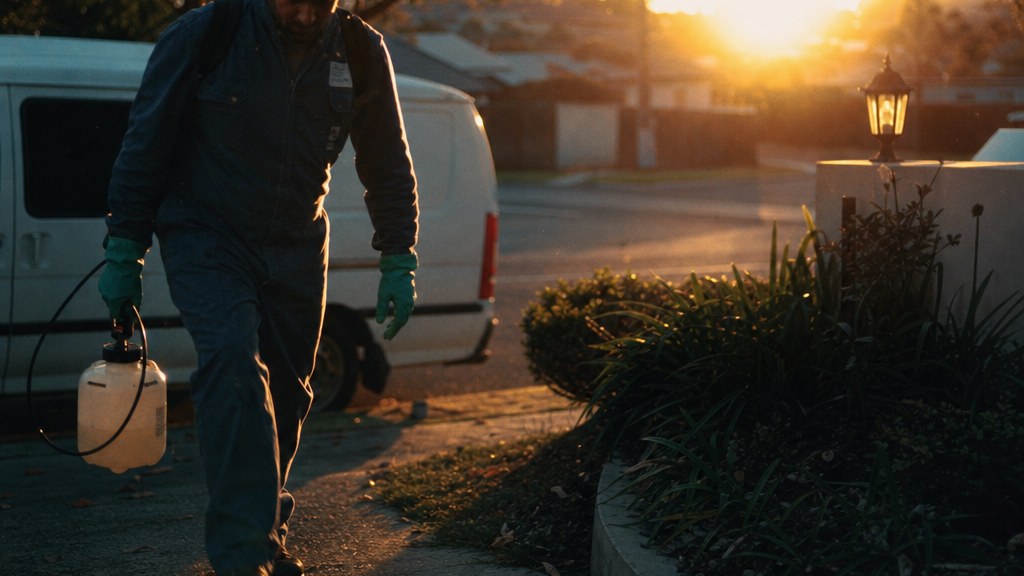
WHAT YOU GET
Deliverables you keep, whatever happens next.
you keep
Ad accounts, creative, landing pages and tracking all stay in your name from the first week.

Channel baseline and targets
What a lead and a booked job cost you now by channel, and the number this one has to beat.

ChatGPT Ads campaign plan
The pests and situations worth buying, service areas, budgets and the testing sequence quarter by quarter.

Conversation-led ad set
Copy and offers written for someone mid-conversation with an assistant, produced in testable variants.

Landing pages per pest
Pages that confirm what the assistant said and make calling the easiest thing on the screen.

Intake tracking build
Calls, forms and bookings tracked, with field software connected where it allows plan signups back in.

Monthly reporting pack
Spend, booked jobs and plan signups against your benchmark, with a written note on what moved and why.
HOW WE WORK
Operating standards, not promises.
Operating standards


Identification searches
What is this insect, is it dangerous, do I need a professional at all.
ExploreUrgent infestations
Bed bugs, rodents and wasps, where the person is comparing companies in one sitting.
ExploreRecurring plans
Quarterly residential work, where the research phase is longer and the value far greater.
Explore

















Built on trust. Proven by results.
We partner with SMBs and Fortune 500 companies to deliver more than reach — we bring clarity, execution, and measurable outcomes. Every successful partnership starts with a strong culture fit and a shared drive to grow.



CASE STUDIES
Case studies
Website Portfolio
Video Ads
Static Ads








































EN
EN

EN


FR
FR
FR

FR

FR

FR

FR

FR

EN
FAQ
Questions pest control companies ask us
What actually are ChatGPT Ads?
Paid placements shown inside ChatGPT conversations. They appear only for logged-in Free and Go users, Plus, Pro and Enterprise plans stay ad-free, and the ads are clearly labelled and do not influence the assistant's answer. You buy them through the self-serve Ads Manager on a cost-per-click basis, which will feel familiar to anyone who has run a search account.
Is pest control allowed to advertise there?
Yes, as an ordinary local services advertiser. The self-serve platform opened to everyone in May 2026, and the restricted categories are adult content, alcohol, tobacco, financial services and gambling — pest control is not among them. Pesticide claims still need care in the copy, and we write to the stricter standard so nothing stalls in review.
What does it cost to test properly?
Daily budgets start from $25 and average clicks run $2-$5 across industries. For a pest control company that is a rounding error beside the $1,500-$8,000 a month most operators already spend on paid search. We size the test so one or two pest types produce readable data inside a month, and we agree a stop rule before the first click.
Will the leads be any good?
That is the right question and it is why we report booked jobs rather than form fills. Someone describing droppings, bites or a noise in an attic to an assistant gives far more context than a two-word search, which helps qualification. But volume proves nothing on its own, so every campaign is measured against the cost per booked job you already achieve elsewhere.
How is this different from Google Ads?
The intent arrives earlier and better explained. On search someone types exterminator near me; in an assistant they describe the problem and get told what it probably is first. That means the visitor is better informed and less patient, so the page has to confirm rather than re-explain. The economics differ too, at least for now: pest clicks average about $5.99 on Google against $2-$5 here.
Which pests should we advertise there first?
Start where the research phase is longest and the ticket is biggest: bed bugs, termites, rodents in a roof, anything a person describes at length because they are unsure. A bed bug emergency lead costs $90-$180 and closes at 60-78% on tickets of $800-$1,500. Straightforward general pest demand is often still cheaper on search, and we will tell you when that is the case.
Can we still be recommended without paying?
Yes, and it is worth more than the ads. Assistants lean on verifiable evidence: consistent company details, real and recent reviews, clear treatment content, licence information that can be checked. A company that explains its work properly gets named far more often than one with a brochure site. Our AI search visibility team runs that alongside the campaigns.
How do we track a lead that came from an assistant?
Deliberately, because default reporting will not do it for you. Calls, forms and bookings are tracked from launch with distinct numbers and tagging per campaign, and where your field software allows it we push booked jobs and plan signups back as conversions. Our conversion tracking team builds and verifies that before any spend starts.
Does our local visibility still matter?
More than before, and it is cheaper. Google Business Profile leads benchmark at about $10 in this trade and organic at about $15, against $35 on paid search, and the same evidence that ranks you locally is what an assistant reads to decide who to name. We usually check the state of your profile and reviews before recommending any new channel at all.
How quickly can campaigns be live?
About four weeks in practice: week one for benchmarks and tracking, weeks two and three for campaign structure, copy and landing pages, week four for launch. Account approval is the platform's timeline rather than ours, so we start that in week one and tell you where it stands each week instead of promising a date we do not control.
What if the platform changes its rules?
We expect it to, and the plan assumes it. Your ad accounts, creative, landing pages and tracking stay in your name, and every asset we build works on other channels too, so a rule change moves budget rather than wasting work. That is also why the unpaid visibility work runs in parallel from the start rather than as a later upsell.
Should we keep running search and Local Services Ads?
Almost certainly, and they stay the benchmark. Google Ads leads benchmark at about $35 in pest control and Local Services Ads at about $28, so this channel has to earn its budget against those numbers rather than alongside them. Our pest control PPC team runs the comparison monthly and we move money toward whichever is winning.
Who will be working on our account?
A named senior paid media strategist, with a copywriter and an analytics specialist alongside. You will know their names, you can email them directly, and the same person joins your monthly session. The person who builds the account is the person who runs it, not a rotating queue of juniors after launch.
What happens if we stop working with you?
You keep everything. Ad accounts, creative, landing pages, tracking and reporting are in your name from week one, and we hand over documentation rather than leaving the next team to work it out. There are no long-term lock-ins, because a channel that has to be held in place by a contract was not earning its budget anyway.

.webp)
.webp)