They decide in nine seconds, on a phone.
in nine seconds
An injured person opens three law firm websites, scans each one and closes two. We design websites for personal injury firms that answer the visitor's question first and introduce the attorneys second — built so the phone rings, not so the homepage wins an award.






Tell us a little about your brand and we'll be in touch within 24 hours to lock in a time.



FOUR WORKSTREAMS
Four things a personal injury website has to do.
personal injury website
Earn trust in seconds, work perfectly one-handed on a phone, make contact effortless at any hour, and load fast enough that the visitor is still there when it finishes.
Trust in the first screen
Phone-first design
Getting in touch
Speed, content and search
Prospects are frightened, not shopping.
Someone hurt in an accident is not comparing brands. They are looking for a reason to believe your firm can handle this, and they decide from the first screen: real photographs of your team, credentials, results with the disclaimers your state requires, and honest reviews. Stock imagery of a gavel does the opposite of what it is meant to.
Reviews carry particular weight in this category. Firms holding map position one across 20 major US cities average 555 reviews against 395 at position ten, and prospects check that number before they read a single line of your copy. We design the site to surface real proof instead of burying it three clicks deep.
- Real photographs of your lawyers and your office
- Results shown with the disclaimers your state requires
- Reviews and credentials placed where people look first
- Plain language, written for a worried reader
555
average reviews for firms ranking first in the local map results
3.2%
average website conversion rate across injury firms
One thumb, bad signal, waiting room.
Legal is one of the few industries where the phone beats the desktop on both counts. 88% of legal landing page traffic comes from mobile, and phones convert 32% better than desktop. Yet most personal injury websites are still designed on a large screen and squeezed down afterwards, which is why the call button ends up below a hero video.
We design the small screen first and let the desktop inherit from it. Tap targets sized for a thumb, the phone number fixed on screen, forms short enough to finish one-handed, and text large enough to read in a hospital corridor at 2am.
- Designed at phone width first, desktop second
- Click-to-call fixed on screen and never scrolled away
- Forms short enough to complete with one hand
- Type sizes tested on real devices, not in a browser
88%
of legal website visits arrive on a mobile device
32%
better conversion on mobile than desktop in legal
Make it effortless to reach a human.
Most law firm websites offer one long contact form and a phone number in the footer. That is why the average firm converts 2.2% of visitors into enquiries while the best reach 5-7%. The gap is rarely about traffic quality; it is about how many ways a nervous visitor can start a conversation.
We build several routes and let the visitor choose. Chat is worth taking seriously here: legal sites with conversational chat convert at 5.6% against 3.8% without it, and visitors who engage with chat are 4.5 times more likely to become a lead, yet only 27.3% of law firms run active live chat.
- Call, text, chat and form offered side by side
- Short first step, with detail collected afterwards
- Case evaluation flows written in the visitor's language
- After-hours routing so nothing lands in an empty inbox
5.6%
conversion on legal sites with chat, against 3.8% without
27.3%
of law firms currently run active live chat
A beautiful site nobody waits for.
Every extra second costs you visitors you already paid for, and in personal injury you paid a lot: lawyer clicks run $50 to $150 or more. So performance is a commercial decision, not a technical preference. We build light, host properly, and refuse the plugin stack that makes a legal site crawl.
The structure has to earn traffic as well as convert it. A real page for each case type and each city, clean internal linking, proper schema and content written to be found — so the design work compounds with your personal injury SEO instead of fighting it.
- Core Web Vitals measured on real mobile connections
- A page per case type and per city, built to rank
- Attorney and LegalService schema implemented properly
- Content structured so answer engines can quote it
2.2%
average law firm visitor-to-enquiry rate, against 5-7% for the best
79%
of legal consumers expect a response within 24 hours
average law firm visitor-to-enquiry rate, against 5-7% for the best (LEXGRO, 2026)
conversion on legal sites offering chat, against 3.8% without (First Page Sage)
of legal website visits arrive on a mobile device (Unbounce)
weeks is a typical build, from evidence to launch
We made the difference for those brands

Healthcare & regulated services

Retail & commerce

Home essentials, appliances, kitchen & pet

Travel & mobility

Beauty, personal care & wellness

Healthcare & regulated services

Retail & commerce

Apparel and lifestyle

Beauty, personal care & wellness

Beauty, personal care & wellness

Retail & commerce

Retail & commerce

Food & beverage

Retail & commerce

Apparel and lifestyle

Creative, content, arts & culture

B2B software, fintech, insurance

Creative, content, arts & culture

Creative, content, arts & culture

B2B software, fintech, insurance

Consumer tech and platforms

B2B software, fintech, insurance

Travel & mobility

Food & beverage

B2B software, fintech, insurance

Consumer tech and platforms

Creative, content, arts & culture

B2B software, fintech, insurance

Travel & mobility

Food & beverage
01 — The challenge
Why most injury websites quietly underperform
Personal injury firms rarely have a traffic problem. They have a website that loses the people who already arrived. The average law firm turns 2.2% of visitors into enquiries while the strongest reach 5-7% — on the same traffic, that is two or three times the caseload for the same marketing spend.
The causes repeat. A homepage that talks about the firm's founding year rather than the visitor's accident. A contact form asking eleven questions from someone in pain. A hero video that delays the first screen on a phone. And a design signed off in a boardroom on a large monitor, when 88% of legal visits arrive on mobile.
Design decisions in this category are commercial decisions. Where the call button sits, how long the form is, whether reviews appear above the fold — each of those is worth measurable cases per month, and each one can be tested rather than argued about. That is how we work: opinions on the first draft, evidence from then on.
02 — Our approach
How we design a personal injury website
We start by watching what happens on the site you have now. Where visitors land, where they stall, what they tap on a phone, and which pages produce actual enquiries. That evidence decides the structure, so nothing in the rebuild rests on taste alone.
Then we design the small screen first: the first screen that earns trust, a page for each case type you take, a page for each city your lawyers work in, and enquiry routes that suit someone who may not want to type. Your firm's branding is respected and sharpened rather than replaced, unless you want it replaced.
The build is light by policy — fast hosting, minimal plugins, clean markup and proper schema, so the site ranks as well as it converts. Content is written with your attorneys and reviewed against your state bar rules. After launch we keep testing the elements that move enquiries, with our CRO team, and everything stays in your accounts and under your domain.
03 — What we did
What a rebuild actually looks like
The sequence we run on a personal injury website, what happens at each stage, and where the enquiry rate usually starts to move.
Weeks 1-2 / Evidence
Behaviour, speed and content audit
What visitors actually do on the current site, where they stall on a phone, how fast the pages load, and which content is producing enquiries today.

Weeks 2-5 / Design
Designed at phone width first
The first screen, the case type pages and the contact routes designed on a small screen and reviewed on real devices before anyone opens a desktop mockup.

Weeks 5-10 / Build
Built light, written with your attorneys
Clean fast code, a page for each case type and city, content written with your firm and reviewed against your state bar rules before anything is published.

Ongoing / Testing
Testing the elements that convert
Enquiry routes, form length, proof placement and page speed tested after launch, with enquiries tracked back to the page that produced them.

WHAT YOU GET
Everything included in the build.
included
Six deliverables, named people attached to each, and a website your firm owns outright at the end of it.

Behaviour and speed audit
What visitors do on your current site, where they stall on a phone, and what that is costing you today.

Phone-first design system
A design built at phone width first, with your branding sharpened rather than thrown away.

Case type and city pages
A real page for each case type you take and each place your team works, written individually.

Content written with your firm
Copy drafted with your attorneys and reviewed against your state bar rules before publication.

Fast, clean technical work
Light markup, proper hosting, legal schema and structure that helps you rank as well as convert.

Post-launch testing
Enquiry routes, forms and proof placement tested after launch, with enquiries tracked to their page.
HOW WE WORK
What the design has to beat.
has to beat


Solo and small firms
A site that makes a two-attorney firm feel as safe to call as the one advertising on television.
ExploreMulti-office practices
City and case type structure that scales without turning into two hundred near-identical pages.
ExploreRescue rebuilds
Sites stuck on a slow platform or owned by a previous agency, moved onto something your firm controls.
Explore

















Built on trust. Proven by results.
We partner with SMBs and Fortune 500 companies to deliver more than reach — we bring clarity, execution, and measurable outcomes. Every successful partnership starts with a strong culture fit and a shared drive to grow.






CASE STUDIES
Case studies
Website Portfolio
Video Ads
Static Ads


















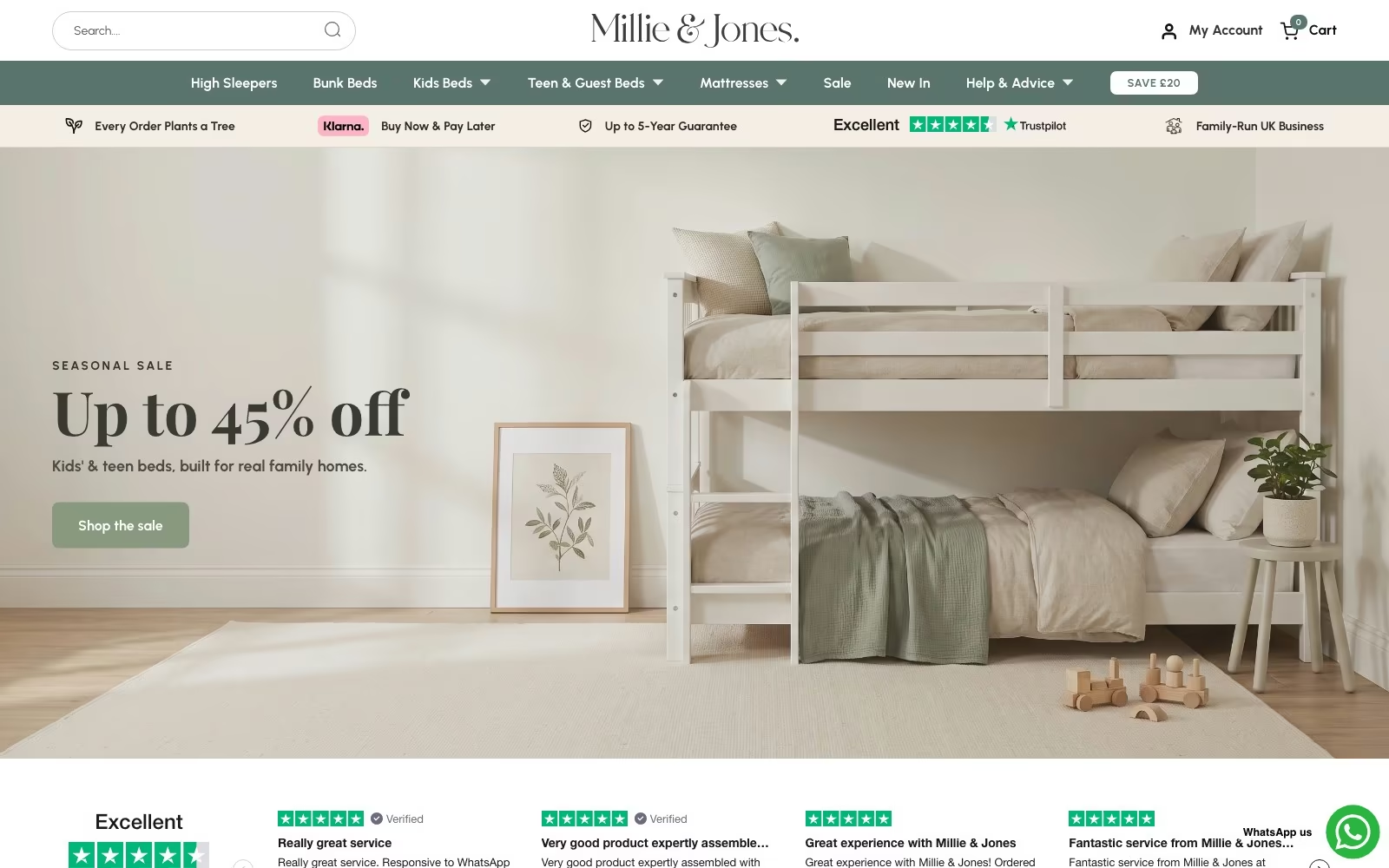

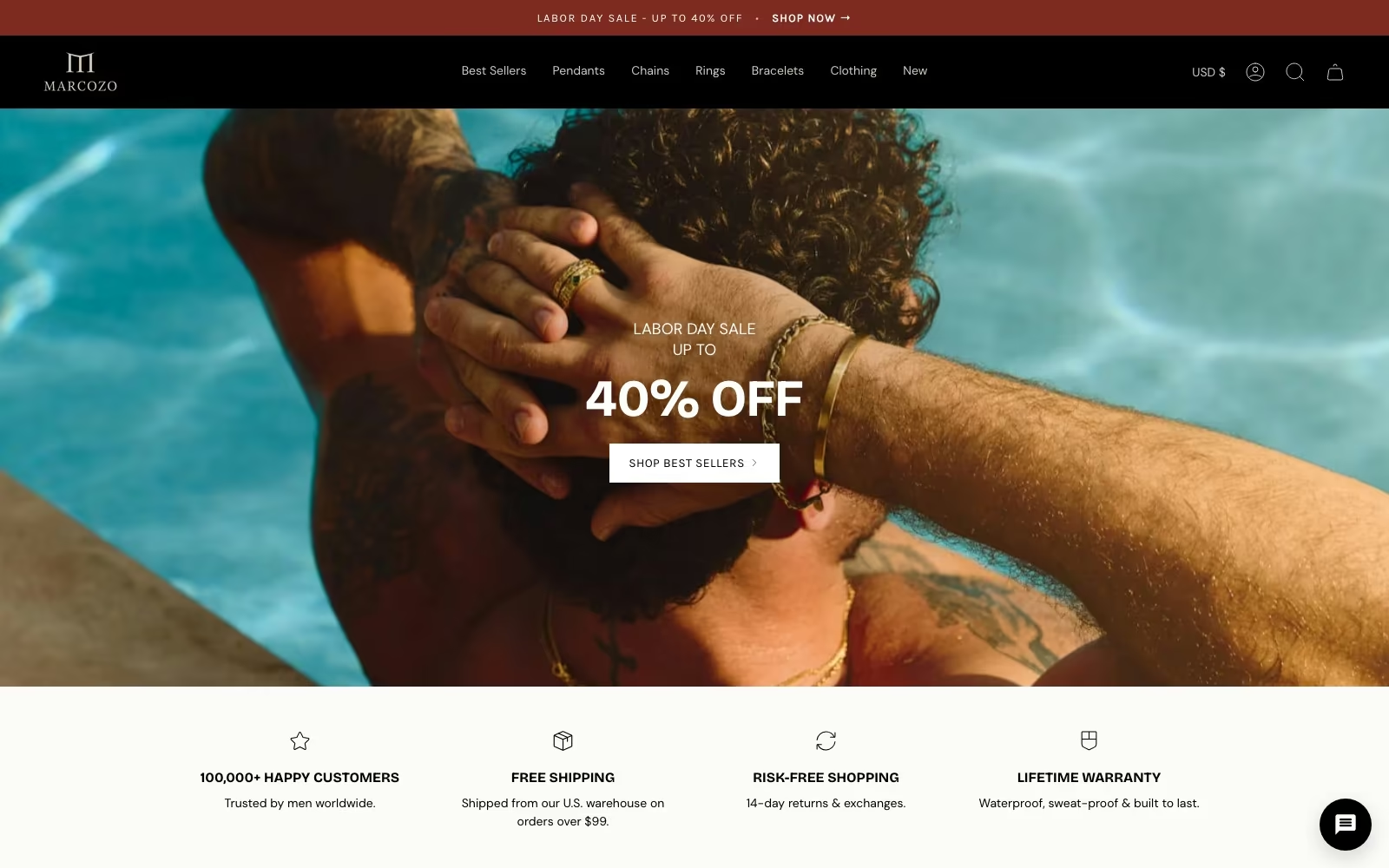

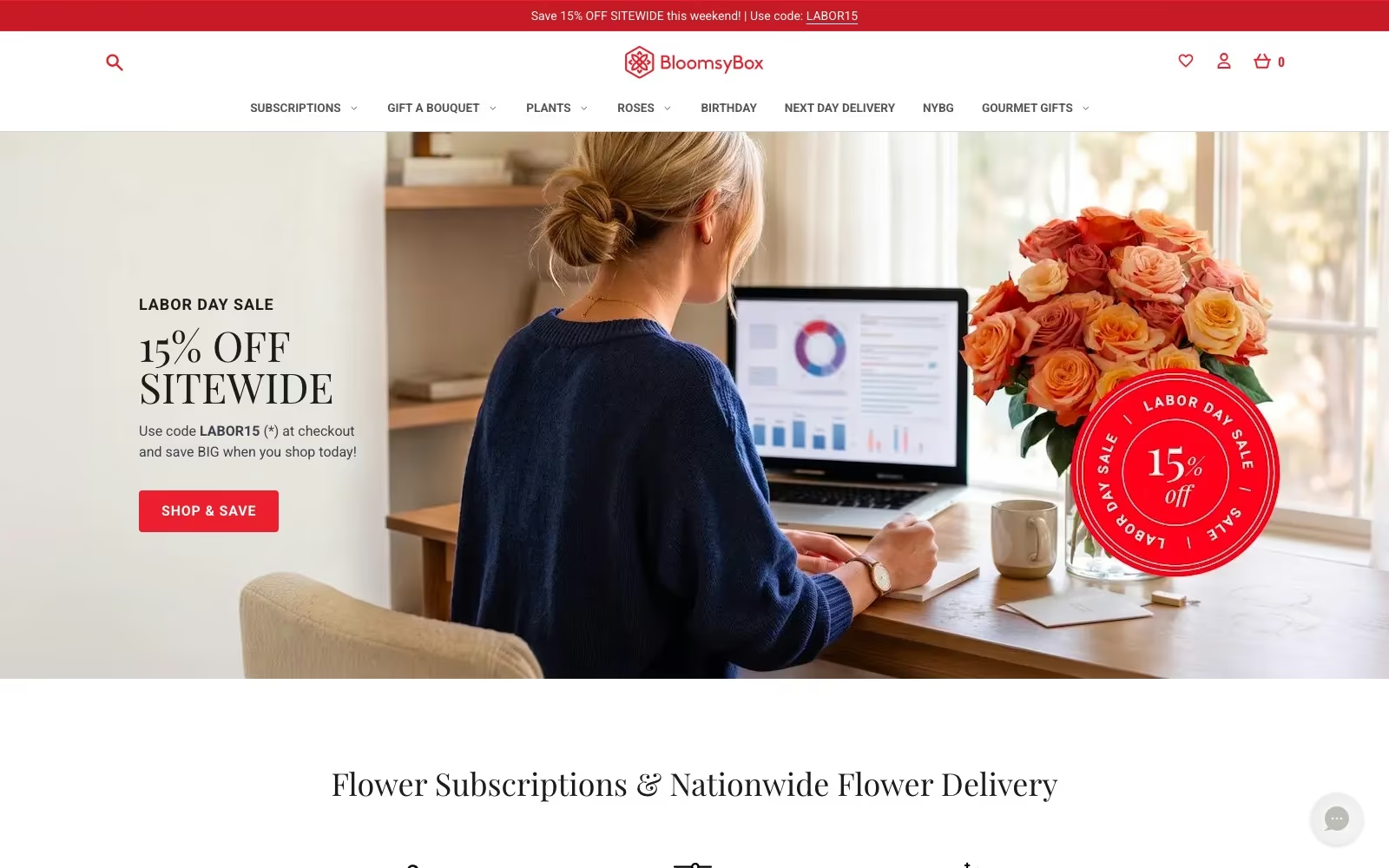

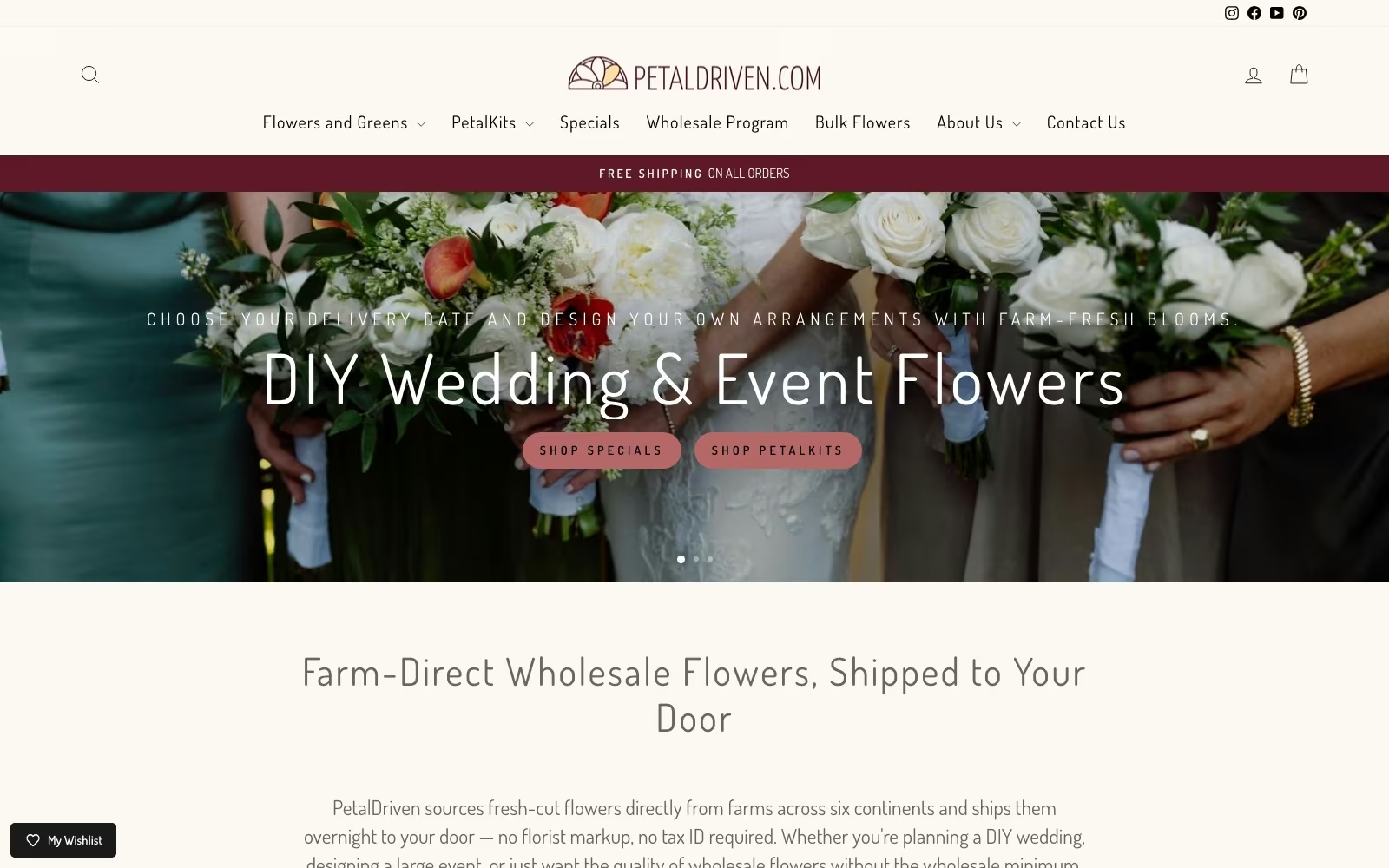







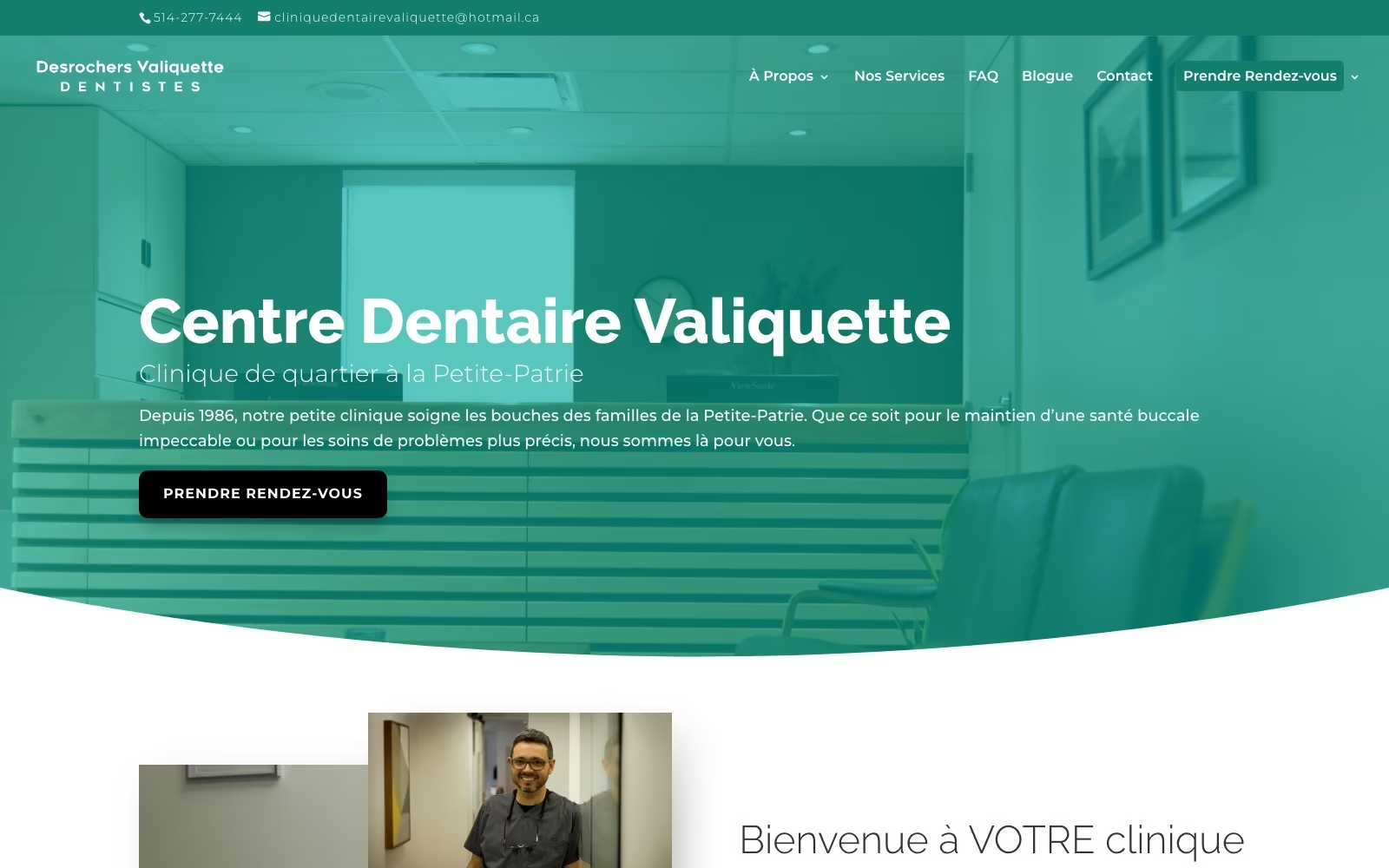

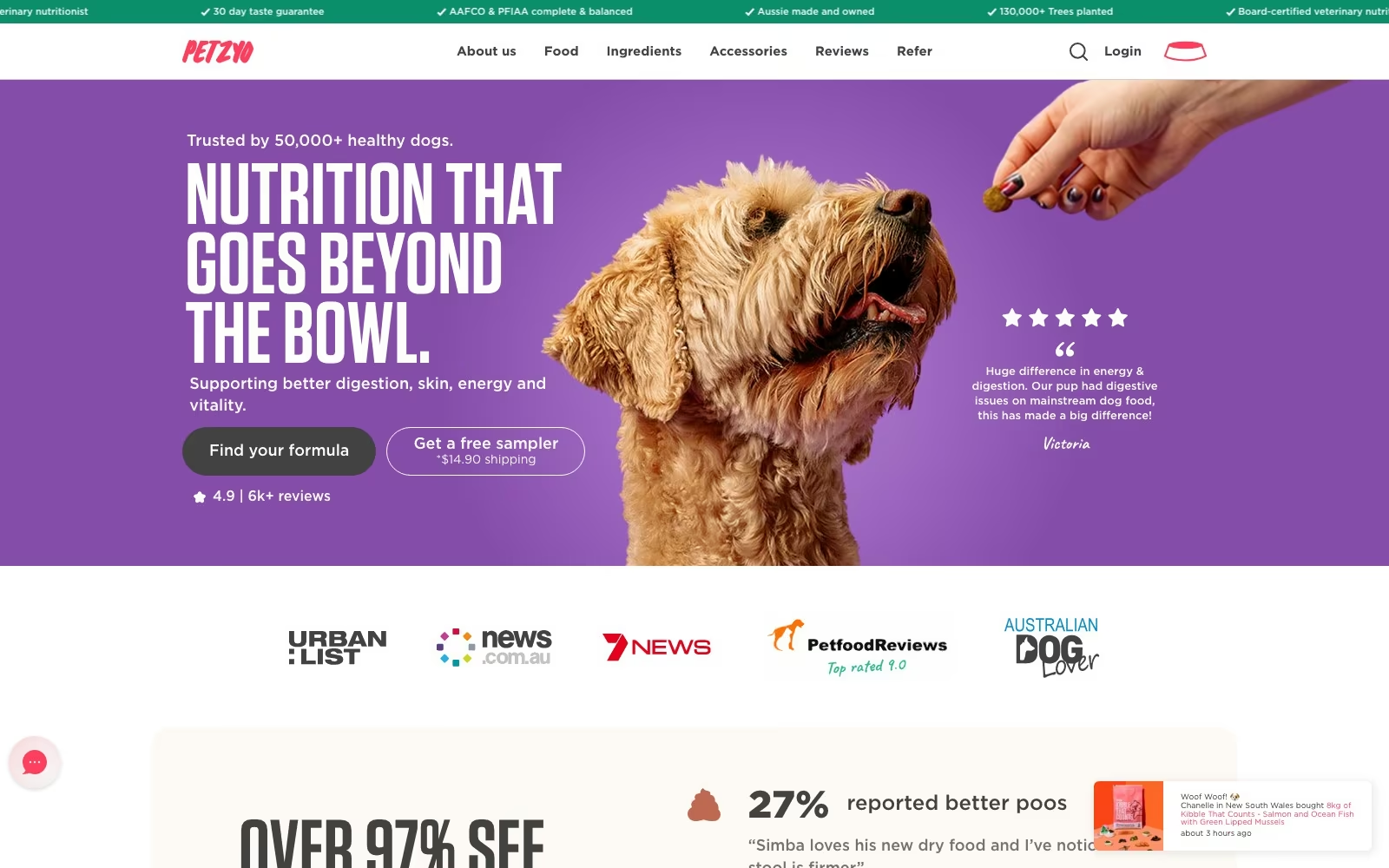

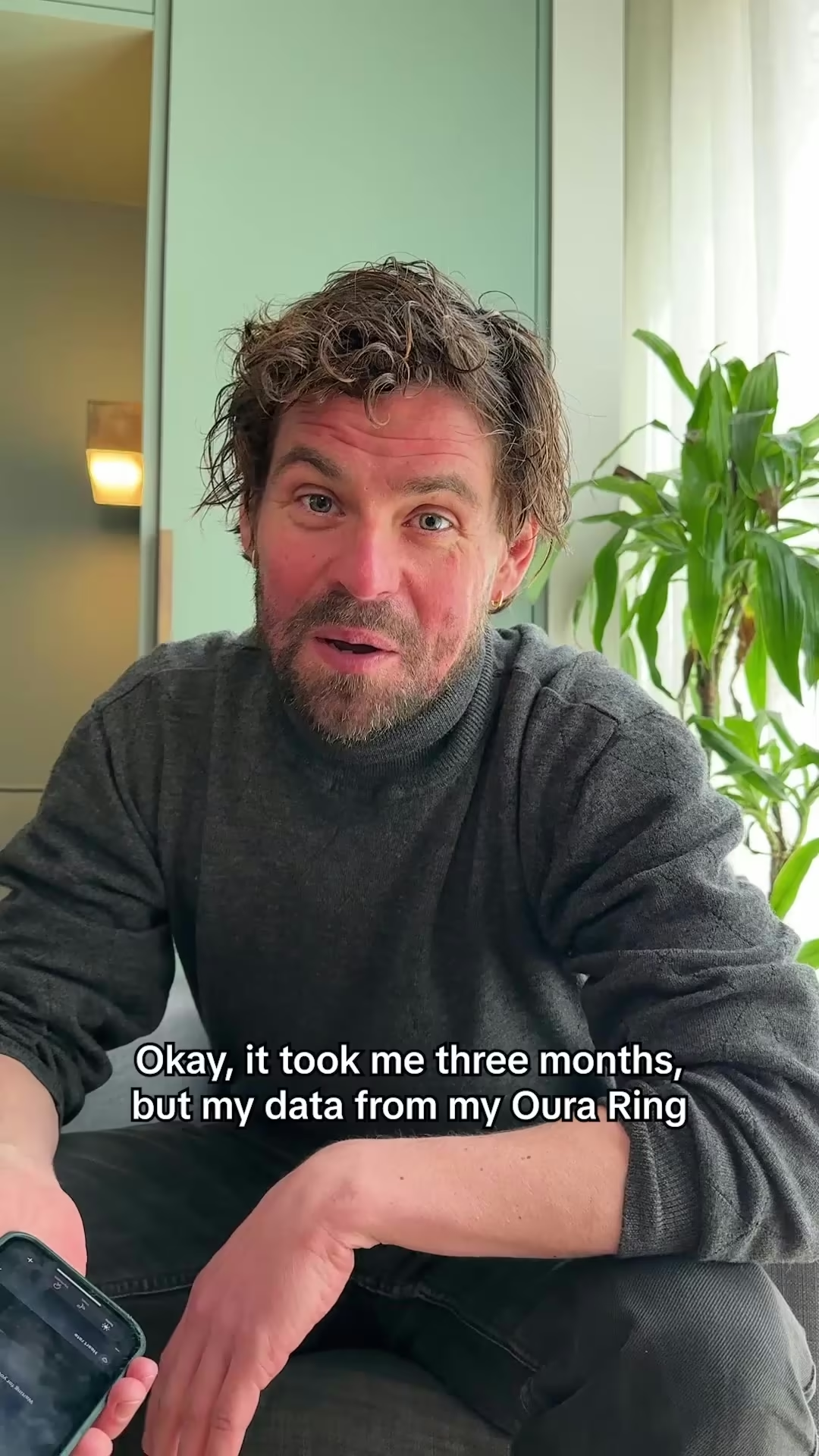













EN

EN

EN


FR

FR
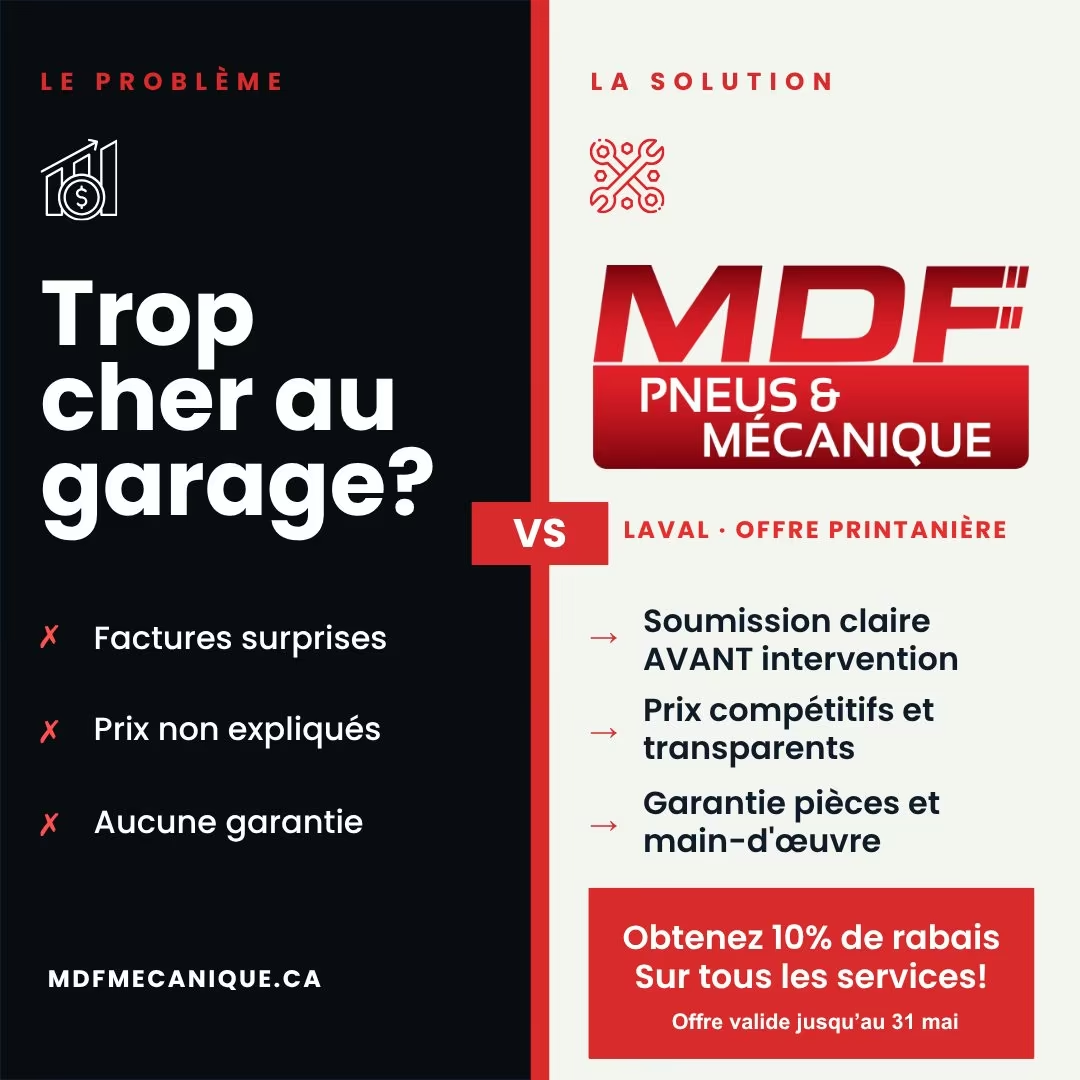
FR

FR

FR

FR

FR

FR


EN
FAQ
Questions firms ask before a rebuild.
How long does a personal injury website take to build?
Around eight to twelve weeks for most firms. Two weeks of evidence and structure, three or four weeks of design, and four to six weeks of build and content. Bigger multi-office practices with many case type and city pages take longer, mostly because content approval takes longer. We will give you a dated plan before we start, and tell you early if anything slips.
Will a redesign hurt our rankings?
Handled properly, a rebuild usually improves them, and that is the outcome we plan for from day one. We map every existing URL, redirect it correctly, keep the content that earns traffic, and launch with the technical work already done rather than fixed afterwards. The risk you are right to worry about comes from rebuilds that ignore the old site entirely; we start by protecting what is already ranking, then extend it with the SEO team.
What does a personal injury website cost?
It depends on how many case type and city pages you need, how much content has to be written rather than migrated, and whether you want new photography. A focused single-office site is a very different number from a multi-state practice. We quote a fixed scope with a fixed price rather than an hourly estimate that drifts, and we will tell you honestly when a lighter project would serve you better.
Do we own the website when it is finished?
Completely. The domain, the hosting, the design files, the content and the analytics stay in your firm's name from the first day. Nothing is built on a proprietary platform you would lose access to if you left. That matters more in legal than most industries, because plenty of firms discover their previous agency owned the site their entire caseload depended on.
How should we choose a legal web design agency?
Look past the portfolio at four things. Who writes the content, and will an attorney approve it. Whether they design on a phone first, given where your visitors actually are. What they measure after launch, and whether enquiries appear anywhere in that number. And who owns the finished site. A firm that answers those plainly is telling you how the project will run.
Can you work with our existing branding?
Yes, and we usually recommend it. Most personal injury firms have brand equity in their name, colours and the faces of their attorneys that is worth keeping. We sharpen what exists rather than starting over, unless the current identity is genuinely holding you back — in which case our branding team can handle that as its own piece of work.
Do you write the content or do we?
We write it, with your attorneys. A writer interviews your team, drafts each page against how your firm actually works, and sends it for approval before anything is published. Nothing goes live that a named attorney has not read. If your firm prefers to write its own content, we will structure the pages and edit what you produce.
How do you handle state bar advertising rules?
Every page is checked against the rules of the states you are licensed in. Results carry the disclaimers your jurisdiction requires, testimonials are handled the way your bar allows, and no page implies a guaranteed outcome. Where a rule is ambiguous we raise it with you rather than deciding for you, and your firm keeps final approval on every word.
Will the site work well on mobile?
It is designed on mobile before anything else, which is the opposite of how most legal sites are made. 88% of legal visits arrive on a phone and mobile converts 32% better than desktop in this industry, so the small screen is the real website and the desktop layout is the variation. Everything is tested on actual devices on ordinary connections, not just resized in a browser.
Should we add live chat?
For most injury firms, yes — provided a human answers it. Legal sites with conversational chat convert at 5.6% against 3.8% without, and visitors who engage with chat are 4.5 times more likely to become a lead, yet only 27.3% of law firms run one. The benefit comes from speed of reply, so an unstaffed widget that promises a response and delivers silence is worse than no chat at all. We will help you plan the coverage before switching it on.
How many pages do we need?
One for every case type you genuinely take and every city your attorneys genuinely work in — usually far fewer than an agency selling page count will suggest. What we will not build is two hundred near-identical city pages with the place name swapped, because search engines have been demoting that pattern for years and it puts your whole domain at risk.
What happens after launch?
The work moves from launching to improving. We track enquiries back to the page that produced them, test contact routes, form length and proof placement, and keep the site fast as content is added. Firms usually keep a small ongoing arrangement for that, but it is optional — the site is yours and it will work perfectly well without us.
Can you improve our current site instead of rebuilding?
Often, and we will always look at that first because it is cheaper and faster for you. Speed fixes, a better first screen, shorter forms and clearer enquiry routes can lift enquiries noticeably without a rebuild. Where the platform itself is the ceiling we will show you the evidence rather than simply recommending the larger project.
Do you work with our marketing people?
Happily. The site has to serve whatever traffic they are generating, so we share the behaviour data, build the landing pages their campaigns need, and make sure tracking lines up on both sides. If you would rather one team ran the whole picture, our paid search people can take that on too.
What makes a personal injury website feel trustworthy?
Specifics. Real photographs of the actual lawyers, named attorneys with real credentials, results shown with the required disclaimers, reviews that read like people wrote them, and clear language about what happens next. Prospects are unusually good at spotting stock imagery and vague claims, because they are reading three websites in a row and looking for a reason to rule one out.
What actually makes a law firm homepage work?
The homepage has about nine seconds to tell a potential client three things: that you handle their kind of accident, that other people like them got help here, and how to start. Everything else — the founding date, the awards wall, the mission statement — belongs further down. Most legal homepages invert that order, which is why visitors leave a site that ranks perfectly well. We design the first screen around the reader's question and let the firm's story earn its place underneath.
How does the website help our wider marketing?
It is the surface every other channel depends on. Advertising, local listings, referrals and organic search all deliver people to the same pages, so a clearer site makes every one of those channels cheaper at once. That is why we measure enquiries rather than traffic, and why the structure is built for search from the start. The best marketing spend a firm can make is often not more traffic but a better experience for the visitors already arriving.
Do you help with photography and video?
Yes, and it is worth doing. Real images of your lawyers, your office and your city outperform stock photography by a wide margin in legal, because prospective clients are reading the pictures as evidence that a real business exists. We can arrange a shoot, brief a local photographer, or work with what you already have. Our video team can add short attorney introductions when the budget allows.
What do you measure after the site goes live?
Enquiries by page and by device, how far people scroll, which contact route they choose, and how fast pages load in the real world. Those numbers tell us what to test next. Rankings and visit counts are reported too, but a website that ranks and does not convert is an expensive brochure. Clear, comparable numbers each month are what let us keep improving the site rather than redesigning it again in two years.
Who will be working on our project?
A named designer, a developer and a legal writer, with one point of contact running the project. You will meet them at the start, you can email them directly, and the same people are there at launch. Your project is not handed to a rotating queue after the contract is signed.
How quickly can we start?
Usually within two to three weeks. The evidence work begins immediately and does not need anything switched off, so your current site keeps producing enquiries throughout. If you are mid-contract with another provider, we can plan the transition around it — there is no advantage to a rushed handover.

.webp)
.webp)