Own the map before the water stops rising.
before the water
Restoration work is won in the first ninety seconds of a bad morning. Somebody searches, taps the first credible name, and the truck that answers keeps the job. We build the organic and local visibility that puts your restoration company in that moment — suburb by suburb, loss type by loss type — and we report on booked jobs rather than rankings. It sits alongside your restoration marketing and our wider search work so nothing is counted twice.






Tell us a little about your brand and we'll be in touch within 24 hours to lock in a time.



FOUR WORKSTREAMS
Four workstreams decide who gets the emergency call.
Four workstreams
The map pack, the service area pages, the site speed that survives a wet phone, and measurement that ends at signed work. In that order.
Map pack & service area
Service area pages
Site speed & the call
Measurement & job value
Local visibility is the whole ballgame here.
Emergency searches are local and impatient. The map pack sits above every organic result, so a restoration business that is invisible there is invisible full stop, however good its website content reads. We work the Google Business Profile properly: real service areas, correct categories for water, fire, mold and storm damage, photographs from actual jobs, and a steady flow of reviews from customers your crews already served.
The market is crowded but fragmented — around 62,582 firms share roughly $7.2 billion of US restoration revenue — which means almost every metro is winnable by one company that treats local search seriously for eighteen months.
- Google Business Profile rebuilt around your real service area
- Categories and services matched to the losses you want
- Review generation your office staff can actually keep up
- Photographs and posts from live jobs, not stock libraries
62,582
US restoration firms sharing about $7.2bn of annual revenue
$7.2bn
size of the US water, fire, mold and storm restoration market
One page per suburb, written by someone who read the job sheets.
Most restoration websites carry a single water damage page and a list of forty towns at the bottom. That does not rank and it does not convince. We build a proper structure instead: a strong page per service, then genuine pages for the suburbs your trucks actually reach, each with local response times, recent job detail and the insurers you work with.
Scale matters — industry organic analysis covers 15,151 search results across 706 US cities for this vertical alone — so we sequence the build by where your crews have capacity, not alphabetically.
- Separate pages for water, fire, smoke, mold and storm work
- Location pages only where you genuinely respond
- Insurance and claim language customers search for
- Internal linking that spreads authority to new suburbs
706
US cities covered by published restoration organic search analysis
A soaked phone, one bar of signal, one hand free.
Ranking is only half of it. The visitor is standing in a mess, holding a wet phone on mobile data, and will leave for the next company on the list without a second thought. The average home service website takes 8.7 seconds to load on mobile, and 53% of mobile visitors abandon anything slower than three seconds.
So we treat speed and the tap-to-call path as ranking work, not a separate project: lighter pages, a number that dials from the top of the screen, plain language about response times, and forms short enough to finish one-handed. Our site speed team handles the heavy lifting.
- Core Web Vitals fixed on the pages that earn calls
- Tap-to-call above the fold on every service page
- Forms shortened to what your dispatcher truly needs
- Tested on real phones over mobile data, not a desktop browser
8.7s
average mobile load time on home service websites
53%
of mobile visitors abandon a site slower than three seconds
Rankings are a means. Booked jobs are the report.
Paid channels give restoration owners a hard benchmark to hold us to: median water damage lead prices ran about $600 to $740 through 2026, above $1,400 in the toughest metros, while Local Services Ads sat nearer $80 to $180 per lead. Organic has to be measured against those numbers or it is just a hobby.
We wire call tracking by loss type and suburb, feed qualified jobs back from your CRM, and report cost per booked job beside your other channels every month, in one page anybody in the office can read.
- Call tracking split by loss type and service area
- Qualified jobs imported back from your CRM
- Organic compared honestly against paid and referral work
- Monthly written read, no dashboard homework
$740
median price per water damage lead on Google Ads in 2026
$180
upper end of 2026 Local Services Ads cost per water damage lead
Website, analytics and call tracking stay in your name
Cost per booked job is the metric we are judged on
Weekly working session with the people doing the work
Long-term lock-ins
We made the difference for those brands

Creative, content, arts & culture

Apparel and lifestyle

Creative, content, arts & culture

Home essentials, appliances, kitchen & pet

Creative, content, arts & culture

Home essentials, appliances, kitchen & pet

Creative, content, arts & culture

Creative, content, arts & culture

B2B software, fintech, insurance

B2B software, fintech, insurance

Retail & commerce

B2B software, fintech, insurance

Apparel and lifestyle

Creative, content, arts & culture

Apparel and lifestyle

Creative, content, arts & culture

B2B software, fintech, insurance

Retail & commerce

Healthcare & regulated services

B2B software, fintech, insurance

Food & beverage

B2B software, fintech, insurance

Consumer tech and platforms

Beauty, personal care & wellness

Beauty, personal care & wellness

Creative, content, arts & culture

Healthcare & regulated services

B2B software, fintech, insurance

Food & beverage

Consumer tech and platforms
01 — The challenge
Referrals are steady, but nobody finds you cold.
Most restoration companies we meet are in the same spot. Plumbers and adjusters send work, the crews stay busy through storm season, and then a quiet month arrives and there is nothing in the pipeline that the owner controls. Search the main suburb and a national franchise sits in the map pack, a lead aggregator owns the organic results, and the company that has served the area for twenty years is on page two behind a directory listing its own phone number.
“We are the busiest crew in the county and the internet has never heard of us.”
It is a fixable position rather than a hopeless one. The vertical is fragmented — 62,582 firms, no dominant national brand — so sustained local search work still moves a restoration business into the top three of its own market inside a year.
02 — Our approach
Fix the map pack, build the pages, prove it in jobs.
We start with the profile and the pages that already exist, because most restoration websites lose calls to problems that cost nothing to repair: a service area drawn around a head office, missing categories for mold or storm work, a phone number that differs across three directories, and a homepage that takes nine seconds to appear on a phone. That first pass usually lifts call volume before a single new page is published. Then we build. A strong page for every loss type your crews want more of, honest location pages for the suburbs you truly cover, insurance and claim content that answers what homeowners actually type at midnight, and reviews collected as part of your normal job close rather than in a panic. We sequence it by crew capacity, so the work arrives where you can service it. From there it is steady monthly work with a plain report: rankings where they matter, calls by suburb and loss type, and cost per booked job set against your paid channels. You own every account and every page we produce, and we hold category exclusivity by service area so we never run two competing restoration firms.
03 — What we did
A first ninety days that ends in more inbound calls.
Profile and technical repair, then the page build, then reviews and content, then a report you can hold us to.
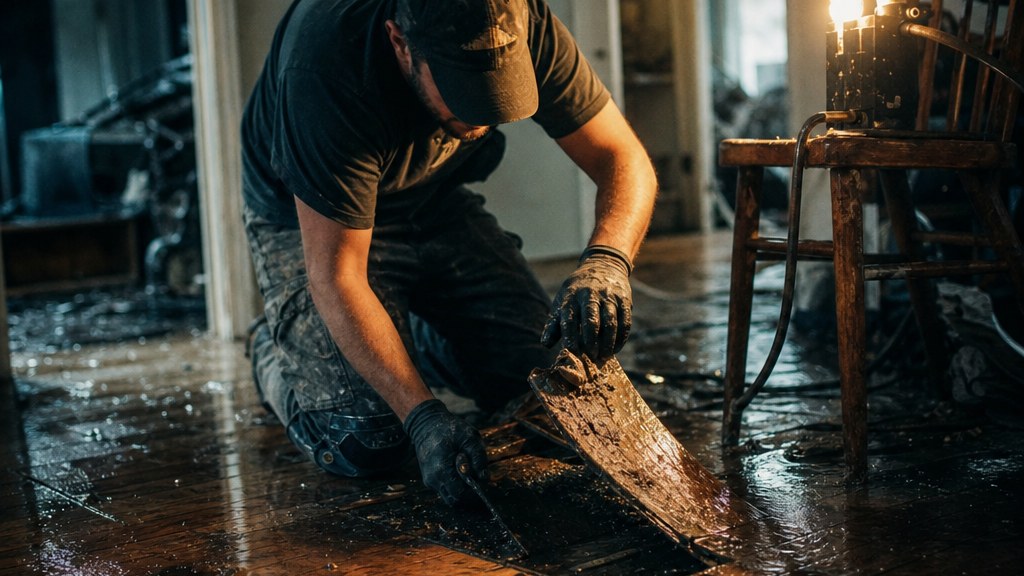
Weeks 1-3 / Foundations
Profile, citations and the technical repair
Google Business Profile rebuilt around your real service area, listings corrected across the directories, and the speed and mobile issues that lose calls fixed first.
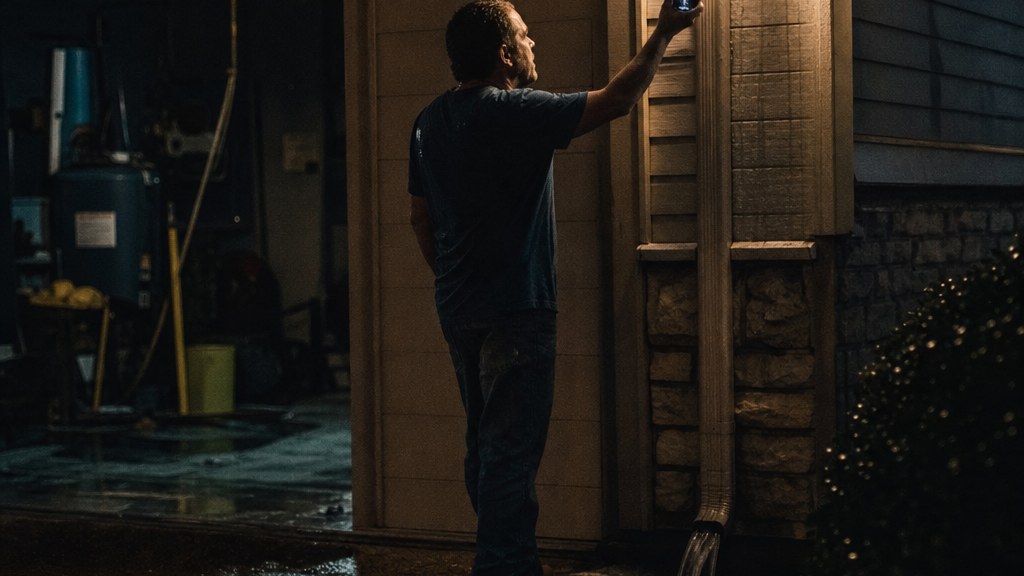
Weeks 3-8 / Build
Service and suburb pages worth ranking
A page per loss type and per suburb you genuinely reach, written from your job sheets, response times and insurance experience rather than a template.
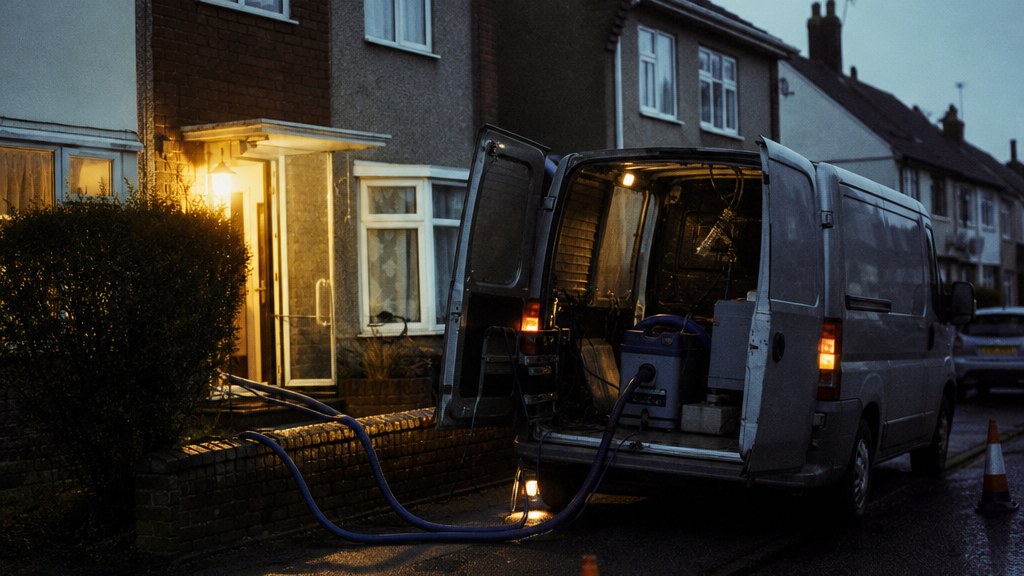
Weeks 4-12 / Authority
Reviews, links and local proof
Review requests built into your job close, local sponsorship and supplier links earned properly, and photographs from live work replacing stock images.
Day 90 / Report
Calls by suburb, and cost per booked job
One page showing organic calls by suburb and loss type, cost per booked job beside your paid channels, and what we are doing next quarter.

WHAT YOU GET
Deliverables your office manager can audit.
can audit
Everything below lands in accounts you own and stays yours if you ever leave.

Search and profile audit
Where you rank by suburb and loss type today, what the map pack is doing, and which repairs pay back fastest.

Keyword and suburb plan
The searches worth owning in your area, ranked by job value and by where your crews have capacity.

Service and location pages
Written pages for water, fire, smoke, mold and storm work, plus the towns you genuinely respond to.

Profile and review programme
Google Business Profile management, directory clean-up and a review routine your office can sustain.

Technical and speed fixes
The mobile speed, indexing and tap-to-call repairs that turn existing visibility into answered phones.

Monthly reporting
Calls and booked jobs by suburb, cost per job against your paid channels, and next month's plan in plain words.
HOW WE WORK
Operating standards, not promises.
Operating standards
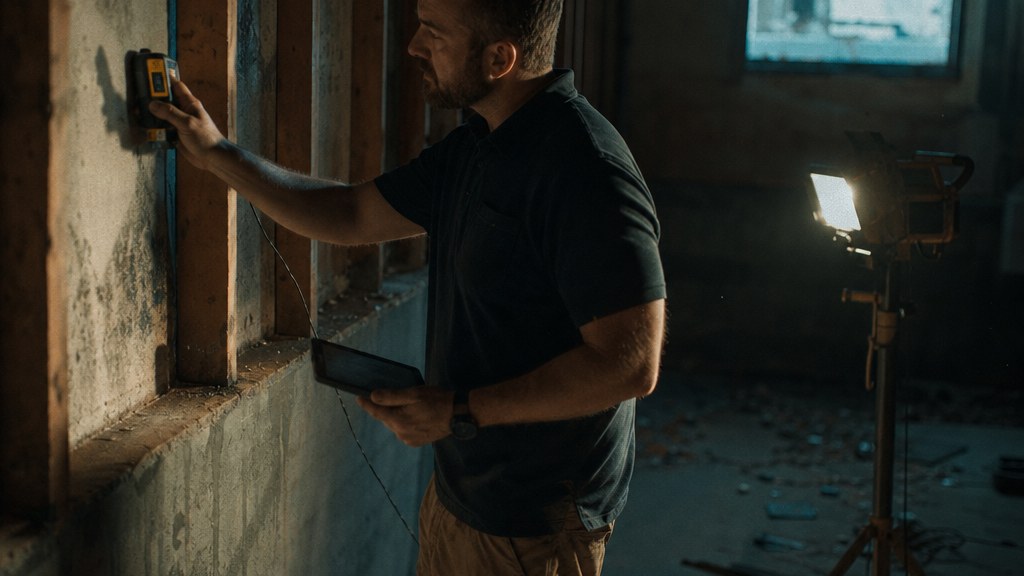

Water & storm damage
Overnight emergency demand won in the map pack and answered on the first ring.
ExploreFire, smoke & mold remediation
Longer research searches where cost and insurance questions decide the call.
ExploreCommercial & large loss
Facility and property manager demand measured on qualified opportunities.
Explore

















Built on trust. Proven by results.
We partner with SMBs and Fortune 500 companies to deliver more than reach — we bring clarity, execution, and measurable outcomes. Every successful partnership starts with a strong culture fit and a shared drive to grow.





CASE STUDIES
Case studies
Website Portfolio
Video Ads
Static Ads


























































FAQ
What restoration owners ask us first.
How long before SEO produces calls for a restoration company?
Profile and listing work often moves call volume inside four to eight weeks, because most restoration businesses have obvious local search problems nobody has ever repaired. Competitive suburbs and the bigger loss types take longer, typically two to three quarters of steady work. We show you the leading indicators — map pack positions, calls by suburb — each month so progress is visible well before the revenue line moves.
Is SEO actually cheaper than paid ads in this industry?
It becomes cheaper, which is a different claim. Paid demand is expensive from day one: water damage leads have run about $600 to $740 at the median, and even Local Services Ads sit around $80 to $180 a lead. Organic costs the same each month whether you get ten calls or eighty, so the price per job falls as the work compounds. Most owners are best served running both and letting the report decide the split.
Should we keep spending on Local Services Ads while SEO builds?
Yes, and we would say the same if we did not run either. Guaranteed ads capture ready-to-book emergency work today, while organic and map pack visibility is being earned. As organic calls grow we look at the blended cost per booked job together and decide, with your numbers on the table, whether to move any budget across. Nothing gets switched off on a hunch.
Do location pages for every town we serve still work?
Real ones do. A page that names the suburb, states your genuine response time, references local work and answers what that community actually asks will rank and convert. Forty spun copies with the town name swapped will not, and can drag the whole site down. We build them only where your trucks respond, and in an order set by where you want more work.
How important are Google reviews for restoration?
Very. In an emergency a homeowner is choosing between strangers with minutes to spare, so recent reviews mentioning response time and insurance help do more persuading than any page of copy. We set up a routine that fits your job close — a message from the technician, not a mailshot — and help you respond to every review, including the difficult ones, in a way that reads well to the next customer.
Our website is old. Do we need a new one before starting?
Usually not. Most restoration sites can be made fast and credible with targeted repairs, which is quicker and cheaper than a rebuild and means the search work starts now. If the platform genuinely cannot be fixed we will say so and price a new website on its own business case, never as a condition of working together.
What happens to our rankings during a quiet season?
They hold, which is one of the quiet advantages of organic work. Search demand for water and storm damage swings hard with the weather, but the position you have built stays put between events, so when the next storm arrives you are already visible rather than bidding against every competitor at once. We use quieter months for the page and review work that pays off in the next spike.
How do you handle a company with several branches?
Each branch gets its own profile, its own location pages and its own call tracking, so a strong market cannot mask a weak one. Reporting is split by branch and consolidated for you, and content that works in one market is reused properly rather than copied word for word. Multi-branch restoration businesses are where structured local search work pays best.
What does Web Tonic charge, and is there a contract?
A fixed monthly fee scoped to the work, with no long-term lock-in and no percentage of your media spend. Everything we build — pages, profile, tracking, documentation — sits in accounts you own, so leaving is a handover rather than a hostage negotiation. Owners tell us that is the part they check first, and we would too.
Can you help with insurance and adjuster relationships too?
Indirectly, and it matters more than people expect. Content that explains claims clearly, a site that lists the carriers you work with, and reviews mentioning smooth paperwork all make you an easier recommendation for an adjuster or plumber to make. We also make sure that referral traffic is tracked separately, so relationship work never gets quietly claimed as a search result.
Which services should we push first, and what should the budget be?
We start with the service line where your crews have capacity and the job value is highest, usually water mitigation for volume and fire or mold for margin. Budget follows scope rather than a price list: a single-market company needs far less than a five-branch operation, and we would rather do three suburbs properly than thirty badly. Paid benchmarks anchor the conversation — with home improvement clicks averaging $8.33 and leads $90.92 across search, everybody in the room can see what a job is worth before we set a number.
How do backlinks and local authority fit into restoration SEO?
A restoration website earns trust the same way the business does: through who vouches for it. We chase a small number of genuine links — the plumbers and adjusters who already refer you, suppliers, local chambers, the youth team you sponsor — because each one is a real relationship a competitor cannot copy. We never buy bulk links; in a Google market this local, a clean profile plus consistent listings beats volume every time. Link work runs quietly in the background while the pages and reviews do the heavy lifting.
How do you choose keywords, and do you track them?
We start from your job sheets rather than a keyword tool. What did people actually call about, in which suburbs, at what job value? That list becomes the keyword plan: emergency terms for water and mold work, longer research searches around cost and insurance, plus the commercial phrases property managers use. Every keyword is tracked by location, but the report leads with calls and leads rather than positions, because a top ranking in a suburb your trucks never reach is worth nothing to your business.
What content actually helps a restoration business online?
Content that answers the questions a homeowner types while standing in water. What does this cost, will insurance cover it, how quick can somebody arrive, what happens to my floor. Creating that honestly is more useful than another blog on the history of dehumidifiers, and it is what earns the trust that turns high-intent traffic into a booked job. We also repurpose it for your social channels and review replies so one piece of work shows up in several places.
Do you also handle PPC, and how do the two work together?
We do, and the pairing is easy to justify. PPC buys visibility today in the suburbs where organic authority is still building; SEO lowers the cost per lead over time so the paid budget can move to new markets. Running both from one plan also stops the two channels bidding against each other on your own brand name, which is a quiet waste in most restoration accounts we inherit.
What makes restoration SEO different from SEO for other home services?
Urgency and insurance. A homeowner searching for mold or water damage help is not comparing five companies over a week; they are choosing in minutes, on a phone, often while an adjuster is on the other line. So restoration SEO leans harder on Google Business Profile visibility, on quick answers about cost and coverage, and on proof that somebody will actually arrive tonight. The technical SEO fundamentals are the same as any local business; the priorities and the copy are not.
How do we know your SEO work is helping and not just riding the weather?
Because we separate the two in the reporting. Storm weeks lift every restoration company in a market, so we track your share of the local map pack and your non-branded organic clicks alongside raw call volume. If a spike is weather rather than marketing, the report says so. That honesty is easier to give when nothing in our fee depends on pretending otherwise, and it helps you plan crews rather than celebrate a number.
Do social media and your website need to say the same thing?
They should, and getting that alignment is cheap. The same job photos, response times and service list that make your website credible online also make your social profiles and directory listings credible, and Google reads all of them when deciding who to trust locally. We keep the core business details identical everywhere, then let each channel do what it is good at: search for emergencies, social for reputation between them.
What do your restoration clients typically ask you to fix first?
Three things, almost always. Their Google listing shows the wrong service area, so nearby customers never see them. Their website is slow and buries the phone number. And nobody has asked a happy customer for a review in a year. Those repairs are quick, cost little and usually lift call volume before any new content is published, which is why we insist on doing them before the bigger content programme starts.
Can you run our paid campaigns and reporting as well?
Yes, and the numbers get more honest when one team holds them. Our paid search, local SEO and analytics specialists work from the same plan, so a job is attributed once instead of claimed by three vendors. Hiring us for organic alone is equally fine.

.webp)
.webp)