Restoration ads shot on your jobs, not from a stock library.
shot on your jobs
Most restoration advertising looks identical: a stock photo of a flooded kitchen, a logo, a phone number. Homeowners scroll past it because it tells them nothing about who turns up. We build ad creative from your own jobs — the water extraction, the drying equipment, the crew lead explaining what happens next — and test it properly against the numbers. It plugs into the same plan as your restoration marketing and paid social jobs.






Tell us a little about your brand and we'll be in touch within 24 hours to lock in a time.


FOUR WORKSTREAMS
Four things make restoration advertising jobs.
Four things
A message homeowners believe, footage from real jobs, formats built for the feed, and testing that keeps the winners running.
Message & angles
Capture on live jobs
Formats & placements
Testing & iteration
Speed, insurance and trust, in that order.
Homeowners hiring an emergency service are frightened of three things: how long until someone arrives, whether the insurer will pay, and whether strangers in the house can be trusted. Every angle we write answers one of those — response response window, claim handling, certifications, or the crew themselves on camera.
Owner-led footage is the cheapest advantage available here: video with the owner on camera reports 25-40% lower cost per lead than agency-produced video for contractors.
- Angles built on response response window, insurance and trust
- Owner and crew on camera rather than actors
- Claims we can evidence, never invented guarantees
- Separate messaging for water, fire and mold jobs
25-40%
lower cost per lead on owner-on-camera video for contractors
30-60%
lower cost per lead on video ads than static images
Your trucks are the studio.
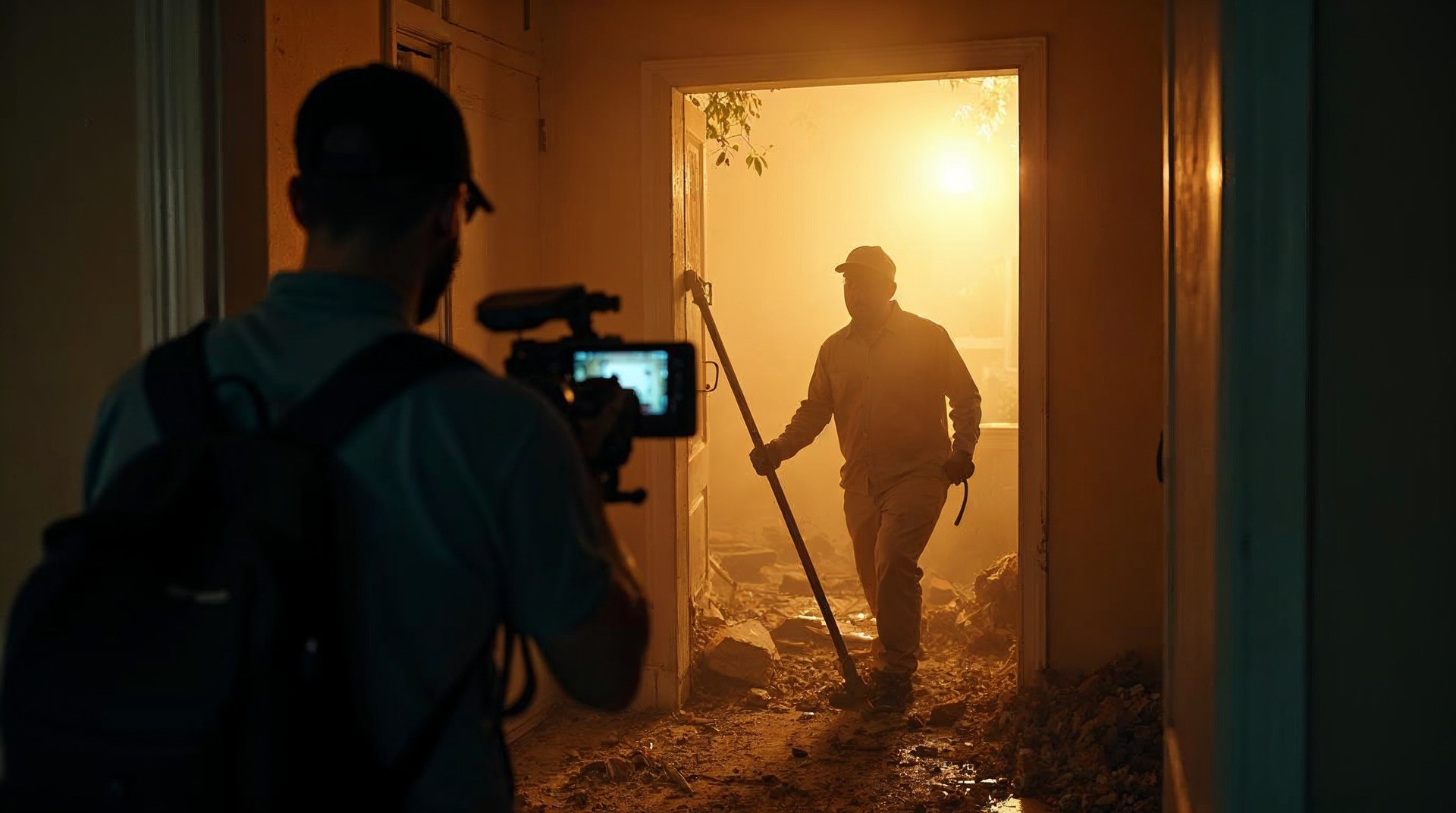
You cannot stage a flooded basement convincingly, and you do not have to. We build a simple capture routine your crews can follow on real jobs: a few phone clips of extraction and equipment set-up, a before and after, thirty seconds of the technician explaining moisture readings. Homeowner permission is handled first, every time.
That library then feeds everything — paid social, the website, recruitment posts — instead of a single shoot that dates in a year.
- A capture routine crews can follow without slowing a job
- Written homeowner permission before anything is filmed
- Quarterly professional shoot to top up the library
- Assets organised so anyone in the office can find them
4-8%
click-through rate on Reels placements for home services against 1.5-3.5% in feed
Cut for the feed, not for a boardroom.
The same footage becomes a nine-second vertical hook, a fifteen-second proof clip, a before-and-after carousel and a static with one line of copy. Each is cut for where it runs, with captions burned in because most of the feed is watched silently.
Then the economics decide what survives: home services on Meta sit at a median $60 to $110 cost per lead, while home improvement search runs $8.33 a click and $90.92 a lead. Creative that beats those numbers gets more budget; creative that does not gets retired.
- Vertical, square and static cuts from one capture session
- Captions burned in for silent viewing
- Hooks written for the first two seconds
- Ad copy matched to the page the click lands on
$60-110
median cost per lead for home services advertising on Meta
$90.92
benchmark cost per lead across home and home improvement search
Most ads lose. The routine is what wins.
Ad testing is a numbers game and pretending otherwise wastes money. We run small batches against a control, change one variable at a time — hook, proof, offer — and keep the survivors running until they tire rather than refreshing on a calendar.
The stakes justify the discipline: water damage leads have run around $600 to $740 at the median in 2026, so a tired ad is expensive within weeks, not quarters.
- Batch testing against a control, one variable at a time
- Winners kept until fatigue shows in the data
- Results reported by angle, not just by ad
- Learnings written down so they outlast the campaign
$740
median price of a water damage lead on Google Ads in 2026
Footage, edits and project files handed over in your library
Cost per booked job is the metric we are judged on
Weekly working session with the people doing the work
Long-term lock-ins
We made the difference for those brands

Healthcare & regulated services

B2B software, fintech, insurance

B2B software, fintech, insurance

Food & beverage

Apparel and lifestyle

Consumer tech and platforms

Home essentials, appliances, kitchen & pet

Healthcare & regulated services

Consumer tech and platforms

Consumer tech and platforms

B2B software, fintech, insurance

Consumer tech and platforms

B2B software, fintech, insurance

Food & beverage

Consumer tech and platforms

Travel & mobility

Retail & commerce

B2B software, fintech, insurance

Apparel and lifestyle

B2B software, fintech, insurance

B2B software, fintech, insurance

Beauty, personal care & wellness

Food & beverage

Travel & mobility

B2B software, fintech, insurance

Healthcare & regulated services

B2B software, fintech, insurance

Creative, content, arts & culture

Creative, content, arts & culture

Consumer tech and platforms
01 — The challenge
Everyone in the market is running the same flooded kitchen photo.
Look at any local feed after a storm and the ads are interchangeable: a stock image of standing water, the words 24/7 emergency service, a logo and a number. Homeowners cannot tell one firm from another, so they pick on whoever appeared first or whoever a neighbour mentioned. Meanwhile the marketing budget keeps buying impressions for a message nobody remembers, and the office cannot say which ad produced last month's jobs.
“Our ads look exactly like our competitors'. Because we all bought the same photo.”
Real footage is not just nicer, it is measurably cheaper: video ads report 30-60% lower cost per lead than static images in this trade, and the owner on camera performs better again.
02 — Our approach
Angles first, capture on live jobs, then test until something wins.
We begin with the interview nobody bothers to do: an hour with the owner and a crew lead about the jobs they are proudest of, the questions homeowners ask on the doorstep, the insurance friction that eats their week, and what makes their response time real rather than a slogan. From that we write a small set of angles worth testing and a capture list your teams can film on live work without slowing anything down — extraction, equipment set-up, moisture readings, before and after, the technician explaining what happens next. Homeowner permission is agreed in writing first. Editing turns each capture session into several cuts, sized and captioned for where they run, and we launch in small batches against a control so the result means something. From there it is a routine rather than a project: winners scaled, losers retired, new angles queued, a quarterly professional shoot to refresh the library, and one monthly page showing which angle produced the jobs. Every file, script and edit is handed over in a library you own.
03 — What we did
A first ninety days that leaves you with a library.
Interviews, a capture routine on real jobs, batch testing against a control, and a monthly read by angle.
Weeks 1-2 / Angles
The interview that produces the messages
An hour with the owner and a crew lead, a review of recent enquiries, and a shortlist of angles built on response time, insurance handling and trust rather than slogans.

Weeks 2-5 / Capture
Filming on live work, with permission
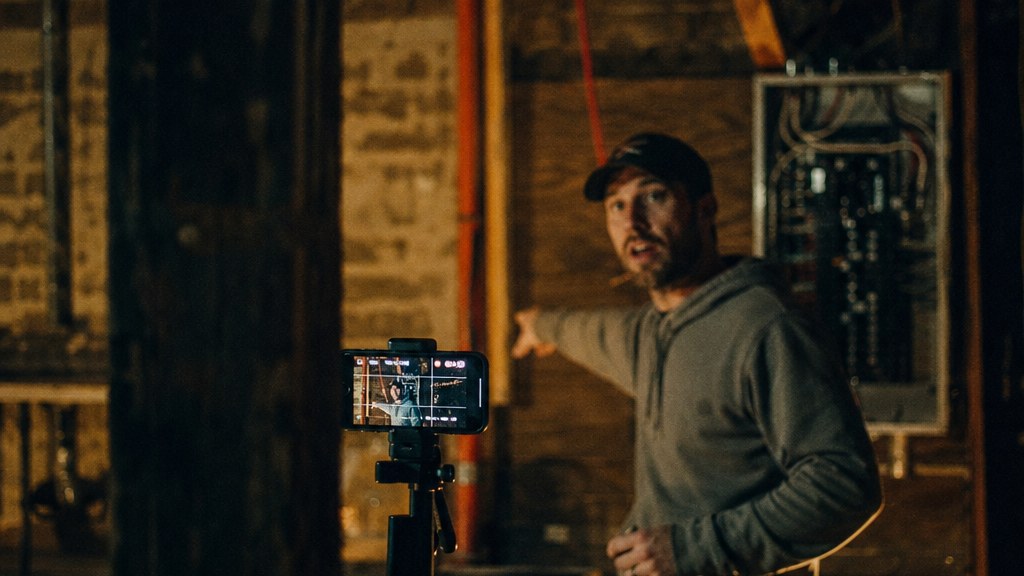
A simple phone capture routine for extraction, drying equipment and before-and-after moments, plus one professional session, all with written homeowner consent.
Weeks 4-8 / Cut and launch
Multiple cuts, launched in small batches
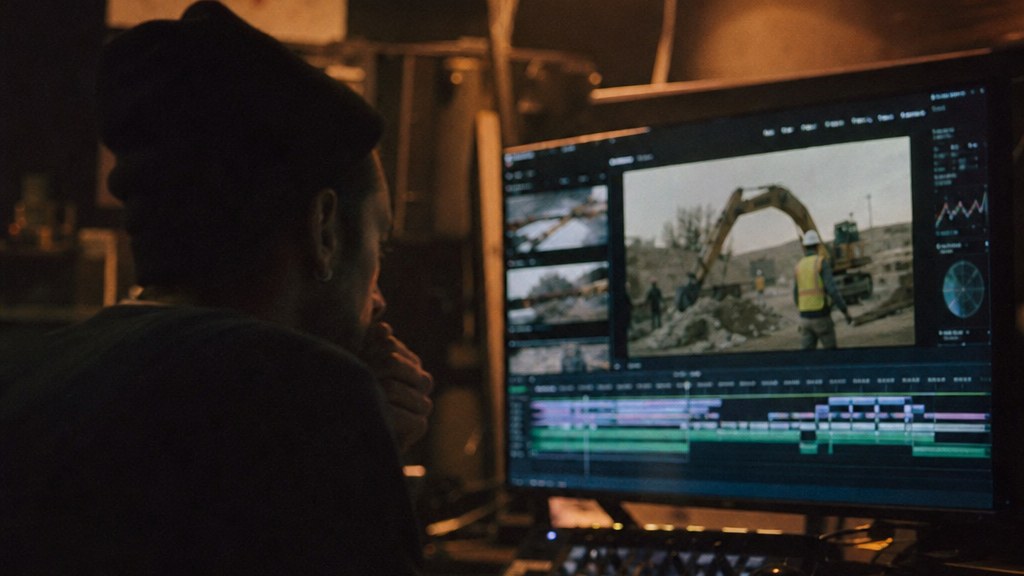
Vertical, square and static versions with burned-in captions, launched against a control so each result can be read honestly instead of argued about.

Ongoing / Iteration
Winners scaled, tired ads retired
Monthly reporting by angle rather than by file name, with fatigue watched in the data and new captures queued before the current winner runs out.
WHAT YOU GET
Deliverables your office manager can audit.
can audit
Every file, script and edit is handed over in a library you own.

Message and angle map
The angles worth testing, drawn from interviews with your owner and crew leads rather than from a template.

Capture routine
A short shot list and consent process your crews can follow on live jobs without slowing the work.

Edited ad assets
Vertical, square and static cuts with burned-in captions, sized for every placement you buy.

Seasonal and storm sets
Assets prepared ahead of storm season so ads can go live the day demand spikes.

Testing plan
Batches, controls and one variable at a time, so results can be trusted and repeated.

Monthly reporting
Performance by angle and format next to cost per lead, with what we retire and what we film next.
HOW WE WORK
Operating standards, not promises.
Operating standards

Water & storm damage
Fast-turnaround assets ready before the weather arrives, not commissioned after it.
ExploreFire, smoke & mold
Longer-consideration messages that answer cost and insurance questions on camera.
ExploreCommercial & large loss
Proof-led material aimed at property managers who need capability, not urgency.
Explore

















Built on trust. Proven by results.
We partner with SMBs and Fortune 500 companies to deliver more than reach — we bring clarity, execution, and measurable outcomes. Every successful partnership starts with a strong culture fit and a shared drive to grow.





CASE STUDIES
Case studies
Website Portfolio
Video Ads
Static Ads











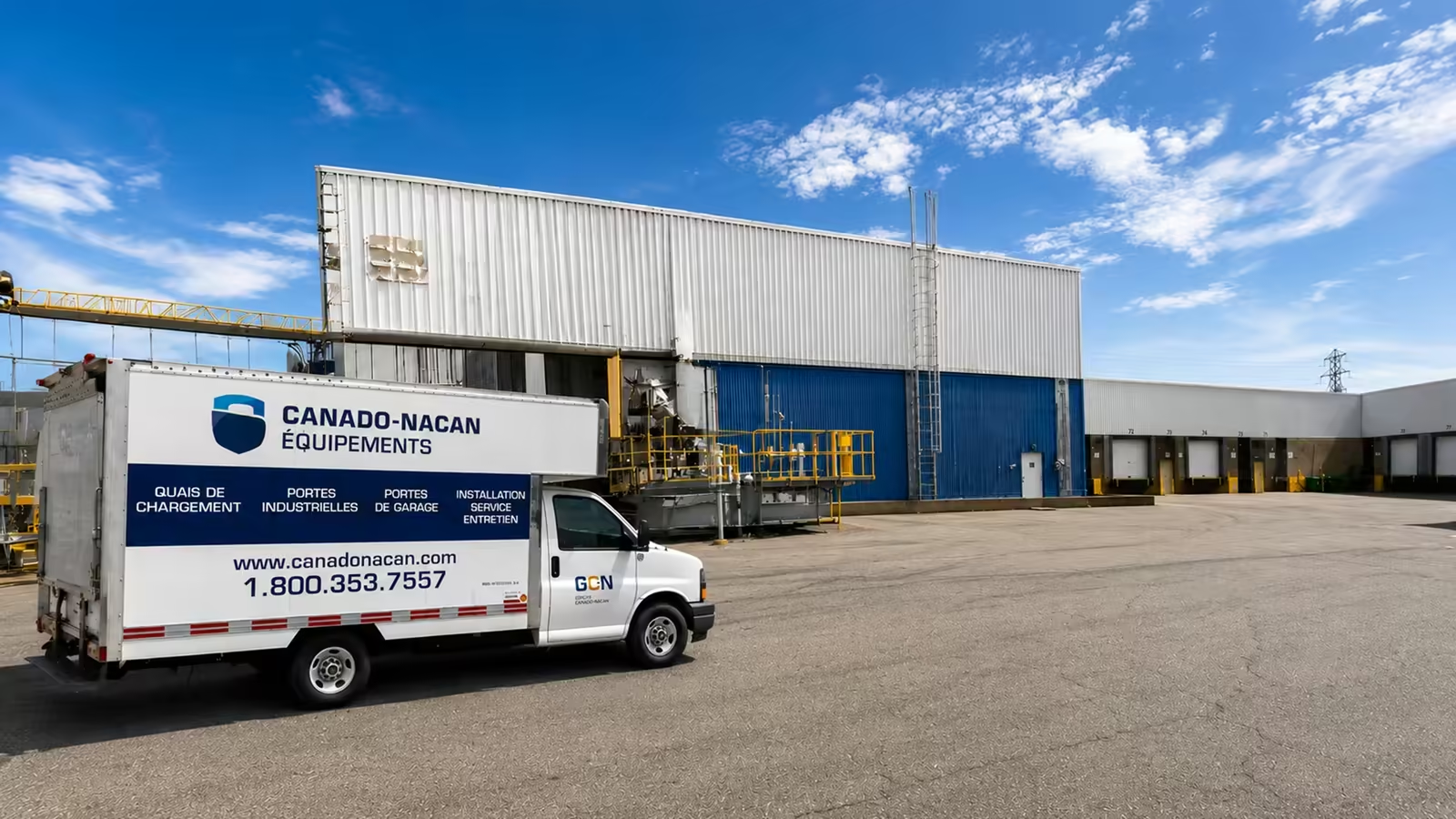

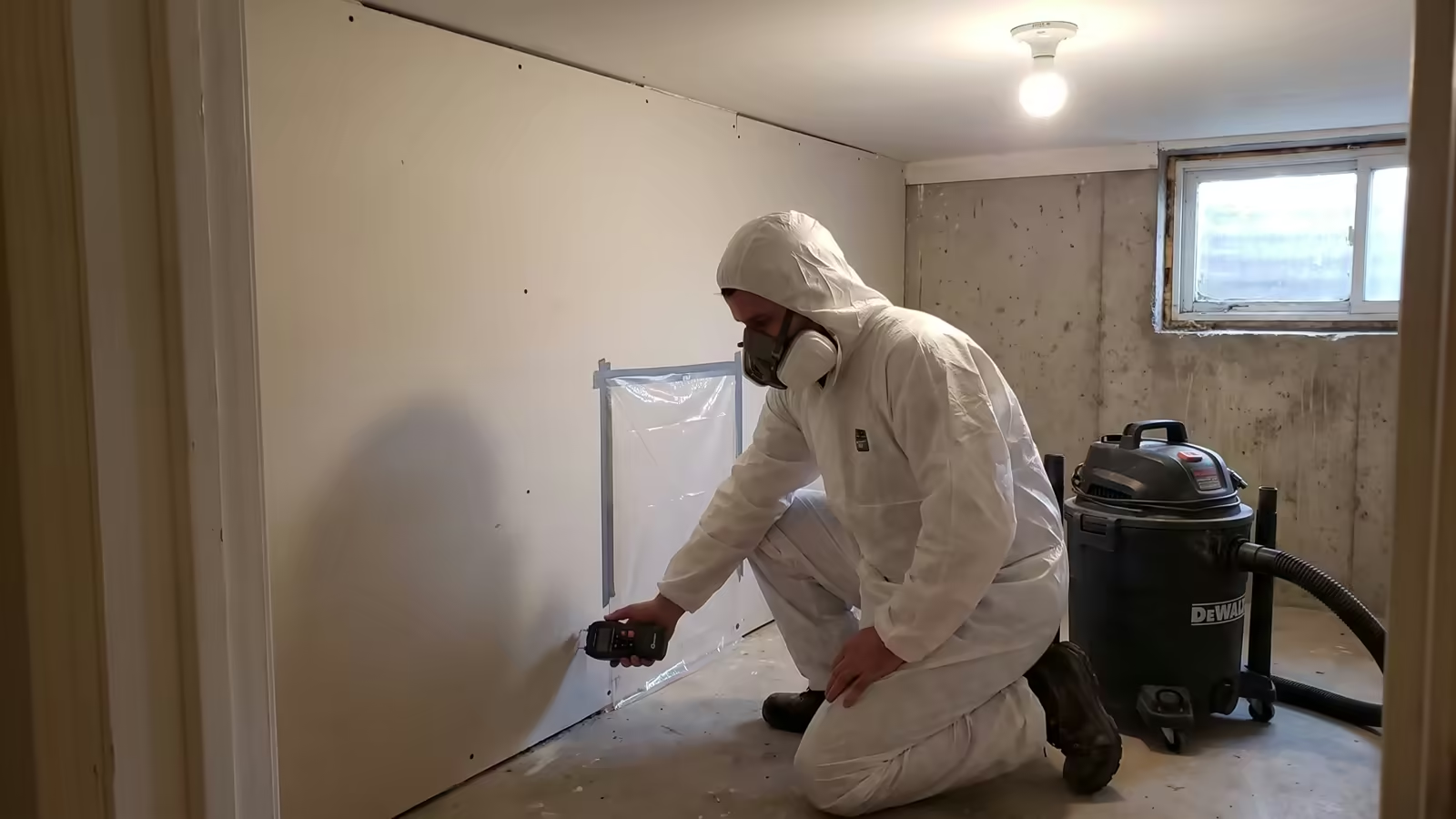

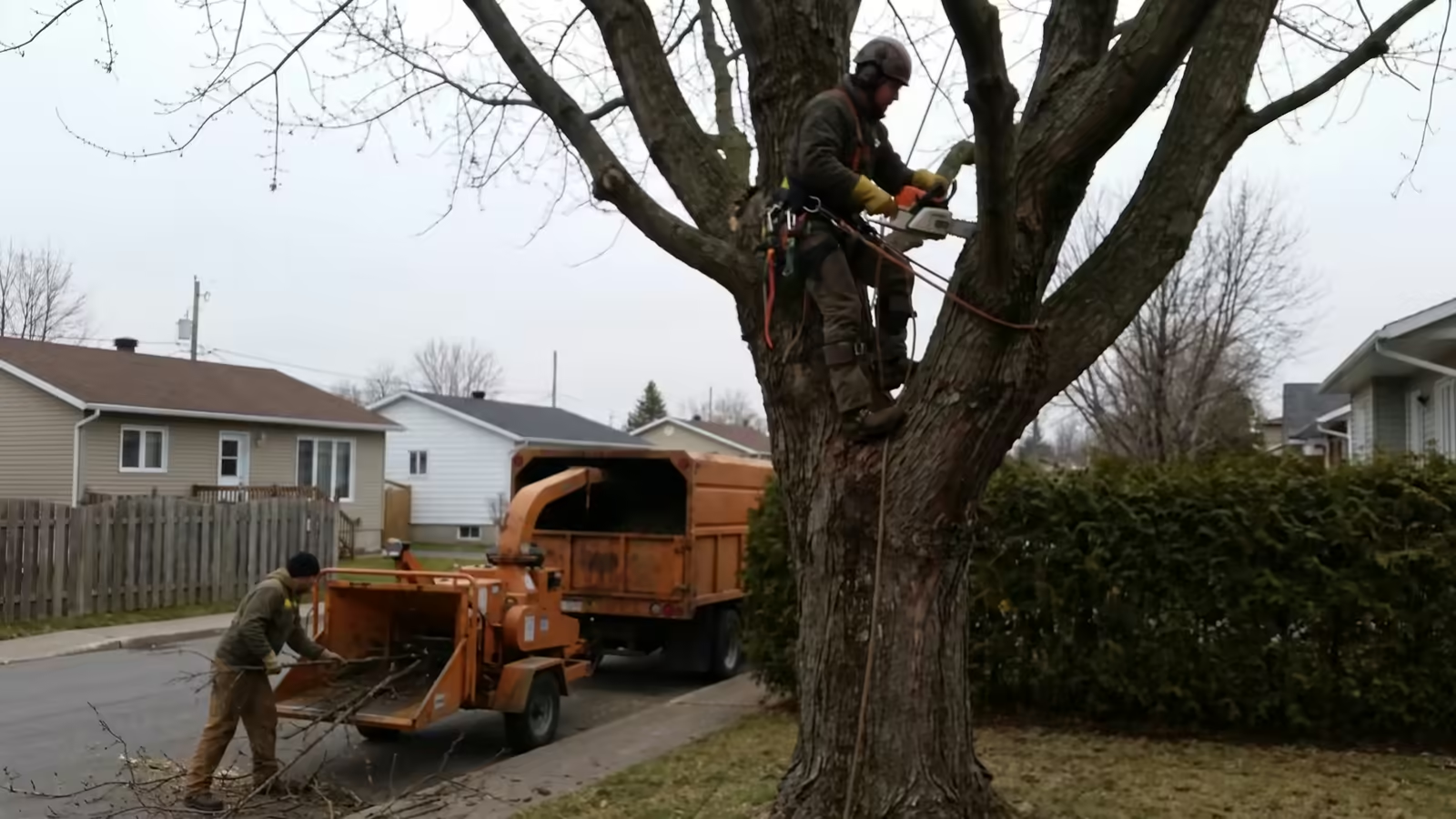



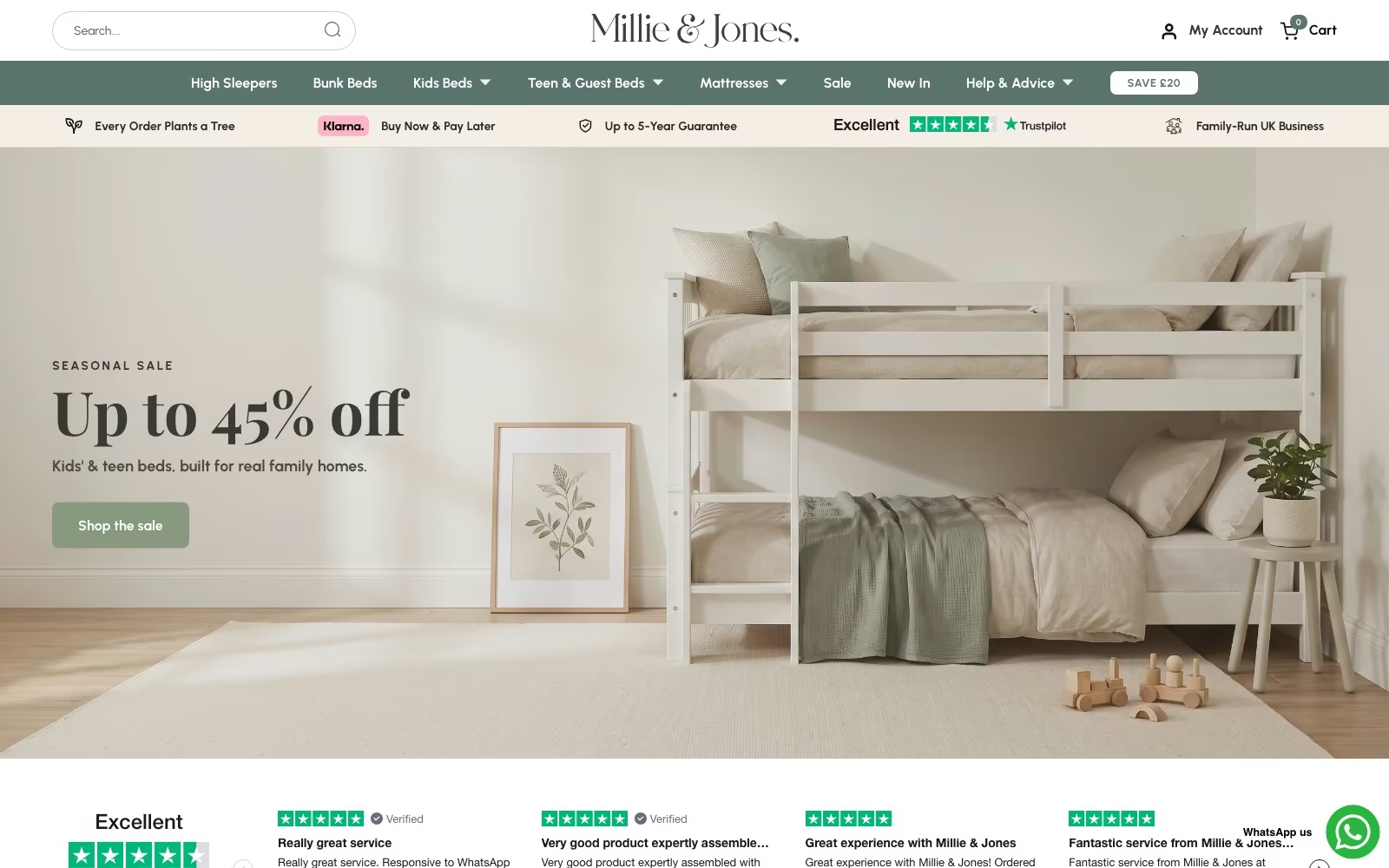


































FAQ
What restoration owners ask us first.
Do we have to appear on camera ourselves?
You do not have to, and plenty of good work uses crew members or voiceover instead. That said, it is the single strongest lever we have: owner-on-camera video reports 25-40% lower cost per lead for contractors, because homeowners are choosing a person to let into their house. We keep it painless — short prompts, several takes, filmed on a job you were doing anyway.
How do you handle homeowner privacy on live jobs?
Consent comes first and in writing, before anything is filmed. We give your crews a simple release form and a short script for asking, we avoid identifying details like house numbers and personal belongings unless the homeowner is happy, and any clip can be pulled from circulation on request. Most homeowners agree readily when the work is being done well.
Will filming slow our crews down?
Not if the routine is designed properly, which is our job rather than yours. The standard capture list is a handful of short clips a technician can take while equipment runs, plus a before-and-after photo pair. No lighting, no second visit, no waiting around. If a job is chaotic, the rule is simple: skip it and film the next one.
What if our jobs are not visually impressive?
The unimpressive ones often perform best. A moisture meter reading, a carpet lifted, a technician explaining why a wall has to come out — that is what a worried homeowner wants to understand, and it is far more convincing than a dramatic flood shot they have seen a hundred times. We build the plan around what your crews genuinely do most weeks.
How many ads do you produce, and how often?
Enough to keep a test running without exhausting your budget: typically a batch every few weeks, drawn from an ongoing capture library rather than a one-off shoot. Volume matters because most ads lose, and a routine that produces steadily beats an expensive production once a year. We agree the cadence up front against what you are spending on media.
How do you know which ad actually produced the job?
Tracked numbers, tagged links and a monthly reconciliation with your office, reported by angle rather than by file name so the learning survives the campaign. We are also honest about limits: some influence is indirect, so we watch branded search and direct enquiries alongside platform reporting instead of claiming every job that arrives.
Can you prepare assets ahead of storm season?
Yes, and it is one of the highest-return things we do. Storm demand arrives overnight and the firms that win are the ones already live, not the ones briefing an editor. We prepare seasonal sets in advance, keep versions for different loss types ready to launch, and update wording to match what your crews can genuinely reach that week.
What does this cost with Web Tonic?
A fixed monthly fee scoped to the volume of assets and the testing cadence, with the quarterly professional session quoted separately so you can decide on it independently. Media is paid directly by you. If your spend is too small for a meaningful testing routine we will say so and suggest starting with a single strong set instead.
Do you write the ad copy and build the landing pages too?
Yes, and they should be built together. A hook that promises a two-hour response has to land on a page that repeats it, or the click is wasted. Our landing page and copywriting specialists work from the same angle map, so the message stays intact from the feed to the phone call.
Can the footage be used beyond advertising?
It should be. The same library feeds your website, your recruitment posts, your Google Business Profile and the emails your office sends adjusters. Recruitment in particular benefits, because technicians want to see the work and the equipment before they apply. Everything is handed over organised, so you can use it long after any engagement with us ends.
Which restoration services should the creative cover first?
Start where the demand and the margin overlap. Water damage and flood cleanup carry the volume, fire and smoke damage repair carry the value, and mold remediation and sewage removal attract the most anxious questions, which makes them ideal for explainer creative. Commercial and property recovery gets its own set, because a facility manager is buying capability rather than an emergency response. Most restoration companies end up with one asset set per damage type, refreshed as the industry season changes.
How does this fit with our wider restoration marketing?
Creative is the part of restoration marketing that travels furthest. The same footage supports your digital advertising, your website, your SEO content and the pages targeting your priority keywords, so a single capture session shows up across the whole marketing programme. We map each angle to the strategy already agreed for the market you serve, so nothing is produced for its own sake and nothing is commissioned twice.
Do you produce content for residential and commercial audiences separately?
Yes, because they buy differently. A residential homeowner wants to know how quickly a clean, respectful crew can arrive and what the insurance process looks like. A commercial property or facilities buyer wants proof of capacity, certifications, documentation and how you keep a building trading during a disaster recovery job. Same library of footage, two different guides to what gets shown and said.
What does a typical month of restoration marketing creative look like?
Week one, we review last month's numbers by angle and pick what to retire. Week two, your crews capture on live damage repair jobs — a water extraction, a smoke damage clean, a sewage removal, whatever the schedule brings. Week three we cut and caption, and week four the new batch launches against the control. Every quarter we step back and refresh the strategy for the local market: which services need more emergency demand, which need commercial property enquiries, and which keywords the digital team wants supported with video.
Can the creative help our local visibility as well as our ads?
It does, and restoration companies underuse this. Short clips posted to your Google Business Profile, jobsite photos attached to service pages, and video embedded on the damage restoration pages your SEO team is trying to rank all read as genuine local proof. The industry guide most agencies follow stops at the ad account; we would rather one capture day feed the ads, the website and the profile in the same week.
Can you run our media buying as well?
Yes, and the results are usually better when creative and buying sit together. Our paid social, paid search and analytics specialists work from the same plan, so a winning angle gets budget the same week it proves itself. Hiring us for creative alone is equally fine.

.webp)
.webp)