Be the restoration company ChatGPT names at 2am.
names at 2am
A homeowner standing in four inches of water no longer only opens Google. They ask an assistant what to do first, who to call, and whether insurance covers it — and the answer now carries advertising. We run ChatGPT ads for restoration contractors the same way we run their emergency search: real call tracking, a page that loads on a wet phone, and reporting that stops at signed jobs. It runs alongside your restoration marketing and ChatGPT advertising programme so nothing is counted twice.






Tell us a little about your brand and we'll be in touch within 24 hours to lock in a time.



FOUR WORKSTREAMS
Four workstreams decide whether ChatGPT ads pay here.
Four workstreams
Understanding the conversation, showing up in it, converting a panicked homeowner, and measuring the job that follows. In that order.
The assistant as a channel
Emergency intent & research
Landing pages & the call
Measurement & job value
A new surface, already crowded with advertisers.
This is not a fringe experiment any more. OpenAI says ChatGPT has one billion weekly users and roughly 20% of them show commercial intent, and advertiser counts have climbed fast: from 2,585 to 3,770 active advertisers in a single week last June, reaching 7,378 distinct brands by mid-July.
Restoration is barely represented in that number today, which is the whole opportunity. We treat it as an emergency demand channel rather than an experiment: same discipline as search, smaller budget, honest measurement, and a clear decision point where we scale or stop.
- Assistant placements run as a channel, not a science project
- Budget capped until the measurement proves itself
- Weekly read on spend, enquiries and job value
- Clear scale-or-stop decision agreed before launch
1bn
weekly ChatGPT users, about 20% showing commercial intent
7,378
distinct brands advertising in ChatGPT in one July week
Two conversations: the flood tonight, and the claim tomorrow.
Restoration demand splits cleanly. One homeowner has water spreading across a floor right now and wants somebody on site. Another is three days into a claim, asking an assistant what mold remediation should price and whether the adjuster is being fair. Those two need different ads, different pages and different definitions of success.
We map both conversations before spending anything, using assistant prompts as research rather than as a product, then match placements to the jobs your crews actually want — water, fire, smoke, mold, storm or large-loss commercial.
- Emergency and claim-research conversations mapped separately
- Ads matched to the loss types your crews want
- Prompt research used to write copy, never sold as a package
- Commercial and large-loss demand handled on its own track
85%
of US free and Go users eligible to see ads, under 20% shown them daily
A wet phone, one hand, ninety seconds.
The click arrives from someone standing in a mess. The page has to load instantly, show a phone number that dials, say you are available now and name the suburb. Anything else — certifications, galleries, a contact form asking for a preferred callback window — costs you the job.
Our landing page team builds these separately from the main website so they can change in hours during a storm event, with tracked numbers per loss type and a fallback form that still reaches the on-call phone.
- One page per loss type, tested on a phone over mobile data
- Tap-to-call above the fold with a tracked number
- Response time and service area stated in plain words
- Pages editable within hours when a storm hits
$8.33
average price per click across home and home improvement search
$90.92
benchmark price per lead in home and home improvement
Leads are cheap to claim. Jobs are what you bank.
Restoration leads are expensive enough that guessing is costly: median Google Ads lead costs for water damage ran around $600 to $740 through 2026, with competitive markets above $1,400. A new channel has to be held to the same standard as the old one.
So we wire call tracking by loss type, push qualified jobs back from your CRM, and report price per booked job and average job value, not impressions. If assistant traffic cannot beat your existing channels on that number, we will tell you and move the budget back.
- Call tracking split by loss type and service area
- Qualified jobs imported back from your CRM
- Cost per booked job compared against your other channels
- Monthly written read anyone in the office can follow
$740
median price per water damage lead on Google Ads in 2026
$1,400
price per lead regularly exceeded in the most competitive markets
Ad accounts, analytics and call tracking stay in your name
Cost per booked job is the metric we are judged on
Weekly working session with the people doing the work
Long-term lock-ins
We made the difference for those brands

Beauty, personal care & wellness

Beauty, personal care & wellness

Retail & commerce

Home essentials, appliances, kitchen & pet

Home essentials, appliances, kitchen & pet

B2B software, fintech, insurance

Consumer tech and platforms

B2B software, fintech, insurance

B2B software, fintech, insurance

Creative, content, arts & culture
Food & beverage

Apparel and lifestyle

Creative, content, arts & culture

Food & beverage

Food & beverage

Home essentials, appliances, kitchen & pet

Consumer tech and platforms

Home essentials, appliances, kitchen & pet

B2B software, fintech, insurance

Food & beverage

Retail & commerce

Home essentials, appliances, kitchen & pet

Consumer tech and platforms

Travel & mobility

Consumer tech and platforms

B2B software, fintech, insurance

B2B software, fintech, insurance

Travel & mobility

Food & beverage

Consumer tech and platforms
01 — The challenge
Your best leads now start as a conversation you cannot see.
Restoration owners describe the same shift. Call volume from search is flat or expensive, referrals from plumbers and adjusters still arrive, and yet homeowners increasingly turn up already briefed — they know what a dehumidifier does, they have a number in mind for the job, and they mention three companies they were told about. That briefing happened inside an assistant, and until recently there was no way to be present in it.
“They arrive knowing the price already. We just do not know who told them.”
The channel is now buyable and still cheap in this vertical, but it is filling quickly — 7,378 advertisers were counted in a single July week. Getting in early with proper measurement is a far better bet than waiting to see what the category costs in two years.
02 — Our approach
Map the conversation, buy carefully, measure to the job.
We start with research rather than spend: what homeowners in your service area actually ask an assistant during a water, fire, mold or storm loss, which answers already name competitors, and where your reputation, certifications and response time genuinely stand out. That research shapes the ads and the pages, and it usually improves your existing search copy along the way. Then we launch small. A capped budget, one page per loss type, tracked numbers, and a clear agreement on what a qualified job looks like so we are not arguing about lead counts later. From there it is weekly work: reviewing call recordings with your office staff, cutting placements that bring tyre-kickers, raising spend on the loss types your crews have capacity for, and adjusting during storm events when demand spikes overnight. Every month you get one page showing spend, enquiries, booked jobs and cost per job next to your other channels, plus a plain recommendation to scale, hold or stop. We hold category exclusivity by service area, so we never run two competing restoration firms against each other.
03 — What we did
A first ninety days with a decision at the end of it.
Research, a capped launch, weekly management, then an honest scale-or-stop call backed by cost per booked job.
Weeks 1-2 / Research
The conversations mapped before any spend
How homeowners in your area ask about water, fire, mold and storm damage, which answers name your competitors, and where your response time and certifications actually win.

Weeks 2-4 / Launch
Capped budget, one page per loss type
Tracked numbers by loss type, fast standalone pages built outside the main site, and an agreed definition of a qualified job before the first dollar goes out.

Weeks 4-10 / Management
Weekly tuning against real call recordings
Placements cut where the calls are unqualified, spend moved toward the loss types with crew capacity, and copy adjusted through storm events when demand jumps.
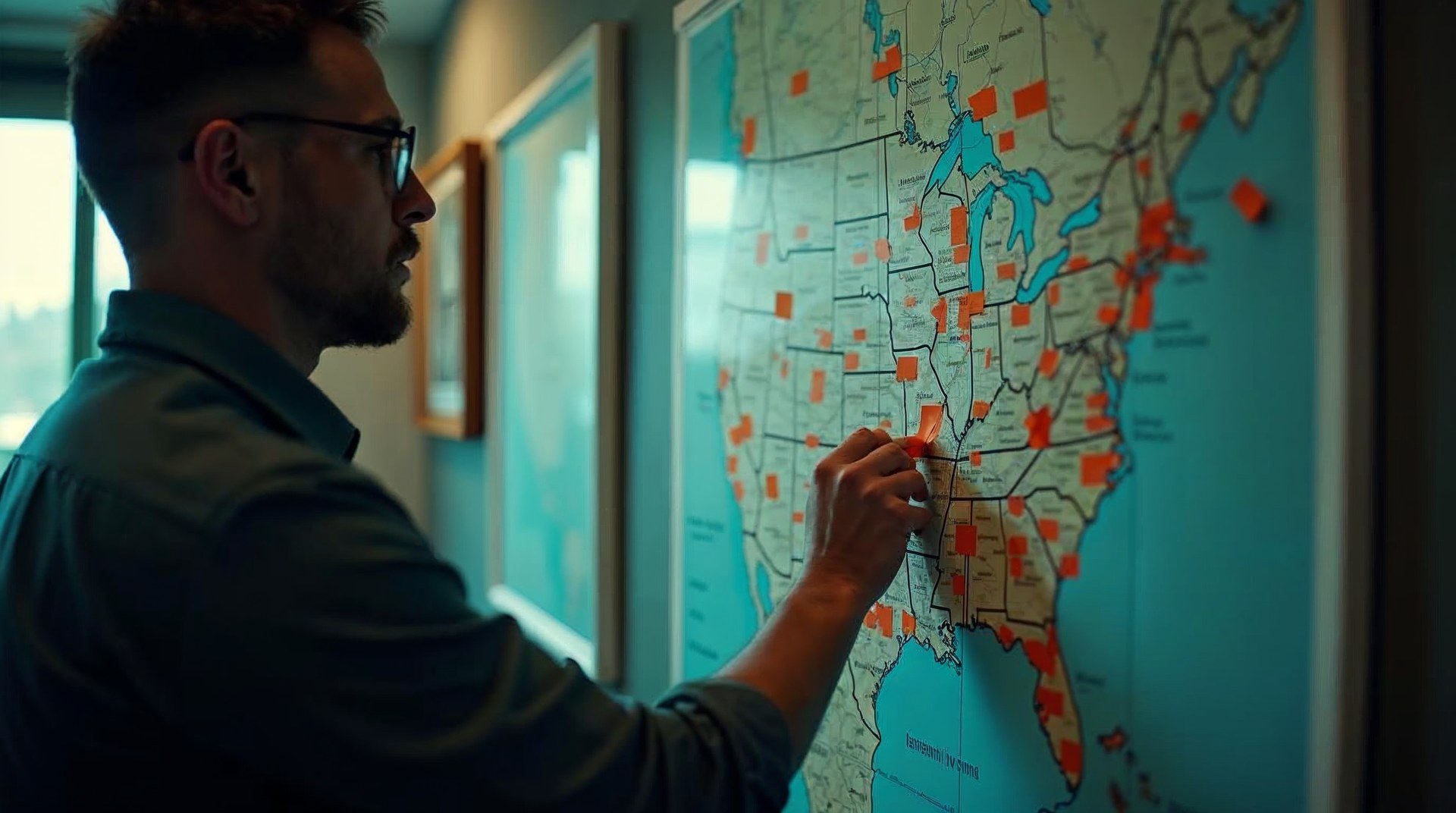
Day 90 / Decision
Cost per booked job, and a straight recommendation
One page comparing the channel against your search and local service ads on cost per booked job, with a clear recommendation to scale, hold or stop spending.
WHAT YOU GET
Deliverables your office manager can audit.
can audit
Everything below lands in accounts you own and stays yours if you ever leave.

Conversation research
What homeowners in your service area ask an assistant during a loss, and which answers currently name someone else.

Placement and budget plan
Where to buy, how much to cap it at, and which loss types get the money first based on crew capacity.

Emergency landing pages
Fast single-purpose pages per loss type with tap-to-call, service area and response time stated plainly.

Tracking by loss type
Tracked numbers and CRM feedback so water, fire, mold and storm work can be judged separately.

Ad copy and offers
Copy built on your genuine response times, certifications and insurance experience, tested weekly.

Monthly reporting
Spend, calls, booked jobs and cost per job beside your other channels, with a scale-or-stop recommendation.
HOW WE WORK
Operating standards, not promises.
Operating standards


Water & storm damage
Overnight emergency demand handled with tracked numbers and pages that load on a wet phone.
ExploreFire, smoke & mold remediation
Longer research conversations where cost and insurance questions decide who gets the call.
ExploreCommercial & large loss
Facility and property manager demand measured on qualified opportunities, not raw enquiries.
Explore

















Built on trust. Proven by results.
We partner with SMBs and Fortune 500 companies to deliver more than reach — we bring clarity, execution, and measurable outcomes. Every successful partnership starts with a strong culture fit and a shared drive to grow.





CASE STUDIES
Case studies
Website Portfolio
Video Ads
Static Ads
























































FAQ
What restoration owners ask us first.
Are ChatGPT ads actually available, or is this still a pilot?
They are live and scaling. OpenAI's advertising pilot passed $100 million in annualised revenue within two months, with about 85% of US free and Go users eligible to see ads, and it has since expanded into dozens of new markets. Inventory, formats and buying routes are still changing month to month, which is exactly why we run it as a capped, measured test rather than a rebuild of your media plan.
How much should a restoration company spend to test this?
Enough to gather honest data over a quarter without disturbing the channels that already feed your crews. In practice that is a small share of your existing paid budget, held against the same benchmark: water damage leads have been running about $600 to $740 at the median, so if assistant traffic cannot beat that on cost per booked job we will say so and stop.
Do you sell ChatGPT prompt packs or prompt templates?
No. Prompts are how we research the conversation — what homeowners ask during a loss, which companies get named, what price expectations they arrive with — and that research shapes ad copy, landing pages and often your search campaigns too. Selling a folder of prompts would be selling you the notebook rather than the work.
How is this different from Google Ads for restoration?
Search catches someone who has already decided to type a query. An assistant conversation often starts earlier, while the homeowner is still working out whether this is an insurance claim, and it ends with a recommendation rather than ten blue links. The economics discipline stays identical though: with home improvement clicks averaging $8.33 and leads $90.92, every channel is judged on cost per booked job.
Can you tell whether a job came from an assistant?
Well enough to make budget decisions, and we are honest about the edges. Tracked numbers and tagged landing pages attribute the direct clicks cleanly. Some influence will always be indirect, where a homeowner reads a recommendation and later searches your name, so we watch branded search and direct call volume alongside the channel report rather than quietly claiming everything as our own.
We already run Local Services Ads. Does this compete with them?
It complements them. Local Services Ads capture ready-to-book emergency demand and should stay funded first, because nothing beats a Google-guaranteed call at the moment of panic. The assistant channel reaches the same homeowner slightly earlier in the decision and in the claim-research phase afterwards, which is where mold and fire work is often won.
What happens during a major storm event?
We treat it as an operations problem, not just a bidding one. Budgets and copy change within hours, pages are updated to say what your crews can genuinely reach that week, and we throttle spend when the schedule is full instead of buying leads you cannot service. If your capacity is committed to commercial losses, we shift the money to the work you still want.
Do we need a new website first?
No. We build fast standalone pages for the campaigns, which is faster and cheaper than a rebuild and lets us change wording during an event. If your main site is also holding back your organic visibility, our web design team can look at that separately, on its own business case rather than as a condition of running ads.
How do you keep the leads qualified?
By defining a qualified job with you before launch and listening to the calls afterwards. Wrong-area callers, tenants who cannot authorise work and people looking for a free inspection all get filtered out through copy, targeting and page wording rather than by widening the definition of a lead. Your office staff hear a smaller number of better calls.
What does Web Tonic charge for this?
A fixed monthly fee scoped to the work rather than a percentage of media, so our incentive is efficiency instead of volume, and the media is paid directly by you. There is no long-term lock-in. If the channel does not earn its place inside a quarter, we will recommend moving the budget back and keep the research we produced in your hands.
How do you measure conversion, and what tracking do you install?
We install a conversion pixel on every landing page, connect tracked numbers per damage type, and feed booked jobs back from your CRM so the platform learns from real customers rather than clicks. Reporting shows clicks, CPC, conversion rate and cost per job for each campaign side by side with Google, so you can see which advertising is genuinely winning the customer and which is just busy.
Which restoration services and damage types work best in this channel?
Water and storm damage bring the most volume, fire and smoke bring the highest job values, and mold remediation attracts the most research-stage questions, which suits an assistant conversation well. Commercial and large-loss work is slower but the top prize. We start campaigns on the services your crews want more of, then let the account data decide where the budget goes next.
Do reviews and reputation affect whether an assistant recommends us?
They appear to, and they certainly affect what happens after the click. Assistants lean on the same public signals customers do: your review profile, your Google Business Profile, industry certifications and how consistently your business is described across the web. We help keep those tidy as part of the work, because it also lifts your local SEO and your social proof at no extra media cost.
How does targeting work for a contractor with a fixed service area?
Targeting is set to the counties and suburbs your trucks realistically reach, and the landing pages name them so a homeowner two hours away self-selects out. For restoration companies running several branches we keep one account per market so a busy branch cannot mask a quiet one, and we brief your office staff on which campaigns are live in which area before anything goes out.
What does the first month look like for our office staff?
Light, deliberately. Week one is a working session on your services, your fire and water crews' capacity and your top competitors, plus a review of recent calls. After that we need about thirty minutes a week: a quick call to confirm which jobs were genuine customers, and a look at the campaign report. Restoration contractors are busy and the marketing should not add to the load.
Can this help our brand as well as our lead flow?
It does both, which is unusual for a performance channel. Being the restoration company an assistant names puts you in front of a homeowner at the moment of highest intent, and the same research tells us which proof points to push in your social content, your review requests and your Google profile. Companies that get the reputation groundwork right convert better on every platform they buy.
What conversion rates and CPC should we expect at the start?
Honestly, nobody has a reliable benchmark yet for restoration companies on this platform, and we will not invent one. Early accounts we help set up see CPC below traditional search for research-stage conversations and higher for emergency ones, with conversion quality depending far more on the landing page than the placement. That is why the pixel, the tracked numbers and a top line of booked jobs go in before the first ad, and why contractors get a written read every month rather than a promise up front. Fire, water and mold services each get their own conversion target, and social proof is added wherever a customer hesitates.
Can you run our other restoration marketing too?
Yes, and the numbers get more honest when one team holds them. Our local SEO, paid search and analytics specialists work from the same plan, so a job is attributed once instead of claimed by three vendors. Hiring us for this channel alone is equally fine — everything is documented and left in accounts you own.

.webp)
.webp)