Be the supplier the assistant names.
the assistant names
Engineers now ask an assistant before they open a search engine, and OpenAI has opened that conversation to advertisers. We plan, launch and manage ChatGPT campaigns for manufacturers — measured in quote requests — alongside our ChatGPT ads and AI search visibility teams.






Tell us a little about your brand and we'll be in touch within 24 hours to lock in a time.



FOUR WORKSTREAMS
Four workstreams behind campaigns inside the assistant.
inside the assistant
Account and eligibility setup, creative written for a conversation rather than a results page, measurement through the pixel and conversions API, and the organic AI visibility that makes a paid placement believable.
Ads Manager setup and eligibility
Creative for a conversation
Pixel, conversions API and reporting
Organic AI visibility
Get the account right before the first dollar.
The platform is young and the rules are specific. Advertisers can currently target the United States, Australia, Canada, Japan, New Zealand, South Korea and the United Kingdom, with daily budgets starting as low as $25, and coverage has since expanded across 31 European countries.
We handle the business verification, billing, campaign objectives and bid caps, then structure campaigns around the capabilities you actually want to quote. For a manufacturer the sensible starting position is narrow and controlled: a few high-value capabilities, a modest daily budget, and clean measurement before anything scales.
- Business verification, billing and account structure handled
- Objectives and bid caps set deliberately, not left on default
- Campaigns scoped to capabilities you can quote profitably
- Eligibility and category restrictions checked before launch
$25
minimum daily budget reported for a ChatGPT campaign
$2-$5
typical cost-per-click range reported across industries
Write for an answer, not for a results page.
Placement here arrives in the middle of a question. Somebody is describing a tolerance problem, a material substitution or a lead-time squeeze, and your ad appears as part of that thread — clearly labelled as sponsored. Copy that shouts about being a leading provider dies instantly in that context.
We write to the question: the capability, the range, the certification, the lead time. That is also what the auction rewards, since OpenAI selects ads through a relevance-weighted second-price auction rather than raw bid. Relevance is the cheapest bid increase available.
- Copy written per capability and buying question
- Specifications and lead times used as the hook, not adjectives
- Landing destination matched to the exact promise made
- Variants tested so relevance improves rather than bids
62%
of the technical buying process happens online before sales is contacted
73%
of industrial buyers review the supplier website before sending an RFI
Measure it like a channel, not an experiment.
New platforms attract two mistakes: spending nothing and learning nothing, or spending freely with no measurement. We install the pixel and server-side conversions API first, so quote requests and calls are attributed properly with help from our conversions API team.
Then we judge it against the channels you already run. The industrial benchmark is $79.28 per action on search, against $116.13 for B2B overall, and campaigns here can optimise towards conversions while still charging per click. If it does not compete on quoted opportunities, we say so.
- Pixel and server-side conversions API installed and verified
- Quote requests and calls attributed to campaign and capability
- Performance compared honestly against search and LinkedIn
- Monthly written read, with a recommendation to scale or stop
$79.28
average Google Ads cost per action for industrial services
2.2%
average manufacturing website visitor-to-lead conversion rate
Paid placement works better when the answer already knows you.
Advertising inside an assistant is only half the job. The same buyers ask the assistant which suppliers to consider, and that answer is assembled from indexed technical content rather than from your ad spend. 69% of technical buyers now use generative AI during purchasing, though they rate their trust in it 4.7 out of 10 — so they verify on your website afterwards.
We track how your brand appears in AI answers and build the capability content those answers draw on, with our manufacturing SEO team. Paid buys presence today; the content keeps you in the answer when the campaign pauses.
- Brand visibility monitored across assistants and AI answers
- Capability content built for the questions buyers actually ask
- Structured data and technical depth kept current
- Paid and organic AI presence reported side by side
69%
of technical buyers use generative AI during the purchase process
75%
of technical buyers have noticed AI summaries above their search results
typical reported cost-per-click range on the platform
of surveyed engineers visited ChatGPT more than once a month
Daily budgets capped while the channel is proven
Ad account, tracking and pages in your name
We made the difference for those brands

B2B software, fintech, insurance

Consumer tech and platforms

Healthcare & regulated services

Healthcare & regulated services

B2B software, fintech, insurance

Retail & commerce

Creative, content, arts & culture

Apparel and lifestyle

Creative, content, arts & culture

Consumer tech and platforms

Travel & mobility

Retail & commerce

B2B software, fintech, insurance

B2B software, fintech, insurance

Beauty, personal care & wellness

Consumer tech and platforms

Creative, content, arts & culture

Consumer tech and platforms

Food & beverage

Food & beverage

Consumer tech and platforms

Apparel and lifestyle

Beauty, personal care & wellness

B2B software, fintech, insurance

Food & beverage
Creative, content, arts & culture

Consumer tech and platforms

Consumer tech and platforms

Healthcare & regulated services

Consumer tech and platforms

B2B software, fintech, insurance
01 — The challenge
Your buyers moved the first question somewhere else.
The plant engineer used to open a search engine and a supplier directory. Now the first question goes to an assistant: who can hold this tolerance in this alloy, what is a realistic lead time, which suppliers should we consider. By the time a search happens, the shortlist already exists and your name is either on it or it is not.
“A customer told us he asked ChatGPT for three suppliers. We were not one of them.”
The behaviour is measured, not anecdotal: 66% of surveyed engineers visited ChatGPT more than once a month in the prior quarter, and 69% use generative AI somewhere in the purchase process.
02 — Our approach
Start narrow, measure properly, scale only what quotes.
We treat this as a real channel with an honest test budget rather than a novelty. That means account setup done properly, a short list of capabilities worth quoting, and the pixel and conversions API installed before launch so the first enquiry can be traced. Spending blind on a young platform is how budgets disappear without a lesson.
The creative is written for the moment it appears: someone mid-question about a material, a tolerance or a delivery date. We lead with the specification and the capability, because the auction rewards relevance and because technical buyers discard vague claims instantly. Each ad points at a page that keeps the promise it made.
Then we compare it fairly against your existing channels on cost per qualified opportunity, and pair it with the organic AI visibility work that keeps you inside the answers when no campaign is running. If the numbers do not hold up against search, we will tell you to put the budget back there.
03 — What we did
A month to a measured test, then a decision.
Setup and measurement, creative build, a controlled launch, then an honest read on whether the channel deserves more of your budget.
Week 1 / Setup
Account, eligibility and tracking
Verification, billing, campaign structure and the pixel and conversions API installed and tested before any spend begins.

Week 2 / Build
Creative written for the question
Copy and destinations built per capability, leading with ranges, materials and lead times rather than adjectives.

Weeks 3-4 / Launch
Controlled spend, close watch
Campaigns go live on a capped daily budget with placements, questions and enquiries reviewed every few days rather than monthly.

Ongoing / Judge and scale
Compared against the channels you trust
Cost per qualified enquiry set beside search and LinkedIn, with a clear recommendation to scale, hold or stop.

WHAT YOU GET
Deliverables you keep, whatever happens next.
you keep
Ad account, tracking, creative and landing pages stay in your name from day one.

Platform readiness check
Eligibility, categories, verification and the setup work needed before a campaign can run properly.

Test plan and budget
Which capabilities to test, how much to risk and the cost per enquiry that would justify scaling.

Conversation-led ad copy
Variants written per capability and question, built so relevance can improve instead of the bid.

Measurement build
Pixel and server-side conversions API installed, tested and documented for your team.

Channel comparison report
What this produced against search and LinkedIn, judged on quoted opportunities rather than impressions.

AI visibility baseline
How your brand currently appears in assistant answers, and what content would change that.
HOW WE WORK
Operating standards, not promises.
Operating standards


Contract manufacturers and job shops
Capability questions asked in a chat window before any search happens.
ExploreOEMs and equipment builders
Considered purchases where the assistant now shapes the first shortlist.
ExploreIndustrial distributors
Part and availability questions answered in conversation rather than a catalogue.
Explore

















Built on trust. Proven by results.
We partner with SMBs and Fortune 500 companies to deliver more than reach — we bring clarity, execution, and measurable outcomes. Every successful partnership starts with a strong culture fit and a shared drive to grow.



CASE STUDIES
Case studies
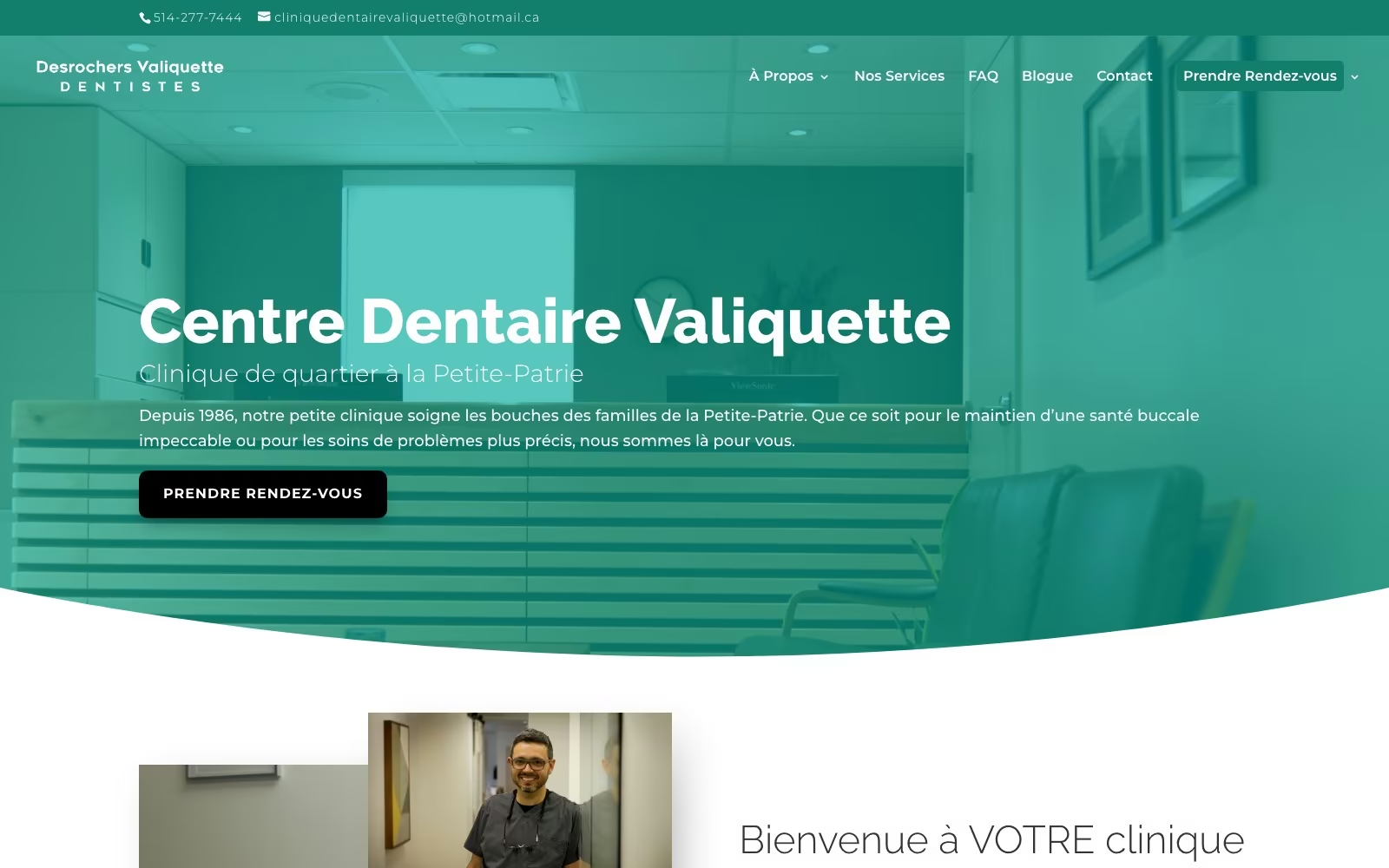
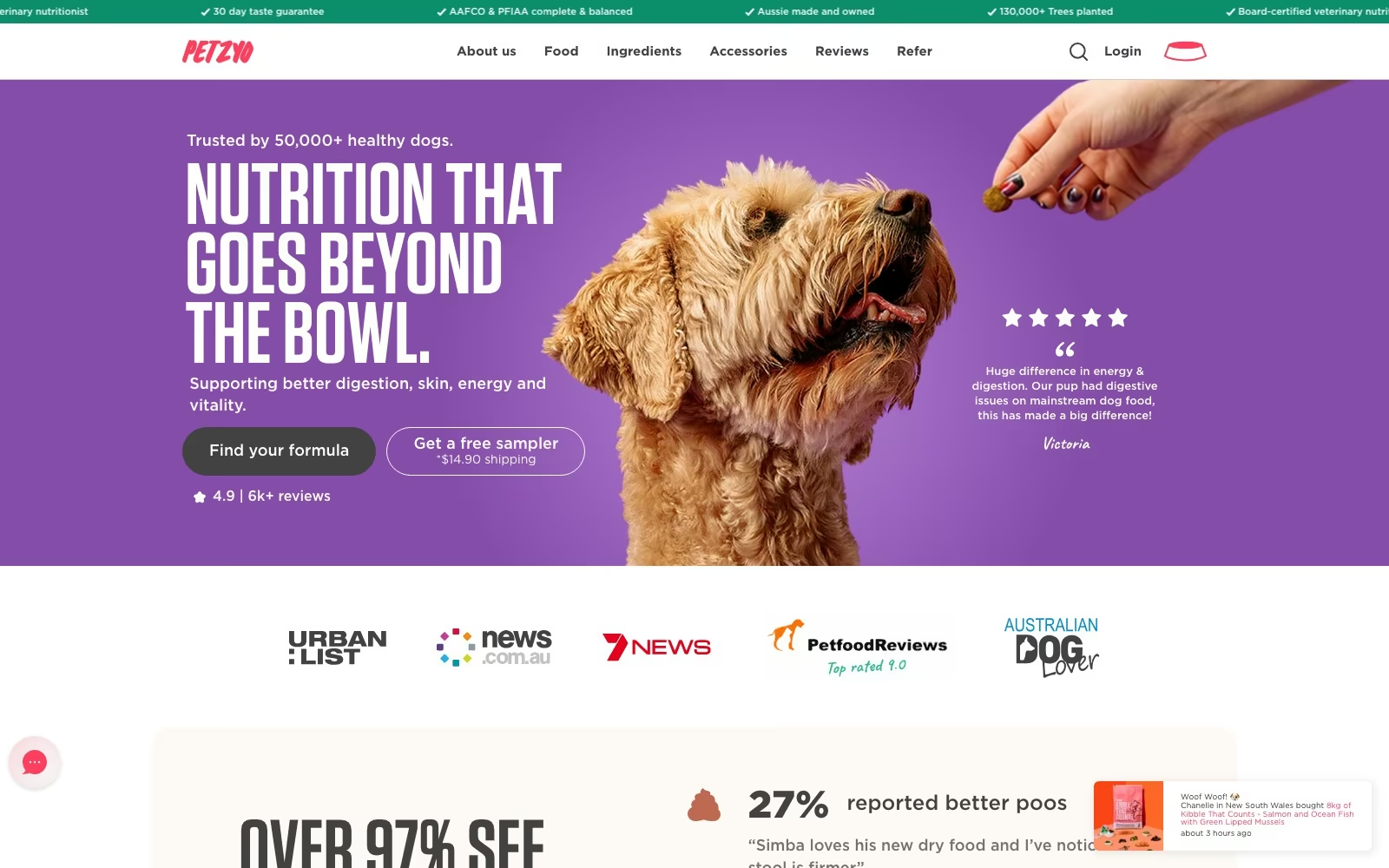
Website Portfolio
Video Ads
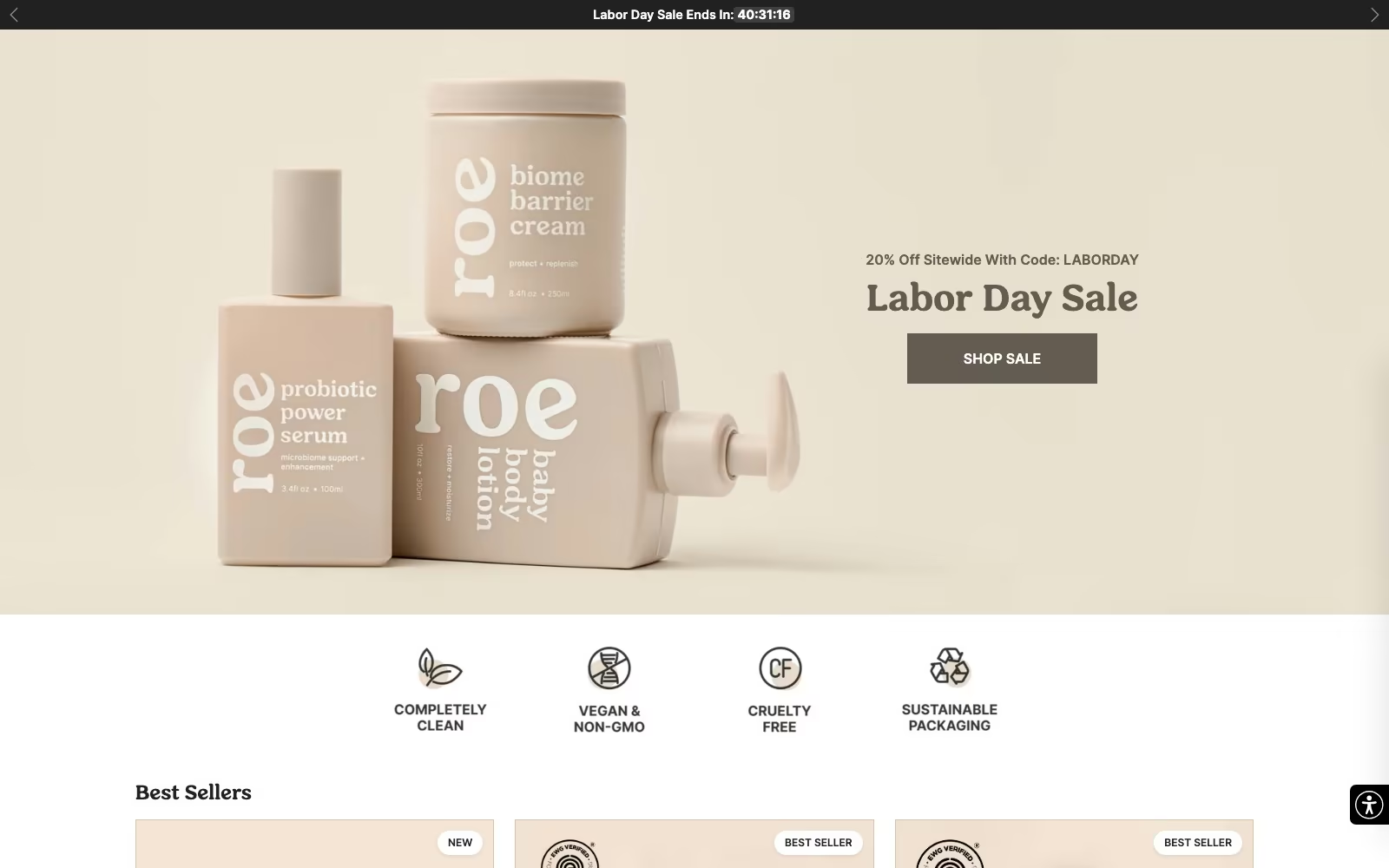
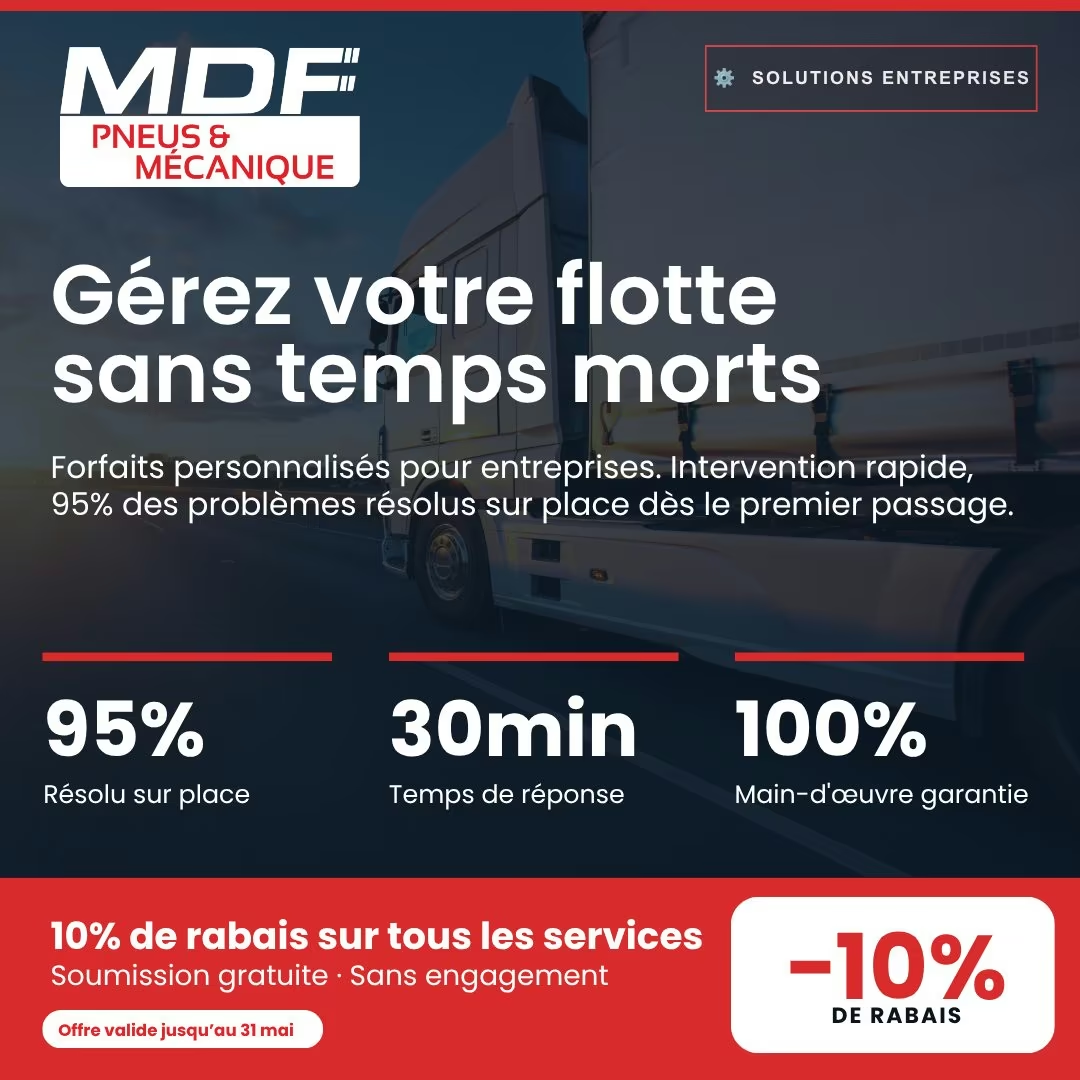
Static Ads




















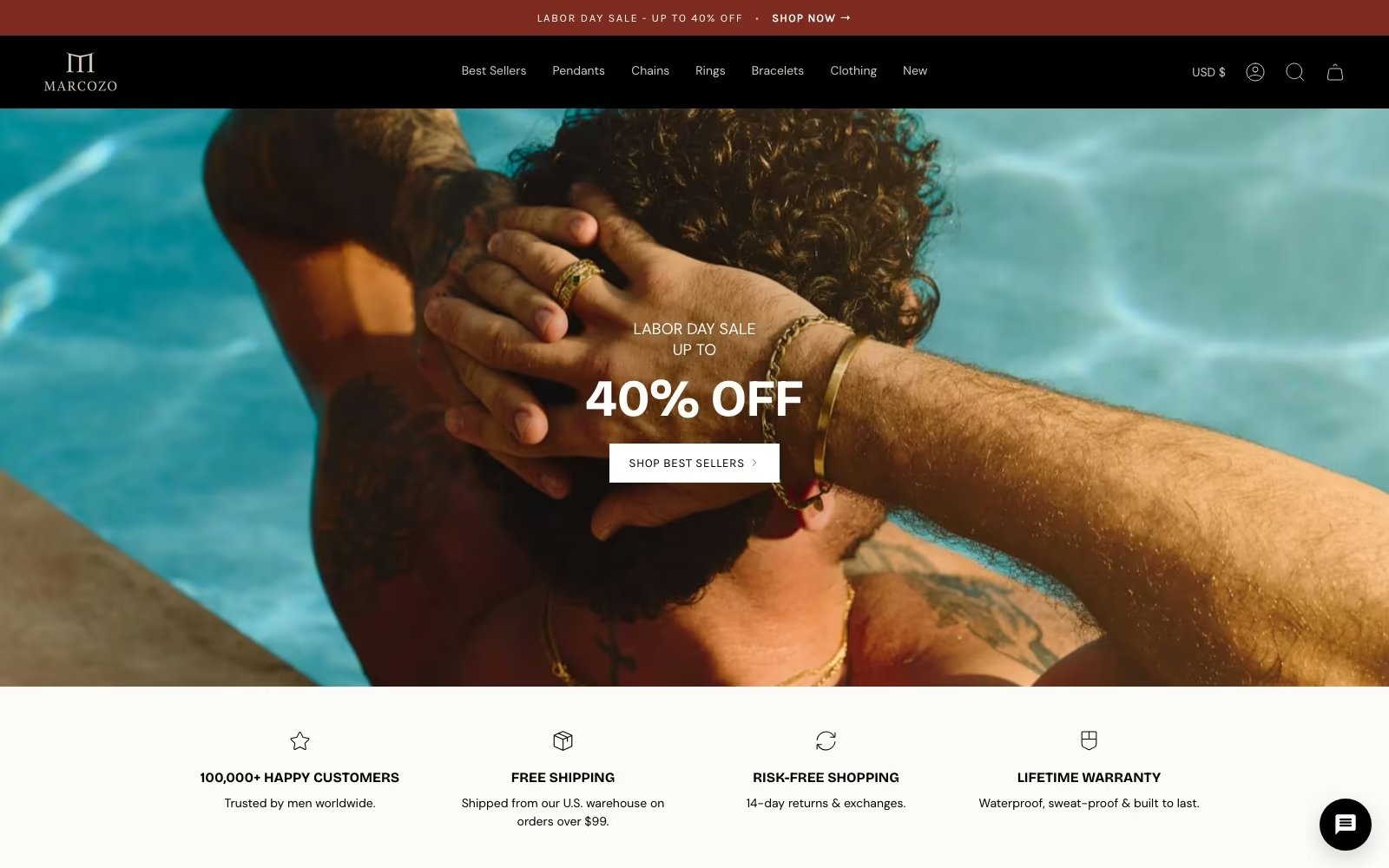

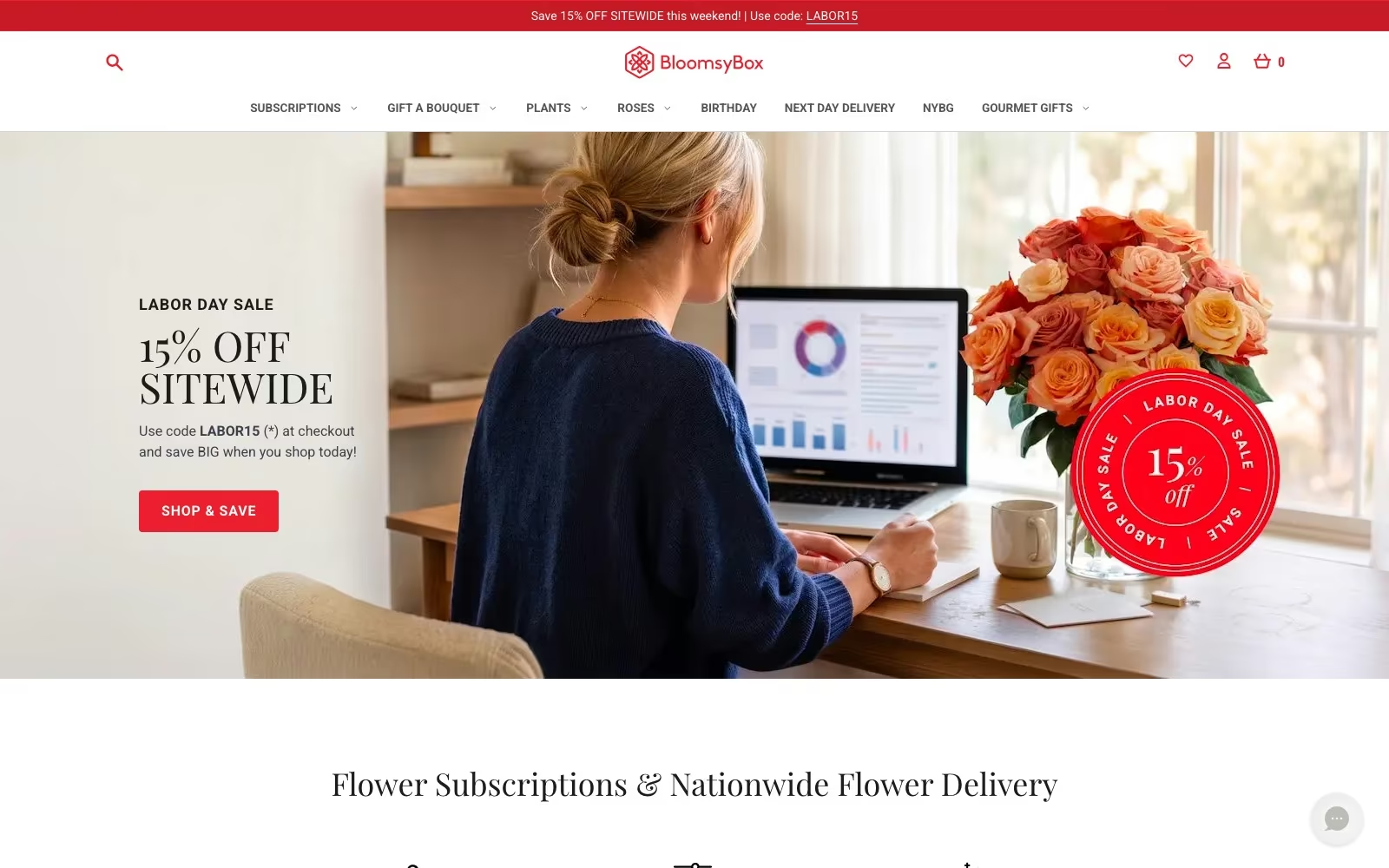

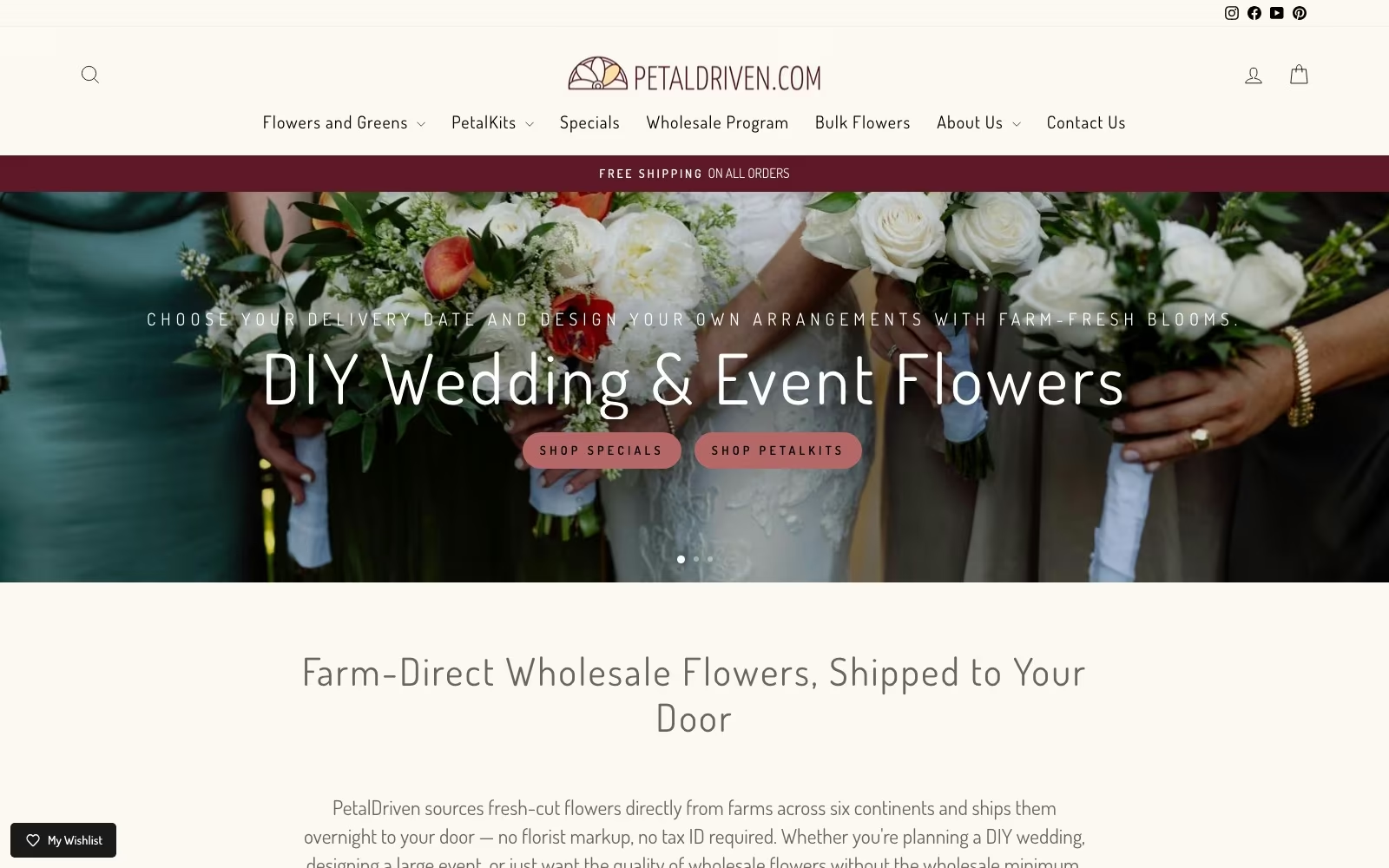



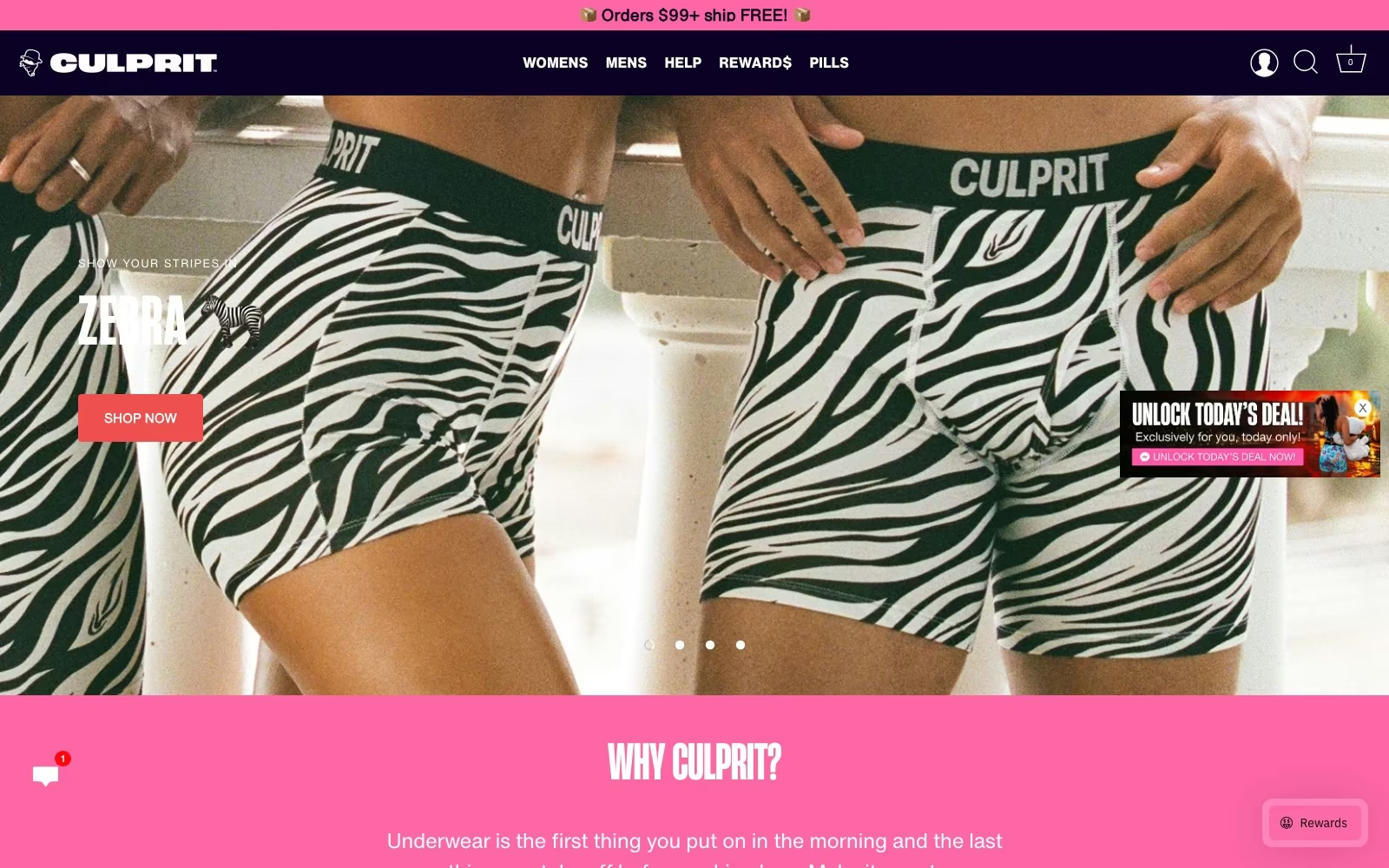






















EN

EN

EN


FR
FR
FR

FR

FR

FR

FR

FR


EN
FAQ
Questions manufacturers ask us
What are ChatGPT ads, in plain terms?
They are sponsored placements that appear inside a conversation with the assistant, clearly labelled, when what somebody is asking matches what an advertiser sells. OpenAI selects them with a relevance-weighted second-price auction and charges per click, with campaigns able to optimise towards clicks or conversions. The mechanics will feel familiar; the context does not.
How much do ChatGPT ads cost?
Early reporting puts average clicks in the $2 to $5 range across industries, with daily budgets starting as low as $25. For a manufacturer used to industrial search pricing that is inexpensive, which is exactly why a disciplined test with real measurement is worth running now rather than in two years.
Can we even advertise there from our country?
Check before planning a budget, because the map is moving. Targeting opened with the United States, Australia, Canada, Japan, New Zealand, South Korea and the United Kingdom, and coverage has since expanded to 31 European countries. We confirm eligibility for your markets during setup rather than assuming.
Do industrial buyers actually use assistants for sourcing?
Increasingly, yes, and the research is specific. 69% of technical buyers use generative AI during the purchasing process and 66% of surveyed engineers visited ChatGPT more than once a month. They still verify what they find, which is why the paid placement and your technical content have to agree with each other.
How is this different from search advertising?
Intent arrives as a described problem rather than a typed keyword, so there is no keyword list to bid on in the familiar sense and relevance carries more weight than budget. Volume is also far lower today. We treat it as a complement to paid search, not a replacement, and we report them separately so nothing takes credit twice.
How will we know whether it worked?
By comparing it with what you already run. We install the pixel and conversions API before launch, attribute quote requests and calls to the campaign, then set the result beside the $79.28 industrial services cost per action on search. The verdict is written down, with a recommendation to scale, hold or stop.
Is our category allowed on the platform?
Most industrial and B2B categories are straightforward, but the policy list is real and it changes as the platform matures. Sensitive categories and some regulated claims are restricted, so we check your specific products and messaging against current policy during setup and tell you before any budget is committed.
What should our landing page look like for this traffic?
Specific and fast. Someone arriving mid-question wants the range, the material, the certification and a way to send a drawing — not a brand video. That matters because 73% of industrial buyers assess the supplier website before submitting an RFI. We usually build a capability page per campaign rather than pointing at the homepage.
Should we do this instead of SEO?
No, and we would not recommend it. Assistant answers are assembled from indexed technical content, so the organic work is what keeps you in the conversation when no campaign is running. Paid placement buys presence today while manufacturing SEO builds the durable position underneath it.
How much budget should we set aside for a test?
Enough to gather signal and small enough that a null result costs you nothing important, which for most manufacturers means a modest daily cap over six to eight weeks. We size it from your average order value and the number of capabilities being tested, and we would rather run one honest test than spread a small budget across five.
Can you run this alongside our existing agency?
Yes, that happens often with a new channel. We can run this as a defined programme with its own measurement and reporting while your current team keeps search and social, provided everybody agrees how conversions are attributed. The account and tracking stay in your name either way.
Who will actually be running our campaigns?
A named senior paid media strategist who joins your monthly session and learns your capabilities and materials. On a platform this new that matters more than usual, because the useful decisions come from watching real placements weekly rather than from a playbook written last year.

.webp)
.webp)