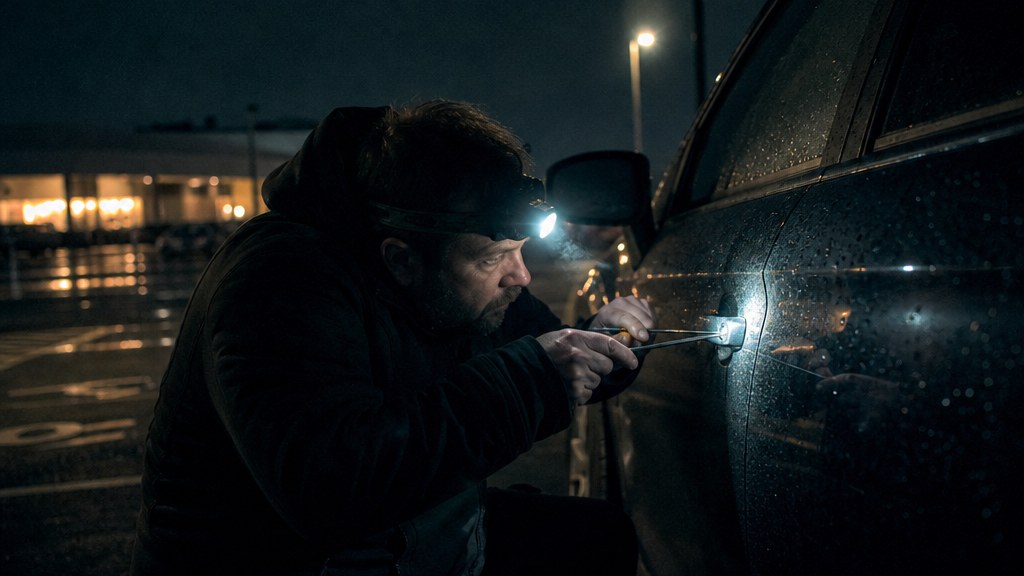
Be the locksmith the assistant names at 2am.
the assistant names
Someone is locked out of a car in a dark car park and asks an assistant who can come now. The reply names two or three local locksmith businesses, and every other shop in the city is invisible for that call. We run ChatGPT advertising and the answer layer behind it as one programme, so your service area is covered when the question is urgent. It sits beside our AI search and local SEO work.



Tell us a little about your brand and we'll be in touch within 24 hours to lock in a time.


FOUR WORKSTREAMS
Four workstreams behind an emergency-ready locksmith business.
Four workstreams
Eligibility and campaign build, the local answer layer, review and verification signals, and measurement that counts booked calls rather than clicks.
Campaign build
Local answers
Verification and trust
Measurement
An ad account built around lockouts, not vanity keywords.
Advertising inside ChatGPT now reaches 900 million weekly users, roughly 20% of whose queries carry direct commercial intent, and Search Engine Land has documented how the buy is actually set up. For a locksmith business the hard part is never the platform. It is the structure: which services pay, which local area you can reach inside the response time you promise, and what a call is allowed to cost.
We build that first. Emergency lockouts, rekeying, automotive locksmith work, smart lock installation and commercial master key systems are separated, because each carries a different ticket, a different level of urgency and a different close rate. Negative keywords go in before the first click, not after the first wasted budget cycle.
- Emergency lockouts split from planned lock installation
- Negative keywords built before launch, reviewed weekly
- Service area matched to the vans you can actually dispatch
- Ad account, billing and data in your company name
900m
weekly ChatGPT users, about 20% of queries showing direct commercial intent
The assistant answers per neighbourhood, so your pages have to.
Locksmith search is expensive because the intent is immediate: the average locksmith cost per click on Google Ads in 2026 is $11.00, ranging from $5 to $22, converting at 10-15% for a cost per lead of $73 to $110. An assistant inherits whatever your search layer already says about you, so thin service pages and vague coverage claims cost you in both places at once.
We rebuild your service pages as real answers: which locks and vehicle makes you handle, what an emergency call-out actually involves, the response times you can honour, and pricing language that does not evaporate the moment a customer phones. Our locksmith paid search benchmarks set the starting expectations.
- Residential, automotive and commercial pages written as answers
- Coverage, hours and response promises made machine-readable
- Lock brands, vehicle makes and smart lock expertise stated plainly
- Assistant citations sampled across your local area
$11.00
average locksmith cost per click on Google Ads in 2026
$73-110
typical locksmith cost per lead at a 10-15% conversion rate
In this trade, being verifiably real is the advertising.
Locksmith advertising has a trust problem no other home service shares. Advanced verification has to complete before campaigns can launch in the US, Canada, Spain, the Netherlands, Germany, Sweden and Belgium, precisely because national lead resellers with no local address have spent years bidding against real shops. The same dynamic pushes emergency lockout keywords to $25-$45 per click while base residential work sits at $18-$22.
So we work the trust layer deliberately: verification completed properly, a review cadence your technicians can sustain, licence and insurance detail published plainly, and listing information that agrees with itself everywhere a potential customer or an assistant looks.
- Advanced verification handled end to end
- Review requests built into the job close, not left to chance
- Local address, hours and coverage kept consistent everywhere
- Licence, insurance and callout terms published openly
$25-45
cost per click on emergency lockout keywords in competitive markets
Booked calls, not impressions.
Locksmith marketing already has a hard benchmark to beat. Run properly, cost per lead lands at $40 to $80 with cost per booked job under $130 on emergency lockout work, while the average locksmith lead is worth about $200, giving a 1.8-2.7x return. Any new advertising channel has to be judged against those numbers, not against its own dashboard.
We track every inbound call and form enquiry through to a completed job, report cost per booked job by service type, and say plainly when a channel is not earning its place in the budget. Our analytics team owns that plumbing so the numbers survive contact with a busy dispatch desk.
- Call tracking tied to the job, not just the ring
- Cost per booked job reported by service type
- Assistant referrals separated from classic paid search
- One monthly read written in plain language
$40-80
cost per lead a well-run locksmith campaign should hold
$200
average value of a locksmith lead, a 1.8-2.7x return on ad spend
Ad account, analytics and content stay in your company name
A booked job is the metric we report against, never impressions
Negative keyword list reviewed against real search terms
Long-term lock-ins
We made the difference for those brands

Consumer tech and platforms

Creative, content, arts & culture

Creative, content, arts & culture

Food & beverage

B2B software, fintech, insurance

B2B software, fintech, insurance

Creative, content, arts & culture

Beauty, personal care & wellness

Food & beverage

Beauty, personal care & wellness

Home essentials, appliances, kitchen & pet
Home essentials, appliances, kitchen & pet

Consumer tech and platforms

Beauty, personal care & wellness

B2B software, fintech, insurance

Healthcare & regulated services

Food & beverage

B2B software, fintech, insurance

Healthcare & regulated services
Consumer tech and platforms
B2B software, fintech, insurance

Beauty, personal care & wellness

B2B software, fintech, insurance

Home essentials, appliances, kitchen & pet

Home essentials, appliances, kitchen & pet

B2B software, fintech, insurance

Beauty, personal care & wellness

Travel & mobility

B2B software, fintech, insurance

Home essentials, appliances, kitchen & pet
01 — The challenge
The most urgent calls of the night never reach your website.
A customer locked out at midnight does not browse. They ask for a locksmith who can come now and take the first credible name they are given. That answer is assembled from reviews, listings and whatever your pages say about coverage and response times — and if those are thin, your business is simply not in the conversation during the hours that pay best.
“We are the only real locksmith shop in this city and we still lose the call.”
The auction is unforgiving. Emergency lockout clicks run $25 to $45 in competitive markets, partly because national resellers bid hard against local shops. Being nameable at the moment the question is asked is the whole game.
02 — Our approach
Fix the answers first, then buy the placement.
We start by asking the assistants what a customer in your local area is told today: who gets named for a house lockout, a car key replacement, an office rekey and a smart lock installation. That audit is unglamorous and it usually explains the whole problem, because the answer is built out of pages, reviews and listings that were never written to be quoted. Then we rebuild that layer so there is something specific to cite: which locks and vehicle makes you work on, how fast you genuinely arrive, what a call-out involves and what it costs. Campaigns come after that, separated by service type, protected by negative keywords, capped against a target cost per booked job and paced weekly against the technicians you can dispatch rather than against a monthly budget line. Everything is measured to the completed job, so you can see which advertising earns its place. We tell you when a month was flat, when an area does not justify the spend, and when your existing paid search programme is the better home for the next dollar. Every account stays in your name from day one.
03 — What we did
A first quarter that ends in booked calls.
Audit, then the answer layer, then campaigns and a monthly read — in that order, with a working session every week.
Weeks 1-2 / Audit
What the assistants say about your city today
We record which locksmith businesses get named for emergency and planned work across your local area, and what evidence the answer rests on.

Weeks 2-6 / Answer layer
Service and area pages rebuilt as answers
Lockouts, rekeying, automotive work, smart locks and master key systems written so an assistant and a customer can both act on them.

Weeks 4-8 / Campaigns
Campaigns split by service and urgency
Emergency lockouts, automotive keys and commercial contracts run separately, with negative keywords and a target cost per booked job.

Monthly / Read
One report that ends in booked jobs
Calls, enquiries, booked work and cost per job by service type, plus what changed this month and what we do next.
WHAT YOU GET
Deliverables you keep, whatever happens next.
you keep
Every account, page and asset below is created in your company name and stays with you.

Assistant visibility audit
Which locksmith businesses get named today for the questions that matter across your local area, and why.

Demand and eligibility check
Which services carry the ticket to justify paid placement, plus confirmation that your category can advertise.

Locksmith answer layer
Lockout, automotive and commercial pages rewritten with real coverage, response and pricing detail worth citing.

Campaign build and management
Ad accounts, creative, negative keywords and weekly pacing against a target cost per booked job.

Verification and review programme
Advanced verification completed, plus a review cadence and listings that agree with each other everywhere.

Monthly reporting
Calls, booked jobs and cost per job by service type, with the flat months called out rather than buried.
HOW WE WORK
Operating standards, not promises.
Operating standards

Emergency-led shops
Lockouts pay fastest, so we sequence residential and automotive urgency before anything else.
ExploreAutomotive locksmith specialists
Key programming and transponder work has its own vocabulary, its own margin and its own buyers.
ExploreCommercial and access control
Master key systems and smart lock installation are longer decisions with far higher contract value.
Explore

















Built on trust. Proven by results.
We partner with SMBs and Fortune 500 companies to deliver more than reach — we bring clarity, execution, and measurable outcomes. Every successful partnership starts with a strong culture fit and a shared drive to grow.



CASE STUDIES
Case studies
Website Portfolio
Video Ads
Static Ads





















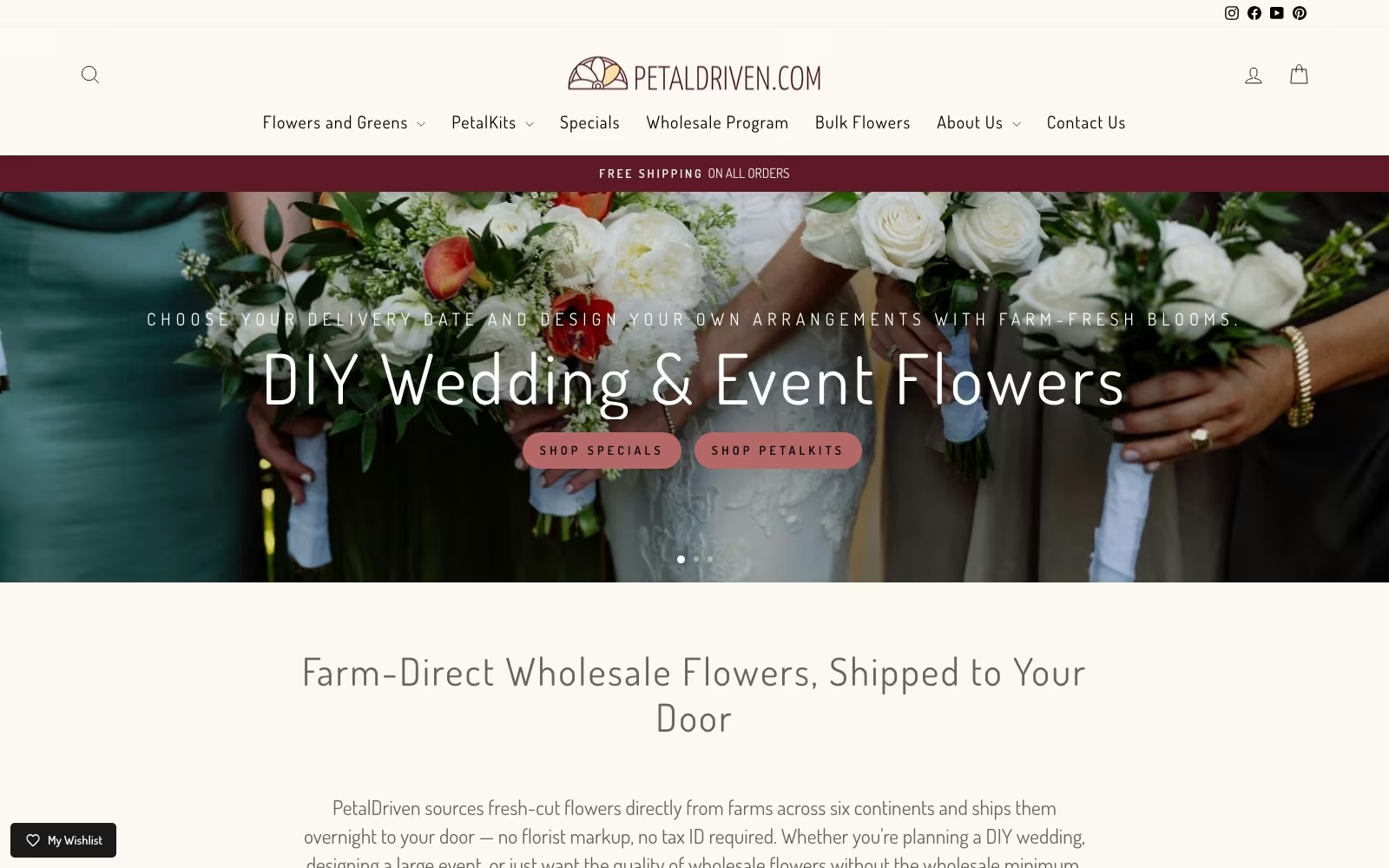

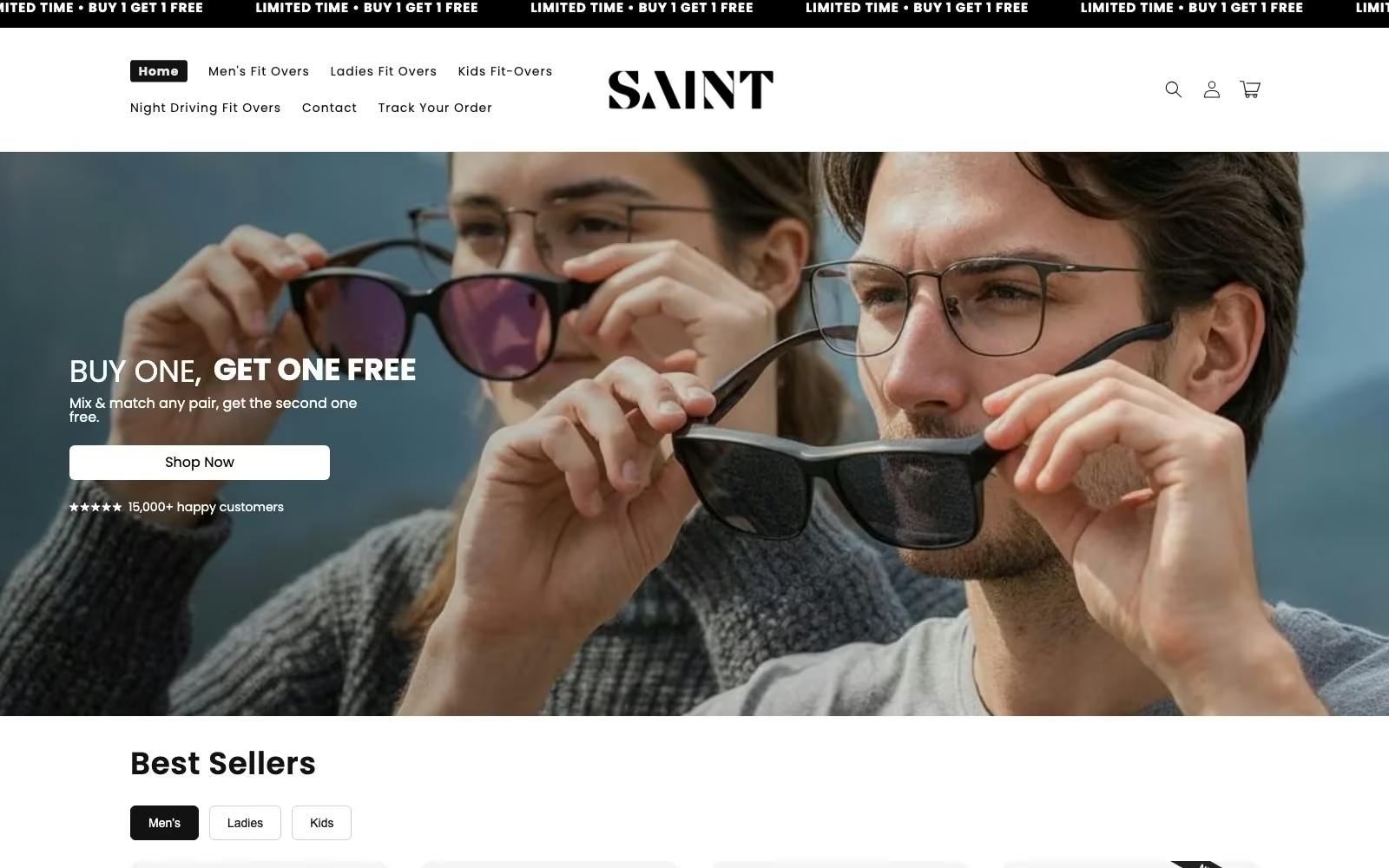

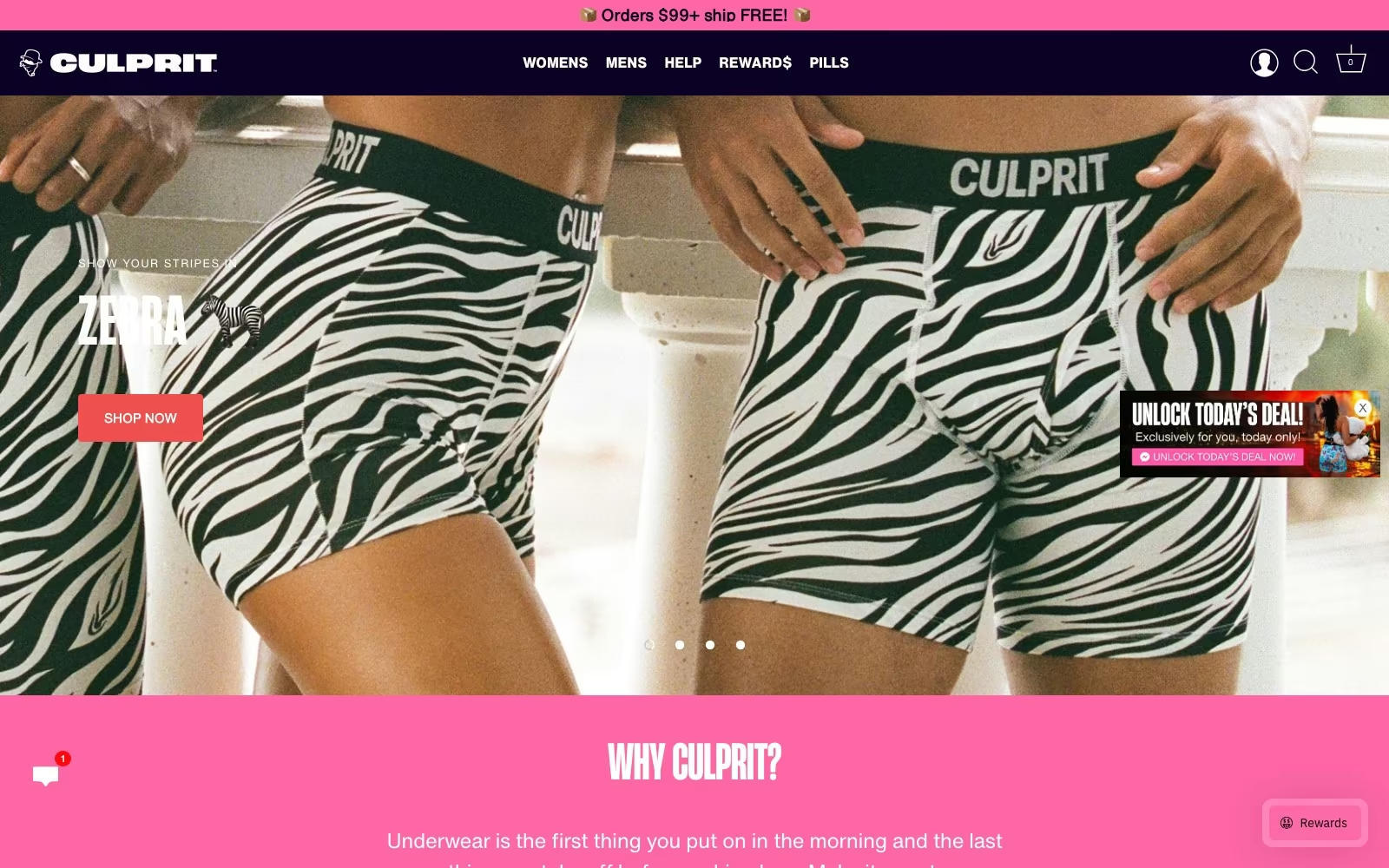

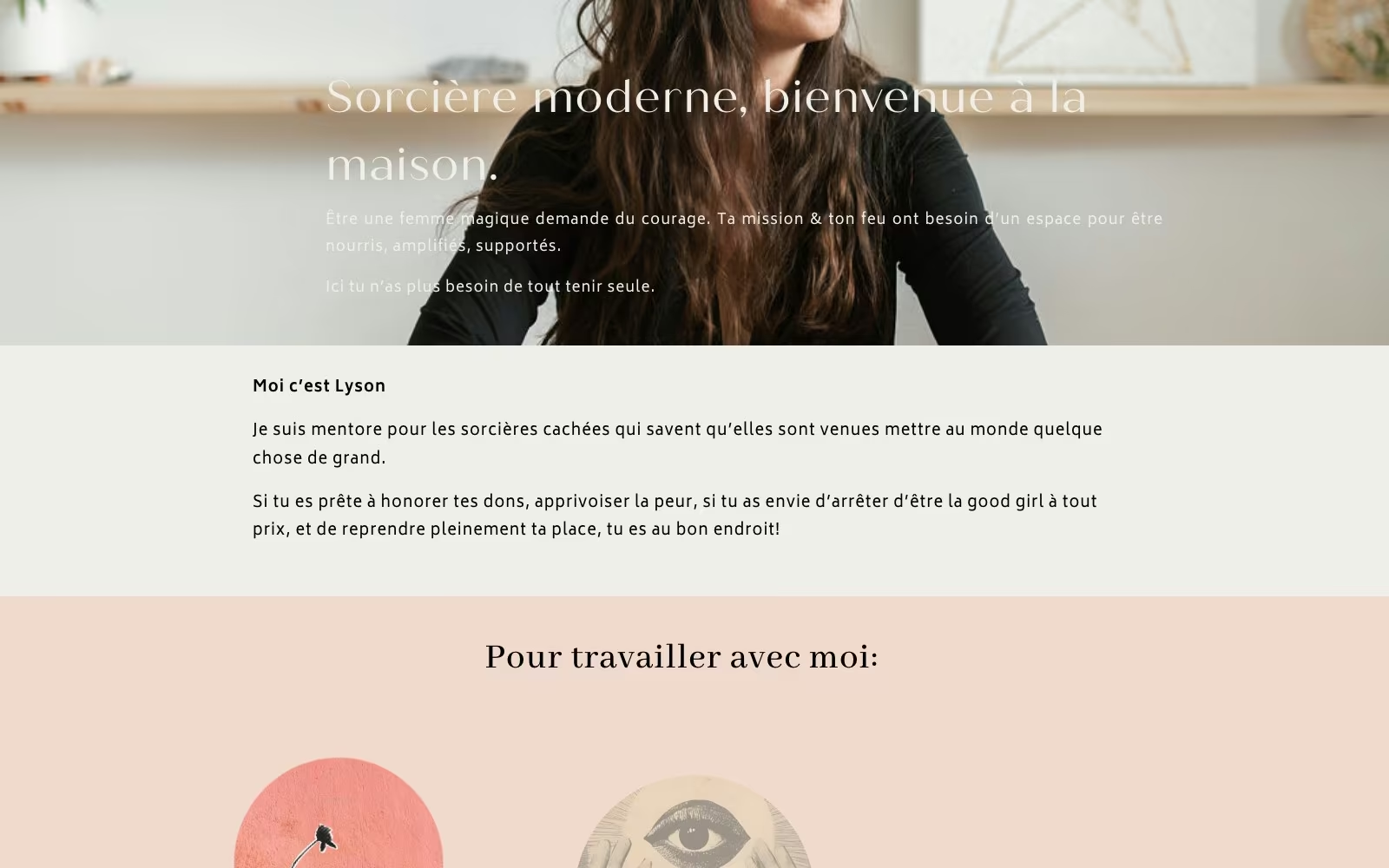












EN

EN

EN


FR
FR
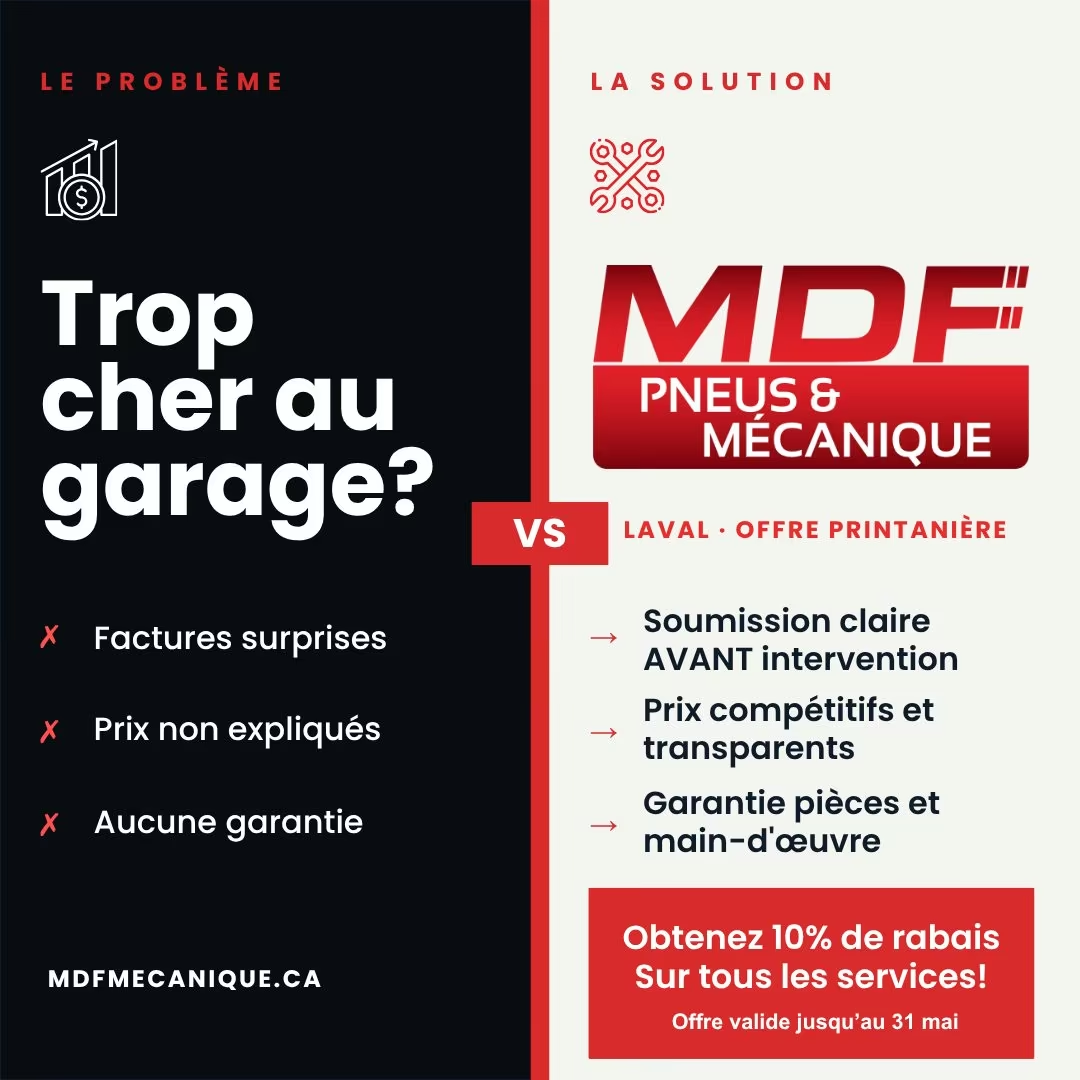
FR
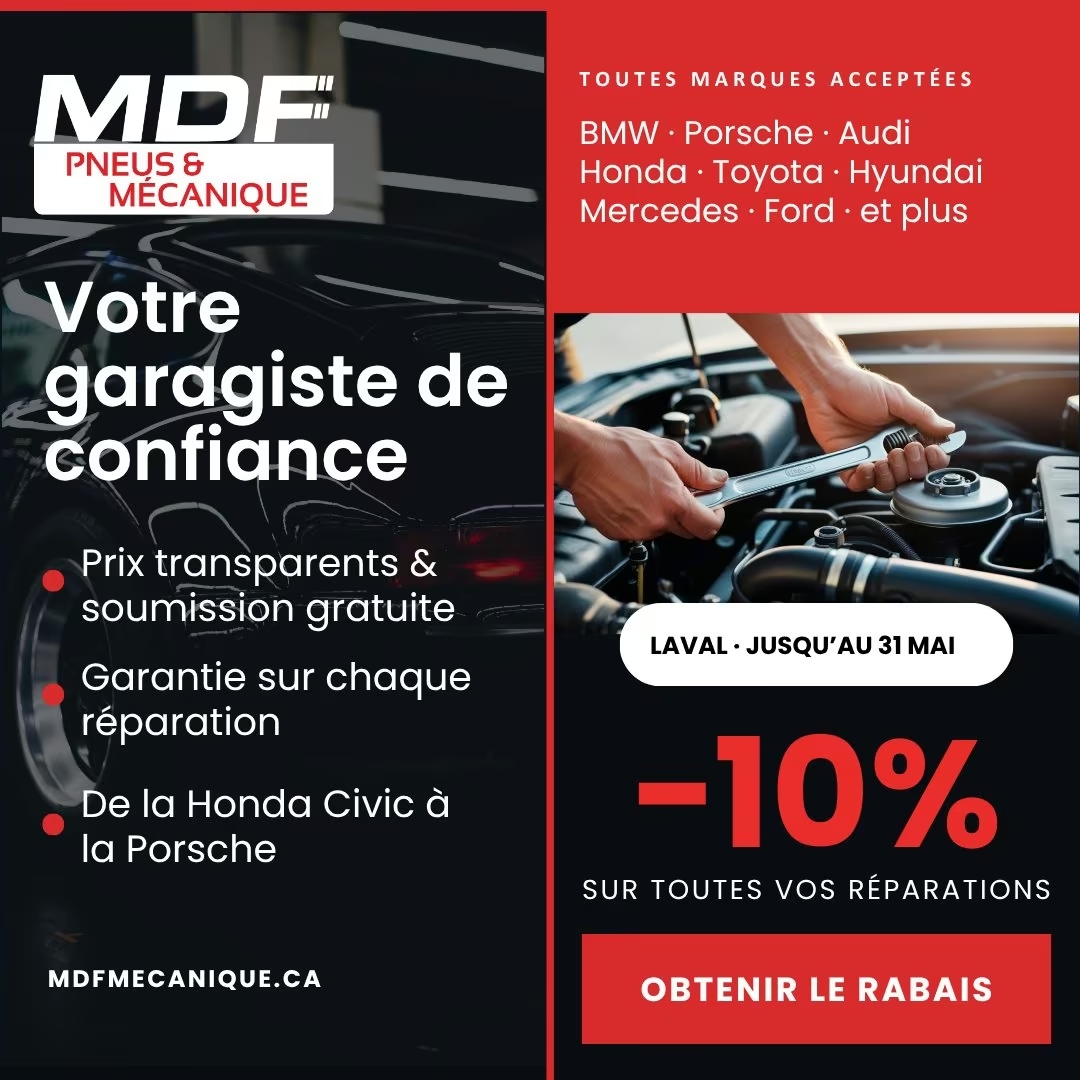
FR

FR
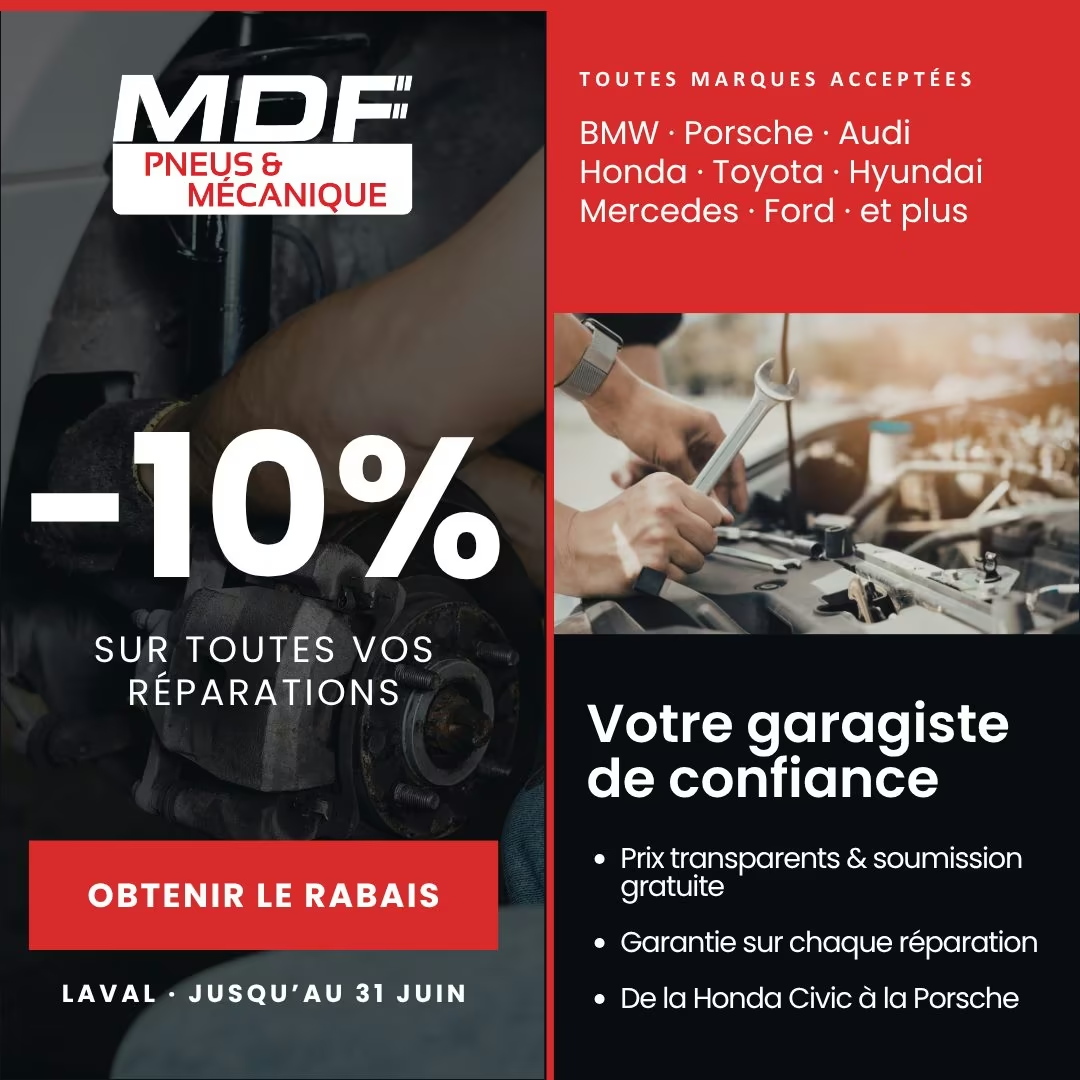
FR

FR
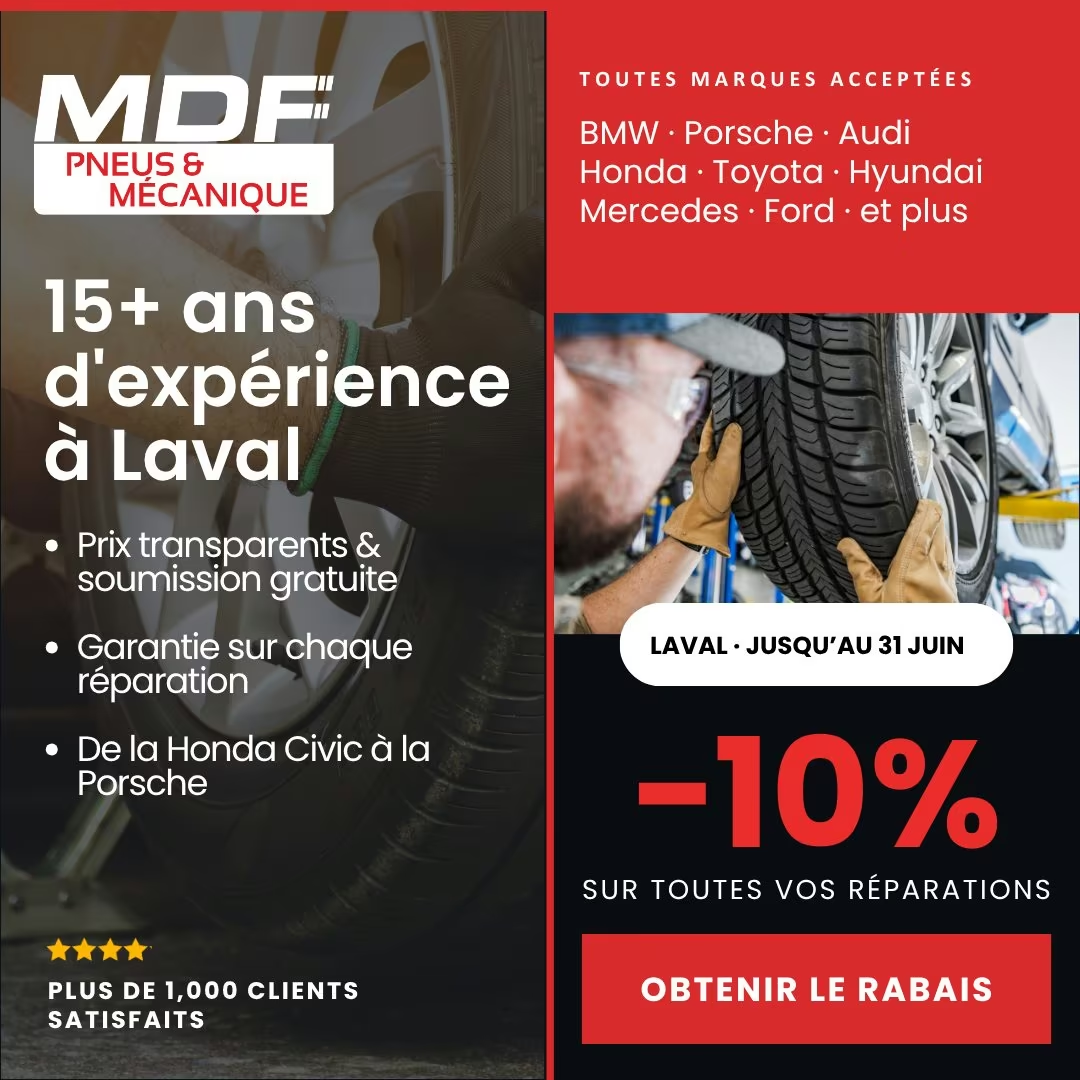
FR

EN
FAQ
What locksmith owners ask us first.
Is a locksmith business allowed to advertise inside ChatGPT?
Yes, and we confirm it before any budget is committed. OpenAI treats financial services, healthcare and medicine, and legal services as restricted categories approved case by case, and Search Engine Journal has tracked how those approvals work in practice. Locksmith services sit outside that net, so your business faces the ordinary review rather than a special one. We still check your specific offers and claims first, and the answer-layer work proceeds either way.
How does this compare with Google Ads on cost per lead?
That is exactly the comparison we hold it to. Locksmith Google Ads average $11.00 per click and $73 to $110 per lead at a 10-15% conversion rate, and a well-run account should reach $40 to $80 per lead with cost per booked job under $130 on emergency work. We set your target from your own numbers, not the benchmark, then report cost per booked job side by side across channels so budget follows the evidence rather than the newest platform.
How do we stop paying for fake locksmith competition?
This is the most useful thing we fix early, and the good news is that it is fixable. National lead resellers with no local address bid aggressively on emergency lockout terms, which is one reason those clicks reach $25 to $45 while ordinary residential work sits at $18 to $22. Completing advanced verification, publishing a real address and building a proper negative keyword list raises your quality score and lowers what you pay for the same call. A verified local shop with genuine conversion history competes from a stronger position than a new national campaign.
Which locksmith services should we advertise first?
Usually emergency lockouts for cash flow and commercial contracts for margin, run as separate campaigns from the first week because they behave nothing alike. A lockout closes on the phone call, so speed of answer and a credible arrival time decide it. Master key systems and access control take days and several conversations, so the proof on your pages does more of the work. Running them as one campaign hides which is paying, which is the most common problem we inherit from a previous agency.
Do we need to fix the website before this can work?
Usually we improve it in parallel rather than waiting, and that is the reassuring part: nothing has to be rebuilt from scratch before you see movement. An assistant needs something specific to quote, so the pages describing your services, brands, coverage and response times get rewritten first while the rest of the site stays exactly where it is. If the site is genuinely holding you back, we say so early and scope that work separately instead of quietly charging for it.
How much do reviews affect what the assistant says?
Heavily, because reviews and listings are the most quotable evidence about a local business, and in a trade with a trust problem they carry even more weight than usual. We build a review request into the job close so it keeps running without anyone having to remember, keep hours and coverage consistent across every profile, and publish licence and insurance detail openly. Photographs of real work beat manufacturer stock images every time.
Should we do this instead of Local Services Ads?
Alongside, not instead. Local Services Ads still produce a large share of emergency demand for the shops we work with, and we would not recommend moving that budget on a hunch. What is changing is the layer above it: ChatGPT Ads expanded to 31 European countries in August 2026 after launching in the US, and cost per click bidding now accounts for most of that ad spend. We keep your existing programme funded, add a measured position here, and let cost per booked job settle the balance.
How long before we see anything?
Campaigns produce data within days, but the numbers only mean something after a few weeks of completed jobs. Movement in how assistants describe your business usually shows within one to three months of the answer layer going live, because these systems re-read their sources faster than classic search settles. A steady flow of booked work from this channel is a six to twelve month proposition, and we agree the leading indicators up front so nobody is guessing in month two.
What does a programme like this cost?
A fixed monthly fee for the work, quoted after the audit rather than off a rate card, plus whatever media budget you approve and pay directly. Most locksmith owners start with the audit and the answer layer, which is the part that keeps paying regardless of platform, then add media once the pages can carry it. We agree a target cost per booked job in month one and report against it, so the spend is easy to defend or easy to stop.
What if OpenAI changes the advertising rules again?
It will, and the plan assumes it. The pages, reviews and proof we build are yours and keep working across every assistant and classic search whatever any single platform decides about advertising. The media side stays deliberately flexible: small tests, monthly commitments, nothing that depends on one placement type surviving. We read the ad policy pages and changelogs weekly and tell you what changed and what it means for your budget.
Can you run our other marketing channels too?
Yes, and the reporting gets more honest when one team holds it. Our AI search, local SEO and analytics specialists work from one plan, so a booked job is attributed once instead of claimed by three suppliers. Hiring us for this channel alone is equally fine — we document the setup and leave every account open in your name.
How much of our time does this take?
About an hour a week once it is running, and a little more in the first fortnight while we learn your trade. We need someone who can answer practical questions — which vehicle makes you cut and program keys for, how fast you really arrive after midnight, what you charge for a call-out — because that detail is what makes the pages quotable. Everything else, including the review cadence and the campaign work, runs on our side.
What should we look for when choosing a locksmith marketing company?
Ask five questions before you sign anything. Who owns the ad account and the data when the relationship ends, and will they show you the login today? What is the reporting cadence, and does it end in booked jobs or in clicks? Which landing pages will potential customers actually arrive on, and who writes them? How is the negative keyword list maintained, and how often? And can they name the senior person doing the work rather than an account manager relaying messages? Most digital marketing companies answer three of the five comfortably, and the other two tell you what you need to know.
Do we need dedicated landing pages, or will our homepage do?
Dedicated landing pages, and it is usually the cheapest improvement available to a locksmith business. A homepage has to serve every visitor, so it answers nobody quickly. A landing page built for one service and one area answers the single question a potential customer arrived with, puts the phone number where a thumb already is, and gives Google a relevant destination that lifts quality score and lowers your cost per click. We build one page per major service and test which variations perform best, rather than sending every ad to the same place.
What else should a locksmith PPC account have running?
Call extensions and location extensions on every campaign, so a customer can dial from the search result without loading a page at all. Long tail keywords for the specific jobs that convert, because generic terms attract price shoppers. Ad scheduling weighted to the hours your phone is genuinely answered. Conversion tracking that records calls over 30 seconds rather than every ring. And a negative keyword list that grows weekly. Those five items separate an effective locksmith advertising account from an expensive one, and we set all of them up before launch, not after the first invoice.
Where does social media and SEO fit alongside this?
They do different jobs and we would not sell you all three at once. Local SEO and your Google Business Profile earn the free calls that never cost you a click, and they compound month after month. Paid campaigns buy the urgent calls that SEO has not reached yet. Social media matters least for emergency locksmith work, though it helps commercial and smart lock buyers who research longer. We tell you honestly which of the three your business should fund first, and it is not always the one we would be paid the most to deliver.

.webp)
.webp)