Be the contractor the assistant names.
the assistant names
Homeowners now describe the problem before they search for a company: a leaking roof, a kitchen budget, whether a wall can come down. ChatGPT answers, and a shortlist forms before anyone visits Angi or Google. We run ChatGPT advertising and the answer layer behind it for home improvement businesses, alongside our ChatGPT Ads and AI search teams.






Tell us a little about your brand and we'll be in touch within 24 hours to lock in a time.



FOUR WORKSTREAMS
Four workstreams behind winning the AI shortlist.
the AI shortlist
Paid placement inside ChatGPT, the content that makes an assistant willing to recommend you, measurement that survives a conversational click, and the follow-up speed that decides whether the enquiry becomes a job.
ChatGPT Ads campaigns
Being recommended organically
Tracking conversational demand
Response speed and conversion
Advertising inside the conversation.
Ads inside ChatGPT reach a billion weekly users, roughly a fifth of them showing commercial intent, across the US and 31 European markets. For a contractor the appeal is where the ad appears: not against a keyword, but beside an answer to somebody describing a project they are about to pay for.
The buy is new and still moving, and Search Engine Land has documented how it is actually set up. We run it as a real test with a real budget cap: campaigns built around project intent, creative written for a conversational surface, and honest reporting on whether it beat your other channels.
- Campaigns structured around project and service intent
- Creative written for an answer, not a search result page
- Budget capped and compared against your existing channels
- Ad policy compliance checked before anything launches
1bn
weekly ChatGPT users, around 20% showing commercial intent
31
European markets live alongside the US
Paid placement is only half the answer.
An assistant recommending three local contractors is making an editorial decision based on what it can read about you: your own site, your reviews, directories, forums and local press. Contractors who publish real project detail, service areas, licence and insurance information get named. Those with a five-page brochure site do not.
The shift is measurable. A 2026 Scorpion study found 22% of homeowners now go to ChatGPT first rather than Google when they need a contractor, and BrightLocal's 2026 survey found 45% of consumers use AI tools to find local services, up from 6% a year earlier.
- Project, service and location content an assistant can cite
- Licence, bond and insurance details published, not hidden
- Review and directory profiles made consistent
- Visibility tracked across ChatGPT, Gemini and Perplexity
22%
of homeowners go to ChatGPT first, not Google, for a contractor
45%
of consumers use AI tools to find local services, up from 6%
Count the jobs, not the referrals you cannot see.
AI referrals are hard to attribute: people ask the assistant, then search your name, then call. Treated carelessly, that traffic gets filed as direct or branded and the channel looks worthless. Measured properly, the picture is different and growing.
SearchLight tracked 6,428 AI-referred leads across home services contractors between January and June 2026, up 135% over the period and worth $3.0M in closed revenue, with ChatGPT accounting for 84.6% of AI leads. It is still small in absolute terms — ChatGPT drove 0.08% of tracked conversions in June — and we would rather tell you that than oversell it.
- Conversion tracking and pixels set up before launch
- AI-referred sessions separated from direct and branded traffic
- Call tracking so phone enquiries are attributed properly
- Reporting on booked jobs, not assisted impressions
6,428
AI-referred home services leads tracked Jan-Jun 2026, up 135%
84.6%
of those AI leads came from ChatGPT specifically
The fastest reply usually wins the job.
A homeowner who has just been given three names will contact all three. Invoca's 2026 home services research found 79% of consumers will switch to a competitor that responds faster, which makes the hours after the enquiry more valuable than most of the advertising that produced it.
Homeowners are also using AI further into the process than most contractors realise: 52% have used AI to double-check a contractor's estimate and 58% say they are more likely to hire a contractor who uses AI. Clear, itemised quotes now survive a second opinion they never used to face.
- Enquiry routing so a person responds within the hour
- Quote templates that hold up to an AI second opinion
- Follow-up sequences for quotes that go quiet
- Reporting on speed to first response as a real metric
79%
of home services consumers switch to whoever responds faster
52%
of homeowners have used AI to check a contractor's estimate
of homeowners use or plan to use AI for home projects (Acorn Finance)
of local business searches now show an AI Overview (Whitespark)
Paid tests run to an agreed budget ceiling
Ad accounts, content and tracking stay in your name
We made the difference for those brands

Home essentials, appliances, kitchen & pet

B2B software, fintech, insurance
Consumer tech and platforms

Consumer tech and platforms

Home essentials, appliances, kitchen & pet

Consumer tech and platforms

B2B software, fintech, insurance

Healthcare & regulated services

Creative, content, arts & culture

Creative, content, arts & culture

Creative, content, arts & culture

Beauty, personal care & wellness

Consumer tech and platforms

Beauty, personal care & wellness

B2B software, fintech, insurance

Creative, content, arts & culture

Beauty, personal care & wellness

Travel & mobility

Travel & mobility

Home essentials, appliances, kitchen & pet

B2B software, fintech, insurance

Home essentials, appliances, kitchen & pet

Creative, content, arts & culture

Beauty, personal care & wellness

Consumer tech and platforms

Beauty, personal care & wellness

Consumer tech and platforms

Creative, content, arts & culture

Home essentials, appliances, kitchen & pet

B2B software, fintech, insurance
01 — The challenge
The shortlist is drawn before you know the job exists.
The old sequence was a search, a few tabs, some calls. The new one starts with a conversation: what does this cost, do I need a permit, should I repair or replace, who should I call. By the time a homeowner types a company name into Google, an assistant has often already narrowed the field to three.
“They rang and said ChatGPT recommended us. We had no idea why.”
02 — Our approach
Test the ads honestly, build the recommendation permanently.
We start by finding out where you already stand. We run the questions your customers actually ask — project costs in your city, repair or replace, permits, who to hire — across ChatGPT and the other assistants, and record whether you appear, who does, and what they are being cited for. That baseline is the whole basis for judging anything we do next.
Then two tracks run together. The paid track is a capped, measured test of ChatGPT Ads: campaigns built around project intent, creative written for a conversational surface, tracking verified before spend, and a clear comparison against the channels you already run. We will tell you plainly if it does not beat them yet.
The organic track is the durable one, and it is mostly content and credibility: project pages with real detail and real photographs, service and location coverage, licence and insurance information published, reviews and directory data made consistent. Then we fix the response side, because a shortlist you win is lost again by a quote that takes three days. Accounts, content and tracking stay in your name.
03 — What we did
Six weeks to a measured position in AI answers.
Baseline, content and credibility, a capped paid test, then scaling only what the measurement justifies.
Weeks 1-2 / Baseline
What the assistants say about you today
The real homeowner questions run across ChatGPT, Gemini and Perplexity, with who gets named, what gets cited, and where you are absent.

Weeks 3-4 / Content
Give the assistant something to cite
Project, cost and service-area content built from your real jobs, with licence, insurance and coverage details published properly.

Week 5 / Paid test
A capped, tracked ChatGPT Ads test
Campaigns live with tracking verified first, budget capped, and results compared honestly against the channels you already run.

Ongoing / Measure and scale
Scale only what the numbers earn
Monthly re-testing of the answer set, spend moved towards whatever books jobs, and a written read on what changed.

WHAT YOU GET
Deliverables you keep, whatever happens next.
you keep
Ad accounts, content, tracking and the answer baseline stay in your name.

AI answer baseline
Where you appear today across ChatGPT and the other assistants for the questions your customers actually ask.

Campaign and budget plan
What we will test inside ChatGPT, at what cap, and the result it has to beat to earn more budget.

Content an assistant can cite
Project, cost and service-area pages built from your real jobs, written to be quoted rather than admired.

Credibility and profile cleanup
Licence, insurance, reviews and directory data made consistent across the sources assistants read.

Attribution and reporting
AI-referred traffic separated out and reported against booked jobs, not assisted impressions.

Response speed playbook
Routing, scripts and quote templates so an enquiry reaches a person quickly and the quote survives scrutiny.
HOW WE WORK
Operating standards, not promises.
Operating standards



















Built on trust. Proven by results.
We partner with SMBs and Fortune 500 companies to deliver more than reach — we bring clarity, execution, and measurable outcomes. Every successful partnership starts with a strong culture fit and a shared drive to grow.





CASE STUDIES
Case studies
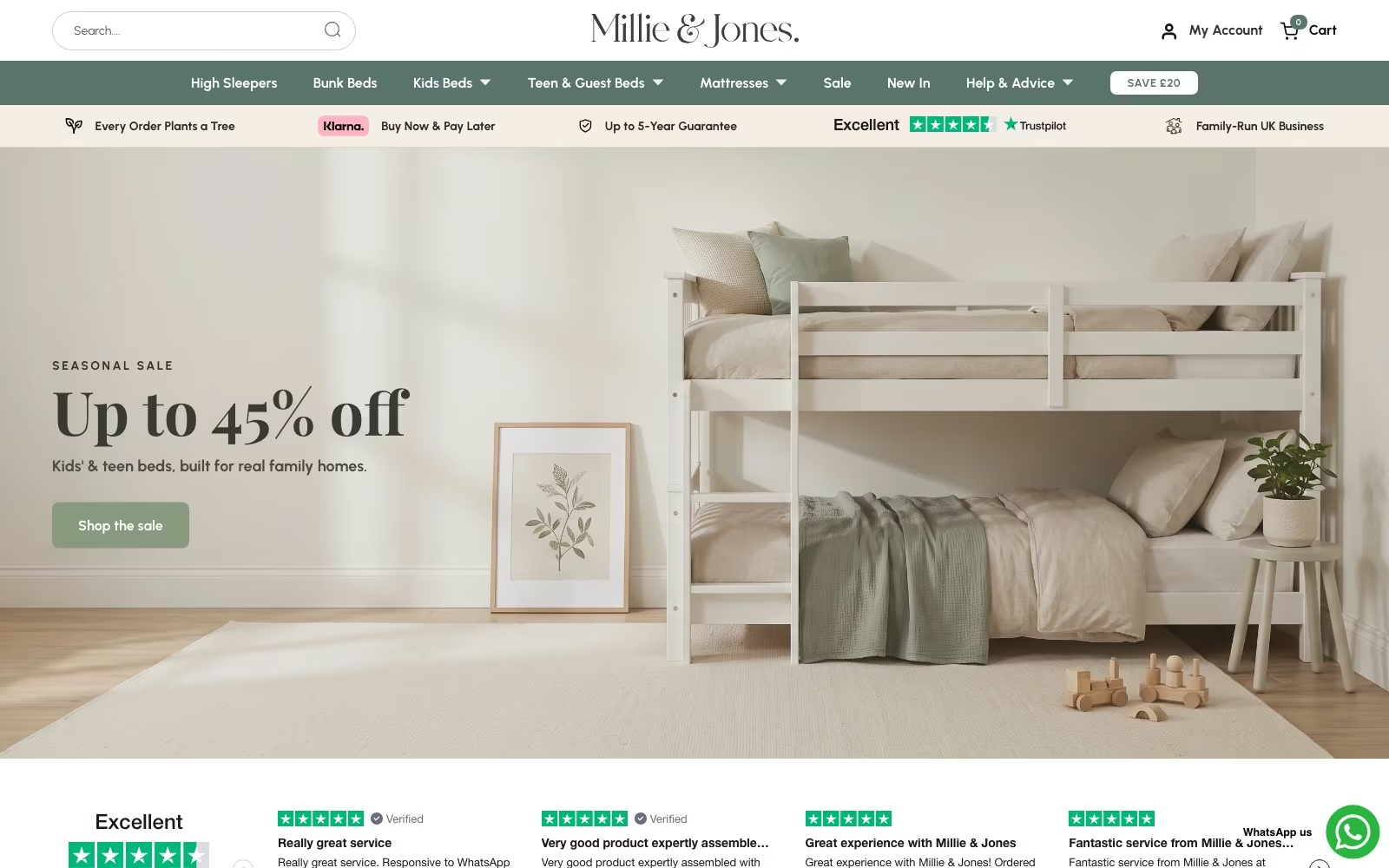
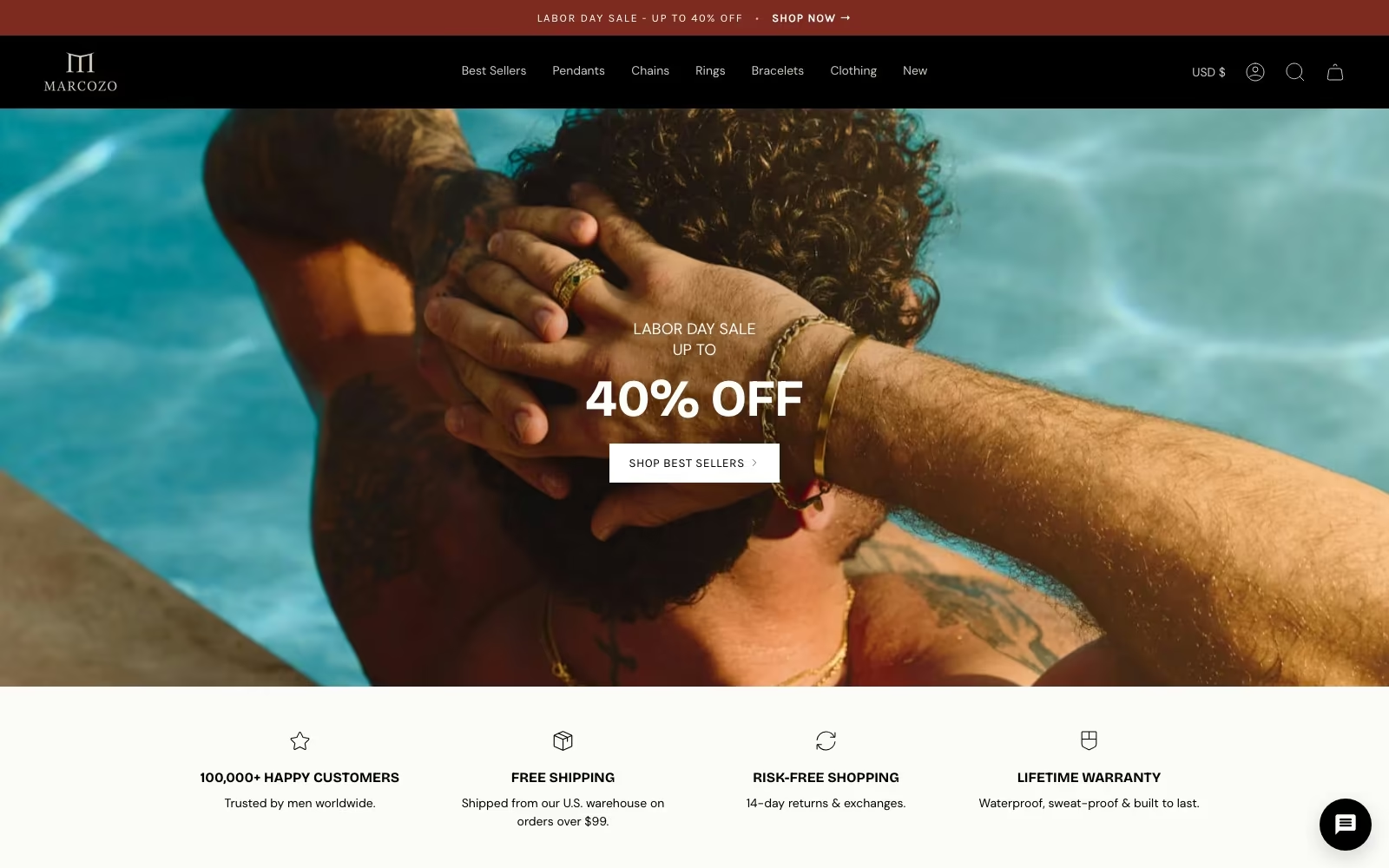
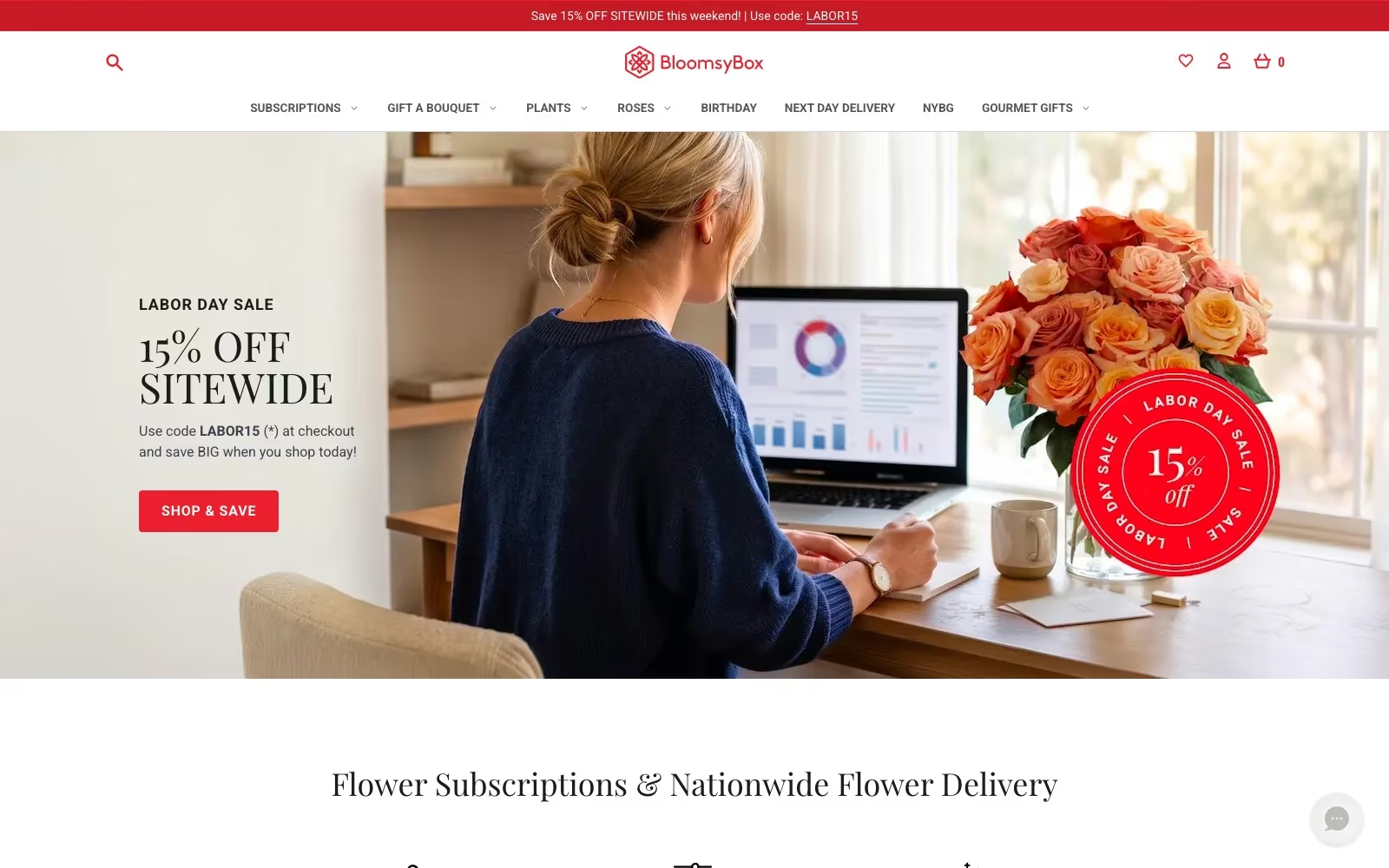
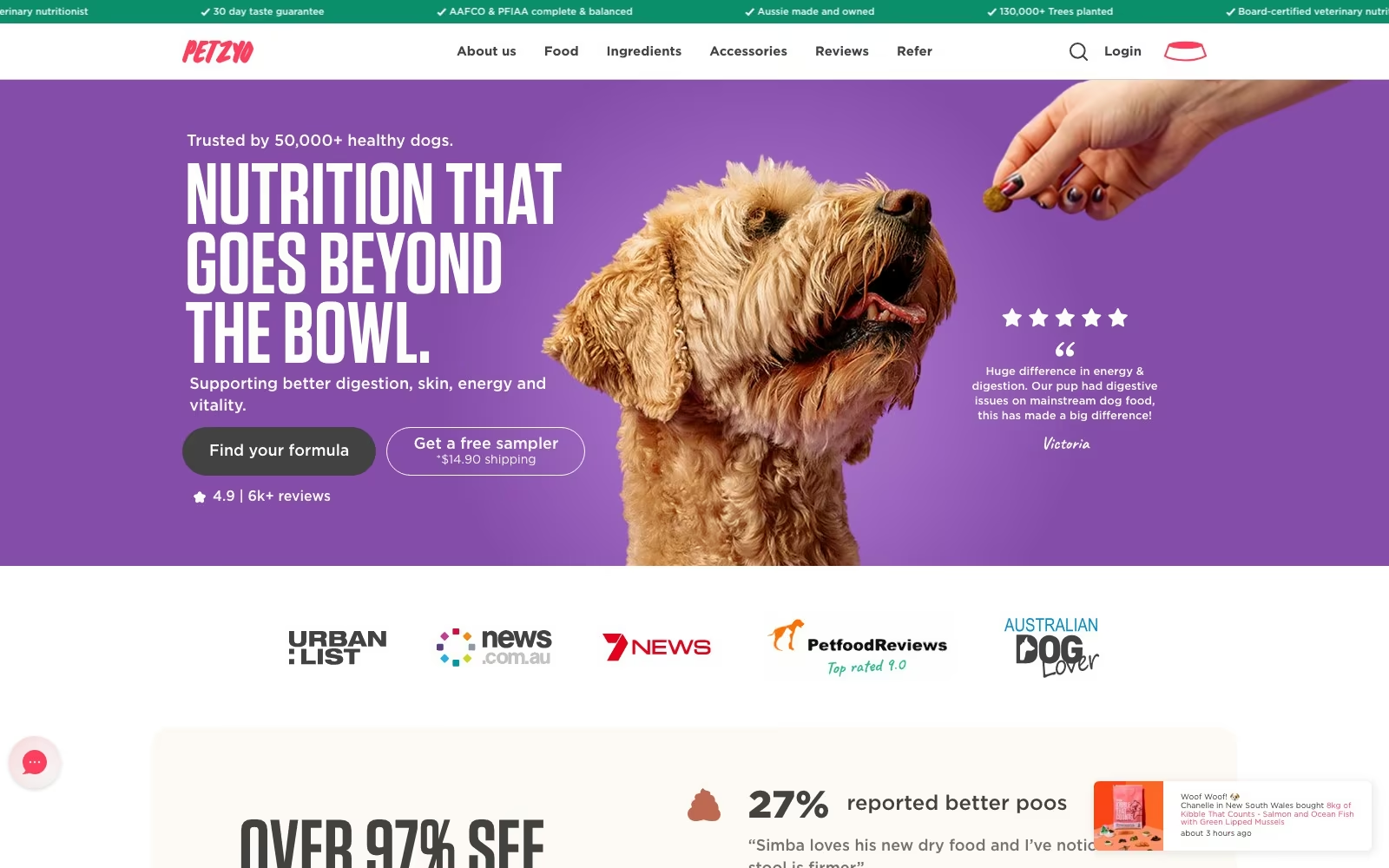
Website Portfolio
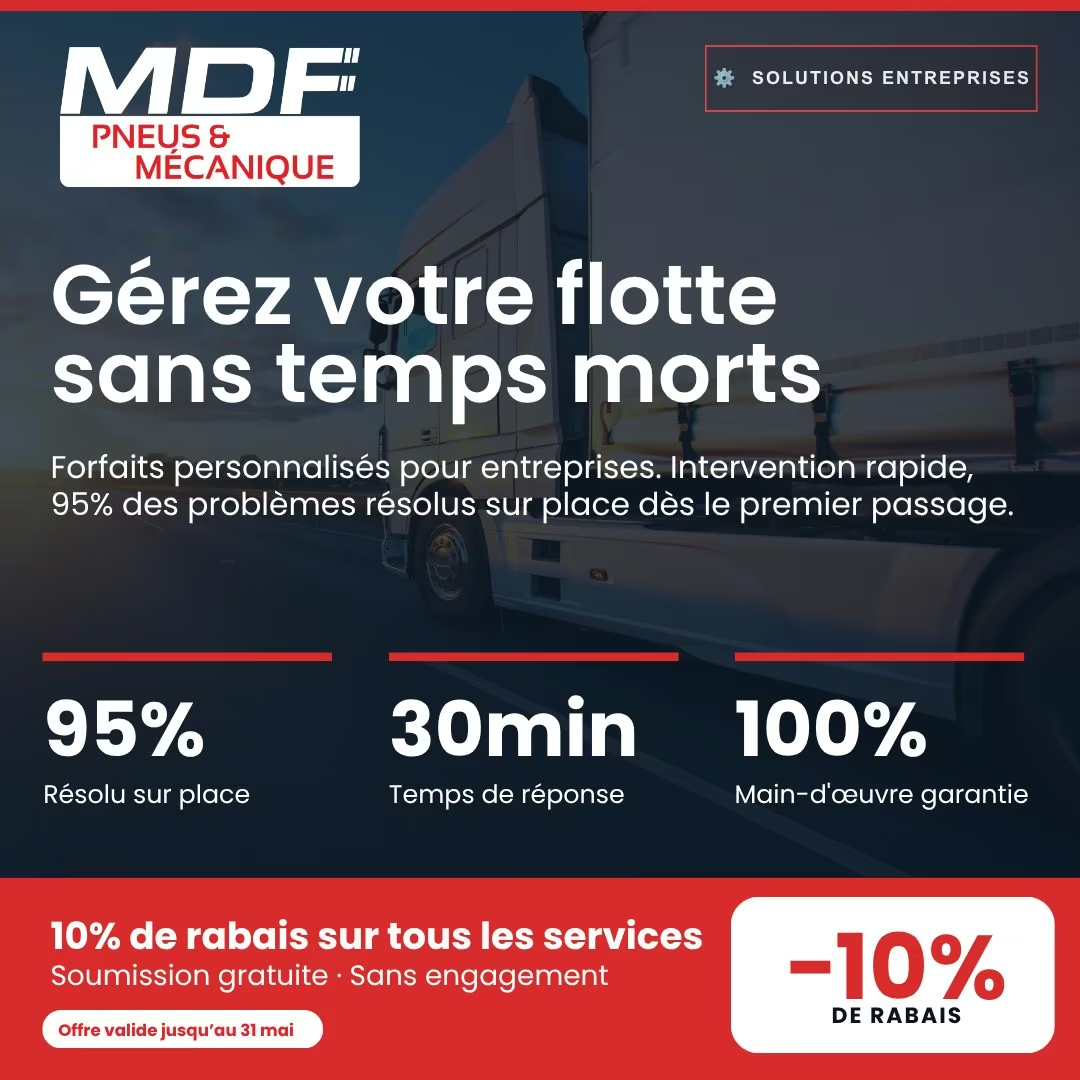
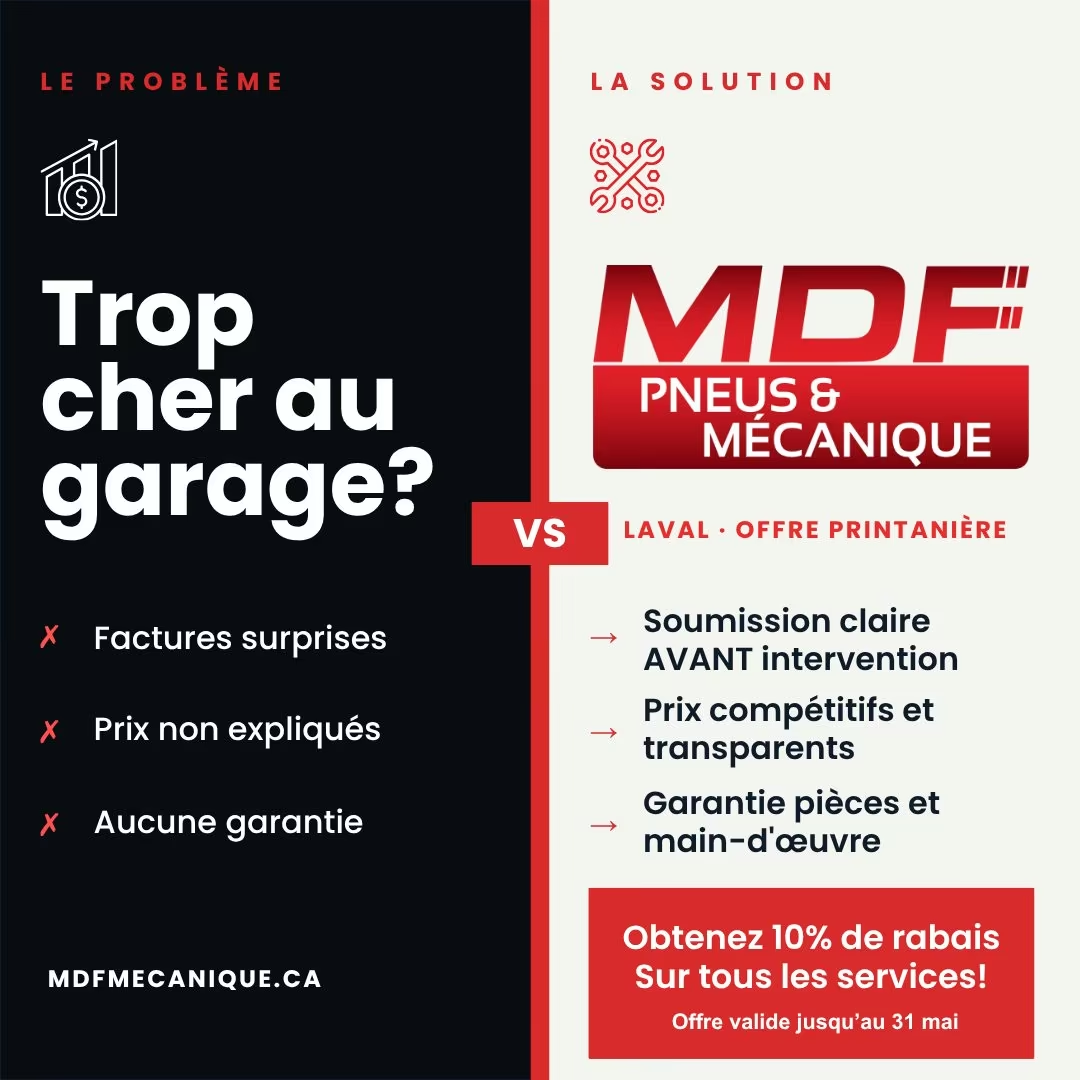
Video Ads
Static Ads


























































FAQ
Questions contractors ask us
Are ChatGPT Ads worth it for a home improvement business?
As a capped test, usually yes. The reach is real and the intent is strong, but honesty matters here: tracked ChatGPT referrals were 0.08% of home services conversions in June 2026, even while AI-referred leads grew 135% across the first half of the year. It is a fast-growing small channel, so we size the test accordingly rather than moving your Google budget into it.
How is this different from Google Ads?
Our paid search team runs both. Google Ads answer a keyword; ChatGPT Ads sit beside an answer to a described problem, often much earlier in the project. The homeowner is frequently still deciding scope and budget rather than choosing a company, so the creative and the landing experience need to educate rather than push for an immediate booking.
How do we get recommended by ChatGPT without paying?
By being genuinely easy to verify. Publish real project pages with costs, locations and photographs, state your licence, bond and insurance, keep service areas explicit, and make sure reviews and directory listings agree with each other. Assistants assemble recommendations from sources they can read, so thin brochure sites are simply invisible to them.
Which homeowners are actually using AI to find contractors?
Increasingly, the ones with the biggest budgets. 28% of homeowners starting a $50,000-plus remodel in 2025 used an AI assistant during contractor research, and 33% of recent hirers used ChatGPT or Perplexity in selection. Higher-ticket, higher-anxiety projects attract the most research.
Can we track leads that come from ChatGPT?
Partly, and we are precise about the limits. Direct clicks from ads and cited links can be tracked with proper tagging and a conversion pixel. The harder case is a homeowner who asks the assistant, then searches your name later — we use call tracking and ask on the enquiry form to catch it, and we label estimates as estimates.
Is our type of work allowed to advertise there?
Home improvement is a straightforward category, so yes. OpenAI's policy is stricter in sensitive areas — some health and finance categories are handled case-by-case, and ads are not served alongside sensitive conversations — but contractor advertising sits well inside the rules. We check compliance before anything goes live.
What budget should we start with?
Small enough that a null result does not hurt, large enough to learn something. We agree a monthly cap up front, keep it separate from your proven channels, and set the result it has to beat to earn more. If it does not clear that bar, we say so and stop.
How quickly would we see results?
Paid tests produce data within a few weeks. Organic recommendation is slower and moves as the models and their sources update, so we re-test the answer set monthly and expect meaningful movement over a quarter rather than a fortnight.
Do we still need SEO if we do this?
Yes, and the two feed each other. Ordinary local SEO still does much of the heavy lifting. Assistants lean heavily on sources that conventional search also rewards, so content, reviews and technical health do double duty. Our GEO and AEO work sits alongside ordinary local SEO rather than replacing it.
What about Angi, Thumbtack and the lead sellers?
They still produce work, and they still sell the same enquiry to your competitors. The advantage of being recommended directly is that the homeowner arrives having already chosen to contact you specifically. Most contractors we work with keep the marketplaces running while building direct demand that costs less over time.
How big is this market opportunity?
Substantial. The US home improvement and maintenance market runs to more than $600 billion annually per Harvard's Joint Center for Housing Studies, and NAHB counts 128,000 remodeling firms and expects remodeling activity to rise 3% in 2026. Plenty of demand, and plenty of competitors chasing it.
Will AI recommendations replace our review strategy?
The opposite — reviews become more important, because they are one of the main things an assistant reads when deciding who to name. A steady flow of recent, detailed reviews across the platforms that matter in your area is now an AI visibility asset as much as a persuasion one.
Our quotes get compared to AI estimates now. How do we handle that?
By making the quote easy to defend, and by landing enquiries on pages built to convert — see landing pages. 52% of homeowners have used AI to double-check a contractor's estimate, and 58% say they are more likely to hire a contractor who uses AI. Itemised scope, stated assumptions and a clear explanation of why you cost what you cost win those conversations.
Who will actually run this for us?
A named senior strategist who is in the monthly session and who wrote your plan. Because this channel is young, you also get the unvarnished version of what we are learning across accounts rather than a polished story about a solved problem.
What happens in the first month?
The answer baseline, the content and credibility fixes with the fastest payoff, tracking set up, and the paid test scoped and capped. You finish month one knowing exactly where you stand in AI answers, which is more than most of your competitors can say.

.webp)
.webp)