One brand. Two hundred towns. Creative that survives both.
survives both
Franchise creative fails in one of two directions: a national campaign so generic that no owner recognises their own town in it, or two hundred owners making their own adverts in a phone app until the brand looks like a stranger to itself. We build the middle path — a modular system where the brand stays intact and every location still looks local, produced fast enough to keep feeding paid social and paid search.




Tell us a little about your brand and we'll be in touch within 24 hours to lock in a time.


FOUR WORKSTREAMS
Four workstreams behind a franchise creative system.
Four workstreams
The brand system itself, the localisation engine that makes it feel like each town, production volume fast enough to matter, and testing that tells owners which work.
Brand system design
Localisation engine
Production volume
Testing & reporting
A kit built for two hundred hands, not for one art director.
Most franchise brand books were written to be admired and are therefore ignored. We build a working kit instead: locked elements that protect the brand, flexible slots owners can genuinely use, and a small number of rules stated in plain language rather than forty pages of typography theory. The payoff is measurable at the campaign level — Nielsen's analysis of three years of marketing mix data across 41 brands found high-quality creative delivered 35% greater effectiveness.
The test we apply is simple: can a busy owner produce something on-brand on a Tuesday afternoon without calling head office.
- Locked and flexible elements defined explicitly
- Templates that fail safely when someone improvises
- Plain-language rules an owner will actually read
- Asset library each location can reach without a request form
35%
greater effectiveness from high-quality creative, per Nielsen's 41-brand analysis
The same offer, told like it belongs to that town.
Local specificity is not a nicety, it is the performance lever. BIA Advisory Services reports 63% of viewers react more positively to localized advertising and 71% prefer messaging tailored to their community, while local social ad spend is forecast to rise from $36.7 billion in 2025 to $42.6 billion in 2026.
So we design creative as modules rather than finished posters: a national offer, a local proof point, a real face from that store, a landmark people recognise. Franchising.com describes exactly this shift toward modular systems where headlines, images and offers are assembled from local context, and it is how one shoot becomes coverage for every market.
- Modular assets assembled per market, not redesigned per market
- Local proof, faces and landmarks gathered systematically
- Offer and legal lines swapped without breaking layout
- One shoot amortised across every territory
63%
of viewers react more positively to localized advertising, per BIA
71%
prefer messaging tailored to their own community
Enough new work to keep the algorithms interested.
Paid social punishes a stale library faster than it punishes a mediocre idea. Reshift Media's 2026 franchise playbook names creative velocity — how quickly a brand can generate, test and refresh assets — as what keeps AI-driven ad systems performing. Most franchise systems are structurally slow: one agency, one approval queue, one shoot a year.
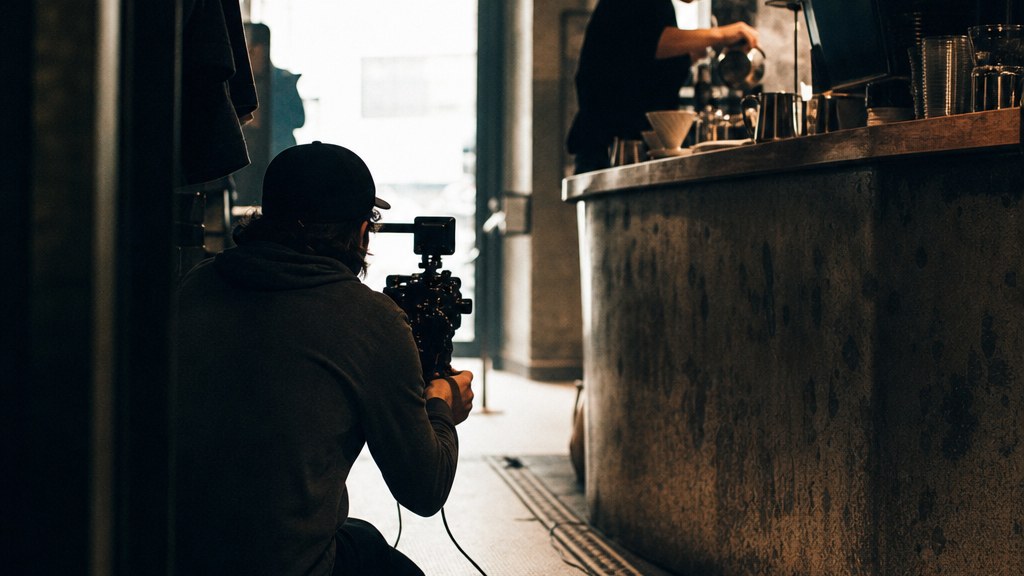
We rebuild that as a production line. Vertical video captured in real stores, static variants generated from a maintained kit, and a monthly batch that lands whether or not anyone remembered to brief it.
- Monthly creative batch delivered on a fixed calendar
- Vertical video shot in real locations with real staff
- Variant generation from the maintained kit, not from scratch
- Approval path short enough to keep the calendar honest
$42.6B
forecast US local social ad spend in 2026, up from $36.7B
Owners believe numbers from their own town.
Creative arguments inside a franchise system are rarely settled by taste, and they should not be. We test properly — concept against concept, national versus localised, format against format — and report per market as well as per system, because the two sides of a franchise see this differently: 93% of franchisees call local marketing critical to their success against 81% of brands.
The result is a library ranked by what actually produced bookings in real territories, which ends most of the arguments on its own.
- Concept tests designed before the shoot, not after
- National versus localised variants measured head to head
- Per-location reporting alongside the system view
- A ranked library retired and refreshed on evidence
93%
of franchisees call local marketing critical, against 81% of brands
Editable source files and the asset library stay with the franchisor
A booked job is the metric, never an impression count
Weekly working session with the people doing the work
Long-term lock-ins
We made the difference for those brands

B2B software, fintech, insurance

B2B software, fintech, insurance

Beauty, personal care & wellness

B2B software, fintech, insurance

Healthcare & regulated services

B2B software, fintech, insurance

Apparel and lifestyle

Beauty, personal care & wellness
Travel & mobility

Beauty, personal care & wellness

B2B software, fintech, insurance

B2B software, fintech, insurance

Beauty, personal care & wellness

Food & beverage

Consumer tech and platforms

Consumer tech and platforms

B2B software, fintech, insurance

Consumer tech and platforms

Home essentials, appliances, kitchen & pet

Creative, content, arts & culture

B2B software, fintech, insurance

Creative, content, arts & culture
Retail & commerce

Creative, content, arts & culture

B2B software, fintech, insurance

Food & beverage

Creative, content, arts & culture

Beauty, personal care & wellness

B2B software, fintech, insurance

Beauty, personal care & wellness
01 — The challenge
The brand book says one thing. Two hundred phones say another.
Head office ships a polished national campaign. Within a fortnight the Fresno owner has made her own version because the national one does not mention that she is open on Sundays, the Tulsa owner has used a competitor's stock photo, and three markets are running an offer that expired in spring. Nobody here is the villain: the system asked owners to be marketers and gave them a PDF.
“I love the new campaign. It just does not say anything about my store.”
The pull toward local is real and it is worth respecting rather than policing: 63% of viewers react more positively to localized ads and 71% prefer community-tailored messaging. The Uberall and Dialog survey of 352 US brands and franchisees found the two sides genuinely disagree about what good local marketing looks like. A creative system that anticipates that disagreement beats one that forbids it.
02 — Our approach
Build the kit, shoot once, assemble locally, rank on evidence.
We start by auditing what is actually running in the field rather than what the brand book intends, because the gap between the two is the brief. Then we rebuild the kit as a working system: locked elements that protect the brand, flexible slots for the things owners legitimately need to change, and rules written in language a person running a store will read. Production is consolidated into fewer, better shoots designed for modularity from the storyboard on, so one day in three real locations yields vertical video, statics and offer variants that cover every market instead of one hero film nobody can adapt. Localisation then happens by assembly rather than redesign: national offer, local proof, a real face, a recognisable street. Owners get an asset library they can reach without a request form, and a short list of things they must not do, which is far more effective than a long list of things they may. Everything is tested concept against concept and reported per market as well as per system, so the library ends up ranked by what produced bookings in real towns. We tell you which creative is not working, including ours, and we retire it.
03 — What we did
A first quarter that leaves you with a system, not a campaign.
Field audit and kit design, then one modular production block, then assembly and a ranked library — with a working session every week.
Weeks 1-2 / Audit
What is actually running in the field
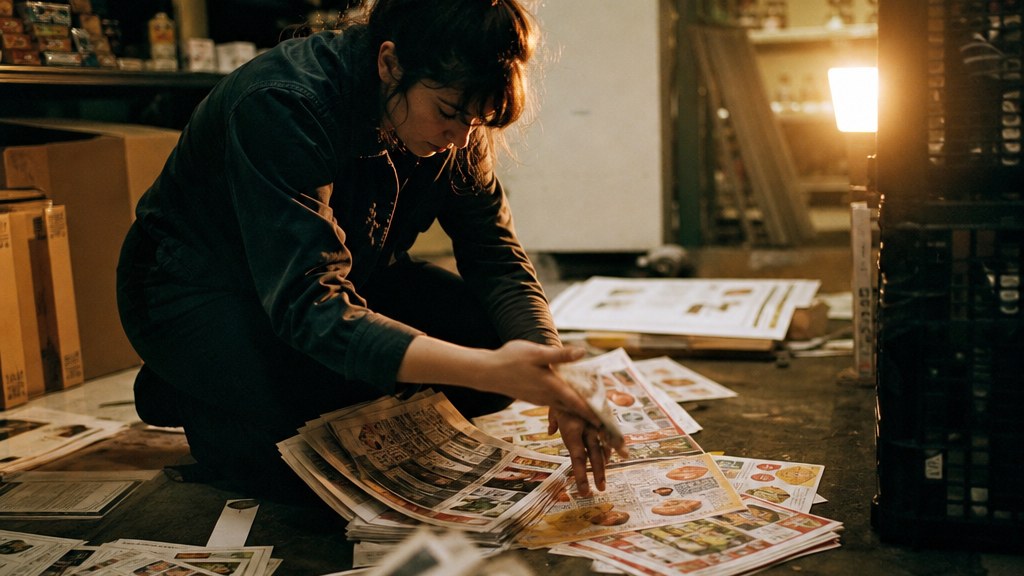
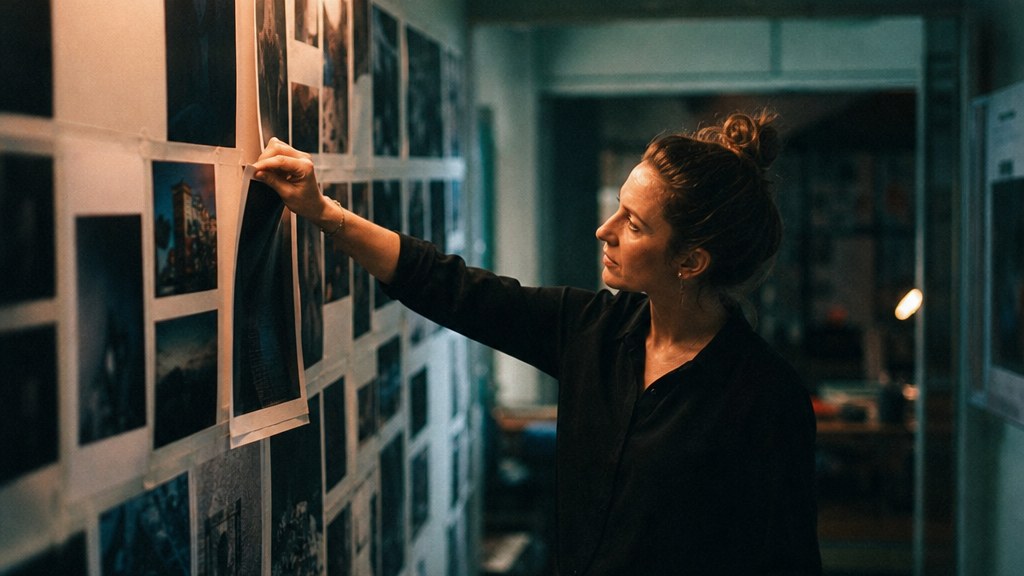
We collect what owners are really publishing across a representative sample of markets and compare it with the brand standard, which is where the honest brief comes from.
Weeks 2-4 / Kit
A modular kit designed for two hundred hands
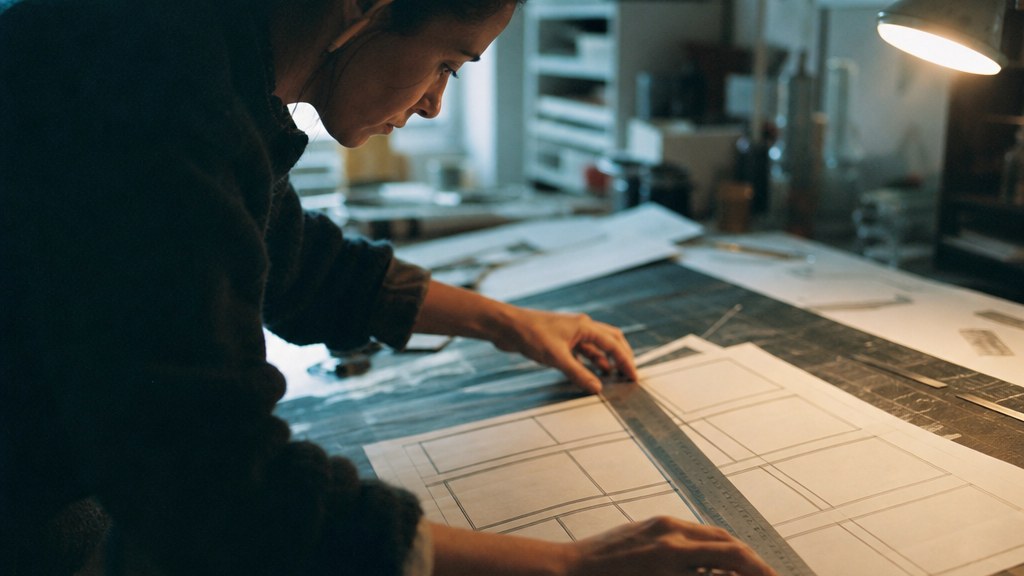
Locked elements, flexible slots, offer and legal lines that swap cleanly, and templates that still look right when someone improvises at five o'clock.
Weeks 4-8 / Production
One shoot, engineered to cover every market
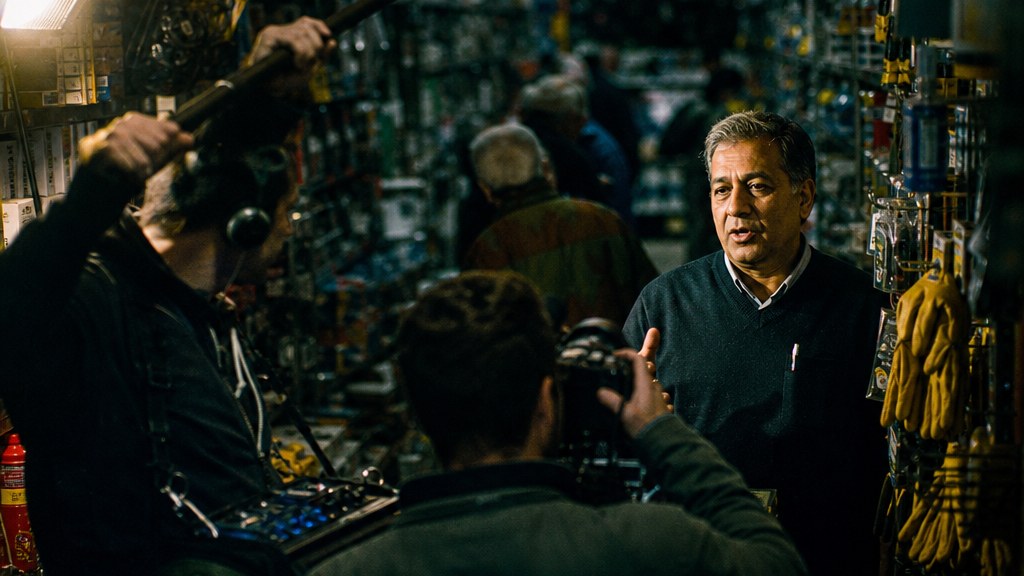
Vertical video and stills captured in real stores with real staff, storyboarded for modularity so the footage assembles into hundreds of local variants.
Monthly / Read
A library ranked by what worked in real towns
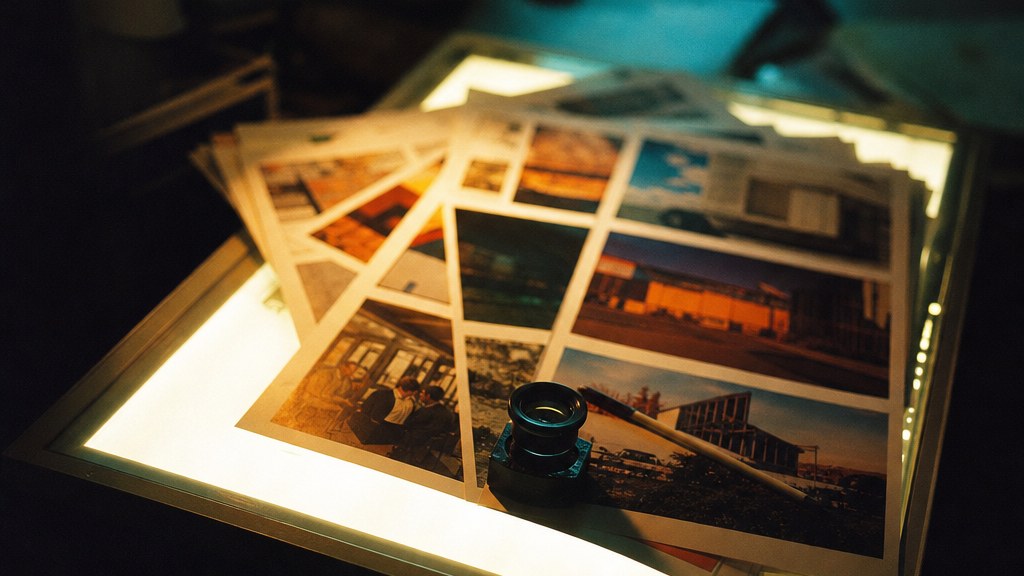
Concept tests, national versus localised results, per-market numbers, and a clear call on what gets refreshed and what gets retired.
WHAT YOU GET
Deliverables your franchisees can actually use.
can actually use
Everything below is delivered in editable source files the franchisor owns and keeps.

Field creative audit
What owners are really publishing across a sample of markets, measured against the brand standard and the results.

Modular brand kit
Locked and flexible elements, templates that fail safely, and rules written in language an owner will read.

Production block
Vertical video and stills shot in real locations with real staff, storyboarded for modular assembly.

Localisation library
Per-market variants assembled from the kit, with offers and legal lines that swap without breaking the layout.

Owner enablement
A short playbook and a self-serve asset library so each location can act without a request form.

Test and refresh reporting
Concept results per system and per market, with a ranked library and an explicit retirement list each month.
HOW WE WORK
Operating standards, not promises.
Operating standards

Emerging systems under 25 units
One strong kit and a single production block usually covers a year at this size.
ExploreScaled systems over 100 units
Assembly and governance become the real work: the kit has to hold without head office policing it.
ExploreMulti-unit operators
Several territories under one owner, with creative that distinguishes them without breaking the brand.
Explore















Built on trust. Proven by results.
We partner with SMBs and Fortune 500 companies to deliver more than reach — we bring clarity, execution, and measurable outcomes. Every successful partnership starts with a strong culture fit and a shared drive to grow.


CASE STUDIES
Case studies
Website Portfolio
Video Ads
Static Ads











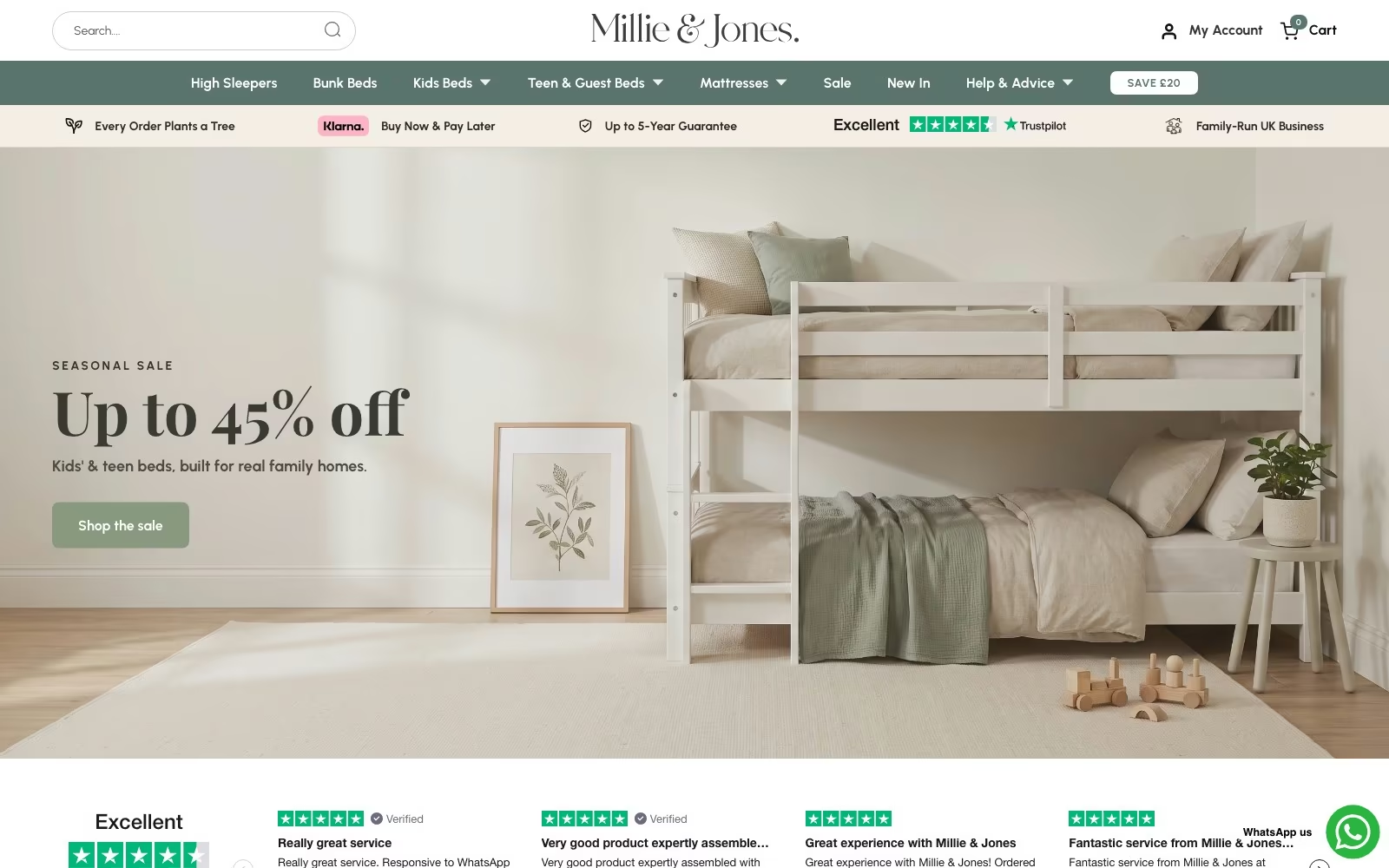

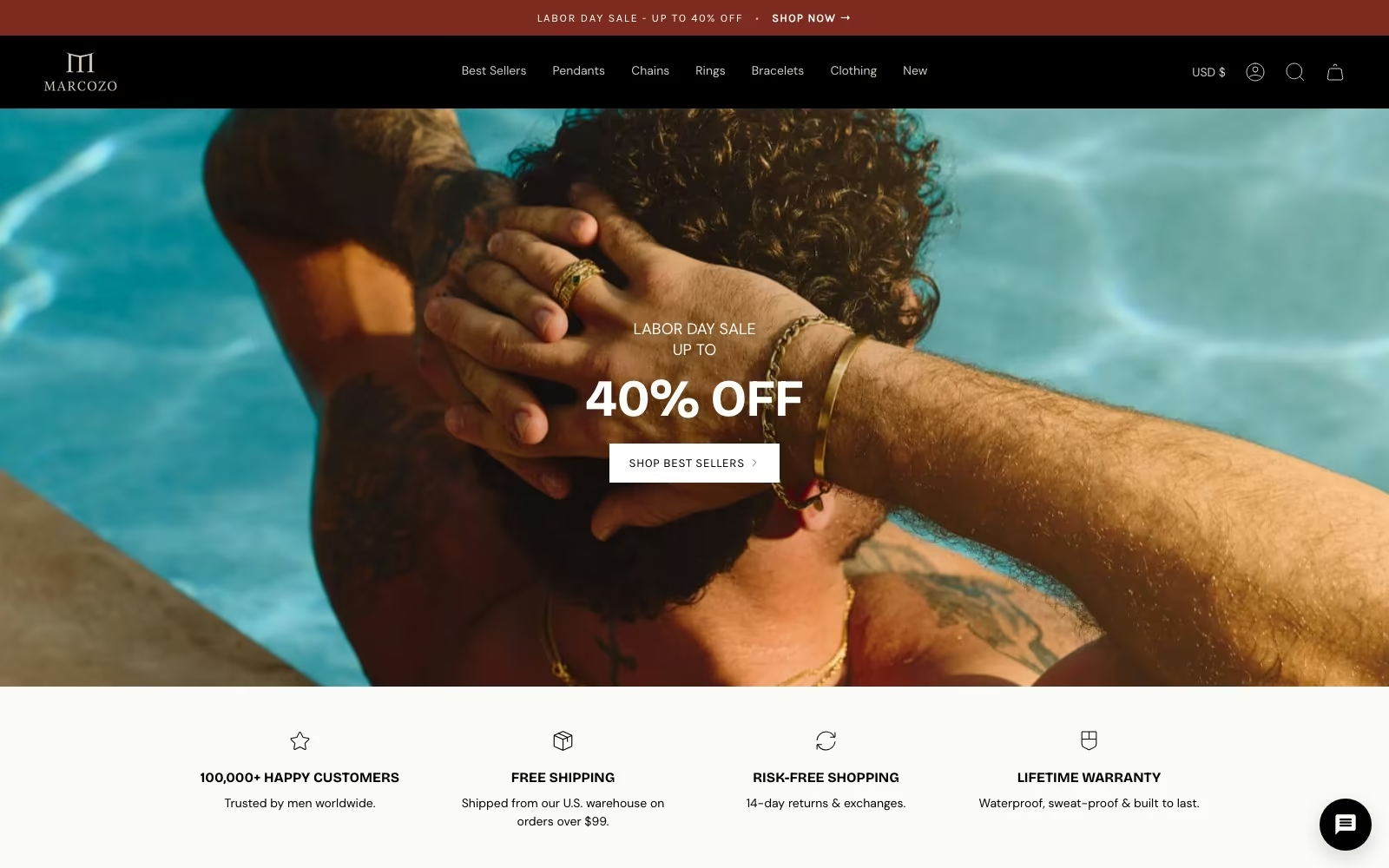

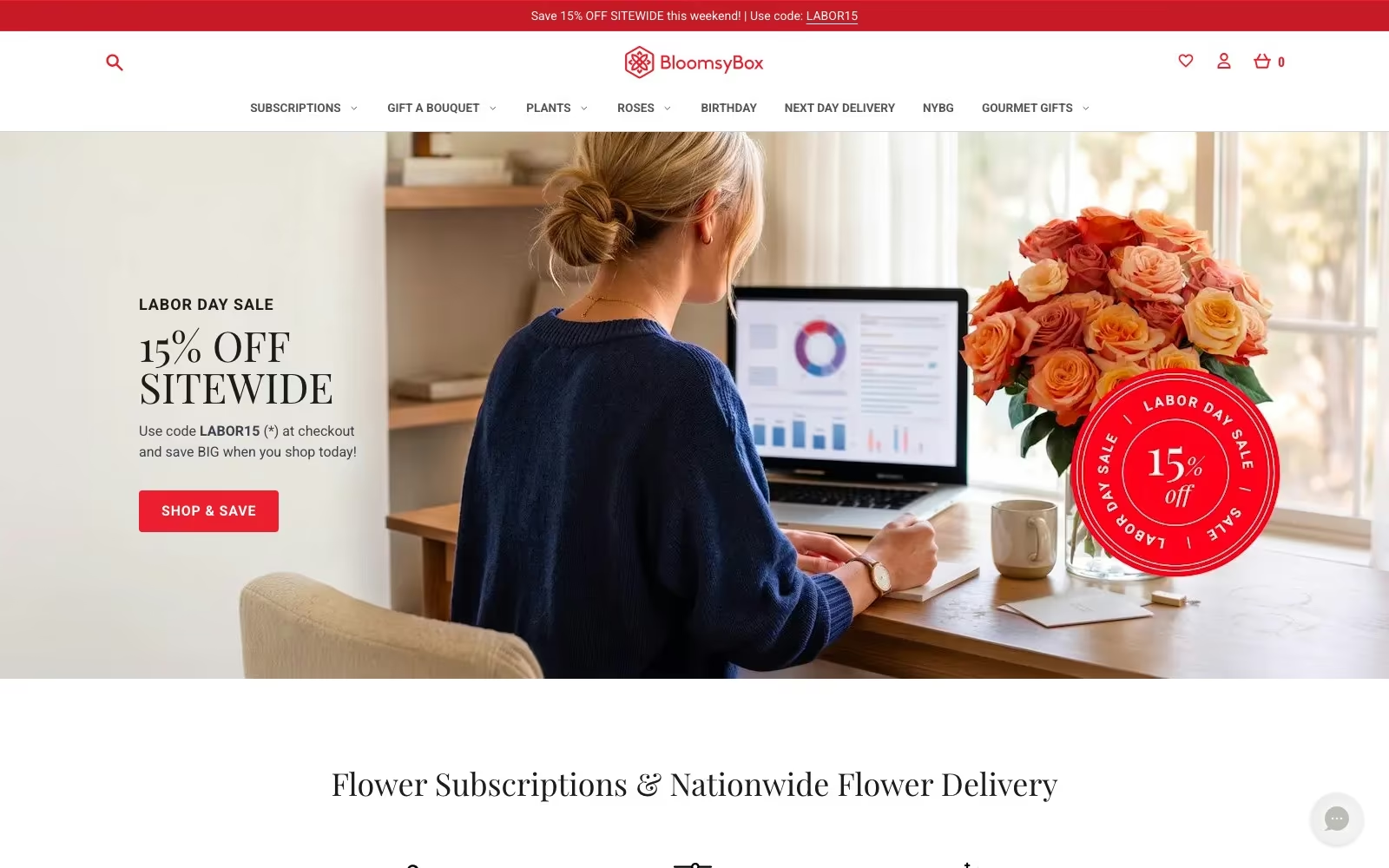

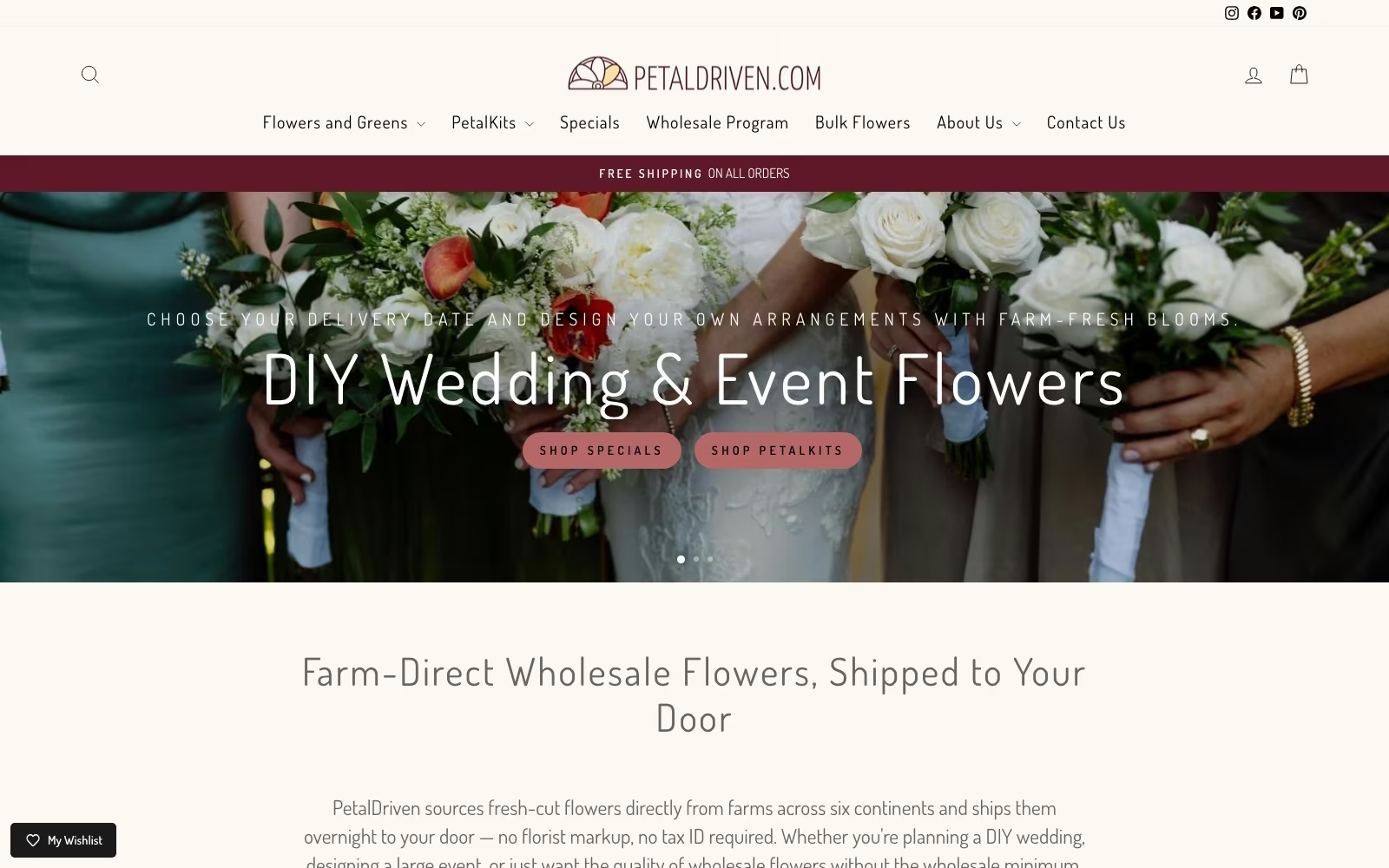

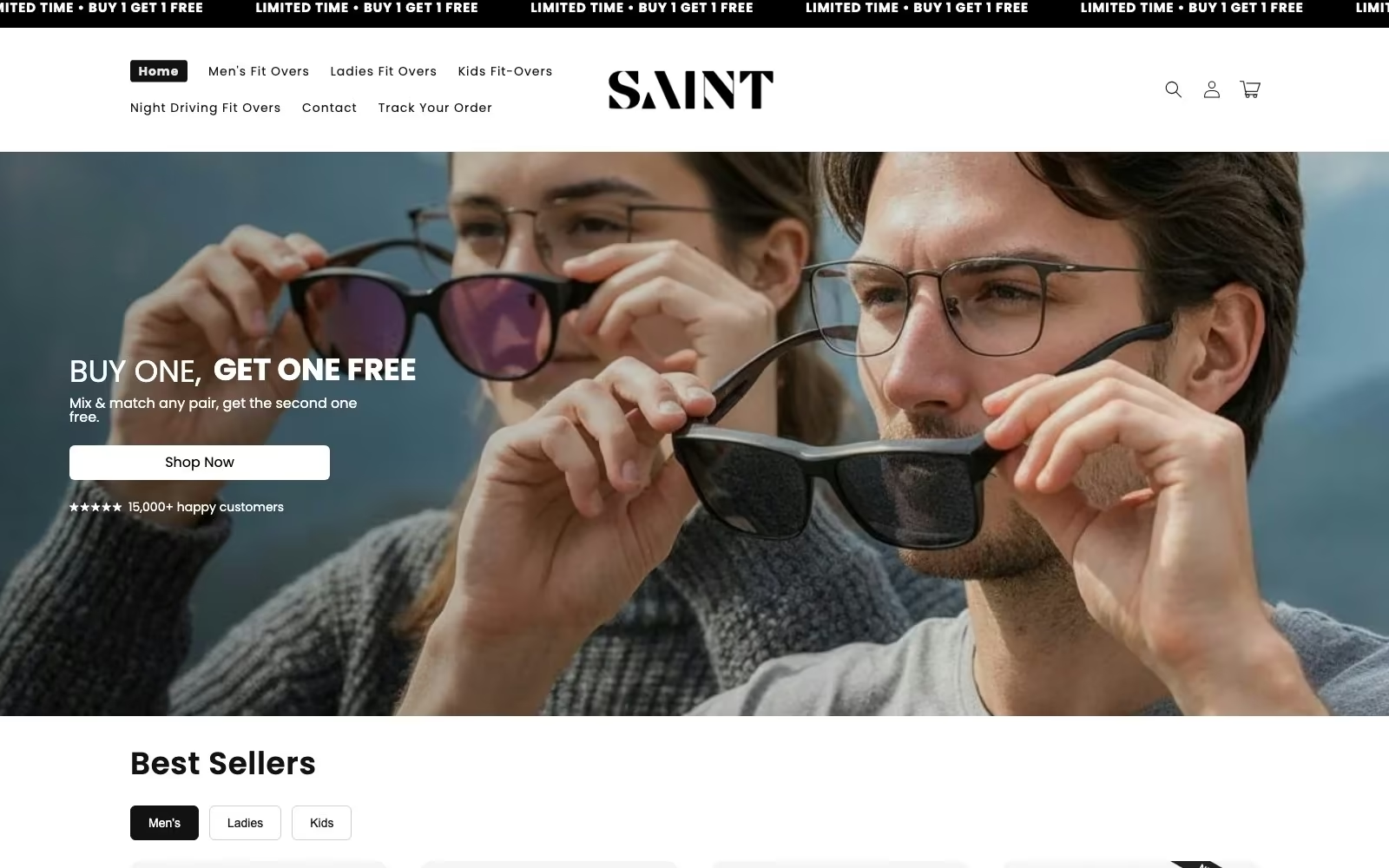

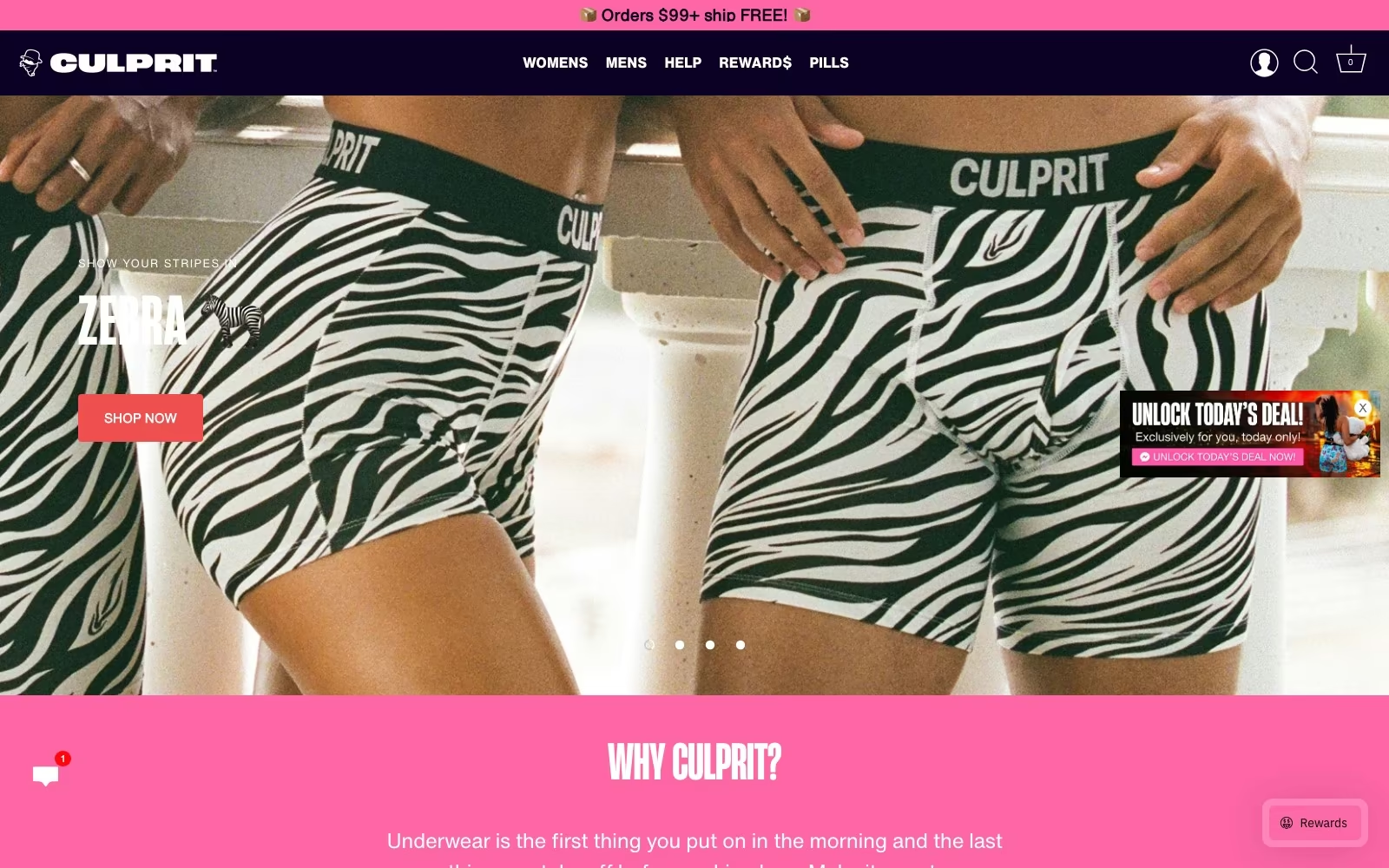

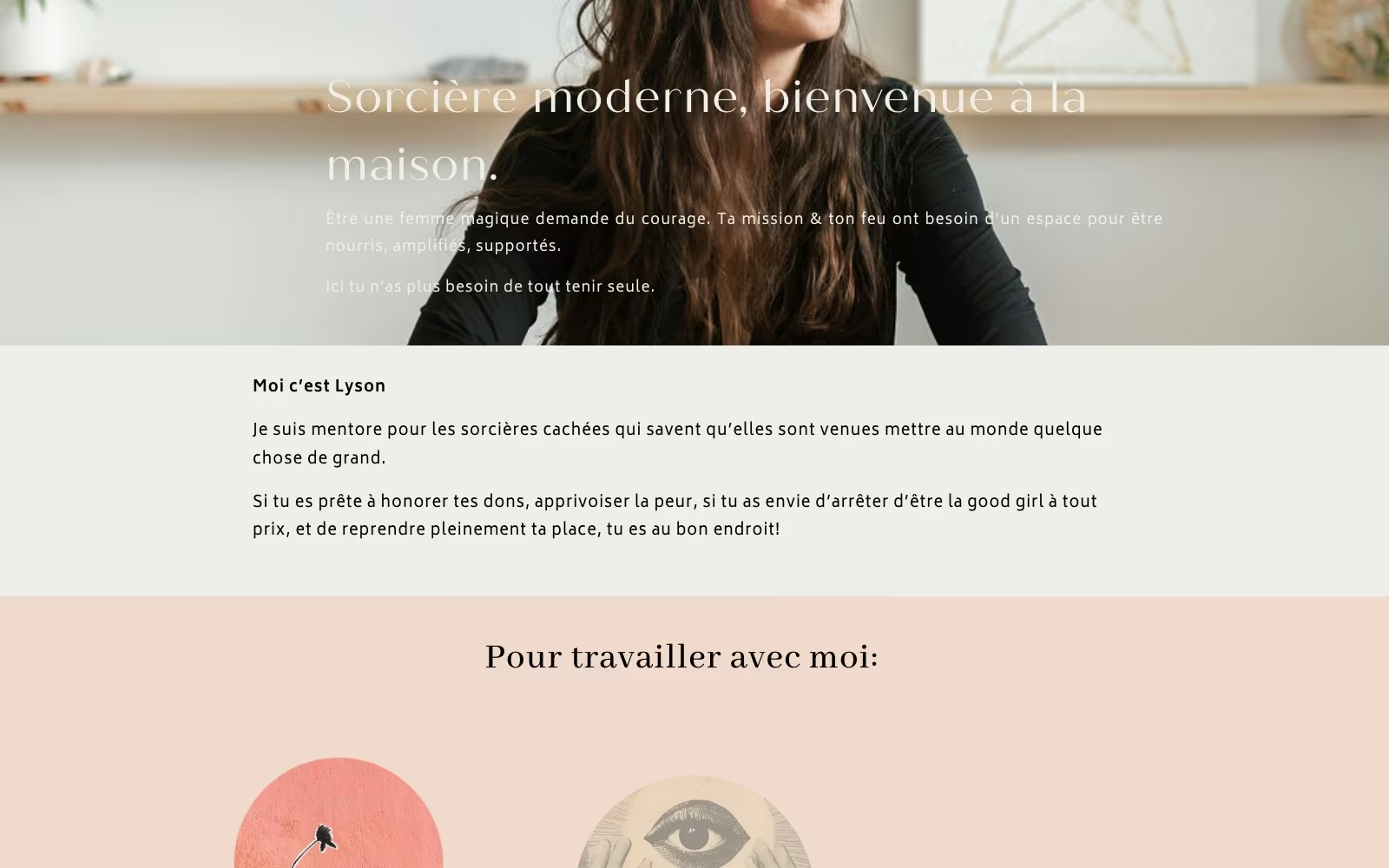
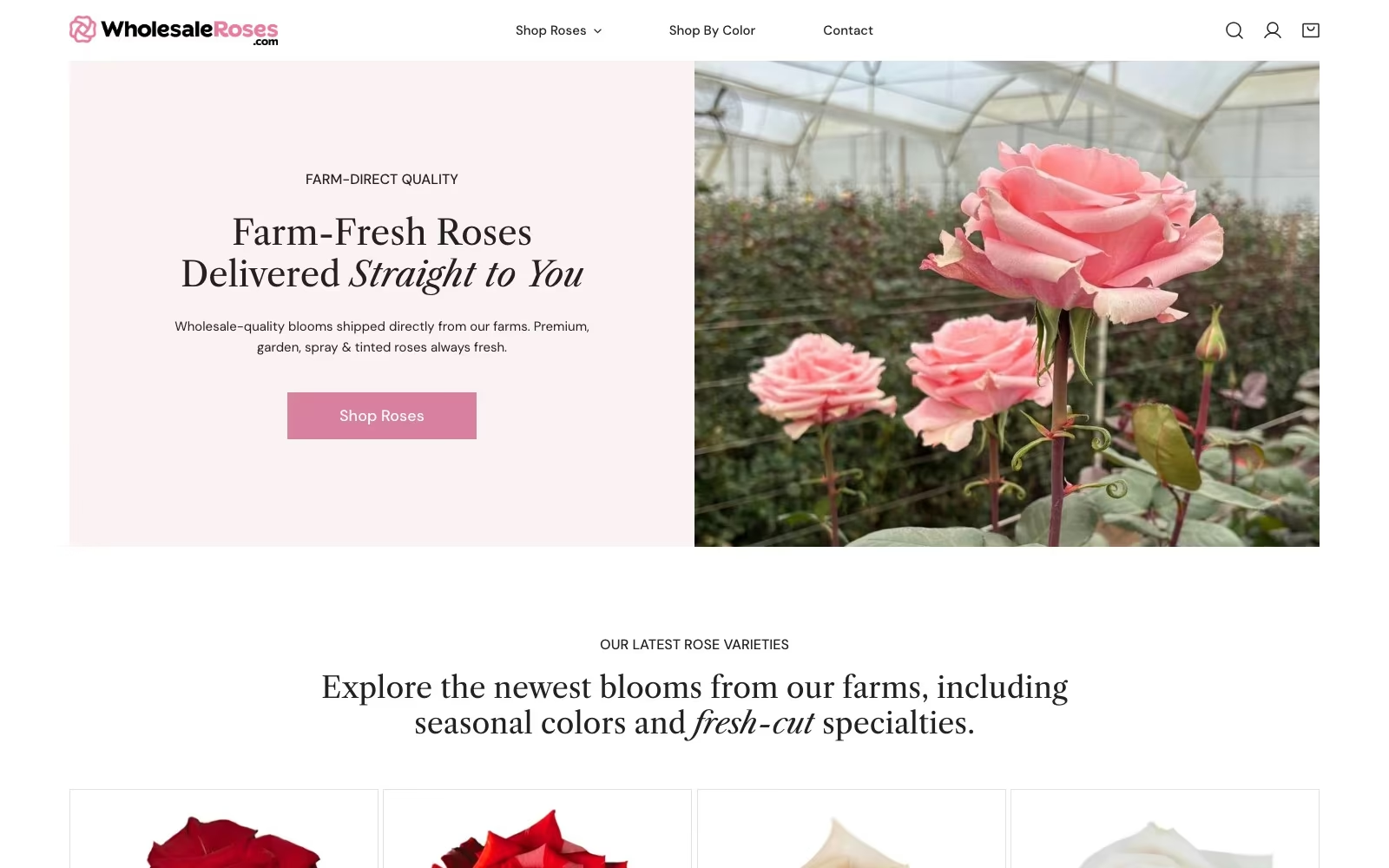

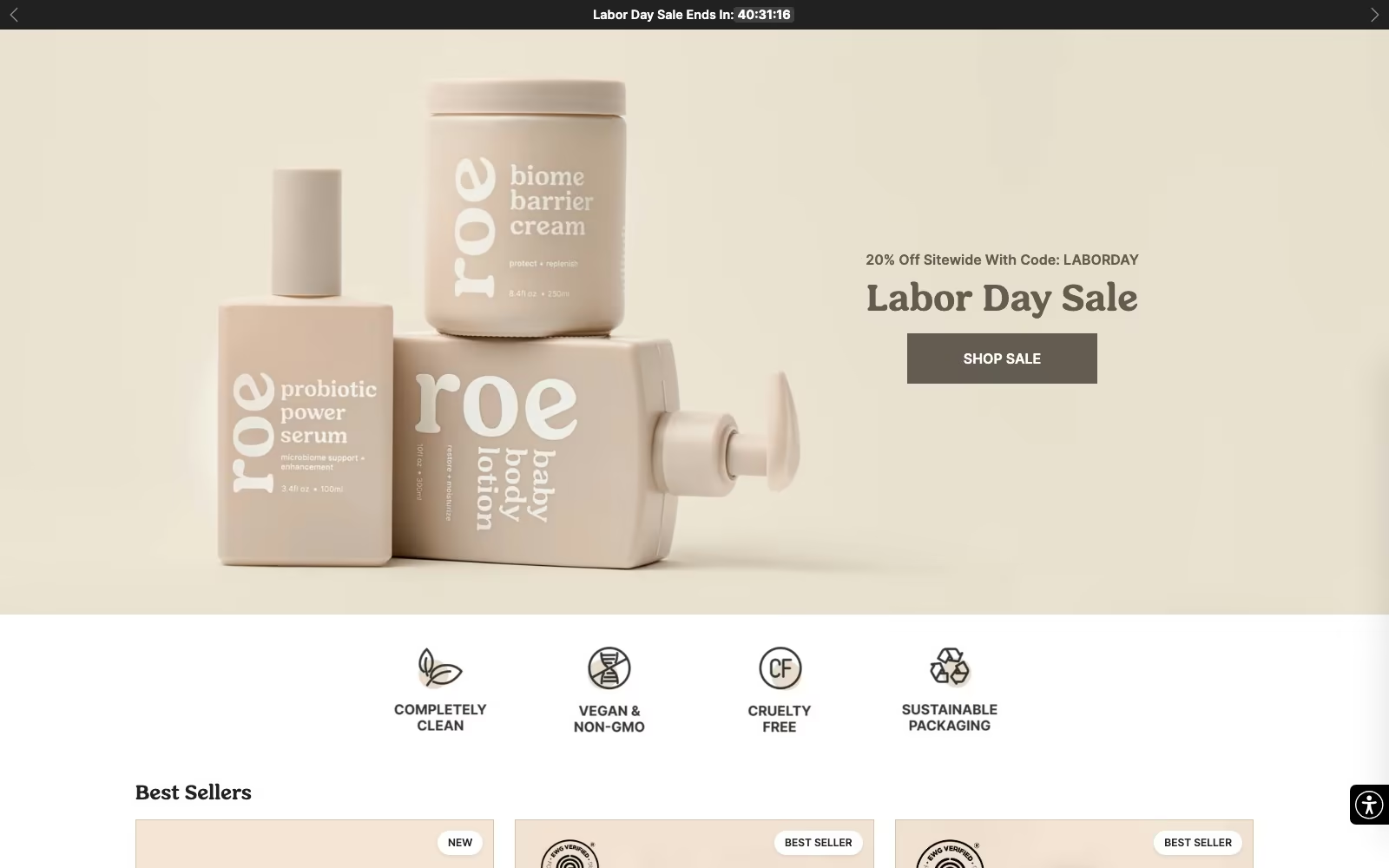

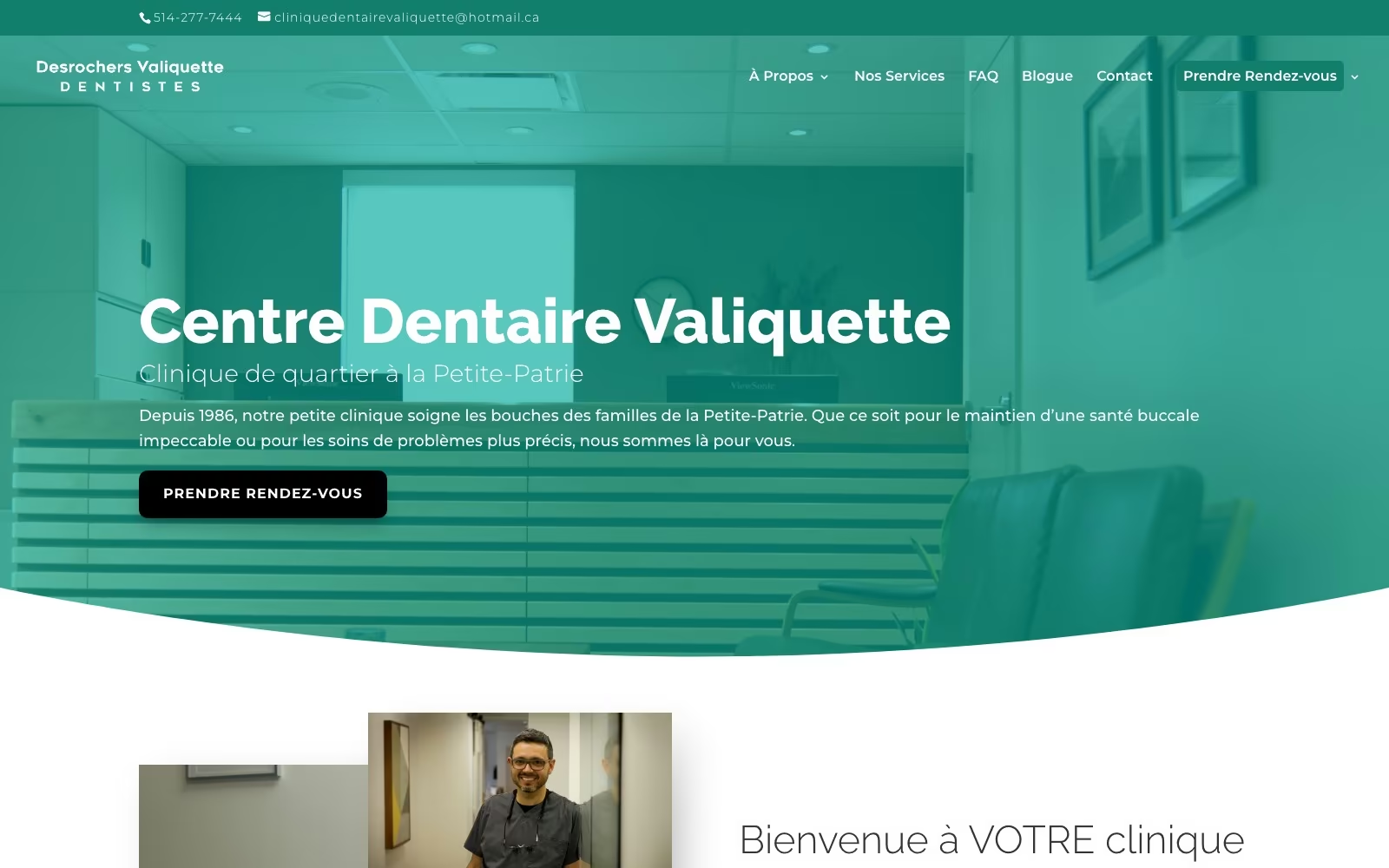

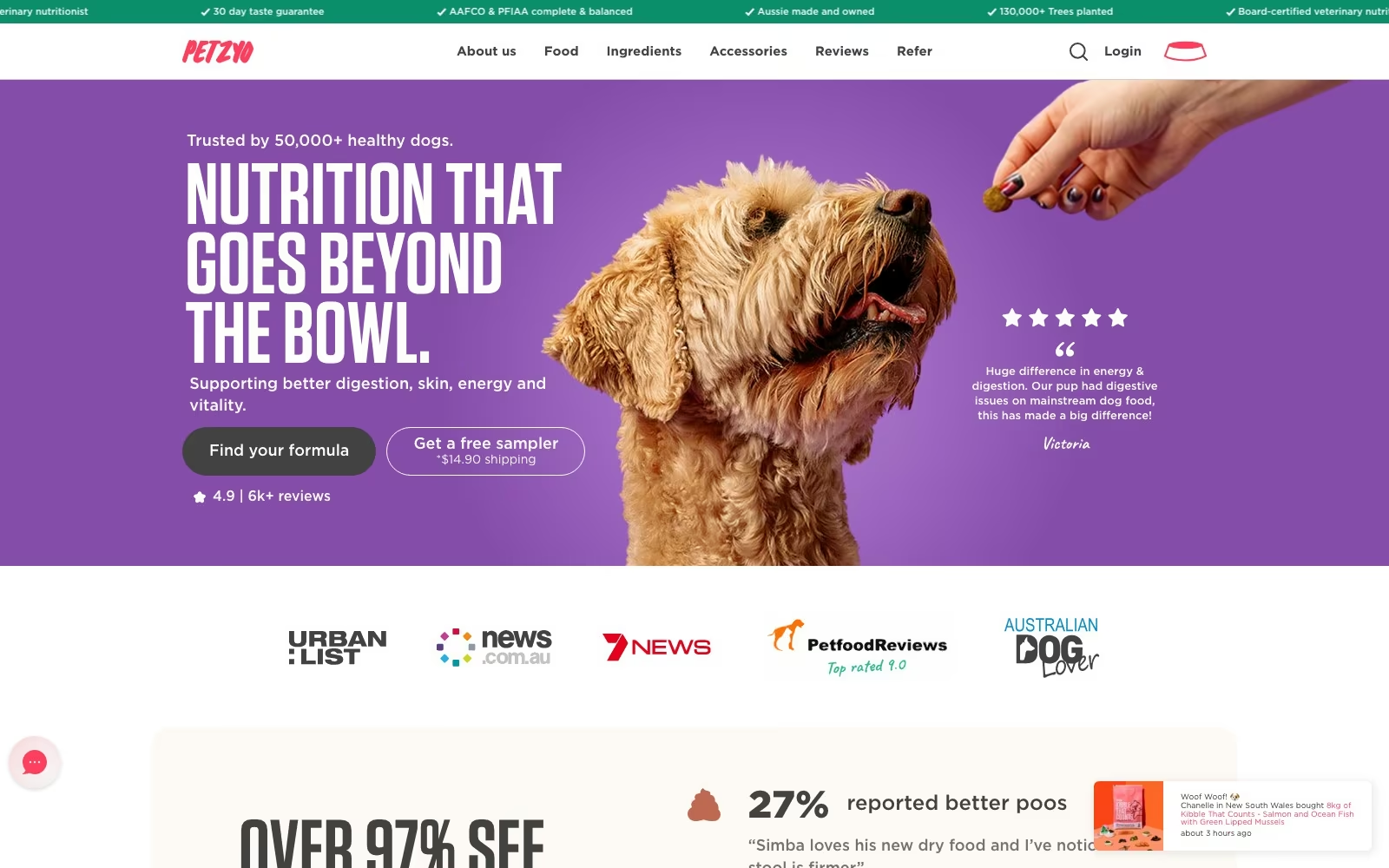











FAQ
What franchise marketing teams ask us first.
Our franchisees ignore the brand guidelines. Why would this be different?
Because we design for the behaviour instead of against it. Owners improvise when the official asset does not say the thing they need to say — Sunday hours, a local sponsorship, a hiring push. A kit that leaves deliberate slots for exactly those cases removes most of the motive to go rogue, and templates that still look right when someone drops in their own photo handle the rest. We also test the kit with three or four real owners before rollout, which surfaces the friction while it is still cheap to fix.
Does localised creative really outperform a polished national campaign?
Consistently, in our experience, and the research points the same way: BIA Advisory Services finds 63% of viewers react more positively to localized advertising and 71% prefer messaging tailored to their community. The important nuance is that localisation is not a substitute for quality. Nielsen's 41-brand analysis put high-quality creative at 35% greater effectiveness, so the winning combination is a genuinely good national idea with local specificity assembled into it, which is precisely what the modular approach delivers.
How much new creative does a franchise system actually need?
More than most produce and less than the panic suggests. Paid social decays on repetition rather than on age, so the practical answer is a steady monthly batch plus fast variants when something works. Reshift Media's 2026 franchise playbook frames this as creative velocity: how quickly you can generate, test and refresh assets. We size the batch against your active market count and media budget in the first month, then adjust once we can see how quickly your audiences actually fatigue.
Who owns the files if we stop working with you?
You do, in editable source form, and we hand them over without drama or an exit fee. That includes the working files, the fonts and licences we used, the asset library structure and the documented kit rules. We build the library inside your own storage from day one rather than ours, so there is nothing to migrate later. Owners keep their access throughout, because the thing that breaks a franchise creative programme fastest is locations losing access to their assets mid-campaign.
How do you keep two hundred locations on-brand without policing them?
By making the compliant path the fastest path. If assembling an on-brand local ad takes ninety seconds in a library owners already have open, almost nobody rebuilds one from scratch. We pair that with a very short list of genuine non-negotiables rather than a forty-page manual. Governance still matters at scale — SOCi's 2026 index of 2,751 multi-location brands and around 350,000 locations shows how quickly local execution drifts — so we review a sample of live field creative every month and feed it back.
Can you shoot in our locations, or do we need to send you assets?
We shoot, and it is usually the highest-value part of the engagement. A compact crew spends a day or two in two or three representative locations with your actual staff and customers, working from a storyboard designed for modular assembly rather than one hero film. That single block yields vertical video, stills and offer variants that cover every market. Where budget is tight we can start with a structured self-capture kit for owners and upgrade to a full production block once the format is proven.
How do you decide which creative to retire?
On evidence, on a schedule, and without protecting our own work. Each concept is tested against another rather than judged in isolation, results are read per market as well as system-wide, and anything that has stopped producing gets an explicit retirement recommendation in the monthly report. The library ends up ranked by what actually produced bookings in real towns, which settles most creative debates faster than a meeting does.
Our national fund and local budgets are separate. Does that complicate this?
It shapes the deliverables rather than complicating them, and we plan for it from the start. National fund money buys the kit, the production block and the system-level campaigns; local money buys the assembled variants and market-level media. Reporting is split the same way so owners can see what each pot bought. That transparency is what keeps the programme funded — 93% of franchisees call local marketing critical to their success, against 81% of brands, and they are the ones contributing.
How long before we see anything?
The field audit lands in the first fortnight and usually changes the conversation on its own. A working kit follows in about a month, the production block in the second month, and the first assembled local variants shortly after. Meaningful creative test results need a few weeks of spend behind them, so the first genuinely ranked library arrives at roughly month three. We agree the leading indicators up front so nobody is waiting in the dark.
What does a franchise creative programme cost?
A fixed monthly fee for the system work, scaled to how many markets and how much new production you need, plus the production block quoted separately because shoot costs vary enormously with location count and format. Most systems start with the audit and the kit, which is the smallest sensible commitment and the part with the longest shelf life, then add production once the kit is proven with real owners. Media budget is always paid by you, directly.
Can you work alongside our existing agency?
Yes, and it is a common arrangement. Plenty of systems keep a brand agency for the big annual idea and bring us in for the localisation engine, the volume production and the testing discipline that sits underneath it. We work from their brand platform rather than relitigating it, keep the asset library shared, and report in a format that does not force you to reconcile two sets of numbers. Where responsibilities overlap we write them down at the start.
Can you run the media as well as the creative?
Yes, and the numbers get more honest when one team holds them. Our paid social, local SEO and analytics specialists work from the same plan, so a booked job is attributed once instead of claimed by three suppliers. Hiring us for creative alone is equally fine — we hand the files to whoever buys your media and make the kit easy for them.

.webp)
.webp)