Dealership creative that shows the vehicle, not the logo.
not the logo
Manufacturer templates and payment-shouting radio spots all look the same by the time they reach a phone screen. We produce the creative that actually moves metal: walkarounds shot on the lot, offer statics that survive a thumb, salesperson-led social video, and seasonal campaign sets built to be tested — planned with our paid social and paid search teams so every asset has a job to do.






Tell us a little about your brand and we'll be in touch within 24 hours to lock in a time.


FOUR WORKSTREAMS
Four workstreams behind creative that fills the showroom.
that fills the showroom
Shoppers research for weeks before they walk in. The work below is aimed at the screens where that research happens, not at brand awareness in the abstract.
Vehicle video
Social content
Offer & retail creative
Testing & measurement
Walkarounds, test drives and inventory video shot on your lot.
Video is the format shoppers use to shortlist. We run monthly shoot days at the dealership: model walkarounds, feature explainers, a used-inventory format that can be produced quickly, and short test-drive pieces that show the seats, the boot and the infotainment rather than a drone shot of the building.
The volume matters because the research does. CDK Global reports shoppers watching around 20 videos before narrowing their choice, and most of those views happen well before anyone fills in a form.
- Monthly shoot day on your lot, no studio hire
- Model walkarounds and feature explainers
- A repeatable used-inventory video format
- Vertical and square cuts for every placement
20
videos a shopper watches before shortlisting (CDK)
35%
more site visitors in a video pilot (Cars.com)
The people on your floor are the best content you have.
Shoppers trust a salesperson holding a phone more than a manufacturer sizzle reel, and that content costs almost nothing to make. We build a simple monthly plan the store can execute — delivery moments, arriving stock, service tips, straight answers to the questions the desk hears daily — then edit, caption and schedule it so nobody at the dealership has to become a video editor.
The point is consistency, not virality. A store posting useful things every week becomes familiar long before a shopper is ready, which is exactly when familiarity is cheap to buy.
- A monthly plan your staff can actually shoot
- Editing, captions and scheduling handled for you
- Formats for delivery moments, arrivals and service
- Comment and message handling guidance included
45%
more influenced showroom traffic in the same pilot
Offers readable at a glance, compliant by default.
Most retail automotive statics fail on legibility: three offers, a disclaimer wall and a logo bigger than the vehicle. We design offer creative around one price, one model and one action, with the legal text handled properly rather than shrunk until it technically exists, and a template system so a new month of offers takes hours instead of a week.
It pays off in the numbers that matter to a general manager: a Cars.com video pilot reported a 47% increase in influenced vehicle sales alongside a 45% rise in showroom traffic once the retail message reached shoppers in a format they would watch.
- One model, one price, one action per asset
- Disclaimers designed in, not squeezed in
- A template set for monthly offer refreshes
- Manufacturer co-op requirements respected
47%
lift in influenced vehicle sales in the pilot
Judge the work on appointments, not on impressions.
Every asset is built as a test: a hook, an offer angle, a vehicle, a format. We read them on cost per lead and cost per booked appointment first, then on hook and hold rates to explain why one won, and retire the losers without a meeting about it.
Where the shopper starts is shifting too. Cox Automotive found 19% of all buyers, and 25% of new-vehicle buyers, using AI websites or AI overviews during the purchase — so the creative and the content answering those questions increasingly need to be the same story.
- Cost per lead and per appointment by creative
- One variable changed per test, written down
- Fatigue watched weekly, refresh scheduled before it bites
- A monthly note naming what we are cutting
19%
of buyers used AI tools while shopping (Cox)
25%
of new-vehicle buyers did the same
Raw footage, project files and accounts stay in your name
A shoot day on your lot, not a quarterly production
Working session with the people making the assets
Long-term lock-ins
We made the difference for those brands

Consumer tech and platforms

Healthcare & regulated services

Beauty, personal care & wellness

B2B software, fintech, insurance

Healthcare & regulated services

Beauty, personal care & wellness

Consumer tech and platforms

Healthcare & regulated services

Consumer tech and platforms

Consumer tech and platforms

Healthcare & regulated services

Apparel and lifestyle

Consumer tech and platforms

B2B software, fintech, insurance

Healthcare & regulated services

Beauty, personal care & wellness

Healthcare & regulated services

Consumer tech and platforms

Home essentials, appliances, kitchen & pet

Home essentials, appliances, kitchen & pet

B2B software, fintech, insurance

Consumer tech and platforms

Beauty, personal care & wellness

Creative, content, arts & culture

Food & beverage

B2B software, fintech, insurance

Beauty, personal care & wellness

Beauty, personal care & wellness

B2B software, fintech, insurance

Creative, content, arts & culture
01 — The challenge
Every store in town runs the same ad.
The manufacturer sends a template, the agency adds a logo, and the result competes with four identical spots from stores twenty minutes away. Nothing in it shows the vehicle a shopper is trying to picture in their driveway.
“We spend a fortune and none of it looks like us.”
The fix is not a bigger budget, it is different material. Shoppers watch around 20 videos before narrowing their choice, and almost none of those are broadcast spots — they are walkarounds, reviews and phone-shot clips. Produce that library from your own lot and the store stops being interchangeable.
02 — Our approach
Shoot on the lot, build a template system, test everything.
We start with a month of raw material rather than a concept deck: a shoot day at the store covering model walkarounds, feature explainers, delivery moments and a repeatable used-inventory format, filmed so the vehicle is the subject and the building is not. That footage is cut into vertical, square and landscape versions, captioned for silent viewing, and paired with an offer template system where one model, one price and one action carry each frame with the legal text designed in properly. Your salespeople become part of the plan, because a phone clip from the floor outperforms a polished spot on the platforms shoppers use to shortlist. Then everything is tested: hook, offer, vehicle and format, read on cost per lead and cost per booked appointment, refreshed before fatigue costs you money. Footage and source files stay with the store.
03 — What we did
Four weeks to a working creative library, then a monthly cadence.
Plan, shoot, template and test — in sequence, with a monthly shoot day and a written note of what sold.
Week 1 / Plan
Models, offers and the questions the desk hears
A shot list built from your inventory mix, the current offers and the questions your team answers over and over.
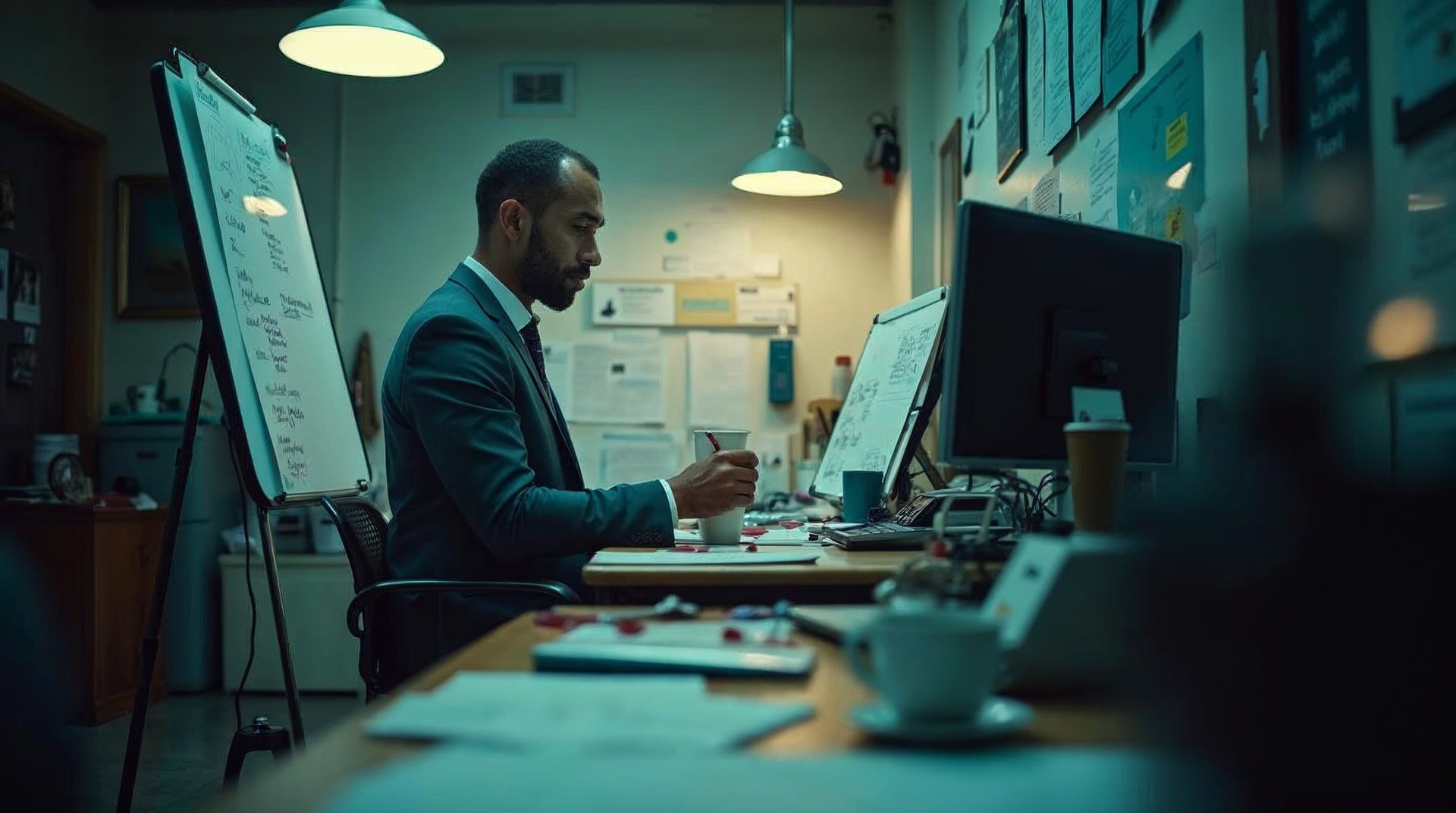
Week 2 / Shoot day
One day on the lot, a month of material
Walkarounds, feature explainers, delivery moments and a used-inventory format, filmed with the vehicle as the subject.
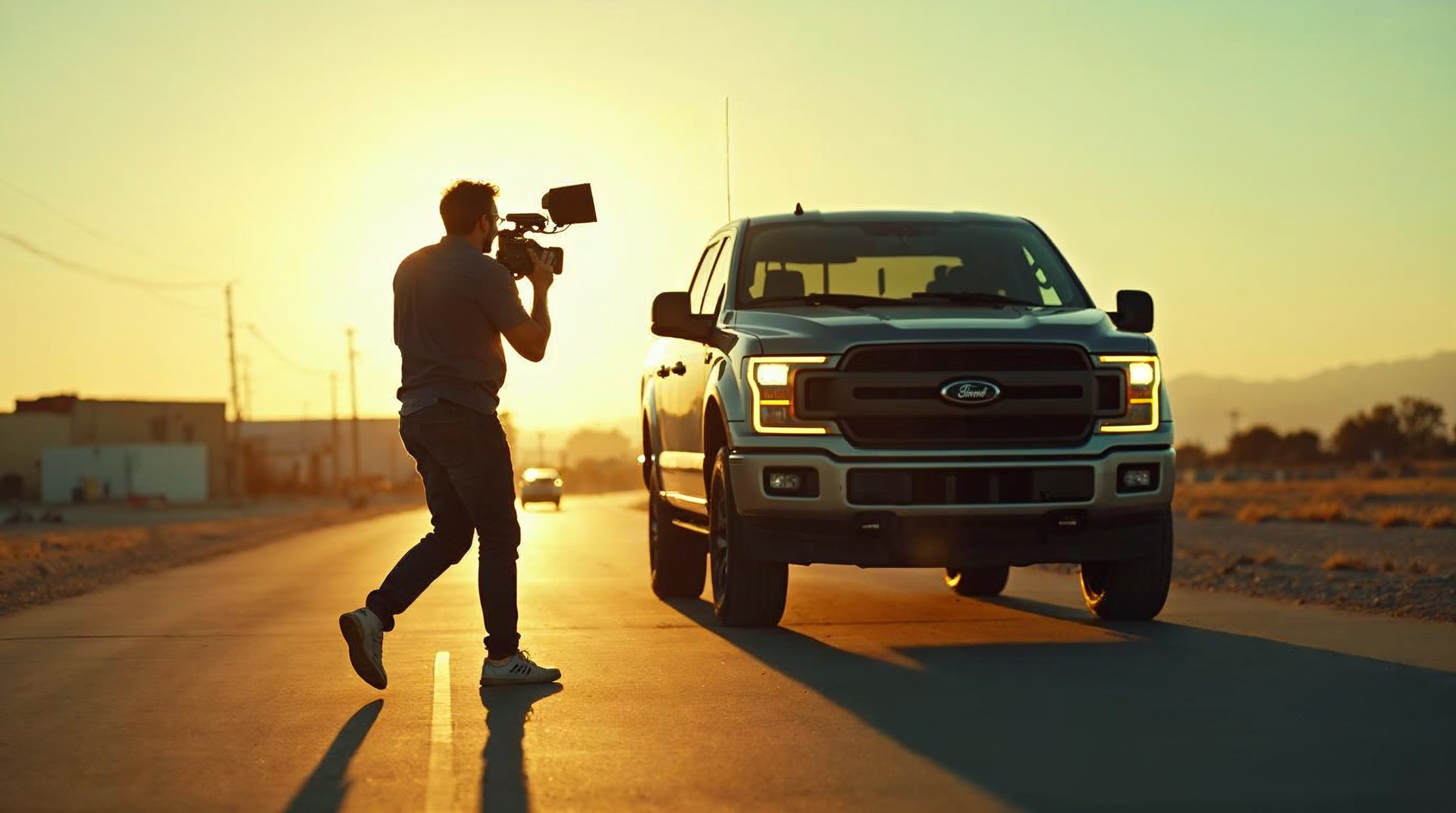
Week 3 / Edit & templates
Every cut and every offer frame
Vertical, square and landscape versions, captioned for silent viewing, plus the offer template set for monthly refreshes.
Week 4 onward / Testing
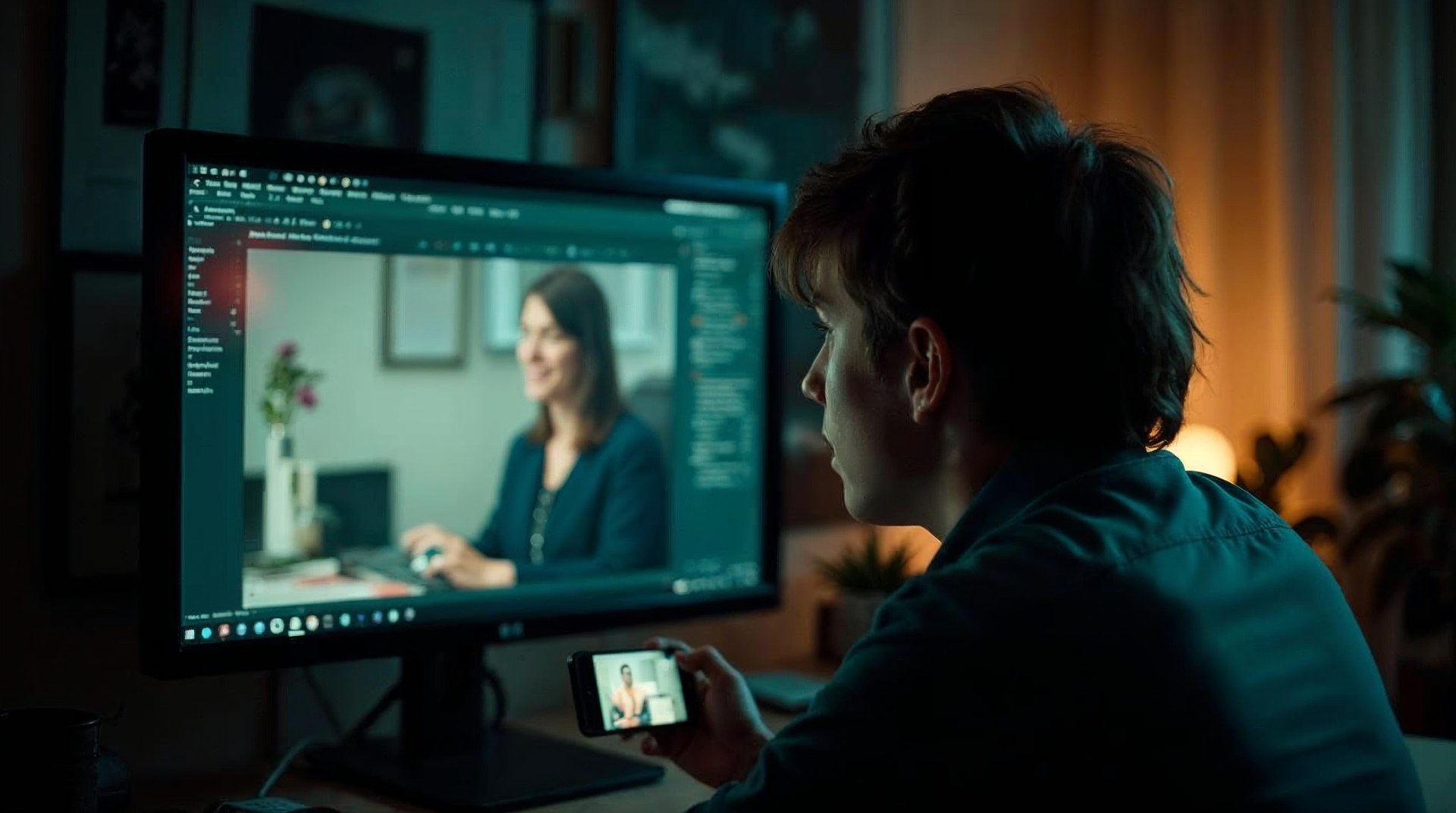
Read on appointments, refreshed before fatigue
Cost per lead and per booked appointment by asset, with fatigue watched weekly and the next shoot day already scheduled.
WHAT YOU GET
Deliverables your store can pick up and run.
pick up and run
Everything below is handed over as editable files and raw footage that stay yours if you ever leave.

Vehicle walkaround videos
Model and feature videos shot on your lot, cut for every placement and captioned for silent viewing.

Inventory video format
A repeatable template your team can shoot in minutes so used stock gets video without a production booking.

Offer and retail statics
One model, one price, one action, with disclaimers designed in and a template set for monthly refreshes.

Social content plan
A month of posts your staff can shoot, edited, captioned and scheduled for you.

Seasonal campaign sets
Model-year runout, plate change and holiday campaigns built as complete asset sets rather than one hero spot.

Footage and file handover
Raw footage, project files and export presets organised so nothing is trapped in an agency account.
HOW WE WORK
Operating standards, not promises.
Operating standards

Franchise stores
Work that respects co-op rules and still looks like your store rather than the template.
ExploreIndependent and used lots
A fast inventory format so every unit gets video without a production budget.
Explore

















Built on trust. Proven by results.
We partner with SMBs and Fortune 500 companies to deliver more than reach — we bring clarity, execution, and measurable outcomes. Every successful partnership starts with a strong culture fit and a shared drive to grow.






CASE STUDIES
Case studies
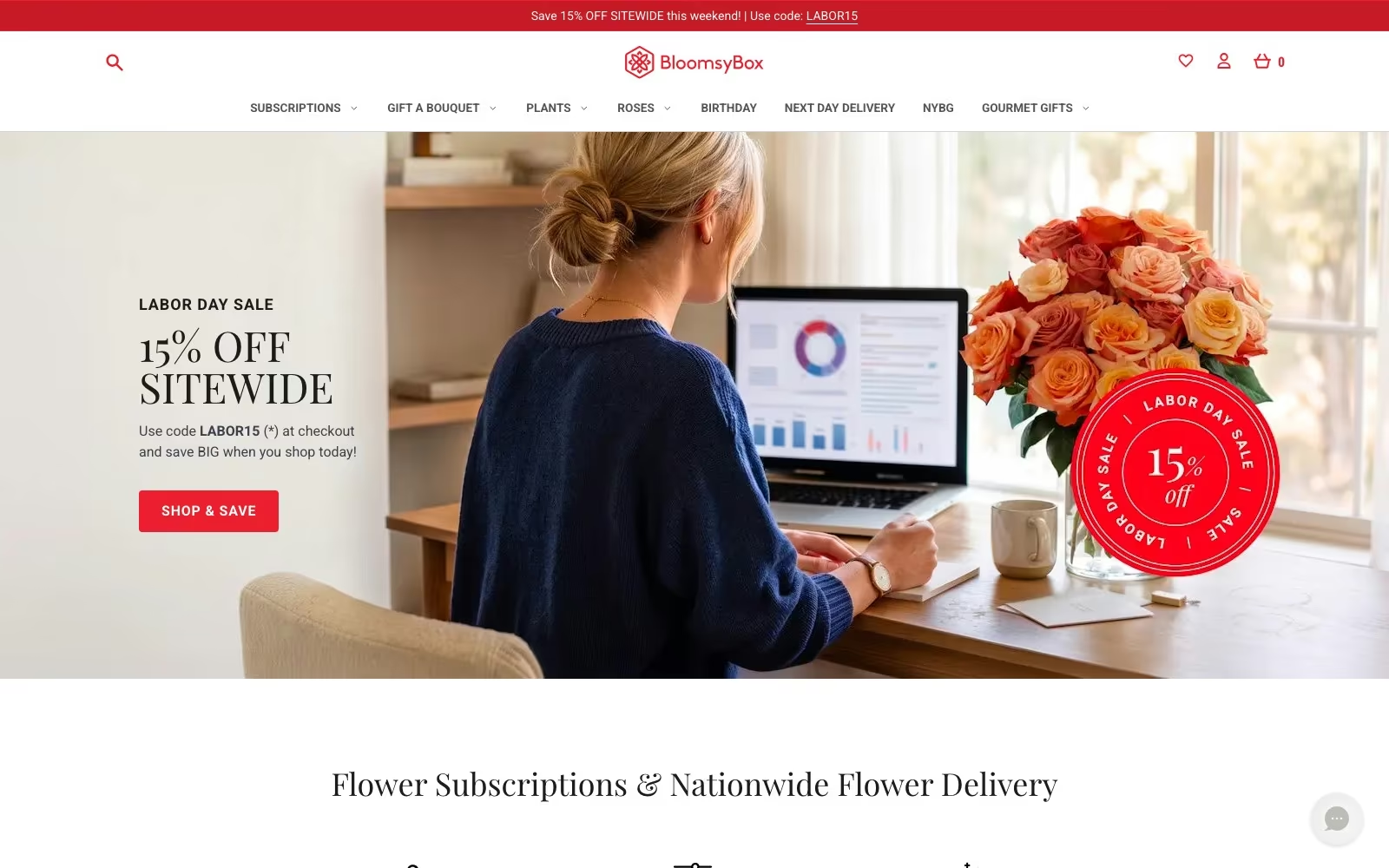
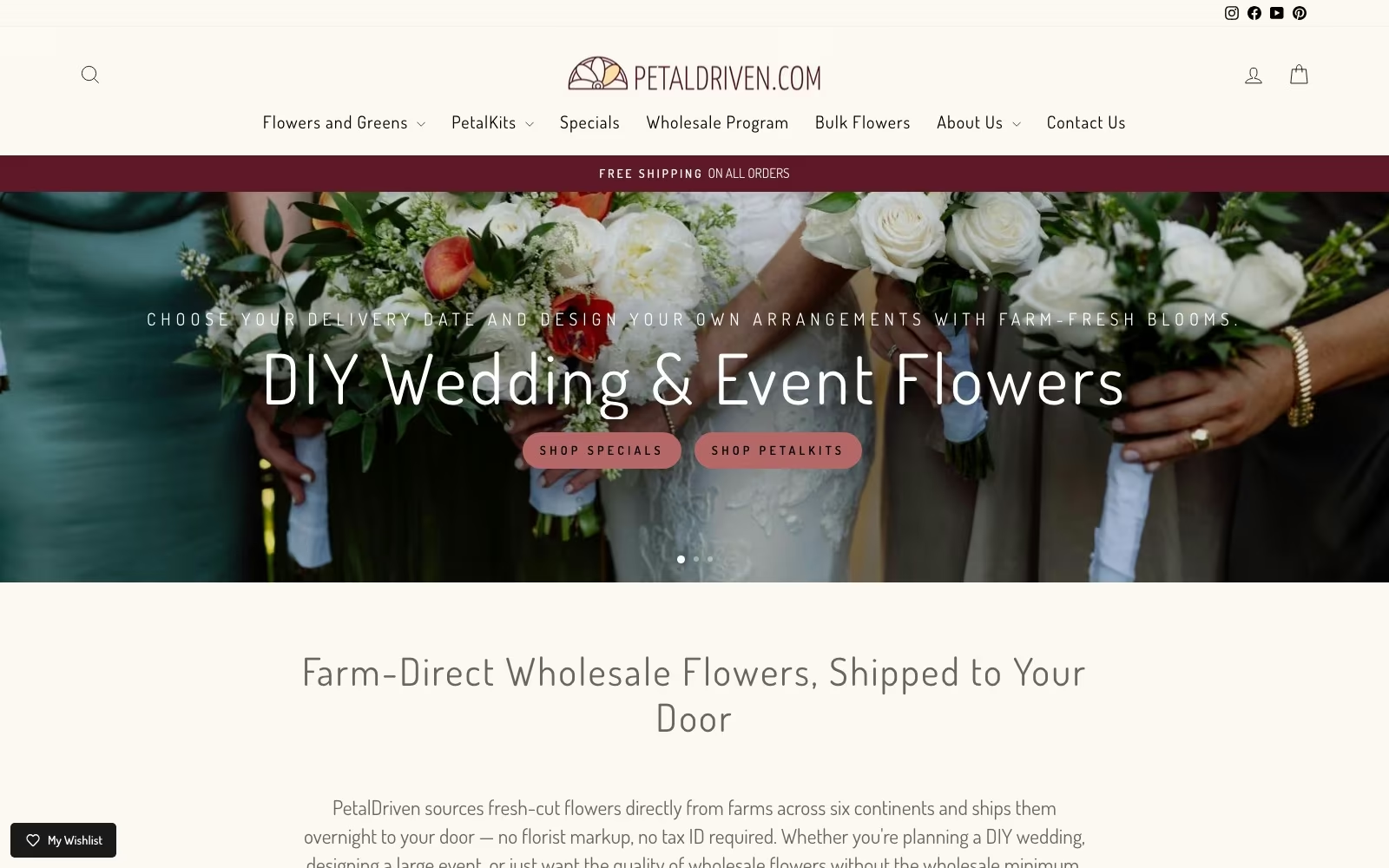
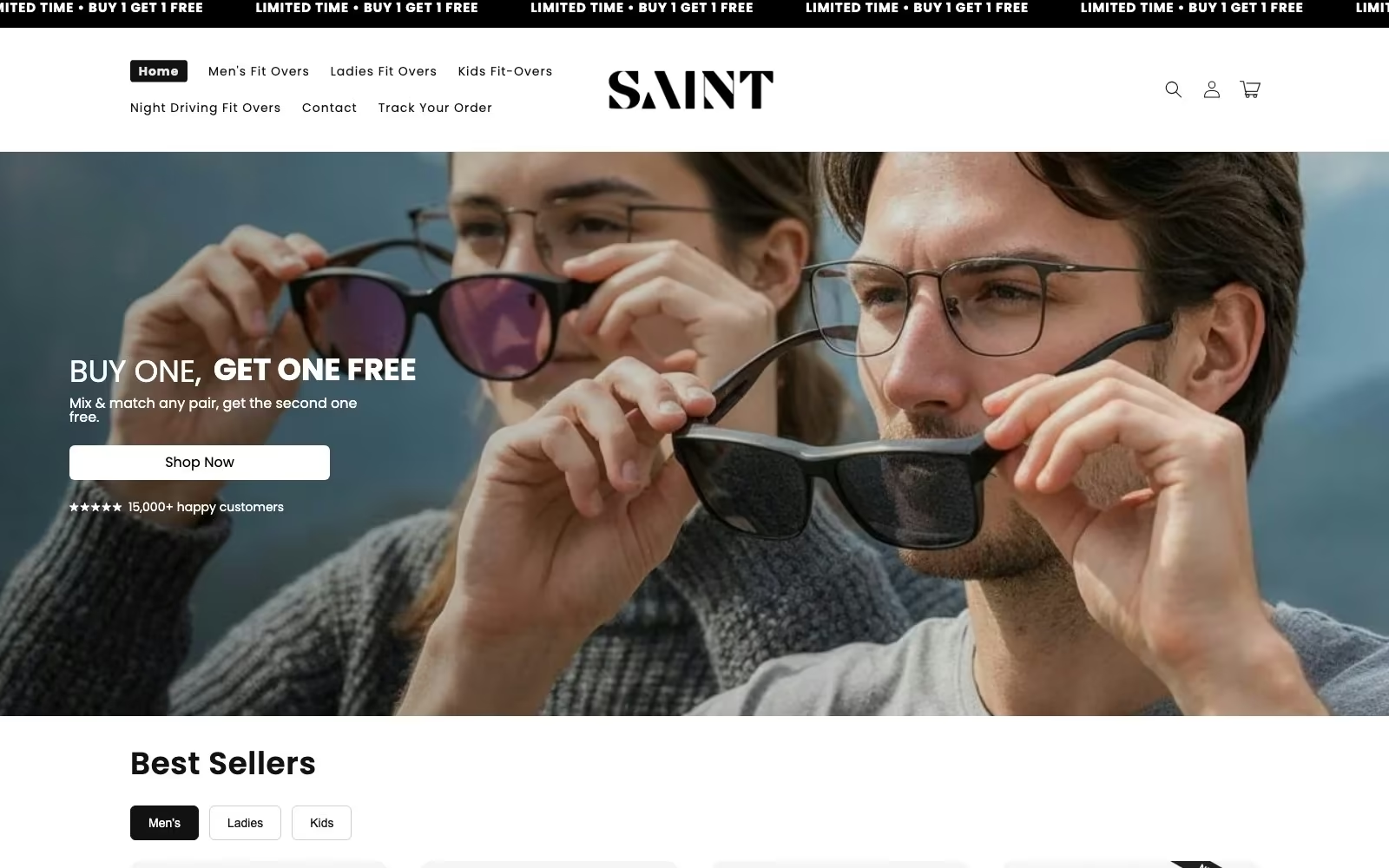
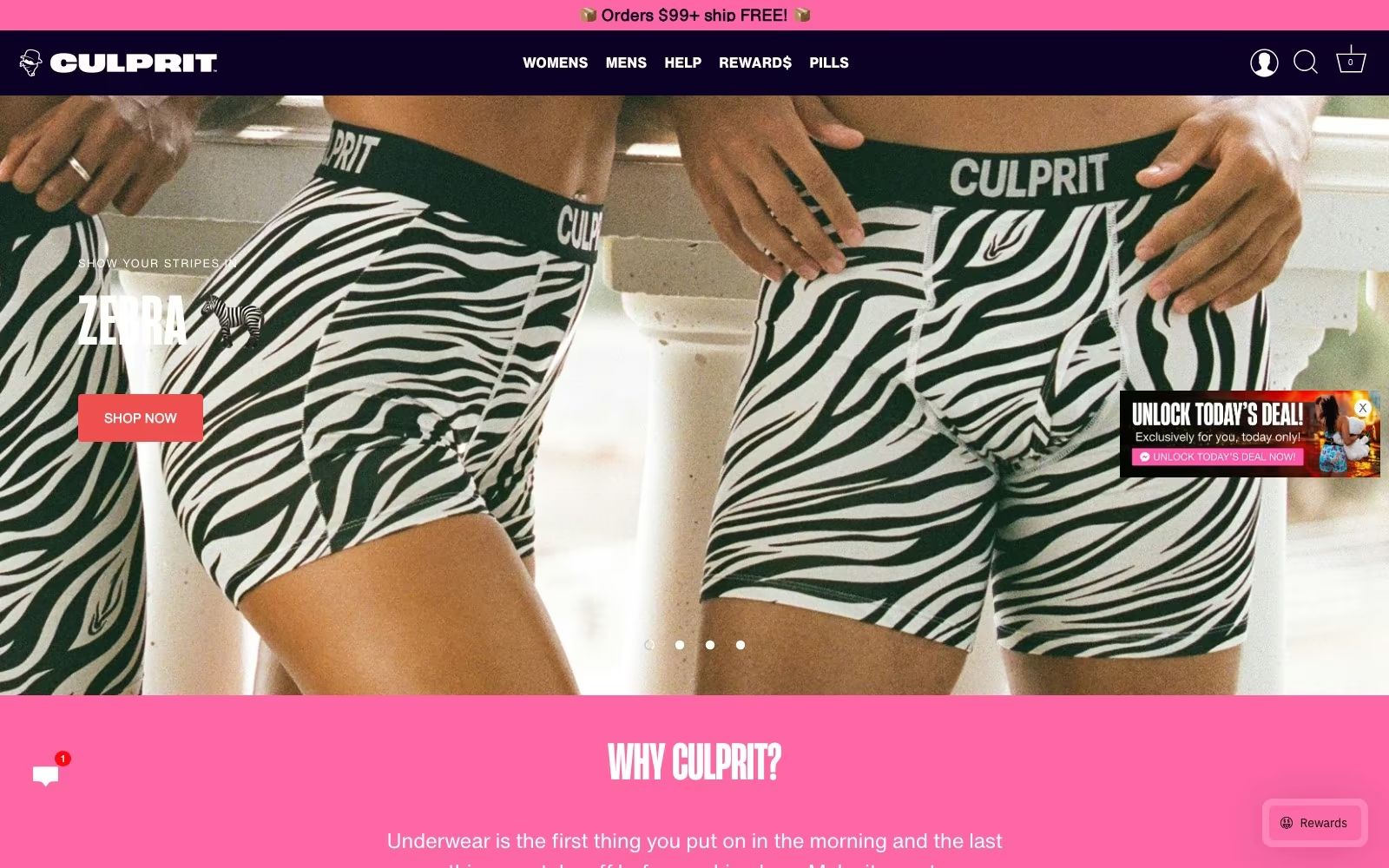
Website Portfolio
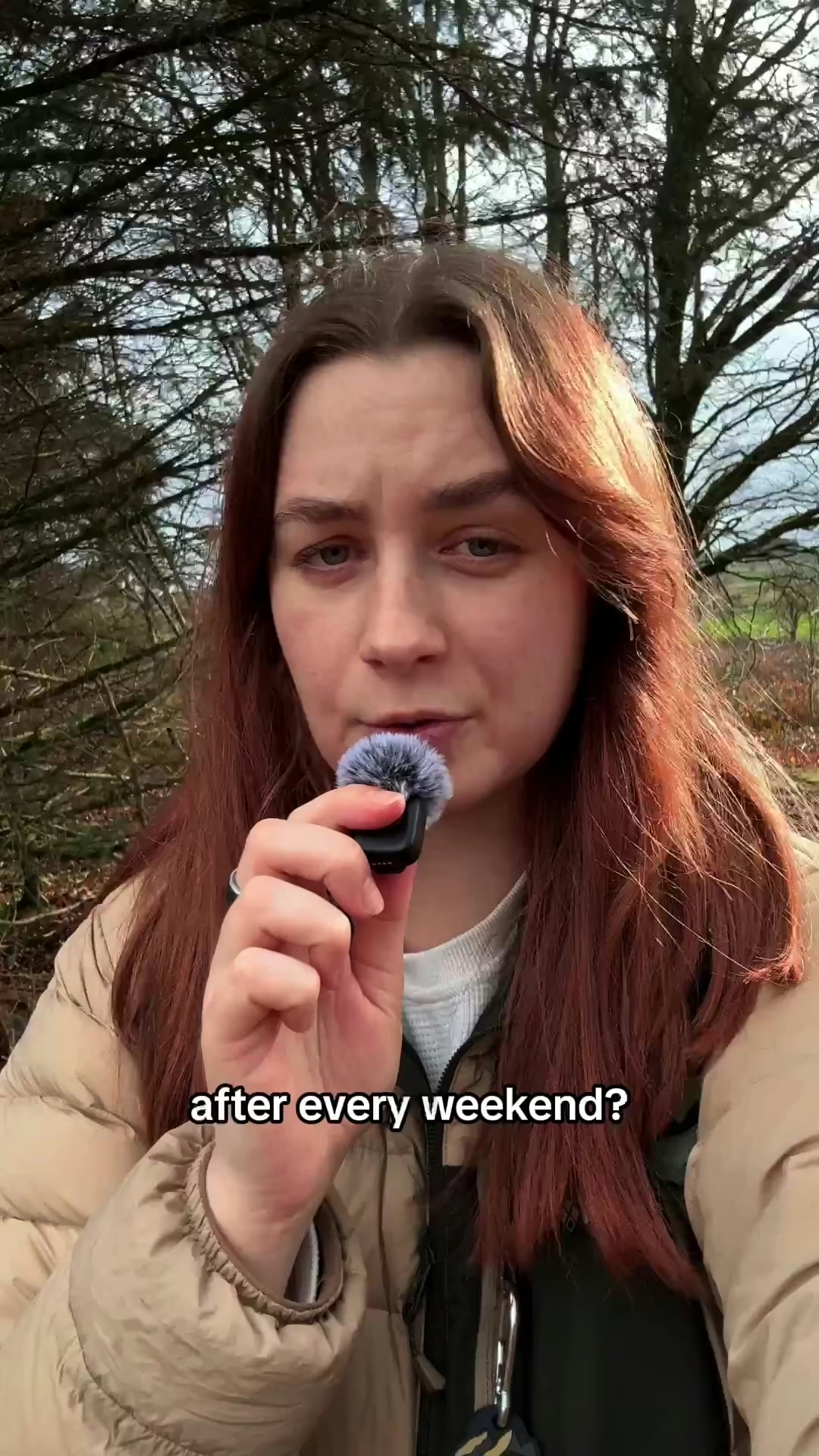
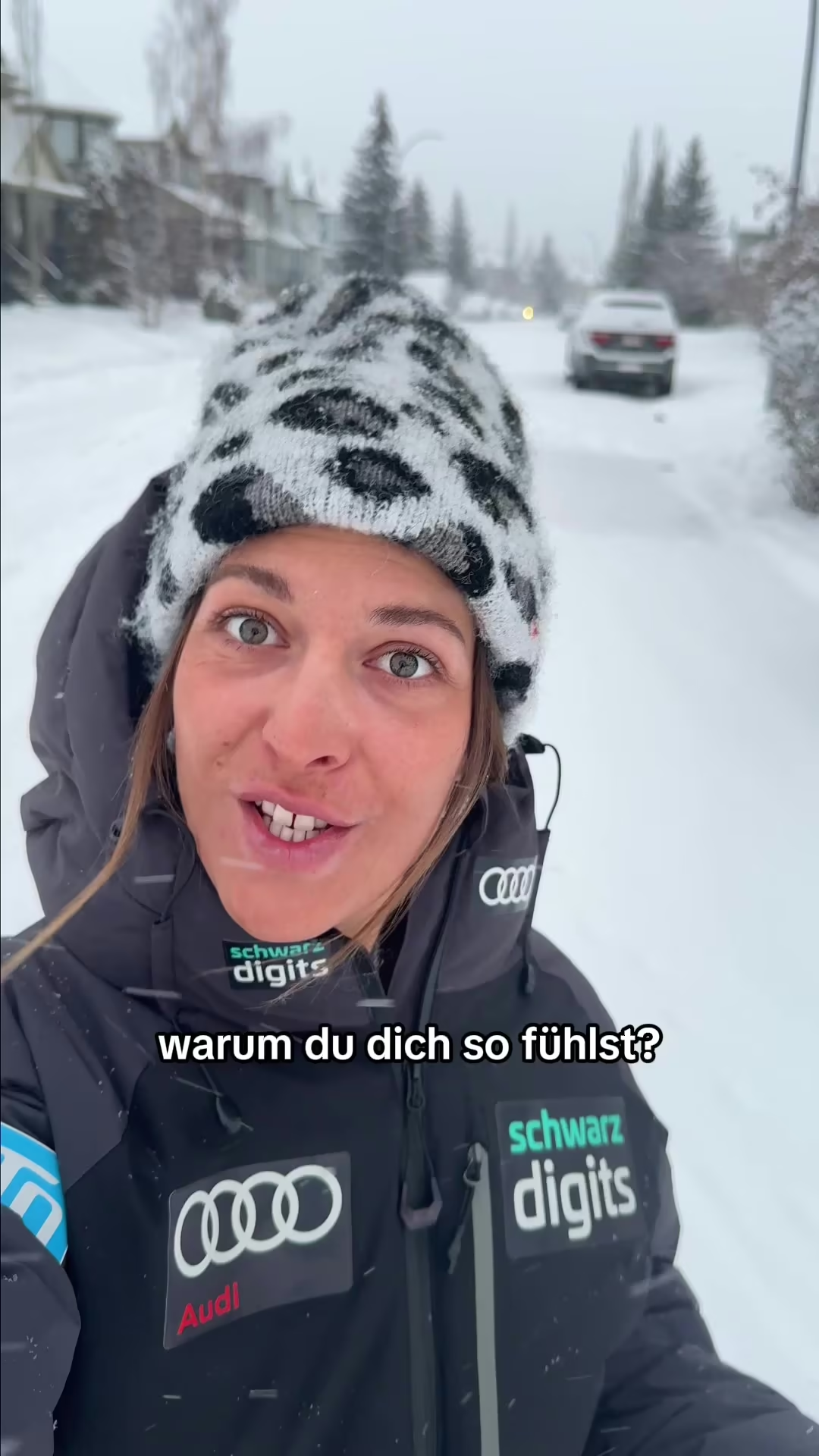
Video Ads
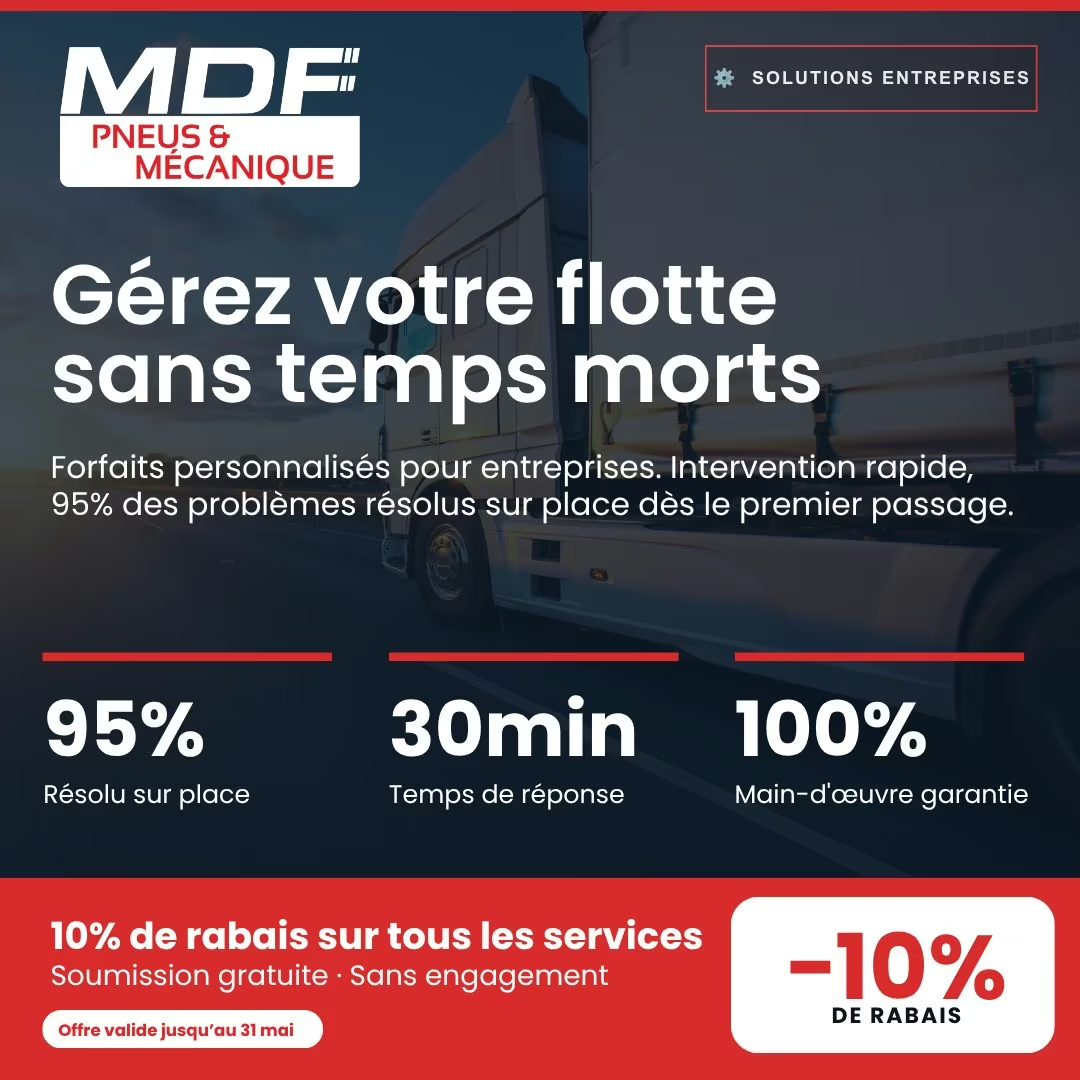
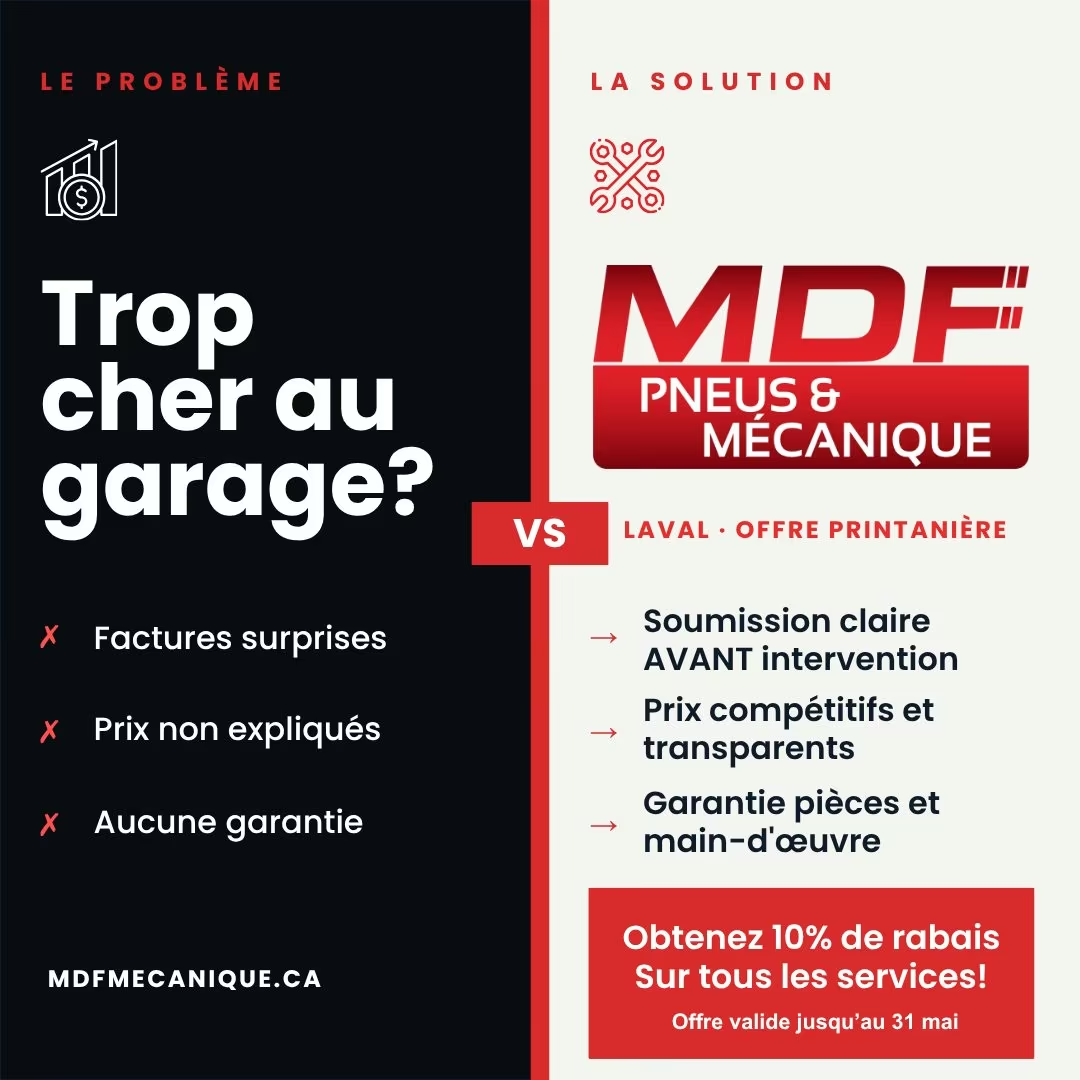
Static Ads












































FAQ
What dealer principals ask us first.
How much video does a store actually need each month?
Enough that a shopper researching your area keeps meeting you. Shoppers watch around 20 videos before narrowing their choice, so a store publishing two polished pieces a month is barely present. Our usual rhythm is one shoot day producing six to ten edited pieces, plus a lightweight inventory format your own team runs between visits. That mix keeps the paid campaigns supplied and the social feed alive without turning anyone at the store into a full-time producer.
Will manufacturer co-op still cover the work?
In most programs, yes, and we build to the rules from the start rather than asking for forgiveness later. That means correct logo treatment, approved model naming, the disclaimer text your program requires and file specs that pass review. We keep a record of what was approved for each campaign so claims are straightforward, and where a creative idea would fall outside co-op we will say so before it is produced and price the alternative honestly.
Do salesperson phone videos really outperform produced spots?
On social and messaging, usually yes — and the two are not in competition. A phone clip of a delivery, an arriving unit or a straight answer to a finance question reads as a real person at a real store, which is exactly what a shopper is trying to find. Produced walkarounds do the different job of showing the vehicle properly in paid placements. We plan both together, and we make the phone half easy: a short list of formats, a shooting cheat sheet, and editing handled off-site.
How do you measure creative for a dealership?
On cost per lead and cost per booked appointment first, because that is what the desk can act on, then on the diagnostics that explain a result: hook rate for the opening seconds, hold rate for the middle, click and landing behaviour for the offer. Where phone calls matter we use call tracking so a sales conversation is not invisible. Every test changes one variable and the hypothesis is written down first, which is the only way to know whether the vehicle, the offer or the hook did the work.
How often should offer creative be refreshed?
Monthly for the offer itself, and sooner whenever performance says so. Retail automotive audiences are geographically small, so the same frequency that would take months to tire a national brand can exhaust a local audience in weeks. We watch frequency and hook rate weekly, keep a spare set of variants ready, and schedule the next shoot day before the current library starts fading. A template system is what makes that affordable — new offers drop into an approved frame in an afternoon.
Can you work across a dealer group with several rooftops?
Yes, and it is usually where this pays best. One shoot plan and one template system serve every store, with the variation that genuinely matters — stock, offers, staff, town — handled per location instead of rebuilt from scratch. Group reporting sits above it so you can see which store is converting attention into appointments. Where two rooftops compete for the same shoppers we separate the audiences and the messaging rather than letting them bid against each other.
What happens to the footage if we stop working with you?
It goes with you. Raw footage, project files, fonts and export presets are handed over on request and again at the end of any engagement, and every advertising account stays in the dealership's name throughout. We think holding a client's material hostage is a bad business model and a worse reference, and stores that know they can leave tend to stay. There is no long-term lock-in in our agreements.
How does creative fit with our paid media?
They are planned as one thing. The media plan decides which models, offers and audiences need coverage; the shoot list is built from that, so assets arrive already matched to a campaign rather than being reverse-fitted afterwards. Winning angles feed the next shoot day and losing ones are cut from the plan. Our Meta ads and YouTube ads teams run the media from the same document the producers work to.
Are AI shopping tools changing what creative has to do?
They are widening it. Cox Automotive found 19% of all buyers, and 25% of new-vehicle buyers, using AI websites or AI overviews during their purchase, which means a shopper may meet a summarised version of your store before they ever see an ad. Practically, the creative and the written content on your site need to tell the same story with the same facts — honest pricing, real inventory detail, clear service information — so whichever surface they arrive on, the store looks consistent.
What does it cost?
A fixed monthly fee scoped to the shoot cadence and the volume of offer creative you need, quoted separately from media spend. Dealer groups usually pay less per rooftop because the template system is shared. After a first review we will tell you where your existing material can be recut instead of reshot, which is often the cheapest first month available, and where the honest recommendation is a smaller scope than you asked for.

.webp)
.webp)