A software website that explains itself in five seconds.
in five seconds
Most SaaS websites are beautiful and unclear: an abstract hero, a product nobody can picture, and a pricing page that raises more questions than it answers. We design and build software websites around the way buyers actually read — what it does, who it is for, what it costs, what happens next — in Webflow or your own stack, with our CRO team measuring what each page change does to trials and demos.






Tell us a little about your brand and we'll be in touch within 24 hours to lock in a time.


FOUR WORKSTREAMS
Four workstreams behind a website that sells the product.
that sells the product
A software website has one job: make a busy stranger understand the product and trust the company enough to start. Everything below serves that.
Message & structure
Design system
Build & CMS
Conversion & iteration
Decide what the homepage claims before anyone opens a design tool.
We start with the story: what the product does in one sentence, the workflow it replaces, who each page is for, and the objection that stalls the decision. That becomes the site structure — homepage, use-case pages, solution pages, pricing, proof — rather than a navigation copied from a competitor.
The stakes are visible in the benchmarks. Unbounce puts the median SaaS landing page at 3.8% against a 6.6% all-industry baseline, and most of that gap is clarity, not craft — software is simply harder to explain than a mattress.
- One-sentence product claim agreed with founders
- A page per audience and use case, not per feature
- Objections and proof mapped to the pages that carry them
- Navigation designed for buyers, not for the org chart
3.8%
median SaaS landing page conversion rate (Unbounce)
6.6%
all-industry baseline for the same measure
A design system your team can extend without breaking it.
We design in components: type scale, spacing, colour, buttons, cards, tables, empty states, and the product screens that carry the story. The result is a website that looks deliberate on every page a marketer builds next quarter, not only on the four pages an agency designed.
Design is also a trust signal before it is an aesthetic one. In the Stanford Web Credibility study, visual design appeared in 46.1% of comments people made when judging whether a site could be believed — the first credibility test happens before a word is read.
- Component library, not a set of one-off page mockups
- Product screens art-directed, not dropped in as flat exports
- Accessible contrast and type sizes as a default
- Figma files handed over, organised and named
46.1%
of credibility comments cited visual design (Stanford)
Built in Webflow or your stack, editable by marketing.
The best website in the world fails if a copy change needs a developer sprint. We build in Webflow when the team wants autonomy, or in your existing React or Next.js stack when engineering owns the front end, and either way the pages are componentised so marketing can ship a use case, a customer story or a landing page without filing a ticket.
Performance and structure are part of the build, not a later clean-up: fast pages, sane heading structure, schema markup, and clean URLs so the search work has something to stand on.
- Webflow CMS or your own stack — your choice, not ours
- Reusable page sections marketing can assemble
- Core Web Vitals treated as a build requirement
- Analytics, consent and CRM wiring done at launch
7.6%
software conversion with call-inclusive tracking (Ruler)
Launch is the start of the measurement, not the end of the project.
We instrument the site properly — trials, demo requests, calls, pricing-page behaviour — then keep testing the handful of pages that decide revenue: homepage, pricing, the top two use cases, and the signup flow.
Two numbers keep that honest. Software with call-inclusive lead tracking converts at 7.6%, while web-wide conversion fell 5.1% year over year, and median free-to-paid conversion sits at 8% with 57% of products leading on a trial — so a redesign that lifts signups but attracts the wrong companies is not a win.
- Every meaningful action tracked before launch day
- Pricing and homepage tested first, they carry the money
- Signup quality read, not just signup volume
- A monthly note on what changed and what it did
8%
median SaaS free-to-paid conversion (ChartMogul)
5.1%
year-over-year fall in web-wide conversion
Figma files, website and accounts stay in your name
A working session with the designers doing the work
Marketing can ship a page without a developer
Long-term lock-ins
We made the difference for those brands

Consumer tech and platforms

B2B software, fintech, insurance
Home essentials, appliances, kitchen & pet

Travel & mobility

Apparel and lifestyle

Creative, content, arts & culture

Creative, content, arts & culture

B2B software, fintech, insurance

Food & beverage

Home essentials, appliances, kitchen & pet

Creative, content, arts & culture

Home essentials, appliances, kitchen & pet

Retail & commerce

Apparel and lifestyle

Beauty, personal care & wellness

Apparel and lifestyle

Creative, content, arts & culture
Consumer tech and platforms
B2B software, fintech, insurance

B2B software, fintech, insurance

B2B software, fintech, insurance

B2B software, fintech, insurance

Retail & commerce

Consumer tech and platforms
Beauty, personal care & wellness

Food & beverage
Creative, content, arts & culture
Home essentials, appliances, kitchen & pet

B2B software, fintech, insurance

Healthcare & regulated services

B2B software, fintech, insurance
01 — The challenge
It looks the part. Nobody understands it.
The site launched last year, the gradients are tasteful, and sales still open every call by explaining what the product does. Visitors bounce from the homepage, the pricing page gets read three times before anyone books, and each fix needs a developer.
“Our website looks great and it still cannot explain us.”
Clarity is the lever, not taste. SaaS landing pages convert at a median 3.8% against 6.6% across all industries, and the difference is almost always a reader who never learned what the product replaces. Show the workflow, name the buyer, put pricing in daylight, and the same traffic starts behaving differently.
02 — Our approach
Story first, a real design system, a build marketing can drive.
We open with the story rather than the layout: the one-sentence claim, the workflow your software replaces, the audience for each page and the objection that stalls the decision. That produces a site structure organised around use cases and buyers instead of features, with pricing and proof treated as first-class pages. Design then happens in components — type, spacing, buttons, tables, empty states and art-directed product screens — so every page your team builds later still looks like it belongs. The build goes into Webflow when marketing wants autonomy or into your own front end when engineering owns it, componentised either way, with speed, heading structure, schema and CRM wiring handled before launch rather than after. Then we measure: trials, demos, calls and pricing behaviour, tested on the few pages that actually decide revenue. Design files and the website stay yours.
03 — What we did
Eight weeks to a launched website, then an iteration cadence.
Story, design system, build and measurement — in sequence, with a weekly working session and a written note of every decision.
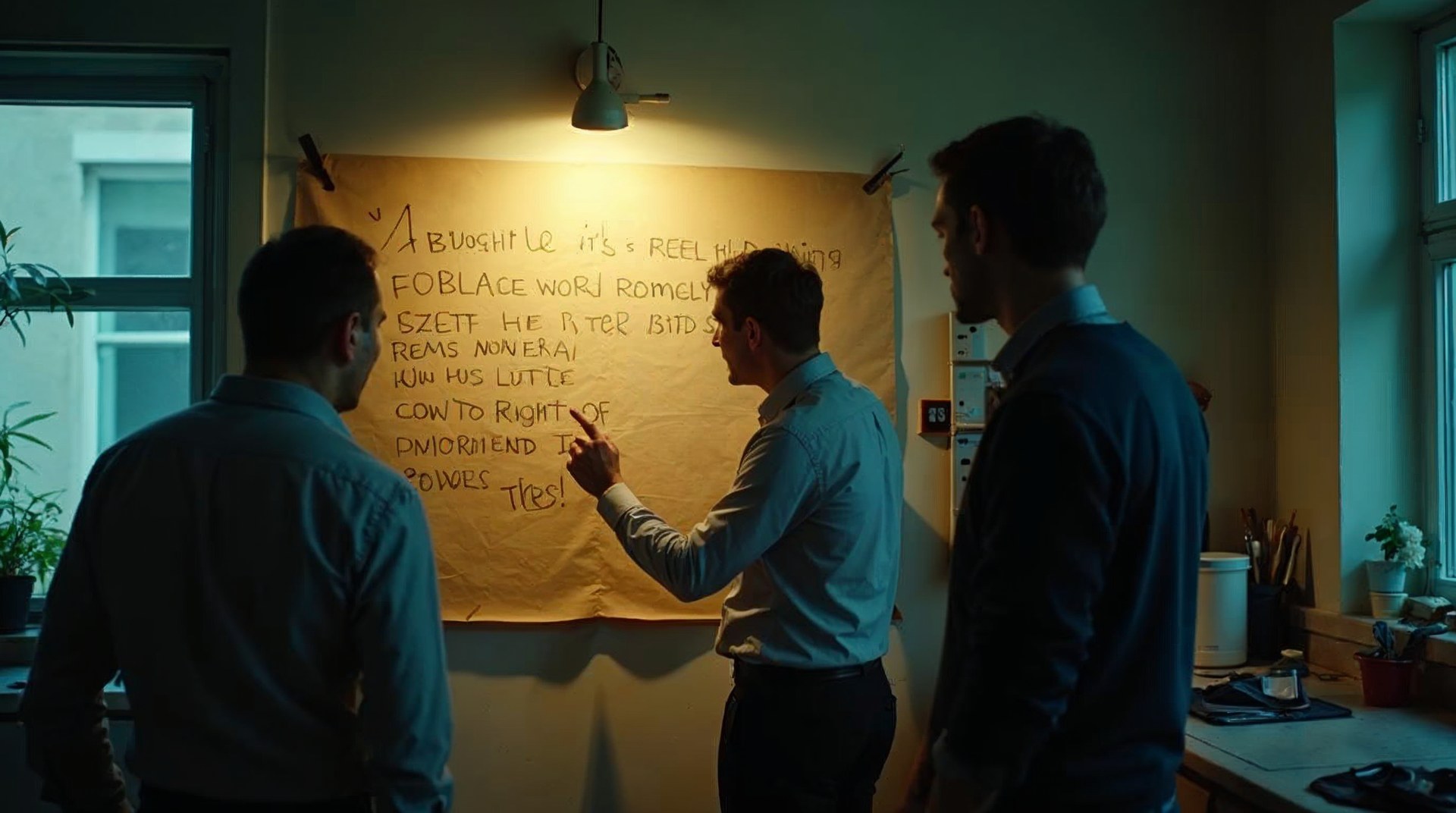
Weeks 1-2 / Story
The claim, the audience, the objection
Interviews with founders, sales and support, then one page settling what the product replaces and what each page has to prove.
Weeks 3-4 / Design system
Components before pages
Type, spacing, colour, buttons, tables and product-screen treatment, assembled into the templates the site will actually need.
Weeks 5-7 / Build
Webflow or your own stack
Componentised pages, CMS collections marketing can edit, speed and schema handled during the build rather than patched afterwards.
Week 8 onward / Iteration
Launch, instrument, test
Tracking verified on launch day, then monthly tests on the homepage, pricing and the two use cases that carry the revenue.

WHAT YOU GET
Deliverables your team can pick up and run.
pick up and run
Everything below is handed over in editable files and accounts that stay yours if you ever leave.

Messaging and site structure
The product claim, the audience per page and the sitemap, agreed before design starts and written down.

Design system in Figma
Type, colour, spacing and components with real states, organised so your designers can extend it.

Designed page templates
Homepage, product, use case, pricing, customer story and blog templates built as reusable sections.

Webflow or custom build
A fast, accessible, componentised website in Webflow or your own front end, editable by marketing.

Tracking and CRM wiring
Trials, demos, calls and pricing behaviour flowing into analytics and your CRM, verified before launch.

Post-launch testing plan
A ranked queue of experiments for the pages that decide revenue, with the result written up each month.
HOW WE WORK
Operating standards, not promises.
Operating standards


Product-led software
Self-serve journeys where the website has to do the selling before a human does.
ExploreEnterprise and sales-led
Security, compliance and buying-committee proof placed where evaluators look for it.
ExploreReplatform and migration
Moving off a brittle template site without losing the rankings you already earned.
Explore

















Built on trust. Proven by results.
We partner with SMBs and Fortune 500 companies to deliver more than reach — we bring clarity, execution, and measurable outcomes. Every successful partnership starts with a strong culture fit and a shared drive to grow.






CASE STUDIES
Case studies
Website Portfolio
Video Ads
Static Ads
























































FAQ
What software teams ask us first.
How long does a B2B SaaS website design project take?
About eight weeks for a full site: two on story and structure, two on the design system and key templates, three on the build, and one on launch and instrumentation. A focused project — homepage, pricing and two use-case pages — lands in four to five. What stretches timelines is rarely design capacity; it is waiting on a decision about what the product claims, which is why we settle that in week one with founders and sales in the room.
Should we build in Webflow or in our own stack?
Whichever your team will still be able to maintain in a year. Webflow suits marketing teams who want to ship pages without engineering time, and its CMS handles use cases, customer stories and blog content well. Your own React or Next.js front end suits companies whose product and marketing site share components, or where security review makes a hosted builder awkward. We build both and we will tell you plainly which one fits, including when the honest answer is to keep what you already have.
Will a redesign hurt our search rankings?
Not when the migration is planned, and that planning is part of every project we run. We inventory the URLs that earn traffic, keep their content intent intact, map redirects one to one, preserve heading structure and schema, and stage the new site for crawl testing before launch. Then we watch indexation daily for the first fortnight. Rankings usually improve after a rebuild, because speed and structure improve with them — the risk is real but it is a checklist, not a gamble.
How do you handle the pricing page?
As the most valuable page on the website, and usually the most neglected. Buyers arrive there with high intent and leave when the model is vague, so we show what a plan includes, what triggers the next tier, and what happens at renewal, with the common objections answered on the page instead of in a sales call. Where pricing genuinely cannot be public we design an honest alternative rather than an empty page. It matters more when median free-to-paid conversion is 8% and 57% of products lead with a trial.
How do you show a product that is hard to picture?
By showing the job rather than the interface. A cropped screen with one readable detail, a short screen recording of the workflow, a before-and-after of the messy spreadsheet it replaces — all of these land faster than a full dashboard shrunk to fit a hero. We art-direct product screens the way a photographer treats a product shot: choose one moment, crop hard, label it with plain language. Abstract 3D shapes are what companies use when nobody decided what to show.
What makes a SaaS homepage credible to a first-time visitor?
Specificity, proof and a design that does not look improvised. Name the buyer and the workflow in the first screen, show the product, then put real evidence close to the claim: named customers, numbers you can defend, security and compliance badges where they matter. The visual layer carries more weight than teams expect — in Stanford's credibility research, visual design featured in 46.1% of the comments people made when judging a site, so a homepage that looks unfinished is being marked down before the copy is read.
How do you choose between web design agencies for a software company?
Look past the portfolio at three things. Ask who writes the messaging: an agency treating copy as filler will hand you a gorgeous site that still cannot explain the product. Ask what you receive at the end — organised Figma files, a component library, a CMS your team can drive, or a locked template. And ask how the work will be measured after launch. A studio that answers with awards is selling craft; one that answers with trials, demos and pricing behaviour is selling a business asset.
Can our marketing team really update the site afterwards?
Yes, and we build for it deliberately. Pages are assembled from reusable sections, CMS collections cover the content that grows, and we run a handover session plus a short written guide so a marketer can publish a use-case page, a customer story or a campaign landing page without touching design. Teams typically ship their first page unaided within a week of launch. Where you want us to keep producing pages, that is a small monthly scope rather than a dependency we design in.
Do you work with our existing brand?
Usually, yes. Plenty of software companies have a decent brand and a poor website, and the fix is a design system built from what already exists rather than a rebrand nobody asked for. We will extend the palette, fix type scale and contrast problems, and design the components the brand book never covered — tables, forms, empty states, product screens. If the brand genuinely cannot carry the site, we say so early and scope that conversation separately.
How many pages does a SaaS website actually need at launch?
Fewer than most plans assume. A homepage, a product or platform page, two or three use-case pages aimed at real audiences, pricing, a customer story template, an about page and contact will carry almost any company through its first year. Solution pages multiply well later, once search demand tells you which ones deserve to exist. Launching with forty thin pages slows the project and gives the team a maintenance burden instead of an asset.
How does design work with your SEO and paid teams?
On one plan. The search team's cluster map decides which use-case and solution pages the templates need to support, so the site is built to grow rather than retrofitted later, and the landing page system reuses the same components so campaigns stay on-brand without a designer in the loop. Our SEO team also reviews the build before launch — headings, internal links, schema, speed — which is far cheaper than diagnosing it three months afterwards.
What does a project cost?
A fixed project fee, quoted from the scope agreed in week one, with any ongoing iteration priced separately as a small monthly retainer. We will tell you when a focused rebuild of four pages would do the job that a full redesign is being asked to do, because that is often the better spend for a company still finding its positioning. Design files, the website and every account we touch stay in your name from the first day.

.webp)
.webp)