Table of contents

The design is signed off, the CMS is populated, and the new site is live. The next question is always the same: how long until this actually shows up on Google and starts sending traffic? The honest answer depends on a handful of factors, but most launch plans get the mechanics wrong before they even get to that question.
SEO for a new website is the work of making sure a site is technically sound, properly indexed, and structured to earn trust from both search engines and users from day one, rather than treating SEO as a cleanup task for six months after launch. Get the foundation right at launch, and the months that follow compound. Get it wrong, and you're fixing the same technical debt while trying to also build authority.
Key Takeaways
- Roughly 48 percent of mobile pages currently achieve "Good" Core Web Vitals scores across LCP, INP, and CLS, according to HTTP Archive's 2025 Web Almanac, which analyzed millions of pages using Chrome's real-user performance data.
- Branded searches for your own business name can show up within days to two weeks once Google has crawled and indexed the site; meaningful rankings for competitive, non-branded keywords typically take 3 to 6 months for low-competition terms and 6 to 12 months for competitive ones on a brand-new domain (SEO.com, True Mtn, 2026).
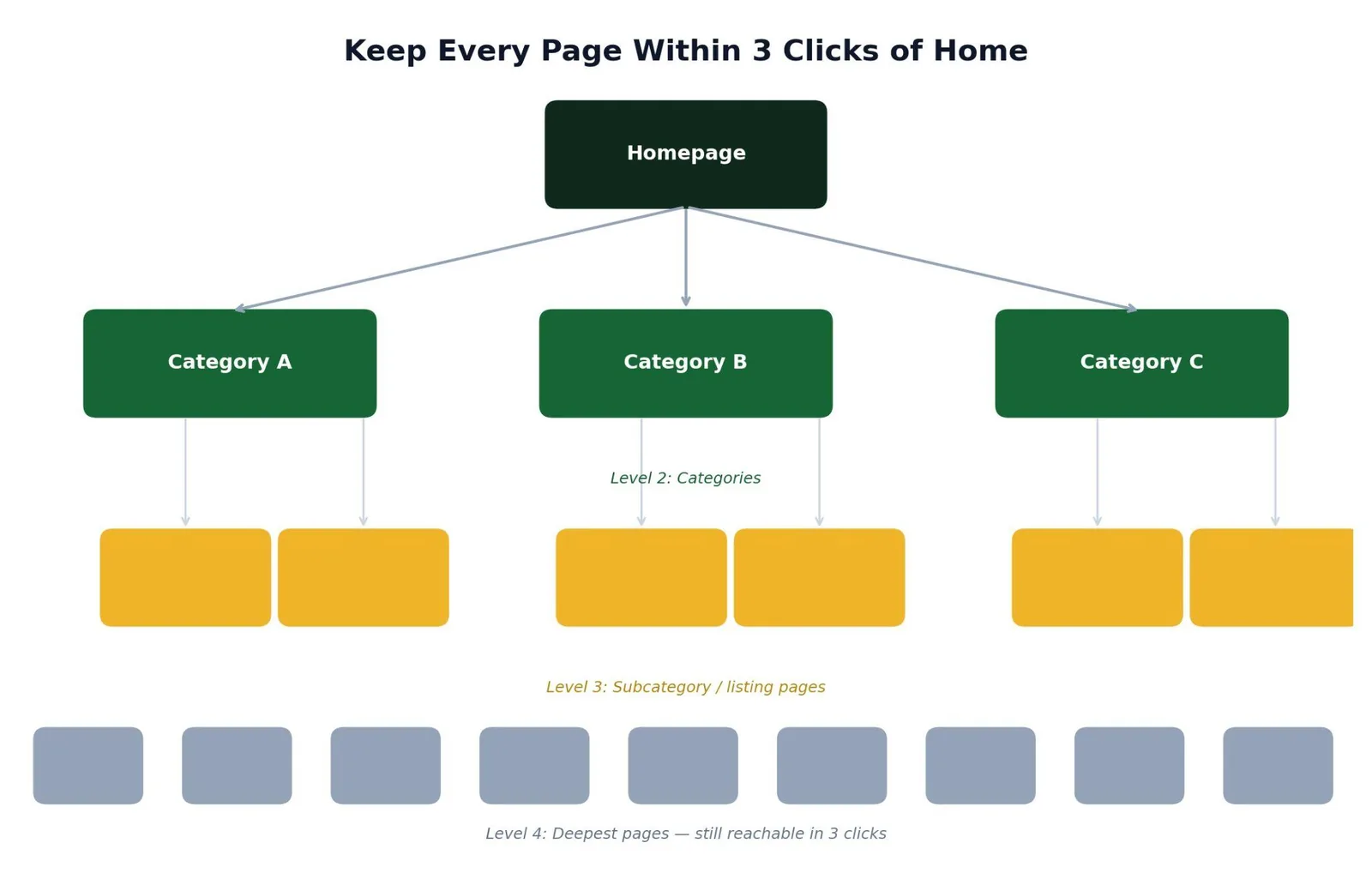
- Every important page should be reachable within 3 clicks of the homepage. Pages buried deeper receive less crawl budget and rank less effectively.
- AI Overviews appeared on roughly 13 percent of U.S. desktop searches as of March 2025 (Search Engine Land reporting), with the share varying by query type, which means new content needs to be citable by AI systems, not just rankable in classic search.
- For new sites specifically, targeting keywords with a Keyword Difficulty under 30 gives a realistic shot at ranking while a domain has no existing authority to compete on head terms.
- Submit your sitemap to Google Search Console during the soft launch, before handing the site over. It starts the indexing clock sooner instead of waiting for Google to stumble onto the site on its own.
What Does SEO for a New Website Actually Involve?
SEO, short for search engine optimization, for a new website means building technical foundations, site structure, and initial content so a brand-new domain can be crawled, indexed, and trusted by search engines from the moment it goes live. Unlike SEO for an established site, there's no existing backlink profile, no crawl history, and no accumulated trust to lean on. Every decision at launch either builds toward that trust or creates technical debt that has to get fixed later, usually at a worse time.
That's the real difference between launching with SEO built in and treating it as an afterthought. A website that ships with clean URL structure, working Google Analytics and Google Search Console tracking, and pages that load fast on mobile starts earning trust immediately. A site that ships design-first and gets "SEO'd" afterward is starting the clock later and often has to undo template-level mistakes along the way. For any site with a physical location or local service area, claiming and completing a Google Business Profile at launch matters just as much as the website itself — it's often indexed and visible before the new domain has earned any organic trust at all.
New Website SEO vs. Established Website SEO
| Factor | New Website | Established Website |
|---|---|---|
| Backlink profile | Little to none; needs to be built from scratch | Existing links carry authority already |
| Realistic keyword targets | Keyword Difficulty under 30, long-tail first | Can compete for higher-difficulty, higher-volume terms |
| Timeline to results | 3-6 months (low competition) to 6-12 months (competitive) | Often faster, since crawl trust and authority already exist |
| Crawl budget | Google is still learning how often to check the site | Established crawl patterns already in place |
| Technical priority | Get Core Web Vitals right before launch | Ongoing maintenance and periodic audits |
| Content priority | Foundational pages and topic clusters first | Refreshes, gap-filling, and expansion |
Neither path is faster in absolute terms; they're just starting from different points. A new site that gets technical foundations right on day one can catch up to the general timeline, while one that launches with template-level issues is effectively delaying its own start date.
Core Web Vitals: Fix This Before Launch, Not After
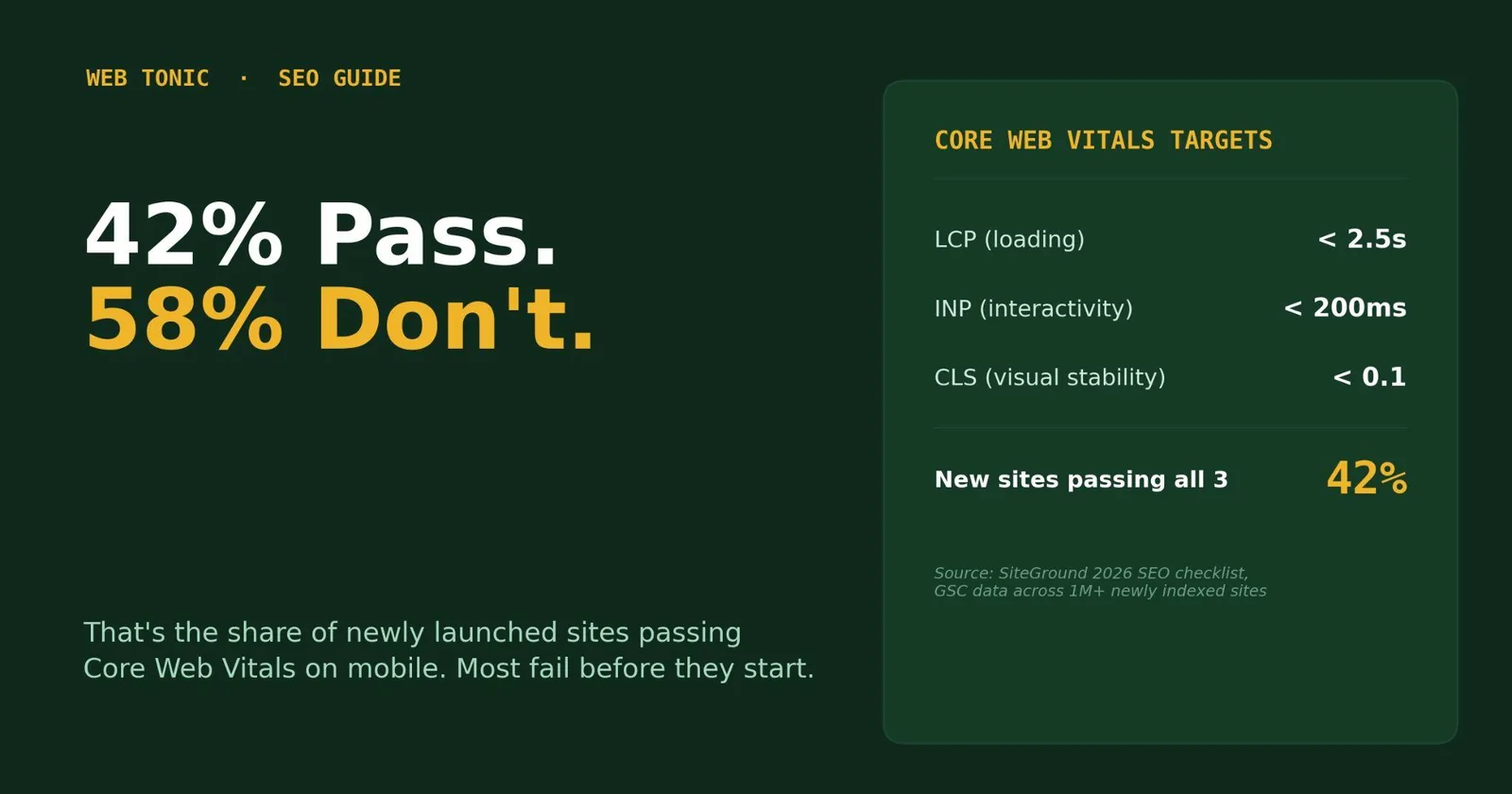
Core Web Vitals are Google's official user experience metrics and a confirmed ranking signal, and they deserve launch-day attention rather than post-launch cleanup. There are three metrics that matter, per Google's own Core Web Vitals documentation: LCP (Largest Contentful Paint), which should stay under 2.5 seconds; INP (Interaction to Next Paint), which replaced FID in March 2024 and should stay under 200 milliseconds; and CLS (Cumulative Layout Shift), which should stay under 0.1.
Only about 48 percent of mobile pages currently achieve "Good" scores across all three, according to HTTP Archive's 2025 Web Almanac, and LCP fails most often because hero images exceed reasonable size without proper compression or lazy-loading. The fix is straightforward at the template level: compress hero media, preload critical fonts, defer non-critical JavaScript, minify CSS, and set explicit width and height on every image so nothing shifts as the page loads. It's dramatically cheaper to fix this before launch than to retrofit an entire template library after the fact.
Site structure matters just as much as speed. Every important page should be reachable within 3 clicks of the homepage; pages buried deeper receive less crawl budget and tend to rank less effectively, regardless of how good the content on them actually is. Title tags and meta descriptions matter here too, not just for rankings but for CTR once a page does appear — a technically perfect page with a flat, unclickable title still underperforms its ranking position.
How Long Until a New Website Actually Ranks?
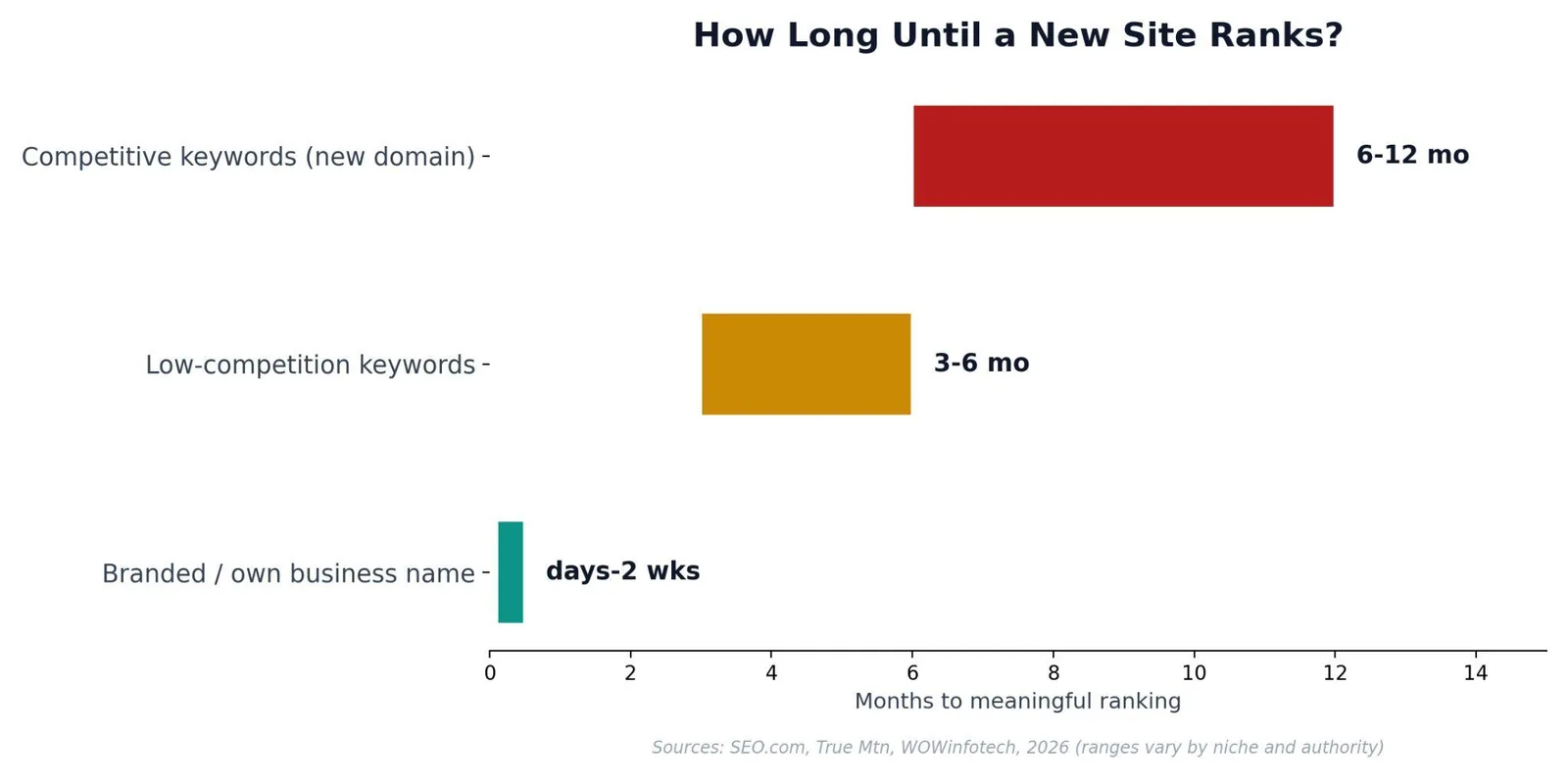
There's no single answer, but there is a realistic range. Branded searches for your own business name can appear within days to two weeks once Google has crawled and indexed the site. For the competitive, non-branded terms that actually grow a business, meaningful ranking typically takes 3 to 6 months for low-competition keywords and 6 to 12 months for competitive keywords on a brand-new domain (True Mtn, 2026). Some new sites run PPC campaigns in parallel during this ramp-up window specifically to generate traffic and conversion data while organic rankings are still building.
The gap between those numbers comes down to a few factors: how competitive the niche is, how strong the emerging backlink profile is, and how much content the site is publishing consistently. Submitting your sitemap to Google Search Console during a soft launch, before the site fully goes live, starts the indexing clock earlier than waiting for Google to discover the site on its own.
Is Your New Website SEO-Ready to Launch?
New website SEO tool
Is your new site SEO-ready to launch?
Check off what's already true. Your score updates as you go.
0 of 5
Check off items above to see how launch-ready your site is.
New Content Needs to Be Citable, Not Just Rankable
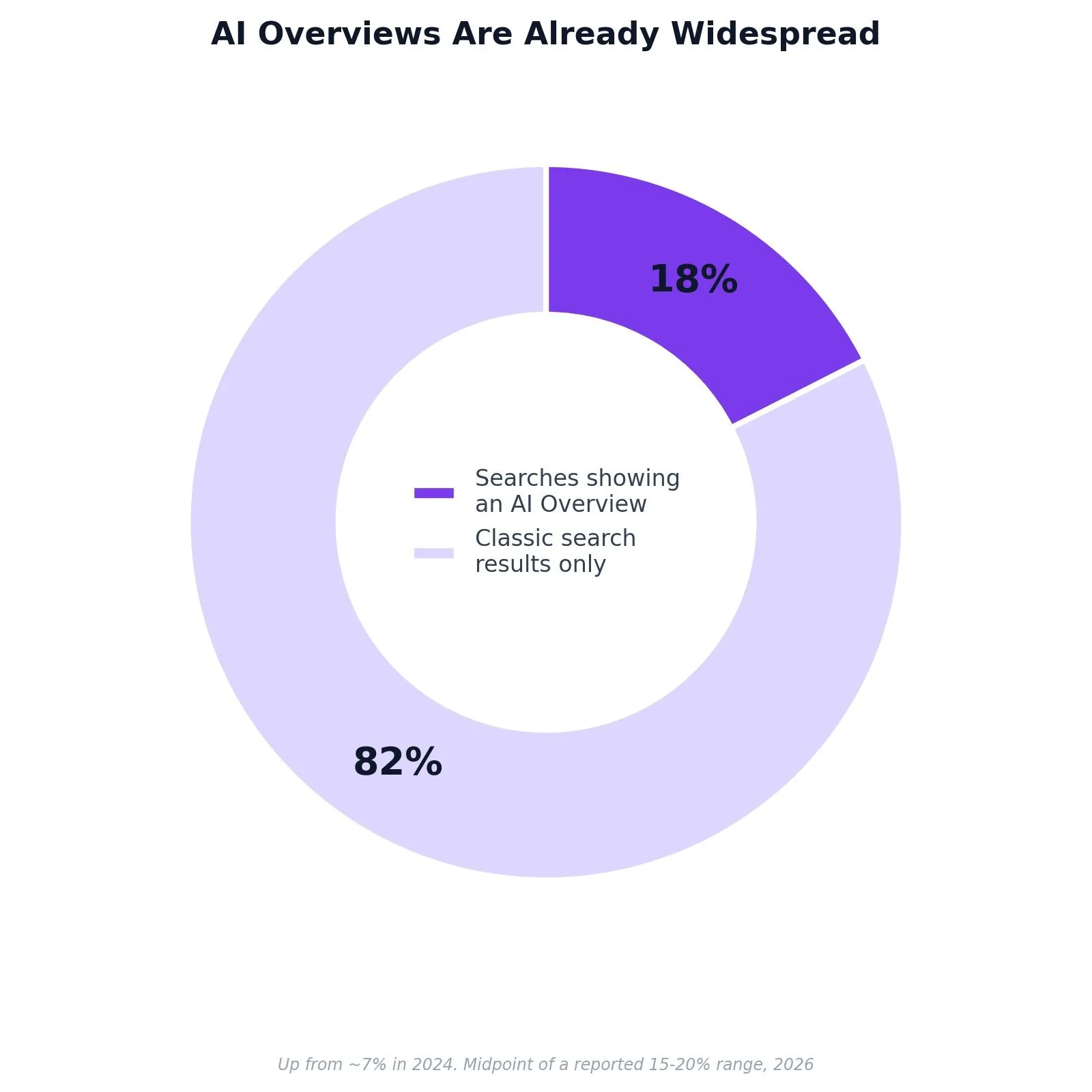
AI Overviews appeared on roughly 13 percent of U.S. desktop searches as of March 2025 (per Search Engine Land's reporting), and tools like Gemini, ChatGPT, and Perplexity are answering a meaningful share of informational queries directly, sometimes without sending a click anywhere. That changes the bar for new content. A page needs to answer its core question clearly and quickly, define terms plainly, and structure information so it's easy for an AI system to extract and cite, not just easy for a human to read.
In practice, that means the opening paragraph of a page should answer the implied question directly, before any brand framing or scene-setting. Content that hides the answer under a vague introduction may still look polished, but it performs worse in both classic search and AI-powered discovery — and for sites with a local audience, that same directness also improves user experience for someone searching on their phone mid-errand.
SEO Tools to Set Up on Day One
Google Search Console and Google Analytics should be connected before launch, not after; submitting a sitemap through GSC during a soft launch starts the indexing clock earlier than waiting for organic discovery. Google Keyword Planner helps identify realistic, winnable terms for a brand-new domain. Bing Webmaster Tools is worth setting up too, since it covers a meaningful share of search traffic Google-only tracking misses entirely. A correctly configured robots.txt file is worth checking before launch as well, since staging environments sometimes go live with crawl-blocking rules still in place, which silently prevents indexing entirely. Beyond Google's own tools, a rank tracker or a platform like Ahrefs or Semrush adds visibility into competitor keywords and backlink profiles once there's a baseline to compare against.
Common Mistakes New Websites Make
The most common one is treating SEO as a task for after launch instead of a requirement of the launch itself. Fixing Core Web Vitals or URL structure after a site has been live for months is dramatically more expensive than getting it right in the build.
Targeting broad, highly competitive keywords before a domain has any authority is a close second. A brand-new site competing for a one- or two-word head term against established domains is unlikely to see traction for a long time; long-tail terms with real buying intent get results faster.
Skipping the Google Search Console and Google Analytics setup until "later" is the quieter mistake. Every week without tracking is a week without a baseline to measure progress against, and without early sitemap submission, indexing simply takes longer to start. A long term content and digital marketing plan that only exists in someone's head isn't a plan; without one, social media promotion and early content tend to happen reactively instead of on a schedule tied to actual keyword research.
And leaving pages more than 3 clicks from the homepage wastes crawl budget and buries content that might otherwise rank, regardless of how strong that content actually is.
Frequently Asked Questions
How long does SEO take to work for a new website?
Branded searches for your own business name can show up within days to two weeks. Meaningful rankings for competitive, non-branded keywords typically take 3 to 6 months for low-competition terms and 6 to 12 months for more competitive ones on a brand-new domain.
Do I need backlinks immediately after launch?
Not immediately, but a backlink strategy should start early. New domains have no existing authority, so building even a small number of relevant, high-quality links accelerates the timeline compared to waiting for links to accumulate naturally.
Which Core Web Vitals metric matters most for a new site?
All three matter for ranking, but LCP is the one that fails most often on new sites, usually because of unoptimized hero images. Fixing image compression and lazy-loading at the template level before launch prevents the most common failure point.
Should a new website target competitive keywords right away?
Generally, no. A brand-new domain has no authority to compete with established sites on high-difficulty terms. Targeting keywords with a Keyword Difficulty under 30 gives a more realistic path to early wins.
Does AI search change SEO for a brand-new website?
Yes, to a degree. With AI Overviews appearing in 15 to 20 percent of searches, new content should be structured to answer questions directly and clearly enough to be cited by AI systems, in addition to being optimized for classic organic rankings.
The Bottom Line on SEO for a New Website
The sites that catch up fastest treat SEO as part of the launch itself. Core Web Vitals, site architecture, and tracking setup are all far cheaper to get right before launch than to retrofit afterward, and the ranking timeline doesn't start until the technical foundation is actually solid.
Pull up a Core Web Vitals check and submit your Search Console sitemap before the site fully goes live. Both take under an hour and set the tone for everything that follows.
Ready to Launch With SEO Built In, Not Bolted On?
Coordinating technical setup, site architecture, and early content strategy before launch is exactly where a lot of new sites lose their first few months. Web Tonic's growth marketing team handles the technical SEO and content foundation covered in this playbook as part of a full-funnel approach, so a new site starts earning trust from day one instead of playing catch-up.
More from Web Tonic: growth marketing services, data & analytics.
Sources: almanac.httparchive.org · seo.com · truemtn.com · searchengineland.com · web.dev