THE PHONE RINGS. IS IT THE RIGHT JOB?
Be the first call when the drywall comes off
Marketing for mold remediation and indoor air quality companies that wins the emergency search, the adjuster’s shortlist and the inspection that turns into a full remediation.








Tell us a little about your brand and we'll be in touch within 24 hours to lock in a time.


window to dry wet materials before mold grows (EPA)
of homeowners call their insurer first after a loss
call a restoration professional first
rely on restorers to guide the insurance claim
We made the difference for those brands

Healthcare & regulated services

Consumer tech and platforms

B2B software, fintech, insurance

B2B software, fintech, insurance
Travel & mobility

Healthcare & regulated services

Consumer tech and platforms

Travel & mobility

Apparel and lifestyle

Apparel and lifestyle

Consumer tech and platforms

Healthcare & regulated services

Creative, content, arts & culture

Food & beverage
Creative, content, arts & culture

Retail & commerce

Retail & commerce

Creative, content, arts & culture

Food & beverage

Beauty, personal care & wellness

B2B software, fintech, insurance

B2B software, fintech, insurance

Retail & commerce

Food & beverage

Consumer tech and platforms

Home essentials, appliances, kitchen & pet

B2B software, fintech, insurance

Healthcare & regulated services

Beauty, personal care & wellness

Consumer tech and platforms

B2B software, fintech, insurance

B2B software, fintech, insurance

Who we are
A partner who understands you are usually the second call
Web Tonic is a digital marketing agency that runs urgent, local, insurance-adjacent service accounts every day, with one senior team handling search visibility, paid media, creative and the websites that carry them. Mold remediation gets its own plan because the work is structurally different: demand arrives in spikes after storms and burst pipes, the searcher is anxious and comparing nobody, and the most valuable jobs come through carriers, adjusters and plumbers rather than through a form.
Sound familiar?
If you remediate mold, two of these will sound familiar.
Most remediation companies we open are visible for the cheap work and invisible for the profitable work. Inspections get booked at a loss, small container jobs fill the schedule, and the large insurance-funded projects go to a competitor who was on the adjuster’s list. Timing is unforgiving too: the EPA’s mold remediation guidance advises drying wet materials within 24 to 48 hours to prevent growth, so the company that answers first usually keeps the job. That is a visibility, response and referral problem — not a demand problem.
You rank for free inspections and lose the large remediation projects to a competitor on the carrier’s list.
Storm weeks overwhelm the phones while quiet weeks leave crews idle, with no plan for either.
Nobody can say which channel produced the jobs that actually invoiced, only how many calls came in.
Results & timeline
Your first seven days with us.
Day 1–2: Audit
We audit the company the way a panicked homeowner experiences it: what shows in the map results for mold and water damage in your service area at 11pm, how your reviews compare with whoever ranks above you, how fast a call is answered by a human, and whether your tracking can separate an inspection call from a full remediation job. Most cannot, which is why cost per lead looks healthy while margin does not.
Day 3–4: Measurement and positioning
Measurement is rebuilt around invoiced work — call tracking by source, job type and value, so inspections, remediation and reconstruction are visible separately. Then positioning: which services deserve their own page, where commercial and property-management work is winnable, and how the insurance conversation is framed for a homeowner who has never made a claim.
Day 5–6: Build and launch
Service pages, emergency campaigns and referral materials go live together, weighted to the areas where demand exists and your visibility does not. Emergency campaigns are built to surge with weather rather than run flat, because a storm week is worth more than a whole quiet month.
Day 7: Review and scale
You get the first written review: what launched, cost per booked job by type, which areas are soft, and the 30-day roadmap. Then a weekly working session and reporting your office staff can read.
for WHO
Why mold remediation marketing is its own discipline
Mold work is bought under stress, and usually not from the first company a homeowner speaks to. research reported by Restoration & Remediation Magazine found 76% of homeowners would call their insurance company first after a loss and only 12% would call a restoration professional, while 55% said they would rely on the restoration company to guide them through the claim. Two things follow. You are competing to be the recommendation, and the company that explains the claims process plainly wins work that never reaches a bidding conversation.
The second reality is timing. Because the EPA’s mold remediation guidance puts the window to dry wet materials at 24 to 48 hours, the searcher is not comparing five quotes; she is calling until someone answers. Visibility at the exact hour of the emergency is worth more than any brochure.
So we run four things together: local search visibility per service and area, paid search that surges with weather and maps spend to invoiced jobs, paid social and creative that builds trust before the emergency, and service pages and call flows built for a phone in a flooded basement. One senior team, market exclusivity in writing, outcomes on our case studies.
Results
Real Spend. Real Revenue.
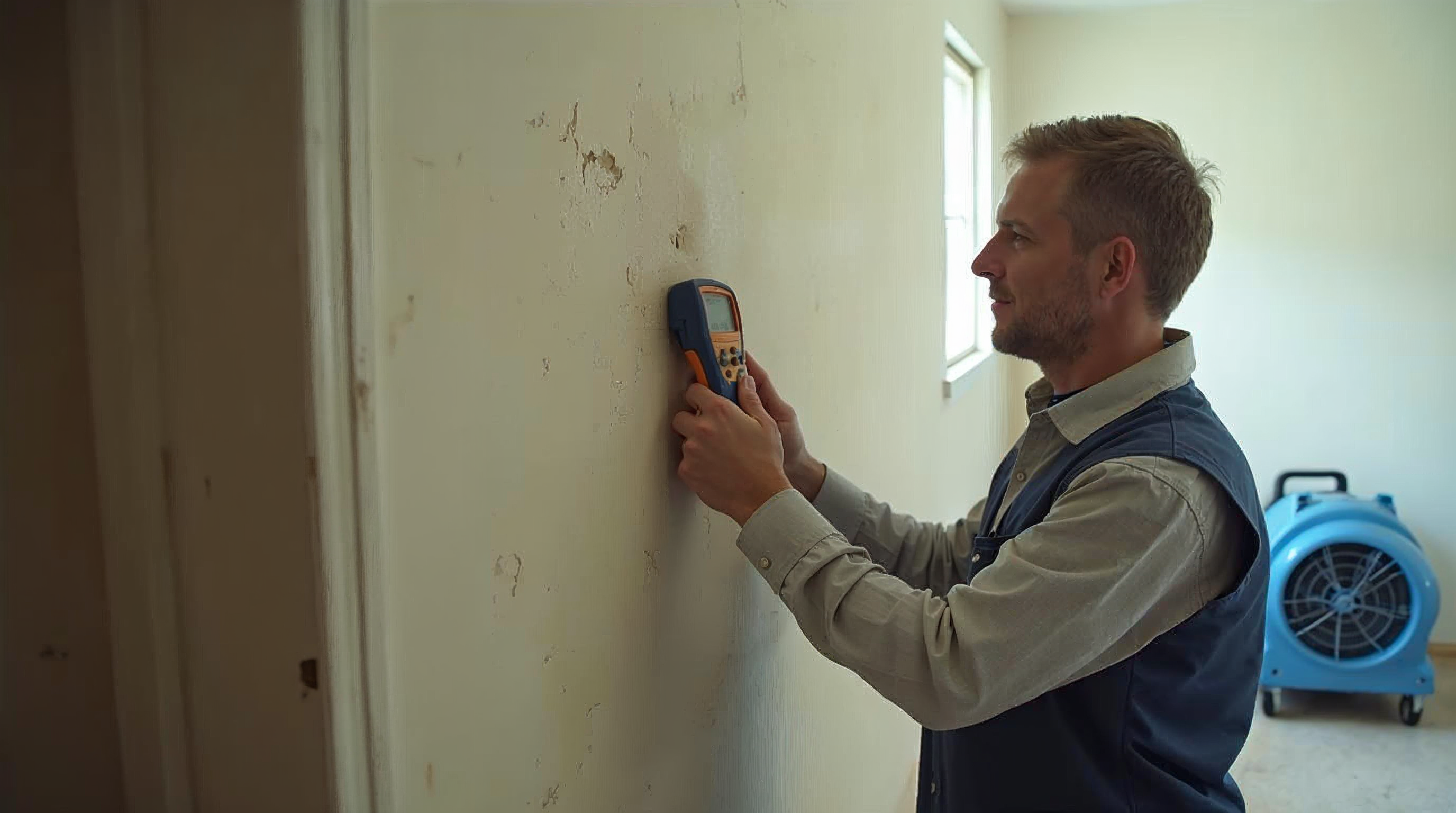


What we run for mold remediation companies.
Emergency visibility, hour by hour and area by area
People search for mold the way they search for a plumber at midnight: locally, urgently, and from a phone. So the organic work is concrete — a real page for each service you want more of, a page per area you genuinely cover, a profile kept current with hours that reflect the fact you answer at night, and a review programme that keeps you credible where homeowners compare.
Reviews carry unusual weight in this trade because the customer cannot evaluate the work. What she can evaluate is whether other people in her position felt protected — so review volume, recency and the way you reply to a hard one are themselves a ranking and conversion asset.
Paid media that surges with the weather
We run search and PPC with budgets that can move sharply when a storm, freeze or flood puts a region into emergency demand, and pull back when it passes. Flat monthly pacing is how remediation companies overpay in quiet weeks and run out of budget in the week that mattered.
Spend is judged on invoiced work, not calls. A campaign that wins on cost per lead while filling the diary with free inspections gets restructured, not defended.
Carriers, adjusters and trade referrals
The largest projects arrive through relationships: carriers, adjusters, plumbers, roofers and property managers. That is a channel, and it responds to marketing — materials that make you easy to recommend, documentation that makes an adjuster’s file easier, and a simple record of who is sending work and who has gone quiet.
Commercial and property-management accounts deserve their own path too. A facilities manager choosing a remediation vendor wants certifications, response times and references, not a consumer landing page.
Services


Paid media across Google search, PPC and local service placements, structured by job type and area, with weather-responsive pacing and call tracking on every number. Every dollar traces to a booked job rather than to a click count, and inspections are reported separately from remediation so the mix stays honest.
Off-peak weeks are used differently rather than wasted: prevention content, indoor-air-quality and testing services, commercial outreach, and remarketing to everyone who visited during the last surge. That is what smooths a business whose demand arrives in spikes.
Content and creative for a frightened, uninformed buyer: pages that explain what remediation actually involves, what the containment and testing steps are for, what insurance typically covers, and what a homeowner should photograph before anything is touched. Being the company that explains the claim is how you become the recommendation.
Data intelligence: call tracking by source, deduplicated form events, and one dashboard showing cost per booked job and average job value by type and area, plus how many emergency calls went unanswered.
The unanswered-call number is often the most expensive thing we find. The same reporting answers the bigger questions too: which areas justify another crew, when to push commercial work, and which referral sources deserve more of your time.
.avif)


















Built on trust. Proven by results.
We partner with SMBs and Fortune 500 companies to deliver more than reach — we bring clarity, execution, and measurable outcomes. Every successful partnership starts with a strong culture fit and a shared drive to grow.






faq
Answered questions.
Both, and the two need different work. Residential demand is won in local search and reviews at the hour of the emergency. Commercial and property-management work is won on certifications, response guarantees and relationships, with its own pages and outreach. Most companies we work with want the residential engine running while the commercial pipeline is built deliberately. We work with clients across the USA and Canada.
We also hold market exclusivity: one company per market, written into the agreement, so we are never bidding against a client.
Paid search can produce emergency calls within days, because the demand already exists in your area. Website, call-flow and review fixes usually show inside 30 days. Local organic visibility across a full service area is a two-to-three-quarter programme — and anyone promising to own the map results everywhere in six weeks has not looked at how competitive restoration results are.
Seasonality shapes the plan: the best time to build visibility is before the storm season you want to capture, not during it.
A fixed monthly fee, quoted separately from ad spend, scoped to your coverage area and the channels you need. After the audit you get a plan tied to targets — cost per booked job first, then average job value — and we will tell you which channels we would not run yet rather than selling the full bundle on day one.
Yes, and it is usually where the margin is. Homeowners contact their carrier first, so we make you the easy recommendation: content that explains the claims process, documentation and reporting that makes an adjuster’s job simpler, materials your team can leave with plumbers and property managers, and tracking that shows which relationships actually send work. That is a programme rather than a campaign, and it compounds quarter over quarter.
By separating the two funnels and pricing attention accordingly. Inspection enquiries and remediation enquiries get different pages, different campaigns and different reporting lines, so budget can be pointed at the work that invoices. Pages set expectations about testing and scope honestly, which filters the callers who were only ever going to want a free opinion. Call volume often flattens while booked revenue per crew day rises — the number that pays your people.
Because that is a strong foundation and a narrow one. Referral flow follows other people’s priorities, it goes quiet without warning, and it leaves you invisible to the homeowner who searches at midnight and calls whoever answers. Adding a measurable channel underneath the referrals is what makes crew scheduling plannable, and it strengthens the referrals too — an adjuster who finds a well-reviewed, well-documented company is more comfortable recommending it.
What you get is a named senior strategist rather than a coordinator relaying questions, with paid, organic, creative and web specialists on one team. Most companies arrive from two or three vendors who each optimise their own report; one team means one set of numbers and one weekly review. If the fix is smaller than a full retainer, we scope to the fix and say so on the first call.
The tactics that hold up here are unglamorous: one accurate listing, one honest page per service, reviews requested after every job, tracked phone numbers answered by a human, and a quarterly look at which areas and job types actually pay. That is the work.