Table of contents
Key Takeaways
- 91% of businesses use video as a marketing tool in 2026, yet fewer than 15% of locksmith shops maintain an active YouTube channel — a major competitive gap (Wyzowl, TheKeyBot).
- 82% of video marketers say video delivers a good ROI, and 85% of consumers have been convinced to buy a product or service after watching a video (Wyzowl).
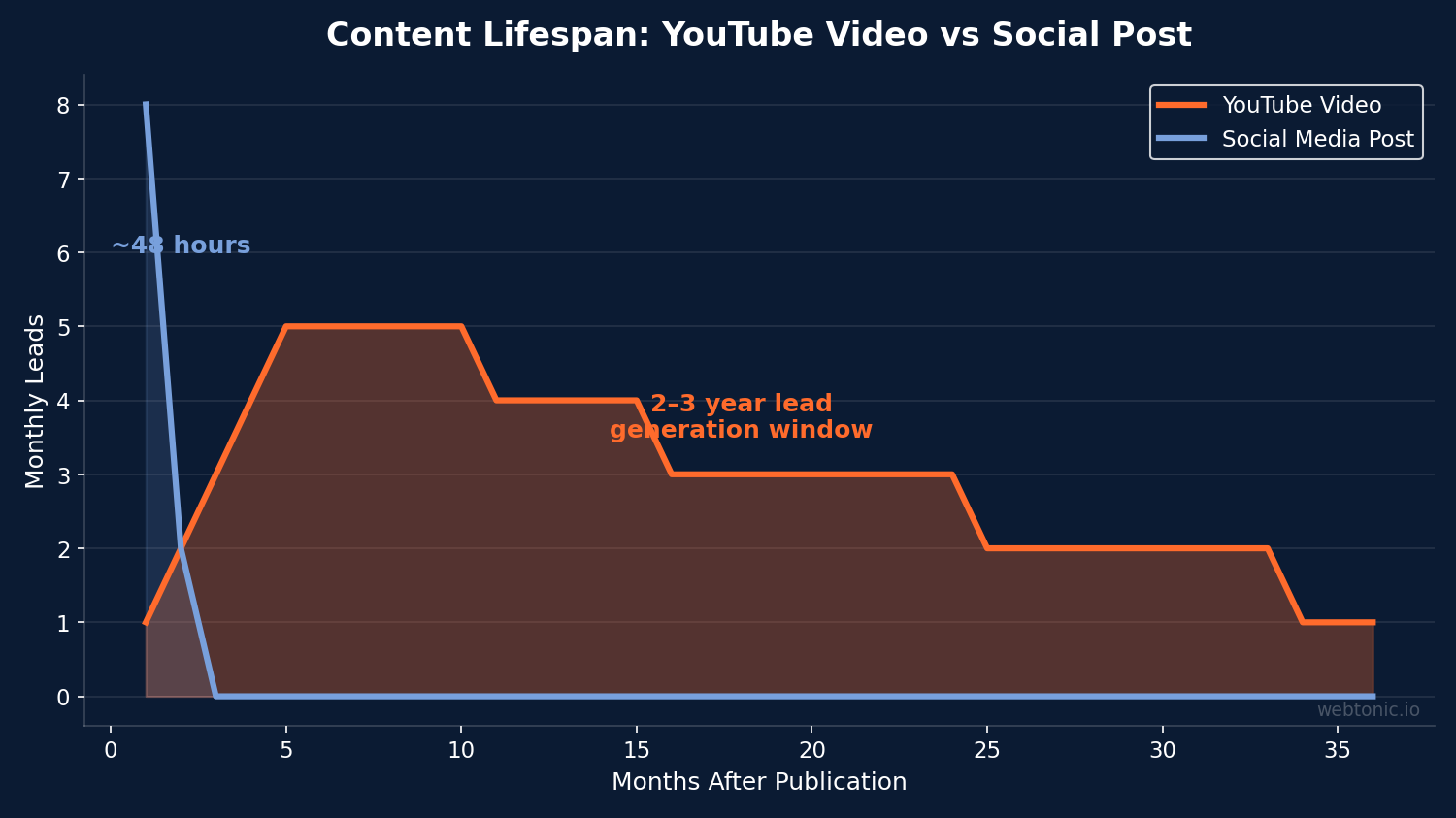
- YouTube videos generate leads for 2–3 years after publication versus 48 hours for social posts, with contractor channels reporting 40–60% of leads mentioning they watched videos before calling (PipelineOn/FeedbackWrench).
- Meta Reels deliver 4–8% CTR for home services — the highest engagement format — while static-image-only campaigns cost 30–60% more per lead (Elev8 Operations).
- Owner-on-camera videos outperform agency-produced content by 25–40% on contractor accounts, and 63% of consumers prefer learning about services through short video over all other content formats (Wyzowl).
- A single contractor YouTube video about tankless water heaters generated $120,000 in attributed revenue over three years, averaging 3–5 calls per month from one afternoon of filming (PipelineOn).
Video marketing for locksmith businesses in 2026 represents one of the most underutilized growth channels in home services. While nearly every industry has embraced video — 91% of businesses now use it as a marketing tool — locksmith shops remain far behind the curve, with fewer than 15% maintaining an active video presence. The economics are compelling: YouTube content generates leads for years, short-form video dominates social media algorithms, and consumers overwhelmingly prefer video when evaluating service providers. This report compiles verified statistics from Wyzowl's 12-year survey, platform-specific contractor data, and locksmith industry benchmarks to quantify the opportunity.
Video Marketing Adoption and Industry Benchmarks
Table 1. Video marketing adoption and ROI benchmarks (2026)
| Metric | 2024 | 2025 | 2026 | Source |
|---|---|---|---|---|
| Businesses using video marketing | 89% | 89% | 91% | Wyzowl |
| Marketers saying video = good ROI | 90% | 93% | 82% | Wyzowl |
| Consumers preferring short video | 44% | 57% | 63% | Wyzowl |
| Consumers convinced to buy by video | 82% | 82% | 85% | Wyzowl |
| Video quality impacts brand trust | 87% | 91% | 89% | Wyzowl |
| Marketers tracking video spend | 81% | 83% | 83% | Wyzowl |
| Marketers planning to increase video budget | 90% | 90% | 92% | Wyzowl |
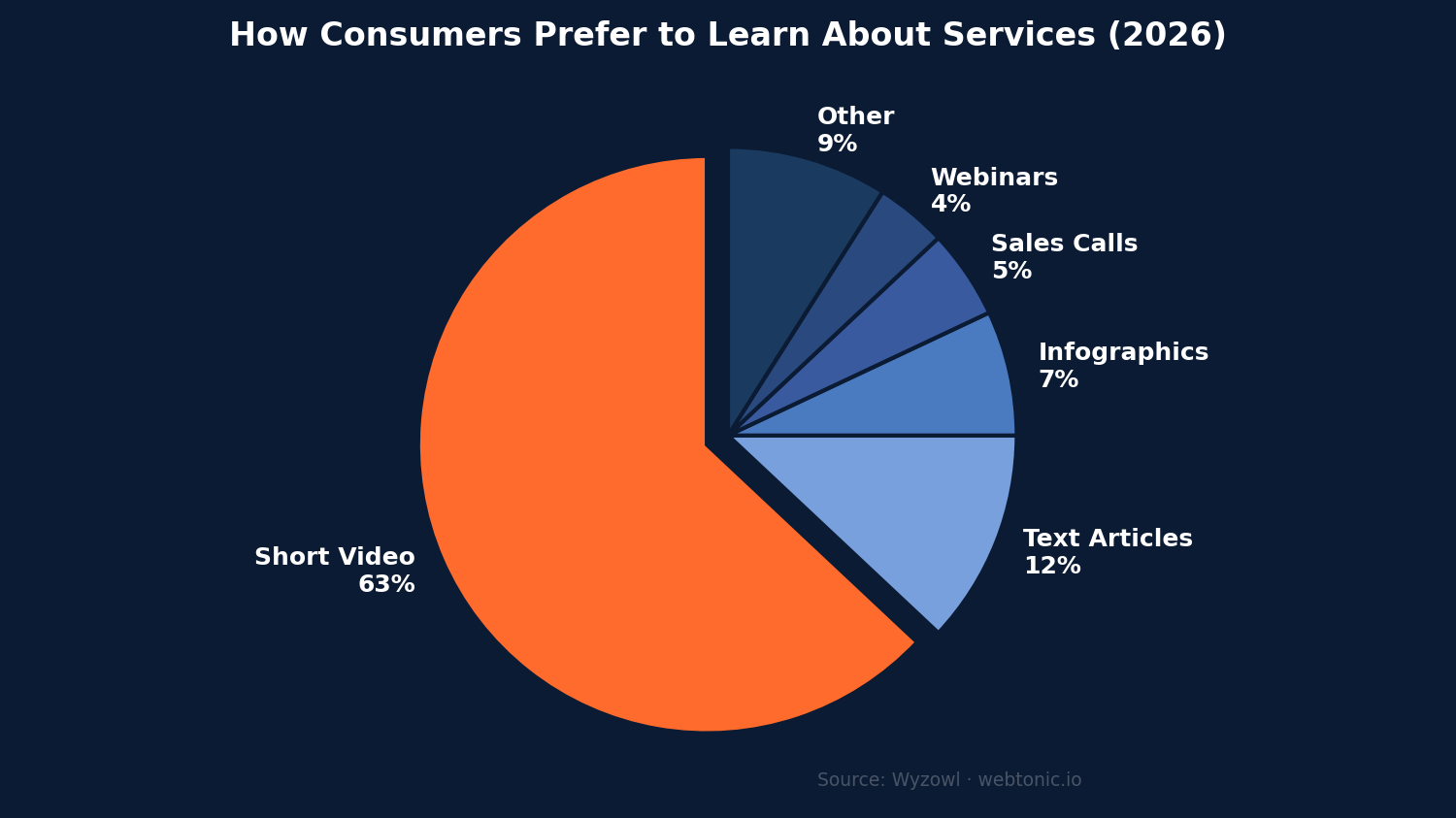
Wyzowl's 2026 video marketing report (12 consecutive years of data, 266 respondents) confirms that video remains a dominant marketing channel: 91% of businesses use video as a marketing tool, 93% see it as an important part of their strategy, and 92% plan to spend the same or more on video in 2026. The consumer side is equally compelling: 96% of people have watched an explainer video to learn about a product or service, 85% have been convinced to buy after watching a video, and 63% say short video is their preferred way to learn about a product or service — beating text articles (12%), infographics (7%), and sales calls (5%) by wide margins.
YouTube as a Long-Term Lead Channel for Locksmiths
YouTube represents the highest-ROI video channel for locksmith businesses willing to invest in consistent content. According to PipelineOn's contractor YouTube analysis, FeedbackWrench has attributed over $2 million in client revenue directly to YouTube-generated leads for local contractors. The strategy is straightforward: film contractors answering the questions homeowners already search for, then optimize for local search.
The compounding economics of YouTube content set it apart from every other marketing channel. A YouTube video generates leads for 2–3 years after publication, compared to 48 hours for a typical social media post. Videos rank in both YouTube search and Google search, meaning a single piece of content about "signs you need a rekeying service" can capture traffic on both platforms for years. One plumbing contractor tracked a single video that generated 3–5 calls per month for three years, producing an estimated $120,000 in attributed revenue from one afternoon of filming and two hours of editing. A landscaping contractor posted 48 videos in 12 months and generated 127 leads and 34 booked jobs. Channels posting weekly for 12+ months report that 40–60% of leads mention watching videos before calling.
Short-Form Video Performance on Social Platforms
Table 2. Video format performance benchmarks across platforms for home services (2026)
| Format | Platform | CTR / Engagement | CPM | Best Use Case |
|---|---|---|---|---|
| Reels (15–90s) | Instagram / Facebook | 4–8% CTR | $8–$14 | Project demos, time-lapses |
| Feed Video | 1.5–3.5% CTR | $10–$16 | Testimonials, explainers | |
| Stories Video | 0.8–2% CTR | $7–$12 | Behind-the-scenes, urgency | |
| TrueView In-Stream | YouTube | $0.015–$0.025/view | $11.42 | Brand build, custom intent |
| 6-Second Bumper | YouTube | High recall | $9.20 | Retargeting, frequency |
| Connected TV | YouTube | Premium reach | $14–$18.50 | ZIP-level geo targeting |
Short-form video dominates social media engagement for home services. Elev8 Operations reports that Meta Reels deliver 4–8% CTR for home services — the highest of any format — while static-image-only campaigns cost 30–60% more per lead than video-led campaigns. For locksmith businesses, the most effective short-form formats include emergency lockout time-lapses, lock picking demonstrations, and security upgrade walk-throughs. According to PipelineOn's YouTube Ads analysis, YouTube advertising for contractors costs $9–$15 CPM on standard inventory and $14–$18.50 on connected TV, with retargeting layers running at 50–70% lower CPM than cold prospecting. However, YouTube ads work best as a brand recall and retargeting channel after Google Ads and LSA are already performing.
Video Marketing ROI for Locksmith Businesses
Table 3. Video marketing ROI metrics for locksmiths and home services (2026)
| Metric | Value | Source |
|---|---|---|
| Revenue attributed to YouTube leads (contractor agency) | $2M+ | FeedbackWrench / PipelineOn |
| Single video revenue over 3 years | $120,000 | PipelineOn (contractor case) |
| YouTube video lead shelf life | 2–3 years | PipelineOn |
| Leads from 48 videos in 12 months | 127 leads, 34 booked jobs | PipelineOn (landscaper case) |
| Owner-on-camera vs agency video performance | +25–40% engagement | Elev8 Operations |
| Meta Reels vs feed post CTR | 4–8% vs 1.5–3.5% | Elev8 Operations |
| Video-led vs static-only campaign CPL | 30–60% lower | Elev8 Operations |
| Weekly video production time | 1–2 hours total | PipelineOn |
The ROI case for locksmith video marketing comes down to compounding returns versus diminishing spend. Paid channels like Google LSA cost $34 per lead with costs rising 21% year-over-year (TheKeyBot), meaning the same budget buys fewer leads each year. Video content, particularly on YouTube, works in the opposite direction: production cost is fixed (1–2 hours per video per week), but lead value compounds as the content library grows. The paid search approach delivers immediate leads, while video builds an asset that generates leads indefinitely. The strongest locksmith marketing systems combine both: search captures the emergency, and video builds the brand that homeowners remember when the next lockout happens.
Consumer Video Preferences Relevant to Locksmith Marketing
Wyzowl's consumer survey data reveals clear preferences that locksmith businesses should factor into their video strategy. 63% of consumers prefer learning about a service through short video rather than text articles, manuals, infographics, or sales calls. For emergency services like locksmithing, where trust is built in seconds, video provides something no other format can: proof that the technician is real, professional, and competent. ContentWorks' audit of 50+ locksmith websites found that pages with visual proof elements — including video — had conversion rates 37% higher than those relying on text alone. Additionally, 89% of consumers say video quality impacts their trust in a brand, making production standards important even for quick smartphone videos.
Video Marketing Budget Allocation for Locksmith Businesses
Table 4. Recommended video marketing budget allocation by locksmith shop size (2026)
| Shop Size | Monthly Video Budget | Organic / Paid Split | Priority Formats | Expected Monthly Output |
|---|---|---|---|---|
| Solo / 1–2 trucks | $0–$200 | 100% organic | YouTube how-tos, Reels | 4 videos |
| Small shop / 3–5 trucks | $500–$1,500 | 60% organic / 40% paid | YouTube + Meta Reels ads | 4–8 videos |
| Mid-size / 6–10 trucks | $1,500–$3,000 | 40% organic / 60% paid | YouTube + retargeting + CTV | 8–12 videos |
| Large / 10+ trucks | $3,000–$5,000+ | 30% organic / 70% paid | Full-funnel video + brand | 12+ videos |
Budget allocation depends on shop size and existing channel performance. According to Elev8 Operations, contractor marketing spend should sit at 5–10% of gross revenue. For a locksmith shop generating $400,000 annually, that means $20,000–$40,000 in total marketing budget, with video typically warranting 15–25% of that allocation once search channels are performing. The key principle: organic YouTube should come first because it builds a compounding asset, while paid video scales reach once the content library proves which messages resonate. Solo operators should start with zero-cost smartphone production — the same ROI principles that apply to Facebook Ads apply to video: start with proven organic winners before scaling with paid distribution.
Locksmith Video Marketing Action Plan
- Start a YouTube channel focused on the questions homeowners search: "how to tell if your locks need replacing," "smart lock vs deadbolt comparison," "what to do when locked out" — film one video per week using a smartphone
- Repurpose YouTube content into Reels and TikToks — extract the best 15–60-second segments for 4–8% CTR on Meta Reels
- Use owner-on-camera format for authenticity — contractor accounts see 25–40% higher engagement with real technicians versus polished agency production
- Embed videos on service pages — ContentWorks found locksmith sites with visual proof elements convert 37% better
- Run YouTube retargeting on site visitors at $500–$1,500 per month for 7–30-day audiences at 50–70% lower CPM than cold prospecting
- Track assisted conversions — direct YouTube attribution undercounts; one roofing contractor found view-through attribution added 27 booked jobs that Google Search would have otherwise claimed
- Optimize titles and descriptions for local search — include city names, service types, and "near me" variations to capture both YouTube and Google search traffic
Related reading
- Tax & Accounting Video Marketing Statistics (2026)
- What Dealership Marketers Should Budget for Video Advertising
- What Shop Owners Should Budget for Auto Repair Video Marketing
- Branding services at Web Tonic
FAQ
Is video marketing worth it for a small locksmith business?
Yes. The economics strongly favor video: 82% of marketers report good ROI from video (Wyzowl), and the time investment is minimal — 1–2 hours per week for one YouTube video. A single well-optimized video can generate leads for 2–3 years, making it the most durable marketing asset a locksmith can build. Even without paid promotion, YouTube videos rank in Google search results and capture homeowners researching locksmith services.
What type of videos should locksmiths create?
The highest-performing video types for data-driven locksmith marketing include: emergency lockout response demonstrations, smart lock installation tutorials, security upgrade comparisons, "what to expect" service explainers, and customer testimonial compilations. PipelineOn's data shows contractor channels that answer specific homeowner questions (e.g., "how much does a car lockout cost") generate the most consistent leads.
How much does locksmith video marketing cost?
Organic video marketing costs virtually nothing beyond time — a smartphone, basic editing app, and 1–2 hours per week. For paid video advertising, YouTube TrueView costs $0.015–$0.025 per view with CPMs at $9–$15. Meta Reels advertising starts at low budgets, and the 30–60% CPL advantage over static campaigns means video ads often cost less per lead despite higher production effort.
How long does it take for video marketing to generate leads?
YouTube channels typically need 12+ months of weekly posting before generating consistent organic leads, though individual videos can rank and produce calls within weeks for low-competition local keywords. Short-form social video (Reels, TikTok) can generate engagement immediately but typically converts through brand familiarity over time. Paid video ads on YouTube and Meta generate leads from day one, though optimization takes 2–4 weeks.
Sources
Wyzowl — Video Marketing Statistics 2026 (12 Years of Data)
PipelineOn — Starting a YouTube Channel as a Contractor
PipelineOn — YouTube Ads for Contractors in 2026
PipelineOn — Social Media Campaign Effectiveness for Contractors
TheKeyBot — AI Receptionist for Locksmiths
ContentWorks — Locksmith Website Trust and Conversion
Lead4Pro — Home Services Marketing
SparkUGC — Meta Ads Benchmarks by Business Type (2026)
Click-Vision — Home Services Marketing Statistics (2026)