FROM A DAUGHTER'S FIRST SEARCH TO A MOVE-IN
Fuller communities, and the right residents
A move-in decision takes months and involves a whole family. We work the entire path — found, trusted, toured, moved in — and report residents arriving rather than enquiries.








Tell us a little about your brand and we'll be in touch within 24 hours to lock in a time.


senior housing occupancy in Q2 2026
of enquiries become move-ins
of tours convert to a move-in
typical referral agency fee per move-in
We made the difference for those brands

Consumer tech and platforms

Creative, content, arts & culture

Food & beverage

Beauty, personal care & wellness

Creative, content, arts & culture

Food & beverage

Retail & commerce

Healthcare & regulated services

Healthcare & regulated services

B2B software, fintech, insurance

Travel & mobility

Travel & mobility

Beauty, personal care & wellness

Beauty, personal care & wellness

B2B software, fintech, insurance

B2B software, fintech, insurance

Consumer tech and platforms

Consumer tech and platforms
Retail & commerce

B2B software, fintech, insurance

Home essentials, appliances, kitchen & pet

Travel & mobility

Beauty, personal care & wellness

Consumer tech and platforms

Healthcare & regulated services

Healthcare & regulated services

B2B software, fintech, insurance

Retail & commerce

Home essentials, appliances, kitchen & pet

Home essentials, appliances, kitchen & pet

Creative, content, arts & culture

Who we are
A partner who reads your enquiry follow-up before your ad account
Web Tonic is a digital marketing agency running growth programmes every day, with one senior team covering search, paid media, creative and the web build behind them. A senior living operator gets its own plan because the decision is emotional, made by a family rather than a buyer, and measured in months rather than clicks.
Sound familiar?
If you run a community, two of these will sound familiar.
Enquiries arrive and the tour calendar still has gaps. An adult daughter researches for four months and nobody sees it. Referral fees eat the margin on every move-in. And no report connects last month's spend to the residents who actually arrived.
Plenty of enquiries, not enough of them turning into tours.
Referral agencies owning the relationship, and the fee.
A long family decision that no report ever shows you.
Results & timeline
Your first seven days with us.
Day 1–2: Audit
We meet the residence the way an adult daughter does at 11pm: what Google returns for support options in your county, how your pricing and support levels read to somebody frightened, where the enquiry form asks too much too early, and how quickly a real person responds.
Day 3–4: Data and tracking
Then the unglamorous part: enquiries tracked to source and matched forward to tours and arrivals. 2026 category conversion benchmarks put enquiry-to-move-in at 8% to 12%, so the difference between two sources is a budget decision rather than a footnote.
Day 5–6: Build and launch
Fixes to the pages that decide it: one page per residence and per level of support, honest pricing ranges, photographs of the real building and the real dining room, and campaigns split between relatives in crisis and relatives planning ahead.
Day 7: Review and plan
You get the first written review: what launched, cost per tour and per resident by source, how owned demand compares with referral fees, and a 90-day plan built around the units you actually need to fill.
for WHO
Judged on residents arriving, not enquiries counted
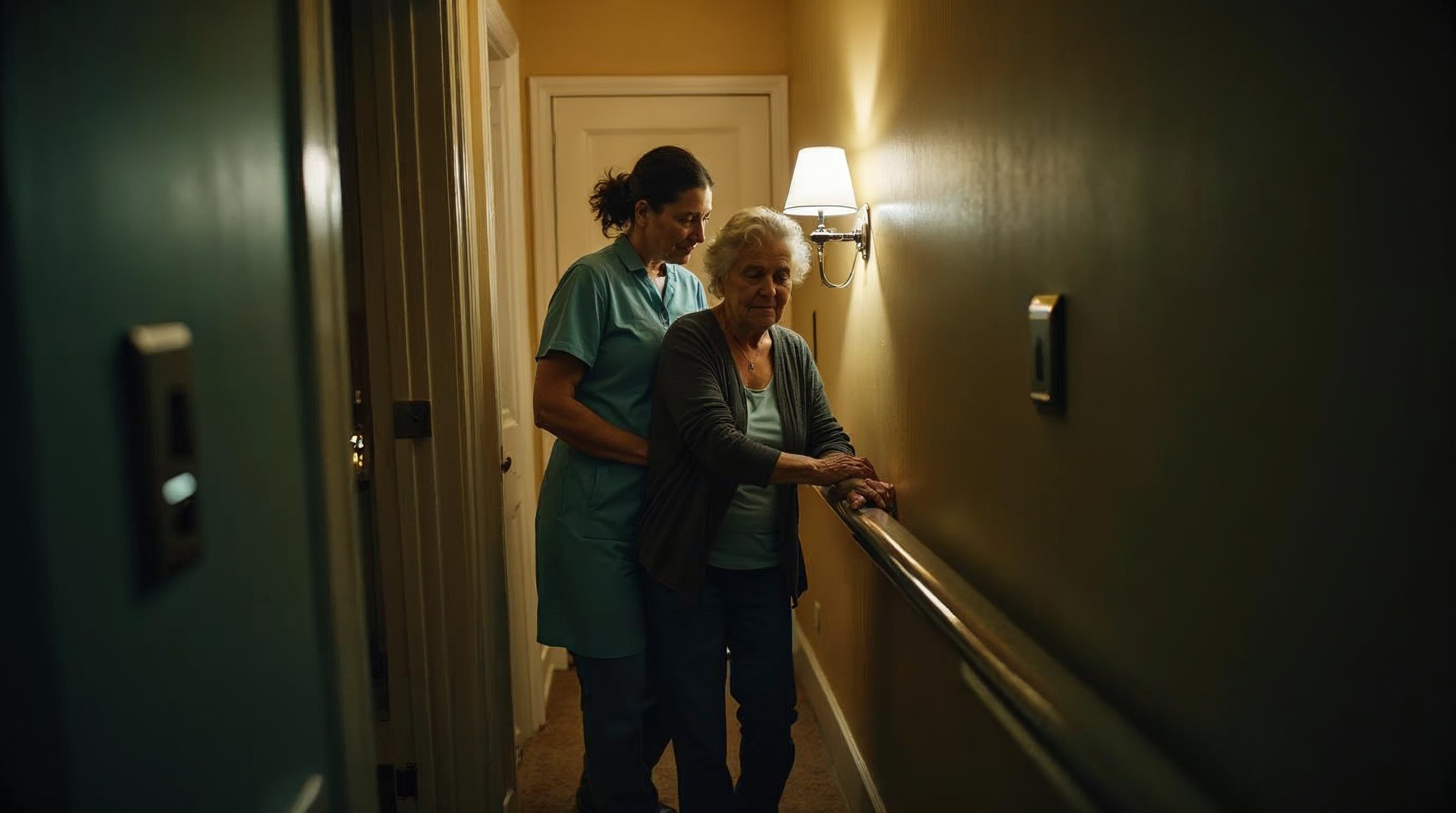
Senior living is a category where the person moving in rarely starts the search. An adult daughter does, usually late at night, often after a fall. She reads for weeks, compares four communities, involves siblings, and only then picks up the phone. Marketing that shouts loses to marketing that reassures.
The arithmetic is worth stating plainly. NIC’s second-quarter 2026 occupancy data put occupancy at 89.9% in the second quarter of 2026, a record level of occupied units, so the remaining units are the hardest ones to fill. 2026 category conversion benchmarks put enquiry-to-move-in at 8% to 12% and tour-to-move-in at 29% to 34%, both drifting downward as decisions get slower. 2026 cost-per-lead benchmarks puts cost per enquiry between $15 from organic search and $400 or more from paid ads, while referral agencies cost $3,500 to $12,000 per move-in. Read together they say something simple: owned demand is the cheapest bed you will ever fill.
So the work is visibility plus trust, then follow-up. Four things run under one roof: local search, paid campaigns, web design and development and measurement, with outcomes on our case studies.
Results
Real Spend. Real Revenue.
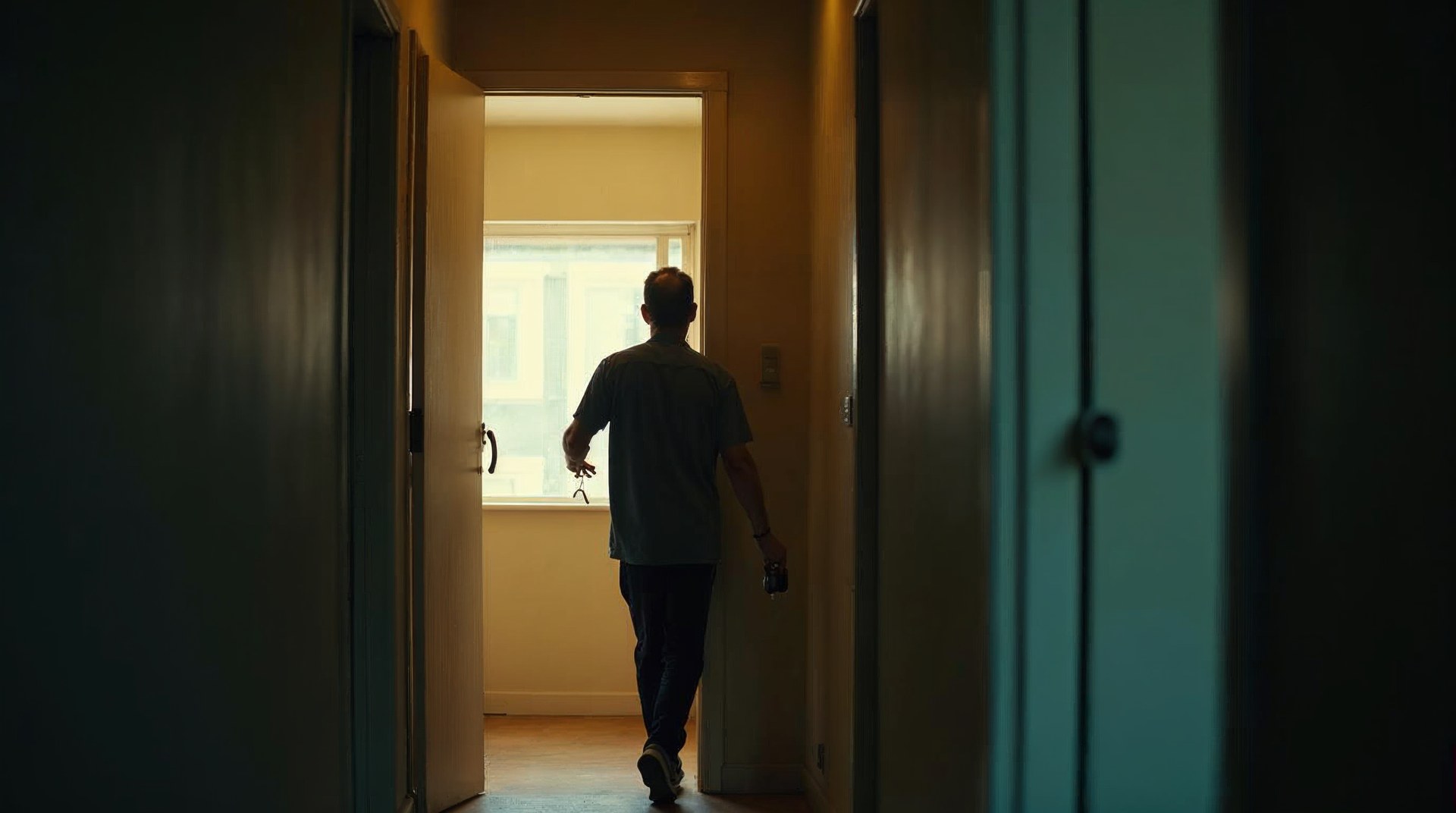


What we run for senior living operators.
Be found by the daughter, not the resident.
The searches that matter are rarely about your brand. They are about a county, a level of support and a worry: memory support near a hospital, what assisted living costs, whether mum can bring the cat. One page listing every community answers none of that.
We build genuine pages per residence and per level of support, with pricing ranges, photographs of the actual building, staff who are named, and answers written the way you would give them on a tour. That depth is what separates an operator from a directory listing, and it is what earns the second visit and the sibling's approval.
Reduce what you pay in referral fees.
Referral agencies fill beds, and they are expensive tenancy: a large one-off fee, a family who belongs to them rather than to you, and no asset left behind when the contract ends.
We do not tell operators to cut them off. We build owned demand beside them — organic visibility, honest pricing pages, reviews and reputation, a responsive enquiry path — then compare cost per move-in between the two every month. The mix shifts as owned demand proves out, and the saving lands straight in your margin.
Respect a slow, emotional decision.
A family may read your website for four months, visit twice, and disappear for six weeks while a health decision is made elsewhere. Any report judging that journey on last-click attribution will quietly defund the content that earned it.
So we measure the whole path, keep genuinely useful material available for relatives who are not ready, and make the first contact low-commitment and human. Then we report tours held and residents arriving, so the patient work that takes months is credited rather than cut.
Services


Paid campaigns across search and social, structured by urgency and support level rather than by platform habit. Brand defence stays separate from genuine discovery, creative speaks to the family making the decision, and budget follows the units you need to fill instead of being spread evenly across residences that are already full.
Reporting is in your language: cost per enquiry, cost per tour, cost per resident, and mix by residence. Where spend only collects relatives who already knew your name, we say so rather than averaging it away.
Data intelligence: call and form tracking, CRM integration so tours and move-ins flow back into reporting, attribution across a months-long decision, and a monthly report tying spend to occupancy. 2026 cost-per-lead benchmarks puts referral agency fees at $3,500 to $12,000 per resident, so knowing which owned channel replaces one is the most valuable number on the page.
The same reporting answers the awkward questions: which residences need help and which do not, which support levels convert, and where the next dollar belongs.
Web design and development for an operator: fast on a phone at midnight, floor plans and pricing that load properly, a tour-booking step that asks little and answers quickly, community templates that scale across a portfolio, and accessibility done properly for older readers and their families. Most operator websites have grown a second, unmanaged site inside them — an old rate sheet, a departed director, a residence that was sold — so part of the build is consolidating that into one accurate version.
.avif)


















Built on trust. Proven by results.
We partner with SMBs and Fortune 500 companies to deliver more than reach — we bring clarity, execution, and measurable outcomes. Every successful partnership starts with a strong culture fit and a shared drive to grow.






faq
Answered questions.
No, and single-site operators often gain fastest, because relatives choose a building and a staff rather than a brand, and local visibility is winnable without a portfolio budget. A residence with a good reputation and a heavy enquiry form has a conversion problem, not a demand problem, and that is the cheapest thing to fix.
We size the programme to your unit count and your county, and we hold category exclusivity: we will not run two competing residences in the same market, and that is written into the agreement.
Enquiry-response fixes, campaign restructuring and listing corrections usually show inside the first weeks, because families are already searching and the leak is immediate. Residence and support-level pages typically start earning visibility within 60 to 90 days and compound from there.
Because the decision itself runs 70 to 120 days, we report leading indicators — enquiries, tours held, tour-to-lease rate — alongside occupancy, and compare like with like rather than judging a quiet month on its own.
A fixed monthly fee, quoted separately from media spend, scoped to your residences and the channels you need. After the audit you get a plan tied to targets — cost per resident first — and we will tell you which channels we would not run yet rather than selling a full bundle on day one.
Where the fix is smaller than a retainer, we scope to the fix and say so on the first call.
What a typical monthly plan covers: seo for residence and support-level pages, a website families can use at midnight, paid search and ppc management, social campaigns, photography and video inside the real building, reviews and reputation work, lifecycle nurture for families who are not ready yet, and one monthly report in plain language. Most operators start with the website and organic visibility, then add paid and social once enquiries are being answered properly.
How to compare one senior living marketing agency against another: ask who does the daily work, whether they will show figures from comparable residences, whether you own the ad accounts and the website, what the notice period is, how they handle privacy, and whether move-ins — not enquiries — are the reported number.
Because high occupancy is exactly when marketing gets cheapest to improve, and because the last few units are the expensive ones. At 89.9% across the sector, most of the easy demand is already housed; what remains is specific support levels, specific floor plans and specific months.
A full residence also has options a struggling one does not: fill from owned demand instead of referral fees, hold pricing rather than discount, build a waiting list for the plans that turn over most, and keep the pipeline warm for the inevitable move-outs. That work is what protects occupancy through the next soft quarter.
Yes, steadily, and it is usually where the largest saving sits. At $3,500 to $12,000 per resident, two or three replaced placements each month typically fund an entire owned programme with margin left over.
We do it by building the pieces the referral agency currently rents you: organic visibility for your county and support levels, pricing published honestly, reviews managed, and an enquiry path answered by a person quickly. The referral contract keeps running while that builds, and we report cost per resident side by side so the shift is a decision you make on evidence rather than on faith.
The scoreboard, and who does the daily work. Sessions are easy to buy and impossible to bank. We tie spend to tours held and residents arriving, and report by residence and care level so you see the portfolio rather than a dashboard.
You get a named senior strategist rather than a coordinator relaying questions, with seo, paid media, content, design and development specialists in one team. Most operators arrive from several vendors who each optimise their own report; one team means one set of figures and one review each month.
What a complete senior living digital marketing programme contains, in one list: a fast website with real photography, organic visibility built on genuine residence and support-level pages, honest pricing content, reviews and reputation management, paid campaigns split by urgency, CRM integration so reporting reaches the signed lease, and nurture for relatives who need six more months. That is the whole strategy for most operators; the rest is decoration.
Operators also ask what we will not do: we do not write copy that pressures a family in crisis, we do not use stock photography of somebody else's building, and we do not report volume we cannot connect to a signed lease.