Table of contents
Your online reputation is the first thing potential customers check before they buy — and a single negative review or misleading search result can cost a business thousands in lost revenue. The best online reputation management companies help brands take control of their digital presence by suppressing negative content, generating positive reviews, and monitoring brand mentions across the web.
Key Takeaways
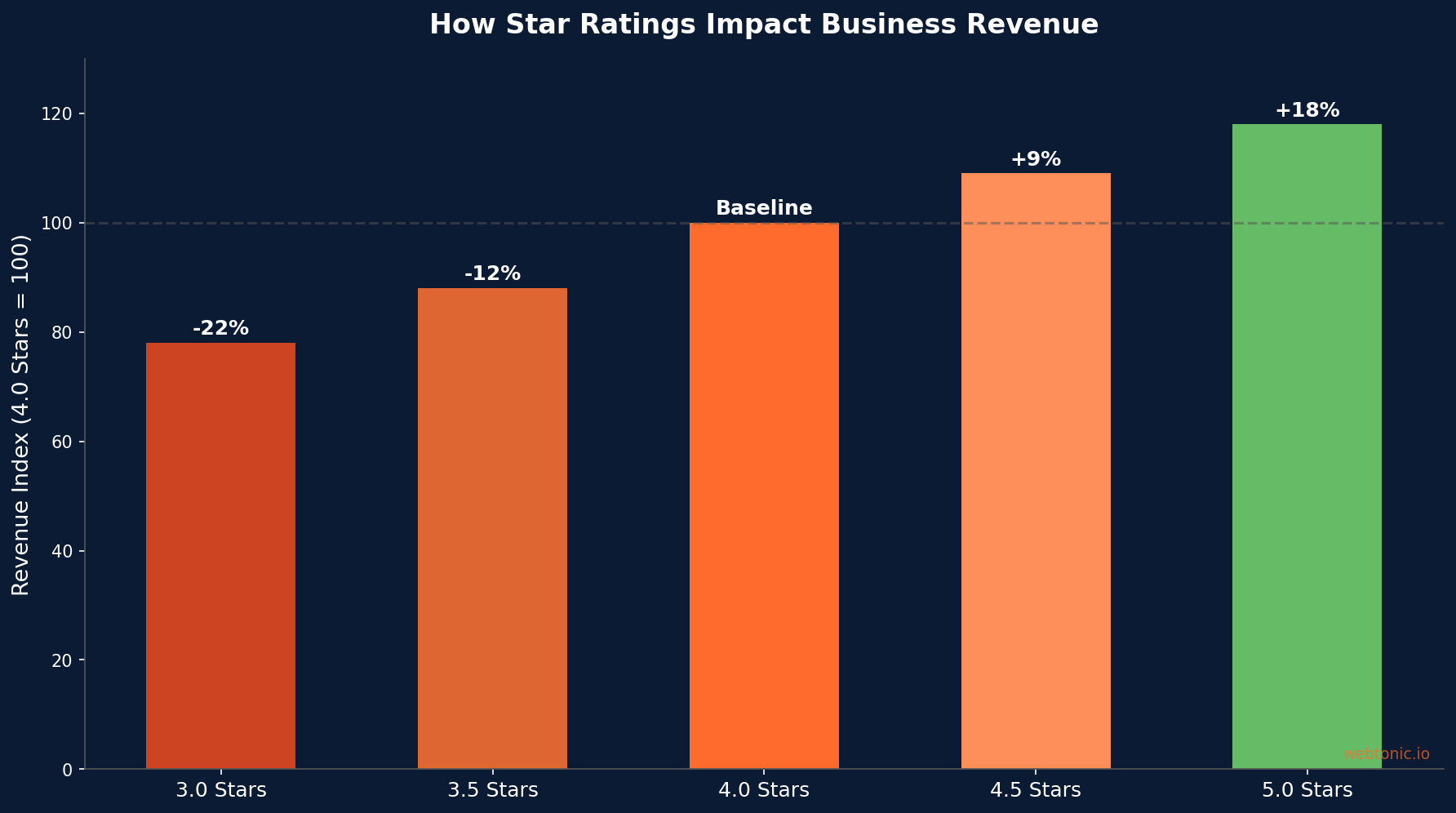
- A one-star improvement in your average rating can increase revenue by 5–9% — for most small businesses, that's a material difference in annual income.
- Over 90% of consumers read online reviews before making a purchase decision, making reputation management a revenue-critical function, not a vanity metric.
- The average cost per negative review response is $25, but saves an estimated $1,200 in potential revenue loss — a 48× return on every review managed.
- Enterprise ORM services from firms like NetReputation and ReputationDefender start at $500–$3,000 per month, with crisis management and content suppression running $5,000–$15,000+.
- AI-powered review management platforms like Birdeye and Podium automate review generation and monitoring for multi-location businesses at scale.
11 Best Online Reputation Management Companies
We evaluated the top reputation management companies based on their service scope, client results, pricing transparency, and specialization. Here are the 11 best online reputation management companies for businesses and individuals in 2026:
| Company | Founded | Specialty | Starting Price | Best For |
|---|---|---|---|---|
| NetReputation | 2014 | Full-service ORM + content suppression | $500/mo | Businesses and individuals |
| ReputationDefender | 2006 | Personal + executive reputation | $1,000/mo | Executives and high-profile individuals |
| WebiMax | 2008 | SMB reputation repair | $750/mo | Small businesses needing repair |
| Birdeye | 2012 | Multi-location review management | $299/mo | Franchises and multi-location brands |
| Podium | 2014 | Review generation + messaging | $249/mo | Local businesses wanting more reviews |
| Igniyte | 2009 | International, multilingual ORM | Custom | Global brands and multinational companies |
| BrandYourself | 2011 | Personal branding + DIY tools | $399/mo | Professionals and job seekers |
| Reputation Rhino | 2013 | Negative content removal | $1,000/mo | Businesses needing content suppression |
| Thrive Agency | 2005 | ORM + digital marketing bundle | $1,500/mo | Companies wanting ORM with SEO |
| ReviewTrackers | 2012 | Review monitoring + analytics | Custom | Enterprise review intelligence |
| Status Labs | 2012 | Digital PR + search result management | $2,000/mo | Brands needing SERP control |

How Online Reputation Management Works
Online reputation management is the practice of monitoring, influencing, and improving how a brand or individual appears across search engines, review sites, and social media platforms. The best reputation management companies use a combination of strategies to build and protect your online presence:
- Search result suppression — ORM companies create and optimize positive content (press releases, blog articles, social profiles, guest posts) that push negative search results off the first page of Google. Since 75% of users never scroll past page one, suppressing a negative result from position 3 to position 15 effectively neutralizes its impact.
- Review management — Automated systems send review requests to satisfied customers after purchases or service visits, building a steady stream of positive reviews that dilute negative ones. The best ORM platforms can increase review volume by 200–400% within the first quarter.
- Social media monitoring — Real-time alerts for brand mentions across social platforms, forums, and news sites. Early detection of negative sentiment allows companies to respond before a complaint escalates into a crisis.
- Content creation and SEO — Building a library of owned content (company blog posts, LinkedIn articles, YouTube videos, podcast appearances) that ranks for branded search terms, ensuring potential customers find your narrative first.
- Crisis management — Rapid response protocols for PR crises, viral complaints, or defamatory content. Crisis ORM services typically include legal coordination, media strategy, and accelerated content suppression campaigns.
ORM Pricing: What Reputation Management Costs
Reputation management pricing varies based on the severity of your situation, the scope of services, and whether you need ongoing monitoring or one-time repair. Here is what to expect from the best online reputation management companies:
| Service Level | Monthly Cost | What's Included | Timeline |
|---|---|---|---|
| Review monitoring only | $100–$300/mo | Alert dashboard, review response templates | Ongoing |
| Review generation + monitoring | $249–$500/mo | Automated review requests, response management | Ongoing |
| Basic ORM (brand building) | $500–$1,500/mo | Content creation, social profile optimization, monitoring | 6–12 months |
| Advanced ORM (suppression) | $1,500–$5,000/mo | Negative content suppression, positive SEO, PR outreach | 6–18 months |
| Crisis management | $5,000–$15,000+/mo | Rapid response, legal coordination, media strategy | 3–6 months |
| Personal reputation repair | $1,000–$3,000/mo | Individual SERP management, personal branding | 6–12 months |
The ROI of Reputation Management
Reputation management delivers measurable financial returns that justify the investment for most businesses. The data from recent ORM industry research makes the business case clear:
- A one-star improvement in online ratings drives 5–9% revenue growth — for a local business earning $500K annually, that's $25,000–$45,000 in additional revenue from reputation improvement alone.
- The cost per negative review response averages $25, but each managed response saves approximately $1,200 in potential revenue loss — a 48× return on the time and cost invested in review management.
- Businesses with 4.0+ star ratings earn 28% more revenue on average than competitors with sub-4.0 ratings in the same market and category.
- 93% of consumers say online reviews influence their purchasing decisions, and 84% trust online reviews as much as personal recommendations.
The five KPIs every reputation management dashboard should track, according to AmpliRep's 2026 data-backed analysis: average star rating by platform, review volume velocity, response time, positive vs. negative mention share, and branded search visibility.
Choosing the Right ORM Company for Your Needs
The best online reputation management company for your situation depends on whether you need ongoing brand protection, crisis repair, or review generation. Use this framework to match your needs to the right service provider:
- Local businesses wanting more reviews — Start with Podium or Birdeye. These platforms automate review requests, centralize review management across Google, Yelp, and Facebook, and integrate with your existing marketing stack. Budget: $249–$500/month.
- Businesses with negative search results — Choose NetReputation, Reputation Rhino, or Status Labs. These companies specialize in content suppression — pushing negative articles and reviews off the first page of Google through positive content creation and SEO. Budget: $1,000–$5,000/month, with 6–18 months needed for results.
- Executives and public figures — ReputationDefender and BrandYourself specialize in personal reputation management. They manage your Google results, build professional profiles, and protect your name across search engines and social platforms. BrandYourself offers a more affordable DIY option at $399/month.
- Multi-location businesses and franchises — Birdeye and ReviewTrackers handle review management across hundreds of locations, providing centralized dashboards with location-level analytics. These are essential for franchise operations where inconsistent reviews across locations can damage the entire brand.
- Companies in crisis — For active PR crises (viral complaints, news coverage, legal situations), contact NetReputation, Igniyte, or Thrive Agency for rapid-response crisis management. Expect to invest $5,000–$15,000+ per month for 3–6 months of intensive reputation repair coordinated with your legal and PR teams.

DIY Reputation Management vs. Hiring an Agency
Not every business needs a full-service reputation management company. For many small businesses, a DIY approach combined with affordable tools can handle the basics:
- Google Alerts (free) — Set up alerts for your brand name, product names, and key executive names. You'll receive email notifications when new mentions appear online.
- Google Business Profile (free) — Claim and optimize your GBP listing. Respond to every review — positive and negative — within 24 hours. Businesses that respond to reviews earn 35% more revenue than those that don't.
- Social media monitoring ($0–$100/month) — Tools like Google Alerts, Mention, or Brand24 track brand mentions across social platforms. Early detection of complaints is the single most cost-effective reputation management activity.
- Review generation ($0–$50/month) — Simply asking satisfied customers for reviews — via email, SMS, or in-person — is the most reliable way to improve your online ratings. Many POS systems and CRMs have built-in review request features.
DIY reputation management works when your online presence is generally positive and you want to maintain it. Hire a professional ORM company when you face negative search results on page one, a sudden influx of negative reviews, or a PR crisis that requires rapid, coordinated suppression. For a broader view of how reputation fits into your growth marketing strategy, explore how monitoring and response workflows integrate with paid and organic channels.
Reputation Management Trends for 2026
The online reputation management industry is evolving rapidly, driven by AI adoption and changing consumer behavior:
- AI-powered sentiment analysis — Modern ORM platforms use natural language processing to analyze the tone of reviews and mentions in real time, flagging potential issues before they escalate. This has reduced the average detection-to-response time from 48 hours to under 2 hours for companies using AI-driven monitoring.
- Visual content in reviews — Photo and video reviews now influence purchasing decisions 3× more than text-only reviews. According to InMoment's 2025 Reputation Benchmark Report, visual content is emerging as a key growth driver for review-driven industries.
- AI-generated review responses — ORM companies are deploying AI to draft personalized responses to reviews at scale, reducing response times while maintaining a human tone. Businesses using AI-assisted review responses see 2.5× higher response rates than those relying on manual templates.
- Cross-platform reputation scores — Platforms like Birdeye and ReviewTrackers now aggregate ratings across Google, Yelp, Facebook, Trustpilot, and industry-specific sites into a single reputation score, giving businesses a unified view of their brand health.

What to Expect in the First 90 Days
When you hire an ORM firm, the first three months follow a predictable pattern regardless of which company you choose:
- Month 1: Audit and strategy — The team conducts a full brand audit across search engines, review platforms, and social channels. They identify every negative result, map your current online presence, and build a content calendar for the campaign.
- Month 2: Content deployment — New positive content goes live: blog articles, press releases, social profiles, guest posts, and optimized web pages. For review-focused campaigns, automated review generation systems begin inviting satisfied customers to share feedback.
- Month 3: Measurement and adjustment — First measurable shifts in search results appear. The team tracks branded search visibility, average star rating changes, and review volume velocity. Adjustments to content strategy based on what's ranking and what needs reinforcement.
Most ORM campaigns require 6–12 months for lasting results. Content suppression in particular depends on building enough positive page authority to permanently outrank negative results in search engines. Companies promising overnight fixes are typically using tactics that don't hold long term.
Industry-Specific Considerations
Different industries face different challenges when it comes to brand perception online:
- Healthcare — HIPAA compliance limits how practices respond to patient reviews. The top firms for healthcare understand that review responses cannot disclose patient information.
- Legal services — Negative reviews from opposing parties require careful handling. Firms like Status Labs specialize in content strategies for attorneys.
- Restaurants and hospitality — High review volume means individual negative feedback matters less, but patterns of complaints about food quality or service create lasting damage. Platforms like Podium automate review requests after each visit.
- Multi-location brands — Managing ratings across dozens of locations requires centralized dashboards with location-level reporting (Birdeye, ReviewTrackers).
- Executives and public figures — Personal branding and SERP control for name searches require different tactics than brand-level campaigns. ReputationDefender and BrandYourself focus specifically on individual clients.
How Top ORM Companies Suppress Negative Search Results
The most effective online reputation management strategy for negative search results is content suppression — creating and optimizing enough positive content to push damaging pages off the first page of Google. The best reputation management companies follow a systematic approach:
- Content asset creation — Publishing 10–20 new optimized pages per month targeting your brand name. These include press releases, blog posts, social profiles, guest articles, and earned media placements. Each piece is optimized for branded search terms to compete directly with negative content in search engines.
- Authority building — The top reputation management companies don't just create content — they build domain authority for owned properties. This means earning backlinks to your positive content, optimizing your Google Business profile, and strengthening your social media presence across all major platforms.
- Review generation at scale — Automated review management systems that invite happy customers to leave reviews on Google, Yelp, Facebook, and industry-specific platforms. This builds review volume and improves average ratings — two factors that directly influence both consumer decisions and local search rankings.
- Long-term brand monitoring — Even after negative content is suppressed, the best companies continue monitoring your brand mentions across search engines, social platforms, and review sites. Early detection of new negative content prevents future crises.
Review Management: Software vs. Full-Service Companies
Understanding the difference between review management software and full-service reputation management helps you choose the right solution:
- Review management software (Birdeye, Podium, ReviewTrackers) — Self-service platforms that automate review requests, centralize review monitoring, and provide response templates. Pricing ranges from $249–$500/month. Best for businesses with generally positive reviews that want to increase volume and maintain ratings. These platforms are not designed for negative content suppression or crisis management.
- Full-service reputation management (NetReputation, ReputationDefender, Status Labs) — Managed services where dedicated teams handle content creation, search result optimization, review response, and social media management on your behalf. Pricing ranges from $1,000–$15,000/month. Best for businesses facing negative search results, reputation crises, or complex brand perception challenges that require expert strategy and execution.
- Hybrid approach — Many businesses start with review management software and add full-service support only when specific issues arise. A company might use Birdeye for ongoing review management at $299/month, then engage NetReputation for a 6-month content suppression campaign when a damaging article appears. This approach optimizes cost while maintaining comprehensive brand protection.
The decision between software and full-service comes down to severity: if your online reputation is generally positive and you want to maintain it, software is sufficient. If negative content is actively costing you customers, hire a full-service firm with proven experience in your industry.
Building a Long-Term Online Presence Strategy
The best approach to reputation management is proactive — building a strong online presence before negative content becomes a problem. A long-term strategy protects your brand and makes future issues far easier to manage:
- Invest in SEO and image optimization — Optimizing your website and visual content for search engines ensures your owned properties dominate branded search results. SEO image optimization (alt text, file naming, image sitemaps) helps your visual brand appear prominently in Google Image results alongside web results.
- Collect customer feedback systematically — Don't wait for customers to leave reviews on their own. Establish review generation workflows at every customer touchpoint — post-purchase emails, service follow-ups, and in-app prompts. Consistent customer feedback collection builds a review volume that naturally dilutes any negative content.
- Address negative content immediately — When negative reviews or articles appear, respond within 24 hours. Acknowledge the concern, offer a resolution, and move the conversation offline. Prompt response to negative content prevents escalation and shows future customers that you take feedback seriously.
- Monitor across all platforms — Your online presence extends beyond Google. Monitor review sites, social media platforms, industry forums, and news publications for brand mentions. The top companies use automated tools that scan search engines and social channels continuously for new mentions.
Companies that invest in long-term brand building rather than reactive crisis management spend 60–80% less on reputation services over a five-year period. The ROI of proactive reputation work compounds — every positive review, every piece of optimized content, and every earned media mention strengthens your brand's resilience against future negative content.
The most effective reputation management firms combine review management, social media monitoring, and search engine optimization into a unified brand protection strategy. Whether you choose a software platform or a full-service company, the goal is the same: build a strong, positive online presence that reflects the true quality of your brand and earns the trust of potential customers researching your business online.
Related reading
- Your Definitive Guide to Online Reputation Management
- How to Build a Strong Online Reputation from Scratch: 7-Step Guide
- Wealth Management Digital Marketing Statistics: CAC, ROI & Channel Benchmarks
- Marketing Strategy Consulting services at Web Tonic
FAQ
How much does online reputation management cost?
Online reputation management costs range from $100–$300/month for basic review monitoring to $5,000–$15,000+/month for crisis management and content suppression. The average business invests $500–$3,000/month for a managed ORM service that includes review generation, content creation, and search result optimization. Personal reputation repair for executives typically costs $1,000–$3,000/month.
How long does reputation management take to work?
Results depend on the severity of the issue. Review generation improvements (more positive reviews, higher average ratings) can show measurable results within 30–60 days. Negative content suppression in search results typically takes 3–6 months for most cases and 6–18 months for severe situations where multiple negative articles rank on page one. Ongoing monitoring and brand building is a continuous process with no fixed end date. Visit our marketing blog for more reputation strategy guides.
Can negative Google reviews be removed?
Google only removes reviews that violate its review policies — fake reviews, spam, off-topic content, or reviews containing hate speech. Legitimate negative reviews, even if unfair or inaccurate, cannot be removed by Google. The best approach is to respond professionally to the negative review (showing future customers you care about feedback) and generate a steady stream of new positive reviews to dilute its impact. ORM companies use this suppression strategy rather than removal.
What is the difference between ORM and PR?
Public relations (PR) focuses on proactive media coverage and brand storytelling — getting your company featured in publications, podcasts, and events. Online reputation management is more reactive and defensive — it focuses on monitoring what people say about you online, responding to reviews, and managing search results. The best reputation management companies combine ORM and digital PR to both protect your reputation and proactively build positive visibility through strategic media outreach.
Is reputation management worth it for small businesses?
Yes, especially for local service businesses. Since 93% of consumers check online reviews before buying, a business with a 3.5-star rating loses approximately 22% of potential customers compared to a competitor with a 4.5-star rating. A basic review management tool ($249–$500/month) that improves your average rating by one star can generate 5–9% additional revenue — for most businesses, that ROI pays for the tool many times over.
Sources
drews-review.com/best-online-reputation-management-companies
toponlinereputationmanagementcompanies.co
singlegrain.com/seo/10-best-online-reputation-management-companies-in-2025
thebestreputation.com/online-reputation-management/best-online-reputation-companies-in-the-united-states-2026
yourwebteam.io/online-reputation-management-statistics-2026
zipdo.co/online-reputation-management-statistics
amplirep.com/blog/the-roi-of-reputation-management-data-backed-insights-for-2026
cmswire.com/the-wire/inmoment-releases-2025-reputation-industry-benchmark-report