Ads shot on your vans, not in a stock library.
on your vans
Homeowners scroll past polished nonsense and stop for something that looks like a real crew on a real site. We film with your electricians on live jobs, cut it into vertical ads that survive a thumb, and test enough versions that the winners are obvious rather than argued about. The output plugs straight into your paid social and paid search programmes.






Tell us a little about your brand and we'll be in touch within 24 hours to lock in a time.


FOUR WORKSTREAMS
Four things decide whether an ad earns its place.
Four things
Good trade advertising is evidence, not decoration: proof you turn up, proof the problem is one you fix daily, a first second that stops the scroll, and enough volume to keep testing.
On-site capture
Formats & placements
Testing & iteration
Where the click lands
The footage has to come off a live site.
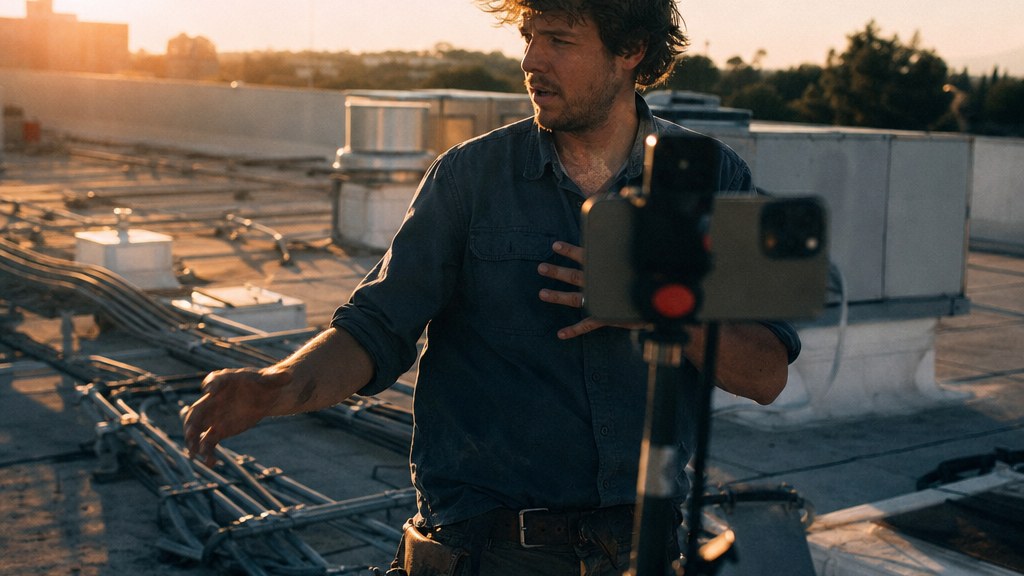
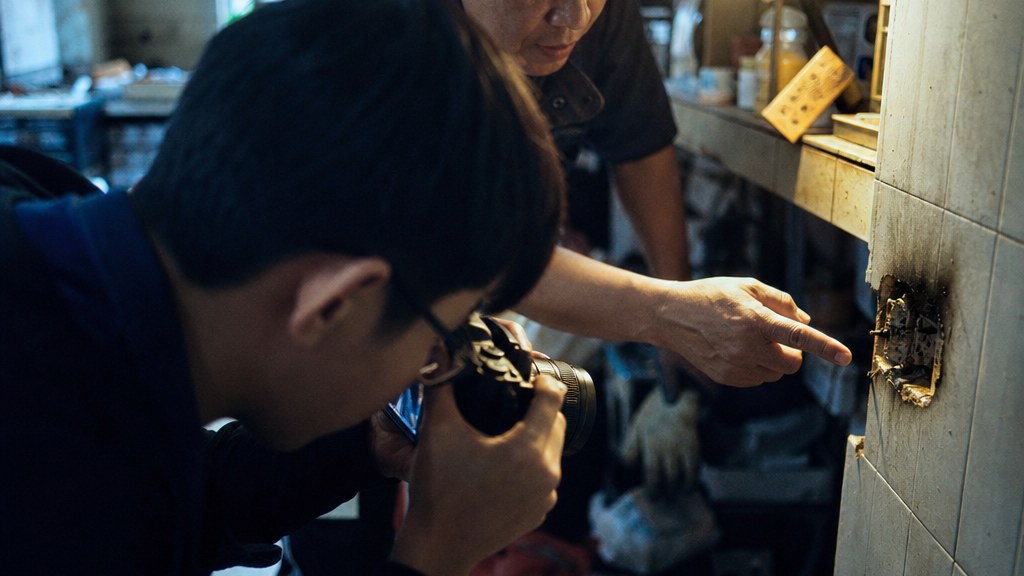
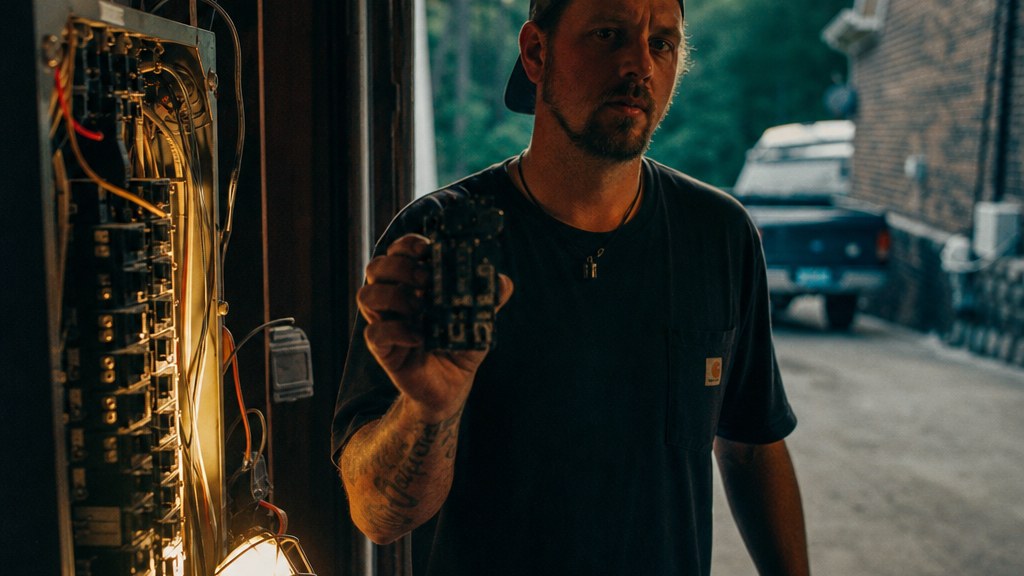
The single most reliable asset in this trade is one of your own people talking to camera beside the thing they just fixed — a scorched outlet, a crowded panel, a charger install finished before lunch. Testing across contractor accounts found owner-on-camera video producing 25-40% lower cost per lead than polished agency-produced video, which is a rare case of the cheaper option winning outright.
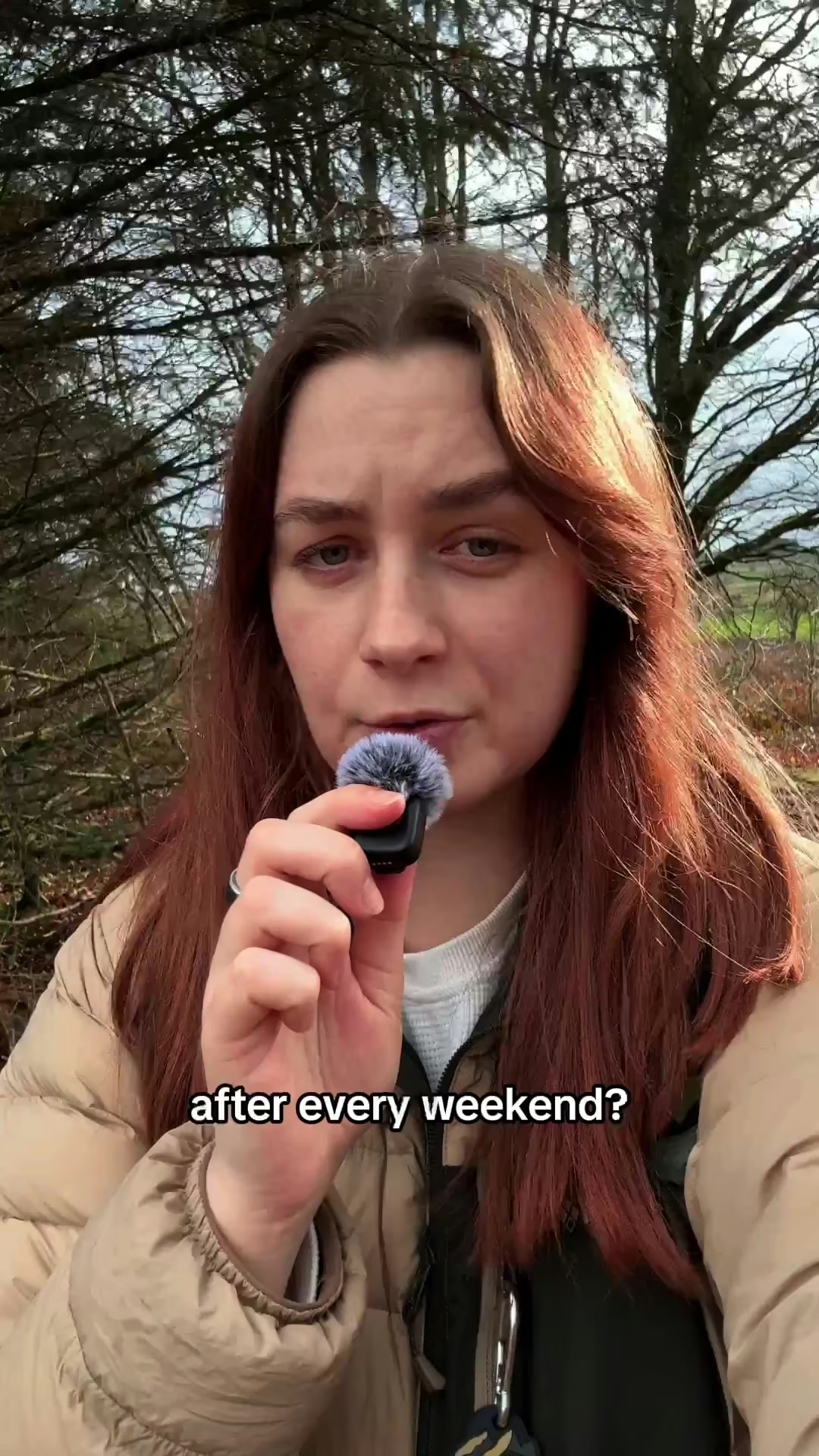
We run capture days that cost your crews almost nothing: a shot list, a clip-on microphone, and someone who knows which twenty seconds matter. Safety comes first on every visit — nothing is staged inside a live panel for the sake of a shot.
- Shot lists built around jobs already on the schedule
- Your electricians on camera, not actors
- Before and after evidence captured properly
- Safety rules respected on every visit
25-40%
lower cost per lead from owner-on-camera video than produced video
30-60%
lower cost per lead for video against static image ads
Vertical first, because that is where attention is.
Feed, Reels and Stories reward different edits, and the gap is not marginal: Reels click-through in home services runs 4-8% against 1.5-3.5% on feed. So a single landscape film cut down four ways is a waste of a good capture day.
We build each concept natively — nine by sixteen with the hook in the first second, captions burned in for muted viewing, and a static set for retargeting where a clean before-and-after still outperforms motion.
- Vertical edits built for Reels and Stories, not cropped
- Captions burned in for muted viewing
- Static before-and-after set for retargeting
- Thumb-stopping first second, tested deliberately
4-8%
Reels click-through in home services against 1.5-3.5% on feed
Volume settles the argument about taste.
Nobody guesses winners reliably, so we stop guessing. Each month ships a planned batch: new hooks against proven bodies, a fresh offer framing, one deliberately different angle. Winners get spend and variations; losers are retired without ceremony.
The economics justify the discipline. With a $93.69 median lead in this trade and about 43.4% of local service leads booking at a $1,434 average ticket, a modest lift in cost per lead is worth more than a better-looking film.
- Planned monthly batch, not ad-hoc requests
- Hooks tested separately from the body
- Winners scaled, losers retired quickly
- Every result written down where you can see it
$1,434
average ticket on jobs won from local service leads
43.4%
share of local service leads booked into jobs
An ad can only be as good as the page behind it.
Great footage pointed at a slow homepage is money set alight. Independent testing puts the average contractor site in this trade at an 8.8 second largest contentful paint against a 2.5 second threshold, and a homeowner standing in a dark hallway does not wait.
Each concept ships with a matching destination: the same promise, the same photography, a tracked number at the top and a form finished one-handed. Our landing page team builds those alongside the edit rather than afterwards.
- Message match between ad and destination
- Fast, single-purpose pages built with the concept
- Tracked numbers and short forms
- Speed treated as part of the creative brief
8.8s
average load benchmark for sites in this trade against a 2.5s target
Every raw and finished file lands in storage you own
Cost per booked job is the metric we are judged on
Weekly working session with the people doing the filming
Long-term lock-ins
We made the difference for those brands

Home essentials, appliances, kitchen & pet

B2B software, fintech, insurance

Food & beverage

Consumer tech and platforms

Home essentials, appliances, kitchen & pet

B2B software, fintech, insurance

Healthcare & regulated services

Home essentials, appliances, kitchen & pet

Home essentials, appliances, kitchen & pet

Beauty, personal care & wellness

Beauty, personal care & wellness

Beauty, personal care & wellness

Healthcare & regulated services

B2B software, fintech, insurance

B2B software, fintech, insurance

Beauty, personal care & wellness

Consumer tech and platforms

Food & beverage

Food & beverage

Beauty, personal care & wellness

Travel & mobility

B2B software, fintech, insurance

Healthcare & regulated services

Beauty, personal care & wellness

Home essentials, appliances, kitchen & pet

Consumer tech and platforms

Beauty, personal care & wellness

Consumer tech and platforms

Home essentials, appliances, kitchen & pet

Creative, content, arts & culture
01 — The challenge
The ads look tidy. They also look like everyone else's.
Most trade advertising is a logo, a stock photograph of a smiling stranger holding a clipboard, and the words twenty-four hour service. It offends nobody and persuades nobody. Meanwhile the accounts winning cheap enquiries in this trade are running slightly rough vertical clips of a real crew explaining a real fault, filmed on a phone.
“Our ads are fine. They just do not make the phone ring.”
The evidence is not subtle: video runs 30-60% cheaper per lead than static images, and owner-on-camera video 25-40% cheaper again than produced video. Trust is what is being bought here, and trust looks unpolished.
02 — Our approach
Capture on site, cut for the placement, then test on purpose.
We start with a short strategy session: which services you want more of, which objections cost you jobs, and which of your people are willing to talk to camera. Then a capture day rides along with jobs already booked — a panel upgrade, a charger install, a fault-finding visit — and we come away with far more usable footage than a studio shoot would give, at a fraction of the disruption. Editing is where the discipline sits: every concept is built natively for its placement, hooks are written and tested separately, captions are burned in, and a static set is cut for retargeting. Each concept ships with a destination page carrying the same promise. From there it is a monthly rhythm: a planned batch of new assets, a written read on what won and why, winners scaled and losers retired. You own every file, raw and finished, including footage we did not use. Nothing is licensed back to you.
03 — What we did
A first ninety days that fills your library.
Strategy, capture, native edits, then a monthly testing rhythm — with a working session every week and a written note of what changed.
Weeks 1-2 / Angles
Objections turned into a shot list
We interview your senior electricians and your office, list the objections that lose jobs, and turn each one into a clip we can film on a site visit already in the diary.
Weeks 2-4 / Capture
One capture day, dozens of usable assets
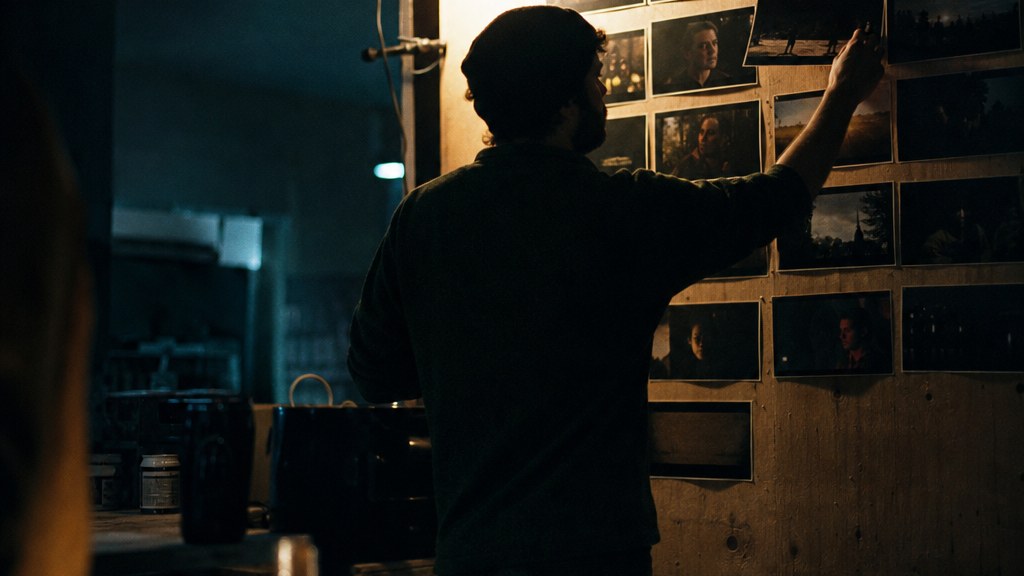
A ride-along on booked jobs with a clip microphone and a shot list. Safety first, no staging inside live equipment, and enough footage for a full quarter of testing.
Weeks 3-6 / Edits
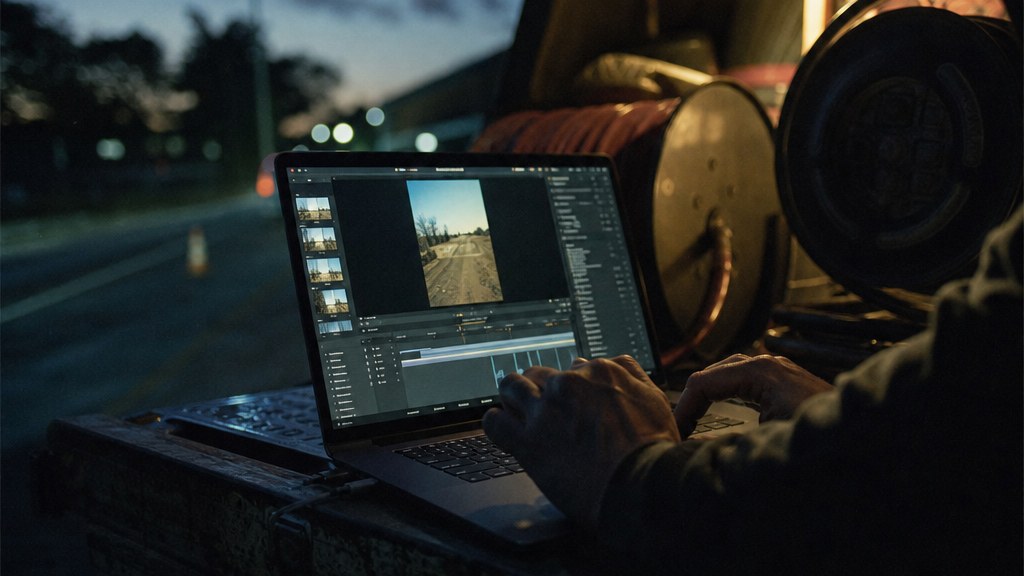
Native vertical edits with matching pages
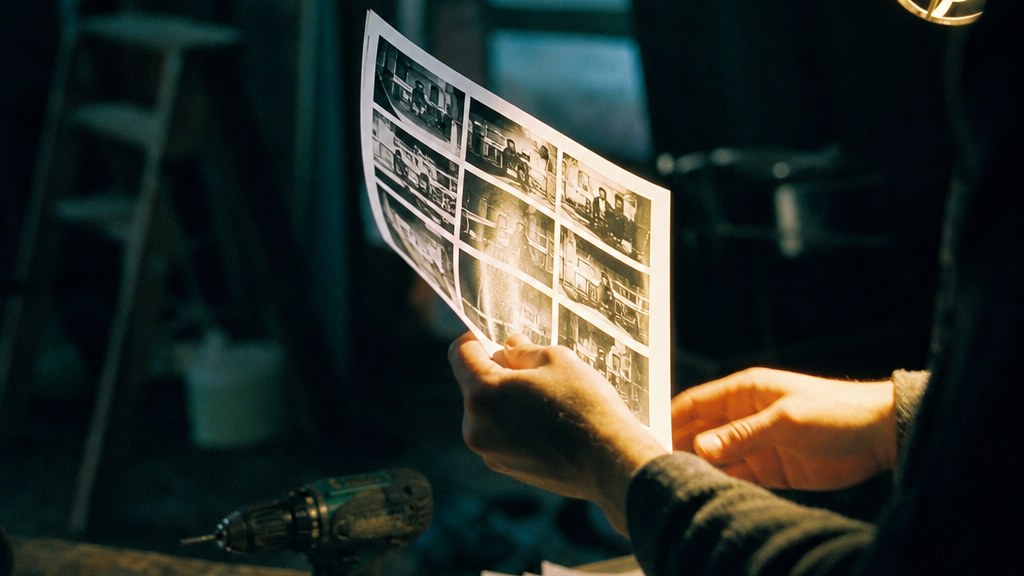
Nine by sixteen builds with captions and a first-second hook, a static before-and-after set for retargeting, and a destination page per concept carrying the same promise.
Ongoing / Testing
A monthly batch and an honest read
New hooks against proven bodies, winners scaled, losers retired, and one page showing cost per enquiry and per booked job by concept.
WHAT YOU GET
Deliverables you own outright.
you own outright
Every file lands in your storage, raw and finished, and stays yours if you ever leave.

Angle and objection map
The reasons homeowners hesitate, ranked, with the clip that answers each one and the service it is meant to sell.

Capture day on your sites
A ride-along shoot on jobs already booked, with a shot list, sound that works and safety rules respected.

Vertical video set
Native nine by sixteen edits with burned-in captions and hooks written for the first second of viewing.

Static and before-after set
Clean stills for retargeting and search surfaces, cut from the same footage so the message stays consistent.

Matching destination pages
A fast page per concept with the same promise, a tracked number and a form a homeowner finishes one-handed.

Monthly test read
What won, what died and what ships next, with cost per enquiry and per booked job by concept.
HOW WE WORK
Operating standards, not promises.
Operating standards

Residential service
Fault-finding and upgrade clips that answer the objections homeowners actually raise.
ExploreCommercial & fit-out
Project evidence built for facilities managers and general contractors, not homeowners.
ExploreHiring & recruitment
The same capture day feeds recruitment ads, which is usually the second problem on the list.
Explore
















Built on trust. Proven by results.
We partner with SMBs and Fortune 500 companies to deliver more than reach — we bring clarity, execution, and measurable outcomes. Every successful partnership starts with a strong culture fit and a shared drive to grow.





CASE STUDIES
Case studies
Website Portfolio
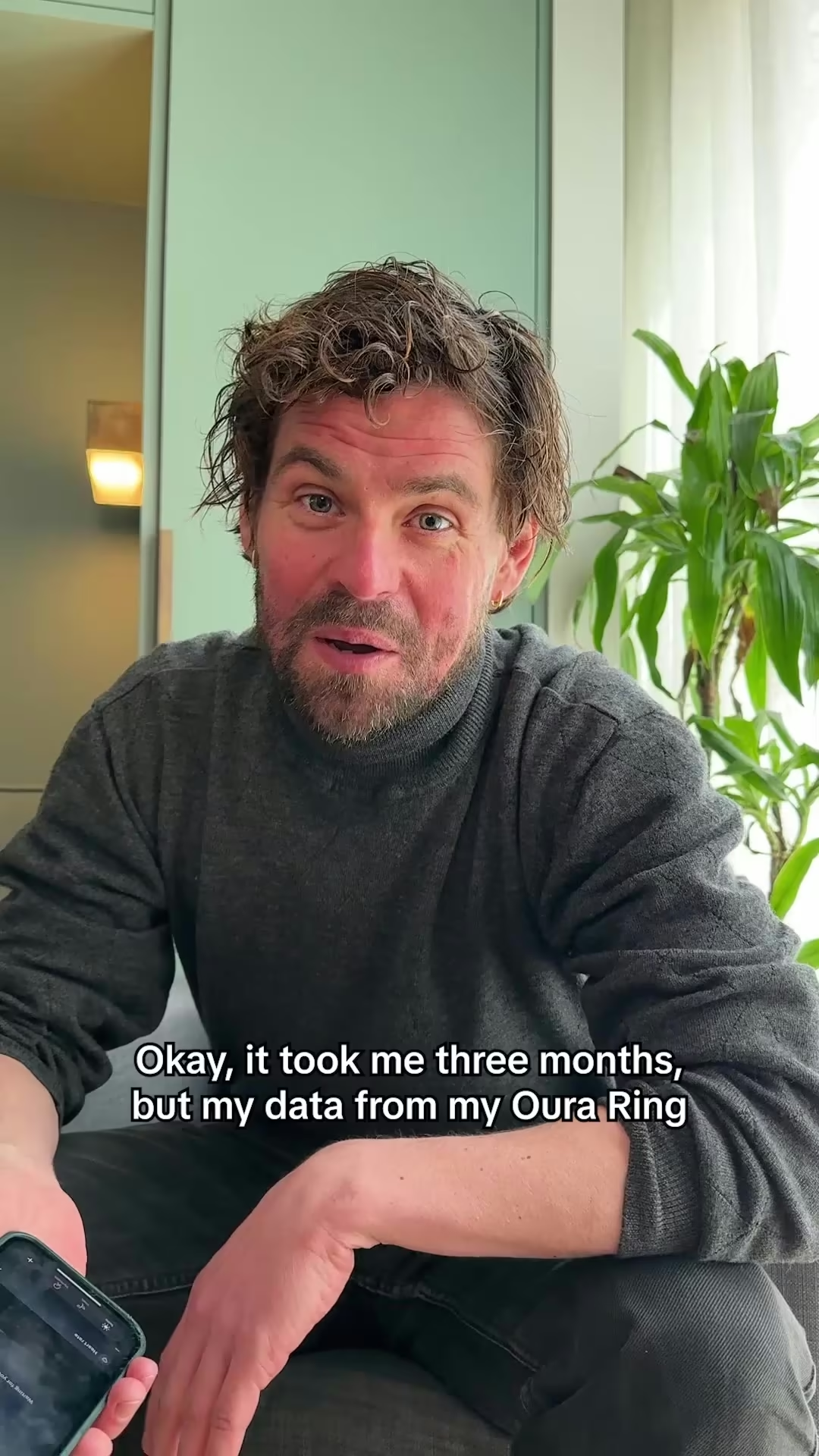
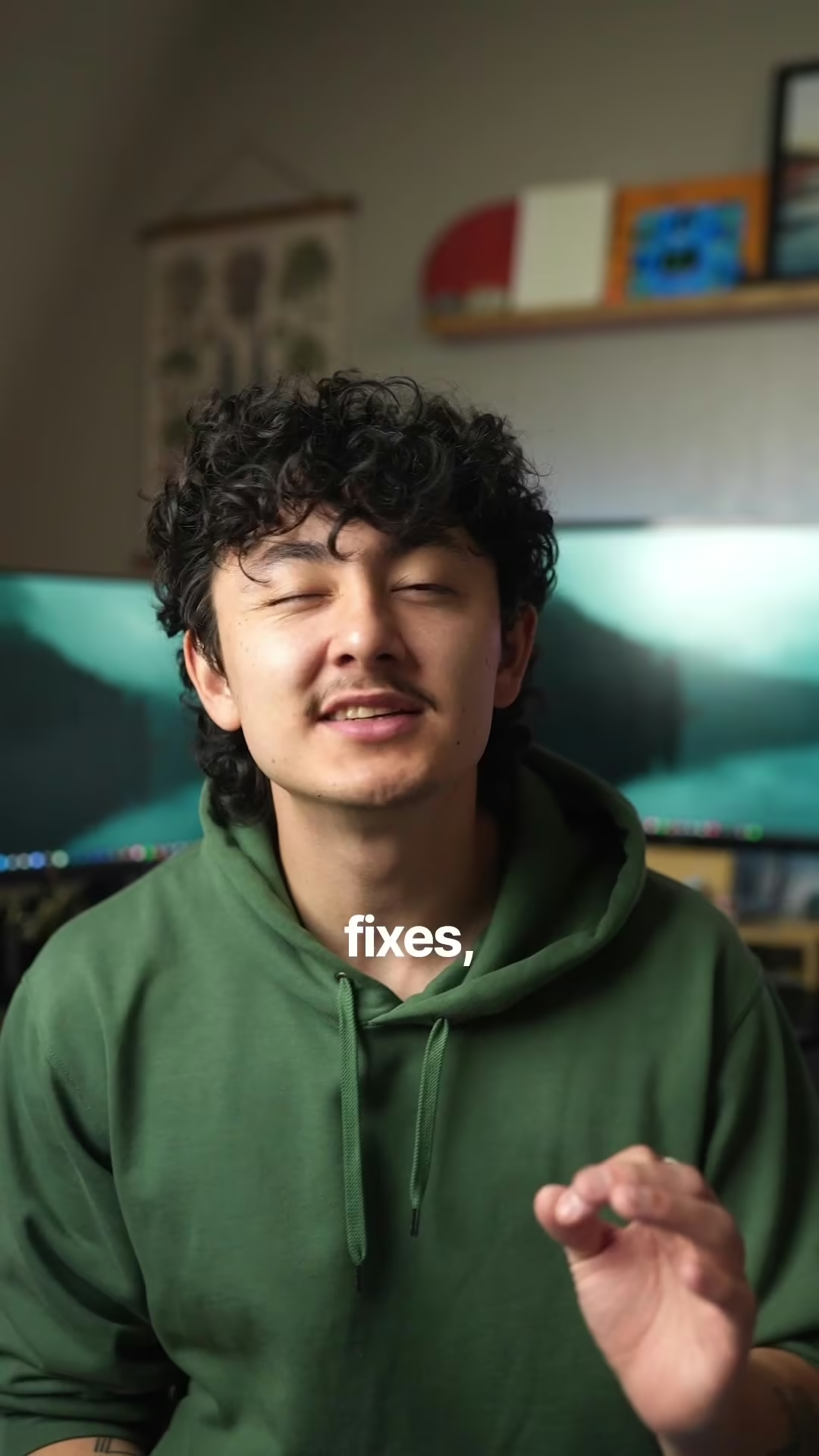
Video Ads
Static Ads







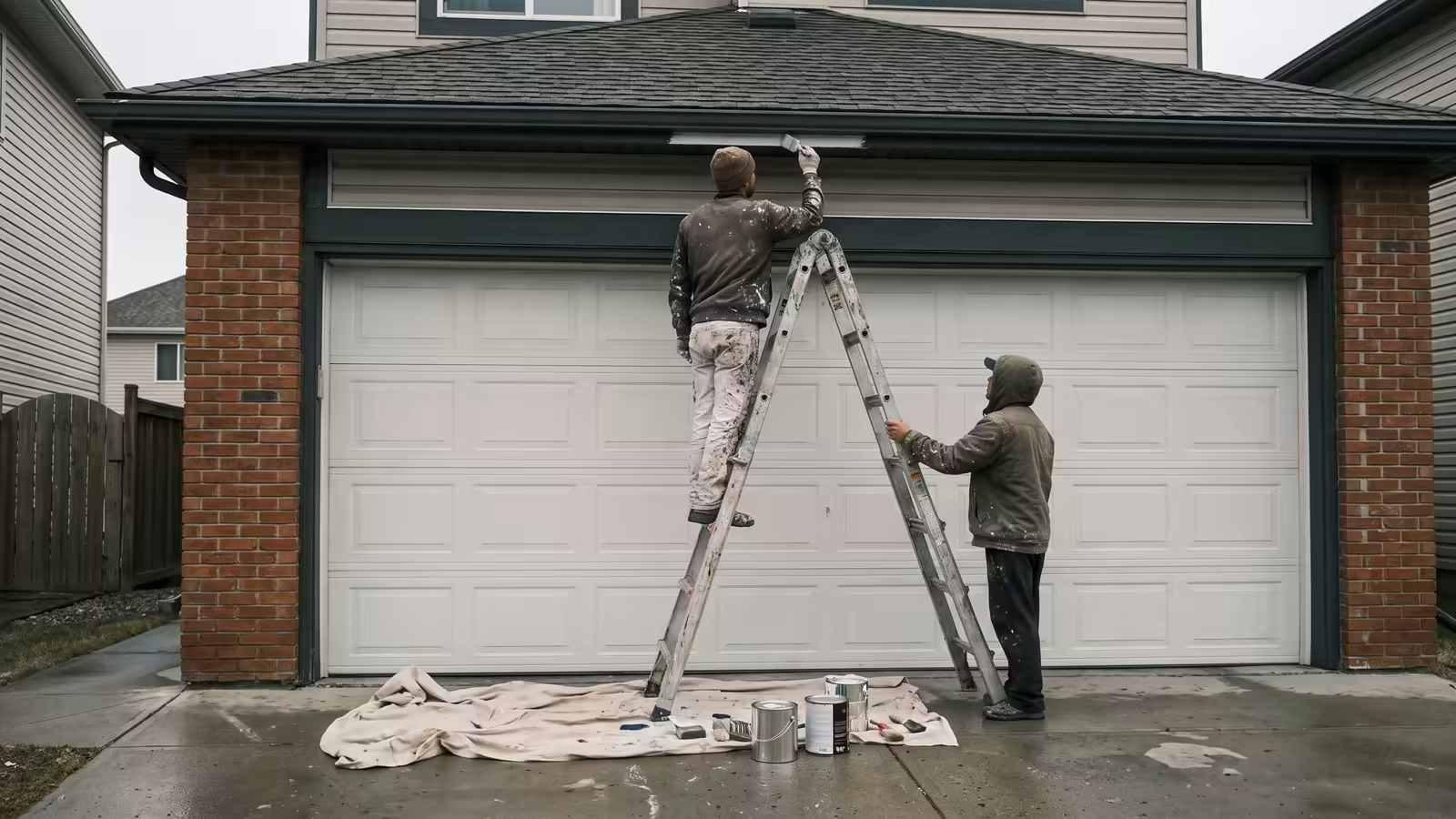

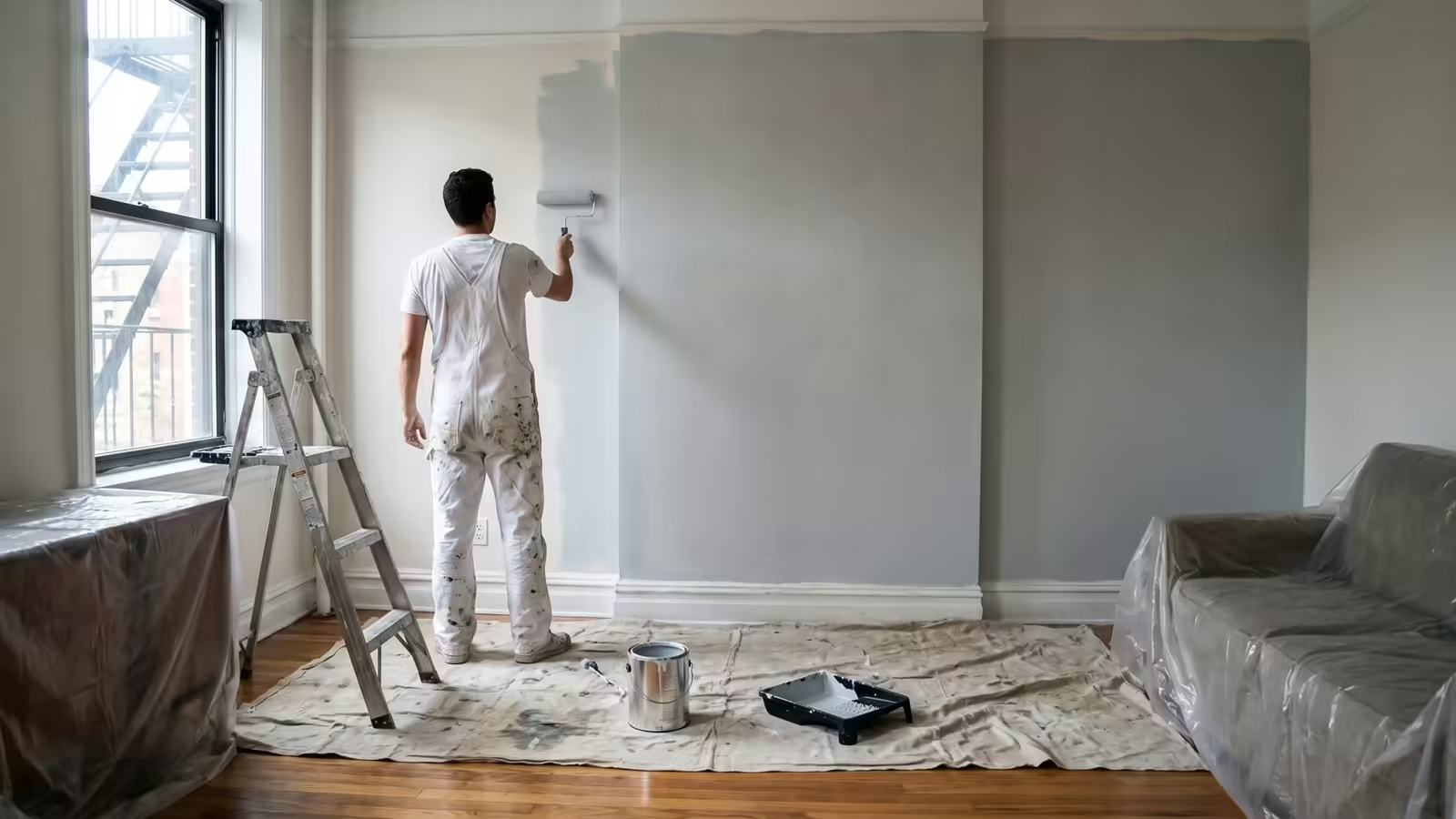

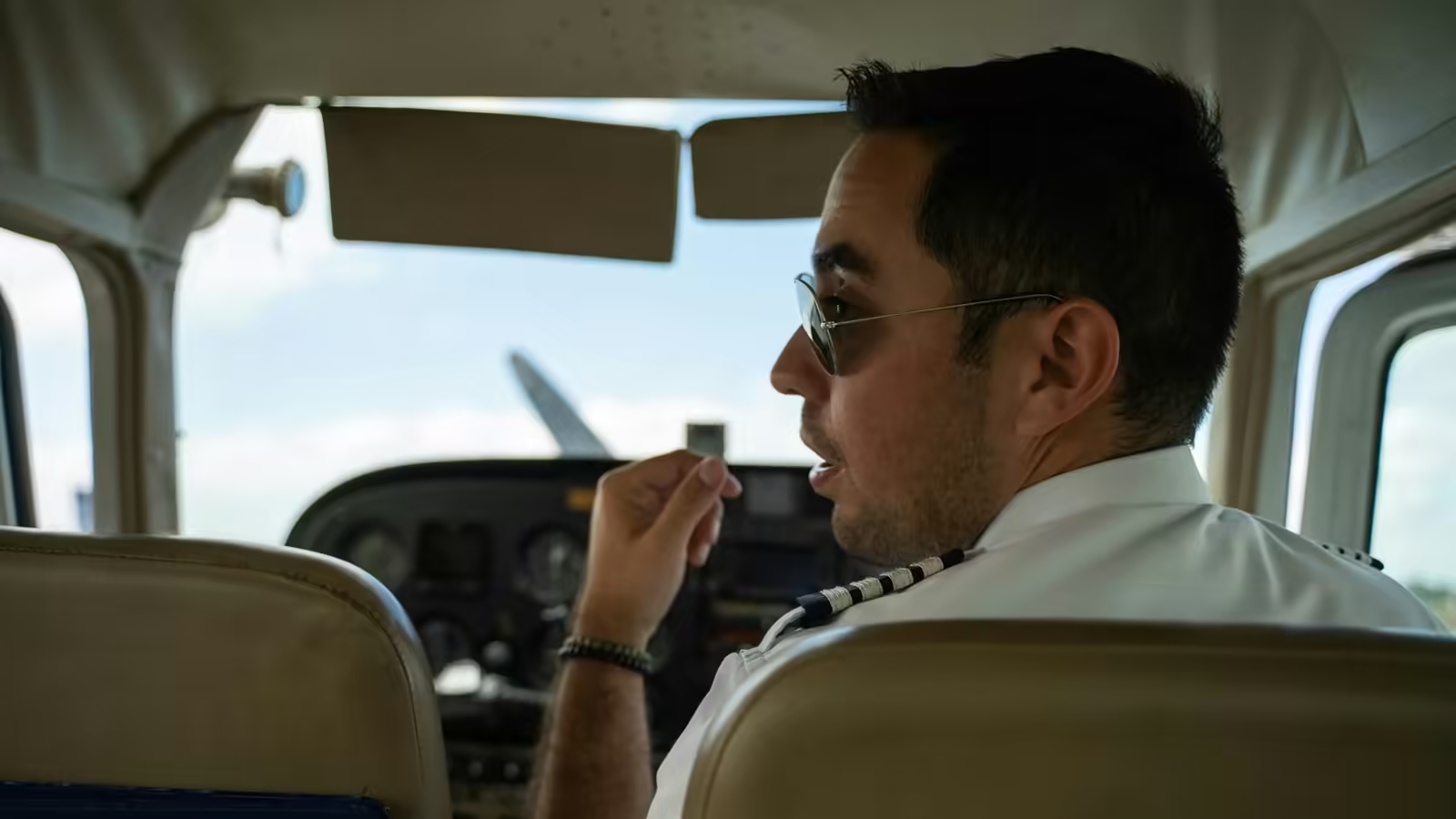

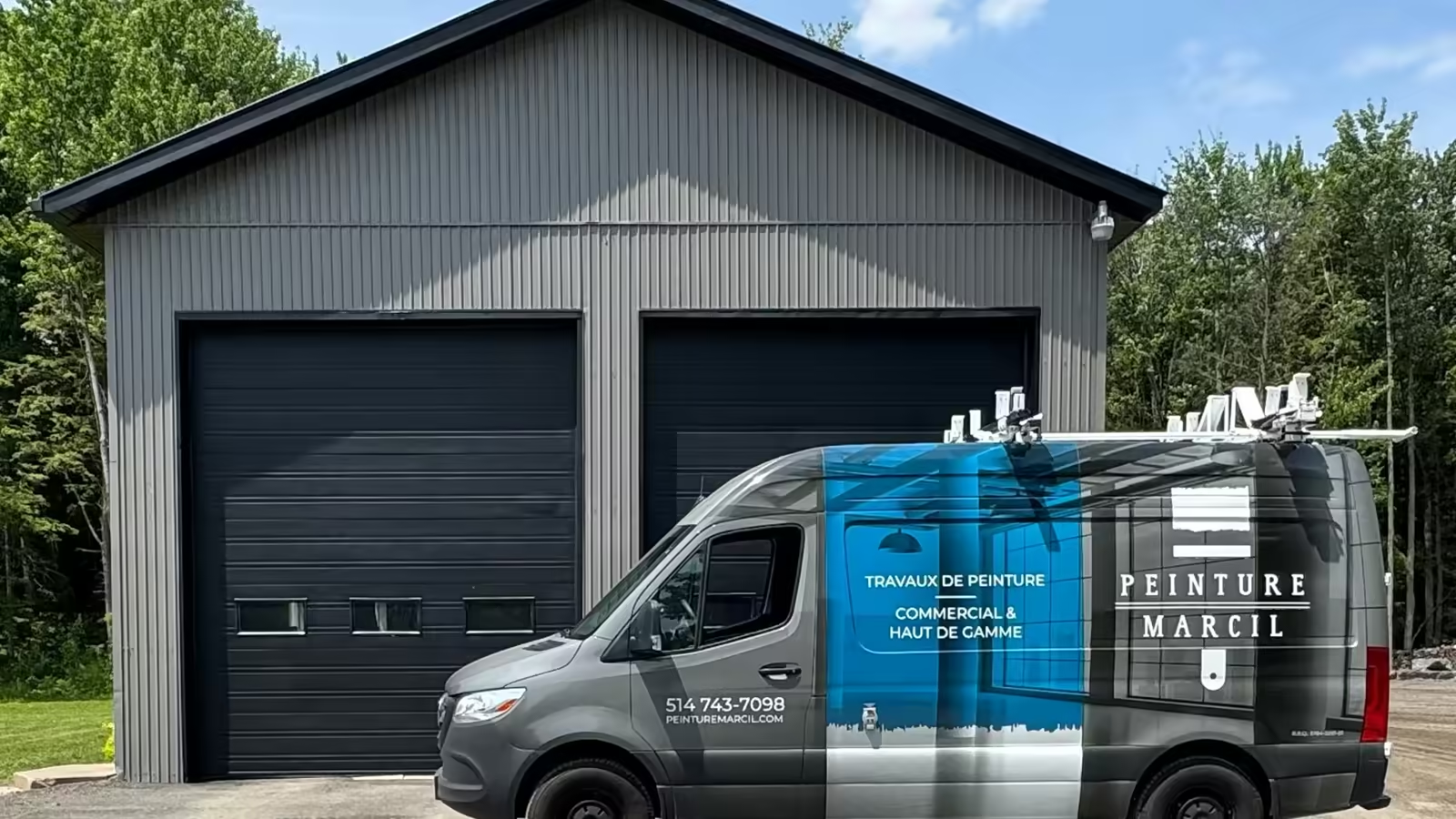





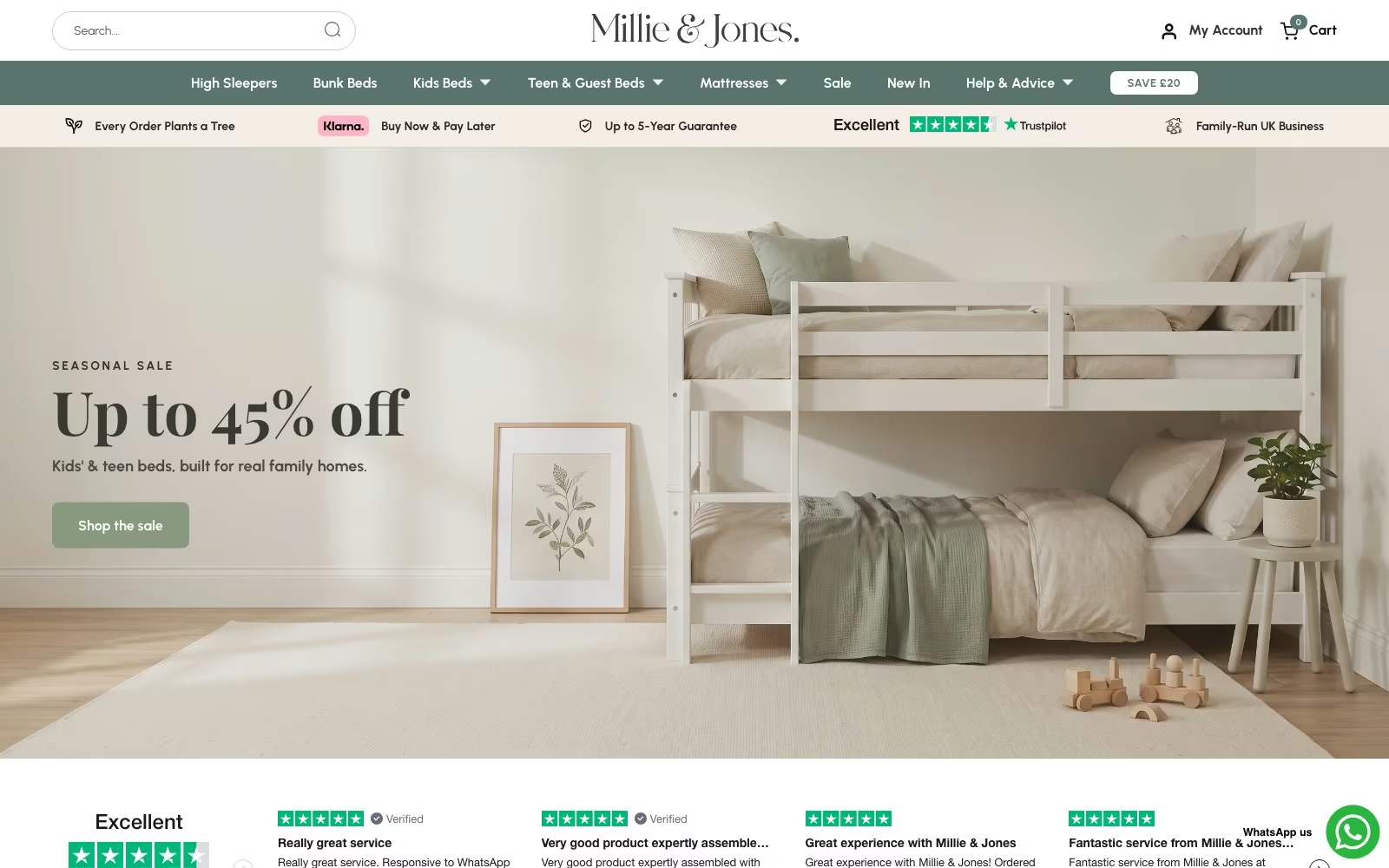

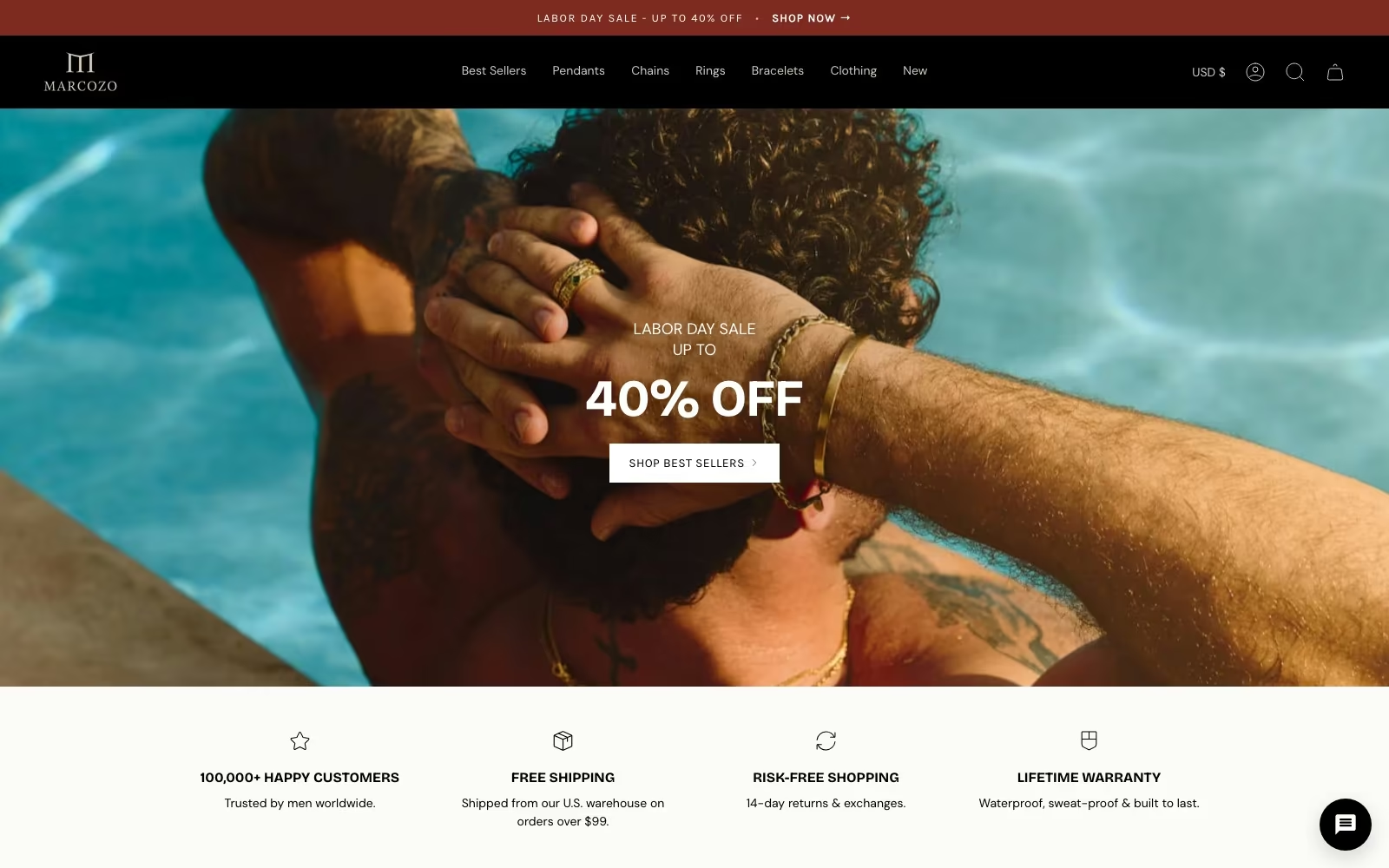

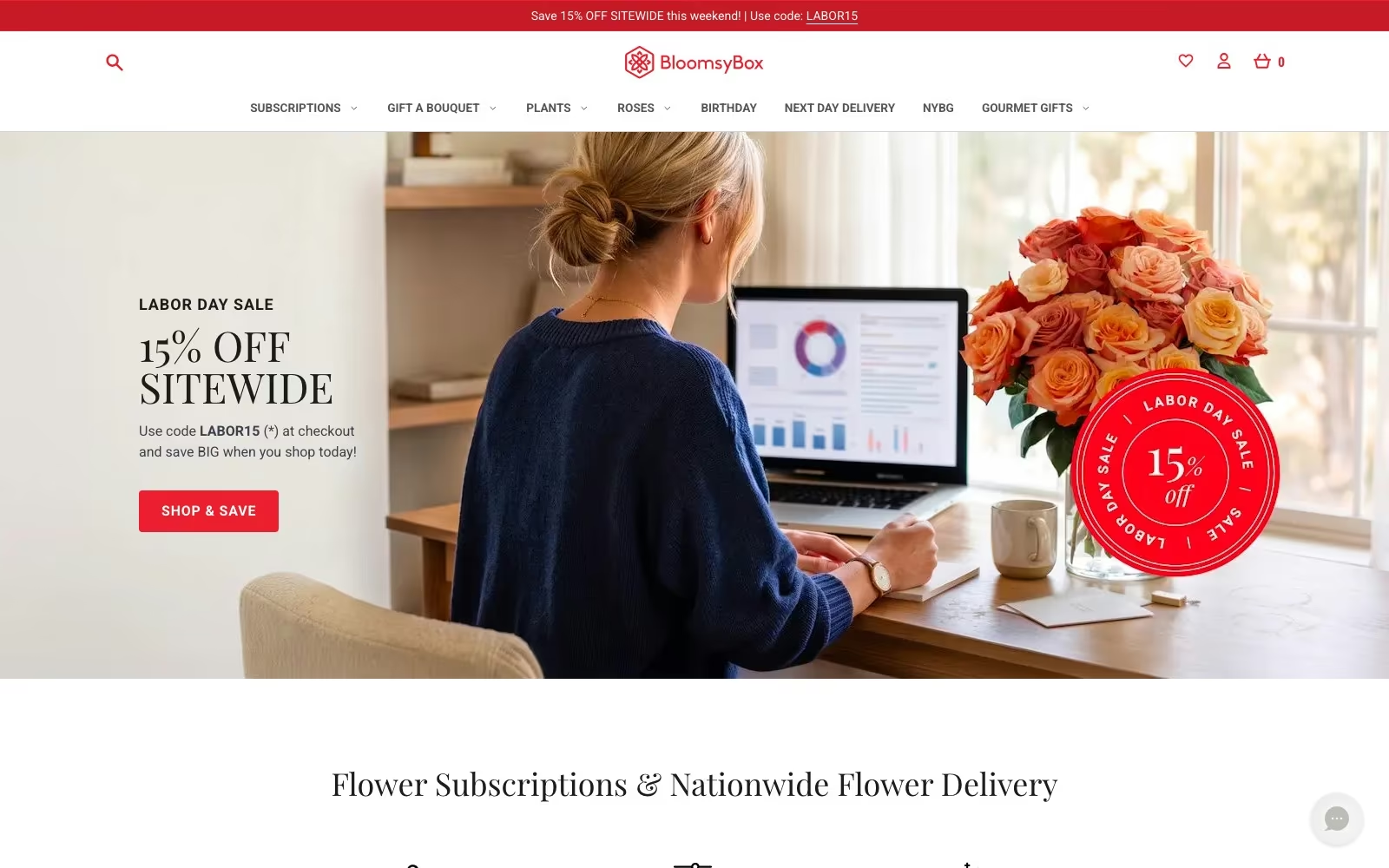

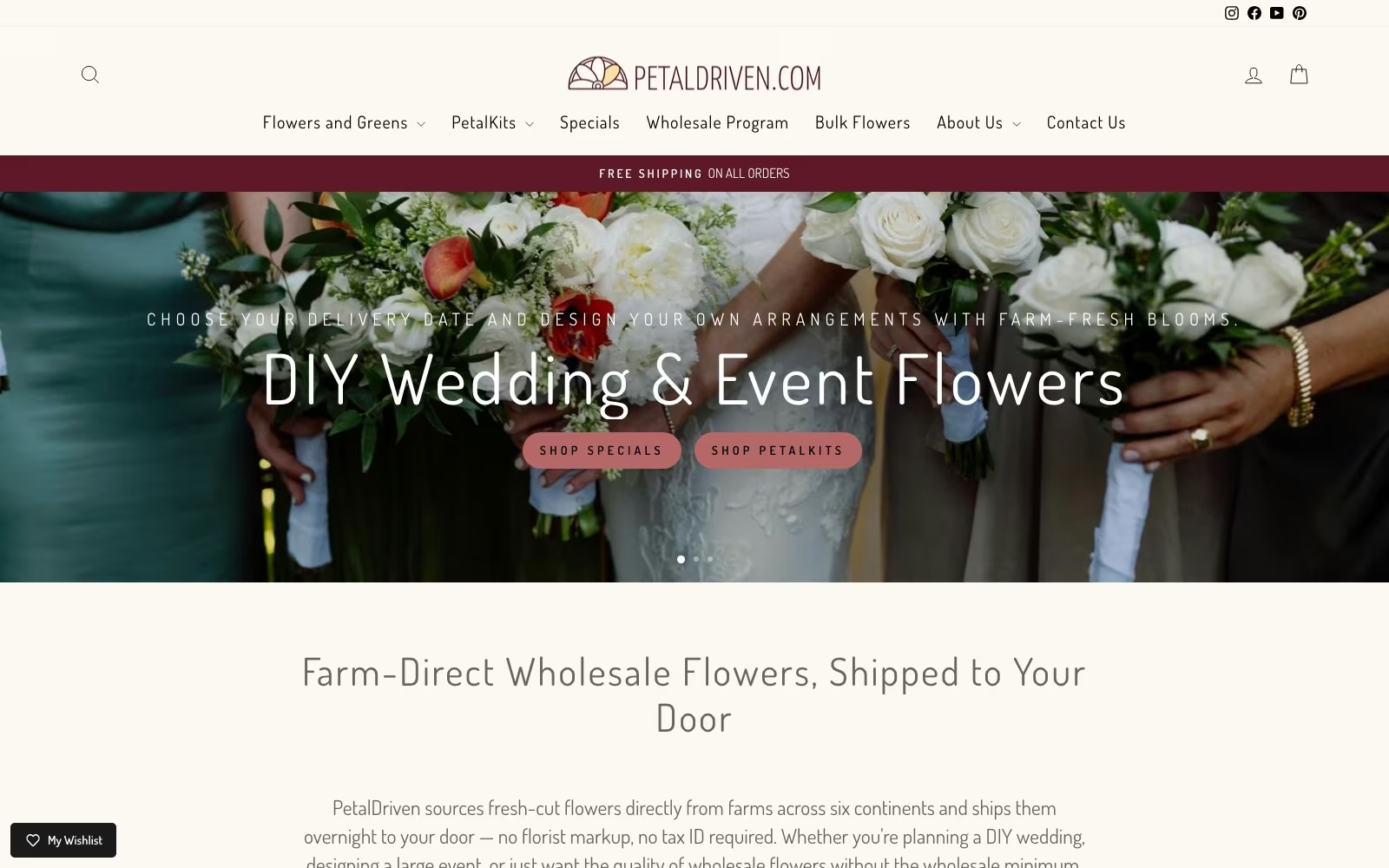



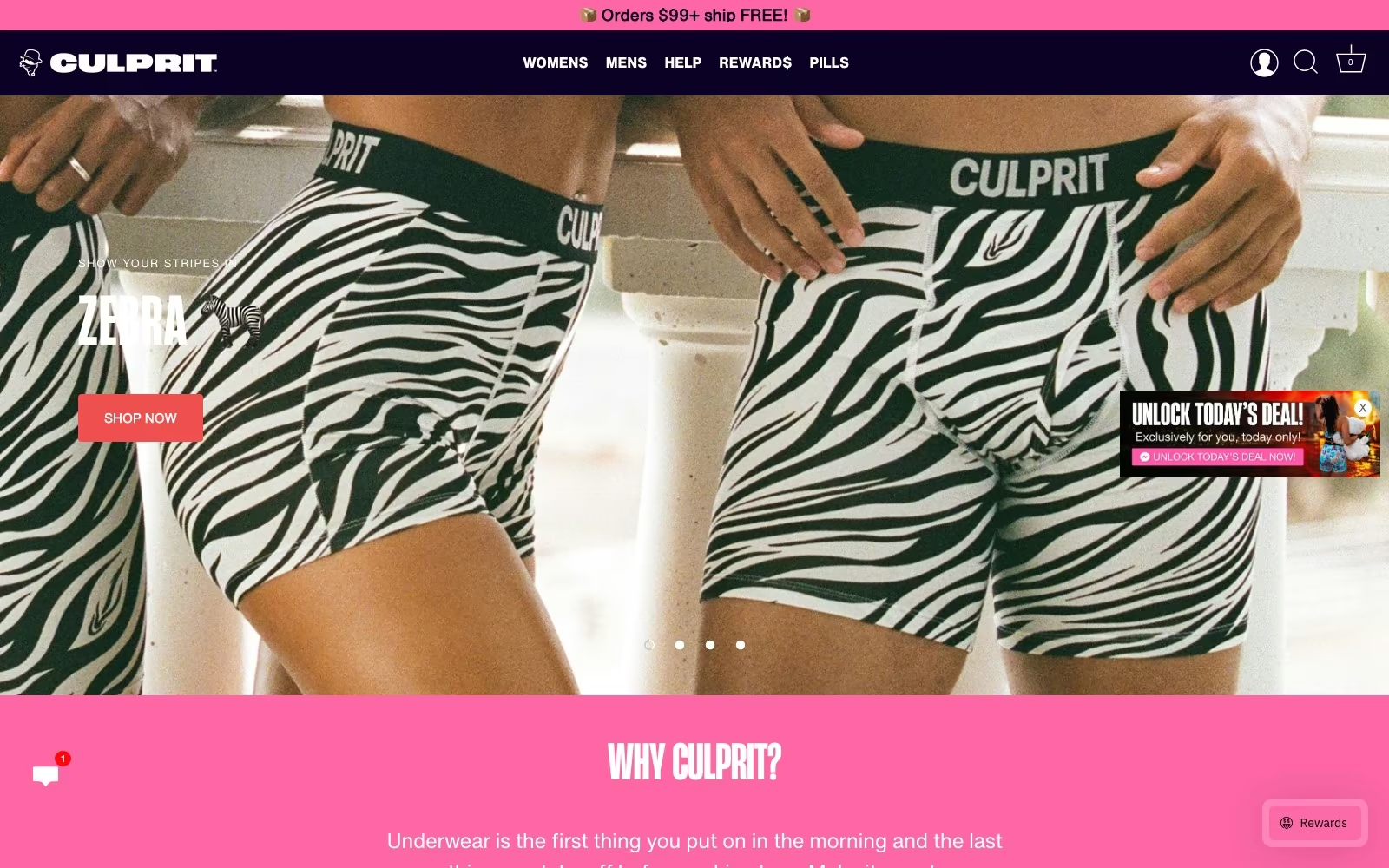





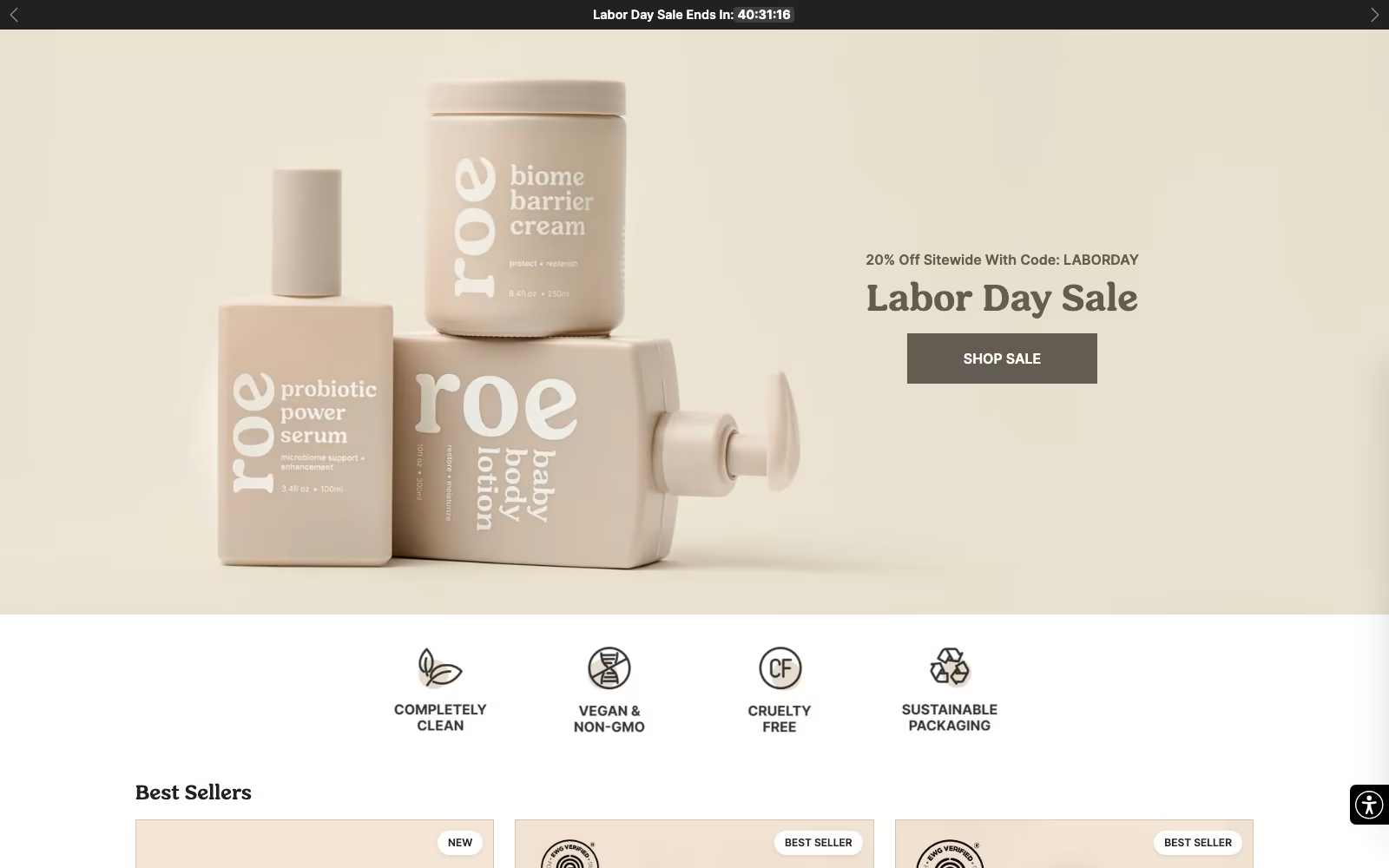

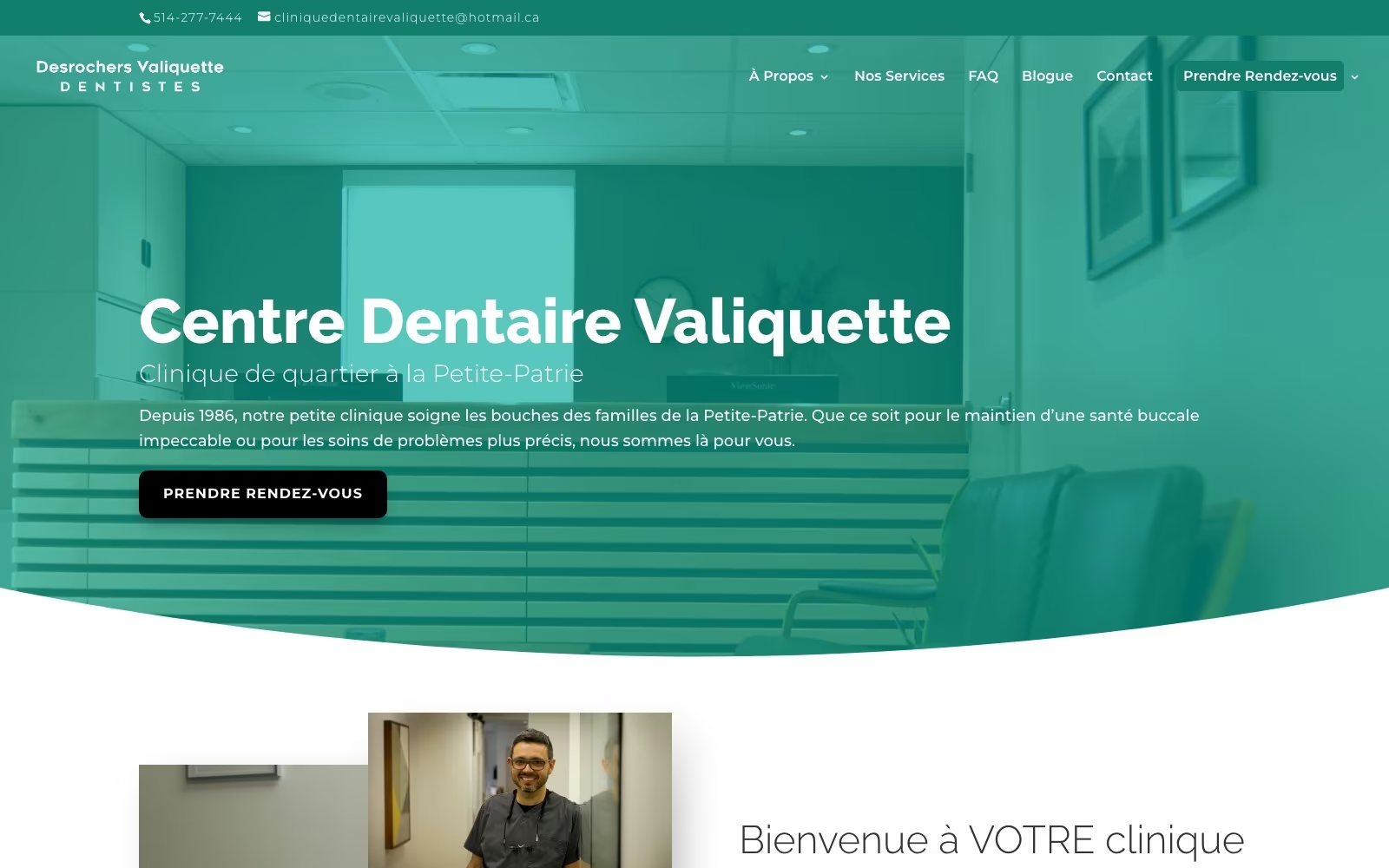

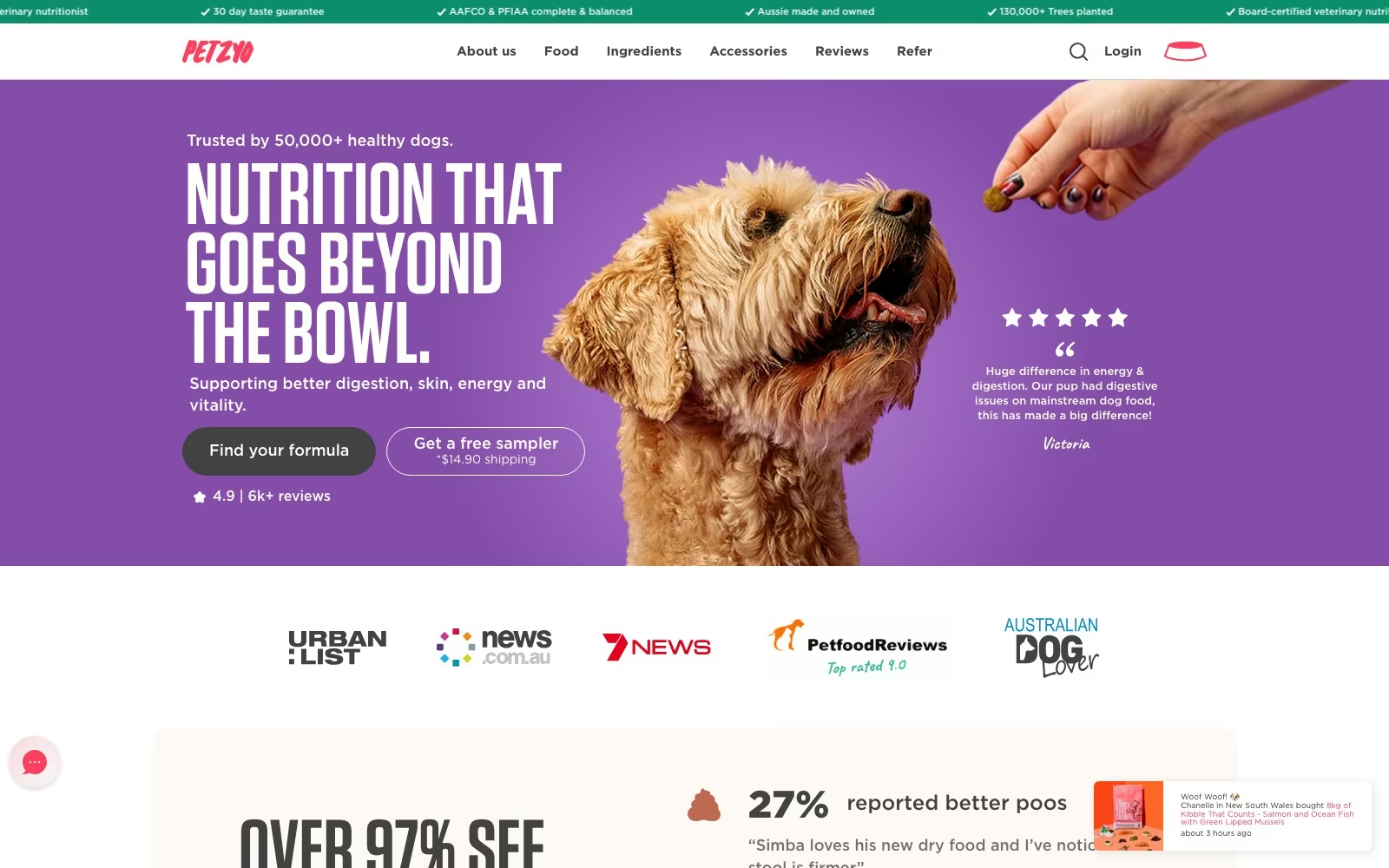


















FAQ
What contractors ask us first.
Our electricians do not want to be on camera. Now what?
That is normal, and it is solvable. Start with hands and voice rather than faces: close work on a panel, a fault explained over the top, a customer reaction at the door. Most crews warm up once they see the first cut, and one willing foreman is usually enough to carry a quarter of assets. If nobody ever wants to appear, we shoot the jobs themselves and use a voice you approve, which still beats stock footage comfortably.
How disruptive is a capture day for the crews?
Deliberately minimal. We ride along on jobs already in the diary, work around the schedule rather than the other way round, and never ask anyone to stage anything unsafe. The shot list is agreed in advance so the day is efficient, and most visits add a few minutes per job rather than an afternoon. Where a site or client is sensitive, we film the parts you clear with them and nothing else.
Who owns the footage and the finished ads?
You do, completely, including raw footage we never used. Everything is delivered into storage in your name with a simple naming convention, so a future team can find and reuse it. There is no licence, no archive fee and nothing held back — if you ever work with someone else, your library goes with you.
How many assets do we actually need each month?
It depends on spend, and the honest answer is more than most shops expect. A modest local budget can run on a handful of strong concepts refreshed every few weeks; heavier spend burns through creative faster and needs a steady batch. We size the plan to your budget in the first session and tell you plainly when a bigger library would not change the result.
Is video really better than a clean image ad for us?
For prospecting, usually yes: video ads run 30-60% cheaper per lead than static images in this sector, and Reels click-through of 4-8% beats feed at 1.5-3.5%. Statics keep earning their place in retargeting and where a before-and-after tells the story in one frame, so we ship both from the same capture day rather than picking a side.
Can the same footage be used for recruitment?
Yes, and it is often the highest-value by-product. The clips that persuade a homeowner — a well-run site, decent equipment, a crew who like each other — are exactly what an apprentice or a journeyman is looking for. We plan for it in the shot list so hiring ads do not need a second shoot, and the tone stays consistent with everything else you run.
How do you keep the creative safe and compliant?
By filming with your standards, not around them. Nobody is asked to work unsafely for a shot, live equipment is filmed only where it is safe to do so, and any technical claim in the copy is checked with your senior electrician before it runs. Customer footage is used only with written permission, and we keep the paperwork so you are never chasing it later.
Do you handle the media buying as well?
We can, and it usually works better that way, because the person reading the results briefs the next batch. Our paid social and paid search teams work from the same plan. If you already have a buyer you trust, we brief them properly and hand over assets in the formats they need.
How do we judge whether the new assets worked?
On cost per enquiry and per booked job, not views. Each concept is reported separately so you can see which angle is carrying the account, and the arithmetic is honest: with a 43.4% booking rate and a $1,434 average ticket on local service leads, a small change in lead cost moves real money. Anything that cannot be attributed cleanly is labelled as such.
What if we have no existing photography or brand assets?
That is a good starting point rather than a problem, because the capture day becomes your library. We keep the treatment simple — your vans, your uniforms, your actual sites — and build a light set of rules for type, colour and captions so future assets look related. Our design team handles that part.
Can you work with our existing marketing person?
Yes, and it goes well when the split is clear. Usually we own capture, editing and the testing rhythm while your marketer keeps the calendar, brand voice and any local sponsorship work. They get the raw files too, so nothing waits on us. We write down what each side owns after the first session so nobody is guessing.
How quickly can the first assets be live?
Typically inside three to four weeks: a week to agree angles, a capture day slotted into the schedule, then edits in the following week. Retargeting statics can go live sooner if you already have decent photography. From then on it is a monthly batch, and the second month is faster because the shot list already exists.

.webp)
.webp)