A dental website visitors can book on in one hand.
book on in one hand
Most dental websites look fine on a designer's monitor and fall apart on a phone in a car park. The hero video delays everything, the number is buried under a menu, and the booking form asks for insurance details before it asks for a name. We design and create dental sites around the booking, then make them fast, accessible and easy for your staff to update. They are created to work with your dental SEO and dental PPC instead of quietly undoing them.






Tell us a little about your brand and we'll be in touch within 24 hours to lock in a time.



FOUR WORKSTREAMS
Four things decide whether a dental website books visitors.
Four things
Speed, the booking path, treatment pages that answer money questions, and a create your staff can maintain without calling anyone.
Speed & mobile performance
The booking path
Treatment pages & trust
Build, accessibility & handover
Nine seconds is the average. Patients give you three.
Dental sites carry sliders, chat widgets, review scripts and stock video, and the cost is measurable: the average dental clinic website takes 9.4 seconds to paint its main copy, against the 2.5 seconds Google calls good. On a phone at the school gate, that is the whole decision.
We create lean. Images sized properly, scripts loaded only where they earn their place, fonts and layout that do not jump while loading, and every page tested on a mid-range handset over mobile data before it goes live.
- Core Web Vitals measured on a genuine phone, not a laptop
- Images, fonts and scripts trimmed to what is used
- Third-party widgets audited for what they cost you
- Speed re-tested after every copy change
9.4s
average largest contentful paint on dental clinic websites
2.5s
Google's threshold for a good largest contentful paint
Every page is one tap from an appointment.
The gap between a brochure website and a booking website is not subtle: dental websites convert about 4.2% of visitors, while offer-specific pages reach 12.5%. Same traffic, different page.
So we design the path first. A tap-to-call number that stays visible, web scheduling that actually writes into your system, forms short enough to finish while standing up, and clear next steps for new visitors, emergencies and nervous ones. Then the design is created around that path rather than decorated over it.
- Tap-to-call and booking visible on every screen
- Forms cut to the fields your front desk truly needs
- Online scheduling connected to your clinic software
- Separate routes for new, emergency and nervous visitors
12.5%
conversion rate on offer-specific dental pages against 4.2% site-wide
55.4%
average bounce rate on dental clinic websites
Answer the cost question before they leave to ask a competitor.
Patients arrive with three questions: can you fix this, what will it cost, and can I trust you. Most dental sites answer the first. We give each treatment its own page with honest pricing ranges, finance and insurance explanations, recovery expectations and the clinician who does the work, written with your staff rather than lifted from a template.
Trust signals sit where the decision happens, not on a hidden testimonial page — 97% of consumers read reviews for local businesses, so live reviews, genuine photography of your clinic and clinician credentials belong beside the booking button.
- One page per treatment, with pricing ranges and finance
- Real photography of your clinic and staff
- Live reviews and credentials next to the booking button
- Plain language checked by the people who treat visitors
4.2%
average conversion rate on dental clinic websites
2.4
average pages viewed per session on dental sites
A website your clinic manager can edit on a Tuesday.
We create on platforms your staff can run: Webflow or WordPress, structured so hours, offers, staff members and treatment pages are editable without touching layout or breaking the design. Accessibility is part of the create — contrast, keyboard navigation, labelled forms and readable type — because dental visitors skew older than most audiences.
Everything is handed over with the domain, hosting and analytics in your name. Paid traffic is expensive enough at $8.00 a click in this category that you should never be locked out of the website it lands on.
- Webflow or WordPress, chosen for who maintains it
- Editable copy areas that cannot break the layout
- Accessibility created in, not bolted on afterwards
- Domain, hosting and analytics owned by the clinic
$8.00
average cost per click on dental search ads landing on these pages
Domain, hosting, design files and analytics in your name
Enquiries and appointments are how the engagement is judged
Weekly working session with the people doing the work
Long-term lock-ins
We made the difference for those brands

B2B software, fintech, insurance

Home essentials, appliances, kitchen & pet

Beauty, personal care & wellness

Food & beverage

Travel & mobility

Healthcare & regulated services

Consumer tech and platforms

Food & beverage

Home essentials, appliances, kitchen & pet

Beauty, personal care & wellness

B2B software, fintech, insurance
Travel & mobility

Healthcare & regulated services

Creative, content, arts & culture

Food & beverage

B2B software, fintech, insurance

B2B software, fintech, insurance

Creative, content, arts & culture

Consumer tech and platforms

Beauty, personal care & wellness
Travel & mobility

B2B software, fintech, insurance

Consumer tech and platforms

Beauty, personal care & wellness

Retail & commerce

Home essentials, appliances, kitchen & pet

Home essentials, appliances, kitchen & pet

Apparel and lifestyle
Retail & commerce

Creative, content, arts & culture

Apparel and lifestyle
01 — The challenge
The website looks modern. It still loses the patient on the phone.
A surgery pays for a redesign, the photos look good, and nothing changes in the diary. Underneath, the homepage carries a video that stalls on mobile data, the phone number is an image, the booking widget opens a third-party page that looks nothing like the surgery, and the treatment pages are three paragraphs the provider wrote for every clinic on their platform. Nobody measures any of it, so the redesign is judged on taste and the front desk keeps taking calls from people who could not find the button.
“The website is beautiful. Patients still ring to ask what things cost.”
The arithmetic is unforgiving. With a 9.4 second average load time and a 55.4% bounce rate across dental sites, half the audience is gone before the design has said anything at all.
02 — Our approach
Design the booking, create it light, then prove it in the diary.
We start by watching what your patients already do: which pages they land on, where they stall, which questions reach the front desk by phone because the website never answered them. That gives us the booking path to design around, and a baseline so the new website is judged on enquiries rather than opinions. Design comes next, on mobile first, with genuine photography of your office instead of stock dentistry and a layout created around the tap-to-call and the scheduler. Treatment pages are written with your clinicians, with pricing ranges and finance options included rather than hidden. Then we create lean on Webflow or WordPress, connect the scheduling and the phone tracking, check accessibility and speed on genuine devices, and migrate the URLs carefully so the rankings you already earned survive the move. After launch we keep measuring: page speed, booking completions, calls, and the drop-off points worth another iteration. The domain, hosting, analytics and design files are yours from day one.
03 — What we did
A create sequence that protects what already works.
Evidence first, then design, then a lean engagement and a careful migration — with the current rankings and enquiry flow protected at every step.
Weeks 1-2 / Evidence
What the current website does and where it leaks
Analytics, phone recordings, speed tests on genuine handsets and a page-by-page review, so the redesign starts from evidence and a baseline everyone agrees on.

Weeks 2-5 / Design
Mobile-first design around the booking
Layouts drawn on a phone screen first, genuine photography of your office, and treatment pages written with your clinicians including pricing ranges and finance.
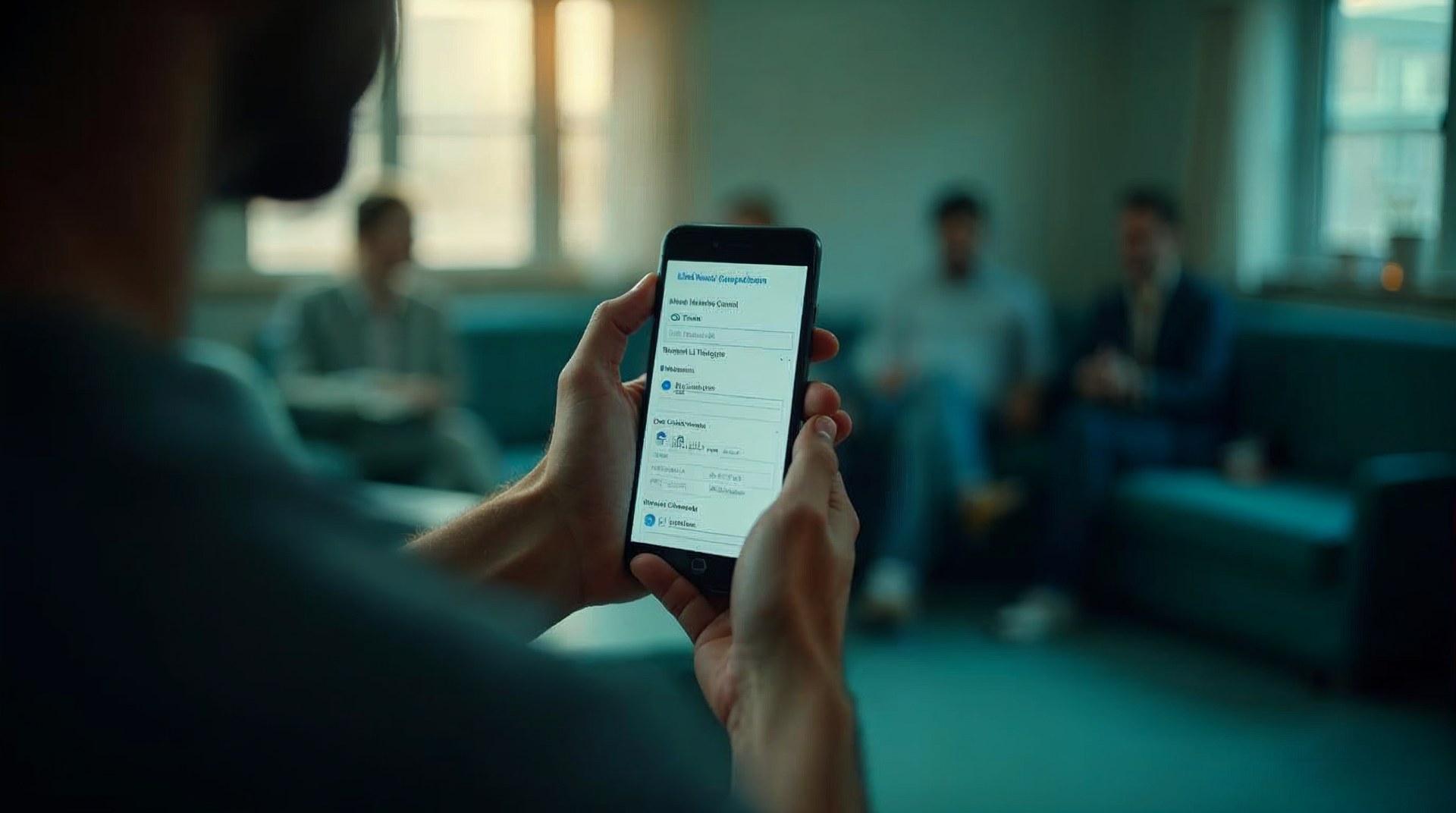
Weeks 4-8 / Build
Lean engagement, scheduling connected, accessibility checked
Webflow or WordPress created light, web scheduling and tracked calls wired in, accessibility and Core Web Vitals verified on mid-range devices.
Launch / Aftercare
Careful migration, then measured improvement
URLs mapped and redirected so existing rankings survive, then monthly measurement of speed, bookings and calls with iterations where the numbers point.

WHAT YOU GET
Deliverables your office manager can audit.
can audit
Everything below is handed over in accounts and files you own.

Site and speed audit
Where the current website loses patients, what it costs in load time, and which pages are worth keeping.

Structure and booking path
A page map and a booking route designed for new, emergency and nervous patients rather than for a menu.

Mobile-first design
Designs drawn for a phone screen first, using genuine photography of your practice and staff.

Treatment page content
Pages per treatment with pricing ranges, finance options and recovery answers written with your clinicians.

Build and integrations
Webflow or WordPress created lean, with scheduling, tracked calls and analytics connected properly.

Migration and aftercare
Redirects mapped so rankings survive, then monthly measurement of speed, calls and bookings.
HOW WE WORK
Operating standards, not promises.
Operating standards

General & family practices
Straightforward sites where hygiene, exams and emergency routes are all one tap away.
ExploreImplant & cosmetic clinics
Higher-consideration pages that answer cost, finance and recovery before the consultation.
ExploreMulti-site dental groups
One system, one design, separate location pages and tracked numbers per practice.
Explore

















Built on trust. Proven by results.
We partner with SMBs and Fortune 500 companies to deliver more than reach — we bring clarity, execution, and measurable outcomes. Every successful partnership starts with a strong culture fit and a shared drive to grow.






CASE STUDIES
Case studies
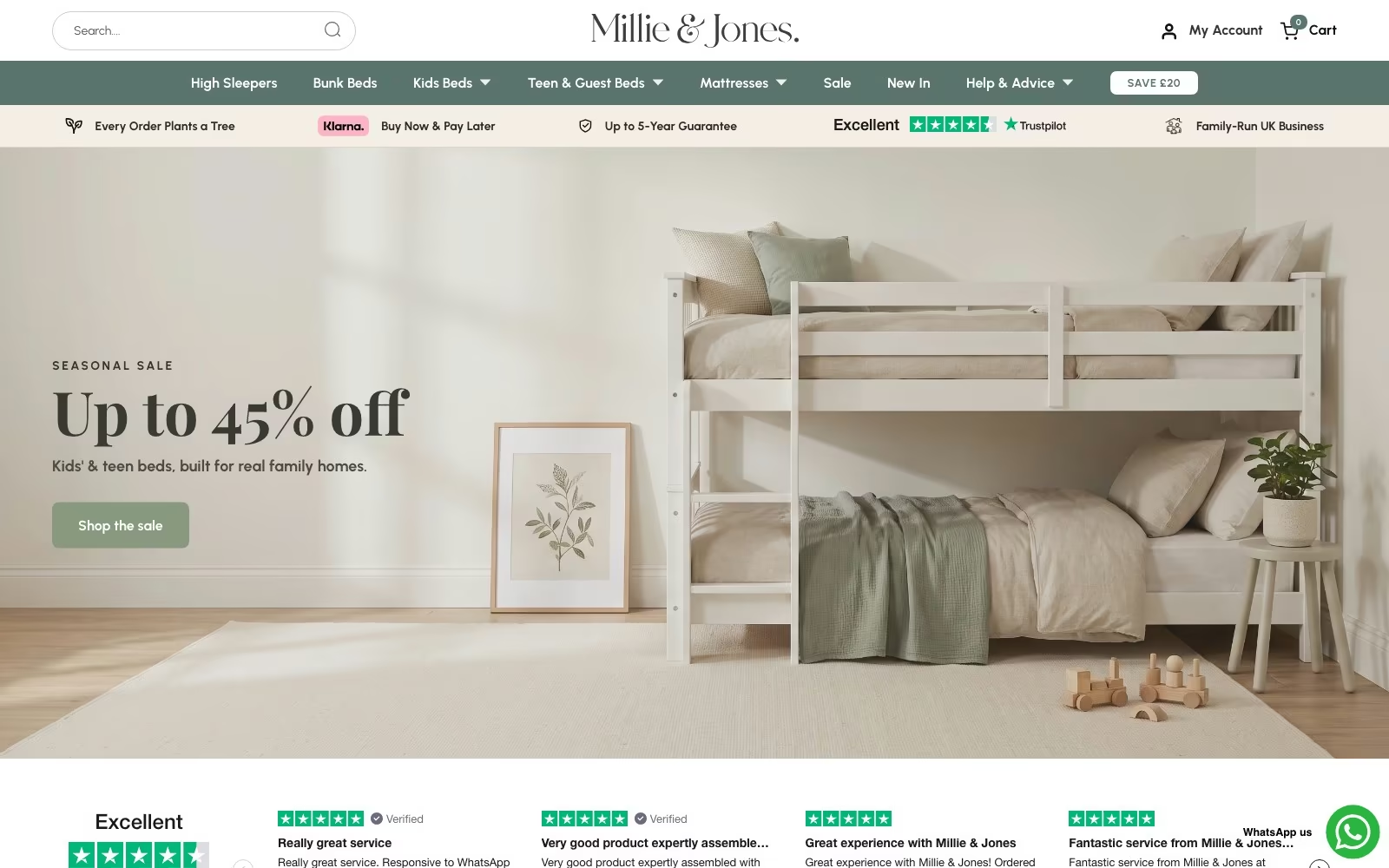
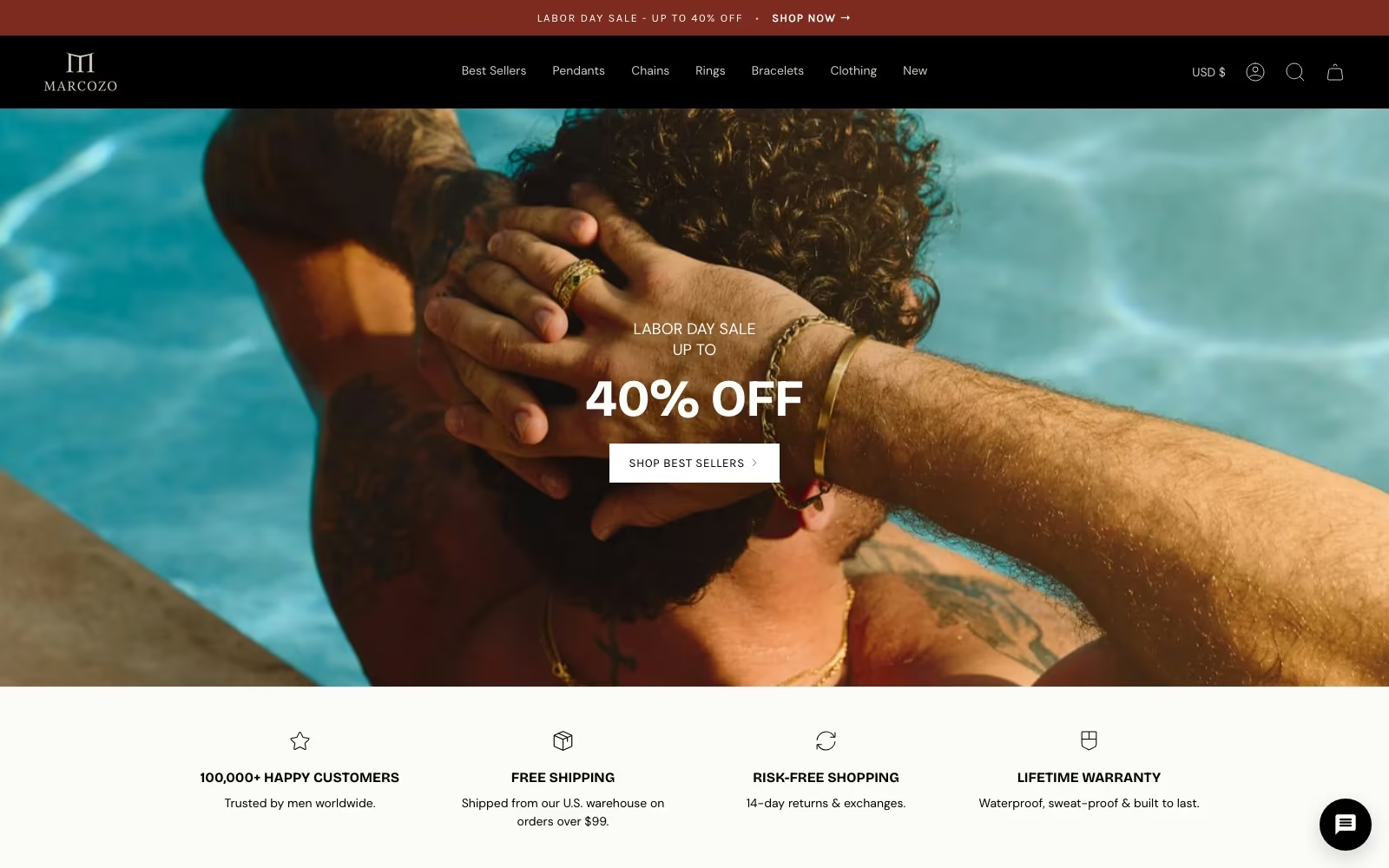
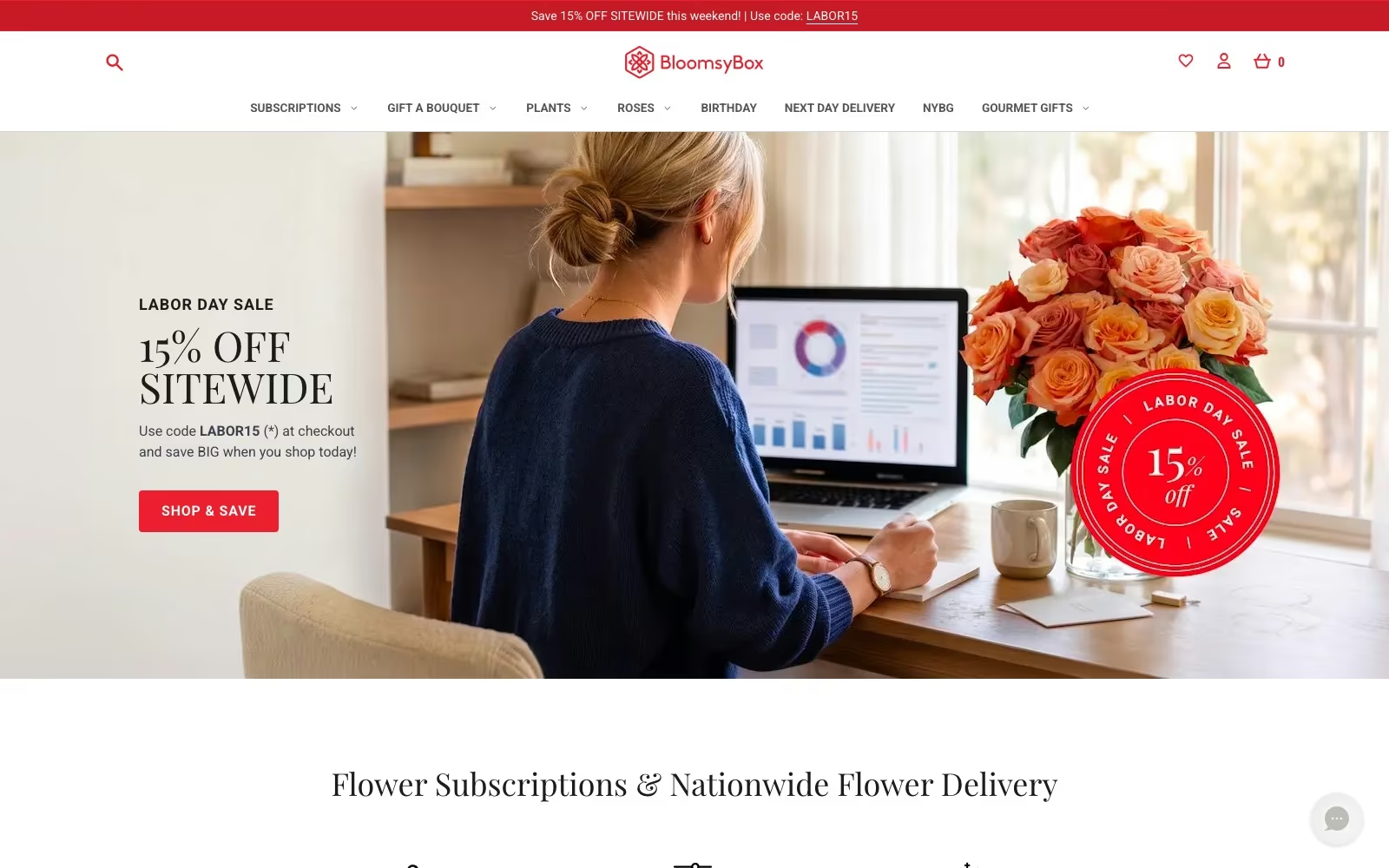
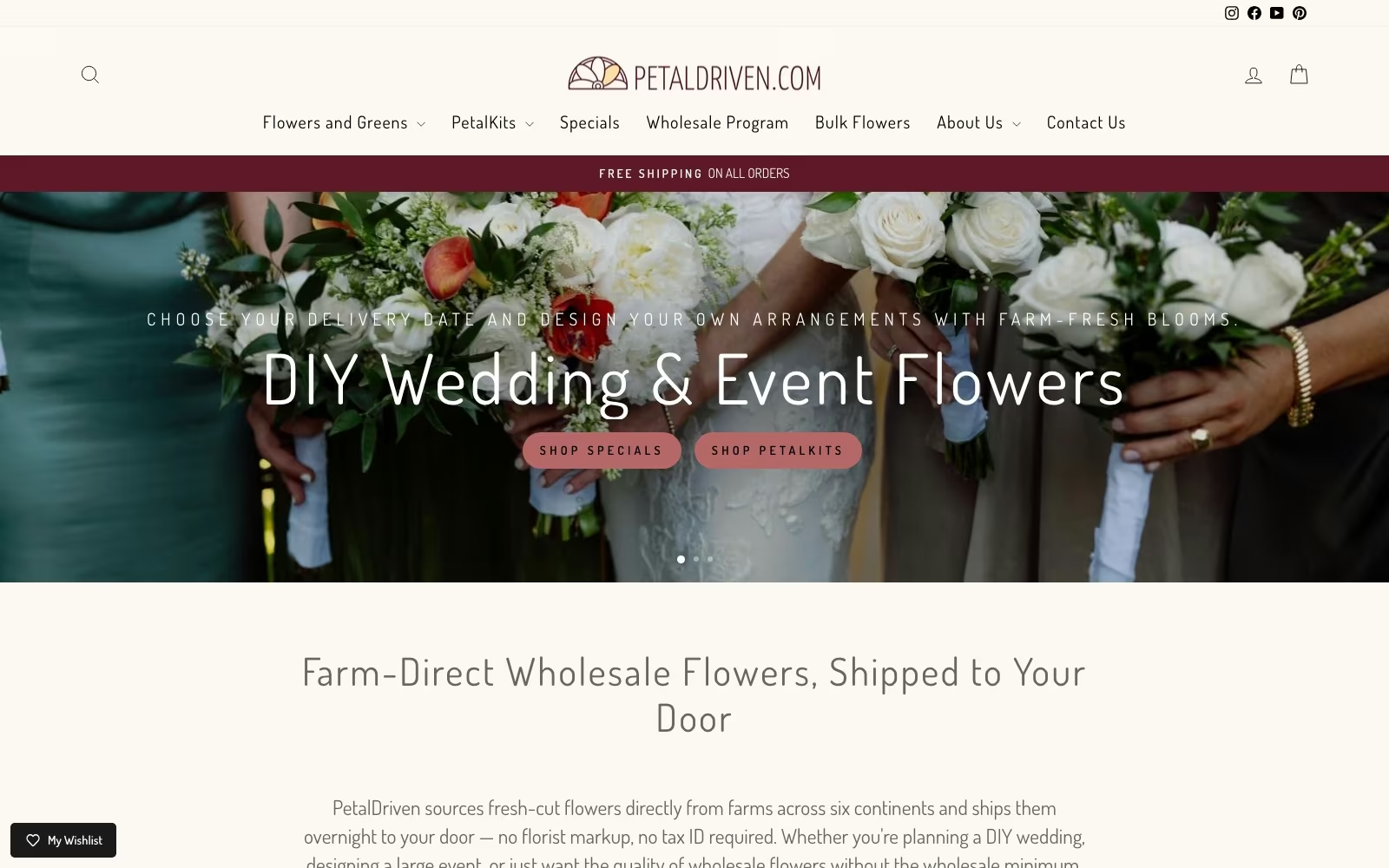
Website Portfolio
Video Ads
Static Ads
























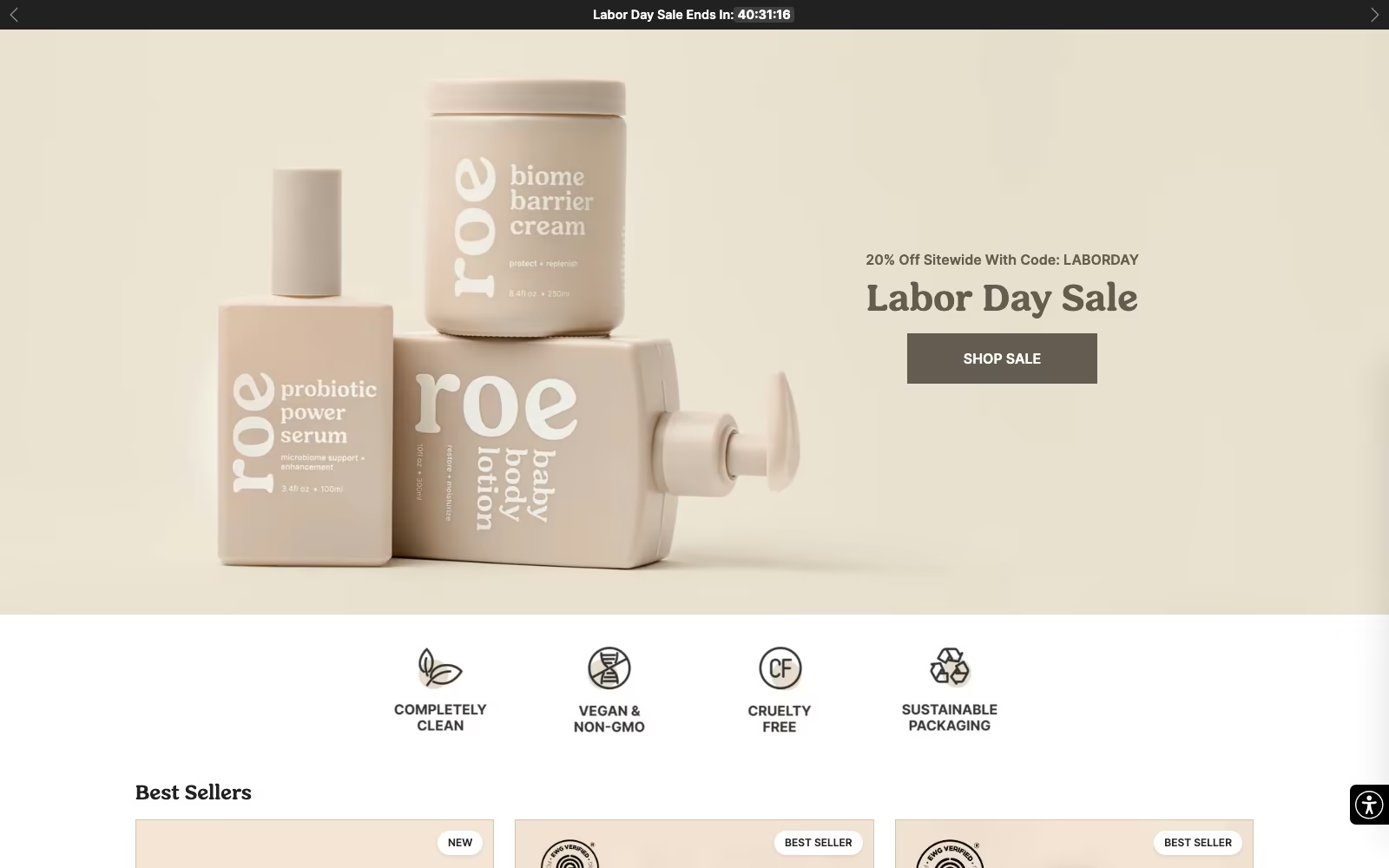

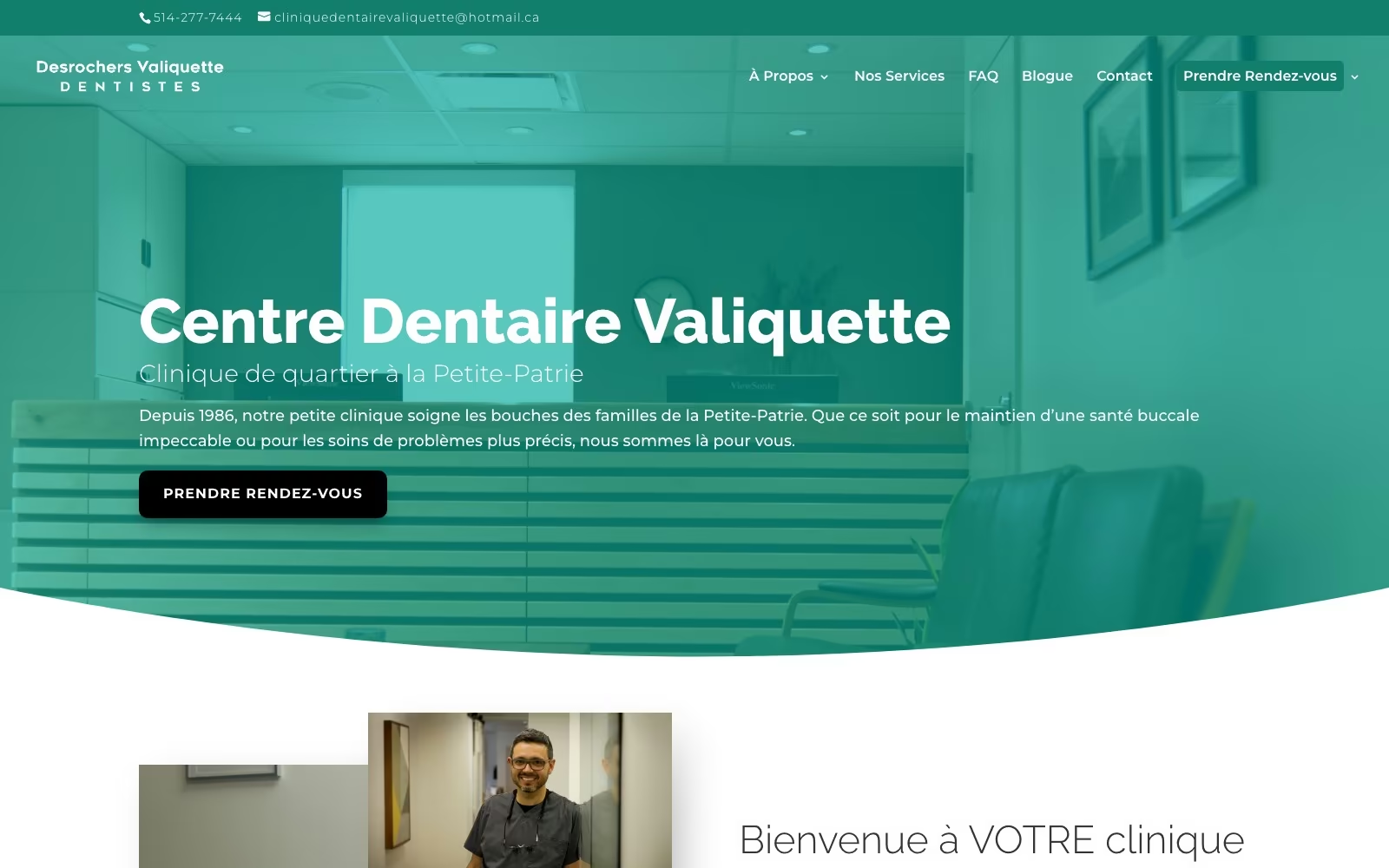

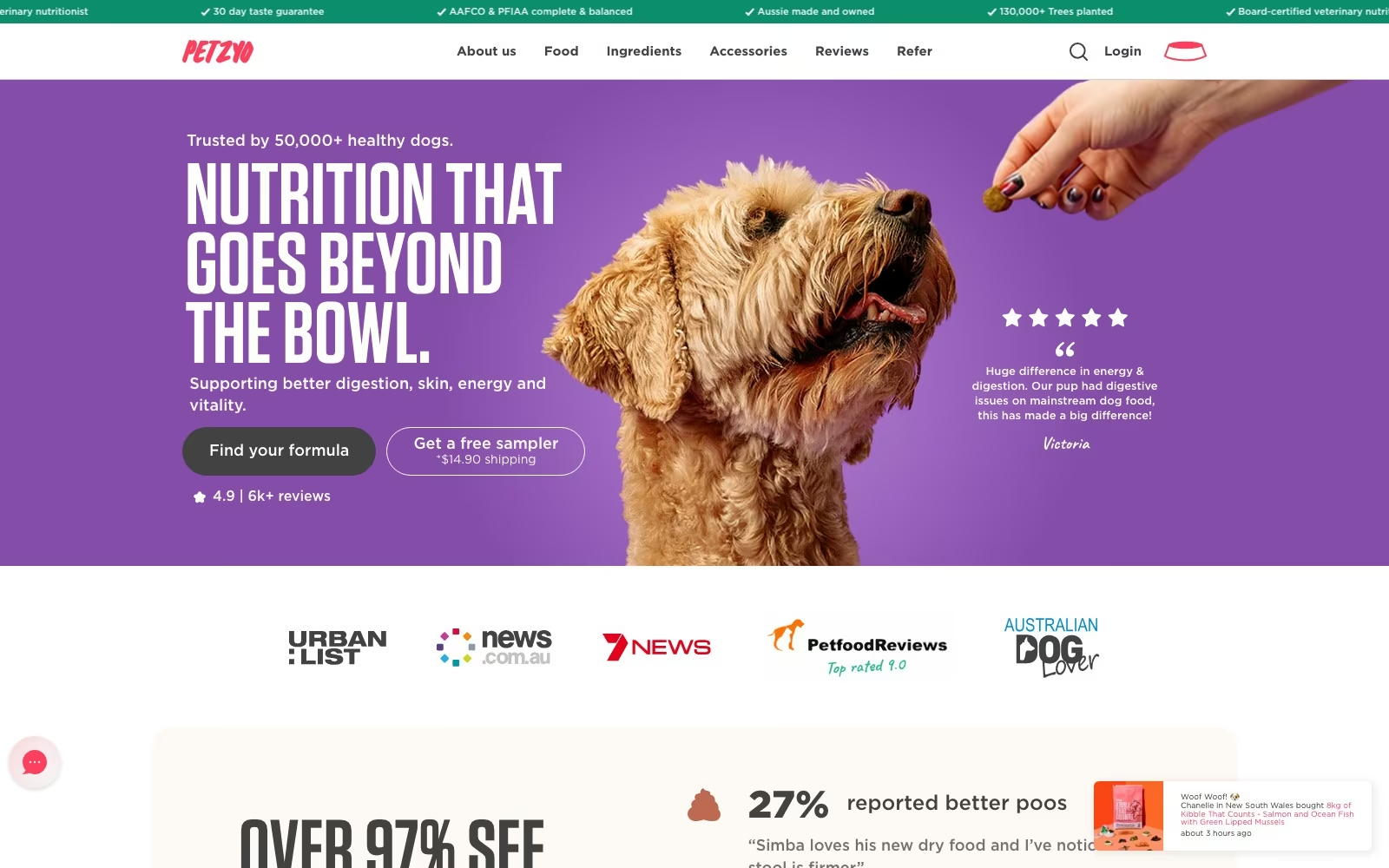























FAQ
What dentists ask us first.
How long does a dental website project take, and what do you need from us?
Six to ten weeks for a single-site practice, longer for a group with many location pages. From you we need a couple of hours a week: a kick-off on what the practice is really known for, clinical review of the treatment pages, a photography day, and sign-off at two checkpoints. Everything else, including copy drafting and migration planning, sits with us.
Will a redesign put our current rankings at risk?
Your rankings are protected first, and that shapes the whole project. We record current positions and traffic before design starts, keep the URLs that already earn visits, map redirects page by page, carry the copy that ranks into the new pages rather than trimming it for looks, and monitor daily for the first fortnight after launch. The risk we remove is larger than the one we take, because slow, duplicated pages are already costing you patients.
Should we development on Webflow or WordPress?
Whichever one your clinicians will actually maintain. Webflow suits practices that want a fast, stable website with simple editing and no plugin upkeep. WordPress suits groups with heavier integration needs or an in-house marketer used to it. We development well on both, we will tell you which we think fits and why, and either way you own the website outright.
Can you connect our online booking and practice management software?
Yes, and it is one of the first things we scope. Most dental scheduling tools offer an embed or an API, and we make the booking feel part of your website rather than a jarring third-party page. Where a system is genuinely closed, we use a short form that routes into your workflow and a tracked number, so nothing is lost while we work with the vendor.
Do we need new photography?
It is usually the single biggest visual upgrade available. Stock dentistry photographs look like every other clinic and patients read them as such, while genuine pictures of your reception, surgeries and team make the practice feel knowable before the first visit. We plan the shot list, brief a photographer, and keep the file sizes small enough that the pictures do not slow the website down.
How do you make sure the website works for older or less confident patients?
Accessibility is part of the development rather than an audit at the end. That means readable type sizes, strong colour contrast, labelled form fields, keyboard and screen reader support, tap targets big enough for imprecise hands, and language that avoids jargon. It helps every visitor, and it removes a legal risk that quietly sits on a lot of clinic websites.
What does dental web design cost with Web Tonic?
A fixed project fee scoped to the number of pages, locations and integrations, quoted before we start so there are no surprises, with an optional monthly care plan for hosting, updates and iteration. We will tell you honestly when a full rebuild is not the right spend and a focused set of improvements would do more for the diary this year.
Can you improve the website we already have instead of rebuilding?
Often, yes, and we are happy to. Where the platform allows changes, fixing speed, the booking path and the treatment pages captures much of the benefit for a fraction of the budget — offer-specific pages convert at 12.5% against 4.2% site-wide, and that gap does not require a new design system. We will only recommend a rebuild when the platform itself is the constraint.
Do you handle multi-location dental groups?
Yes. Each practice gets its own page with honest detail, its own tracked phone number, its own hours and team, and its own scheduling link, while the design system, treatment copy and components stay shared so the group is not paying five times for one page. Reporting rolls up for the group and drills into each website, which is what a regional manager actually needs.
What happens after launch?
We keep measuring. Monthly checks on page speed, booking completions, calls and the points where visitors stall, plus small iterations where the numbers point, security and platform updates, and a short written note of what changed. If you would rather run it in-house we train your team and hand over documentation instead — the site is yours either way.
Do you help with branding, videos and the rest of the digital presence?
Yes, and a modern dental brand is more than a logo. We can refresh branding, shoot short patient-friendly videos for the surgery, and set the typography and colour so the family practice feels professional rather than clinical. Those projects support growth in the same month they ship, because the same assets feed your landing pages, your marketing and your social profiles instead of being commissioned twice.
Is the website ADA and accessibility friendly?
We develop to WCAG guidance, which is the standard ADA claims are judged against, and we check it on every page rather than once at launch. High contrast type, labelled fields, keyboard support, captioned videos and a layout that stays usable at 200% zoom. It matters here: dentist and dental center websites serve a highly mixed age range, and an accessible page is simply an easier page for anyone to view and book on.
Can you run our marketing on top of the site?
Yes, and the development gets better when the same team does. Our dental SEO, landing page and analytics specialists shape the structure while it is still cheap to change, so the site launches ready to rank and ready to take paid traffic. Hiring us for the build alone is equally fine.

.webp)
.webp)