FROM FIRST SEARCH TO BONDING DAY
More starts, not more enquiries
A chair filled today is worth thousands over the plan. We work the whole line — found in the area, booked for the consult, and turned into a start — and we report the starts, not the clicks.








Tell us a little about your brand and we'll be in touch within 24 hours to lock in a time.


blended cost to produce one new orthodontic start
average cost per enquiry from paid search in the category
conversion on a purpose-built landing page versus a general site
average paid search conversion rate for the category
We made the difference for those brands

Healthcare & regulated services

Retail & commerce

Consumer tech and platforms

Beauty, personal care & wellness

Home essentials, appliances, kitchen & pet

Healthcare & regulated services

Food & beverage

B2B software, fintech, insurance

B2B software, fintech, insurance

Beauty, personal care & wellness

B2B software, fintech, insurance

Beauty, personal care & wellness

B2B software, fintech, insurance

Healthcare & regulated services

B2B software, fintech, insurance

Consumer tech and platforms

Consumer tech and platforms

Retail & commerce

Consumer tech and platforms
Retail & commerce

B2B software, fintech, insurance

Beauty, personal care & wellness

Retail & commerce

Beauty, personal care & wellness

Food & beverage

Creative, content, arts & culture

Retail & commerce

Consumer tech and platforms

Food & beverage

Consumer tech and platforms

Consumer tech and platforms

Who we are
A partner who reads your consult numbers before your ad account
Web Tonic is a digital marketing agency running growth programmes every day, with one senior team covering search, paid media, creative and the web build behind them. A practice gets its own plan because the money is not in enquiries: it is in the distance between an enquiry and a bonded case, and that distance is measurable.
Sound familiar?
If you run a practice, two of these will sound familiar.
The phone rings and the schedule still has gaps. Clear-aligner brands advertise straight past you to the same families. Parents compare three offices in an evening. And nobody can say which channel paid for last month's starts.
Plenty of enquiries, not enough of them turning into a start.
Direct-to-consumer aligner adverts reach your families before you do.
Nobody can tell you which spend produced the cases you began.
Results & timeline
Your first seven days with us.
Day 1–2: Audit
We meet the office the way a parent does: what maps and search return around each location, how your fees and finance read on the page, where the enquiry form and the phone lose people, and how many consults actually convert to a start.
Day 3–4: Data and tracking
Then the unglamorous part: calls, forms and bookings tracked cleanly and matched back to source. 2026 orthodontic benchmark data puts a new start at $185 to $250 blended, so a channel that looks expensive on cost per enquiry is often the cheapest per case — you can only see that once tracking survives the handoff.
Day 5–6: Build and launch
Fixes to the pages that decide it: the treatment pages, the fees and finance explanation, each location, and the booking step. Then brand defence split from genuine discovery, and adult and teen cases spoken to separately, because they are not the same buyer.
Day 7: Review and plan
You get the first written review: what launched, what the early figures say, cost per consult and per start by source, and a 90-day plan built around your capacity, your referral pattern and your season.
for WHO
Judged on cases started, not on leads delivered
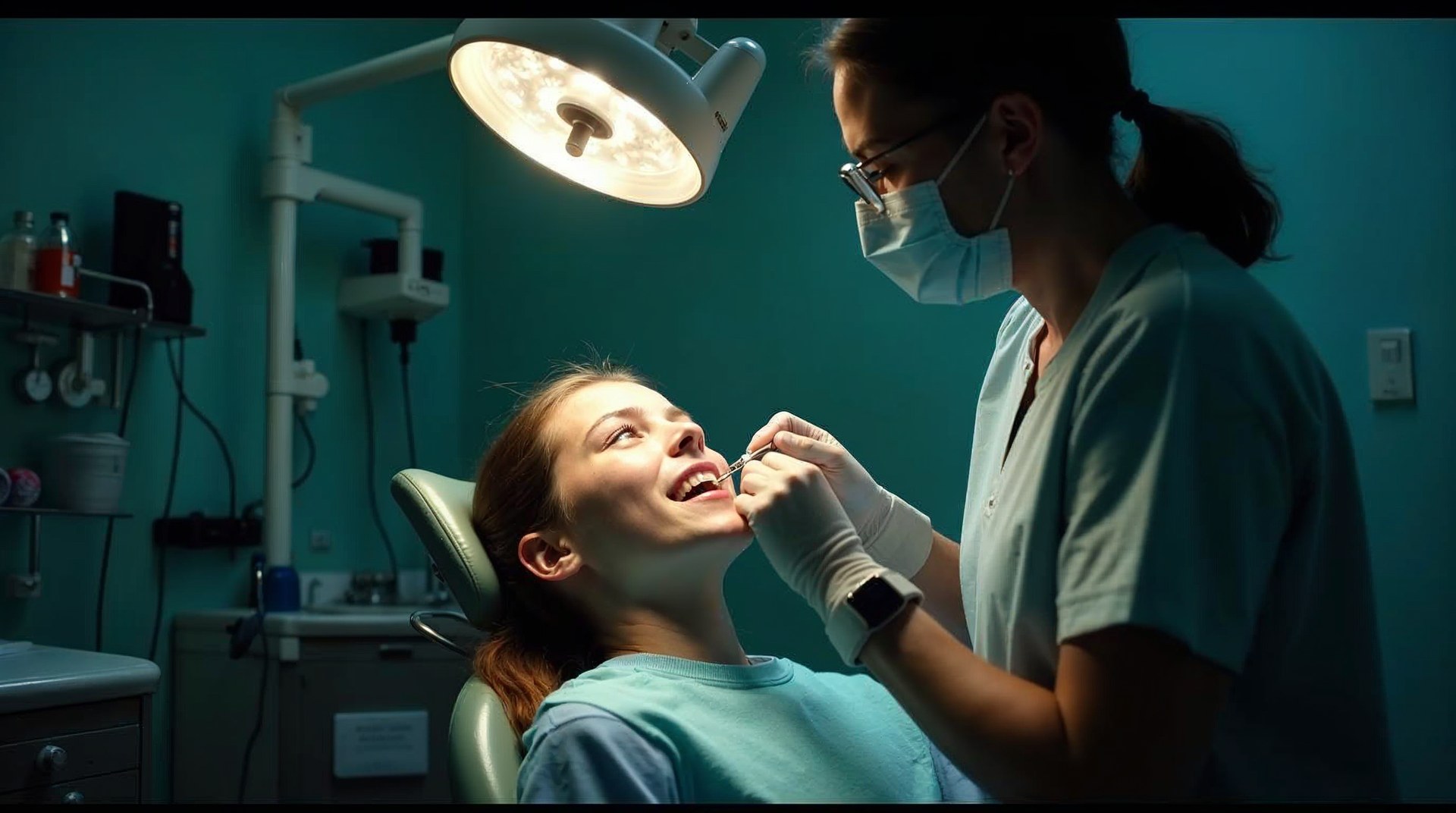
Orthodontics is one of the few local categories where a single new case can be worth several thousand dollars over its plan, and where a family will happily drive past two offices to reach the one they trust. That combination rewards patience and punishes vanity metrics.
The arithmetic is worth stating plainly. 2026 orthodontic benchmark data puts the average click at $4.85, search conversion at 5.6% and cost per enquiry near $86.60, with a blended $185 to $250 to produce one new start and a site converting at 3.8%. independent orthodontics benchmarks puts cost per action at $94.00 with a 7.2% conversion rate and 6.8% on a purpose-built landing page. Read together, those two figures say something simple: the gap between an average page and a good one is worth more than most bidding decisions.
So the work is visibility plus conversion, then case acceptance. Four things run under one roof: local search, paid campaigns, web design and development and measurement, with outcomes on our case studies.
Results
Real Spend. Real Revenue.



What we run for orthodontic practices.
Be found around every chair you own.
Families search by neighbourhood, by school run and by the name a friend gave them. A practice with three offices usually competes well for one and is invisible for the other two, because a single page is doing the work of three.
We build genuine pages for each location and each treatment, keep the profiles, hours and photography accurate everywhere they appear, and treat reviews as a standing routine rather than a campaign. That is the ground the national aligner brands cannot take from you, because they have no chair on your street.
Speak to the parent and the adult differently.
A mother booking for a twelve-year-old wants timing, cost and whether you are good with nervous children. A thirty-four-year-old wants discretion, evening appointments and to know what it costs before they call. The same advert cannot serve both.
We separate those audiences properly, write the pages each of them actually reads, publish fees and finance in plain language rather than hiding them behind a form, and report cost per consult and per start for each group so budget follows the one your chairs need.
Close the gap between the call and the chair.
Most offices do not have an enquiry problem. They have a follow-up problem: the call that went to voicemail at lunchtime, the consult booked three weeks out, the family who left with a quote and never heard from anyone again.
So we work that line with you: faster response, reminders that reduce no-shows, a clear written follow-up after the consult, and reporting that shows how many people went from first contact to bonding day. It is quieter work than a new campaign and it usually pays sooner.
Services

Paid campaigns across search, maps and social, structured by treatment and by location rather than by platform habit. Brand defence stays separate from genuine discovery, so a family who already knew your name is never counted as new demand, and budget follows the chairs with room rather than being spread evenly across the diary.
Reporting is in your language: cost per consult, cost per start, and mix by treatment type. Where spend only collects people who were already coming to you, we say so rather than averaging it away.
Creative and content for a family choosing between three offices in one evening: real photography of your rooms and your staff, short video that shows a first visit from the door to the chair, honest answers on cost, timing and what the first appointment involves, and before-and-after work handled with proper consent.
Data intelligence: call and form tracking that survives the handoff to your scheduling system, attribution to consults and to starts, and a monthly report tying spend to cases begun. independent orthodontics benchmarks puts a purpose-built landing page at 6.8% conversion against a typical site well below it, so measuring the page is not a nicety — it is where the next case comes from.
The same reporting answers the awkward questions: which locations are carrying the group, which treatment is quietly unprofitable at your current fee, and where the next dollar belongs.
Web design and development for a practice: fast on a phone in a school car park, fees and finance readable without a form, a booking step that does not dead-end, location and treatment templates that scale as you add offices, and accessibility done properly. Most practice sites have grown a second, unmanaged site inside them — old offers, a departed associate, a closed office — so part of the build is consolidating that into one accurate version.
.avif)


















Built on trust. Proven by results.
We partner with SMBs and Fortune 500 companies to deliver more than reach — we bring clarity, execution, and measurable outcomes. Every successful partnership starts with a strong culture fit and a shared drive to grow.




faq
Answered questions.
No, and single offices often gain fastest, because one extra start a week changes your year and you can make a decision without a committee. A practice with good reviews and a weak booking flow has a conversion problem, not a demand problem, and that is the cheapest thing to fix.
We size the programme to your chairs and your catchment, and we hold category exclusivity: we will not run two competing practices in the same market, and that is written into the agreement.
Booking-flow fixes, campaign restructuring and profile corrections usually show inside the first weeks, because the demand already exists and the leak is immediate. Location and treatment pages typically start earning visibility within 60 to 90 days, and compound from there.
Because a start can be decided months after the first click, we compare like with like and report leading indicators — consults booked, attendance rate, acceptance rate — alongside the revenue figures.
A fixed monthly fee, quoted separately from media spend, scoped to your market and the channels you need. After the audit you get a plan tied to targets — cost per start first — and we will tell you which channels we would not run yet rather than selling a full bundle on day one.
Where the fix is smaller than a retainer, we scope to the fix and say so on the first call.
What a typical monthly plan covers: orthodontic seo for treatment and location pages, web design and development on the booking journey, paid search and social campaigns, review and reputation work, content and video, and one monthly report written in plain language. Most practices start with the website and paid search, then add social and content once the consult calendar is reliably full.
How to compare one orthodontics marketing agency against another: ask who does the daily work, whether the agency will show figures from comparable practices, whether you own the ad accounts and the website, what the notice period is, and whether starts — not form fills — are the reported number.
Compete where they cannot follow. A national brand can buy the category term and mail a kit; it cannot examine a jaw, fix a relapse, or be the office three minutes from the school gate. Families increasingly know the difference, and many arrive at your door after a remote plan went sideways.
Practically that means owning the local and treatment searches around each of your offices, publishing honest comparisons of supervised care against mail-order, showing your own cases rather than stock imagery, and making the first appointment easy to book. That is a position, not a bidding war, and it holds.
Yes, and it is usually the fastest win available. Buying more enquiries into a consult process that loses half of them is the most expensive way to grow.
We look at the whole line with you: how quickly calls are answered and returned, how long a family waits for an appointment, what they are told about fees before they arrive, what they leave with, and what happens seven days later. Then we fix the pages and the follow-up around it and report acceptance alongside spend, so improvements show up as cases rather than as a nicer dashboard.
The scoreboard, and who does the work. Sessions are easy to buy and impossible to bank. We tie spend to consults attended and cases started, and we report by treatment and by location so you see the practice rather than the dashboard.
You get a named senior strategist rather than a coordinator relaying questions, with search, paid media, content, design and development specialists in one team. Most practices arrive from several vendors who each optimise their own report; one team means one set of figures and one review each month.
What a complete orthodontic digital marketing programme contains, in one list: a fast website with a booking journey that converts, seo built on genuine treatment and location pages, paid campaigns split between brand and discovery, video and photography of the real office, review generation and response, referral support for the general dentists who send you cases, and clean measurement through to starts. That is the whole strategy for most offices; the rest is decoration.
Owners ask what we would not do, so: we do not buy reach we cannot connect to a chair, we do not hide fees behind a form to inflate enquiry counts, and we do not judge a season against last month.