Insurance shopping moved into the conversation.
into the conversation
Auto, home and life coverage are increasingly compared inside an AI conversation rather than across six quote forms. We help insurance brands, brokers and agencies show up there — paid placement where the platform allows it, and the answer-engine content that earns the recommendation when it does not — with our ChatGPT ads and GEO and AEO teams.






Tell us a little about your brand and we'll be in touch within 24 hours to lock in a time.



FOUR WORKSTREAMS
Four workstreams behind insurance visibility inside AI answers.
inside AI answers
Eligibility and compliance handled first, paid ChatGPT ads run where insurance is permitted, conversational content that wins the citation, and measurement that connects a conversation to a written policy.
Eligibility, policy and compliance
Campaign build and buying
Answer engine content and citations
Measurement and quote attribution
Financial services is a restricted category. Plan for that.
Insurance advertising sits inside OpenAI's restricted financial services tier. Search Engine Land lists financial services among the categories OpenAI restricts, alongside adult content, alcohol, tobacco and gambling, while OpenAI stopped categorically blocking ads near medical, legal and financial advice in April, with eligibility changing four times since March. Both things are true, which is why campaign plans in this vertical go stale so quickly.
We resolve your position in writing before any budget is committed: what your brand, products and creative can run today, what state and regulator advertising rules add on top, and what the fallback is if the policy shifts again next quarter.
- Written eligibility read on your brand, products and creative
- Regulatory and disclosure requirements built into the copy, not bolted on
- Platform policy changes tracked and reported as they land
- A funded plan for the demand while approval is pending
1bn
weekly active ChatGPT users OpenAI reports, 20% with commercial intent
Case by case
how financial services advertising is handled under OpenAI's rules
Buy the quote conversation, not a keyword.
Where insurance placement is permitted, the buying mechanics are straightforward: ads appear for logged-in adult users on the free tiers, are labelled, and do not influence the answer the assistant gives. The self-serve ad platform opened to all advertisers in May 2026 with CPC buying, so this is now planned media rather than a pilot.
What changes is the unit of intent. Nobody types “cheap auto insurance” into a conversation; they describe a teenage driver, a new mortgage, a claim that went badly. We build campaigns around those situations, with creative and landing experiences written for a shopper who has already had a long, detailed exchange about their coverage before clicking anything.
- Campaigns structured by life event and coverage need, not by product menu
- Creative written for a conversation, tested continuously
- Quote flows shortened for shoppers arriving mid-decision
- Spend paced deliberately while the channel matures
May 2026
when the ChatGPT self-serve ad platform opened to all advertisers
18.7%
of home insurance shoppers used AI tools in the first quarter it was tracked
Get cited on the questions that carry intent.
Most of the value in this channel is not the ad, it is being the source the answer is built from. The insurance data is unusually clear about where to aim: pricing questions drove 17.6% of insurance citations, the largest commercial intent bucket, and an AI Overview appeared on 40.7% of insurance searches.
The opportunity is that incumbency does not decide this. 53.3% of those citations went to pages that never cracked Google's organic top 10. Coverage explainers with real numbers, honest comparison content and well-structured product data get cited where generic brand pages do not — and that work carries across ChatGPT, Perplexity, AI Mode and Overviews at once.
- Content mapped to pricing, coverage and comparison questions
- Real numbers and worked examples, reviewed by your compliance team
- Product, rating and review data structured for machine reading
- Citation share tracked across the major assistants monthly
17.6%
of insurance AI citations came from pricing questions
53.3%
of insurance AI Overview citations went to pages outside the organic top 10
Follow the conversation through to a written policy.
Insurance already has a long, messy path from research to bind, and AI lengthens the invisible part of it. Shoppers arrive with a coverage level in mind and no referring click, and often cannot tell you where the advice came from — 59% of US insurance consumers cannot reliably tell whether they were talking to AI or a person.
We instrument what can be instrumented: call measurement on agent lines, quote-start and bind events, a source question in the quote flow, and monthly prompt testing that shows whether assistants name you. Reporting is on quotes started, quotes bound and premium written, with the inferred parts labelled as inferred.
- Quote-start, quote-complete and bind events tracked separately
- Call measurement on agent and broker lines
- Prompt testing across ChatGPT, Perplexity and AI Mode
- Reporting on written premium, not impressions
59%
of US insurance consumers cannot tell AI from a person
43.9%
share of analysed insurance AI citations driven by Google AI Mode
of insurance searches returned an AI Overview in the Conductor study
of Boomers have used generative AI to research a high-stakes insurance purchase
Eligibility and compliance read before any budget
Ad accounts, content and tracking in your name
We made the difference for those brands

Healthcare & regulated services

Consumer tech and platforms

B2B software, fintech, insurance

Consumer tech and platforms

B2B software, fintech, insurance

B2B software, fintech, insurance

B2B software, fintech, insurance

Creative, content, arts & culture

Consumer tech and platforms

Apparel and lifestyle

Consumer tech and platforms
Food & beverage

B2B software, fintech, insurance

Home essentials, appliances, kitchen & pet

Travel & mobility

Apparel and lifestyle

B2B software, fintech, insurance

Food & beverage
Consumer tech and platforms

Creative, content, arts & culture

Beauty, personal care & wellness

Healthcare & regulated services

Home essentials, appliances, kitchen & pet

Home essentials, appliances, kitchen & pet

Travel & mobility

B2B software, fintech, insurance

Consumer tech and platforms
Beauty, personal care & wellness

Food & beverage

Creative, content, arts & culture
01 — The challenge
The comparison happened somewhere you cannot see.
A shopper describes their situation to an assistant, gets three carriers named with reasons, and starts a quote with one of them. No comparison site, no ad click, no search term in your reporting. If your brand was not in that answer, the auction you spent all year optimising never happened.
Insurance is unusually exposed to this because the questions are complicated and the products are hard to compare honestly — precisely the job people are handing to AI.
“Quote volume is flat and our brand searches are up. Nobody can explain why.”
The channel is already measurable in the wild: 18.7% of home insurance shoppers and 13% of motor shoppers used AI tools in the first quarter Consumer Intelligence tracked it, putting AI ahead of brokers at 14.5% in home. That is not an emerging channel, it is a live one.
02 — Our approach
Compliance first, citations second, paid where permitted.
We start with the two constraints that decide everything else: what OpenAI currently permits for financial services advertisers, and what your regulator and compliance team require of any insurance advertising. Both go in writing, with a plain answer on whether paid placement is available to your brand this quarter and what the creative would have to look like.
Then we build the visibility that does not depend on ad approval. Insurance AI citations concentrate around pricing, coverage and comparison questions, and they reward pages that answer with real figures rather than brand language. We write those with your product and compliance people, structure your product and review data for machine reading, and strengthen presence on the third-party sources these assistants already lean on.
Paid placement then runs where permitted, paced deliberately, alongside the search and social spend already generating quotes. Measurement is rebuilt around quote starts, binds and written premium, with a source question in the quote flow and monthly prompt testing so you can see your citation share moving. Accounts, content and tracking stay in your name.
03 — What we did
Six weeks to a measurable position in AI answers.
Citation baseline and eligibility, content and structured data, paid launch where permitted, then a monthly read on citation share, quotes and written premium.
Weeks 1-2 / Baseline
Who the assistants recommend today
We run your coverage, pricing and comparison questions through the major assistants, record which carriers and brokers get named, and resolve your advertising eligibility in writing.

Weeks 2-5 / Content
Answers with real numbers
Pricing, coverage and comparison content written with your product and compliance teams, plus product and review data structured so machines read it correctly.

Week 6 / Launch
Paid placement, where permitted
Campaigns go live against life events and coverage needs, with quote tracking and call measurement verified before spend scales.

Ongoing / Measure
Citations, quotes, written premium
Monthly prompt testing, citation share by assistant, and reporting that follows quote starts through to bound policies.

WHAT YOU GET
Deliverables you keep, whatever happens next.
you keep
Ad accounts, content, structured data and measurement stay in your name from day one.

AI citation baseline
How assistants answer your coverage and pricing questions today, and which brands they name instead of you.

Eligibility and channel plan
A written read on what your brand may advertise now, with the compliance constraints and the fallback plan.

Pricing and coverage content
Question-led pages with real figures and worked examples, reviewed by your compliance team before publication.

Structured product data
Products, ratings and reviews marked up so assistants describe your coverage the way you would.

Quote attribution setup
Quote starts, binds, calls and a source question wired together so the channel reports written premium.

Policy watch notes
A short written note whenever platform rules change your eligibility, with what we recommend doing next.
HOW WE WORK
Operating standards, not promises.
Operating standards


Carriers and direct writers
National brand budgets meeting a channel where citation beats spend.
ExploreBrokers and independent agencies
Local advice businesses competing with an assistant that answers instantly.
ExploreInsurtech and comparison platforms
Quote products that need to be the tool the conversation hands off to.
Explore

















Built on trust. Proven by results.
We partner with SMBs and Fortune 500 companies to deliver more than reach — we bring clarity, execution, and measurable outcomes. Every successful partnership starts with a strong culture fit and a shared drive to grow.




CASE STUDIES
Case studies
Website Portfolio
Video Ads
Static Ads




















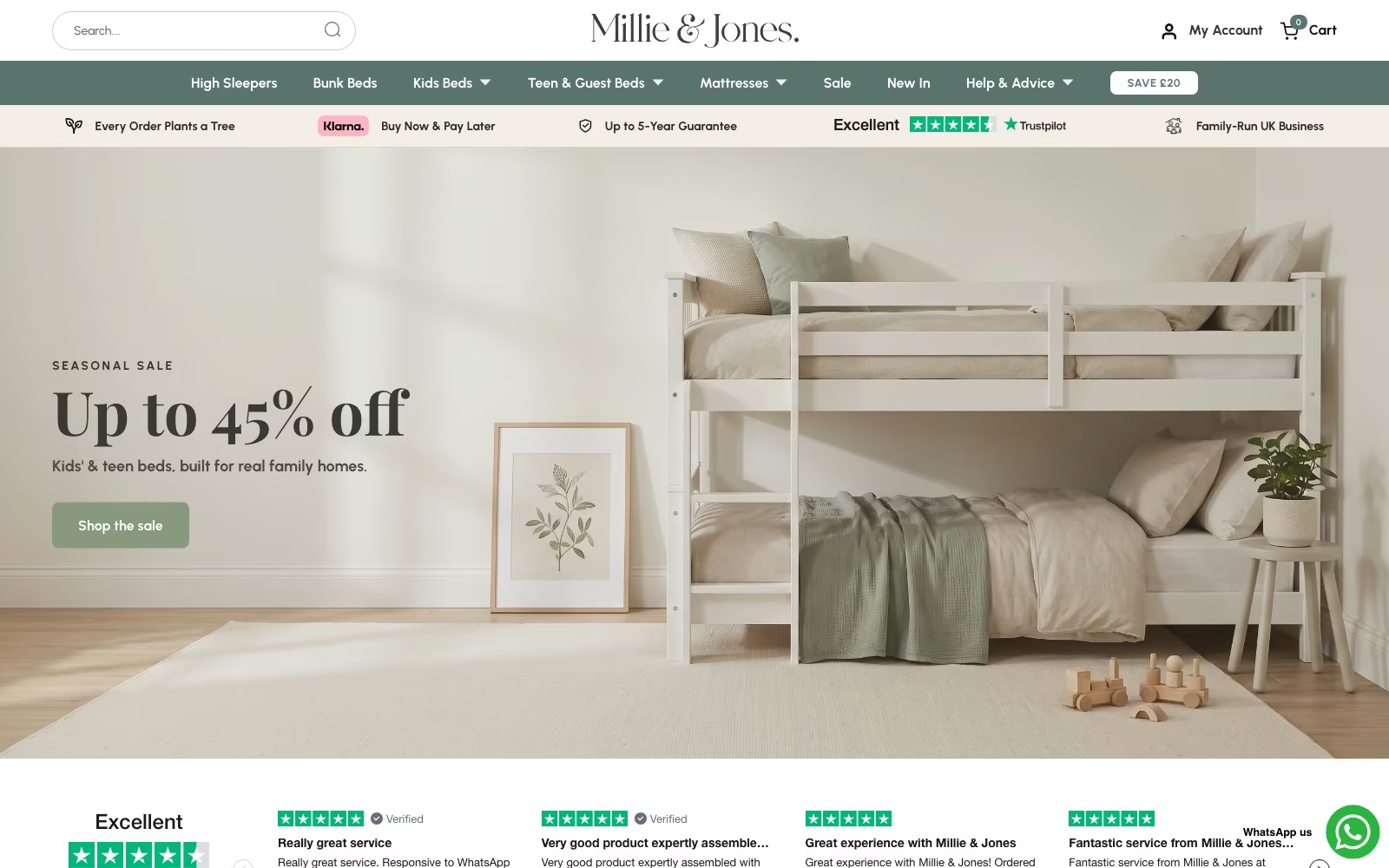

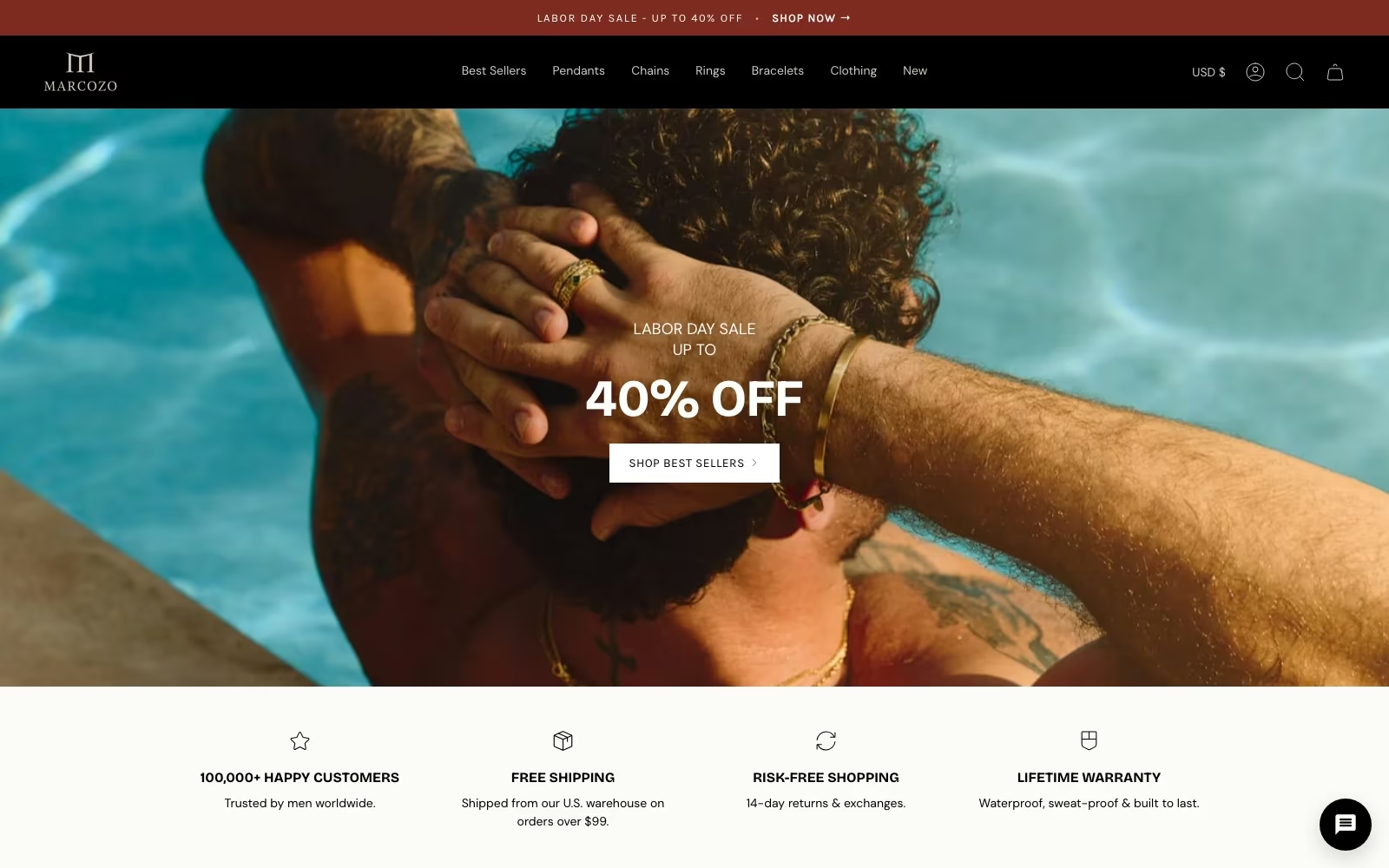

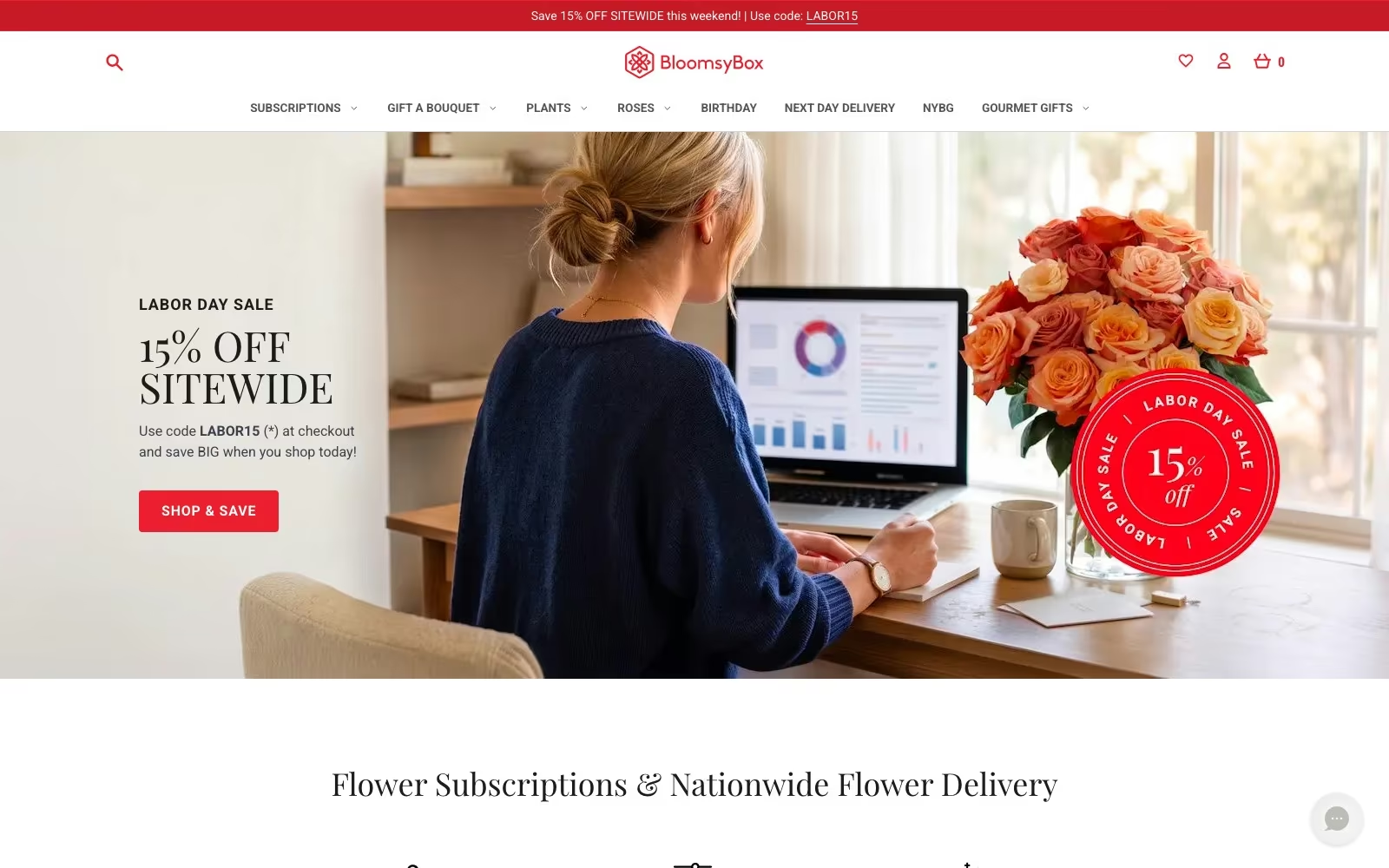

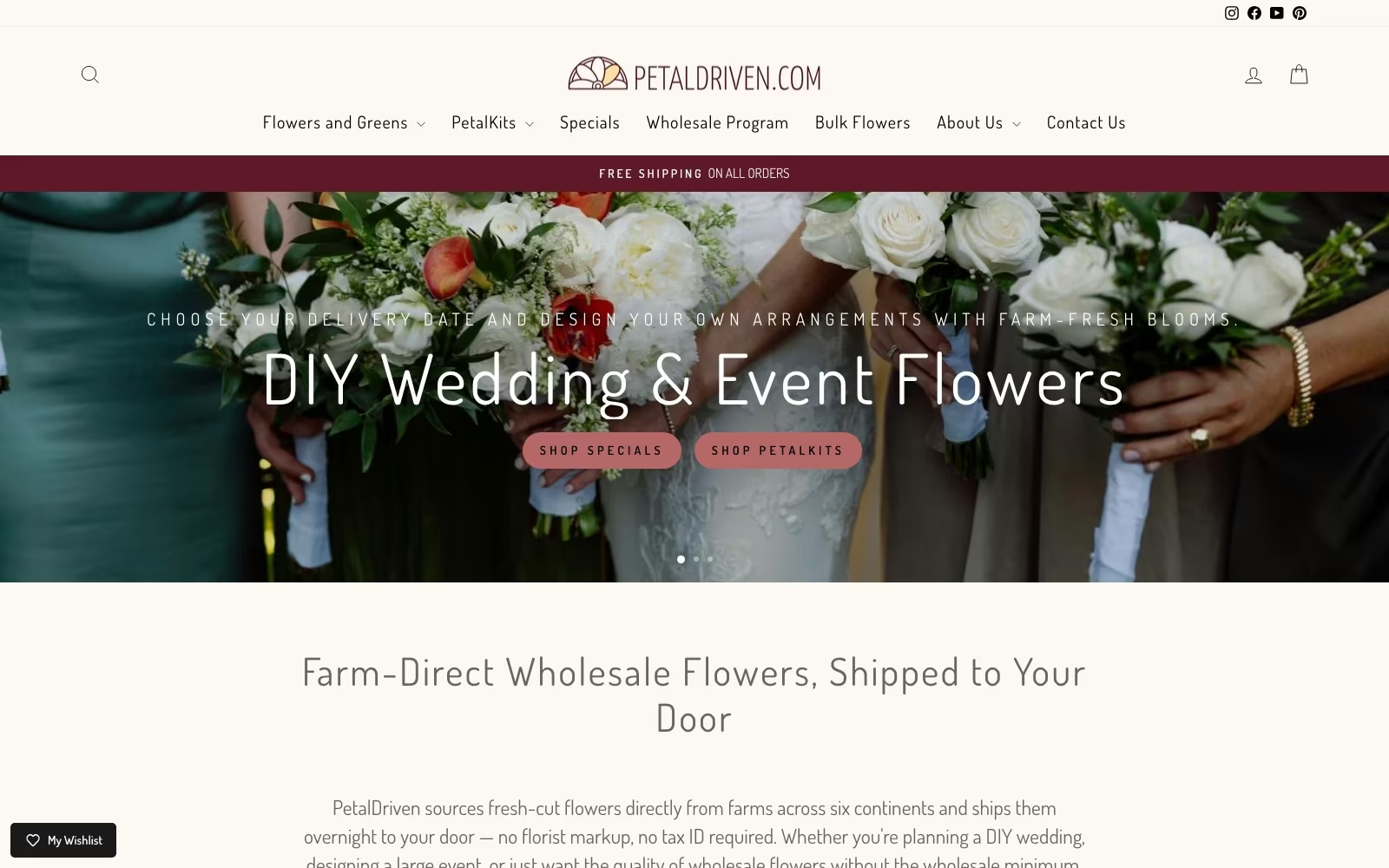




























FAQ
Questions insurance marketers ask us
Is insurance allowed to advertise on ChatGPT?
It is restricted rather than banned, and the position keeps moving. Financial services is listed among OpenAI's restricted advertising categories, while OpenAI stopped categorically blocking ads near financial advice in April and eligibility has changed four times since March. We confirm your specific position in writing and build the rest of the programme so nothing depends on one approval.
Why is insurance so exposed to AI shopping?
Because the products are genuinely hard to compare and the questions are long. That is the exact job people now delegate. 18.7% of home insurance shoppers and 13% of motor shoppers already use AI tools, ahead of brokers at 14.5% in home, and that reading came from the very first quarter the channel was tracked.
What content actually gets cited in insurance answers?
Cost and coverage answers with real numbers. Pricing drove 17.6% of insurance citations, the leading intent, and generic explainers lose to pages that state figures, conditions and exclusions plainly. It takes compliance involvement, which is precisely why so few carriers do it and why the opening is still there.
We are not a top-10 organic brand. Can we still win here?
Yes, and this is the most encouraging finding in the data: 53.3% of insurance AI Overview citations went to pages that never cracked Google's organic top 10. Assistants reward specificity and clarity over domain authority, so a focused broker or insurtech can be cited beside national carriers.
How does this work with our compliance team?
They are in the process from the start, not asked to approve at the end. We agree what can be said about pricing, coverage and comparisons before writing, submit content in batches, and keep a record of approved claims so the programme scales without a bottleneck. Nothing publishes without your sign-off.
Does ChatGPT advertising replace our paid search budget?
No. Search still carries the majority of quote demand and should keep doing so. What changes is that some comparison now happens before the search ever occurs, so a share of budget belongs where that conversation happens. With a billion weekly ChatGPT users, 20% of them showing commercial intent, it is worth a deliberate test rather than a reallocation.
How do you attribute a quote to an AI conversation?
Partly with data and partly by asking. Referral data where the platform passes it, call measurement on agent lines, quote-start and bind events, and a source question in the flow. It matters that we are honest about the limits: 59% of insurance consumers cannot reliably tell AI from a person, so self-reported source data is directional, and we label it that way.
Are older customers really using AI to shop for insurance?
More than most marketing plans assume. 33% of Boomers have used generative AI to research a high-stakes insurance purchase, up from 11% a year earlier. Growth is fastest among exactly the segment carriers assumed would be last, which changes both the media plan and the tone of the content.
Which assistants should we care about besides ChatGPT?
All the ones your buyers use, and the citation split is not what people expect: Google AI Mode drove 43.9% of analysed insurance citations with Perplexity at 33.6%. The content and structured data work serves all of them at once, which is why we treat it as the backbone rather than a ChatGPT-specific tactic.
What budget makes sense to start?
Weighted towards content and measurement in the first quarter, with a contained paid test once eligibility is confirmed. The citation work keeps paying regardless of platform policy; the ad spend is the part that can be switched off overnight by a rule change. We would rather build the durable half first and tell you so.
Will AI recommendations hurt brokers?
They change what a broker is for rather than removing the need. The assistant handles the first comparison, so the broker's value moves towards complex risks, claims support and advice a model will not give. Brokers who publish genuinely useful coverage guidance get cited by the same assistant and picked up demand from it.
How quickly does this show results?
Paid placement, once approved, produces quote starts within days. Citation share typically shifts over two to four months as content is indexed and picked up. We report prompt testing monthly so you can see movement long before it reaches written premium, and we say when a month showed nothing.
Do you write the content or do we?
We write it, from interviews with your product, underwriting and claims people, then your compliance team reviews before anything publishes. Insurance content written without those conversations reads generic, and generic is exactly what assistants skip when choosing a source to cite.
What about privacy and customer data?
Nothing in this programme requires sharing customer data with an ad platform. Measurement is built from your own analytics, call records and quote events, with consent handling reviewed alongside our privacy compliance team. Where a tactic would create a data risk, we leave it out and explain why.
How do we choose an agency for AI visibility work?
Ask what they measure and what they promise. Guaranteed placement inside assistant answers is not a product anyone can sell. What you should expect is a recorded prompt baseline, a written eligibility position, compliance-ready content and reporting that ends at bound policies rather than impressions.
How does this fit with our SEO programme?
It runs inside it rather than beside it. The same optimization work — clear pages, structured product data, credible third-party coverage — feeds both organic rankings and AI citations, so we plan it with our SEO team and report the two together. Brands with a healthy organic foundation reach citation share faster and spend less doing it.
Which coverage lines should we start with?
Usually auto and home, because that is where AI shopping behaviour is furthest along and where quote volume makes a test readable within a quarter. Life and specialty lines carry longer consideration and suit the content side first. We pick the starting line from your quote-to-bind data and your marketing capacity, then widen once one line shows a repeatable lead and conversion pattern.
What happens in the first month?
Prompt baseline across the assistants, written eligibility and compliance read, content plan ranked by citation opportunity, and a measurement review of your quote funnel. You finish the month knowing exactly where you are cited today and what the next quarter is meant to change.

.webp)
.webp)