Be the brand the assistant puts in the basket.
in the basket
Shoppers now ask an assistant what to buy before they ever reach a product page, and that conversation carries advertising. We run ChatGPT ads for ecommerce brands the way we run their paid social and shopping campaigns: clean tracking, feed and product data that holds up, and reporting that stops at contribution margin. It runs alongside your ecommerce marketing and our ChatGPT advertising programme so nothing is counted twice.






Tell us a little about your brand and we'll be in touch within 24 hours to lock in a time.



FOUR WORKSTREAMS
Four workstreams decide whether ChatGPT ads pay.
Four workstreams
The surface itself, how your catalogue is understood, what the landing experience does with the click, and what the order was worth. In that order.
The assistant as a channel
AI-assisted demand
Catalogue & product data
Measurement & margin
A new surface filling up faster than any before it.
This stopped being an experiment quickly. ChatGPT reports around one billion weekly users, with roughly 20% showing commercial intent, and advertiser counts jumped from 2,585 to 3,770 in a single week last June, reaching 7,378 distinct brands by mid-July.
We treat ChatGPT ads as a real acquisition channel with a capped budget rather than an innovation project: the same discipline as your Meta and shopping accounts, honest measurement, and an agreed point where we scale it or stop.
- Assistant placements run as a channel, not a science project
- Spend capped until the measurement proves itself
- Weekly read on spend, orders and margin
- A scale-or-stop decision agreed before launch
1bn
weekly ChatGPT users, about 20% showing commercial intent
7,378
distinct brands advertising in ChatGPT in one July week
The traffic is already arriving. The question is whose.
Retailers can see this in their own analytics before they spend a dollar here. Adobe measured AI-referral traffic to US retail sites up 62% year over year in July 2026, after a 393% jump across the first quarter, and AI-assisted journeys accounted for 18.3% of tracked online transactions in Q2 2026, against 4.1% two years earlier.
We start by isolating that traffic in your existing reporting, so the paid test is judged against what the assistant already sends you for free rather than against a blank slate.
- AI referral traffic isolated in analytics before launch
- Organic assistant visibility measured alongside the paid test
- Product categories ranked by assistant-driven demand
- Prompt research used to write copy, never sold as a package
18.3%
of tracked online transactions were AI-assisted in Q2 2026
62%
year-over-year growth in AI-referral traffic to US retail in July 2026
An assistant can only recommend what it can understand.
This channel rewards boring work. Titles that say what the product is, attributes filled in properly, stock and pricing accurate, reviews and specifications on the page, delivery and returns stated in plain text rather than hidden in an accordion. The same feed hygiene that lifts shopping campaigns decides whether an assistant is comfortable naming you.
Our Shopify and analytics teams clean the product data first, because paying for placements that lead to a thin product page is the most expensive mistake available here.
- Product titles and attributes rewritten for machine reading
- Stock, price and shipping data kept accurate in the feed
- Reviews, specifications and returns visible on the page
- Structured data checked across the catalogue
3,770
brands actively advertising in ChatGPT in a single June week
Sessions flatter. Contribution margin does not.
Ecommerce economics leave little room for a vanity channel: across 745 stores the median conversion rate was 1.74% in H1 2026, and across 2,934 Shopify stores the median average order value was $312. A new source of traffic has to earn its place against those numbers.
So we tag every placement, watch new-customer rate and repeat purchases rather than last-click orders alone, and report contribution margin beside your other channels every month, with a plain recommendation attached.
- Every placement tagged and isolated in your analytics
- New customer rate and repeat purchase tracked, not just orders
- Contribution margin reported beside paid social and shopping
- Monthly written read anyone on the team can follow
1.74%
median ecommerce conversion rate across 745 stores in H1 2026
$312
median average order value across 2,934 Shopify stores
Ad accounts, analytics and product feeds stay in your name
Contribution margin is the metric we are judged on
Weekly working session with the people doing the work
Long-term lock-ins
We made the difference for those brands

Retail & commerce

Healthcare & regulated services

Beauty, personal care & wellness

Retail & commerce

Healthcare & regulated services

Beauty, personal care & wellness

Travel & mobility

Healthcare & regulated services

Consumer tech and platforms

Beauty, personal care & wellness

Healthcare & regulated services

Creative, content, arts & culture

Travel & mobility

Consumer tech and platforms

Beauty, personal care & wellness

Retail & commerce

Travel & mobility

Healthcare & regulated services

Creative, content, arts & culture

B2B software, fintech, insurance

Retail & commerce

B2B software, fintech, insurance

B2B software, fintech, insurance

Home essentials, appliances, kitchen & pet

Retail & commerce

Home essentials, appliances, kitchen & pet

Travel & mobility

Beauty, personal care & wellness

Food & beverage
Creative, content, arts & culture

B2B software, fintech, insurance
01 — The challenge
Your customers are getting a shortlist you were never on.
Ecommerce teams describe the same pattern. Paid social costs keep climbing, branded search looks healthy, and yet a growing share of buyers arrive already decided — they name two competitors, quote a price band, and repeat a comparison nobody on your team wrote. That shortlist was assembled inside an assistant, using whatever product data and reviews it could read, and until recently there was no way to be present for it or even to see it happening.
“They arrive quoting a comparison we have never seen. We just do not know who wrote it.”
The channel is now buyable and still cheap in most categories, but it is filling quickly — 7,378 advertisers were counted in one July week. Getting in early with clean measurement is a better bet than discovering the category price in two years.
02 — Our approach
Clean the data, buy carefully, measure to margin.
We start before the spend. First we isolate the AI-referred traffic already reaching your store, so we know which categories assistants send you and what those visitors do. Then we audit the product data, because an assistant recommends what it can read: titles, attributes, stock accuracy, reviews, delivery and returns. That work usually lifts your shopping campaigns and organic product visibility on its own, whatever happens next. Then we launch small. A capped spend, the categories with the best margin and the strongest product pages, tagging on every placement, and an agreed definition of success expressed in contribution margin rather than platform-reported orders. From there it is weekly work: cutting placements that bring browsers, moving budget toward products that hold their margin after returns, and adjusting through promotional periods when the maths changes. Each month you get one page with spend, orders, new customers and margin beside your other channels, plus a straight recommendation to scale, hold or stop. Everything runs in accounts you own, and we hold category exclusivity so we never run two competing stores.
03 — What we did
A first ninety days with a decision at the end of it.
Traffic and data audit, a capped launch, weekly management, then an honest scale-or-stop call backed by margin.
Weeks 1-2 / Audit
The AI traffic you already have, measured
Assistant referrals isolated in your analytics, categories ranked by AI-driven demand, and the product data problems that would waste spend listed.

Weeks 2-4 / Launch
Capped budget on your best-margin products
Tagging on every placement, product pages tightened where they need it, and an agreed success measure in contribution margin before the first dollar goes out.

Weeks 4-10 / Management
Weekly tuning against margin, not sessions
Placements cut where the visitors browse and leave, budget moved to products that hold margin after returns, and copy adjusted through promotional periods.

Day 90 / Decision
Margin per channel, and a straight recommendation
One page comparing the ChatGPT ads channel with paid social and shopping on contribution margin and new customer rate, with a clear scale, hold or stop call.

WHAT YOU GET
Deliverables your team can audit.
can audit
Everything below lands in accounts you own and stays yours if you ever leave.

AI demand audit
What assistants already send your store, which categories they favour, and where competitors are named instead of you.

Placement and budget plan
Which products get funded first, how much the cap is, and what success looks like in margin terms.

Product data clean-up
Titles, attributes, stock accuracy and structured data corrected so your catalogue can be read and recommended.

Tracking and tagging
Every placement isolated in analytics, with new customer rate and repeat purchase measured properly.

Ad copy and offers
Copy and offers built from your real reviews, delivery promise and differences, tested every week.

Monthly reporting
Spend, orders, new customers and contribution margin beside your other channels, with a recommendation.
HOW WE WORK
Operating standards, not promises.
Operating standards


DTC & single-brand stores
Category-level conversations where the assistant is picking between four brands.
ExploreMulti-brand retail & marketplaces
Wide catalogues where product data quality decides what gets surfaced at all.
ExploreSubscription & replenishment
Repeat-purchase economics measured on lifetime value rather than first order.
Explore

















Built on trust. Proven by results.
We partner with SMBs and Fortune 500 companies to deliver more than reach — we bring clarity, execution, and measurable outcomes. Every successful partnership starts with a strong culture fit and a shared drive to grow.






CASE STUDIES
Case studies
Website Portfolio
Video Ads
Static Ads




















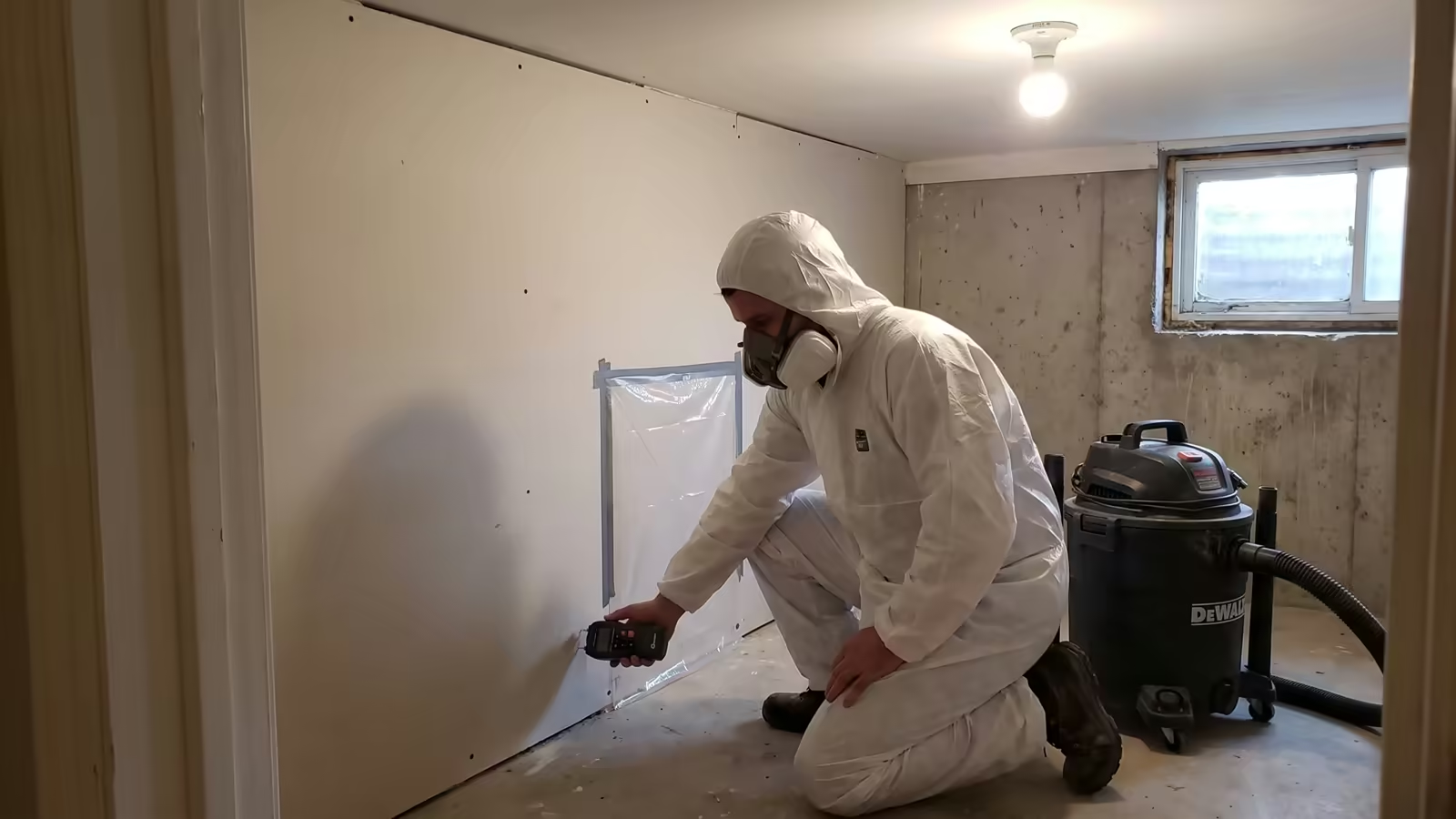

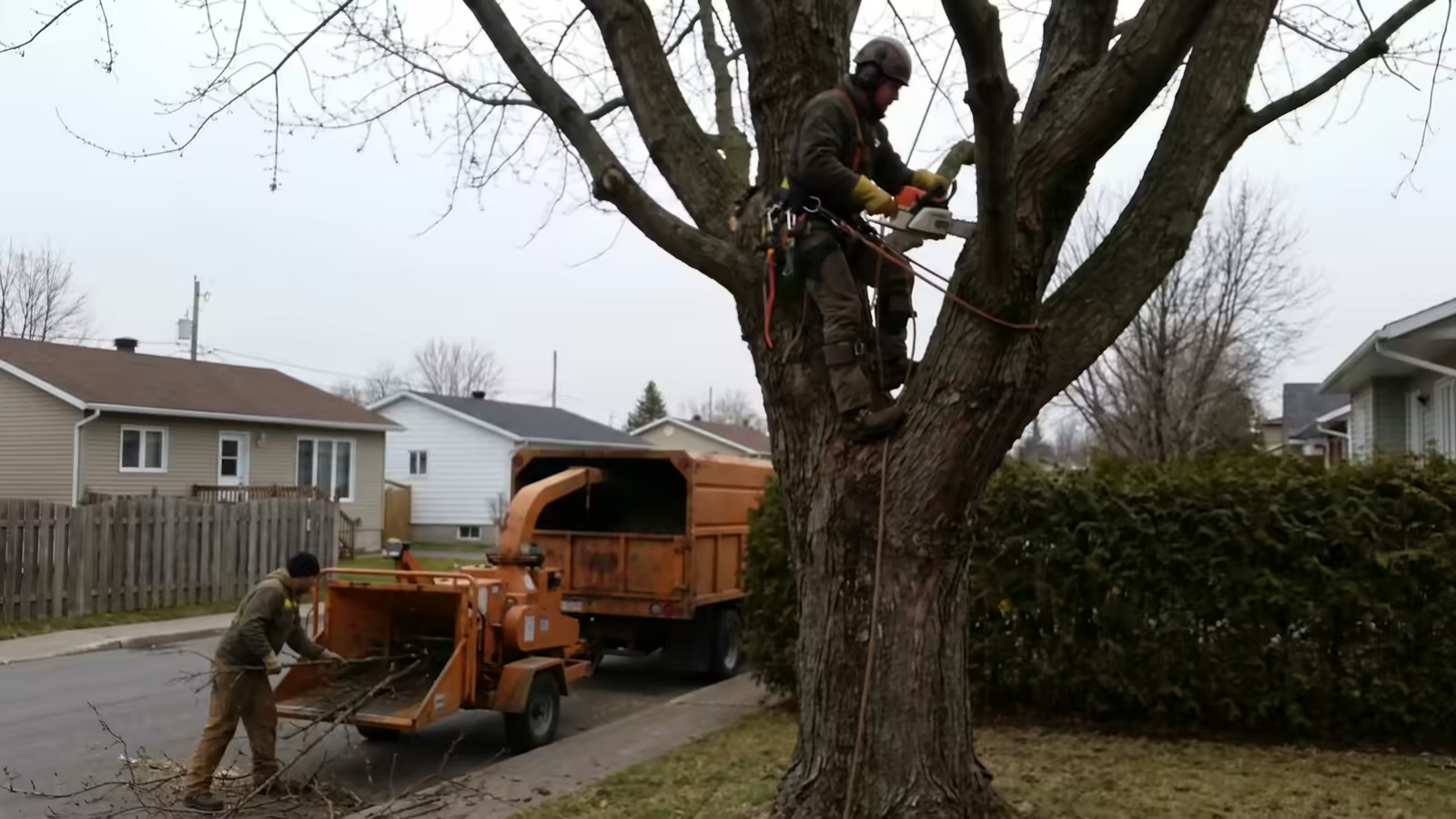



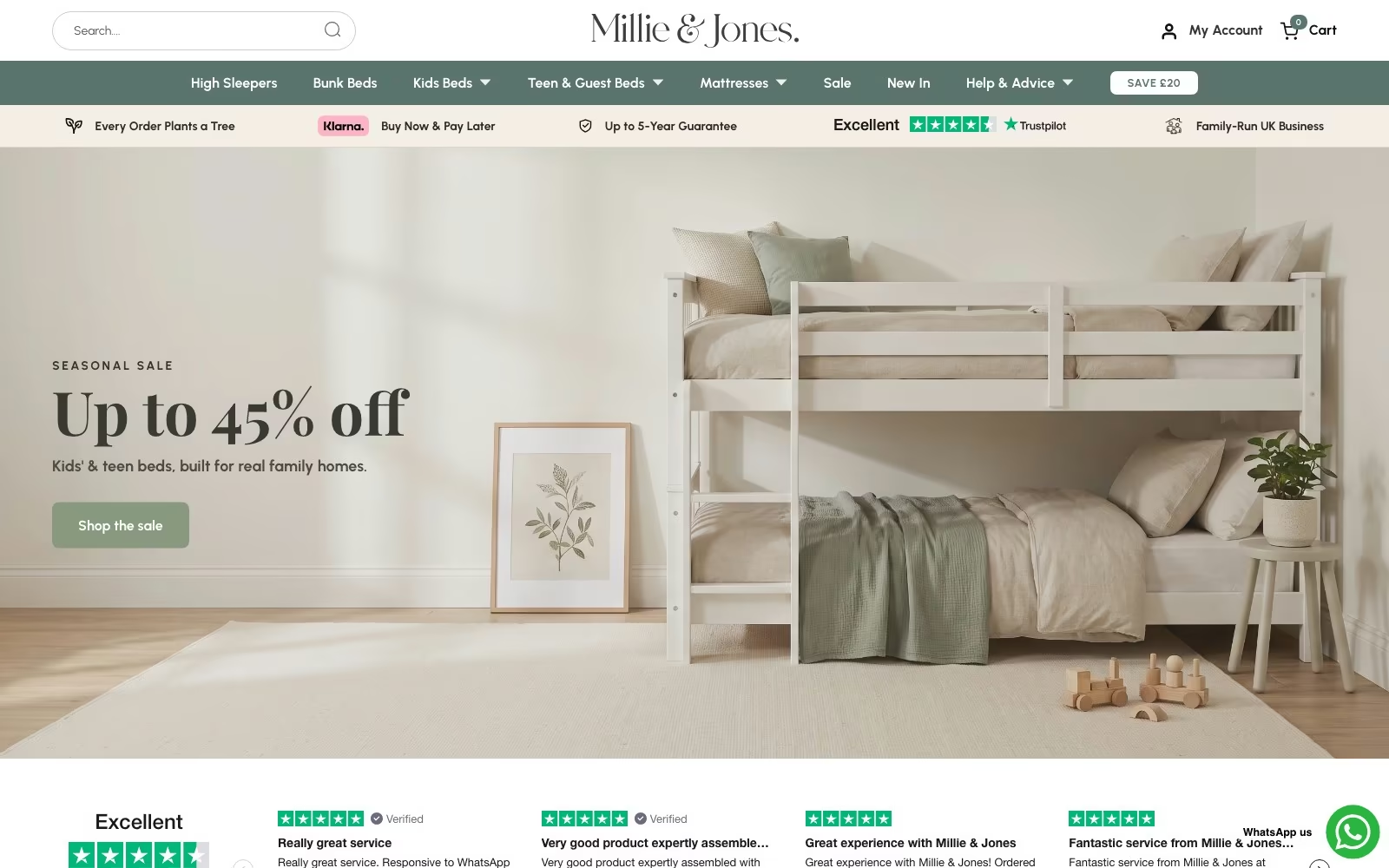

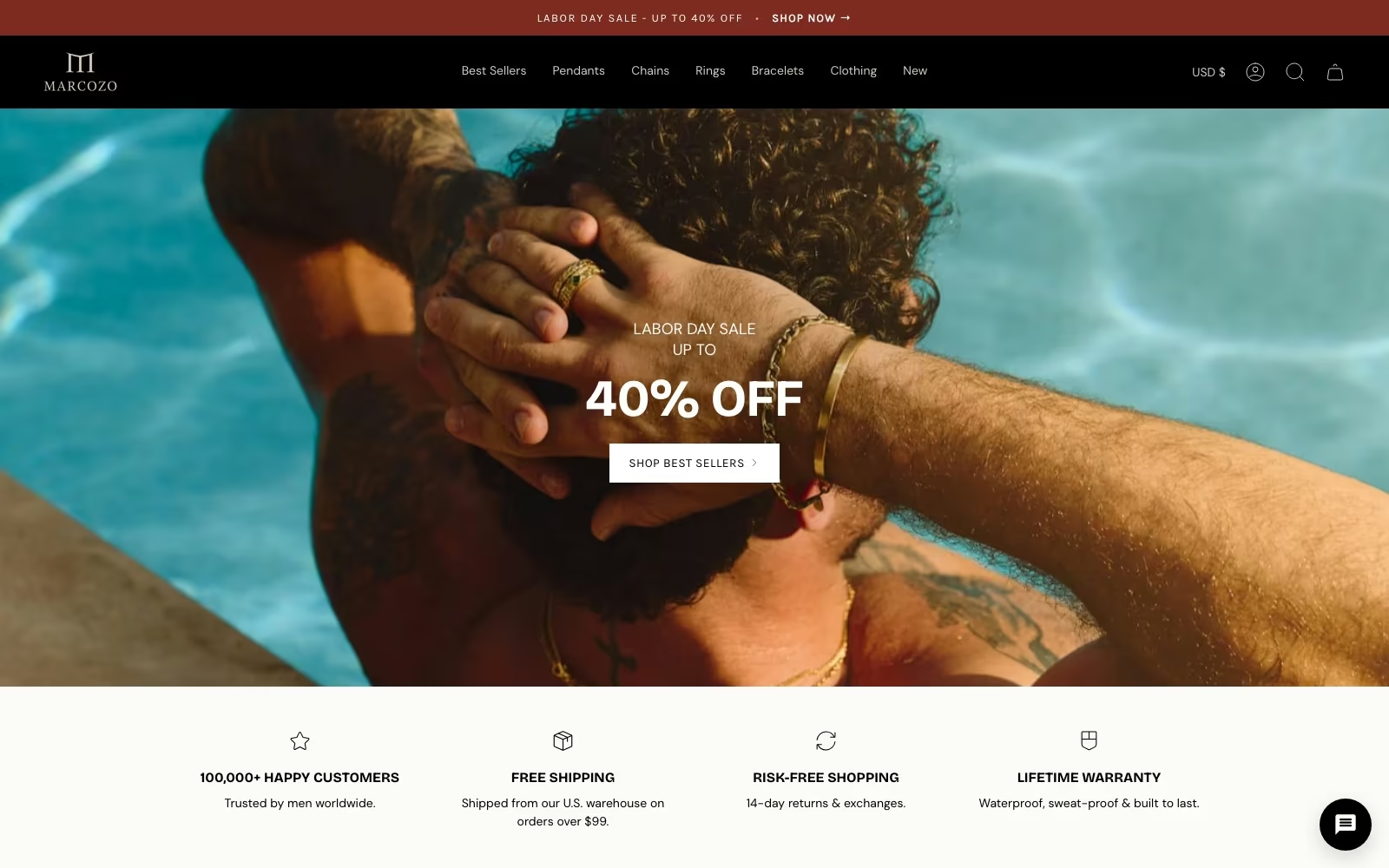

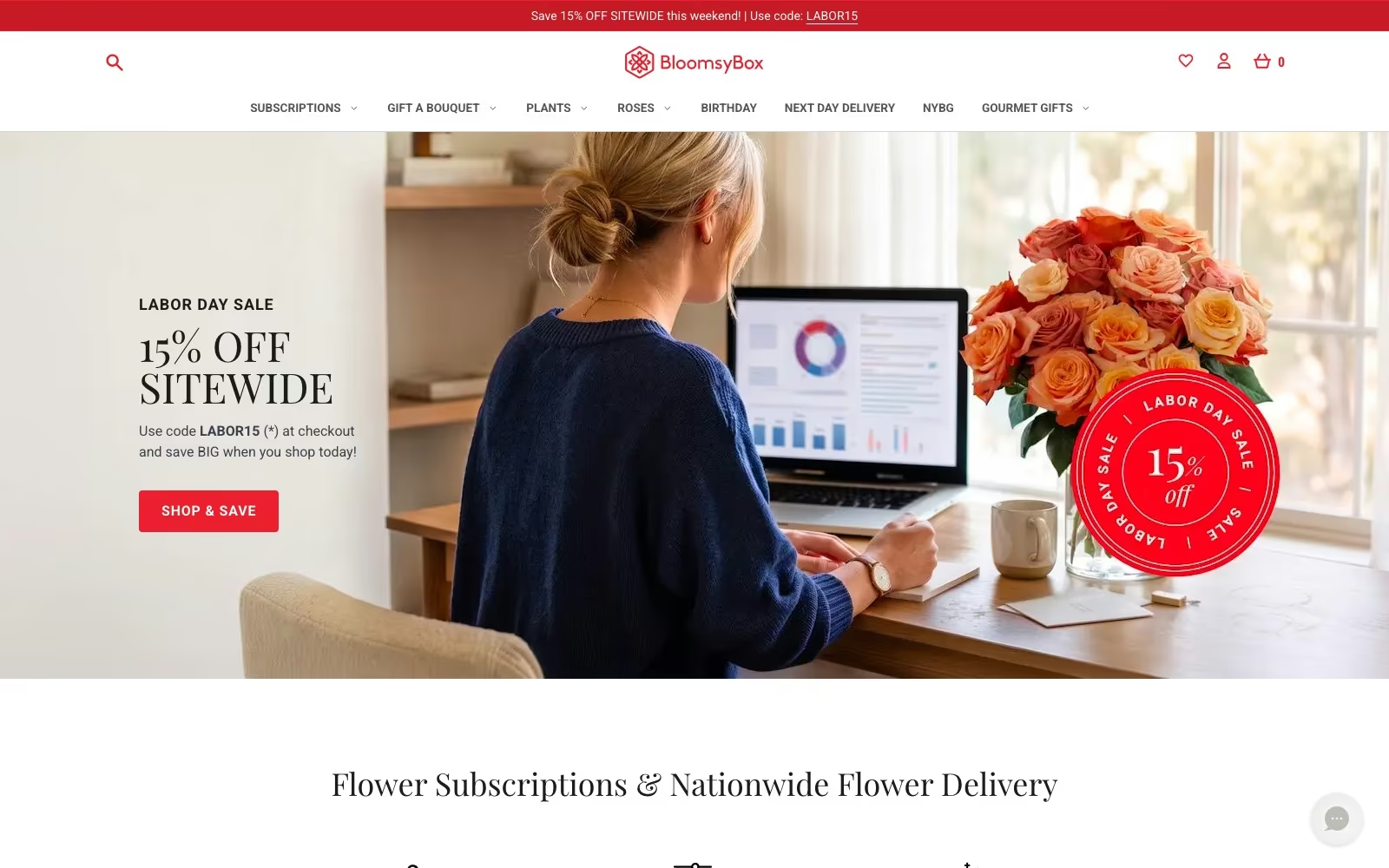

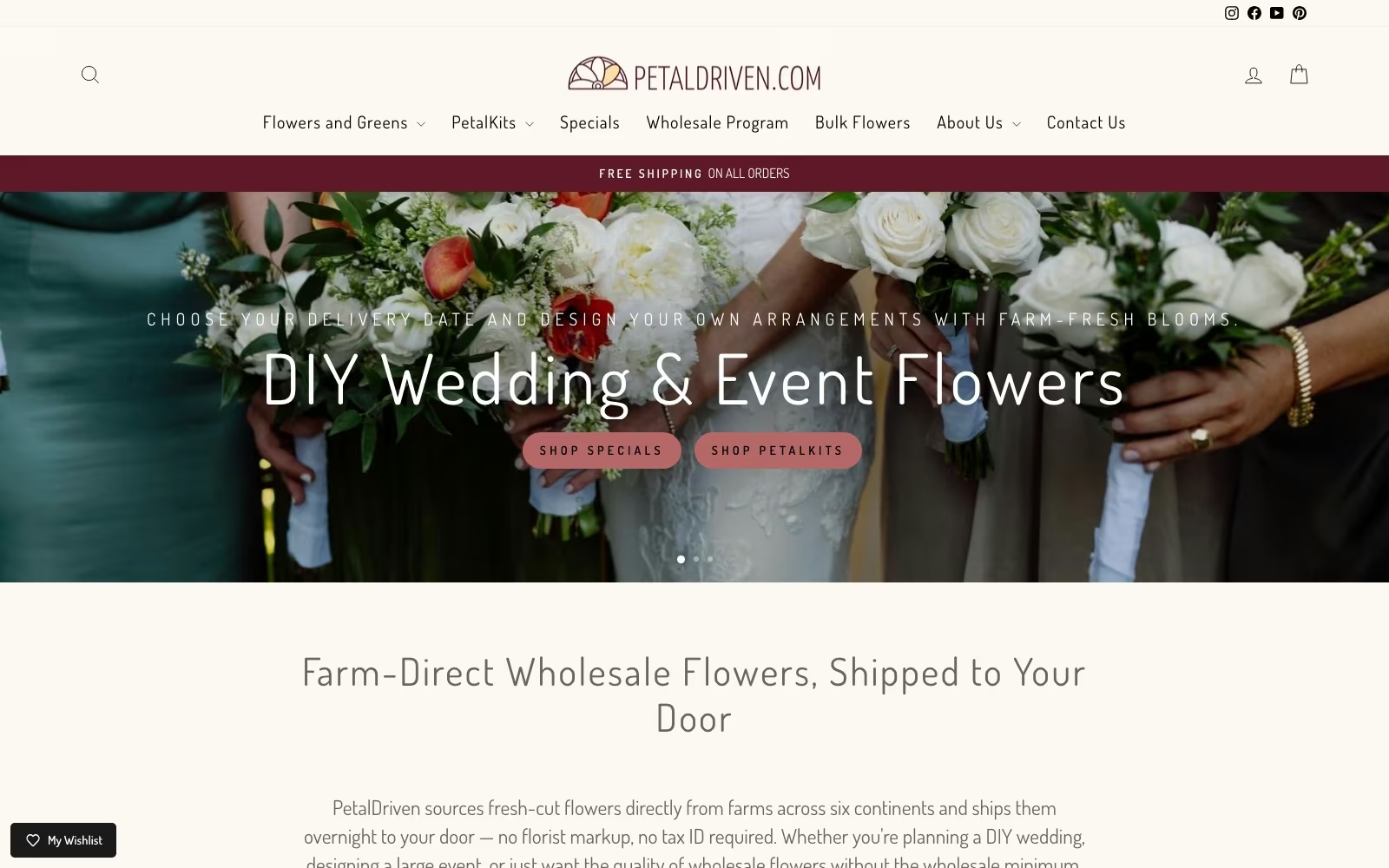



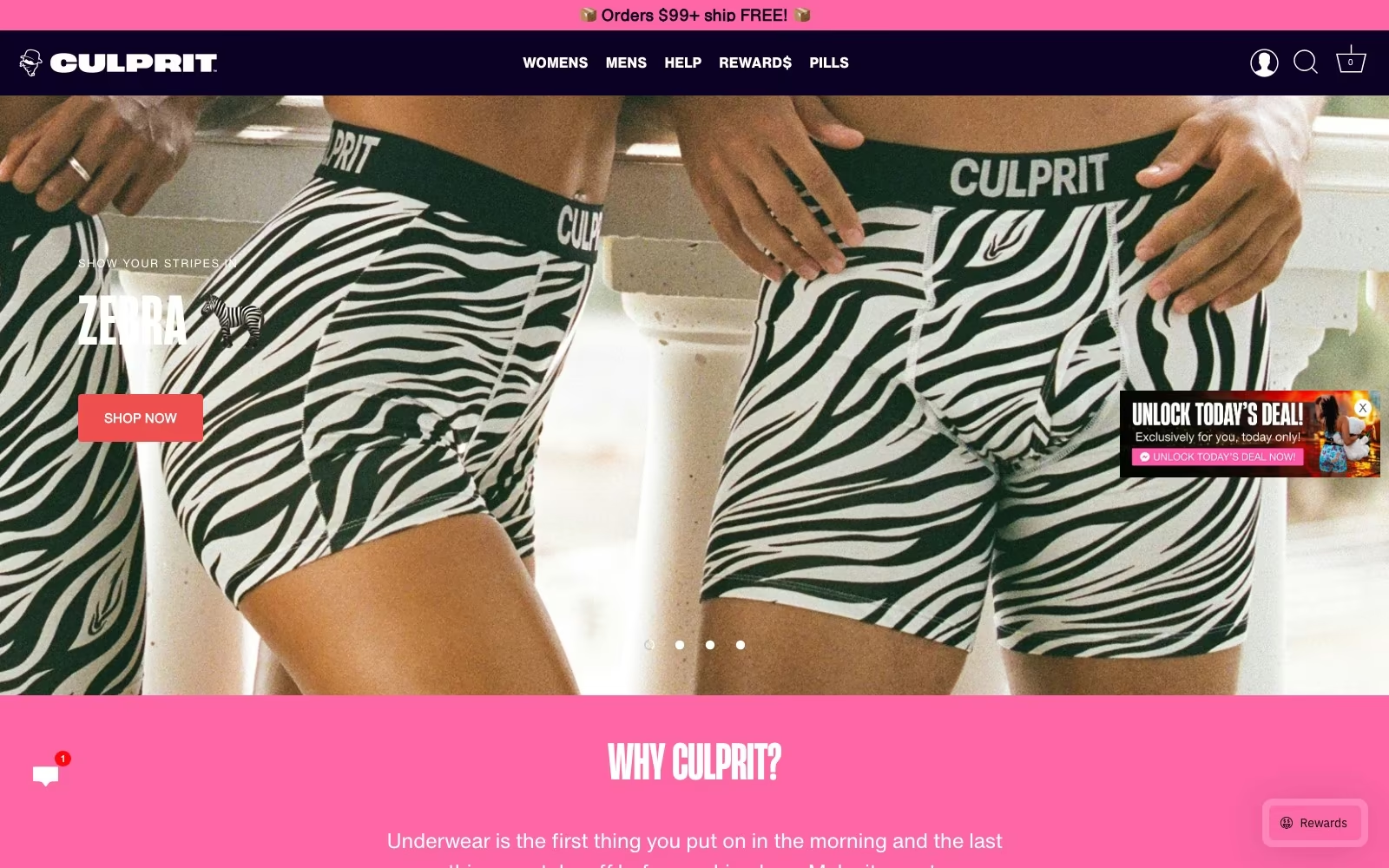





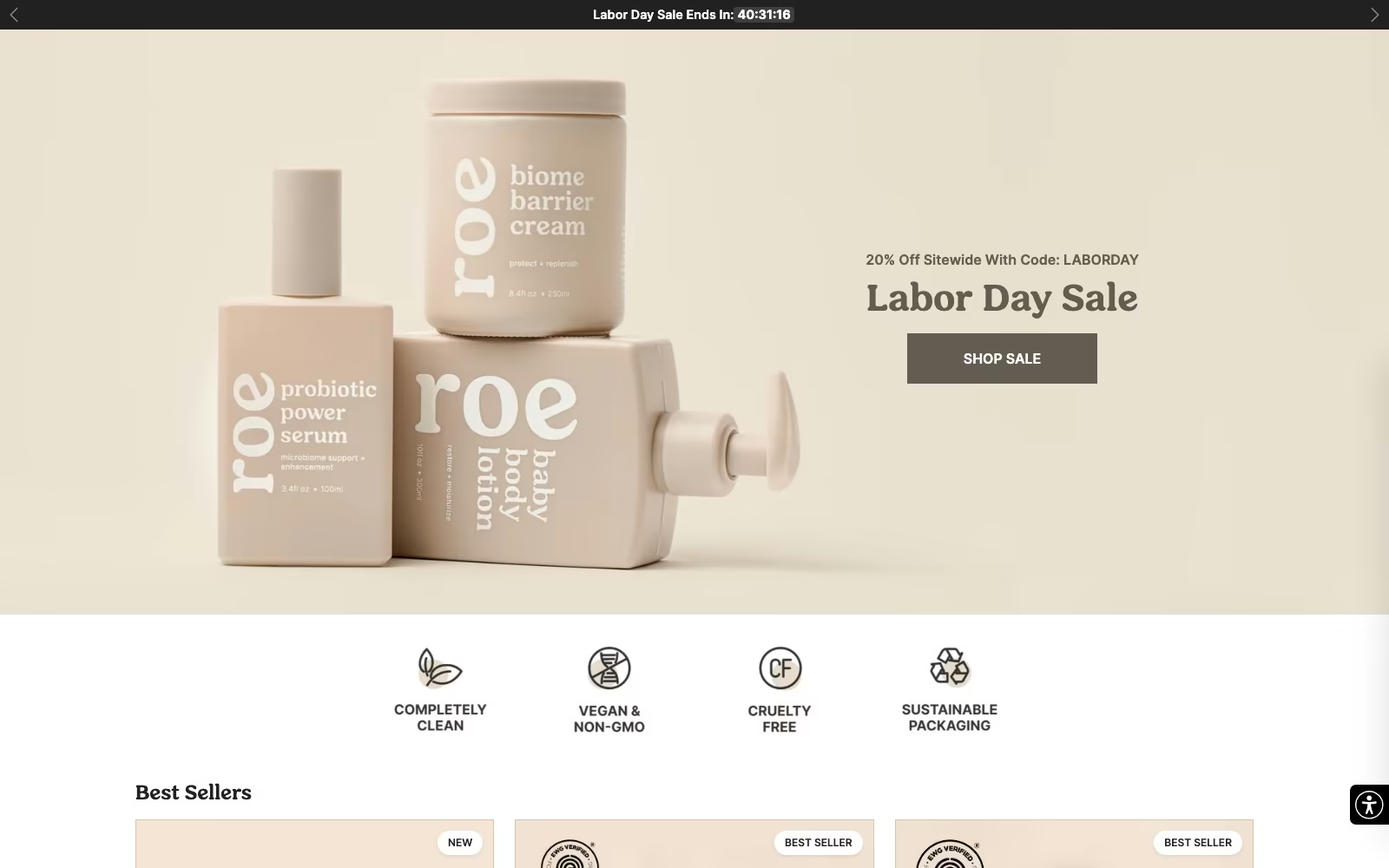



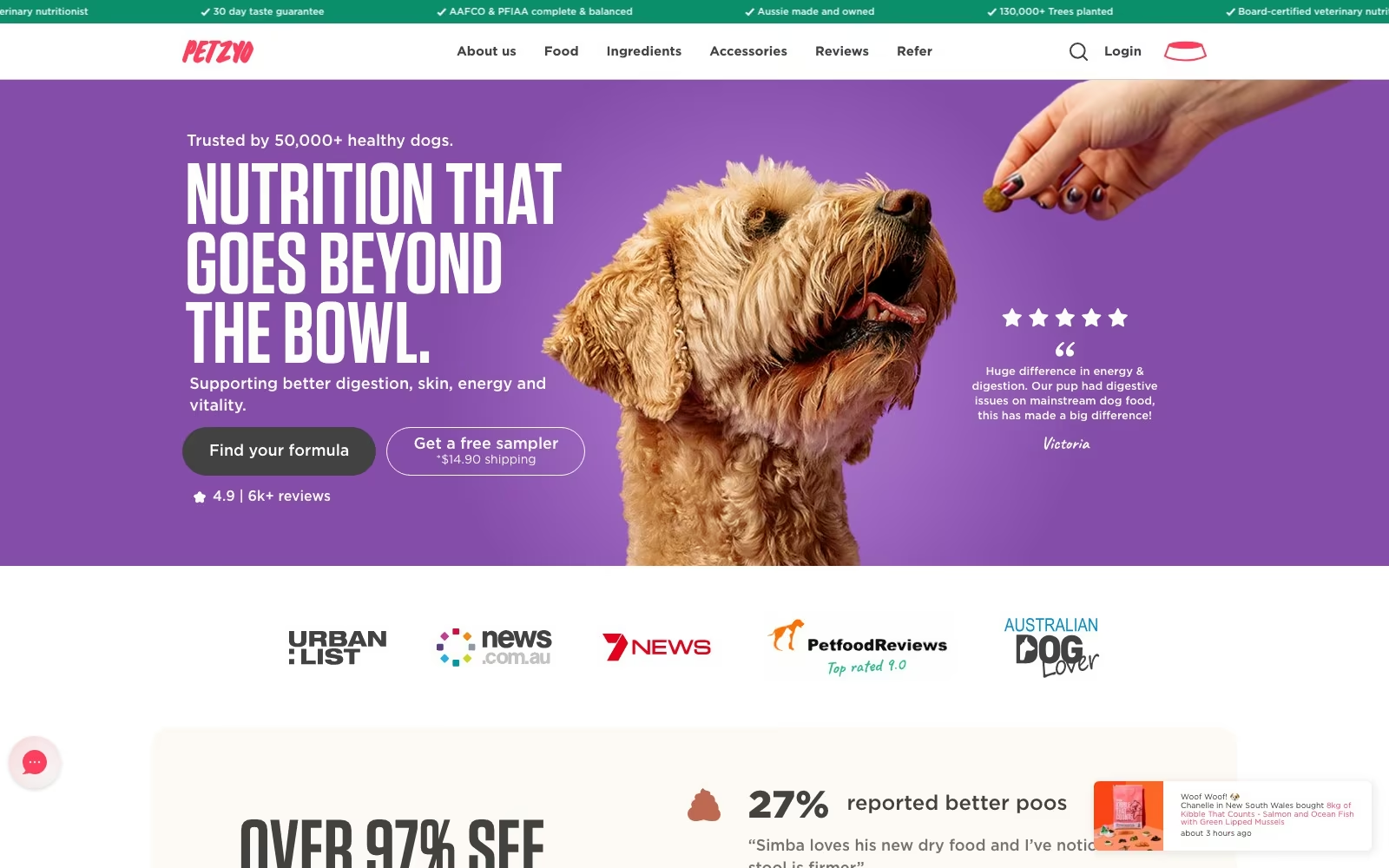



















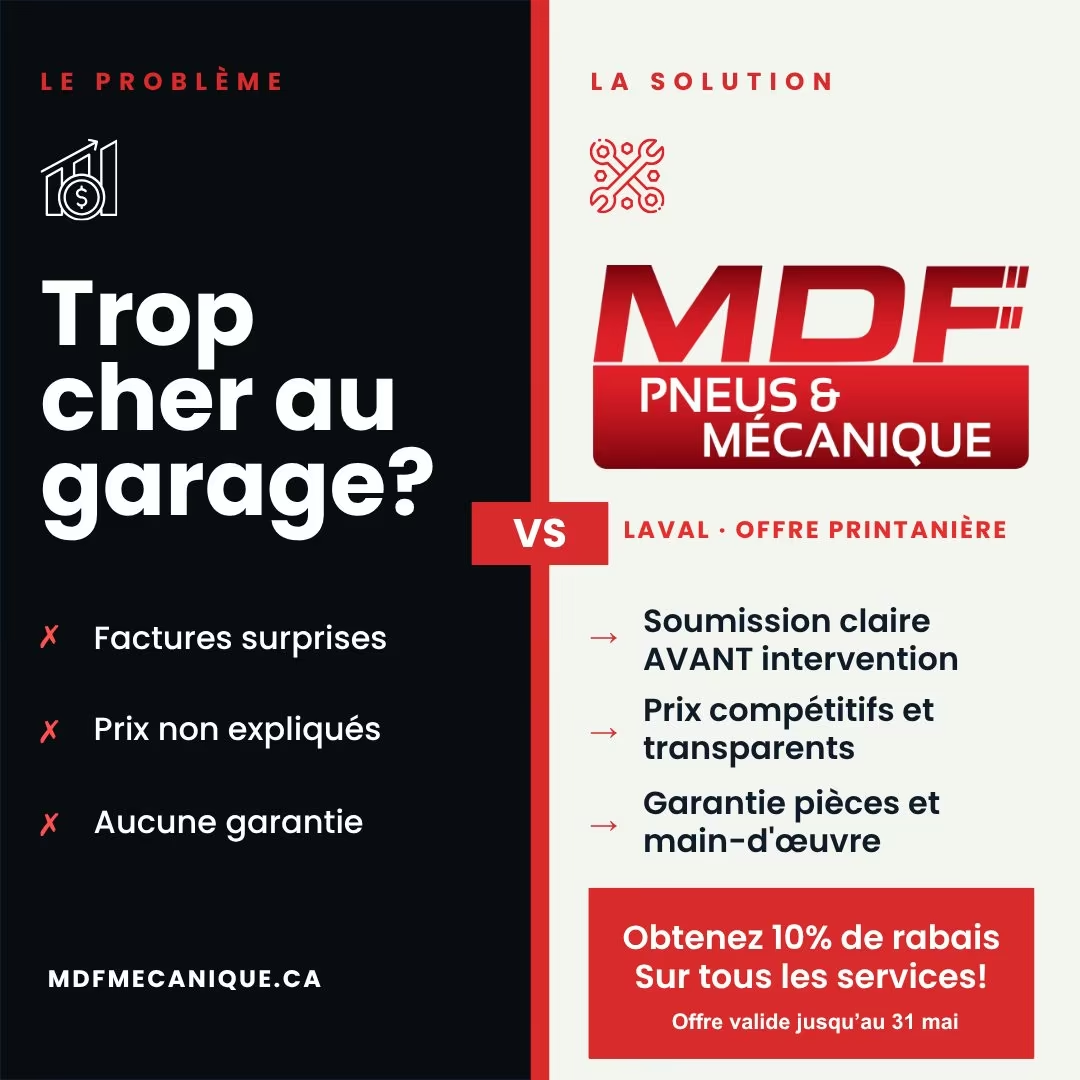







FAQ
What ecommerce teams ask us first.
Are ChatGPT ads actually available for ecommerce brands, or is this a pilot?
They are live and scaling quickly. Advertiser counts moved from 2,585 to 3,770 in one week last June and reached 7,378 distinct brands by mid-July. Formats, inventory and buying routes are still changing month to month, which is exactly why we run it as a capped, measured test rather than a rebuild of your media plan.
How much should an online store spend to test this properly?
Enough to gather honest data over a quarter without destabilising the channels that already pay your bills, which for most stores is a small share of existing paid budget. The benchmark is your own economics rather than a platform figure: with a median conversion rate of 1.74% and a median order value of $312, we can model the traffic volume needed for a credible read before spending anything.
Do you sell ChatGPT prompt packs or prompt templates?
No. Prompts are how we research the category — what shoppers ask, which brands get named, what objections come up, what price bands are quoted — and that research shapes ad copy, product pages and often your paid social angles too. Selling a folder of prompts would be selling you the notebook rather than the work.
How is this different from Google Shopping or Meta advertising?
Shopping catches someone who already knows roughly what they want, and Meta interrupts someone who was not shopping at all. An assistant conversation sits in between: the shopper is actively deciding, and the answer arrives as a recommendation rather than a grid of options. That changes the copy and the product data far more than it changes the buying discipline, which stays identical.
Will this cannibalise our existing paid social and shopping results?
Some overlap is inevitable and we would rather measure it than pretend otherwise. We isolate the channel in analytics, watch new customer rate rather than total orders, and keep an eye on whether blended margin actually improves as spend moves. If ChatGPT ads are only reshuffling orders you would have won anyway, the report will say so.
What does product data have to do with advertising here?
Almost everything. An assistant assembles its answer from whatever it can read about your products, so thin titles, missing attributes, out-of-date stock or reviews buried behind a script quietly disqualify you. Cleaning that up is unglamorous work that pays twice, because the same fixes lift shopping campaigns and organic product visibility whether or not the ads succeed.
Can you tell whether a sale came from an assistant?
Well enough to make budget decisions, and we are honest about the edges. Tagged placements and referral data attribute direct clicks cleanly. Some influence stays indirect, where a shopper reads a recommendation and later searches your brand, so we track branded search and direct sessions alongside the channel report rather than quietly claiming everything as ours.
Which product categories work best in this channel?
Considered purchases where people ask for advice: anything with specifications, sizing questions, compatibility, ingredients or a genuine comparison to make. Impulse and pure fashion buys are harder, because the conversation adds less. We start with the categories that combine assistant demand with margin that survives returns, then let the data move the budget.
What happens during Black Friday and other peak periods?
We plan for it rather than react. Budgets, copy and product priorities are agreed before the period starts, stock and delivery promises are checked so we never advertise something you cannot ship, and spend is throttled the moment inventory tightens. Peak is also when the maths changes fastest, so reporting moves to a weekly rhythm for the duration.
What does Web Tonic charge for this?
A fixed monthly fee scoped to the work rather than a percentage of media, so our incentive is efficiency instead of volume, and you pay the platforms directly. There is no long-term lock-in. If ChatGPT ads do not earn its place inside a quarter, we will recommend moving the money back and the research we produced stays with you.
How quickly will we know whether it works?
Directional signals within a few weeks, a decision-grade read at about ninety days. That gap is deliberate: assistant-driven shoppers tend to research over several sessions, so an early last-click view understates the channel while an over-eager scale-up overstates it. We show the leading indicators weekly and hold the scale-or-stop call until the margin data can carry it.
How do ChatGPT ads actually work inside the platform?
OpenAI places sponsored results inside conversational answers rather than on a separate results page, so an ad appears in the context of what the user asked. There is no keyword match type to bid on in the Google sense; the platform decides relevance from the conversation and your product data, which is why catalogue quality matters more here than bid tinkering. Formats and controls are still changing, and we brief you each month on what OpenAI has shipped and what it means for your campaign.
How do ChatGPT ads compare with Google Ads for an online store?
Google gives you keyword-level control, mature reporting and predictable auction behaviour; ChatGPT ads give you presence at the moment a buyer is being advised, with far less control and much less history to lean on. Neither replaces the other. In practice the stores getting value run Google and paid social as the base, add a capped ChatGPT budget on their best categories, and judge all three on the same margin line.
Can we target a specific audience or customer tier?
Not with the audience granularity you are used to. Targeting today is closer to context than to segments: the conversation, the product category and your catalogue signals decide who sees a sponsored placement, and the free tier of users carries most of the current ad inventory. So we shape who we reach through product selection, offer and copy instead of layered audience rules, and we say clearly what the platform does not yet let anyone control.
What data does OpenAI give advertisers about performance?
Less than Meta or Google, which is exactly why our tracking goes in first. Platform reporting covers the basics of delivery and clicks; everything that matters commercially — orders, new customers, returns, margin — comes from your own analytics with each placement tagged. If ChatGPT reporting and your store disagree, we treat your store as the truth and show both numbers in the monthly read.
Does buying ads help us get recommended organically in ChatGPT?
There is no evidence that paying makes an assistant recommend you in an unpaid answer, and we will not sell that idea. What genuinely helps both is the same content and product work: clear specifications, real reviews, consistent descriptions across the web, and pages that are easy to read. We run that alongside the ads because it lifts your visibility whichever way the platform evolves.
What do ChatGPT ads cost, and how is pricing set?
Pricing is still settling, and anyone quoting you a firm ecommerce CPC for this platform is guessing. What we can say from live accounts is that cost varies enormously by category and by how commercial the conversation is, and that early advertisers are generally paying less than mature search auctions for comparable intent. We model your break-even before launch from your own margin and order value, then hold ChatGPT ads to it like any other line.
What should we do first if we are not ready to buy ads yet?
Get your products readable. Fix titles and attributes, publish real reviews, make specifications and returns plain text, keep the feed accurate, and check that your Shopify content is not hidden behind scripts. That work costs no media budget, improves what assistants say about you today, and means the day you do sign off on a test the money is not paying to send buyers to a page that cannot close them.
Who on our team needs to be involved?
Less time than most agencies ask for. One working session at the start with whoever owns merchandising and margin, then about thirty minutes a week: a quick view of the performance summary and a decision on product priorities. Ecommerce teams are stretched, and the reporting is written so a founder can read it between meetings rather than needing a dashboard tour.
Can you run our other ecommerce marketing too?
Yes, and the numbers get more honest when one team holds them. Our paid social, Shopify and analytics specialists work from the same plan, so an order is attributed once instead of claimed by three vendors. Hiring us for this channel alone is equally fine — everything is documented and left in accounts you own.

.webp)
.webp)