Own the local freeway with ooh-ads
Houston OOH Ads Agency
Web Tonic is a trusted Houston OOH Ads Agency that plans and buys high impact outdoor media. We negotiate prime placements and connect billboard campaigns to measurable consumer action using advanced mobile data.






Tell us a little about your brand and we'll be in touch within 24 hours to lock in a time.


premium ooh and digital billboards panels planned across regional transit and street level, helping your brand secure unmatched exposure.
successful client partnerships delivered by our company, supporting food and retail businesses with exceptional roi on every sales dollar spent.
recall edge outdoor advertising holds over digital awareness spend, shaping a stronger company culture and personal connection.
mobile location data and search-lift measurement applied to connect local reach to action.
We made the difference FOR those brands



























































































































































































the shift
Why outdoor advertising is its own challenge
Driving defines the local market — marathon commutes mean millions of repeated, captive impressions every day. Out-of-home used to be difficult to measure, but mobile location data and digital ooh have ended that. The result is a channel delivering trusted reach no digital format matches, tied to branded search, site visits and footfall. Brands pairing high impact placements with digital retargeting turn awareness into action.
of consumers remember the outdoor advertising they see, among the strongest recall of any channel. We treat this shift as a planning input, helping companies shape their brand message.
of businesses say customers searched online after seeing an ad, bridging offline reach and online action. When companies deliver clear info, personal engagement follows.
digital ooh enables dynamic, daypart and corridor-targeted creative static boards never could. Companies that optimise inventory in real time capture superior ROI across the local media market.
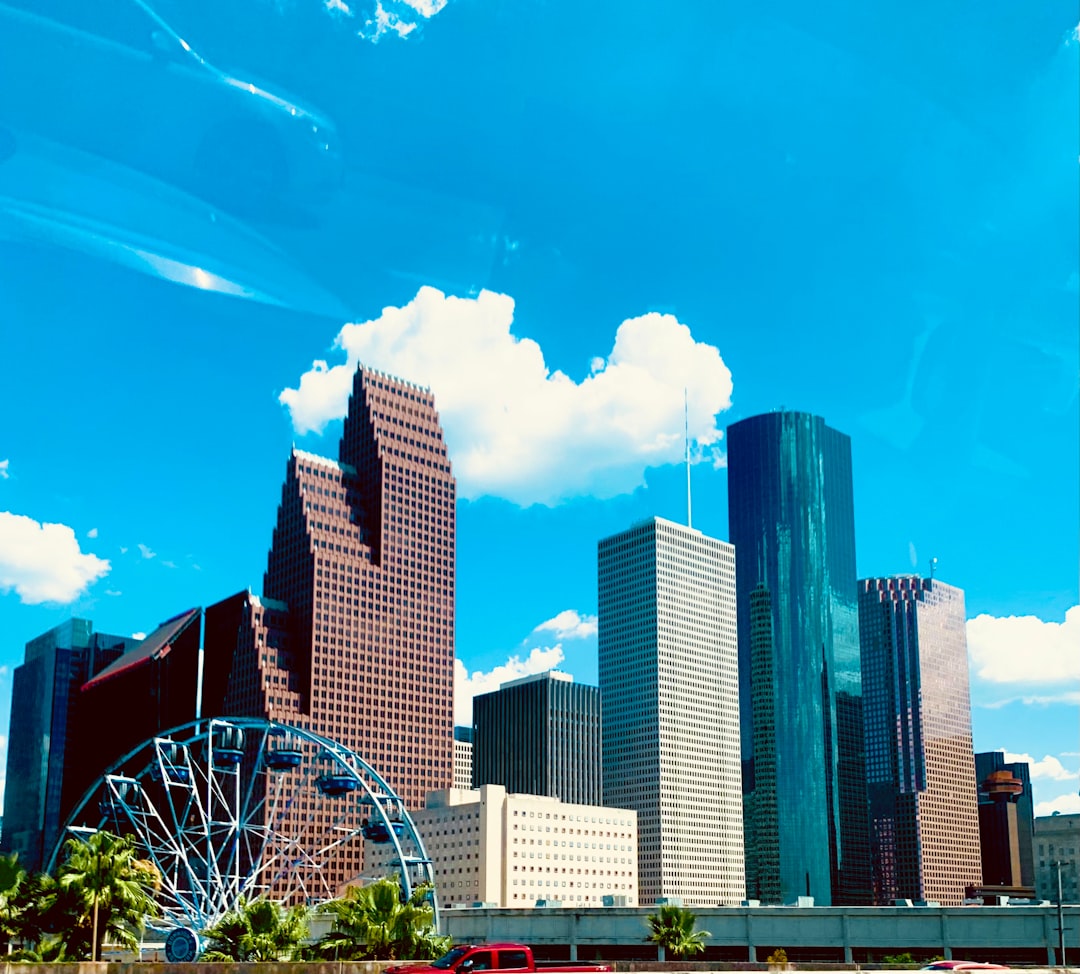
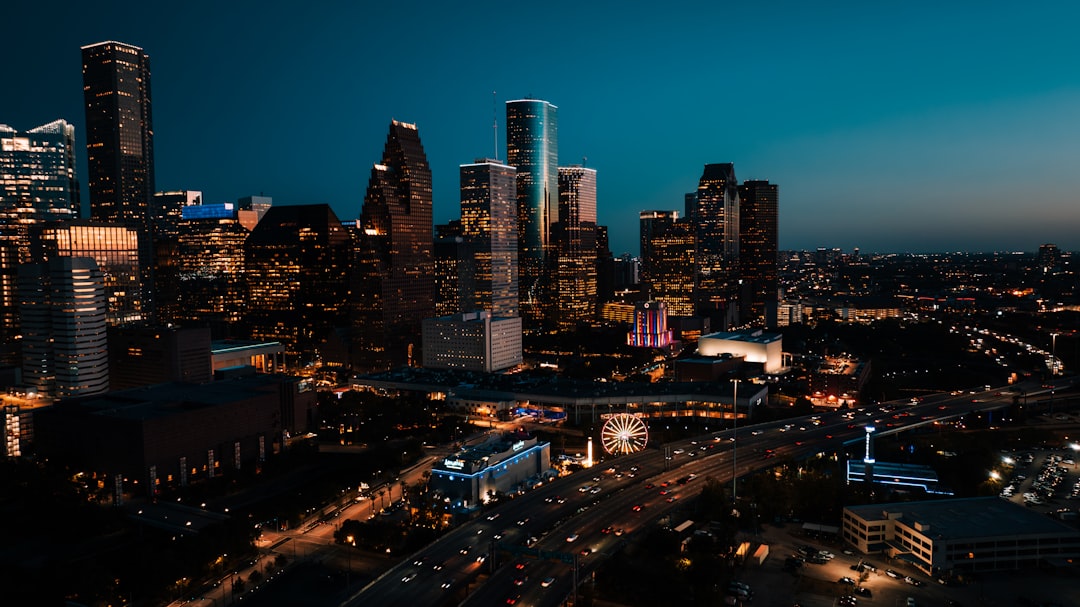
Houston's long freeway drives deliver repeated, captive exposure few markets can match. Treating this as optional today costs market-share next year.
our approach
How we plan ooh campaigns for our Houston customers
We run outdoor advertising as a measurable awareness channel. From audience and route analysis we plan high impact freeway and transit placements, negotiate the buy, design for the format, and tie the campaign to branded search and footfall through digital retargeting.

Route & corridor planning
We map where your target audiences actually drive along strategic billboard locations and select panels for maximum relevant exposure. Our team helps your company build a personal connection with consumers through targeted outdoor advertising.

Buying & negotiation
We negotiate static digital and traditional placements across vendors to secure premium freeway locations at efficient rates. Clear channel outdoor partnerships ensure top-tier inventory access and transparent terms.

Creative built for the format
We design creative for the realities of outdoor advertising — a few seconds at highway speed — so the message lands during a fast-moving commute. Costs are itemised against contribution, so trade-offs are explicit.

Tracking and retargeting
We connect exposure to branded search, site visits and footfall, and retarget exposed audiences digitally to close the loop. Sequenced by revenue impact, providing transparent info for every dollar spent.
Our office
Come say hello in Houston
America
Web Tonic Houston
Houston digital marketing agency for energy, oil & gas, healthcare, aerospace and medtech — SEO, Google Ads, social and web.
OFFICE ADDRESS
224 Hamilton St, Houston, TX 77002, United States
PHONE
+1 832 548 4609
[email protected]
Results & timeline
What measured ooh delivers in the media market Houston
Share of exposed audiences who recall well-placed creative — among the highest of any channel for building broad, durable awareness. Billboards provide exceptional recall for target audiences.
Typical rise in branded search during and after a strong flight, bridging offline reach to measurable online action. Sales dollar spent is optimised through careful tracking.
Digital billboards let us change creative by daypart, weather and corridor, flexibility static boards never had. Real time adjustments maximise exposure.
High traffic freeway and transit placements deliver mass reach across the region that fragmented digital can't match in one buy. Backed by the regional partnership framework and U.S. benchmarks.
What we optimize
Ooh built sector by sector for the local economy

Energy & petrochemicals
For energy brands we place high-impact creative along key corridors that builds stature with an industry audience. Inputs are weighted toward the channels this sector trusts, including outdoor advertising and strategic billboard locations.

Medical & life sciences
For healthcare we place trust-building awareness near medical centers and residential corridors with clear, compliant messaging. Compliance and tone are tuned to the regulators in your category, supported by digital ooh.

Aerospace & space
For tech and aerospace we run launch and hiring-focused campaigns around Nasa facilities and commuter routes where talent travels. Volume targets are set off your sector seasonality, incorporating mobile location data.

Manufacturing & industrial
For manufacturers we place B2B awareness along industrial corridors and the freeways their buyers and workforce drive. Onboarding and ramp pace match your sector tolerance for change, backed by clear channel partners in Tx.

Logistics, port & trade
For logistics and trade we place creative near port, warehouse and beltway corridors where the supply chain moves. Re-pressure-tested every quarter as the category and the auction shift, providing solid exposure for businesses.

Professional & business services
For consumer and professional services we drive footfall with geo-targeted digital billboards across busy freeway and retail nodes. Tested against your real cohorts before going broad across the local media market.
Our working model
out-of-home advertising in Houston, step by step
Services

Out-of-home builds broad, trusted awareness; pair it with the rest of the digital stack. Our seo, Google Ads, Meta and programmatic teams capture and retarget the demand ooh advertising creates so billboard reach becomes measurable action.
.avif)
faq
Answered questions.


















Built on trust. Proven by results.
We partner with SMBs and Fortune 500 companies to deliver more than reach — we bring clarity, execution, and measurable outcomes. Every successful partnership starts with a strong culture fit and a shared drive to grow.






.webp)
.webp)